1. Search Result
Search Result
Results for "

LASV lineage II isolate 0043/LV/14

" in MedChemExpress (MCE) Product Catalog:

76

Inhibitors & Agonists

7

Peptides

1

Inhibitory Antibodies

5

Natural
Products

13

Recombinant Proteins

1

Isotope-Labeled Compounds

14

Antibodies

3

Oligonucleotides

Cat. No. Product Name Target Research Areas Chemical Structure
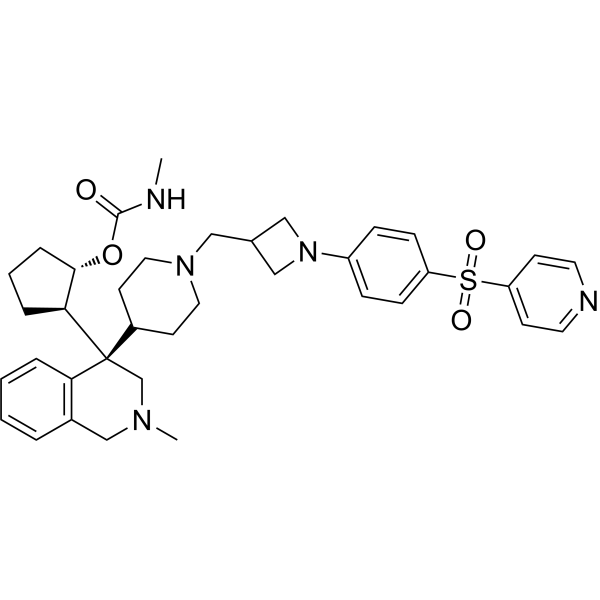
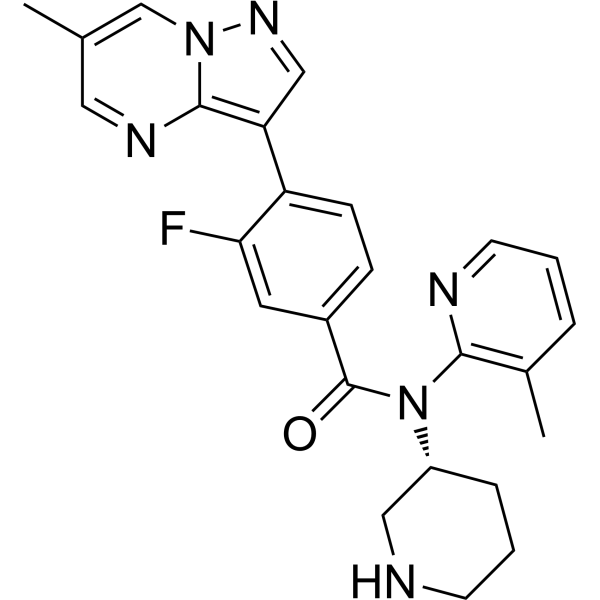
  • HY-101524
    TC13172
    3 Publications Verification

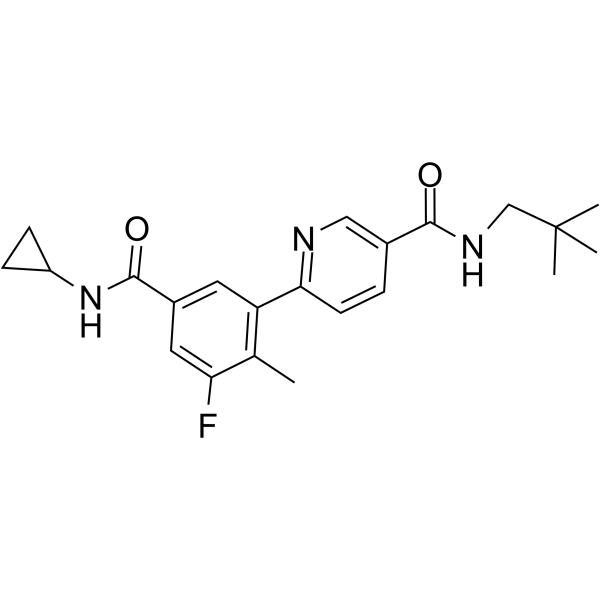
    Mixed Lineage Kinase Cancer
    TC13172 is a mixed lineage kinase domain-like protein (MLKL) inhibitor with an EC50 value of 2 nM for HT-29 cells .
    TC13172
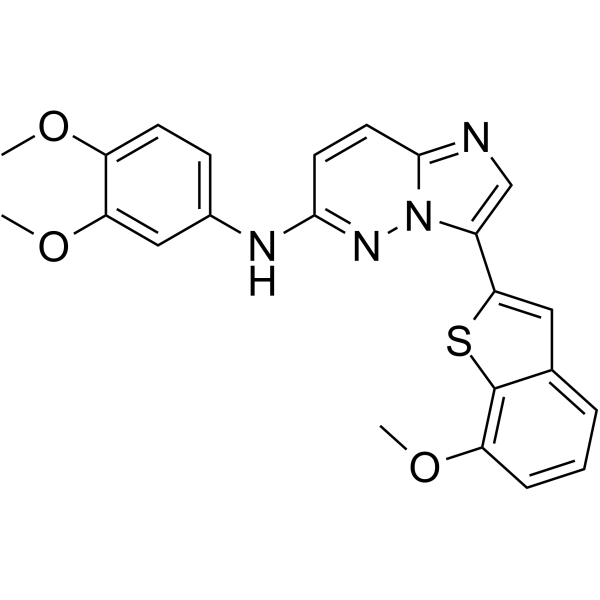
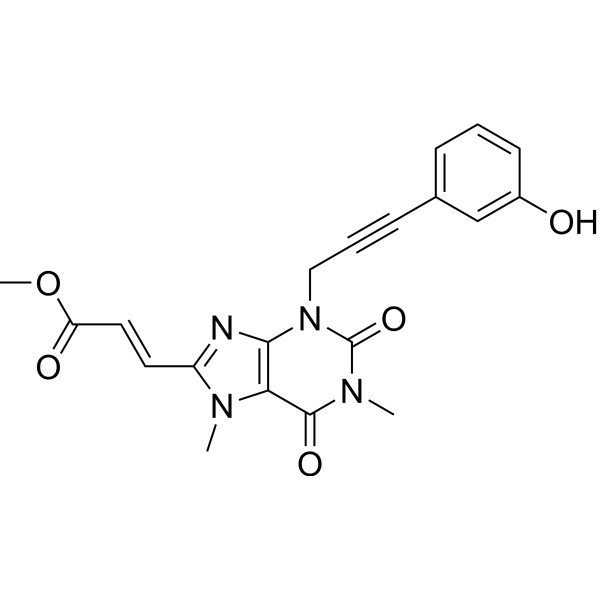
  • HY-12599
    URMC-099
    5+ Cited Publications

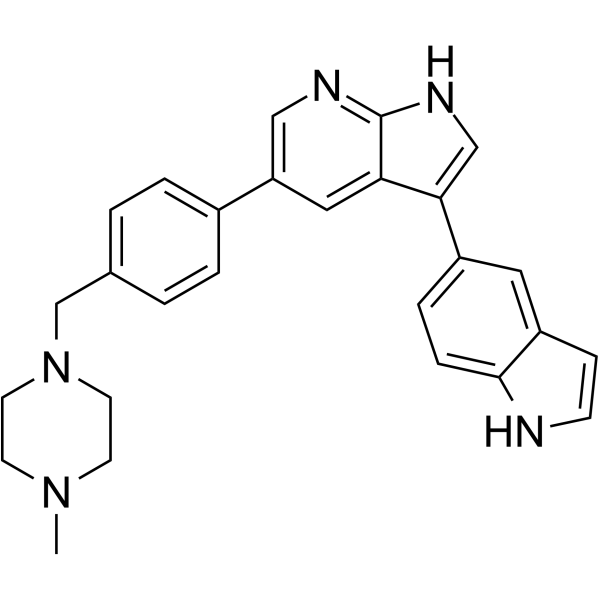
    Mixed Lineage Kinase Autophagy Neurological Disease Cancer
    URMC-099 is an orally bioavailable and potent mixed lineage kinase type 3 (MLK3) (IC50=14 nM) inhibitor with with excellent blood-brain barrier penetration properties.
    URMC-099
  • HY-112292
    GW806742X
    Maximum Cited Publications
    23 Publications Verification

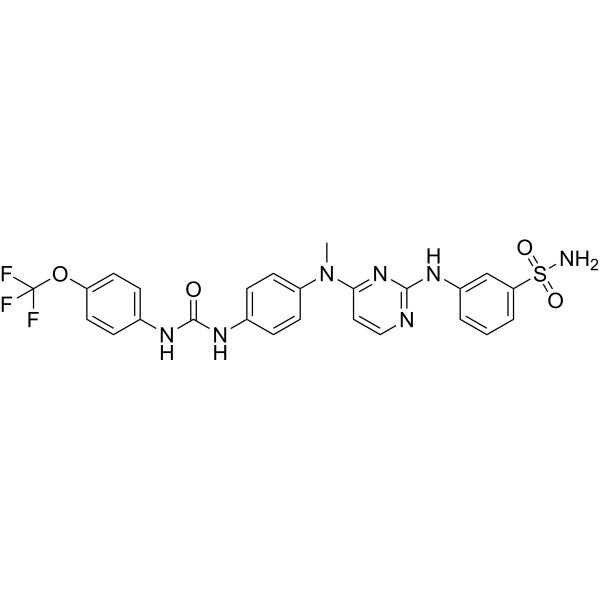
    Mixed Lineage Kinase VEGFR Others
    GW806742X, an ATP mimetic and a potent MLKL (Mixed Lineage Kinase Domain-Like protein) inhibitor, binds the MLKL pseudokinase domain with a Kd of 9.3 μM. GW806742X has activity against VEGFR2 (IC50=2 nM). GW806742X retards MLKL membrane translocation and inhibits necroptosis .
    GW806742X
  • HY-N7122

    Endogenous Metabolite Inflammation/Immunology Cancer
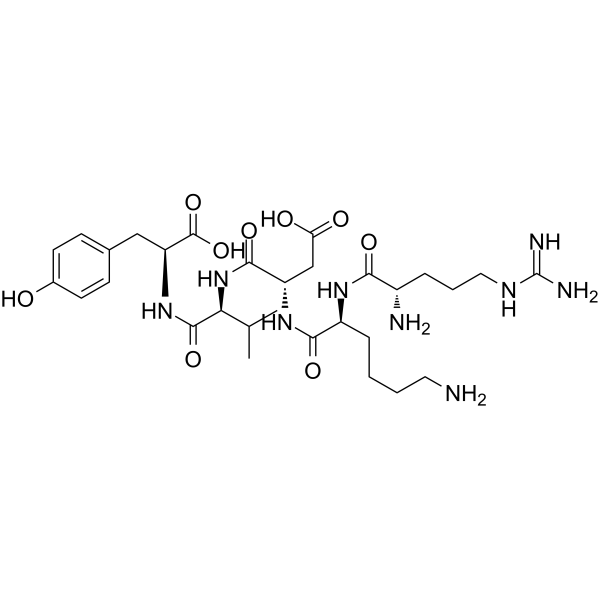
    Thymopentin is a biologically active peptide secreted mainly by the epithelial cells of thymic cortex and medulla. Thymopentin is an effective immunomodulatory agent with a short plasma half-life of 30 seconds. Thymopentin enhances the generation of T-cell lineage derived from human embryonic stem cells (hESCs) .
    Thymopentin
  • HY-156794

    DSP-5336

    Epigenetic Reader Domain FLT3 Cancer
    Enzomenib (DSP-5336) is an orally active Menin inhibitor (IC50=1.4 nM, Kd=6.0 nM). Enzomenib disrupts the interaction between Menin and KMT2A/MLL fusion proteins, specifically inhibits the expression of leukemia driver genes such as HOX/MEIS1, and upregulates ITGAM. Enzomenib effectively induces cell differentiation, inhibits tumor cell proliferation, and suppresses primitive cell colony formation. Enzomenib reduces disease burden and prolongs survival, but causes adverse reactions including differentiation syndrome and QTc interval prolongation. Enzomenib is used for research on relapsed/refractory acute myeloid leukemia, acute lymphoblastic leukemia, and other hematologic malignancies with mixed lineage leukemia (MLL) rearrangements or NPM1 mutations .
    Enzomenib
  • HY-19347
    WDR5-0103
    1 Publications Verification

    WD-Repeat Protein 5-0103

    WDR5 Neurological Disease Cancer
    WDR5-0103 (WD-Repeat Protein 5-0103) is a potent and selective WD repeat-containing protein 5 (WDR5) antagonist with a Kd of 450 nM. WDR5-0103 competitively binds to the peptide-binding pocket of WDR5, blocking the interaction between WDR5 and mixed-lineage leukemia (MLL) protein and inhibiting the methyltransferase activity of MLL. WDR5-0103 is mainly used in the research of cancer and neurodegenerative diseases .
    WDR5-0103
  • HY-10412

    KT7515

    JNK Mixed Lineage Kinase MDM-2/p53 Neurological Disease
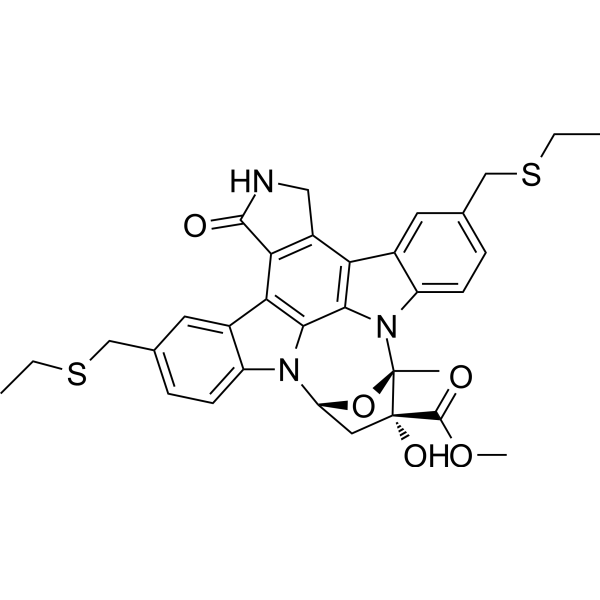
    CEP-1347 is an inhibitor of the JNK/SAPK pathway with neuroprotective effects. CEP-1347 blocks JNK1 activation induced by members of the mixed lineage kinase (MLK) family (MLK3, MLK2, MLK1, dual leucine zipper kinase, and leucine zipper kinase). As an inhibitor of MDM4, CEP-1347 can more effectively inhibit the growth of glioma cells expressing wild-type p53 .
    CEP-1347
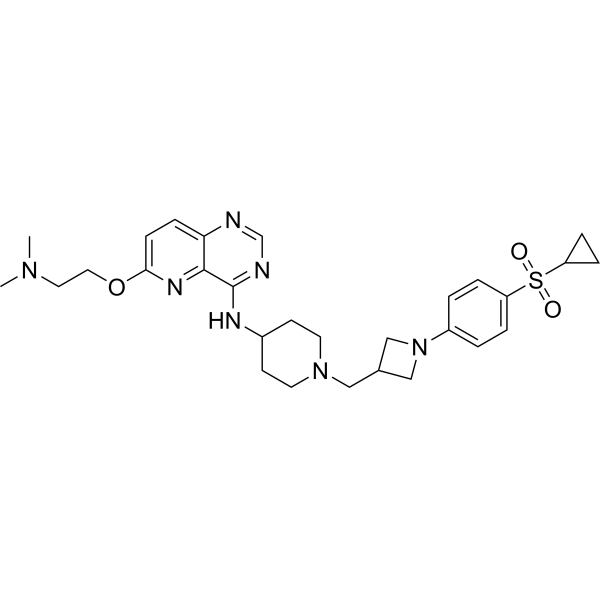
  • HY-128347

    Epigenetic Reader Domain Inflammation/Immunology Cancer
    M-89 is a highly potent and specific menin inhibitor, with a Kd of 1.4 nM for binding to menin. M-89 inhibits the menin-mixed lineage leukemia (Menin-MLL) protein-protein interaction and has potential to study MLL leukemia. M-89 inhibits the cell growth in leukemia cell lines carrying MLL fusion .
    M‑89
  • HY-126037
    (±)-ML 209
    1 Publications Verification

    ROR Inflammation/Immunology
    (±)-ML 209 (compound 4n), a diphenylpropanamide, is a retinoic acid-related orphan receptor RORγ antagonist with an IC50 of 1.1 μM. (±)-ML 209 inhibits RORγt transcriptional activity with an IC50 of 300 nM in HEK293t cells. (±)-ML 209 inhibits the transcriptional activity of RORγt, but not RORα in cells. (±)-ML 209 selectively inhibits murine Th17 cell differentiation without affecting the differentiation of naïve CD4 + T cells into other lineages, including Th1 and regulatory T cells .
    (±)-ML 209
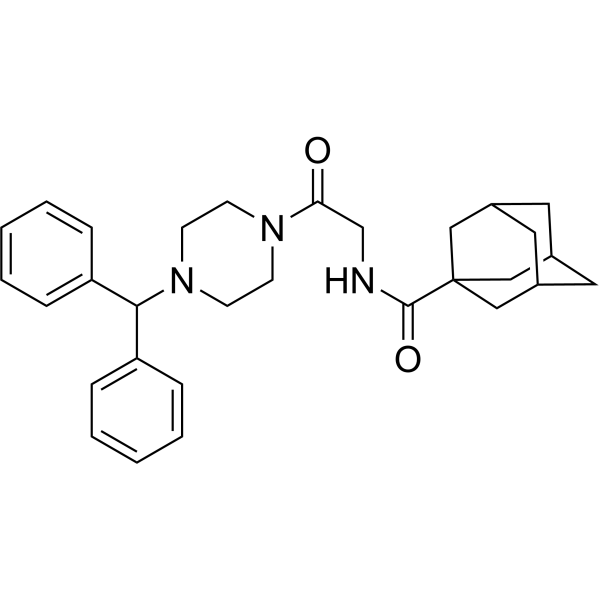
  • HY-124871

    Arenavirus Infection
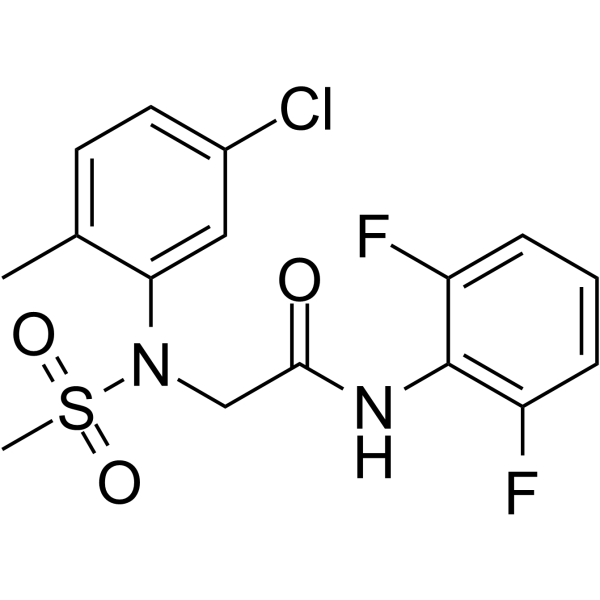
    LASV-IN-1 is a Lassa fever virus (LASV) inhibitor. LASV-IN-1 binds with LASV glycoprotein (GP) and promotes virus membrane fusion and infection. LASV-IN-1 can be used for LASV infection research .
    LASV-IN-1
  • HY-117948

    Epigenetic Reader Domain Cancer
    ML399 is a Menin-Mixed Lineage Leukemia (MLL) protein-protein interaction inhibitor.
    ML399
  • HY-100590

    BRD6125

    Cytochrome P450 Others
    FPH1(BRD-6125) increases the number and activity of primary human hepatocytes in vitro and promotes the differentiation of iPS cells towards a hepatic lineage .
    FPH1
  • HY-111351

    Mixed Lineage Kinase Neurological Disease
    MLK-IN-1 is a potent, brain penetrant and specific mixed lineage kinase 3 (MLK-3) inhibitor, compound 68, extracted from patent US20140256733A1 .
    MLK-IN-1
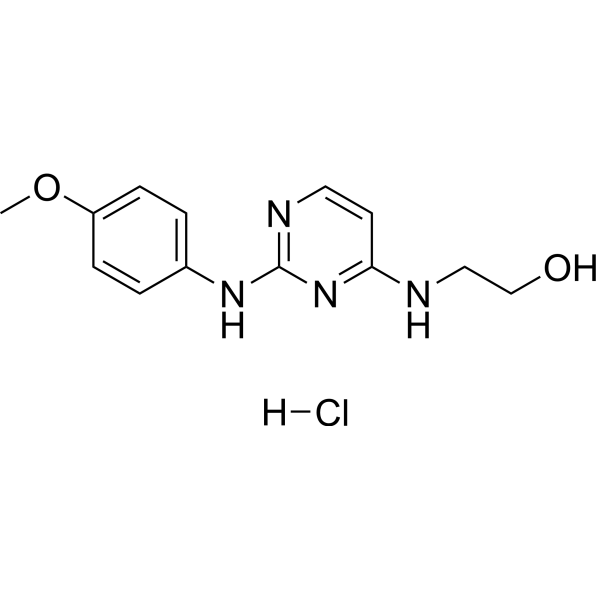
  • HY-12319A

    β-catenin Wnt Cardiovascular Disease
    Cardiogenol C hydrochloride is a potent cell-permeable pyrimidine inducer which prompts the differentiation of ESCs into cardiomyocytes (EC50=100 nM) . Cardiogenol C hydrochloride also acts cardiomyogenic on already lineage-committed progenitor cell types with a limited degree of plasticity. Cardiogenol C hydrochloride is a useful cardiomyogenic agent and can be used as a tool to improve cardiac repair by cell transplantation therapy in animal models .
    Cardiogenol C hydrochloride
  • HY-144399

    Transmembrane Glycoprotein Neurological Disease
    CD33 splicing modulator 1 (Compound 1) is a CD33 splicing modulator. CD33/Siglec 3 is a myeloid lineage cell surface receptor that is known to regulate microglia activity. CD33 splicing modulator 1 increases exon 2 skipping in cellular mRNA pools. CD33 splicing modulator 1 has the potential for the research of neurodegenerative disease including Alzheimer's disease .
    CD33 splicing modulator 1
  • HY-151595

    Epigenetic Reader Domain Cancer
    Menin-MLL inhibitor-22 (compound C20) is an orally active inhibitor of the interaction between menin and mixed lineage leukemia (MLL) (IC50=7 nM). Menin-MLL inhibitor-22 binds menin protein and inhibits cancer cell growth (MV4 cells, IC50=0.3 μM). Menin is a putative tumor suppressor associated with multiple endocrine neoplasia type 1 (MEN-1 syndrome) .
    Menin-MLL inhibitor-22
  • HY-P2196A
    ELA-32(human) TFA
    1 Publications Verification

    Apelin Receptor (APJ) Cancer
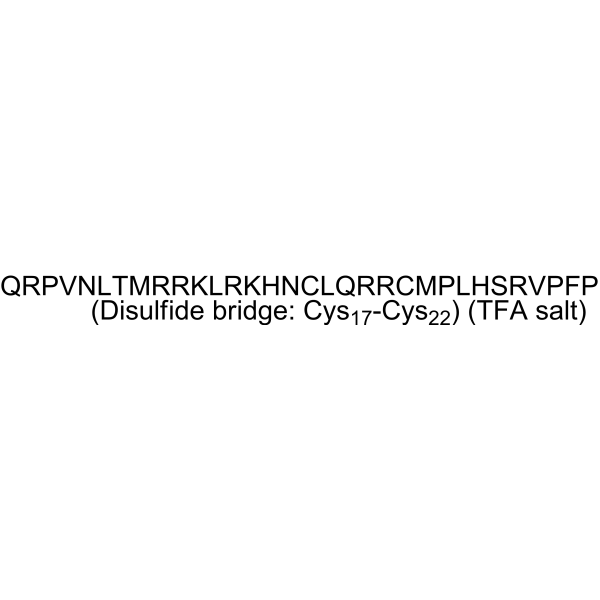
    ELA-32(human) TFA is a potent, high affinity apelin receptor agonist (IC50=0.27 nM; Kd=0.51 nM). ELA-32(human) TFA exhibits no binding GPR15 and GPR25. ELA-32(human) TFA activates the PI3K/AKT pathway and promotes self-renewal of hESCs via cell-cycle progression and protein translation. ELA-32(human) TFA also potentiates the TGFβ pathway, priming hESCs toward the endoderm lineage. ELA-32(human) TFA stimulates angiogenesis in HUVEC cells.
    ELA-32(human) TFA
  • HY-P2632

    RADA16

    Biochemical Assay Reagents Neurological Disease
    RAD16-I (RADA16) is a non-directed self-assembling peptide hydrogel. Under physiological conditions, RAD16-I spontaneously forms a three-dimensional nanofiber network that mimics the extracellular matrix, and possesses excellent properties such as high water content, biocompatibility and degradability. RAD16-I serves as an ideal scaffold for three-dimensional cell culture. RAD16-I not only maintains cell viability and induces self-organization, but also supports cell adhesion, proliferation, differentiation and insulin secretion, effectively stabilizes islet clusters and promotes directed differentiation of the cardiac lineage. RAD16-I can construct a cell-friendly nano-microenvironment for research related to diseases such as myocardial infarction and diabetes .
    RAD16-I
  • HY-156119

    Mixed Lineage Kinase Necroptosis Metabolic Disease Cancer
    MLKL-IN-6 (compound P28) is a mixed lineage kinase inhibitor targeting Mixed Lineage Kinase domain-like (MLKL). MLKL-IN-6 inhibits cell necrosis. MLKL-IN-6 inhibits MLKL phosphorylation and oligomerization during cell necrosis, inhibits immune cell death, and reduces the expression of adhesion factors. MLKL-IN-6 has low cytotoxicity, and it inhibits hepatic stellate cell activation, reduces liver fibrosis marker levels, and has anti-fibrotic effects .
    MLKL-IN-6
  • HY-112292A
    GW806742X hydrochloride
    Maximum Cited Publications
    23 Publications Verification

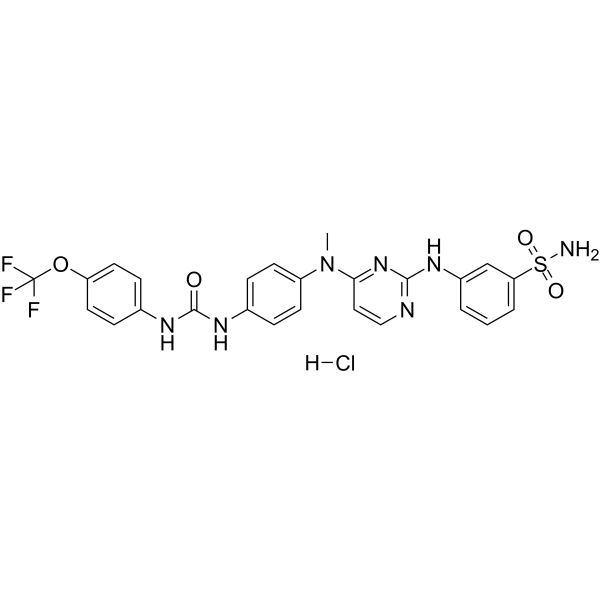
    Mixed Lineage Kinase VEGFR Cancer
    GW806742X hydrochloride, an ATP mimetic and a potent MLKL (Mixed Lineage Kinase Domain-Like protein) inhibitor, binds the MLKL pseudokinase domain with a Kd of 9.3 μM. GW806742X hydrochloride has activity against VEGFR2 (IC50=2 nM). GW806742X hydrochloride retards MLKL membrane translocation and inhibits necroptosis .
    GW806742X hydrochloride
  • HY-153331

    WDR5 Cancer
    DDO-2213 is an orally active and potent WDR5-MLL1 inhibitor, with an IC50 of 29 nM and a Kd value of 72.9 nM for the WDR5 protein. DDO-2213 selectively inhibits MLL (mixed lineage leukemia) histone methyltransferase activity and the proliferation of MLL translocation-harboring cells. DDO-2213 can be used for MLL fusion leukemia research .
    DDO-2213
  • HY-14572

    SN 27858

    DNA Alkylator/Crosslinker Drug Metabolite Cancer
    PR-104A (SN 27858) is the alcohol metabolite of phosphate proagent PR-104. PR-104A is a hypoxia-selective DNA cross-linking agent/DNA-damaging agent and cytotoxin. Antitumor Activity . PR-104A is metabolized under hypoxia by the 1-electron NADPH:cytochrome P450 oxidoreductase. PR-104A can be used for the research of relapsed/refractory T-lineage acute lymphoblastic leukemia (T-ALL) .
    PR-104A
  • HY-156768

    E1/E2/E3 Enzyme Cancer
    Cbl-b-IN-12 (Example 10) is a casitas B-lineage lymphoma-b (CBL-B) inhibitor with an IC50 of <100 nM .
    Cbl-b-IN-12
  • HY-161977

    E1/E2/E3 Enzyme Inflammation/Immunology
    Cbl-b-IN-26 (Example A1) is a Cbl-b inhibitor with a Kd of 34.6 nM . Cbl-b-IN-26 can be used in the study of chronic viral infections and cancer .
    Cbl-b-IN-26
  • HY-156765

    E1/E2/E3 Enzyme Cancer
    Cbl-b-IN-9 (Compound 300) is a casitas B-lineage lymphoma-b (Cbl-b) and c-Cbl inhibitor with IC50s of 5.6 nM and 4.7 nM, respectively .
    Cbl-b-IN-9
  • HY-N7122A

    Endogenous Metabolite Inflammation/Immunology Cancer
    Thymopentin acetate is a biologically active peptide secreted mainly by the epithelial cells of thymic cortex and medulla. Thymopentin acetate is an effective immunomodulatory agent with a short plasma half-life of 30 seconds. Thymopentin acetate enhances the generation of T-cell lineage derived from human embryonic stem cells (hESCs) .
    Thymopentin acetate
  • HY-100869

    WDR5 Cancer
    MM-589 is a potent inhibitor of WD repeat domain 5 (WDR5) and mixed lineage leukemia (MLL) protein-protein interaction. MM-589 binds to WDR5 with an IC50 of 0.90 nM and inhibits the MLL H3K4 methyltransferase activity with an IC50 of 12.7 nM .
    MM-589
  • HY-155477

    E1/E2/E3 Enzyme Cancer
    Cbl-b-IN-15 (compound 25) is an inhibitor of the RING finger E3 ligase Cbl (IC50: 15 nM). Cbl-b refers to Casitas B-lineage lymphoma proto-oncogene-b, which inhibits T-cell, natural killer (NK) cell, and B-cell activation. Cbl-b-IN-15 activates T cell function with EC50=0.41 μM .
    Cbl-b-IN-15
  • HY-148365

    Mixed Lineage Kinase RIP kinase CDK Cancer
    NecroIr1 is an iridium(III) complex, serves as necroptosis inducers in Cisplatin (HY-17394)-resistant lung cancer cells (A549R). NecroIr1 selectively accumulates in mitochondria, leading to oxidative stress and loss of mitochondrial membrane potential (MMP). NecroIr1 activates receptor-interacting serine-threonine kinase 3 (RIPK3) and Mixed Lineage Kinase (MLKL), and regulates CDK4 expression .
    NecroIr1
  • HY-148366

    Mixed Lineage Kinase RIP kinase CDK Cancer
    NecroIr2 is an iridium(III) complex, serves as necroptosis inducers in Cisplatin (HY-17394)-resistant lung cancer cells (A549R). NecroIr2 selectively accumulates in mitochondria, leading to oxidative stress and loss of mitochondrial membrane potential (MMP). NecroIr2 activates receptor-interacting serine-threonine kinase 3 (RIPK3) and mixed lineage kinase domain-like pseudokinase (MLKL), and regulates CDK4 expression .
    NecroIr2
  • HY-149393

    Mixed Lineage Kinase RIP kinase Cancer
    RIPK3-IN-3 (compound 20) is a selective inhibitor of RIP kinase RIPK3 (IC50=10 nM). RIPK3 mediates the phosphorylation of Mixed Lineage Kinase (MLKL) and causes necroptosis, while RIPK3-IN-3 inhibits p-MLKL oligomerization and thereby inhibits necroptosis. RIPK3-IN-3 also downregulates CXCL5 secretion and inhibits AsPC-1 cell migration and invasion .
    RIPK3-IN-3
  • HY-156764

    E1/E2/E3 Enzyme Cancer
    Cbl-b-IN-8 (Compound 293) is a casitas B-lineage lymphoma-b (Cbl-b) and c-Cbl inhibitor with IC50s of 5.5 nM and 7.8 nM, respectively .
    Cbl-b-IN-8
  • HY-141431

    E1/E2/E3 Enzyme Inflammation/Immunology Cancer
    Cbl-b-IN-2 (Example 8) is an orally bioavailable compound, can inhibit the E3 enzyme Casitas B-lineage lymphoma proto-oncogene-b (Cbl-b) in the ubiquitin proteasome pathway. Cbl-b-IN-2 can be used to modulate the immune system and diseases amenable to immune system modulation. Cbl-b-IN-2 (Example 8) also may be administered to an individual with cancer, either alone or as part of a combination, with one or more of an immune checkpoint inhibitor, an anti-neoplastic agent, and radiation agent .
    Cbl-b-IN-2
  • HY-N0811

    NO Synthase COX NF-κB MEK Inflammation/Immunology
    Anemarsaponin B is a steroidal saponin. Anemarsaponin B decreases the protein and mRNA levels of iNOS and COX-2. Anemarsaponin B reduces the expressions and productions of pro-inflammatory cytokines, including TNF-a and IL-6. Anemarsaponin B inhibits the nuclear translocation of the p65 subunit of NF-κB by blocking the phosphorylation of IκBα. Anemarsaponin B also inhibits the phosphorylation of MAP kinase kinases 3/6 (MKK3/6) and mixed lineage kinase 3 (MLK3). Anti-inflammatory effect .
    Anemarsaponin B
  • HY-178172

    Histone Methyltransferase c-Myc Epigenetic Reader Domain HOXA Cancer
    AF9/ENL-DOT1L/AF4 PPI-IN-1 is a potent AF9/ENL and histone methyltransferase DOT1L/AF4 protein-protein interactions (PPI) inhibitor. AF9/ENL-DOT1L/AF4 PPI-IN-1 can inhibit the AF9-DOT1L (IC50 = 1.5 μM), AF9-AF4 (IC50 = 1 μM), ENL-AF4 (IC50 = 1.2 μM) interactions. AF9/ENL-DOT1L/AF4 PPI-IN-1 can suppress the expression of Mixed lineage leukemia (MLL) target genes Myc and Meis1 and selectively block the proliferation of MLL-r and several other leukemia cells. AF9/ENL-DOT1L/AF4 PPI-IN-1 exhibits significant antitumor activities in a mouse model of MLL-r leukemia without overt toxicities. AF9/ENL-DOT1L/AF4 PPI-IN-1 can be used for the study of MLL-r leukemia .
    AF9/ENL-DOT1L PPI-IN-1
  • HY-158173

    E1/E2/E3 Enzyme Inflammation/Immunology Cancer
    Cbl-b-IN-19 (Compound 49) is an inhibitor for casitas B-lineage lymphoma b(Cbl-b), that inhibits Cbl-b phosphorylation with an IC50 < 100 nM .
    Cbl-b-IN-19
  • HY-156763

    E1/E2/E3 Enzyme Cancer
    Cbl-b-IN-7 (Compound 248) is a casitas B-lineage lymphoma-b (Cbl-b) and c-Cbl inhibitor with IC50s of 6.7 nM and 5.2 nM, respectively .
    Cbl-b-IN-7
  • HY-156767

    E1/E2/E3 Enzyme Cancer
    Cbl-b-IN-11 (Compound 466) is a casitas B-lineage lymphoma-b (Cbl-b) and c-Cbl inhibitor with IC50s of 6.4 nM and 6.1 nM, respectively .
    Cbl-b-IN-11
  • HY-100869A

    WDR5 Cancer
    MM-589 TFA is a potent inhibitor of WD repeat domain 5 (WDR5) and mixed lineage leukemia (MLL) protein-protein interaction. MM-589 binds to WDR5 with an IC50 of 0.90 nM and inhibits the MLL H3K4 methyltransferase activity with an IC50 of 12.7 nM .
    MM-589 TFA
  • HY-12319

    β-catenin Wnt Cancer
    Cardiogenol C is a potent cell-permeable pyrimidine inducer which prompts the differentiation of ESCs into cardiomyocytes (EC50=100 nM) . Cardiogenol C also acts cardiomyogenic on already lineage-committed progenitor cell types with a limited degree of plasticity. Cardiogenol C is a useful cardiomyogenic agent and can be used as a tool to improve cardiac repair by cell transplantation therapy in animal models .
    Cardiogenol C
  • HY-151542

    Mixed Lineage Kinase Necroptosis RIP kinase Neurological Disease
    MLKL-IN-4 (compound 56) is a potent MLKL (Mixed lineage kinase domain-like protein) inhibitor. MLKL-IN-4 inhibits necroptosis in HT-29 cells and acts downstream of MLKL phosphorylation, with EC50 of 82 nM . MLKL-IN-4 is a click chemistry reagent, it contains an Alkyne group and can undergo copper-catalyzed azide-alkyne cycloaddition (CuAAc) with molecules containing Azide groups.
    MLKL-IN-4
  • HY-151541

    Mixed Lineage Kinase Necroptosis Neurological Disease
    MLKL-IN-3 (compound 66) is a potent MLKL (Mixed lineage kinase domain-like protein) inhibitor. MLKL-IN-3 inhibits necroptosis in HT-29 cells and acts downstream of MLKL phosphorylation, with EC50 of 31 nM . MLKL-IN-3 is a click chemistry reagent, it contains an Alkyne group and can undergo copper-catalyzed azide-alkyne cycloaddition (CuAAc) with molecules containing Azide groups.
    MLKL-IN-3
  • HY-169072

    PROTACs Mixed Lineage Kinase Cancer
    PROTAC MLKL Degrader-2 (compound MP-1) is a PROTAC targeting MLKL (Mixed Lineage Kinase). PROTAC MLKL Degrader-2 is composed of PROTAC target protein ligand PROTAC MLKL Degrader-2 (HY-169072) (red part), E3 ligase ligand Thalidomide (HY-14658) (blue part) and PROTAC Linker N-Methylpiperazine (HY-78871) (black part), among which the conjugate of E3 ubiquitin ligase ligand + Linker is Thalidomide-N-methylpiperazine (HY-169074) [1] .
    PROTAC MLKL Degrader-2
  • HY-178464

    RIP kinase Mixed Lineage Kinase Necroptosis Neurological Disease Inflammation/Immunology
    RIPK1-IN-34 is a selective, brain-penetrant RIPK1 inhibitor (IC50 = 126.70 nM) with almost no inhibitory effect on RIPK3 (IC50 > 10, 000 nM). RIPK1-IN-34 offers substantial neuroprotection by inhibiting the phosphorylation of RIPK1, RIPK3, and mixed lineage kinase domain-like pseudokinase (MLKL) within the necroptosis pathway. RIPK1-IN-34 shows the neuroprotective effect in a rat middle cerebral artery occlusion (MCAO) model. RIPK1-IN-34 can be used for the study of anti-acute ischemic stroke (AIS) .
    RIPK1-IN-34
  • HY-W700452

    Isotope-Labeled Compounds Apoptosis ROCK Cancer
    Y-27632-d4 hydrochloride hydrate is the deuterium labeled Y-27632 hydrochloride hydrate (HY-10071A). Y-27632 hydrochloride hydrate is an orally active, ATP-competitive inhibitor of ROCK-I and ROCK-II, with Kis of 220 and 300 nM, respectively. Y-27632 hydrochloride hydrate attenuates Doxorubicin-induced apoptosis of human cardiac stem cells. Y-27632 hydrochloride hydrate also suppresses dissociation-induced apoptosis of murine prostate stem/progenitor cells. Y-27632 hydrochloride hydrate primes human induced pluripotent stem cells (hIPSCs) to selectively differentiate towards mesendodermal lineage via epithelial-mesenchymal transition-like modulation .
    Y-27632-d4 hydrochloride hydrate
  • HY-P992155

    Arevirumab-3

    Arenavirus Infection
    Arevirumab (Arevirumab-3) is a pan-lineage neutralizing human monoclonal antibody cocktail (8.9F, 12.1F, 37.D). Arevirumab protects cynomolgus monkeys from severe Lassa fever caused by lineage II and III LASV isolates. Arevirumab is applicable to research related to Lassa fever .
    Arevirumab
  • HY-12625

    Epigenetic Reader Domain Others
    MIV-6 is a small molecule inhibitor that inhibits menin-mixed lineage leukemia (MLL) interaction and exhibits strong selective activity in MLL leukemia cells with IC50 = 56 nM.
    MIV-6
  • HY-156762

    E1/E2/E3 Enzyme Cancer
    Cbl-b-IN-6 (Compound 246) is a casitas B-lineage lymphoma-b (Cbl-b) and c-Cbl inhibitor with IC50s of 6.7 nM and 5.2 nM, respectively .
    Cbl-b-IN-6
  • HY-134921

    Epigenetic Reader Domain Cancer
    MI-nc dihydrochloride is a weak inhibitor of the Menin-MLL fusion protein interaction with an IC50 of 193 μM. MI-nc dihydrochloride can be used as a negative control compound of MI-2 .
    MI-nc dihydrochloride
  • HY-121397

    ROS Kinase Inflammation/Immunology
    Phyltetralin (Compound 10) is a natural product than can be isolated from the hexane-ethyl acetate extract of Phyllanthus amarus leaves. Phyltetralin possesses immunosuppressive effects on different lineages of innate immune system .
    Phyltetralin

Inquiry Online

Your information is safe with us. * Required Fields.

Salutation


Country or Region *

Applicant Name *


Organization Name *

Department *


Email Address *


Product Name *

Cat. No.


Requested quantity *

Phone Number *


Remarks

Inquiry Online

Inquiry Information

Product Name:
Cat. No.:
Quantity:
MCE Japan Authorized Agent:

