



708219-39-0
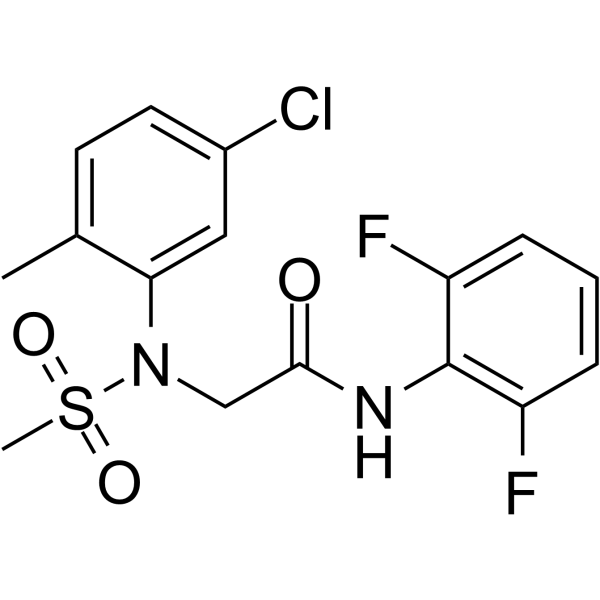
Chemical Structure
FPH1
Synonym(s): BRD6125
- CAS. Nr.: 708219-39-0
- Formula:C16H15ClF2N2O3S
- Molecular Weight:388.82
IUPAC Name: 2-(N-(5-chloro-2-methylphenyl)methylsulfonamido)-N-(2,6-difluorophenyl)acetamide
InChIKey: WAOBCCBUTHNTFO-UHFFFAOYSA-N
SMILES: O=C(NC1=C(F)C=CC=C1F)CN(C2=CC(Cl)=CC=C2C)S(=O)(C)=O
Biological Activity: FPH1 (BRD6125) is a hepatocyte proliferation agent that promotes functional proliferation of primary human hepatocytes and improves hepatocyte proliferation and secretory phenotypes. FPH1 promotes hepatocyte differentiation and maturation of human mesenchymal stem cells, and induces transcriptional upregulation of adult liver xenobiotic metabolism enzymes, including CYP2D6, CYP3A4, CYP2C19, and MAO-A. FPH1-induced chemical maturation confers primaquine sensitivity and reduces P. yoelii-luc and P. falciparum infection. FPH1 can be used in research related to liver diseases, such as liver failure and Plasmodium infection[1][2][3][4].
| Art. -Nr. | Produktname | Reinheit | Beschreibung | Pricing | |||||||||||||||||||
|---|---|---|---|---|---|---|---|---|---|---|---|---|---|---|---|---|---|---|---|---|---|---|---|
|
|
FPH1 | 99.89% | FPH1 (BRD6125) is a hepatocyte proliferation agent that promotes functional proliferation of primary human hepatocytes and improves hepatocyte proliferation and secretory phenotypes. FPH1 promotes hepatocyte differentiation and maturation of human mesenchymal stem cells, and induces transcriptional upregulation of adult liver xenobiotic metabolism enzymes, including CYP2D6, CYP3A4, CYP2C19, and MAO-A. FPH1-induced chemical maturation confers primaquine sensitivity and reduces P. yoelii-luc and P. falciparum infection. FPH1 can be used in research related to liver diseases, such as liver failure and Plasmodium infection. | ||||||||||||||||||||
|
loading...
/
|
|||||||||||||||||||||||
|
|
FPH1 (Standard) | ≥98% | FPH1 (Standard) (BRD6125 (Standard)) is the analytical standard of FPH1 (HY-100590). This product is intended for research and analytical applications. FPH1 (BRD6125) is a hepatocyte proliferation agent that promotes functional proliferation of primary human hepatocytes and improves hepatocyte proliferation and secretory phenotypes. FPH1 promotes hepatocyte differentiation and maturation of human mesenchymal stem cells, and induces transcriptional upregulation of adult liver xenobiotic metabolism enzymes, including CYP2D6, CYP3A4, CYP2C19, and MAO-A. FPH1-induced chemical maturation confers primaquine sensitivity and reduces P. yoelii-luc and P. falciparum infection. FPH1 can be used in research related to liver diseases, such as liver failure and Plasmodium infection. | ||||||||||||||||||||
|
loading...
/
|
|||||||||||||||||||||||
-
Similarity Score 0.61
 HY-123304MBX2546
-
Similarity Score 0.51
 HY-183929Antiviral agent 87
-
Similarity Score 0.50
 HY-182681AV-9606-129
-
Similarity Score 0.49
 HY-14445RFK 3311 (Standard)
-
Similarity Score 0.49
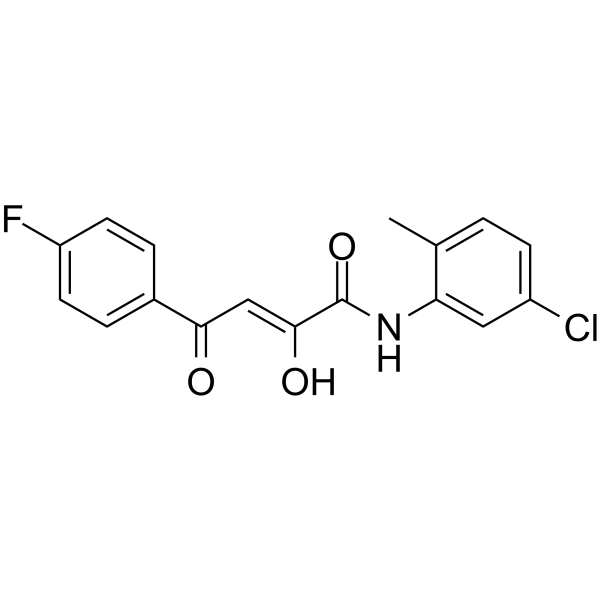 HY-123972SEC inhibitor KL-2
-
Similarity Score 0.49
 HY-104005RML335 (Standard)
-
Similarity Score 0.49
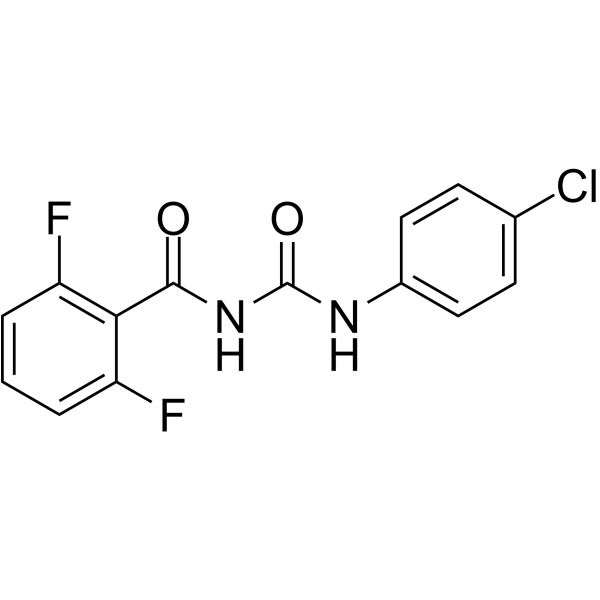 HY-B1973Diflubenzuron
-
Similarity Score 0.48
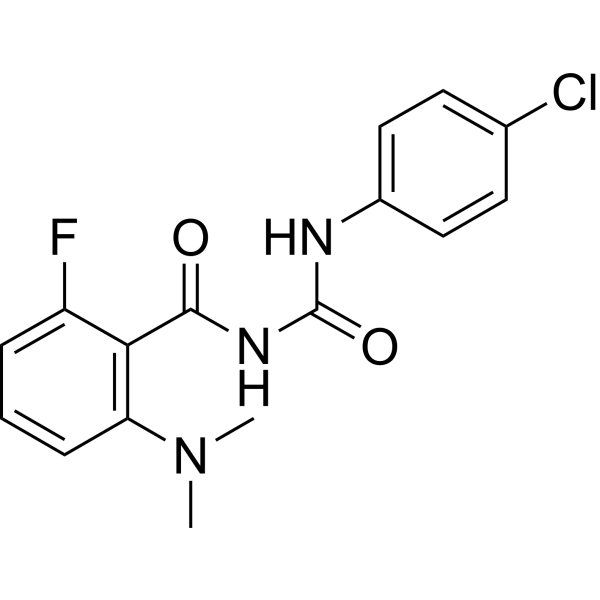 HY-106825Clanfenur
-
Similarity Score 0.47
 HY-181981NTPDase/NPP1-IN-1
-

Explore the MedChemAI to find more analogs


References
- [1]. Ng S, et al. Human iPSC-derived hepatocyte-like cells support Plasmodium liver-stage infection in vitro. Stem cell reports. 2015 Mar 10;4(3):348-59. [Content Brief]
- [2]. Yuan L, et al. Agonist c-Met Monoclonal Antibody Augments the Proliferation of hiPSC-derived Hepatocyte-Like Cells and Improves Cell Transplantation Therapy for Liver Failure in Mice. Theranostics. 2019;9(7):2115-2128.
- [3]. Shan J, et al. Identification of small molecules for human hepatocyte expansion and iPS differentiation. Nature chemical biology. 2013 Aug;9(8):514-20. [Content Brief]
- [4]. Du C, et al. Highly efficient and expedited hepatic differentiation from human pluripotent stem cells by pure small-molecule cocktails. Stem cell research & therapy. 2018 Mar 09;9(1):58.



