
1. Search Result
Search Result
Results for "

M2 protein

" in MedChemExpress (MCE) Product Catalog:

90

Inhibitors & Agonists

3

Peptides

11

Natural
Products

10

Recombinant Proteins

2

Isotope-Labeled Compounds

11

Antibodies

Cat. No. Product Name Target Research Areas Chemical Structure
  • HY-30272
    Monobenzone
    1 Publications Verification

    Hapten Cancer
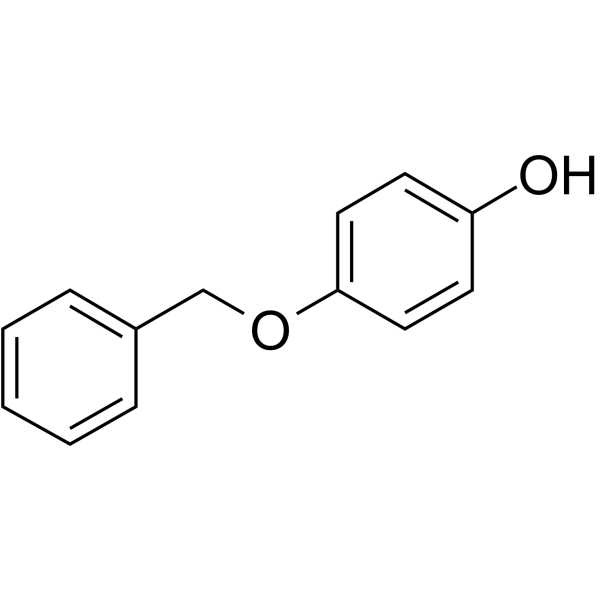
    Monobenzone is a potent skin depigmenting agent. Monobenzone induces depigmentation and exhibits good potential for vitiligo research. Monobenzone is a potent inhibitor of RNR (Ribonucleotide reductase) enzyme activity by targeting RRM2 (a regulatory small subunit M2 of RNR) protein, and thus has significant anti-leukemia efficacy in vitro and in vivo. Monobenzone inhibits acute myeloid leukemia (AML) cells proliferation and DNA synthesis, induces cell cycle arrest, and Apoptosis .
    Monobenzone
  • HY-19959
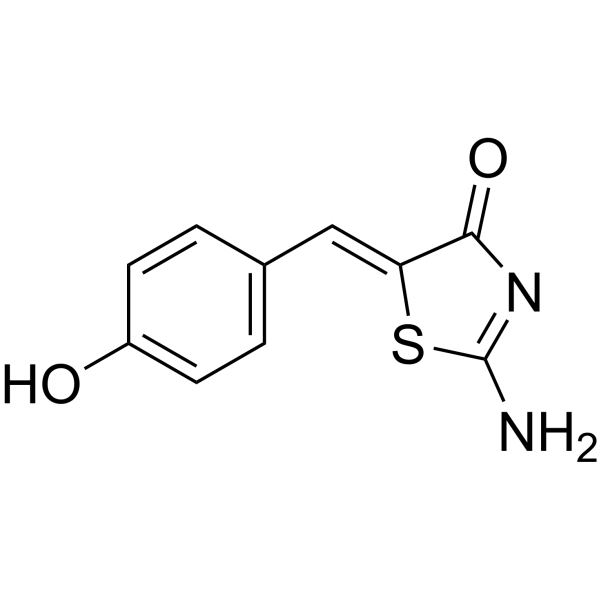
    Mirin
    Maximum Cited Publications
    9 Publications Verification

    ATM/ATR Apoptosis Cancer
    Mirin is a potent Mre11-Rad50-Nbs1 (MRN) complex inhibitor. Mirin prevents MRN-dependent activation of ATM (IC50=12 μM) without affecting ATM protein kinase activity, and it inhibits Mre11-associated exonuclease activity. Mirin abolishes the G2/M checkpoint and homology-dependent repair in mammalian cells. Mirin prevents ATM activation in response to DNA double-strand breaks (DSBs) and blocks homology-directed repair (HDR) in mammalian cells .
    Mirin
  • HY-170451

    KT-253

    PROTACs MDM-2/p53 Apoptosis Cancer
    Seldegamadlin (KT-253) is a selective p53 stabilizer and a MDM2 PROTAC degrader (DC50 = 0.4 nM). Seldegamadlin inhibits the proliferation of cancer cell RS4;11 with an IC50 of 0.3 nM, arrests the cell cycle at G2/M phase, and induces apoptosis. Seldegamadlin upregulates p53 activity and overcomes the p53-MDM2 feedback loop. Seldegamadlin can be used for the study of hematologic and solid tumors, such as acute myeloid leukemia (AML) and acute lymphoblastic leukemia (ALL). (Pink: ligand for target protein MDM2 ligand 4 (HY-170452); Black: linker (HY-W001478); Blue: ligand for E3 ligase cereblon (HY-163927)) .
    Seldegamadlin
  • HY-B0338

    1-Rimantadine

    Influenza Virus Autophagy Infection
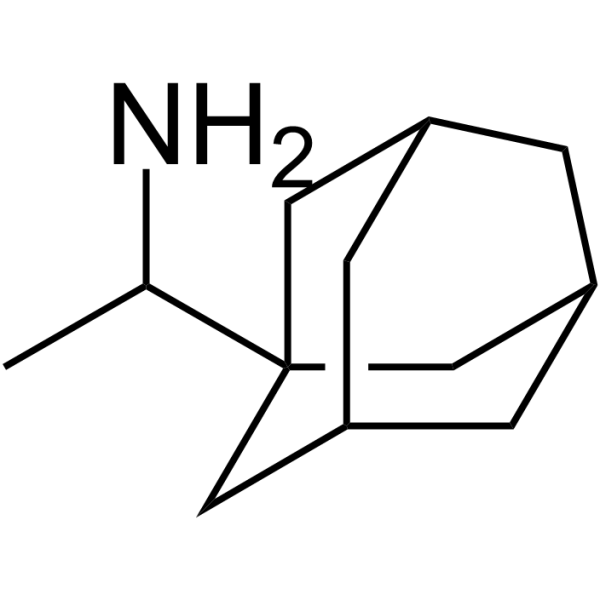
    Rimantadine (1-Rimantadine) is an orally active inhibitor for M2 protein, which blocks the hydrogen ion channel activity, prevents the entry and replication of the virus, and exhibits board-spectrum antiviral activity. Rimantadine significantly inhibits hepatitis A virus (HAV) replication at the post-entry stage in Huh7 cells. Rimantadine enhances autophagy. Rimantadine has a significant protective effect against H3N2 virus in mouse model .
    Rimantadine
  • HY-B0338A

    Influenza Virus Autophagy Infection
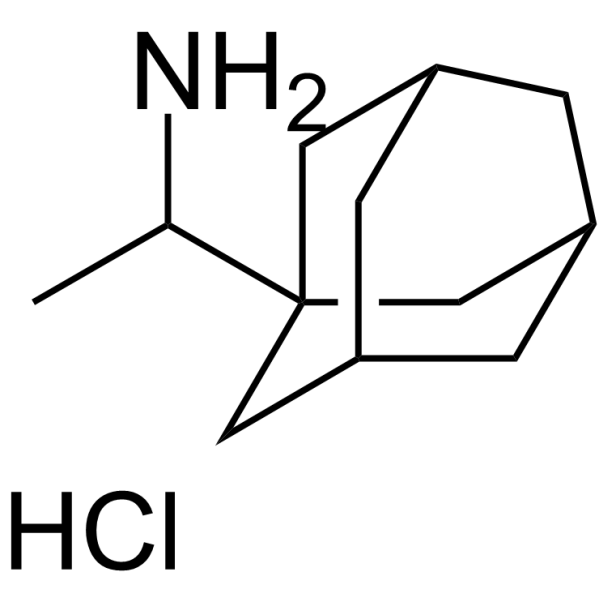
    Rimantadine hydrochloride (Flumadine hydrochloride) is an orally active inhibitor for M2 protein, that blocks the hydrogen ion channel activity, prevents the entry and replication of the virus, and exhibits board-spectrum antiviral activity .
    Rimantadine hydrochloride
  • HY-160799
    HA-9104
    1 Publications Verification

    E1/E2/E3 Enzyme Apoptosis Cancer
    HA-9104 is a potent and selective inhibitor of cullin-5 neddylation via virtually targeting the V30 pocket of UBE2F. HA-9104 binds to UBE2F, reduces its protein levels, and consequently inhibits cullin-5 neddylation. HA-9104 has potent growth suppression and radiosensitizing activities via targeting the UBE2F-CRL5 axis and causing DNA damage, leading to induction of apoptosis and G2/M arrest in lung and pancreatic cancer cells .
    HA-9104
  • HY-N0712
    Typhaneoside
    3 Publications Verification

    Autophagy mTOR Akt FXR Cardiovascular Disease Neurological Disease Metabolic Disease Cancer
    Typhaneoside is an orally bioavailable signal modulator and cellular regulator. Typhaneoside regulates the PI3K/Akt/mTOR autophagy transduction pathway. Typhaneoside promotes the activation of AMP-activated protein kinase and Caspase-3, induces apoptosis, ferroptosis, autophagy, ROS accumulation, and cell cycle arrest at the G2/M phase, and reduces cancer cell viability. Typhaneoside activates the farnesoid X receptor signaling pathway, improves glucose and lipid metabolism, alleviates inflammatory responses, oxidative stress and hepatic lipid accumulation, and exerts hepatoprotective effects. Typhaneoside is applicable to research related to post-myocardial infarction heart failure, acute myeloid leukemia, non-alcoholic fatty liver disease, and neurological disorders .
    Typhaneoside
  • HY-N3415
    Kumatakenin
    1 Publications Verification

    Apoptosis Autophagy Caspase Ferroptosis SARS-CoV Neurological Disease Inflammation/Immunology Cancer
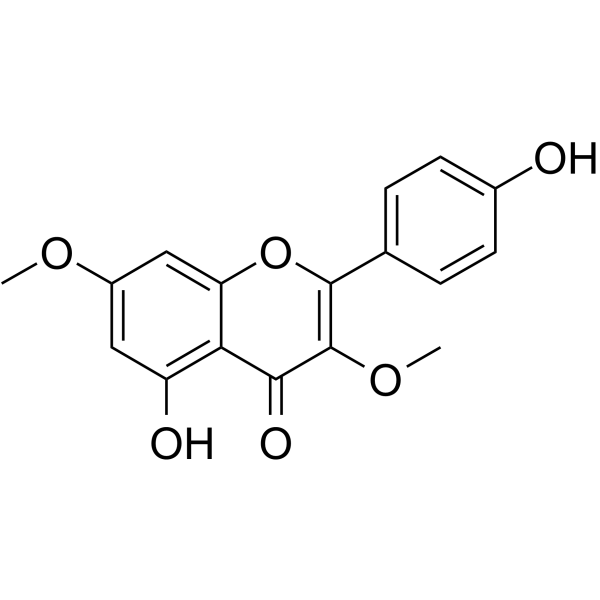
    Kumatakenin is an orally active apoptosis inducer and autophagy inhibitor, with a Kd value of 2.94 μM for mouse ATG5. Kumatakenin increases the activities of caspase-3, caspase-8 and caspase-9, thereby inducing caspase-dependent apoptosis in ovarian cancer cells. Kumatakenin reduces the expression of chemokines and pro-oncogenic factors in ovarian cancer cells, and inhibits M2 macrophage polarization. Kumatakenin inactivates TRIM65 function, reduces the expression and stability of FASN, and thus inhibits the proliferation, migration, invasion and tumor progression of esophageal cancer cells. Kumatakenin interacts with ATG5 to reduce its protein level, decrease LC3 level, and reduce the number of autophagosomes in the hippocampus. Kumatakenin binds to Eno3 to upregulate its expression, reduce the stability and expression level of IRP1 mRNA, inhibit ferroptosis, alleviate intestinal inflammation, and restore epithelial barrier function. Kumatakenin enhances the efficacy of antibiotics against pathogenic bacteria, inhibits SARS-CoV-2 replication, and reduces cytokine production. Kumatakenin is applicable to research related to ovarian cancer, esophageal cancer, depression and colitis .
    Kumatakenin
  • HY-15898
    Y-320
    5 Publications Verification

    Interleukin Related Apoptosis Inflammation/Immunology Cancer
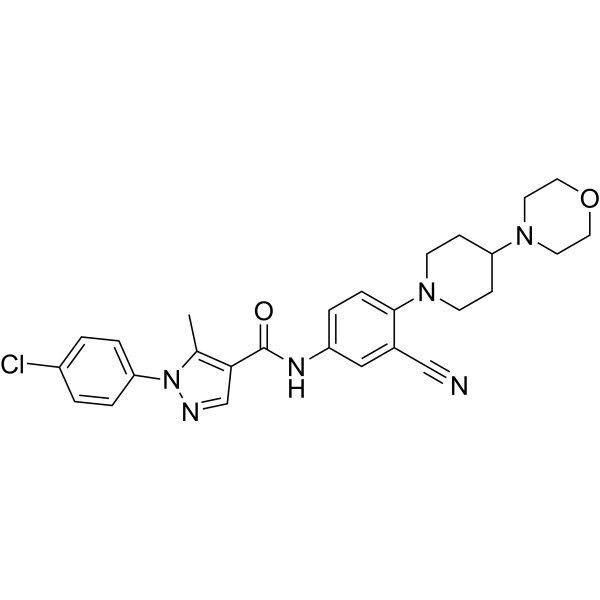
    Y-320 is a potent, orally active phenylpyrazoleanilide immunomodulator. Y-320 inhibits IL-17 production by CD4 T cells stimulated with IL-15 with IC50 values of 20 to 60 nM. Y-320 enhances TP53, DMD, and COL17A1 PTC readthrough by G418 and increases cellular protein levels and protein synthesis. Y-320 concomitants use of with a low dose of Paclitaxel (HY-B0015) significantly sensitized multidrug resistance (MDR) tumors by inducing G2/M phase arrest and apoptosis. Y-320 can be used for research of rheumatoid arthritis (RA) and cancer .
    Y-320
  • HY-137497

    Ras Apoptosis Cancer
    KRAS inhibitor-9, a potent KRAS inhibitor (Kd=92 μM), blocks the formation of GTP-KRAS and downstream activation of KRAS. KRAS inhibitor-9 binds to KRAS G12D, KRAS G12C and KRAS Q61H protein with a moderate binding affinity. KRAS inhibitor-9 causes G2/M cell cycle arrest and induces apoptosis. KRAS inhibitor-9 selectively inhibits the proliferation of NSCLC cells with KRAS mutation but not normal lung cells .
    KRAS inhibitor-9
  • HY-W009141

    Glyceryl palmitate

    P-glycoprotein IAP PI3K Akt Caspase Apoptosis Cancer
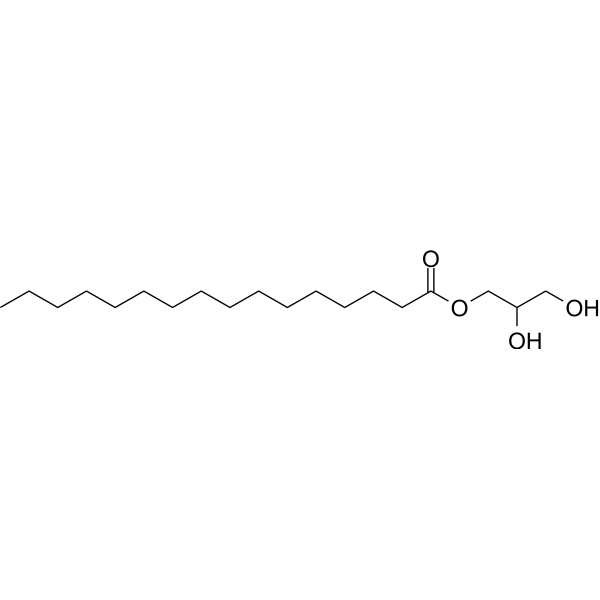
    1-Monopalmitin (Glyceryl palmitate) is an activator of the PI3K/Akt pathway and an inhibitor of P-glycoprotein (P-gp). 1-Monopalmitin can induce G2/M arrest and caspase-dependent apoptosis in cancer cells, while inhibiting IAPs protein expression. 1-Monopalmitin can increase drug accumulation by inhibiting P-gp activity in intestinal Caco-2 cells. 1-Monopalmitin has the ability to induce protective autophagy and apoptosis of lung cancer cells (IC50=50-58 μg/mL), with low toxicity to normal cells .
    1-Monopalmitin
  • HY-N2416

    Microtubule/Tubulin Apoptosis Cancer
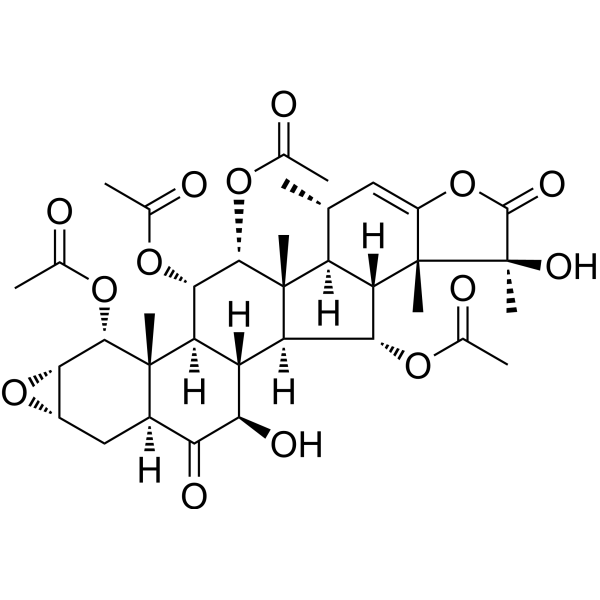
    Taccalonolide A is a microtubule stabilizer, which is a steroid isolated from Tacca chantrieri, with cytotoxic and antimalarial activities . Taccalonolide A causes G2-M accumulation, Bcl-2 phosphorylation and initiation of apoptosis . Taccalonolide A is effective in vitro against cell lines that overexpress P-glycoprotein (Pgp) and multidrug resistance protein 7 (MRP7), with an IC50 of 622 nM for SK-OV-3 cells .
    Taccalonolide A
  • HY-16350
    BOLD-100
    1 Publications Verification

    NKP-1339; IT-139; KP-1339

    DNA/RNA Synthesis Apoptosis Cancer
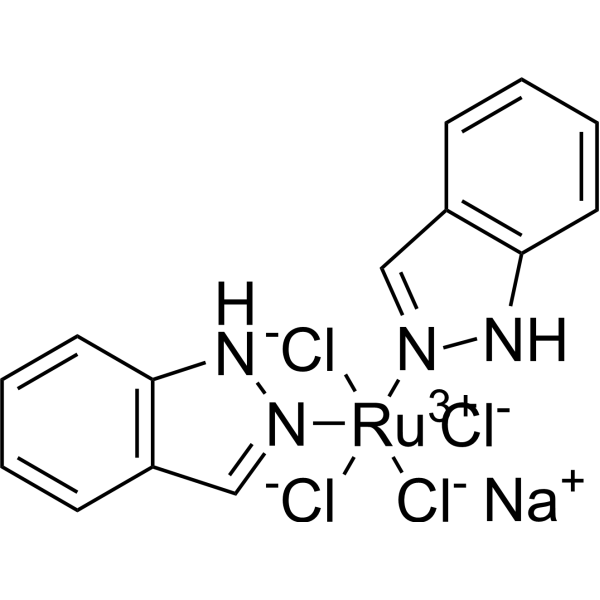
    BOLD-100 (NKP-1339; IT-139) is the first-in-class ruthenium-based anticancer agent in development against solid cancer with limited side effects. BOLD-100 induces G2/M cell cycle arrest, blockage of DNA synthesis, and induction of apoptosis via the mitochondrial pathway. BOLD-100 has a high tumor targeting potential, strongly binds to serum proteins such as albumin and transferrin and activates in the reductive tumor milieu .
    BOLD-100
  • HY-N2983

    Tyrosinase Others
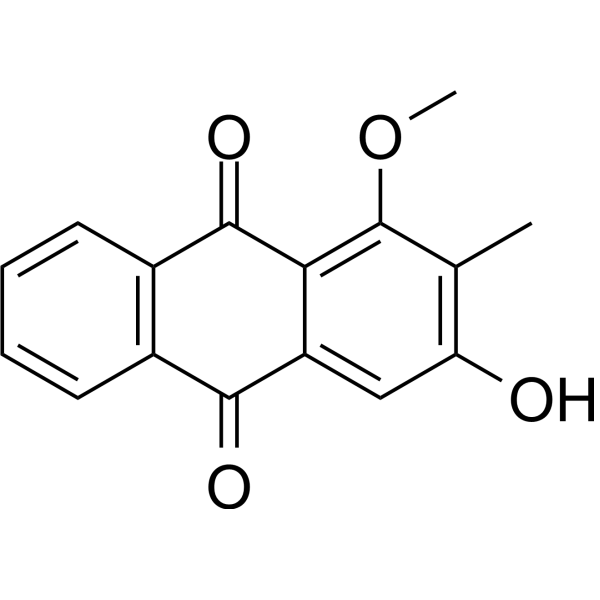
    Cajanin is a potent and orally active anti-melanogenic agent. Cajanin shows antiproliferative activity in MNT1 Cells. Cajanin efficiently decreases the melanin content. Cajanin down-regulates the mRNA and protein expression levels of MITF, tyrosinase, TRP-1 and Dct (TRP-2). Cajanin induces cell cycle arrest at G2/M and S phase. Cajanin stimulates osteoblast proliferation. Cajanin has the potential for the research of human hyperpigmented disorders and menopausal osteoporosis .
    Cajanin
  • HY-N4327

    NF-κB Apoptosis Akt Bcl-2 Family Infection Inflammation/Immunology
    Eurycomalactone is an active quassinoid could be isolated from Eurycoma longifolia Jack. Eurycomalactone is a potent NF-κB inhibitor with an IC50 value of 0.5 μM. Eurycomalactone inhibits protein synthesis and depletes cyclin D1. Eurycomalactone enhances radiosensitivity through arrest cell cycle at G2/M phase and delayed DNA double-strand break repair. Eurycomalactone inhibits the activation of AKT/NF-κB signaling, induces apoptosis and enhances chemosensitivity to Cisplatin (HY-17394) .
    Eurycomalactone
  • HY-179078

    OLIG2 Apoptosis Caspase PARP Neurological Disease Cancer
    CT-179 is a brain-penetrant and orally active OLIG2 inhibitor with a human IC50 of 1250 nM. CT-179 disrupts OLIG2 dimerization, phosphorylation, and DNA binding, blocking OLIG2-driven transcription. CT-179 induces G2/M phase arrest and increases G0 population. CT-179 induces apoptosis by reducing anti-apoptotic proteins and increasing cleaved caspase-3 and cleaved PARP. CT-179 can be used for the research of subgroup medulloblastoma .
    CT-179
  • HY-112253

    Endogenous Metabolite Metabolic Disease
    D-Fructose 1-phosphate is a key intermediate metabolite in the fructose metabolic pathway. As a key signaling molecule linking fructose metabolism and glucose metabolic regulation, D-Fructose 1-phosphate acts as an allosteric modulator to counteract the inhibitory effect of the glucokinase-regulatory protein complex, thereby finely regulating the direction of hepatic glucose metabolism at the substrate level .
    D-Fructose 1-phosphate
  • HY-100341

    Checkpoint Kinase (Chk) Others
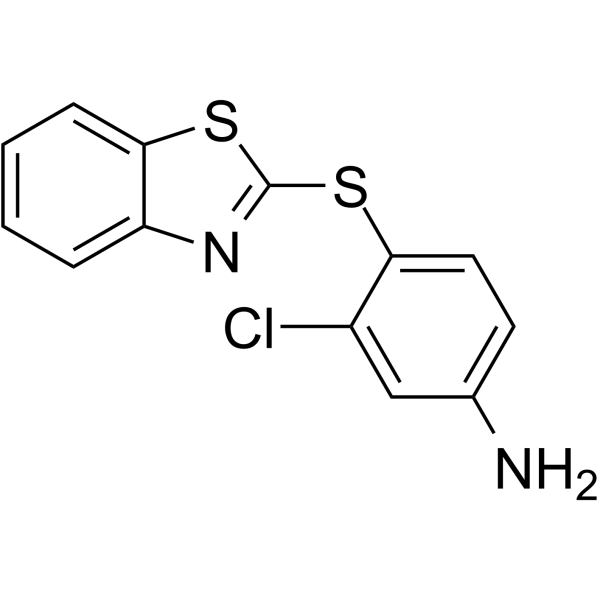
    M2I-1 is a Mad2 inhibitor targeting the binding of Mad2 to Cdc20, an essential protein-protein interaction (PPI) within the spindle assembly checkpoint (SAC) .
    M2I-1
  • HY-121607
    INI-43
    1 Publications Verification

    AP-1 Apoptosis Cancer
    INI-43 is an inhibitor of Kpnβ1, interfering with the nuclear localization of Kpnβ1 and known Kpnβ1 cargo proteins, NFAT, NFκB, AP-1, and NFY. INI-43 can inhibit the proliferation of cancer cells, cause G2-M cell cycle arrest in cancer cells, and induce the intrinsic apoptosis pathway .
    INI-43
  • HY-150795

    TGF-beta/Smad PI3K Akt ERK JNK Others
    SY-LB-35 is a potent bone morphogenetic protein (BMP) receptor agonist. SY-LB-35 can stimulate significant increases in cell number and cell viability in the C2C12 myoblast cell line, and causes shifts towards the S and G2/M phases of the cell cycle. SY-LB-35 stimulates canonical Smad and non-canonical PI3K/Akt, ERK, p38 and JNK intracellular signaling pathways .
    SY-LB-35
  • HY-124211

    Environmental Pollutants MDM-2/p53 Aryl Hydrocarbon Receptor Cancer
    Dibenzo (a,i) pyrene is a polycyclic aromatic hydrocarbon and also a carcinogenic ligand of the TCDD (Ah) receptor. Dibenzo (a,i) pyrene binds to the TCDD (Ah) receptor in rat liver. Dibenzo (a,i) pyrene induces DNA adduct formation and upregulates the protein levels of p53 and p21 WAF1 in diploid lung fibroblasts. Dibenzo (a,i) pyrene alters the cell cycle distribution of diploid lung fibroblasts, increasing the proportion of cells in the S phase, decreasing the proportions of cells in the G0/G1 and G2/M phases, and causing S phase delay/arrest. Dibenzo (a,i) pyrene is applicable for cancer research .
    Dibenzo(a,i)pyrene
  • HY-172158
    ALKBH5-IN-5
    1 Publications Verification

    Anaplastic lymphoma kinase (ALK) Caspase Cancer
    ALKBH5-IN-5 is a highly selective ALKBH5 (IC50 = 0.62 μM, Kd = 804 nM). ALKBH5-IN-5 disrupts ALKBH5 binding to m 6A-RNA and 6mA-DNA substrates. ALKBH5-IN-5 promotes differentiation, induces apoptosis, cause G2-M phase arrest and exerts strong antiproliferative effects in cancer cells. ALKBH5-IN-5 reduces TACC3 and MYC protein levels and increases cleaved caspase-3 levels. ALKBH5-IN-5 exerts antitumor activity in tumor xenograft mice models. ALKBH5-IN-5 can be used for the research of acute myeloid leukemia .
    ALKBH5-IN-5
  • HY-163707

    Apoptosis Cancer
    UR778Br targets the GTPase-activating protein-related domain (GRD domain) of IQGAP1 proteins. UR778Br inhibits the proliferation of human acute myeloid leukemia (AML), arrests the cell cycle at the G2/M phase, and induces apoptosis. UR778Br inhibits colony formation of primary and AML cells, without significant impacts on normal bone marrow cells .
    UR778Br
  • HY-P1783A
    M2e, human TFA
    1 Publications Verification

    Influenza Virus Infection
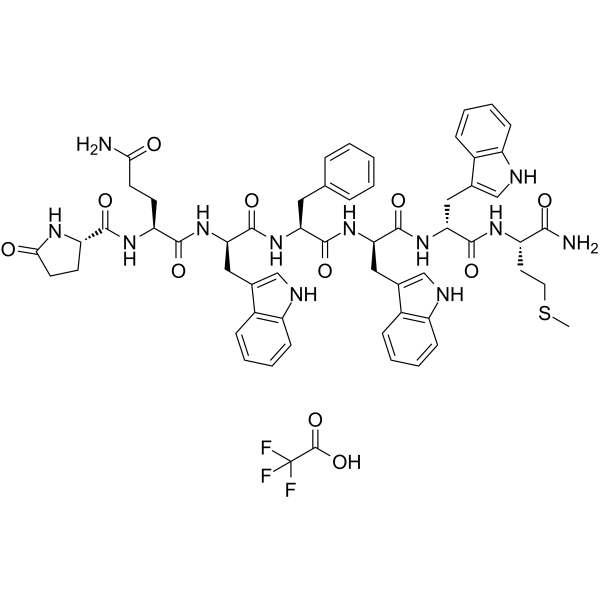
    M2e, human TFA, consisting of the 23 extracellular residues of M2 (the third integral membrane protein of influenza A), has been remarkably conserved in all human influenza A. M2e, human TFA is a valid and versatile vaccine candidate to protect against any strain of human influenza A .
    M2e, human TFA
  • HY-178155

    DNA/RNA Synthesis Autophagy Cancer
    AP232 is a selective U2AF1-UHM Inhibitor with an IC50 of 7.96 μM. AP232 exhibits 2.8-24-fold selectivity against other UHM-containing proteins. AP232 exerts anti-leukemia activity and shows higher activities in cell lines carrying splicing factor mutations. AP232 can induce leukemia cells G2/M and G1 arrest, impair lysosome acidification, and inhibit autophagy. AP232 can be used for the research of cancer, such as Leukemia .
    AP232
  • HY-172609

    Phosphatase Apoptosis MDM-2/p53 Caspase Metabolic Disease Cancer
    SL-176 is a PPM1D (Wip1) inhibitor. SL-176 inhibits lipid droplet formation, downregulates the mRNA and protein expression of PPARγ and C/EBPα, and blocks adipocyte differentiation. SL-176 induces G2/M cell cycle arrest, apoptosis and inhibits cell proliferation in breast cancer cells overexpressing PPM1D, and activates components of the p53 pathway. SL-176 suppresses tumor growth in a zebrafish model of neuroblastoma. SL-176 is applicable to research related to obesity, breast cancer and neuroblastoma .
    SL-176
  • HY-168574

    PROTACs Sirtuin Apoptosis Cancer
    SZU-B6 is a PROTAC degrader for SIRT6 with DC50 of 45 nM and 154 nM in cell SK-HEP-1 and Huh-7. SZU-B6 inhibits the proliferation of cell SK-HEP-1 with an IC50 of 1.51 μM, inhibits the colony formation of SK-HEP-1 and Huh-7, induces apoptosis and arrests the cell cycle at G2/M phase in SK-HEP-1. SZU-B6 exhibits antitumor efficacy in mouse model. (Pink: ligand for target protein (HY-16605); Black: linker (HY-W012935); BLue: ligand for E3 ligase (HY-W453548)
    SZU-B6
  • HY-128769

    CDK Cancer
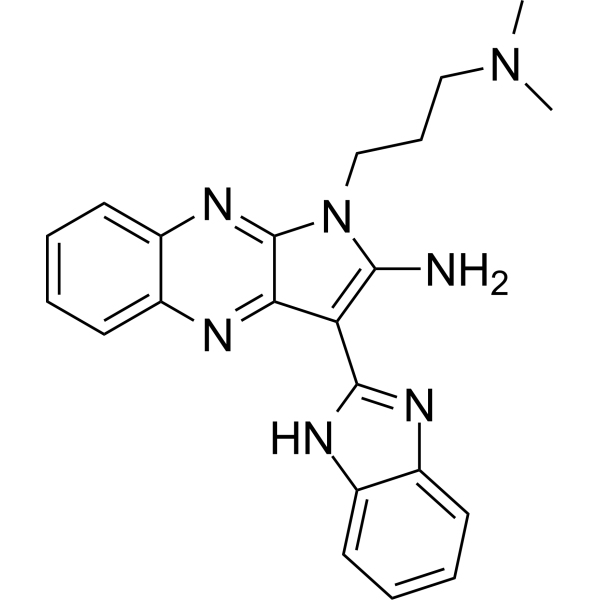
    M2N12 is a potent and highly selective cell division cycle 25C protein phosphatase (Cdc25C) inhibitor with an IC50 value of 0.09  μM. M2N12 also has promising activity against Cdc25A and Cdc25B with IC50 values of  0.53  μM and 1.39 μM, respectively. M2N12 has anti-tumor activity and can be used for cancer research .
    M2N12
  • HY-130326

    Ru(η6-p-cymene)Cl2(pta)

    Apoptosis Caspase Cardiovascular Disease Cancer
    RAPTA-C (Ru(η6-p-cymene)Cl2(pta)) acts as an anti-cancer and anti-angiogenic agent. RAPTA-C exhibits anti-metastatic, anti-angiogenic, and anti-tumoral activities through protein and histone-deoxyribonucleic acid alterations. RAPTA-C exhibits cell growth inhibition by triggering G(2)/M phase arrest in cancer cells. RAPTA-C also enhances the levels of p53 and triggers the mitochondrial Apoptotic pathway, resulting in cytochrome C release and caspase-9 activation. RAPTA-C reduces the growth of tumors with the inhibition of angiogenesis in a ovarian carcinoma model .
    RAPTA-C
  • HY-P1376

    mAChR Adrenergic Receptor Endocrinology
    G-Protein antagonist peptide is the substance P-related peptide that inhibits binding of G proteins to their receptors. G-Protein antagonist peptide competitively and reversibly inhibits M2 muscarinic receptor activation of Gi or Go and inhibits Gs activation by β-adrenoceptors.
    G-Protein antagonist peptide
  • HY-146817

    Microtubule/Tubulin Apoptosis Cancer
    Tubulin polymerization-IN-11 is a potent tubulin polymerization inhibitor with an IC50 value of 3.4 μM. Tubulin polymerization-IN-11 shows antiproliferative activity. Tubulin polymerization-IN-11 induces Apoptosis and cell cycle arrest at G2/M phase. Tubulin polymerization-IN-11 decreases the expression of cyclin B1, p-cdc2, and Bcl-2 protein levels and increases the expression of cleaved PARP .
    Tubulin polymerization-IN-11
  • HY-151984

    CDK Cancer
    CDK9-IN-22 is a potent CDK9 inhibitor with IC50s of 10.4, 876.2 nM for CDK9, CDK, respectively. CDK9-IN-22 induces apoptosis and cell cycle arrests at G2/M phase. CDK9-IN-22 decreases the expression of p-RNAPII (S2) and CDK9 protein. CDK9-IN-22 shows antiproliferative and aiti-tumor activity .
    CDK9-IN-22
  • HY-179520

    Topoisomerase DNA/RNA Synthesis MDM-2/p53 Bcl-2 Family Cancer
    XSJ151 is a topoisomerase I inhibitor, stabilizing the DNA-Topo I covalent complex and inducing DNA double-strand breaks. XSJ151-induces DNA damage activates the p53-p21 signaling pathway, specifically regulating the expression of cyclins, leading to G2/M phase cell cycle arrest and disrupting the dynamic homeostasis of Bcl-2 family proteins, thereby triggering apoptosis in gastric cancer cells. XSJ151 can be used for the study of gastric cancer .
    XSJ151
  • HY-178155A

    DNA/RNA Synthesis Autophagy Cancer
    AP232 dihydrochloride is a selective U2AF1-UHM Inhibitor with an IC50 of 7.96 μM. AP232 dihydrochloride exhibits 2.8-24-fold selectivity against other UHM-containing proteins. AP232 dihydrochloride exerts anti-leukemia activity and shows higher activities in cell lines carrying splicing factor mutations. AP232 dihydrochloride can induce leukemia cells G2/M and G1 arrest, impair lysosome acidification, and inhibit autophagy. AP232 dihydrochloride can be used for the research of cancer, such as Leukemia .
    AP232 dihydrochloride
  • HY-175525

    PROTACs Aurora Kinase Cancer
    MS44 is a potent aurora kinase B (AURKB PROTAC) degrader (DC50 = 103 nM). MS44 effectively degrades AURKB in a time- and ubiquitin-proteasome system (UPS)-dependent manner and is selective for AURKB over AURKA and AURKC. MS44 effectively inhibits the proliferation in multiple cancer cell lines and potently induces G2/M arrest. MS44 can be used for the study of AURKB-dependent tumors (Pink: Target protein ligand (HY-175526); Blue: E3 ligand (HY-112078); Black: Linker; E3 ligand + Linker (HY-132938)) .
    MS44
  • HY-B0338R

    1-Rimantadine (Standard)

    Influenza Virus Autophagy Reference Standards Infection
    Rimantadine (Standard) is the analytical standard of Rimantadine. This product is intended for research and analytical applications. Rimantadine is an orally active inhibitor for M2 protein, that blocks the hydrogen ion channel activity, prevents the entry and replication of the virus, and exhibits board-spectrum antiviral activity .
    Rimantadine (Standard)
  • HY-175700

    Topoisomerase Apoptosis Cancer
    YCJ-02 is a selective Topoisomerase I (Top I) inhibitor. YCJ-02 can inhibit cell proliferation and induce apoptosis and G2/M phase arrest. YCJ-02 can induce DNA damage and increaseγ-H2AX levels. YCJ-02 can promote Top I deqradation via a ubiquitin/26S proteasome pathway. YCJ-02 increases the expressions of pro-apoptotic proteins Bad, Bax, and cleaved caspase-3. YCJ-02 shows broad-spectrum antitumor activity. YCJ-02 can be used for the research of cancer, such as intrahepatic cholangiocarcinoma (ICC) .
    YCJ-02
  • HY-178441

    Pyruvate Kinase Reactive Oxygen Species (ROS) Apoptosis Microtubule/Tubulin Metabolic Disease Cancer
    PKM2-IN-11 is a PKM2 inhibitor (IC50 = 0.363 μM). PKM2-IN-11 has dual mechanisms involving pyruvate kinase M2 (PKM2) inhibition and microtubule stabilization. PKM2-IN-11 can decrease PKM2 protein levels in MCF-7 cells. PKM2-IN-11 can slightly reduce reactive oxygen species (ROS) levels and significantly increase early apoptotic cells. PKM2-IN-11 induces G2/M phase arrest. PKM2-IN-11 can be used for the study of breast cancer .
    PKM2-IN-11
  • HY-P1376A
    G-Protein antagonist peptide TFA
    1 Publications Verification

    mAChR Adrenergic Receptor Endocrinology
    G-Protein antagonist peptide TFA is a truncated substance P-related peptide, competes with receptor for G protein binding. G-Protein antagonist peptide TFA inhibits the activation of Gi or Go by M2 muscarinic cholinergic receptor (M2 mAChR) or of Gs by beta-adrenergic receptor in the reconstituted phospholipid vesicles, assayed by receptor-promoted GTP hydrolysis .
    G-Protein antagonist peptide TFA
  • HY-114413

    HSP Apoptosis Cancer
    YZ129 is an inhibitor of the HSP90-calcineurin-NFAT pathway against glioblastoma, directly binding to heat shock protein 90 (HSP90) with an IC50 of 820 nM on NFAT nuclear translocation. YZ129-induced GBM cell-cycle arrest at the G2/M phase promotes apoptosis and inhibited tumor cell proliferation and migration .
    YZ129
  • HY-P1783

    Influenza Virus Infection
    M2e, human, consisting of the 23 extracellular residues of M2 (the third integral membrane protein of influenza A), has been remarkably conserved in all human influenza A, which is a valid and versatile vaccine candidate to protect against any strain of human influenza A .
    M2e, human
  • HY-168725

    PROTACs Kinesin Apoptosis Cancer
    PROTAC KSP degrader 1 (Compound 21) is a PROTAC Degrader for kinesin spindle protein (KSP), that degrades KSP in HCT-116 with DC50 of 114.8 nM. PROTAC KSP degrader 1 inhibits the proliferation of HCT-116 with IC50 of 10 nM, arrests the cell cycle of HCT-116 at G2/M phase, and induces apoptosis in HCT-116. PROTAC KSP degrader 1 exhibits antitumor efficacy in mouse model . (Blue: Ligand for E3 Ligase Cereblon (HY-103596); Blank: Linker (HY-168726); Pink: Target Protein Ligand (HY-168727))
    PROTAC KSP degrader 1
  • HY-B0338S

    Isotope-Labeled Compounds Influenza Virus Autophagy Infection
    Rimantadine-d4 (hydrochloride) is the deuterium labeled Rimantadine hydrochloride. Rimantadine is an orally active inhibitor for M2 protein, that blocks the hydrogen ion channel activity, prevents the entry and replication of the virus, and exhibits board-spectrum antiviral activity .
    Rimantadine-d4 hydrochloride
  • HY-150547

    RSV Infection
    RSV-IN-6 (Compound 53) is an anti-RSV agent targeting M2-1 protein with EC50 values of 4.4 μM and 1.3 μM against RSV-A and RSV-B strain, respectively .
    RSV-IN-6
  • HY-175034

    Topoisomerase Apoptosis MDM-2/p53 Bcl-2 Family Caspase Cancer
    Topoisomerase I/II-IN-1 is a dual inhibitor of topoisomerase I/II. Topoisomerase I/II-IN-1 induces G2/M arrest and apoptosis in cancer cells by upregulating p53, p21, and Bax mRNA levels, caspase-3 protein levels, and the Bax/Bcl-2 ratio, while downregulating Bcl-2. Topoisomerase I/II-IN-1 is useful in the study of various cancers, including melanoma, renal cancer, colorectal cancer, and breast cancer .
    Topoisomerase I/II-IN-1
  • HY-B0338AR

    Reference Standards Influenza Virus Autophagy Infection
    Rimantadine (hydrochloride) (Standard) is the analytical standard of Rimantadine (hydrochloride). This product is intended for research and analytical applications. Rimantadine is an orally active inhibitor for M2 protein, that blocks the hydrogen ion channel activity, prevents the entry and replication of the virus, and exhibits board-spectrum antiviral activity .
    Rimantadine hydrochloride (Standard)
  • HY-168895

    AP-1 ERK Apoptosis Cancer
    c-Fos-IN-1 (Compound P16) is a c-Jun inhibitor, and decreases mRNA levels and protein levels of c-Fos. c-Fos-IN-1 also inhibits the phosphorylation activity of ERK and the transcriptional activity of AP-1. c-Fos-IN-1 shows anticancer activity by inhibiting ERK/c-Fos/Jun pathway. c-Fos-IN-1 inhibits the proliferation and migration of gastric cancer cells (IC50: 2.31 μM for MGC-803 cell). c-Fos-IN-1 arrests cell cycle at G2/M phase and induces cancer cell apoptosis. c-Fos-IN-1 inhibits gastric cancer tumor growth .
    c-Fos-IN-1
  • HY-178343

    Aurora Kinase Apoptosis Cancer
    Aurora A-IN-5 is a potent and highly selective Aurora A inhibitor (IC50 = 0.02 μM), showing 362-fold selectivity for over Aurora B. Aurora A-IN-5 shows its selectivity through unique C−H/π interactions, enhanced hydrophobic contacts, an open binding pocket, and tighter protein packing. Aurora A-IN-5 suppresses Aurora A autophosphorylation, thereby inhibiting cancer cell proliferation by inducing G2/M phase arrest, triggering apoptosis, and suppressing colony formation. Aurora A-IN-5 inhibits tumor growth in MDA-MB-231 xenograft mouse models. Aurora A-IN-5 can be used for breast, cervical, prostate, and lymphoma cancer research .
    Aurora A-IN-5
  • HY-146095

    MDM-2/p53 DNA/RNA Synthesis Apoptosis Cancer
    p53 Activator 2 (compound 10ah) intercalats into DNA and results in significant DNA double-strand break.p53 Activator 2 increases the expression of p53, p-p53, CDK4, p21 to cause cell cycle arrest at G2/M phase.p53 Activator 2 induce apoptosis and significantly down-regulates the anti-apoptosis proteins Bcl-2, Bcl-xL and the levels of cyclin B1.p53 Activator 2 has anti-proliferation activity against MGC-803 cells, with an IC50 of 1.73 µM. p53 Activator 2 displays potent anticancer efficiency against MGC-803 xenograft tumors models .
    p53 Activator 2
  • HY-W276819

    Polo-like Kinase (PLK) Cancer
    PLK1-IN-9 (Compound M2) is an inhibitor for polo-like kinase 1 (PLK1), that inhibits PLK proteins modified with peptides 1010pT, cdc25c and PBIP, with IC50s of 1.6, 0.8 and 1.4 μM, respectively. PLK1-IN-9 inhibits proliferations of cancer cells HeLa, HL60, SNU387/499, HepG2, exhibits cytotoxicity and induces apoptosis. PLK1-IN-9 inhibits tumor growth in HepG2 xenograft mouse model .
    PLK1-IN-9

Inquiry Online

Your information is safe with us. * Required Fields.

Salutation


Country or Region *

Applicant Name *


Organization Name *

Department *


Email Address *


Product Name *

Cat. No.


Requested quantity *

Phone Number *


Remarks

Inquiry Online

Inquiry Information

Product Name:
Cat. No.:
Quantity:
MCE Japan Authorized Agent:

