

1. Search Result
Search Result
Results for "

NCI-H1975

" in MedChemExpress (MCE) Product Catalog:

54

Inhibitors & Agonists

1

Fluorescent Dyes

6

Biochemical Assay Reagents

5

Inhibitory Antibodies

1

Natural
Products

6

Click Chemistry

Cat. No. Product Name Target Research Areas Chemical Structure
  • HY-10261
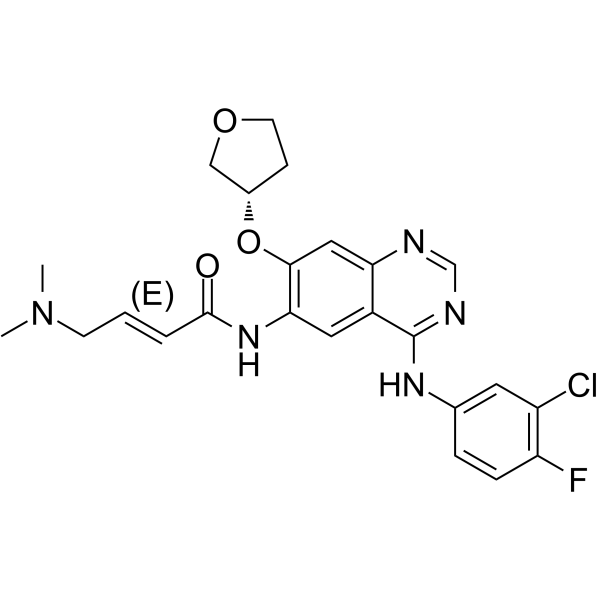
    Afatinib
    Maximum Cited Publications
    103 Publications Verification

    BIBW 2992

    EGFR Autophagy Apoptosis c-Met/HGFR Akt p38 MAPK Cancer
    Afatinib (BIBW 2992) is an orally active, potent and irreversible dual specificity inhibitor of ErbB family (EGFR and HER2), with IC50 values of 0.5 nM, 0.4 nM, 10 nM and 14 nM for EGFR wt, EGFR L858R, EGFR L858R/T790M and HER2, respectively. Afatinib can be used for the research of esophageal squamous cell carcinoma (ESCC), non-small cell lung cancer (NSCLC) and gastric cancer .
    Afatinib
  • HY-P99041
    Panitumumab
    2 Publications Verification

    ABX-EGF

    EGFR Cancer
    Panitumumab (ABX-EGF) is a fully human IgG2 anti-EGFR monoclonal antibody with anti-tumor activity. Panitumumab inhibits tumor cell proliferation, survival and angiogenesis. Panitumumab can be used in the research of cancers, such as colon cancer .
    Panitumumab
  • HY-10261A
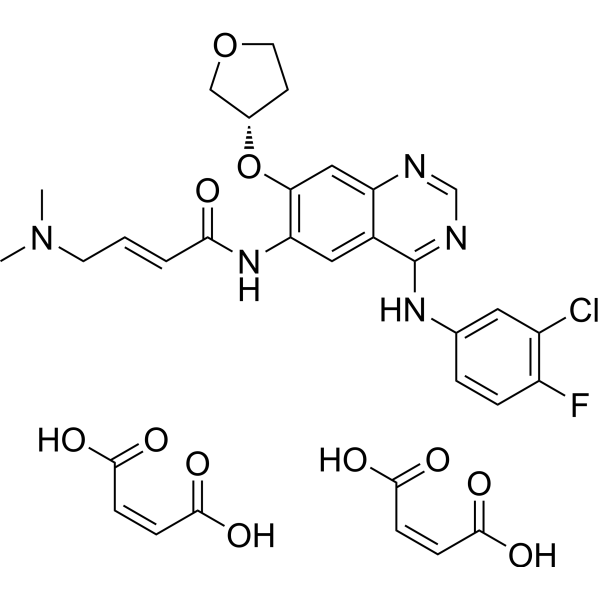
    Afatinib dimaleate
    Maximum Cited Publications
    103 Publications Verification

    BIBW 2992MA2

    EGFR Autophagy Apoptosis c-Met/HGFR Akt p38 MAPK Cancer
    Afatinib (BIBW 2992) dimaleate is an orally active, potent and irreversible dual specificity inhibitor of ErbB family (EGFR and HER2), with IC50 values of 0.5 nM, 0.4 nM, 10 nM and 14 nM for EGFR wt, EGFR L858R, EGFR L858R/T790M and HER2, respectively. Afatinib dimaleate can be used for the research of esophageal squamous cell carcinoma (ESCC), non-small cell lung cancer (NSCLC) and gastric cancer .
    Afatinib dimaleate
  • HY-131493

    PRMT5-IN-3

    Histone Methyltransferase Apoptosis Cancer
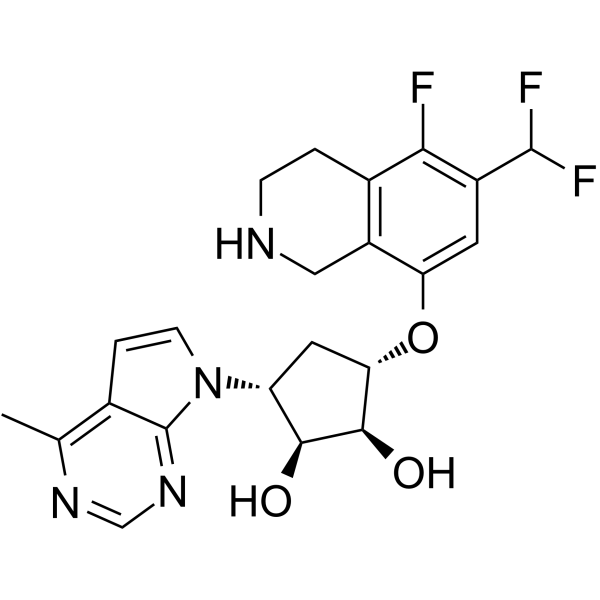
    PF-06939999 (PRMT5-IN-3) is a SAM-competitive, orally active PRMT5 inhibitor that inhibits the expression of SDMA protein (IC50 in A427 is 1.1 nM). PF-06939999 exhibits antitumor effect .
    PF-06939999
  • HY-147858

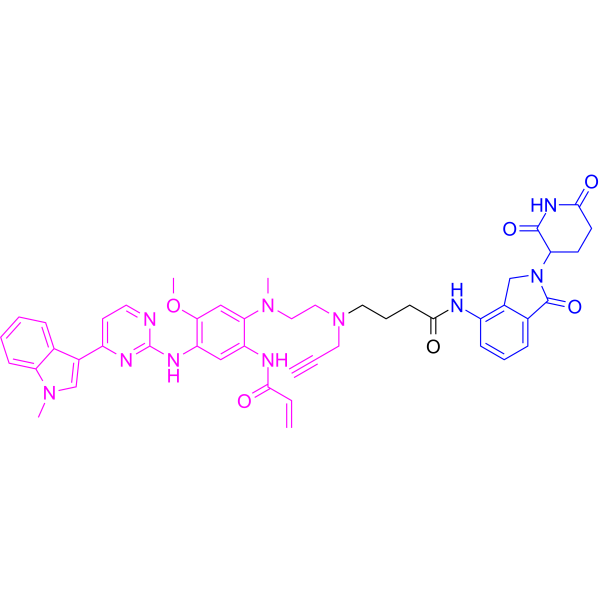
    PROTACs EGFR Apoptosis Cancer
    PROTAC EGFR degrader 7 (compound 13b) is a potent and selective CRBN-recruiting PROTAC EGFR L858R/T790M degrader, with a DC50 of 13.2 nM. PROTAC EGFR degrader 7 inhibits NCI–H1975 cells proliferation, with an IC50 of 46.82 nM. PROTAC EGFR degrader 7 significantly induces apoptosis and G2/M phase arrest in NCI–H1975 cell. PROTAC EGFR degrader 7 shows antitumor activity, and can be used for non-small cell lung cancer (NSCLC) research . PROTAC EGFR degrader 7 is a click chemistry reagent, it contains an Alkyne group and can undergo copper-catalyzed azide-alkyne cycloaddition (CuAAc) with molecules containing Azide groups.
    PROTAC EGFR degrader 7
  • HY-P99041A

    EGFR Cancer
    Panitumumab (anti-EGFR) is a fully human IgG2 anti-EGFR monoclonal antibody with anti-tumor activity. Panitumumab (anti-EGFR) inhibits tumor cell proliferation, survival and angiogenesis. Panitumumab (anti-EGFR) can be used in the research of cancers, such as colon cancer .
    Panitumumab (anti-EGFR)
  • HY-P99237

    MMUC 1206A

    Mucin Cancer
    Sofituzumab (MMUC 1206A) is an anti-MUC16 antibody with a Kd of 0.3-0.9 nM. Sofituzumab can bind multiple adjacent antibody molecules to the repeat sequences of the same MUC16 molecule. Sofituzumab exhibits no anti-tumor activity in the HPAC pancreatic adenocarcinoma xenograft model .
    Sofituzumab
  • HY-119944
    JND3229
    1 Publications Verification

    EGFR Cancer
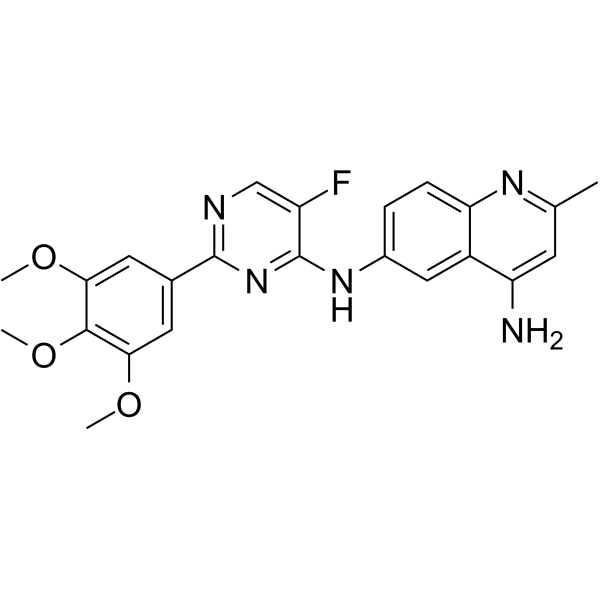
    JND3229 is a reversible EGFR C797S inhibitor with IC50 values of 5.8, 6.8 and 30.5 nM for EGFR L858R/T790M/C797S, EGFR WT and EGFR L858R/T790M, respectively. JND3229 has good anti-proliferative activity and can effectively inhibit tumour growth in vivo. JND3229 can be used in cancer research, especially in non-small cell carcinoma .
    JND3229
  • HY-W1123936B

    DBCO-PEG1000-Folate

    Folate Receptor (FR) Cancer
    DBCO-PEG1000-FA (DBCO-PEG1000-Folate) is a multifunctional bioconjugation reagent, which is a copolymer of DBCO and Folic acid (FA) (HY-16637) and can target folate receptors (FR). Folate receptors are highly overexpressed on the surface of many cancer cells (such as lung cancer, nasopharyngeal cancer, ovarian cancer, etc.), but exhibit extremely low expression levels in normal tissues. DBCO-PEG-FA can be used for click chemistry conjugation via its DBCO terminal, and thus applies to various bioconjugation and drug delivery applications .
    DBCO-PEG1000-FA
  • HY-164384

    PI3K Akt mTOR Apoptosis Cancer
    DFX117 is a selective, orally active inhibitor for PI3Kα and c-Met tyrosine kinase. DFX117 inhibits PI3K/Akt/mTOR pathway, inhibits the proliferation of NCI-H1975, NCI-H1993, and HCC827 with IC50s 0.02-0.08 µM. DFX117 arrests cell cycle at G0/G1 phase, induces apoptosis in A549 and NCI-H1975. DFX117 exhibits antitumor efficacy in mice .
    DFX117
  • HY-116505

    JAK Cancer
    JAK1-IN-4 is a potent and selective JAK1 inhibitor, with IC50s of 85 nM, 12.8 μM and >30 μM for JAK1, JAK2, and JAK3, respectively. JAK1-IN-4 inhibits STAT3 phosphorylation in NCI-H 1975 cells (IC50, 227 nM) .
    JAK1-IN-4
  • HY-147185

    Histone Methyltransferase Cancer
    PRMT7-IN-1 (Compound 14) is a PRMT7 inhibitor with an IC50 of 2.1 μM. PRMT7-IN-1 shows anticancer activity against different cancer cells .
    PRMT7-IN-1
  • HY-171958

    PROTACs EGFR Cancer
    PROTAC EGFR degrader 12 (example 1) is a PROTAC degrader targeting EGFR that can effectively degrade EGFR mutants, but has little effect on EGFR WT. PROTAC EGFR degrader 12 shows IC50s against EGFR L858R-T790M (NCI-H1975 cells), EGFR L858R (NCI-H3255 cells), and EGFR L858R-T790M-L797S (NCI-H1975+CS cells) of all <50 nM .
    PROTAC EGFR degrader 12
  • HY-10261R

    BIBW 2992 (Standard)

    Reference Standards EGFR Autophagy Apoptosis c-Met/HGFR Akt p38 MAPK Cancer
    Afatinib (Standard) is the analytical standard of Afatinib. This product is intended for research and analytical applications. Afatinib (BIBW 2992) is an orally active, potent and irreversible dual specificity inhibitor of ErbB family (EGFR and HER2), with IC50 values of 0.5 nM, 0.4 nM, 10 nM and 14 nM for EGFRwt, EGFRL858R, EGFRL858R/T790M and HER2, respectively. Afatinib can be used for the research of esophageal squamous cell carcinoma (ESCC), non-small cell lung cancer (NSCLC) and gastric cancer .
    Afatinib (Standard)
  • HY-178242

    PROTACs EGFR Cancer
    PROTAC EGFR degrader 16 (Compound 98) a selective EGFR PROTAC degrader with DC50 values of < 50 nM in NCI-H1975 (EGFR L858R-T970M), NCI-H3225 (EGFR L858R) and NCI-H1976 + CS (EGFR L858R-T970M-L797S). PROTAC EGFR degrader 16 can be used for the study of EGFR-driven cancerssuch as non-small cell lung cancer (Pink: EGFR ligand (HY-178313); Blue: CRBN ligand (HY-W1128702); Black: Linker; EGFR ligand + Linker (HY-178311)) .
    PROTAC EGFR degrader 16
  • HY-170995

    PROTACs ROR Apoptosis Cancer
    PROTAC ROR1 degrader-1 is a ROR1 PROTAC degrader with DC50 values of 40.88 nM (NCI-H23), 69.0 nM (NCI-H460), 83.35 nM (NCI-H1299) and 42.07 nM (NCI-H1975), respectively. PROTAC ROR1 degrader-1 inhibits the proliferation of lung cancer cells and induces apoptosis. PROTAC ROR1 degrader-1 can be used in research related to non-small cell lung cancer .
    PROTAC ROR1 degrader-1
  • HY-178211

    Ras MEK ERK Akt Cancer
    SHY-867 is a pan RAS inhibitor. SHY-867 effectively prevents the binding of K-Ras proteins and other members of the Ras superfamily of small GTPases with EC50 values of 0.5-3 μM. SHY-867 effectively inhibits the phosphorylation of MEK, ERK1/2, and AKT downstream of K-Ras. SHY-867 inhibits the formation of the Ras-GTP activity complex. SHY-867 can be used to the studies of pancreatic cancer and non-small cell lung cancer .
    SHY-867
  • HY-P99041B

    ABX-EGF (powder)

    EGFR Cancer
    Panitumumab (ABX-EGF) (powder) is a fully human IgG2 anti-EGFR monoclonal antibody with anti-tumor activity. Panitumumab (powder) inhibits tumor cell proliferation, survival and angiogenesis. Panitumumab (powder) can be used in the research of cancers, such as colon cancer .
    Panitumumab (powder)
  • HY-112806

    Drug-Linker Conjugates for ADC HDAC EGFR Microtubule/Tubulin Cancer
    ST8155AA1 is a part of antibody agent conjugates (ADCs) charged with HDAC inhibitor. ST8155AA1 induces α-tubulin, histone H3/H4 acetylation via direct enzymatic inhibition. ST8155AA1 recognizes and binds EGFR, undergoes internalization into EGFR-expressing tumor cells. ST8155AA1 inhibits cancer cell proliferation and exerts activity in mouse tumor models. ST8155AA1 can be used for the research of non-small cell lung cancer .
    ST8155AA1
  • HY-W1123936C

    DBCO-PEG2000-Folate

    Folate Receptor (FR) Others
    DBCO-PEG2000-FA (DBCO-PEG2000-Folate) is a multifunctional bioconjugation reagent, which is a copolymer of DBCO and Folic acid (FA) (HY-16637) and can target folate receptors (FR). Folate receptors are highly overexpressed on the surface of many cancer cells (such as lung cancer, nasopharyngeal cancer, ovarian cancer, etc.), but exhibit extremely low expression levels in normal tissues. DBCO-PEG-FA can be used for click chemistry conjugation via its DBCO terminal, and thus applies to various bioconjugation and drug delivery applications .
    DBCO-PEG2000-FA
  • HY-164392

    EGFR Apoptosis Cancer
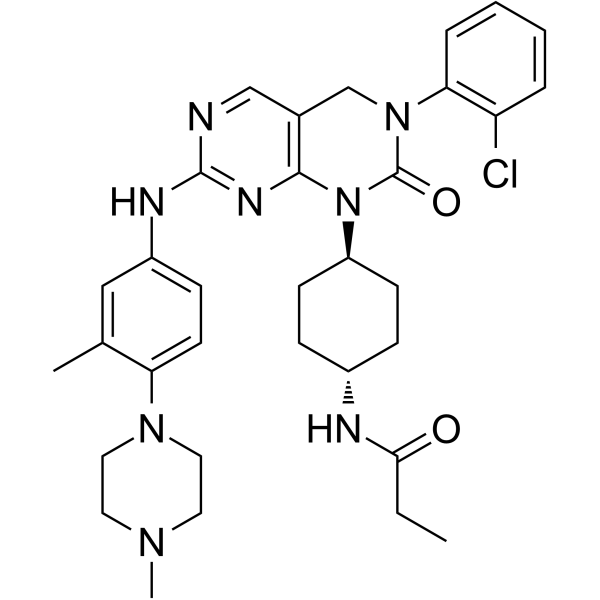
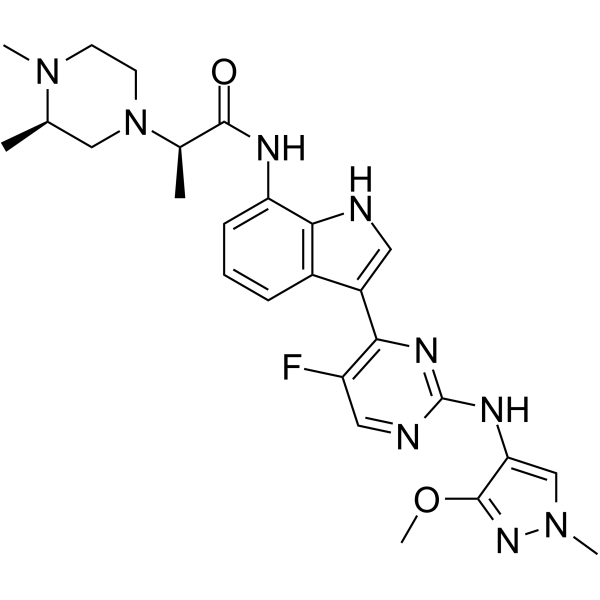
    TAS-121 is an orally active, selective, covalent, third-generation mutant EGFR-tyrosine kinase inhibitor (EGFR-TKI). TAS-121 inhibits the L858R mutation (IC50=1.7 nM), Ex19del mutation (IC50=2.7 nM), L858R/T790M mutation (IC50=0.56 nM) and Ex19del/T790M mutation (IC50=1.1 nM) and wild-type EGFR (IC50=8.2 nM). TAS-121 inhibits HER2 and HER4 with IC50s of 110 and 2.6 nM, respectively. TAS-121 inhibits phosphorylation of EGFR and its downstream signaling targets to block cell proliferation. TAS-121 induces apoptosis and displays antitumor activity in SW48 (EGFR G719S) and NCI-H1975 (EGFR L858R/T790M) xenograft models .
    TAS-121
  • HY-N15614

    Others Cancer
    Cassamine is a diterpenoid compound that can be isolated from the bark of Erythrophleum fordii. Cassamine exhibits certain cytotoxicity against non-small cell lung cancer cell lines, with IC50 values of 3.4, 2.1, and 1.9 μM against A549, NCI-H1975, and NCI-H1299, respectively. Cassamine has antitumor activity and can be used in the research of lung cancer and other tumors .
    Cassamine
  • HY-146132

    EGFR Cancer
    EGFR-IN-55 (Compound 8a) is a potent EGFR inhibitor with IC50 values of 70 nM and 3.9 nM against EGFR WT and EGFR L858R/T790M, respectively. EGFR-IN-55 arrests NCI-H1975 cells in G0/G1 phase and shows anticancer activity .
    EGFR-IN-55
  • HY-173038

    EGFR ERK STAT Apoptosis Cancer
    EGFR-IN-151 (Compound 10) inhibits EGFR and its downstream signaling pathways ERK/STAT3. EGFR-IN-151 inhibits the proliferation of a variety lung cancer cells (IC50s for NCI-H1781, HCC827, NCI-H3255 and NCI-H1975 is 11.7, 5.19, 7.32 and 1.53 μM, respectively), inhibits the colony formation and migration of H1975, arrests the cell cycle at G1 phase, and induces apoptosis in H1975 .
    EGFR-IN-151
  • HY-147858A

    PROTACs Cancer
    PROTAC EGFR degrader 7 (compound 13b) is a potent and selective CRBN-recruiting PROTAC EGFRL858R/T790M degrader, with a DC50 of 13 .2 nM.PROTAC EGFR degrader 7 inhibits NCI-H1975 cells proliferation, with an IC50 of 46 .82 nM.PROTAC EGFR degrader 7 significantly induces apoptosis and G2/M phase arrest in NCI-H1975 cell.PROTAC EGFR degrader 7 shows antitumor activity, and can be used for non-small cell lung cancer (NSCLC) research .
    PROTAC EGFR degrader 7 diTFA
  • HY-173330

    HDAC Cancer
    HDAC-IN-89 is an inhibitor of HDAC1 (IC50: 0.95 nM), HDAC2 (IC50: 0.86 nM), HDAC3 (IC50: 1.06 nM) and HDAC8 (IC50: 4.24 nM). HDAC-IN-89 blocks the cell cycle and induces apoptosis. HDAC-IN-89 has anti-tumor activity .
    HDAC-IN-89
  • HY-175011

    EGFR Apoptosis Cancer
    EGFR-IN-165 is a potent EGFR inhibitor. EGFR-IN-165 demonstrates superior potency with IC50s of 17.18 and 64.74 nM against EGFR L858R/T790M and EGFR WT; 2.17 and 6.2 μM against NCI-H1975 cells and A431 cells. EGFR-IN-165 significantly inhibits the migration and induces G1 phase cell cycle arrest and cell apoptosis. EGFR-IN-165 can be used for the study of cancers such as non-small cell lung cancer, colorectal cancer, and head and neck squamous cell carcinoma .
    EGFR-IN-165
  • HY-157319

    PI3K Cancer
    PI3Kα-IN-15 is a potent PI3Kα inhibitor with an IC50 of 0.15?μM. PI3Kα-IN-15 also has acceptable anti-proliferative activity (inhibits SKOV-3, T47D, NCI-H1975, NCI-H460, and MCF-7 growth with IC50 values of 26.6?μM, 7.9?μM,? 32.1?μM,? 17.7??μM, and 9.4??μM, respectively. PI3Kα-IN-15 can be used for cancer research .
    PI3Kα-IN-15
  • HY-174384

    c-Met/HGFR Apoptosis G-quadruplex Cancer
    MET Transcription-IN-1 (Compound C3) is an orally active MET transcription inhibitor. MET Transcription-IN-1 can efficiently bind and stabilize the G-quadruplex in the MET promoter region, thereby inhibiting c-Met expression. MET Transcription-IN-1 can also overcome drug resistance caused by specific c-Met mutations. MET Transcription-IN-1 is capable of inhibiting tumor cell proliferation, migration, and invasion, as well as inducing cell cycle arrest and apoptosis. MET Transcription-IN-1 has antitumor activity, and can be used in the research of tumors such as non-small cell lung cancer .
    MET Transcription-IN-1
  • HY-174826

    EGFR c-Kit Cancer
    EGFR-IN-164 (Compound 4) is a selective and covalent allosteric EGFR inhibitor. EGFR-IN-164 significantly inhibits the activity of EGFR L858R/T790M/C797S kinase (IC50: 48.1 nM) and proliferation of of EGFR-mutant cells. EGFR-IN-164 can be used for drug resistance of cancer research .
    EGFR-IN-164
  • HY-178194

    Ras MEK ERK Akt Cancer
    SHY-855 is a pan RAS inhibitor. SHY-855 effectively prevents the binding of K-Ras proteins and other members of the Ras superfamily of small GTPases with IC50 values of 0.3-5 μM. SHY-855 effectively inhibits the phosphorylation of MEK, ERK1/2, and AKT downstream of K-Ras. SHY-855 inhibits the formation of the Ras-GTP activity complex. SHY-855 can be used to the studies of pancreatic cancer and non-small cell lung cancer .
    SHY-855
  • HY-177414

    Antibody-Drug Conjugates (ADCs) EGFR Inflammation/Immunology Cancer
    BB-1701 is an anti-HER2 antibody-drug conjugate (ADC). BB-1701 is composed of a humanized anti-HER2 antibody (Trastuzumab) (HY-P9907), a linker (Mal-PEG2-VCP), a microtubule inhibitor (Eribulin) (HY-13442), and the drug-linker conjugate for ADC is Mal-PEG2-VCP-Eribulin (HY-128870). BB-1701 has a potent cytotoxicity and bystander effects on tumors with heterogeneous target expression. BB-1701 significantly induces immunogenic cell death and the activation of the immune .
    BB-1701
  • HY-10261D

    BIBW 2992 oxalate

    EGFR Autophagy Apoptosis c-Met/HGFR Akt Cancer
    Afatinib (BIBW 2992) oxalate is an orally active, potent and irreversible dual specificity inhibitor of ErbB family (EGFR and HER2), with IC50 values of 0.5 nM, 0.4 nM, 10 nM and 14 nM for EGFR wt, EGFR L858R, EGFR L858R/T790M and HER2, respectively. Afatinib oxalate can be used for the research of esophageal squamous cell carcinoma (ESCC), non-small cell lung cancer (NSCLC) and gastric cancer .
    Afatinib oxalate
  • HY-W1123936D

    DBCO-PEG3400-Folate

    Folate Receptor (FR) Others
    DBCO-PEG-FA (DBCO-PEG-Folate) (MW 3400) is a multifunctional bioconjugation reagent, which is a copolymer of DBCO and Folic acid (FA) (HY-16637) and can target folate receptors (FR). Folate receptors are highly overexpressed on the surface of many cancer cells (such as lung cancer, nasopharyngeal cancer, ovarian cancer, etc.), but exhibit extremely low expression levels in normal tissues. DBCO-PEG-FA can be used for click chemistry conjugation via its DBCO terminal, and thus applies to various bioconjugation and drug delivery applications .
    DBCO-PEG3400-FA
  • HY-157432

    EGFR Apoptosis Cancer
    EGFR-IN-97 (compound 6q) is a EGFR inhibitor. EGFR-IN-97 shows inhibitory activity against Ba/F3-EGFR L858R/T790M/C797S and Ba/F3-EGFR Del19/T790M/C797S cells, with IC50 values of 0.42 μM and 0.41 μM, respectively. EGFR-IN-97 can promote apoptosis of NCI-H1975-EGFR L858R/T790M/C797S cells at the concentration of 0.8 μM .
    EGFR-IN-97
  • HY-162131

    Apoptosis MMP Reactive Oxygen Species (ROS) Cancer
    Antitumor agent-132 (Compound F9) is an antitumor agent. Antitumor agent-132 induces cell apoptosis and increases intracellular reactive oxygen species and reduces MMP .
    Antitumor agent-132
  • HY-147994

    EGFR Cancer
    EGFR/HER2-IN-5 (compound 6h) is an orally active irreversible dual inhibitor. EGFR/HER2-IN-5 inhibits EGFR with an IC50 value of 1.01 nM and demonstrates potent EGFR kinase inhibitory activities on L858R and T790M mutations. EGFR/HER2-IN-5 has potent antitumor efficacy in vivo and can be used for lung cancer research .
    EGFR/HER2-IN-5
  • HY-147992

    EGFR Cancer
    EGFR/HER2-IN-4(compound 6d) is an orally active irreversible dual inhibitor. EGFR/HER2-IN-4 inhibits EGFR with an IC50 value of 0.6 nM and demonstrates potent EGFR kinase inhibitory activities on L858R and T790M mutations. EGFR/HER2-IN-4 has potent antitumor efficacy in vivo and can be used for lung cancer research .
    EGFR/HER2-IN-4
  • HY-173619

    EGFR Cancer
    EGFR-IN-160 (Compound R12) is an EGFR inhibitor (IC50 values are 1.62, 0.49 and 0.98 μM for EGFR WT, EGFR T790M and EGFR L858R/T790M/C797S, respectively). EGFR-IN-160 induces G2/M and S phase arrest and apoptosis in NCI-H522 cells, and has anticancer activity. EGFR-IN-160 has antioxidant effects against DPPH (IC50: 12.11 µM) and H2O2 (IC50: 8.89 µM) .
    EGFR-IN-160
  • HY-164056

    EGFR Cancer
    EGFR T790M/L858R-IN-8 (Compound 9) is a selective EGFR T790M/L858R mutant kinase inhibitor with a IC50 of 56.8 μM, and it shows no inhibitory activity against wild-type EGFR. EGFR T790M/L858R-IN-8 can be used for the research of non-small cell lung cancer .
    EGFR T790M/L858R-IN-8
  • HY-10261AR

    BIBW 2992MA2 (Standard)

    Reference Standards EGFR Autophagy Apoptosis c-Met/HGFR Akt p38 MAPK Cancer
    Afatinib (dimaleate) (Standard) is the analytical standard of Afatinib (dimaleate). This product is intended for research and analytical applications. Afatinib (BIBW 2992) dimaleate is an orally active, potent and irreversible dual specificity inhibitor of ErbB family (EGFR and HER2), with IC50 values of 0.5 nM, 0.4 nM, 10 nM and 14 nM for EGFRwt, EGFRL858R, EGFRL858R/T790M and HER2, respectively. Afatinib dimaleate can be used for the research of esophageal squamous cell carcinoma (ESCC), non-small cell lung cancer (NSCLC) and gastric cancer .
    Afatinib dimaleate (Standard)
  • HY-W1123936H

    DBCO-PEG10000-Folate

    Folate Receptor (FR) Others
    DBCO-PEG10000-FA (DBCO-PEG10000-Folate) is a multifunctional bioconjugation reagent, which is a copolymer of DBCO and Folic acid (FA) (HY-16637) and can target folate receptors (FR). Folate receptors are highly overexpressed on the surface of many cancer cells (such as lung cancer, nasopharyngeal cancer, ovarian cancer, etc.), but exhibit extremely low expression levels in normal tissues. DBCO-PEG-FA can be used for click chemistry conjugation via its DBCO terminal, and thus applies to various bioconjugation and drug delivery applications .
    DBCO-PEG10000-FA
  • HY-W1123936E

    DBCO-PEG5000-Folate

    Folate Receptor (FR) Others
    DBCO-PEG5000-FA (DBCO-PEG5000-Folate) is a multifunctional bioconjugation reagent, which is a copolymer of DBCO and Folic acid (FA) (HY-16637) and can target folate receptors (FR). Folate receptors are highly overexpressed on the surface of many cancer cells (such as lung cancer, nasopharyngeal cancer, ovarian cancer, etc.), but exhibit extremely low expression levels in normal tissues. DBCO-PEG-FA can be used for click chemistry conjugation via its DBCO terminal, and thus applies to various bioconjugation and drug delivery applications .
    DBCO-PEG5000-FA
  • HY-181502

    EGFR ERK PARP Caspase Bcl-2 Family Apoptosis Cancer
    EGFR-IN-197 is an EGFR inhibitor with IC50 values of 19.5 nM and 12.0 nM against EGFR L858R/T790M and EGFR L858R/T790M/C797S, respectively. EGFR-IN-197 arrests the cell cycle of NCI-H1975 cells at the G2/M phase, while inhibiting their proliferation, colony formation and migration; it also inhibits mitochondrial translocation and upregulates mitochondrial H2S levels. EGFR-IN-197 disrupts anti-apoptotic signaling pathways by regulating apoptosis-related proteins; it induces DNA damage and activates pro-apoptotic pathways to trigger apoptosis. EGFR-IN-197 can be used in studies related to non-small cell lung cancer (NSCLC) .
    EGFR-IN-197
  • HY-180850

    PROTACs Estrogen Receptor/ERR Reactive Oxygen Species (ROS) Apoptosis Cancer
    ERB-2 is a selective ERβ PROTAC degrader. ERB-2 removes the inhibitory effect of ERβ on ROS, leading to the accumulation of ROS, mitochondrial damage, and ultimately triggering cell apoptosis (apoptosis). ERB-2 significantly inhibits tumor growth in the nude mouse model of NCI-H1975OR tumors. ERB-2 can be used for the study of non-small cell lung cancer .
    ERB-2
  • HY-P992146

    MYTX-011 Antibody; Q-397

    ADC Antibody c-Met/HGFR Cancer
    Zevontabart (MYTX-011 Antibody; Q-397) is a pH-dependent anti-c-MET antibody. Zevontabart regulates the trafficking process of c-MET to reduce receptor recycling, and enhances its own endocytosis and accumulation in c-MET-expressing cells. Zevontabart induces cytotoxicity in solid tumor cells and exerts anti-tumor activity in a non-small cell lung cancer xenograft mouse model. Zevontabart can be used to synthesize ADC, such as: MYTX-011. Zevontabart can be used in studies related to non-small cell lung cancer, with its corresponding isotype control being Human IgG1 kappa, Isotype Control (HY-P99001) .
    Zevontabart
  • HY-181581

    PI3K Cancer
    IMM-H012 is a specific PI3K inhibitor with an IC50 of 0.80 nM against PI3Kα. IMM-H012 combined with [ 177Lu]Lu-P4 shows synergistic antitumor effects against stomach cancer and lung cancer .
    IMM-H012
  • HY-183007

    PROTACs SWI/SNF Complex Cancer
    LJM133 is a SMARCA2/PBRM1/SMARCA4 PROTAC degrader with DC50 values of 3.5 nM, 7 nM, and 6.4 nM. LJM133 induces ternary complex formation with VHL E3 ligase to drive proteasome-mediated degradation of target proteins. LJM133 suppresses cell proliferation and exhibits significant antitumor efficacy in a SMARCA4 mutant cancer xenograft model. LJM133 can be used for the research of cancer, such as SMARCA4 mutant non-small cell lung cancer . (Pink: SMARCA2/PBRM1/SMARCA4 ligand (HY-182987); E3 ubiquitin ligase ligand-linker conjugate (HY-183619)).
    LJM133
  • HY-181954

    EGFR Apoptosis Cancer
    ZW-49 is an orally active pan-EGFR inhibitor with IC50 values at 0.03-1.5 nM. ZW-49 inhibits all subgroups of EGFR mutations with selectivity over wild-type EGFR and other target families. ZW-49 blocks the ATP-binding pocket, occupies a conserved hydrophobic subpocket, avoids steric conflicts with PACC mutation P loops. ZW-49 inhibits cancer cells proliferation, induces G0/G1 phase cell-cycle arrest and apoptosis, and demonstrates anti-proliferative activity in xenograft mice models. ZW-49 can be used for the research of cancer, such as non-small cell lung cancer .
    ZW-49
  • HY-164346

    Microtubule/Tubulin Drug-Linker Conjugates for ADC Cancer
    Amine-PEG8-Val-Cit-PAB-MMAE is a potent drug-linker conjugate for antibody-drug conjugates (ADCs).Amine-PEG8-Val-Cit-PAB-MMAE consists of the linker amine-PEG8-Vali-Cit-PAB and the payload MMAE (HY-15162), and can be used to synthesize ADCs. Amine-PEG8-Val-Cit-PAB-MMAE can be used for the research of gastric cancer, colon cancer, lung adenocarcinoma .
    Amine-PEG8-Val-Cit-PAB-MMAE

Inquiry Online

Your information is safe with us. * Required Fields.

Salutation


Country or Region *

Applicant Name *


Organization Name *

Department *


Email Address *


Product Name *

Cat. No.


Requested quantity *

Phone Number *


Remarks

Inquiry Online

Inquiry Information

Product Name:
Cat. No.:
Quantity:
MCE Japan Authorized Agent:

