1. Search Result
Search Result
Pathways Recommended: Membrane Transporter/Ion Channel
Results for "

Nav1.8 sodium channel

" in MedChemExpress (MCE) Product Catalog:

47

Inhibitors & Agonists

4

Peptides

1

Natural
Products

2

Isotope-Labeled Compounds

Cat. No. Product Name Target Research Areas Chemical Structure
  • HY-148800
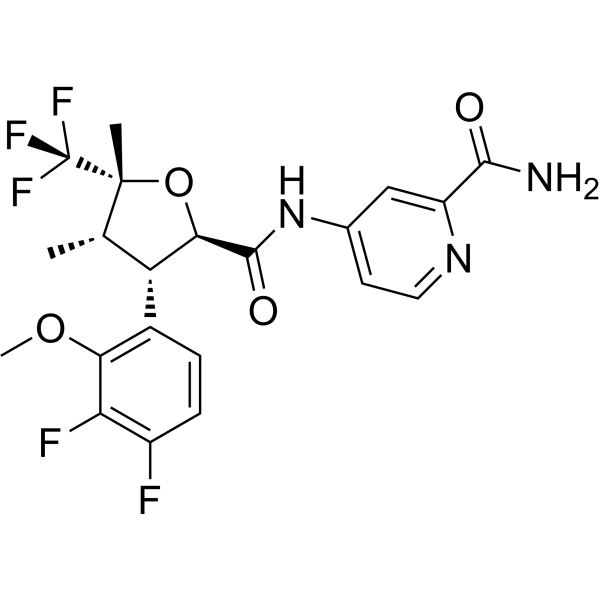
    Suzetrigine
    5 Publications Verification

    VX-548

    Sodium Channel Neurological Disease
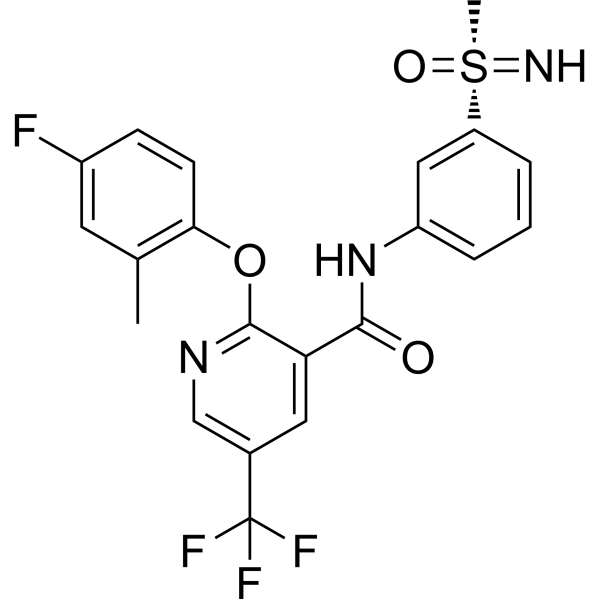
    Suzetrigine (VX-548) is an orally active and highly selective NaV1.8 inhibitor that acts as an analgesic. Suzetrigine is also a blocker of sodium channel protein type 10 subunit alpha. Suzetrigine is promising for research of acute pain after abdominoplasty and bunionectomy .
    Suzetrigine
  • HY-125079

    ANP-230

    Sodium Channel Cardiovascular Disease Neurological Disease
    DSP-2230 is the orally active inhibitor for voltage-gated sodium channel that inhibits Nav1.7-, Nav1.8-, and Nav1.9-derived sodium currents with IC50s of 7.1 μM, 11.4 μM and 6.7 μM, respectively. DSP-2230 can be used to improve neuropathic pain .
    DSP-2230
  • HY-11079
    A-803467
    3 Publications Verification

    Sodium Channel Neurological Disease Inflammation/Immunology Cancer
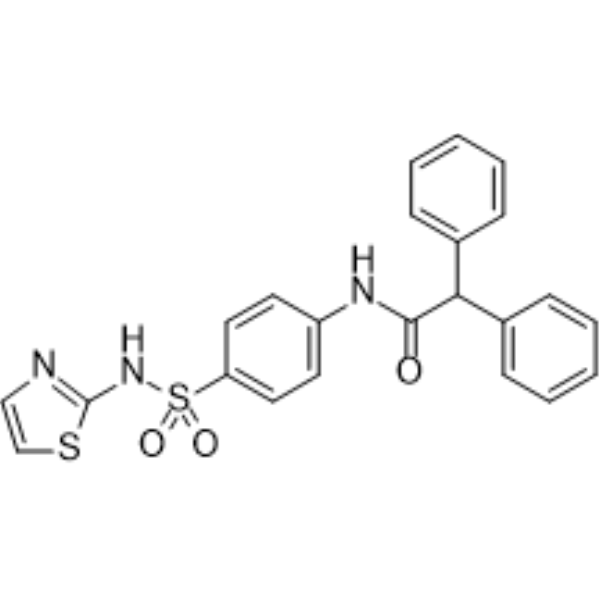
    A-803467 is a potent and selective tetrodotoxin-resistant Nav1.8 sodium channel blocker (IC50=8 nM). A-803467 has shown significant anti-nociception in neuropathic and inflammatory pain models. A-803467 enhances the chemosensitivity of conventional anticancer agents through interaction with the ATP-binding cassette subfamily G member 2 (ABCG2) transporter .
    A-803467
  • HY-16787
    ICA-121431
    4 Publications Verification

    Sodium Channel Cardiovascular Disease
    ICA-121431 is a nanomolar potent and broad-spectrum voltage-gated sodium channel (Nav) blocker, shows equipotent selectivity for human Nav1.1 and Nav1.3 subtypes with IC50 values of 13 nM and 23 nM, respectively. ICA-121431 shows less potent inhibition of Nav1.2 (IC50=240 nM) and 1,000 fold selectivity against Nav1.4, Nav1.6, and the TTX-resistant human Nav1.5 and Nav1.8 channels (IC50s >10 μM).
    ICA-121431
  • HY-17355A
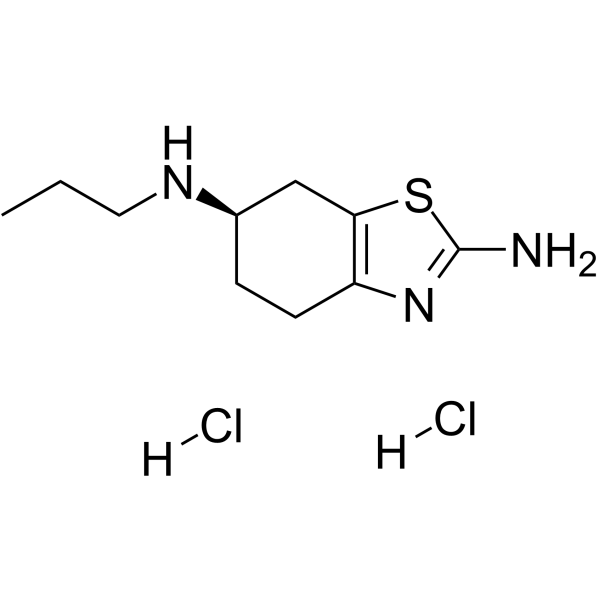
    Dexpramipexole dihydrochloride
    2 Publications Verification

    (R)-Pramipexole dihydrochloride; R-(+)-Pramipexole dihydrochloride; KNS-760704 dihydrochloride

    ATP Synthase Sodium Channel Glutathione Peroxidase NOD-like Receptor (NLR) Mitophagy Ferroptosis PINK1/Parkin Autophagy Apoptosis Reactive Oxygen Species (ROS) Cardiovascular Disease Neurological Disease Inflammation/Immunology
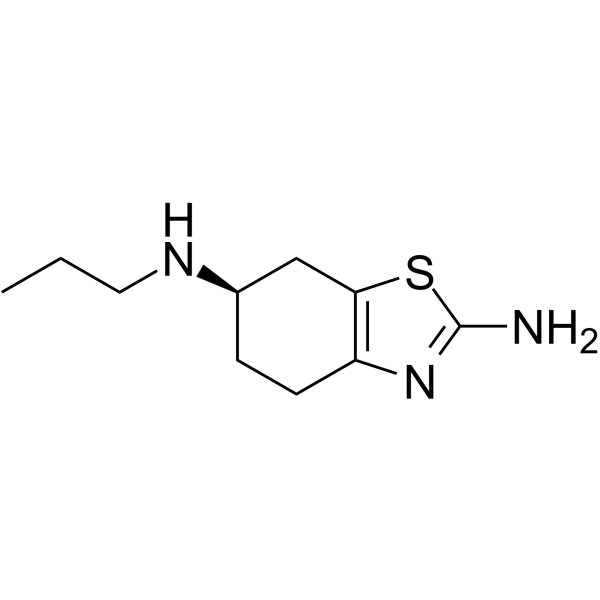
    Dexpramipexole ((R)-Pramipexole) dihydrochloride is an orally active, blood-brain barrier permeable mitochondrial protective agent. Dexpramipexole dihydrochloride upregulates the expression of Parkin, PINK1, GPX4 and FSP1; binds to mitochondrial F1/Fo-ATP synthase; blocks the Nav1.8 sodium channel; and inhibits the activation of the NLRP3 inflammasome. Dexpramipexole dihydrochloride induces mitophagy, inhibits ferroptosis, pyroptosis, apoptosis, neuroinflammation and eosinophilopoiesis; maintains mitochondrial function and redox homeostasis; reduces reactive oxygen species production; and decreases myocardial infarct size. Dexpramipexole dihydrochloride is applicable to studies on eosinophilic asthma, myocardial ischemia/reperfusion injury, sepsis-associated encephalopathy, analgesia, and more .
    Dexpramipexole dihydrochloride
  • HY-101383
    PF-01247324
    1 Publications Verification

    Sodium Channel Neurological Disease
    PF-01247324 is a selective and orally bioavailable Nav1.8 channel blocker with an IC50 of 196 nM for recombinant human Nav1.8 channel.
    PF-01247324
  • HY-171244

    Sodium Channel Neurological Disease
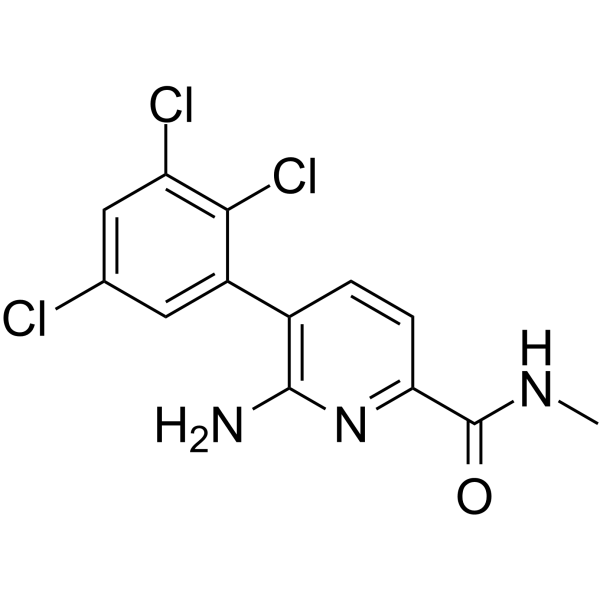
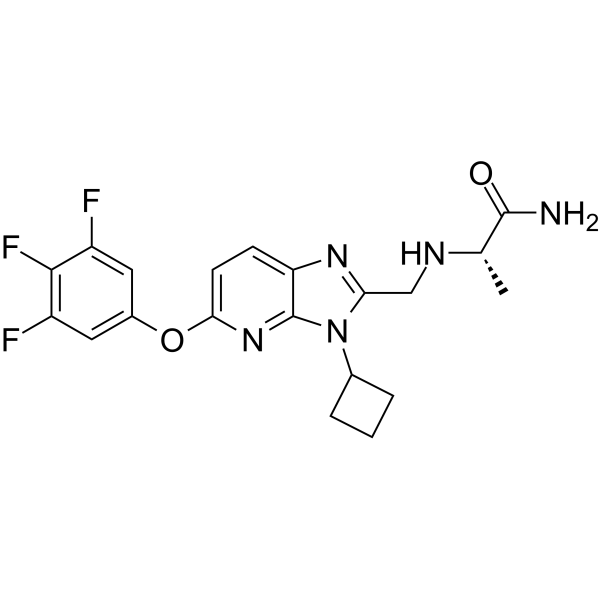
    Sodium Channel inhibitor 6 (compound I) is a selective Nav1.8 inhibitor that can be used in the study of neuropathic pain .
    Sodium Channel inhibitor 6
  • HY-B0824
    Bifenthrin
    1 Publications Verification

    Environmental Pollutants Sodium Channel Neurological Disease
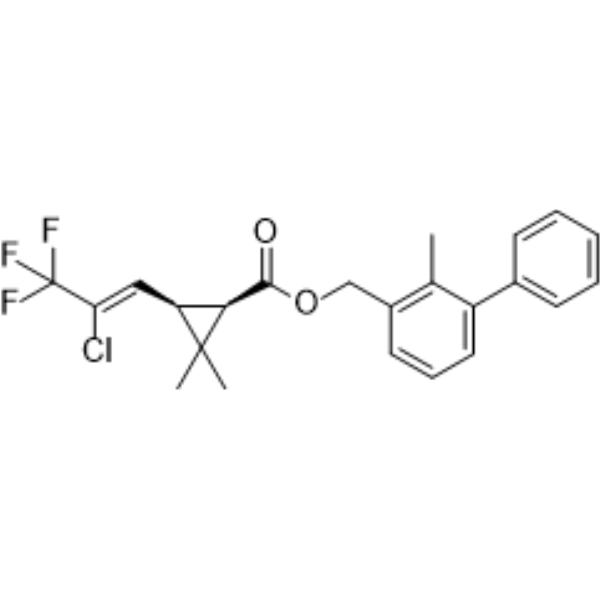
    Bifenthrin is a synthetic pyrethroid insecticide. Bifenthrin prolongs the opening time of Nav1.8 sodium channels, leading to membrane depolarization and conductance block in the insect nervous system, thereby disrupting neural function. Bifenthrin was effective in inhibiting A. gambiae (LD50=0.15 ng/mg) and C. quinquefasciatus (LD50=0.16 ng/mg). Bifenthrin has good lethality against susceptible and resistant mosquitoes and is very effective in inhibiting blood sucking and can be developed as a mosquito-removal netting material .
    Bifenthrin
  • HY-114301

    Sodium Channel Neurological Disease
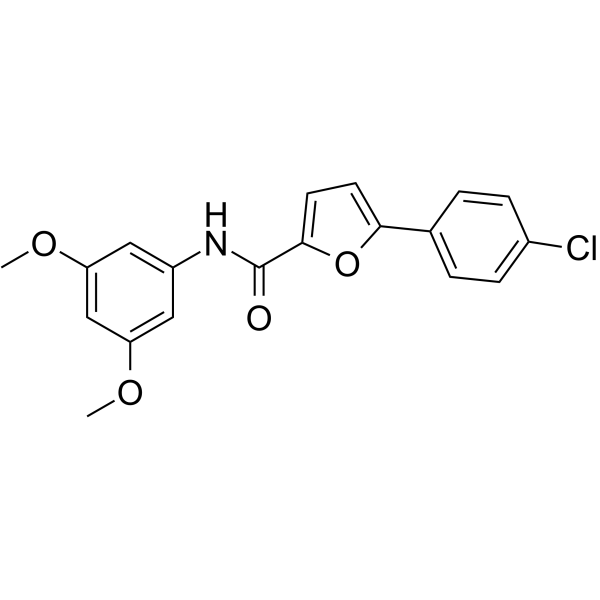
    PF-06305591 is a potent and highly selective voltage gated sodium channel NaV1.8 blocker, with an IC50 of 15 nM. An excellent preclinical in vitro ADME and safety profile .
    PF-06305591
  • HY-143481

    Sodium Channel Neurological Disease Inflammation/Immunology
    Nav1.8-IN-2 (compound 35A) is a Nav1.8 voltage-gated sodium ion inhibitor with an IC50 of 0.4 nM (HEK 293 cells). Nav1.8-IN-2 inhibits the activity of Nav1.8 voltage-gated sodium ion channels, mediates sodium ion influx in excitable cells, and is associated with the initiation and conduction of action potentials. Nav1.8-IN-2 can be used for research related to pain, cough, itching, etc .
    Nav1.8-IN-2
  • HY-157802

    Sodium Channel Neurological Disease
    LTGO-33 is a potent and selective voltage-gated sodium channel NaV1.8 inhibitor. LTGO-33 inhibits NaV1.8 in the nM potency range and exhibits over 600-fold selectivity against human NaV1.1-NaV1.7 and NaV1.9. LTGO-33 exhibits state-independent inhibition with similar potencies on channels in the closed and inactivated conformations. LTGO-33 inhibits native TTX-R NaV1.8 currents in non-human primate and human DRG neurons, where it reduces action potential firing. LTGO-33 can be used for pain disorders research .
    LTGO-33
  • HY-B1837

    Environmental Pollutants Sodium Channel Infection
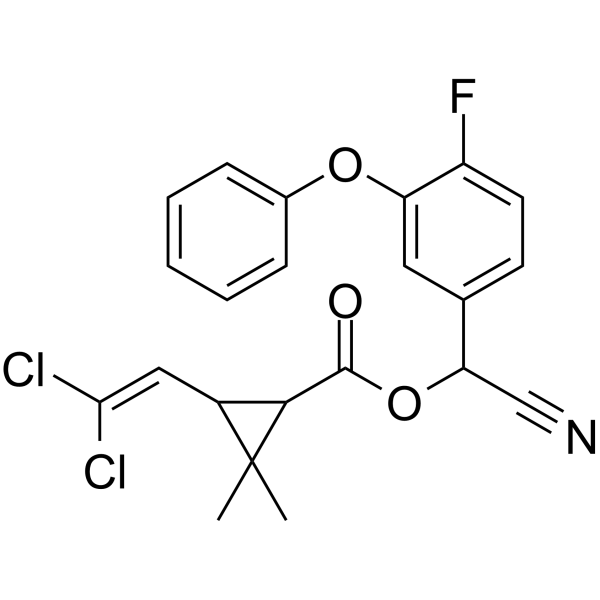
    Cyfluthrin is a type II pyrethroid and has effects on various insects. Cyfluthrin is a modulator of Nav1.8 sodium channels by repetitive stimulation. Cyfluthrin can be applied in agriculture,veterinary, insecticide,pyrethroid and stored product .
    Cyfluthrin
  • HY-N1847

    Sodium Channel Neurological Disease
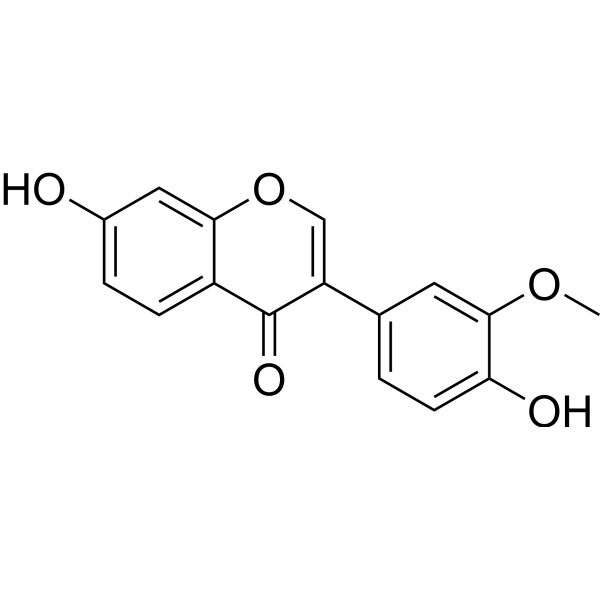
    3'-Methoxydaidzein is a isoflavone and a Sodium Channel inhibitor. 3'-Methoxydaidzein inhibits subtypes NaV1.7, NaV1.8 and NaV1.3 with IC50 of 181 nM, 397 nM, and 505 nM, respectively. 3'-Methoxydaidzein exerts analgesic activity by inhibiting voltage-gated sodium channels .
    3'-Methoxydaidzein
  • HY-17355B
    Dexpramipexole
    2 Publications Verification

    (R)-Pramipexole; R-(+)-Pramipexole; KNS-760704

    PINK1/Parkin Glutathione Peroxidase Sodium Channel ATP Synthase NOD-like Receptor (NLR) Mitophagy Ferroptosis Autophagy Apoptosis Reactive Oxygen Species (ROS) Cardiovascular Disease Neurological Disease Inflammation/Immunology
    Dexpramipexole ((R)-Pramipexole) is an orally active, blood-brain barrier permeable mitochondrial protective agent. Dexpramipexole upregulates the expression of Parkin, PINK1, GPX4 and FSP1; binds to mitochondrial F1/Fo-ATP synthase; blocks the Nav1.8 sodium channel; and inhibits the activation of the NLRP3 inflammasome. Dexpramipexole induces mitophagy, inhibits ferroptosis, pyroptosis, apoptosis, neuroinflammation and eosinophilopoiesis; maintains mitochondrial function and redox homeostasis; reduces reactive oxygen species production; and decreases myocardial infarct size. Dexpramipexole is applicable to studies on eosinophilic asthma, myocardial ischemia/reperfusion injury, sepsis-associated encephalopathy, analgesia, and more .
    Dexpramipexole
  • HY-100080

    Sodium Channel Neurological Disease
    A-887826 is a potent, selective, oral bioavailable and voltage-dependent Na(v)1.8 sodium channel blocker with an IC50 of 11 nM . A-887826 attenuates neuropathic tactile allodynia in vivo .
    A-887826
  • HY-178281

    Potassium Channel Sodium Channel Neurological Disease
    E0199 is a novel potent dual-target KV7/NaV modulator that activates the KV7 channel (KV7.2/7.3 (EC50 = 12.78 nM), KV7.2 (EC50 = 0.50 μM), and KV7.5 (EC50 = 27.14 nM) channels) while simultaneously blocks the NaV1.7 (IC50 = 0.52 μM), NaV1.8 (IC50 = 0.24 μM), and NaV1.9 (IC50 = 0.16 μM) channels. E0199 shows a potent analgesic effect without affecting heart and skeletal muscle ion channels critically in a chronic constriction injury (CCI) mouse model. E0199 can be used for Neuropathic pain (NP) research .
    E0199
  • HY-155635

    Sodium Channel Infection
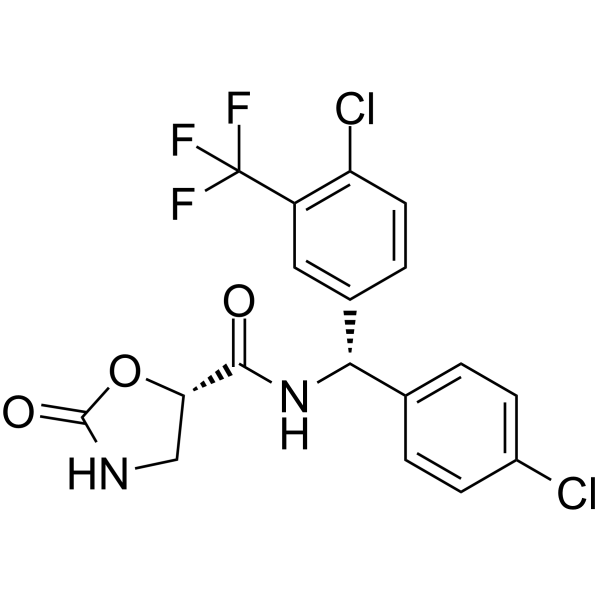
    Nav1.8-IN-4 (compound 9a) is a Nav1.8 channel inhibitor (IC50=0.014 μM). Nav1.8-IN-4 can be used for research on pain-related diseases .
    Nav1.8-IN-4
  • HY-16723A

    (R)-TV 45070; (R)-XEN402

    Sodium Channel Neurological Disease Inflammation/Immunology
    (R)-Funapide ((R)-TV 45070) is the less active R-enantiomer of Funapide. Funapide is a potent inhibitor of the sodium channel Nav1.7, Nav1.8 and other Nav channels expressed in the peripheral nervous system. Fornabil is an orally effective analgesic agent .
    (R)-Funapide
  • HY-P5152

    Sodium Channel Neurological Disease
    Scorpion toxin Tf2 is a selective human voltage-gated sodium channel Nav1.3 (hNav1.3) activator. Scorpion toxin Tf2 selectively shifts the channel's activation voltage to more negative values, enabling channel opening at resting membrane potentials. Scorpion toxin Tf2 can be used for the research of epilepsy, nociception (after spinal cord injury) .
    Scorpion toxin Tf2
  • HY-132133

    Sodium Channel Neurological Disease Inflammation/Immunology
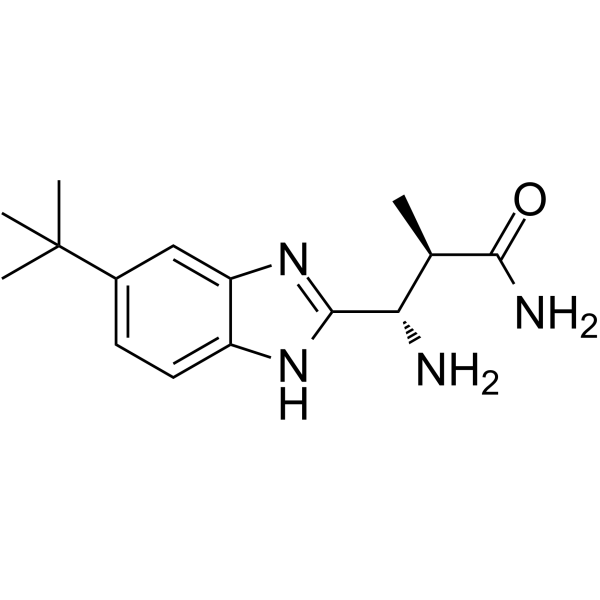
    Nav1.8-IN-1 (Compound 31) is a potent inhibitor of Na(v)1.8 sodium channel. Nav1.8-IN-1 has the potential for the research of inflammatory and neuropathic pain .
    Nav1.8-IN-1
  • HY-157802A

    Sodium Channel Neurological Disease
    (S)-LTGO-33 is a small molecule inhibitor of voltage-gated sodium channel NaV1.8. (S)-LTGO-33 can be used in the study of pain disorders .
    (S)-LTGO-33
  • HY-114301A

    Sodium Channel Neurological Disease
    PF-06305591 dihydrate is a potent and highly selective voltage gated sodium channel NaV1.8 blocker, with an IC50 of 15 nM. An excellent preclinical in vitro ADME and safety profile .
    PF-06305591 dihydrate
  • HY-174845

    Sodium Channel Neurological Disease
    Nav1.8-IN-20 (Compound I) is an orally active and potent voltage-gated sodium channel Nav1.8 inhibitor with an IC50 value of 14 nM. Nav1.8-IN-20 blocks the generation and conduction of action potentials in peripheral nociceptive neurons, exerting analgesic effects. Nav1.8-IN-20 is promising for research of various pain types such as acute pain, chronic pain, inflammatory pain, and neuropathic pain .
    Nav1.8-IN-20
  • HY-17355BS

    (R)-Pramipexole-d3 dihydrochloride; R-(+)-Pramipexole-d3 dihydrochloride; KNS-760704-d3 dihydrochloride

    Isotope-Labeled Compounds ATP Synthase Sodium Channel Glutathione Peroxidase NOD-like Receptor (NLR) Mitophagy Ferroptosis PINK1/Parkin Autophagy Apoptosis Reactive Oxygen Species (ROS) Cardiovascular Disease Neurological Disease Inflammation/Immunology
    Dexpramipexole-d3 ((R)-Pramipexole-d3) dihydrochloride is the deuterium labeled Dexpramipexole. Dexpramipexole ((R)-Pramipexole) dihydrochloride is an orally active, blood-brain barrier permeable mitochondrial protective agent. Dexpramipexole dihydrochloride upregulates the expression of Parkin, PINK1, GPX4 and FSP1; binds to mitochondrial F1/Fo-ATP synthase; blocks the Nav1.8 sodium channel; and inhibits the activation of the NLRP3 inflammasome. Dexpramipexole dihydrochloride induces mitophagy, inhibits ferroptosis, pyroptosis, apoptosis, neuroinflammation and eosinophilopoiesis; maintains mitochondrial function and redox homeostasis; reduces reactive oxygen species production; and decreases myocardial infarct size. Dexpramipexole dihydrochloride is applicable to studies on eosinophilic asthma, myocardial ischemia/reperfusion injury, sepsis-associated encephalopathy, analgesia, and more.
    Dexpramipexole-d3 dihydrochloride
  • HY-160591

    Sodium Channel Neurological Disease
    Nav1.8-IN-10 (Compound 6) is a Nav1.8 channel inhibitor. When the concentration is 4 nM, the percentage blocking rate of Nav1.8 channel is 79.4%. Nav1.8-IN-10 can be used in the study of pain disorders .
    Nav1.8-IN-10
  • HY-160592

    Sodium Channel Neurological Disease
    Nav1.8-IN-11 (Example 1) is a Nav1.8 channel inhibitor with a IC50 value of 0.1 nM. Nav1.8-IN-11 can be used in the study of pain disorders .
    Nav1.8-IN-11
  • HY-172903

    Sodium Channel Neurological Disease Inflammation/Immunology
    Nav1.8-IN-16 (Compound (R)-40) is an orally active and selective hNaV 1.8 inhibitor (IC50: 5.9 nM). Nav1.8-IN-16 exerts analgesic effects by blocking NaV1.8 channels without significantly affecting other NaV subtypes or hERG channels. Nav1.8-IN-16 exhibits dose-dependent analgesic effects in postoperative pain and inflammatory pain models and can be used in pain-related research .
    Nav1.8-IN-16
  • HY-P5916

    κ-Theraphotoxin-Gr4a; Kappa-TRTX-Gr4a; Voltage sensor toxin 3; Peptide F

    Others Potassium Channel Neurological Disease
    VSTx-3 is a KV channel blocker. VSTx-3 is demonstrated to be a potent, TTX-sensitive sodium channel blocker and especially, a potent blocker of NaV1.8 channels (IC50 0.19 μM for hNaV1.3, 0.43 μM for hNaV1.7 and 0.77 μM for hNaV1.8 channels).
    VSTx-3
  • HY-P1441A

    Sodium Channel Neurological Disease
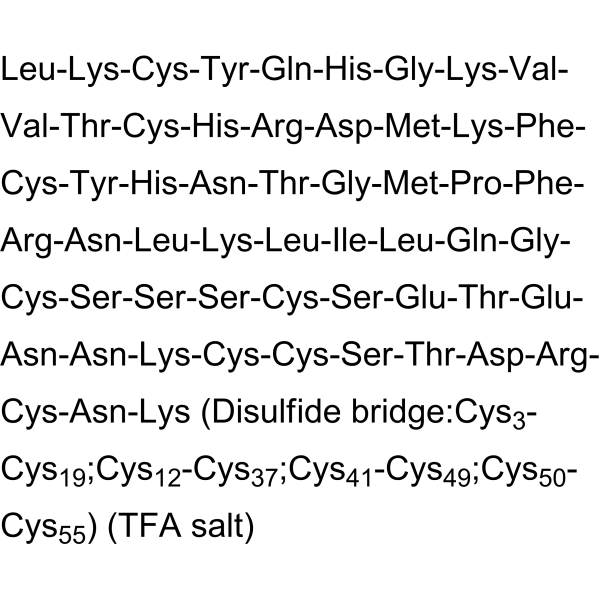
    Mambalgin 1 TFA is a selective ASIC1a inhibitor (IC50 values are 192 and 72 nM for human ASIC1a and ASIC1a/1b dimer, respectively). Mambalgin 1 TFA binds to closed/inactive channel. Mambalgin 1 TFA is selective for ASIC1a over ASIC2a, ASIC3, TRPV1, P2X2, 5-HT3, Nav1.8, Cav3.2 and Kv1.2 channels. Mambalgin 1 TFA increases latency of withdrawal response in mouse tail-flick and paw-flick tests.
    Mambalgin 1 TFA
  • HY-181615

    Sodium Channel
    Nav1.8-IN-22 (Formula I) is a Nav1.8 sodium channel inhibitor. Nav1.8-IN-22 regulates sodium channel activity by directly binding to Nav1.8. Nav1.8-IN-22 is applicable for pain-related research .
    Nav1.8-IN-22
  • HY-160589

    Sodium Channel Neurological Disease
    Nav1.8-IN-8 (Compound A11) is a Nav1.8 channel inhibitor. Nav1.8-IN-8 may prevent associated diseases mediated by sodium ion channels (NaV) .
    Nav1.8-IN-8
  • HY-149944

    Sodium Channel Inflammation/Immunology
    Analgesic agent-2 is a selective and orally active NaV1.8 Channel inhibitor, with an IC50 of 50.18 nM in HEK293 cells stably expressing human NaV1.8 channel. Analgesic agent-2 has analgesic activity .
    Analgesic agent-2
  • HY-160593

    Sodium Channel Neurological Disease
    Nav1.8-IN-12 (Compound 23 R) is a Nav1.8 channel inhibitor. Nav1.8-IN-12 can be used in the study of pain-related diseases .
    Nav1.8-IN-12
  • HY-P5811

    CcoTx1; β-TRTX-cm1a

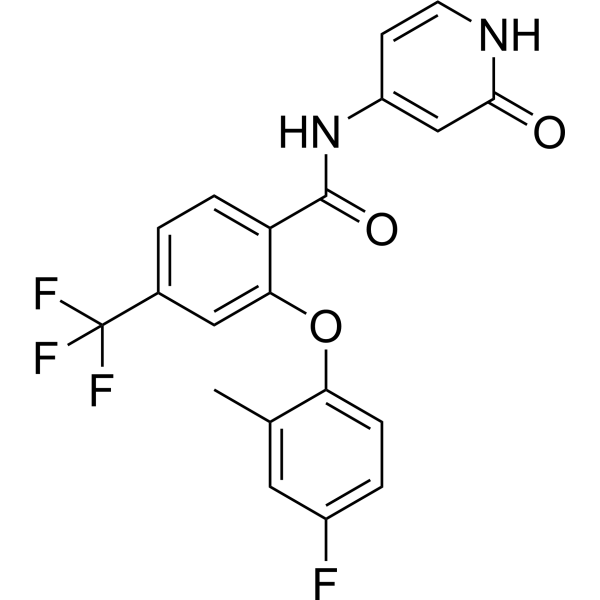
    Sodium Channel Neurological Disease
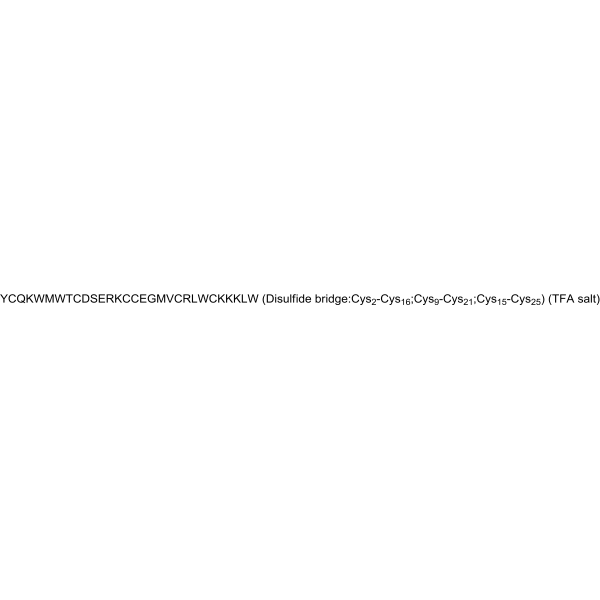
    Ceratotoxin-1 (CcoTx1), a peptide toxin, is an voltage-gated sodium channel subtypes inhibitor. Ceratotoxin-1 inhibits Nav1.1/β1, Nav1.2/β1, Nav1.4/β1, and Nav1.5/β1 with IC50 of 523 nM, 3 nM, 888 nM, and 323 nM, respectively. Ceratotoxin-1 also inhibits Nav1.8/β1 .
    Ceratotoxin-1
  • HY-162246

    Sodium Channel Cardiovascular Disease Neurological Disease
    Nav1.8-IN-5 (Example 1) is a voltage-gated sodium channel Nav1.8 inhibitor. Nav1.8-IN-5 can be used for Nav1.8-mediated diseases, such as pain and pain-related disorders, as well as cardiovascular diseases (such as atrial fibrillation) research .
    Nav1.8-IN-5
  • HY-183646

    Sodium Channel Neurological Disease
    Nav1.8-IN-23 is a Nav1.8 voltage-gated sodium channel inhibitor with a pIC50 of 6.1. Nav1.8-IN-23 can be used for the research of pain-related diseases .
    Nav1.8-IN-23
  • HY-161272

    Sodium Channel Neurological Disease
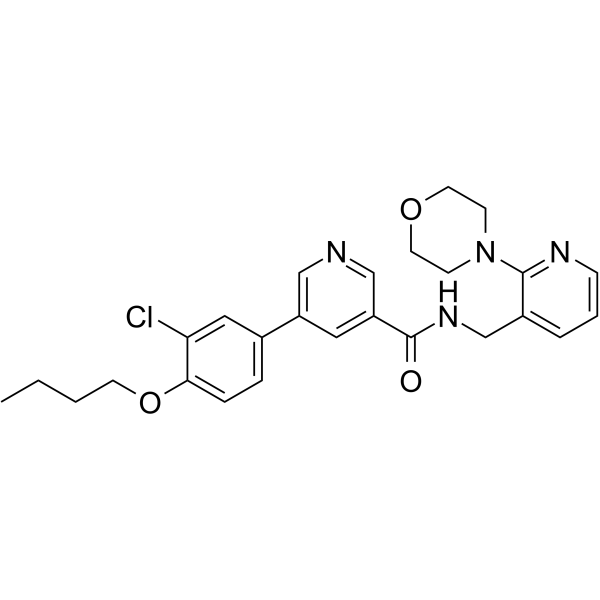
    Nav1.8-IN-6 (Compound 2j) is a novel pyridinone amide Nav1.8 channel inhibitor. The IC50 values in the resting state and semi-activated state are 513.33 and 471.81 nM, respectively. Nav1.8-IN-6 has analgesic activity .
    Nav1.8-IN-6
  • HY-163855

    Sodium Channel GABA Receptor Neurological Disease
    KGP-25 is an inhibitor of voltage-gated sodium channel 1.8 (Nav1.8), which can be used for analgesia by targeting Nav1.8 in the peripheral nervous system (PNS). KGP-25 can also target γ-aminobutyric acid subtype A receptor (GABAA) in the central nervous system (CNS) for general anesthesia .
    KGP-25
  • HY-B1837R

    Reference Standards Sodium Channel Infection
    Cyfluthrin (Standard) is the analytical standard of Cyfluthrin. This product is intended for research and analytical applications. Cyfluthrin is a type II pyrethroid and has effects on various insects. Cyfluthrin is a modulator of Nav1.8 sodium channels by repetitive stimulation. Cyfluthrin can be applied in agriculture,veterinary, insecticide,pyrethroid and stored product[1][2].
    Cyfluthrin (Standard)
  • HY-B1837S

    β-Cyfluthi-d6

    Isotope-Labeled Compounds Sodium Channel Infection
    Cyfluthrin-d6 (β-Cyfluthi-d6) is deuterium labeled Cyfluthrin. Cyfluthrin is a type II pyrethroid and has effects on various insects. Cyfluthrin is a modulator of Nav1.8 sodium channels by repetitive stimulation. Cyfluthrin can be applied in agriculture,veterinary, insecticide,pyrethroid and stored product .
    Cyfluthrin-d6
  • HY-158979

    Sodium Channel Neurological Disease
    Nav1.8-IN-14 (compound 20) is a potent and selective Nav1.8 inhibitor. Nav1.8-IN-14 can be used in the study of pain-related diseases .
    Nav1.8-IN-14
  • HY-B0824R

    Reference Standards Sodium Channel Neurological Disease
    Bifenthrin (Standard) is the analytical standard of Bifenthrin. This product is intended for research and analytical applications. Bifenthrin is a synthetic pyrethroid insecticide. Bifenthrin prolongs the opening time of Nav1.8 sodium channels, leading to membrane depolarization and conductance block in the insect nervous system, thereby disrupting neural function. Bifenthrin was effective in inhibiting A. gambiae (LD50=0.15 ng/mg) and C. quinquefasciatus (LD50=0.16 ng/mg). Bifenthrin has good lethality against susceptible and resistant mosquitoes and is very effective in inhibiting blood sucking and can be developed as a mosquito-removal netting material .
    Bifenthrin (Standard)
  • HY-17355AR

    (R)-Pramipexole dihydrochloride (Standard); R-(+)-Pramipexole dihydrochloride (Standard); KNS-760704 dihydrochloride (Standard)

    Reference Standards ATP Synthase Sodium Channel Glutathione Peroxidase NOD-like Receptor (NLR) Mitophagy Ferroptosis PINK1/Parkin Autophagy Apoptosis Cardiovascular Disease Neurological Disease Inflammation/Immunology
    Dexpramipexole ((R)-Pramipexole) dihydrochloride (Standard) is the analytical standard of Dexpramipexole (dihydrochloride). This product is intended for research and analytical applications. Dexpramipexole dihydrochloride is an orally active, blood-brain barrier permeable mitochondrial protective agent. Dexpramipexole dihydrochloride upregulates the expression of Parkin, PINK1, GPX4 and FSP1; binds to mitochondrial F1/Fo-ATP synthase; blocks the Nav1.8 sodium channel; and inhibits the activation of the NLRP3 inflammasome. Dexpramipexole dihydrochloride induces mitophagy, inhibits ferroptosis, pyroptosis, apoptosis, neuroinflammation and eosinophilopoiesis; maintains mitochondrial function and redox homeostasis; reduces reactive oxygen species production; and decreases myocardial infarct size. Dexpramipexole dihydrochloride is applicable to studies on eosinophilic asthma, myocardial ischemia/reperfusion injury, sepsis-associated encephalopathy, analgesia, and more.
    Dexpramipexole dihydrochloride (Standard)
  • HY-183566

    Sodium Channel Neurological Disease
    MK-5661 is an orally potent NaV1.8 voltage-gated sodium channel inhibitor with an EC50 of 4.3 nM. MK-5661 selectively inhibits peripheral nociceptive signaling mediators. MK-5661 reduces capsaicin-induced spontaneous nociceptive behaviors in humanized rats and attenuates capsaicin-induced skin flushing responses in rhesus monkeys. MK-5661 is applicable for pain-related research .
    MK-5661
  • HY-183709

    Sodium Channel Neurological Disease
    Nav1.8-IN-24 is a voltage-gated sodium channel Nav1.8 inhibitor with pIC50 values of 7.4 (resting state) and 7.5 (inactivated state), and it exhibits high selectivity for NaV1.1-1.7 subtypes. Nav1.8-IN-24 possesses in vitro safety and drug interaction profiles. Nav1.8-IN-24 can be used for the research of acute pain and chronic neuropathic pain .
    Nav1.8-IN-24
  • HY-182195

    Drug Derivative Sodium Channel Neurological Disease
    Suzetrigine N-oxide (the third compound in P57) is a derivative of Suzetrigine (HY-148800). Suzetrigine N-oxide is an inhibitor of voltage-gated sodium channels (Nav1.8) and can be used for research on the treatment of pain, especially neuropathic pain .
    Suzetrigine N-oxide
  • HY-100080R

    Sodium Channel Reference Standards Neurological Disease
    A-887826 (Standard) is the analytical standard of A-887826 (HY-100080). This product is intended for research and analytical applications. A-887826 is a potent, selective, oral bioavailable and voltage-dependent Na(v)1.8 sodium channel blocker with an IC50 of 11 nM . A-887826 attenuates neuropathic tactile allodynia in vivo .
    A-887826 (Standard)

Inquiry Online

Your information is safe with us. * Required Fields.

Salutation


Country or Region *

Applicant Name *


Organization Name *

Department *


Email Address *


Product Name *

Cat. No.


Requested quantity *

Phone Number *


Remarks

Inquiry Online

Inquiry Information

Product Name:
Cat. No.:
Quantity:
MCE Japan Authorized Agent:

