
1. Search Result
Search Result
Results for "

Neutrophil extracellular traps

" in MedChemExpress (MCE) Product Catalog:

26

阻害剤およびアゴニスト

2

生化学アッセイ試薬

3

ペプチド

2

阻害性抗体

3

天然物

1

オリゴヌクレオチド

Targets Recommended:
製品番号 製品名 Target 研究分野 構造式
  • HY-100574A
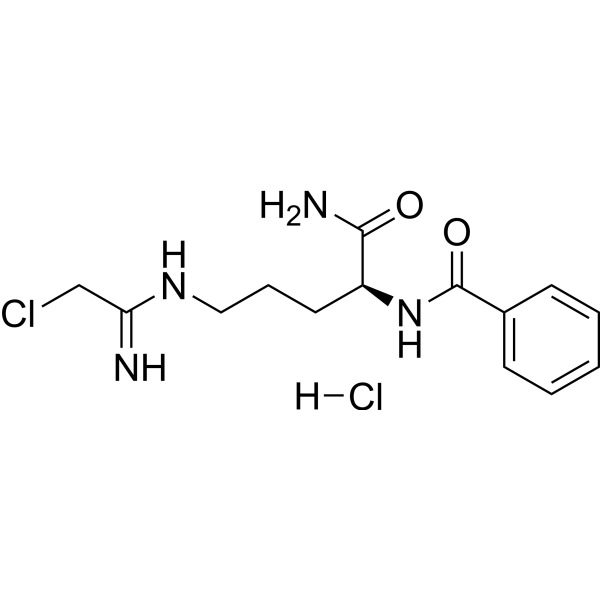
    Cl-amidine hydrochloride
    20+ Cited Publications

    Protein Arginine Deiminase Apoptosis MicroRNA Inflammation/Immunology Cancer
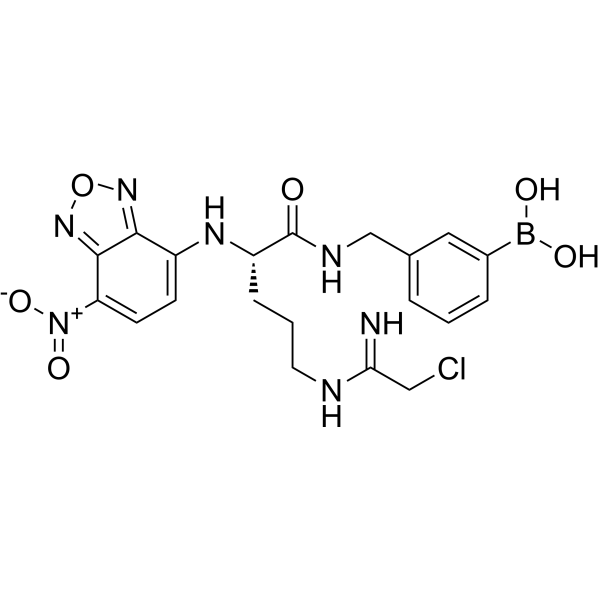
    Cl-amidine hydrochloride is an orally active peptidylarginine deminase (PAD) inhibitor, with IC50 values of 0.8 μM, 6.2 μM and 5.9 μM for PAD1, PAD3, and PAD4, respectively. Cl-amidine hydrochloride induces apoptosis in cancer cells. Cl-amidine hydrochloride induces microRNA (miR)-16 (miRNA-16, microRNA-16) expression and causes cell cycle arrest. Cl-Amidine hydrochloride prevents histone 3 citrullination and neutrophil extracellular trap formation, and improves survival in a murine sepsis model .
    Cl-amidine hydrochloride
  • HY-P99444
    Astegolimab
    2 Publications Verification

    MSTT 1041A; RG 6149

    Interleukin Related MDM-2/p53 NF-κB Cardiovascular Disease Inflammation/Immunology
    Astegolimab (MSTT 1041A; RG 6149) is a human IgG2 monoclonal antibody. Astegolimab blocks IL-33 signaling by targeting the IL-33 receptor ST2. Astegolimab reduces p53 expression, mitigates IL33-upregulated SASP factors such as IL1α, IL6 and MCP1. Astegolimab mitigates IL33-increased p-p65/p65 ratio. Astegolimab blocks CM-induced neutrophil extracellular trap (NET) formation. Astegolimab is used in chronic obstructive pulmonary disease (COPD) and myocardial research .
    Astegolimab
  • HY-111674
    LDC7559
    20+ Cited Publications

    Pyroptosis Inflammation/Immunology
    LDC7559 is a gasdermin D (GSDMD) inhibitor via blocking neutrophil extracellular trap (NET) in the late stages .
    LDC7559
  • HY-123606
    GSK484
    Maximum Cited Publications
    49 Publications Verification

    Protein Arginine Deiminase MHC Cardiovascular Disease Inflammation/Immunology
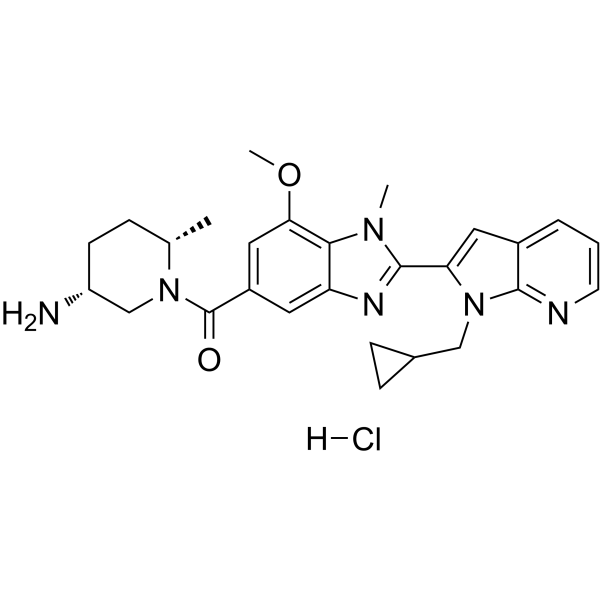
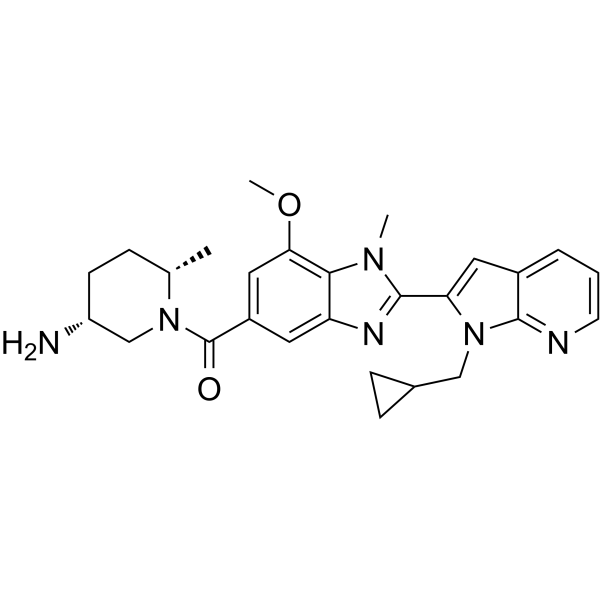
    GSK484 is a PAD4 inhibitor that effectively inhibits protein citrullination and the formation of neutrophil extracellular traps (NETs) by blocking the catalytic activity of PAD4. GSK484 suppresses the production of histone H3, MHC-I expression, CD8 + T cell activation, proliferation and inflammatory cytokine release. GSK484 reduces inflammation and bone destruction in collagen-induced rheumatoid arthritis, alleviates pain and mast cell activation in sickle cell disease, and improves myocardial ischemia-reperfusion injury and experimental colitis. In addition, GSK484 restores intestinal microbial homeostasis by reversing ferroptosis-induced dysbiosis. GSK484 can be used to study the disease mechanisms of rheumatoid arthritis, sickle cell disease, thrombosis, myocardial injury, colitis and other conditions .
    GSK484
  • HY-Y1325I

    Environmental Pollutants Biochemical Assay Reagents Apoptosis NO Synthase p38 MAPK Heme Oxygenase (HO) Keap1-Nrf2 Wnt β-catenin Metabolic Disease Inflammation/Immunology Cancer
    Sodium acetate trihydrate, 99.5% is a short-chain fatty acid salt with multiple biological activities. Sodium acetate trihydrate, 99.5% serves as a direct precursor of acetyl-CoA, and it extensively affects gene expression by promoting histone acetylation. Sodium acetate trihydrate, 99.5% can activate the p38 MAPK pathway to induce cancer cell apoptosis. Sodium acetate trihydrate, 99.5% can activate the Wnt/β-catenin signaling pathway to stimulate the proliferation and migration of cecal epithelial cells, thereby improving intestinal health. Sodium acetate trihydrate, 99.5% alleviates lead accumulation and oxidative damage by upregulating the testosterone-dependent eNOS/NO/cGMP signaling pathway, as well as activating the Nrf2/HO-1 pathway and its downstream antioxidant enzymes .
    Sodium acetate trihydrate, 99.5%
  • HY-N0353
    Curdione
    2 Publications Verification

    (+)-Curdione

    Ferroptosis Apoptosis Reactive Oxygen Species (ROS) Autophagy Glutathione Peroxidase Keap1-Nrf2 Heme Oxygenase (HO) TGF-β Receptor Indoleamine 2,3-Dioxygenase (IDO) Cardiovascular Disease Neurological Disease Cancer
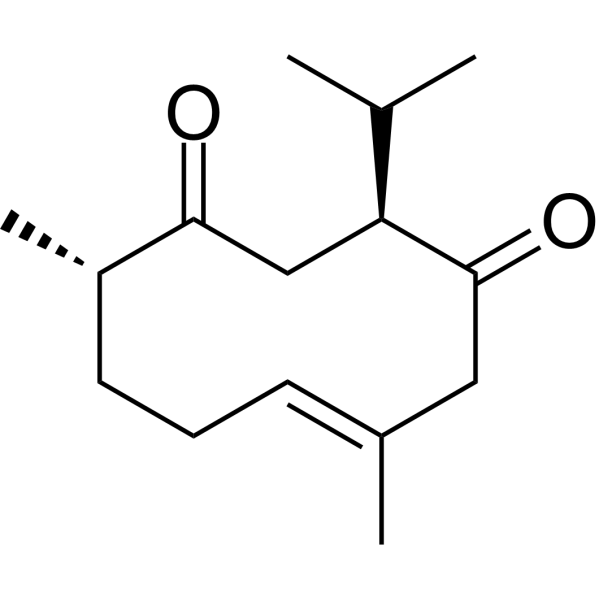
    Curdione ((+)-Curdione) is an orally active sesquiterpenoid. Curdione inhibits platelet aggregation. Curdione induces ferroptosis in colorectal cancer via m6A methylation mediated by METTL14 and YTHDF2. Curdione inhibits ferroptosis in Isoproterenol (HY-B0468)-induced myocardial infarction by regulating the Keap1/Trx1/GPX4 signaling pathway, suppressing oxidative stress (ROS) and apoptosis. Curdione ameliorates Doxorubicin (HY-15142)-induced cardiotoxicity by inhibiting oxidative stress (ROS) and activating the Nrf2/HO-1 pathway. Curdione ameliorates sepsis-induced lung injury by inhibiting platelet-mediated neutrophil extracellular trap formation. Curdione ameliorates Bleomycin (HY-17565A)-induced pulmonary fibrosis by inhibiting TGF-β-induced fibroblast-to-myofibroblast differentiation. Curdione exhibits neuroprotective effects against focal cerebral ischemia-reperfusion injury in rats. Curdione exerts antiproliferative effects against human uterine leiomyosarcoma by targeting IDO1. Curdione protects vascular endothelial cells and atherosclerosis by regulating DNMT1-mediated ERBB4 promoter methylation. Curdione inhibits inducible prostaglandin E2 production (IC50 = 1.1 μM) and cyclooxygenase 2 expression .
    Curdione
  • HY-100574

    Protein Arginine Deiminase Apoptosis MicroRNA Inflammation/Immunology Cancer
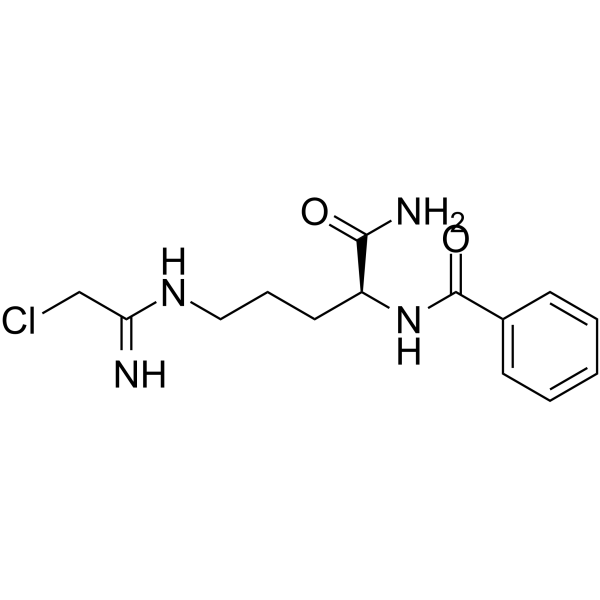
    Cl-amidine is an orally active peptidylarginine deminase (PAD) inhibitor, with IC50 values of 0.8 μM, 6.2 μM and 5.9 μM for PAD1, PAD3, and PAD4, respectively. Cl-amidine induces apoptosis in cancer cells. Cl-amidine induces microRNA (miR)-16 (miRNA-16, microRNA-16) expression and causes cell cycle arrest. Cl-Amidine prevents histone 3 citrullination and neutrophil extracellular trap formation, and improves survival in a murine sepsis model .
    Cl-amidine
  • HY-P991401

    TNF Receptor Inflammation/Immunology
    GSK2862277 is a human monoclonal antibody (mAb) targeting TNFRSF1A. GSK2862277 increases neutrophil extracellular trap formation and alveolar macrophage phagocytosis. GSK2862277 can be used in Acute lung injury and Acute Respiratory Distress Syndrome (ARDS) research. Recommended isotype control: VHH-hFc .
    GSK2862277
  • HY-Y0278

    Tetrachloro-p-benzoquinone; TCBQ

    Environmental Pollutants JNK Fungal Toll-like Receptor (TLR) Reactive Oxygen Species (ROS) Apoptosis MyD88 Ferroptosis Infection Neurological Disease Metabolic Disease Inflammation/Immunology
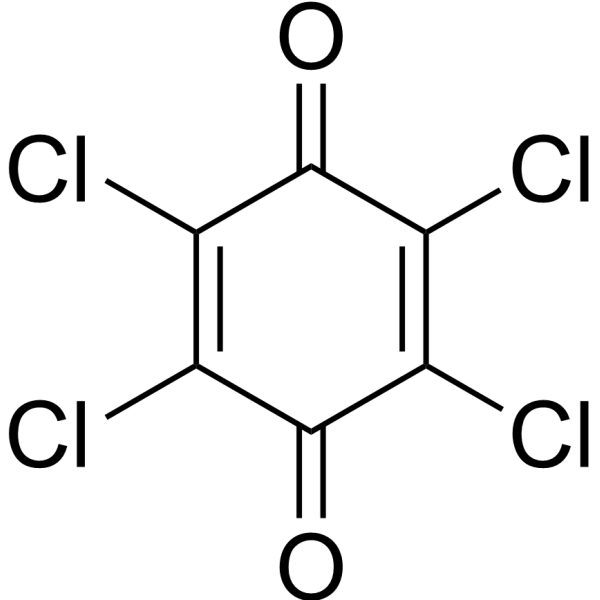
    Chloranil (Tetrachloro-p-benzoquinone), an orally active metabolite of pentachlorophenol and hexachlorobenzene, is a widely used fungicide. Chloranil can induce ROS production. Chloranil induces neutrophil extracellular traps through the ROS-JNK-NOX2 pathway. Chloranil induces ferroptosis and neuroinflammation. Chloranil induces apoptosis of mouse embryonic stem cells .
    Chloranil
  • HY-137655

    Protein Arginine Deiminase Cancer
    BMS-P5 is a selective and orally active peptidylarginine deiminase 4 (PAD4) inhibitor with an IC50 of 98 nM. BMS-P5 shows selective for PAD4 over PAD1, PAD2, and PAD3. BMS-P5 blocks multiple myeloma (MM)-induced neutrophil extracellular trap (NET) formation and delays progression of MM in a syngeneic mouse model .
    BMS-P5
  • HY-137655A

    Protein Arginine Deiminase Cancer
    BMS-P5 free base is a selective and orally active peptidylarginine deiminase 4 (PAD4) inhibitor with an IC50 of 98 nM. BMS-P5 free base shows selective for PAD4 over PAD1, PAD2, and PAD3. BMS-P5 free base blocks multiple myeloma (MM)-induced neutrophil extracellular trap (NET) formation and delays progression of MM in a syngeneic mouse model .
    BMS-P5 free base
  • HY-145237
    BM213
    3 Publications Verification

    Complement System Apoptosis Reactive Oxygen Species (ROS) Cancer
    BM213 is a selective C5aR agonist, with an EC50 of 59 nM. BM213 specifically activates the C5a-C5aR1 axis, which in turn promotes neutrophil extracellular trap (NET) formation and exacerbates inflammatory responses. BM213 significantly induces ventricular dilationin, promotes myocardial ROS production, and induces cardiomyocyte apoptosis in rats. BM213 can be used for the study of myocardial ischemia/reperfusion (I/R) injury .
    BM213
  • HY-W996116

    Glutathione Peroxidase Cardiovascular Disease Neurological Disease Inflammation/Immunology
    AZM198 is an orally active myeloperoxidase (MPO) inhibitor. AZM198 irreversibly inactivates MPO (IC50=0.015 μM) via covalent binding to the heme prosthetic group, preferentially targets extracellular MPO activity, and reduces neutrophil extracellular trap formation, reactive oxygen species production and degranulation. AZM198 increases the fibrous cap thickness of atherosclerotic plaques, reduces lesion area, ameliorates hepatic steatosis and fibrosis in non-alcoholic steatohepatitis, and alleviates proteinuria and inflammatory infiltration associated with glomerulonephritis. AZM198 also decreases circulating levels of high-sensitivity Cardiac Troponin I and IL-1β, and mitigates endothelial cell injury. Therefore, AZM198 is suitable for research on various MPO-related diseases, including atherosclerotic cardiovascular disease, myocardial infarction, ischemic stroke, non-alcoholic steatohepatitis and crescentic glomerulonephritis .
    AZM198
  • HY-P10868

    RLS-0071

    Reactive Oxygen Species (ROS) Infection Inflammation/Immunology
    Pegtarazimod (RLS-0071) is a dual-target anti-inflammatory peptide that exerts its effects by simultaneously regulating the complement system and neutrophil-associated inflammatory pathways. Pegtarazimod reduces ROS production both in vitro and in vivo, and decreases the level of neutrophil elastase, a marker of neutrophil extracellular traps (NETs), in vivo, thereby alleviating inflammatory responses. Pegtarazimod significantly improves the survival rate of mice in multiple in vivo models of acute graft-versus-host disease (aGVHD). Pegtarazimod inhibits the activation of the C1 complex, reduces the herpes zoster-like spread of herpes simplex virus type 1 skin infection, and improves the survival rate of infected mice . Pegtarazimod can be used in research related to acute graft-versus-host disease, acute pulmonary diseases, and skin herpes simplex virus type 1 infection .
    Pegtarazimod
  • HY-100574B
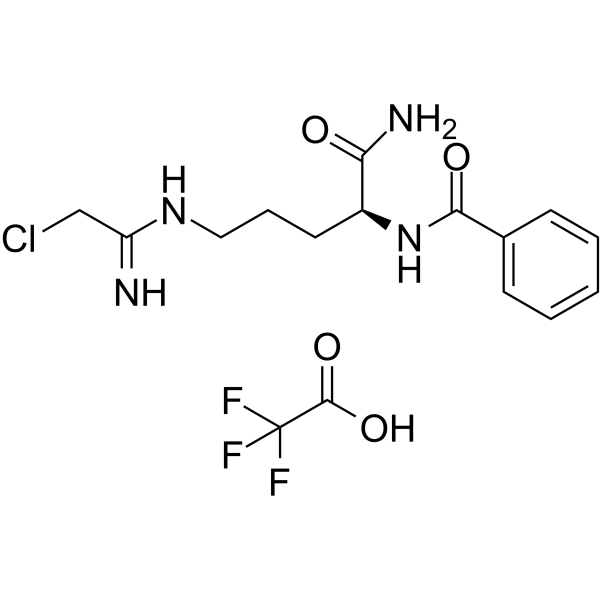
    Cl-amidine TFA
    20+ Cited Publications

    Protein Arginine Deiminase Apoptosis MicroRNA Inflammation/Immunology Cancer
    Cl-amidine TFA is an orally active peptidylarginine deminase (PAD) inhibitor, with IC50 values of 0.8 μM, 6.2 μM and 5.9 μM for PAD1, PAD3, and PAD4, respectively. Cl-amidine TFA induces apoptosis in cancer cells. Cl-amidine TFA induces microRNA (miR)-16 (miRNA-16, microRNA-16) expression and causes cell cycle arrest. Cl-Amidine TFA prevents histone 3 citrullination and neutrophil extracellular trap formation, and improves survival in a murine sepsis model .
    Cl-amidine TFA
  • HY-145996

    Biochemical Assay Reagents Cardiovascular Disease Infection
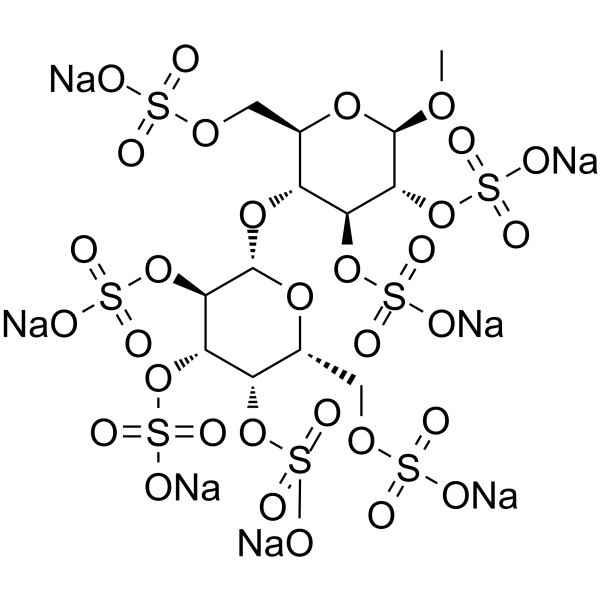
    STC314 is a histone-neutralizing agent. STC314 inhibits histone-mediated cytotoxicity, blocks histone-induced erythrocyte aggregation, reduces fragility, restores deformability and inhibits histone-induced aggregation and degranulation in human erythrocytes. STC314 reduces histone-mediated tissue damage, thrombocytopenia, anemia, and cell death, and improves survival in preclinical models. STC314 can be used for the research of sepsis, ischemia-reperfusion injury, and deep-vein thrombosis .
    STC314
  • HY-N7314

    Syk Inflammation/Immunology
    Asebogenin has antimalarial activity in vitro . Asebogenin can inhibit the phosphorylation of Syk, thereby effectively suppressing platelet activation and the formation of neutrophil extracellular traps .
    Asebogenin
  • HY-176709

    Protein Arginine Deiminase Inflammation/Immunology
    GSK147 is a PAD4 inhibitor with a Kd of 0.47 µM. GSK147 inhibits Ionomycin (HY-13434) induced protein citrullination in human isolated neutrophils .
    GSK147
  • HY-168002

    Glutathione Peroxidase Inflammation/Immunology
    MPO-IN-8 is an orally active myeloperoxidase (MPO) inhibitor. MPO-IN-8 can inhibit the generation of hypochlorous acid in neutrophils and the release of extracellular traps (NETosis). In mice with gouty arthritis, MPO-IN-8 can reduce swelling, lower peroxidase activity, and decrease IL-1β levels .
    MPO-IN-8
  • HY-Y0278R

    Tetrachloro-p-benzoquinone (Standard); TCBQ (Standard)

    Reference Standards Toll-like Receptor (TLR) MyD88 Apoptosis Ferroptosis JNK Reactive Oxygen Species (ROS) Fungal Infection Neurological Disease Metabolic Disease Inflammation/Immunology
    Chloranil (Standard) is the analytical standard of Chloranil. This product is intended for research and analytical applications. Chloranil, an orally active metabolite of pentachlorophenol and hexachlorobenzene, is a widely used fungicide. Chloranil can induce ROS production. Chloranil induces neutrophil extracellular traps through the ROS-JNK-NOX2 pathway. Chloranil induces ferroptosis and neuroinflammation. Chloranil induces apoptosis of mouse embryonic stem cells .
    Chloranil (Standard)
  • HY-181449

    Protein Arginine Deiminase Inflammation/Immunology
    CAY10729 (Compound 21) is a selective PAD2 inhibitor. CAY10729 inhibits neutrophil extracellular trap formation .
    CAY10729
  • HY-157157

    Protein Arginine Deiminase Cancer
    PAD4-IN-3 (compound 4B) is a PAD4 inhibitor with antitumor activity in vitro and in vivo. PAD4-IN-3 was covalently linked to RGD sequence peptide-modified chitosan (K-CRGDV), resulting in an enhanced oxidative stress-responsive nanoagent. K-CRGDV-PAD4-IN-3 can actively target tumors, inhibit PAD4 activity, block the formation of neutrophil extracellular traps (NETs), and improve the tumor immune microenvironment in response to the tumor microenvironment .
    PAD4-IN-3
  • HY-NP216

    LecB

    Integrin Endogenous Metabolite Bacterial Infection
    PA-IIL (LecB) is a lectin produced by Pseudomonas aeruginosa. PA-IIL binds to glycosylated β1-integrin, fucose-containing glycosphingolipids, fucosylated/mannosylated neutrophil glycoconjugates, and pre-formed neutrophil extracellular traps. PA-IIL disrupts host defenses: it creates favorable conditions for Pseudomonas aeruginosa infection and dissemination by modulating the bactericidal activity of neutrophils, impairing the trafficking and recruitment of immune cells, and compromising the repair capacity of epithelial barriers. PA-IIL can be used in studies related to Pseudomonas aeruginosa infection .
    PA-IIL
  • HY-P11868

    Protein Arginine Deiminase Inflammation/Immunology Cancer
    PADI4_3 is a substrate-competitive and selective PADI4 inhibitor with an IC50 of 56 nM. PADI4_3 blocks citrullination of histone H3 and reduces the formation of neutrophil extracellular traps. PADI4_3 can be used in research related to autoimmune diseases and cancers .
    PADI4_3
  • HY-N0353R

    (+)-Curdione (Standard)

    Reference Standards Ferroptosis Apoptosis Reactive Oxygen Species (ROS) Autophagy Glutathione Peroxidase Keap1-Nrf2 Heme Oxygenase (HO) TGF-β Receptor Indoleamine 2,3-Dioxygenase (IDO) Others
    Curdione (Standard) is the analytical standard of Curdione. This product is intended for research and analytical applications. Curdione ((+)-Curdione) is an orally active sesquiterpenoid. Curdione inhibits platelet aggregation. Curdione induces ferroptosis in colorectal cancer via m6A methylation mediated by METTL14 and YTHDF2. Curdione inhibits ferroptosis in Isoproterenol (HY-B0468)-induced myocardial infarction by regulating the Keap1/Trx1/GPX4 signaling pathway, suppressing oxidative stress (ROS) and apoptosis. Curdione ameliorates Doxorubicin (HY-15142)-induced cardiotoxicity by inhibiting oxidative stress (ROS) and activating the Nrf2/HO-1 pathway. Curdione ameliorates sepsis-induced lung injury by inhibiting platelet-mediated neutrophil extracellular trap formation. Curdione ameliorates Bleomycin (HY-17565A)-induced pulmonary fibrosis by inhibiting TGF-β-induced fibroblast-to-myofibroblast differentiation. Curdione exhibits neuroprotective effects against focal cerebral ischemia-reperfusion injury in rats. Curdione exerts antiproliferative effects against human uterine leiomyosarcoma by targeting IDO1. Curdione protects vascular endothelial cells and atherosclerosis by regulating DNMT1-mediated ERBB4 promoter methylation. Curdione inhibits inducible prostaglandin E2 production (IC50 = 1.1 μM) and cyclooxygenase 2 expression .
    Curdione (Standard)
  • HY-186046

    Glutathione Peroxidase Cardiovascular Disease Inflammation/Immunology
    MPO-IN-10 is an orally active, selective, and irreversible inhibitor of myeloperoxidase (MPO), with an IC50 of 0.080 μM against human MPO. MPO-IN-10 exhibits higher selectivity for extracellular MPO over intracellular (neutrophil) MPO. MPO-IN-10 can be used in the study of inflammatory diseases such as vascular disorders .
    MPO-IN-10

オンラインお問い合わせ

入力情報は安全に管理されます. 必須入力項目.

タイトル


国或いは地域 *

お名前 *


組纖名 *

デパートメント *


メールアドレス *


製品名 *

製品番号


カスタマ需要量 *

電話番号 *


必ず会社名を記載ください。個人への返信は行いません。

備考

バルクお問い合わせ

Inquiry Information

製品名:
製品番号:
数量:
MCE 日本正規代理店:

