







1. Search Result
Search Result
Results for "

PD-1 receptor

" in MedChemExpress (MCE) Product Catalog:

47

Inhibitors & Agonists

1

Screening Libraries

1

Peptides

18

Inhibitory Antibodies

3

Natural
Products

Targets Recommended:
Cat. No. Product Name Target Research Areas Chemical Structure
  • HY-P9902
    Pembrolizumab
    Maximum Cited Publications
    30 Publications Verification

    MK-3475; Lambrolizumab

    PD-1/PD-L1 Cancer
    Pembrolizumab (MK-3475) is a humanized IgG4 antibody inhibiting the programmed cell death 1 (PD-1) receptor, used in cancer immunotherapy.
    Pembrolizumab
  • HY-P9903
    Nivolumab
    20+ Cited Publications

    BMS-936558; ONO-4538; MDX-1106

    PD-1/PD-L1 Infection Cancer
    Nivolumab is a programmed death receptor-1 (PD-1) blocking human IgG4 antibody to treat advanced (metastatic) non-small cell lung cancer.
    Nivolumab
  • HY-16961
    Sitravatinib
    5+ Cited Publications

    MGCD516; MG-516

    VEGFR c-Kit FLT3 Discoidin Domain Receptor Trk Receptor Inflammation/Immunology Cancer
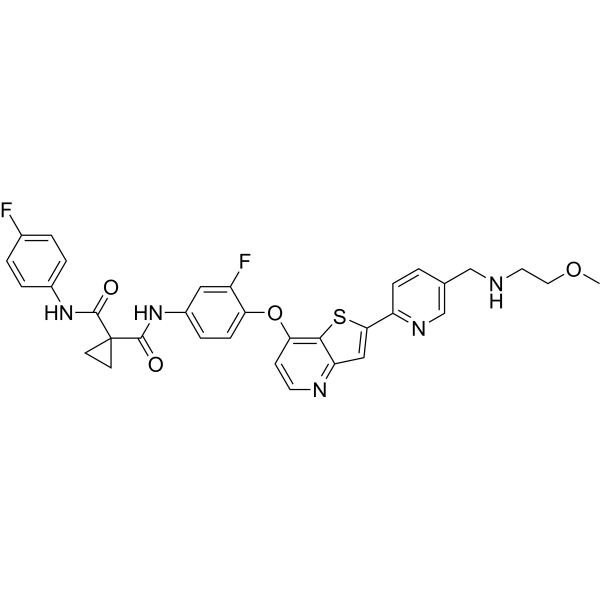
    Sitravatinib (MGCD516) is an orally bioavailable receptor tyrosine kinase (RTK) inhibitor with IC50s of 1.5 nM, 2 nM, 2 nM, 5 nM, 6 nM, 6 nM, 8 nM, 0.5 nM, 29 nM, 5 nM, and 9 nM for Axl, MER, VEGFR3, VEGFR2, VEGFR1, KIT, FLT3, DDR2, DDR1, TRKA, TRKB, respectively . Sitravatinib shows potent single-agent antitumor efficacy and enhances the activity of PD-1 blockade through promoting an antitumor immune microenvironment .
    Sitravatinib
  • HY-P99052
    Tislelizumab
    3 Publications Verification

    BGB-A317

    PD-1/PD-L1 Inflammation/Immunology Cancer
    Tislelizumab is a monoclonal antibody that specifically binds to programmed cell death receptor 1 (PD-1), blocking its interaction with programmed death ligand 1 (PD-L1) and programmed death ligand 2 (PD-L2). Tislelizumab can reactivate immune cells such as T lymphocytes and enhance anti-tumor activity. Tislelizumab can be used for the research of a variety of tumors including typical Hodgkin's lymphoma, urothelial carcinoma, non-small cell lung cancer and hepatocellular carcinoma .
    Tislelizumab
  • HY-P99166

    XMAB-20717

    PD-1/PD-L1 CTLA-4 Inflammation/Immunology Cancer
    Vudalimab is a potent dual PD-1 and CTLA-4 inhibitor as a fully humanized bispecific monoclonal antibody. Vudalimab targets immune checkpoint receptors PD-1 and CTLA-4 and promotes tumor-selective T-cell activation .
    Vudalimab
  • HY-P99489

    ABBV 181; PR 1648817

    PD-1/PD-L1 Inflammation/Immunology Cancer
    Budigalimab (ABBV 181; PR 1648817) is a humanized, recombinant IgG1 monoclonal antibody targeting programmed cell death 1 (PD-1) receptor. Budigalimab has an Fc mutation that reduces the inhibition of Fc receptor interactions and effector factors. Budigalimab can block the binding of PD-1 and PD-L1, which has anti-tumor activity. Budigalimab can be used in the study of solid tumors .
    Budigalimab
  • HY-P99618

    IBI-315; BH2950

    EGFR PD-1/PD-L1 Cancer
    Fidasimtamab is a bispecific antibody targeting human epidermal growth factor receptor 2 (Her2) and programmed death protein 1 (PD-1), with a Ka of 3.55e-10 M for human Her2 and a Ka of 1.17e-9 M for human PD-1. Fidasimtamab cross-links Her2-positive tumor cells with PD-1-positive T cells to form immune synapses, blocks PD-1-ligand interactions, preserves antibody-dependent cellular cytotoxicity, induces gasdermin B (GSDMB)-mediated pyroptosis, and activates T cells. Fidasimtamab is applicable to relevant research on Her2-positive gastric cancer .
    Fidasimtamab
  • HY-13993
    Ro 25-6981
    5+ Cited Publications

    iGluR Neurological Disease
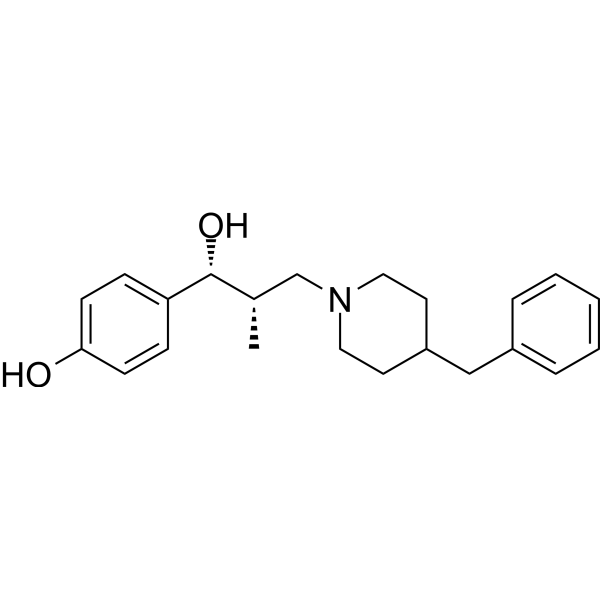
    Ro 25-6981 is a potent, selective and activity-dependent NR2B subunit specific NMDA receptor antagonist. Ro 25-6981 shows anticonvulsant and anti-parkinsonian activity. Ro 25-6981 has the potential for the research of parkinson's disease (PD) .
    Ro 25-6981
  • HY-113366

    PGJ2

    Prostaglandin Receptor Endogenous Metabolite Neurological Disease
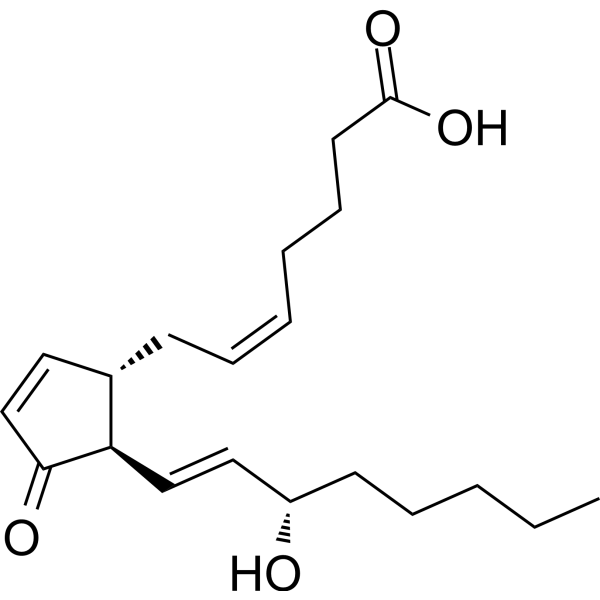
    Prostaglandin J2 (PGJ2), an endogenous metabolite of Prostaglandin D2 (PGD2; HY-101988), is a potent PGD2 receptor (DP) agonist with Kis of 0.9 nM and 6.6 nM for hDP and hCRTH2, respectively. Prostaglandin J2 stimulates intracellular cyclic AMP production with an EC50 value of 1.2 nM. Prostaglandin J2 induces oxidative stress and neuronal apoptosis. Prostaglandin J2 induces the accumulation/aggregation of ubiquitinated (Ub) proteins. Prostaglandin J2 is highly neurotoxic and potentially contributes to many neurodegenerative conditions, including Alzheimer's (AD) and Parkinson's diseases (PD) .
    Prostaglandin J2
  • HY-P99203

    REGN-2810; SAR-439684

    PD-1/PD-L1 Cancer
    Cemiplimab (Anti-Human PD-1) is a high-affinity programmed death receptor-1 (PD-1) monoclonal IgG4 antibody that blocks PD-1/PD-L1-mediated T-cell suppression. Cemiplimab is commonly used in squamous cell skin cancer research .
    Cemiplimab
  • HY-P5005

    CMV PD-1/PD-L1 Infection Inflammation/Immunology Cancer
    VIPhyb is a vasoactive intestinal polypeptide (VIP) receptor antagonist. VIPhyb can inhibit VIP signaling, increase T-cell immunity and downregulate PD1. VIPhyb can inhibit cancer cell proliferation. VIPhyb can reduce inflammatory cytokine expression. VIPhyb can enhance viral clearance. VIPhyb can be used for the researches of cancer, infection and inflammation and immunology, such as non-small cell lung cancer (NSCLC), cytomegalovirus infection and colitis .
    VIPhyb
  • HY-13993A
    Ro 25-6981 Maleate
    5+ Cited Publications

    iGluR Neurological Disease
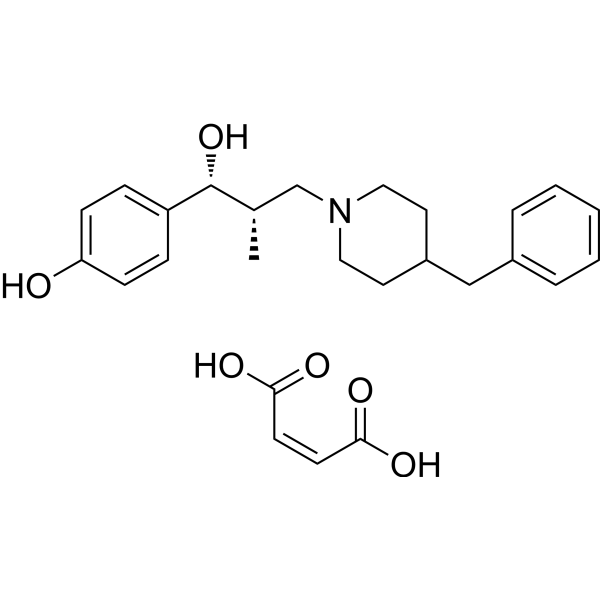
    Ro 25-6981 Maleate is a potent, selective and activity-dependent NR2B subunit specific NMDA receptor antagonist. Ro 25-6981 Maleat shows anticonvulsant and anti-parkinsonian activity. Ro 25-6981 Maleate has the potential for the research of parkinson's disease (PD) .
    Ro 25-6981 Maleate
  • HY-N3431

    AMPK PD-1/PD-L1 FXR Reactive Oxygen Species (ROS) Cardiovascular Disease
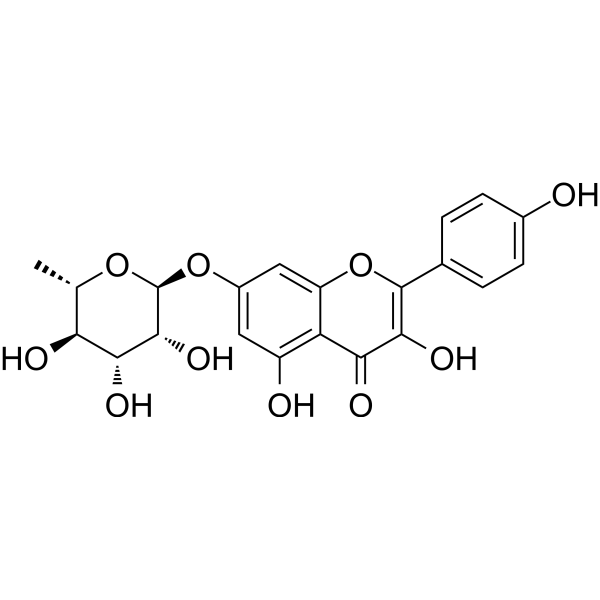
    Kaempferol-7-O-rhamnoside is a PD-1/PD-L1 inhibitor and farnesoid X receptor (FXR) agonist. Kaempferol-7-O-rhamnoside demonstrates cardioprotective potential targeting the AMPKα1 signaling pathway. Kaempferol-7-O-rhamnoside significantly upregulates the mRNA expression of AMPKα1 in H9c2 cardiomyocytes. Kaempferol-7-O-rhamnoside reverses APAP-induced reduction of glutathione (GSH) content and increase of ROS production in L02 cells. Kaempferol-7-O-rhamnoside has the potential for heart failure .
    Kaempferol-7-O-rhamnoside
  • HY-12964
    SGI-7079
    3 Publications Verification

    TAM Receptor Cancer
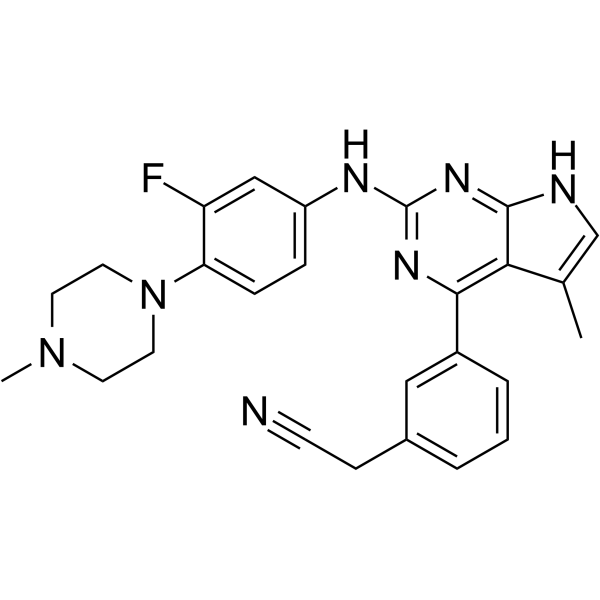
    SGI-7079 is a selective, ATP-competitive, orally active inhibitor of the receptor tyrosine kinase Axl. SGI-7079 blocks Axl-mediated signaling pathways such as NF-κB activation and MMP-9 expression, thereby inhibiting tumor cell proliferation, migration and invasion. SGI-7079 is mainly used in the research of malignant tumors such as inflammatory breast cancer and bladder cancer, as well as in combination with immunization (used in combination with PD-1 therapy)[1][2][3].
    SGI-7079
  • HY-P991740

    PD-1/PD-L1 Interleukin Related Cancer
    IBI-363 is a PD-1/IL-2 bispecific antibody with functions of blocking the PD-1/PD-L1 pathway and activating the IL-2 pathway. The IL-2 arm of IBI-363 retains affinity for IL-2Rα but attenuates binding ability to IL-2Rβ and IL-2Rγ to reduce toxicity. The PD-1 binding arm of IBI-363 enables PD-1 blockade and selective delivery of IL-2. IBI-363 can be used in cancer research, such as non-small cell lung cancer .
    IBI-363
  • HY-147218

    ARRY-067

    TAM Receptor Cancer
    PF-07265807 (ARRY-067) is a kinase inhibitor with primary targets AXL, MERTK, and TYRO3. PF-07265807 acts as an immunomodulator that cross-activates CD8 + T cells by enhancing dendritic cell function. PF-07265807 blocks downstream signal transduction of AXL and MERTK, and inhibits the proliferation and migration of tumor cells with high expression of these two kinases. PF-07265807 is applicable to research related to advanced or metastatic solid tumors, such as colorectal cancer .
    PF-07265807
  • HY-P990172

    PD-1/PD-L1 Cancer
    Anti-Mouse PD-L1/B7-H1 (D265A) Antibody (10F.9G2) is a recombinant chimeric version of the original 10F.9G2 antibody (HY-P99145). The variable domain sequences are identical to the original 10F.9G2 but the constant region sequences have been switched from rat IgG2b to mouse IgG1. Anti-Mouse PD-L1/B7-H1 (D265A) Antibody (10F.9G2) contains a D265A mutation in the Fc fragment rendering it unable to bind to endogenous Fcγ receptors. Anti-Mouse PD-L1/B7-H1 (D265A) Antibody (10F.9G2) blocks PD-1 signaling. Anti-Mouse PD-L1/B7-H1 (D265A) Antibody (10F.9G2) can be used for the research of cancer.
    Anti-Mouse PD-L1/B7-H1 (D265A) Antibody (10F.9G2)
  • HY-P990171

    PD-1/PD-L1 Cancer
    Anti-Mouse PD-L1/B7-H1 (LALA-PG) Antibody (10F.9G2) is a recombinant chimeric version of the original 10F.9G2 antibody (HY-P99145). The variable domain sequences are identical to the original 10F.9G2 but the constant region sequences have been switched from rat IgG2b to mouse IgG2a. Anti-Mouse PD-L1/B7-H1 (LALA-PG) Antibody (10F.9G2) contains a LALA-PG mutation in the Fc fragment rendering it unable to bind to endogenous Fcγ receptors. Anti-Mouse PD-L1/B7-H1 (LALA-PG) Antibody (10F.9G2) blocks PD-1 signaling. Anti-Mouse PD-L1/B7-H1 (LALA-PG) Antibody (10F.9G2) can be used for the research of cancer.
    Anti-Mouse PD-L1/B7-H1 (LALA-PG) Antibody (10F.9G2)
  • HY-108237

    (+)-PHNO; Dopazinol

    Dopamine Receptor Neurological Disease
    Naxagolide ((+)-PHNO; Dopazinol) is a potent dopamine D2 (Dopamine Receptor) agonist. Naxagolide has the potential for the research of parkinson's disease (PD) .
    Naxagolide
  • HY-148867

    Dopamine Receptor Neurological Disease
    UCM-1306 is a potent and orally active human dopamine D1 receptor allosteric modulator (PAM). UCM-1306 increases the endogenous dopamine (DA) maximal effect both in human and mouse D1 receptors. UCM-1306 is not only for improving motor symptoms but also for addressing the key comorbid cognitive impairment associated with long-term Parkinson’s disease (PD) .
    UCM-1306
  • HY-120553
    B-355252
    1 Publications Verification

    Apoptosis Neurological Disease
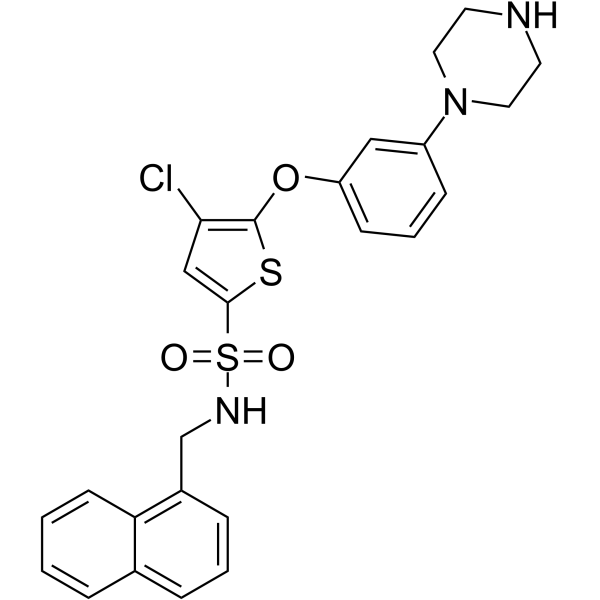
    B355252, a phenoxy thiophene sulfonamide small molecule, is a potent NGF receptor agonist. B355252 potentiates NGF-induced neurite outgrowth. B355252 protects ischemic neurons from neuronal loss by attenuating DNA damage, reducing ROS production and the LDH level, and preventing neuronal apoptosis. B355252 has anti-apoptotic effects in glutamate-induced excitotoxicity, as well as in a murine hippocampal cell line (HT22) model of Parkinson disease (PD) .
    B-355252
  • HY-147319

    Trace Amine-associated Receptor (TAAR) Neurological Disease
    RTI-7470-44 is a potent, selective and blood-brain barrier (BBB) penetrant human trace amine-associated receptor subtype 1 (hTAAR1) antagonist with an IC50 value of 8.4 nM and a Ki value of 0.3 nM. RTI-7470-44 has moderate metabolic stability, and a favorable preliminary off-target profile. RTI-7470-44 can increase the spontaneous firing rate of mouse ventral tegmental area (VTA) dopaminergic neurons. RTI-7470-44 can be used for researching schizophrenia, agent addiction, and Parkinson’s disease (PD) .
    RTI-7470-44
  • HY-P990067

    ATOR-1017

    TNF Receptor Cancer
    Evunzekibart (ATOR-1017) is an Fc-γ receptor conditional 4-1BB agonist and IgG4-type antibody. Evunzekibart can be used as monotherapy or in combination with anti-PD1 to exert anticancer activity.
    Evunzekibart
  • HY-159643

    MAP4K IFNAR Interleukin Related Inflammation/Immunology Cancer
    NDI-101150 is an orally active, potent and selective hematopoietic progenitor cell kinase 1 (HPK1) inhibitor with an IC50 of 0.7 nM. NDI-101150 blocks HPK1-mediated negative regulation of immune receptor signaling, inhibits immunosuppression of T cell activation, enhances antigen-specific antibody production and augments B-cell activation. NDI-101150 inhibits tumor growth in syngeneic tumor models, establishes durable antitumor immune memory, and synergizes with anti-PD1 to enhance exhausted T cell activity and drive tumor regressions. NDI-101150 can be used for the research of cancer, such as breast cancer and colon cancer .
    NDI-101150
  • HY-155847

    Phosphatase PD-1/PD-L1 Inflammation/Immunology Cancer
    LYP-IN-3 is a selective, orally active and reversible lymphoid-tyrosine phosphatase (LYP) inhibitor (IC50 = 2.55 μM, Ki = 0.93 μM). D34 exhibits high selectivity of PTP1B, PTPN12, PTPN5 and SSH2. LYP-IN-3 regulates the T-cell receptor (TCR) signaling by specifically inhibiting LYP. LYP-IN-3 does not significantly inhibit MC38 cell viability; its anti-tumor effect stems from immune regulation. LYP-IN-3 can significantly upregulate PD-L1 or PD-1 expression in different immune cells. LYP-IN-3 facilitates T-cell infiltration and enhances T-cell functions. LYP-IN-3 synergizes with PD-L1 blockade can significantly improve colorectal tumor regression. LYP-IN-3 can be used for the study of colorectal cancer .
    LYP-IN-3
  • HY-136220

    Aryl Hydrocarbon Receptor Cancer
    AHR antagonist 5, a potent and orally active aryl hydrocarbon receptor (AHR) antagonist extracted from patent WO2018195397, example 39, has an IC50 of < 0.5 μΜ. AHR antagonist 5 significantly inhibits tumor growth combined with checkpoint inhibitor anti-PD-1 .
    AHR antagonist 5
  • HY-P99957

    AMG-404

    PD-1/PD-L1 Cancer
    Zeluvalimab (AMG-404) is a monoclonal antibody targeting the PD-1 receptor that can be used for the research of cancer .
    Zeluvalimab
  • HY-16961A

    MGCD516 malate; MG-516 malate

    VEGFR c-Kit FLT3 Discoidin Domain Receptor Trk Receptor Inflammation/Immunology Cancer
    Sitravatinib malate (MGCD516 malate) is an orally bioavailable receptor tyrosine kinase (RTK) inhibitor with IC50s of 1.5 nM, 2 nM, 2 nM, 5 nM, 6 nM, 6 nM, 8 nM, 0.5 nM, 29 nM, 5 nM, and 9 nM for Axl, MER, VEGFR3, VEGFR2, VEGFR1, KIT, FLT3, DDR2, DDR1, TRKA, TRKB, respectively . Sitravatinib malate shows potent single-agent antitumor efficacy and enhances the activity of PD-1 blockade through promoting an antitumor immune microenvironment .
    Sitravatinib malate
  • HY-144497

    PD-1/PD-L1 Toll-like Receptor (TLR) Drug-Linker Conjugates for ADC Infection Cancer
    HE-S2 is an antibody-drug conjugate triggering a potent antitumor immune response. HE-S2 acts by blocking the PD-1/PD-L1 interaction and activating the Toll-like receptor 7/8 (TLR7/8) signaling pathway. HE-S2 has remarkable antitumor activity .
    HE-S2
  • HY-169859

    Prostaglandin Receptor Interleukin Related Inflammation/Immunology Cancer
    EP4 receptor antagonist 7 (Compound 14) is an antagonist of the prostaglandin E2 (PGE2) receptor subtype EP4 with an IC50 value of 1.1 nM. EP4 receptor antagonist 7 inhibits PGE2-induced β-arrestin recruitment in HEK293 cells with an IC50 value of 0.9 nM. EP4 receptor antagonist 7 decreases PGE2-induced expression of mRNA encoding IL-4, macrophage mannose receptor 1 (Mrc1), chitinase-like protein 3 (Chil3), chemokine (C-X-C) motif ligand 1 (Cxcl1), triggering receptor expressed on myeloid cells 2 (Trem2), and arginase-1 (Arg1), in RAW 264.7 macrophages. EP4 receptor antagonist 7 combined with an anti-PD-1 antibody inhibits tumor growth and increases infiltration of CD 8+ T cells into tumors in a CT26 murine colon cancer model .
    EP4 receptor antagonist 7
  • HY-120826

    Monoamine Oxidase Adenosine Receptor Neurological Disease
    A2AAR/hMAO-B-IN-1 (compoudn 17) is a non-xanthine dual-target inhibitor targeting the A2A adenosine receptor (A2AAR) (IC50: 34.9 nM) andMAO-B (Ki: 39.5 nM, human). A2AAR/hMAO-B-IN-1 inhibits A2AAR-induced cAMP accumulation and exhibits competitive, reversible inhibition of MAO-B. A2AAR/hMAO-B-IN-1 can be used in the study of neurodegenerative diseases such as Parkinson's disease (PD) .
    A2AAR/hMAO-B-IN-1
  • HY-153543

    Toll-like Receptor (TLR) Cancer
    TLR7/8 agonist 8 (compound 24m) is a potent toll-like receptor 7/8 (TLR7/8) dual agonist, with EC50s of 27 and 12 nM for hTLR7 and hTLR8, respectively. TLR7/8 agonist 8 can improve the antitumor activity of PD-1/PD-L1 blockade .
    TLR7/8 agonist 8
  • HY-P99963

    HS636

    PD-1/PD-L1 Cancer
    Sudubrilimab (HS636) is an Ig G1-kappa monoclonal antibody against PDL1. Sudubrilimab is fused at the C terminus of the heavy chain to a TGF-β1 receptor Ⅱ ectodomain (TGFBR2-ECD), and which can sequester the PD-1/PD-L1 pathway and TGF-β bioactivity in the immunosuppressive tumor microenvironment .
    Sudubrilimab
  • HY-118238

    MRZ-8456

    mGluR Neurological Disease
    Remeglurant (MRZ-8456) acts as a selective, orally active and allosteric antagonist of the mGlu5 receptor, with an IC50 of 13 nM. Remeglurant (MRZ-8456) can be used in the research for dyskinesia in Parkinson’s disease (PD) .
    Remeglurant
  • HY-107505

    mGluR Neurological Disease
    CBiPES hydrochloride is a mGlu2 receptor positive allosteric modulator (EC50: 92.8 nM). CBiPES hydrochloride attenuates stress-induced hyperthermia and PCP-induced hyperlocomotor activity. CBiPES hydrochloride can be used for research of neurological disease, such as Parkinson's disease (PD) .
    CBiPES hydrochloride
  • HY-W400801

    G-749 hydrochloride

    TAM Receptor Cancer
    Denfivontinib (G-749) hydrochloride is an AXL inhibitor that has synergistic antitumor effects with the PD-1 inhibitor Pembrolizumab (HY-P9902). Denfivontinib can enhance the NOD-like receptor pathway, thereby promoting the formation of the NLRP3 inflammasome .
    Denfivontinib hydrochloride
  • HY-P991529

    TNF Receptor Inflammation/Immunology Cancer
    AGEN-2373 is a conditionally active agonist antibody targeting the co-stimulatory receptor CD137. GEN-2373 binds to CD137 without disruption of ligand binding. AGEN-2373 stimulates CD137 under receptor clustering conditions. AGEN-2373 can enhance T cell activity when combined with other checkpoint modulators (e.g. PD-1 antagonist and OX40 agonist). AGEN-2373 can be studied in research for human malignancies .
    AGEN-2373
  • HY-N12537A

    Aryl Hydrocarbon Receptor PD-1/PD-L1 Cancer
    (2R,3S)-PD-1/PD-L1-IN-38 (Compound (±)-13e) is an orally active Ah receptor (AhR) antagonist with in vivo and in vitro anticancer activity. (2R,3S)-PD-1/PD-L1-IN-38 promotes the secretion of INF-γ by CD8 +T cells and inhibits the signal transduction of PD-1/PD-L1 .
    (2R,3S)-PD-1/PD-L1-IN-38
  • HY-108237R

    (+)-PHNO (Standard); Dopazinol (Standard)

    Dopamine Receptor Reference Standards Neurological Disease
    Naxagolide (Standard) is the analytical standard of Naxagolide. This product is intended for research and analytical applications. Naxagolide ((+)-PHNO; Dopazinol) is a potent dopamine D2 (Dopamine Receptor) agonist. Naxagolide has the potential for the research of parkinson's disease (PD) .
    Naxagolide (Standard)
  • HY-13993B

    iGluR Neurological Disease
    Ro 25-6981 hydrochloride is a potent, selective and activity-dependent NR2B subunit specific NMDA receptor antagonist. Ro 25-6981 hydrochloride shows anticonvulsant and anti-parkinsonian activity. Ro 25-6981 hydrochloride has the potential for the research of parkinson's disease (PD) .
    Ro 25-6981 hydrochloride
  • HY-136220A

    Aryl Hydrocarbon Receptor Cancer
    AHR antagonist 5 hemimaleate, a potent and orally active aryl hydrocarbon receptor (AHR) antagonist, has an IC50 of < 0.5 µΜ. AHR antagonist 5 hemimaleate significantly inhibits tumor growth combined with checkpoint inhibitor anti-PD-1 (WO2018195397, example 39) .
    AHR antagonist 5 hemimaleate
  • HY-P992434

    PD-1/PD-L1 SHP1 Interleukin Related Cancer
    OSE-279 is a high-affinity humanized monoclonal bivalent antibody targeting PD-1, the recommended isotype control is HY-P99003. OSE-279 blocks PD-1 ligand binding, inhibits PDL1-induced SHP1 phosphorylation, restores T cell activation, and promotes reactivation of primary T cell effector functions. OSE-279 binds hFcRn receptor, predicts long half-life, induces CD4 and CD8 T cell proliferation, and promotes interleukin 2 and interferon gamma secretion. OSE-279 can be used for the research of advanced malignancies, colon cancer, hepatocarcinoma, mesothelioma .
    OSE-279
  • HY-P992161

    Interleukin Related PD-1/PD-L1 Inflammation/Immunology Cancer
    REGN-10597, composed of an anti-huPD-1-targeting antibody and IL2Ra-IL2 moiety, is a PD-1-dependent IL-2 agonist. REGN-10597 binds PD-1 to deliver masked native IL-2 to PD-1+ T cells, engaging trimeric IL-2 receptors to activate downstream signaling. REGN-10597 can be used for the research on melanoma, prostate cancer, colorectal cancer, and ovarian cancer .
    REGN-10597
  • HY-P992448

    PD-1/PD-L1 Cancer
    RC98 is a monoclonal antibody targeting programmed cell death ligand 1 (PD-L1) and acts as a selective PD-L1 inhibitor. RC98 binds specifically to human and cynomolgus monkey PD-L1. RC98 blocks the interaction between PD-L1 and its receptor PD-1 to reverse T-cell inactivation mediated by PD-1/PD-L1 signaling. RC98 enhances the cytotoxic T-lymphocyte-mediated anti-tumor immune response against PD-L1-expressing tumor cells. RC98 can be used for the research of tumor immunity and solid tumors .
    RC98
  • HY-183845

    Prostaglandin Receptor Cancer
    HTL0039732 is an orally active antagonist of the prostaglandin EP4 receptor (Prostaglandin E2 Receptor EP4). HTL0039732 reverses PGE2-induced differentiation toward M2-like macrophages. HTL0039732 exhibits efficacy in syngeneic tumor models and acts synergistically with PD-1/PD-L1 pathway blockers. HTL0039732 can be used for the research of advanced solid tumors .
    HTL0039732
  • HY-179476

    Androgen Receptor Endogenous Metabolite Inflammation/Immunology Cancer
    3-Oxochol-5-en-24-oic acid is a rare bile acid produced by the intestinal microbiota. 3-Oxochol-5-en-24-oic acid is a potent antagonist of the human androgen receptor (hAR), with an IC50 of 119.4 nM. 3-Oxochol-5-en-24-oic acid has no significant agonistic or antagonistic effects on estrogen receptors (ER) or glucocorticoid receptors (GR). 3-Oxochol-5-en-24-oic acid effectively inhibits the growth of prostate cancer cells. In animal models, it enhances the efficacy of anti-PD-1 therapy by regulating the differentiation of CD8 + T cells. 3-Oxochol-5-en-24-oic acid can be used for research on regulating host immunity and anti-tumor studies .
    3-Oxochol-5-en-24-oic acid
  • HY-P992353

    LILRB Cancer
    ES009 is a high-affinity LILRB2 antagonist, with IC50 values of 14.07 nM and 18.61 nM for inhibiting hLILRB2-huANGPTL3 and hLILRB2-huANGPTL4, respectively. ES009 specifically blocks the interactions between LILRB2 and MHC class I as well as non-MHC ligands, thereby effectively inhibiting receptor activation. ES009 can reprogram anti-inflammatory myeloid cells and induce their conversion to a pro-inflammatory phenotype, and also reverse the T cell suppression mediated by macrophages. When combined with anti-PD-1 blockade therapy, ES009 synergistically enhances T cell activation. ES009 can be used in research related to advanced solid tumors and ovarian cancer .
    ES009

Inquiry Online

Your information is safe with us. * Required Fields.

Salutation


Country or Region *

Applicant Name *


Organization Name *

Department *


Email Address *


Product Name *

Cat. No.


Requested quantity *

Phone Number *


Remarks

Inquiry Online

Inquiry Information

Product Name:
Cat. No.:
Quantity:
MCE Japan Authorized Agent:

