154 Results for "

PI3K/Akt/mTOR pathways

" in MedChemExpress (MCE) Product Catalog:
Products (154)

154 Results for "PI3K/Akt/mTOR pathways" in MCE Product Catalog:

132
132 Publications Verification
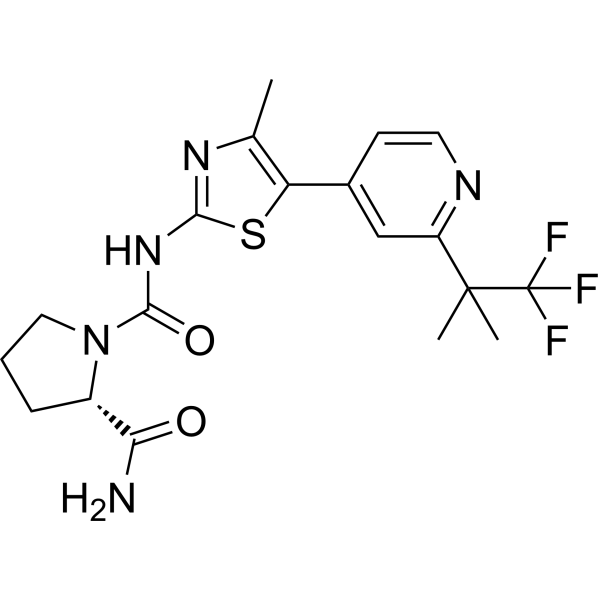
Cat. No.: HY-15244
CAS No.: 1217486-61-7
Purity:  99.88%
Synonyms: BYL-719
Alpelisib (BYL-719) is an orally active PI3Kα-selective inhibitor that blocks the conversion of PIP2 to PIP3, thereby inhibiting pathways including PI3K/AKT/mTOR, MAPK/ERK, Notch and JAK-STAT. Alpelisib also induces apoptosis, G0/G1 phase arrest and senescence; it significantly inhibits the proliferation, self-renewal, stemness and epithelial-mesenchymal transition (EMT) of tumor cells, reduces cancer stem cell populations and decreases the expression of stem cell markers. Alpelisib not only enhances the sensitivity to Eribulin (HY-13442) and exerts a synergistic effect with Paclitaxel (HY-B0015), but may also induce drug resistance by upregulating the SGK3/GSK3β/β-catenin signaling pathway. Alpelisib can be applied to research related to breast cancer, gastric cancer and lipomas associated with PTEN hamartoma tumor syndrome .
loading...
    loading...
132
132 Publications Verification
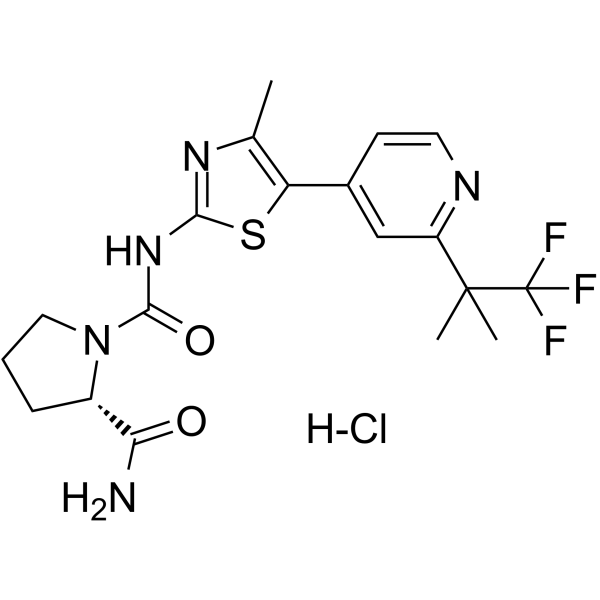
Cat. No.: HY-15244A
CAS No.: 1584128-91-5
Synonyms: BYL-719 hydrochloride
Alpelisib (BYL-719) hydrochloride is an orally active PI3Kα-selective inhibitor that blocks the conversion of PIP2 to PIP3, thereby inhibiting pathways including PI3K/AKT/mTOR, MAPK/ERK, Notch and JAK-STAT. Alpelisib hydrochloride also induces apoptosis, G0/G1 phase arrest and senescence; it significantly inhibits the proliferation, self-renewal, stemness and epithelial-mesenchymal transition (EMT) of tumor cells, reduces cancer stem cell populations and decreases the expression of stem cell markers. Alpelisib hydrochloride not only enhances the sensitivity to Eribulin (HY-13442) and exerts a synergistic effect with Paclitaxel (HY-B0015), but may also induce drug resistance by upregulating the SGK3/GSK3β/β-catenin signaling pathway. Alpelisib hydrochloride can be applied to research related to breast cancer, gastric cancer and lipomas associated with PTEN hamartoma tumor syndrome .
loading...
    loading...
17
17 Cited Publications
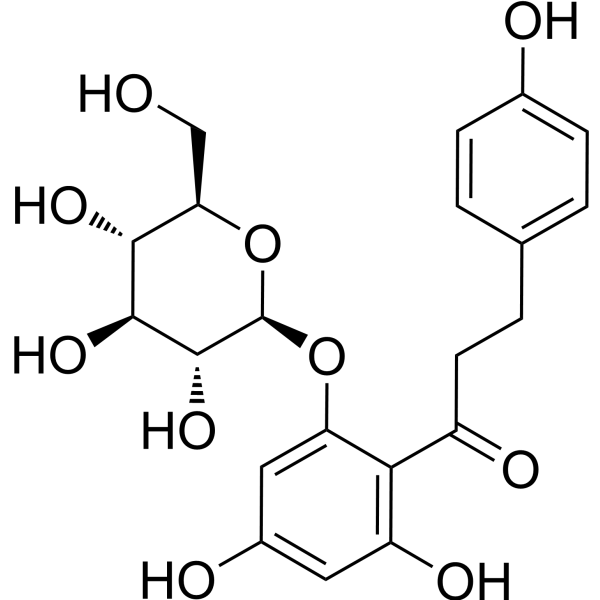
Cat. No.: HY-N0143
CAS No.: 60-81-1
Synonyms: Floridzin
Phlorizin (Floridzin) is an orally active non-selective sodium-glucose cotransporter (SGLT) inhibitor, with an IC50 of 0.04 μM and a Ki of 39 nM against hSGLT2, and an IC50 of 0.17 μM and a Ki of 0.31 μM against hSGLT1. Phlorizin promotes GLUT4 translocation, inhibits gluconeogenesis and promotes glycogen synthesis by activating the PI3K/Akt/mTOR pathway. Phlorizin reduces DNA damage and apoptosis (apoptosis) by inhibiting the NF-κB inflammatory pathway. Phlorizin induces apoptosis via activating the Caspase pathway by antagonizing the JAK/STAT3 and PCK pathways. Phlorizin also exhibits antibacterial, anti-inflammatory and neuroprotective activities .
loading...
    loading...
17
17 Cited Publications
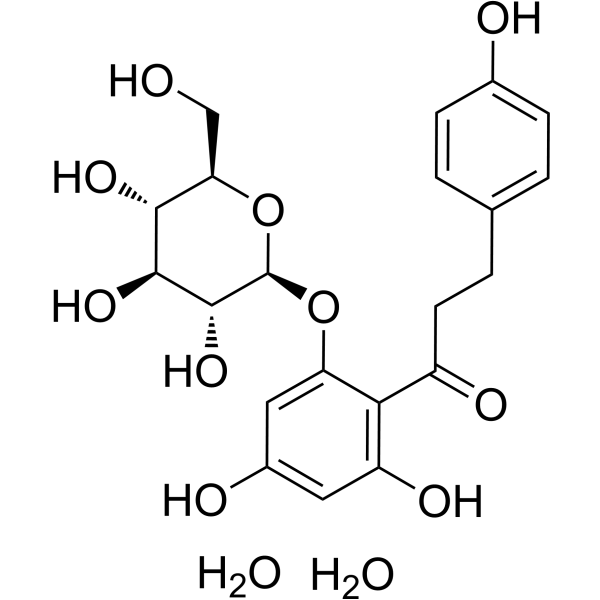
Cat. No.: HY-N0143A
CAS No.: 7061-54-3
Synonyms: Floridzin dihydrate
Phlorizin (Floridzin) dihydrate is an orally active non-selective sodium-glucose cotransporter (SGLT) inhibitor, with an IC50 of 0.04 μM and a Ki of 39 nM against hSGLT2, and an IC50 of 0.17 μM and a Ki of 0.31 μM against hSGLT1. Phlorizin dihydrate promotes GLUT4 translocation, inhibits gluconeogenesis and promotes glycogen synthesis by activating the PI3K/Akt/mTOR pathway. Phlorizin dihydrate reduces DNA damage and apoptosis (apoptosis) by inhibiting the NF-κB inflammatory pathway. Phlorizin dihydrate induces apoptosis via activating the Caspase pathway by antagonizing the JAK/STAT3 and PCK pathways. Phlorizin dihydrate also exhibits antibacterial, anti-inflammatory and neuroprotective activities .
loading...
    loading...
15
15 Cited Publications
Cat. No.: HY-13425
CAS No.: 522-17-8
Purity:  99.20%
Synonyms: (-)-Deguelin; (-)-cis-Deguelin
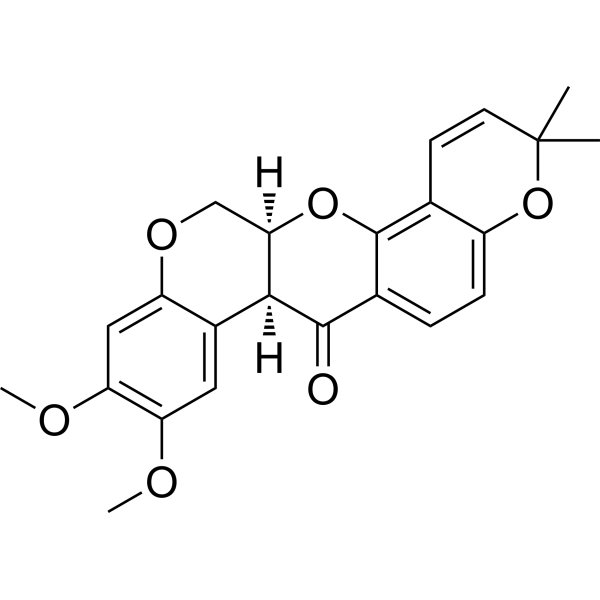
Deguelin, a naturally occurring rotenoid, acts as a chemopreventive agent by blocking multiple pathways like PI3K-Akt, IKK-NF-κB, and MAPK-mTOR-survivin-mediated apoptosis. Deguelin binding to Hsp90 leads to a decreased expression of numerous oncogenic proteins, including MEK1/2, Akt, HIF1α, COX-2, and NF-κB.
loading...
    loading...
11
11 Cited Publications
Cat. No.: HY-N0270
CAS No.: 486-62-4
Synonyms: Ononoside; Formononetin 7-O-β-D-glucopyranoside
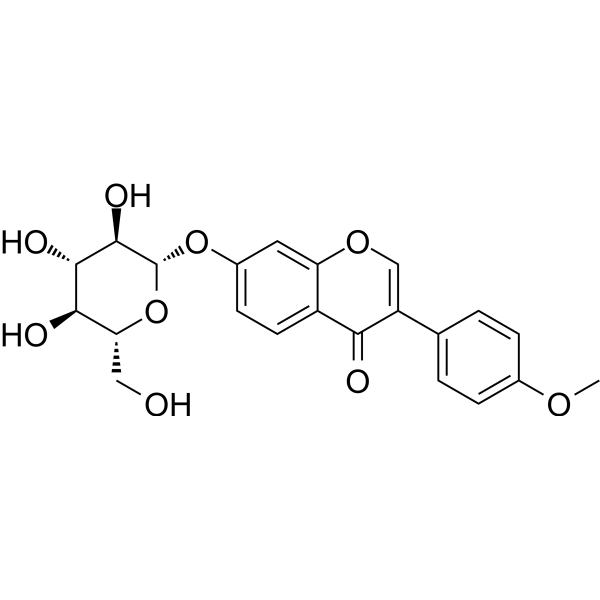
Ononin is an orally active isoflavone. Ononin inhibits the ERK/JNK/p38 and PI3K/Akt/mTOR pathways. Ononin regulates Apoptosis. Ononin has anti-tumor effects on laryngeal cancer and lung cancer. Ononin has neuroprotective effects. Ononin alleviates endoplasmic reticulum stress and diabetic nephropathy .
loading...
    loading...
7
7 Cited Publications
Cat. No.: HY-B0725
CAS No.: 1229-29-4
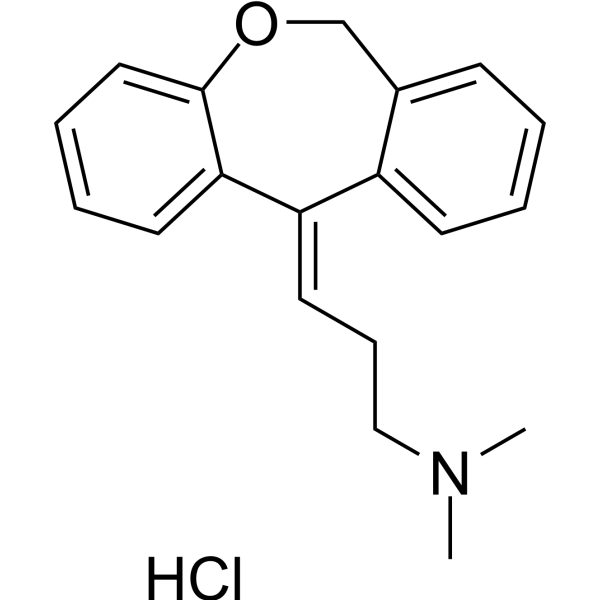
Doxepin Hydrochloride is an orally active, blood-brain barrier penetrant tricyclic antidepressant with multiple activities including hypnosis, sedation, analgesia and vasodilation. Doxepin Hydrochloride enhances the expression of PSD-95 and synapsin 1 via the PI3K/AKT/mTOR signaling pathway, and is metabolized to DesmethylDoxepin Hydrochloride in vivo. Doxepin Hydrochloride can be used in research related to various diseases such as depression, anxiety, obesity and atopic dermatitis .
loading...
    loading...
7
7 Cited Publications
Cat. No.: HY-B0725A
CAS No.: 1668-19-5
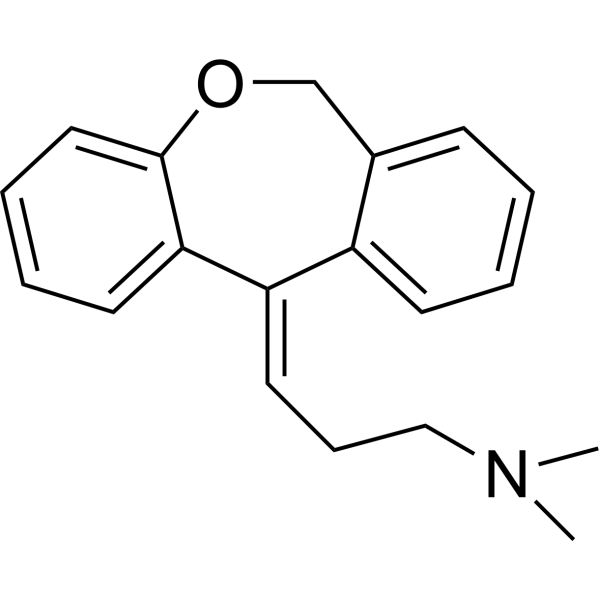
Doxepin is an orally active, blood-brain barrier penetrant tricyclic antidepressant with multiple activities including hypnosis, sedation, analgesia and vasodilation. Doxepin enhances the expression of PSD-95 and synapsin 1 via the PI3K/AKT/mTOR signaling pathway, and is metabolized to Desmethyldoxepin in vivo. Doxepin can be used in research related to various diseases such as depression, anxiety, obesity and atopic dermatitis .
loading...
    loading...
6
6 Cited Publications
Cat. No.: HY-N0787
CAS No.: 905-99-7
Synonyms: 4-Caffeoylquinic acid; 4-O-Caffeoylquinic acid
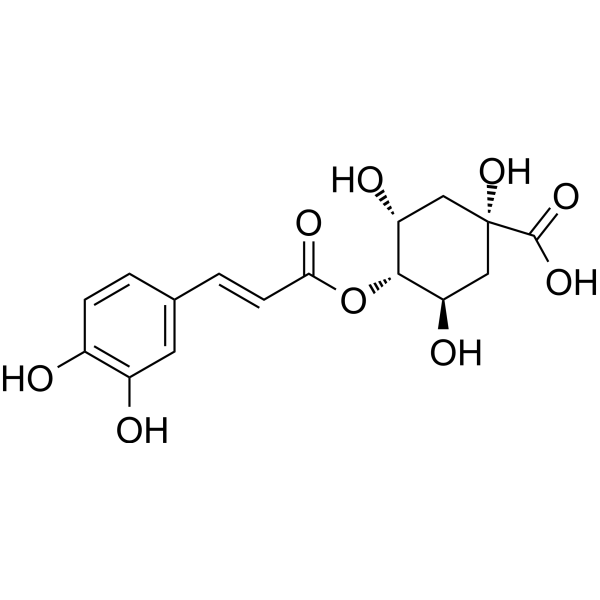
Cryptochlorogenic acid (4-Caffeoylquinic acid) is a naturally occurring phenolic acid compound with oral effectiveness, anti-inflammatory, antioxidant and anti-cardiac hypertrophy effects. Alleviating LPS (HY-D1056) and ISO (HY-B0468) by regulating proinflammatory factor expression, inhibiting NF-κB activity, promoting Nrf2 nuclear transfer, and regulating PI3Kα/Akt/ mTOR / HIF-1α signaling pathway Induced physiological stress response .
loading...
    loading...
6
6 Cited Publications
Cat. No.: HY-B0965
CAS No.: 130-61-0
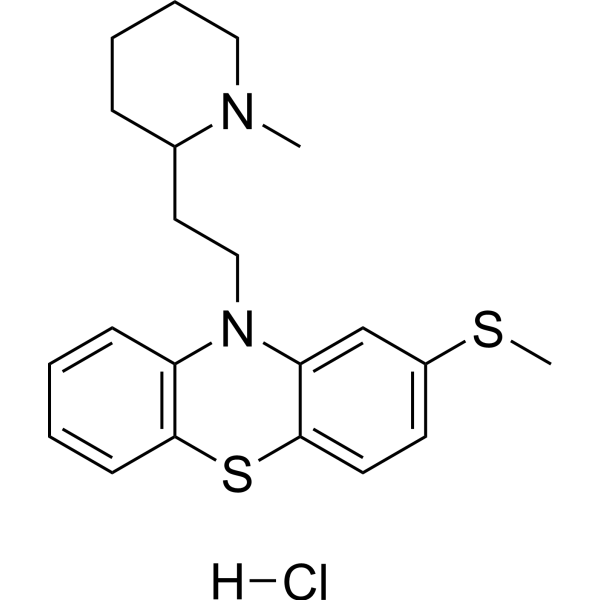
Thioridazine hydrochloride, an orally active antagonist of the dopamine receptor D2 family proteins, exhibits potent anti-psychotic and anti-anxiety activities. Thioridazine hydrochloride is also a potent inhibitor of PI3K-Akt-mTOR signaling pathways with anti-angiogenic effect. Thioridazine hydrochloride shows antiproliferative and apoptosis induction effects in various types of cancer cells, with specificity on targeting cancer stem cells (CSCs) .
loading...
    loading...
6
6 Cited Publications
Cat. No.: HY-B0965A
CAS No.: 50-52-2
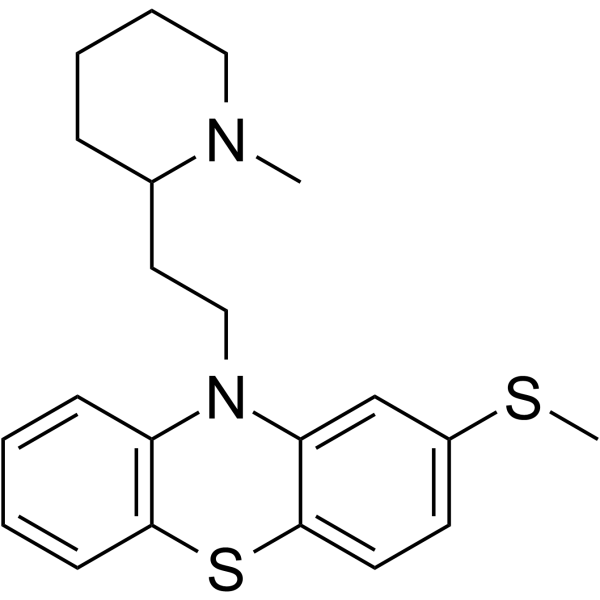
Thioridazine, an antagonist of the dopamine receptor D2 family proteins, exhibits potent anti-psychotic and anti-anxiety activities. Thioridazine is also a potent inhibitor of PI3K-Akt-mTOR signaling pathways with anti-angiogenic effect. Thioridazine shows antiproliferative and apoptosis induction effects in various types of cancer cells, with specificity on targeting cancer stem cells (CSCs) .
loading...
    loading...
5
5 Cited Publications
Cat. No.: HY-146751
CAS No.: 2757804-89-8
Purity:  99.93%
Target:  

PI3K Akt mTOR Apoptosis

Research Areas:  

Cancer

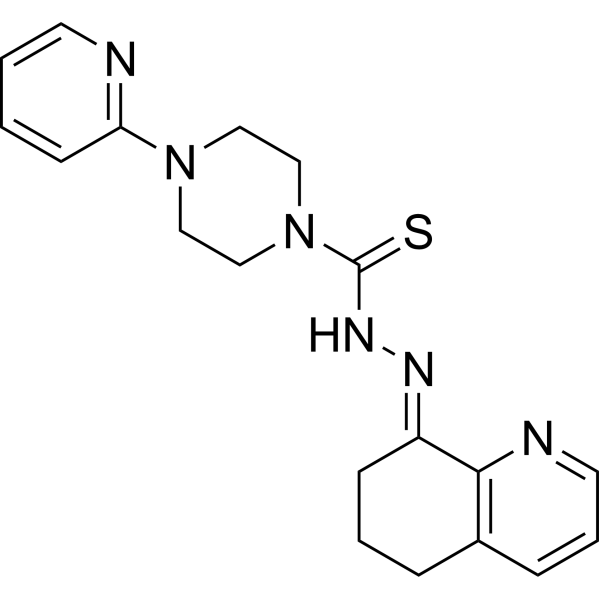
PI3K/Akt/mTOR-IN-2 is a PI3K/AKT/mTOR pathway inhibitor. PI3K/Akt/mTOR-IN-2 possess anti-cancer effects and selectivity against MDA-MB-231 cells with IC50 value of 2.29 μM. PI3K/Akt/mTOR-IN-2 can induce cancer cell cycle arrest and apoptosis .
loading...
    loading...
4
4 Cited Publications
Cat. No.: HY-N2187
CAS No.: 43043-74-9
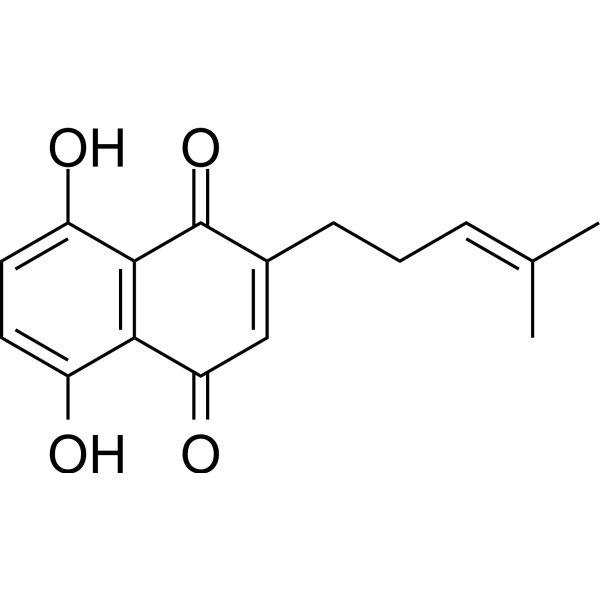
Deoxyshikonin increases the expression of VEGF-C and VEGF-A mRNA in HMVEC-dLy, promotes HIF-1α and HIF-1β subunit interaction and binds to specific DNA sequences targeted by HIF. Deoxyshikonin inhibited colorectal cancer (CRC) through the PI3K/Akt/mTOR pathway. Deoxyshikonin has proangiogenesis effect and antitumor activity. Deoxyshikonin is an antibacterial agent against methicillin-resistant S. aureus (MRSA) and S. pneumonia (MIC=17 μg/mL) .
loading...
    loading...
4
4 Cited Publications
Cat. No.: HY-14151
CAS No.: 179474-81-8
Purity:  99.81%
Research Areas:  

Neurological Disease Cancer

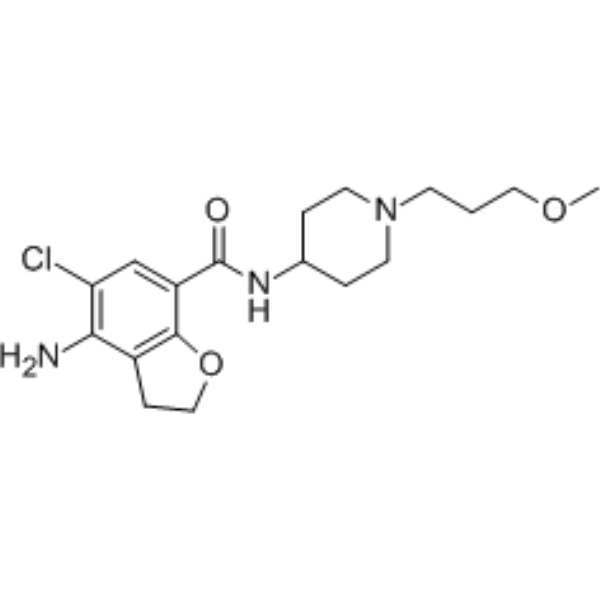
Prucalopride is an orally active, selective and specific 5-HT 4 receptor agonist (high affinity), with pKis of 8.6 and 8.1 for human 5-HT4a/4b receptors, respectively. Prucalopride improves intestinal motility by promoting regeneration of the intestinal nervous system in rats. Prucalopride also shows anticancer activity by blocking of the PI3K/AKT/mTor signaling pathway. Prucalopride can be used in studies of chronic constipation, pseudo-intestinal obstruction and cancer .
loading...
    loading...
4
4 Cited Publications
Cat. No.: HY-N0876
CAS No.: 464-74-4
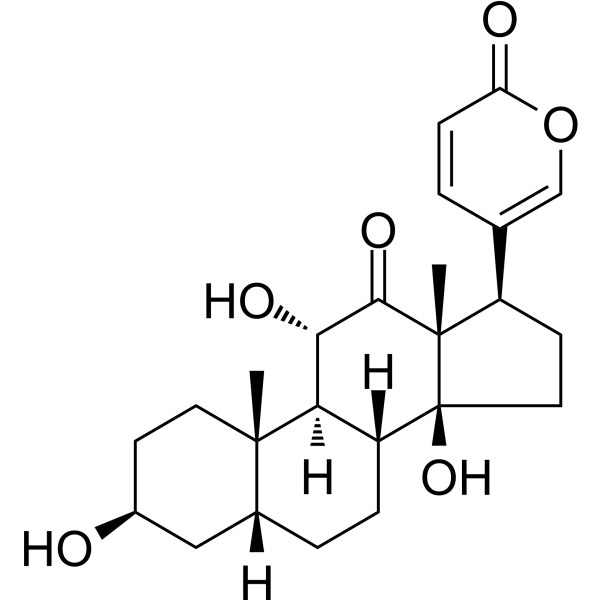
Arenobufagin is a natural bufadienolide that can be extracted from toad venom. Arenobufagin can induce apoptosis and autophagy in human hepatocellular carcinoma cells through inhibition of PI3K/Akt/mTOR pathway. Arenobufagin has potent antineoplastic activity against HCC HepG2 cells as well as corresponding multidrug-resistant HepG2/ADM cells. Arenobufagin can inhibit VEGF-mediated angiogenesis through suppression of VEGFR-2 signaling pathway .
loading...
    loading...
4
4 Cited Publications
Cat. No.: HY-12694
CAS No.: 179474-85-2
Purity:  99.95%
Synonyms: R-108512
Research Areas:  

Metabolic Disease Cancer

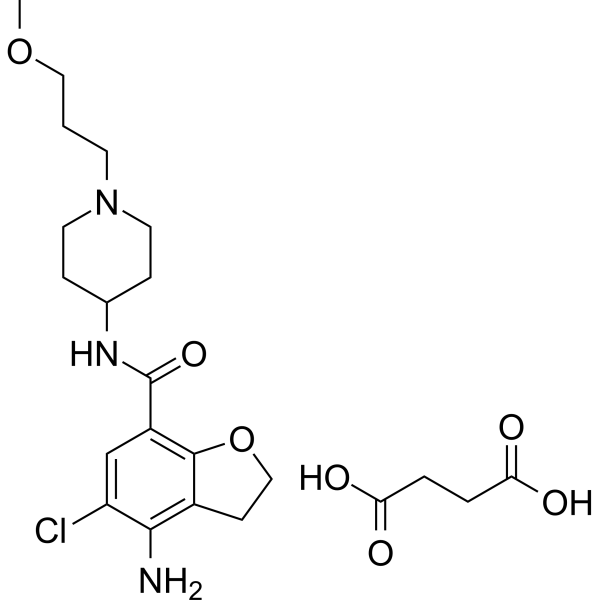
Prucalopride succinate is an orally active, selective and specific 5-HT 4 receptor agonist (high affinity), with pKis of 8.6 and 8.1 for human 5-HT4a/4b receptors, respectively. Prucalopride succinate improves intestinal motility by promoting regeneration of the intestinal nervous system in rats. Prucalopride succinate also shows anticancer activity by blocking of the PI3K/AKT/mTor signaling pathway. Prucalopride succinate can be used in studies of chronic constipation, pseudo-intestinal obstruction and cancer .
loading...
    loading...
4
4 Cited Publications
Cat. No.: HY-19896
CAS No.: 1039455-84-9
Target:  

MDM-2/p53 Apoptosis

Research Areas:  

Cancer

COTI-2, an anti-cancer agent with low toxicity, is an orally available third generation activator of p53 mutant forms. COTI-2 acts both by reactivating mutant p53 and inhibiting the PI3K/AKT/mTOR pathway. COTI-2 induces apoptosis in multiple human tumor cell lines. COTI-2 exhibits antitumor activity in HNSCC through p53-dependent and -independent mechanisms. COTI-2 converts mutant p53 to wild-type conformation .
loading...
    loading...
4
4 Cited Publications
Cat. No.: HY-B0319
CAS No.: 65899-73-2
Synonyms: UK-20349
Research Areas:  

Infection Cancer

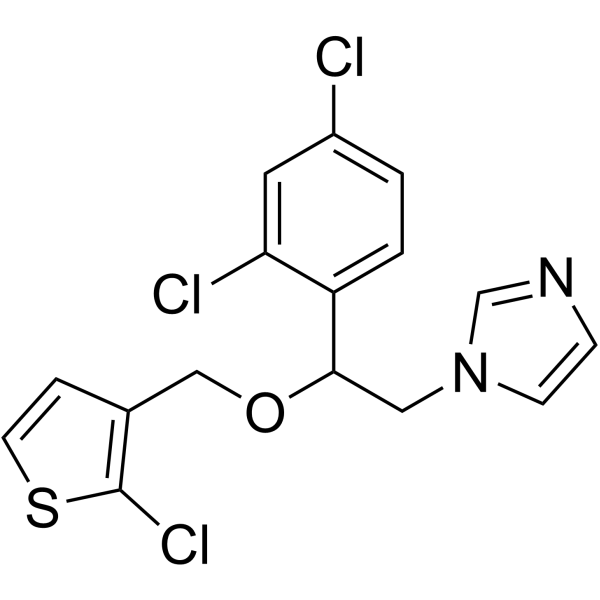
Tioconazole (UK-20349) is a broad-spectrum antifungal imidazole derivative. Tioconazole inhibits several dermatophytes and yeasts, with MIC50 values of less than 3.12 mg/L and 9 mg/L, respectively. Additionally, Tioconazole exhibits anti-parasitic activity. Tioconazole exerts anticancer activity by inhibiting the PI3K/AKT/mTOR signaling pathway and blocking autophagy. Tioconazole is applicable for research in the fields of anti-infection and anticancer therapy .
loading...
    loading...
4
4 Cited Publications
Cat. No.: HY-P1410B
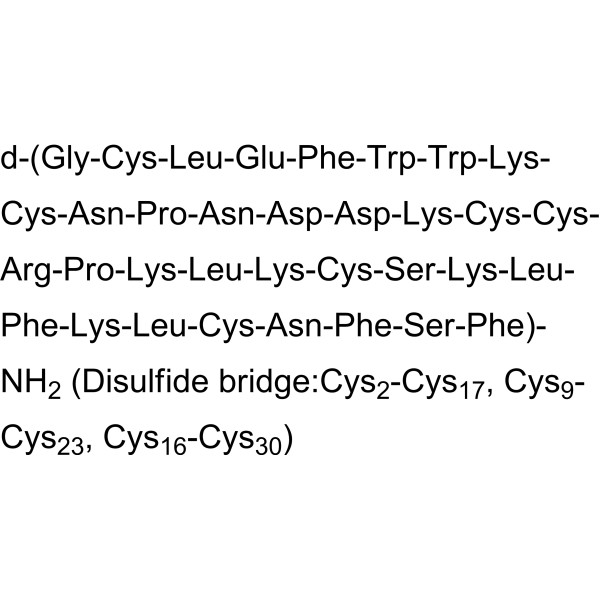
D-GsMTx4 is a spider peptide and the D enantiomer of GsMTx4 (HY-P1410). D-GsMTx4 inhibits the mechanosensitive ion channel Piezo2. D-GsMTx4 inhibits [Ca 2+]i elevation. D-GsMTx4 inhibits mTOR and PI3K-Akt signaling pathways. D-GsMTx4 inhibits mechanical allodynia and thermal hyperalgesia. D-GsMTx4 can be used in researches of mechanical stress, chronic pain and idiopathic pulmonary fibrosis .
loading...
    loading...
4
4 Cited Publications
Cat. No.: HY-N2445
CAS No.: 37308-75-1
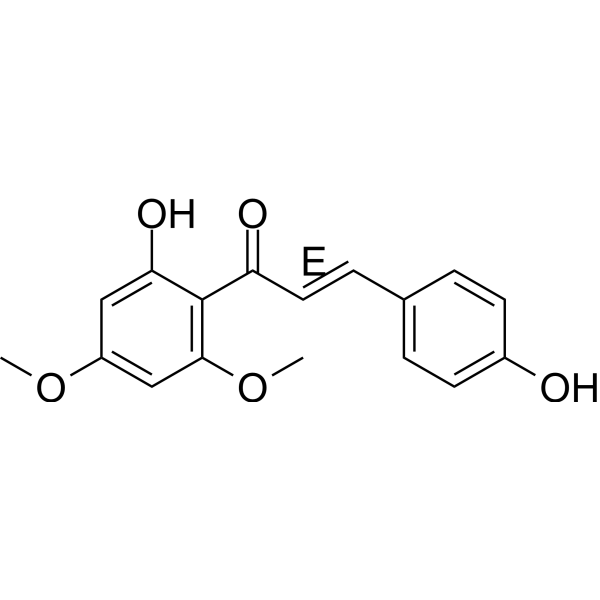
Flavokawain C is an orally active natural chalcone. Flavokawain C inhibits the proliferation of various cancer cells. Flavokawain C upregulates GADD153 in cancer cells, inhibits the phosphorylation of Akt and JNK, suppresses early ERK phosphorylation, activates late ERK phosphorylation, activates caspase related subtypes, induces PARP-1 cleavage, causes upregulation of p21 and p27, downregulation of mutant p53 and anti-apoptotic IAP proteins, elevates intracellular ROS levels, reduces SOD activity, and induces apoptosis. Flavokawain C downregulates FABP4, induces autophagy in cancer cells, and activates the AMPK/mTOR pathway . Flavokawain C decreases the expression of glycolysis-related proteins GLUT1 and HK2, and inhibits glycolysis in nasopharyngeal carcinoma cells. Flavokawain C inhibits the activation of the EGFR/PI3K/Akt/mTOR signaling pathway and reduces the expression of HSP90B1. Flavokawain C inhibits angiogenesis by decreasing the expression of angiogenic proteins Ang-1 and VEGF in human umbilical vein endothelial cells. Flavokawain C increases γ-H2AX levels in cells, inhibits the phosphorylation of FAK, PI3K and AKT in cells, and induces DNA damage in cells. Flavokawain C exerts anti-tumor activity in multiple tumor xenograft mouse models. Flavokawain C is applicable to research related to colorectal cancer, colon adenocarcinoma, nephroblastoma, nasopharyngeal carcinoma and liver cancer .
loading...
    loading...

