1. Search Result
Search Result
Results for "

PKM

" in MedChemExpress (MCE) Product Catalog:

68

Inhibitors & Agonists

1

Screening Libraries

3

Fluorescent Dye

4

Peptides

8

Natural
Products

5

Recombinant Proteins

3

Isotope-Labeled Compounds

6

Antibodies

3

Oligonucleotides

Cat. No. Product Name Target Research Areas Chemical Structure
  • HY-18657
    TEPP-46
    50+ Cited Publications

    ML-265

    Pyruvate Kinase Cancer
    TEPP-46 (ML-265) is a potent and selective pyruvate kinase M2 (PKM2) activator with an AC50 of 92 nM, showing little or no effect on PKM1, PKL and PKR .
    TEPP-46
  • HY-N0822
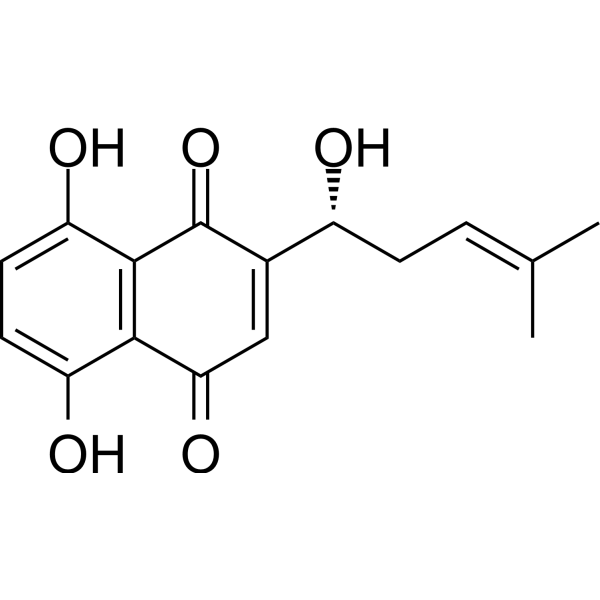
    Shikonin
    Maximum Cited Publications
    66 Publications Verification

    C.I. 75535; Isoarnebin 4

    Exosomes Chloride Channel Pyruvate Kinase NF-κB TNF Receptor HIV AIM2 Cancer
    Shikonin is a major component of a Chinese herbal medicine named zicao. Shikonin is a potent TMEM16A chloride channel inhibitor with an IC50 of 6.5 μM . Shikonin is a specific pyruvate kinase M2 (PKM2) inhibitor and can also inhibit TNF-α and NF-κB pathway . Shikonin decreases exosome secretion through the inhibition of glycolysis . Shikonin inhibits AIM2 inflammasome activation .
    Shikonin
  • HY-103617
    PKM2-IN-1
    25+ Cited Publications

    Pyruvate Kinase Cancer
    PKM2-IN-1 (compound 3k) is a pyruvate kinase M2 (PKM2) inhibitor with an IC50 of 2.95 μM .
    PKM2-IN-1
  • HY-B0404A
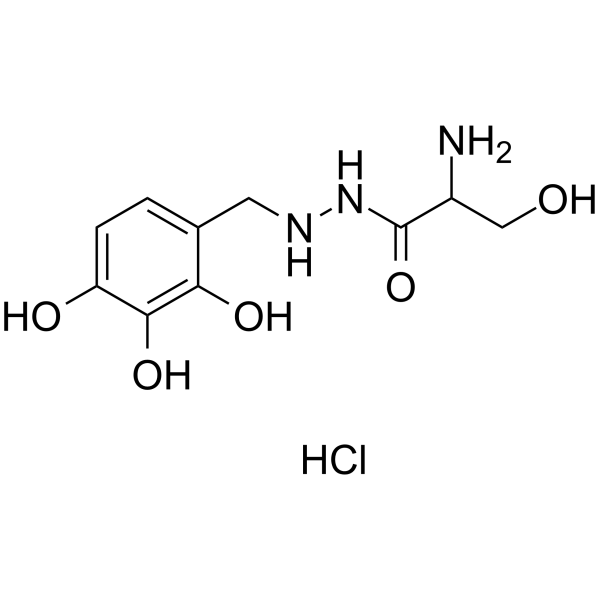
    Benserazide hydrochloride
    5+ Cited Publications

    Ro 4-4602 hydrochloride

    Pyruvate Kinase Neurological Disease Cancer
    Benserazide hydrochloride (Serazide) is an aromatic L-amino acid decarboxylase (AADC) and L-DOPA decarboxylase inhibitor. Benserazide hydrochloride is also a PKM2 inhibitor. Benserazide hydrochloride directly binds to and blocks PKM2 enzyme activity, leading to inhibition of aerobic glycolysis concurrent up-regulation of OXPHOS. Benserazide hydrochloride can be used for the study of Parkinson's disease and melanoma .
    Benserazide hydrochloride
  • HY-126585
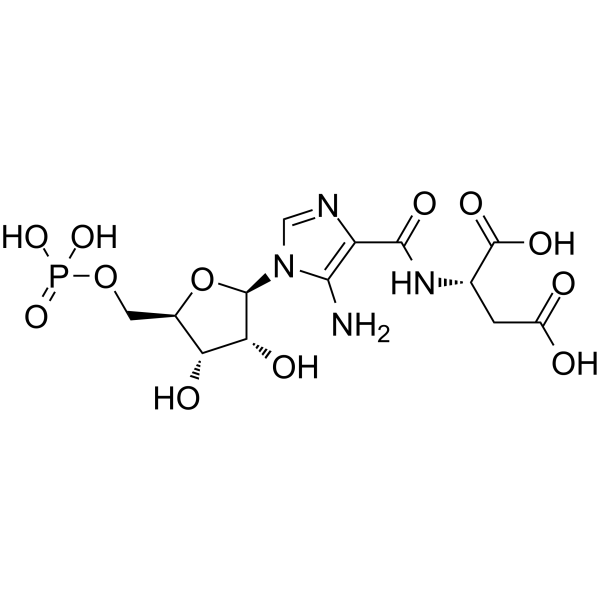
    SAICAR
    4 Publications Verification

    Endogenous Metabolite Cancer
    SAICAR is an intermediate of de novo purine nucleotide biosynthesis, activates pyruvate kinase isoform M2 (PKM2) in an isozyme-selective manner, with an EC50 of 0.3 mM. SAICAR stimulates PKM2 and promotes cancer cell survival in glucose-limited conditions .
    SAICAR
  • HY-19330
    DASA-58
    15+ Cited Publications

    Pyruvate Kinase Metabolic Disease Cancer
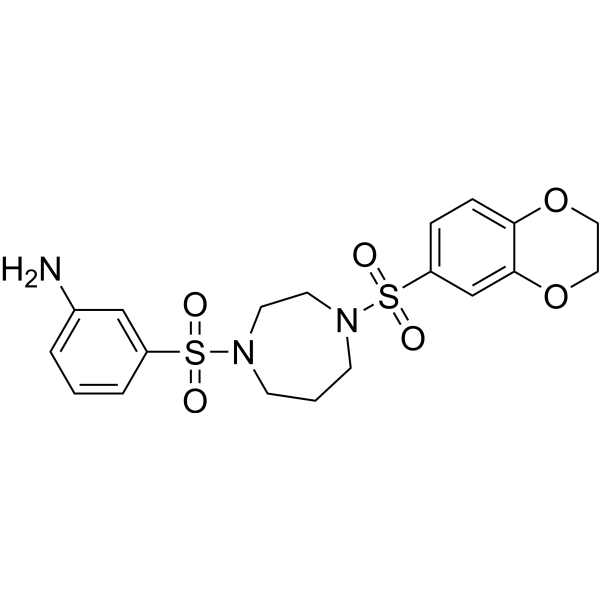
    DASA-58 is a potential pyruvate kinase isozyme (PKM2) allosteric activator. DASA-58 can be used for the research of metabolism and kinds of cancer .
    DASA-58
  • HY-N7108
    7-Hydroxyflavone
    1 Publications Verification

    ERK Keap1-Nrf2 Apoptosis COX Pyruvate Kinase Lipoxygenase Enterovirus Virus Protease Infection Cardiovascular Disease Neurological Disease Metabolic Disease Inflammation/Immunology
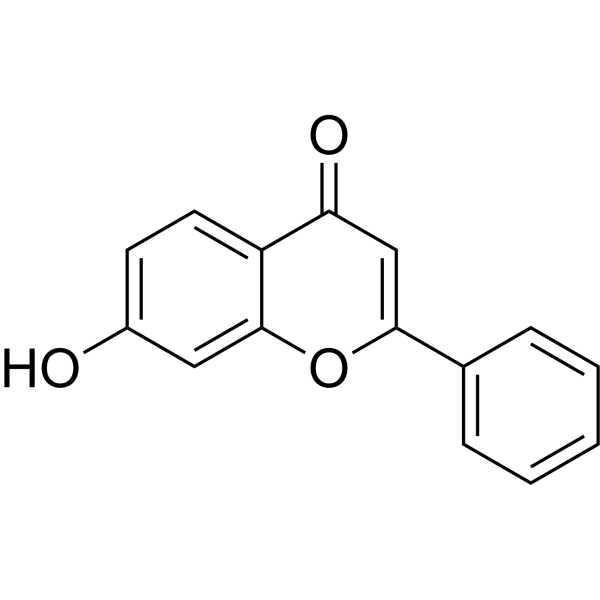
    7-Hydroxyflavone is a flavonoid isolated from Clerodendrum phlomidis, with anti-inflammatory activity. 7-Hydroxyflavone protects renal cells from nicotine (NIC)-associated cytotoxicity via the ERK/Nrf2/HO-1 pathway. 7-Hydroxyflavone inhibits PKM2 with an IC50 of 2.12 μM. 7-Hydroxyflavone inhibits COX-2 and 5-LOX with IC50 of 27 µg/mL and 33 µg/mL. 7-Hydroxyflavone is orally active .
    7-Hydroxyflavone
  • HY-121275
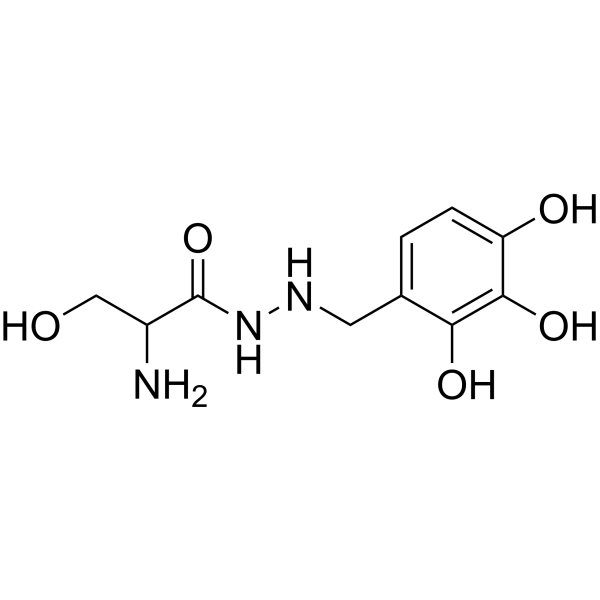
    Benserazide
    5+ Cited Publications

    Ro 4-4602

    Pyruvate Kinase Neurological Disease Cancer
    Benserazide is an aromatic L-amino acid decarboxylase (AADC) and L-DOPA decarboxylase inhibitor. Benserazide is also a PKM2 inhibitor. Benserazide directly binds to and blocks PKM2 enzyme activity, leading to inhibition of aerobic glycolysis concurrent up-regulation of OXPHOS. Benserazide can be used for the study of Parkinson's disease and melanoma .
    Benserazide
  • HY-157913

    Pyruvate Kinase Apoptosis Cancer
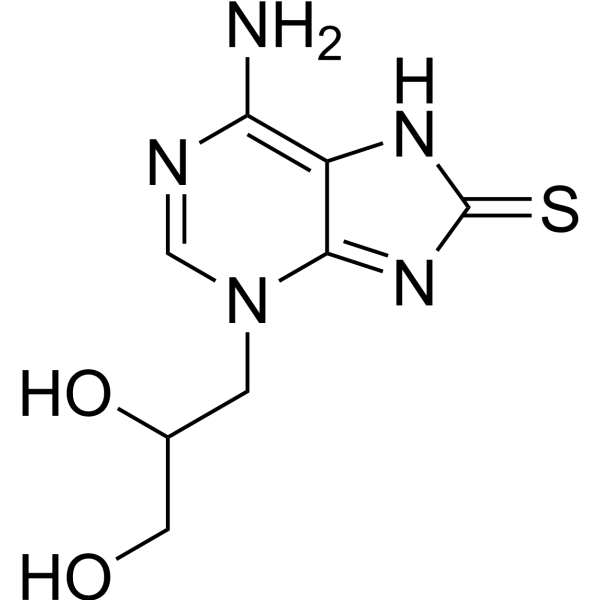
    PKM2-IN-6 (compound 7d) is a potent and orally active PKM2 inhibitor with an IC50 value of 23 nM. PKM2-IN-6 induces apoptosis and cell cycle arrest at G2 phase. PKM2-IN-6 reduces the level of PKM1 and PKM2 at the mRNA level. PKM2-IN-6 shows anticancer activity and has the potential for the research of triple-negative breast cancer .
    PKM2-IN-6
  • HY-162080
    METTL1-WDR4-IN-1
    1 Publications Verification

    DNA Methyltransferase Pyruvate Kinase Cancer
    METTL1-WDR4-IN-1 (Compound 1) is a selective competitive inhibitor of the methyltransferase complex METTL1-WDR4 (IC50 = 144 μM). METTL1-WDR4-IN-1 inhibits the m 7G methyltransferase activity of the METTL1-WDR4 complex, blocking m 7G modification of PKM mRNA, reducing PKM2 protein expression, disrupting the METTL1/PKM2/H3K9la positive feedback loop, and simultaneously inhibiting PKM2 nuclear translocation-mediated CD155 transcriptional activation. METTL1-WDR4-IN-1 can inhibit tumor cell proliferation, weaken glycolytic metabolism, reverse tumor immune evasion (restoring NK cell and CD8 + T cell function), and regulate RNA epigenetic modification and the tumor immune microenvironment. METTL1-WDR4-IN-1 can be used in immunotherapy research for cancers such as colorectal cancer, and is particularly suitable for use in combination with PKM2 inhibitors to enhance anti-tumor treatment efficacy .
    METTL1-WDR4-IN-1
  • HY-N3011

    PI3K Akt Pyruvate Kinase JAK STAT NF-κB Apoptosis Reactive Oxygen Species (ROS) Metabolic Disease Inflammation/Immunology Cancer
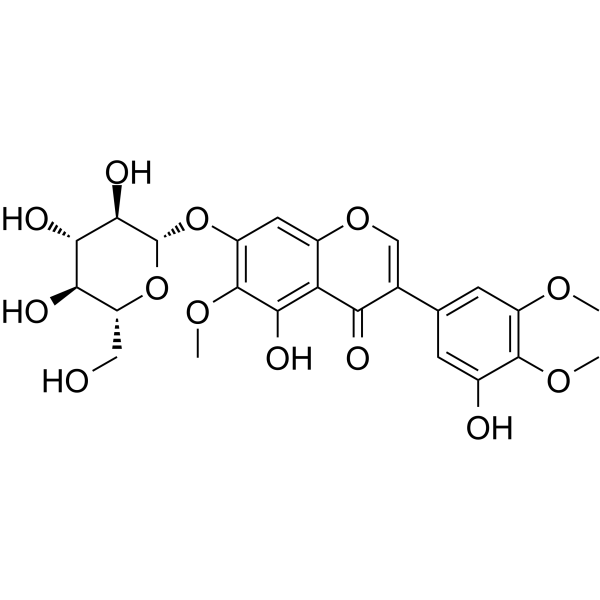
    Iridin is an orally active natural isoflavone. Iridin inhibits the PI3K/AKT and PKM2 signaling pathways, and downregulates the JAK/STAT and NF-κB pathways. Iridin induces Fas-mediated extrinsic apoptosis, G2/M cell cycle arrest, and inhibits cell proliferation. Iridin reduces inflammation, inhibits ROS production, suppresses glycolysis, and also exhibits antioxidant and antidiabetic activities. Iridin can be used in research related to gastric cancer and acute lung injury .
    Iridin
  • HY-139667
    PKM2-IN-3
    1 Publications Verification

    Pyruvate Kinase Neurological Disease
    PKM2-IN-3 is an inhibitor of PKM2 kinase with an IC50 value of 4.1 μM. PKM2-IN-3 exhibits an anti-neuroinflammatory effect by inhibiting PKM2-mediated glycolysis and NLRP3 activation .
    PKM2-IN-3
  • HY-167832

    JNK SGK ROCK Tau Protein MMP DNA/RNA Synthesis Pyruvate Kinase NF-κB COX NO Synthase Reactive Oxygen Species (ROS) Neurological Disease Cancer
    PT109 is an orally active, blood-brain barrier permeable multi-kinase inhibitor. By inhibiting PTBP1, PT109 promotes the switch of pyruvate kinase isoform from PKM2 to PKM1, thereby effectively inhibiting the proliferation and migration of glioblastoma multiforme and inducing its reprogramming into oligodendrocytes. PT109 also targets and regulates key signaling molecules such as JNK, SGK1, GSK3β to exert neuroprotective effects including promoting neurogenesis, inducing synapse formation and alleviating neuroinflammation. In Alzheimer's disease models, PT109 exhibits significant efficacy in improving spatial learning ability, along with excellent in vivo pharmacokinetic properties. PT109 can be used to investigate metabolic reprogramming of glioblastoma multiforme and neuroprotective mechanisms of Alzheimer's disease .
    PT109
  • HY-147368

    Pyruvate Kinase Cancer
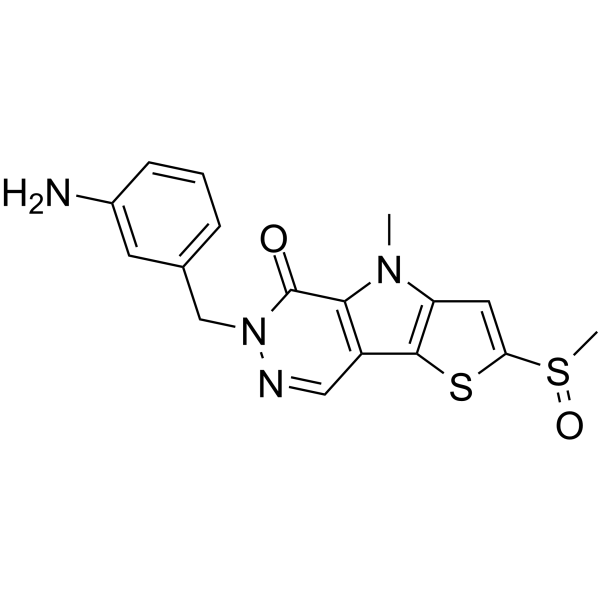
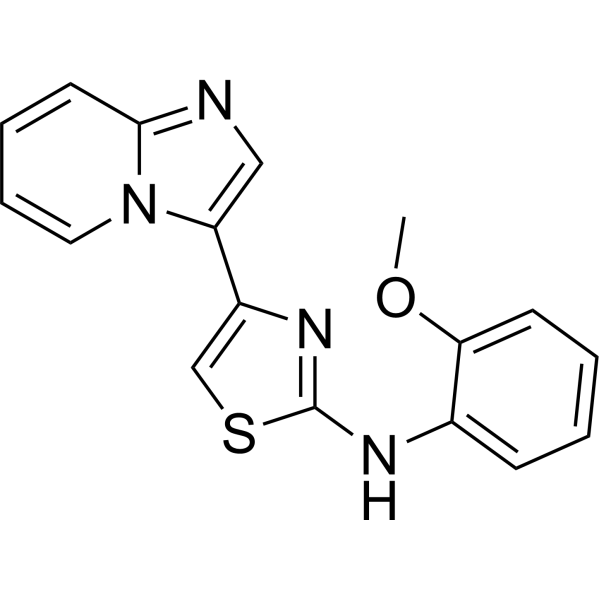
    PKM2 activator 2 (compound 28) is a pyruvate kinase M2 (PKM2) activitor with an AC50 value of 66 nM. PKM2 activator 2 can restore normal glycolytic metabolism in cells .
    PKM2 activator 2
  • HY-N2552

    Pyruvate Kinase Bacterial Fungal Apoptosis Infection Cancer
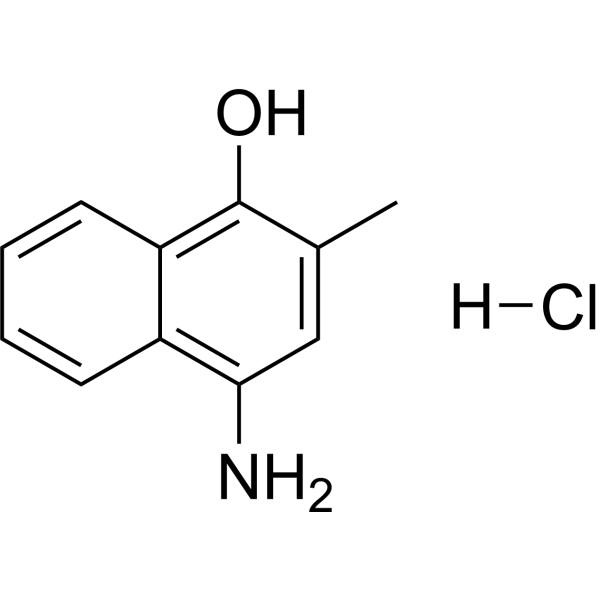
    Vitamin K5 hydrochloride is a photosensitizer and a antimicrobial agent. Vitamin K5 hydrochloride is a specific PKM2 inhibitor with IC50 values of 28, 191 and 120 μM for PKM2, PKM1 and PKL. Vitamin K5 hydrochloride induces apoptosis of colon 26 cells. Vitamin K5 hydrochloride can be used for the research of infection and cancer, and it also can be used as a preservative for pharmaceuticals, foods, and beverages .
    Vitamin K5 hydrochloride
  • HY-B1814

    Synkamin; Synkamin base

    Pyruvate Kinase Bacterial Fungal Apoptosis Infection Cancer
    Vitamin K5 (Synkamin) is a photosensitizer and a antimicrobial agent. Vitamin K5 is a specific PKM2 inhibitor with IC50 values of 28, 191 and 120 μM for PKM2, PKM1 and PKL. Vitamin K5 induces apoptosis of colon 26 cells. Vitamin K5 can be used for the research of infection and cancer, and it also can be used as a preservative for pharmaceuticals, foods, and beverages .
    Vitamin K5
  • HY-D1456

    Pyruvate Kinase Cancer
    TEPC466 is a novel TEPP-46-based aggregation-induced emission (AIE) probe. TEPC466 shows a high degree of selectivity and sensitivity for the detection of PKM2 protein via the AIE effect. EPC466 can be used for the detection of PKM2. TEPC466 is successfully applied in imaging the PKM2 protein in colorectal cancer cells with low toxicity. TEPC466 is a useful tool for cancer diagnosis and research .
    TEPC466
  • HY-148615

    Pyruvate Kinase Cancer
    NPD10084 is a pyruvate kinase PKM2 inhibitor that inhibits non-glycolytic signaling in cancer cells. NPD10084 disrupts the interaction between PKM2 and β-catenin or STAT3 and inhibits downstream signaling. NPD10084 has antiproliferative activity against colorectal cancer cells in vitro and in vivo .
    NPD10084
  • HY-P1284
    ZIP
    2 Publications Verification

    PKC Neurological Disease Cancer
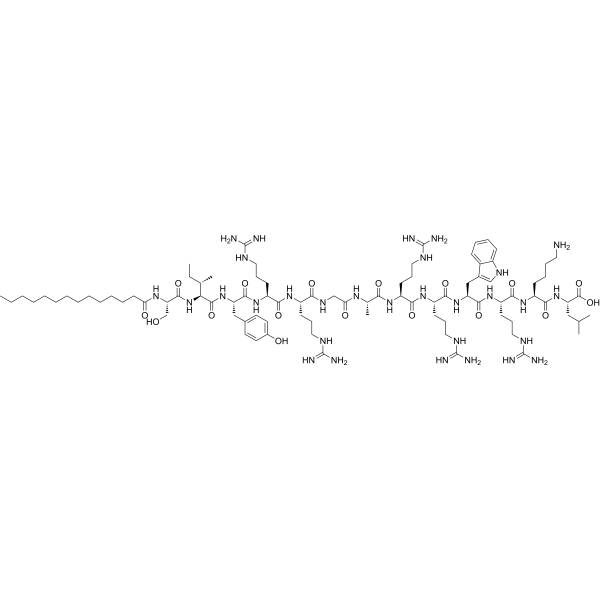
    ZIP is a selective peptide inhibitor of PKMζ. ZIP injections can block the impairment in morphine conditioned place preference induced .
    ZIP
  • HY-148324

    Pyruvate Kinase Cancer
    PKM2 activator 5 (compound 8) is a PKM2 activator with an AC50 value of 0.316 µM. PKM2 activator 5 has the potential to alter the aberrant metabolism of cancer cells .
    PKM2 activator 5
  • HY-N7064

    Pyruvate Kinase COX STAT TNF Receptor NO Synthase Interleukin Related HIF/HIF Prolyl-Hydroxylase Cardiovascular Disease Inflammation/Immunology
    Iminostilbene is a chemical precursor of carbamazepine. Additionally, Iminostilbene is an orally active inhibitor of PKM2 (Pyruvate Kinase M2) and COX2 (Cyclooxygenase-2). Iminostilbene exerts its effects by inhibiting PKM2 and its interaction with HIF-1α and STAT3, reducing COX2 and iNOS expression, and decreasing LPS-induced release of IL-1β, IL-6, TNF-α, and MCP-1, thereby suppressing macrophage-mediated inflammatory responses and improving myocardial ischemia/reperfusion (MI/R) injury. Iminostilbene holds promise for research in inflammation regulation, cardiovascular diseases (such as MI/R injury), and macrophage-mediated immune-related diseases .
    Iminostilbene
  • HY-119874

    Pyruvate Kinase Inflammation/Immunology Cancer
    Alkannin is a potent and specific inhibitor of tumor-specific pyruvate kinase-M2 (PKM2). Alkannin does not inhibit PKM1 and pyruvate kinase-L (PKL). Alkannin acts as a potential anticancer agent .
    Alkannin
  • HY-B0404AR

    Ro 4-4602 hydrochloride (Standard)

    Reference Standards Pyruvate Kinase Neurological Disease Cancer
    Benserazide hydrochloride (Standard) (Serazide (Standard)) is the analytical standard of Benserazide hydrochloride (HY-B0404A). This product is intended for research and analytical applications. Benserazide hydrochloride (Serazide) is an aromatic L-amino acid decarboxylase (AADC) and L-DOPA decarboxylase inhibitor. Benserazide hydrochloride is also a PKM2 inhibitor. Benserazide hydrochloride directly binds to and blocks PKM2 enzyme activity, leading to inhibition of aerobic glycolysis concurrent up-regulation of OXPHOS. Benserazide hydrochloride can be used for the study of Parkinson's disease and melanoma .
    Benserazide hydrochloride (Standard)
  • HY-155850

    Pyruvate Kinase Neurological Disease
    CIAC001 is a Pyruvate Kinase PKM2 inhibitor with anti-neuroinflammatory activity. CIAC001 inhibits LPS-induced proinflammatory nitric oxide (NO) production and protects immunologically active BV-2 cells (IC50=2.5 μM). CIAC001 also has anti-neuroinflammation in mouse models and inhibits chronic morphine-induced addiction .
    CIAC001
  • HY-N0822R

    C.I. 75535 (Standard); Isoarnebin 4 (Standard)

    Reference Standards Exosomes Chloride Channel Pyruvate Kinase NF-κB TNF Receptor HIV AIM2 Cancer
    Shikonin (Standard) is the analytical standard of Shikonin. This product is intended for research and analytical applications. Shikonin is a major component of a Chinese herbal medicine named zicao. Shikonin is a potent TMEM16A chloride channel inhibitor with an IC50 of 6.5 μM . Shikonin is a specific pyruvate kinase M2 (PKM2) inhibitor and can also inhibit TNF-α and NF-κB pathway . Shikonin decreases exosome secretion through the inhibition of glycolysis . Shikonin inhibits AIM2 inflammasome activation .
    Shikonin (Standard)
  • HY-W587878

    Cytochrome P450 Pyruvate Kinase Fungal Apoptosis Insecticide Infection Cancer
    Thujopsene is the inhibitor for cytochrome P450, that inhibits CYP2B6, CYP3A4, CYP2C19, CYP2C8, CYP2C9 with IC50s of 1.3, 12.6, 13.6, 29.8, and 44.9 μM, respectively. Thujopsene binds to PKM2, inhibits the metabolism pathway of cancer cell, induces apoptosis in MKN45, thereby exhibiting antitumor efficacy. Thujopsene exhibits anti-termite and antifungal activities through autoxidation .
    Thujopsene
  • HY-178748

    Pyruvate Kinase Apoptosis Endogenous Metabolite Reactive Oxygen Species (ROS) Cancer
    PKM2-IN-12 is an orally active PKM2 inhibitor with an IC50 of 10 nM. PKM2-IN-12 inhibits COLO-205 cell proliferation and migration, arrests the cell cycle, and induces apoptosis. PKM2-IN-12 significantly reduces cellular levels of lactate, pyruvate, and ROS. PKM2-IN-12 directly kills cancer cells and restores disrupted gut microbiota balance in mice model. PKM2-IN-12 can be used to study colorectal cancer .
    PKM2-IN-12
  • HY-168883

    Apoptosis Pyruvate Kinase Cancer
    PKM2 modulator 2 (compound C599) is a potent PKM2 inhibitor. PKM2 modulator 2 shows antiproliferative activity. PKM2 modulator 2 induces apoptosis. PKM2 modulator 2 has the potential for the research of glioblastoma .
    PKM2 modulator 2
  • HY-RS10602

    Small Interfering RNA (siRNA) Others

    PKM Human Pre-designed siRNA Set A contains three designed siRNAs for PKM gene (Human), as well as a negative control, a positive control, and a FAM-labeled negative control.

    PKM Human Pre-designed siRNA Set A
    PKM Human Pre-designed siRNA Set A
  • HY-126585S

    Endogenous Metabolite Metabolic Disease
    SAICAR-d3 is the deuterium labeled SAICAR. SAICAR is an intermediate of de novo purine nucleotide biosynthesis, activates pyruvate kinase isoform M2 (PKM2) in an isozyme-selective manner, with an EC50 of 0.3 mM. SAICAR stimulates PKM2 and promotes cancer cell survival in glucose-limited conditions .
    SAICAR-d3
  • HY-B0404AS

    Ro 4-4602-d3 hydrochloride

    Isotope-Labeled Compounds Pyruvate Kinase Neurological Disease Cancer
    Benserazide-d3 (hydrochloride) is the deuterium labeled Benserazide hydrochloride (HY-B0404A). Benserazide hydrochloride (Serazide) is an aromatic L-amino acid decarboxylase (AADC) and L-DOPA decarboxylase inhibitor. Benserazide hydrochloride is also a PKM2 inhibitor. Benserazide hydrochloride directly binds to and blocks PKM2 enzyme activity, leading to inhibition of aerobic glycolysis concurrent up-regulation of OXPHOS. Benserazide hydrochloride can be used for the study of Parkinson's disease and melanoma .
    Benserazide-d3 hydrochloride
  • HY-178441

    Pyruvate Kinase Reactive Oxygen Species (ROS) Apoptosis Microtubule/Tubulin Metabolic Disease Cancer
    PKM2-IN-11 is a PKM2 inhibitor (IC50 = 0.363 μM). PKM2-IN-11 has dual mechanisms involving pyruvate kinase M2 (PKM2) inhibition and microtubule stabilization. PKM2-IN-11 can decrease PKM2 protein levels in MCF-7 cells. PKM2-IN-11 can slightly reduce reactive oxygen species (ROS) levels and significantly increase early apoptotic cells. PKM2-IN-11 induces G2/M phase arrest. PKM2-IN-11 can be used for the study of breast cancer .
    PKM2-IN-11
  • HY-170577

    Pyruvate Kinase Apoptosis Cancer
    PKM2-IN-8 (Compound 9b) is a pyruvate kinase M2 (PKM2) inhibitor (IC50 = 0.31 μM). PKM2-IN-8 has potent antiproliferative activity against U87MG glioma cells. PKM2-IN-8 can induce early apoptosis and reduce lactate levels. PKM2-IN-8 can be used for the research of glioblastoma .
    PKM2-IN-8
  • HY-149275

    Pyruvate Kinase PDK-1 Akt EGFR Apoptosis Cancer
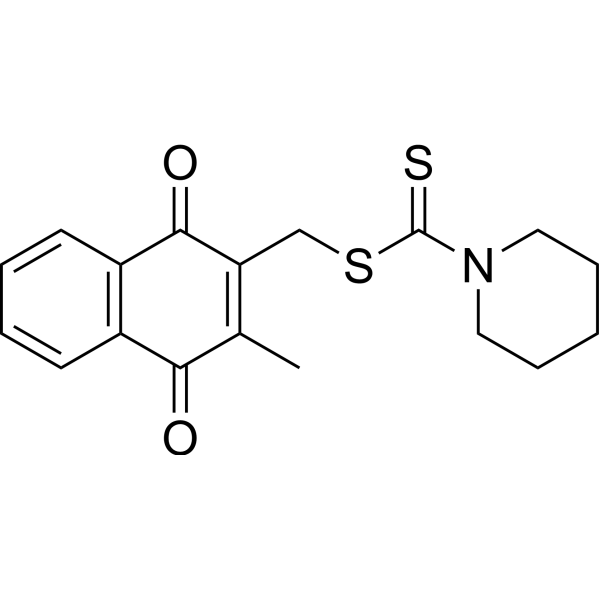
    PKM2/PDK1-IN-1, one of shikonin thioether derivatives, is a dual inhibitor of PKM2/PDK1. PKM2/PDK1-IN-1 inhibits the proliferation of NSCLC cells, and induces apoptosis. PKM2/PDK1-IN-1 induces intercellular ROS production, and regulates the apoptotic proteins, to involves in mitochondrial and death receptor pathway .
    PKM2/PDK1-IN-1
  • HY-155216

    Pyruvate Kinase Cancer
    PKM2 activator 10 (Compd I) is a PKM2 activator with anti-tumor activity. PKM2 activator 10 can be utilized in cancer research .
    PKM2 activator 10
  • HY-155668

    HMG-CoA Reductase (HMGCR) Metabolic Disease
    HMG-CoA Reductase-IN-1 is a HMG-CoA reductase inhibitor. HMG-CoA Reductase-IN-1has high HMGR inhibitory activity and OATP1B1 affinity with pIC50 and pKm values of 8.54 and 1.98, respectively. HMG-CoA Reductase-IN-1 can be used for the research of hypercholesterolemia .
    HMG-CoA Reductase-IN-1
  • HY-N7108R

    Reference Standards ERK Keap1-Nrf2 Apoptosis COX Pyruvate Kinase Lipoxygenase Enterovirus Virus Protease Cardiovascular Disease Neurological Disease Metabolic Disease Inflammation/Immunology Cancer
    7-Hydroxyflavone (Standard) is the analytical standard of 7-Hydroxyflavone. This product is intended for research and analytical applications. 7-Hydroxyflavone is a flavonoid isolated from Clerodendrum phlomidis, with anti-inflammatory activity. 7-Hydroxyflavone protects renal cells from nicotine (NIC)-associated cytotoxicity via the ERK/Nrf2/HO-1 pathway. 7-Hydroxyflavone inhibits PKM2 with an IC50 of 2.12 μM. 7-Hydroxyflavone inhibits COX-2 and 5-LOX with IC50 of 27 µg/mL and 33 µg/mL. 7-Hydroxyflavone is orally active .
    7-Hydroxyflavone (Standard)
  • HY-172881

    Pyruvate Kinase Cancer
    PKM2-IN-10 (Compound 16) is a PKM2 inhibitor. PKM2-IN-10 inhibits the proliferation of A549 and HCC1833 cell lines with IC50 of 3.36 μM and 9.20 μM, respectively. PKM2-IN-10 exhibits antitumor activity in human non-small cell lung cancer (NSCLC) and mouse lung adenocarcinoma models. PKM2-IN-10 can be used in lung cancer research .
    PKM2-IN-10
  • HY-169567

    Pyruvate Kinase Cancer
    PKM2-IN-9 (compound C1) is a potent inhibitor of PKM2, with the inhibition rate of 75% at 50 μM. PKM2-IN-9 plays an important role in cancer research .
    PKM2-IN-9
  • HY-169883

    Pyruvate Kinase Aldehyde Dehydrogenase (ALDH) Cancer
    PKM2-IN-7 (compound 34) can inhibit the interaction between PKM2 and ALDH1A3 without showing significant toxicity to normal cells. PKM2-IN-7 can be used for research in the field of tumors .
    PKM2-IN-7
  • HY-162071

    Pyruvate Kinase Cancer
    PKM2-IN-5 (Compound G1) is an inhibitor for pyruvate kinase M2 (PKM2), with IC50 >70 μM .
    PKM2-IN-5
  • HY-168882

    Apoptosis Pyruvate Kinase Cancer
    PKM2 modulator 1 (compound C998) is a potent PKM2 inhibitor. PKM2 modulator 1 shows antiproliferative activity. PKM2 modulator 1 induces apoptosis. PKM2 modulator 1 has the potential for the research of glioblastoma .
    PKM2 modulator 1
  • HY-155849

    Pyruvate Kinase Cancer
    Pkm2-in-4 (compound 5C) is a selective inhibitor of PKM2 (IC50=0.35 μM), which regulates pyruvate-dependent respiration and induces mitochondrial H202 production rate and electron transport system coupling .
    PKM2-IN-4
  • HY-148313

    Pyruvate Kinase Cancer
    PKM2 activator 4 is a PKM2 activator with an AC50 value of 1-10 μM. PKM2 activator 4 can be used for the research of cancer .
    PKM2 activator 4
  • HY-147397

    Pyruvate Kinase Cancer
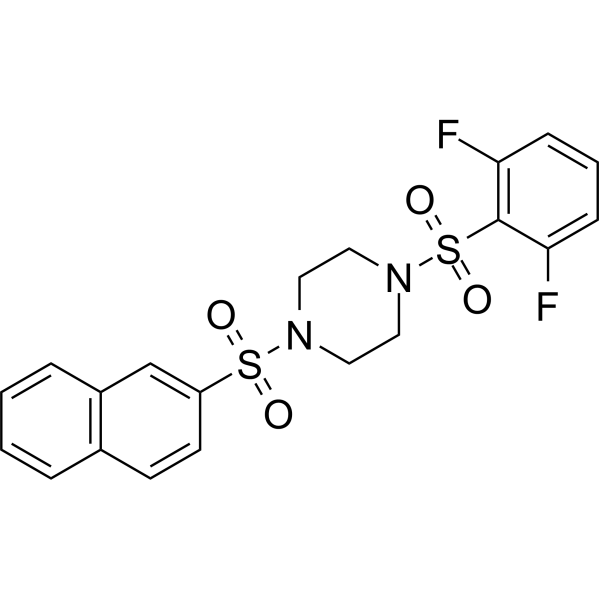
    PKM2 activator 3 is a potent PKM2 activator with an AC50 value of 90 nM. PKM2 activator 3 has good Caco-2 permeability, a low efflux ratio and high microsomal stability. PKM2 activator 3 can be used for researching anticancer .
    (AC50: the concentration which gives 50% activation of enzyme.)
    PKM2 activator 3
  • HY-156375

    Pyruvate Kinase PDK-1 Cancer
    PKM2 activator 6 (Compound Z10) is a PKM2 activator and PDK1 inhibitor (KD: 121 and 19.6 μM respectively). PKM2 activator 6 induces colorectal cell apoptosis, and inhibits cell proliferation and migration . PKM2 activator 6 inhibits glycolysis. PKM2 activator 6 inhibits proliferation of DLD-1, HCT-8, HT-29, MCF-10A cells (IC50: 10.04, 2.16, 3.57, 66.39 μM) .
    PKM2 activator 6
  • HY-161519

    Pyruvate Kinase Inflammation/Immunology
    PKM2 activator 7 (Compd B4) is a PKM2 activator with the AC50 of 0.144 μM. PKM2 activator 7 suppresses DSS (HY-116282C)-induced colitis by inhibiting T cell growth in mouse colitis model .
    PKM2 activator 7
  • HY-132215

    PKM2 activator 1

    Pyruvate Kinase Cancer
    PF-06284674 (PKM2 activator 1) (Compound 8) is a PKM2 activator that can be used in cancer research .
    PF-06284674
  • HY-RS10603

    Small Interfering RNA (siRNA) Others

    Pkm Mouse Pre-designed siRNA Set A contains three designed siRNAs for Pkm gene (Mouse), as well as a negative control, a positive control, and a FAM-labeled negative control.

    Pkm Mouse Pre-designed siRNA Set A
    Pkm Mouse Pre-designed siRNA Set A
  • HY-RS10604

    Small Interfering RNA (siRNA) Others

    Pkm Rat Pre-designed siRNA Set A contains three designed siRNAs for Pkm gene (Rat), as well as a negative control, a positive control, and a FAM-labeled negative control.

    Pkm Rat Pre-designed siRNA Set A
    Pkm Rat Pre-designed siRNA Set A

Inquiry Online

Your information is safe with us. * Required Fields.

Salutation


Country or Region *

Applicant Name *


Organization Name *

Department *


Email Address *


Product Name *

Cat. No.


Requested quantity *

Phone Number *


Remarks

Inquiry Online

Inquiry Information

Product Name:
Cat. No.:
Quantity:
MCE Japan Authorized Agent:

