
1. Search Result
Search Result
Results for "

Pd/C

" in MedChemExpress (MCE) Product Catalog:

57

Inhibitors & Agonists

2

Bibliothèques de criblage

2

Peptides

3

Inhibitory Antibodies

3

Natural
Products

14

Protéines recombinantes

1

Isotope-Labeled Compounds

2

Antibodies

2

Oligonucleotides

Targets Recommended:
Cat. No. Nom du produit Target Áreas de investigación Chemical Structure
  • HY-108730
    Avelumab
    5+ Cited Publications

    Anti-Human Pd-L1, Human Antibody; MSB 0010718C; MSB0010718C

    PD-1/PD-L1 Inflammation/Immunology Cancer
    Avelumab (Anti-Human PD-L1) a fully human IgG1 anti-PD-L1 monoclonal antibody (mAb) with potential antibody-dependent cell-mediated cytotoxicity (ADCC). Avelumab enhances ADCC on several cancer cell lines expressing PD-L1. Avelumab can be used for the study of chordoma .
    Avelumab
  • HY-10321
    PD173074
    Maximum Cited Publications
    21 Publications Verification

    FGFR VEGFR Apoptosis Cancer
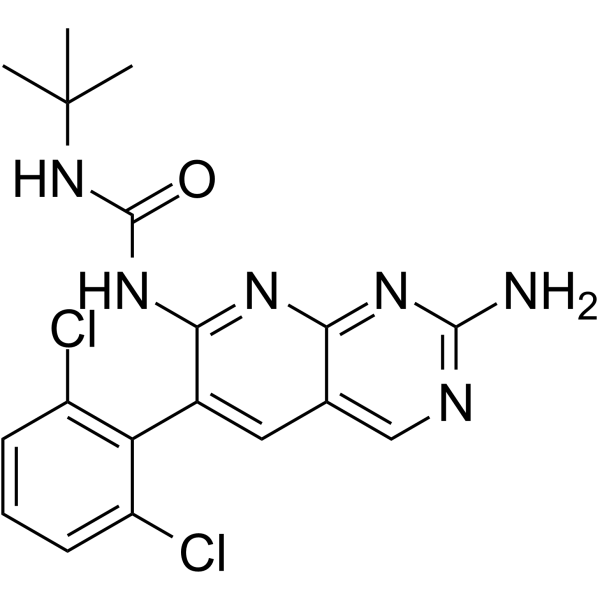
    PD173074 is a potent FGFR1 inhibitor with an IC50 of 25 nM and also inhibits VEGFR2 with an IC50 of 100-200 nM, showing 1000-fold selectivity for FGFR1 over PDGFR and c-Src.
    PD173074
  • HY-148794

    IkT-148009

    c-Met/HGFR Bcr-Abl Neurological Disease Cancer
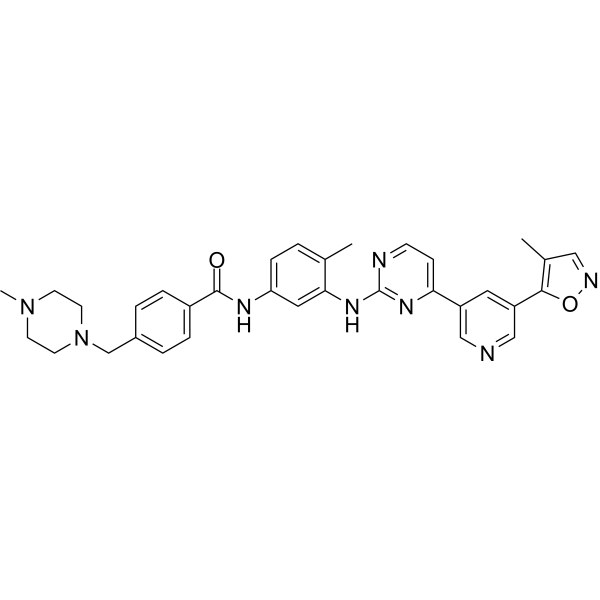
    Risvodetinib (IkT-148009) is an orally active, selective and brain-penetrant protein tyrosine kinase inhibitor, displaying excellent target efficacy against c-Abl1, c-Abl2/Arg with IC50 values of 33 nM, 14 nM, respectively. Risvodetinib suppresses c-Abl activation and substantially protects dopaminergic neurons from degeneration in mouse models of both inherited and sporadic Parkinson’s disease (PD), which is promising for research in the field of PD .
    Risvodetinib
  • HY-124447

    IGF-1R c-Myc Apoptosis TGF-beta/Smad Cancer
    BTYNB is a structure-specific nucleic acid binder and IGF2BP1 inhibitor (with an IC50 of 5 μM against hBTYNB). BTYNB disrupts the IGF2BP1-RNA interaction and blocks its binding to oncogenic mRNAs such as c-Myc, MDM2, PD-L1. BTYNB completely blocks the INHBA-Smad2/3 pathway, disrupts the MYCN/IGF2BP1 loop, and thereby induces apoptosis and cell cycle arrest, effectively inhibiting the proliferation and survival of cancer cells. In addition, BTYNB acts as an immune activator and tumor microenvironment modulator, enhances T cell-mediated tumor killing, and produces significant synergistic effects with inhibitors of PD-1, BRD and BIRC5. BTYNB can be used in relevant research on various malignant tumors including ovarian cancer, neuroblastoma, leukemia and melanoma .
    BTYNB
  • HY-100434

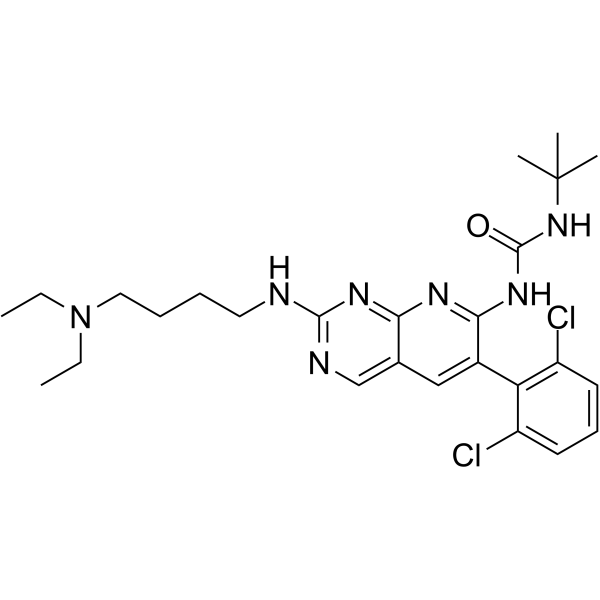
    FGFR PDGFR EGFR Src TGF-β Receptor Cardiovascular Disease Cancer
    PD-161570 is a potent and ATP-competitive human FGF-1 receptor inhibitor with an IC50 of 39.9 nM and a Ki of 42 nM. PD-161570 also inhibits the PDGFR, EGFR and c-Src tyrosine kinases with IC50 values of 310 nM, 240 nM, and 44 nM, respectively. PD-161570 inhibits PDGF-stimulated autophosphorylation and FGF-1 receptor phosphorylation with IC50s of 450 nM and 622 nM, respectively . PD-161570 is also a bone morphogenetic proteins (BMPs) and TGF-β signaling inhibitor .
    PD-161570
  • HY-W590989

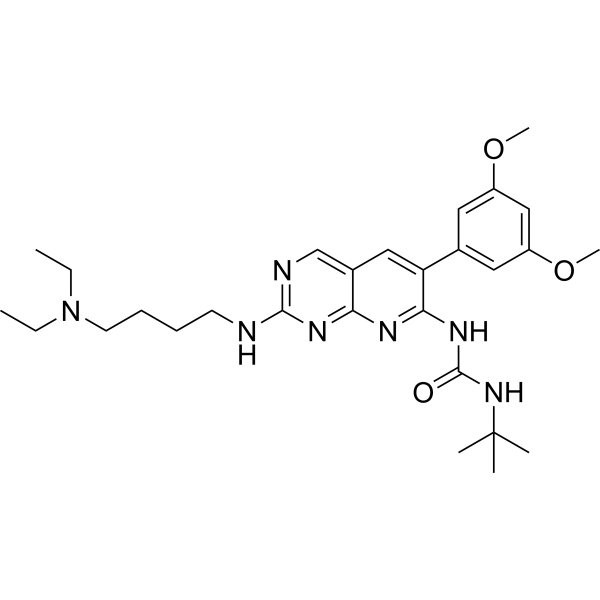
    GPhos Pd G6 TES

    Drug Intermediate Others
    GPhos Pd G6 (GPhos Pd G6 TES) is a palladium catalyst. GPhos Pd G6 catalyzes the Buchwald-Hartwig amination reaction and promotes C-N bond formation between aryl chlorides and amines. GPhos Pd G6 is a pharmaceutical intermediate used for the synthesis of various active compounds .
    GPhos Pd G6
  • HY-N3431

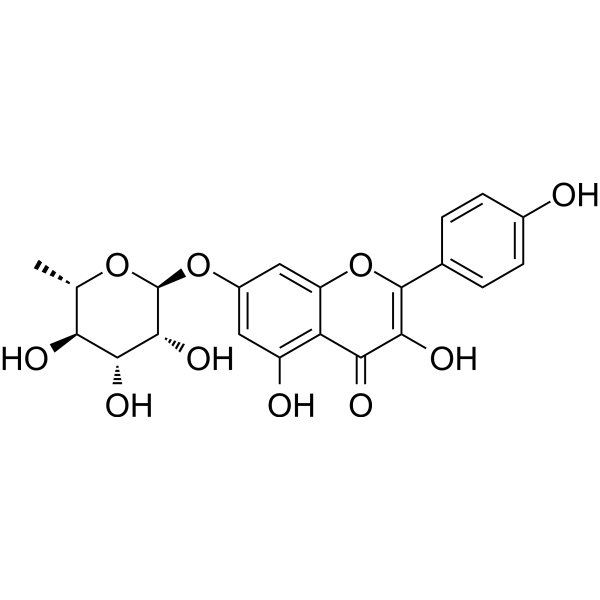
    AMPK PD-1/PD-L1 FXR Reactive Oxygen Species (ROS) Cardiovascular Disease
    Kaempferol-7-O-rhamnoside is a PD-1/PD-L1 inhibitor and farnesoid X receptor (FXR) agonist. Kaempferol-7-O-rhamnoside demonstrates cardioprotective potential targeting the AMPKα1 signaling pathway. Kaempferol-7-O-rhamnoside significantly upregulates the mRNA expression of AMPKα1 in H9c2 cardiomyocytes. Kaempferol-7-O-rhamnoside reverses APAP-induced reduction of glutathione (GSH) content and increase of ROS production in L02 cells. Kaempferol-7-O-rhamnoside has the potential for heart failure .
    Kaempferol-7-O-rhamnoside
  • HY-162275

    Histone Demethylase Histone Methyltransferase STAT Cancer
    JMJD1C-IN-1 is an orally active and selective inhibitor of JMJD1C (IC50 = 0.59 μM, Kd = 1.96 μM). JMJD1C-IN-1 inhibits the binding of JMJD1C to H3K9me2 peptide substrate in the HTRF assay (IC50 = 1.47 μM). JMJD1C-IN-1 disrupts intratumoral regulatory T (Treg) cell fitness by dual mechanisms: promoting H3K9me2 accumulation to downregulate PD1 expression and reducing STAT3 demethylation to enhance STAT3 activation. JMJD1C-IN-1 demonstrates dose-dependent antitumor efficacy in multiple mouse tumor models (MCA205 fibrosarcoma, B16-F10 melanoma, LLC lung cancer, Hepa1-6 hepatocellular carcinoma, CT26 colorectal cancer). JMJD1C-IN-1 can be used for the study of tumor immunotherapy by selectively targeting intratumoral Treg cells .
    JMJD1C-IN-1
  • HY-41121
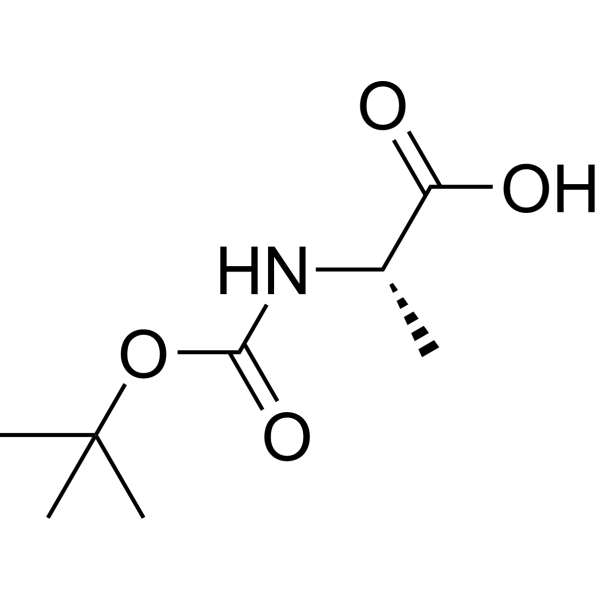
    Boc-L-Ala-OH
    1 Publications Verification

    Boc-Ala-OH

    Amino Acid Derivatives Cancer
    Boc-L-Ala-OH (Boc-Ala-OH) is a single N-protected amino acid ligand and a protected L-alanine derivative. Boc-L-Ala-OH promotes Pd (II)-catalyzed enantioselective C-H alkenylation and kinetic resolution. Boc-L-Ala-OH serves as a coupling reagent for the synthesis of liver-targeted glycogen phosphorylase inhibitors and P6A metabolites, and also acts as a negative control in synthesis studies of betulinic acid amino acid esters. Boc-L-Ala-OH is applicable to research on epidermoid squamous cell carcinoma .
    Boc-L-Ala-OH
  • HY-109567

    Pd-72953

    LDLR Metabolic Disease Inflammation/Immunology
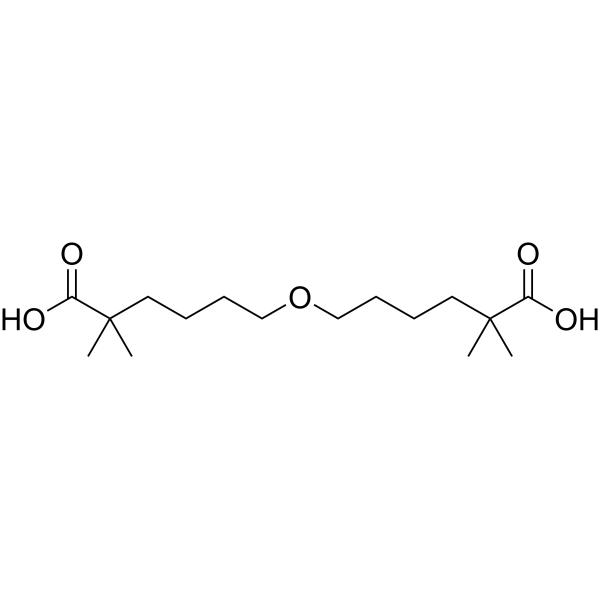
    Gemcabene (PD-72953), a first-in-class lipid-lowering agent, lowers low-density lipoprotein cholesterol (LDL-C), decreases triglycerides, and raises high-density lipoprotein cholesterol (HDL-C) and lowers pro-inflammatory acute-phase protein, C-reactive protein (CRP), exerting anti-inflammatory activity .
    Gemcabene
  • HY-143889

    CDK Cancer
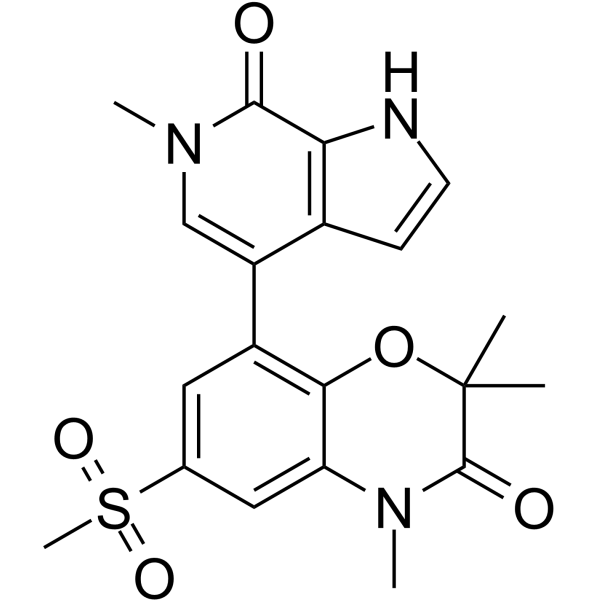
    Senexin C is a selective and orally active CDK8/19 inhibitor. Senexin C shows a strong tumor-enrichment pharmacokinetic (PK) profile and tumor-pharmacodynamic (PD) marker responses. Senexin C inhibits the growth of MV4-11 leukemia cells with good tolerability .
    Senexin C
  • HY-145774

    PD-1/PD-L1 Cancer
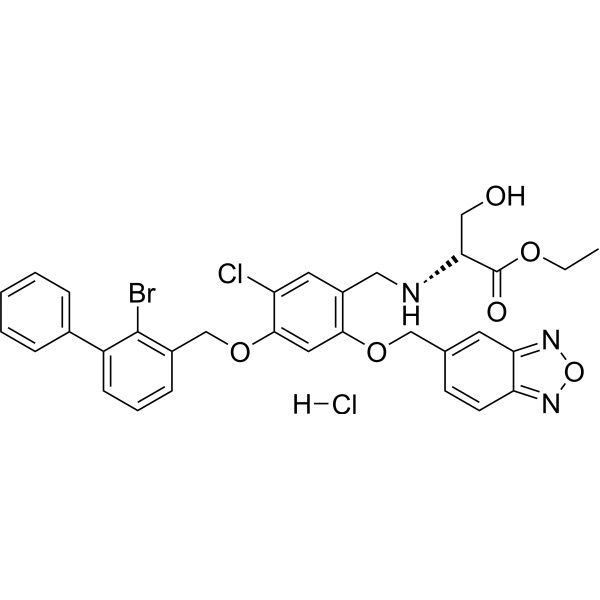
    PD-1/PD-L1-IN-23 is a potent and orally active inhibitor of PD-1/PD-L1. PD-1/PD-L1-IN-23 is an ester proagent of L7. L7 is a benzo[c][1,2,5]oxadiazole derivative and biologically evaluated as inhibitors of PD-L1. PD-1/PD-L1-IN-23 displays significant antitumor effects in tumor models of syngeneic and PD-L1 humanized mice .
    PD-1/PD-L1-IN-23
  • HY-W004701

    PROTAC Linkers Cancer
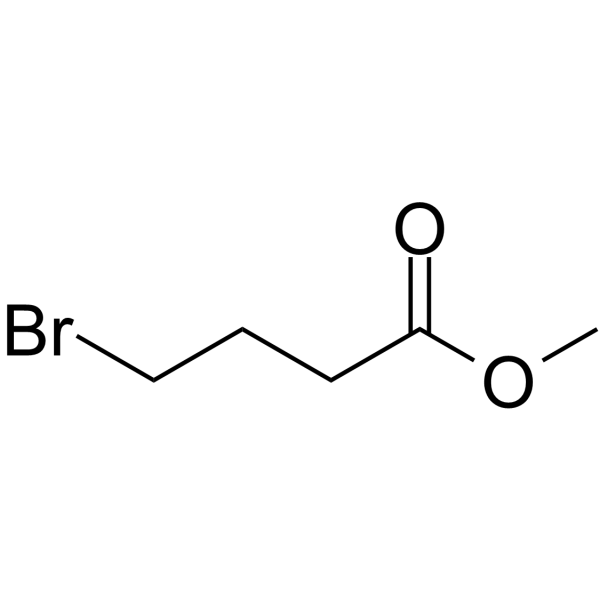
    Br-C3-methyl ester is a Alkyl/ether-based PROTAC linker that can be used in the synthesis of PROTAC PD-1/PD-L1 degrader-1 (HY-131183) .
    Br-C3-methyl ester
  • HY-131295
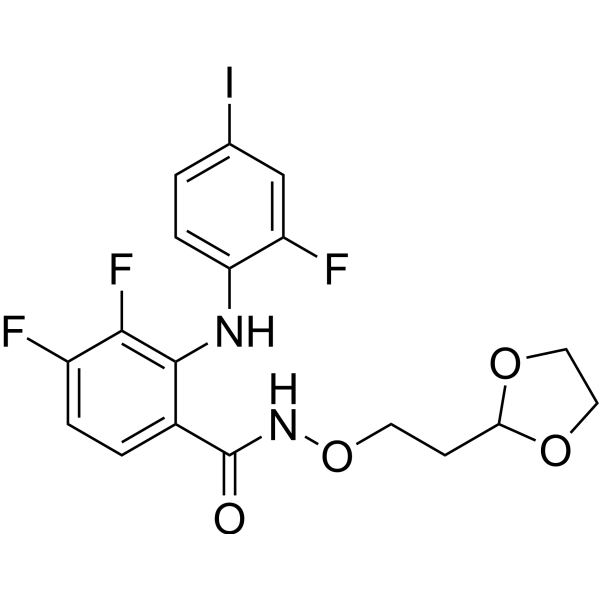
    PD0325901-O-C2-dioxolane
    2 Publications Verification

    MEK Ligands for Target Protein for PROTAC Cancer
    PD0325901-O-C2-dioxolane has main portion of MEK inhibitor PD0325901. PD0325901-O-C2-dioxolane and a ligand of VHL or CRBN E3 ligase can be used in the synthesis of MEK1/2 degrader .
    PD0325901-O-C2-dioxolane
  • HY-112345

    FGFR PDGFR EGFR Src Cancer
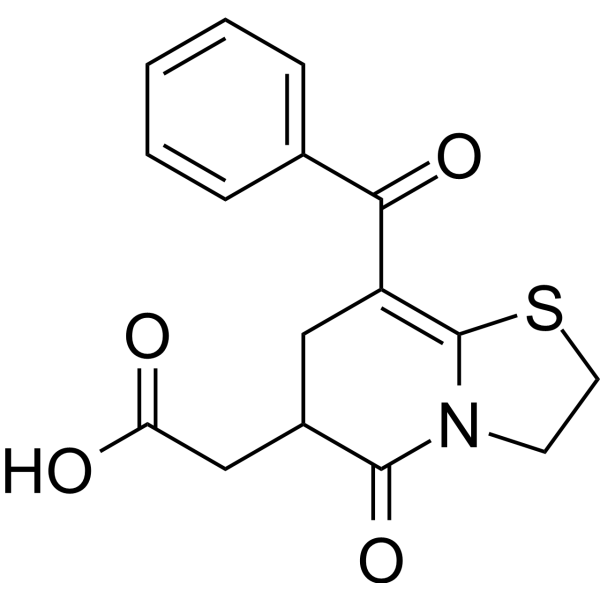
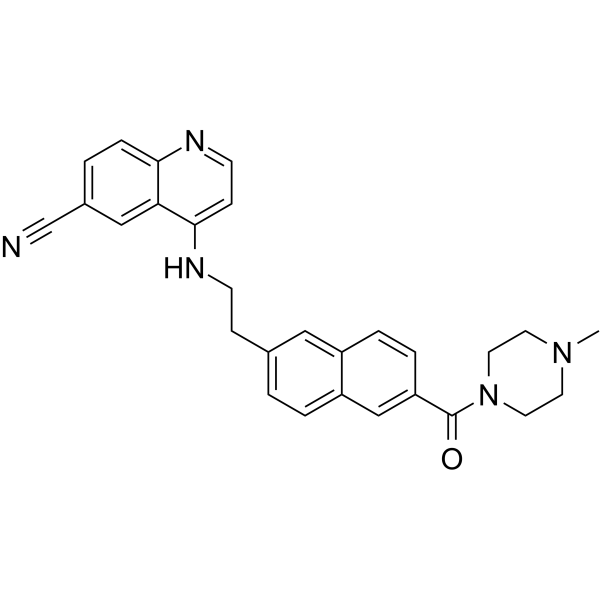
    PD-089828 is an ATP competitive inhibitor of FGFR-1, PDGFR-β and EGFR (IC50s=0.15, 1.76, and 5.47 µM, respectively) and a noncompetitive inhibitor of c-Src tyrosine kinase (IC50=0.18 µM). PD-089828 also inhibits MAPK with an IC50 of 7.1 µM. PD-089828 inhibits PDGF-, EGF- and bFGF-mediated tyrosine kinase receptor autophosphorylation in vitro. PD-089828 has a long-lasting cellular activity .
    PD-089828
  • HY-178360

    PROTACs Histone Acetyltransferase HIF/HIF Prolyl-Hydroxylase PD-1/PD-L1 PTEN Metabolic Disease Inflammation/Immunology Cancer
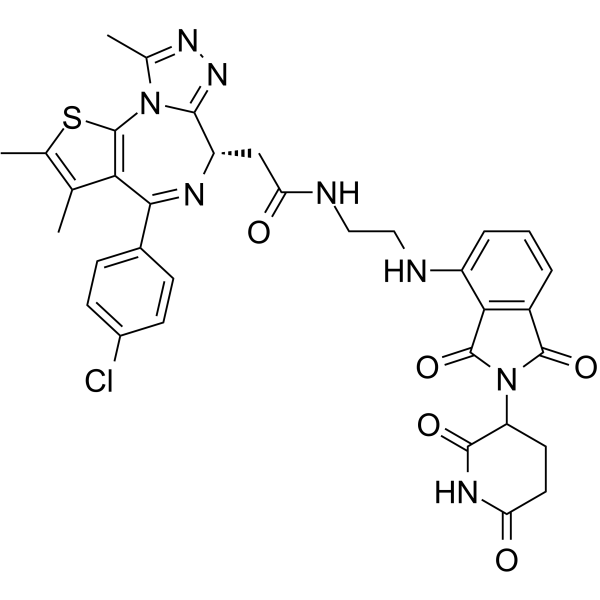
    NP1192 is a potent, selective PROTAC NAT10 degrader that depletes NAT10 protein and inhibits ac4C modification in cancer cells. NP1192 demonstrates dual inhibition of hypoxia-driven glycolysis and immunosuppression via NAT10/HIF-1α/PD-L1 axis disruption, achieving superior antitumor efficacy and synergizing with anti-PD-L1 both in vitro and in vivo. NP1192 can be used for ovarian, cervical, and glioblastoma cancer research. (Blue: CRBN ligand (HY-148834); Black: linker; Pink: NAT10 ligand (HY-16706)) .
    NP1192
  • HY-172930

    Molecular Glues IKZF Family Potassium Channel Inflammation/Immunology Cancer
    PVTX-405 is a selective and oral active IKZF2 molecular glue degrader with a DC50  of  0.7 nM and a Dmax of 91%. PVTX-405 enhances degradation efficiency, significantly reduces off-target degradation, and alleviates hERG inhibition with IC50 of 48 µM. PVTX-405 significantly inhibits the growth of MC38 tumors, with greater synergistic anti-cancer efficacy in combination with immune checkpoint therapies (ICTs) (anti-PD1 or anti-LAG3) in the MC38 mouse tumor xenograft model using Crbn 391V C57BL/6 mice .
    PVTX-405
  • HY-P990828

    PD-1/PD-L1 Infection
    Anti-PD-L1/B7-H1 Antibody (29E.2A3) is a kind of mouse IgG2b κ chimeric antibody inhibitor, targeting to human PD-L1/B7-H1. Anti-PD-L1/B7-H1 Antibody (29E.2A3) can block the binding of PD-1 to PD-L1. Anti-PD-L1/B7-H1 Antibody (29E.2A3) can be used for the research of infection, such as hepatitis C virus (HCV) .
    Anti-PD-L1/B7-H1 Antibody (29E.2A3)
  • HY-106136

    Pd-6735; LY-156735

    Melatonin Receptor 5-HT Receptor Neurological Disease
    TIK-301 (PD-6735) is a chlorinated melatonin derivative and a potent, high-affinity and orally active melatonin MT1 and MT2 receptors agonist with Kis of 0.081 nM and 0.042 nM, respectively. TIK-301 is also a 5-HT2B/5-HT2C receptors antagonist with antidepressant action. TIK-301 has the potential for sleep disorders and other circadian rhythm disorders treatment .
    TIK-301
  • HY-169859

    Prostaglandin Receptor Interleukin Related Inflammation/Immunology Cancer
    EP4 receptor antagonist 7 (Compound 14) is an antagonist of the prostaglandin E2 (PGE2) receptor subtype EP4 with an IC50 value of 1.1 nM. EP4 receptor antagonist 7 inhibits PGE2-induced β-arrestin recruitment in HEK293 cells with an IC50 value of 0.9 nM. EP4 receptor antagonist 7 decreases PGE2-induced expression of mRNA encoding IL-4, macrophage mannose receptor 1 (Mrc1), chitinase-like protein 3 (Chil3), chemokine (C-X-C) motif ligand 1 (Cxcl1), triggering receptor expressed on myeloid cells 2 (Trem2), and arginase-1 (Arg1), in RAW 264.7 macrophages. EP4 receptor antagonist 7 combined with an anti-PD-1 antibody inhibits tumor growth and increases infiltration of CD 8+ T cells into tumors in a CT26 murine colon cancer model .
    EP4 receptor antagonist 7
  • HY-162343

    PD-1/PD-L1 Inflammation/Immunology Cancer
    PD-1/ PD-L1-in-41 (Compound 5c) is a PD-L1 and PD-1 inhibitor with IC50 value of 10.2 nM .
    PD-1/PD-L1-IN-41
  • HY-132212

    PD-1/PD-L1 Inflammation/Immunology Cancer
    LH1307 is a C2-symmetric inhibitor of PD-1/PD-L1 protein-protein interactions with a IC50 value of 3.0 μM and can be used in cancer studies .
    LH1307
  • HY-131184

    PROTAC Linkers Inflammation/Immunology
    N-Boc-piperazine-C3-COOH is a PROTAC linker, which refers to the alkyl/ether composition. Boc-N-piperazine-C3-COOH can be used in the synthesis of PROTAC PD-1/PD-L1 degrader-1 (HY-131183) .
    N-Boc-piperazine-C3-COOH
  • HY-N0079
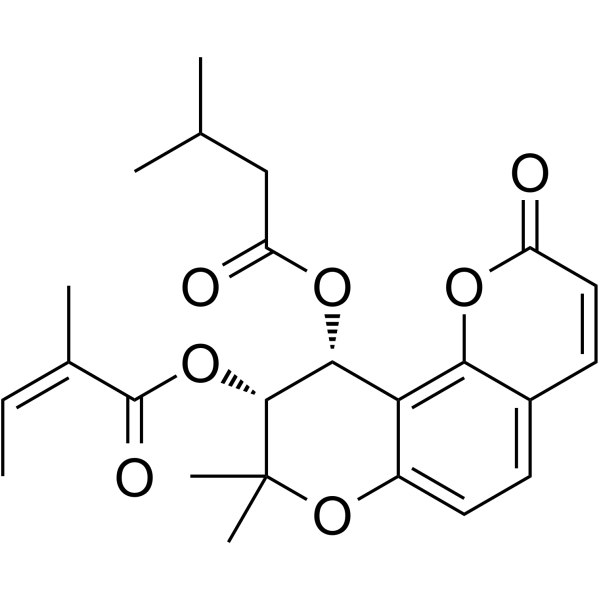
    Praeruptorin C
    1 Publications Verification

    Calcium Channel Cardiovascular Disease
    Praeruptorin C is a main bioactive constituent of Peucedanum praeruptorum (also known as Bai-Hua Qian Hu). Praeruptorin C is a calcium antagonist with pD2 value of 5.7 .
    Praeruptorin C
  • HY-P99963

    HS636

    PD-1/PD-L1 Cancer
    Sudubrilimab (HS636) is an Ig G1-kappa monoclonal antibody against PDL1. Sudubrilimab is fused at the C terminus of the heavy chain to a TGF-β1 receptor Ⅱ ectodomain (TGFBR2-ECD), and which can sequester the PD-1/PD-L1 pathway and TGF-β bioactivity in the immunosuppressive tumor microenvironment .
    Sudubrilimab
  • HY-146527

    Bcr-Abl Neurological Disease Cancer
    c-ABL-IN-2 is a potent inhibitor of c-Abl. Activation of c-Abl has been implicated in various diseases, notably cancer. c-ABL-IN-2 has the potential for the research of neurodegenerative diseases (amyotrophic lateral sclerosis (ALS) and Parkinson’s disease (PD) and cancer (extracted from patent WO2020260871A1, compound 25) . c-ABL-IN-2 is a click chemistry reagent, it contains an Alkyne group and can undergo copper-catalyzed azide-alkyne cycloaddition (CuAAc) with molecules containing Azide groups.
    c-ABL-IN-2
  • HY-155580

    Monoamine Oxidase HSP Cancer
    MAO A/HSP90-IN-2 (compound 4-C) is a dual inhibitor of HSP90and MAO A with the IC50 values of 0.016 and 4.58 μM, respectively. MAO A/HSP90-IN-2 increases HSP70 expression and reduces HER2 and phospho-Akt expression, and decreases IFN-γ induced PD-L1 expression in GL26 cells. MAO A/HSP90-IN-2 inhibits the growth of Temozolomide (HY-17364) -sensitive and -resistant GBM cells, colon cancer, leukemia, non-small cell lung and other cancers, and has potential to inhibit tumor immune escape [1].
    MAO A/HSP90-IN-2
  • HY-P10826

    PD-1/PD-L1 Cancer
    PD-1/PD-L1 inhibitory peptide C8 is inhibits PD-1/PD-L1 interaction, promotes the activation of CD8+ and CD4+ T cells, and increases the IFN-γ secretion. PD-1/PD-L1 inhibitory peptide C8 exhibits antitumor efficacy in mouse model .
    PD-1/PD-L1 inhibitory peptide C8
  • HY-168081

    PD-1/PD-L1 Cancer
    PD-1/PD-L1-IN-52 (Compound III-5) is an orally active PD-1/PD-L1 inhibitor that blocks the interaction between PD-1 and PD-L1, with an IC50 of 109.9 nM. PD-1/PD-L1-IN-52 exhibits antitumor activity in a C57BL/6 mouse xenograft model implanted with human PD-1-expressing MC38 colon cancer cells, with a TGI of 49.6% .
    PD-1/PD-L1-IN-52
  • HY-161748

    PD-1/PD-L1 Cancer
    PD-1/PD-L1-IN-46 (compound (R)-C27 ) is an PD-1/PD-L1 antagonist with IC50 value of 18.66 nM .
    PD-1/PD-L1-IN-46
  • HY-163844

    PD-1/PD-L1 Inflammation/Immunology Cancer
    PD-1/PD-L1-IN-49 (compound 1c) is a potent inhibitor of PD-1/PD-L1, with the IC50 of 77 nM. PD-1/PD-L1-IN-49 activates Jurkat T cells, reflecting successful blockade of the PD-1/PD-L1 immune checkpoint .
    PD-1/PD-L1-IN-49
  • HY-132223

    PD-1/PD-L1 Inflammation/Immunology Cancer
    LH1306 is a C2-symmetric inhibitor of PD-1/PD-L1 protein-protein interaction (PPI), with an IC50 value of 25 nM. LH1306 can be used in anti-tumor research .
    LH1306
  • HY-109567A

    Pd-72953 calcium

    LDLR Metabolic Disease Inflammation/Immunology
    Gemcabene calcium (PD-72953 calcium), a first-in-class lipid-lowering agent, lowers low-density lipoprotein cholesterol (LDL-C), decreases triglycerides, and raises high-density lipoprotein cholesterol (HDL-C) and lowers pro-inflammatory acute-phase protein, C-reactive protein (CRP), exerting anti-inflammatory activity .
    Gemcabene calcium
  • HY-10321R

    Reference Standards FGFR VEGFR Apoptosis Cancer
    PD173074 (Standard) is the analytical standard of PD173074. This product is intended for research and analytical applications. PD173074 is a potent FGFR1 inhibitor with an IC50 of 25 nM and also inhibits VEGFR2 with an IC50 of 100-200 nM, showing 1000-fold selectivity for FGFR1 over PDGFR and c-Src.
    PD173074 (Standard)
  • HY-131186

    E3 Ligase Ligand-Linker Conjugates Cancer
    Pomalidomide-amido-C3-piperazine-N-Boc is a synthesized E3 ligase ligand-linker conjugate that incorporates the Pomalidomide based cereblon ligand and a linker used in the synthesis of PROTAC PD-1/PD-L1 degrader-1 (HY-131183) .
    Pomalidomide-amido-C3-piperazine-N-Boc
  • HY-169364

    PD-1/PD-L1 Others
    2-Methylbiphenyl-oxadiazole-NH-Ph-NH-PEG3-C2-NH-Boc is the PD-L1 ligand-linker conjugate part of AUTAC PD-L1 degrader-3 (HY-169363). 2-Methylbiphenyl-oxadiazole-NH-Ph-NH-PEG3-C2-NH-Boc can be utilized in AUTAC synthesis .
    2-Methylbiphenyl-oxadiazole-NH-Ph-NH-PEG3-C2-NH-Boc
  • HY-162303

    Monoamine Oxidase Neurological Disease
    C175-0062 is a monoamine oxidase B (MAO-B) inhibitor. C175-0062 can be used for the research of neurodegenerative disorders, including Parkinson's disease (PD), Alzheimer’s disease (AD), and amyotrophic lateral sclerosis (ALS) .
    C175-0062
  • HY-169480

    Liposome Infection Cancer
    Lipid C2 is an ionizable cationic lipid that has been used in the formation of lipid nanoparticles (LNP) for mRNA delivery in vivo. LNPs containing Lipid C2 and encapsulating an mRNA reporter selectively accumulate in the liver and spleen but not the heart, lungs, or kidneys in mice. LNP containing Lipid C2 and encapsulating mRNA encoding the Epstein-Barr virus (EBV) protein latent membrane protein 2 (LMP-2), in combination with an anti-programmed cell death protein 1 (PD-1) antibody, decrease tumor volume and reverse T cell exhaustion, as well as increase the percentage of CD3 +CD8 + central and CD3 +CD8 + effector memory T cells and decrease the percentage of CD3 + T cells expressing Pd-1, in the spleen in a CT26 murine EBV-infected colon cancer model .
    Lipid C2
  • HY-162644

    PD-1/PD-L1 PARP Cancer
    Antitumor agent-170 (Compound C6) exhibits inhibitory activities against PD-1/PD-L1 interaction and PARP7, with IC50 of 0.342 μM and 7.05 nM. Antitumor agent-170 exhibits a high affinity to human PD-L1, with a Ki of 9.31 nM. Antitumor agent-170 restores the T cell function and increases IFN-γ secretion. Antitumor agent-170 exhibits antitumor efficacy against melanoma in mouse models and good pharmacokinetic characteristics .
    Antitumor agent-170
  • HY-RS10777

    Small Interfering RNA (siRNA) Others

    PNKD Human Pre-designed siRNA Set A contains three designed siRNAs for PNKD gene (Human), as well as a negative control, a positive control, and a FAM-labeled negative control.

    PNKD Human Pre-designed siRNA Set A
    PNKD Human Pre-designed siRNA Set A
  • HY-172874

    Indoleamine 2,3-Dioxygenase (IDO) Cancer
    TDO-IN-2 (Compound 5c) is an orally active TDO inhibitor (IC50: 1.25 μM). TDO-IN-2 has antitumor activity in the Hepa1-6 hepatocellular carcinoma allograft mouse model. TDO-IN-2 has synergistic effects with the PD-1/PD-L1 inhibitor BMS-202 (HY-19745) and can be used to study tumor immune tolerance .
    TDO-IN-2
  • HY-176167

    Ligands for Target Protein for PROTAC Cancer
    mTOR ligand 1-C6-amino is a conjugate of a target protein ligand (HY-B0795) and a linker (HY-W008296). mTOR ligand 1-C6-amino can be used to synthesize PROTAC PD-M6 (HY-176166) .
    mTOR ligand 1-C6-amino
  • HY-146528

    Bcr-Abl Neurological Disease Cancer
    c-ABL-IN-3 is a potent inhibitor of c-Abl. Activation of c-Abl has been implicated in various diseases, notably cancer. c-ABL-IN-3 has the potential for the research of neurodegenerative diseases (amyotrophic lateral sclerosis (ALS) and Parkinson’s disease (PD) and cancer (extracted from patent WO2021048567A1, compound 50) .
    c-ABL-IN-3
  • HY-146530

    Bcr-Abl Neurological Disease Cancer
    c-ABL-IN-4 is a potent inhibitor of c-Abl. Activation of c-Abl has been implicated in various diseases, notably cancer. c-ABL-IN-4 has the potential for the research of neurodegenerative diseases (amyotrophic lateral sclerosis (ALS) and Parkinson’s disease (PD) and cancer (extracted from patent WO2021048567A1, compound 54) .
    c-ABL-IN-4
  • HY-156102

    Bcr-Abl Neurological Disease
    c-ABL-IN-5 is a selective c-Abl inhibitor with neuroprotective effects. c-ABL-IN-5 has blood-brain barrier penetrability, metabolic stability and good pharmacokinetic properties. When c-ABL-IN-5 is labeled with [18F] (compound [18F]3), it can be used as a tracer to evaluate disease-modifying efficacy by complementary positron emission tomography (PET). c-ABL-IN-5 can be used in the study of neurodegenerative diseases such as Parkinson's disease (PD) .
    c-ABL-IN-5
  • HY-130642

    E3 Ligase Ligand-Linker Conjugates Cancer
    (S,R,S)-AHPC-Me-C10-Br is a synthesized E3 ligase ligand-linker conjugate. (S,R,S)-AHPC-Me-C10-Br incorporates a VHL E3 ligase linker and MS432 based on the MEK1/2 inhibitor PD0325901 .
    (S,R,S)-AHPC-Me-C10-Br
  • HY-N6066R

    Reference Standards Calcium Channel Cardiovascular Disease
    Praeruptorin E (Standard) is the analytical standard of Praeruptorin E. This product is intended for research and analytical applications. Praeruptorin E is a main bioactive constituent of Peucedanum praeruptorum (also known as Bai-Hua Qian Hu). Praeruptorin C is a calcium antagonist with pD2′ value of 5.2 .
    Praeruptorin E (Standard)
  • HY-160002

    Monoamine Oxidase Neurological Disease
    MAO-B-IN-27 (Compound 12c) is a monoamine oxidase B (MAO-B) inhibitor. MAO-B-IN-27 has potent and selective MAO-B inhibitory effect for hMAO-B with an IC50 values of 8.9 nM. MAO-B-IN-27 can be used for the research of parkinson's disease (PD) .
    MAO-B-IN-27
  • HY-149509

    α-synuclein Neurological Disease
    α-Synuclein inhibitor 9 (Compound 20C) is an α-Synuclein inhibitor. α-Synuclein inhibitor 9 binds to cavities in mature α-synuclein fibrils and reduces the β-sheet structure. α-Synuclein inhibitor 9 inhibits A53T α-Syn aggregation. α-Synuclein inhibitor 9 has neuroprotective effect, improves brain functional connection and relieves motor dysfunction.α-Synuclein inhibitor 9 can be used for Parkinson’s disease (PD) research. .
    α-Synuclein inhibitor 9
  • HY-162760

    COMT Monoamine Oxidase Neurological Disease
    COMT-IN-1 (compound C12), a nitrophenolic analogue, is an orally active dopamine metabolic enzyme catechol-O-methyltransferase (COMT) inhibitor with IC50s of 0.37 μM, 95.58 μM and 58.82 μM for COMT, MAO-A and MAO-B, respectively. COMT-IN-1 exhibits chelation with a variety of metal ions. COMT-IN-1 exhibits good BBB permeability. COMT-IN-1 improves dopamine levels and ameliorates MPTP (HY-15608)-induced Parkinson's disease (PD) symptoms in mice .
    COMT-IN-1

Demande en ligne

Your information is safe with us. * Required Fields.

Civilité


Country or Region *

Nom du demandeur *


Nom de l'organisation *

Department *


Adresse e-mail *


Nom du produit *

Cat. No.


Requested quantity *

Numéro de téléphone *


Remarques

Demande en ligne

Inquiry Information

Nom du produit:
Cat. No.:
Quantité:
MCE Japan Authorized Agent:

