

1. Search Result
Search Result
Results for "

Proteasome-IN-1

" in MedChemExpress (MCE) Product Catalog:

29

Inhibitors & Agonists

1

Screening Libraries

4

Peptides

2

Inhibitory Antibodies

4

Natural
Products

Cat. No. 상품명 Target 연구분야 Chemical Structure
  • HY-P9915
    Daratumumab
    10+ Cited Publications

    Anti-Human CD38, Human Antibody; HuMax-CD38; JNJ-54767414

    CD38 ADC Antibody Inflammation/Immunology Cancer
    Daratumumab (Anti-Human CD38) is the first-in-class human-specific anti-CD38 monoclonal antibody (IgG1). Daratumumab has anti-multiple myeloma (MM) effect. Daratumumab impairs MM cell adhesion, which results in an increased sensitivity of MM to proteasome inhibition .
    Daratumumab
  • HY-N2166
    Tomatine
    2 Publications Verification

    α-TomatINe; LycopersicIN; TomatIN

    Proteasome Apoptosis Neurological Disease
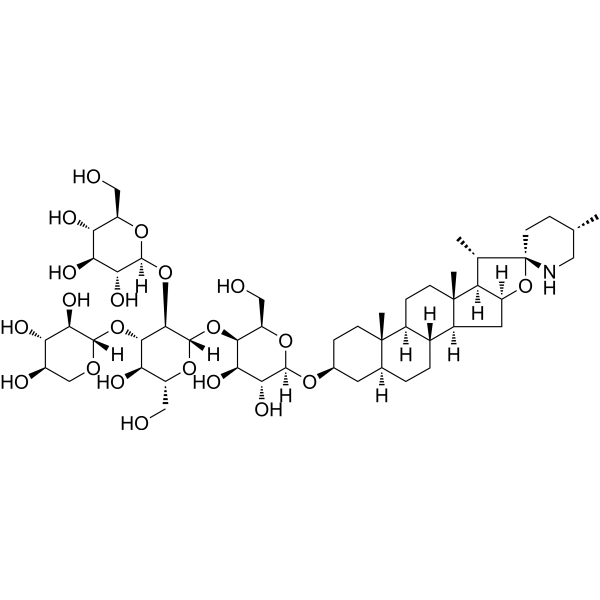
    Tomatine is a glycoalkaloid, found in the tomato plant (Lycopersicon esculentum Mill.). Tomatine elicits neurotoxicity in RIP1 kinase and caspase-independent manner. Tomatine promotes the upregulation of nuclear apoptosis inducing factor (AIF) in neuroblastoma cells. Tomatine also inhibits 20S proteasome activity .
    Tomatine
  • HY-P9915A
    Daratumumab (Anti-CD38)
    10+ Cited Publications

    Anti-Human CD38, Human Antibody (PBS)

    ADC Antibody CD38 Cancer
    Daratumumab (PBS) (Anti-Human CD38) is the first-in-class human-specific anti-CD38 monoclonal antibody (IgG1). Daratumumab (PBS) has anti-multiple myeloma (MM) effect. Daratumumab (PBS) impairs MM cell adhesion, which results in an increased sensitivity of MM to proteasome inhibition .
    Daratumumab (Anti-CD38)
  • HY-19726
    NSC59984
    2 Publications Verification

    MDM-2/p53 Cancer
    NSC59984 induces mutant p53 protein degradation via MDM2 and the ubiquitin-proteasome pathway . NSC59984 acts by targeting GOF-mutant p53 and stimulates p73 to restore the p53 pathway signaling .
    NSC59984
  • HY-150602

    Proteasome Neurological Disease
    20S Proteasome activator 1 is a potent 20S proteasome activator with EC200 values of 0.3 μM, 0.7 μM and 1.8 μM for trypsin-like site, chymotrypsin-like site and caspase-like site. 20S Proteasome activator 1 translates well in a cellular system, preventing the accumulation of the pathogenic A53T mutant of α-synuclein. 20S Proteasome activator 1 can be used for researching neurodegenerative diseases [1].
    20S Proteasome activator 1
  • HY-115391
    Boc-LRR-AMC
    1 Publications Verification

    Boc-Leu-Arg-Arg-AMC

    Biochemical Assay Reagents Others
    Boc-LRR-AMC (Boc-Leu-Arg-Arg-AMC) is a fluorogenic substrate, which can be utilized for detecting the trypsin-like activity of the 26S proteasome or the 20S proteasome core .
    Boc-LRR-AMC
  • HY-150226

    Proteasome Inflammation/Immunology
    Enzyme-IN-1 (compound 1) is a peptide-based inhibitor of N-terminal nucleophile (Ntn) hydrolases. Specifically, Enzyme-IN-1 inhibits the chymotrypsin-like activity (CT-L) of the 20S proteasome. Enzyme-IN-1 may has potential antiinflammatory properties [1].
    Enzyme-IN-1
  • HY-100172

    Proteasome Cancer
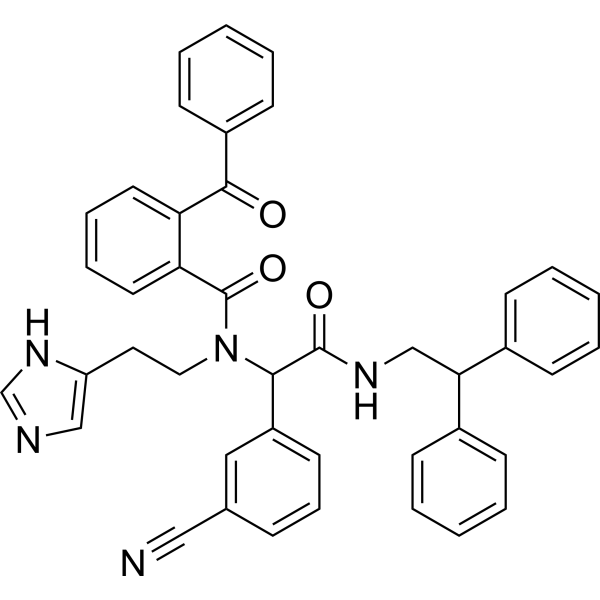
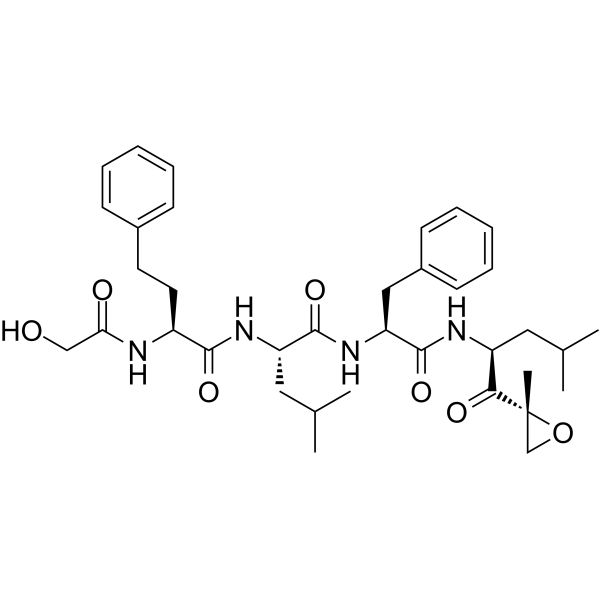
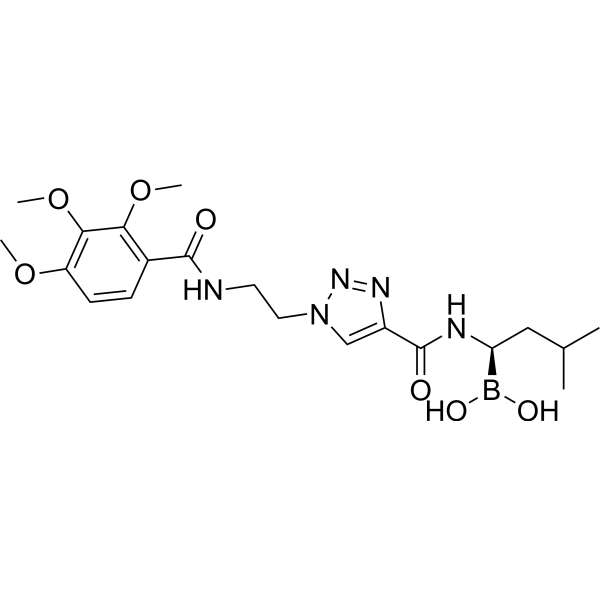
    Proteasome-IN-1 is a proteasome inhibitor extracted from patent WO 2013142376 A1.
    Proteasome-IN-1
  • HY-139331

    Proteasome Neurological Disease Inflammation/Immunology Cancer
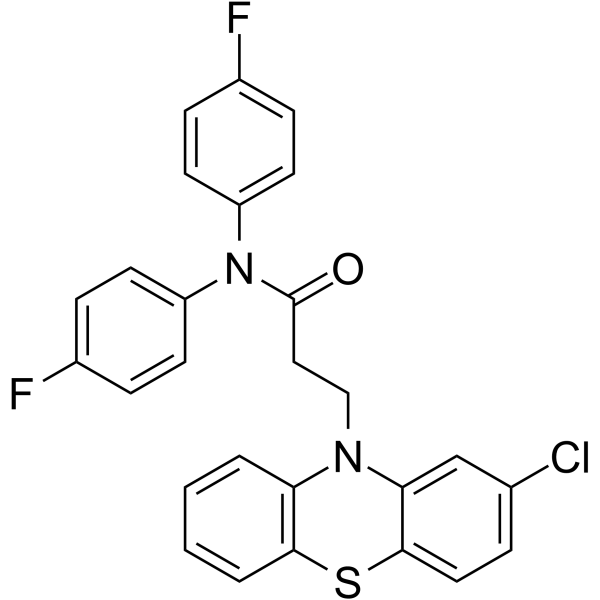
    20S Proteasome-IN-1 is a 26S proteasome inhibitor extracted from patent WO2006128196A2 compound 2. 20S Proteasome-IN-1 has the potential for cancer, immune-related disorders, inflammation, ischemic conditions, neurodegenerative disorders and other diseases research [1].
    20S Proteasome-IN-1
  • HY-P1258
    PSI
    2 Publications Verification

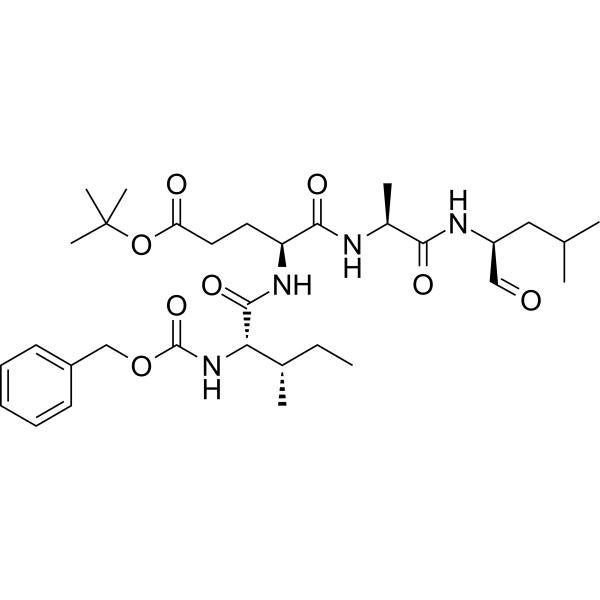
    Proteasome INhibitor 1; Z-Ile-Glu(OtBu)-Ala-Leu-CHO

    Proteasome Infection Cancer
    PSI (Proteasome Inhibitor 1) is a potent proteasome inhibitor. PSI inhibits the proliferation of primary effusion lymphoma (PEL) cells. PSI has the potential for the research of Kaposi’s sarcoma-associated herpesvirus (KSHV) infection and KSHV-associated lymphomas [1].
    PSI
  • HY-152145

    SOS1 PROTACs Ras Cancer
    PROTAC SOS1 degrader-3 is a potent PROTAC SOS1 degrader. PROTAC SOS1 degrader-3 effectively targeted SOS1 for degradation through the ubiquitin-proteasome system .
    PROTAC SOS1 degrader-3
  • HY-173599

    PNPLA3 Cancer
    NUV-244 is a PNPLA3 I148M degrader. NUV-244 reduces PNPLA3 I148M levels on lipid droplets via BFAR-mediated ubiquitin-proteasome degradation .
    NUV-244
  • HY-N2166R

    α-TomatINe (Standard); LycopersicIN (Standard); TomatIN (Standard)

    Reference Standards Proteasome Apoptosis Neurological Disease
    Tomatine is a glycoalkaloid, found in the tomato plant (Lycopersicon esculentum Mill.). Tomatine elicits neurotoxicity in RIP1 kinase and caspase-independent manner. Tomatine promotes the upregulation of nuclear apoptosis inducing factor (AIF) in neuroblastoma cells. Tomatine also inhibits 20S proteasome activity .
    Tomatine (Standard)
  • HY-144323

    PROTACs PERK Cancer
    YF135 is an efficient and reversible-covalent KRAS G12C PROTAC. YF135 is designed and synthesized by tethering KRAS G12C inhibitor 48 (compound 6d) as the ligand, and basing on the scaffold of MRTX849 linkage VHL ligand. YF135 significantly induces the degradation of KRAS G12C in a reversible manner and decreases phospho-ERK level through the E3 ligase VHL mediated proteasome pathway .
    YF135
  • HY-179273

    Proteasome Parasite Infection
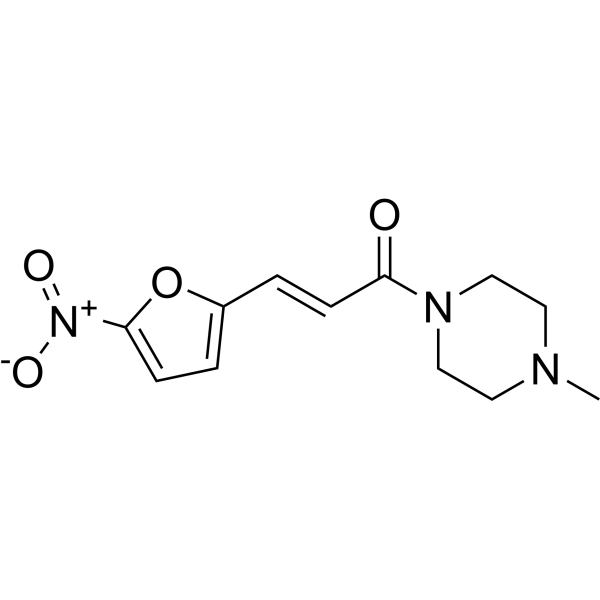
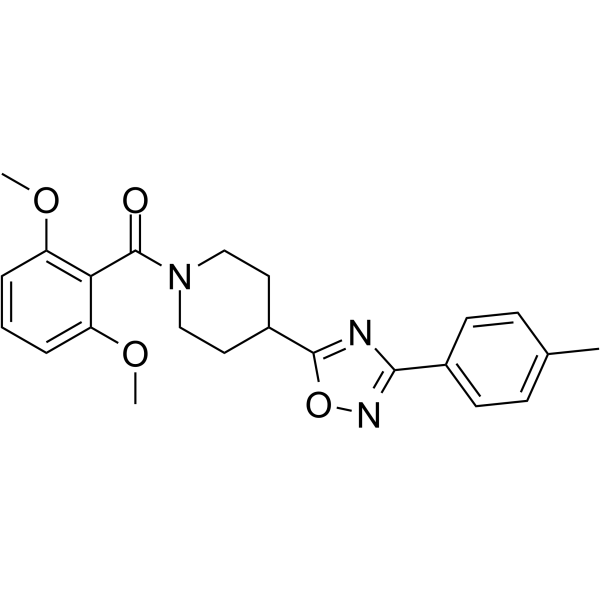
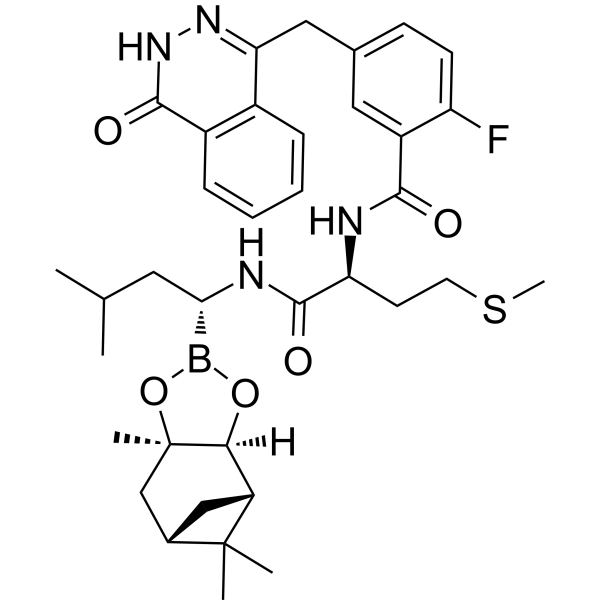
    Proteasome-IN-1 (Compound 130) is a proteasome inhibitor. Proteasome-IN-1 exhibits antiparasitic activity against P. faciparum 3D7 [1].
    Proteasome-IN-8
  • HY-144983

    Ligands for E3 Ligase Cancer
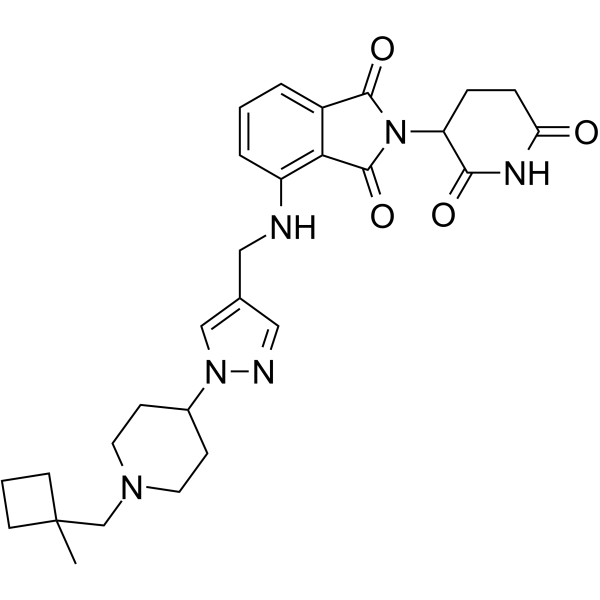
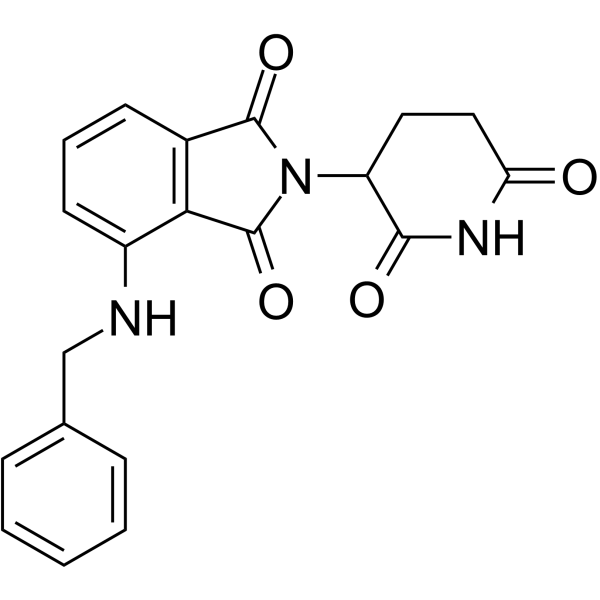
    E3 ligase Ligand 22 (compound 139) is a cereblon binder for the degradation of Ikaros or Aiolos by the ubiquitin proteasome pathway .
    E3 ligase Ligand 22
  • HY-157212

    Apoptosis PARP Proteasome Cancer
    PARP-1/Proteasome-IN-1 (compound 42i) is a dual PARP-1 and proteasome inhibitor with significant inhibitory effects on breast cancer. PARP-1/Proteasome-IN-1 can downregulate the expression of BRCA1 and RAD51 to inhibit homologous recombination repair function and induce apoptosis [1].
    PARP-1/Proteasome-IN-1
  • HY-157032

    Proteasome Others
    Proteasome-IN-5 (compound 5) is a proteasome inhibitor .
    Proteasome-IN-5
  • HY-P10003A

    Proteasome Others
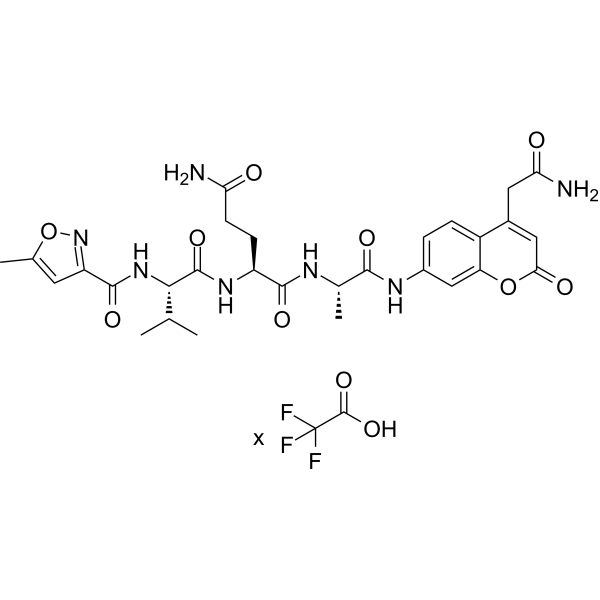
    iso-VQA-ACC TFA is a constitutive proteasome substrate .
    iso-VQA-ACC TFA
  • HY-N11620

    Proteasome Others
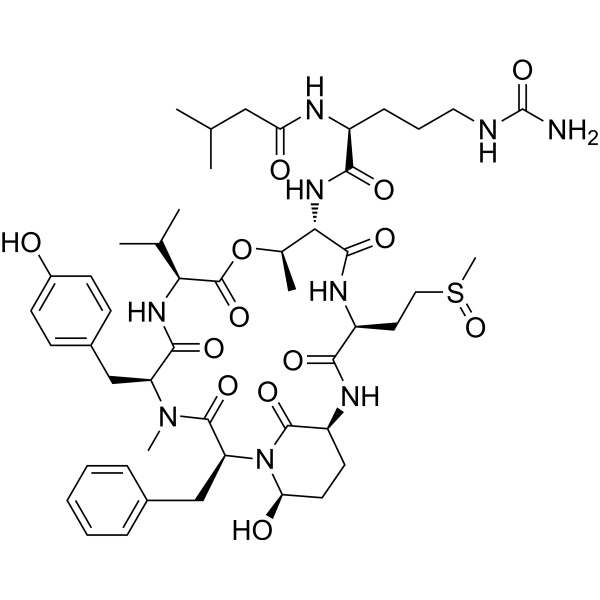
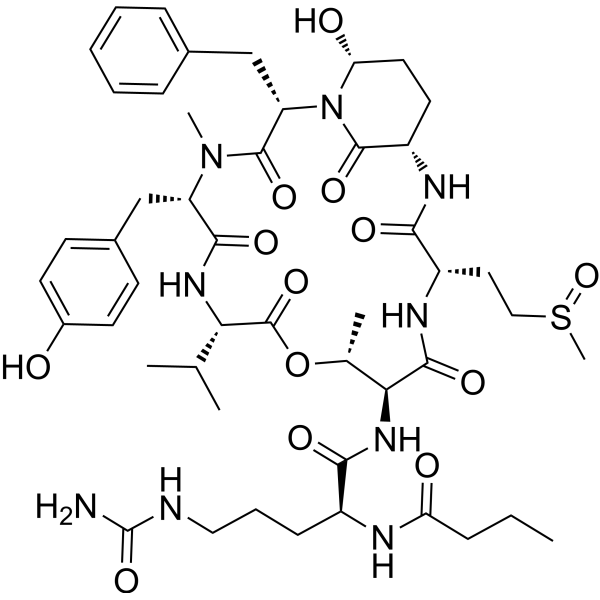
    Sadopeptins A is a nature product that could be isolated from Streptomyces sp. Sadopeptins A is a potent proteasome inhibitor .
    Sadopeptins A
  • HY-N11621

    Proteasome Others
    Sadopeptins B is a nature product that could be isolated from Streptomyces sp. Sadopeptins B is a potent proteasome inhibitor .
    Sadopeptins B
  • HY-144980

    Ligands for E3 Ligase Cancer
    E3 ligase Ligand 21 (compound 2) is a cereblon binder for the degradation of Ikaros or Aiolos by the ubiquitin proteasome pathway .
    E3 ligase Ligand 21
  • HY-144985

    Ligands for E3 Ligase Cancer
    E3 ligase Ligand 23 (compound 17-6) is a cereblon binder for the degradation of Ikaros or Aiolos by the ubiquitin proteasome pathway .
    E3 ligase Ligand 23
  • HY-157230

    IAP Cancer
    XIAP antagonist 1 degrades rather than inhibits XIAP, catalyzing rapid degradation of XIAP through the ubiquitin-proteasome pathway [2].
    XIAP antagonist 1
  • HY-117398

    NEKs Cancer
    HCI-2184 is a Nek2 inhibitor with an IC50 of 39.90 nM. HCI-2184 significantly increases the effectiveness of Bortezomib (HY-10227) in inhibiting proteasome activity .
    HCI-2184
  • HY-138284

    NF-κB Inflammation/Immunology
    Avenanthramide-C methyl ester is an anti-inflammatory agent and NF-κB inhibitor that inhibits the secretion of pro-inflammatory factors. Avenanthramide-C methyl ester inhibits NF-κB activation by inhibiting IKK and IκB phosphorylation and inhibiting proteasome activity .
    Avenanthramide-C methyl ester
  • HY-N2166A

    α-TomatINe hydrochloride; LycopersicIN hydrochloride; TomatIN hydrochloride

    Proteasome Apoptosis Neurological Disease
    Tomatine hydrochloride is a glycoalkaloid, found in the tomato plant (Lycopersicon esculentum Mill.). Tomatine hydrochloride elicits neurotoxicity in RIP1 kinase and caspase-independent manner. Tomatine hydrochloride promotes the upregulation of nuclear apoptosis inducing factor (AIF) in neuroblastoma cells. Tomatine hydrochloride also inhibits 20S proteasome activity .
    Tomatine hydrochloride
  • HY-W753820A

    Boc-Leu-Arg-Arg-AMC TFA

    Biochemical Assay Reagents Others
    Boc-LRR-AMC TFA (Boc-Leu-Arg-Arg-AMC TFA) is the TFA salt form of Boc-LRR-AMC (HY-115391). Boc-LRR-AMC TFA is a fluorogenic substrate, which can be utilized for detecting the trypsin-like activity of the 26S proteasome or the 20S proteasome core .
    Boc-LRR-AMC TFA
  • HY-180538

    Molecular Glues E1/E2/E3 Enzyme Others
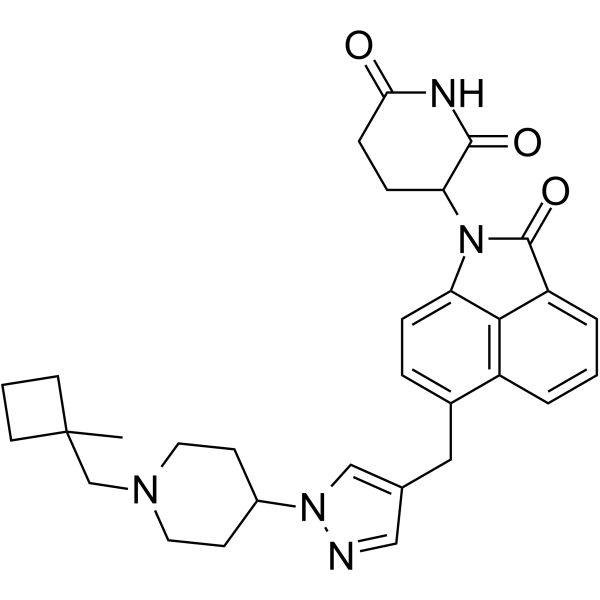
    MRT-31619 is a molecular gel degrader (MGD) targeting CRBN. MRT-31619 drives the self-dimerization of the E3 ligase by mimicking the degradation subunit, and promotes its rapid, effective and selective degradation through the ubiquitin-proteasome system .
    MRT-31619

온라인 문의

Your information is safe with us. * Required Fields.

호칭


Country or Region *

고객명 *


회사명 *

Department *


메일주소 *


상품명 *

Cat. No.


Requested quantity *

전화번호 *


비고

온라인 문의

Inquiry Information

상품명:
Cat. No.:
수량:
MCE Japan Authorized Agent:

