183 Results for "

S-phase cell cycle arrest

" in MedChemExpress (MCE) Product Catalog:
Products (183)

183 Results for "S-phase cell cycle arrest" in MCE Product Catalog:

105
105 Publications Verification
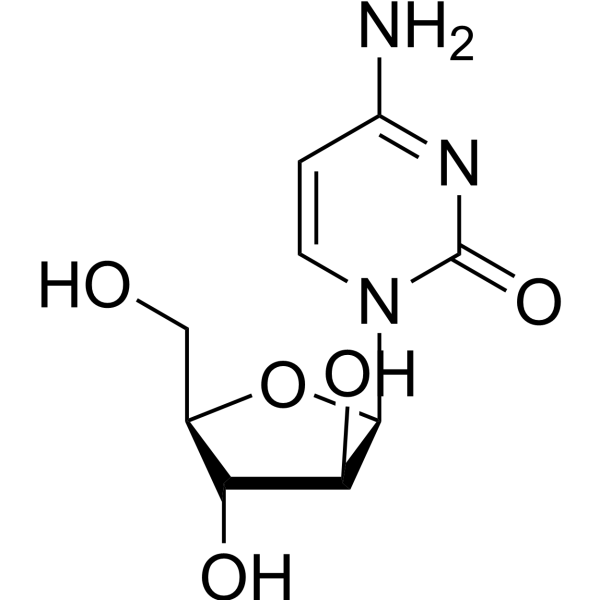
Cat. No.: HY-13605
CAS No.: 147-94-4
Purity:  99.98%
Synonyms: Cytosine β-D-arabinofuranoside; Cytosine Arabinoside; Ara-C
Cytarabine, a nucleoside analog, causes S phase cell cycle arrest and inhibits DNA polymerase. Cytarabine inhibits DNA synthesis with an IC50 of 16 nM. Cytarabine has antiviral effects against HSV. Cytarabine shows anti-orthopoxvirus activity.
loading...
    loading...
105
105 Publications Verification
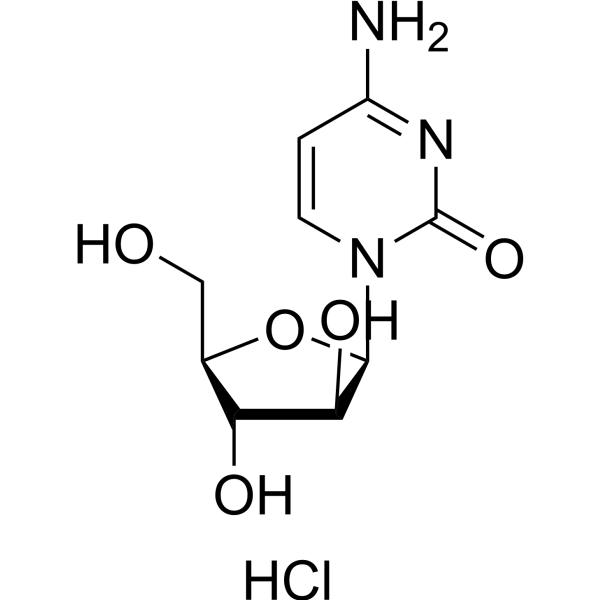
Cat. No.: HY-13605A
CAS No.: 69-74-9
Purity:  99.67%
Synonyms: Cytosine β-D-arabinofuranoside hydrochloride; Cytosine Arabinoside hydrochloride; Ara-C hydrochloride
Cytarabine hydrochloride, a nucleoside analog, causes S phase cell cycle arrest and inhibits DNA polymerase. Cytarabine inhibits DNA synthesis with an IC50 of 16 nM. Cytarabine hydrochloride has antiviral effects against HSV.
loading...
    loading...
42
42 Cited Publications
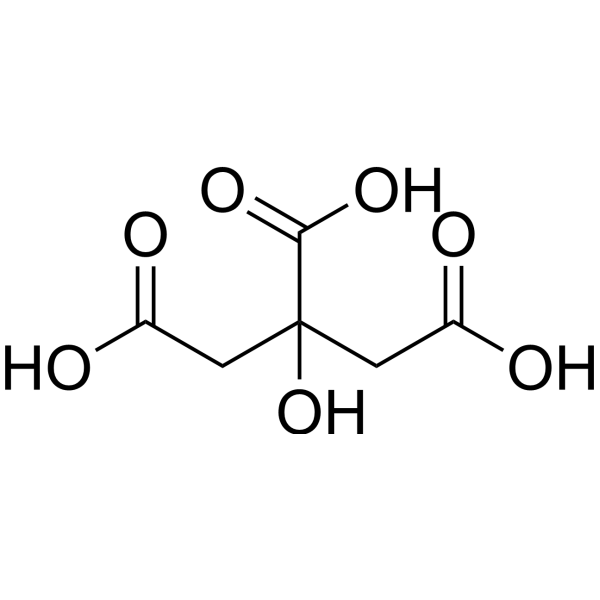
Cat. No.: HY-N1428
CAS No.: 77-92-9
Citric acid is a natural preservative and food tartness enhancer. Citric acid induces apoptosis and cell cycle arrest at G2/M phase and S phase in HaCaT cells. Citric acid cause oxidative damage of the liver by means of the decrease of antioxidative enzyme activities. Citric acid is also an acidulant, emulsifier, sequestrant and buffering agent widely used across many industries .
loading...
    loading...
39
39 Cited Publications
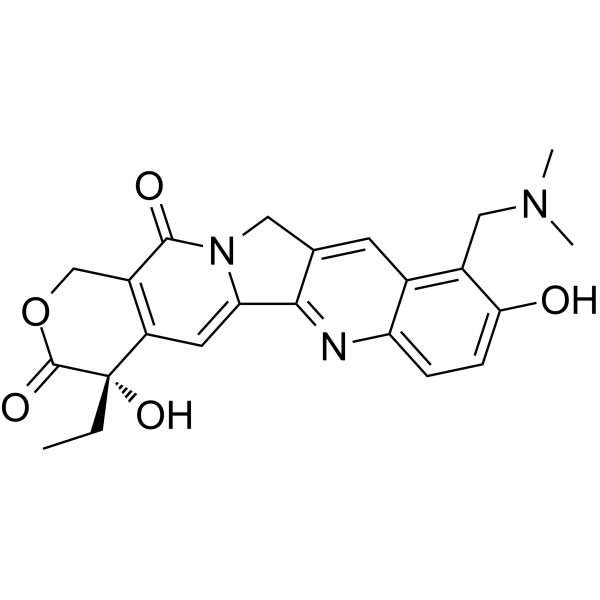
Cat. No.: HY-13768
CAS No.: 123948-87-8
Synonyms: SKF 104864A; NSC 609669
Research Areas:  

Cancer

Topotecan (SKF 104864A; NSC 609669) is an orally active and potent Topoisomerase I inhibitor. Topotecan induces cell cycle arrest in G0/G1 and S phases and promotes apoptosis. Topotecan shows anticancer activity .
loading...
    loading...
13
13 Cited Publications
Cat. No.: HY-B2201
CAS No.: 68-04-2
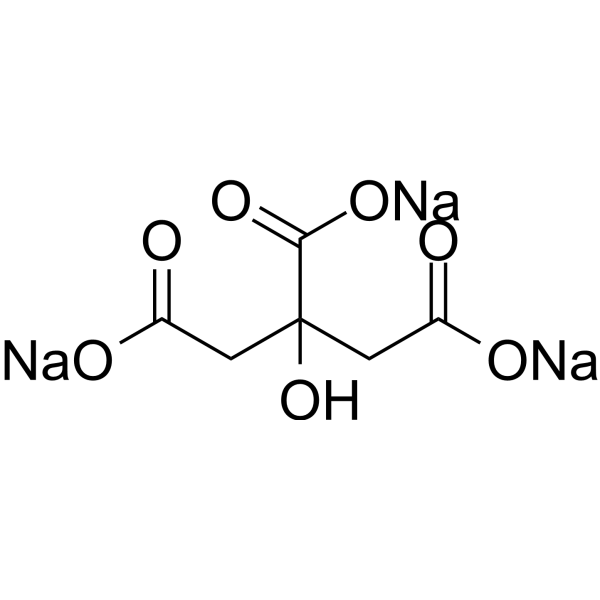
Synonyms: Sodium citrate; Trisodium citrate anhydrous
Citric acid trisodium (Sodium citrate) is a natural preservative and food tartness enhancer. Citric acid trisodium induces apoptosis and cell cycle arrest at G2/M phase and S phase in HaCaT cells. Citric acid trisodium cause oxidative damage of the liver by means of the decrease of antioxidative enzyme activities. Citric acid trisodium is also an acidulant, emulsifier, sequestrant and buffering agent widely used across many industries .
loading...
    loading...
13
13 Cited Publications
Cat. No.: HY-W009156
CAS No.: 6100-05-6
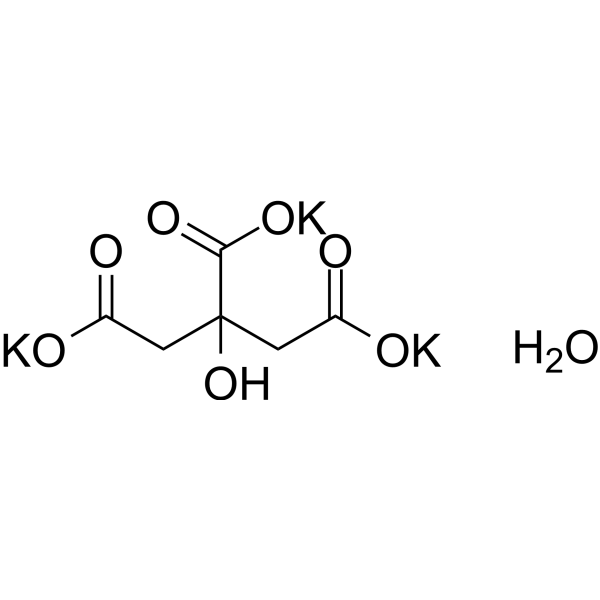
Synonyms: Potassium citrate monohydrate
Citric acid tripotassium hydrate (Potassium citrate monohydrate) is a natural preservative and food tartness enhancer. Citric acid tripotassium hydrate induces apoptosis and cell cycle arrest at G2/M phase and S phase in HaCaT cells. Citric acid tripotassium hydrate cause oxidative damage of the liver by means of the decrease of antioxidative enzyme activities. Citric acid tripotassium hydrate is also an acidulant, emulsifier, sequestrant and buffering agent widely used across many industries .
loading...
    loading...
13
13 Cited Publications
Cat. No.: HY-B1295
CAS No.: 6080-58-6
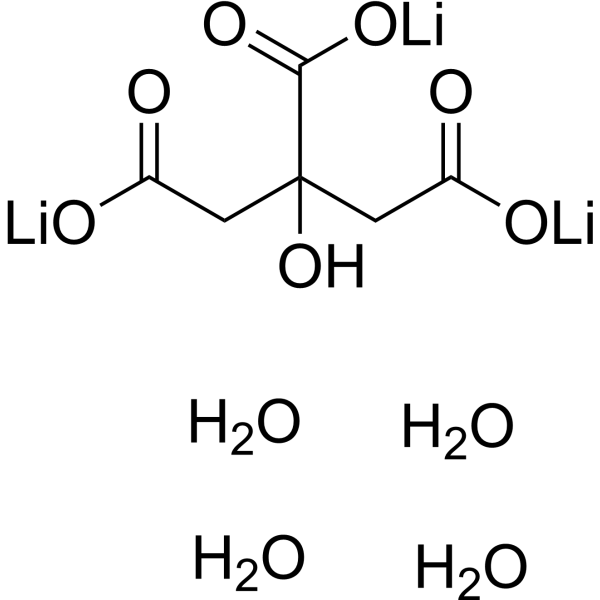
Synonyms: Litarex tetrahydrate
Lithium citrate (Litarex) tetrahydrate is a natural preservative and food tartness enhancer. Lithium citrate tetrahydrate induces apoptosis and cell cycle arrest at G2/M phase and S phase in HaCaT cells. Lithium citrate tetrahydrate cause oxidative damage of the liver by means of the decrease of antioxidative enzyme activities. Lithium citrate tetrahydrate is also an acidulant, emulsifier, sequestrant and buffering agent widely used across many industries .
loading...
    loading...
10
10 Cited Publications
Cat. No.: HY-N1428A
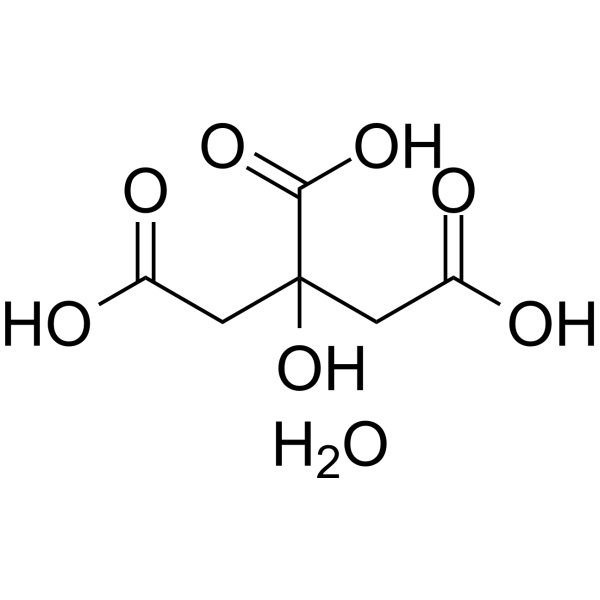
CAS No.: 5949-29-1
Citric acid monohydrate is a natural preservative and food tartness enhancer. Citric acid monohydrate induces apoptosis and cell cycle arrest at G2/M phase and S phase in HaCaT cells. Citric acid monohydrate cause oxidative damage of the liver by means of the decrease of antioxidative enzyme activities. Citric acid monohydrate is also an acidulant, emulsifier, sequestrant and buffering agent widely used across many industries .
loading...
    loading...
6
6 Cited Publications
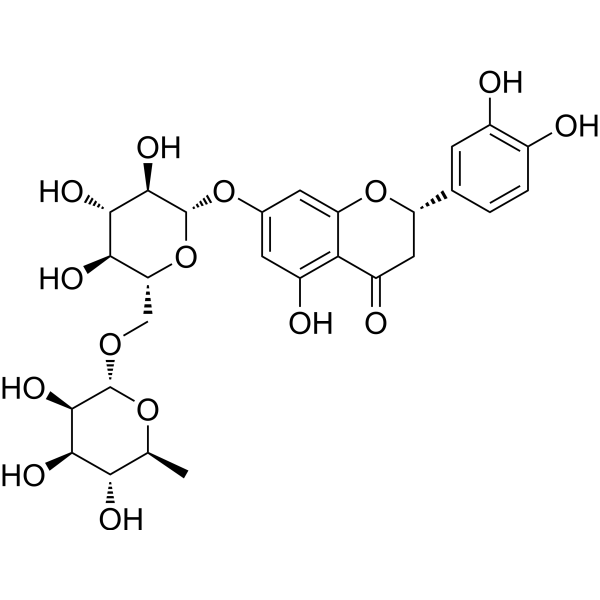
Cat. No.: HY-N0636
CAS No.: 13463-28-0
Synonyms: Eriodictyol 7-rutinoside; Eriodictyol 7-O-rutinoside
Eriocitrin is a flavonoid isolated from lemons that is a powerful antioxidant. Eriocitrin inhibits the proliferation of liver cancer cells by arresting the cell cycle in the S phase by upregulating p53, cyclin A, cyclin D3 and CDK6. Eriocitrin triggers apoptosis by activating intrinsic signaling pathways involving mitochondria .
loading...
    loading...
3
3 Cited Publications
Cat. No.: HY-N12257
CAS No.: 27220-57-1
Antimycin A2 is a selective inhibitor of the cytochrome b-c1 complex in the mitochondrial electron transport chain. Antimycin A2 disrupts mitochondrial membrane potential and produces reactive oxygen species (ROS) by inhibiting electron transfer between cytochrome b and c. Antimycin A2 has bactericidal and piscicidal activity, as well as tumor cell growth inhibitory effects, and can induce S-phase cell cycle arrest and apoptosis in HeLa cells. Antimycin A2 is suitable for research of cervical cancer and fisheries management. Antimycin A2 can be naturally isolated from the fermentation products of Streptomyces sp. strains .
loading...
    loading...
3
3 Cited Publications
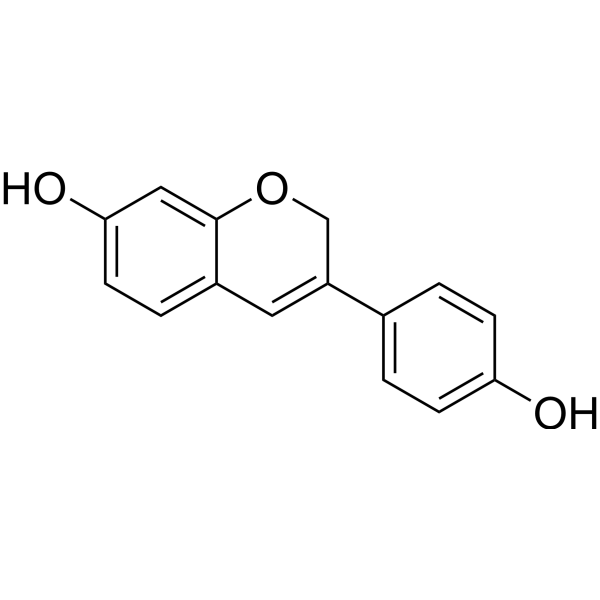
Cat. No.: HY-13721
CAS No.: 81267-65-4
Purity:  99.89%
Synonyms: Idronoxil; Dehydroequol; Haginin E
Research Areas:  

Cancer

Phenoxodiol (Idronoxil), a synthetic analog of Genestein, activates the mitochondrial caspase system, inhibits XIAP (an apoptosis inhibitor), and sensitizes the cancer cells to Fas-mediated apoptosis. Phenoxodiol also inhibits DNA topoisomerase II by stabilizing the cleavable complex. Phenoxodiol induces cell cycle arrest in the G1/S phase of the cell cycle and upregulates p21 WAF1 via a p53 independent manner .
loading...
    loading...
2
2 Cited Publications
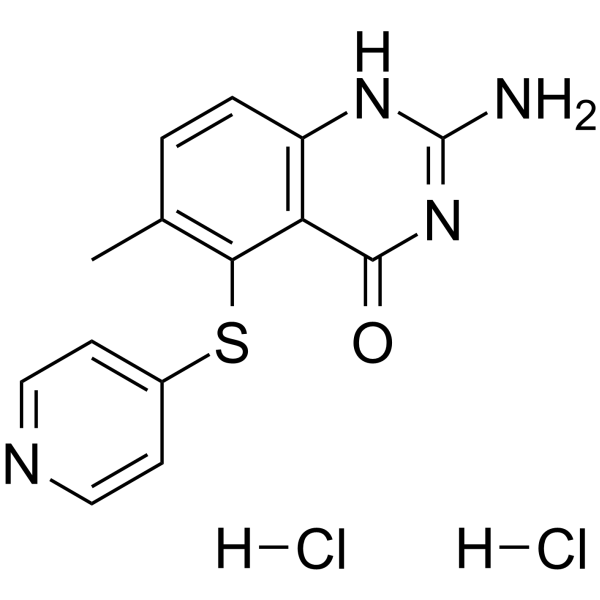
Cat. No.: HY-108474
CAS No.: 152946-68-4
Purity:  98.38%
Synonyms: AG 337
Target:  

Thymidylate Synthase

Research Areas:  

Cancer

Nolatrexed dihydrochloride (AG 337) is an orally active and non-competitive lipophilic inhibitor of thymidylate synthase with a Ki of 11 nM for human thymidylate synthase. Nolatrexed dihydrochloride interacts at the folate cofactor binding site of the enzyme. Nolatrexed dihydrochloride increases sulfotransferases. Nolatrexed dihydrochloride induces cell cycle arrest in S phase of cancer cells. Nolatrexed dihydrochloride exhibits anticancer activity against cervical cancer.
loading...
    loading...
2
2 Cited Publications
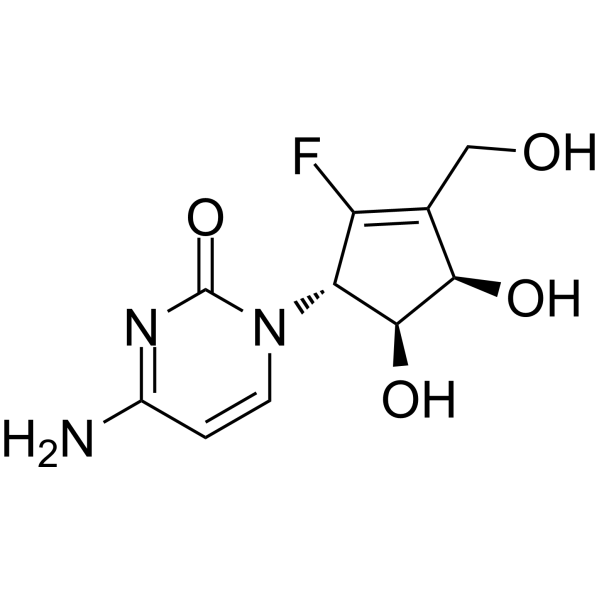
Cat. No.: HY-15228
CAS No.: 865838-26-2
Purity:  99.25%
Synonyms: TV-1360; Fluorocyclopentenylcytosine
Research Areas:  

Cancer

RX-3117 (TV-1360) is a potent and orally active anticancer and antimetaboliteagent. RX-3117 inhibits DNA methyltransferase 1 (DNMT1). RX-3117 shows antiproliferative and anti-tumour activity. RX-3117 induces cell cycle arrest at S phase and apoptosis .
loading...
    loading...
2
2 Cited Publications
Cat. No.: HY-111428
CAS No.: 11031-11-1
Synonyms: PLM D1
Target:  

Antibiotic

Research Areas:  

Infection

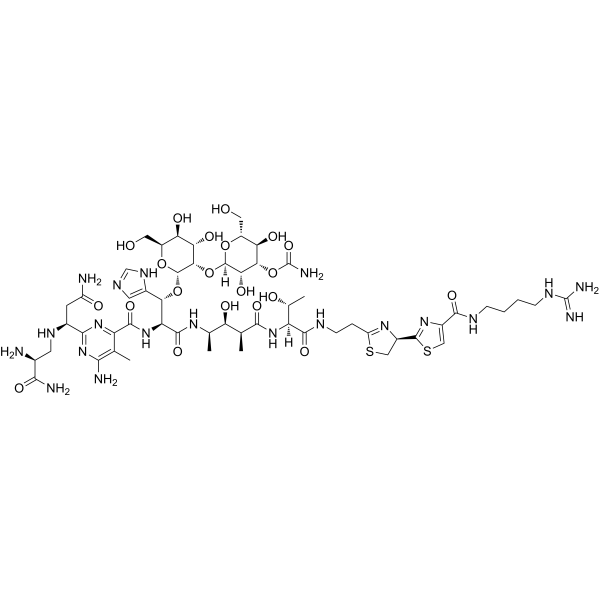
Phleomycin D1 (PLM D1), a glycopeptide antibiotic, is a member of the Bleomycin/Phleomycin family. Phleomycin D1 causes cell death by binding and cleaving DNA. Phleomycin D1 induces cell cycle arrest at S phase .
loading...
    loading...
1
1 Cited Publications
Cat. No.: HY-W040129
CAS No.: 7059-24-7
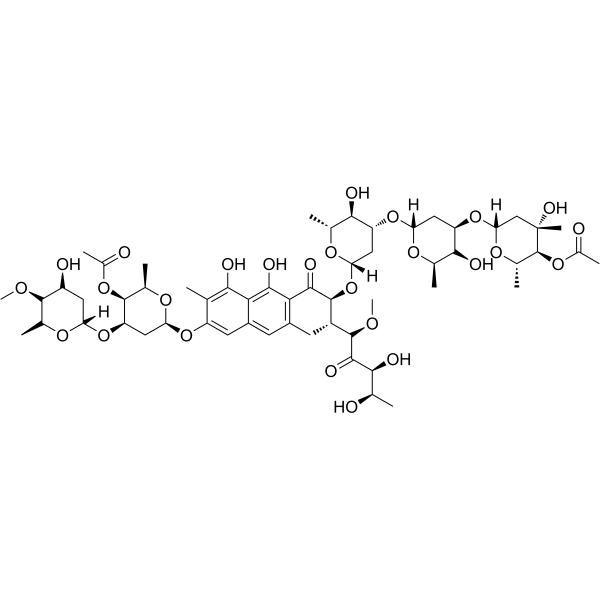
Chromomycin A3 is an inhibitor that selectively binds to GC-rich DNA sequences. Chromomycin A3 targets the DNA minor groove after forming a dimer with Mg 2+. Chromomycin A3 inhibits DNA replication and transcription, blocks the binding of Sp1 transcription factor to target gene promoters, downregulates the expression of anti-apoptotic proteins such as FLIP, Mcl-1, and XIAP, and induces S-phase cycle arrest and caspase-dependent apoptosis in tumor cells. Chromomycin A3 can antagonize oxidative stress induced by glutathione depletion and neuronal apoptosis induced by Camptothecin (HY-15660). Chromomycin A3 can be used in basic research on malignant tumors such as cholangiocarcinoma, and is a potential chemosensitizer and GC-rich region probe .
loading...
    loading...
1
1 Cited Publications
Cat. No.: HY-158106
CAS No.: 3047321-53-6
Purity:  99.60%
Synonyms: AZD8421
Target:  

CDK

Research Areas:  

Cancer

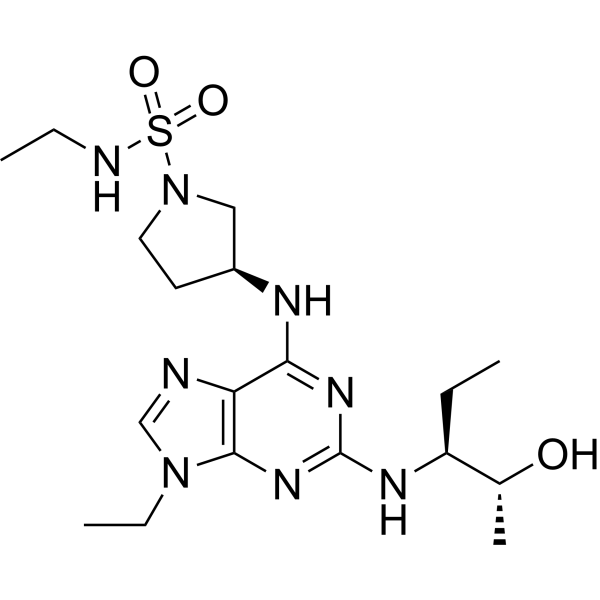
Gatsuciclib (AZD8421) is a selective CDK2 inhibitor (IC50 = 9 nM) as well as achieving CDK family selectivity in cells versus key off-targets (CDK1, CDK4/6, CDK9). Gatsuciclib has no significant kinase inhibition outside the CDK family. Gatsuciclib inhibits cancer cell proliferation by inhibiting pRB phosphorylation, inducing cell cycle arrest in G1/S phase and senescence. Gatsuciclib can be studied in research for breast cancer and ovarian cancer .
loading...
    loading...
1
1 Cited Publications
Cat. No.: HY-N0559
CAS No.: 52659-56-0
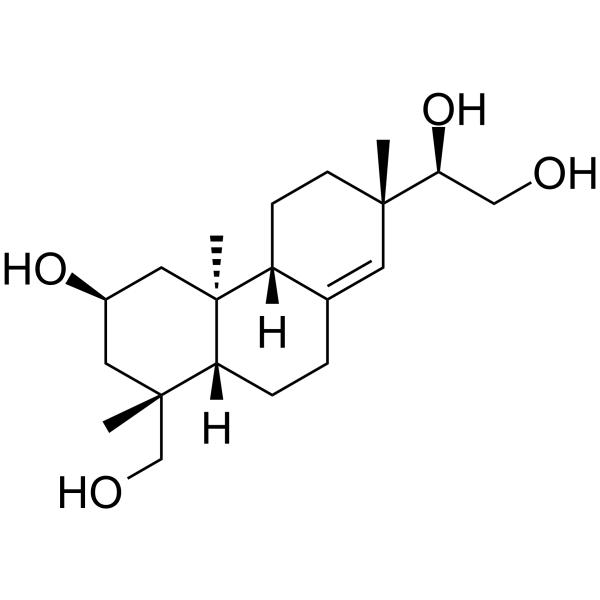
Kirenol is a diterpenoid compound, an orally active apoptosis inducer and signaling pathway regulator, with a Kd value of 5.47 μM against the target CK2. Kirenol promotes the cleavage of Bid into tBid, regulates the protein levels/phosphorylation of Bax, Bcl-2, p53 and p21, and induces caspase-independent apoptosis, S-phase cell cycle arrest, ROS accumulation and cytotoxicity in cancer cells. Kirenol activates the CK2/AKT and AMPK-mTOR-ULK1 pathways, inhibits the signaling of NF-κB, TGF-β/Smads and NLRP3 inflammasome, and regulates the GSK3β, BMP and Wnt/β-catenin pathways. Kirenol induces autophagy, mitophagy and osteoblast differentiation, promotes mitochondrial fusion, and exerts antioxidant, anti-inflammatory, antifibrotic, renoprotective, cardioprotective, neuroprotective and analgesic effects. Kirenol is applicable to research related to chronic myeloid leukemia, ischemic stroke, diabetic nephropathy, heart failure, acute lung injury and osteoporosis .
loading...
    loading...
1
1 Cited Publications
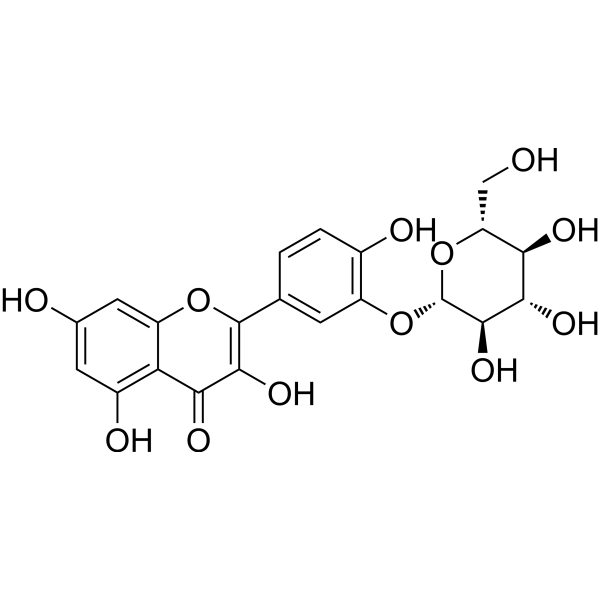
Cat. No.: HY-N12445
CAS No.: 19254-30-9
Quercetin-3'-O-glucoside is an orally active flavonoid glycoside. Quercetin-3'-O-glucoside reduces liver glucose-6-phosphatase activity, alters serum insulin and glucose levels, and regulates the activities of antioxidant enzymes in the liver and kidney. Quercetin-3'-O-glucoside inhibits DNA topoisomerase II, induces S-phase cell cycle arrest and caspase-3-mediated apoptosis in hepatocellular carcinoma cells. Quercetin-3'-O-glucoside selectively inhibits EGFR-mediated signaling pathways targeting AKT, ERK1/2, FAK and MEK1/2. Quercetin-3'-O-glucoside inhibits growth factor-induced migration and invasion in pancreatic cancer cells. Quercetin-3'-O-glucoside exerts free radical scavenging effects. Quercetin-3'-O-glucoside is applicable to research related to pancreatic cancer, diabetes, hepatocellular carcinoma and malignant tumors .
loading...
    loading...
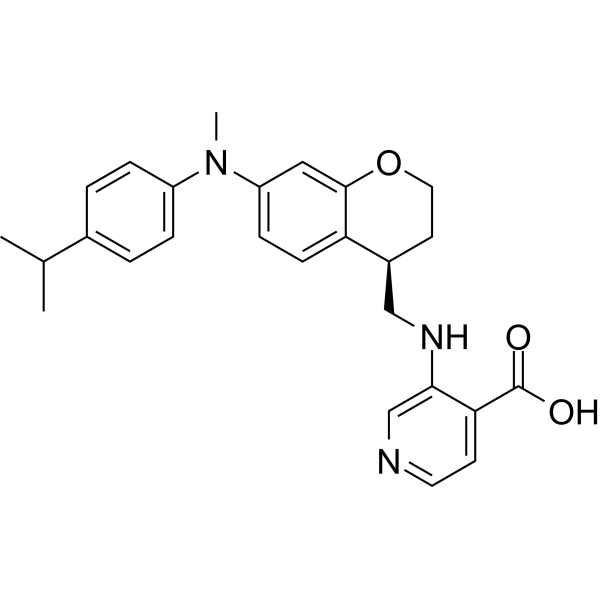
Cat. No.: HY-148807
CAS No.: 1851412-93-5
Purity:  99.12%
Synonyms: QC8222 free base; TACH 101 free base
Research Areas:  

Cancer

Zavondemstat (QC8222 free base; TACH 101 free base) is an orally active pan-KDM4 inhibitor, with a IC50 ≤ 0.08 μM against human KDM4A-D and a Kᵢ of 0.52 μM against human KDM4C. Zavondemstat induces cell apoptosis, causes S-phase cell cycle arrest, reduces the population of tumor-initiating cells and inhibits cancer cell proliferation. Zavondemstat suppresses tumor growth and induces tumor regression in mouse xenograft models. Zavondemstat can be used for the research of various cancers including colorectal cancer, esophageal squamous cell carcinoma and triple-negative breast cancer .
loading...
    loading...
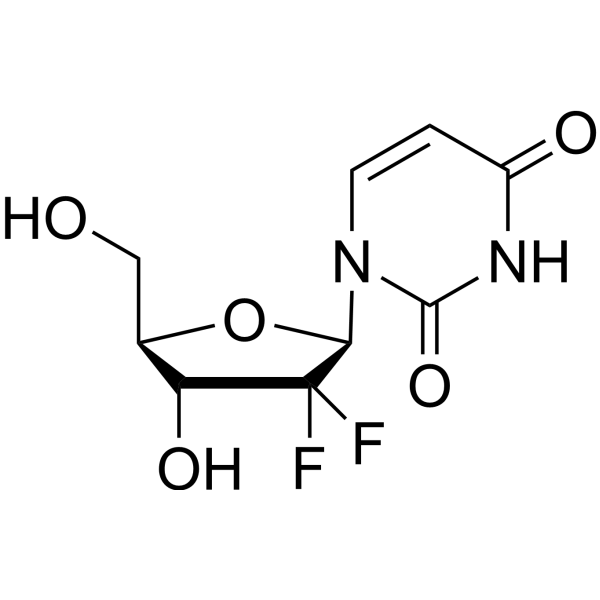
Cat. No.: HY-138253
CAS No.: 114248-23-6
Purity:  99.87%
Synonyms: dFdU; 2',2'-Difluoro-2'-deoxyuridine
Research Areas:  

Cancer

2’,2’-Difluorodeoxyuridine (dFdU) is the main metabolite of Gemcitabine (HY-17026). 2’,2’-Difluorodeoxyuridine causes a concentration- and schedule- dependent radiosensitising effect in vitro. 2’,2’-Difluorodeoxyuridine arrests cell cycle at the early S phase and induces apoptosis in cancer cells .
loading...
    loading...

