1. Search Result
Search Result
Results for "

Sanguinarine

" in MedChemExpress (MCE) Product Catalog:

9

Inhibitors & Agonists

6

Natural
Products

1

Isotope-Labeled Compounds

Cat. No. Product Name Target Research Areas Chemical Structure
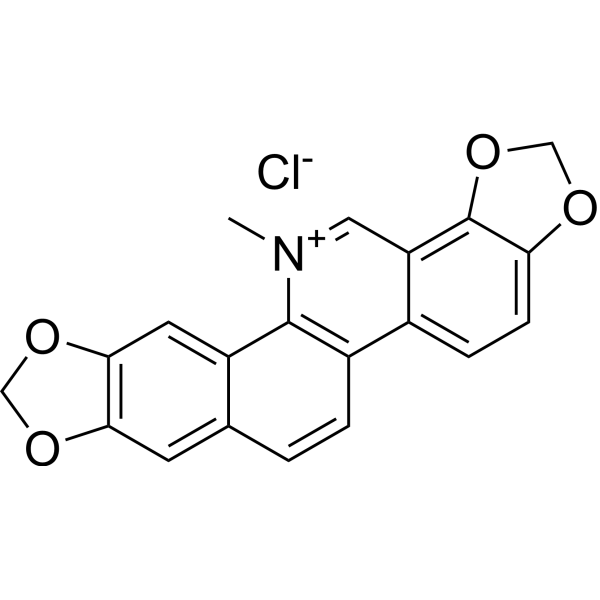
  • HY-N0052A
    Sanguinarine chloride
    10+ Cited Publications

    Sanguinarin chloride; Sanguinarium chloride; Pseudochelerythrine chloride

    Apoptosis Autophagy Bacterial Parasite Cancer
    Sanguinarine (Sanguinarin) chloride, a benzophenanthridine alkaloid derived from the root of Sanguinaria Canadensis, can stimulate apoptosis via activating the production of reactive oxygen species (ROS). Sanguinarine-induced apoptosis is associated with the activation of JNK and NF-κB.
    Sanguinarine chloride
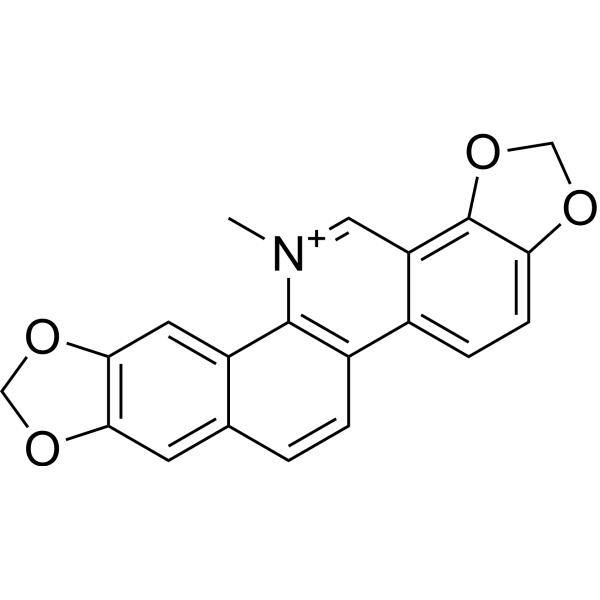
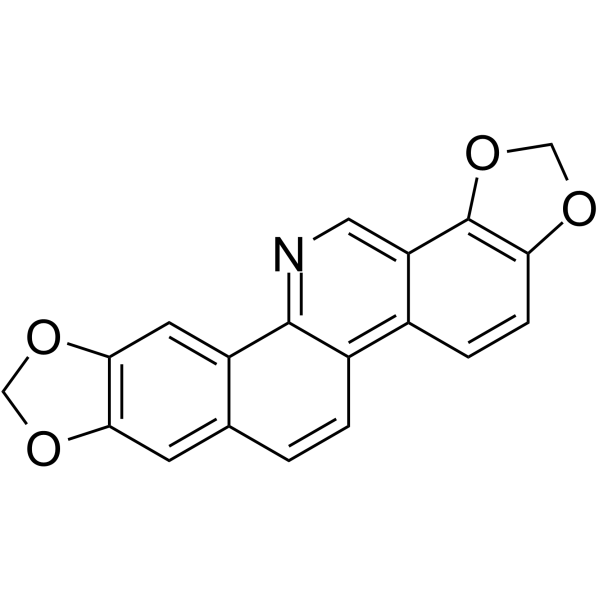
  • HY-N0052

    Sanguinarin; Sanguinarium; Pseudochelerythrine

    Apoptosis Autophagy Cancer
    Sanguinarine (Sanguinarin), a benzophenanthridine alkaloid derived from the root of Sanguinaria Canadensis, can stimulate apoptosis via activating the production of reactive oxygen species (ROS). Sanguinarine-induced apoptosis is associated with the activation of JNK and NF-κB.
    Sanguinarine
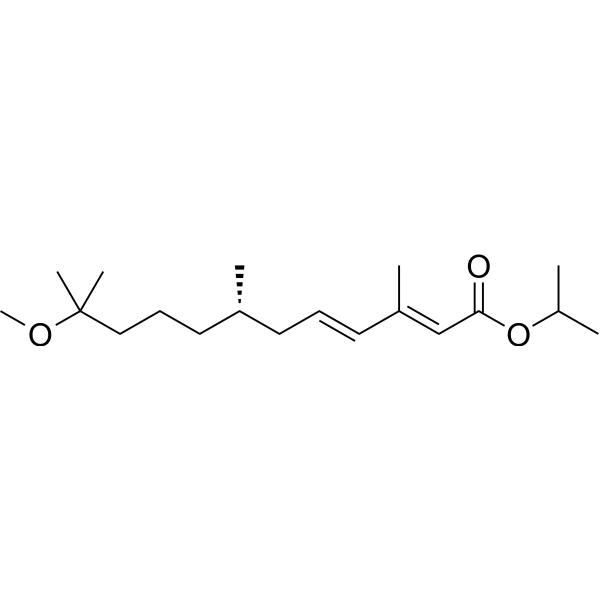
  • HY-B1161A
    S-Methoprene
    2 Publications Verification

    (+)-Methoprene; (7S)-Methoprene

    Environmental Pollutants Cannabinoid Receptor Others
    S-Methoprene is an insect juvenile hormone analog and effective insecticide that blocks the transition from pupa to adult. S-Methoprene is also a CB(1) receptor ligand and inhibits the binding of the CB1 receptor antagonist [ 3H]CP-55940 to the CB1 receptor (IC50: 19.31 μM) .
    S-Methoprene
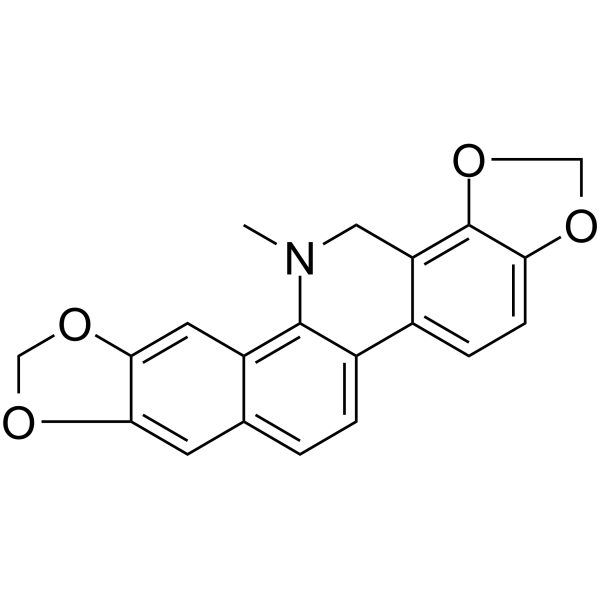
  • HY-N0902

    13,14-DihydroSanguinarine

    Fungal Bacterial Interleukin Related Infection Inflammation/Immunology
    Dihydrosanguinarine (13,14-Dihydrosanguinarine) is an alkaloid with antibacterial and anti-inflammatory activities, and also an important precursor of Sanguinarine (HY-N0052). Dihydrosanguinarine targets and regulates the TNF/IL-17/PI3K signaling pathway, downregulates the levels of pro-inflammatory factors such as IL-17A, TNF-α and IL-6, upregulates the expression of TGF-β, inhibits myeloperoxidase activity, and regulates the transcription of multiple inflammation-related genes. Dihydrosanguinarine exhibits antibacterial activity against a variety of oral microorganisms. Dihydrosanguinarine can be used in research related to liver inflammation and oral flora dysbiosis .
    Dihydrosanguinarine
  • HY-N0052AR

    Sanguinarin chloride (Standard); Sanguinarium chloride (Standard); Pseudochelerythrine chloride (Standard)

    Reference Standards Apoptosis Autophagy Bacterial Parasite Cancer
    Sanguinarine (chloride) (Standard) is the analytical standard of Sanguinarine (chloride). This product is intended for research and analytical applications. Sanguinarine (Sanguinarin) chloride, a benzophenanthridine alkaloid derived from the root of Sanguinaria Canadensis, can stimulate apoptosis via activating the production of reactive oxygen species (ROS). Sanguinarine-induced apoptosis is associated with the activation of JNK and NF-κB.
    Sanguinarine chloride (Standard)
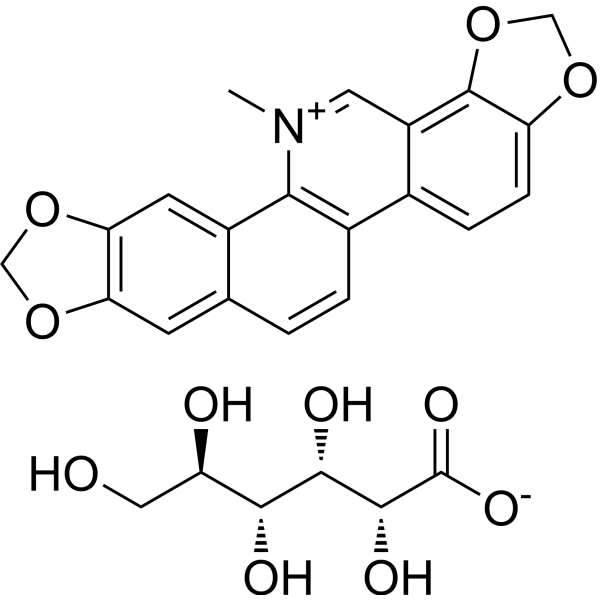
  • HY-N0052C

    Sanguinarin (gluconate); Sanguinarium (gluconate); Pseudochelerythrine (gluconate)

    Apoptosis Reactive Oxygen Species (ROS) Cancer
    Sanguinarine (Sanguinarin) gluconate, a benzophenanthridine alkaloid, can stimulate apoptosis via activating the production of reactive oxygen species (ROS). Sanguinarine-induced apoptosis is associated with the activation of JNK and NF-κB .
    Sanguinarine (gluconate)
  • HY-W768895

    Sanguinarin chloride-13C,d3; Sanguinarium chloride-13C,d3; Pseudochelerythrine chloride-13C,d3

    Isotope-Labeled Compounds Apoptosis Bacterial Autophagy Parasite Cancer
    Sanguinarine chloride- 13C,d3 (Sanguinarin chloride- 13C,d3) is the deuterium labeled Sanguinarine chloride (HY-N0052A). Sanguinarine (Sanguinarin) chloride, a benzophenanthridine alkaloid derived from the root of Sanguinaria Canadensis, can stimulate apoptosis via activating the production of reactive oxygen species (ROS). Sanguinarine-induced apoptosis is associated with the activation of JNK and NF-κB.
    Sanguinarine chloride-13C,d3
  • HY-136341R

    Reference Standards Apoptosis NO Synthase Endogenous Metabolite Neurological Disease Inflammation/Immunology
    Sanguinarine (Standard) is the analytical standard of Sanguinarine. This product is intended for research and analytical applications. Sanguinarine (Sanguinarin), a benzophenanthridine alkaloid derived from the root of Sanguinaria Canadensis, can stimulate apoptosis via activating the production of reactive oxygen species (ROS). Sanguinarine-induced apoptosis is associated with the activation of JNK and NF-κB.
    7,8-Dihydroneopterin (Standard)
  • HY-B1161AR

    (+)-Methoprene (Standard); (7S)-Methoprene (Standard)

    Cannabinoid Receptor Reference Standards Others
    2-Methyl-3-(trifluoromethyl)aniline (Standard) is the analytical standard of 2-Methyl-3-(trifluoromethyl)aniline. This product is intended for research and analytical applications. 2-Methyl-3-(trifluoromethyl)aniline is a biochemical reagent that can be used as a biological material or organic compound for life science related research.
    S-Methoprene (Standard)

Inquiry Online

Your information is safe with us. * Required Fields.

Salutation


Country or Region *

Applicant Name *


Organization Name *

Department *


Email Address *


Product Name *

Cat. No.


Requested quantity *

Phone Number *


Remarks

Inquiry Online

Inquiry Information

Product Name:
Cat. No.:
Quantity:
MCE Japan Authorized Agent:

