
1. Search Result
Search Result
Results for "

Serine synthesis

" in MedChemExpress (MCE) Product Catalog:

31

阻害剤およびアゴニスト

1

スクリーニングライブラリ

1

生化学アッセイ試薬

8

ペプチド

4

天然物

3

同位体標識化合物

2

オリゴヌクレオチド

製品番号 製品名 Target 研究分野 構造式
  • HY-N6798
    Myriocin
    10+ Cited Publications

    Thermozymocidin; ISP-I

    HCV Antibiotic Infection
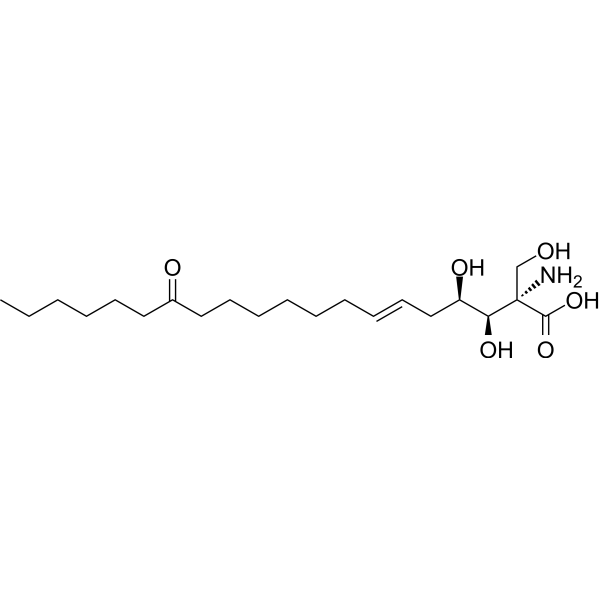
    Myriocin (Thermozymocidin), a fungal metabolite could be isolated from Myriococcum albomyces, Isaria sinclairi and Mycelia sterilia, is a potent inhibitor of serine-palmitoyl-transferase (SPT) and a key enzyme in de novo synthesis of sphingolipids. Myriocin suppresses replication of both the subgenomic HCV-1b replicon and the JFH-1 strain of genotype 2a infectious HCV, with an IC50 of 3.5 μg/mL for inhibiting HCV infection .
    Myriocin
  • HY-141613

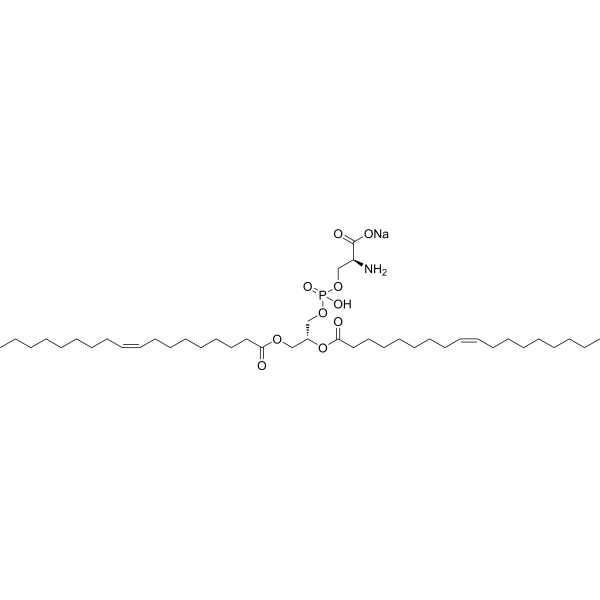
    DOPS-NA

    Liposome Others
    1,2-Dioleoyl-sn-glycero-3-phospho-L-serine sodium (DOPS-NA) is a ubstitute for Phosphoserine/phosphatidylserine. 1,2-Dioleoyl-sn-glycero-3-phospho-L-serine sodium can be used together with DOPC and DOPE in lipid mixtures for the synthesis of liposomes. 1,2-Dioleoyl-sn-glycero-3-phospho-L-serine sodium can self-assemble into single-layer or double-layer membrane structures, similar to cell membranes, and possesses high membrane fluidity and flexibility. 1,2-Dioleoyl-sn-glycero-3-phospho-L-serine is widely applied in membrane biology, cell membrane research, lipid preparation, and drug delivery systems .
    1,2-Dioleoyl-sn-glycero-3-phospho-L-serine sodium
  • HY-14521
    Lometrexol
    3 Publications Verification

    DDATHF

    Antifolate Apoptosis Caspase Bcl-2 Family Cancer
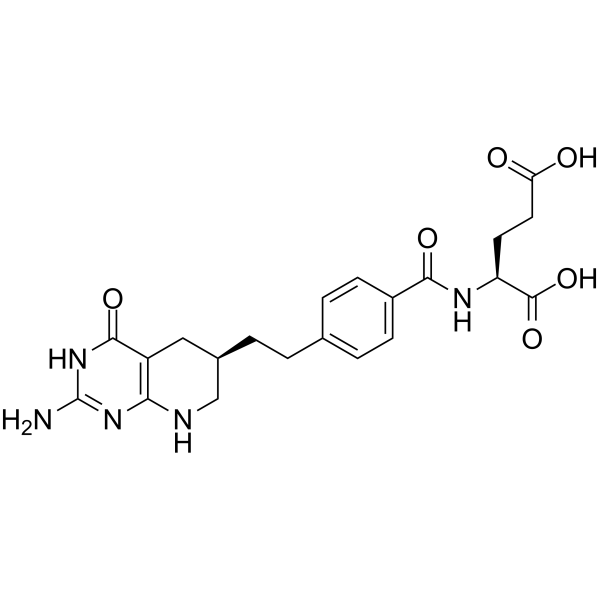
    Lometrexol (DDATHF), an antipurine antifolate, can inhibit the activity of glycinamide ribonucleotide formyltransferase (GARFT) but do not induce detectable levels of DNA strand breaks. Lometrexol can further inhibit de novo purine synthesis, causing abnormal cell proliferation and apoptosis, even cell cycle arrest. Lometrexol has anticancer activity. Lometrexol also is a potent human Serine hydroxymethyltransferase1/2 (hSHMT1/2) inhibitor .
    Lometrexol
  • HY-100012
    CBR-5884
    Maximum Cited Publications
    20 Publications Verification

    Phosphoglycerate Dehydrogenase (PHGDH) Cancer
    CBR-5884 is an active, selective inhibitor of phosphoglycerate dehydrogenase (PHGDH) with an IC50 of 33 μM. CBR-5884 inhibits de novo serine synthesis in cancer cells and is selectively toxic to cancer cell lines with high serine biosynthetic activity. CBR-5884 selectively inhibits the proliferation of melanoma and breast cancer lines that have a high propensity for serine synthesis .
    CBR-5884
  • HY-15129
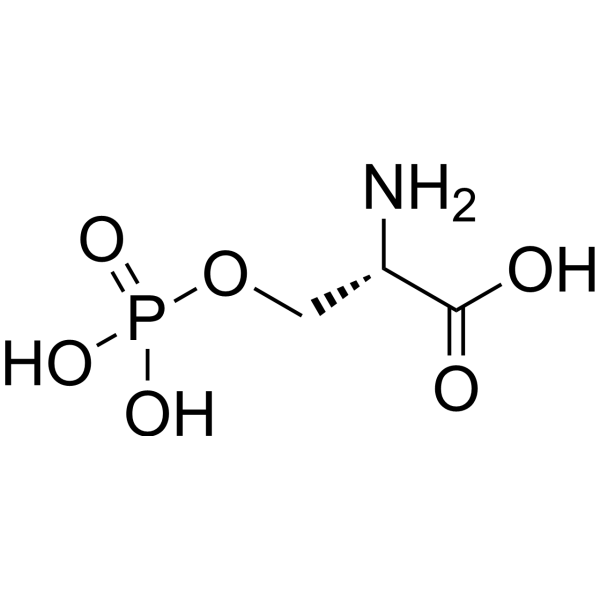
    O-Phospho-L-serine
    3 Publications Verification

    L-Serine O-phosphate; L-SOP

    mGluR Endogenous Metabolite Neurological Disease
    O-Phospho-L-serine is the immediate precursor to L-cystein in the serine synthesis pathway, and an agonist at the group III mGluR receptors (mGluR4, mGluR6, mGluR7, and mGluR8); O-Phospho-L-serine also acts as a weak antagonist for mGluR1 and a potent antagonist for mGluR2 .
    O-Phospho-L-serine
  • HY-I1070

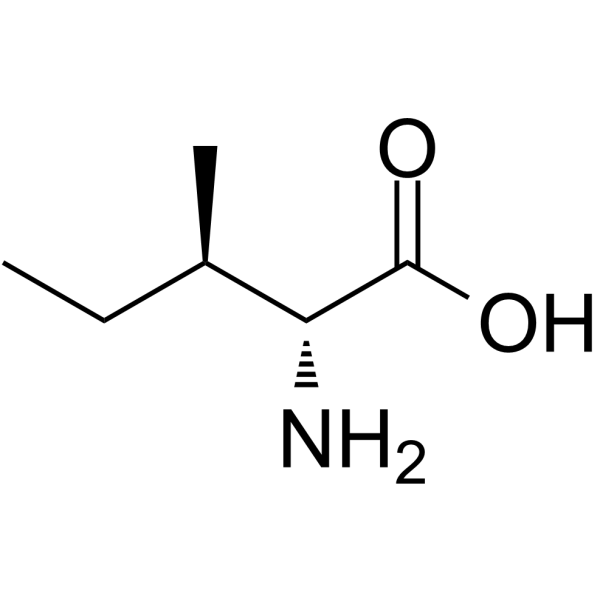
    (R)-Isoleucine

    ASCT Neurological Disease
    D-Isoleucine is a selective competitive activator of the Asc-1 antiporter (Ki=0.98 mM). D-Isoleucine promotes the release of D-serine and glycine by binding to the Asc-1 protein on the neuronal cell membrane, and enhances NMDA receptor-dependent synaptic plasticity. D-Isoleucine can be used in the study of neurodegenerative diseases (such as Alzheimer's disease and schizophrenia). D-Isoleucine also acts as a non-classical D-amino acid, interferes with bacterial peptidoglycan synthesis, and inhibits the formation of Staphylococcus aureus biofilm, and has potential antibacterial application value[1][2].
    D-Isoleucine
  • HY-123269

    Phosphoglycerate Dehydrogenase (PHGDH) Cancer
    PKUMDL-WQ-2101 is a non-NAD +-competing allosteric phosphoglycerate dehydrogenase (PHGDH) inhibitor with an IC50 of 34.8 μM. PKUMDL-WQ-2101 exhibits antitumor activity .
    PKUMDL-WQ-2101
  • HY-123418

    Phosphoglycerate Dehydrogenase (PHGDH) Cancer
    PKUMDL-WQ-2201 is a PHGDH non-NAD+-competing allosteric inhibitor (IC50=35.7 μM). PKUMDL-WQ-2201 also inhibits PHGDH mutants with IC50s of 69 μM (T59A) and >300 μM (T56AK57A), respectively. PKUMDL-WQ-2201 inhibits de novo serine synthesis in cancer cells, and reduces tumor growth .
    PKUMDL-WQ-2201
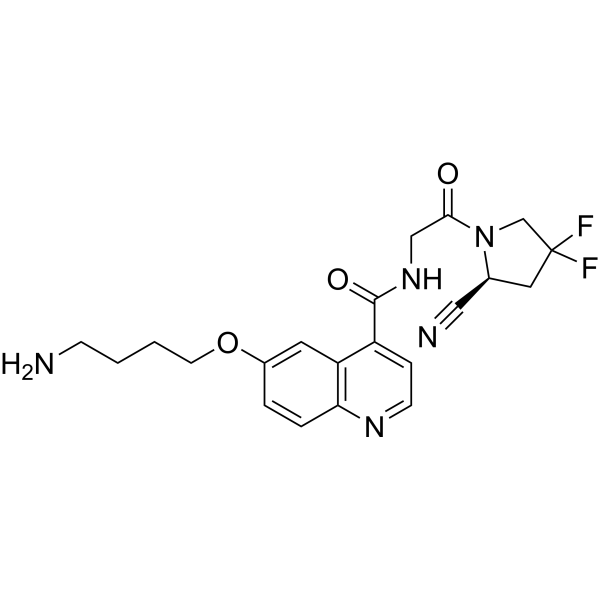
  • HY-153552A

    FAP Cancer
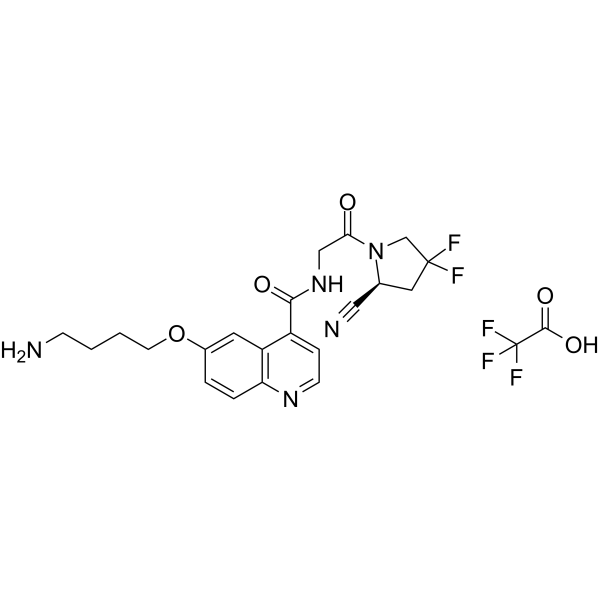
    NH2-UAMC1110 TFA is an aminobutoxy derivative of the fibroblast activation protein (FAP) inhibitor UAMC1110 (HY-100684), and is a precursor compound for the synthesis of FAP inhibitor probes, not directly used in bioactivity experiments. For example, NH2-UAMC1110 TFA is involved in the synthesis of the radiotracer FAPI-QS, which exhibits high tumor selectivity and high dose effect, and has been used in tumor diagnosis. NH2-UAMC1110 TFA structurally incorporates an active amino group, allowing it to form covalent bonds with various molecules (such as DOTA, DATA5m, radionuclide chelators, etc.) to synthesize molecular imaging probes or targeted compounds with the ability to target FAP. NH2-UAMC1110 TFA specifically binds to the FAP active site, inhibiting its proline-selective serine protease activity (including dipeptidyl peptidase and endopeptidase activity), blocking FAP-mediated tissue remodeling-related processes. Its key activity is high targeting and high affinity, and its core function is to act as a targeting module coupled with bifunctional chelators (such as DOTA, DATA5m). NH2-UAMC1110 TFA can be applied to diagnostic imaging studies of tumors expressing FAP (such as colorectal cancer, pancreatic cancer, etc.), and also provides molecular tools for targeted research of FAP-related diseases with high FAP expression, such as fibrosis and arthritis .
    NH2-UAMC1110 TFA
  • HY-W072147

    Fmoc-L-Ser-OMe

    Amino Acid Derivatives Drug Intermediate Others
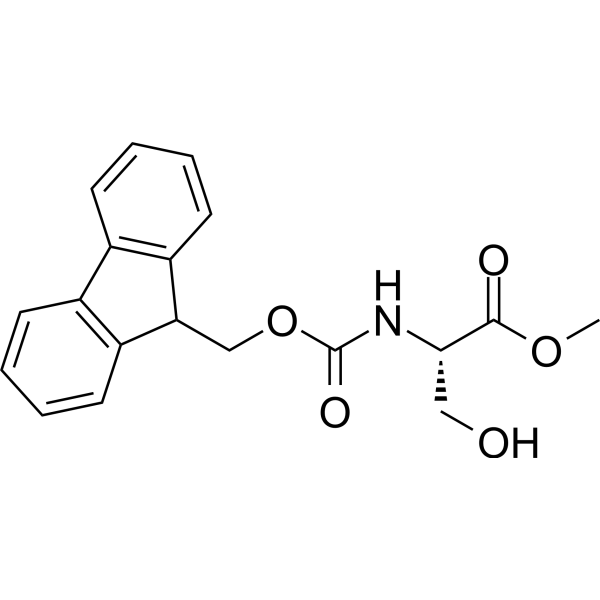
    Fmoc-Ser-OMe (Fmoc-L-Ser-OMe) is an Fmoc-protected L-serine methyl ester and also a solid-phase peptide synthesis intermediate. Fmoc-Ser-OMe is linked to Ellman resin via its hydroxyl side chain. Fmoc-Ser-OMe is used in peptide synthesis .
    Fmoc-Ser-OMe
  • HY-153552

    FAP Cancer
    NH2-UAMC1110 is an aminobutoxy derivative of the fibroblast activation protein (FAP) inhibitor UAMC1110 (HY-100684), and is a precursor compound for the synthesis of FAP inhibitor probes, not directly used in bioactivity experiments. For example, NH2-UAMC1110 is involved in the synthesis of the radiotracer FAPI-QS, which exhibits high tumor selectivity and high dose-response, and has been used for tumor diagnosis. NH2-UAMC1110 introduces an active amino group into its structure, enabling it to form covalent bonds with various molecules (such as DOTA, DATA5m, radionuclide chelators, etc.), thereby synthesizing molecular imaging probes or targeted compounds with the ability to target FAP. NH2-UAMC1110 specifically binds to the FAP active site, inhibiting its proline-selective serine protease activity (including dipeptidyl peptidase and endopeptidase activity), blocking FAP-mediated tissue remodeling processes. Its key activity is high targeting and high affinity, and its core function is to be coupled with bifunctional chelators (such as DOTA, DATA5m) as a targeting module. NH2-UAMC1110 can be applied to diagnostic imaging studies of tumors expressing FAP (such as colorectal cancer, pancreatic cancer, etc.), and also provides molecular tools for targeted research of FAP-related diseases with high FAP expression, such as fibrosis and arthritis .
    NH2-UAMC1110
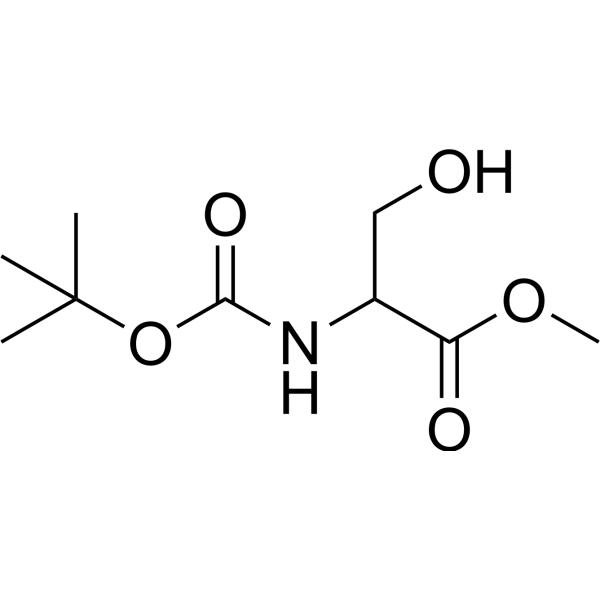
  • HY-W005308

    Amino Acid Derivatives Cancer
    N-BOC-DL-serine methyl ester is a Serine derivative. N-BOC-DL-serine methyl ester is used for the synthesis of α,β-dehydro-α-amino acid. N-BOC-DL-serine methyl ester is also used for the synthesis of anti-cancer agent, such as quinazolinone derivative that inhibits PI3K activity, and tricyclic pyrolopyranopyridines that inhibits protein kinase activity .
    N-BOC-DL-serine methyl ester
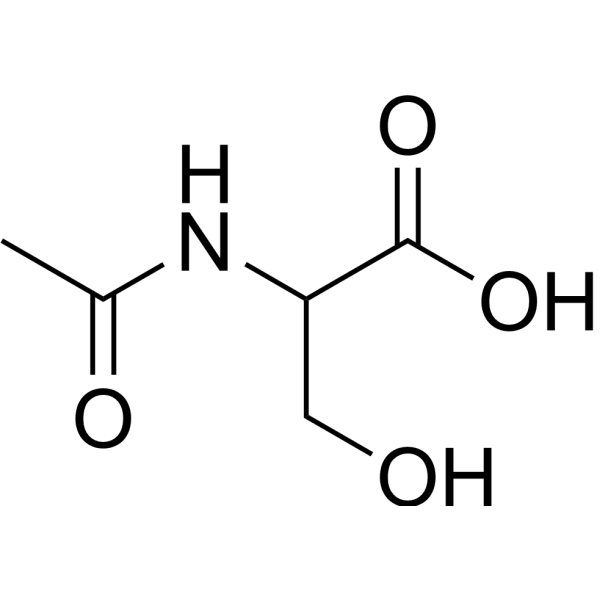
  • HY-W142092

    Bacterial Endogenous Metabolite Others
    N-Acetyl-DL-serine is a hydrophobic amino acid that is synthesized in the body and can be found as a free form or as a salt with malonate, phosphate, or acetate. N-Acetyl-DL-serine has antimicrobial activity against Bacillus cereus and Staphylococcus aureus. N-Acetyl-DL-serine has also been used for the immobilization of DNA fragments on solid surfaces and can be used for protein synthesis and optical detection of DNA strands .
    N-Acetyl-DL-serine
  • HY-14521B
    Lometrexol hydrate
    3 Publications Verification

    DDATHF hydrate

    Antifolate Apoptosis Caspase Bcl-2 Family Cancer
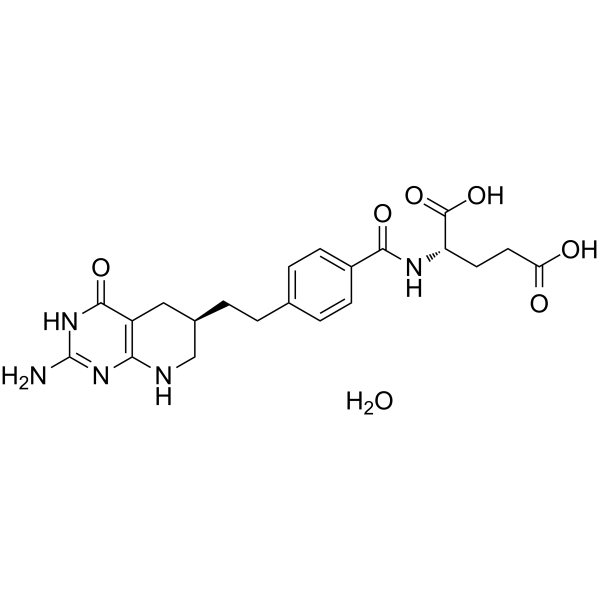
    Lometrexol (DDATHF) hydrate, an antipurine antifolate, can inhibit the activity of glycinamide ribonucleotide formyltransferase (GARFT) but do not induce detectable levels of DNA strand breaks. Lometrexol hydrate can further inhibit de novo purine synthesis, causing abnormal cell proliferation and apoptosis, even cell cycle arrest. Lometrexol hydrate has anticancer activity. Lometrexol hydrate also is a potent human Serine hydroxymethyltransferase1/2 (hSHMT1/2) inhibitor .
    Lometrexol hydrate
  • HY-126278

    Phosphoglycerate Dehydrogenase (PHGDH) Cancer
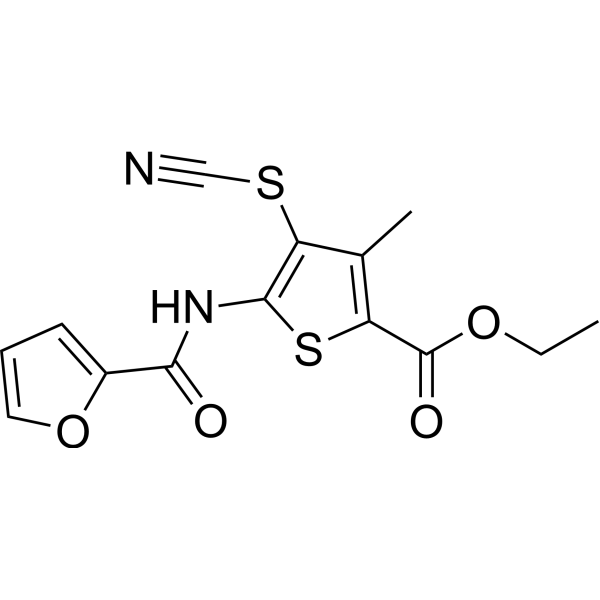
    Z1609609733 (Compound 18) is a non-covalent 3-Phosphoglycerate dehydrogenase (PHGDH) inhibitor with an IC50 of 1.46 μM. Z1609609733 significantly inhibits serine synthesis and cancer metabolism with complete abrogation of cell proliferation .
    Z1609609733
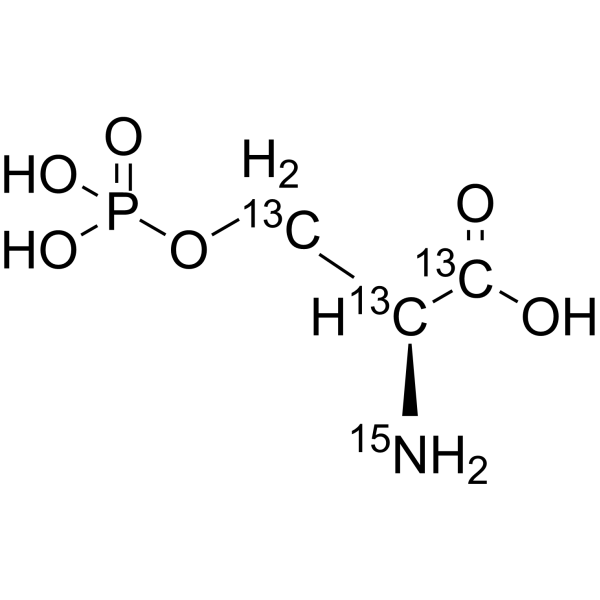
  • HY-15129S

    L-Serine O-phosphate-13C3,15N; L-SOP-13C3,15N

    mGluR Endogenous Metabolite Neurological Disease
    O-Phospho-L-serine- 13C3, 15N is the 13C- and 15N-labeled O-Phospho-L-serine. O-Phospho-L-serine is the immediate precursor to L-serine in the serine synthesis pathway, and an agonist at the group III mGluR receptors (mGluR4, mGluR6, mGluR7, and mGluR8); O-Phospho-L-serine also acts as a weak antagonist for mGluR1 and a potent antagonist for mGluR2 .
    O-Phospho-L-serine-13C3,15N
  • HY-15129R

    L-Serine O-phosphate (Standard); L-SOP (Standard)

    Reference Standards mGluR Endogenous Metabolite Neurological Disease
    O-Phospho-L-serine (Standard) (L-Serine O-phosphate (Standard)) is the analytical standard of O-Phospho-L-serine (HY-15129). This product is intended for research and analytical applications. O-Phospho-L-serine is the immediate precursor to L-cystein in the serine synthesis pathway, and an agonist at the group III mGluR receptors (mGluR4, mGluR6, mGluR7, and mGluR8). O-Phospho-L-serine also acts as a weak antagonist for mGluR1 and a potent antagonist for mGluR2.
    O-Phospho-L-serine (Standard)
  • HY-147278

    Divesiran; SLN124

    Ser/Thr Protease Small Interfering RNA (siRNA) TMPRSS6 Cardiovascular Disease
    Manusiran (Divesiran) is a GalNac-siRNA targeting liver and transmembrane serine protease 6 (Serine protease 6). Manusiran increases hepatic Hepcidin synthesis and plasma levels by silencing TMPRSS6, a negative regulator of hepcidin production, and limits the availability of iron required for erythropoiesis. Combined use of Manusiran with Deferiprone (HY-B0568) reduces ineffective erythropoiesis and hepatic iron overload in a mouse model of β-thalassemia. Manusiran can be used for research on polycythemia vera, type 1 hereditary hemochromatosis, and β-thalassemia .
    Manusiran
  • HY-14521A
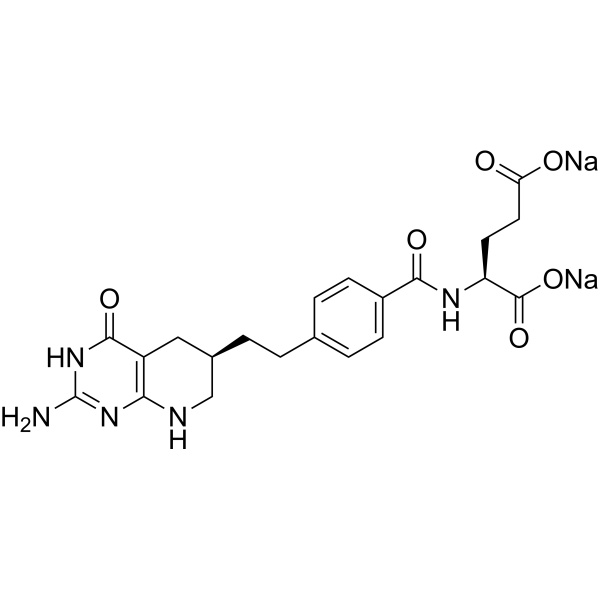
    Lometrexol disodium
    3 Publications Verification

    DDATHF disodium

    Antifolate Apoptosis Caspase Bcl-2 Family Cancer
    Lometrexol (DDATHF) disodium, an antipurine antifolate, can inhibit the activity of glycinamide ribonucleotide formyltransferase (GARFT) but do not induce detectable levels of DNA strand breaks. Lometrexol disodium can further inhibit de novo purine synthesis, causing abnormal cell proliferation and apoptosis, even cell cycle arrest. Lometrexol disodium has anticancer activity. Lometrexol disodium also is a potent human Serine hydroxymethyltransferase1/2 (hSHMT1/2) inhibitor .
    Lometrexol disodium
  • HY-W013664

    PROTAC Linkers Cancer
    Glycyl-l-serine is a PROTAC linker composed of glycine and serine. Glycyl-l-serine can be used in the synthesis of PROTACs, such as FPP29 (HY-P11228) .
    Glycyl-l-serine
  • HY-W039102

    Amino Acid Derivatives Cancer
    N-Fmoc-N,O-dimethyl-L-serine is a serine derivative that can be used for coibamide A synthesis. Coibamide A is a marine natural product with potent antiproliferative activity against human cancer cells .
    N-Fmoc-N,O-dimethyl-L-serine
  • HY-P4569

    Dipeptidyl Peptidase Others
    H-Ser-Pro-OH is a dipeptide containing serine and proline, which can serve as a substrate for prolinase I (PD I) and PD II. H-Ser-Pro-OH can also be used for the synthesis of polypeptide .
    H-Ser-Pro-OH
  • HY-162883

    SHMT Others
    SHMT-IN-4 (Compound 9ay) is a herbicide that targets and inhibits serine hydroxymethyltransferase (SHMT1) with an IC50 value of 193.8 g a.i./ha (active ingredient content per hectare). SHMT-IN-4 interferes with amino acid synthesis and metabolism in plants by binding to SHMT1, thereby inhibiting plant growth. Additionally, SHMT-IN-4 shows no significant toxicity to maize and honeybees .
    SHMT-IN-4
  • HY-W751156

    L-Serine O-phosphate-13C3; L-SOP-13C3

    Isotope-Labeled Compounds mGluR Endogenous Metabolite Neurological Disease
    O-Phospho-L-serine- 13C3 (L-Serine O-phosphate- 13C3) is the 13C-labeled O-Phospho-L-serine (HY-15129). O-Phospho-L-serine is the immediate precursor to L-cystein in the serine synthesis pathway, and an agonist at the group III mGluR receptors (mGluR4, mGluR6, mGluR7, and mGluR8); O-Phospho-L-serine also acts as a weak antagonist for mGluR1 and a potent antagonist for mGluR2 .
    O-Phospho-L-serine-13C3
  • HY-16183A

    Echothiophate chloride

    Cholinesterase (ChE) Cardiovascular Disease
    Echothiophate (Echothiophate) chloride is a highly effective, long-lasting cholinesterase inhibitor employed as a miotic for managing glaucoma. Echothiopate chloride forms a covalent bond with the serine residue at the active site of cholinesterase through its phosphate group, rendering the enzyme permanently inactive and necessitating the synthesis of new enzymes by the cell. Given its irreversible binding to cholinesterase and the extremely slow rate of hydrolysis, the effects of echothiophate can persist for a week or longer. Echothiopate chloride is utilized as an ocular antihypertensive agent in the treatment of chronic glaucoma and, in certain cases, accommodative esotropia.
    Echothiopate chloride
  • HY-N6798R

    Thermozymocidin (Standard); ISP-I (Standard)

    Reference Standards HCV Antibiotic Infection
    Myriocin (Standard) is the analytical standard of Myriocin. This product is intended for research and analytical applications. Myriocin (Thermozymocidin), a fungal metabolite could be isolated from Myriococcum albomyces, Isaria sinclairi and Mycelia sterilia, is a potent inhibitor of serine-palmitoyl-transferase (SPT) and a key enzyme in de novo synthesis of sphingolipids. Myriocin suppresses replication of both the subgenomic HCV-1b replicon and the JFH-1 strain of genotype 2a infectious HCV, with an IC50 of 3.5 μg/mL for inhibiting HCV infection[1][2][3].
    Myriocin (Standard)
  • HY-P11694

    Biochemical Assay Reagents Neurological Disease
    Alloc-Aeg (Fmoc)-OH is a protected serine triphosphate building block and an Nα-Fmoc protected amino acid. Alloc-Aeg (Fmoc)-OH contains serine protected by α-N-allyloxycarbonyl (Alloc) and bis (allyl) phosphate groups, and it can be used in the synthesis of peptide nucleic acids (PNAs). Alloc-Aeg (Fmoc)-OH is applicable to research related to Alzheimer's disease .
    Alloc-Aeg(Fmoc)-OH
  • HY-181943

    Acyltransferase Cancer
    SPT-IN-2 is an orally active serine palmitoyltransferase (SPT) inhibitor (with an IC50 of 0.71 nM against human SPT2). SPT-IN-2 inhibits ceramide synthesis, suppresses cancer cell growth, and exhibits in vivo anti-tumor activity, favorable metabolic stability and cell membrane permeability in xenograft mouse models. SPT-IN-2 blocks the de novo sphingolipid synthesis pathway, significantly reducing intracellular ceramide levels and the levels of 3-ketodihydrosphingosine (3-KDS), the immediate downstream product of SPT. SPT-IN-2 can be used in research related to lung adenocarcinoma, acute promyelocytic leukemia and breast cancer .
    SPT-IN-2
  • HY-P11808

    Biochemical Assay Reagents Others
    Glycine ester-serine is a dipeptide composed of glycine and serine linked together. Glycine ester-serine and its derivatives are widely studied in biomedical fields, such as biomaterial synthesis .
    Glycine ester-serine
  • HY-179652

    Phosphoglycerate Dehydrogenase (PHGDH) Cancer
    PHGDH-IN-6 (Compound L5) is a PHGDH allosteric inhibitor with an IC50 of 2.5 μM. PHGDH-IN-6 can be used for studying diseases related to serine synthesis .
    PHGDH-IN-6
  • HY-141613S

    (2S,8R,19Z)DOPS-d3 ammonium

    Isotope-Labeled Compounds Others
    (2S,8R,19Z)1,2-Dioleoyl-sn-glycero-3-phospho-L-serine-d3 ammonium ((2S,8R,19Z)DOPS-d3 ammonium) is the deuterium labeled (2S,8R,19Z)1,2-Dioleoyl-sn-glycero-3-phospho-L-serine ammonium (HY-141613). 1,2-Dioleoyl-sn-glycero-3-phospho-L-serine sodium (DOPS-NA) is a ubstitute for Phosphoserine/phosphatidylserine. 1,2-Dioleoyl-sn-glycero-3-phospho-L-serine sodium can be used together with DOPC and DOPE in lipid mixtures for the synthesis of liposomes. 1,2-Dioleoyl-sn-glycero-3-phospho-L-serine sodium can self-assemble into single-layer or double-layer membrane structures, similar to cell membranes, and possesses high membrane fluidity and flexibility. 1,2-Dioleoyl-sn-glycero-3-phospho-L-serine is widely applied in membrane biology, cell membrane research, lipid preparation, and drug delivery systems .
    (2S,8R,19Z)1,2-Dioleoyl-sn-glycero-3-phospho-L-serine-d3 ammonium

オンラインお問い合わせ

入力情報は安全に管理されます. 必須入力項目.

タイトル


国或いは地域 *

お名前 *


組纖名 *

デパートメント *


メールアドレス *


製品名 *

製品番号


カスタマ需要量 *

電話番号 *


必ず会社名を記載ください。個人への返信は行いません。

備考

バルクお問い合わせ

Inquiry Information

製品名:
製品番号:
数量:
MCE 日本正規代理店:

