1. Search Result
Search Result
Results for "

Skin diseases

" in MedChemExpress (MCE) Product Catalog:

192

Inhibitors & Agonists

3

Screening Libraries

5

Biochemical Assay Reagents

4

Peptides

8

Inhibitory Antibodies

48

Natural
Products

9

Isotope-Labeled Compounds

2

Oligonucleotides

Cat. No. Product Name Target Research Areas Chemical Structure
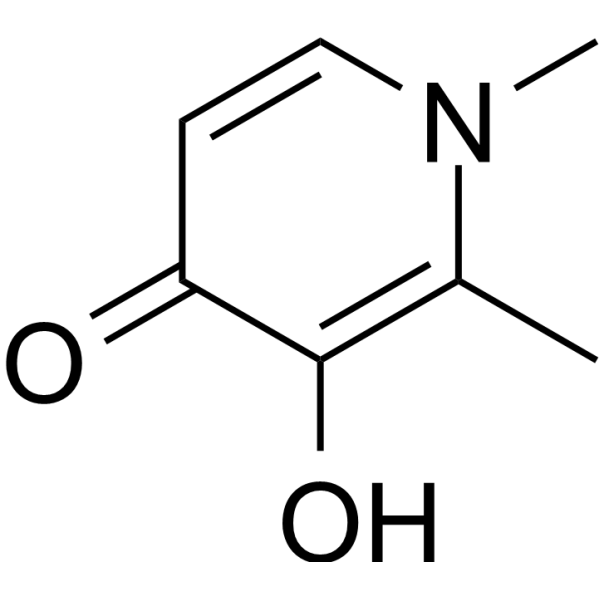
  • HY-B0568
    Deferiprone
    Maximum Cited Publications
    47 Publications Verification

    Ferroptosis HCV Apoptosis COX Histone Demethylase Cardiovascular Disease Infection Neurological Disease Metabolic Disease Inflammation/Immunology Cancer
    Deferiprone is a potent, orally active, brain-penetrant, cell-penetrant, skin-permeable, free iron chelating agent. Deferiprone inhibits the proliferation and migration, and stimulates apoptosis in tumor cell. Deferiprone can inhibit KDM. Deferiprone has antianemic, neuroprotective, anti-inflammatory, antioxidant, and antidotal activity. Deferiprone can be used in cancer, cardiovascular disease, infection, inflammation, and neurological disease study .
    Deferiprone
  • HY-W011303
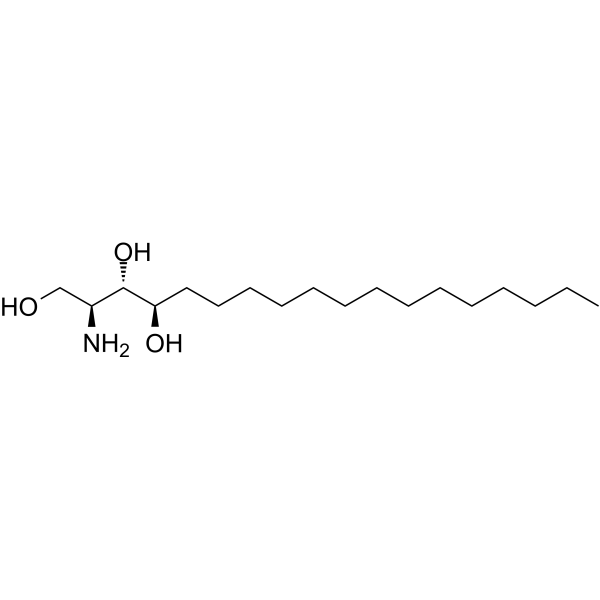
    Phytosphingosine
    4 Publications Verification

    4-Hydroxysphinganine

    Apoptosis Endogenous Metabolite Fungal Free Fatty Acid Receptor Infection Metabolic Disease Inflammation/Immunology Cancer
    Phytosphingosine is a phospholipid with anti-inflammatory, antibacterial, and anti-cancer activities, which can induce apoptosis. Phytosphingosine is an immune regulator and can be used in the study of inflammatory skin diseases. Phytosphingosine is also an activator of GPR120 with an IC50 value of 33.4 μM and can be used in the study of type II diabetes .
    Phytosphingosine
  • HY-125860

    Polyphenol oxidase

    Tyrosinase Neurological Disease Endocrinology Cancer
    Tyrosinase (EC 1.14.18.1) (Polyphenol oxidase) is a rate-limiting enzyme that controls the production of melanin. Tyrosinase is mainly found in melanosomes synthesized by skin melanocytes. Tyrosinase can be used in research on Parkinson's disease, melanoma and pigmentation .
    Tyrosinase, Mushroom
  • HY-N0568
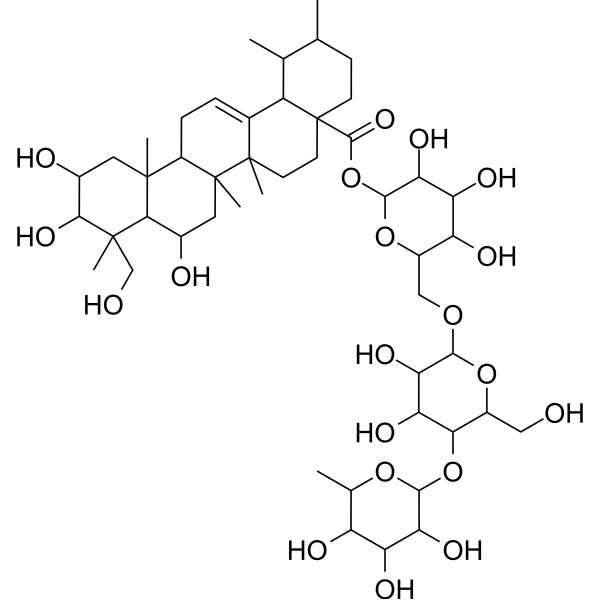
    Madecassoside
    3 Publications Verification

    Asiaticoside A

    Endogenous Metabolite Apoptosis Autophagy Keap1-Nrf2 p38 MAPK Caspase Cardiovascular Disease Others Neurological Disease Inflammation/Immunology Endocrinology Cancer
    Madecassoside is a pentacyclic triterpene isolated from Centella asiatica and has anti-inflammatory properties. Antioxidant and anti-aging effects. Madecassoside is a pentacyclic triterpene isolated from Centella asiatica. Madecassoside is orally active and has inhibitory properties against inflammation, oxidation, apoptosis and autophagy. Madecassosid inhibits activities of p38 MAPK and NF-kB , exhibits an anti-apopototic property, activates Nrf2 expression to reduce the neurotoxicity . Madecassoside can be used in endocrine diseases, cardiovascular diseases, skin diseases and other diseases.
    Madecassoside
  • HY-B0256
    Azathioprine
    5+ Cited Publications

    BW 57-322

    Apoptosis Inflammation/Immunology Cancer
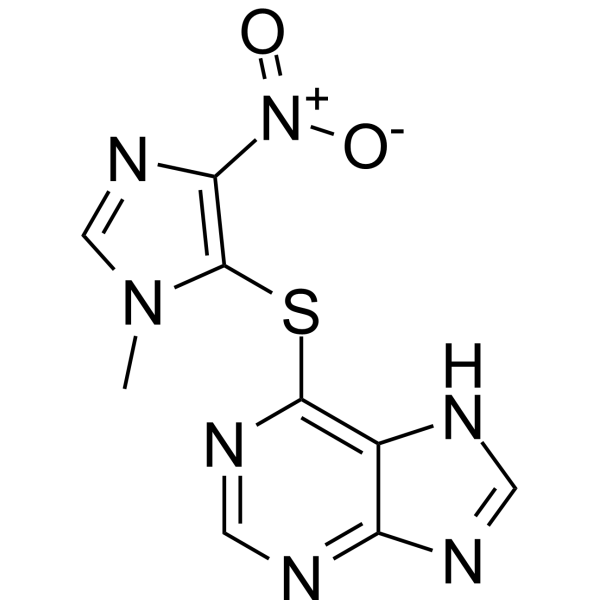
    Azathioprine (BW 57-322) is an orally active immunosuppressive agent. Azathioprine can be converted in vivo to the active metabolite 6-mercaptopurine (6-MP). Azathioprine has myelosuppressive effects and induces apoptosis .
    Azathioprine
  • HY-119358
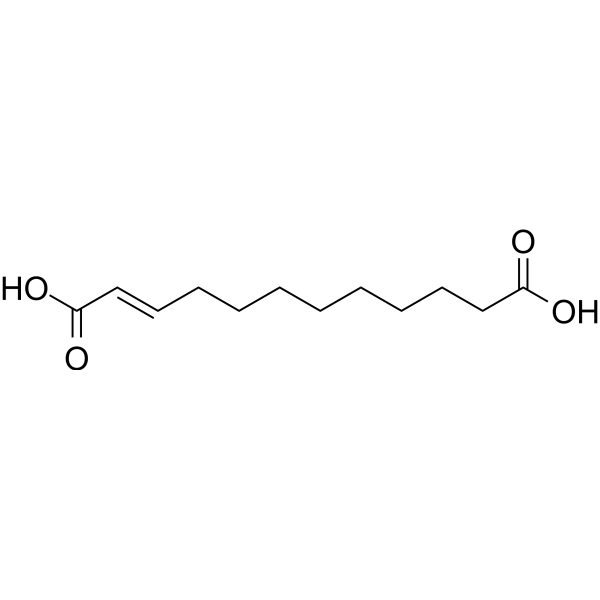
    Traumatic Acid
    3 Publications Verification

    Reactive Oxygen Species (ROS) Apoptosis Cardiovascular Disease Inflammation/Immunology
    Traumatic Acid is a wound healing agent and a cytokinin (phytohormone). Traumatic Acid enhances the biosynthesis of collagen in cultured human skin fibroblasts. Traumatic Acid inhibits MCF-7 breast cancer cells viability and enhances apoptosis and oxidative stress. Traumatic Acid can be used in studies of cancer, circulatory disorders (including arterial hypertension), and skin diseases associated with oxidative stress and impaired collagen biosynthesis .
    Traumatic Acid
  • HY-P99462

    c-Kit Inflammation/Immunology
    Barzolvolimab is a humanized anti-KIT IgG1 monoclonal antibody. Barzolvolimab specificity and potently inhibits KIT activation by SCF. Barzolvolimab can reduce skin mast cells and disease activity in chronic inducible urticaria .
    Barzolvolimab
  • HY-N3002

    4-Hydroxyphenyl α-D-glucopyranoside

    Tyrosinase Neurological Disease Metabolic Disease Cancer
    α-Arbutin (4-Hydroxyphenyl α-D-glucopyranoside) is a tyrosinase inhibitor, which is used as an effective skin whiteners. α-Arbutin is promising for research of various diseases such as hyperpigmentation disorders, types of cancers, central nervous system disorders, osteoporosis, diabetes .
    α-Arbutin
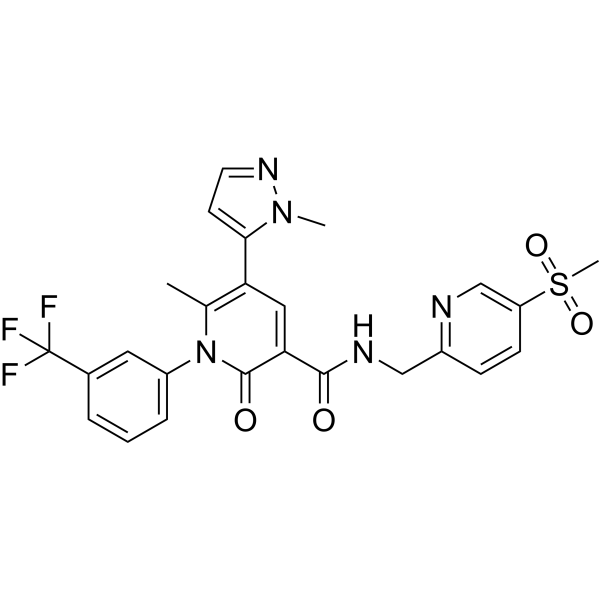
  • HY-156619

    EVT-8565072; THB335

    c-Kit PDGFR Metabolic Disease Inflammation/Immunology
    Labuxtinib (EVT-8565072; THB335) is a potent dual inhibitor of c-Kit and PDGFR. Labuxtinib exhibits potent inhibitory activity against wild-type c-Kit (IC50 = 0.005 μM). Labuxtinib inhibits SCF-dependent and PDGF-dependent cell proliferation, and blocks the proliferation of cells dependent on c-Kit or PDGFR signaling pathways. In animal models of skin allergy, Labuxtinib depletes skin mast cells and significantly alleviates anaphylactic shock responses. Labuxtinib can be used in research on mast cell-related diseases, respiratory diseases, inflammatory diseases, fibrotic diseases, metabolic diseases, and other related conditions .
    Labuxtinib
  • HY-P99519
    Vixarelimab
    1 Publications Verification

    KPL-716

    Interleukin Related Inflammation/Immunology
    Vixarelimab (KPL-716) is a human anti-oncostatin M (OSM) receptor β subunit monoclonal antibody. Vixarelimab inhibits IL-31 and OSM signalling. Vixarelimab can be used in studies of inflammatory skin diseases such as atopic dermatitis and itchy nodular rash .
    Vixarelimab
  • HY-13102

    Procollagen C Proteinase Others
    UK-383367 is an orally available pro-collagen C-protease inhibitor (BMP-1) with an IC50 value of 44 nM. UK-383367 can reduce renal fibrosis and inflammation in chronic kidney disease (CKD) and may be used to study postoperative skin scarring .
    UK-383367
  • HY-162495

    CCR Calcium Channel Arrestin P-glycoprotein Inflammation/Immunology Cancer
    IDOR-1117-2520 is an orally active, potent, selective and reversible CCR6 antagonist. IDOR-1117-2520 antagonizes the CCL20-mediated calcium flow (IC50 = 63 nM) and inhibits β-arrestin recruitment to human CCR6 (IC50 = 30 nM) in cells expressing recombinant human CCR6. IDOR-1117-2520 is found to be a substrate of P-gp/MDR1. IDOR-1117-2520 can be used in the research of autoimmune diseases and skin inflammation .
    IDOR-1117-2520
  • HY-B0900
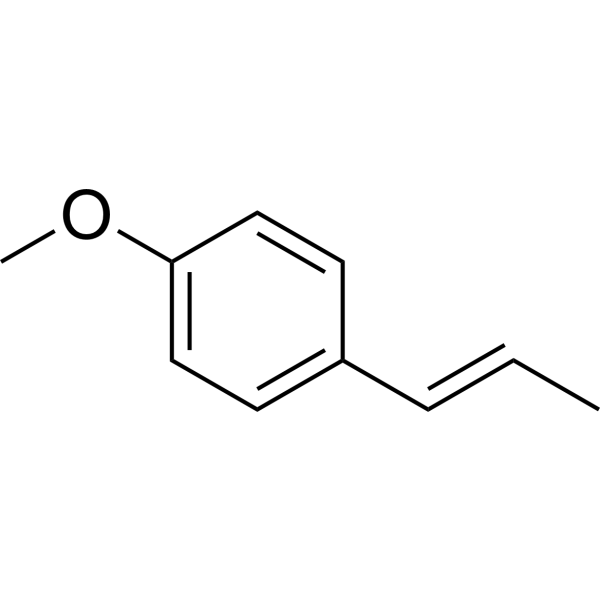
    Anethole
    2 Publications Verification

    Anise camphor; p-Propenylanisole; Isoestragole

    Environmental Pollutants Apoptosis NF-κB Fungal Bacterial MMP Infection Neurological Disease Inflammation/Immunology Cancer
    Anethole is a type of orally active aromatic compound that is widely found in nature and used as a flavoring agent. Anethole possesses anticancer, anti-inflammatory, antioxidant, antibacterial, antifungal, anesthetic, estrogenic, central nervous system depressant, hypnotic, insecticidal, and gastroprotective effects. Anethole can be used in the study of oxidative stress-related skin diseases and prostate cancer .
    Anethole
  • HY-108411
    Emedastine
    1 Publications Verification

    Histamine Receptor Inflammation/Immunology
    Emedastine is an orally active, selective and high affinity histamine H1 receptor antagonist with a Ki value of 1.3 nM. Emedastine is a benzimidazole derivative with potent antiallergic properties and used for allergic rhinitis, allergic skin diseases and allergic conjunctivitis .
    Emedastine
  • HY-100009

    Flufenamic acid butyl ester; Butyl flufenamate

    COX Prostaglandin Receptor Inflammation/Immunology
    Ufenamate (Flufenamic acid butyl ester) is an anthranilic acid-based anti-inflammatory drug that can be used in the study of skin diseases such as acute and chronic eczema, contact dermatitis, diaper dermatitis, miliary rashes and atopic dermatitis. Ufenamate has a certain photoprotective effect, reduces the degree of skin erythema and swelling in the photoaging model, downregulates the expression level of COX-2 and can promote the healing of mouse skull defects by secreting BMP2 .
    Ufenamate
  • HY-17452A

    Cefditoren pivoxyl; Cefditoren pivaloyloxymethyl ester; ME 1207

    Beta-lactamase Bacterial Antibiotic Infection Inflammation/Immunology
    Cefditoren Pivoxil (ME 1207) is a broad-spectrum, third-generation, oral cephalosporin antibacterial with enhanced stability against many common β lactamases. Cefditoren Pivoxil has activity against Gram-negative organisms and Gram-positive organisms. Cefditoren Pivoxil can be used in the research of infection diseases such as acute exacerbations of chronic bronchitis, community-acquired pneumonia (CAP), streptococcal pharyngitis/tonsillitis, or uncomplicated skin and skin structure infections .
    Cefditoren Pivoxil
  • HY-40020

    Biochemical Assay Reagents Drug Intermediate Inflammation/Immunology Cancer
    1-Boc-3-piperidone is a Boc-protected piperidone derivative. 1-Boc-3-piperidone is an important intermediate in organic synthesis. 1-Boc-3-piperidone can be used to study compounds related to inflammatory skin diseases (such as atopic dermatitis), lymphoma, and other diseases .
    1-Boc-3-piperidone
  • HY-120689
    PF-04745637
    1 Publications Verification

    TRP Channel Inflammation/Immunology
    PF-04745637 is a potent and selective TRPA1 antagonist with an IC50 of 17 nM for human TRPA1 .
    PF-04745637
  • HY-P99244

    ILV 094

    Interleukin Related JAK STAT Caspase Bcl-2 Family Inflammation/Immunology
    Fezakinumab (ILV 094) is an anti-IL-22 monoclonal antibody. Fezakinumab inhibits IL-22 signal transduction, and regulates the JAK1/STAT3 pathway as well as apoptotic proteins. Fezakinumab alleviates airway remodeling, alveolar enlargement and inflammatory cell infiltration in lung tissues. Fezakinumab reduces the levels of neutrophils, lymphocytes, eosinophils and macrophages in lung tissues. Fezakinumab can be used in the research of chronic obstructive pulmonary disease and skin diseases .
    Fezakinumab
  • HY-U00058

    Fungal Bacterial Infection Inflammation/Immunology
    Diflucortolone valerate is a powerful corticosteroid used topically for the research of various skin diseases .
    Diflucortolone valerate
  • HY-B1365

    Glucocorticoid Receptor Inflammation/Immunology
    Prednicarbate is a topical corticosteroid agent. Prednicarbate can be used for the research of inflammatory skin diseases, such as atopic dermatitis .
    Prednicarbate
  • HY-17570
    Desoximetasone
    1 Publications Verification

    Glucocorticoid Receptor Interleukin Related Cytochrome P450 Inflammation/Immunology
    Desoximetasone is a corticosteroid and a substrate of cytochrome P450 3A4. Desoximetasone has anti-inflammatory, anti-allergic, and immunosuppressive effects. Desoximetasone can be used in the research of various skin diseases, such as skin allergies, atopic dermatitis, and psoriasis .
    Desoximetasone
  • HY-153224

    IRAK Inflammation/Immunology
    GLPG2534 is an orally active and selective IRAK4 inhibitor, with IC50 values of 6.4 nM and 3.5 nM for human and mouse IRAK4. GLPG2534 can be used for the research of inflammatory skin diseases .
    GLPG2534
  • HY-113033

    Others Biochemical Assay Reagents Neurological Disease Metabolic Disease Inflammation/Immunology
    Pentosidine is a fluorescent advanced glycation end product (AGE) and cross-linker. Pentosidine is a fluorescent cross-linked structure formed by lysine and arginine in sugar oxidation reactions, and it is commonly found in collagen, skin, bone, lens and plasma proteins . Pentosidine is used in research related to type 1 diabetes, brown cataracts, rheumatoid arthritis, atherosclerosis and neurodegenerative diseases .
    Pentosidine
  • HY-147240

    ADX-629

    Drug Derivative Infection Cardiovascular Disease Inflammation/Immunology
    Acloproxalap is a quinoline-based aldehyde scavenger that can be used in studies of diseases with toxic aldehyde accumulation, such as inflammatory diseases of the eye and skin, respiratory diseases such as pneumonia, organ diseases, and viral infection-related syndromes .
    Acloproxalap
  • HY-156622

    HMC-C-01-A; MBS2320

    Mitochondrial Metabolism Cancer
    Leramistat (HMC-C-01-A; MBS2320) is a mitochondrial complex 1 inhibitor, involving in cell metabolism immune metabolism regulation. Leramistat also inhibits ATP production in Thp1 human monocytes (IC50: 0.63 μM). Leramistat inhibits atopic dermatitis and other skin diseases autoimmune diseases, inflammatory diseases, cancer; and also inhibits osteoclast mediated disease .
    Leramistat
  • HY-P99659

    ANB 019

    Interleukin Related Inflammation/Immunology
    Imsidolimab (ANB 019) is a high-affinity, humanized monoclonal antibody of anti-IL-36R. Imsidolimab antagonizes IL-36 cytokine signal transduction. Imsidolimab has potential application in generalized pustular psoriasis (GPP) and other inflammatory skin diseases .
    Imsidolimab
  • HY-N0568R

    Asiaticoside A (Standard)

    Reference Standards Endogenous Metabolite Apoptosis Autophagy Keap1-Nrf2 p38 MAPK Caspase Cardiovascular Disease Others Neurological Disease Inflammation/Immunology Endocrinology Cancer
    Madecassoside (Standard) is the analytical standard of Madecassoside. This product is intended for research and analytical applications. Madecassoside is a pentacyclic triterpene isolated from Centella asiatica and has anti-inflammatory properties. Antioxidant and anti-aging effects. Madecassoside is a pentacyclic triterpene isolated from Centella asiatica. Madecassoside is orally active and has inhibitory properties against inflammation, oxidation, apoptosis and autophagy. Madecassosid inhibits activities of p38 MAPK and NF-kB , exhibits an anti-apopototic property, activates Nrf2 expression to reduce the neurotoxicity[10]. Madecassoside can be used in endocrine diseases, cardiovascular diseases, skin diseases and other diseases.
    Madecassoside (Standard)
  • HY-P10868

    RLS-0071

    Reactive Oxygen Species (ROS) Infection Inflammation/Immunology
    Pegtarazimod (RLS-0071) is a dual-target anti-inflammatory peptide that exerts its effects by simultaneously regulating the complement system and neutrophil-associated inflammatory pathways. Pegtarazimod reduces ROS production both in vitro and in vivo, and decreases the level of neutrophil elastase, a marker of neutrophil extracellular traps (NETs), in vivo, thereby alleviating inflammatory responses. Pegtarazimod significantly improves the survival rate of mice in multiple in vivo models of acute graft-versus-host disease (aGVHD). Pegtarazimod inhibits the activation of the C1 complex, reduces the herpes zoster-like spread of herpes simplex virus type 1 skin infection, and improves the survival rate of infected mice . Pegtarazimod can be used in research related to acute graft-versus-host disease, acute pulmonary diseases, and skin herpes simplex virus type 1 infection .
    Pegtarazimod
  • HY-156621

    JAK Inflammation/Immunology
    Lepzacitinib is a Janus kinase inhibitor targeting to JAK 1/3. Lepzacitinib exhibits anti-inflammatory effect and inhibits atopic dermatitis and other skin diseases .
    Lepzacitinib
  • HY-124857

    7-Desacetoxy-6,7-dehydrogedunin

    PERK Prokineticin Receptor P2X Receptor Caspase NOD-like Receptor (NLR) Pyroptosis Tyrosinase Neurological Disease Metabolic Disease Inflammation/Immunology
    7DG (7-Desacetoxy-6,7-dehydrogedunin) is a PKR inhibitor, P2X7 purinergic receptor inhibitor, and skin-lightening agent. 7DG binds outside the ATP-catalytic domain of PKR, blocks the kinase activity-independent protein-protein interactions of PKR, inhibits the phosphorylation and activity of PKR, disrupts ASC assembly and caspase-1 activation, and suppresses the activation of the NLRP1 inflammasome. 7DG inhibits pyroptosis, suppresses the ATP-P2X7 signaling pathway, and abolishes ATP-induced increases in the expression levels of MITF, tyrosinase, PMEL/gp100, and melanin content. 7DG exerts skin-lightening effects in cultured skin in vitro. 7DG can be used in research related to chronic obstructive pulmonary disease, gout, type 2 diabetes, Alzheimer's disease, and hyperpigmentary skin disorders .
    7DG
  • HY-17452
    Cefditoren sodium
    1 Publications Verification

    ME 1206

    Beta-lactamase Bacterial Infection Inflammation/Immunology
    Cefditoren sodium (ME 1206) is a broad-spectrum, third-generation, oral cephalosporin antibacterial with enhanced stability against many common β lactamases. Cefditoren sodium has activity against Gram-negative organisms and Gram-positive organisms. Cefditoren sodium can be used in the research of infection diseases such as acute exacerbations of chronic bronchitis, community-acquired pneumonia (CAP), streptococcal pharyngitis/tonsillitis, or uncomplicated skin and skin structure infections .
    Cefditoren sodium
  • HY-171366

    JAK Inflammation/Immunology
    lirucitinib is a JAK inhibitor, and has antiinflammatory activity. lirucitinib inhibits various itch- and inflammation-inducing cytokines that depend on JAK1 enzyme activity, as well as allergy-related cytokines. lirucitinib can be used for the study of pruritic skin diseases
    lirucitinib
  • HY-139077

    Stearoyl-CoA Desaturase (SCD) Metabolic Disease Cancer
    SCD1 inhibitor-3 is a safe, potent and orally active SCD1 inhibitor. SCD1 inhibitor-3 can be used for the research of metabolic diseases such as obesity, type II diabetes and dyslipidemia, as well as skin diseases, acne and cancer .
    SCD1 inhibitor-3
  • HY-114071

    RAR/RXR Cancer
    BMS270394 is a nuclear retinoic acid receptor (RAR-γ) agonist with the EC50 values of 30 nM and 400 nM for humanRAR-γ and RAR-β, respectively .
    BMS270394
  • HY-119358R

    Reference Standards Reactive Oxygen Species (ROS) Apoptosis Cardiovascular Disease Inflammation/Immunology
    Traumatic Acid (Standard) is the analytical standard of Traumatic Acid. This product is intended for research and analytical applications. Traumatic Acid is a wound healing agent and a cytokinin (phytohormone). Traumatic Acid enhances the biosynthesis of collagen in cultured human skin fibroblasts. Traumatic Acid inhibits MCF-7 breast cancer cells viability and enhances apoptosis and oxidative stress. Traumatic Acid can be used in studies of cancer, circulatory disorders (including arterial hypertension), and skin diseases associated with oxidative stress and impaired collagen biosynthesis[1][2].
    Traumatic Acid (Standard)
  • HY-B0256R

    BW 57-322 (Standard)

    Reference Standards Apoptosis Inflammation/Immunology Cancer
    Azathioprine (Standard) is the analytical standard of Azathioprine. This product is intended for research and analytical applications. Azathioprine (BW 57-322) is an orally active immunosuppressive agent. Azathioprine can be converted in vivo to the active metabolite 6-mercaptopurine (6-MP). Azathioprine has myelosuppressive effects and induces apoptosis .
    Azathioprine (Standard)
  • HY-B2178

    Histamine Receptor Inflammation/Immunology
    Emedastine difumarate is an orally active, selective and high affinity histamine H1 receptor antagonist with a Ki value of 1.3 nM. Emedastine difumarate is a benzimidazole derivative with potent antiallergic properties and used for allergic rhinitis, allergic skin diseases and allergic conjunctivitis .
    Emedastine difumarate
  • HY-N1151

    Bacterial Cholinesterase (ChE) MMP TNF Receptor Infection Neurological Disease Inflammation/Immunology
    Thunberginol C is an orally active, selective, and non-competitive inhibitor of AChE and BChE, with IC50 values of 41.96 and 42.36 μM, respectively. Thunberginol C exerts cytoprotective, pro-collagen type I restorative, MMP-1 inhibitory, hyaluronic acid restorative, anti-photoaging effects in skin cells. Thunberginol C exerts neuroprotective, anxiolytic, TNF-α inhibitory, neuroinflammation inhibitory, and oxidative stress inhibitory effects. Thunberginol C can be used for the research of Alzheimer’s disease, UVB-induced skin photoaging, allergic reactions, oral bacterial infections, and stress-induced anxiety .
    Thunberginol C
  • HY-19915A

    MRX-4

    Bacterial Antibiotic Infection Inflammation/Immunology
    Contezolid acefosamil (MRX-4) is the orally active proagent of the active antimicrobial metabolite Contezolid (MRX-I), an oxazolidinone which shows potent in vitro activity against various multidrug-resistant Gram-positive bacteria, including MRSA .
    Contezolid acefosamil
  • HY-B0775

    Drug Derivative Inflammation/Immunology
    Betamethasone-17-butyrate-21-propionate is a topical corticosteroid with potential in the treatment of inflammatory skin diseases.
    Betamethasone-17-butyrate-21-propionate
  • HY-W587468

    3,4-DHRA

    Biochemical Assay Reagents
    All-trans-3,4-Didehydro retinoic acid (3,4-DHRA) is a compound with gene-regulating activity that binds to retinoic acid receptors (RARs) and triggers receptor activation. All-trans-3,4-Didehydro retinoic acid plays an important role in skin development and differentiation and has potential anti-tumor and anti-inflammatory properties. All-trans-3,4-Didehydro retinoic acid is also being studied for the inhibition of a variety of diseases, including skin diseases and certain types of cancer.
    all-trans-3,4-Didehydro retinoic acid
  • HY-N15684

    Others Metabolic Disease
    Rhodoxanthin is a carotenoid. Rhodoxanthin exerts antioxidant activity via free radical scavenging and lipid peroxidation inhibition. Rhodoxanthin is promising for research of oxidative stress-related diseases (e.g., UV-induced skin damage) .
    Rhodoxanthin
  • HY-108342

    JAK Inflammation/Immunology
    PF-00956980 is a reversible pan-JAK inhibitor with IC50 values of 2.2, 23.1 and 59.9 μM for JAK1, JAK2 and JAK3, respectively. PF-00956980 can be used in the research of lung and skin inflammatory diseases .
    PF-00956980
  • HY-B0226A

    (E)-Nitrofural

    Bacterial Parasite Infection
    (E)-Nitrofurazone ((E)-Nitrofural) is a topical broad-spectrum antibacterial agent effective against both Gram-negative and Gram-positive bacteria. (E)-Nitrofurazone also possesses antiprotozoal and antiparasitic activities. (E)-Nitrofurazone is commonly used in the research of superficial wounds, burns, skin infections, pyoderma, infectious skin diseases, trypanosomiasis, and acute bacillary dysentery .
    (E)-Nitrofurazone
  • HY-W011303R

    4-Hydroxysphinganine (Standard)

    Reference Standards Apoptosis Endogenous Metabolite Fungal Free Fatty Acid Receptor Infection Metabolic Disease Inflammation/Immunology Cancer
    Phytosphingosine (Standard) is the analytical standard of Phytosphingosine. This product is intended for research and analytical applications. Phytosphingosine is a phospholipid with anti-inflammatory, antibacterial, and anti-cancer activities, which can induce apoptosis. Phytosphingosine is an immune regulator and can be used in the study of inflammatory skin diseases. Phytosphingosine is also an activator of GPR120 with an IC50 value of 33.4 μM and can be used in the study of type II diabetes[1][2][3][4].
    Phytosphingosine (Standard)
  • HY-B0900R

    Anise camphor (Standard); p-Propenylanisole (Standard); Isoestragole (Standard)

    Apoptosis Fungal Bacterial MMP NF-κB Reference Standards Infection Neurological Disease Inflammation/Immunology Cancer
    Anethole (Standard) is the analytical standard of Anethole. This product is intended for research and analytical applications. Anethole is a type of orally active aromatic compound that is widely found in nature and used as a flavoring agent. Anethole possesses anticancer, anti-inflammatory, antioxidant, antibacterial, antifungal, anesthetic, estrogenic, central nervous system depressant, hypnotic, insecticidal, and gastroprotective effects. Anethole can be used in the study of oxidative stress-related skin diseases and prostate cancer .
    Anethole (Standard)
  • HY-N16417

    Apoptosis Reactive Oxygen Species (ROS) Infection Cancer
    Elsinochrome C is a photosensitizer. Elsinochrome C relies on light activation to generate reactive oxygen species (ROS) such as singlet oxygen (1O2), inducing apoptosis or directly disrupting pathogen structures. Elsinochrome C is promising for research of skin cancers, HIV-associated infections, and refractory skin diseases .
    Elsinochrome C
  • HY-123025

    Fungal Inflammation/Immunology
    Schizozygine is an alkaloid that can be isolated from Schizozygia caffaeoides. Schizozygia caffaeoides has been used as a traditional medicine for skin disease. The leaf extracts has high antifungal and antimicrobial activity .
    Schizozygine
  • HY-W341962

    Leukotriene Receptor Inflammation/Immunology
    Halometasone is a corticosteroid compound that can reduce the expression of serum leukotriene B4 (LTB4) and thymic stromal lymphopoietin (TSLP). Halometasone can be used in research on psoriasis and eczematous skin diseases .
    Halometasone

Inquiry Online

Your information is safe with us. * Required Fields.

Salutation


Country or Region *

Applicant Name *


Organization Name *

Department *


Email Address *


Product Name *

Cat. No.


Requested quantity *

Phone Number *


Remarks

Inquiry Online

Inquiry Information

Product Name:
Cat. No.:
Quantity:
MCE Japan Authorized Agent:

