Search Result
Results for "
TP receptors
" in MedChemExpress (MCE) Product Catalog:
3
Isotope-Labeled Compounds
| Cat. No. |
Product Name |
Target |
Research Areas |
Chemical Structure |
-
- HY-108566
-
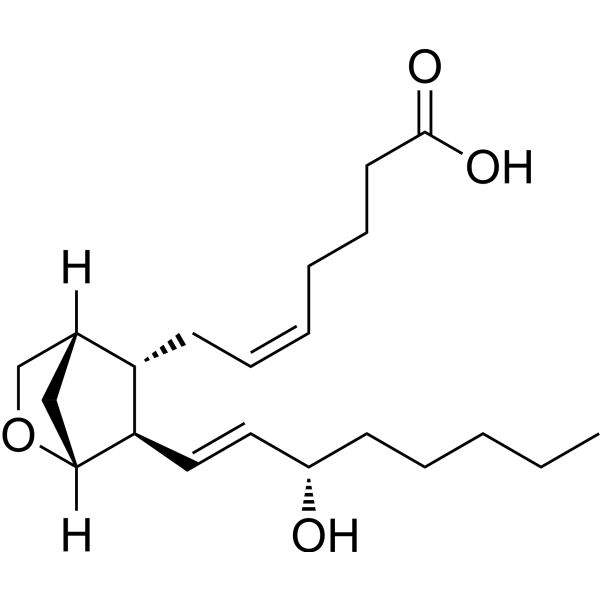
U-46619
Maximum Cited Publications
15 Publications Verification
9,11-Methanoepoxy PGH2
|
Prostaglandin Receptor
|
Cardiovascular Disease
|
|
U-46619 (9,11-Methanoepoxy PGH2) is a stable analogue of Thromboxane A2 (HY-113350) (TXA2) and acts as a potent TXA2 (TP) agonist. U-46619 also is a RhoA agonist. U-46619 stimulates the activation of RhoA through TXA2 receptor activation .
|
-
-
- HY-12963
-
|
TP-0903
|
TAM Receptor
Apoptosis
|
Cancer
|
|
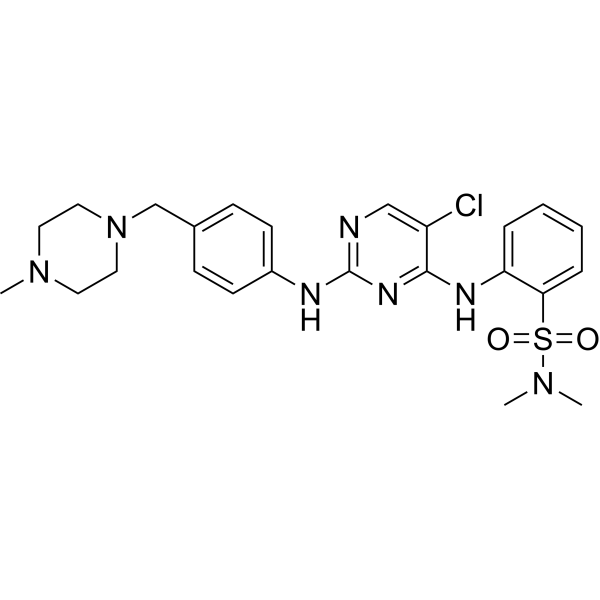
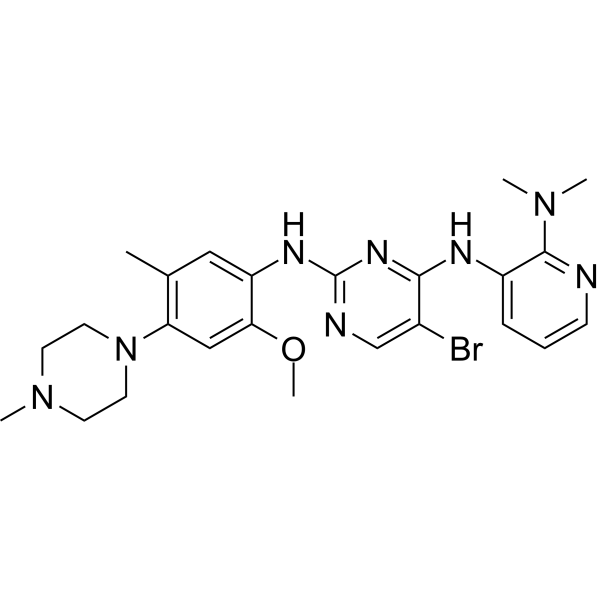
Dubermatinib (TP-0903) is a potent and selective Axl receptor tyrosine kinase inhibitor with an IC50 value of 27 nM.
|
-
-
- HY-50901
-
|
AE 3-208
|
Prostaglandin Receptor
|
Endocrinology
Cancer
|
|
ONO-AE3-208 is a selective and orally active EP4 receptor antagonist with a Ki of 1.3 nM. ONO-AE3-208 shows less potently affects EP3, FP, and TP receptors (Ki of 30 nM, 790 nM, and 2400 nM, respectively). ONO-AE3-208 suppresses cell invasion, migration, and metastasis of prostate cancer .
|
-
-
- HY-16963
-
-
-
- HY-147316
-
|
|
STAT
TNK1
|
Cancer
|
|
TP-5801 is an orally active TNK1 (non-receptor tyrosine kinase) inhibitor (IC50=1.40 nM), and shows anti-tumor activity .
|
-
-
- HY-105042
-
|
Selanc; TP-7
|
GABA Receptor
|
Neurological Disease
|
|
Selank (Selanc; TP-7) is a GABAA receptor modulator with anxiolytic activity. Selank allosterically modulates the specific binding of GABA to GABAA receptors and alters the affinity of endogenous ligands for these receptors. Selank reduces elevated anxiety levels, attenuates stress-induced exacerbation of anxiety, and produces a synergistic anxiolytic effect with diazepam. Selank can be used in the research of anxiety disorders .
|
-
-
- HY-B0774
-
-
-
- HY-108972
-
-
-
- HY-50175
-
-
-
- HY-16991
-
|
S-18886
|
Prostaglandin Receptor
|
Cardiovascular Disease
Metabolic Disease
|
|
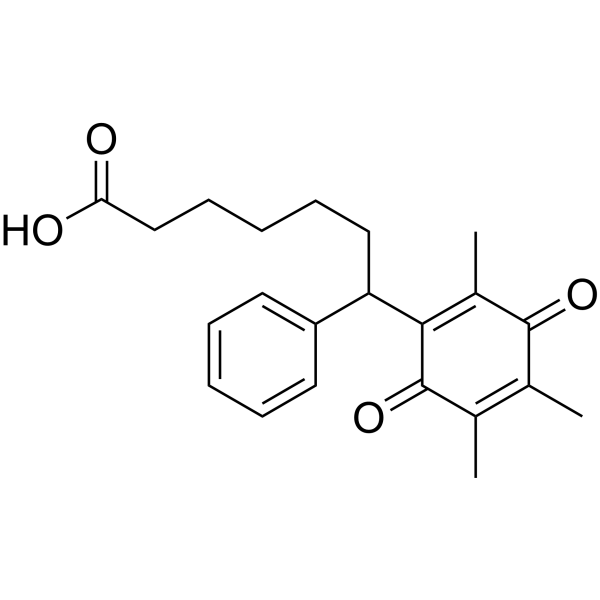
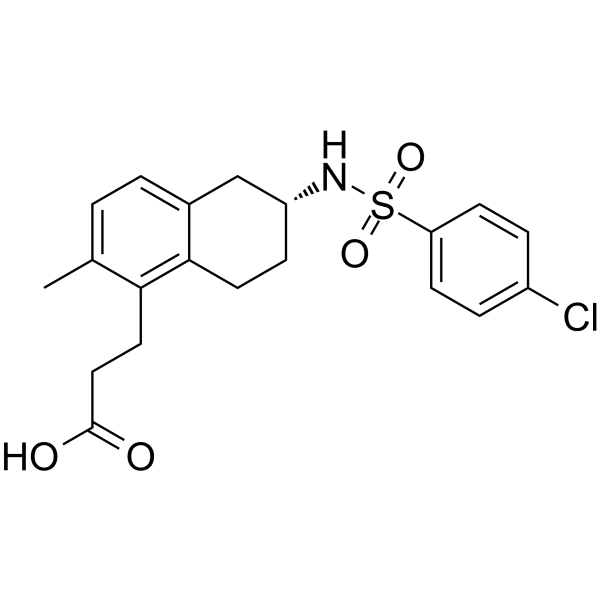
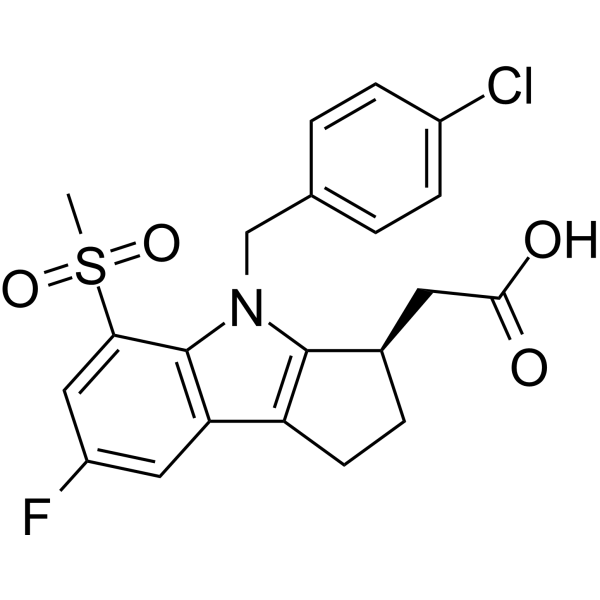
Terutroban (S-18886) is a selective and orally active thromboxane-prostaglandin (TP) receptor antagonist with an IC50 of 16.4 nM. Terutroban inhibits TXA2 and prostaglandin endoperoxide receptors. Terutroban is a potent antithrombotic agent and possesses anti-atherosclerotic and anti-vasoconstrictor properties .
|
-
-
- HY-150270A
-
|
|
P2X Receptor
Prostaglandin Receptor
NOD-like Receptor (NLR)
Caspase
Interleukin Related
|
Inflammation/Immunology
|
|
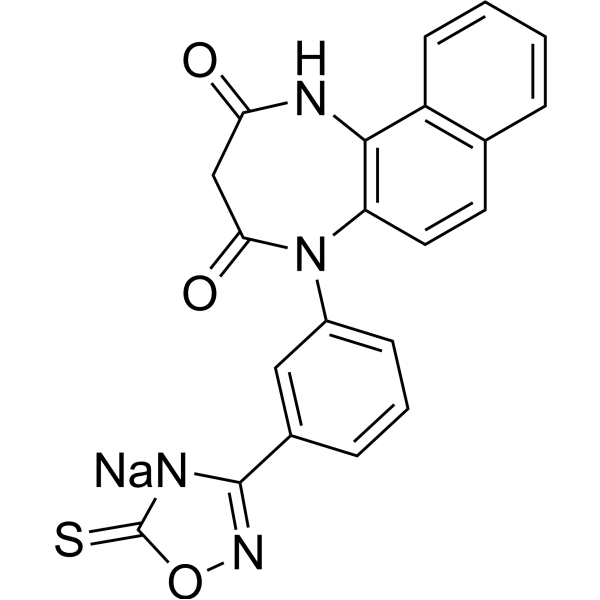
NP-1815-PX sodium is an orally active dual inhibitor of P2X4 and prostaglandin TP receptors, with an IC50 of 0.26 μM against human P2X4 receptors. NP-1815-PX sodium specifically inhibits ATP-mediated prostaglandin production, TP receptor-induced calcium elevation, and the canonical/non-canonical NLRP3 inflammasome signaling pathway. NP-1815-PX sodium selectively blocks smooth muscle contractions induced by ATP, U46619 (HY-108566) and prostaglandin F2α. NP-1815-PX sodium not only produces anti-allodynic effects in vivo, but also significantly alleviates symptoms of DNBS (HY-W324435)-induced colitis (such as weight loss and tissue damage). NP-1815-PX sodium exerts anti-inflammatory effects by downregulating IL-1β levels and Caspase-1 activity. NP-1815-PX sodium is used in studies related to asthma and inflammatory bowel disease (colitis) .
|
-
-
- HY-129851
-
|
|
Prostaglandin Receptor
|
Cardiovascular Disease
|
|
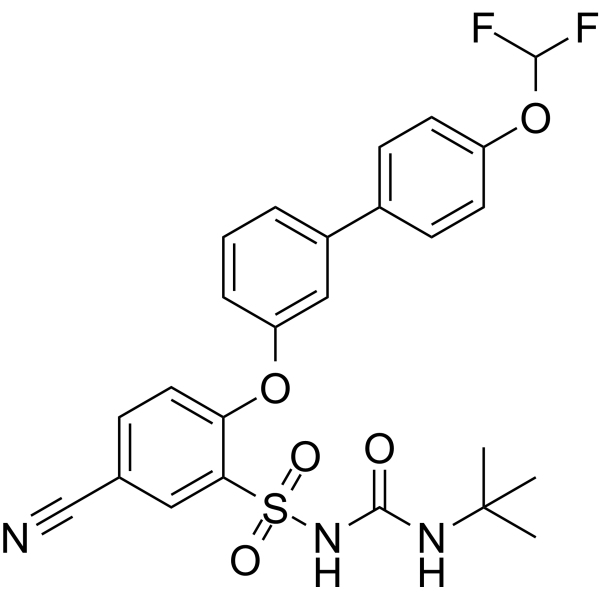
NTP42 is a thromboxane A2 (TXA2) receptor antagonist with an IC50 of 3.278 nM for antagonizing T prostanoid receptor (TP)- mediated [Ca 2+] mobilization following stimulation of cells with the alternative TP agonist U46619 . NTP42 can be used for the treatment of pulmonary arterial hypertension (PAH) .
|
-
-
- HY-113209
-
|
8-iso-PGF2α
|
Endogenous Metabolite
|
Others
|
|
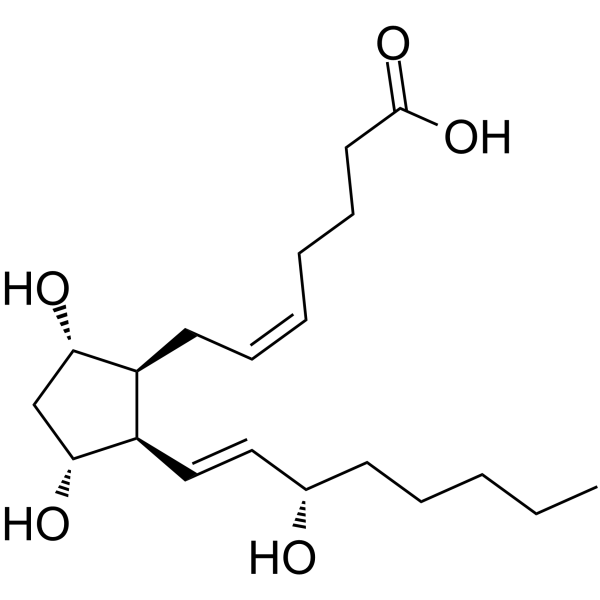
8-Isoprostaglandin F2α is an isoprostane produced by the non-enzymatic peroxidation of arachidonic acid in membrane phospholipids. 8-Isoprostaglandin F2α is present in human plasma in two distinct forms - esterified in phospholipids and as the free acid. 8-Isoprostaglandin F2α is a weak TP receptor agonist in vascular smooth muscle.
|
-
-
- HY-108563
-
|
|
Prostaglandin Receptor
|
Neurological Disease
|
|
SC 51089 is a selective antagonist of prostaglandin E2 EP1 receptor, with Kis of 1.3, 11.2, 17.5, and 61.1 μM for EP1, TP, EP3, and FP receptors, respectively. SC 51089 exhibits neuroprotective activity .
|
-
-
- HY-108563A
-
|
|
Prostaglandin Receptor
|
Neurological Disease
|
|
SC 51089 free base is a selective antagonist of prostaglandin E2 EP1 receptor, with Kis of 1.3, 11.2, 17.5, and 61.1 μM for EP1, TP, EP3, and FP receptors, respectively. SC 51089 free base exhibits neuroprotective activity .
|
-
-
- HY-50848
-
|
|
Prostaglandin Receptor
|
Cardiovascular Disease
|
|
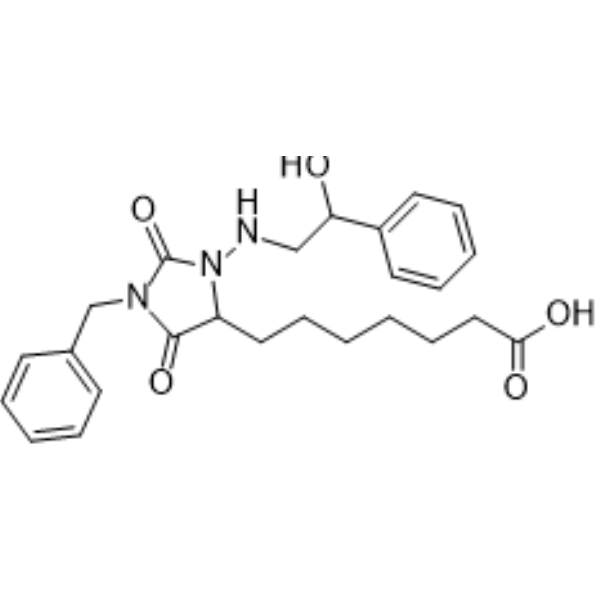
BW A868C, a hydantoin compound, is a BW245C structural analogue. BW A868C is a selective and potent competitive prostaglandin D2 (PGD2) antagonist. BW A868C has no effect on other prostaglandin receptors (IP, EP1, EP2, TP and FP) .
|
-
-
- HY-107835
-
|
FCR 2769
|
Environmental Pollutants
Apoptosis
Bcl-2 Family
Parasite
Insecticide
|
Infection
Cancer
|
|
Flumethrin (FCR 2769) is a pyrethroid insecticide and acaricide . Flumethrin targets voltage-gated sodium channels and estrogen receptor α (ERα). Flumethrin induces cytotoxicity, apoptosis, genotoxicity and DNA damage in breast cancer cells by regulating the expression of BCL2, BAX, TP53 and P21 genes. Flumethrin is applicable to relevant studies on ectoparasite infections (tick and flea burdens) in dogs and cats, as well as breast cancer .
|
-
-
- HY-176990
-
-
-
- HY-147316A
-
|
|
STAT
TNK1
|
Cancer
|
|
TP-5801 TFA is an orally active TNK1 (non-receptor tyrosine kinase) inhibitor (IC50=1.40 nM), and shows anti-tumor activity .
|
-
-
- HY-P0316
-
|
|
Thrombin
NO Synthase
|
Cardiovascular Disease
|
|
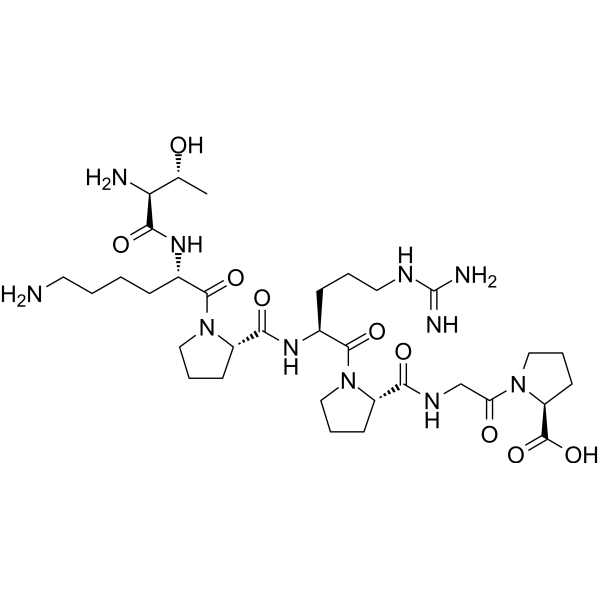
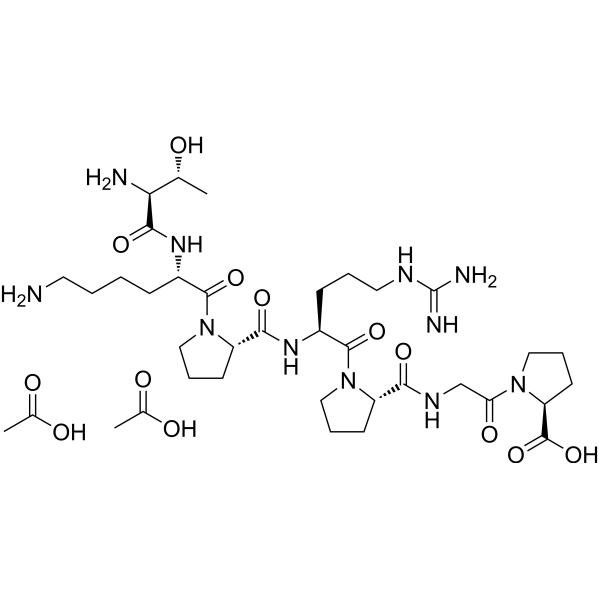
TP508 is a 23-amino acid nonproteolytic thrombin peptide that represents a portion of the receptor-binding domain of thrombin molecule. TP508 activates endothelial NO synthase (eNOS) and stimulates production of NO in human endothelial cells. TP508 activates endothelial cells and stem cells to revascularize and regenerate tissues .
|
-
-
- HY-111271A
-
-
-
- HY-123613
-
-
-
- HY-130304
-
|
iPE2-III
|
Prostaglandin Receptor
|
Cardiovascular Disease
|
|
8-Isoprostaglandin E2 (iPE2-III) is a member of the isoprostane class of prostanoids. 8-Isoprostaglandin E2 acts at the receptor for thromboxane A2 (the TP) in vivo to induce vasoconstriction and platelet aggregation. 8-Isoprostaglandin E2 enhances receptor-activated NFkappa B ligand (RANKL)-dependent osteoclastic potential of marrow hematopoietic precursors via the cAMP pathway .
|
-
-
- HY-B0774R
-
-
-
- HY-124404
-
|
|
Aryl Hydrocarbon Receptor
Na+/K+ ATPase
Prostaglandin Receptor
|
Inflammation/Immunology
|
|
12(R)-HETE is a CYP-dependent arachidonic acid metabolite that acts as a proinflammatory lipid mediator. 12 (R)-HETE widely exists in various tissues including the eye, skin and liver. In the cornea, 12(R)-HETE is metabolized via pathways such as β-oxidation into the precursor of 12(R)-HETrE. Without direct receptor binding, 12(R)-HETE indirectly activates AHR-mediated target gene transcription, while inhibiting the enzymatic activity of Na+,K+-ATPase and the intracellular calcium elevation induced by TP agonists. 12(R)-HETE also possesses multiple physiological effects such as chemotaxis, proangiogenesis, vasodilation, natriuresis, diuresis and intraocular pressure reduction, and can be widely used in studies related to psoriasis, inflammatory skin diseases and ocular inflammation .
|
-
-
- HY-P0316A
-
|
|
Thrombin
NO Synthase
|
Cardiovascular Disease
|
|
TP508 TFA is a 23-amino acid nonproteolytic thrombin peptide that represents a portion of the receptor-binding domain of thrombin molecule. TP508 TFA activates endothelial NO synthase (eNOS) and stimulates production of NO in human endothelial cells. TP508 TFA activates endothelial cells and stem cells to revascularize and regenerate tissues .
|
-
-
- HY-16991A
-
|
S-18886 sodium
|
Prostaglandin Receptor
|
Cardiovascular Disease
Metabolic Disease
|
|
Terutroban (S-18886) sodium is a selective and orally active thromboxane-prostaglandin (TP) receptor antagonist with an IC50 of 16.4 nM. Terutroban sodium inhibits TXA2 and prostaglandin endoperoxide receptors. Terutroban sodium is a potent antithrombotic agent and possesses anti-atherosclerotic and anti-vasoconstrictor properties .
|
-
-
- HY-13706
-
|
TM30089 Racemate
|
Prostaglandin Receptor
|
Endocrinology
Cancer
|
|
CAY10471 Racemate (TM30089 Racemate) is a potent and highly selective prostaglandin D2 receptor CRTH2 antagonist, with a Ki of 0.6 nM for hCRTH2, selective over human thromboxane A2 receptor TP (Ki, >10000 nM) or PGD2 receptor DP (Ki, 1200 nM). CAY10471 Racemate also has effect on mouse and rat orthologs of CRTH2 .
|
-
-
- HY-150270
-
|
|
Prostaglandin Receptor
P2X Receptor
NOD-like Receptor (NLR)
Caspase
Interleukin Related
|
Neurological Disease
Inflammation/Immunology
|
|
NP-1815-PX is an orally active dual inhibitor of P2X4 and prostaglandin TP receptors, with an IC50 of 0.26 μM against human P2X4 receptors. NP-1815-PX specifically inhibits ATP-mediated prostaglandin production, TP receptor-induced calcium elevation, and the canonical/non-canonical NLRP3 inflammasome signaling pathway. NP-1815-PX selectively blocks smooth muscle contractions induced by ATP, U46619 (HY-108566) and prostaglandin F2α. NP-1815-PX not only produces anti-allodynic effects in vivo, but also significantly alleviates symptoms of DNBS (HY-W324435)-induced colitis (such as weight loss and tissue damage). NP-1815-PX exerts anti-inflammatory effects by downregulating IL-1β levels and Caspase-1 activity. NP-1815-PX is used in studies related to asthma and inflammatory bowel disease (colitis) .
|
-
-
- HY-111304
-
-
-
- HY-103512
-
|
|
GABA Receptor
|
Neurological Disease
|
|
TP003 is a non-selective benzodiazepine site agonist with EC50s of 20.3, 10.6, 3.24, 5.64 nM for α1β2γ2, α2β3γ2, α3β3γ2, α5β2γ2, respectively. TP003 induces anxiolysis via α2GABAA receptors .
|
-
-
- HY-165587
-
|
|
Prostaglandin Receptor
|
Cardiovascular Disease
|
|
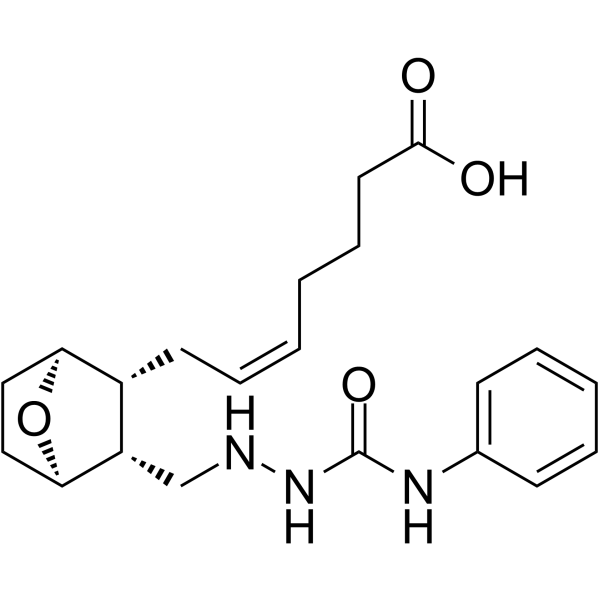
BM-573 is an orally active dual thromboxane A₂ (TXA₂) modulator with an IC50 of 1.3 nM. BM-573 possesses both thromboxane synthase (TxAS) inhibition and thromboxane receptor (TP) antagonistic effects. BM-573 can completely inhibit platelet aggregation induced by Arachidonic acid (HY-109590) or U-46619 (TXA₂ analogues). BM-573 completely blocks the generation of TXB₂ (the stable metabolite of TXA₂) in human platelets and does not inhibit cyclooxygenase (COX-1/COX-2), thus avoiding interference with other prostaglandin synthesis. BM-573 has an inhibitory effect on U-46619-induced contractions in rat gastric fundus smooth muscle (ED₅₀ = 4.2 μM), but has no effect on contractions caused by PGE₂, PGF₂α, or PGI₂. BM-573 can be used in the study of atherosclerosis, myocardial infarction, pulmonary hypertension and shock .
|
-
-
- HY-160615
-
-
-
- HY-160664
-
|
|
Prostaglandin Receptor
|
Cardiovascular Disease
|
|
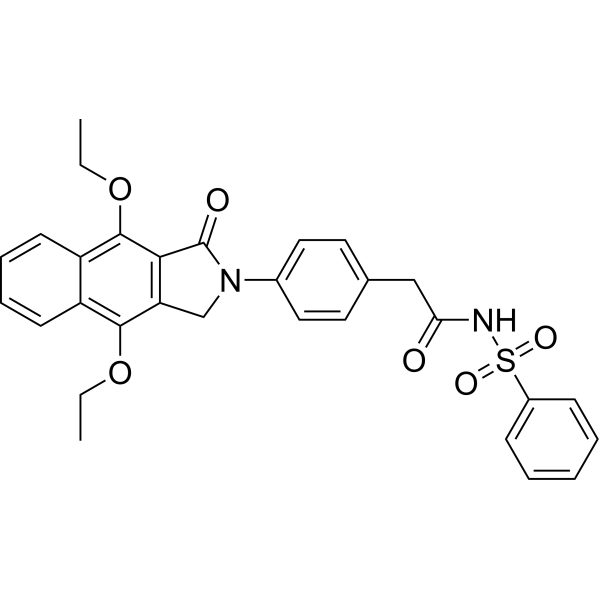
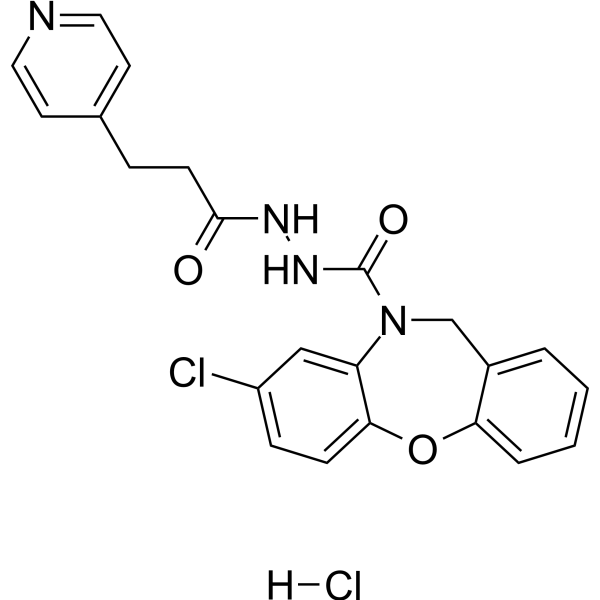
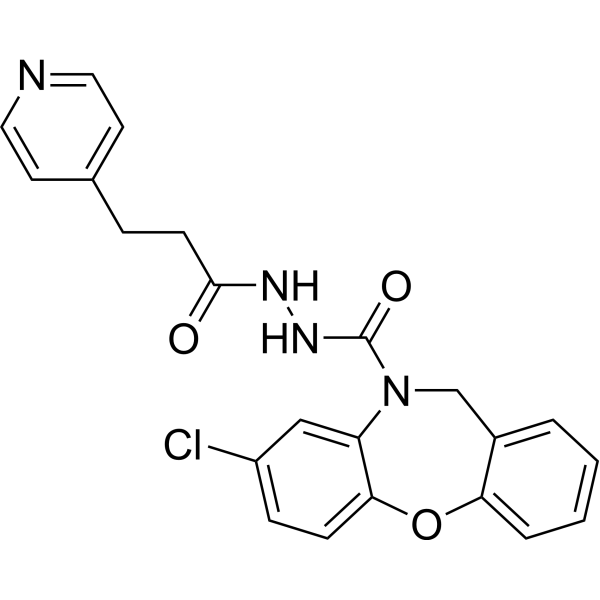
TP receptor antagonist-2 (example 7n) is a thromboxane A2 receptor (TP receptor) antagonist, with IC50 values of 5.64 and 5.27 μM for TPα and TPβ, respectively. TP receptor antagonist-2 inhibits platelet aggregation .
|
-
-
- HY-119127
-
|
|
Cholecystokinin Receptor
|
Metabolic Disease
|
|
TP-680 is a cholecystokinin receptor antagonist. TP-680 binds 1510 times more strongly to rat pancreatic CCKA receptors (IC50=1.2 nM) than to rat brain CCKB receptors (IC50=1812.5 nM). TP-680 can be used in the study of gastrointestinal diseases .
|
-
-
- HY-123123
-
|
|
Prostaglandin Receptor
Endogenous Metabolite
|
Cardiovascular Disease
|
|
RS-61756-007 is a selective thromboxane receptor (TP) agonist with high activity at the TP receptor. RS-61756-007 showed agonism at TP and FP receptors in in vitro studies but had no activity at other receptor subtypes. The effects of RS-61756-007 can be antagonized in a similar manner by the TP antagonist SQ 29,548 .
|
-
-
- HY-118220
-
|
|
Thrombin
|
Cardiovascular Disease
|
|
EP 171 is a TP receptor agonist and human platelet activator. EP 171 can induce constriction of guinea pig trachea, and the constriction can be inhibited by the TP receptor antagonist EP 092. EP 171 binds to TP receptors on intact human platelets with an IC50 of 2.9 nM .
|
-
-
- HY-106394
-
|
|
P-glycoprotein
|
Cardiovascular Disease
|
|
TP-9201 is a platelet glycoprotein (GP) IIb/IIIa receptor antagonist. TP-9201 inhibits the interaction between GPIIb/IIIa and fibrinogen, thereby suppressing platelet aggregation. TP-9201 exhibits similar inhibitory activity on adenosine diphosphate (ADP) (HY-W010918)-induced platelet aggregation in humans, baboons, and dogs (IC50 = 1-3 μM), while showing lower activity in rabbits (IC50 = 45 μM) and rats (IC50 = 20 μM). TP-9201can be used in studies related to the prevention of rethrombosis after arterial thrombolysis .
|
-
-
- HY-50175A
-
-
-
- HY-118014
-
-
-
- HY-116281
-
|
|
Prostaglandin Receptor
|
Cardiovascular Disease
|
|
ICI D1542 is a selective and potent inhibitor of thromboxane A2 (TXA2) synthase and the thromboxane A2 receptor (TP-receptor). ICI D1542 is effective at preventing thrombus formation by redirection of arachidonic acid metabolism .
|
-
-
- HY-15007
-
|
|
Oxytocin Receptor
|
Endocrinology
|
|
L 366509 is a spiroindenylpiperidine camphorsulfonamide oxytocin (OT) antagonist. Modifications led to a new series of o-tolylpiperazine (TP) camphorsulfonamides, exhibiting high affinity for OT receptors and selectivity over arginine vasopressin receptors. Notably, compound 7 (L-368,899) showed excellent OT receptor affinity, potency in inhibiting OT-stimulated uterine contractions, good aqueous solubility, and oral bioavailability in multiple species. Compound 7 has entered clinical testing as an oral and intravenous tocolytic agent. Molecular modeling suggests the TP camphorsulfonamide structure mimics the D-AA2-Ile3 dipeptide, crucial in potent OT antagonists .
|
-
-
- HY-118190
-
|
|
Prostaglandin Receptor
|
Endocrinology
|
|
AL 8810 methyl ester is a prostaglandin F(2α) analog and a prostaglandin F(2α) receptor agonist. Can competitively antagonize the effects of the FP receptor agonist Fluprostenol (HY-108560). AL 8810 methyl ester has no significant potency against TP, DP, EP(2), EP(4) receptor subtypes in cell lines .
|
-
-
- HY-50901A
-
|
AE 3-208 sodium salt
|
Prostaglandin Receptor
|
Endocrinology
Cancer
|
|
ONO-AE3-208 (sodium salt) is a selective and orally active EP4 receptor antagonist with a Ki of 1.3 nM. ONO-AE3-208 (sodium salt) shows less potently affects EP3, FP, and TP receptors (Ki of 30 nM, 790 nM, and 2400 nM, respectively). ONO-AE3-208 (sodium salt) suppresses cell invasion, migration, and metastasis of prostate cancer .
|
-
-
- HY-176074
-
|
|
Prostaglandin Receptor
|
Others
|
|
U-46619 Glycine methyl ester has a modification at the C-1 position of U-46619, which uniquely alter its binding properties to the TP receptor or any of the PGH2-metabolizing enzymes. U-46619 is a stable analog of the endoperoxide PGH2. U-46619 is also an agonist of TP receptor. U-46619 can change the shape of platelet, aggregation and contraction of vascular smooth muscle. U-46619 Glycine methyl ester can be studied in research to explore the inhibition of various enzymes in the arachidonic acid metabolic pathway. U-46619 Glycine methyl ester can also act as a lipophilic prodrug form of U-46619 that alters its distribution and pharmacokinetic properties .
|
-
-
- HY-179246
-
|
|
COX
Prostaglandin Receptor
|
Cardiovascular Disease
Neurological Disease
Inflammation/Immunology
|
|
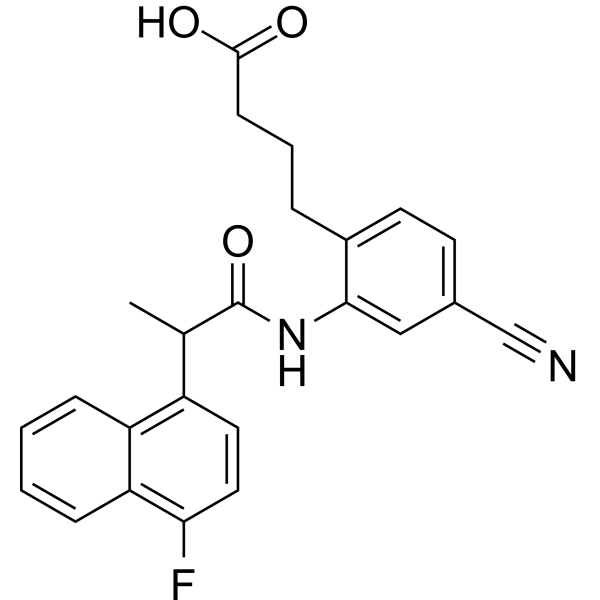
CXT29 is an orally active COX-2 inhibitor and a thromboxane A2 receptor (TP) antagonist. CXT29 exhibits COX inhibitory activity and selectivity, with IC50 values of 13 and 722 nM for COX-2 and COX-1 respectively. CXT29 inhibits platelet aggregation induced by U-46619 (HY-108566) (a TP agonist), with an IC50 of 96 nM. CXT29 effectively inhibits the production of TXB₂ and PGE₂, significantly reducing platelet aggregation and inflammatory pain in mice. CXT29 can be used for research on inflammatory pain and cardiovascular diseases .
|
-
-
- HY-116431
-
|
|
Prostaglandin Receptor
|
Cardiovascular Disease
Neurological Disease
|
|
I-BOP is an agonist for thromboxane A2 receptor (TP) with a KD of 0.61 nM. I-BOP promotes proliferation through activation of PI3K pathway in vascular smooth muscle . I-BOP dose-dependently biphasicly affects the excitatory postsynaptic potential (e.p.s.p.) in hippocampal neurons .
|
-
-
- HY-114623
-
-
-
- HY-123328
-
|
|
Prostaglandin Receptor
|
Cardiovascular Disease
|
|
AGN 191976 is a potent and selective thromboxane A2-sensitive (TP) receptor agonist with EC50 values of 0.23 nM and 24 nM in rat aorta and human platelets, respectively. AGN 191976 has potent IOP-lowering effects in dogs and monkeys. AGN 191976 can be used to study vascular biology and the role of thromboxane A2 in vascular function .
|
-
-
- HY-116008
-
|
8-epi PGF3α; 8-iso PGF3α
|
Prostaglandin Receptor
|
Endocrinology
|
|
8-iso PGF3α is an isoprostane produced from the free-radical peroxidation of EPA. Little is known about the biological activity of 8-iso PGF3α. There is one report that it is inactive in a TP receptor mediated assay of human platelet shape change, where 8-iso PGF2α has an ED50 value of 1 μM.
|
-
- HY-125626
-
|
8-iso-15-keto PGF2α
|
Prostaglandin Receptor
|
Cardiovascular Disease
|
|
8-iso-15-keto Prostaglandin F2α (8-iso-15-keto PGF2α) is a partial agonist for Thromboxane receptor (TP), which exhibits a vasoconstrictor efficacy with a pD2 of 5.8. 8-iso-15-keto Prostaglandin F2α mediates a weak relaxation of rats aorta rings at high concentration .
|
-
- HY-130304S
-
|
iPE2-III-d4
|
Isotope-Labeled Compounds
Prostaglandin Receptor
|
Cardiovascular Disease
|
|
8-Isoprostaglandin E2-d4 (iPE2-III-d4) is deuterium labeled 8-Isoprostaglandin E2. 8-Isoprostaglandin E2 (iPE2-III) is a member of the isoprostane class of prostanoids. 8-Isoprostaglandin E2 acts at the receptor for thromboxane A2 (the TP) in vivo to induce vasoconstriction and platelet aggregation. 8-Isoprostaglandin E2 enhances receptor-activated NFkappa B ligand (RANKL)-dependent osteoclastic potential of marrow hematopoietic precursors via the cAMP pathway .
|
-
- HY-113209R
-
|
8-iso-PGF2α (Standard)
|
Reference Standards
Endogenous Metabolite
|
Others
|
|
8-Isoprostaglandin F2α (Standard) is the analytical standard of 8-Isoprostaglandin F2α. This product is intended for research and analytical applications. 8-Isoprostaglandin F2α is an isoprostane produced by the non-enzymatic peroxidation of arachidonic acid in membrane phospholipids. 8-Isoprostaglandin F2α is present in human plasma in two distinct forms - esterified in phospholipids and as the free acid. 8-Isoprostaglandin F2α is a weak TP receptor agonist in vascular smooth muscle.
|
-
- HY-113209S2
-
|
8-iso-PGF2α-13C5
|
Endogenous Metabolite
Isotope-Labeled Compounds
|
Others
|
|
8-Isoprostaglandin F2α- 13C5 is 13C labeled 8-Isoprostaglandin F2α (HY-113209). 8-Isoprostaglandin F2α is an isoprostane produced by the non-enzymatic peroxidation of arachidonic acid in membrane phospholipids. 8-Isoprostaglandin F2α is present in human plasma in two distinct forms - esterified in phospholipids and as the free acid. 8-Isoprostaglandin F2α is a weak TP receptor agonist in vascular smooth muscle.
|
-
- HY-113209S1
-
|
8-iso-PGF2α-d9
|
Endogenous Metabolite
|
Others
|
|
8-iso Prostaglandin F2α-d9 is the deuterium labeled 8-Isoprostaglandin F2α. 8-Isoprostaglandin F2α is an isoprostane produced by the non-enzymatic peroxidation of arachidonic acid in membrane phospholipids. 8-Isoprostaglandin F2α is present in human plasma in two distinct forms - esterified in phospholipids and as the free acid. 8-Isoprostaglandin F2α is a weak TP receptor agonist in vascular smooth muscle.
|
-
- HY-107835R
-
|
FCR 2769 (Standard)
|
Reference Standards
Insecticide
Parasite
Apoptosis
Bcl-2 Family
|
Infection
Cancer
|
|
Flumethrin (Standard) (FCR 2769 (Standard)) is the analytical standard of Flumethrin (HY-107835). This product is intended for research and analytical applications. Flumethrin (FCR 2769) is a pyrethroid insecticide and acaricide. Flumethrin targets voltage-gated sodium channels and estrogen receptor α (ERα). Flumethrin induces cytotoxicity, apoptosis, genotoxicity and DNA damage in breast cancer cells by regulating the expression of BCL2, BAX, TP53 and P21 genes. Flumethrin is applicable to relevant studies on ectoparasite infections (tick and flea burdens) in dogs and cats, as well as breast cancer.
|
-
- HY-182473
-
|
|
Prostaglandin Receptor
|
Neurological Disease
|
|
AL-6556 is a full agonist of the DP receptor and a partial agonist of the EP2 receptor. AL-6556 has an EC50 of 799 nM for bovine DP, a Ki of 3200 nM for human DP, and an EC50 of 1180 nM for human EP2, with selectivity over EP3, FP, IP, TP and 19 non-prostaglandin receptors. AL-6556 stimulates cAMP production via receptor activation and reduces intraocular pressure through aqueous humor inflow and outflow mechanisms. AL-6556 can be used in research related to ocular hypertension and glaucoma .
|
-
- HY-186042
-
|
|
Prostaglandin Receptor
|
Cardiovascular Disease
|
|
TPα/β antagonist-1 is a TXA2 receptor α (TPα) and TPβ antagonist with IC50s of 1.52 nM and 0.79 nM, respectively. TPα/β antagonist-1 inhibits U-46619 (HY-108566)-induced intracellular calcium mobilization, and imhibits platelet aggregation. TPα/β antagonist-1 can be used for the research of cardiovascular disease .
|
-
- HY-16991R
-
|
S-18886 (Standard)
|
Prostaglandin Receptor
Reference Standards
|
Cardiovascular Disease
Endocrinology
|
|
Terutroban (Standard) is the analytical standard of Terutroban. This product is intended for research and analytical applications. Terutroban (S-18886) is a selective and orally active thromboxane-prostaglandin (TP) receptor antagonist with an IC500 of 16.4 nM. Terutroban inhibits TXA2 and prostaglandin endoperoxide receptors. Terutroban is a potent antithrombotic agent and possesses antiatherosclerotic and antivasoconstrictor properties .
|
-
- HY-108563AR
-
|
|
Reference Standards
Prostaglandin Receptor
|
Neurological Disease
|
|
SC 51089 free base (Standard) is the analytical standard of SC 51089 (free base) (HY-108563A). This product is intended for research and analytical applications. SC 51089 free base is a selective antagonist of prostaglandin E2 EP1 receptor, with Kis of 1.3, 11.2, 17.5, and 61.1 μM for EP1, TP, EP3, and FP receptors, respectively. SC 51089 free base exhibits neuroprotective activity .
|
-
- HY-183037
-
|
|
Prostaglandin Receptor
Interleukin Related
|
Neurological Disease
Inflammation/Immunology
|
|
AGN 225660 is a multi-prostanoid receptor antagonist with human IC50 values of 70, 70, 5, 220 and 180 nM for EP1, EP4, TP, DP1, FP. AGN 225660 inhibits secretion of RANTES, IL-8, MCP-1, IL-12p70, and IL-23. AGN 225660 exhibits good ocular bioavailability and reduces ocular inflammation linked to phacoemulsification surgery and uveitis .
|
-
| Cat. No. |
Product Name |
Target |
Research Area |
-
- HY-105042
-
|
Selanc; TP-7
|
GABA Receptor
|
Neurological Disease
|
|
Selank (Selanc; TP-7) is a GABAA receptor modulator with anxiolytic activity. Selank allosterically modulates the specific binding of GABA to GABAA receptors and alters the affinity of endogenous ligands for these receptors. Selank reduces elevated anxiety levels, attenuates stress-induced exacerbation of anxiety, and produces a synergistic anxiolytic effect with diazepam. Selank can be used in the research of anxiety disorders .
|
-
- HY-P0316
-
|
|
Thrombin
NO Synthase
|
Cardiovascular Disease
|
|
TP508 is a 23-amino acid nonproteolytic thrombin peptide that represents a portion of the receptor-binding domain of thrombin molecule. TP508 activates endothelial NO synthase (eNOS) and stimulates production of NO in human endothelial cells. TP508 activates endothelial cells and stem cells to revascularize and regenerate tissues .
|
-
- HY-P0316A
-
|
|
Thrombin
NO Synthase
|
Cardiovascular Disease
|
|
TP508 TFA is a 23-amino acid nonproteolytic thrombin peptide that represents a portion of the receptor-binding domain of thrombin molecule. TP508 TFA activates endothelial NO synthase (eNOS) and stimulates production of NO in human endothelial cells. TP508 TFA activates endothelial cells and stem cells to revascularize and regenerate tissues .
|
| Cat. No. |
Product Name |
Category |
Target |
Chemical Structure |
| Cat. No. |
Product Name |
Chemical Structure |
-
- HY-130304S
-
|
|
|
8-Isoprostaglandin E2-d4 (iPE2-III-d4) is deuterium labeled 8-Isoprostaglandin E2. 8-Isoprostaglandin E2 (iPE2-III) is a member of the isoprostane class of prostanoids. 8-Isoprostaglandin E2 acts at the receptor for thromboxane A2 (the TP) in vivo to induce vasoconstriction and platelet aggregation. 8-Isoprostaglandin E2 enhances receptor-activated NFkappa B ligand (RANKL)-dependent osteoclastic potential of marrow hematopoietic precursors via the cAMP pathway .
|
-
-
- HY-113209S2
-
|
|
|
8-Isoprostaglandin F2α- 13C5 is 13C labeled 8-Isoprostaglandin F2α (HY-113209). 8-Isoprostaglandin F2α is an isoprostane produced by the non-enzymatic peroxidation of arachidonic acid in membrane phospholipids. 8-Isoprostaglandin F2α is present in human plasma in two distinct forms - esterified in phospholipids and as the free acid. 8-Isoprostaglandin F2α is a weak TP receptor agonist in vascular smooth muscle.
|
-
-
- HY-113209S1
-
|
|
|
8-iso Prostaglandin F2α-d9 is the deuterium labeled 8-Isoprostaglandin F2α. 8-Isoprostaglandin F2α is an isoprostane produced by the non-enzymatic peroxidation of arachidonic acid in membrane phospholipids. 8-Isoprostaglandin F2α is present in human plasma in two distinct forms - esterified in phospholipids and as the free acid. 8-Isoprostaglandin F2α is a weak TP receptor agonist in vascular smooth muscle.
|
-
Your information is safe with us. * Required Fields.
Inquiry Information
- Product Name:
- Cat. No.:
- Quantity:
- MCE Japan Authorized Agent:

