1. Search Result
Search Result
Results for "

Uv Inhibitors

" in MedChemExpress (MCE) Product Catalog:

47

Inhibitors & Agonists

1

Biochemical Assay Reagents

1

Peptides

14

Natural
Products

9

Isotope-Labeled Compounds

Targets Recommended:
Cat. No. Product Name Target Research Areas Chemical Structure
  • HY-19700
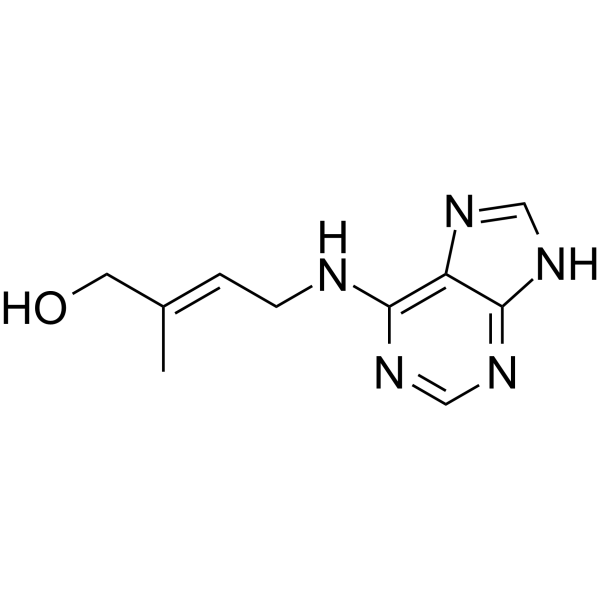
    trans-Zeatin
    3 Publications Verification

    Environmental Pollutants Endogenous Metabolite MEK ERK Others
    trans-Zeatin is a plant cytokinin, which plays an important role in cell growth, differentiation, and division; trans-Zeatin also inhibits UV-induced MEK/ERK activation.
    trans-Zeatin
  • HY-B1234

    Octyl methoxycinnamate

    Environmental Pollutants Estrogen Receptor/ERR Androgen Receptor Cytochrome P450 Thyroid Hormone Receptor Metabolic Disease Endocrinology
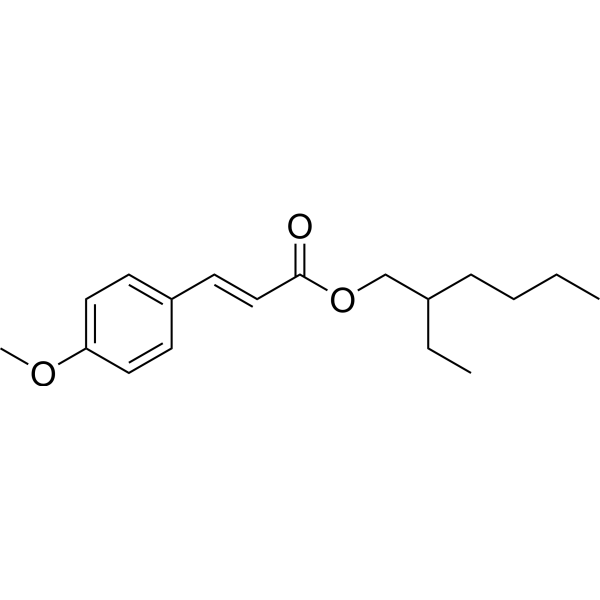
    Octinoxate (Octyl methoxycinnamate) is a thyroid hormone receptor agonist, reducing the levels of triiodothyronine (T3) and thyroxine (T4) and transcription levels of genes related to type II deiodinase (deio2) in Japanese Medaka. Octinoxate is commonly used as a safe ultraviolet (UV) filter used in the aquatic environment. Octinoxate inhibits CYP1A1 and CYP1B1 to regulate hyaluronan (HA) (HY-B0633A) metabolism in a PI3K pathway-dependent manner in human keratinocytes. Octinoxate also exhibits an anti-estrogenic and anti-androgenic effect in vitro and in vivo .
    Octinoxate
  • HY-B1398
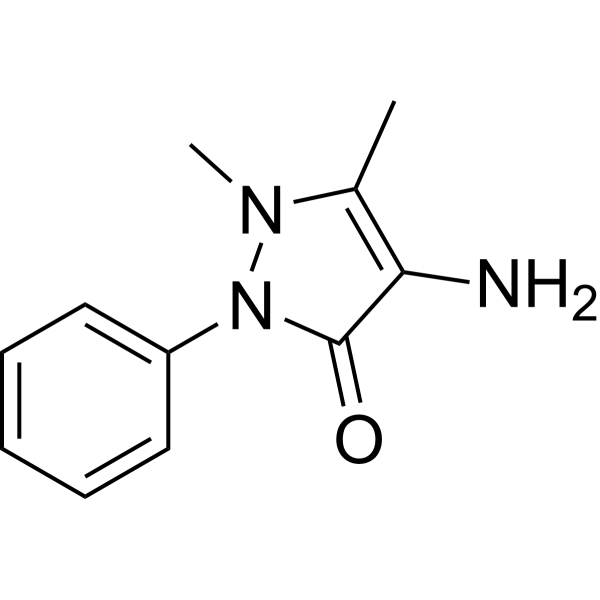
    Ampyrone
    1 Publications Verification

    4-Aminophenazone

    COX Drug Metabolite Neurological Disease Inflammation/Immunology Cancer
    Ampyrone (4-Aminophenazone; 4-Aminoantipyrine) is a reversible and low-damage optical clearing agent and non-selective COX inhibitor based on UV absorption properties. Ampyrone can improve the optical transmittance of mouse skin and other tissues. Ampyrone can induce tissue refractive index matching by enhancing UV absorption, reduce light scattering, and achieve tissue transparency in vivo. Ampyrone reduces the synthesis of prostaglandin PGE2, thereby exerting anti-inflammatory, analgesic and antipyretic effects. Ampyrone inhibits DNA damage, cell apoptosis and immune cell phagocytosis induced by Doxorubicin (HY-15142A) and Cisplatin (HY-17394), etc., and participates in the regulation of toxicity in tumor chemotherapy .
    Ampyrone
  • HY-N6821

    Drug Derivative Inflammation/Immunology Cancer
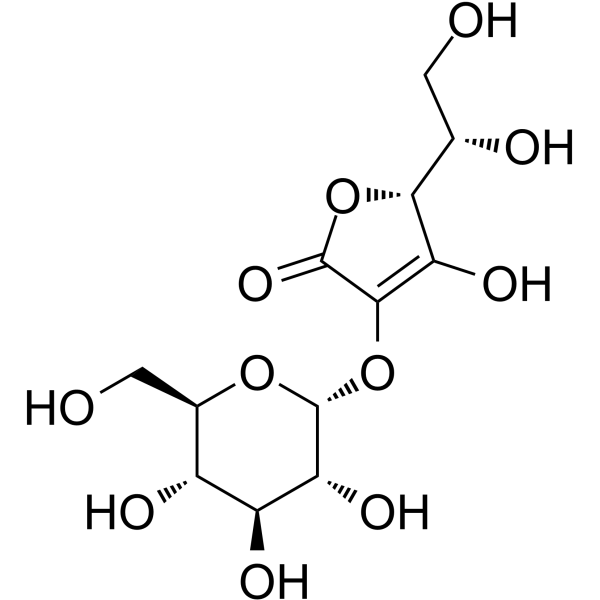
    2-O-α-D-Glucopyranosyl-L-ascorbic Acid is an orally active glucoside derivative of ascorbic acid. 2-O-α-D-Glucopyranosyl-L-ascorbic Acid can be hydrolyzed by α-glucosidase to release ascorbic acid. 2-O-α-D-Glucopyranosyl-L-ascorbic Acid inhibits melanin synthesis, prevents UV-induced cell damage, and promotes collagen synthesis in skin fibroblasts. 2-O-α-D-Glucopyranosyl-L-ascorbic Acid also induces oxidative stress to inhibit tumor growth. 2-O-α-D-Glucopyranosyl-L-ascorbic Acid can be used in research related to tumors, inflammation, and other conditions .
    2-O-α-D-Glucopyranosyl-L-ascorbic Acid
  • HY-P10533

    Tyrosinase Others
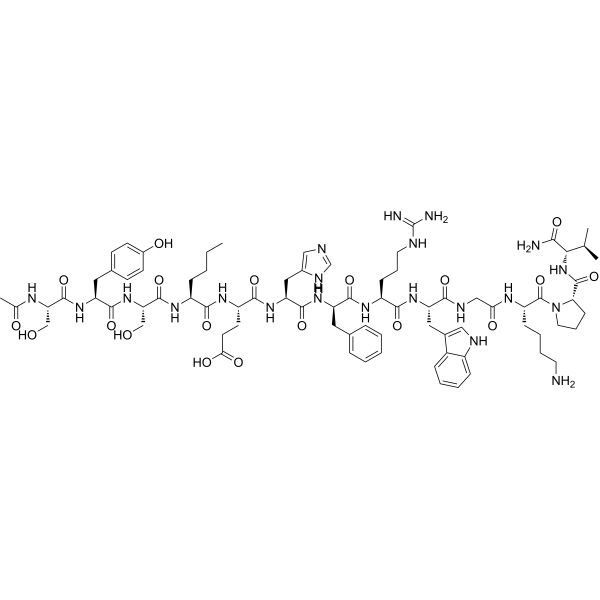
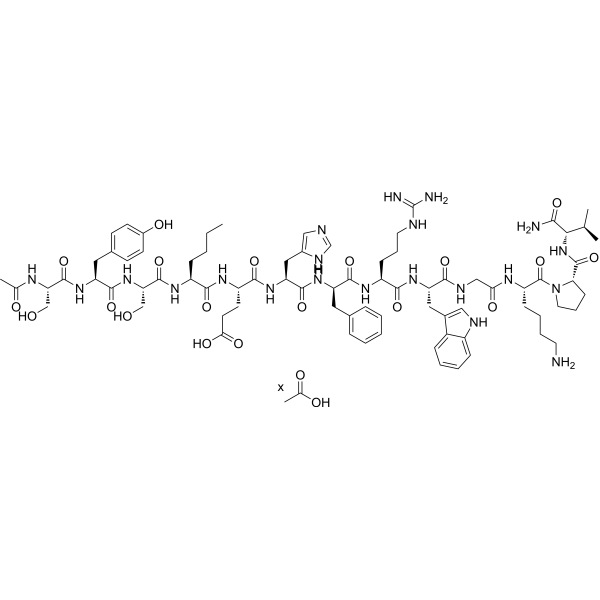
    Cysteine peptide is a tyrosinase inhibitor with skin-whitening, antioxidant and multi-regulatory activities. Cysteine peptide inhibits enzyme activity and blocks melanin transport, effectively reducing UV-B-induced skin erythema and pigmentation. Cysteine peptide synergistically maintains skin health by quenching ROS, resisting oxidative stress and promoting pheomelanin production. Cysteine peptide safely prevents daily ultraviolet damage and supports moderate sun exposure for vitamin D synthesis. Cysteine peptide also acts as a plant signaling factor to regulate vegetative growth, development and stress resistance responses .
    Cysteine peptide
  • HY-B1138
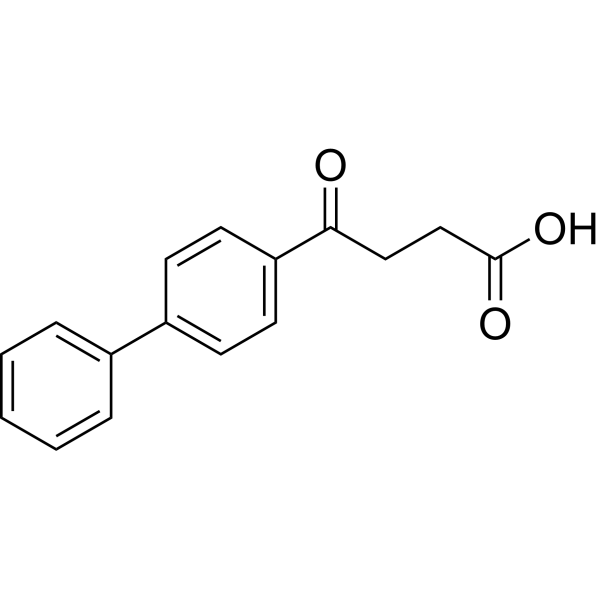
    Fenbufen
    1 Publications Verification

    CL-82204

    COX Caspase Infection Neurological Disease Inflammation/Immunology Cancer
    Fenbufen (CL-82204) is an orally active non-steroidal anti-inflammatory drug (NSAID), with analgetic and antipyretic effects. Fenbufen has potent activity in a variety of animal model, including carageenin edema, UV erythema and adjuvant arthritis. Fenbufen has inhibitory activities against COX-1 and COX-2 with IC50s of 3.9 μM and 8.1 μM, respectively. Fenbufen is a caspases (caspase-1, 3, 4, 5, 9) inhibitor .
    Fenbufen
  • HY-N5072
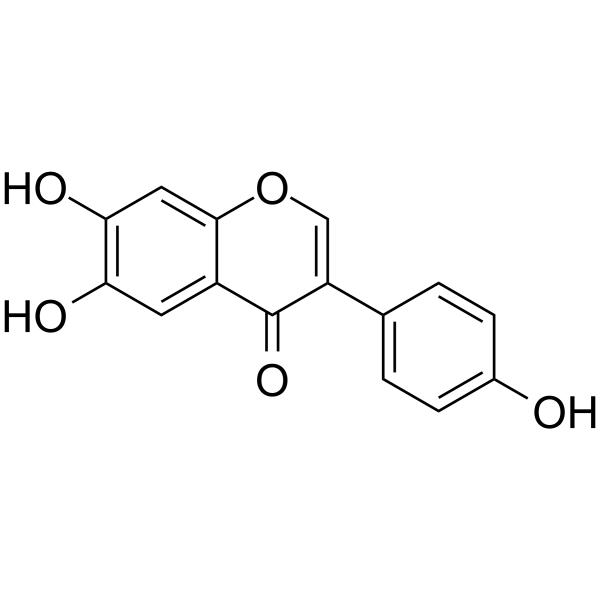
    Desmethylglycitein
    3 Publications Verification

    4',6,7-Trihydroxyisoflavone

    CDK PI3K PKC Cancer
    Desmethylglycitein (4',6,7-Trihydroxyisoflavone), a metabolite of daidzein, sourced from Glycine max with antioxidant, and anti-cancer activities. Desmethylglycitein binds directly to CDK1 and CDK2 in vivo, resulting in the suppresses CDK1 and CDK2 activity . Desmethylglycitein is a direct inhibitor of protein kinase C (PKC)α, against solar UV (sUV)-induced matrix matrix metalloproteinase 1 (MMP1) . Desmethylglycitein binds to PI3K in an ATP competitive manner in the cytosol, where it inhibits the activity of PI3K and downstream signaling cascades, leading to the suppression of adipogenesis in 3T3-L1 preadipocytes .
    Desmethylglycitein
  • HY-W014589
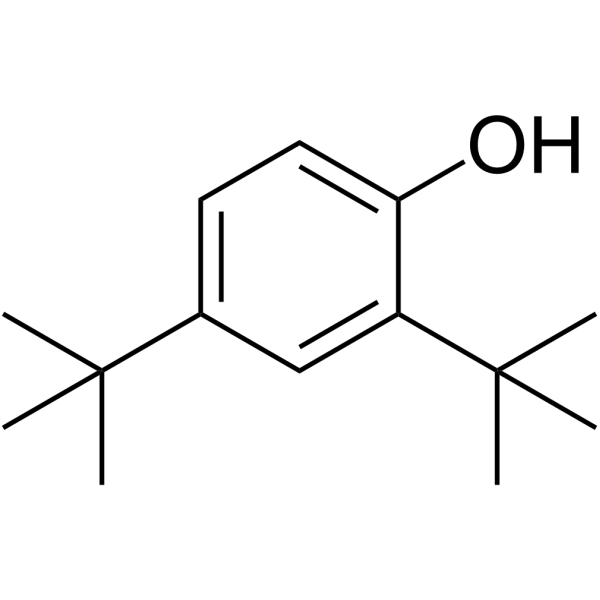
    2,4-Di-tert-butylphenol
    2 Publications Verification

    2,4-DTBP

    Endogenous Metabolite Fungal Apoptosis RAR/RXR Amyloid-β Infection Neurological Disease Inflammation/Immunology Cancer
    2,4-Di-tert-butylphenol (2,4-DTBP) is an orally active RXRα activator and a human estrogen receptor ligand with anti-inflammatory and antioxidant activities, which can induce apoptosis in tumor cells. 2,4-Di-tert-butylphenol can activate the RXRα subtype in LXRα/RXRα, PPARγ/RXRα, and hormone receptor β/RXRα. 2,4-Di-tert-butylphenol also has antiviral and antifungal activities and has the potential to inhibit -induced neurotoxicity. 2,4-Di-tert-butylphenol can be used as an intermediate in the preparation of antioxidants and UV stabilizers, and is also used in the manufacture of drugs and fragrances .
    2,4-Di-tert-butylphenol
  • HY-122198
    ML367
    1 Publications Verification

    Checkpoint Kinase (Chk) Cancer
    ML367 is a potent inhibitor of ATPase family AAA domain-containing protein 5 (ATAD5) stabilization, acts as a probe molecule that has low micromolar inhibitory activity. ML367 blocks DNA repair pathways, suppresses general DNA damage responses including RPA32-phosphorylation and CHK1-phosphorylation in response to UV irradiation .
    ML367
  • HY-126956

    Reactive Oxygen Species (ROS) MMP Collagen PPAR DNA/RNA Synthesis Apoptosis Caspase Metabolic Disease Inflammation/Immunology
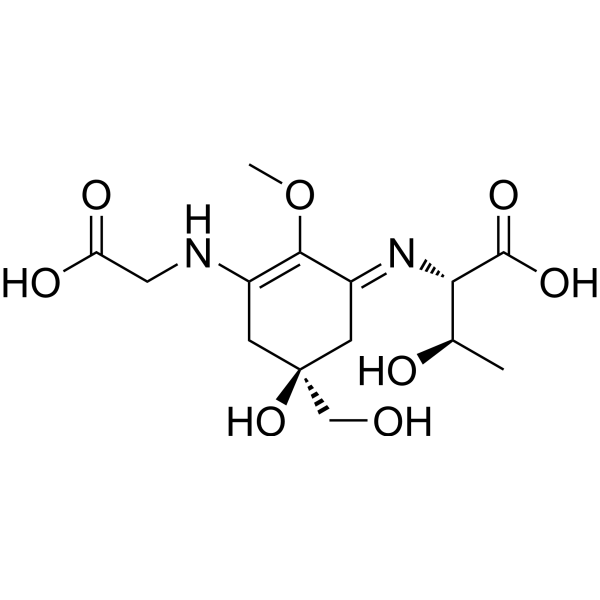
    Porphyra 334 is a carnosine-like amino acid and a natural photoprotective agent and antioxidant. Porphyra-334 exerts its photoprotective effects by scavenging ROS, inhibiting the expression and activity of MMP-1/8, and promoting the synthesis of collagen and elastin. Porphyra 334 effectively inhibits linoleic acid oxidation induced by alkyl radicals (AAPH) and singlet oxygen. Porphyra 334 has anti-obesity potential by inhibiting the expression of PPARγ2 and C/EBPα. Porphyra 334 protects cells against UV-induced DNA damage and apoptosis by inhibiting the activation of caspase-3 .
    Porphyra 334
  • HY-118020A

    Loliolid; Digiprolactone

    Endogenous Metabolite Caspase PI3K Apoptosis Akt Sirtuin Reactive Oxygen Species (ROS) NF-κB MMP Neurological Disease Cancer
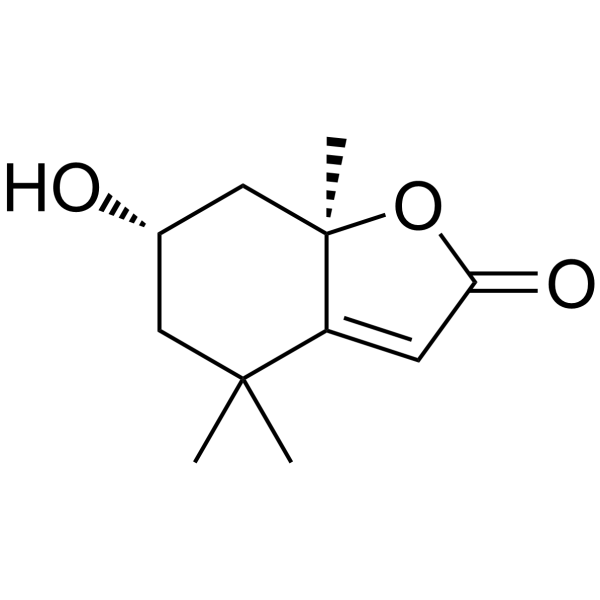
    Loliolide (Loliolid) is a β-carotene metabolite. Loliolide reduces caspase 3, 8, 9 expression, enhances PI3K, AKT, SIRT1, inhibits ROS, apoptosis, and blocks NF-κB p65 nuclear translocation. Loliolide protects mitochondria, reduces oxidative stress, and increases cell viability in neuroblastoma cells. Loliolide can be used for the research of UV-induced skin damage and Parkinson’s disease .
    Loliolide
  • HY-B0897
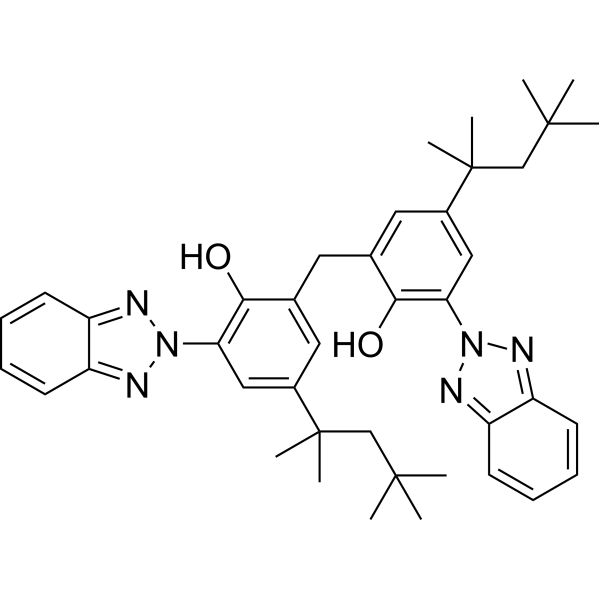
    Bisoctrizole
    1 Publications Verification

    Biochemical Assay Reagents Others
    Bisoctrizole is a broad-spectrum UVA/UVB absorber that belongs to the benzotriazole class of compounds. Bisoctrizole absorbs UV light through hydroxyphenyl groups, causing reversible electronic transitions, thereby converting light energy into heat energy, inhibiting UV-induced material or skin damage. Bisoctrizole is highly efficient in capturing UVA (320-400 nm) and some UVB (280-320 nm) radiation. Bisoctrizole delays the photodegradation of materials such as silicones, improving their UV aging resistance or enhancing the photoprotective ability of sunscreen products .
    Bisoctrizole
  • HY-19700S

    MEK ERK Endogenous Metabolite Others
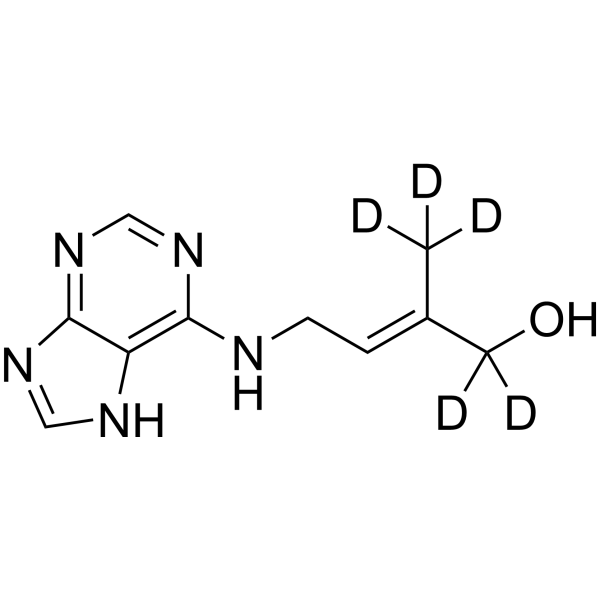
    trans-Zeatin-d5 is deuterium labeled trans-Zeatin. trans-Zeatin is a plant cytokinin, which plays an important role in cell growth, differentiation, and division; trans-Zeatin also inhibits UV-induced MEK/ERK activation.
    trans-Zeatin-d5
  • HY-B0006C

    (R)-BM 14190

    Adrenergic Receptor Calcium Channel Cardiovascular Disease Cancer
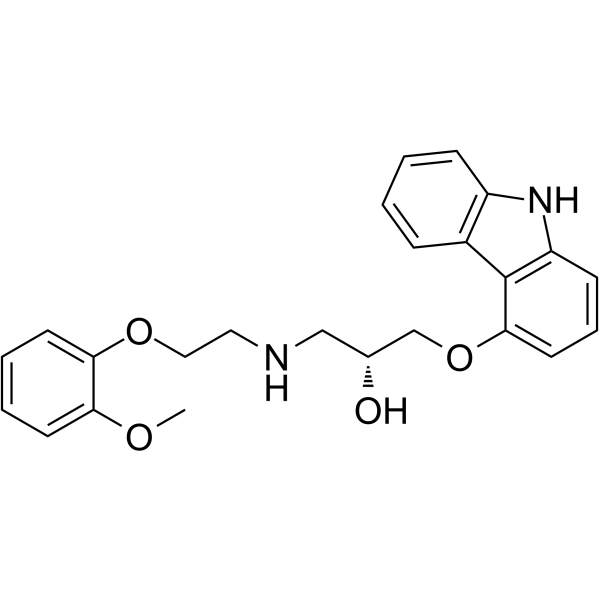
    (R)-Carvedilol ((R)-BM 14190) is the orally active R-isomer of Carvedilol (HY-B0006). (R)-Carvedilol has α-receptor blocking activity but no β-receptor blocking activity. (R)-Carvedilol inhibits spontaneous Ca 2+ waves. (R)-Carvedilol inhibits stress-induced ventricular tachycardia and delays the development of UV-induced skin tumors and reduces their malignancy .
    (R)-Carvedilol
  • HY-W583212

    ZnMP

    Biochemical Assay Reagents Heme Oxygenase (HO) Inflammation/Immunology
    Zn (II) Mesoporphyrin IX (ZnMP) is a heme oxygenase inhibitor with photochemical substrate activity. Zn (II) Mesoporphyrin IX specifically inhibits the activity of bone marrow heme oxygenase. In vitro, Zn (II) Mesoporphyrin IX inhibits the growth of erythroid and myeloid progenitor cells in rabbit bone marrow, and blocks the rhG-CSF-induced mobilization of these progenitor cells into the peripheral blood, exhibiting toxicity to hematopoietic growth and progenitor cell production in rabbits. Zn (II) Mesoporphyrin IX undergoes irreversible photochemical decomposition conforming to first-order kinetic characteristics when irradiated with UV-B in 95% ethanol solution. Zn (II) Mesoporphyrin IX can be used in hematopoietic regulation research, but its photolability and toxic effects on the hematopoietic system require attention .
    Zn(II) Mesoporphyrin IX
  • HY-W014223

    Ultraviolet absorber Uv-0

    Environmental Pollutants Toll-like Receptor (TLR) NF-κB Reactive Oxygen Species (ROS) MyD88 IRAK Inflammation/Immunology
    2,4′-Dihydroxybenzophenone (Ultraviolet absorber UV-0) occupies the hydrophobic pocket of MD2 and blocks the dimerization of TLR4. 2,4′-Dihydroxybenzophenone inhibits the LPS induced mtROS production, and LPS induced inflammatory response by downregulating pro-inflammatory mediators and decreasing the expression of MyD88, p-IRAK4, and NF-κB. 2,4′-Dihydroxybenzophenone is also a UV absorber .
    2,4′-Dihydroxybenzophenone
  • HY-N4096

    Others Inflammation/Immunology
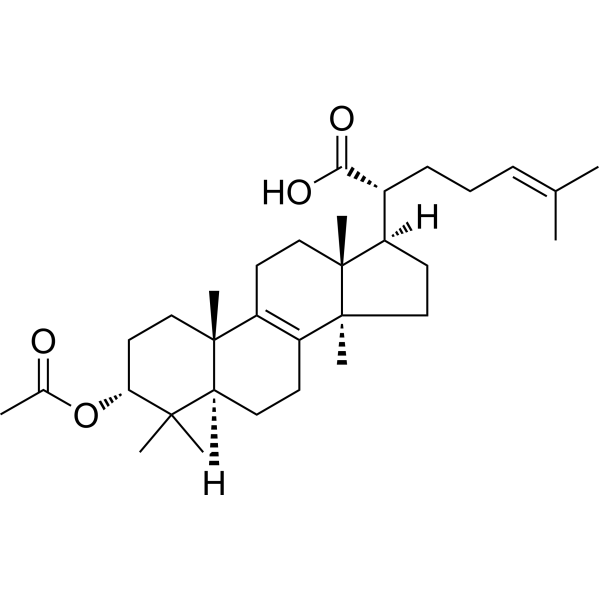
    Tsugaric acid A can significantly inhibit superoxide anion formation. Tsugaric acid A also protects human keratinocytes against damage induced by ultraviolet B (UV B) light. Tsugaric acid A can protect keratinocytes from photodamage.
    Tsugaric acid A
  • HY-143498

    DNA/RNA Synthesis Cancer
    ERCC1-XPF-IN-1 is a potent and high-affinity ERCC1-XPF inhibitor with IC50 value of 0.49 μM. ERCC1-XPF-IN-1 has the capacity to potentiate the cytotoxicity effect of UV radiation and inhibiting DAN repair, by the inhibition of removal of CPDs, and cyclophosphamide toxicity to colorectal cancer cells .
    ERCC1-XPF-IN-1
  • HY-113326

    trans-Phytoene

    Reactive Oxygen Species (ROS) Cancer
    Phytoene (trans-Phytoene) is a carotene pigment. Phytoene is the precursor of all carotenoids. Phytoene is the predominant PT isomer in most carotenogenic organisms. Phytoene can delay the skin tumors appearance and reduce their number in mice that are induced the tumors with UV-B light. Phytoene leads to protection against oxidative stress and malignant transformation. Phytoene inhibits the proliferation of breast cancer cells .
    Phytoene
  • HY-W014589R

    2,4-DTBP (Standard)

    Reference Standards Endogenous Metabolite Fungal Apoptosis RAR/RXR Amyloid-β Infection Neurological Disease Inflammation/Immunology Cancer
    2,4-Di-tert-butylphenol (Standard) is the analytical standard of 2,4-Di-tert-butylphenol (HY-W014589). This product is intended for research and analytical applications. 2,4-Di-tert-butylphenol (2,4-DTBP) is an orally active RXRα activator and a human estrogen receptor ligand with anti-inflammatory and antioxidant activities, which can induce apoptosis in tumor cells. 2,4-Di-tert-butylphenol can activate the RXRα subtype in LXRα/RXRα, PPARγ/RXRα, and hormone receptor β/RXRα. 2,4-Di-tert-butylphenol also has antiviral and antifungal activities, and has the potential to inhibit -induced neurotoxicity. 2,4-Di-tert-butylphenol can be used as an intermediate in the preparation of antioxidants and UV stabilizers, and is also used in the manufacture of pharmaceuticals and fragrances .
    2,4-Di-tert-butylphenol (Standard)
  • HY-W749327

    2,4-DTBP-d21

    Isotope-Labeled Compounds RAR/RXR Amyloid-β Fungal Apoptosis Endogenous Metabolite Infection Neurological Disease Inflammation/Immunology Cancer
    2,4-Di-tert-butylphenol-d21 (2,4-DTBP-d21) is the deuterium labeled 2,4-Di-tert-butylphenol (HY-W014589). 2,4-Di-tert-butylphenol (2,4-DTBP) is an orally active RXRα activator and a human estrogen receptor ligand with anti-inflammatory and antioxidant activities, which can induce apoptosis in tumor cells. 2,4-Di-tert-butylphenol can activate the RXRα subtype in LXRα/RXRα, PPARγ/RXRα, and hormone receptor β/RXRα. 2,4-Di-tert-butylphenol also has antiviral and antifungal activities and has the potential to inhibit Aβ-induced neurotoxicity. 2,4-Di-tert-butylphenol can be used as an intermediate in the preparation of antioxidants and UV stabilizers, and is also used in the manufacture of drugs and fragrances .
    2,4-Di-tert-butylphenol-d21
  • HY-D0272

    Estrogen Receptor/ERR Metabolic Disease
    2,3,4-Trihydroxybenzophenone is a hydroxylated benzophenone UV filter with estrogenic activity. 2,3,4-Trihydroxybenzophenone is a quorum sensing inhibitor and an EC 1.14.18.1 (tyrosinase) inhibitor. 2,3,4-Trihydroxybenzophenone is also a human urinary metabolite, a rat metabolite and a drug metabolite .
    2,3,4-Trihydroxybenzophenone
  • HY-N9783

    B2-3′-G; Epicatechin-(4β,8)-epicatechin gallate

    Xanthine Oxidase Metabolic Disease Inflammation/Immunology
    Procyanidin B2 3′-O-gallate (B2-3′-G), isolated from Rhodiola crenulata extracts, is a potent xanthine oxidase (XO) inhibitor (IC50 = 24.24 μM, Ki = 6.16 μM). Procyanidin B2 3′-O-gallate has antioxidant activity and reduces the formation of UV-induced α-tocopheroxyl. Procyanidin B2 3′-O-gallate can be used for hyperuricemia and gout research .
    Procyanidin B2 3′-O-gallate
  • HY-B1398R
    Ampyrone (Standard)
    1 Publications Verification

    4-Aminophenazone (Standard)

    Reference Standards COX Drug Metabolite Neurological Disease Inflammation/Immunology Cancer
    Ampyrone (4-Aminophenazone) (Standard) is the analytical standard of Ampyrone (HY-B1398). This product is intended for research and analytical applications. Ampyrone (4-Aminophenazone; 4-Aminoantipyrine) is a reversible and low-damage optical clearing agent and non-selective COX inhibitor based on UV absorption properties. Ampyrone can improve the optical transmittance of mouse skin and other tissues. Ampyrone can induce tissue refractive index matching by enhancing UV absorption, reduce light scattering, and achieve tissue transparency in vivo. Ampyrone reduces the synthesis of prostaglandin PGE2, thereby exerting anti-inflammatory, analgesic and antipyretic effects. Ampyrone inhibits DNA damage, cell apoptosis and immune cell phagocytosis induced by Doxorubicin (HY-15142A) and Cisplatin (HY-17394), etc., and participates in the regulation of toxicity in tumor chemotherapy .
    Ampyrone (Standard)
  • HY-19700R

    Reference Standards MEK ERK Endogenous Metabolite Others
    trans-Zeatin (Standard) is the analytical standard of trans-Zeatin. This product is intended for research and analytical applications. trans-Zeatin is a plant cytokinin, which plays an important role in cell growth, differentiation, and division; trans-Zeatin also inhibits UV-induced MEK/ERK activation.
    trans-Zeatin (Standard)
  • HY-W704878

    Isotope-Labeled Compounds COMT Metabolic Disease
    (Z)-Entacapone-d10-1 is the deuterium labeled (Z)-Entacapone (HY-139089). (Z)-Entacapone is a metabolite of the catechol-O-methyltransferase (COMT) inhibitor Entacapone (HY-14280). It is also a potential impurity found in commercial preparations of Entacapone and a degradant of Entacapone formed by UV light exposure.
    (Z)-Entacapone-d10-1
  • HY-N5072R

    4',6,7-Trihydroxyisoflavone (Standard)

    Reference Standards CDK PI3K PKC Cancer
    Desmethylglycitein (4',6,7-Trihydroxyisoflavone), a metabolite of daidzein, sourced from Glycine max with antioxidant, and anti-cancer activities. Desmethylglycitein binds directly to CDK1 and CDK2 in vivo, resulting in the suppresses CDK1 and CDK2 activity . Desmethylglycitein is a direct inhibitor of protein kinase C (PKC)α, against solar UV (sUV)-induced matrix matrix metalloproteinase 1 (MMP1) . Desmethylglycitein binds to PI3K in an ATP competitive manner in the cytosol, where it inhibits the activity of PI3K and downstream signaling cascades, leading to the suppression of adipogenesis in 3T3-L1 preadipocytes .
    Desmethylglycitein (Standard)
  • HY-B1234S

    Cytochrome P450 Thyroid Hormone Receptor Androgen Receptor Estrogen Receptor/ERR Isotope-Labeled Compounds Metabolic Disease Endocrinology
    Octinoxate-13C,d3 is the deuterium labeled Octinoxate (HY-W245806). Octinoxate (Octyl methoxycinnamate) is a thyroid hormone receptor agonist, reducing the levels of triiodothyronine (T3) and thyroxine (T4) and transcription levels of genes related to type II deiodinase (deio2) in Japanese Medaka. Octinoxate is commonly used as a safe ultraviolet (UV) filter used in the aquatic environment. Octinoxate inhibits CYP1A1 and CYP1B1 to regulate hyaluronan (HA) (HY-B0633A) metabolism in a PI3K pathway-dependent manner in human keratinocytes. Octinoxate also exhibits an anti-estrogenic and anti-androgenic effect in vitro and in vivo .
    Octinoxate-13C,d3
  • HY-W014223R

    Ultraviolet absorber Uv-0 (Standard)

    Reference Standards Toll-like Receptor (TLR) Reactive Oxygen Species (ROS) MyD88 IRAK NF-κB Inflammation/Immunology
    2,4′-Dihydroxybenzophenone (Standard) is the analytical standard of 2,4′-Dihydroxybenzophenone. This product is intended for research and analytical applications. 2,4′-Dihydroxybenzophenone (Ultraviolet absorber UV-0) occupies the hydrophobic pocket of MD2 and blocks the dimerization of TLR4. 2,4′-Dihydroxybenzophenone inhibits the LPS induced mtROS production, and LPS induced inflammatory response by downregulating pro-inflammatory mediators and decreasing the expression of MyD88, p-IRAK4, and NF-κB. 2,4′-Dihydroxybenzophenone is also a UV absorber .
    2,4′-Dihydroxybenzophenone (Standard)
  • HY-B0897R

    Reference Standards Biochemical Assay Reagents Others
    Bisoctrizole (Standard) is the analytical standard of Bisoctrizole (HY-B0897). This product is intended for research and analytical applications. Bisoctrizole is a broad-spectrum UVA/UVB absorber that belongs to the benzotriazole class of compounds. Bisoctrizole absorbs UV light through hydroxyphenyl groups, causing reversible electronic transitions, thereby converting light energy into heat energy, inhibiting UV-induced material or skin damage. Bisoctrizole is highly efficient in capturing UVA (320-400 nm) and some UVB (280-320 nm) radiation. Bisoctrizole delays the photodegradation of materials such as silicones, improving their UV aging resistance or enhancing the photoprotective ability of sunscreen products .
    Bisoctrizole (Standard)
  • HY-139089

    COMT Metabolic Disease
    (Z)-Entacapone is a metabolite of the catechol-O-methyltransferase (COMT) inhibitor Entacapone (HY-14280). It is also a potential impurity found in commercial preparations of Entacapone and a degradant of Entacapone formed by UV light exposure.
    (Z)-Entacapone
  • HY-N13188

    Michelioside A

    Glycosidase Cancer
    2'-Rhamnoechinacoside (Michelioside A), a compound of phenylethanoid glycosides, is a α-glucosidase inhibitor with anti-tumor activity, which is derived from Phlomis stewartii. 2'-Rhamnoechinacoside can be used for research of UV-absorbing and cancers .
    2'-Rhamnoechinacoside
  • HY-N15444

    Fungal Infection Inflammation/Immunology
    Bullatenone is a volatile bioactive compound that can be found in Lophomyrtus bullata. It has insect - repellent, anti - ulcer, anti - UV, and antifungal activities. Bullatenone can inhibit the growth of fungi such as Candida albicans and Cladosporium resinae. Bullatenone can be used in the research of diseases such as inflammation and infections .
    Bullatenone
  • HY-B1398S

    4-Aminoantipyrine-d3

    Isotope-Labeled Compounds COX Drug Metabolite Neurological Disease Inflammation/Immunology Cancer
    Ampyrone-d3 is the deuterium labeled Ampyrone (HY-B1398). Ampyrone (4-Aminophenazone; 4-Aminoantipyrine) is a reversible and low-damage optical clearing agent and non-selective COX inhibitor based on UV absorption properties. Ampyrone can improve the optical transmittance of mouse skin and other tissues. Ampyrone can induce tissue refractive index matching by enhancing UV absorption, reduce light scattering, and achieve tissue transparency in vivo. Ampyrone reduces the synthesis of prostaglandin PGE2, thereby exerting anti-inflammatory, analgesic and antipyretic effects. Ampyrone inhibits DNA damage, cell apoptosis and immune cell phagocytosis induced by Doxorubicin (HY-15142A) and Cisplatin (HY-17394), etc., and participates in the regulation of toxicity in tumor chemotherapy .
    Ampyrone-d3
  • HY-155996

    PI3K Apoptosis Cancer
    FD2157 is a photosensitive PI3K inhibitor, with IC50s of 43 nM, 83 nM, 84 nM, 14 nM for PI3Kα, PI3Kβ, PI3Kγ, PI3Kδ respectively. FD2157 potently inhibits cancer cell proliferation and induces cell apoptosis when exposed to 365 nm UV light .
    FD2157
  • HY-118205

    Bacterial Infection
    SCH-538415 is a novel acyl carrier protein synthase inhibitor isolated from an unknown bacterial microorganism. The structural elucidation of compound 1 was completed by analyzing spectral data including UV, MS and 2D-NMR spectra. Compound 1 showed inhibitory activity in the acyl carrier protein synthase (AcpS) test with an IC50 value of 4.19 μM and exhibited antibacterial activity against Staphylococcus aureus in the agar diffusion test.
    SCH-538415
  • HY-B0006CS

    (R)-BM 14190-d4

    Isotope-Labeled Compounds Adrenergic Receptor Calcium Channel Cardiovascular Disease Cancer
    (R)-Carvedilol-d4 is deuterium labeled (R)-Carvedilol (HY-B0006C). (R)-Carvedilol ((R)-BM 14190) is the orally active R-isomer of Carvedilol (HY-B0006). (R)-Carvedilol has α-receptor blocking activity but no β-receptor blocking activity. (R)-Carvedilol inhibits spontaneous Ca 2+ waves. (R)-Carvedilol inhibits stress-induced ventricular tachycardia and delays the development of UV-induced skin tumors and reduces their malignancy .
    (R)-Carvedilol-d4
  • HY-155730

    PI3K Cancer
    PI3K-IN-41 (compound 2) is a photocaged compound, as well as a photocaged PI3K inhibitor (IC50=18.92 nM) with anticancer properties. PI3K-IN-41 has potential to be used in precisely controlled cancer therapeutics. PI3K-IN-41 exhibits potent PI3K ihibition upon UV light irradiation, and enhances antitumor effect .
    PI3K-IN-41
  • HY-B1138R

    CL-82204 (Standard)

    Reference Standards COX Caspase Inflammation/Immunology
    Fenbufen (Standard) is the analytical standard of Fenbufen. This product is intended for research and analytical applications. Fenbufen (CL-82204) is an orally active non-steroidal anti-inflammatory drug (NSAID), with analgetic and antipyretic effects. Fenbufen has potent activity in a variety of animal model, including carageenin edema, UV erythema and adjuvant arthritis. Fenbufen has inhibitory activities against COX-1 and COX-2 with IC50s of 3.9 μM and 8.1 μM, respectively. Fenbufen is a caspases (caspase-1, 3, 4, 5, 9) inhibitor .
    Fenbufen (Standard)
  • HY-B1138S

    Isotope-Labeled Compounds COX Caspase Inflammation/Immunology
    Fenbufen-d9 (CL-82204-d9) is the deuterium labeled Fenbufen. Fenbufen (CL-82204) is an orally active non-steroidal anti-inflammatory drug (NSAID), with antipyretic effects. Fenbufen has potent activity in a variety of animal model, including carageenin edema, UV erythema and adjuvant arthritis. Fenbufen has inhibitory activities against COX-1 and COX-2 with IC50s of 3.9 μM and 8.1 μM, respectively. Fenbufen is a caspases (caspase-1, 3, 4, 5, 9) inhibitor .
    Fenbufen-d9
  • HY-113621B

    Fluorescent Dye MMP Cancer
    Ageladine A dihydrochloride is an inhibitor of matrix metalloproteinase (MMP) isolated from the marine sponge Agelas nakamurai, possessing anti-angiogenic activity. Ageladine A dihydrochloride not only inhibits MMP-2 but also MMP-1, MMP-8, MMP-9, MMP-12, and MMP-13, with IC50 values of 4.65 μM, 2.79 μM, 907.12 nM, 1.83 μM, 767.57 nM, and 1.09 μM, respectively. Additionally, Ageladine A dihydrochloride is a pH-sensitive membrane-permeable dye that emits fluorescence in the blue-green range upon UV excitation, featuring a maximum absorption peak at 370 nm. Furthermore, Ageladine A dihydrochloride serves as a reliable and stable fluorescent pH sensor for detecting changes in intracellular pH values .
    Ageladine A dihydrochloride
  • HY-W713284

    Isotope-Labeled Compounds Cytochrome P450 Estrogen Receptor/ERR Androgen Receptor Thyroid Hormone Receptor Endocrinology
    2-Ethylhexyl (E)-3-(4-(methoxy-d3)phenyl)acrylate is the deuterium labeled Octinoxate (HY-B1234). Octinoxate (Octyl methoxycinnamate) is a thyroid hormone receptor agonist, reducing the levels of triiodothyronine (T3) and thyroxine (T4) and transcription levels of genes related to type II deiodinase (deio2) in Japanese Medaka. Octinoxate is commonly used as a safe ultraviolet (UV) filter used in the aquatic environment. Octinoxate inhibits CYP1A1 and CYP1B1 to regulate hyaluronan (HA) (HY-B0633A) metabolism in a PI3K pathway-dependent manner in human keratinocytes. Octinoxate also exhibits an anti-estrogenic and anti-androgenic effect in vitro and in vivo .
    2-Ethylhexyl (E)-3-(4-(methoxy-d3)phenyl)acrylate
  • HY-W014589S

    2,4-DTBP-d19

    Isotope-Labeled Compounds RAR/RXR Amyloid-β Fungal Apoptosis Endogenous Metabolite Infection Neurological Disease Inflammation/Immunology Cancer
    2,4-Di-tert-butylphenol-d19 (2,4-DTBP-d19) is the deuterium labeled 2,4-Di-tert-butylphenol (HY-W014589). 2,4-Di-tert-butylphenol (2,4-DTBP) is an orally active RXRα activator and a human estrogen receptor ligand with anti-inflammatory and antioxidant activities, which can induce apoptosis in tumor cells. 2,4-Di-tert-butylphenol can activate the RXRα subtype in LXRα/RXRα, PPARγ/RXRα, and hormone receptor β/RXRα. 2,4-Di-tert-butylphenol also has antiviral and antifungal activities and has the potential to inhibit Aβ-induced neurotoxicity. 2,4-Di-tert-butylphenol can be used as an intermediate in the preparation of antioxidants and UV stabilizers, and is also used in the manufacture of drugs and fragrances .
    2,4-Di-tert-butylphenol-d19
  • HY-19878

    RAR/RXR Inflammation/Immunology
    Seletinoid G is a retinoic acid receptor (RAR) agonist. Seletinoid G can repair altered connective tissue in old skin and inhibit UV-induced collagen deficiency in young skin. Seletinoid G can be used for skin aging and photoaging research .
    Seletinoid G
  • HY-108023

    MON-​DNJ hydrochloride; Uv4 hydrochloride

    Influenza Virus Dengue Virus Infection
    SP187 hydrochloride (MON-DNJ hydrochloride; UV4 hydrochloride) is an orally active, host-targeting iminosaccharide against filovirus infection. SP187 hydrochloride inhibits endoplasmic reticulum glucosidase. SP187 hydrochloride exhibits antiviral and Dengue Virus activity in vivo. SP187 hydrochloride can be used in antiviral and dengue research .
    SP187 hydrochloride
  • HY-183342

    NO Synthase Drug Derivative Metabolic Disease
    DHEA Benzophenone-biotin is a photoactive DHEA (HY-14650) analog containing Biotin (HY-B0511) and Benzophenone (HY-Y0546) groups. DHEA Benzophenone-biotin inhibits plasma membrane binding of DHEA, activates endothelial NO synthase. DHEA Benzophenone-biotin cross-links to plasma membrane DHEA binding sites upon UV irradiation to identify associated proteins .
    DHEA Benzophenone-biotin
  • HY-W130288

    5-HT Receptor Adenylate Cyclase Apoptosis Reactive Oxygen Species (ROS) Cancer
    1-(1-Naphthyl)piperazine is a 5-HT receptor modulator that acts as both a 5-HT2A receptor antagonist and 5-HT1A receptor agonist, and binds to human 5-HT6 receptor with a Ki of 120 nM. 1-(1-Naphthyl)piperazine partially inhibits forskolin-stimulated adenylate cyclase activity in calf substantia nigra. 1-(1-Naphthyl)piperazine inhibits UV-induced immunosuppression. 1-(1-Naphthyl)piperazine induces S-phase cell cycle delay, apoptosis and increases ROS levels, leading to inhibit MNT-1 cell proliferation. 1-(1-Naphthyl)piperazine can be used for melanoma research .
    1-(1-Naphthyl)piperazine

Inquiry Online

Your information is safe with us. * Required Fields.

Salutation


Country or Region *

Applicant Name *


Organization Name *

Department *


Email Address *


Product Name *

Cat. No.


Requested quantity *

Phone Number *


Remarks

Inquiry Online

Inquiry Information

Product Name:
Cat. No.:
Quantity:
MCE Japan Authorized Agent:

