1. Search Result
Search Result
Results for "

aminoacyl-tRNA

" in MedChemExpress (MCE) Product Catalog:

48

阻害剤およびアゴニスト

16

ペプチド

1

阻害性抗体

7

天然物

2

組換えタンパク質

2

同位体標識化合物

1

抗体

1

オリゴヌクレオチド

Targets Recommended:
製品番号 製品名 Target 研究分野 構造式
  • HY-B1327
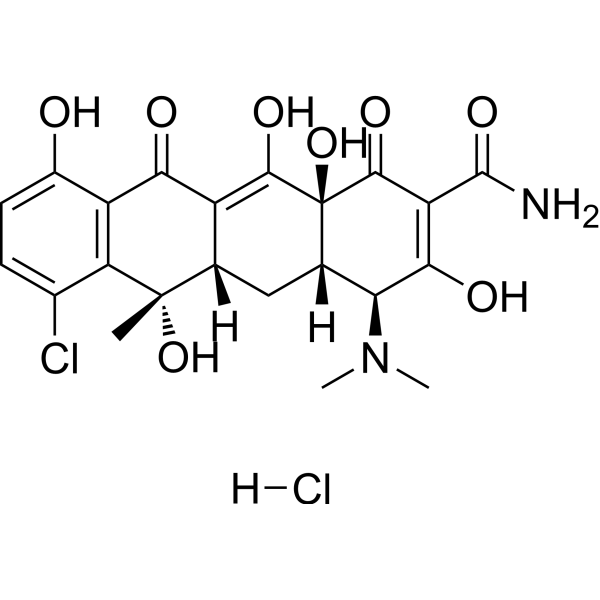
    Chlortetracycline hydrochloride
    Maximum Cited Publications
    7 Publications Verification

    7-Chlorotetracycline hydrochloride

    Bacterial Antibiotic Parasite Infection Inflammation/Immunology
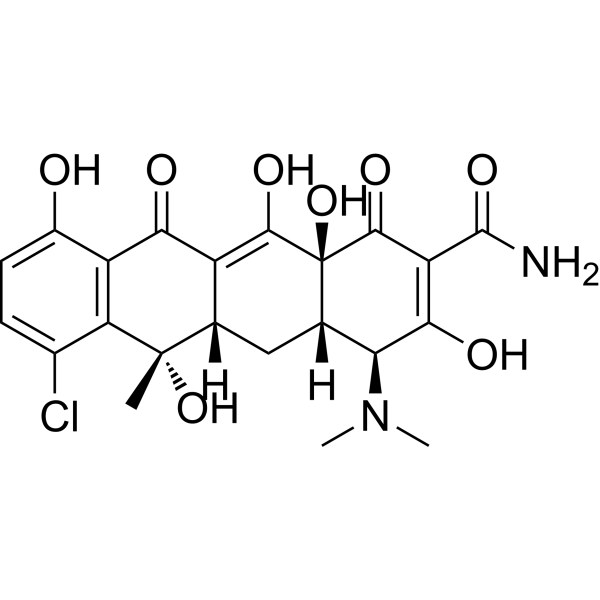
    Chlortetracycline hydrochloride (7-Chlorotetracycline hydrochloride) is an orally active, effective and selectively methanogenic bacteria inhibitor with bactericidal effects. Chlortetracycline hydrochloride is also a antibiotic that acts by inhibiting bacterial protein synthesis. Additionally, Chlortetracycline hydrochloride is a specific and potent calcium ionophore antibiotic, inhibiting binding of aminoacyl-tRNA to ribosomes .
    Chlortetracycline hydrochloride
  • HY-17466

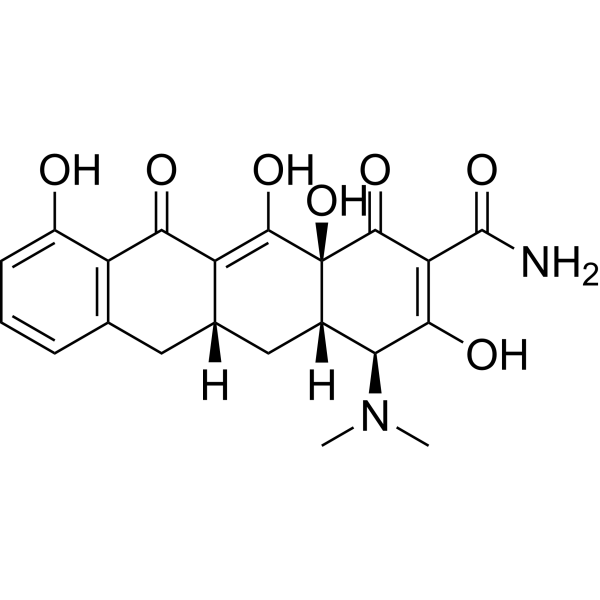
    Bonomycin; 6-Demethyl-6-deoxytetracycline

    Bacterial Antibiotic Metabolic Disease Inflammation/Immunology
    Sancycline (6-Demethyl-6-deoxytetracycline) acts by reversibly binding to the 30 S ribosomal subunit and inhibiting protein translation by blocking entry of aminoacyl-tRNA into the ribosome a site similar to tetracycline (HY-A0107). Sancycline, four linearly fused six-membered rings with four stereocenters, is a rare semi-synthetic tetracycline (HY-A0107) prepared by hydrogenolysis of the chloro and benzylic hydroxy moieties of Declomycin .
    Sancycline
  • HY-17560
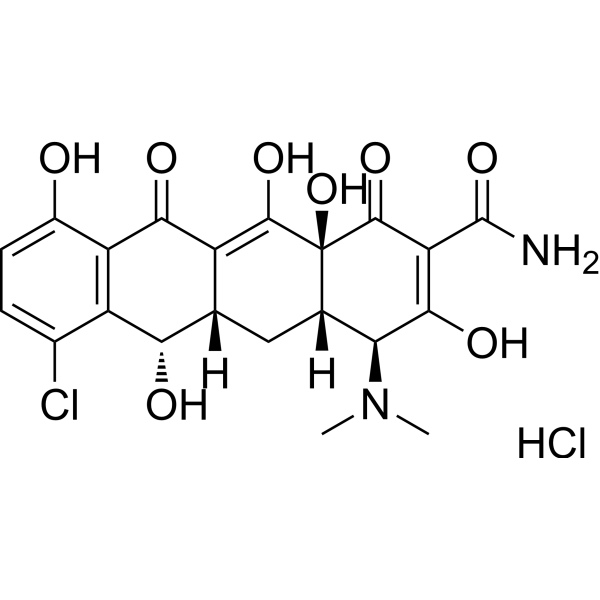
    Demeclocycline hydrochloride
    5 Publications Verification

    Antibiotic Bacterial Infection Inflammation/Immunology Cancer
    Demeclocycline hydrochloride is an orally active tetracycline antibiotic that inhibits the binding of aminoacyl tRNA by binding to the 30S ribosomal subunit, thereby affecting protein synthesis. Demeclocycline hydrochloride exhibits antibacterial activity against a broad spectrum of bacterial infections .
    Demeclocycline hydrochloride
  • HY-P4070

    Insulin Receptor Metabolic Disease
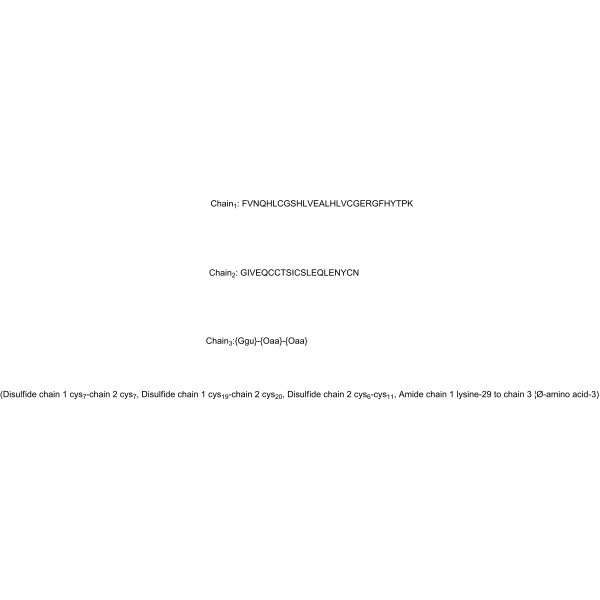
    Insulin icodec is an Insulin (HY-P0035) analog that strongly but reversibly binds to albumin. Insulin icodec has long plasma half-life. Insulin icodec modulates insulin receptor activity, controls blood glucose levels, reduces HbA1c levels, and binds reversibly to human serum albumin. Insulin icodec can be used for the research of type 2 diabetes mellitus .
    Insulin icodec
  • HY-108939

    IleSA

    Bacterial Aminoacyl-tRNA Synthetase Infection
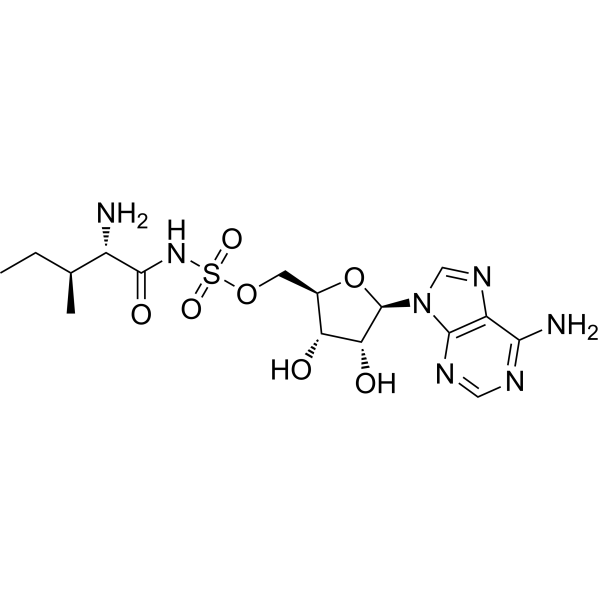
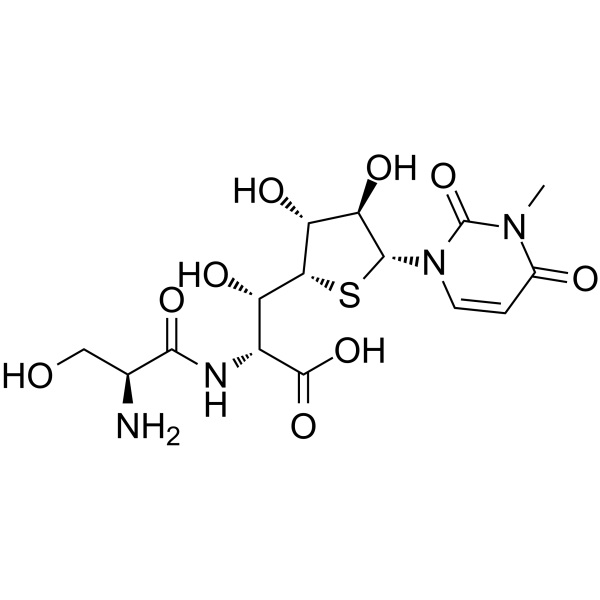
    Aminoacyl tRNA synthetase-IN-1 (IleSA) is an inhibitor of bacterial aminoacyl-tRNA synthetase (aaRS). Aminoacyl tRNA synthetase-IN-1 is applicable to studies on bacterial infections .
    Aminoacyl tRNA synthetase-IN-1
  • HY-B1327A

    7-Chlorotetracycline

    Bacterial Antibiotic Parasite Infection Inflammation/Immunology
    Chlortetracycline (7-Chlorotetracycline) is an orally active, effective and selectively methanogenic bacteria inhibitor with bactericidal effects. Chlortetracycline is also a antibiotic that acts by inhibiting bacterial protein synthesis. Additionally, Chlortetracycline is a specific and potent calcium ionophore antibiotic, inhibiting binding of aminoacyl-tRNA to ribosomes .
    Chlortetracycline
  • HY-111648

    Nucleoside Antimetabolite/Analog Others
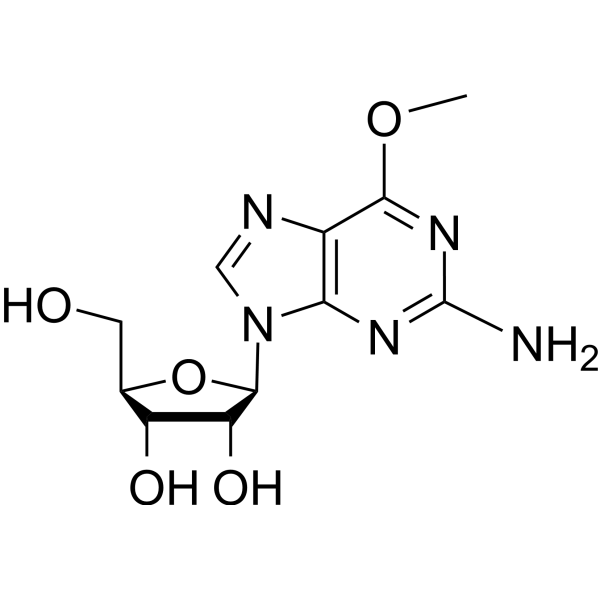
    6-O-Methyl Guanosine is a Ribonucleoside. Replacement of the conserved G5, G8 or G12 residues in hammerhead ribozymes with 6-O-Methyl Guanosine reduces kcat without altering Km. 6-O-Methyl Guanosine exerts position-dependent regulatory effects on ribosomal velocity and fidelity. When 6-O-Methyl Guanosine is located at the first or third position of a codon, it decreases the accuracy of tRNA selection. When 6-O-Methyl Guanosine is located at the second position of a codon, it slows down the peptide bond formation rate of cognate aminoacyl-tRNA but does not change the reaction rate of near-cognate aminoacyl-tRNA .
    6-O-Methyl Guanosine
  • HY-121268
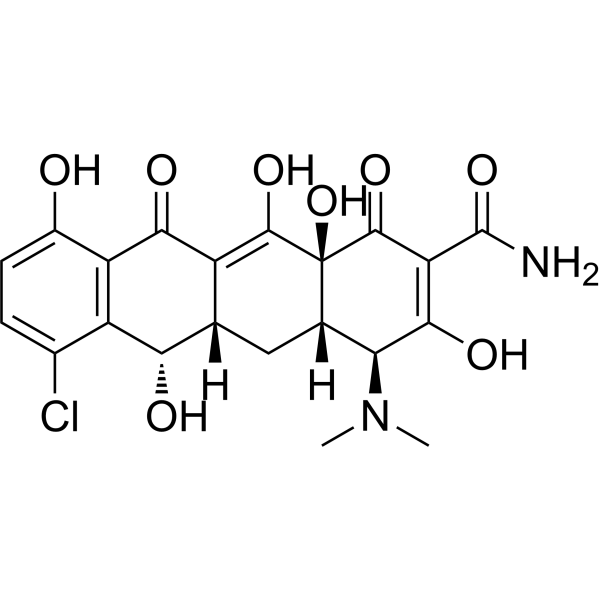
    Demeclocycline
    5 Publications Verification

    Antibiotic Bacterial Infection Inflammation/Immunology Cancer
    Demeclocycline is an orally active tetracycline antibiotic. Demeclocycline impairs protein synthesis by binding to the 30S ribosomal subunit to inhibit binding of aminoacyl tRNA. Demeclocycline shows anti-bacterial activitise to a wide variety of bacterial infections .
    Demeclocycline
  • HY-112861
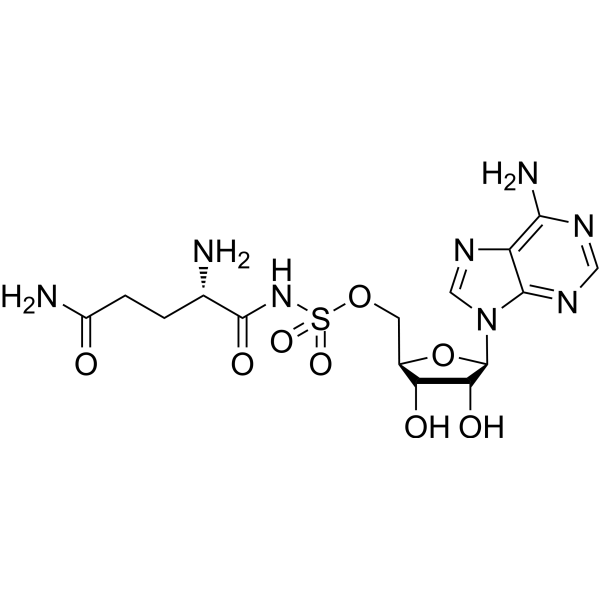
    Gln-AMS
    3 Publications Verification

    Aminoacyl-tRNA Synthetase Bacterial Infection
    Gln-AMS is an aminoacyl-tRNA synthetases (AARS) inhibitor, which binds the A-domain within the NRPS enzymes.
    Gln-AMS
  • HY-P5362

    Radionuclide-Drug Conjugates (RDCs) Somatostatin Receptor Neurological Disease Cancer
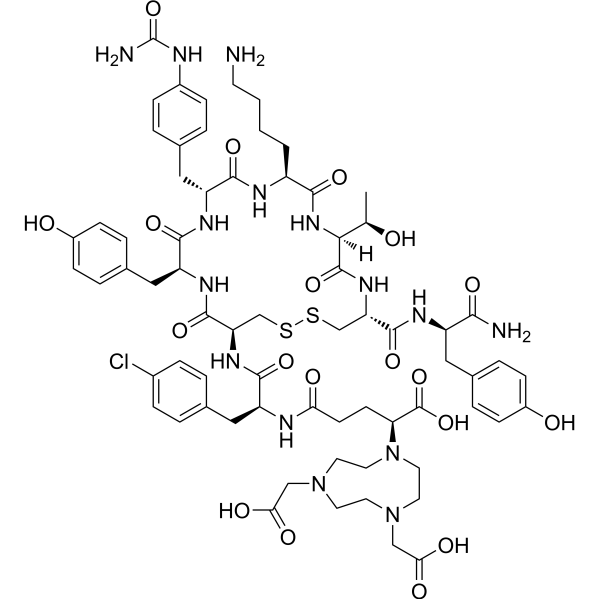
    NODAGA-LM3 is a ligand that can cross the blood-brain barrier and targets somatostatin receptor SSTR2 with high affinity (IC50 = 1.3 nM). NODAGA-LM3 does not trigger the internalization of SSTR2 and can inhibit agonist-induced internalization processes. NODAGA-LM3 shows low uptake in normal tissues such as the liver and spleen, but high uptake in the lungs and blood pool. 68Ga-labeled NODAGA-LM3 can serve as a PET imaging agent for well-differentiated neuroendocrine tumors, and is applied in studies related to small cell lung cancer and well-differentiated neuroendocrine tumors .
    NODAGA-LM3
  • HY-N6680
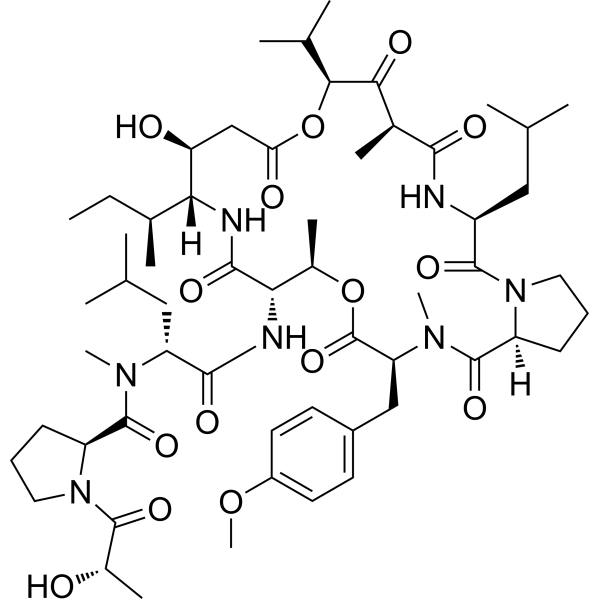
    Virginiamycin S1
    1 Publications Verification

    Bacterial Antibiotic Infection
    Virginiamycin S1 is a cyclic hexadepsipeptide antibiotic, inhibits bacterial protein synthesis at the level of aminoacyl-tRNA binding and peptide bond formation. Virginiamycin S1 belongs to the type B compounds in the streptogramin family and is produced by Streptomyces virginiae, shows a strong bactericidal activity against a wide range of Gram-positive bacteria. Virginiamycin S1 together with virginiamycin M1 is more effective in treat multidrug-resistant bacterial infections [1][2].
    Virginiamycin S1
  • HY-P2336A
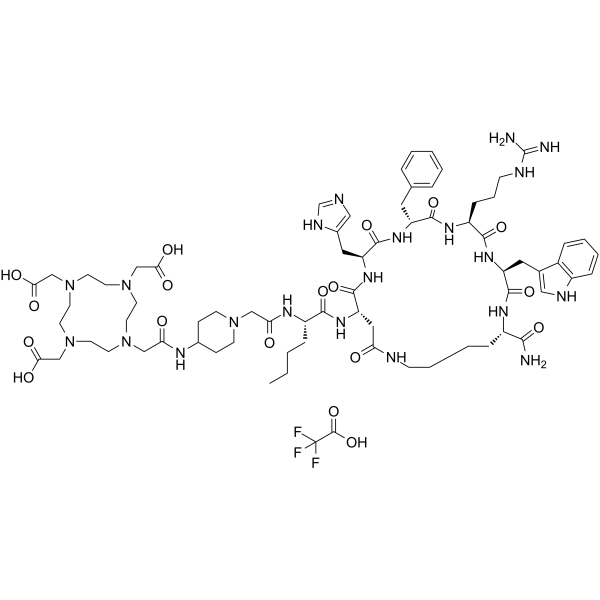
    CCZ01048 TFA
    3 Publications Verification

    Melanocortin Receptor Cancer
    CCZ01048 TFA, a α-MSH analogue, exhibits high binding affinity to melanocortin 1 receptor (MC1R) with a Ki of 0.31 nM. CCZ01048 TFA shows rapid internalization into B16F10 melanoma cells and high in vivo stability. CCZ01048 TFA is a promising candidate for PET imaging of malignant melanoma .
    CCZ01048 TFA
  • HY-P990782

    Aminoacyl-tRNA Synthetase Inflammation/Immunology
    Efzofitimod is a splice variant of the aminoacyl-tRNA synthetase HARS1, which is fused with the Fc segment of a human antibody. Efzofitimod targets the neuronal phospholipid NRP2 (neuropilin-2) and has anti-inflammatory and immunomodulatory activities. Efzofitimod can downregulate the innate and adaptive immune responses in inflammatory disease states, suppressing indirect lung disease (ILD) .
    Efzofitimod
  • HY-W011134

    Biochemical Assay Reagents Others
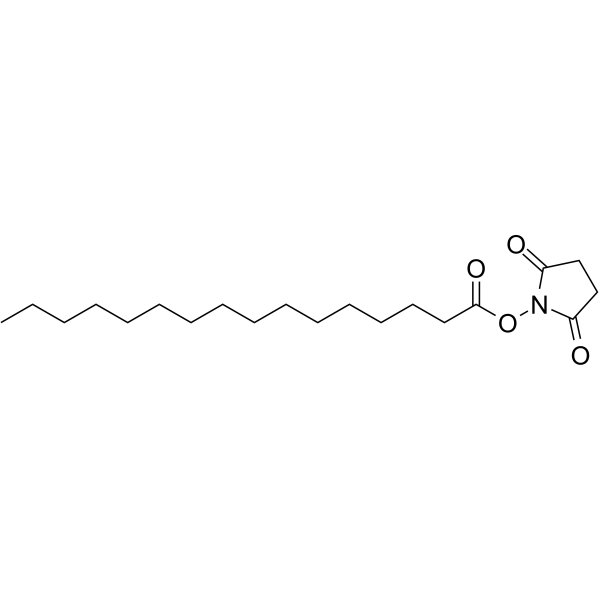
    Palmitic acid N-hydroxysuccinimide is used to conjugate proteins to prepare targeted delivery vectors. Palmitic acid N-hydroxysuccinimide can be used as lipophilic electrophile. Palmitic acid N-hydroxysuccinimide can be used for the covalent connection between palmitic acid and ovalbumin. Palmitic acid N-hydroxysuccinimide can be used to synthesize cetacyl derivatives of amino acids, aminoacyl-trNA, coenzyme A, mercaptoacetic acid and other amino and thiogenic compounds .
    Palmitic acid N-hydroxysuccinimide
  • HY-112861A
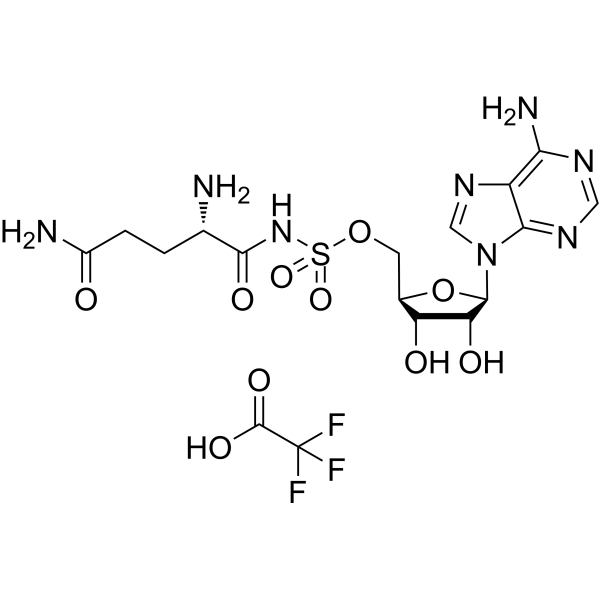
    Gln-AMS TFA
    3 Publications Verification

    Aminoacyl-tRNA Synthetase Bacterial Infection
    Gln-AMS (TFA) is a type Ia aminoacyl-tRNA synthetase (AARS) inhibitor. Gln-AMS inhibits glutaminyl-tRNA synthetase (GlnRS) with a Ki of 1.32 µM.
    Gln-AMS TFA
  • HY-B1327S

    7-Chlorotetracycline-d6 hydrochloride

    Bacterial Antibiotic Infection
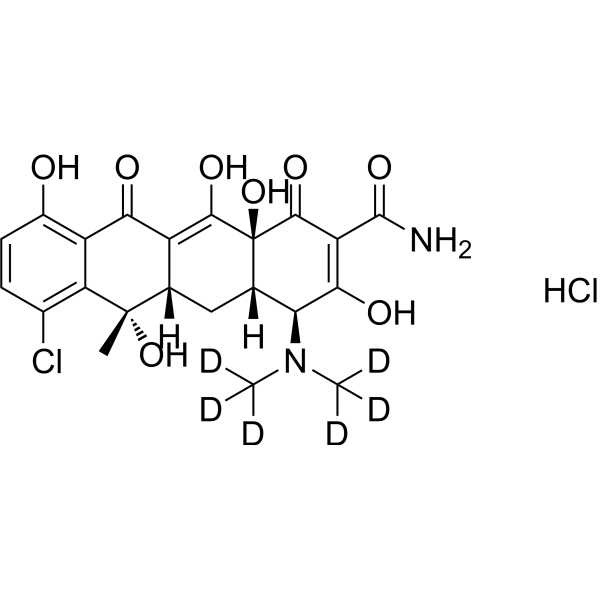
    Chlortetracycline-d6 (hydrochloride) is the deuterium labeled Chlortetracycline hydrochloride. Chlortetracycline hydrochloride (7-Chlorotetracycline hydrochloride) is a specific and potent calcium ionophore antibiotic, inhibits binding of aminoacyl-tRNA to ribosomes.
    Chlortetracycline-d6 hydrochloride
  • HY-W653977

    7-Chlorotetracycline-13C,d3 hydrochloride

    Isotope-Labeled Compounds Antibiotic Bacterial Parasite Infection
    Chlortetracycline-13C,d3 hydrochloride (7-Chlorotetracycline-13C,d3 hydrochloride) is the 13C- and deuterium labeled Chlortetracycline hydrochloride (HY-B1327). Chlortetracycline hydrochloride is an orally active, selective antibiotic, that inhibits methanogenic bacteria through inhibition of bacterial protein synthesis. Chlortetracycline hydrochloride is a specific and potent calcium ionophore antibiotic, that inhibits binding of aminoacyl-tRNA to ribosomes .
    Chlortetracycline-13C,d3 hydrochloride
  • HY-117938

    Aminoacyl-tRNA Synthetase Cancer
    T-3861174 is an inhibitor of prolyl-tRNA synthetase (PRS, Aminoacyl-tRNA Synthetase) without completely inhibiting its translation process. T-3861174 activates the GCN2-ATF4 pathway and induces death in multiple tumor cell lines, including SK-MEL-2. T-3861174 demonstrated significant antitumor activity in multiple xenograft models without significantly affecting body weight .
    T-3861174
  • HY-147643

    Aminoacyl-tRNA Synthetase Infection
    Aminoacyl tRNA synthetase-IN-2 (Compound 14) is an aminoacyl-tRNA synthetase (aaRS) inhibitor. Aminoacyl tRNA synthetase-IN-2 can be used for development of a new family of antibiotics .
    Aminoacyl tRNA synthetase-IN-2
  • HY-P10341

    GCGR Metabolic Disease
    ZP3022 is a dual agonist of glucagon-like peptide-1 (GLP-1) and gastrin that has the ability to sustainably improve glycemic control. Additionally, ZP3022 can effectively increase β-cell mass, promote β-cell proliferation, and enhance the function of pancreatic islets. ZP3022 can be used in anti-diabetic research .
    ZP3022
  • HY-161800

    Aminoacyl-tRNA Synthetase Infection
    Aminoacyl tRNA synthetase-IN-3 (compound 36K3) is an inhibitor of lysine tRNA synthetase (PfLysRS) from Plasmodium falciparum (IC50=59.2 nM), which inhibits the activity of PfLysRS by occupying the ATP binding site and L-lysine binding site of PfLysRS. Aminoacyl tRNA synthetase-IN-3 can be used in the development of antimalarial drugs .
    Aminoacyl tRNA synthetase-IN-3
  • HY-128189

    Aminoacyl-tRNA Synthetase Fungal Infection
    Aminoacyl tRNA synthetase-IN-4 (Compound 1l) is an inhibitor of Aminoacyl tRNA synthetase, with an IC50 of 0.026 μM for C.albicans prolyl-tRNA synthetase. Aminoacyl tRNA synthetase-IN-4 can be used for antifungal research .
    Aminoacyl tRNA synthetase-IN-4
  • HY-17466A

    Bonomycin hydrochloride; 6-Demethyl-6-deoxytetracycline hydrochloride

    Antibiotic Bacterial Metabolic Disease Inflammation/Immunology
    Sancycline (6-Demethyl-6-deoxytetracycline) hydrochloride acts by reversibly binding to the 30 S ribosomal subunit and inhibiting protein translation by blocking entry of aminoacyl-tRNA into the ribosome a site similar to tetracycline (HY-A0107). Sancycline hydrochloride, four linearly fused six-membered rings with four stereocenters, is a rare semi-synthetic tetracycline (HY-A0107) prepared by hydrogenolysis of the chloro and benzylic hydroxy moieties of Declomycin .
    Sancycline hydrochloride
  • HY-E70232

    Others Others
    Asparagine-tRNA ligase is an enzyme that catalyzes the chemical reaction. Asparagine-tRNA ligase belongs to the ligase family. Asparagine-tRNA ligase is involved in alanine and aspartate metabolism and aminoacyl-tRNA biosynthesis.
    Asparagine-tRNA ligase
  • HY-147674

    Aminoacyl-tRNA Synthetase Infection
    Isoleucyl tRNA synthetase-IN-2 (compound 36a) is a potent and selective isoleucyl-tRNA synthetase (IleRS) inhibitor, with a Ki,app of 114 nM .
    Isoleucyl tRNA synthetase-IN-2
  • HY-P11004

    Bacterial Antibiotic Infection
    A3-APO is an antimicrobial peptide. A3-APO has a significant antimicrobial activity by a dual mode of action with both membrane disintegration and intracellular target inhibition. A3-APO can deactivate bacterial toxins and increase the expression of anti-inflammatory cytokines (such as IL-4 and IL-10), without antimicrobial resistance. A3-APO accelerates burn wounds healing in mice infection model of Acinetobacter baumannii and Staphylococcus aureus .
    A3-APO
  • HY-P10472

    GnRH Receptor Endocrinology
    Azaline B is an antagonist for gonadotropin-releasing hormone (GnRH) with IC50 of 1.37 nM, Azaline B can be used in research of sex hormone-related pathological states, ovulation induction and male contraception .
    Azaline B
  • HY-P4757

    Parasite Others
    N1-Glutathionyl-spermidine disulfide is a substrate of trypanothione reductase .
    N1-Glutathionyl-spermidine disulfide
  • HY-P11243

    Ephrin Receptor Neurological Disease
    EphA4 agonist compound 23 is a novel EphA4 agonist peptide mimic. EphA4 agonist compound 23 exhibits high affinity, high selectivity, and significant receptor activation ability. EphA4 agonist compound 23 is commonly used in the study of neurodegenerative diseases .
    EphA4 agonist compound 23
  • HY-P2434

    Somatostatin Receptor Neurological Disease Metabolic Disease Cancer
    AP102 is a dual SSTR2/SSTR5-specific somatostatin analog (SSA). AP102 is a disulfide-bridged octapeptide SSA containing synthetic iodinated amino acids. AP102 binds with subnanomolar affinity to SSTR2 and SSTR5 (IC50: 0.63 and 0.65 nM, respectively). AP102 does not bind to SSTR1 or SSTR3. AP102 can be used for acromegaly and neuroendocrine tumors research .
    AP102
  • HY-P5362A

    Radionuclide-Drug Conjugates (RDCs) Somatostatin Receptor Cancer
    NODAGA-LM3 TFA is a ligand that can cross the blood-brain barrier and targets somatostatin receptor SSTR2 with high affinity (IC50 = 1.3 nM). NODAGA-LM3 TFA does not trigger the internalization of SSTR2 and can inhibit agonist-induced internalization processes. NODAGA-LM3 TFA shows low uptake in normal tissues such as the liver and spleen, but high uptake in the lungs and blood pool. 68Ga-labeled NODAGA-LM3 TFA can serve as a PET imaging agent for well-differentiated neuroendocrine tumors, and is applied in studies related to small cell lung cancer and well-differentiated neuroendocrine tumors .
    NODAGA-LM3 TFA
  • HY-105168

    Endothelin Receptor Cardiovascular Disease
    TAK 044 is an antagonist of Endothelin Receptor. TAK 044 strongly inhibits ET-induced deterioration in various animal models. TAK 044 can be used in study ET-related diseases such as acute myocardial infarction,acute renal failure, acute hepatic malfunction, and subarachnoid hemorrhage .
    TAK 044
  • HY-108939R

    IleSA (Standard)

    Reference Standards Bacterial Aminoacyl-tRNA Synthetase Infection
    Aminoacyl tRNA synthetase-IN-1 (Standard) is the analytical standard of Aminoacyl tRNA synthetase-IN-1 (HY-108939). This product is intended for research and analytical applications. Aminoacyl tRNA synthetase-IN-1 is a bacterial aminoacyl tRNA synthetase (aaRS) inhibitor. Aminoacyl tRNA synthetase-IN-1 has inhibitory activity against S. aureus, E. faecalis and E.coli .
    Aminoacyl tRNA synthetase-IN-1 (Standard)
  • HY-17466R

    Bonomycin (Standard); 6-Demethyl-6-deoxytetracycline (Standard)

    Reference Standards Bacterial Antibiotic Metabolic Disease Inflammation/Immunology
    Sancycline (Standard) is the analytical standard of Sancycline. This product is intended for research and analytical applications. Sancycline (6-Demethyl-6-deoxytetracycline) acts by reversibly binding to the 30 S ribosomal subunit and inhibiting protein translation by blocking entry of aminoacyl-tRNA into the ribosome a site similar to tetracycline (HY-A0107). Sancycline, four linearly fused six-membered rings with four stereocenters, is a rare semi-synthetic tetracycline (HY-A0107) prepared by hydrogenolysis of the chloro and benzylic hydroxy moieties of Declomycin[1][2][3].
    Sancycline (Standard)
  • HY-N6680R

    Reference Standards Bacterial Antibiotic Infection
    Virginiamycin S1 (Standard) is the analytical standard of Virginiamycin S1. This product is intended for research and analytical applications. Virginiamycin S1 is a cyclic hexadepsipeptide antibiotic, inhibits bacterial protein synthesis at the level of aminoacyl-tRNA binding and peptide bond formation. Virginiamycin S1 belongs to the type B compounds in the streptogramin family and is produced by Streptomyces virginiae, shows a strong bactericidal activity against a wide range of Gram-positive bacteria. Virginiamycin S1 together with virginiamycin M1 is more effective in treat multidrug-resistant bacterial infections .
    Virginiamycin S1 (Standard)
  • HY-121268A

    Antibiotic Bacterial Infection Inflammation/Immunology Cancer
    Demeclocycline calcium is an orally active tetracycline antibiotic that inhibits the binding of aminoacyl tRNA by binding to the 30S ribosomal subunit, thereby affecting protein synthesis. Demeclocycline calcium exhibits antibacterial activity against a broad spectrum of bacterial infections .
    Demeclocycline calcium
  • HY-121268R

    Reference Standards Antibiotic Bacterial Infection Inflammation/Immunology Cancer
    Demeclocycline (Standard) is the analytical standard of Demeclocycline (HY-121268). This product is intended for research and analytical applications. Demeclocycline is an orally active tetracycline antibiotic. Demeclocycline impairs protein synthesis by binding to the 30S ribosomal subunit to inhibit binding of aminoacyl tRNA. Demeclocycline shows anti-bacterial activitise to a wide variety of bacterial infections .
    Demeclocycline (Standard)
  • HY-17560R

    Reference Standards Antibiotic Bacterial Infection Inflammation/Immunology Cancer
    Demeclocycline hydrochloride (Standard) is the analytical standard of Demeclocycline hydrochloride (HY-17560). This product is intended for research and analytical applications. Demeclocycline hydrochloride is an orally active tetracycline antibiotic that inhibits the binding of aminoacyl tRNA by binding to the 30S ribosomal subunit, thereby affecting protein synthesis. Demeclocycline hydrochloride exhibits antibacterial activity against a broad spectrum of bacterial infections .
    Demeclocycline hydrochloride (Standard)
  • HY-172773

    Bacterial Infection
    PAA-38 is a highly potent selective inhibitor targeting bacterial prolyl-tRNA synthetase (ProRS). PAA-38 againsts Pseudomonas aeruginosa ProRS (PaProRS) with a Kd value of 0.399 nM and an IC50 value of 4.97 nM. PAA-38 againsts human cytoplasmic ProRSs (HsProRS) with an IC50 value of 35.5 nM. PAA-38 demonstrates an in vitro antibacterial activity of minimum inhibitory concentration (MIC) = 4-8 μg/mL .
    PAA-38
  • HY-130718

    Bacterial Infection Cancer
    ThrRS-IN-1 (Compound 30d) is a threonyl-tRNA synthetase (ThrRS) inhibitor with an IC50 of 1.4 µM and a Kd of 1.36 µM against Salmonella enterica ThrRS (SeThrRS). ThrRS-IN-1 simultaneously targets the tRNA Thr and L-threonine binding pockets of ThrRS. ThrRS-IN-1 shows potent antibacterial activities .
    ThrRS-IN-1
  • HY-147672

    Aminoacyl-tRNA Synthetase Infection
    IleRS-IN-1 (compound 11) is a potent and selective isoleucyl-tRNA synthetase (IleRS) inhibitor, with a Ki,app of 88 nM .
    IleRS-IN-1
  • HY-147671

    Aminoacyl-tRNA Synthetase Infection
    CB 168 is a potent and selective aminoacyl-sulfamoyl aryltetrazole inhibitor targeting isoleucyl-tRNA synthetase (IleRS) .
    CB 168
  • HY-P2075

    Renin Endocrinology
    EMD 55068 is a renin antagonist. EMD 55068 inhibits the uptake of taurocholate .
    EMD 55068
  • HY-P10876

    Amyloid-β Neurological Disease
    mcK6A1 is an inhibitor for the aggregation of amyloid-β (), that selectively binds to the 16KLVFFA21 segment of Aβ42, forms an extended β-folded structure, and inhibits the formation of Aβ42 oligomers. mcK6A1 can be used in research of Alzheimer's disease and other amyloid-related diseases .
    mcK6A1
  • HY-N13141

    Others Infection
    Tetracenomycin X is a natural aromatic polyketide compound. Tetracenomycin X can inhibit peptide bond formation between an incoming aminoacyl-tRNA and a terminal Gln-Lys (QK) motif in the nascent polypeptide. Tetracenomycin X can be used for the development of novel aromatic polyketide antibiotics .
    Tetracenomycin X
  • HY-182338

    Nucleoside Antimetabolite/Analog Others
    2'-Thiouridine is a key modified nucleoside at the wobble position of tRNA anticodons. 2'-Thiouridine mainly exists in tRNAs for glutamic acid, glutamine, lysine, etc., and participates in precise decoding regulation .
    2’-Thiouridine
  • HY-P11488

    Radionuclide-Drug Conjugates (RDCs) Somatostatin Receptor PSMA Cancer
    JR11-PEG3-DOTA-PSMA-03 (Compound 2) is an RDC-related compound containing the chelating agent DOTA (HY-W053583), the JR11 peptide (SSTR2 antagonist), and the PSMA ligand. JR11-PEG3-DOTA-PSMA-03 shows SSTR2-binding affinities and PSMA-binding affinities, with IC50 s of 94.0 nM, 81.8 nM, respectively. JR11-PEG3-DOTA-PSMA-03 can be radiolabeled with [ 68Ga]. [ 68Ga] radiolabeled JR11-PEG3-DOTA-PSMA-03 can be used in diagnostic studies of neuroendocrine differentiated prostate cancer .
    JR11-PEG3-DOTA-PSMA-03
  • HY-P11485

    Radionuclide-Drug Conjugates (RDCs) Somatostatin Receptor PSMA Cancer
    JR11-PEG3-HBED-CC-PSMA-03 (Compound 1) is an RDC-related compound containing the chelating agent HBED-CC, the JR11 peptide (SSTR2 antagonist), and the PSMA ligand. JR11-PEG3-HBED-CC-PSMA-03 shows SSTR2-binding affinities and PSMA-binding affinities, with IC50 s of 59.2 nM, 57.0 nM, respectively. JR11-PEG3-HBED-CC-PSMA-03 can be radiolabeled with [ 68Ga]. [ 68Ga] radiolabeled JR11-PEG3-HBED-CC-PSMA-03 can be used in diagnostic studies of neuroendocrine differentiated prostate cancer .
    JR11-PEG3-HBED-CC-PSMA-03

オンラインお問い合わせ

入力情報は安全に管理されます. 必須入力項目.

タイトル


国或いは地域 *

お名前 *


組纖名 *

デパートメント *


メールアドレス *


製品名 *

製品番号


カスタマ需要量 *

電話番号 *


必ず会社名を記載ください。個人への返信は行いません。

備考

バルクお問い合わせ

Inquiry Information

製品名:
製品番号:
数量:
MCE 日本正規代理店:

