1. Search Result
Search Result
Pathways Recommended: Cell Cycle/DNA Damage
Results for "

bacterial DNA

" in MedChemExpress (MCE) Product Catalog:

218

Inhibitors & Agonists

1

Screening Libraries

9

Fluorescent Dye

5

Biochemical Assay Reagents

12

Peptides

1

MCE Kits

1

Inhibitory Antibodies

32

Natural
Products

24

Isotope-Labeled Compounds

1

Oligonucleotides

Cat. No. Product Name Target Research Areas Chemical Structure
  • HY-B1906
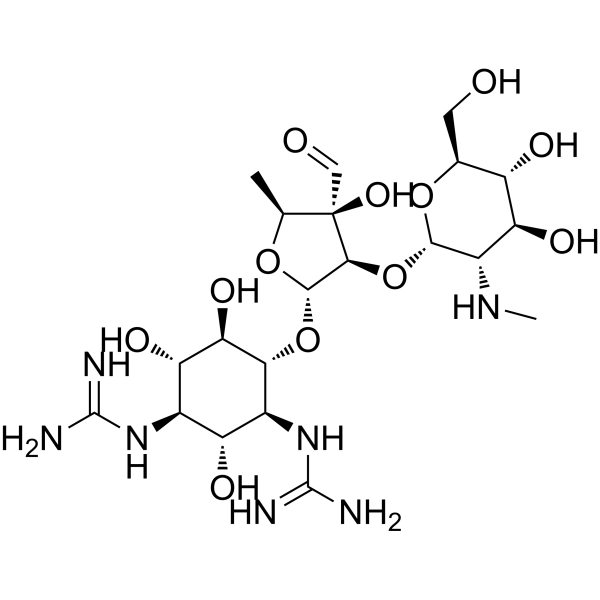
    Streptomycin
    45+ Cited Publications

    Agrept; Agrimycin; Streptomycin A

    Environmental Pollutants Antibiotic Bacterial Infection Neurological Disease
    Streptomycin (Agrept) is an effective antibiotic against M. tuberculosis, is used for the research of tuberculosis (TB). Streptomycin also is a bacteriocidal agent that can be used for the research of a number of bacterial infections. Streptomycin can bind strongly to nucleic acids, interferes and blocks protein synthesis while permitting continued RNA and DNA synthesis. Streptomycin, as a common antibiotic used in culture media, also is a blocker of stretch-activated and mechanosensitive ion channels in neurons and cardiac myocytes .
    Streptomycin
  • HY-13234
    Rifaximin
    5+ Cited Publications

    Bacterial Antibiotic DNA/RNA Synthesis Infection Cancer
    Rifaximin, a gastrointestinal-selective antibiotic, binds the β-subunit of bacterial DNA-dependent RNA polymerase, resulting in inhibition of bacterial RNA synthesis. Rifaximin susceptibility is higher against Gram-positive strains (MIC: 0.03-5 mg/ml) compared to Gram-negative bacteria (MIC: 8-50 mg/mL) .
    Rifaximin
  • HY-B0125
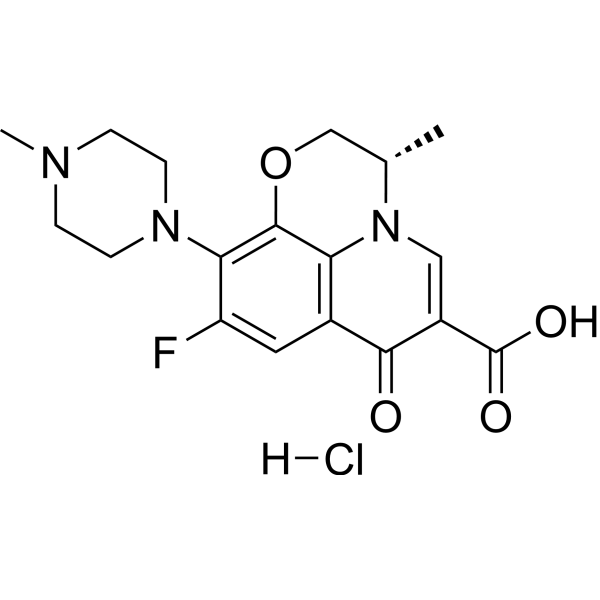
    Ofloxacin
    10+ Cited Publications

    Hoe-280

    Bacterial Antibiotic Endogenous Metabolite Orthopoxvirus Infection Cancer
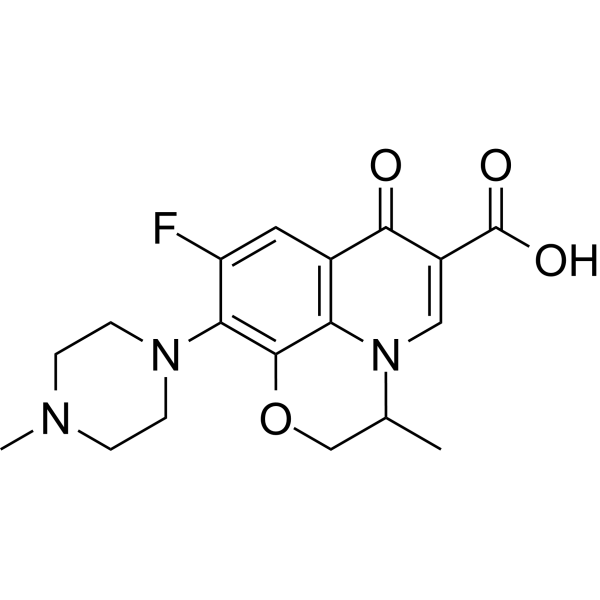
    Ofloxacin (Hoe-280) is a fluoroquinolone whose primary mechanism of action is inhibition of bacterial DNA gyrase. Ofloxacin shows inhibitory activity against vaccinia virus (VV).
    Ofloxacin
  • HY-B0915
    Orbifloxacin
    1 Publications Verification

    CP-104354

    Bacterial Antibiotic Infection
    Orbifloxacin is an orally administrable Antibiotic. Orbifloxacin disrupts the replication and proliferation of Bacterial DNA, inhibits bacterial growth and exerts bactericidal activity. Orbifloxacin inhibits the growth of canine-derived E. coli and Pseudomonas aeruginosa isolates. Orbifloxacin is used in research related to bacterial infections .
    Orbifloxacin
  • HY-B1085
    Cinoxacin
    1 Publications Verification

    Compound 64716

    Bacterial Antibiotic DNA/RNA Synthesis Infection
    Cinoxacin (Compound 64716), a synthetic antimicrobial related to the quinolone class of orally active antibacterial agent. Cinoxacin has antibacterial activity against many gram-negative aerobic bacteria and inhibits bacterial DNA synthesis. Cinoxacin can be used for the research of urinary tract infections and bacterial prostatitis .
    Cinoxacin
  • HY-N8332

    Ox bile extract

    Bacterial DNA/RNA Synthesis Infection
    Bile extract (Ox bile extract) is a complex mixture of substances, containing bile acids, cholesterol, and bilirubin. Bile extract has antimicrobial activity and can induce DNA damage and degrade viral and bacterial membranes. Bile extract can be used in bacterial culture media as a selective inhibitor for the isolation and identification of pathogens .
    Bile extract
  • HY-B0330D
    (R)-Ofloxacin
    1 Publications Verification

    Dextrofloxacin

    Bacterial Antibiotic Infection
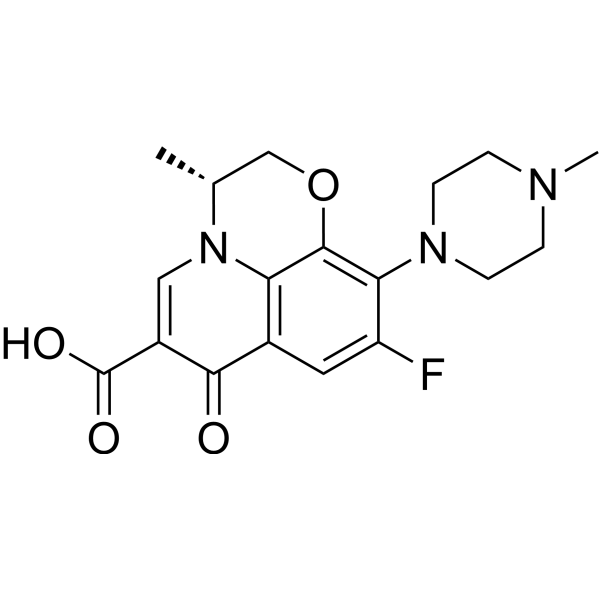
    (R)-Ofloxacin is the dextrorotatory enantiomer of Ofloxacin (HY-B0125) and is an orally effective fluoroquinolone antibiotic. (R)-Ofloxacin can inhibit the activity of bacterial DNA topoisomerase II, interfere with bacterial DNA replication and repair, and exert a bactericidal effect. (R)-Ofloxacin has a broad-spectrum antibacterial activity and has inhibitory effects on both Gram-negative and Gram-positive bacteria .
    (R)-Ofloxacin
  • HY-B1497
    Silver sulfadiazine
    1 Publications Verification

    AgSD

    Bacterial DNA/RNA Synthesis Antibiotic Infection
    Silver sulfadiazine (AgSD), a sulfonamide antibiotic, effects a dual inhibitory action on bacterial growth by its sulfa moiety (SD-SDZ) that prevents bacterial folate absorption and subsequent DNA synthesis. The silver that is released from Silver sulfadiazine binds and disrupts the DNA structure, precluding bacterial DNA replication .
    Silver sulfadiazine
  • HY-W011117

    Bacterial DNA/RNA Synthesis Antibiotic Infection
    Danofloxacin is an orally active quinolone antibiotic. Danofloxacin targets bacterial DNA gyrase and inhibits bacterial DNA replication, transcription and growth. Danofloxacin can be used for various bacterial infections caused by Escherichia coli, Mycoplasma and other pathogens .
    Danofloxacin
  • HY-N7066

    A-56619 hydrochloride

    Bacterial DNA/RNA Synthesis Infection
    Difloxacin hydrochloride (A-56619 hydrochloride) is an orally active bactericidal agent. Difloxacin hydrochloride inhibits bacterial DNA gyrase. Difloxacin hydrochloride exhibits concentration-dependent bactericidal activity. Difloxacin hydrochloride shows strong in vitro activity against a variety of Gram-positive and Gram-negative bacteria. Difloxacin hydrochloride can be used in research related to colibacillosis and *Staphylococcus aureus* infections .
    Difloxacin hydrochloride
  • HY-141633

    Bacterial Infection
    Sucrose monolaurate is a glycolipid surfactant . Sucrose monolaurate interacts with bacterial DNA, disrupts cell membrane permeability, and exerts excellent inhibitory and bactericidal effects against a variety of foodborne pathogens (especially Gram-positive bacteria). Sucrose monolaurate significantly reduces liquid surface tension, and acts as a synergist for chlorine-based disinfectants in food cleaning and disinfection to improve the removal efficiency of pathogens on the surface of agricultural products .
    Sucrose monolaurate
  • HY-B1741
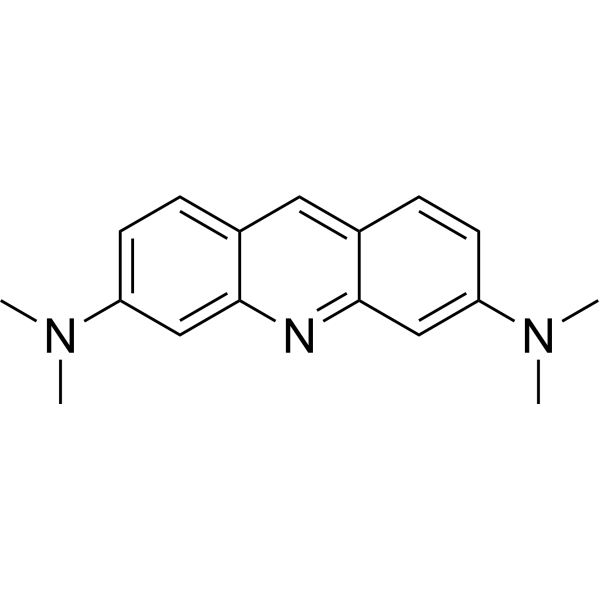
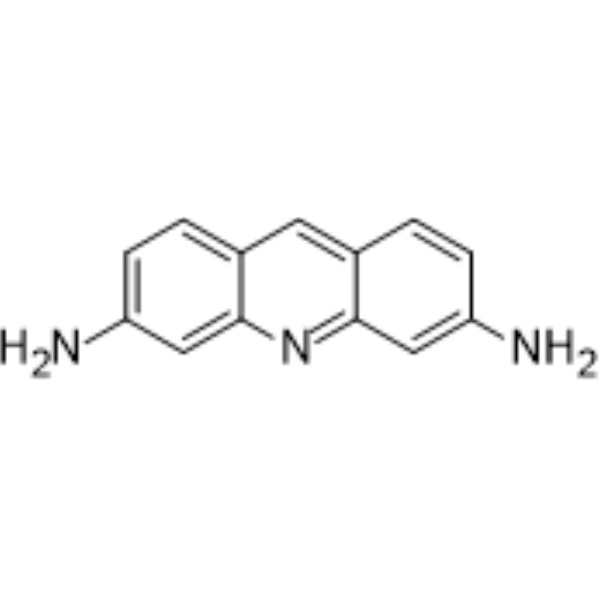
    3,6-Diaminoacridine
    3 Publications Verification

    Bacterial Fluorescent Dye DNA/RNA Synthesis Infection Cancer
    3,6-Diaminoacridine is a versatile acridine compound. 3,6-Diaminoacridine exerts antibacterial activity by intercalating into bacterial DNA, interfering with replication and transcription, and inducing bacterial lysis. 3,6-Diaminoacridine is an acridine dye and also a DNA intercalator .
    3,6-Diaminoacridine
  • HY-125576

    Bacterial Infection
    Griselimycin is a cyclic lipopeptide produced by Streptomyces. Griselimycin specifically binds to the sliding clamp of bacterial DNA polymerase and does not interact with human PCNA. Griselimycin exhibits potent antibacterial activity against Mycobacterium tuberculosis (including drug-resistant strains) and a variety of Gram-negative bacteria .
    Griselimycin
  • HY-10581A
    Gatifloxacin hydrochloride
    4 Publications Verification

    AM-1155 hydrochloride; BMS-206584 hydrochloride; PD135432 hydrochloride

    Bacterial Topoisomerase Antibiotic Infection
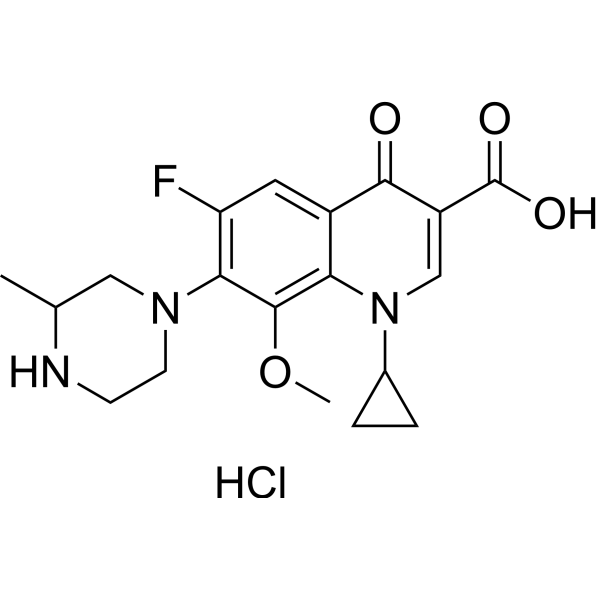
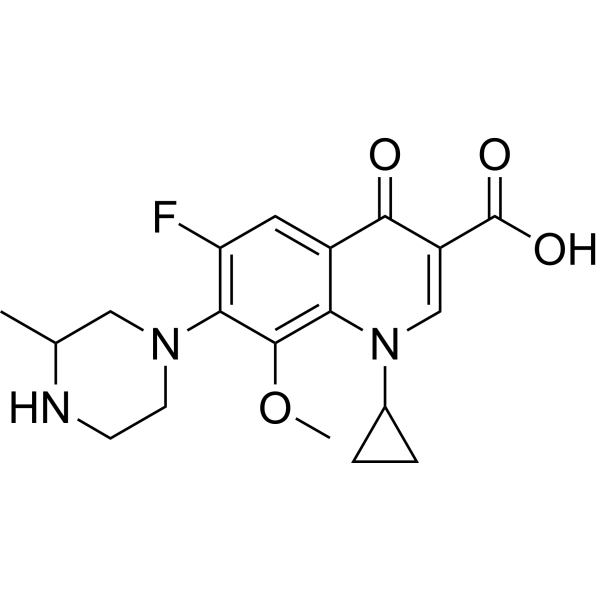
    Gatifloxacin hydrochloride (AM-1155; BMS-206584; PD135432) is a potent fluoroquinolone antibiotic with broad-spectrum antibacterial activity. Gatifloxacin hydrochloride inhibits bacterial type II topoisomerases (IC50=13.8 μg/ml for S. aureus topoisomerase IV) and E. coli DNA gyrase (IC50 = 0.109 μg/ml) . Gatifloxacin hydrochloride can be used to treat bacterial conjunctivitis in vivo.
    Gatifloxacin hydrochloride
  • HY-W112938

    DNA Alkylator/Crosslinker Photosensitizer Infection Cancer
    TMPyP tetrachloride is a DNA-binding agent, singlet oxygen Sensitizer and photobleaching agent. TMPyP tetrachloride binds to DNA via intercalation or external groove complexation; irradiation induces its photoinduced release from DNA. TMPyP tetrachloride sensitizes the generation of singlet molecular oxygen upon irradiation, and prolonged irradiation leads to photobleaching. TMPyP tetrachloride initially localizes preferentially in neuronal nuclei and cytoplasm, and irradiation triggers its subcellular relocalization. TMPyP tetrachloride binds to K + -free single-molecule G4-DNA nanowires via intercalation, and binds to K + -type variants via non-intercalation. TMPyP tetrachloride can be used in studies related to cancer, HIV infection and bacterial infection .
    TMPyP tetrachloride
  • HY-16742B
    Gepotidacin mesylate hydrate
    10+ Cited Publications

    Antibiotic Bacterial Topoisomerase Infection
    Gepotidacin mesylate hydrate is an orally active triazaacenaphthylene antibiotic and bacterial type II topoisomerase inhibitor. Gepotidacin mesylate hydrate inhibits bacterial DNA replication by blocking topoisomerase enzymes. Gepotidacin mesylate hydrate selectively inhibits topoisomerase IV and the B subunit of DNA gyrase .
    Gepotidacin mesylate hydrate
  • HY-B0330S

    (-)-Ofloxacin-d8

    Bacterial Antibiotic Infection
    Levofloxacin-d8 is the deuterium labeled Levofloxacin. Levofloxacin, a synthetic fluoroquinolone, is an antibacterial agent that inhibits the supercoiling activity of bacterial DNA gyrase, halting DNA replication.
    Levofloxacin-d8
  • HY-128916

    Antibiotic Bacterial Infection
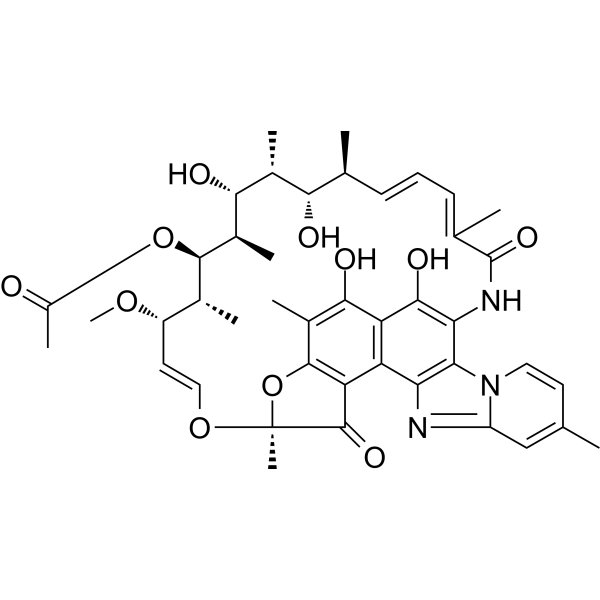
    dmDNA31 is a rifamycin-class antibiotic that inhibits bacterial DNA-dependent RNA polymerase with potent bactericidal activity against S. aureus .
    dmDNA31
  • HY-162959

    Bacterial Topoisomerase DNA/RNA Synthesis Infection
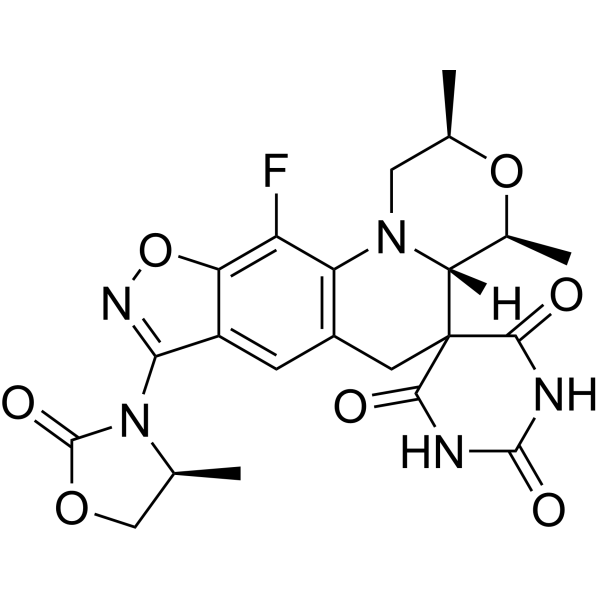
    BWC0977 is an antibacterial agent that inhibits bacterial DNA replication via inhibition of DNA gyrase and topoisomerase IV. BWC0977 exhibits a minimum inhibitory concentration (MIC90) of 0.03-2 µg/mL against MDR (Multi-Drug Resistant) Gram-negative bacteria .
    BWC0977
  • HY-123515

    Infection
    Clorobiocin is an antibacterial agent with an IC50 of 0.21 μM against the B subunit of E. coli DNA gyrase. Clorobiocin targets the mLaC protein of Gram-negative bacteria. Clorobiocin potently inhibits bacterial DNA replication. Clorobiocin can be used in studies on Gram-negative bacterial infections, such as Acinetobacter baumannii and E. coli infections .
    Clorobiocin
  • HY-B1906R

    Agrept (Standard); Agrimycin (Standard); Streptomycin A (Standard)

    Reference Standards Antibiotic Bacterial Infection Neurological Disease
    Streptomycin (Standard) is the analytical standard of Streptomycin. This product is intended for research and analytical applications. Streptomycin (Agrept) is an effective antibiotic against M. tuberculosis, is used for the research of tuberculosis (TB). Streptomycin also is a bacteriocidal agent that can be used for the research of a number of bacterial infections. Streptomycin can bind strongly to nucleic acids, interferes and blocks protein synthesis while permitting continued RNA and DNA synthesis. Streptomycin, as a common antibiotic used in culture media, also is a blocker of stretch-activated and mechanosensitive ion channels in neurons and cardiac myocytes .
    Streptomycin (Standard)
  • HY-123635

    Antibiotic Bacterial Infection
    Nybomycin, an antibiotic, exhibits antiphage and antibacterial properties. Nybomycin binds to DNA and induces a unique morphological change to mycobacterial bacilli leading the bacterial cell death .
    Nybomycin
  • HY-P990021

    TRL1068

    Bacterial Others
    Calpurbatug is an immunoglobulin G1 antibody. Calpurbatug has activity with anti-bacterial DNA-binding protein DNABII family and anti-human monoclonal TRL1068 γ1-chain .
    Calpurbatug
  • HY-D2267

    Fluorescent Dye Others
    JF646-Hoechst is a fluorescent red DNA probe that is an ideal substitute for large oligonucleotide-coupled antibodies used in PAINT experiments, especially for bacterial studies. JF646-Hoechst excitation/emission maximum =655/670 nm .
    JF646-Hoechst
  • HY-148420

    STING Inflammation/Immunology
    CDN-A is a cyclic di-nucleotide, it can be used to synthesis antibody-drug conjugate (ADC). Cyclic di-nucleotides are potent stimulators of innate and adaptive immune responses. In humans, cyclic di-nucleotide, which are either produced endogenously in response to foreign DNA or by invading bacterial pathogens, trigger the innate immune system by activating the expression of interferon genes .
    CDN-A
  • HY-135389

    Drug Metabolite Antibiotic Infection
    Desmethyl Levofloxacin is a metabolite of Levofloxacin. Levofloxacin, a synthetic fluoroquinolone, is an antibacterial agent that inhibits the supercoiling activity of bacterial DNA gyrase, halting DNA replication .
    Desmethyl Levofloxacin
  • HY-E70575

    DNA Glycosylase Others
    Endonuclease VIII is a DNA repair enzyme that excises oxidized pyrimidines from DNA. Endonuclease VIII is a bacterial DNA glycosylase/AP lyase that excises modified pyrimidines, including thymine glycol (Tg), uracil glycol, dihydrothymine, dihydrouracil (DHU) .
    Endonuclease VIII
  • HY-B0343C

    Bacterial
    Sarafloxacin hydrochloride 100 μg/mL in methanol is an antibiotic with activity to inhibit bacterial growth. Sarafloxacin hydrochloride 100 μg/mL in methanol is widely used in veterinary medicine to inhibit bacterial infections. The mechanism of action of Sarafloxacin hydrochloride 100 μg/mL in methanol is mainly achieved by inhibiting the activity of bacterial DNA gyrase. Sarafloxacin hydrochloride 100 μg/mL in methanol is also used in animal feed to improve feed conversion and promote growth.
    Sarafloxacin hydrochloride 100 μg/mL in methanol
  • HY-108988

    Antibiotic Bacterial Topoisomerase DNA/RNA Synthesis Infection
    Albicidin is a peptide antibiotic with phytotoxic activity. Albicidin potently inhibits bacterial and plant DNA gyrase at nanomolar concentrations, blocks DNA replication, and exhibits excellent antibacterial efficacy against multidrug-resistant bacteria. Albicidin possesses bactericidal activity against Gram-positive and Gram-negative microorganisms, and acts as a virulence factor for the systemic plant infection by Xanthomonas albilineans. Albicidin can be used in studies related to bacterial infections and sugarcane leaf blight .
    Albicidin
  • HY-W004924

    Endogenous Metabolite Others
    5-Hydroxymethyluracil is a product of oxidative DNA damage. 5-Hydroxymethyluracil can be used as a potential epigenetic mark enhancing or inhibiting transcription with bacterial RNA polymerase.
    5-Hydroxymethyluracil
  • HY-P3326A

    Bacterial Infection
    Targeting the bacterial sliding clamp peptide 46 TFA is a short peptide targeting the bacterial sliding clamp(SC), inhibiting SC-dependent DNA synthesis .
    Targeting the bacterial sliding clamp peptide 46 TFA
  • HY-101829

    Sulfaproxylin; Sulfaproxyline

    Antibiotic Bacterial Infection
    Sulfaproxyline (Sulfaproxylin; Sulfaproxyline) is a sulfonamide antibiotic that inhibits bacterial dihydropteroate synthase, thereby blocking folate biosynthesis required for nucleic acid production. Sulfaproxyline shows antimicrobial activity primarily against Staphylococcus species and common uropathogens. Sulfaproxyline reduces bacterial growth by impairing DNA and protein synthesis. Sulfaproxyline can be used for research of staphylococcal and urinary tract infections .
    Sulfaproxiline
  • HY-P3326

    Bacterial Infection
    Targeting the bacterial sliding clamp peptide 46 is a short peptide targeting the bacterial sliding clamp(SC), inhibiting SC-dependent DNA synthesis.
    Targeting the bacterial sliding clamp peptide 46
  • HY-121348

    U-47929

    Antibiotic Bacterial DNA/RNA Synthesis Infection
    Ficellomycin is a nitrogen-containing bicyclic antibiotic with strong activity against Gram-positive bacteria, including multidrug-resistant strains of Staphylococcus aureus. Ficellomycin works by inducing the formation of defective 34S DNA fragments, which interfere with the semi-conservative DNA replication process. These fragments lack the ability to integrate into larger DNA segments and eventually form a complete bacterial chromosome. Ficellomycin can be used in research for various bacterial diseases .
    Ficellomycin
  • HY-N8431

    Bacterial Fungal Infection Cancer
    5-Geranoxy-7-methoxycoumarin is a coumarin with anti-cancer, antifungal, and ?antibacterial?activities. 5-Geranoxy-7-methoxycoumarin induces cell apoptosis .
    5-Geranoxy-7-methoxycoumarin
  • HY-162959A

    Bacterial Topoisomerase DNA/RNA Synthesis Infection
    BWC0977 formic is an antibacterial agent that inhibits bacterial DNA replication via inhibition of DNA gyrase and topoisomerase IV. BWC0977 formic exhibits a minimum inhibitory concentration (MIC90) of 0.03-2 µg/mL against MDR (Multi-Drug Resistant) Gram-negative bacteria .
    BWC0977 formic
  • HY-101472

    Bacterial Infection
    Closthioamide is a potent inhibitor of bacterial DNA gyrase and highly active against Ec, MRSA, VRE and Mv), with MICs of 9.00 μM, 0.58 μM, 0.58 μM and 72.03 μM respectively.
    Closthioamide
  • HY-B0125S1

    Bacterial Antibiotic Infection
    Ofloxacin-d8 (Hoe-280-d8) is the deuterium labeled Ofloxacin. Ofloxacin (Hoe-280) is a fluoroquinolone whose primary mechanism of action is inhibition of bacterial DNA gyrase.
    Ofloxacin-d8
  • HY-10581C

    AM-1155 sesquihydrate; BMS-206584 sesquihydrate; PD135432 sesquihydrate

    Bacterial Topoisomerase Antibiotic Infection Inflammation/Immunology
    Gatifloxacin sesquihydrate (AM-1155; BMS-206584; PD135432) is a potent fluoroquinolone antibiotic with broad-spectrum antibacterial activity. Gatifloxacin sesquihydrate inhibits bacterial type II topoisomerases (IC50=13.8 μg/ml for S. aureus topoisomerase IV) and E. coli DNA gyrase (IC50 = 0.109 μg/ml) . Gatifloxacin sesquihydrate can be used to treat bacterial conjunctivitis in vivo.
    Gatifloxacin sesquihydrate
  • HY-B1497R

    AgSD (Standard)

    Reference Standards Bacterial DNA/RNA Synthesis Antibiotic Infection
    Silver sulfadiazine (Standard) is the analytical standard of Silver sulfadiazine. This product is intended for research and analytical applications. Silver sulfadiazine (AgSD), a sulfonamide antibiotic, effects a dual inhibitory action on bacterial growth by its sulfa moiety (SD-SDZ) that prevents bacterial folate absorption and subsequent DNA synthesis. The silver that is released from Silver sulfadiazine binds and disrupts the DNA structure, precluding bacterial DNA replication .
    Silver sulfadiazine (Standard)
  • HY-174158

    Bacterial Infection
    Antibacterial agent 270 (Compound 3e) is an antibacterial agent that acts on bacterial membrane components phosphatidylglycerol (PG), cardiolipin (CL), and bacterial DNA. Antibacterial agent 270 disrupts bacterial membrane structure and binds to DNA to interfere with genetic information transmission. Antibacterial agent 270 is promising for research of infections caused by methicillin-resistant Staphylococcus aureus (MRSA) .
    Antibacterial agent 270
  • HY-B1741A

    Bacterial Fluorescent Dye Potassium Channel DNA/RNA Synthesis Infection Cancer
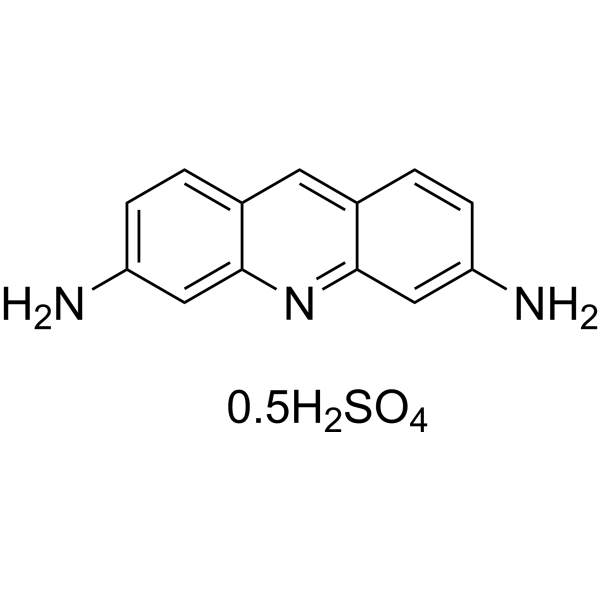
    3,6-Diaminoacridine dihydrochloride is a versatile acridine compound. 3,6-Diaminoacridine dihydrochloride exerts antibacterial activity by intercalating into bacterial DNA, interfering with replication and transcription, and inducing bacterial lysis. 3,6-Diaminoacridine dihydrochloride is an acridine dye and also a DNA intercalator .
    3,6-Diaminoacridine dihydrochloride
  • HY-143483

    Bacterial Infection
    NBTIs-IN-5 (Compound 5r) is a NBTI (Novel Bacterial Topoisomerase Inhibitor) DNA gyrase inhibitor with an IC50 of 1.5 μM against Mycobacterium abscessus (Mabs) DNA gyrase. NBTIs-IN-5 inhibits Mabs bamboo bacterial growth with an MIC90 of 0.4 μM .
    NBTIs-IN-5
  • HY-141442

    Bacterial Antibiotic Infection
    Dihydronovobiocin is a bacterial inhibitor and ATPase inhibitor that can bind to GyrB. Dihydronovobiocin can be used to study the interaction between coumarin antibiotics (such as Novobiocin, Chlorobiocin, and Coumermycin) and DNA gyrase. Dihydronovobiocin also has the potential to study bacterial infections .
    Dihydronovobiocin
  • HY-174227

    Topoisomerase Bacterial Infection
    Topoisomerase inhibitor 6 (Compound REDX05931) is a dual irreversible inhibitor of DNA gyrase and topoisomerase IV (MIC=0.06 μg/mL against fluoroquinolone-resistant S. aureus). Topoisomerase inhibitor 6 blocks DNA strand break-reunion, inducing lethal DNA damage. Topoisomerase inhibitor 6 is promising for research of Gram-positive bacterial infections (e.g., S. aureus, S. pneumoniae) .
    Topoisomerase inhibitor 6
  • HY-173458

    Topoisomerase Infection
    NBTIs-IN-7 (compound 276) is a novel bacterial topoisomerase (NBTIs) inhibitor. NBTIs-IN-7 induces both single- and double-strand DNA strand breaks in the presence of gyrase .
    NBTIs-IN-7
  • HY-143484

    Bacterial Infection
    844-TFM is a NBTI (novel bacterial topoisomerase inhibitor) DNA gyrase inhibitor, with an IC50 of 1.5 μM. 844-TFM exhibits bactericidal properties against M. abscessus .
    844-TFM
  • HY-161364

    Bacterial Inflammation/Immunology
    Antibacterial agent 200 (pyridyl HH 7), a unique hydrazyl hydroxycoumarin (HH), has strong antibacterial efficacy and broad antibacterial spectrum with MIC values ranging from 0.5 to 32 μg/mL for Gram-positive and Gram-negative bacteria. Antibacterial agent 200 exhibits a good inhibition against Pseudomonas aeruginosa 27853 with a low MIC value of 0.5 μg/mL. Antibacterial agent 200 can eradicate the integrity of bacterial membrane, result in the leakage of intracellular proteins, and interact with bacterial DNA gyrase via non-covalent binding .
    Antibacterial agent 200
  • HY-117657

    Topoisomerase Bacterial Inflammation/Immunology Cancer
    (-)-BO 2367, an antimicrobial quinolone, is a strong mammalian and bacterial topoisomerase II inhibitor. (-)-BO 2367 shows IC50 values with 3.8 μM, 0.5 μM, and 1 μM against the DNA relaxation activity of L1210 topoisomerase II and the supercoiling activities of Escherichia coli gyrase and Micrococcus luteus gyrase, respectively. (-)-BO 2367 is a potent antitumor agent .
    (-)-BO 2367
  • HY-W011117S

    Isotope-Labeled Compounds Bacterial DNA/RNA Synthesis Antibiotic Infection
    Danofloxacin-d3 is deuterium labeled Danofloxacin. Danofloxacin is an orally active quinolone antibiotic. Danofloxacin targets bacterial DNA gyrase and inhibits bacterial DNA replication, transcription and growth. Danofloxacin can be used for various bacterial infections caused by Escherichia coli, Mycoplasma and other pathogens.
    Danofloxacin-d3

Inquiry Online

Your information is safe with us. * Required Fields.

Salutation


Country or Region *

Applicant Name *


Organization Name *

Department *


Email Address *


Product Name *

Cat. No.


Requested quantity *

Phone Number *


Remarks

Inquiry Online

Inquiry Information

Product Name:
Cat. No.:
Quantity:
MCE Japan Authorized Agent:

