1. Search Result
Search Result
Results for "

bacteriostatic activity

" in MedChemExpress (MCE) Product Catalog:

42

Inhibitors & Agonists

12

Natural
Products

5

Isotope-Labeled Compounds

Cat. No. Product Name Target Research Areas Chemical Structure
  • HY-N6871
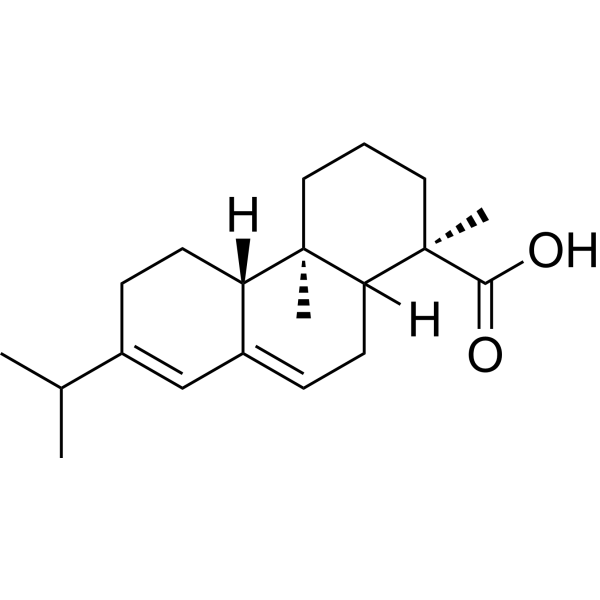
    Abietic acid
    3 Publications Verification

    Bacterial IKK Ferroptosis Infection Metabolic Disease Inflammation/Immunology Cancer
    Abietic acid, an orally active diterpene isolated from Colophony, displays significant anti-proliferative, anti-inflammatory, anti-obesity effect, bacteriostatic, cell cycle arresting and pro-apoptotic activities. Abietic acid inhibits lipoxygenase activity for allergy. Abietic acid enhances cell migration and tube formation in HUVECs. Abietic acid induces significant angiogenic potential, which is associated with upregulation of extracellular signal-regulated kinase (ERK) and p38 expression. Abietic acid attenuates sepsis-induced lung injury by inhibiting nuclear factor kappa-light-chain-enhancer of activated B cells (NF-κB) pathway to inhibit M1 macrophage polarization. Abietic acid exhibits a positive effect against liver injury by attenuating inflammation and ferroptosis. Abietic acid shows accelerated wound closure in a mouse model of cutaneous wounds. Abietic acid significantly reduces the proliferation and growth of NSCLC cells by IKKβ inhibition.Additionally, Abietic acid ameliorates psoriasis-like inflammation and modulates gut microbiota in mice. Abietic acid is promising for research in non-small-cell lung cancer (NSCLC), liver injury-related deseases and psoriasis .
    Abietic acid
  • HY-N0015
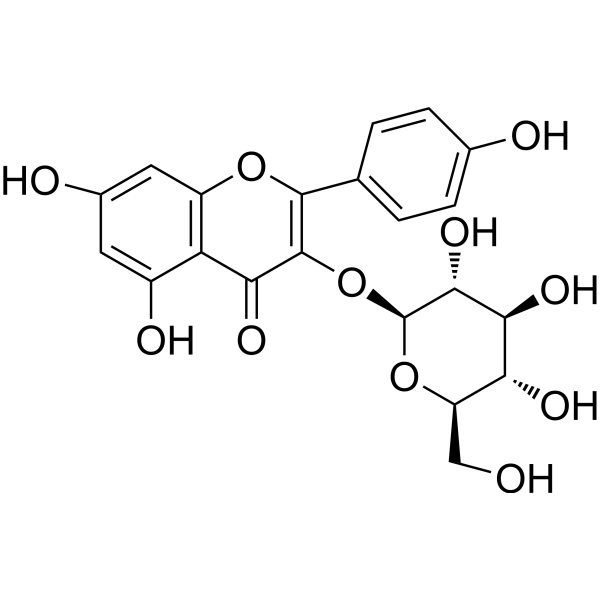
    Astragalin
    15+ Cited Publications

    Astragaline; 3-Glucosylkaempferol; Kaempferol 3-β-D-glucopyranoside

    Apoptosis NF-κB Infection Inflammation/Immunology Cancer
    Astragalin (Astragaline) a flavonoid with anti-inflammatory, antioxidant, anticancer, bacteriostatic activity. Astragalin inhibits cancer cells proliferation and migration, induces apoptosis. Astragalin is orally active and provides nerve and heart protection, and resistance against and osteoporosis .
    Astragalin
  • HY-B0688
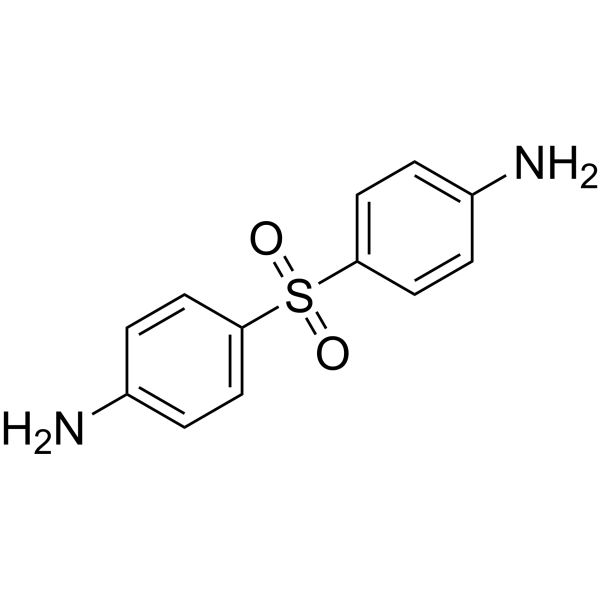
    Dapsone
    4 Publications Verification

    4,4′-Diaminodiphenyl sulfone; DDS

    Antibiotic Parasite Bacterial Reactive Oxygen Species (ROS) Infection Inflammation/Immunology
    Dapsone (4,4′-Diaminodiphenyl sulfone) is an orally active and blood-brain penetrant sulfonamide antibiotic with bacteriostatic, antimycobacterial and antiprotozoal activities . Dapsone?exerts effective antileprosy activity?and inhibits folate synthesis in cell extracts of?M. leprae. Dapsone is used for dermatologic disorder research, including leprosy, dermatitis herpetiformis, acne vulgaris et al .
    Dapsone
  • HY-B1064
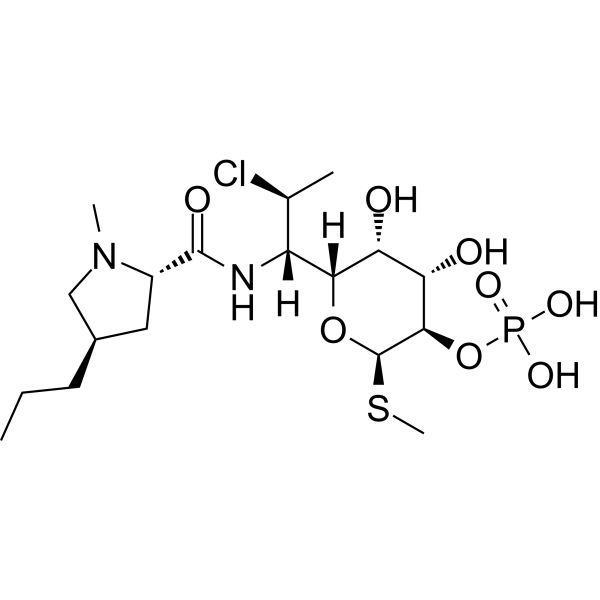
    Clindamycin phosphate
    4 Publications Verification

    Clindamycin 2-phosphate; U-28508

    Bacterial Antibiotic Parasite Infection Cancer
    Clindamycin phosphate (Clindamycin 2-phosphate) is a broad-spectrum bacteriostatic lincosamide antibiotic. Clindamycin phosphate is the proagent of Clindamycin (HY-B1455) with no antimicrobial activity in vitro but can be rapidly converted in vivo to the active parent agent, Clindamycin, by phosphatase ester hydrolysis. Clindamycin phosphate can be used for researching acne and bacterial vaginosis . Clindamycin phosphate has no cytotoxicity. Combined with platelet rich fibrin (PRF), PRF-Clindamycin phosphate enhances antimicrobial properties .
    Clindamycin phosphate
  • HY-118773

    A22 hydrochloride

    Bacterial Infection
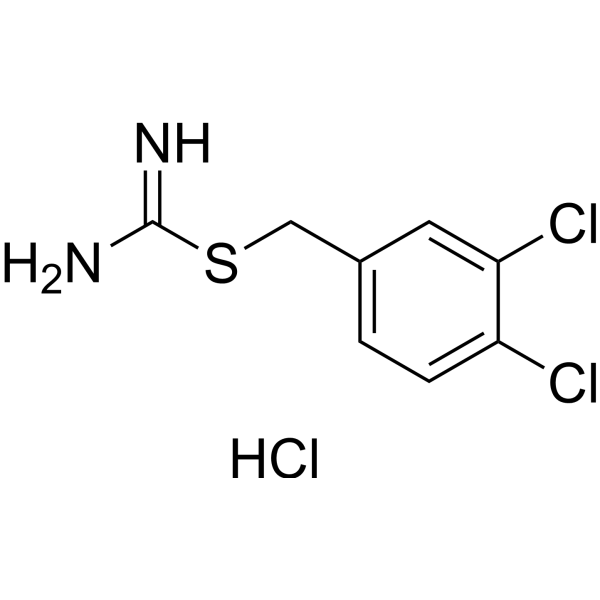
    MreB Perturbing Compound A22 hydrochloride (A22 hydrochloride) is a reversible MreB inhibitor and antimicrobial agent that exhibits bacteriostatic activity against Escherichia coli, with low activity against Gram-positive bacteria. MreB Perturbing Compound A22 hydrochloride rapidly and reversally delocalizes MreB from the helical/circular structures in cells, impairs MreB function, and reduces the binding of MreB to the chromosomal region proximal to the replication origin. MreB Perturbing Compound A22 hydrochloride alters the cell morphology of caulobacters to round/lemon-shaped, slows caulobacter growth, blocks their cell division, and induces the formation of spherical morphology, asymmetric division, and anucleate cells in Escherichia coli. MreB Perturbing Compound A22 hydrochloride is used for studies related to bacterial rod-shaped morphology determination, chromosome segregation, and cell division mechanisms .
    MreB Perturbing Compound A22 hydrochloride
  • HY-18257

    Antibiotic Bacterial Dengue Virus Amyloid-β HIV Integrase Infection Neurological Disease Inflammation/Immunology
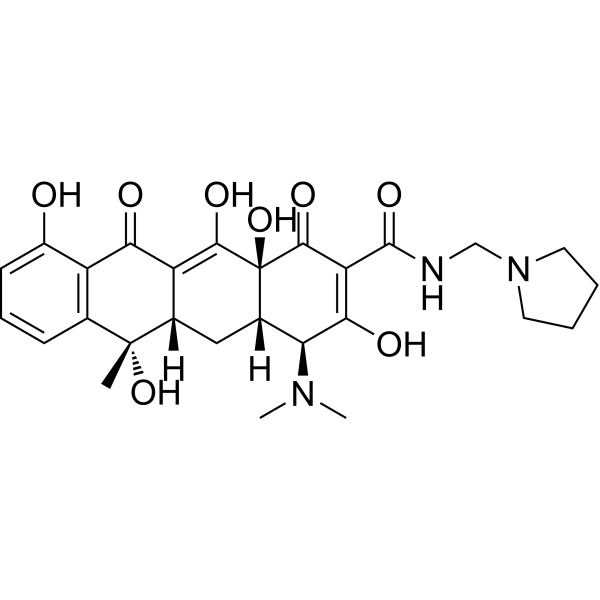
    Rolitetracycline is a highly soluble, broad-spectrum antibiotic derived from tetracycline. Rolitetracycline binds to and stabilizes bovine serum albumin, and also inhibits HIV-1 integrase, blocks Aβ fibril formation and suppresses dengue virus proliferation. Rolitetracycline mediates the inhibition of Aβ fibrils via a specific three-dimensional pharmacophore conformation, and exerts bacteriostatic and bactericidal activities. Rolitetracycline acts synergistically with Penicillin G (HY-N7139) or Cephalothin (HY-B1275A) to alter the effects on microbial growth. Rolitetracycline serves as an important tool compound for the study of bacterial infections (urinary tract infections, sepsis), HIV-1 and dengue virus infections, as well as Alzheimer's disease .
    Rolitetracycline
  • HY-N6656

    Fungal Bacterial Inflammation/Immunology Cancer
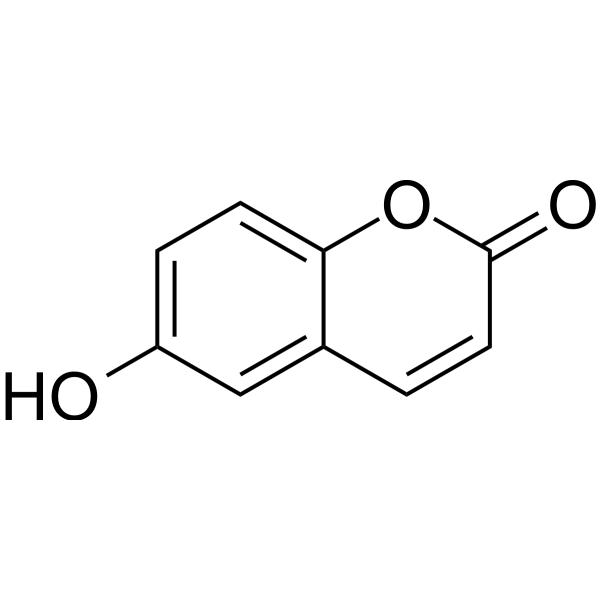
    6-Hydroxycoumarin is a coumarin which has anti-inflammatory, anti-pyretic, anti-oxidant, vasodilator, anti-amoebic, anti-bacterial, anti-fungal, bacteriostatic and antitumor activity .
    6-Hydroxycoumarin
  • HY-103249

    Reutericycline

    Bacterial Infection Metabolic Disease
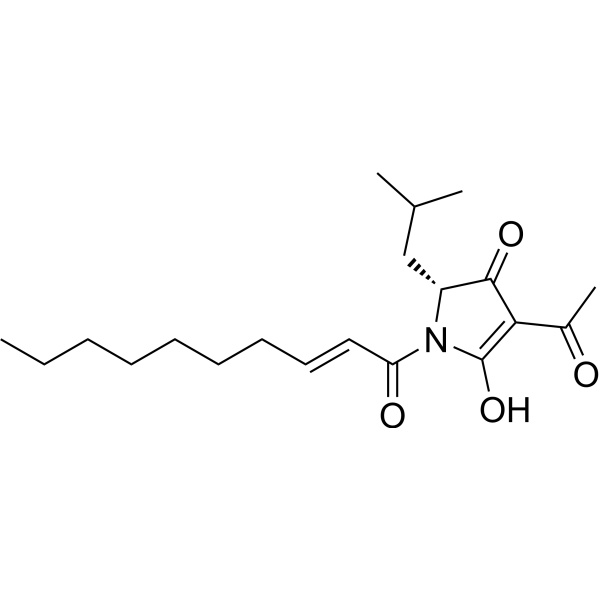
    Reutericyclin (Reutericycline) is an orally active antibacterial and anti-obesity agent that selectively inhibits Gram-positive bacteria. By selectively dissipating transmembrane potential, Reutericyclin exerts non-lytic bactericidal or bacteriostatic activity against pathogens such as Clostridium difficile and Staphylococcus aureus, and rapidly kills vegetative cells and spores of Clostridium difficile. Reutericyclin possesses favorable properties including resistance to enzymatic hydrolysis, iron-chelating function, and poor absorption by colonic epithelium. Reutericyclin not only eradicates staphylococcal biofilms and inhibits drug-resistant strains, but also counteracts Risperidone (HY-11018)-induced weight gain by inducing changes in gut microbiota composition and restoring energy utilization efficiency. Reutericyclin can be used in research related to Clostridium difficile infection, Risperidone-induced weight gain, and staphylococcal superficial skin infections .
    Reutericyclin
  • HY-112324

    Bacterial Infection
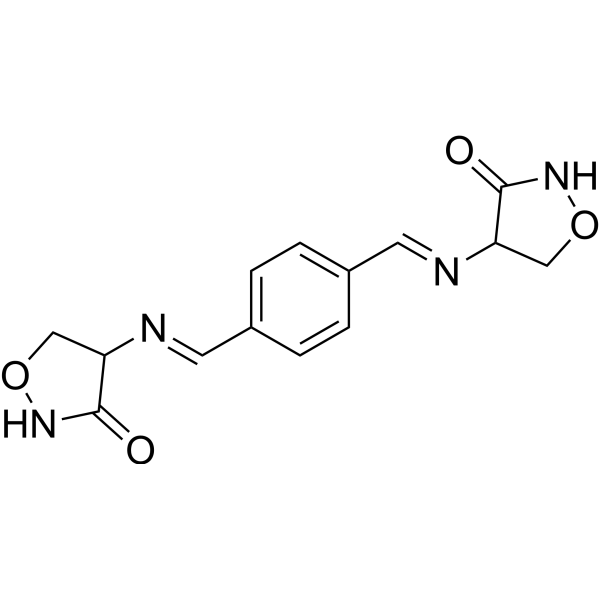
    Terizidone is an antibacterial agent, and shows bacteriostatic activity. Terizidone can be used in tuberculosis (TB) research .
    Terizidone
  • HY-N13292

    Antibiotic Bacterial Infection
    Actinorhodin is a blue-pigmented, redox-active microbial secondary metabolite. Actinorhodin is a potent, bacteriostatic, pH-responsive antibiotic. Actinorhodin exhibits antimicrobial activity against Gram-positive bacteria .
    Actinorhodin
  • HY-N10087

    Bacterial Infection
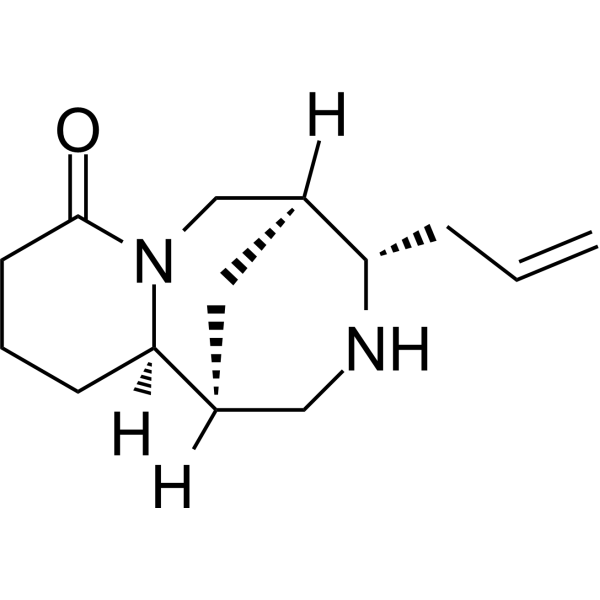
    Angustifoline, an alkaloid, can be isolated from Lupinus angustifolius L. alkaloid extract. Angustifoline exhibits antimicrobial activity. Angustifoline could have bacteriostatic effects against S. aureus, B. subtilis, E. coli, P. aeruginosa and B. thuringiensis .
    Angustifoline
  • HY-N0015R

    Astragaline (Standard); 3-Glucosylkaempferol (Standard); Kaempferol 3-β-D-glucopyranoside (Standard)

    Reference Standards Apoptosis NF-κB Infection Inflammation/Immunology Cancer
    Astragalin (Standard) is the analytical standard of Astragalin. This product is intended for research and analytical applications. Astragalin (Astragaline) a flavonoid with anti-inflammatory, antioxidant, anticancer, bacteriostatic activity. Astragalin inhibits cancer cells proliferation and migration, induces apoptosis. Astragalin is orally active and provides nerve and heart protection, and resistance against and osteoporosis .
    Astragalin (Standard)
  • HY-121300

    (-)-TAN2162

    Antibiotic Bacterial Endothelin Receptor CGRP Receptor Infection Cancer
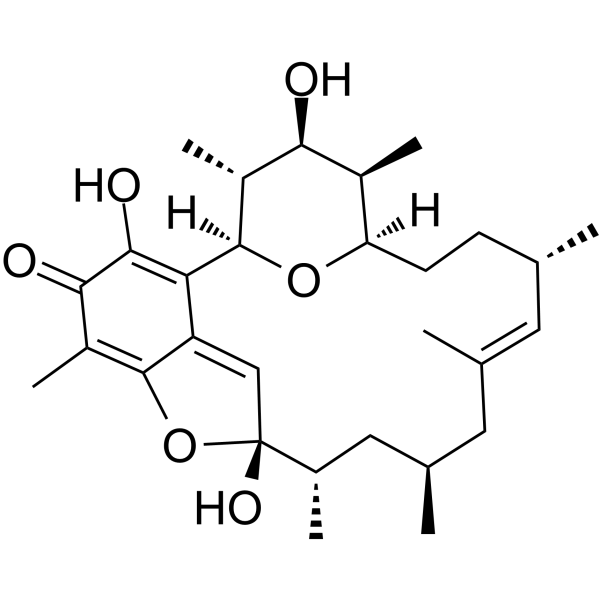
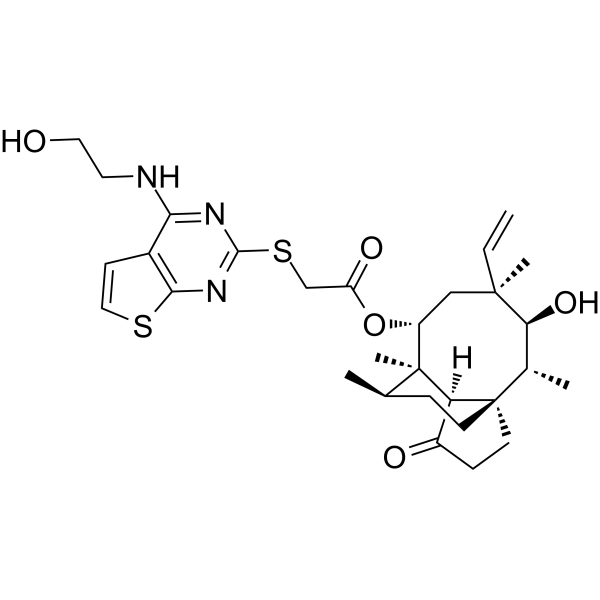
    Kendomycin ((−)-TAN 2162) is a polyketide antibiotic with remarkable antibacterial and cancer cells cytotoxic activities. Kendomycin tends to be bacteriostatic rather than bactericidal and inhibits the growth of the methicillin-resistant Staphylococcus aureus (MRSA) strain COL at a low concentration (MIC of 5 μg/mL). Kendomycin is a potent antagonist of the endothelin receptor and a calcitonin receptor agonist which plays its role as an anti-osteoporotic agent .
    Kendomycin
  • HY-N10116A

    Interleukin Related IFNAR Calcium Channel Bacterial CCR Infection Cancer
    Calamenene is a sesquiterpene compound . Calamenene promotes dendritic cell maturation, upregulates CD1a, CD80, CD83, CD86, HLA-DR and CCR7 on the cell surface, reduces endocytic activity, enhances T cell-stimulating capacity, drives Th1 polarization through the secretion of IL-12, induces IFN-γ production, decreases IL-4 generation, and triggers intracellular Ca 2+ mobilization as well as dendritic cell migration towards MIP-3β. Calamenene exerts bacteriostatic and bactericidal growth-inhibitory effects against pathogenic *Vibrio harveyi*. Calamenene can be used in studies related to cancer and bacterial infections .
    Calamenene
  • HY-W002677

    Antibiotic Bacterial Infection
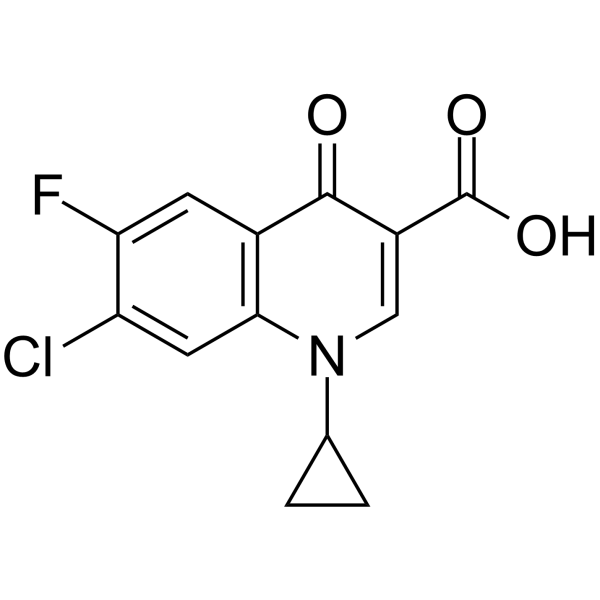
    Fluoroquinolonic acid is a bacteriostatic antibiotic. Fluoroquinolonic acid has broad-spectrum activity against Gram-positive and Gram-negative bacteria .
    Fluoroquinolonic acid
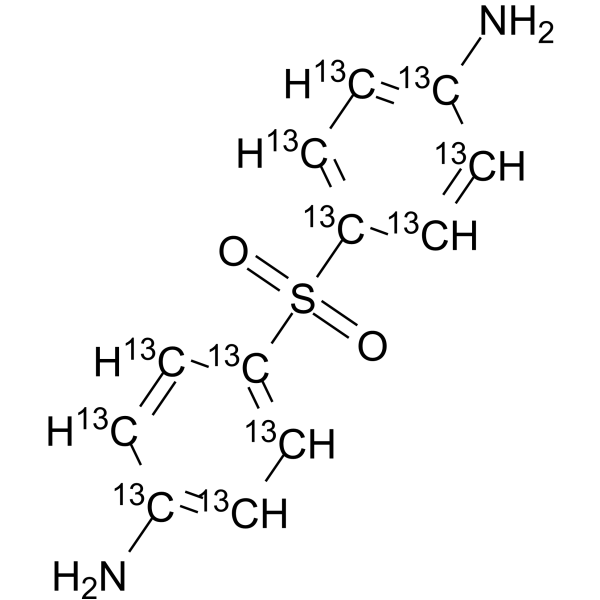
  • HY-B0688S2

    4,4′-Diaminodiphenyl sulfone-13C12; DDS-13C12

    Isotope-Labeled Compounds Antibiotic Parasite Bacterial Reactive Oxygen Species (ROS) Infection Inflammation/Immunology
    Dapsone- 13C12 is the 13C12 labeled Dapsone (HY-B0688). Dapsone (4,4′-Diaminodiphenyl sulfone) is an orally active and blood-brain penetrant sulfonamide antibiotic with bacteriostatic, antimycobacterial and antiprotozoal activities. Dapsone exerts effective antileprosy activity and inhibits folate synthesis in cell extracts of M. leprae. Dapsone is used for dermatologic disorder research, including leprosy, dermatitis herpetiformis, acne vulgaris et al .
    Dapsone-13C12
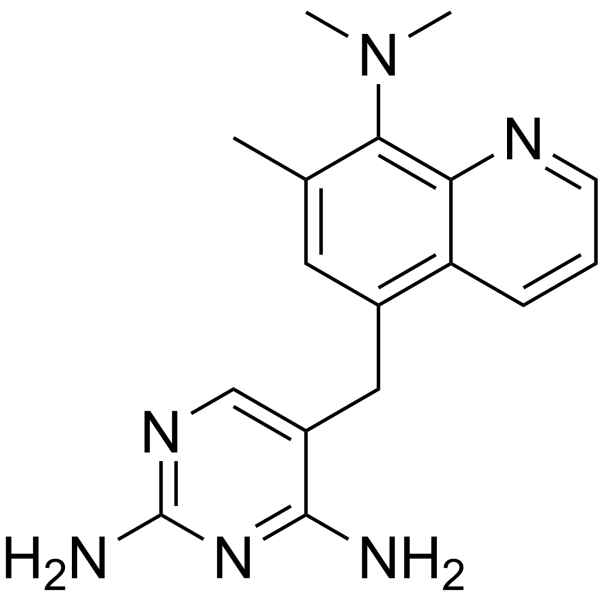
  • HY-19581

    Antibiotic Bacterial Infection
    Baquiloprim, an antibiotic, is a selective inhibitor of bacterial dihydrofolate reductases. Baquiloprim possesses in vitro bacteriostatic activity against both Gram-negative and Gram-positive bacteria .
    Baquiloprim
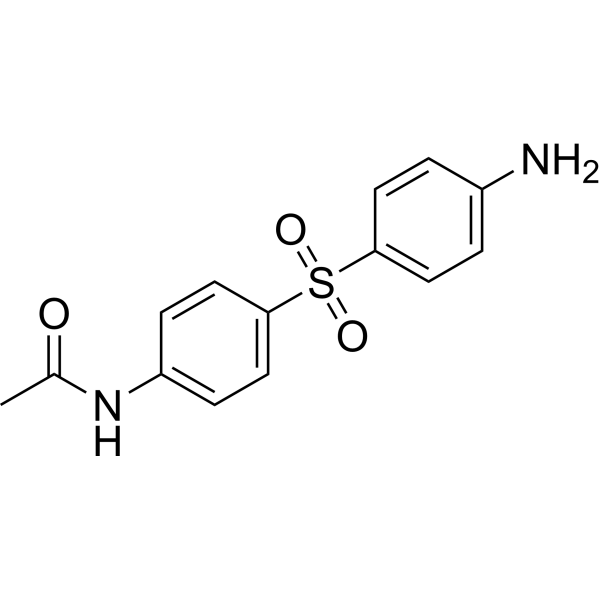
  • HY-G0016

    MADDS; Monoacetyldapsone

    Drug Metabolite Others
    N-Acetyl dapsone (MADDS) is the major metabolite of Dapsone (HY-B0688). Dapsone is an orally active and blood-brain penetrant sulfonamide antibiotic with bacteriostatic, antimycobacterial and antiprotozoal activities .
    N-Acetyl dapsone
  • HY-W775100

    Antibiotic Bacterial Infection
    Spectinomycin sulfate is an aminocyclitol aminoglycoside antibiotic derived from Streptomyces spectabilis with bacteriostatic activity .
    Spectinomycin sulfate
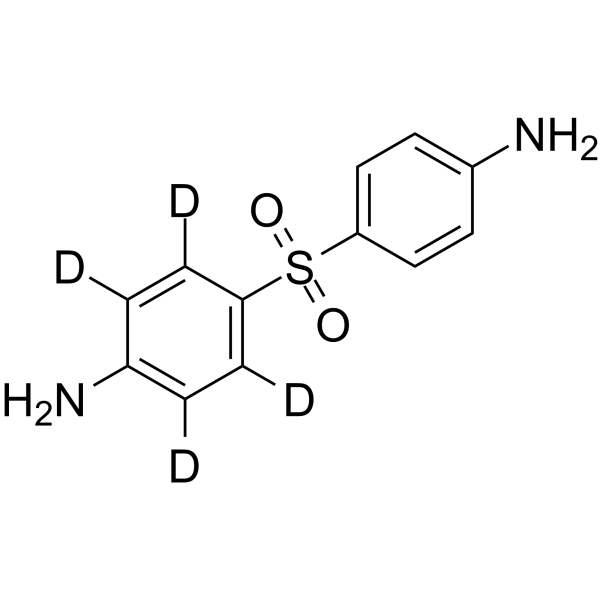
  • HY-B0688S1

    4,4′-Diaminodiphenyl sulfone-d4; DDS-d4

    Isotope-Labeled Compounds Antibiotic Parasite Bacterial Reactive Oxygen Species (ROS) Infection Inflammation/Immunology
    Dapsone-d4 is the deuterium labeled Dapsone. Dapsone (4,4′-Diaminodiphenyl sulfone) is an orally active and blood-brain penetrant sulfonamide antibiotic with bacteriostatic, antimycobacterial and antiprotozoal activities . Dapsone?exerts effective antileprosy activity?and inhibits folate synthesis in cell extracts of?M. leprae. Dapsone is used for dermatologic disorder research, including leprosy, dermatitis herpetiformis, acne vulgaris et al .
    Dapsone-d4
  • HY-146503

    Bacterial Infection
    Antibacterial agent 86 (Compound A11) is the most active and displays bacteriostatic activities against methicillin-resistant S. aureus, with MIC values as low as 0.00191 μg/mL, which is 162 and 32 times lower than that of the marketed antibiotics tiamulin and retapamulin, respectively .
    Antibacterial agent 86
  • HY-158242

    Bacterial Infection
    Antibacterial agent 212 (Compound 162) is an antibacterial agent with oral activity and good pharmacokinetic properties, having a MIC of 4 μg/mL against Pseudomonas aeruginosa T-2022-D2-048 .
    Antibacterial agent 212
  • HY-149286

    Bacterial Infection
    Antibacterial agent 142, an aromatic hydrazidesis, has antibacterial activity. Antibacterial agent 142 has bacteriostatic and inhibits biofilm formation .
    Antibacterial agent 142
  • HY-123614

    Bacterial Infection
    PD 140248 hydrochloride is a quinolone broad-spectrum antibacterial agent with good in vitro bacteriostatic activity, especially having a significant inhibitory effect on Gram-positive bacteria .
    PD 140248 hydrochloride
  • HY-W002677R

    Reference Standards Antibiotic Bacterial Infection
    Fluoroquinolonic acid (Standard) is the analytical standard of Fluoroquinolonic acid. This product is intended for research and analytical applications. Fluoroquinolonic acid is a bacteriostatic antibiotic. Fluoroquinolonic acid has broad-spectrum activity against Gram-positive and Gram-negative bacteria .
    Fluoroquinolonic acid (Standard)
  • HY-19581S

    Isotope-Labeled Compounds Antibiotic Bacterial Infection
    Baquiloprim-d6 is deuterium labeled Baquiloprim. Baquiloprim, an antibiotic, is a selective inhibitor of bacterial dihydrofolate reductases. Baquiloprim possesses in vitro bacteriostatic activity against both Gram-negative and Gram-positive bacteria .
    Baquiloprim-d6
  • HY-19581R

    Reference Standards Antibiotic Bacterial Infection
    Baquiloprim (Standard) is the analytical standard of Baquiloprim. This product is intended for research and analytical applications. Baquiloprim, an antibiotic, is a selective inhibitor of bacterial dihydrofolate reductases. Baquiloprim possesses in vitro bacteriostatic activity against both Gram-negative and Gram-positive bacteria .
    Baquiloprim (Standard)
  • HY-N10087A

    Bacterial Infection
    Angustifoline hydrochloride, an alkaloid, can be isolated from Lupinus angustifolius L. alkaloid extract. Angustifoline hydrochloride exhibits antimicrobial activity. Angustifoline hydrochloride could have bacteriostatic effects against S. aureusB. subtilisE. coliP. aeruginosa and B. thuringiensis .
    Angustifoline hydrochloride
  • HY-W702303

    Isotope-Labeled Compounds Bacterial Infection
    Terizidone- 15N2,d6 is the deuterium and 15N-labeled Terizidone (HY-112324). Terizidone is an antibacterial agent, and shows bacteriostatic activity. Terizidone can be used in tuberculosis (TB) research .
    Terizidone-15N2,d6
  • HY-B1064A

    Clindamycin 2-phosphate hydrochloride; U-28508 hydrochloride

    Bacterial Antibiotic Parasite Infection Cancer
    Clindamycin phosphate (Clindamycin 2-phosphate) hydrochloride is a broad-spectrum bacteriostatic lincosamide antibiotic. Clindamycin phosphate hydrochloride is the proagent of Clindamycin (HY-B1455) with no antimicrobial activity in vitro but can be rapidly converted in vivo to the active parent agent, Clindamycin, by phosphatase ester hydrolysis. Clindamycin phosphate hydrochloride can be used for researching acne and bacterial vaginosis .
    Clindamycin phosphate hydrochloride
  • HY-B1838A

    Fungal Infection
    Asulam (potassium salt) is a chitin synthase inhibitor against plant pathogenic fungi. Asulam (potassium salt) interferes with the biosynthesis of chitin in the fungal cell wall to destroy the integrity and normal growth and reproduction of fungal cells, thereby exerting bacteriostatic activity. Asulam (potassium salt) is promising for research of fungal diseases such as downy mildew and gray mold in spinach, tulips, daffodils and lilies .
    Asulam potassium
  • HY-173355

    Bacterial Infection
    RCB18350 is an antituberculosis agent that belongs to the class of isoxazole derivatives. RCB18350 has bacteriostatic activity and inhibits the growth of Mycobacterium tuberculosis with an MIC of 1.25 μg/mL. RCB18350 is effective against multidrug-resistant Mycobacterium tuberculosis (MDR-TB) clinical isolates, slow-growing mycobacteria such as Mycobacterium bovis BCG and Mycobacterium avium .
    RCB18350
  • HY-B0276A

    2-Ethylthioisonicotinamide hydrochloride

    Bacterial Infection
    Ethionamide hydrochloride (2-Ethylthioisonicotinamide hydrochloride) is an antituberculosis drug with mycobacterial activity. Ethionamide hydrochloride interferes with the bacterial cell wall synthesis process by inhibiting the synthesis of fatty acids in the bacterial cell wall. Ethionamide hydrochloride may have bacteriostatic or bactericidal effects, depending on the concentration of the drug at the site of infection and the susceptibility of the associated microorganisms. Ethionamide hydrochloride combines with NAD+ to form an adduct, thereby exerting its antibacterial effect .
    Ethionamide hydrochloride
  • HY-N12322

    Antibiotic Bacterial Infection
    Dihydrotetrodecamycin is an antibiotic that can be isolated from the fermentation broth of Streptomyces nashvillensis MJ885-mF8. Dihydrotetrodecamycin has MIC values of 50 mg/mL against both Pasteurella piscicida sp. 639 and P. piscicida sp. 6356 .
    Dihydrotetrodecamycin
  • HY-B1064R

    Clindamycin 2-phosphate (Standard); U-28508 (Standard)

    Reference Standards Bacterial Antibiotic Parasite Infection
    Clindamycin phosphate (Standard) is the analytical standard of Clindamycin phosphate. This product is intended for research and analytical applications. Clindamycin phosphate (Clindamycin 2-phosphate) is a broad-spectrum bacteriostatic lincosamide antibiotic. Clindamycin phosphate is the proagent of Clindamycin (HY-B1455) with no antimicrobial activity in vitro but can be rapidly converted in vivo to the active parent agent, Clindamycin, by phosphatase ester hydrolysis. Clindamycin phosphate can be used for researching acne and bacterial vaginosis .
    Clindamycin phosphate (Standard)
  • HY-B0688R

    4,4′-Diaminodiphenyl sulfone (Standard); DDS (Standard)

    Reference Standards Antibiotic Parasite Bacterial Reactive Oxygen Species (ROS) Infection Inflammation/Immunology
    Dapsone (Standard) is the analytical standard of Dapsone. This product is intended for research and analytical applications. Dapsone (4,4′-Diaminodiphenyl sulfone) is an orally active and blood-brain penetrant sulfonamide antibiotic with bacteriostatic, antimycobacterial and antiprotozoal activities . Dapsone exerts effective antileprosy activity and inhibits folate synthesis in cell extracts of M. leprae. Dapsone is used for dermatologic disorder research, including leprosy, dermatitis herpetiformis, acne vulgaris et al .
    Dapsone (Standard)
  • HY-B0688S3

    4,4′-Diaminodiphenyl sulfone-15N2; DDS-15N2

    Isotope-Labeled Compounds Antibiotic Reactive Oxygen Species (ROS) Bacterial Parasite Infection Inflammation/Immunology
    Dapsone- 15N2 (4,4′-Diaminodiphenyl sulfone- 15N2) is 15N labeled Dapsone. Dapsone (4,4′-Diaminodiphenyl sulfone) is an orally active and blood-brain penetrant sulfonamide antibiotic with bacteriostatic, antimycobacterial and antiprotozoal activities . Dapsone?exerts effective antileprosy activity?and inhibits folate synthesis in cell extracts of?M. leprae. Dapsone is used for dermatologic disorder research, including leprosy, dermatitis herpetiformis, acne vulgaris et al .
    Dapsone-15N2
  • HY-118773R

    A22 hydrochloride (Standard)

    Reference Standards Bacterial Infection
    MreB Perturbing Compound A22 hydrochloride (Standard) is the analytical standard for MreB Perturbing Compound A22 hydrochloride (HY-118773). This product is intended for research and analytical applications. MreB Perturbing Compound A22 hydrochloride (A22 hydrochloride) is a reversible MreB inhibitor and antimicrobial agent that exhibits bacteriostatic activity against Escherichia coli, with low activity against Gram-positive bacteria. MreB Perturbing Compound A22 hydrochloride rapidly and reversally delocalizes MreB from the helical/circular structures in cells, impairs MreB function, and reduces the binding of MreB to the chromosomal region proximal to the replication origin. MreB Perturbing Compound A22 hydrochloride alters the cell morphology of caulobacters to round/lemon-shaped, slows caulobacter growth, blocks their cell division, and induces the formation of spherical morphology, asymmetric division, and anucleate cells in Escherichia coli. MreB Perturbing Compound A22 hydrochloride is used for studies related to bacterial rod-shaped morphology determination, chromosome segregation, and cell division mechanisms .
    MreB Perturbing Compound A22 hydrochloride (Standard)
  • HY-173205

    Bacterial Infection
    Antimycobacterial agent - 11 (Compound QM7) is a bacteriostatic agent with anti-tuberculosis activity. Its minimum inhibitory concentration (MIC) against Mycobacterium tuberculosis (Mtb) is 5.58 μg/mL. Antimycobacterial agent - 11 can be used in the research of the anti - infection field, especially in the field of tuberculosis .
    Antimycobacterial agent-11
  • HY-N6656R

    Fungal Reference Standards Bacterial Inflammation/Immunology Cancer
    6-Hydroxycoumarin (Standard) is the analytical standard of 6-Hydroxycoumarin (HY-N6656). This product is intended for research and analytical applications. 6-Hydroxycoumarin is a coumarin which has anti-inflammatory, anti-pyretic, anti-oxidant, vasodilator, anti-amoebic, anti-bacterial, anti-fungal, bacteriostatic and antitumor activity .
    6-Hydroxycoumarin (Standard)
  • HY-183552

    HIF/HIF Prolyl-Hydroxylase EBV Drug Intermediate Infection Cancer
    mCPX is a prodrug of the antifungal agent Ciclopirox olamine (CPX) (HY-B0450A). CPX exhibits bacteriostatic and iron-chelating activities, while mCPX enhances the iron stability of CPX. mCPX inherits the core mechanism pathway of CPX and can induce EBV lytic reactivation in EBV + gastric cancer cells via the hypoxia pathway (HIF‑1α). mCPX is applicable to research related to EBV-positive gastric cancer .
    mCPX
  • HY-179383

    Bacterial Infection
    DprE1-IN-14 (Compound 77) is a DprE1 inhibitor, with an IC50 value of 2.5 nM for M. tb. DprE1-IN-14 exhibits anti-tuberculosis activity, with an MIC₉₀ of 0.3 μM for the M. tb mc26230 strain. DprE1-IN-14 mainly shows bacteriostatic activity, demonstrating a time-dependent bactericidal effect at 10-fold MIC concentrations. DprE1-IN-14 can be used in anti-tuberculosis research .
    DprE1-IN-14

Inquiry Online

Your information is safe with us. * Required Fields.

Salutation


Country or Region *

Applicant Name *


Organization Name *

Department *


Email Address *


Product Name *

Cat. No.


Requested quantity *

Phone Number *


Remarks

Inquiry Online

Inquiry Information

Product Name:
Cat. No.:
Quantity:
MCE Japan Authorized Agent:

