

46 Results for "

biological regulations

" in MedChemExpress (MCE) Product Catalog:
Products (46)

46 Results for "biological regulations" in MCE Product Catalog:

62
62 Publications Verification
Cat. No.: HY-Y1269
CAS No.: 12125-02-9
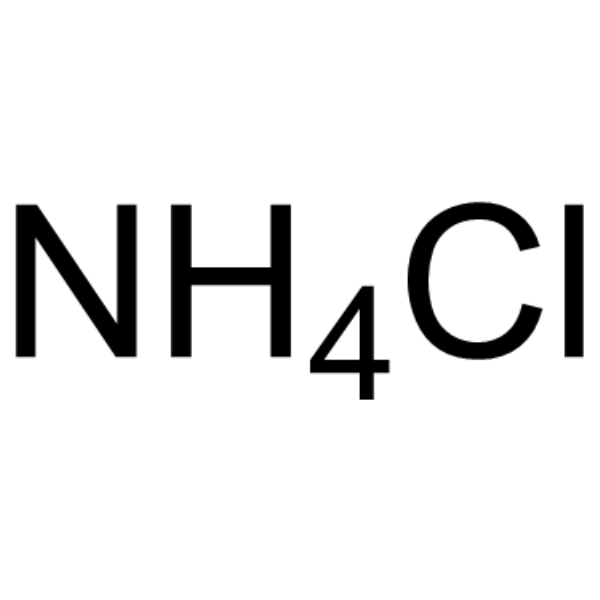
Ammonium chloride, as a heteropolar compound with pH value regulation, can cause intracellular alkalization and metabolic acidosis thus effecting enzymatic activity and influencing the process of biological system. Ammonium chloride is an autophagy inhibitor. Ammonium chloride is also a lysosome inhibitor .
loading...
    loading...
9
9 Cited Publications
Cat. No.: HY-N6653
CAS No.: 37339-90-5
Lentinan is an orally active biocompatible multifunctional polysaccharide with biological activities such as anti-inflammatory, antioxidant, immune regulation, anti-tumor, hypoglycemic, and lipid-lowering [1][4].
loading...
    loading...
3
3 Cited Publications
Cat. No.: HY-N1940
CAS No.: 38226-86-7
Synonyms: Cycloicaritin
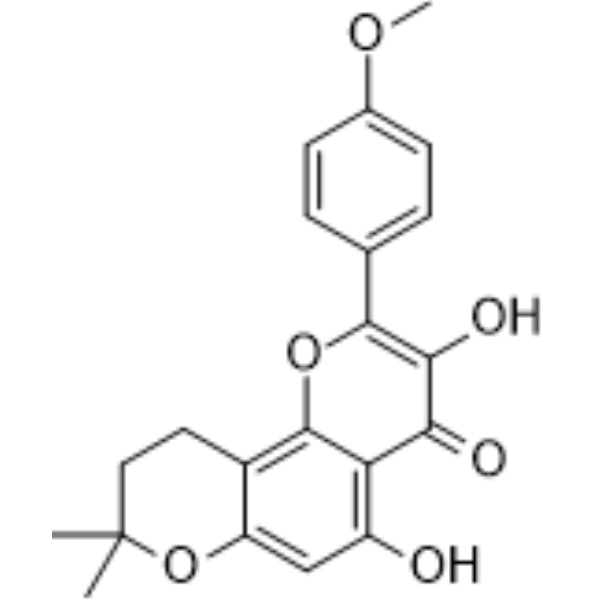
β-Anhydroicaritin is isolated from Boswellia carterii Birdware, has important biological and pharmacological effects, such as antiosteoporosis, estrogen regulation and antitumor properties . β-Anhydroicaritin ameliorates the degradation of periodontal tissue and inhibits the synthesis and secretion of TNF-α and MMP-3 in diabetic rats . β-Anhydroicaritin decreases the overproduction of NO, IL-10, TNF-α, MCP-1 and IL-6 in inperitonitis mice. β-Anhydroicaritin inhibits the elevation of intracellular Ca 2+, and markedly decreases iNOS protein expression .
loading...
    loading...
2
2 Cited Publications
Cat. No.: HY-N0086R
CAS No.: 1867-73-8
Synonyms: 6-Methyladenosine (Standard); N-Methyladenosine (Standard)
N6-Methyladenosine (Standard) is the analytical standard of N6-Methyladenosine. This product is intended for research and analytical applications. N6-Methyladenosine is the most prevalent internal (non-cap) modification present in the messenger RNA (mRNA) of all higher eukaryotes. N6-Methyladenosine can modifies viral RNAs and has antiviral activities. In Vitro: N6-methyladenosine (m6A) is selectively recognized by the human YTH domain family 2 (YTHDF2) protein to regulate mRNA degradation. N6-methyladenosine (m6A), a prevalent internal modification in the messenger RNA of all eukaryotes, is post-transcriptionally installed by m6A methyltransferase (e.g., MT-A70) within the consensus sequence of G(m6A)C (70%) or A(m6A)C (30%). N6-methyladenosine (m6A)-containing RNAs are greatly enriched in the YTHDF-bound portion and diminished in the flow-through portion . N6-methyladenosine (m6A), the most abundant internal RNA modification, functions in diverse biological processes, including regulation of embryonic stem cell self-renewal and differentiation. N6-methyladenosine (m6A) is a large protein complex, consisting in part of methyltransferase-like 3 (METTL3) and methyltransferase-like 14 (METTL14) catalytic subunits .
loading...
    loading...
Cat. No.: HY-Y1269S
CAS No.: 39466-62-1
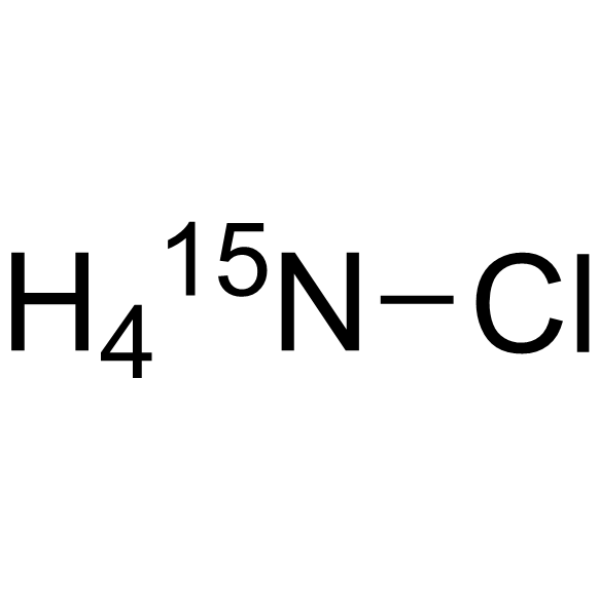
Ammonium chloride- 15N is the 15N labeled Ammonium chloride (HY-Y1269). Ammonium chloride, as a heteropolar compound with pH value regulation, can cause intracellular alkalization and metabolic acidosis thus effecting enzymatic activity and influencing the process of biological system. Ammonium chloride is an autophagy inhibitor. Ammonium chloride is also a lysosome inhibitor .
loading...
    loading...
Cat. No.: HY-P991202
Anti-TSHR Antibody (M22) is a selective agonist targeting TSHR (thyroid-stimulating hormone receptor), acting through competitive binding to the extracellular domain of TSHR. Anti-TSHR Antibody (M22) can mimic the biological effects of thyroid-stimulating hormone (TSH), activating downstream cAMP-PKA and other signaling pathways. Anti-TSHR Antibody (M22) can stimulate the proliferation of thyroid follicular epithelial cells and human umbilical vein endothelial cells (HUVECs), promote angiogenesis and tube formation, cell migration, and also upregulate the expression of angiogenesis-related proteins such as PROX1. Anti-TSHR Antibody (M22) can be used in research areas such as the mechanisms of goiter formation in Graves' disease (GD), angiogenesis regulation, and TSHR antagonist screening .
loading...
    loading...
Cat. No.: HY-P10373
CAS No.: 1259928-08-9
pJAK2(1001-1013) is a cell-penetrating peptide that corresponds to the activation loop of JAK2 tyrosine kinase and functions as a SOCS1/3antagonist. pJAK2 (1001-1013) blocks SOCS1-mediated negative regulation of immune function, and enhances the biological activity of cytokines such as IFNγ and IL6. pJAK2(1001-1013) inhibits the replication of a broad range of viruses and exerts dose-dependent protective efficacy against lethal viral infections. pJAK2(1001-1013) can be used for the study of immune regulation and infection .
loading...
    loading...
Cat. No.: HY-137249
CAS No.: 95079-19-9
Purity:  98.32%
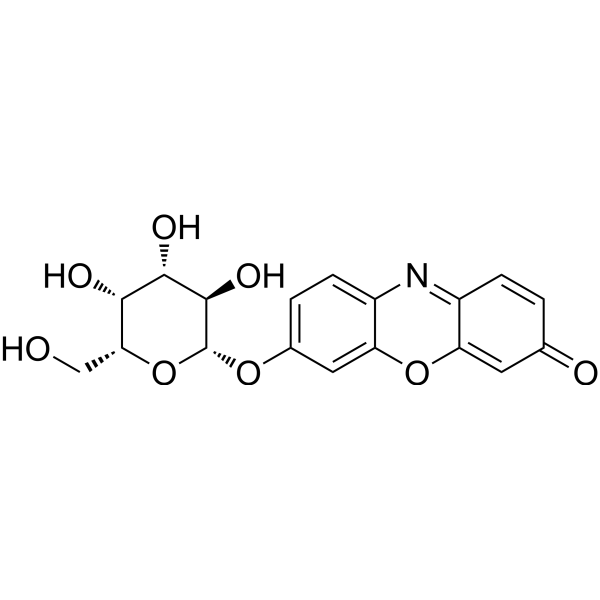
Resorufin-β-D-galactopyranoside is a commonly used substrate in various biochemical assays to measure the activity of β-galactosidase, an important enzyme involved in lactose metabolism and regulation of gene expression. Resorufin-β-D-galactopyranoside has unique chemical properties and can be hydrolyzed by β-galactosidase to form a red fluorescent product called resorufin. This makes it a useful tool for detecting and quantifying β-galactosidase activity in biological samples such as bacteria or mammalian cells.
loading...
    loading...
Cat. No.: HY-D0872
CAS No.: 68399-80-4
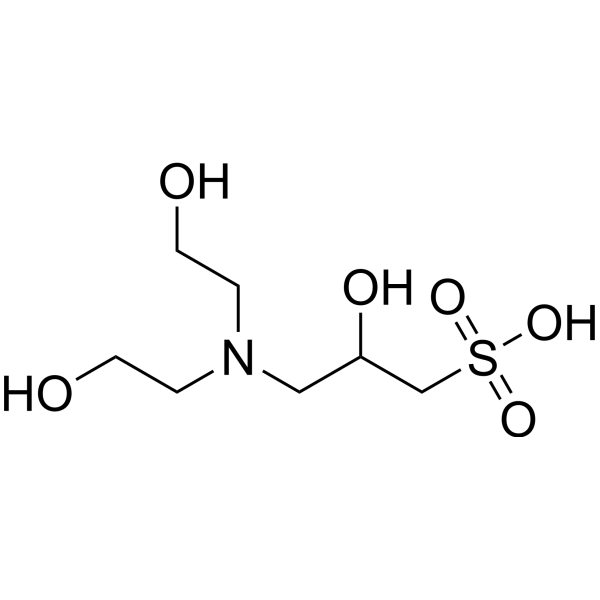
DIPSO is a biological zwitterionic buffer with the useful pH range from 7.0 to 8.2. DIPSO can interfere meiotic regulation in mouse oocytes. DIPSO also has surfactant activity at 10 mM .
loading...
    loading...
Cat. No.: HY-143203
CAS No.: 7266-53-7
Purity:  ≥98.0%
Synonyms: 1-Stearoyl-2-linoleoyl-sn-glycero-3-phosphoethanolamine
Target:  

Liposome

Research Areas:  

Cardiovascular Disease Cancer

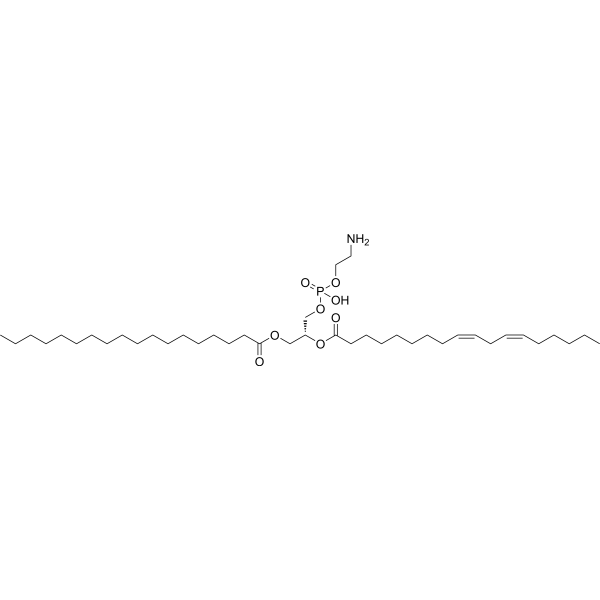
18:0-18:2 PE (1-Stearoyl-2-linoleoyl-sn-glycero-3-phosphoethanolamine) is a glycerophospholipid compound and an essential component of biological cell membranes. 18:0-18:2 PE possesses biological activities including regulation of phospholipid metabolism, antioxidant activity, maintenance of cell membrane fluidity, immune protection, and regulation of signaling pathways. 18:0-18:2 PE in the hot processing process, its unsaturated fatty acids will degrade to form a variety of odor active compounds. 18:0-18:2 PE can be applied in food processing and research on phospholipid metabolism-related diseases .
loading...
    loading...
Cat. No.: HY-Y1269AS
CAS No.: 12015-14-4
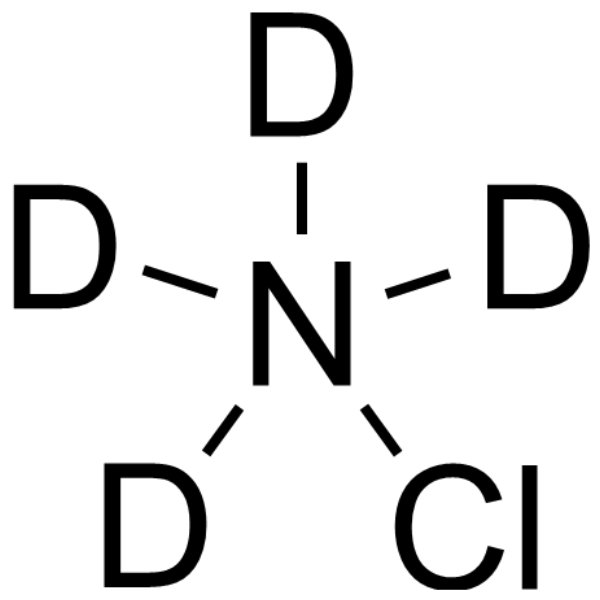
Ammonium chloride-d4 is the deuterium labeled Ammonium chloride. Ammonium chloride, as a heteropolar compound with pH value regulation, can cause intracellular alkalization and metabolic acidosis thus effecting enzymatic activity and influencing the process of biological system. Ammonium chloride is an autophagy inhibitor. Ammonium chloride is also a lysosome inhibitor .
loading...
    loading...
Cat. No.: HY-E70074
CAS No.: 9001-66-5
Target:  

Monoamine Oxidase

Research Areas:  

Neurological Disease

Monoamine oxidase (EC 1.4.3.4) is an enzyme composed of different polypeptides. Monoamine oxidation catalyzes the oxidative deamination of various biological amines in brain and peripheral tissues by producing hydrogen peroxide. Monoamine oxidase plays an important role in maintaining the regulation of synaptic transmission, emotional behavior and other brain functions .
loading...
    loading...
Cat. No.: HY-N8228
CAS No.: 2306139-04-6
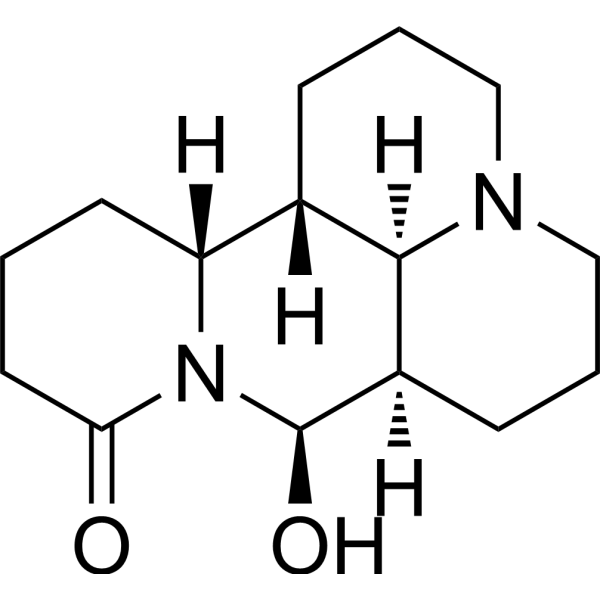
17-Hydroxyneomatrine, extracted from Sophora flavescens, can well inhibit the growth of human cervical carcinoma Hela cells, has the wide-range antibacterial, anti-allergy, anti-tumor, anti-arrhythmia, swelling-subsiding diuresis, immunizing, and biological regulation functions .
loading...
    loading...
Cat. No.: HY-164770A
CAS No.: 43150-64-7
Synonyms: ApU sodium
Target:  

DNA/RNA Synthesis

Research Areas:  

Others

Adenosyl-(3′→5′)-uridine (ApU) sodium is a nucleotide, which is composed of an adenine base and a uracil sugar molecule through a 3'-5' phosphodiester bond. Adenosyl-(3′→5′)-uridine (ApU) sodium participates in the biological processes, such as gene expression regulation, signal transduction, and protein synthesis .
loading...
    loading...
Cat. No.: HY-P4827
CAS No.: 521986-14-1
Target:  

PTHR

Research Areas:  

Metabolic Disease

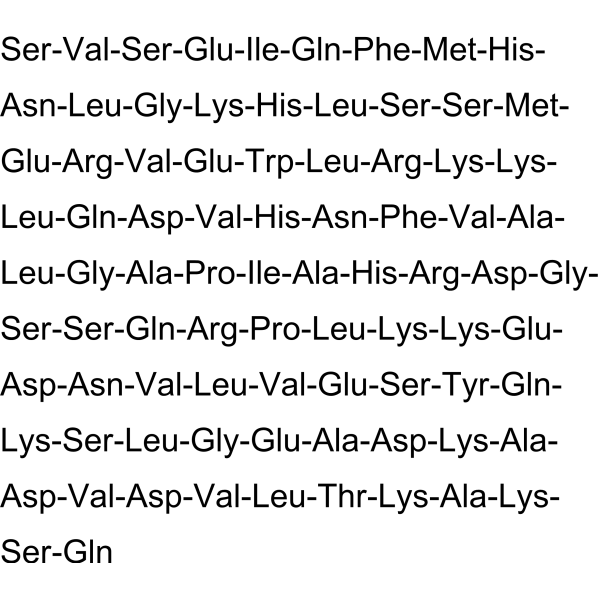
pTH (1-84) dog is a biologically active full-length canine parathyroid hormone, as well as an agonist of PTHR. pTH (1-84) dog can be detected by the "intact" PTH (W-PTH) assay, thus effectively distinguishing inactive C-terminal fragments. In terms of metabolic regulation, it rapidly and persistently stimulates hepatic glucose release, hepatic alanine uptake, and alanine-based gluconeogenesis in conscious fasted dogs, and causes a secondary increase in circulating canine insulin levels due to enhanced glucose release. However, high doses of pTH (1-84) (dog) may induce adverse reactions such as hypercalcemia in dogs. Based on the above characteristics, this hormone can be widely used in studies related to canine hyperadrenocorticism (HAC) .
loading...
    loading...
Cat. No.: HY-164770
CAS No.: 3051-84-1
Synonyms: ApU
Target:  

DNA/RNA Synthesis

Research Areas:  

Others

Adenosyl-(3′→5′)-uridine (ApU) is a nucleotide, which is composed of an adenine base and a uracil sugar molecule through a 3'-5' phosphodiester bond. Adenosyl-(3′→5′)-uridine (ApU) participates in the biological processes, such as gene expression regulation, signal transduction, and protein synthesis .
loading...
    loading...
Cat. No.: HY-P3771
CAS No.: 284660-72-6
Target:  

Src

Research Areas:  

Others

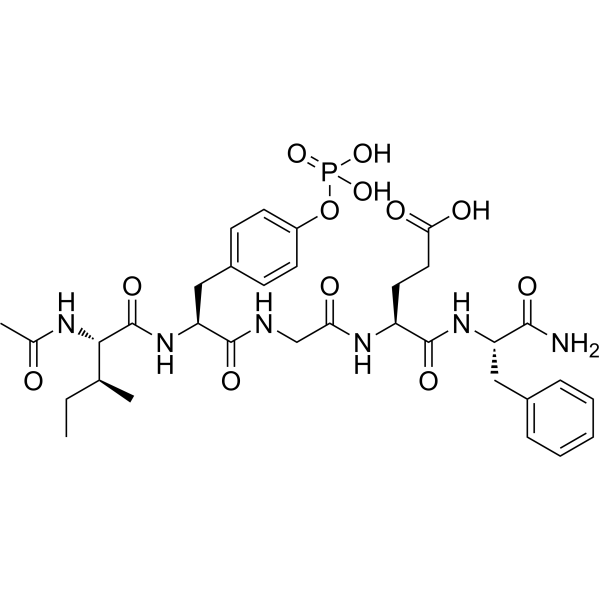
p60c-src substrate II,phosphorylated is a pentapeptide. p60c-src substrate II,phosphorylated is a p60c-src substrate II phosphorylated polypeptide. Protein phosphorylation is an important post-translationmodification of protein that is indispensible in biological regulations .
loading...
    loading...
Cat. No.: HY-E70228
CAS No.: 60748-73-4
Target:  

Ser/Thr Protease

Research Areas:  

Cancer

Cathepsin H, human liver is an aminopeptidase and an endopeptidase. Involved in the catabolism of proteins in the lysosomal system. Cathepsin H, human liver has a key role in the regulation of the biological behavior of tumor cells and the pathological processes of brain diseases .
loading...
    loading...
Cat. No.: HY-174518
Target:  

mRNA

Research Areas:  

Cancer

Human TNF mRNA encodes the human tumor necrosis factor (TNF) protein, a multifunctional proinflammatory cytokine that belongs to the tumor necrosis factor (TNF) superfamily. TNF is involved in the regulation of a wide spectrum of biological processes including cell proliferation, differentiation, apoptosis, lipid metabolism, and coagulation.
loading...
    loading...
Cat. No.: HY-164771
CAS No.: 3256-24-4
Synonyms: UpA
Target:  

DNA/RNA Synthesis

Research Areas:  

Others

Uridylyl-(3′→5′)-adenosine (UpA) is a dinucleotide, which is composed of a unrail base and an adenosine suger molecule through a 3'-5' phosphodiester bond. Uridylyl-(3′→5′)-adenosine participates in the biological processes, such as gene expression regulation, signal transduction, and protein synthesis .
loading...
    loading...

