

1. Search Result
Search Result
Results for "

bone growth

" in MedChemExpress (MCE) Product Catalog:

61

Inhibitors & Agonists

3

Screening Libraries

2

Fluorescent Dyes

5

Biochemical Assay Reagents

9

Peptides

3

Inhibitory Antibodies

6

Natural
Products

4

Recombinant Proteins

1

Isotope-Labeled Compounds

4

Antibodies

2

Oligonucleotides

2

GMP Molecules

Cat. No. Product Name Target Research Areas Chemical Structure
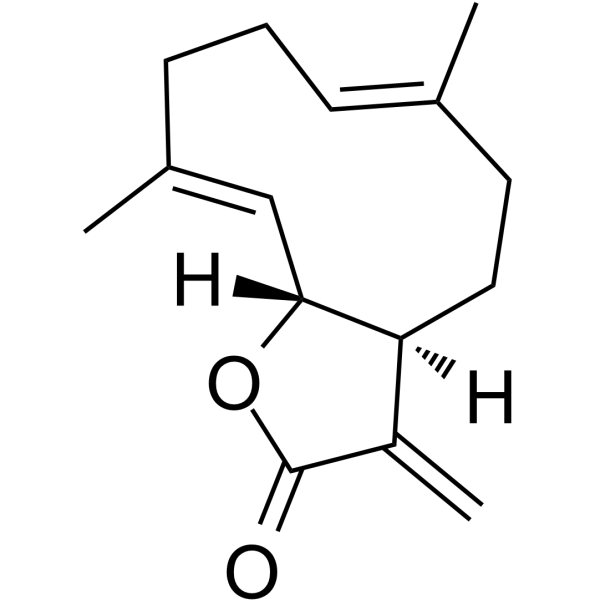
  • HY-N0036
    Costunolide
    5+ Cited Publications

    (+)-Costunolide; Costus lactone

    Apoptosis Endogenous Metabolite Cancer
    Costunolide ((+)-Costunolide) is a naturally occurring sesquiterpene lactone, with antioxidative, anti-inflammatory, antiallergic, bone remodeling, neuroprotective, hair growth promoting, anticancer, and antidiabetic properties. Costunolide can induce cell cycle arrest and apoptosis on breast cancer cells .
    Costunolide
  • HY-P99590
    Sotatercept
    2 Publications Verification

    ACE-011; MK-7962

    TGF-β Receptor Cardiovascular Disease Inflammation/Immunology Cancer
    Sotatercept (ACE-011) is a soluble activin receptor 2A (ACVR2A) type IgG Fc fusion protein. Sotatercept combines activin and growth differentiation factor to try to restore the balance between growth promotion and growth inhibition signal pathways. Sotatercept has potential application in pulmonary arterial hypertension, anemia, bone loss, erythropoiesis, multiple myeloma (MM) osteolytic lesions .
    Sotatercept
  • HY-B0657A
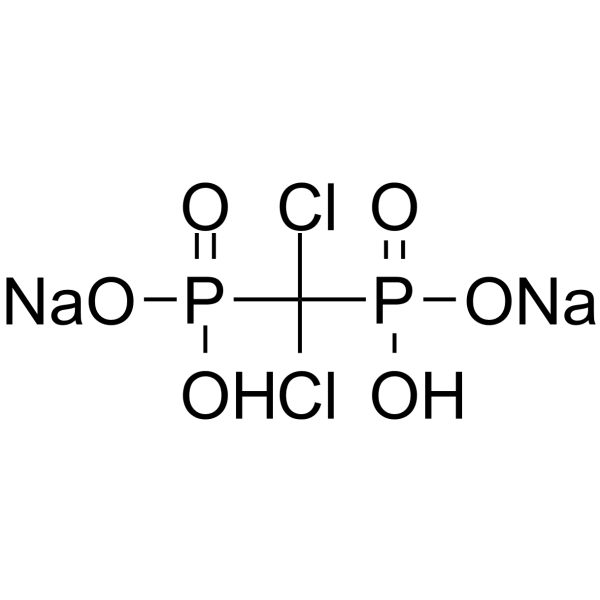
    Clodronic acid disodium salt
    4 Publications Verification

    Clodronate disodium salt

    Apoptosis Metabolic Disease Cancer
    Clodronic acid (Clodronate) disodium salt is an orally active bisphosphonate. Clodronic acid disodium salt inhibits osteoclast-mediated bone resorption. Clodronic acid disodium salt reduces skeletal event risk in malignant bone disease, impairs malignant osteolysis, blocks bone matrix growth-factor release, induces apoptosis in osteoclasts and macrophages. Clodronic acid disodium salt is effective in the maintenance or improvement of bone mineral density. Clodronic acid disodium salt can be used for the research of multiple myeloma and postmenopausal osteoporosis .
    Clodronic acid disodium salt
  • HY-P3503A

    BMN 111 acetate

    FGFR Others
    Vosoritide (BMN 111) acetate is a natriuretic peptide receptor 2 (NPR2) agonist that acts on the proliferation and differentiation of chondrocytes to promote bone growth .
    Vosoritide acetate
  • HY-159642

    TYRA-300

    FGFR ERK Metabolic Disease Cancer
    Dabogratinib (TYRA-300) is an orally active, selective FGFR3 inhibitor with an IC50 of 11 nM. Dabogratinib exhibits antitumor activity against urothelial carcinoma and solid tumors. Dabogratinib downregulates the FGFR3 and ERK1/2 signaling pathways, and induces tumor growth inhibition and regression in FGFR3-altered xenograft models. Dabogratinib promotes chondrocyte proliferation and differentiation, drives endochondral bone formation and overall body growth, partially restores long bone proportions, and improves craniofacial and spinal morphology. Dabogratinib can be used for the research of metastatic urothelial carcinoma, achondroplasia and hypochondroplasia .
    Dabogratinib
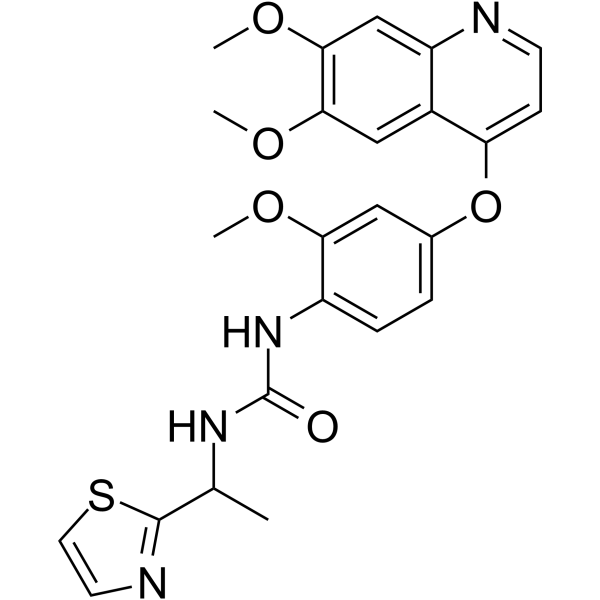
  • HY-16712
    LDN-214117
    2 Publications Verification

    TGF-β Receptor Cancer
    LDN-214117 is an orally active ALK2 inhibitor with well-tolerated and good brain penetration. LDN-214117 has a high selectivity and low cytotoxicity for ALK2 with an IC50 value of 24 nM. LDN-214117 also is a specific bone morphogenetic proteins (BMPs) signaling inhibitor and has relatively selective inhibition for BMP6 with an IC50 value of 100 nM. LDN-214117 can be used for the research of fibrodysplasia ossificans progressiva (FOP), diffuse intrinsic pontine glioma (DIPG) .
    LDN-214117
  • HY-13981
    Ligandrol
    2 Publications Verification

    LGD-4033

    Androgen Receptor Apoptosis Insulin Receptor Caspase Metabolic Disease Endocrinology
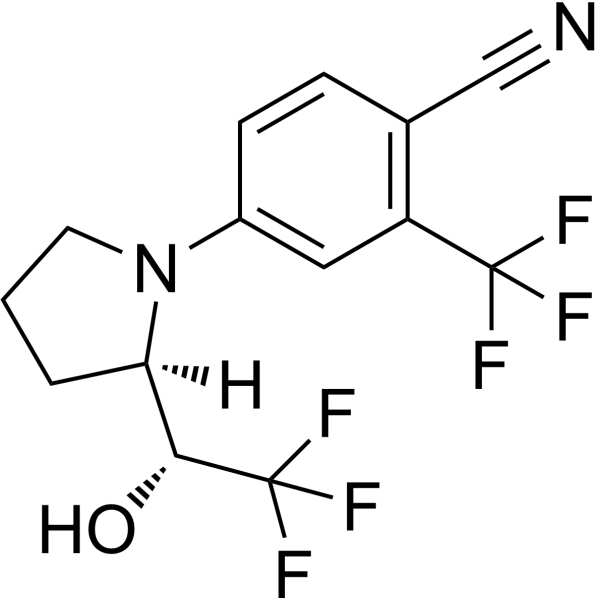
    Ligandrol is an orally active, selective androgen receptor (AR) agonist. Ligandrol enhances protein synthesis, inhibits muscle breakdown and oxidative stress, improves muscle cell viability and bone tissue microstructure, and reduces Cisplatin (HY-17394)-induced muscle toxicity and apoptosis. Ligandrol promotes muscle growth, protects bone structure, and has anti-diabetic, anti-apoptotic and antioxidant effects. Ligandrol can antagonize Streptozotocin (HY-13753) damage to pancreatic islets and improve the symptoms of type 2 diabetes .
    Ligandrol
  • HY-10408
    Ki20227
    4 Publications Verification

    c-Fms VEGFR c-Kit PDGFR Inflammation/Immunology
    Ki20227 is an orally active and highly selective c-Fms tyrosine kinase (CSF1R) inhibitor with IC50s of 2 nM, 12 nM, 451 and 217 nM for CSF1R, VEGFR2 (vascular endothelial growth factor receptor-2), c-Kit (stem cell factor receptor) and PDGFRβ (platelet-derived growth factor receptor β). Ki20227 suppresses osteoclast differentiation and osteolytic bone destruction .
    Ki20227
  • HY-112331
    SJ000291942
    3 Publications Verification

    TGF-β Receptor Cancer
    SJ000291942 is an activator of the canonical bone morphogenetic proteins (BMP) signaling pathway. BMPs are members of the transforming growth factor beta (TGFβ) family of secreted signaling molecules.
    SJ000291942
  • HY-P9992

    BAY-2315497; PSMA-TTC

    PSMA Apoptosis Cancer
    Peligifatamab is a PSMA-targeted α-radioimmunoconjugate with an EC50 of 1.2 nM against human targets. Peligifatamab induces DNA damage, DNA double-strand breaks, cell cycle arrest and apoptosis (Apoptosis) in PSMA-positive prostate cancer cells. Peligifatamab reduces cell viability in a manner dependent on cellular PSMA expression levels. Peligifatamab inhibits tumor growth and tumor-induced abnormal bone growth in prostate cancer bone metastasis models. Peligifatamab exhibits antitumor efficacy in subcutaneous prostate cancer models and xenograft models. Peligifatamab can be used for the research of metastatic castration-resistant prostate cancer .
    Pelgifatamab
  • HY-10199A
    Ibutamoren
    5 Publications Verification

    MK-677 free base; MK-0677 free base

    GHSR Insulin Receptor Neurological Disease Metabolic Disease
    Ibutamoren (MK-677 free base; MK-0677 free base) is an orally active non-peptide growth hormone secretagogue receptor agonist. Ibutamoren activates signal cascades by mimicking endogenous ligands, triggers pulsatile release of growth hormone from the pituitary gland, and increases serum levels of IGF-1 and insulin-like growth factor-binding protein 3. Ibutamoren not only increases the frequency of growth hormone pulses in male individuals, but also promotes elevated bone formation markers in female individuals with postmenopausal osteoporosis. The combination of Ibutamoren with Alendronate sodium hydrate (HY-11101) significantly increases bone mineral density at the femoral neck. However, Ibutamoren may cause mild, reversible adverse reactions such as increased appetite, fluid retention, and elevated fasting blood glucose. Ibutamoren has been widely used in studies related to idiopathic growth hormone deficiency, sarcopenia, Alzheimer's disease, and osteoporosis .
    Ibutamoren
  • HY-107863

    Oligolevulose

    Biochemical Assay Reagents Bacterial Infection Metabolic Disease
    Fructooligosaccharides (Oligolevulose) are a class of orally active dietary fibers and prebiotics. Fructooligosaccharides exist in foods such as breast milk, wheat, honey, onions, garlic and bananas. Fructooligosaccharides resist hydrolysis by the body's digestive enzymes and stimulate the growth of beneficial intestinal bacteria through colonic fermentation. Fructooligosaccharides significantly prevent bone loss in the femur and lumbar spine .
    Fructooligosaccharides
  • HY-32337
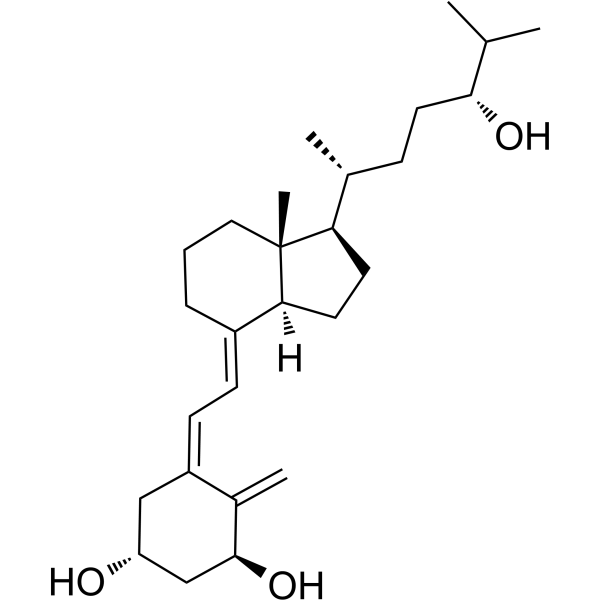
    Tacalcitol
    3 Publications Verification

    1,24(R)-Dihydroxyvitamin D3; 1.alpha.,24R-Dihydroxyvitamin D3

    VD/VDR Interleukin Related Metabolic Disease Inflammation/Immunology Cancer
    Tacalcitol (1,24(R)-Dihydroxyvitamin D3; 1.alpha.,24R-Dihydroxyvitamin D3) can promote normal bone growth by regulating calcium ions. Tacalcitol inhibits cancer cell proliferation and migration. Tacalcitol can be used in the research of inflammation, cancer, and skin diseases .
    Tacalcitol
  • HY-119443

    Phosphatase Metabolic Disease
    Neridronate is an aminobisphosphonate. Neridronate induces osteoblast differentiation, enhances alkaline phosphatase activity and mineralized nodule formation. Neridronate inhibits endothelial cell proliferation, fibroblast growth factor-2-induced capillary-like tube formation, and angiogenesis. Neridronate can be used for osteogenesis imperfecta and Paget’s disease of bone .
    Neridronate
  • HY-B1016

    AR-12008

    PDGFR Phosphodiesterase (PDE) Prostaglandin Receptor Cardiovascular Disease Neurological Disease
    Trapidil (AR-12008) is an orally active vasodilator and antiplatelet agent. Trapidil antagonizes platelet-derived growth factor (PDGF), inhibits phosphodiesterase, thromboxane A2 synthesis and pro-inflammatory cytokine production. Trapidil promotes prostacyclin biosynthesis, reduces lipid peroxidation, regulates nitric oxide metabolism, and inhibits cell proliferation and migration. Trapidil exerts tissue-protective effects, regulates bone turnover, and inhibits pyroptosis via the GPX3/Nrf2 pathway. Trapidil is applicable to research related to renal ischemia-reperfusion injury, chronic stable angina, restenosis, meningioma, diabetic cardiomyopathy and peripheral nerve crush injury .
    Trapidil
  • HY-P11328

    Integrin Others
    GFOGER peptide is an artificially synthesized collagen-mimetic sequence. GFOGER peptide acts as a ligand for α2β1, α11β1 and α1β1 integrins, thereby supporting integrin-mediated cell adhesion to collagen. GFOGER peptide triggers signaling pathways mediated by the α2β1 integrin receptor and upregulates osteoblast differentiation. GFOGER peptide accelerates and enhances bone formation at sites of refractory femoral defects. GFOGER peptide can be passively adsorbed onto polymer scaffolds for cell-free/growth factor-free bone formation. GFOGER peptide is used in biomaterials such as hydrogels and 3D bioinks for tissue engineering research including bone formation .
    GFOGER peptide
  • HY-15130

    Endogenous Metabolite Metabolic Disease
    DL-O-Phosphoserine is a normal metabolite in human biofluids and is a mixture of phosphoserine with two stereochemical structures (D-type and L-type O-phospho-serine). O-phospho-L-serine is a competitive inhibitor of serine racemase and phagocytosis. O-phospho-L-serine inhibits the enzymatic reaction by competing with the active site of serine racemase, thereby affecting the production of D-serine. O-phospho-L-serine also mimics the phosphatidylserine head group, binds to the phosphatidylserine receptor, interferes with phagocytic signal transduction, and partially blocks the phagocytosis of apoptotic cells by cells. O-phospho-L-serin can be used in the research of retinal regeneration, bone repair, and insect growth and development .
    DL-O-Phosphoserine
  • HY-N0772
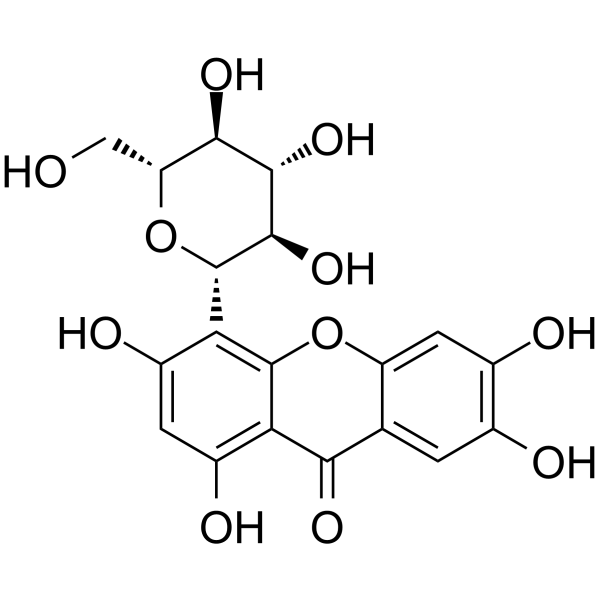
    Isomangiferin
    4 Publications Verification

    VEGFR NOD-like Receptor (NLR) NF-κB Bacterial AMPK Acetyl-CoA Carboxylase Apoptosis Reactive Oxygen Species (ROS) HSV Drug Derivative Infection Metabolic Disease Inflammation/Immunology Cancer
    Isomangiferin is an orally active xanthone C-glucoside, and its chemical structure is similar to Mangiferin (HY-N0290). Isomangiferin is an effective VEGFR-2 kinase inhibitor, which can induces cell apoptosis, inhibit the growth, metastasis and angiogenesis of breast cancer. Isomangiferin exerts anti-inflammatory effects by inhibiting the HMGB1/NLRP3/NF-κB signaling pathway, thereby improving the renal function indicators of diabetic mice. Isomangiferin exhibits inhibitory effects on various bacteria and herpes simplex virus type 1 (HSV-1). Isomangiferin promotes the migration and osteogenic differentiation of bone marrow mesenchymal stem cells (BMSCs) and reduces cell apoptosis and the production of ROS by activating the AMPK/ACC pathway, thereby facilitating fracture healing .
    Isomangiferin
  • HY-W583212

    ZnMP

    Biochemical Assay Reagents Heme Oxygenase (HO) Inflammation/Immunology
    Zn (II) Mesoporphyrin IX (ZnMP) is a heme oxygenase inhibitor with photochemical substrate activity. Zn (II) Mesoporphyrin IX specifically inhibits the activity of bone marrow heme oxygenase. In vitro, Zn (II) Mesoporphyrin IX inhibits the growth of erythroid and myeloid progenitor cells in rabbit bone marrow, and blocks the rhG-CSF-induced mobilization of these progenitor cells into the peripheral blood, exhibiting toxicity to hematopoietic growth and progenitor cell production in rabbits. Zn (II) Mesoporphyrin IX undergoes irreversible photochemical decomposition conforming to first-order kinetic characteristics when irradiated with UV-B in 95% ethanol solution. Zn (II) Mesoporphyrin IX can be used in hematopoietic regulation research, but its photolability and toxic effects on the hematopoietic system require attention .
    Zn(II) Mesoporphyrin IX
  • HY-B0657
    Clodronic acid
    4 Publications Verification

    Clodronate

    Apoptosis Metabolic Disease Cancer
    Clodronic acid (Clodronate) is an orally active bisphosphonate. Clodronic acid inhibits osteoclast-mediated bone resorption. Clodronic acid reduces skeletal event risk in malignant bone disease, impairs malignant osteolysis, blocks bone matrix growth-factor release, induces apoptosis in osteoclasts and macrophages. Clodronic acid is effective in the maintenance or improvement of bone mineral density. Clodronic acid can be used for the research of multiple myeloma and postmenopausal osteoporosis .
    Clodronic acid
  • HY-P4823

    Thyroid Hormone Receptor Metabolic Disease
    pTH (1-37) (human) is a fragment of parathyroid hormone (PTH). pTH (1-37) (human) induces the cAMP formation and increases alkaline phosphatase activity. pTH (1-37) (human) increases growth, bone calcium content, and bone mineral density (BMD) in uremic animals. pTH (1-37) (human) has the potential for the research of osteoporosis .
    pTH (1-37) (human)
  • HY-107024

    OGP(10-14); Historphin

    Src Others
    Osteogenic Growth Peptide (10-14) (OGP(10-14)), the C-terminal truncated pentapeptide of osteogenic growth peptide (OGP), retains the full OGP-like activity. Osteogenic Growth Peptide (10-14) is responsible for the binding to the OGP receptor and activates an intracellular Gi-protein-MAP kinase signaling pathway. Osteogenic Growth Peptide (10-14) is a potent mitogen and stimulator of osteogenesis and hematopoiesis. Osteogenic Growth Peptide (10-14) acts as a Src inhibitor .
    Osteogenic Growth Peptide (10-14)
  • HY-P990552A

    PAI-1 Integrin Cancer
    huATN-658 is an inhibitor that specifically targets the DIII domain of human urokinase plasminogen activator receptor (uPAR). huATN-658 neutralizes uPAR function by blocking the interaction between uPAR and integrins, without interfering with the binding of uPA or vitronectin to uPAR. huATN-658 inhibits the proliferation and invasion of breast cancer cells, slows the growth of primary breast tumors, reduces breast cancer-induced bone lesions and decreases osteoclast activity. huATN-658 also alters the gene expression of the TGF-β receptor complex signaling pathway. huATN-658 exerts synergistic anticancer effects when combined with Zoledronic Acid (HY-13777), and does not cause physiological or behavioral abnormalities in immunodeficient mice. huATN-658 can be used in research related to breast cancer, metastatic breast cancer and breast cancer-induced bone disease .
    huATN-658
  • HY-P10086
    TREM-1 inhibitory peptide GF9
    1 Publications Verification

    Human TREM-1(213-221)

    TREM receptor TNF Receptor Interleukin Related c-Fms Neurological Disease Inflammation/Immunology Cancer
    TREM-1 inhibitory peptide GF9 (Human TREM-1 (213-221)) is a TREM-1 inhibitor. TREM-1 inhibitory peptide GF9 blocks the TREM-1 signaling pathway via a ligand-independent mechanism, spontaneously inserts into the cell membrane to dissociate TREM-1 from DAP-12, and functions through the Signaling Chain Homooligomerization (SCHOOL) model. TREM-1 inhibitory peptide GF9 reduces the levels of TNFα, IL-1β, IL-6, and M-CSF. TREM-1 inhibitory peptide GF9 inhibits tumor growth, prolongs the survival of mice with pancreatic cancer models, ameliorates collagen-induced arthritis, and exerts protective effects on bone and cartilage simultaneously. TREM-1 inhibitory peptide GF9 can be used in research related to arthritis, pancreatic cancer, retinopathy, alcoholic liver disease, and liver cancer .
    TREM-1 inhibitory peptide GF9
  • HY-N14323

    Interleukin Related STAT Metabolic Disease
    Madindoline A is an orally active gp130 antagonist with a KD of 288 μM. Madindoline A inhibits IL-6- and IL-11-induced osteoclastogenesis, suppresses IL-6-stimulated serum amyloid A protein production, inhibits bone resorption and bone loss, and also inhibits IL-6- and IL-11-dependent cell line growth, as well as IL-6-dependent Stat3 tyrosine phosphorylation. Madindoline A is applicable for the research of hormone-dependent postmenopausal osteoporosis .
    Madindoline A
  • HY-32338
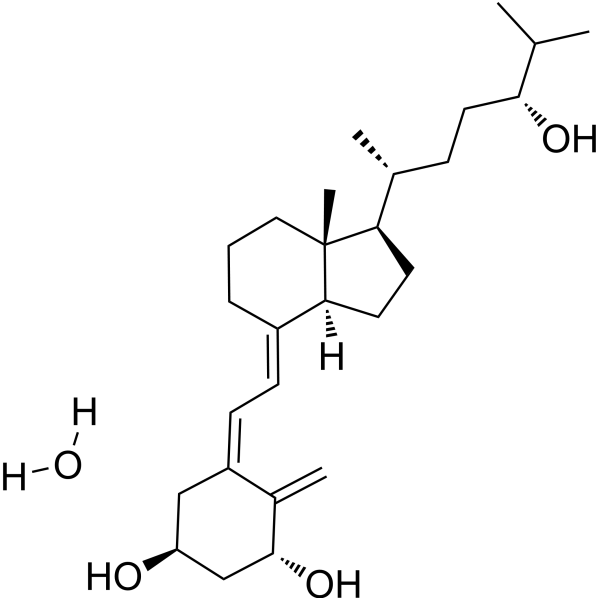
    Tacalcitol monohydrate
    3 Publications Verification

    1,24(R)-Dihydroxyvitamin D3 monohydrate

    VD/VDR Interleukin Related Metabolic Disease Inflammation/Immunology Cancer
    Tacalcitol monohydrate (1,24(R)-Dihydroxyvitamin D3; 1.alpha.,24R-Dihydroxyvitamin D3 monohydrate) can promote normal bone growth by regulating calcium ions. Tacalcitol monohydrate inhibits cancer cell proliferation and migration. Tacalcitol monohydrate can be used in the research of inflammation, cancer, and skin diseases .
    Tacalcitol monohydrate
  • HY-16322
    Minodronic acid
    1 Publications Verification

    YM-529

    P2X Receptor Apoptosis Farnesyl Transferase Metabolic Disease Cancer
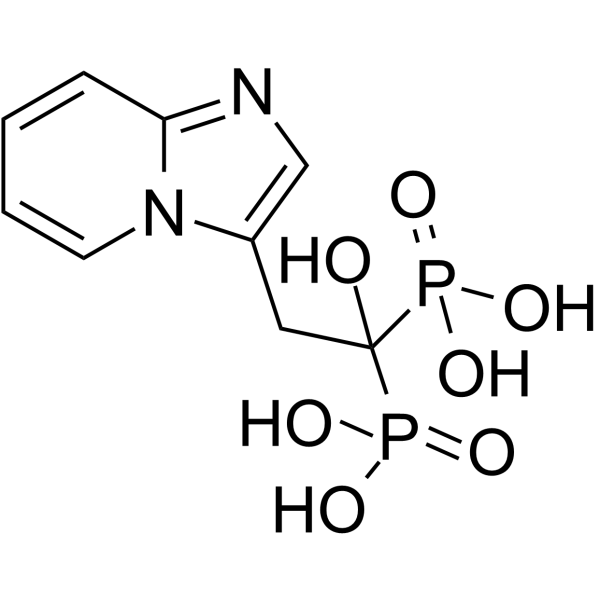
    Minodronic acid (YM-529) is an FPP synthase inhibitor with an IC50 of 3 nM, and also an antagonist of P2X2/3 receptors with an IC50 of 62.7 μM. Minodronic acid induces tumor cell apoptosis and inhibits cell growth. Minodronic acid also suppresses bone resorption. Minodronic acid can be used in research related to osteoporosis and cancer .
    Minodronic acid
  • HY-16322A
    Minodronic acid hydrate
    1 Publications Verification

    YM-529 hydrate

    P2X Receptor Apoptosis Metabolic Disease Cancer
    Minodronic acid (YM-529) hydrate is an FPP synthase inhibitor with an IC50 of 3 nM, and also an antagonist of P2X2/3 receptors with an IC50 of 62.7 μM. Minodronic acid hydrate induces tumor cell apoptosis and inhibits cell growth. Minodronic acid hydrate also suppresses bone resorption. Minodronic acid hydrate can be used in research related to osteoporosis and cancer .
    Minodronic acid hydrate
  • HY-126436D

    L-Ornithine homopolymer hydrochloride (MW 15000-30000)

    Biochemical Assay Reagents Metabolic Disease Endocrinology
    Poly-L-ornithine hydrochloride (MW 15000-30000) is a polycationic homopolymer composed of L-ornithine. Poly-L-ornithine hydrochloride (MW 15000-30000) adsorbs negatively charged species through electrostatic interactions. Poly-L-ornithine hydrochloride (MW 15000-30000) can be used as a key component of polyelectrolyte complexes to construct core-shell structure carriers to achieve controlled delivery of growth factors (such as rhBMP-2, FGF-1). Poly-L-ornithine hydrochloride (MW 15000-30000) is used in the study of diabetes and bone regeneration related diseases .
    Poly-L-ornithine hydrochloride (MW 15000-30000)
  • HY-N0036R

    (+)-Costunolide (Standard); Costus lactone (Standard)

    Reference Standards Apoptosis Endogenous Metabolite Cancer
    Costunolide (Standard) is the analytical standard of Costunolide. This product is intended for research and analytical applications. Costunolide ((+)-Costunolide) is a naturally occurring sesquiterpene lactone, with antioxidative, anti-inflammatory, antiallergic, bone remodeling, neuroprotective, hair growth promoting, anticancer, and antidiabetic properties. Costunolide can induce cell cycle arrest and apoptosis on breast cancer cells .
    Costunolide (Standard)
  • HY-149149

    Bacterial Infection Metabolic Disease Cancer
    Incadronic acid inhibits growth of Dictyostelium discoideum with an IC50 of 1.6 μM. Incadronic acid binds the farnesyl diphosphate synthase (FPPS) in Leishmania major with the Ki of 23 nM. Incadronic acid inhibits the bone resorption and reduces bone loss, that can be used in osteoporosis research. Incadronic acid inhibits the proliferation of cells RAW264.7, PC-3 and MCF-7 with IC50 of 48 to 228.6 µM .
    Incadronic acid
  • HY-16498

    PCK-3145

    Apoptosis PTHR Metabolic Disease Cancer
    Tigapotide (PCK-3145) is a synthetic 15-mer peptide derived from prostate-secretory protein, and acts as an antineoplastic agent. Tigapotide inhibits tumor growth, experimental bone metastasis, and malignancy-associated hypocalcemia. Tigapotide induces apoptosis in prostate cancer cells and tumors, and suppresses the growth of prostate cancer cells. Tigapotide inhibits the production of parathyroid hormone-related protein (PTHrP) in tumors and plasma. Tigapotide reduces plasma calcium levels in hypercalcemic tumor-bearing rats. Tigapotide is applicable for the research of prostate cancer and malignancy-associated hypercalcemia .
    Tigapotide
  • HY-147615

    c-Fms Cancer
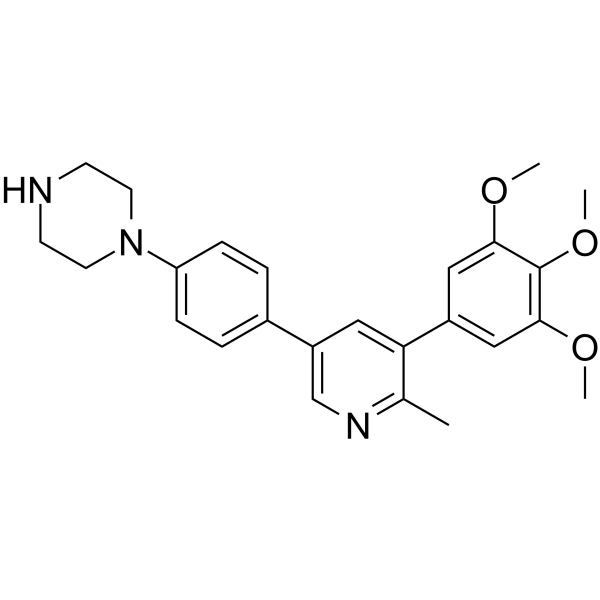
    CSF1R-IN-12 (compound 1) is a potent inhibitor of CSF1R. Colony stimulating factor 1 (CSF-1, also known as macrophage colony stimulating factor, M-CSF) is an important growth factor that controls bone marrow progenitor cells, monocytes, macrophages, and giants. CSF1R-IN-12 has the potential for the research of cancer diseases .
    CSF1R-IN-12
  • HY-100167

    Phosphatase MMP TGF-β Receptor IGF-1R Drug Derivative Cancer
    TAK-778 is a derivative of ipriflavone and has been shown to induce bone growth in in vitro and in vivo models.
    TAK-778
  • HY-159642G

    TYRA-300

    FGFR ERK Metabolic Disease Cancer
    Dabogratinib (TYRA-300) (GMP) is Dabogratinib (HY-159642) produced by using GMP guidelines. GMP small molecules work appropriately as an auxiliary reagent for cell therapy manufacture. Dabogratinib is an orally active, selective FGFR3 inhibitor with an IC50 of 11 nM. Dabogratinib exhibits antitumor activity against urothelial carcinoma and solid tumors. Dabogratinib downregulates the FGFR3 and ERK1/2 signaling pathways, and induces tumor growth inhibition and regression in FGFR3-altered xenograft models. Dabogratinib promotes chondrocyte proliferation and differentiation, drives endochondral bone formation and overall body growth, partially restores long bone proportions, and improves craniofacial and spinal morphology. Dabogratinib can be used for the research of metastatic urothelial carcinoma, achondroplasia and hypochondroplasia .
    Dabogratinib
  • HY-107614G

    1-Oleoyl-sn-glycero-3-phosphate sodium; 1-Oleoyl-LPA sodium

    LPL Receptor ROCK TGF-beta/Smad TGF-β Receptor Neurological Disease Cancer
    1-Oleoyl lysophosphatidic acid sodium (GMP) is the GMP-grade form of 1-Oleoyl lysophosphatidic acid sodium (HY-107614). GMP-grade small molecules serve as auxiliary reagents in cell therapy. 1-Oleoyl lysophosphatidic acid sodium is a bioactive lipid signaling molecule. 1-Oleoyl lysophosphatidic acid sodium inhibits lysoPLD-catalyzed hydrolysis of lysophosphatidylcholine and FS-3. 1-Oleoyl lysophosphatidic acid sodium activates LPA1 and LPA2, thereby triggering calcium mobilization, NFATc1 translocation, Rho/ROCK activation, Smad2/3 phosphorylation and c-Fos expression. 1-Oleoyl lysophosphatidic acid sodium induces anxiety-like, depression-like and hypoactivity phenotypes, regulates osteoclast cytoskeleton and viability, reduces osteoclast bone resorptive activity, and drives mesenchymal stem cell differentiation into myofibroblast-like cells. 1-Oleoyl lysophosphatidic acid sodium stimulates the secretion of transforming growth factor-β1 and stromal cell-derived factor-1. 1-Oleoyl lysophosphatidic acid sodium is applicable to research related to anxiety, depression and ovarian cancer .
    1-Oleoyl lysophosphatidic acid sodium
  • HY-176547

    FGFR Cytochrome P450 Endocrinology
    FGFR2/3-IN-3 is a dual-target FGFR2/3 inhibitor with IC50s of 2.7 nM (TEL-FGFR2) and 3.9 nM (TEL-FGFR3), respectively. FGFR2/3-IN-3 has effective activity against both wild-type and mutant FGFR3. FGFR2/3-IN-3 has low CYP3A4 inhibitory effect and hERG toxicity. FGFR2/3-IN-3 improves the imbalance between chondrocyte proliferation and differentiation and promotes bone growth by inhibiting the signaling pathway mediated by mutant FGFR3. FGFR2/3-IN-3 shows a growth-promoting effect in a dwarfism mouse model and has the potential to study bone development disorder-related diseases such as achondroplasia (ACH) .
    FGFR2/3-IN-3
  • HY-B1016R

    AR-12008 (Standard)

    Reference Standards PDGFR Phosphodiesterase (PDE) Prostaglandin Receptor Cardiovascular Disease Cancer
    Trapidil (Standard) (AR-12008 (Standard)) is the analytical standard of Trapidil (HY-B1016R). This product is intended for research and analytical applications. Trapidil (AR-12008) is an orally active vasodilator and antiplatelet agent. Trapidil antagonizes platelet-derived growth factor (PDGF), inhibits phosphodiesterase, thromboxane A2 synthesis and pro-inflammatory cytokine production. Trapidil promotes prostacyclin biosynthesis, reduces lipid peroxidation, regulates nitric oxide metabolism, and inhibits cell proliferation and migration. Trapidil exerts tissue-protective effects, regulates bone turnover, and inhibits pyroptosis via the GPX3/Nrf2 pathway. Trapidil is applicable to research related to renal ischemia-reperfusion injury, chronic stable angina, restenosis, meningioma, diabetic cardiomyopathy and peripheral nerve crush injury.
    Trapidil (Standard)
  • HY-145428

    Notch γ-secretase Cancer
    BT-GSI is a γ-secretase inhibitor (GSI) and a bone-targeted Notch inhibitor. BT-GSI has dual anti-myeloma and anti-resorptive properties, which can be used for the research of multiple myeloma and associated bone disease. BT-GSI inhibits tumor growth and osteolytic disease progression .
    BT-GSI
  • HY-119001

    Survivin Cancer
    BKM1644, an acyl-tyrosine bisphosphonate amide derivative, exhibits potent anti-cancer activity. BKM1644 effectively inhibits the proliferation of metastatic, castration-resistant prostate cance (mCRPC) cells. BKM1644 sensitizes mCRPC cells to Docetaxel (HY-B0011) and retards the bone metastatic growth of prostate cance .
    BKM1644
  • HY-106431

    Olpadronate; OLP

    Farnesyl Transferase Metabolic Disease Cancer
    Olpadronic acid (Olpadronate) is an orally active amino-bisphosphonate and inhibits bone resorption. Olpadronic acid also prevents bone destruction and tumor growth in the skeletal prostate cancer mouse model. Olpadronic acid can be used for research of osteoporosis, malignancies and rheumatoid arthritis .
    Olpadronic acid
  • HY-174779

    mRNA Cancer
    Human AREG mRNA encodes the human amphiregulin (AREG) protein, a member of the epidermal growth factor family. AREG interacts with the EGF/TGF-alpha receptor to promote the growth of normal epithelial cells, and inhibits the growth of certain aggressive carcinoma cell lines. It also functions in mammary gland, oocyte and bone tissue development.
    Human AREG mRNA
  • HY-106431R

    Olpadronate (Standard); OLP (Standard)

    Reference Standards Others Metabolic Disease Cancer
    Olpadronic acid (Standard) is the analytical standard of Olpadronic acid. This product is intended for research and analytical applications. Olpadronic acid (Olpadronate) is an orally active amino-bisphosphonate and inhibits bone resorption. Olpadronic acid also prevents bone destruction and tumor growth in the skeletal prostate cancer mouse model. Olpadronic acid can be used for research of osteoporosis, malignancies and rheumatoid arthritis .
    Olpadronic acid (Standard)
  • HY-174704

    mRNA Cancer
    Human FGF18 mRNA encodes the human fibroblast growth factor 18 (FGF18) protein, a member of the fibroblast growth factor (FGF) family. FGF18 probably plays an important role in the regulation of cell proliferation, cell differentiation and cell migration. It is also required for normal ossification and bone development.
    Human FGF18 mRNA
  • HY-167679

    Endogenous Metabolite Inflammation/Immunology
    Scio-323 is an orally available p38 mitogen-activated protein kinase (MAPK) inhibitor with the potential to inhibit chronic inflammatory responses associated with polyethylene particles. Scio-323's oral inhibition pattern had a minimal effect on bone formation. Scio-323 administration inhibited net bone formation after the establishment of a chronic inflammatory response to polyethylene particles. Osteoblast-like activity remained low in all cases of Scio-323 inhibition. Scio-323 failed to improve bone growth in the presence of polyethylene particles .
    Scio-323
  • HY-117365

    Epigenetic Reader Domain Cancer
    MI-1481 is a highly potent inhibitor of the Menin-MLL1 interaction with IC50 of 3.6 nM. MI-1481 markedly reduces cell growth of murine bone marrow cells transformed and inhibits leukemia progression .
    MI-1481
  • HY-162346

    Bacterial Infection
    KN-17 is a modified based on the structure of cecropin B (HY-P0092), can effectively interfere with bacterial growth and induce the migration of human bone marrow stromal cells (hBMSCs). KN-17 can significantly stimulate angiogenesis in vitro and in vivo .
    KN-17
  • HY-114631

    Estrogen Receptor/ERR Cancer
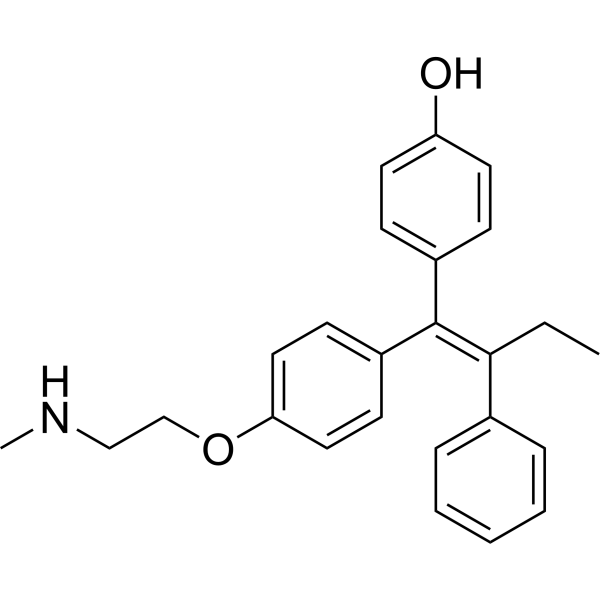
    EM-800, an orally active anti-estrogen, serves as an antagonist to the transcriptional functions of estrogen receptors α (ERα) and β (ERβ). EM-800 possesses anticancer activity, capable of inhibiting the growth of breast cancer induced by 7,12-Dimethylbenz[a]anthracene (DMBA) (HY-W011845). Furthermore, in ovariectomized animals, EM-800 effectively slows down bone loss. Additionally, EM-800 shows potential in the research of breast and endometrial cancers, while exerting beneficial effects on bone and lipid metabolism .
    EM-800
  • HY-111077

    JAK STAT Inflammation/Immunology Cancer
    INCB16562 is an orally active and selective inhibitor against JAK1/2 markedly selective over JAK3. INCB16562 potently inhibits interleukin-6 (IL-6)-induced phosphorylation of STAT3. Additionally, INCB16562 inhibits the proliferation and survival of myeloma cells dependent on IL-6 for growth, as well as the IL-6–induced growth of primary bone marrow-derived plasma cells. INCB16562 antagonizes the growth of myeloma xenografts in mice with antitumor activity. INCB16562 is promising for research of multiple myeloma .
    INCB16562
  • HY-32337R

    1,24(R)-Dihydroxyvitamin D3 (Standard); 1.alpha.,24R-Dihydroxyvitamin D3 (Standard)

    Reference Standards VD/VDR Interleukin Related Metabolic Disease Inflammation/Immunology Cancer
    Tacalcitol (Standard) is the analytical standard of Tacalcitol. This product is intended for research and analytical applications. Tacalcitol (1,24(R)-Dihydroxyvitamin D3; 1.alpha.,24R-Dihydroxyvitamin D3) can promote normal bone growth by regulating calcium ions. Tacalcitol inhibits cancer cell proliferation and migration. Tacalcitol can be used in the research of inflammation, cancer, and skin diseases.
    Tacalcitol (Standard)

Inquiry Online

Your information is safe with us. * Required Fields.

Salutation


Country or Region *

Applicant Name *


Organization Name *

Department *


Email Address *


Product Name *

Cat. No.


Requested quantity *

Phone Number *


Remarks

Inquiry Online

Inquiry Information

Product Name:
Cat. No.:
Quantity:
MCE Japan Authorized Agent:

