
1. Search Result
Search Result
Results for "

branched-chain

" in MedChemExpress (MCE) Product Catalog:

91

Inhibitors & Agonists

1

Screening Libraries

4

Biochemical Assay Reagents

21

Peptides

18

Natural
Products

8

Recombinant Proteins

18

Isotope-Labeled Compounds

2

Antibodies

3

Oligonucleotides

Cat. No. Product Name Target Research Areas Chemical Structure
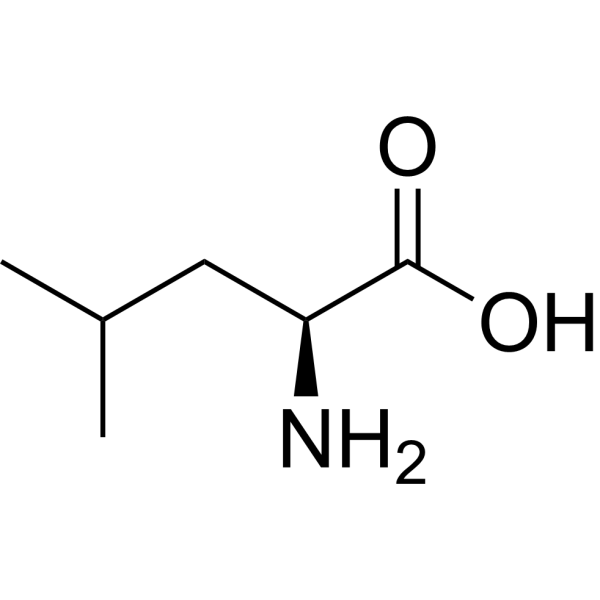
  • HY-N0486
    L-Leucine
    15+ Cited Publications

    Leucine

    mTOR Endogenous Metabolite Ligands for E3 Ligase Metabolic Disease Cancer
    L-Leucine is an essential branched-chain amino acid (BCAA), which activates the mTOR signaling pathway .
    L-Leucine
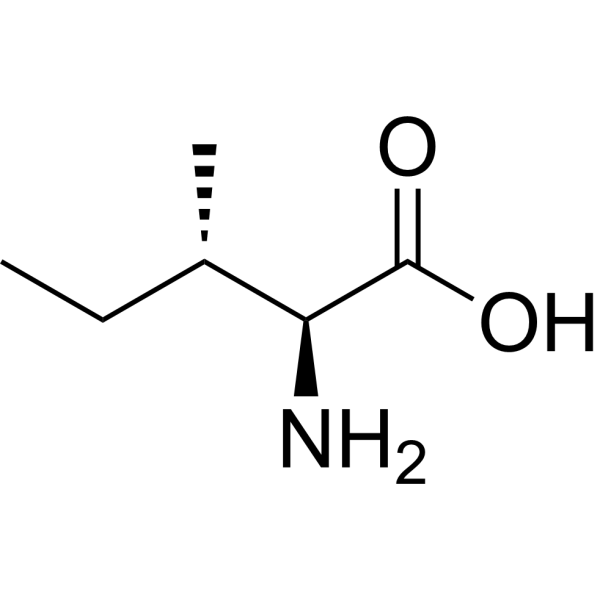
  • HY-N0771
    L-Isoleucine
    5+ Cited Publications

    Endogenous Metabolite Cardiovascular Disease Metabolic Disease Inflammation/Immunology
    L-Isoleucine is an orally active branched chain amino acid, which is the L-enantiomer of isoleucine. L-Isoleucine has a role as a Saccharomyces cerevisiae metabolite, an Escherichia coli metabolite, a plant metabolite, a human metabolite, an algal metabolite and a mouse metabolite. L-Isoleucine regulates the inflammatory response to protect against pathogens in vivo and in vitro .
    L-Isoleucine
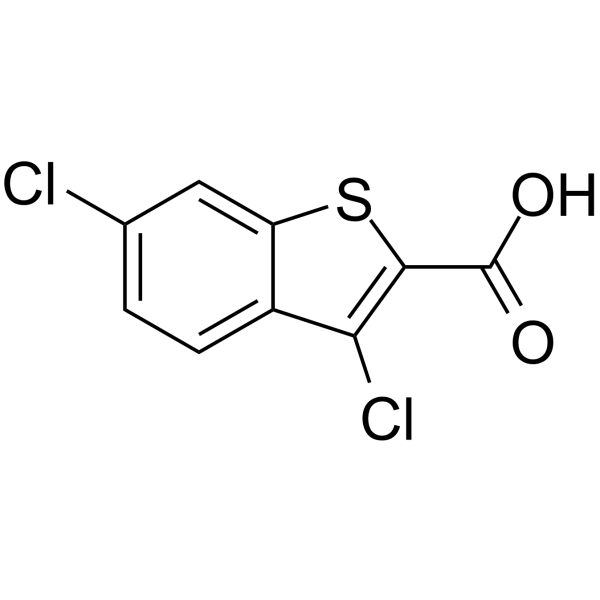
  • HY-114855
    BT2
    5+ Cited Publications

    Bcl-2 Family Metabolic Disease
    BT2 is a BCKDC kinase (BDK) inhibitor with an IC50 of 3.19 μM. BT2 binding to BDK triggers helix movements in the N-terminal domain, resulting in the dissociation of BDK from the branched-chain α-ketoacid dehydrogenase complex (BCKDC) . BT2 (compound 4) is also a potent and selective Mcl-1 inhibitor with a Ki value of 59 μM .
    BT2
  • HY-NP008

    Lipocalin Family Inflammation/Immunology
    β-Lactoglobulin, a major whey protein, is a small globular protein from the lipocalin family. β-Lactoglobulin is an important source of the essential and branched-chain amino acids (leucine, isoleucine, and valine). β-Lactoglobulin shows antioxidant properties, because it contains two disulfide bonds and one free thiol group. β-Lactoglobulin is a ligand transport agent. β-Lactoglobulin is one of the major allergens in milk and can be utilized in the research for developing safe hypoallergenic dairy products .
    β-Lactoglobulin
  • HY-P3479

    Insulin Receptor Metabolic Disease
    Insulin (swine) is an orally active insulin derived from pigs. Insulin (swine) when administered orally acts as an antigen to reduce the severity of pancreatic lymphocyte infiltration, but has no metabolic effect on blood glucose levels. Insulin (swine) increases glucose oxidation, stimulates lipogenesis, and lowers blood glucose levels. Insulin (swine) can be used in diabetes research .
    Insulin (swine)
  • HY-W193545A
    ERG240
    5 Publications Verification

    Aminotransferases (Transaminases) Inflammation/Immunology Cancer
    ERG240 is an oral active branched-chain amino acid aminotransferase 1 (BCAT1) inhibitor. ERG240 can be used for the research of cancer, rheumatoid arthritis, and bone disease .
    ERG240
  • HY-B1122
    L-Cycloserine
    2 Publications Verification

    (S)-Cycloserine; (S)-4-Amino-3-isoxazolidone

    GABA Receptor HIV Neurological Disease Cancer
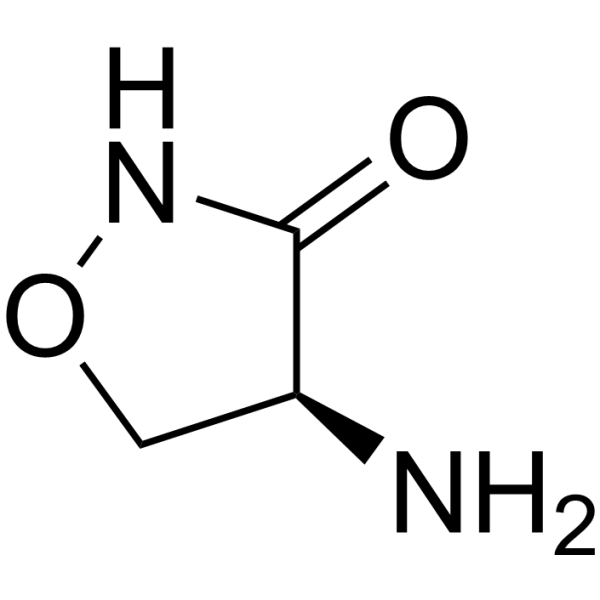
    L-Cycloserine ((S)-4-Amino-3-isoxazolidone) is an oral inhibitor of the enzyme gamma-aminobutyric acid (GABA) transaminase (GABA-t) and branched-chain transaminases in Mycobacterium tuberculosis. L-Cycloserine has anticonvulsant properties and inhibits the synthesis of neurotensin in mouse brains .
    L-Cycloserine
  • HY-N0486S9
    L-Leucine-d3
    3 Publications Verification

    mTOR Endogenous Metabolite Metabolic Disease
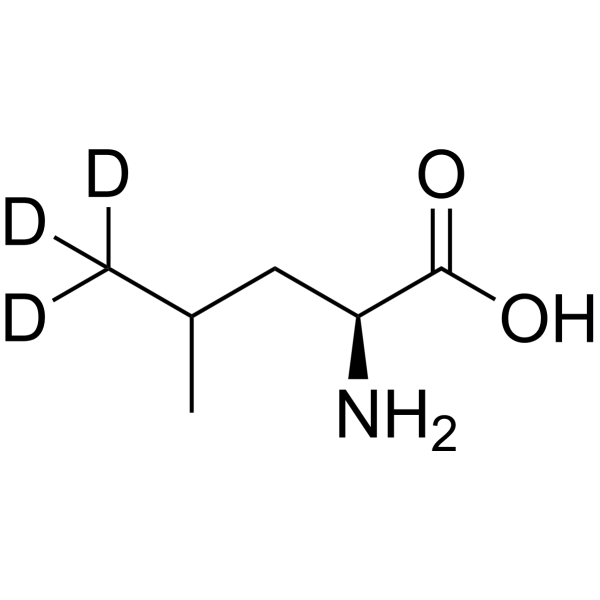
    L-Leucine-d3 is the deuterium labeled L-Leucine. L-Leucine is an essential branched-chain amino acid (BCAA), which activates the mTOR signaling pathway .
    L-Leucine-d3
  • HY-N0486S1

    mTOR Endogenous Metabolite Metabolic Disease
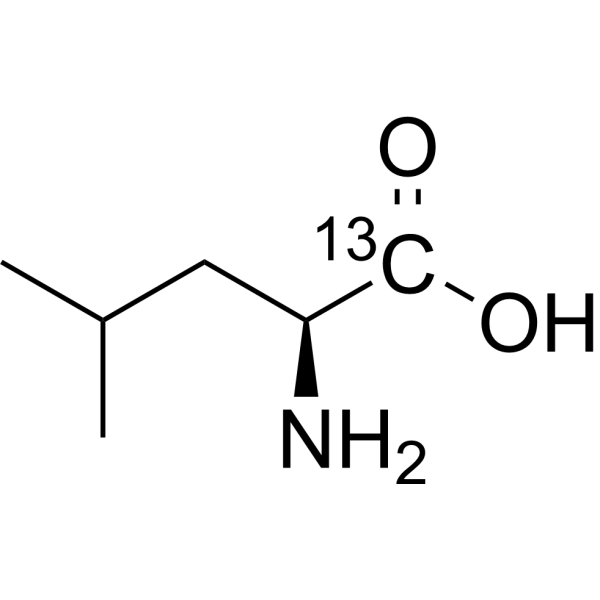
    L-Leucine- 13C is the 13C-labeled L-Leucine. L-Leucine is an essential branched-chain amino acid (BCAA), which activates the mTOR signaling pathway .
    L-Leucine-13C
  • HY-141669
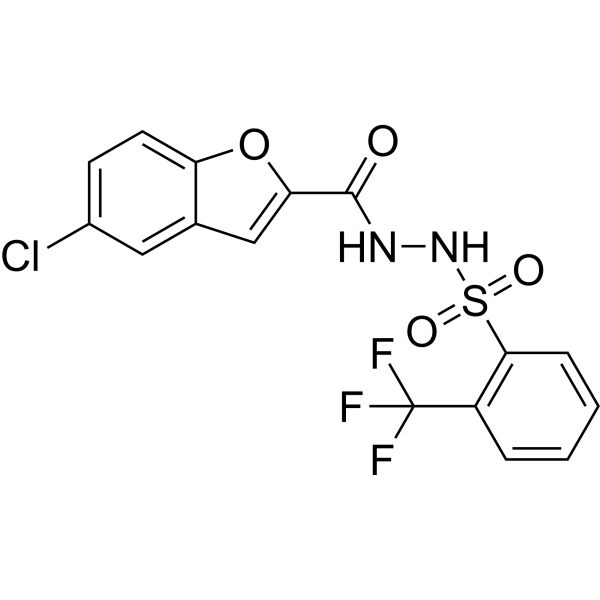
    BCAT-IN-2
    5 Publications Verification

    Aminotransferases (Transaminases) Metabolic Disease
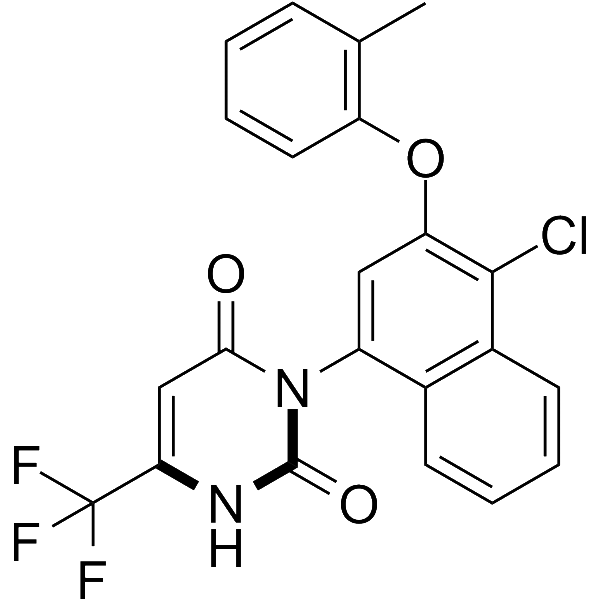
    BCAT-IN-2 is a potent, selective and orally active inhibitor of mitochondrial branched-chain aminotransferase (BCATm), with a pIC50 of 7.3. BCAT-IN-2 shows selectivity for BCATm over BCATc (pIC50=6.6). BCAT-IN-2 can be used for the research of obesity and dislipidema .
    BCAT-IN-2
  • HY-159648

    Endogenous Metabolite Cardiovascular Disease
    PF-07328948 is an orally effective BDK (branch chain ketoacid dehydrogenase kinase) inhibitor, with IC50 of 110 nM. PF-07328948 acts as a BCKDH (branch chain ketoacid dehydrogenase) enzyme complex degrader to enhance BCAA (branch chain amino acid) catabolism. PF-07328948 improves metabolic and heart failure end points in rats .
    PF-07328948
  • HY-N0486R
    L-Leucine (Standard)
    1 Publications Verification

    Leucine (Standard)

    Reference Standards mTOR Endogenous Metabolite Metabolic Disease
    L-Leucine (Standard) is the analytical standard of L-Leucine. This product is intended for research and analytical applications. L-Leucine is an essential branched-chain amino acid (BCAA), which activates the mTOR signaling pathway .
    L-Leucine (Standard)
  • HY-148242
    BAY-069
    3 Publications Verification

    Fluorescent Dye Cancer
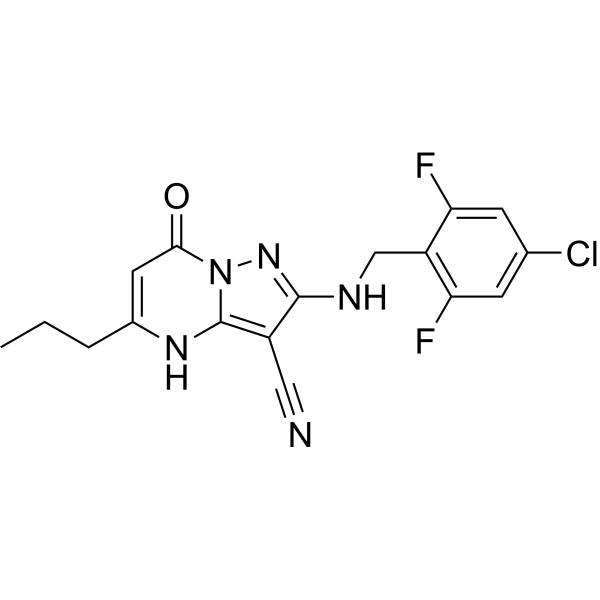
    BAY-069 is a potent branched-chain amino acid transaminases 1 (BCAT1) and BCAT2 inhibitor with IC50 values of 31 nM and 153 nM, respectively. BAY-069 also can be used as a chemical probe. BAY-069 can be used tor research anticancer .
    BAY-069
  • HY-116044
    BCATc Inhibitor 2
    5+ Cited Publications

    Aminotransferases (Transaminases) Neurological Disease
    BCATc Inhibitor 2 is a selective branched-chain aminotransferase (BCAT) inhibitor for research of neurodegenerative diseases. The IC50s of 0.2 μM, 0.8 μM and 3.0 μM for rat cytosolic isoenzyme rBCATc, human cytosolic isoenzyme hBCATc and rat mitochondrial isoenzyme rBCATm, respectively. BCATc, also called BCAT1, is in the cytoplasm .
    BCATc Inhibitor 2
  • HY-B1876

    Environmental Pollutants Acetolactate Synthase (ALS) Others
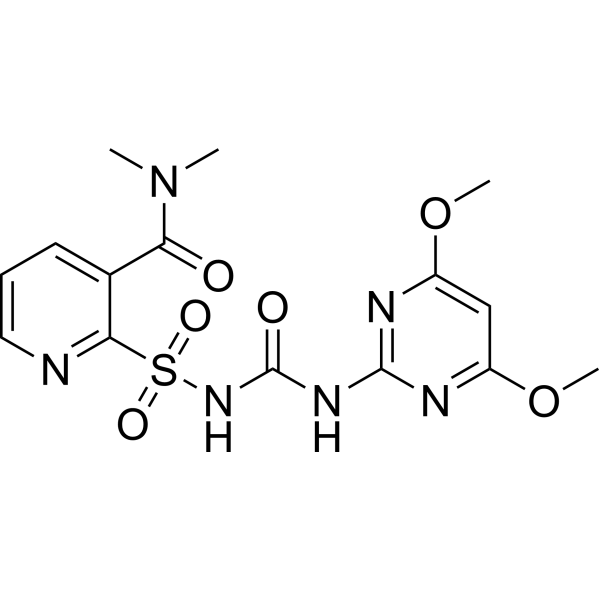
    Nicosulfuron is efficient, harmless, antifungal and selective herbicide belonging to the sulfonylurea family. Nicosulfuron is also a photosynthetic system inhibitor and inhibits acetolactate synthase (ALS) enzyme activity. Nicosulfuron degradation by Plectosphaerella cucumerina AR1 is glucose concentration dependent in planktonic lifestyle. Nicosulfuron enhances the glycolysis pathway and tricarboxylic acid cycle to improve the adaptability of sweet maize. Nicosulfuron reduces the synthesis of branched-chain amino acids (BCAAs), which is proming for maize cultivation .
    Nicosulfuron
  • HY-W015874

    Endogenous Metabolite Metabolic Disease
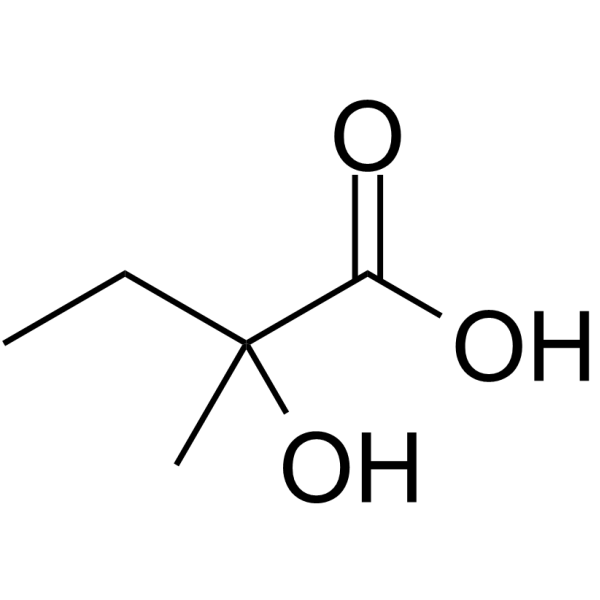
    2-Hydroxy-2-methylbutanoic acid is a branched-chain fatty acid. 2-Hydroxy-2-methylbutanoic acid accumulates at high levels in the culture supernatants of colorectal cancer-associated bacteria. 2-Hydroxy-2-methylbutanoic acid is also present in the urine of patients with 2-hydroxyglutaric aciduria and maple syrup urine disease .
    2-Hydroxy-2-methylbutanoic acid
  • HY-P11285A

    Long acting GIPRA-1 TFA

    Insulin Receptor Metabolic Disease
    LAGIPRA peptide TFA is a long-acting GIP1R agonist. LAGIPRA peptide TFA enhances insulin sensitivity by augmenting glucose disposal and reduces branched-chain amino acids (BCAAs) and ketoacids. LAGIPRA peptide TFA has the potential for the research of type 2 diabetes .
    LAGIPRA peptide TFA
  • HY-148242A

    Fluorescent Dye Cancer
    BAY-252 is a potent branched-chain amino acid transaminases 1 (BCAT1) and BCAT2 inhibitor with IC50s of 2 μM and 2 μM, respectively. BAY-069 also can be used as a chemical probe. BAY-069 can be used for the research of cancer .
    BAY-252
  • HY-N0486S
    L-Leucine-d10
    1 Publications Verification

    mTOR Endogenous Metabolite Metabolic Disease
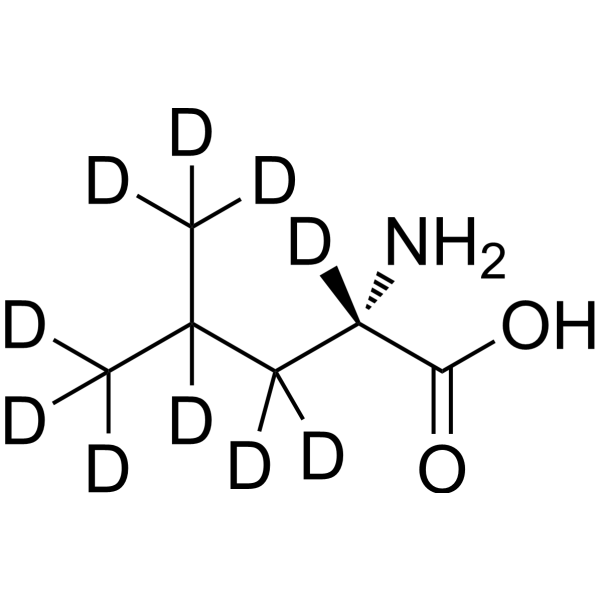
    L-Leucine-d10 is the deuterium labeled L-Leucine. L-Leucine is an essential branched-chain amino acid (BCAA), which activates the mTOR signaling pathway .
    L-Leucine-d10
  • HY-N0486S2

    mTOR Endogenous Metabolite Metabolic Disease
    Leucine- 13C6 is the 13C-labeled L-Leucine. L-Leucine is an essential branched-chain amino acid (BCAA), which activates the mTOR signaling pathway .
    L-Leucine-13C6
  • HY-B0869A

    Environmental Pollutants SOD Acetolactate Synthase (ALS) Herbicide Metabolic Disease
    Bispyribac sodium is a selective, orally active, systemic and post-emergence herbicide. Bispyribac sodium reduces SOD levels and inhibits ALS activity. Bispyribac sodium blocks the biosynthesis of branched-chain amino acids, resulting in growth retardation, chlorosis and necrosis of weeds. Bispyribac sodium exerts herbicidal activity against grass, sedge and broadleaf weeds in rice fields. Bispyribac sodium is hepatotoxic and genotoxic .
    Bispyribac sodium
  • HY-W010516

    2-Methylpentanoic acid

    Endogenous Metabolite Metabolic Disease
    2-Methylvaleric acid is a branched short-chain fatty acid (SCFA) produced by the metabolism of branched-chain amino acids by gut microbes. 2-Methylvaleric acid can be used as a potential biomarker for metabolic diseases such as type 2 diabetes, and its content is significantly reduced in the feces of diabetic mice. 2-Methylvaleric acid may regulate host energy metabolism and inflammatory response through G protein-coupled receptors (GPCRs) or histone deacetylase (HDAC) inhibition. 2-Methylvaleric acid can be used to study gut microbe-host interactions and metabolic diseases as a fecal biomarker[1][2].
    2-Methylvaleric acid
  • HY-156193

    PDHK Cardiovascular Disease Metabolic Disease
    PF-07208254 is a selective, orally active allosteric inhibitor of branched-chain ketoacid dehydrogenase kinase (BDK) (IC50=110 nM, Ki=54 nM, KD=84 nM). PF-07208254 inhibits BDK-mediated BCKDH phosphorylation and enhances the catabolism of branched-chain amino acids (BCAAs) and branched-chain keto acids (BCKAs) by binding to the allosteric pocket of BDK, reducing BDK binding to BCKDH-E2 and promoting BDK degradation. PF-07208254 inhibits BDK activity in human skeletal muscle cells (IC50=540 nM) and has activity to improve cardiac function and metabolism. PF-07208254 can be used in the study of cardiometabolic diseases (e.g., heart failure, type 2 diabetes) .
    PF-07208254
  • HY-N0771R

    Reference Standards Endogenous Metabolite Cardiovascular Disease Metabolic Disease Inflammation/Immunology
    L-Isoleucine (Standard) is the analytical standard of L-Isoleucine. This product is intended for research and analytical applications. L-Isoleucine is an orally active branched chain amino acid, which is the L-enantiomer of isoleucine. L-Isoleucine has a role as a Saccharomyces cerevisiae metabolite, an Escherichia coli metabolite, a plant metabolite, a human metabolite, an algal metabolite and a mouse metabolite. L-Isoleucine regulates the inflammatory response to protect against pathogens in vivo and in vitro .
    L-Isoleucine (Standard)
  • HY-131503

    13-MTD; 13-Methylmyristic acid

    Apoptosis Cancer
    13-Methyltetradecanoic acid (13-MTD), a saturated branched-chain fatty acid with potent anticancer effects. 13-Methyltetradecanoic acid induces apoptosis in many types of human cancer cells .
    13-Methyltetradecanoic acid
  • HY-164093

    Isovaleryl-coenzyme A

    Acetyl-CoA synthetase Metabolic Disease
    Isovaleryl-CoA sodium is a branched-chain acyl-CoA and an inhibitor of succinate-CoA ligase (SCL), with an IC50 of 273 μM in rat liver mitochondria .
    Isovaleryl-CoA
  • HY-N0486S8

    mTOR Endogenous Metabolite Metabolic Disease
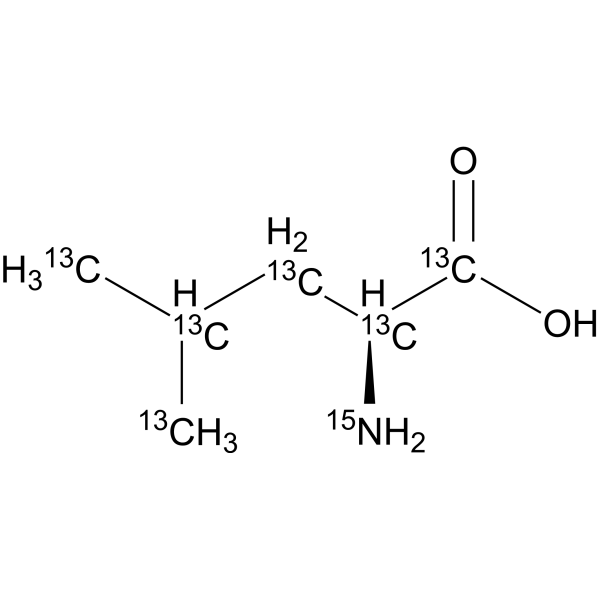
    L-Leucine- 13C6, 15N is the 13C- and 15N-labeled L-Leucine. L-Leucine is an essential branched-chain amino acid (BCAA), which activates the mTOR signaling pathway .
    L-Leucine-13C6,15N
  • HY-N0486S6

    mTOR Endogenous Metabolite Metabolic Disease
    L-Leucine-2- 13C, 15N is the 13C- and 15N-labeled L-Leucine. L-Leucine is an essential branched-chain amino acid (BCAA), which activates the mTOR signaling pathway .
    L-Leucine-2-13C,15N
  • HY-155157

    Endogenous Metabolite Cardiovascular Disease
    PF-07247685 is a BCKDC kinase (BDK) inhibitor (EC50=2.2 nM). PF-07247685 stabilizes the interaction between BDK and BCKDH core subunit E2 and prevents phosphorylation of E1. While BDK mediates branched-chain ketoacid dehydrogenase (BCKDH) phosphorylation, and inhibition of BCKDH is involved in controlling the rate-limiting step of branched-chain amino acid (BCAA) degradation. Impaired BCAA catabolism has been associated with several diseases, particularly cardiometabolic diseases, including heart failure (HF), type 2 diabetes mellitus (T2DM), non-alcoholic fatty liver disease (NAFLD), and obesity. PF-07247685 improved cardiometabolic endpoints and improves glucose tolerance in mice .
    PF-07247685
  • HY-128371

    Biochemical Assay Reagents Others
    2-Methylhexanoic acid is a saturated branched-chain carboxylic acid with a strong "fatty" or "oily" odor. At high concentrations, it is often described as having the smell of lard, chicken fat or sweat; when diluted, it exhibits a dairy, cream or cheese aroma. Therefore, it is commonly used in the formulation of milk, meat (pork/chicken) and baked food flavors. 2-Methylhexanoic acid occurs naturally in fresh apples, cheese, grape brandy, lamb, potatoes and tea .
    2-​Methylhexanoic acid
  • HY-W015307

    Drug Derivative Others
    4-Ethyloctanoic acid is a branched chain aliphatic carboxylic acid that can be found in blue cheeses, various cheese types, and lamb/mutton. 4-Ethyloctanoic acid is a fragrance ingredient .
    4-Ethyloctanoic acid
  • HY-P11285

    Long acting GIPRA-1

    Insulin Receptor Metabolic Disease
    LAGIPRA peptide is a long-acting GIP1R agonist. LAGIPRA peptide enhances insulin sensitivity by augmenting glucose disposal and reduces branched-chain amino acids (BCAAs) and ketoacids. LAGIPRA peptide has the potential for the research of type 2 diabetes .
    LAGIPRA peptide
  • HY-N15936

    Toll-like Receptor (TLR) Interleukin Related Inflammation/Immunology
    a15:0-i15:0 PE is a diacyl phosphatidylethanolamine with two branched chains. a15:0-i15:0 PE is a non-canonical TLR2-TLR1 heterodimer agonist and has immunogenic activity. a15:0-i15:0 PE activates T cells and DC signaling and shows anti-inflammatory activity. a15:0-i15:0 PE induces TNFα and IL-6 production. a15:0-i15:0 PE is a the major component (approximately 50%) of A. muciniphila’s lipid membrane .
    a15:0-i15:0 PE
  • HY-164093A

    Acetyl-CoA synthetase Others
    Isovaleryl-CoA sodium, a branched-chain acyl CoA, is a succinate:CoA ligase (SCL) inhibitor with an IC50 of 273 μM in rat liver mitochondria .
    Isovaleryl-CoA sodium
  • HY-N0486S4

    Isotope-Labeled Compounds mTOR Endogenous Metabolite Metabolic Disease
    L-Leucine-d7 is the deuterium labeled L-Leucine. L-Leucine is an essential branched-chain amino acid (BCAA), which activates the mTOR signaling pathway .
    L-Leucine-d7
  • HY-N0486S3

    mTOR Endogenous Metabolite Metabolic Disease
    L-Leucine- 15N is the 15N-labeled L-Leucine. L-Leucine is an essential branched-chain amino acid (BCAA), which activates the mTOR signaling pathway .
    L-Leucine-15N
  • HY-122950

    Fungal Infection
    Harzianic acid, a tetramic acid derivative, with activity of antimicrobial, antibiofilm formation and biofilm disaggregation. Harzianic acid interferes with biofilm formation by limiting bacterial iron availability. Harzianic acid is also a selective inhibitor of Acetohydroxyacid synthase (AHAS), the first enzyme in the branched-chain amino acid biosynthetic pathway. Harzianic acid can used for herbicide and fungicide .
    Harzianic acid
  • HY-P3432

    Biochemical Assay Reagents Others
    DfTat is a dimer of the prototypical cell-penetrating peptide TAT. DfTat can deliver small molecules, peptides and proteins into live cells with a particularly high efficiency. DfTat labeled with the rhodamine can be used as a tracer for easy detection .
    DfTat
  • HY-W015667

    Ethyl 2-methylvalerate

    Environmental Pollutants Biochemical Assay Reagents Others
    Ethyl 2-methylpentanoate is a class of esters consisting of branched-chain isovaleric acid esterified with ethanol. The compound has a fruity, pungent smell and is commonly used as a flavoring in foods such as baked goods, dairy products and beverages. It can also be used as a fragrance ingredient in personal care products, and as a solvent or plasticizer in various industrial applications. In addition, Ethyl 2-methylpentanoate can be used as a starting material for the synthesis of other organic compounds.
    Ethyl 2-methylpentanoate
  • HY-N0486S12

    mTOR Endogenous Metabolite Metabolic Disease
    L-Leucine-d2 is the deuterium labeled L-Leucine. L-Leucine is an essential branched-chain amino acid (BCAA), which activates the mTOR signaling pathway .
    L-Leucine-d2
  • HY-N0486S10

    Isotope-Labeled Compounds mTOR Endogenous Metabolite Metabolic Disease
    L-Leucine- 18O2 is the 18O-labeled L-Leucine. L-Leucine is an essential branched-chain amino acid (BCAA), which activates the mTOR signaling pathway .
    L-Leucine-18O2
  • HY-W654264

    Endogenous Metabolite Integrin Cardiovascular Disease
    2-Methylbutyrylcarnitine (chloride) is a gut microbial metabolite which binds to integrin α2β1 in platelets, potentiating cytosolic phospholipase A2 (cPLA2) activation and platelet hyperresponsiveness. 2-Methylbutyrylcarnitine (chloride) enhances platelet hyperreactivity and thrombus formation in mice. 2-Methylbutyrylcarnitine (chloride) is a branched-chain acylcarnitine .
    2-Methylbutyrylcarnitine chloride
  • HY-P4668

    Val-Leu; H-Val-Leu-OH

    Bacterial Infection
    Valylleucine (Val-Leu; H-Val-Leu-OH) is a branched-chain dipeptide that can enter cells independently via bacterial dipeptide transport systems, and is hydrolyzed by dipeptidases to release Val and Leu. Valylleucine, as a model peptide, has its α-amino pK determined to be 7.90 by combining FDNB reaction kinetics with potentiometric titration .
    Valylleucine
  • HY-P4668A

    Val-Leu TFA; H-Val-Leu-OH TFA

    Bacterial Infection
    Valylleucine (Val-Leu; H-Val-Leu-OH) TFA is a branched-chain dipeptide that can enter cells independently via bacterial dipeptide transport systems, and is hydrolyzed by dipeptidases to release Val and Leu. Valylleucine TFA, as a model peptide, has its α-amino pK determined to be 7.90 by combining FDNB reaction kinetics with potentiometric titration .
    Valylleucine TFA
  • HY-121950

    Biochemical Assay Reagents Others
    18-Methyleicosanoic acid is a branched-chain fatty acid. 18-Methyleicosanoic acid has a hydrophobic surface and can act as a boundary lubricant .
    18-Methyleicosanoic acid
  • HY-W014206

    Biochemical Assay Reagents Others
    Isopentyl octanoate is a class of esters formed by the esterification of branched-chain isoamyl alcohol, also known as isoamyl alcohol, with octanoylate. The compound has a fruity smell and is commonly used as a flavoring in foods such as baked goods, candy and beverages. It can also be used as a fragrance ingredient in personal care products, and as a solvent or plasticizer in various industrial applications. In addition, Isopentyl octanoate can be used as a starting material for the synthesis of other organic compounds.
    Isopentyl octanoate
  • HY-P10204

    Wnt Cancer
    FZD7 antagonist 1 (peptide 34) is a dFz7-21 analogue. FZD7 antagonist 1 is an FZD7 antagonist that inhibits the wnt3a with IC50 value of 9.2 nM. FZD7 antagonist 1 blocks TcdB−FZD interaction via targeting FZD receptors .
    FZD7 antagonist 1
  • HY-169061

    Histone Methyltransferase Aminotransferases (Transaminases) Lactate Dehydrogenase Cancer
    WQQ-345 is an orally active BCAT1 inhibitor with an IC50 values of 10.8 mM. WQQ-345 reduces cellular α-KG levels, upregulating H3K27me3 expression, decreasing glycolytic enzyme expression, and impairing glycolysis activity. WQQ-345 reduces colony formation, suppresses growth of BCAT1-high TKI-resistant lung cancer cells. WQQ-345 exerts in vitro and in vivo antitumor activity. WQQ-345 can be used for the research of TKI-resistant non-small cell lung cancer and TKI-resistant lung cancer .
    WQQ-345
  • HY-N0486S11

    mTOR Endogenous Metabolite Metabolic Disease
    L-Leucine-d is the deuterium labeled L-Leucine. L-Leucine is an essential branched-chain amino acid (BCAA), which activates the mTOR signaling pathway .
    L-Leucine-d1
  • HY-N0486S5

    Isotope-Labeled Compounds mTOR Endogenous Metabolite Metabolic Disease
    L-Leucine-2- 13C is the 13C-labeled L-Leucine. L-Leucine is an essential branched-chain amino acid (BCAA), which activates the mTOR signaling pathway .
    L-Leucine-2-13C

Inquiry Online

Your information is safe with us. * Required Fields.

Salutation


Country or Region *

Applicant Name *


Organization Name *

Department *


Email Address *


Product Name *

Cat. No.


Requested quantity *

Phone Number *


Remarks

Inquiry Online

Inquiry Information

Product Name:
Cat. No.:
Quantity:
MCE Japan Authorized Agent:

