
1. Search Result
Search Result
Results for "

catalase

" in MedChemExpress (MCE) Product Catalog:

70

Inhibitors & Agonists

1

Fluorescent Dyes

2

Biochemical Assay Reagents

2

Peptides

1

MCE Kits

18

Natural
Products

5

Recombinant Proteins

1

Isotope-Labeled Compounds

3

Antibodies

1

Oligonucleotides

Cat. No. Product Name Target Research Areas Chemical Structure
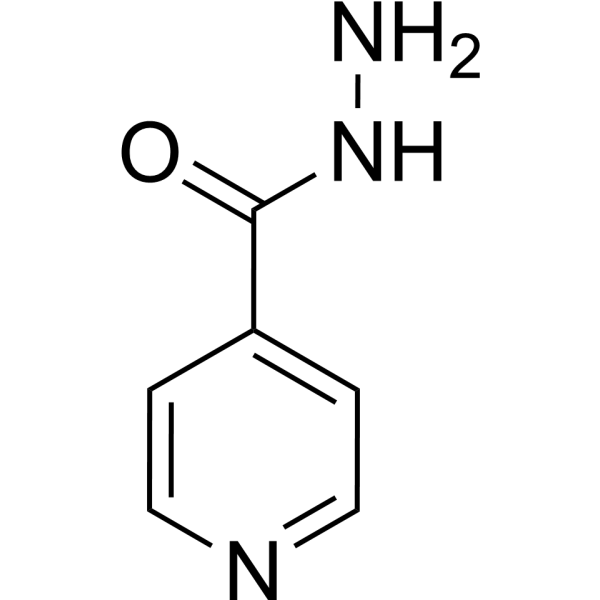
  • HY-B0329
    Isoniazid
    Maximum Cited Publications
    14 Publications Verification

    INH; Isonicotinic acid hydrazide; Isonicotinic hydrazide

    Bacterial Autophagy Mitophagy Antibiotic Infection
    Isoniazid (INH) is a proagent and must be activated by a bacterial catalase-peroxidase enzyme KatG. Isoniazid is bactericidal to rapidly dividing mycobacteria and has anti-tuberculostatic activity .
    Isoniazid
  • HY-135849A

    Reactive Oxygen Species (ROS) Others Cancer
    Catalase, Bovine Liver is an enzyme widely found in various organisms, including animals, plants and microorganisms. Catalase, Bovine Liver mainly exists in the peroxisome of cells and is an important antioxidant enzyme. Catalase, Bovine Liver plays an important role in removing ROS and maintaining the balance of redox state. Catalase, Bovine Liver is closely related to the occurrence and development of tumors. Catalase, Bovine Liver has the potential to be used in tumor prevention research .
    Catalase, Bovine Liver
  • HY-135849
    Catalase, Aspergillus niger
    4 Publications Verification

    Reactive Oxygen Species (ROS) Cancer
    Catalase, Aspergillus niger is a key enzyme in the metabolism of H2O2 and reactive oxygen species (ROS), and its expression and localization is markedly altered in tumors . Free oxygen radical scavenger.
    Catalase, Aspergillus niger
  • HY-112540B

    Endogenous Metabolite Metabolic Disease
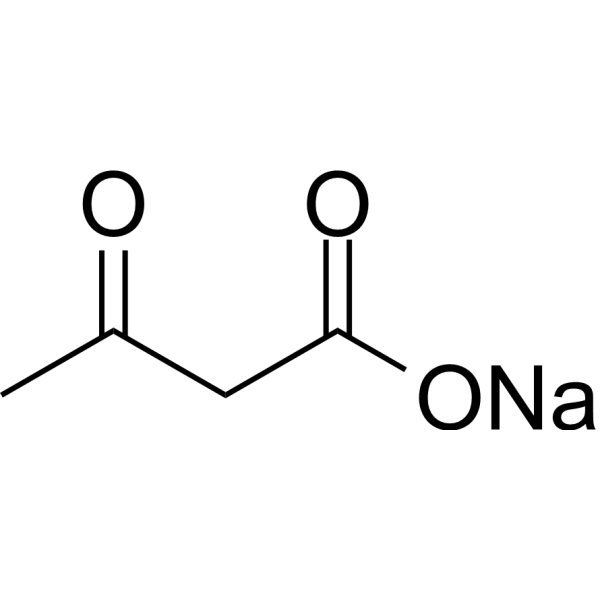
    Acetoacetic acid sodium is an oxidative stress inducer that affects the antioxidant enzyme system and lipoprotein metabolism. Acetoacetic acid sodium induces oxidative stress by decreasing the mRNA expression and activity of superoxide dismutase (SOD), catalase (CAT), and glutathione peroxidase (GSH-Px), increasing MDA content, and inhibiting very low density lipoprotein (VLDL) assembly by downregulating apolipoprotein ApoB100, ApoE, and low density lipoprotein receptor (LDLR), leading to triglyceride (TG) accumulation in hepatocytes. Acetoacetic acid sodium can be used to study metabolic diseases .
    Acetoacetic acid sodium
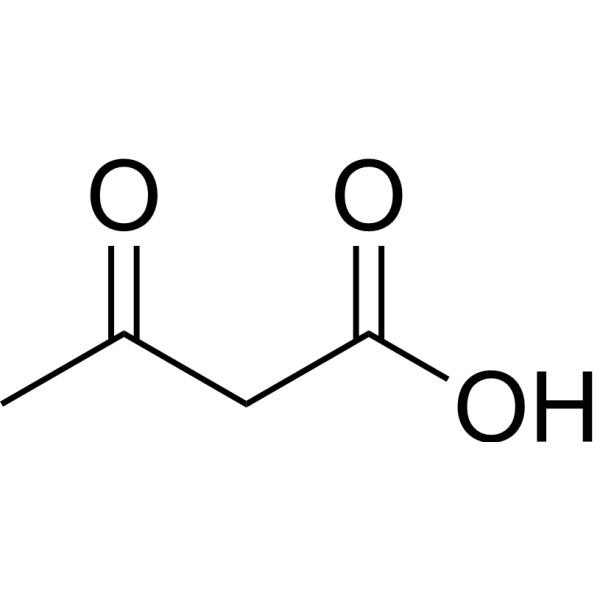
  • HY-112540
    Acetoacetic acid
    4 Publications Verification

    Endogenous Metabolite Metabolic Disease
    Acetoacetic acid is an oxidative stress inducer that affects the antioxidant enzyme system and lipoprotein metabolism. Acetoacetic acid induces oxidative stress by decreasing the mRNA expression and activity of superoxide dismutase (SOD), catalase (CAT), and glutathione peroxidase (GSH-Px), increasing MDA content, and inhibiting very low density lipoprotein (VLDL) assembly by downregulating apolipoprotein ApoB100, ApoE, and low density lipoprotein receptor (LDLR), leading to triglyceride (TG) accumulation in hepatocytes. Acetoacetic acid can be used to study metabolic diseases .
    Acetoacetic acid
  • HY-100594
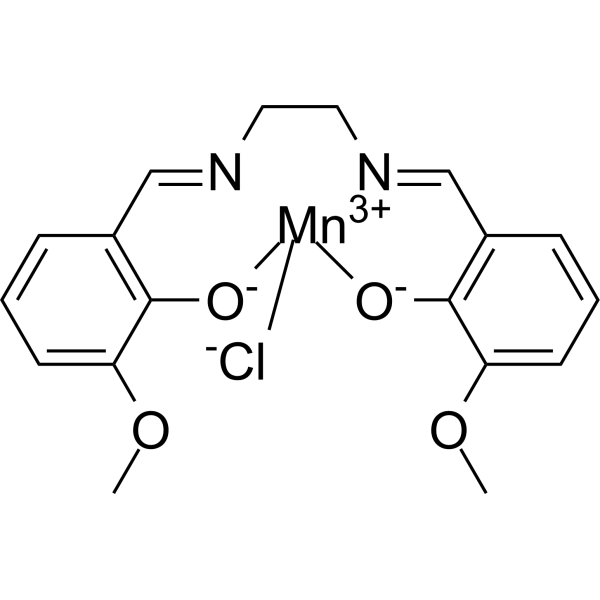
    EUK-134
    1 Publications Verification

    NF-κB Cardiovascular Disease
    EUK-134, a synthetic superoxide dismutase and catalase mimetic, protects rat kidneys from ischemia-reperfusion-induced damage. EUK-134 is a superoxide dismutase (SOD) mimetics (SODm) with catalase activity. EUK-134 is a mitoprotective antioxidant. EUK-134 reduces the expression of NF-κB, MDA level, and protein carbonylation in H9C2 cells .
    EUK-134
  • HY-W018158

    5,6-Dihydroxyindole-2-carboxylic acid

    Endogenous Metabolite GPR35 Arrestin DNA/RNA Synthesis Drug Intermediate SOD Cancer
    DHICA (5,6-Dihydroxyindole-2-carboxylic acid) is an eumelanin building block, GPR35 agonist and melanin synthesis intermediate. DHICA activates GPR35, triggering dynamic mass redistribution and β-arrestin translocation. DHICA interacts with DNA and interferes with Fpg activity . DHICA promotes the generation of single-strand breaks in plasmid DNA. DHICA increases the activity and expression levels of SOD and Catalase. DHICA is applicable to research related to skin cancer and colon cancer .
    DHICA
  • HY-126404

    Environmental Pollutants Interleukin Related Angiotensin-converting Enzyme (ACE) Cardiovascular Disease
    Casein hydrolysate is an orally effective, multi-functional mixture of bioactive peptides, a hydrolysis product of casein (HY-125865), containing ACE inhibitors and immunomodulatory target regulators, among others. Casein hydrolysate releases short-chain bioactive peptides through enzymatic hydrolysis of casein, increasing cellular glutathione and catalase levels, enhancing ConA-induced IL-2 production, and exhibiting metal ion chelation, free radical scavenging, antibacterial, and mineral absorption-promoting effects. Casein hydrolysate lowers blood pressure by inhibiting angiotensin-converting enzyme (ACE) and reducing bradykinin degradation .
    Casein hydrolysate
  • HY-Y1282

    Environmental Pollutants Biochemical Assay Reagents SOD Cardiovascular Disease Infection Neurological Disease
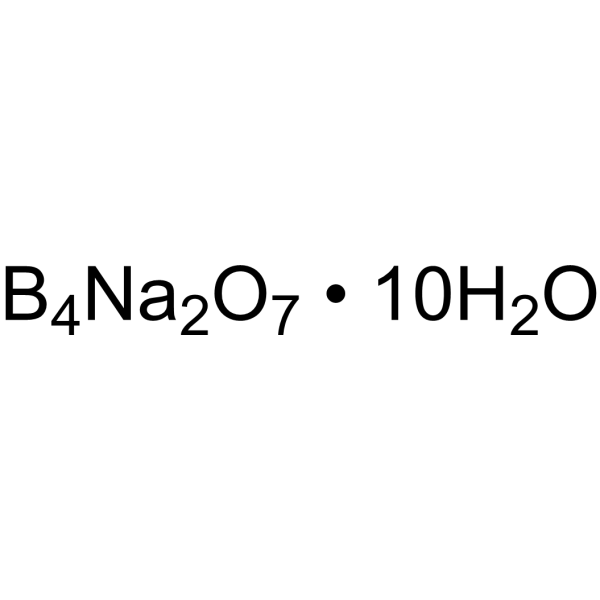
    Sodium tetraborate decahydrate is an orally active biochemical reagent and antibacterial agent. Sodium tetraborate decahydrate leads to an increase in the activity of Catalase, Superoxide dismutase. Sodium tetraborate decahydrate reduces Hydrogen sulfide and the sulfate-reducing bacteria population of swine manure. Sodium tetraborate decahydrate serves as flame suppressant for wood cellulose. Sodium tetraborate decahydrate is a triglyceride transesterification catalyst. Sodium tetraborate decahydrate suppresses the formation of chlorinated by-products in Cl -containing water. Sodium tetraborate decahydrate has a neuroprotective effect against chromium poisoning. Sodium tetraborate decahydrate can protect the heart from chromium damage at low doses. Sodium tetraborate in a low dose with an isolated application shows an antioxidant effect .
    Sodium tetraborate decahydrate
  • HY-148983
    Hydroxylamine (50% w/w in water)
    1 Publications Verification

    Monoamine Oxidase Bacterial GLUT Infection Metabolic Disease Inflammation/Immunology
    Hydroxylamine (50% w/w in water) is an inorganic highly reactive compound and antibacterial agent. Hydroxylamine (50% w/w in water) acutely activates the transport activity of GLUT1, inhibits Monoamine oxidase activity. Hydroxylamine (50% w/w in water) inhibits nitrite oxidizing bacteria. Hydroxylamine (50% w/w in water) activates glucose uptake. Hydroxylamine (50% w/w in water) can be used in the research of inflammatory diseases and allergies[1][2][3][4] .
    Hydroxylamine (50% w/w in water)
  • HY-W075903

    Cobalt hexammine trichloride; Hexaamminecobalt trichloride

    Biochemical Assay Reagents SOD Glutathione S-transferase Metabolic Disease Cancer
    Hexaamminecobalt (III) chloride is an orally active cobalt coordination compound. Hexaamminecobalt (III) chloride restores the activities of liver antioxidant enzymes (SOD, Catalase) and detoxification enzyme GST. Hexaamminecobalt (III) chloride restores GSH content and reduces DAG. Hexaamminecobalt (III) chloride impairs renal function. Hexaamminecobalt (III) chloride exerts anti-carcinogenic effects in Diethylnitrosamine (HY-N7434)-induced hepatocarcinoma .
    Hexaamminecobalt(III) chloride
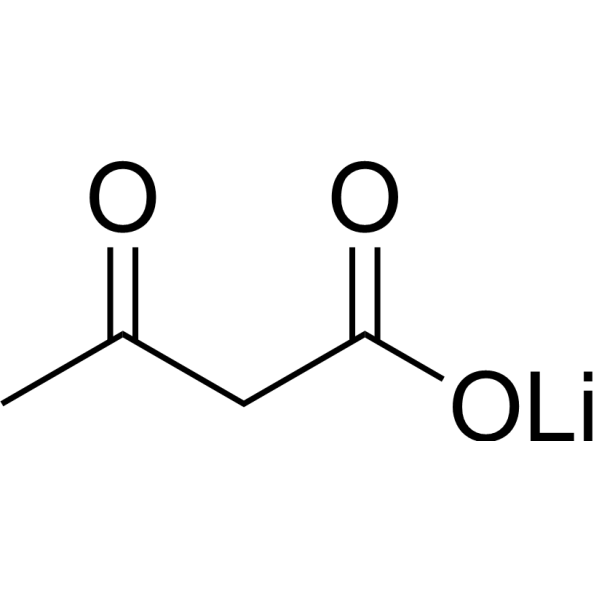
  • HY-112540A
    Acetoacetic acid lithium
    4 Publications Verification

    Endogenous Metabolite Metabolic Disease
    Acetoacetic acid lithium is an oxidative stress inducer that affects the antioxidant enzyme system and lipoprotein metabolism. Acetoacetic acid lithium induces oxidative stress by decreasing the mRNA expression and activity of superoxide dismutase (SOD), catalase (CAT), and glutathione peroxidase (GSH-Px), increasing MDA content, and inhibiting very low density lipoprotein (VLDL) assembly by downregulating apolipoprotein ApoB100, ApoE, and low density lipoprotein receptor (LDLR), leading to triglyceride (TG) accumulation in hepatocytes. Acetoacetic acid lithium can be used to study metabolic diseases .
    Acetoacetic acid lithium
  • HY-169798

    Fluorescent Dye VSV Infection
    1,9-Dimethylmethylene blue is a photosensitizer, virus inactivator and hemoglobin oxidant derived from methylene blue. When activated, 1,9-Dimethylmethylene blue generates reactive oxygen species including singlet oxygen, and acts as a metachromatic dye. When activated in monomeric or dimeric form, 1,9-Dimethylmethylene blue induces photoinactivation of R17 phage and vesicular stomatitis virus and oxidizes hemoglobin via non-singlet oxygen reactive oxygen species or singlet oxygen-mediated pathways, respectively. The monomeric form, with higher nucleic acid affinity, achieves virus inactivation under specific conditions without forming methemoglobin. 1,9-Dimethylmethylene blue binds to substances such as glycosaminoglycans to produce color changes. Although it is susceptible to interference from non-glycosaminoglycan components in urine, it is still applicable to spectrophotometric analysis for glycosaminoglycan quantification. With these unique photochemical and binding properties, 1,9-Dimethylmethylene blue is widely used in studies of viral infections and related biochemical analyses .
    1,9-Dimethylmethylene blue
  • HY-N3031

    Bacterial Apoptosis Bcl-2 Family MDM-2/p53 Glutathione Peroxidase SOD TNF Receptor Interleukin Related Infection Inflammation/Immunology
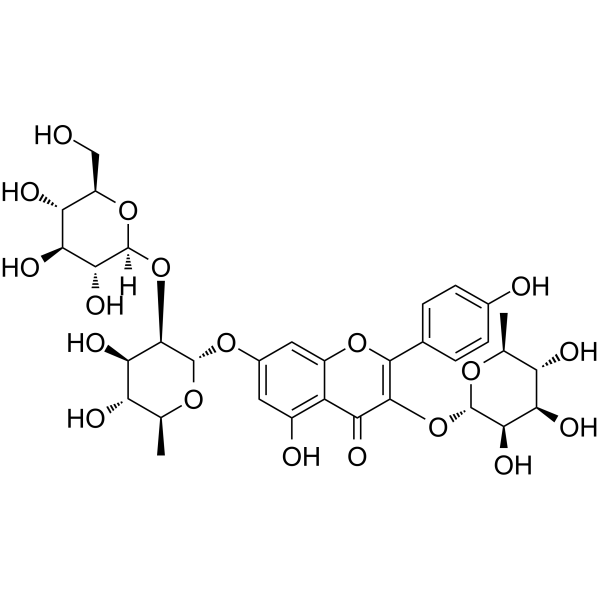
    Grosvenorine is an orally active flavonoid glycoside found in S. grosvenorii. Grosvenorine exhibits antibacterial, antioxidant and antiinflammation activities. Grosvenorine can induce apoptosis and increases anti-apoptotic Bcl-2 protein expression and reduces pro-apoptotic P53 protein expression in gastric tissues. Grosvenorine enhances mucin/glycoprotein secretion, regulates gastric pH, and reduces gastric lesion incidence.Grosvenorine increases glutathione peroxidase, catalase, and SOD levels, reduces lipid peroxidation (MDA), and lowers TNF-α and IL-6 levels. Grosvenorine can be used for the researches of bacterial infection and Gastric ulcer .
    Grosvenorine
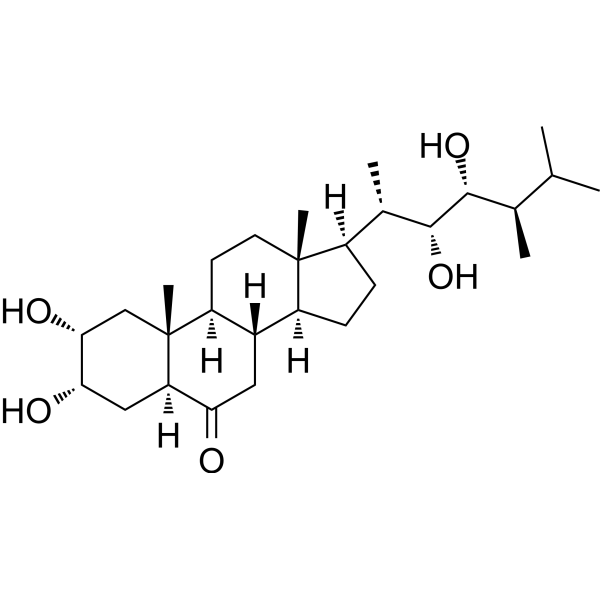
  • HY-N10455
    24-Epicastasterone
    2 Publications Verification

    24-epi-Castasterone

    Drug Derivative Others
    24-Epicastasterone (24-epi-Castasterone) is a bioactive brassinosteroid and a ligand of ABCB1 and ABCB19 in Arabidopsis thaliana. 24-Epicastasterone stimulates the ATPase activity of ABCB19 and the ATP hydrolysis activity of ABCB1, which drive the efflux of substances from plant cells. 24-Epicastasterone increases the activities of catalase and guaiacol peroxidase in the roots of wheat seedlings. 24-Epicastasterone alleviates heat-induced lipid peroxidation through a ROS-dependent mechanism and enhances the heat tolerance of common wheat seedlings .
    24-Epicastasterone
  • HY-W041608

    NF-κB Toll-like Receptor (TLR) Bacterial Infection Inflammation/Immunology
    Methylchloroisothiazolinone is a widely used fungicide and also an aquatic pollutant with pro-inflammatory activity and neurotoxicity. Methylchloroisothiazolinone induces the production of pro-inflammatory cytokines (such as IL-1β, TNF-α, IL-6) by activating the NF-κB signaling pathway and upregulating TLR4 expression, thereby triggering allergic contact dermatitis. Methylchloroisothiazolinone reduces cholinesterase activity and exacerbates oxidative stress by impairing catalase activity and disrupting redox balance. Methylchloroisothiazolinone poses significant harm to Mediterranean mussels, reducing the viability of hemocytes and digestive gland cells, inhibiting immune phagocytic function, and disrupting osmoregulatory capacity. Methylchloroisothiazolinone is used in studies on allergic contact dermatitis and related immunotoxicity mechanisms .
    Methylchloroisothiazolinone
  • HY-W099479

    Ethyl butylacetylaminopropionate; IR-3535

    Environmental Pollutants Apoptosis Reactive Oxygen Species (ROS) Parasite SOD Infection Inflammation/Immunology
    Insect repellent M 3535 (Ethyl butylacetylaminopropionate) is a broad-spectrum, mild insect repellent based on the structure of β-alanine. Insect repellent M 3535 exerts repellent effects by interfering with the olfaction of mosquitoes, but it poses risks of developmental and cardiac toxicity to aquatic organisms such as zebrafish embryos in aquatic environments, and can activate oxidative stress responses .
    Insect repellent M 3535
  • HY-W001583
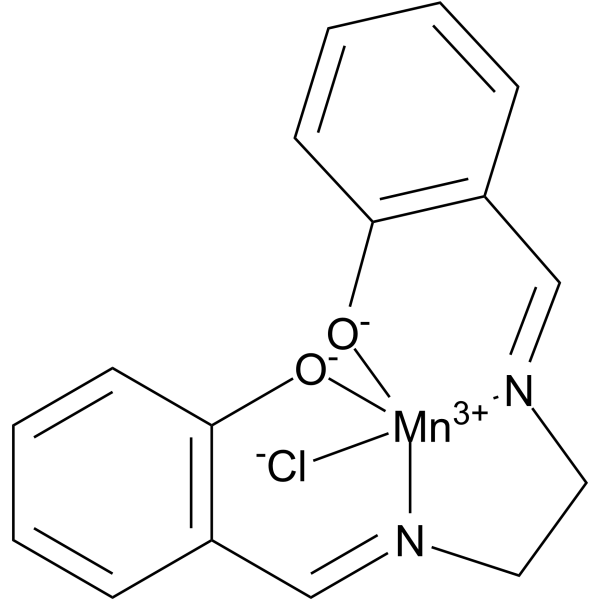
    Manganese(salen) chloride
    1 Publications Verification

    EUK-8

    Reactive Oxygen Species (ROS) Cardiovascular Disease
    Manganese(salen) chloride (EUK-8), a superoxide dismutase and catalase mimetic, is an antioxidant with oxyradical scavenging properties. Manganese(salen) chloride ameliorates acute lung injury in endotoxemic swine .
    Manganese(salen) chloride
  • HY-B0329S

    INH-d4; Isonicotinic acid hydrazide-d4; Isonicotinic hydrazide-d4

    Bacterial Autophagy Mitophagy Antibiotic Infection
    Isoniazid-d4 is the deuterium labeled Isoniazid. Isoniazid (INH) is a proagent and must be activated by a bacterial catalase-peroxidase enzyme KatG. Isoniazid is bactericidal to rapidly dividing mycobacteria and has anti-tuberculostatic activity .
    Isoniazid-d4
  • HY-P5247

    PTP20

    Melanocortin Receptor Sirtuin Metabolic Disease Inflammation/Immunology
    Palmitoyl tetrapeptide-20 (PTP20) is a biomimetic peptide agonist of α-MSH. Palmitoyl tetrapeptide-20 promotes hair pigmentation and delays hair graying by activating the MC1-R pathway (AC50: 0.16 nM), enhancing catalase activity to reduce H2O2 accumulation, and upregulating SIRT1 activity. Palmitoyl tetrapeptide-20 can be used in research on preventing hair loss and improving hair graying .
    Palmitoyl tetrapeptide-20
  • HY-135849C

    Reactive Oxygen Species (ROS) Inflammation/Immunology Cancer
    Catalase, trichoderma reesei is a catalase derived from Trichoderma reesei. Catalase, trichoderma reesei dismutates hydrogen peroxide into oxygen and water, helping cells resist oxidative damage caused by hydrogen peroxide .
    Catalase, trichoderma reesei
  • HY-B1087

    Prednisolone 21-hemisuccinate

    Glucocorticoid Receptor Neurological Disease
    Prednisolone hemisuccinate (Prednisolone 21-hemisuccinate) is a prodrug of Prednisolone (HY-17463) and a glucocorticoid. Prednisolone hemisuccinate converts to Prednisolone in vivo. Prednisolone hemisuccinate induces the inactivation of glyceraldehyde-3-phosphate dehydrogenase (GAP-DH) in vitro. Prednisolone hemisuccinate can be used in research related to cataracts .
    Prednisolone hemisuccinate
  • HY-N16129

    Nymphaeol A; Propolin C

    COX Reactive Oxygen Species (ROS) Calcium Channel Ferroptosis Mitochondrial Metabolism MMP Inflammation/Immunology Cancer
    Diplacone is an orally active geranyl flavanone. It is isolated from the fruits of Paulownia tomentosa. Diplacone reduces COX-2 levels and increases the pro-MMP2/MMP2 ratio. It induces ferroptosis-mediated cell death. Diplacone enhances mitochondrial Ca 2+ influx and ROS production. It possesses anti-inflammatory and free radical-scavenging activities. Diplacone can be used in research related to ulcerative colitis and non-small cell lung cancer .
    Diplacone
  • HY-B0329R

    INH (Standard); Isonicotinic acid hydrazide (Standard); Isonicotinic hydrazide (Standard)

    Reference Standards Bacterial Autophagy Mitophagy Antibiotic Infection
    Isoniazid (Standard) is the analytical standard of Isoniazid. This product is intended for research and analytical applications. Isoniazid (INH) is a proagent and must be activated by a bacterial catalase-peroxidase enzyme KatG. Isoniazid is bactericidal to rapidly dividing mycobacteria and has anti-tuberculostatic activity .
    Isoniazid (Standard)
  • HY-W018158R

    5,6-Dihydroxyindole-2-carboxylic acid (Standard)

    Reference Standards Endogenous Metabolite GPR35 Arrestin DNA/RNA Synthesis Drug Intermediate SOD Cancer
    DHICA (Standard) is an analytical standard of DHICA (HY-W018158). This product is for research and analytical applications. DHICA (5,6-Dihydroxyindole-2-carboxylic acid) is an eumelanin building block, GPR35 agonist and melanin synthesis intermediate. DHICA activates GPR35, triggering dynamic mass redistribution and β-arrestin translocation. DHICA interacts with DNA and interferes with Fpg activity . DHICA promotes the generation of single-strand breaks in plasmid DNA. DHICA increases the activity and expression levels of SOD and Catalase. DHICA is applicable to research related to skin cancer and colon cancer .
    DHICA (Standard)
  • HY-137155

    DDS-NOH

    Reactive Oxygen Species (ROS) Inflammation/Immunology
    Dapsone hydroxylamine (DDS-NOH) induces methemoglobinemia. Dapsone hydroxylamine inhibits catalase (CAT) activity and reactive oxygen species generation. Dapsone hydroxylamine also has anti-inflammatory activity .
    Dapsone hydroxylamine
  • HY-76632

    Cholinesterase (ChE) SOD Neurological Disease
    4-Hydroxyisophthalic acid activates antioxidant enzymes (such as catalase CAT and superoxide dismutase SOD), scavenges free radicals, and exhibits antioxidant property. 4-Hydroxyisophthalic acid activates AChE and BChE, enhances neuronal function and improves Tau-induced neurobehavioral defects. 4-Hydroxyisophthalic acid improves the cognitive defects, and ameliorates circadian rhythm disorders of fruit flies .
    4-Hydroxyisophthalic acid
  • HY-P5247A

    PTP20 TFA

    Melanocortin Receptor Sirtuin Metabolic Disease Inflammation/Immunology
    Palmitoyl tetrapeptide-20 (PTP20) TFA is a biomimetic peptide agonist of α-MSH. Palmitoyl tetrapeptide-20 TFA promotes hair pigmentation and delays hair graying by activating the MC1-R pathway (AC50: 0.16 nM), enhancing catalase activity to reduce H2O2 accumulation, and upregulating SIRT1 activity. Palmitoyl tetrapeptide-20 TFA can be used in research on preventing hair loss and improving hair graying .
    Palmitoyl tetrapeptide-20 TFA
  • HY-N3027
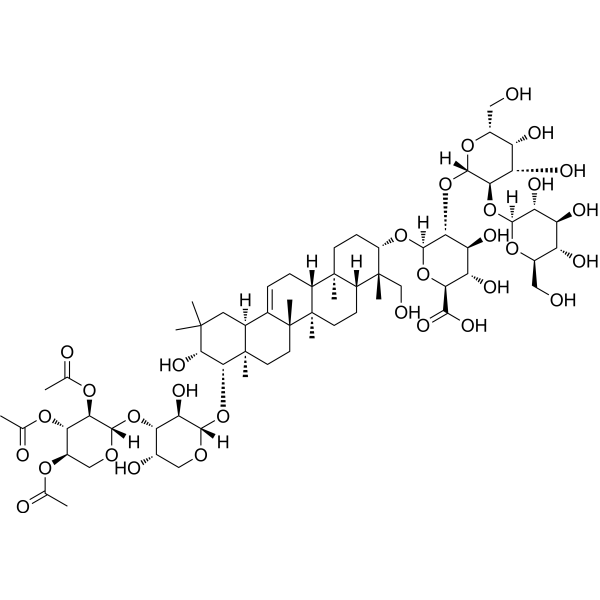
    Soyasaponin Aa
    1 Publications Verification

    PPAR Reactive Oxygen Species (ROS) Metabolic Disease
    Soyasaponin Aa is a soyasaponin that can be found in soy. Soyasaponin Aa suppresses PPARγ transcriptional activity, reduces PPARγ and C/EBPα expression, inhibits adipocyte differentiation and lipid accumulation, and reduces adipogenic marker gene expression. Soyasaponin Aa reduces hydrogen peroxide-induced reactive oxygen species (ROS) production and malondialdehyde levels. Soyasaponin Aa exhibits cellular antioxidant activity. Soyasaponin Aa can be used for the research of obesity .
    Soyasaponin Aa
  • HY-19382

    SOD ERK Reactive Oxygen Species (ROS) Neurological Disease
    EUK-189 is a synthetic superoxide dismutase (SOD) and catalase mimetic. EUK-189 can block oxygen/glucose deprivation (OGD)-induced ERK1/2 dephosphorylation, ATP depletion and eliminate ROS production. EUK-189 exhibits neuroprotective effect and can inhibit delayed radiation injury. EUK-189 can be used for the research of neurological disease, such as ischemic stroke .
    EUK-189
  • HY-156277

    PPAR Metabolic Disease
    SP4f is an activator ofPPAR-γ, with the EC50 of 826 nM in HK-2 cells. SP4f reduces the blood glucose levels and lipid peroxidation, and increases glutathione levels and catalase activityin the Swiss albino mice .
    SP4f
  • HY-W127739

    Zinc ethylene-1, 2-bisdithiocarbamate

    Environmental Pollutants Biochemical Assay Reagents Others
    Zineb is an agricultural fungicide of the dithiocarbamate class. Its toxicity is relatively low, and there is little evidence of human harm from exposure. Oxidative stress is one of the main factors contributing to diseases caused by Zineb. Zineb does not alter the activity of any superoxide dismutase enzymes. Catalase (CAT) activity was reduced only by Zineb.
    Zineb
  • HY-N9928

    Cholinesterase (ChE) Neurological Disease
    Echinenone is an acetylcholinesterase (AChE) inhibitor (IC50=16.29 μg/mL) with anti-Aβ(25-35) activity. Echinenone can inhibit MDA content and increase superoxide dismutase (SOD), catalase (CAT) and glutathione peroxidase (GSH-Px) activities to cope with oxidative stress damage .
    Echinenone
  • HY-171657

    Drug Derivative SOD Interleukin Related COX Collagen Inflammation/Immunology
    4'-Acetoxy resveratrol is a Resveratrol (HY-16561) derivative. 4'-Acetoxy resveratrol upregulates gene expression of elastin, collagen types III and IV, superoxide dismutase (SOD), and catalase (CAT), while downregulating interleukins (IL-1A, IL-1R2, IL-6, IL-8) and cyclooxygenase-2 (COX-2) in human skin models. 4'-Acetoxy resveratrol can be used for skin reasearch .
    4'-Acetoxy resveratrol
  • HY-113863

    HOE 351

    Fungal Infection
    Rilopirox (HOE 351) is a hydroxy-pyridone compound with antimycotic properties. Rilopirox, a chelating agent, can inhibit catalase. Rilopirox inhibits the respiratory chain. Rilopirox inhibits growth of yeast isolates with a MIC50 of 4 μg/mL. Rilopirox has the potential for vaginal candidosis and oropharyngeal Candida infections research .
    Rilopirox
  • HY-N0025

    Reactive Oxygen Species (ROS) Apoptosis Metabolic Disease
    Jionoside D is a hydroxycinnamic acid ester with antioxidant property. Jionoside D has scavenging activity of intracellular reactive oxygen species (ROS) and of DPPH radical, and lipid peroxidation inhibitory activity. Jionoside D reduces the apoptotic cells induced by H2O2 in V79-4 cells. Jionoside D increases the activities of cellular antioxidant enzymes, SOD and catalase .
    Jionoside D
  • HY-153889

    Amyloid-β Reactive Oxygen Species (ROS) Neurological Disease
    BTA-EG4 is a catalase-amyloid interaction inhibitor, which can significantly enhance the neurotoxicity of amyloid peptides in catalase-overexpressing neuronal cells, and can be used in the study of neurodegenerative diseases .
    BTA-EG4
  • HY-156276

    PPAR Metabolic Disease
    SP4e is an activator of PPAR-γ, with the EC50 of 739 nM in HK-2 cells. SP4e reduces the blood glucose levels and lipid peroxidation, and increases glutathione levels and catalase activityin the Swiss albino mice .
    SP4e
  • HY-124894

    Fungal Infection
    (+)-Benalaxyl is a broad-spectrum benzamide fungicide. (+)-Benalaxyl inhibits the growth of the freshwater algae S. obliquus, with an EC50 value of 8.441 mg/L. (+)-Benalaxyl can induce the production of chlorophyll a and b, as well as increase the activity of superoxide dismutase (SOD) and the generation of malondialdehyde (MDA). (+)-Benalaxyl has inhibitory effects on catalase (CAT). (+)-Benalaxyl is effective against diseases caused by oomycetes .
    (+)-Benalaxyl
  • HY-130439

    SOD Metabolic Disease
    EUK 8 and EUK 134 are synthetic catalytic scavengers of reactive oxygen species with superoxide dismutase (SOD) and catalase mimetic activity.1 EUK 124 is a structural analog of EUK 8 and EUK 134 with significantly reduced activity. EUK 124 and EUK 8 inhibit superoxide-mediated reduction of an electron acceptor (i.e., SOD mimetic activity), with IC50 values of 5 μM and 0.7 μM, respectively.
    EUK-124
  • HY-19227

    PPAR Cardiovascular Disease
    BM 170249 is a peroxisome proliferator, particularly in the perivenous region of the central acini in the liver. BM 170249 significantly reduces serum triglyceride and cholesterol levels in rats. BM 170249 strongly induces the activity of key enzymes in the peroxisome fatty acid β-oxidation system (such as acyl-CoA oxidase AOX, multifunctional enzyme PH, and thiolase PT), but leads to decreased activity of catalase and uricase in peroxisome components. BM 170249 could be used in lipid-lowering studies .
    BM 170249
  • HY-112540AR

    Endogenous Metabolite Reference Standards Metabolic Disease
    Acetoacetic acid (lithium) (Standard) is the analytical standard of Acetoacetic acid (lithium). This product is intended for research and analytical applications. Acetoacetic acid lithium is an oxidative stress inducer that affects the antioxidant enzyme system and lipoprotein metabolism. Acetoacetic acid lithium induces oxidative stress by decreasing the mRNA expression and activity of superoxide dismutase (SOD), catalase (CAT), and glutathione peroxidase (GSH-Px), increasing MDA content, and inhibiting very low density lipoprotein (VLDL) assembly by downregulating apolipoprotein ApoB100, ApoE, and low density lipoprotein receptor (LDLR), leading to triglyceride (TG) accumulation in hepatocytes. Acetoacetic acid lithium can be used to study metabolic diseases .
    Acetoacetic acid lithium (Standard)
  • HY-168066

    Fungal Infection
    Antifungal agent 117 is a bis-pyrazole carboxamide derivative with antifungal activity, exhibiting an EC50 value of 11.58 mg/L against Sclerotinia sclerotiorum. Antifungal agent 117 increases cell membrane permeability, causing an imbalance in osmotic pressure inside and outside the cell, and induces the accumulation of reactive oxygen species (ROS), leading to oxidative damage to the cell membrane, resulting in leakage of cellular contents and eventually cell death. RNA sequencing analysis reveals that Antifungal agent 117 downregulates catalase genes and upregulates neutral ceramidase genes, disrupting cell membrane structure, accelerating sphingolipid metabolism, and promoting cell death. Antifungal agent 117 shows great potential in the fields of plant protection and antifungal infection .
    Antifungal agent 117
  • HY-N3031R

    Reference Standards Bacterial Apoptosis Bcl-2 Family MDM-2/p53 Glutathione Peroxidase SOD TNF Receptor Interleukin Related Infection Inflammation/Immunology
    Grosvenorine (Standard) is the analytical standard of Grosvenorine. This product is intended for research and analytical applications. Grosvenorine is an orally active flavonoid glycoside found in S. grosvenorii. Grosvenorine exhibits antibacterial, antioxidant and antiinflammation activities. Grosvenorine can induce apoptosis and increases anti-apoptotic Bcl-2 protein expression and reduces pro-apoptotic P53 protein expression in gastric tissues. Grosvenorine enhances mucin/glycoprotein secretion, regulates gastric pH, and reduces gastric lesion incidence.Grosvenorine increases glutathione peroxidase, catalase, and SOD levels, reduces lipid peroxidation (MDA), and lowers TNF-α and IL-6 levels. Grosvenorine can be used for the researches of bacterial infection and Gastric ulcer .
    Grosvenorine (Standard)
  • HY-135849H

    Biochemical Assay Reagents Metabolic Disease
    Catalase, Murine (EC 1.11.1.6) activates the decomposition of hydrogen peroxide, a reactive oxygen species, into water and oxygen. Catalase functions as a natural antioxidant, protecting cells against oxidative damage to proteins, lipids and nucleic acids.
    Catalase, Murine
  • HY-N15378

    IAP Bcl-2 Family COX TNF Receptor Caspase Apoptosis Inflammation/Immunology Cancer
    β-carotene-15,15ʹ-epoxide is a XIAP antagonist with apoptosis-inducing and antitumor activity, found in the leaves of Spondias mombin. In a DMBA (HY-W011845)-induced rat model of breast cancer, β-carotene-15,15ʹ-epoxide binds to the BIR3 domain of the anti-apoptotic protein XIAP, blocking its interaction with caspase-9 and thereby promoting tumor cell apoptosis. In addition, β-carotene-15,15ʹ-epoxide significantly downregulates the expression of BCL-2, COX-2, and TNF-α in tumor tissues, reduces MDA levels, increases catalase activity, and modulates serum levels of LDH, ALP, and ALT, demonstrating strong antioxidant, anti-inflammatory, and metabolic protective effects. β-carotene-15,15ʹ-epoxide may be used in research on inflammation-related conditions and cancers such as breast cancer .
    β-Carotene-15,15'-epoxide
  • HY-135849E

    Biochemical Assay Reagents Metabolic Disease
    Catalase, Corynebacterium sp. (EC 1.11.1.6) activates the decomposition of hydrogen peroxide, a reactive oxygen species, into water and oxygen. Catalase functions as a natural antioxidant, protecting cells against oxidative damage to proteins, lipids and nucleic acids.
    Catalase, Corynebacterium sp.
  • HY-135849D

    Biochemical Assay Reagents Metabolic Disease
    Catalase, Corynebacterium glutamicum (EC 1.11.1.6) activates the decomposition of hydrogen peroxide, a reactive oxygen species, into water and oxygen. Catalase functions as a natural antioxidant, protecting cells against oxidative damage to proteins, lipids and nucleic acids.
    Catalase, Corynebacterium glutamicum
  • HY-Y0590

    Environmental Pollutants Reactive Oxygen Species (ROS) Glutathione Reductase (GR) Inflammation/Immunology
    Copper (I) oxide is an oxidative stress inducer and cytotoxic agent. Copper (I) oxide causes dose-dependent decrease in the viability of airway epithelial cells by impairing the activities of catalase and glutathione reductase, generating reactive oxygen species, and increasing the levels of 8-isoprostane and the ratio of oxidized glutathione. However, when combined with Resveratrol (HY-16561), the cytotoxic effect induced by Copper (I) oxide is significantly attenuated, and oxidative damage is effectively alleviated .
    Copper(I) oxide
  • HY-N17990

    PDK-1 Akt GSK-3 Reactive Oxygen Species (ROS) Neurological Disease
    Sexangularetin 3-sophoroside is a PDK1 and Akt phosphorylation activator with neuroprotective properties. Sexangularetin 3-sophoroside restores phosphorylated GSK-3β protein levels. Sexangularetin 3-sophoroside acts as a ROS inhibitor and regulates mRNA expression of superoxide dismutase 1 and catalase. Sexangularetin 3-sophoroside can be used for the research of Parkinson’s disease .
    Sexangularetin 3-sophoroside

Inquiry Online

Your information is safe with us. * Required Fields.

Salutation


Country or Region *

Applicant Name *


Organization Name *

Department *


Email Address *


Product Name *

Cat. No.


Requested quantity *

Phone Number *


Remarks

Inquiry Online

Inquiry Information

Product Name:
Cat. No.:
Quantity:
MCE Japan Authorized Agent:

