

1. Search Result
Search Result
Pathways Recommended: Metabolic Enzyme/Protease
Results for "

cathepsin proteases

" in MedChemExpress (MCE) Product Catalog:

73

Inhibitors & Agonists

1

Screening Libraries

1

Fluorescent Dyes

3

Biochemical Assay Reagents

10

Peptides

4

Natural
Products

1

GMP Molecules

Cat. No. Product Name Target Research Areas Chemical Structure
  • HY-18234A
    Leupeptin hemisulfate
    60+ Cited Publications

    Cathepsin Ser/Thr Protease Virus Protease Infection Inflammation/Immunology
    Leupeptin hemisulfate is a broad-spectrum, membrane-permeable protease inhibitor. Leupeptin hemisulfate potently inhibits serine, cysteine and threonine proteases. Leupeptin hemisulfate inhibits M pro (the main protease of SARS-CoV-2) and also has anti-inflammatory activity .
    Leupeptin hemisulfate
  • HY-18964
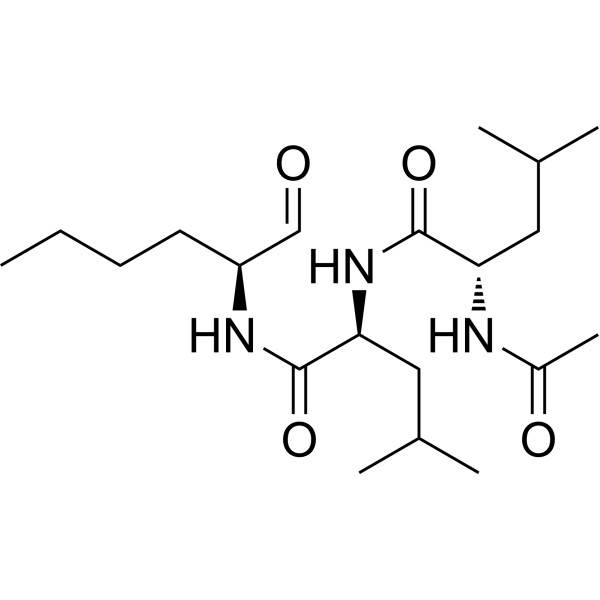
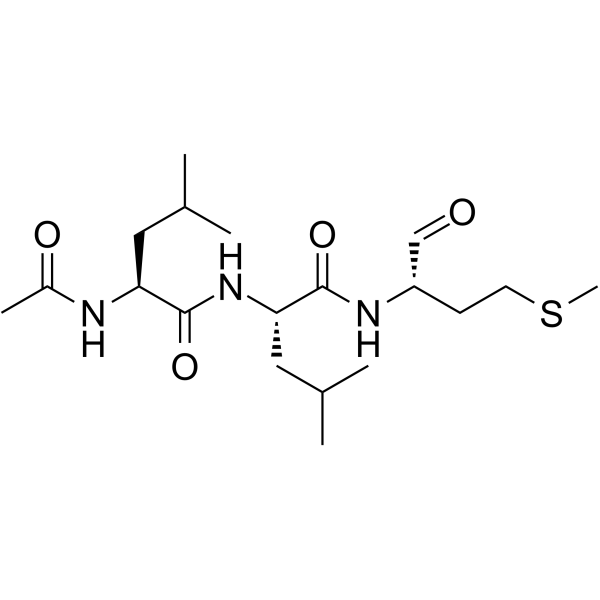
    MG-101
    10+ Cited Publications

    Calpain inhibitor I; Ac-LLnL-CHO; ALLN

    Proteasome Apoptosis Cancer
    MG-101 (ALLN) is an inhibitor of cysteine proteases which inhibits calpain I, calpain II, cathepsin B and cathepsin L with Kis of 190, 220, 150 and 500 pM, respectively. MG-101 induces apoptosis and inhibits tumor growth, it can be used for the research of colon cancer .
    MG-101
  • HY-119293
    K777
    3 Publications Verification

    Cathepsin Cytochrome P450 Parasite SARS-CoV Filovirus Infection Inflammation/Immunology Cancer
    K777 is a potent, orally active and irreversible cysteine protease inhibitor. K777 is also a potent CYP3A4 inhibitor with an IC50 of 60 nM. K777 irreversibly inhibits Cruzain, the major cysteine protease of Trypansoma cruzi, and cathepsins B and L. K777 is a broad-spectrum antiviral by targeting cathepsin-mediated cell entry. K777 inhibits SARS-CoV and EBOV pseudovirus entry with IC50 values of 0.68 nM and 0.87 nM, respectively .
    K777
  • HY-103351

    Cathepsin Inflammation/Immunology
    Cathepsin G Inhibitor I (Compound 7) is a potent, selective, reversible, competitive, non-peptidic Cathepsin G inhibitor (IC50 = 53 nM; Ki = 63 nM). Cathepsin G Inhibitor I can be used in research related to immune disorders .
    Cathepsin G Inhibitor I
  • HY-128971
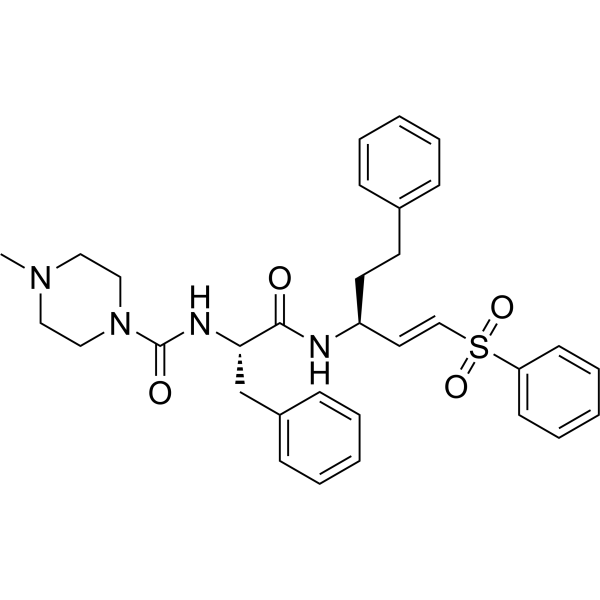
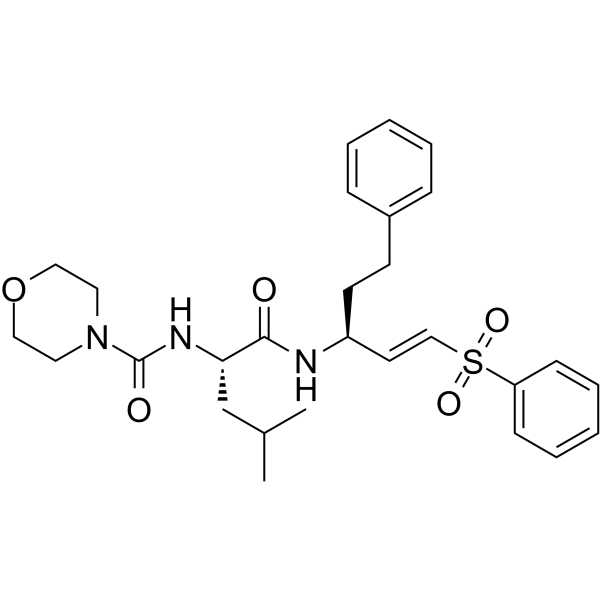
    LHVS
    3 Publications Verification

    Cathepsin Parasite Infection Neurological Disease
    LHVS is a potent, non-selective, irreversible, cell-permeable cysteine protease and cathepsin inhibitor. LHVS decreases actin ring formation. LHVS inhibits T. gondii invasion with an IC50 of 10 μM .
    LHVS
  • HY-P2780

    Apoptosis Ferroptosis Autophagy Necroptosis Others Cancer
    Cathepsin B, Bovine spleen is a cysteine protease and is involved in multiple kinds of programmed cell death (including apoptosis, pyroptosis, ferroptosis, necroptosis, and autophagic cell death) .
    Cathepsin B, Bovine spleen
  • HY-10472
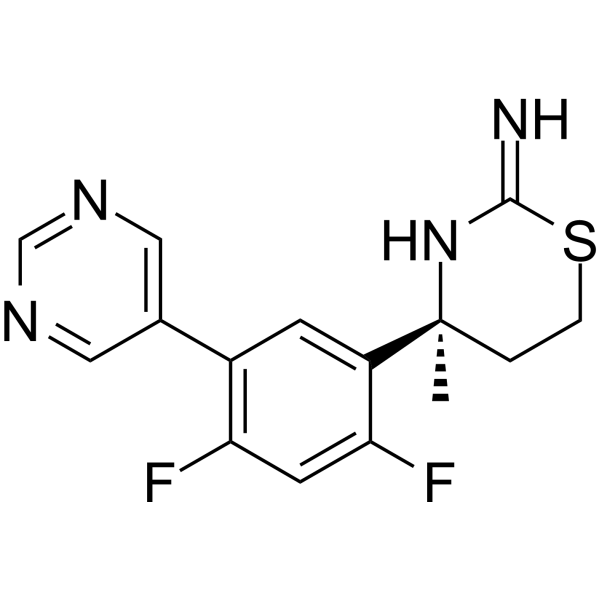
    LY2811376
    10+ Cited Publications

    Beta-secretase Neurological Disease
    LY2811376 is the first orally available non-peptidic β-secretase (BACE1) inhibitor with IC50 of 239 nM-249 nM, that acts to decrease Aβ secretion with EC50 of 300 nM, and demonstrates to have 10-fold selectivity towards BACE1 over BACE2, and more than 50-fold inhibition over other aspartic proteases including cathepsin D, pepsin, or renin.
    LY2811376
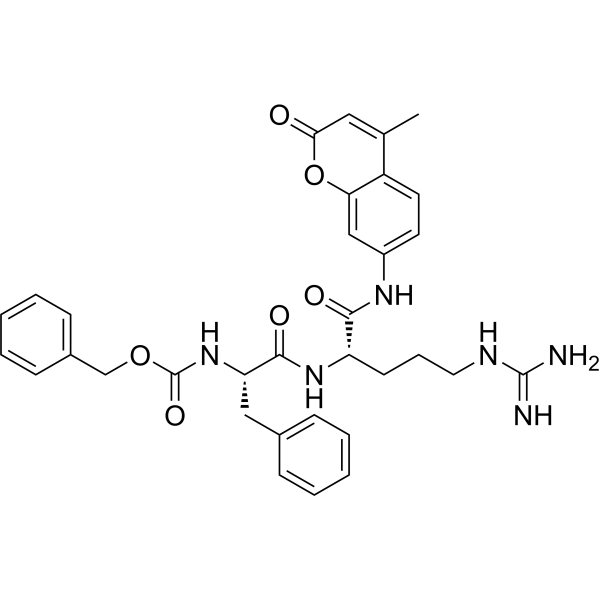
  • HY-P1759

    Z-FR-AMC

    Cathepsin Others
    N-CBZ-Phe-Arg-AMC (Z-FR-AMC) is a cathepsin substrate used in assessment activity of lysosomal cathepsin enzymes .
    N-CBZ-Phe-Arg-AMC
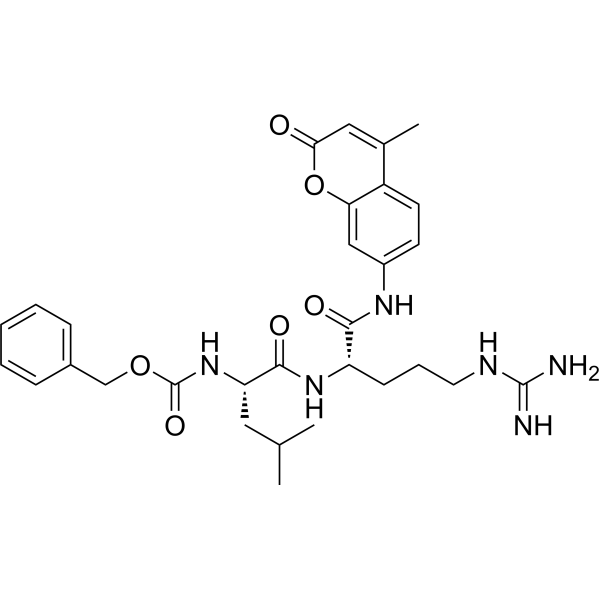
  • HY-142021

    Cathepsin Parasite Infection Inflammation/Immunology
    Z-Leu-Arg-AMC is a fluorogenic peptide substrate for cysteine proteases (e.g., Cathepsin) (Ex=350 nm,Em=460 nm). Z-Leu-Arg-AMC is preferentially cleaved by Cathepsin K and S under weakly acidic conditions, while its hydrolysis relies on residual Cathepsin S activity at neutral pH. Z-Leu-Arg-AMC serves as a substrate for recombinant Sphenophorus levis Cathepsin L, falcipain-2, falcipain-3, berghepain-2, knowlepain-2, vivapain-2, as well as falcipain-2 chimeras and constructs. It enables quantitative detection of cysteine protease activity in human inflammatory bronchoalveolar lavage fluid via fluorescence generation. Z-Leu-Arg-AMC can be used in research related to pulmonary inflammatory diseases and malaria .
    Z-Leu-Arg-AMC
  • HY-18234

    Ser/Thr Protease Virus Protease Cathepsin Infection Inflammation/Immunology
    Leupeptin is a broad-spectrum, membrane-permeable protease inhibitor. Leupeptin potently inhibits serine, cysteine and threonine proteases. Leupeptin inhibits M pro (the main protease of SARS-CoV-2) and also has anti-inflammatory activity .
    Leupeptin
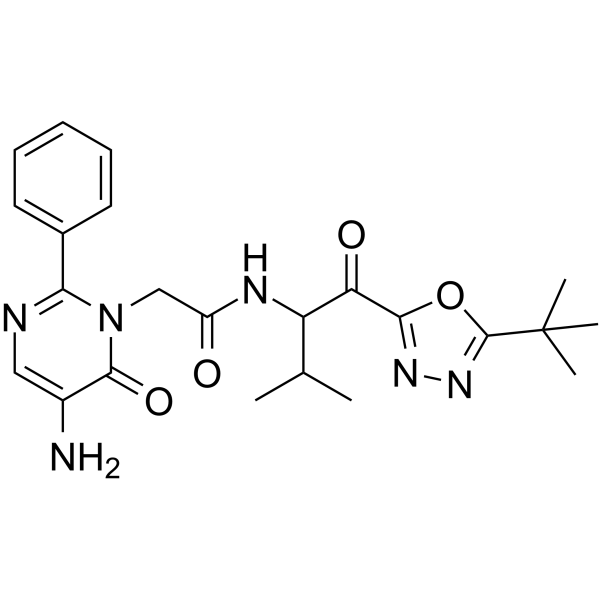
  • HY-15652

    ONO-6818; ONO-PO-736

    Elastase Inflammation/Immunology
    Freselestat (ONO-6818) is a potent and orally active neutrophil elastase inhibitor with a Ki of 12.2 nM. Freselestat is >100-fold less-active against other proteases such as trypsin, protein-ase 3, pancreatic elastase, plasmin, thrombin, collagenase, cathepsin G, and murine macrophage elastase. Freselestat has a potent anti-inflammatory activity .
    Freselestat
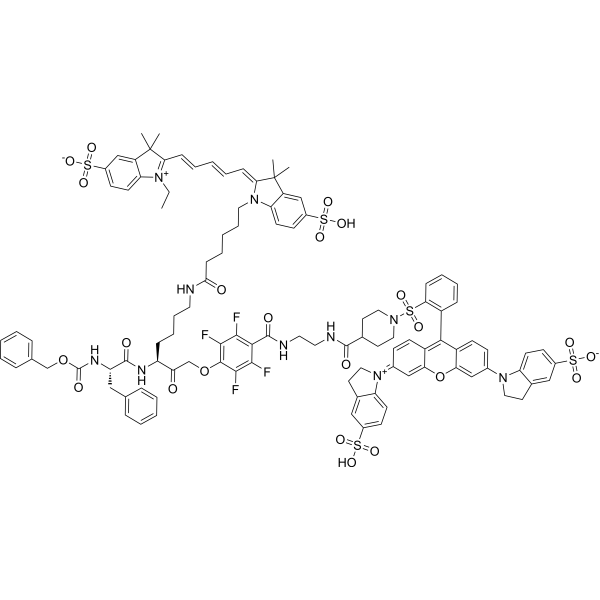
  • HY-149931

    Fluorescent Dye Cancer
    BMV109 is a quenched probe that becomes fluorescent when cleaved and covalently bound by active cathepsin proteases. BMV109 can be exploited for tumor imaging .
    BMV109
  • HY-100227
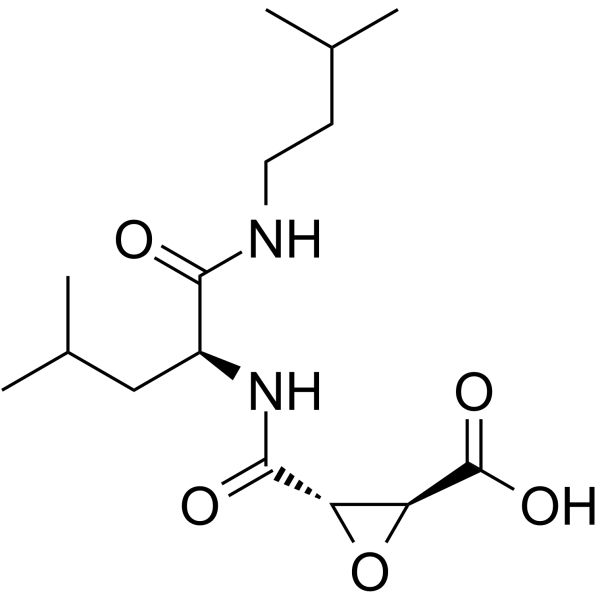
    E 64c
    3 Publications Verification

    Cathepsin SARS-CoV Metabolic Disease
    E 64c is a derivative of naturally occurring epoxide inhibitor of cysteine proteases, a Calcium-activated neutral protease (CANP) inhibitor and a very weak irreversible cathepsin C inhibitor. E 64c exhibits entry-blocking effect for MERS-CoV.
    E 64c
  • HY-146584

    Cathepsin Inflammation/Immunology
    Cathepsin C-IN-5 (compound SF38) is a potent, selective and orally active Cathepsin C inhibitor with IC50s of 59.9 nM, 4.26 µM, >5 µM, >5 µM, >5 µM for Cat C, Cat L, Cat S, Cat B, Cat K, respectively. Cathepsin C-IN-5 inhibits the Cat C activity in bone marrow and blood. Cathepsin C-IN-5 decreases the activation of NSPs (neutrophil serine proteases). Cathepsin C-IN-5 shows anti-inflammatory activity .
    Cathepsin C-IN-5
  • HY-156655A

    STI-1558 sodium

    SARS-CoV Cathepsin Virus Protease Infection
    Olgotrelvir (STI-1558) sodium is an orally active dual inhibitor of coronavirus main protease (Mpro) and human cell cathepsin (Cathepsin L). Olgotrelvir sodium is readily converted to its active form, AC1115, in full blood and/or plasma. Olgotrelvir sodium can effectively inhibit both SARS-CoV-2 replication and entry into host cells .
    Olgotrelvir sodium
  • HY-118355
    ALLM
    1 Publications Verification

    Calpain inhibitor II

    Proteasome Cathepsin Neurological Disease
    ALLM (Calpain inhibitor II) is a potent inhibitor of calpain and cathepsin proteases. ALLM inhibits neuronal cell death and improves chronic neurological function after spinal cord injury (SCI) .
    ALLM
  • HY-P4425

    Biochemical Assay Reagents Others
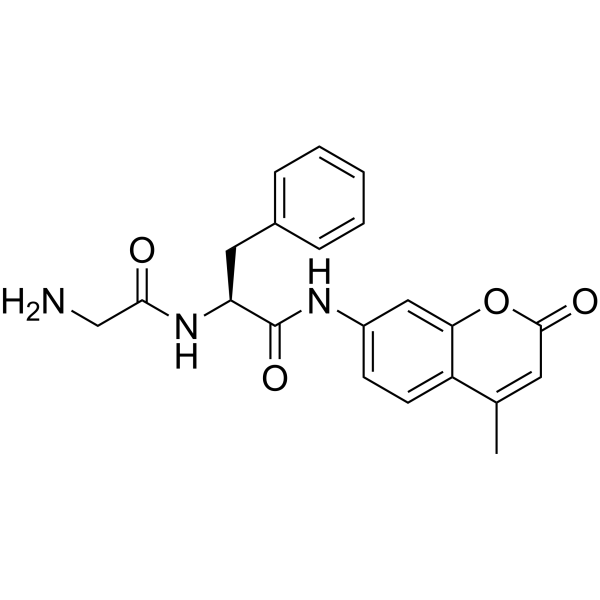
    Gly-Phe-AMC is a fluorogenic peptide substrate consisting of a peptide sequence composed of glycine and phenylalanine, linked to the fluorophore AMC. Gly-Phe-AMC also serves as a cathepsin C substrate. Gly-Phe-AMC is widely used to detect the activity of various proteases .
    Gly-Phe-AMC
  • HY-141867

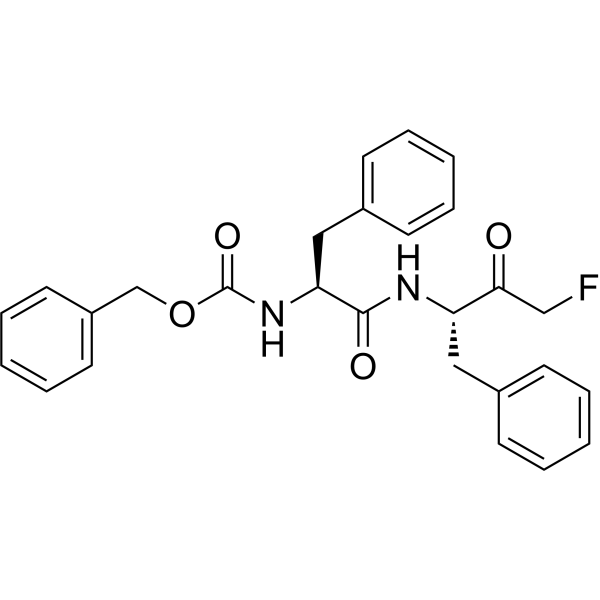
    Z-Phe-Phe-FMK

    Cathepsin MEK Caspase DNA/RNA Synthesis Apoptosis Cardiovascular Disease Neurological Disease
    Z-FF-FMK (Z-Phe-Phe-FMK) is a cell-permeable, irreversible, and cysteine protease inhibitor targeting cathepsin-L. Z-FF-FMK inhibits angiotensin II-induced MEK activation in vascular walls, aortic medial remodeling, blood pressure elevation, and upregulation of cystatin C in aortic walls. Z-FF-FMK prevents β-amyloid-mediated caspase-3 activation, poly (ADP-ribose) polymerase cleavage, DNA fragmentation, and apoptosis of cortical neurons (apoptosis). Z-FF-FMK can be used in research related to hypertension and Alzheimer's disease .
    Z-FF-FMK
  • HY-10242

    BILN 2061; BILN 2061ZW

    HCV HCV Protease DNA/RNA Synthesis Infection
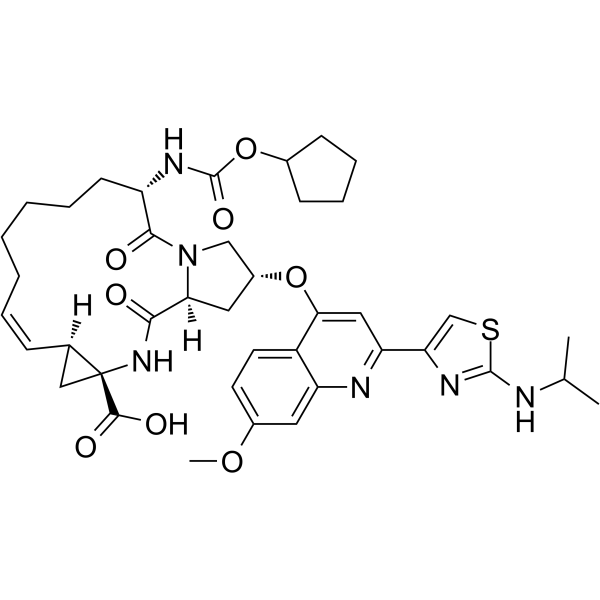
    Ciluprevir (BILN 2061; BILN 2061ZW) is an orally active macrocyclic peptide inhibitor of hepatitis C virus (HCV)NS3 protease, with an IC50 of 3 nM. Ciluprevir has Kᵢ values of 0.66 nM and 0.30 nM against genotypes 1b and 1a, respectively. Ciluprevir inhibits HCV RNA replication with an EC50 of 1.2 nM, and its EC50 values against genotypes 1b and 1a are 3 nM and 4 nM, respectively. Ciluprevir shows no significant inhibition against human leukocyte elastase and hepatic cathepsin B. Ciluprevir can be used for genotype 1 HCV infection .
    Ciluprevir
  • HY-E70226

    CTSS

    Ser/Thr Protease Cardiovascular Disease Inflammation/Immunology Cancer
    Cathepsin S, human, is a potent cysteine protease that promotes the degradation of damaged or harmful proteins in the endolysosomal pathway. Cathepsin S, human, is involved in multiple pathological processes, including arthritis, cancer, and cardiovascular disease .
    Cathepsin S, human
  • HY-172242

    Cathepsin Dipeptidyl Peptidase Inflammation/Immunology
    Verducatib (BI 1291583) is an orally active inhibitor of cathepsin C (also known as DPP1). Verducatib restores the protease-inhibitor balance by inhibiting the activation of neutrophil serine proteases, thereby alleviating pulmonary inflammation and regulating infection responses. Verducatib significantly reduces the risk (including severe exacerbations) and frequency of acute exacerbations in bronchiectasis (BE). Verducatib also improves lung function and quality of life, and shortens the duration of antibiotic use. The overall incidence of adverse events of Verducatib is comparable to that of placebo, with only slightly more mild-to-moderate cutaneous adverse events observed in the high-dose group, demonstrating promising clinical application potential .
    Verducatib
  • HY-42709

    Carbobenzoxy-L-valyl-L-alanine

    Amino Acid Derivatives Cancer
    Z-Val-Ala-OH is a dipeptide derivative of valine and alanine. Z-Val-Ala-OH undergoes cleavage by cathepsin B and other lysosomal proteases to enable payload release following lysosomal internalization. Z-Val-Ala-OH can be used for the research of antibody-drug conjugate (ADC) development[1] .
    Z-Val-Ala-OH
  • HY-P3012

    Cathepsin ERK p38 MAPK PKC Protease Activated Receptor (PAR) MMP Inflammation/Immunology
    Cathepsin G is a pH-dependent serine protease. Cathepsin G hydrolyzes diverse synthetic and protein substrates and remodels extracellular matrix. Cathepsin G exerts immunomodulatory effects via recruiting phagocytes, enhancing T cell motility, activating ERK1/2 and p38 MAPK signaling, and mediating PKCζ membrane translocation. Cathepsin G regulates inflammatory responses by cleaving inflammatory mediators. Cathepsin G participates in vascular regulation by converting angiotensin I to angiotensin II. Cathepsin G induces PAR4-dependent platelet activation, facilitates platelet-neutrophil aggregation, and mediates VITT-related NETosis, thrombus formation. Cathepsin G can be used for the research of immune thrombotic thrombocytopenia, cardiovascular disease, and select autoimmune and inflammatory diseases .
    Cathepsin G
  • HY-W790014

    Cathepsin Infection
    Z-FG-NHO-BzOME is a cysteine protease inhibitor that selectively inhibits cathepsin B, cathepsin L, cathepsin S, and papain .
    Z-FG-NHO-BzOME
  • HY-P1759A

    Z-FR-AMC hydrochloride

    Cathepsin Others
    N-CBZ-Phe-Arg-AMC (Z-FR-AMC) hydrochloride is a cathepsin substrate used in assessment activity of lysosomal cathepsin enzymes .
    N-CBZ-Phe-Arg-AMC hydrochloride
  • HY-Y0241

    Cathepsin Metabolic Disease
    2-Cyanopyrimidine is a potent and non-selective cysteine protease cathepsin K inhibitor with an IC50 of 170 nM. 2-Cyanopyrimidine is used for osteoporos .
    2-Cyanopyrimidine
  • HY-P2922

    Cathepsin Cancer
    Cathepsin C is a lysosomal cysteine protease essential for catalytic activation of many serine proteases, including proteinase 3 (PR3), neutrophil elastase (NE), cathepsin G (CTSG), granzyme A/B/C, and mast cell chymase .
    Cathepsin C
  • HY-P3153
    Cathepsin K
    1 Publications Verification

    Cathepsin Metabolic Disease
    Cathepsin K is a cysteine protease with endo and collagenolytic activities. Cathepsin K induces degradation of bone collagen and can be used for the research of osteoporosis .
    Cathepsin K
  • HY-N6674

    ECO-4601; TLN-4601; BU 4664L

    Apoptosis Bacterial Cathepsin Parasite Endogenous Metabolite Infection Inflammation/Immunology Cancer
    Diazepinomicin (ECO-4601) is an anticancer and antibacterial agent. Diazepinomicin can be produced by a Micromonospora strain. Diazepinomicin induces Apoptosis. Diazepinomicin inhibits the proteases Rhodesain and Cathepsin L at an IC50 of 70-90 μM. Diazepinomicin possesses anti-inflammatory and anti-tumor activity. Diazepinomicin has demonstrated activity against hepatocellular carcinoma. Diazepinomicin shows antiparasitic activity against trypomastigote forms of Trypanosoma brucei with an IC50 of 13.5 μM. Diazepinomicin exhibits moderate antibacterial activity against specific Gram-positive bacteria, with an MIC of approximately 32 μg/mL .
    Diazepinomicin
  • HY-P2750
    Cathepsin D
    1 Publications Verification

    CTSD

    Biochemical Assay Reagents Cardiovascular Disease Neurological Disease Cancer
    Cathepsin D (CTSD) is a lysosomal aspartic protease encoded by the CTSD gene. Cathepsin D regulates lysosomal protease activity. Loss of Cathepsin D leads to lysosomal dysfunction and the accumulation of various cellular proteins associated with neurodegenerative diseases. Cathepsin D is involved in breast cancer metastasis. Cathepsin D can be used in research on diseases such as breast cancer and stroke .
    Cathepsin D
  • HY-158307

    Cathepsin Others
    Z-Arg-Arg-βNA acetate is a sensitive dipeptide substrate of the protease Cathepsin B and resistant to proteases H and L. Z-Arg-Arg-βNA acetate can serve as an important tool for distinguishing non-Cathepsin B type proteins .
    Z-Arg-Arg-βNA acetate
  • HY-156655

    STI-1558

    SARS-CoV Virus Protease Cathepsin Infection
    Olgotrelvir (STI-1558) is an orally active dual inhibitor of coronavirus main protease (Mpro) and human cell cathepsin (Cathepsin L). Olgotrelvir is readily converted to its active form, AC1115, in full blood and/or plasma. Olgotrelvir can effectively inhibit both SARS-CoV-2 replication and entry into host cells .
    Olgotrelvir
  • HY-164634

    Cathepsin Cholecystokinin Receptor Neurological Disease Metabolic Disease Cancer
    CLIK-148 is a highly selective, irreversible and orally active cysteine protease inhibitor, primarily targeting Cathepsin L. CLIK-148 effectively inhibits the Cathepsin L-dependent degradation of HMG-CoA reductase in the endoplasmic reticulum (ER) membrane. CLIK-148 inhibits the processing of proCCK by Cathepsin L, thereby reducing the production of CCK8 (HY-P0093). CLIK-148 inhibits the degradation of type I collagen by osteoclasts' secreted Cathepsin L, reducing tumor-induced bone metastasis and malignant hypercalcemia. CLIK-148 can be used for the studies of bone metabolism disorders and regulation of neuropeptide processing .
    CLIK-148
  • HY-N15154

    Cathepsin HSP Cancer
    Tasiamide B is a Cathepsin D inhibitor, which is a linear peptide found in the marine cyanobacteria Symploca sp.. Tasiamide B is proved as a good template for the development of aspartic proteases inhibitors. Tasiamide B is effective against skin cancer by strongly interacting with the target protein HSP90 .
    Tasiamide B
  • HY-119293A

    Cathepsin Cytochrome P450 Parasite SARS-CoV Filovirus Infection Inflammation/Immunology Cancer
    K777 tosylate is a potent, orally active and irreversible cysteine protease inhibitor. K777 tosylate is also a potent CYP3A4 inhibitor with an IC50 of 60 nM. K777 tosylate irreversibly inhibits Cruzain, the major cysteine protease of Trypansoma cruzi, and cathepsins B and L. K777 tosylate is a broad-spectrum antiviral by targeting cathepsin-mediated cell entry. K777 tosylate inhibits SARS-CoV and EBOV pseudovirus entry with IC50 values of 0.68 nM and 0.87 nM, respectively .
    K777 tosylate
  • HY-143714

    Cathepsin Inflammation/Immunology
    Cathepsin K inhibitor 2 is a potent inhibitor of cathepsin K. Cathepsin K, Cat K is a cysteine protease expressed under the control of CTSK gene and closely related to osteoporosis, whose main function is to hydrolyze collagen. Cathepsin K inhibitor 2 has the potential for the research of osteoarthfitis (extracted from patent WO2021147882A1, compound 78) .
    Cathepsin K inhibitor 2
  • HY-P5377

    cathepsin K substrate

    Ser/Thr Protease Others
    Abz-HPGGPQ-EDDnp (Cathepsin K substrate) is a biological active peptide. (Cathepsins are a class of globular lysosomal proteases, playing a vital role in mammalian cellular turnover. They degrade polypeptides and are distinguished by their substrate specificities. Cathepsin K is the lysosomal cysteine protease involved in bone remodeling and resorption. It has potential as a drug target in autoimmune diseases and osteoporosis.This FRET peptide can be used to monitor selectively cathepsin K activity in physiological fluids and cell lysates. Abz-HPGGPQ-EDDnp [where Abz represents o-aminobenzoic acid and EDDnp represents N -(2, 4-dinitrophenyl)-ethylenediamine], a substrate initially developed for trypanosomal enzymes, is efficiently cleaved at the Gly-Gly bond by cathepsin K. This peptide is resistant to hydrolysis by cathepsins B, F, H, L, S and V, Ex/Em=340 nm/420 nm.)
    Abz-HPGGPQ-EDDnp
  • HY-176229

    SARS-CoV Cathepsin Virus Protease Infection
    Mpro/Cathepsin L-IN-2 (Compound 1) is a dual irreversible inhibitor of SARS-CoV-2 main protease (M pro, pIC50=8.61) and human cathepsin L (hCTSL, pIC50=7.64). Mpro/Cathepsin L-IN-2 is promising for research of COVID-19 and other coronavirus infections .
    Mpro/Cathepsin L-IN-2
  • HY-158763

    TG0205221

    SARS-CoV Cathepsin Virus Protease Infection
    MPI8 (TG0205221) is an inhibitor of the major protease of SARS-CoV-2 (MPro) with high antiviral activity. MPI8 exerts its antiviral effect by dual and selective inhibition of SARS-CoV-2 MPro and host cell cysteine protease L (cathepsin L). MPI8 can be used in clinical studies of COVID-19 .
    MPI8
  • HY-158763A

    TG0205221 TFA

    SARS-CoV Cathepsin Virus Protease Infection
    MPI8 (TG0205221) TFA is an inhibitor of the major protease of SARS-CoV-2 (MPro) with high antiviral activity. MPI8 TFA exerts its antiviral effect by dual and selective inhibition of SARS-CoV-2 MPro and host cell cysteine protease L (cathepsin L). MPI8 TFA can be used in clinical studies of COVID-19 .
    MPI8 TFA
  • HY-18234AR

    Reference Standards Cathepsin Ser/Thr Protease Virus Protease Infection Inflammation/Immunology
    Leupeptin (hemisulfate) (Standard) is the analytical standard of Leupeptin (hemisulfate). This product is intended for research and analytical applications. Leupeptin hemisulfate is a broad-spectrum, membrane-permeable protease inhibitor. Leupeptin hemisulfate potently inhibits serine, cysteine and threonine proteases. Leupeptin hemisulfate inhibits Mpro (the main protease of SARS-CoV-2) and also has anti-inflammatory activity[1][2][3].
    Leupeptin hemisulfate (Standard)
  • HY-106058

    Cathepsin Apoptosis Cardiovascular Disease Cancer
    NCO-700 is a dual cathepsin B and calcium-activated neutral protease (CANP) inhibitor with IC50 values of 0.8 and 46 μM, respectively. NCO-700 reduces the degradation of myocardial fibrin by inhibiting protease activity. NCO-700 also has inhibitory effects on hormone-independent tumor cells, such as prostate cancer cells, and induces apoptosis. NCO-700 can be used to study myocardial ischemia and refractory hormone-independent tumors .
    NCO-700
  • HY-18964G

    Calpain inhibitor I; Ac-LLnL-CHO; ALLN

    Proteasome Apoptosis Cancer
    MG-101 (GMP) (Calpain inhibitor I (GMP)) is MG-101 (HY-18964) produced by using GMP guidelines. GMP small molecules works appropriately as an auxiliary reagent for cell therapy manufacture. MG-101 (ALLN) is an inhibitor of cysteine proteases which inhibits calpain I, calpain II, cathepsin B and cathepsin L with Kis of 190, 220, 150 and 500 pM, respectively. MG-101 induces apoptosis and inhibits tumor growth, it can be used for the research of colon cancer .
    MG-101
  • HY-144813

    Cathepsin Inflammation/Immunology Cancer
    Gü2602 is a potent, reversible cathepsin K (CatK) inhibitor with a Ki of 0.013 nM for mature CatK (mCatK). Gü2602 suppresses the autocatalytic activation of the cathepsin K zymogen .
    Gü2602
  • HY-15652A

    ONO-6818 quarterhydrate; ONO-PO-736 quarterhydrate

    Elastase Inflammation/Immunology
    Freselestat quarterhydrate (ONO-6818 quarterhydrate) is a potent and orally active neutrophil elastase inhibitor with a Ki of 12.2 nM. Freselestat quarterhydrate is >100-fold less-active against other proteases such as trypsin, protein-ase 3, pancreatic elastase, plasmin, thrombin, collagenase, cathepsin G, and murine macrophage elastase. Freselestat quarterhydrate has a potent anti-inflammatory activity .
    Freselestat quarterhydrate
  • HY-A0097A

    Antibiotic MDL-507 sodium; MDL-507 sodium

    Antibiotic HIV SARS-CoV Infection
    Teicoplanin sodium is a glycopeptide antibiotic indicated for use in serious infections caused by Gram-positive bacteria, including Methicillin-resistant Staphylococcus aureus and Enterococcus aureus.Teicoplanin sodium shows antiviral activity for HIV-1, SARS-CoV1 and SARS-CoV2. Teicoplanin sodium shows anti-MRSA activity .
    Teicoplanin sodium
  • HY-172977

    Cathepsin NO Synthase TNF Receptor Neurological Disease Inflammation/Immunology
    FGA139 is a cysteine proteases inhibitor with IC50 values of 4.98/3.14 μM for cathepsin B/L. FGA139 reduces LPS-induced NO production in RAW264.7 cells and tumor necrosis factor (TNFα) levels in microglia, and has anti-oxidative stress and anti-inflammatory activities. FGA139 promotes the secretion of neuroprotective metabolites purine and linoleic acid by LPS-stimulated microglia. FGA139 can be used in neuroinflammatory diseases research .
    FGA139
  • HY-146580

    Cathepsin Inflammation/Immunology
    Cathepsin C-IN-3 (compound SF11) is a potent Cathepsin C (Cat C) inhibitor, with an IC50 of 61.79 nM. Cathepsin C-IN-3 also inhibits THP-1 and U937 cell, with IC50 values of 101.5 and 86.5 nM, respectively .
    Cathepsin C-IN-3
  • HY-146581

    Cathepsin Inflammation/Immunology
    Cathepsin C-IN-4 (compound SF27) is a potent Cathepsin C (Cat C) inhibitor, with an IC50 of 65.6 nM. Cathepsin C-IN-4 also inhibits THP-1 and U937 cell, with IC50 values of 203.4 and 177.6 nM, respectively .
    Cathepsin C-IN-4
  • HY-123185

    Cathepsin Caspase SARS-CoV Interleukin Related NF-κB Infection
    (Rac)-Z-FA-FMK is the racemate of Z-FA-FMK. (Rac)-Z-FA-FMK is an inhibitor of cathepsin B with a Ki of 1.5 μM. (Rac)-Z-FA-FMK inhibits caspase-2, -3, -6, -7, and -9 with IC50s of 6.147, 15.41, 32.45, 9.077, and 110.7 μM. (Rac)-Z-FA-FMK inhibits the main protease of SARS-CoV-2 replication with an IC50 of 11.39 μM. (Rac)-Z-FA-FMK inhibits the increased IL-1β level induced by LPS and NF-κB transactivation in macrophages .
    (Rac)-Z-FA-FMK

Inquiry Online

Your information is safe with us. * Required Fields.

Salutation


Country or Region *

Applicant Name *


Organization Name *

Department *


Email Address *


Product Name *

Cat. No.


Requested quantity *

Phone Number *


Remarks

Inquiry Online

Inquiry Information

Product Name:
Cat. No.:
Quantity:
MCE Japan Authorized Agent:

