





1. Search Result
Search Result
Pathways Recommended: Stem Cell/Wnt Cell Cycle/DNA Damage
Results for "

cell surface proteins

" in MedChemExpress (MCE) Product Catalog:

154

Inhibitors & Agonists

6

Screening Libraries

11

Fluorescent Dyes

43

Biochemical Assay Reagents

19

Peptides

18

Inhibitory Antibodies

8

Natural
Products

2

Isotope-Labeled Compounds

3

Click Chemistry

35

Oligonucleotides

Cat. No. Product Name Target Research Areas Chemical Structure
  • HY-119738
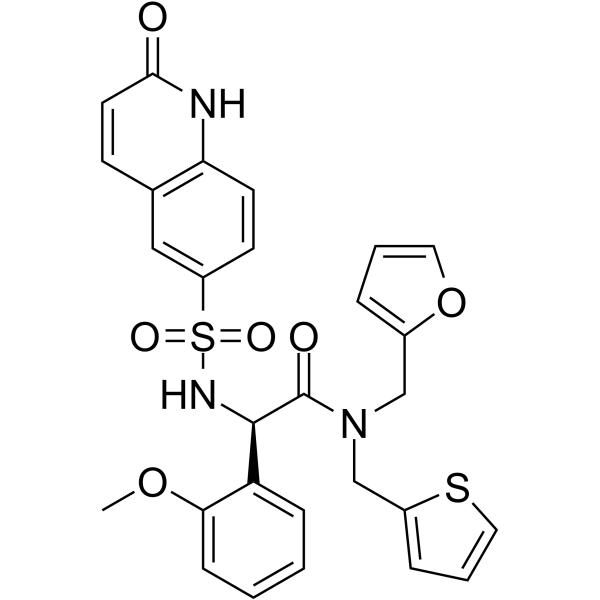
    OSMI-1
    Maximum Cited Publications
    42 Publications Verification

    OGT Acyltransferase Metabolic Disease
    OSMI-1 is a cell-permeable O-GlcNAc transferase (OGT) inhibitor with an IC50 value of 2.7 μM. OSMI-1 inhibits protein O-linked N-acetylglucosamine (O-GlcNAcylation) in several mammalian cell lines without qualitatively altering cell surface N- or O-linked glycans .
    OSMI-1
  • HY-108847
    Etanercept
    Maximum Cited Publications
    15 Publications Verification

    TNF Receptor Bacterial Inflammation/Immunology Cancer
    Etanercept, a dimeric fusion protein that binds TNF, acts as a TNF inhibitor. Etanercept competitively inhibits the binding of both TNF-α and TNF-β to cell surface TNF receptors, rendering TNF biologically inactive. Etanercept shows efficacy against rheumatoid arthritis, juvenile idiopathic arthritis, and plaque psoriasis .
    Etanercept
  • HY-111496
    Sulfo-NHS-SS-Biotin sodium
    4 Publications Verification

    Biochemical Assay Reagents Others
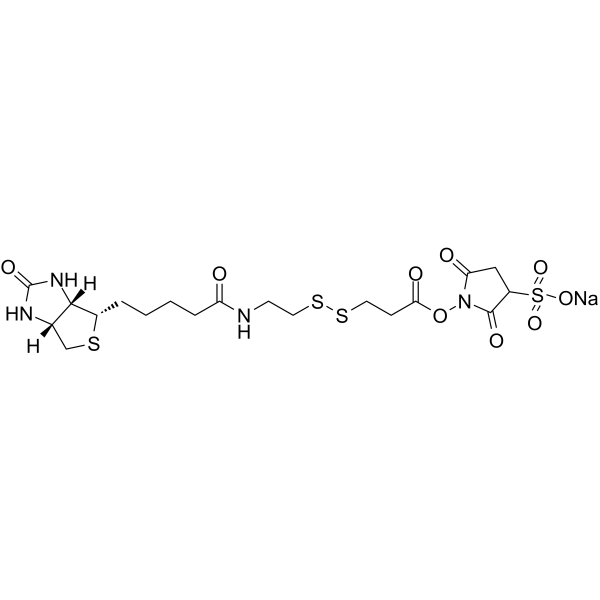
    Sulfo-NHS-SS-biotin sodium is a long-chain cleavable and cell-impermeant amine-reactive biotinylation reagent. Sulfo-NHS-SS-biotin sodium can be used for the labeling and purifying of cell-surface protein .
    Sulfo-NHS-SS-Biotin sodium
  • HY-15448
    Tezacaftor
    20+ Cited Publications

    VX-661

    CFTR Cancer
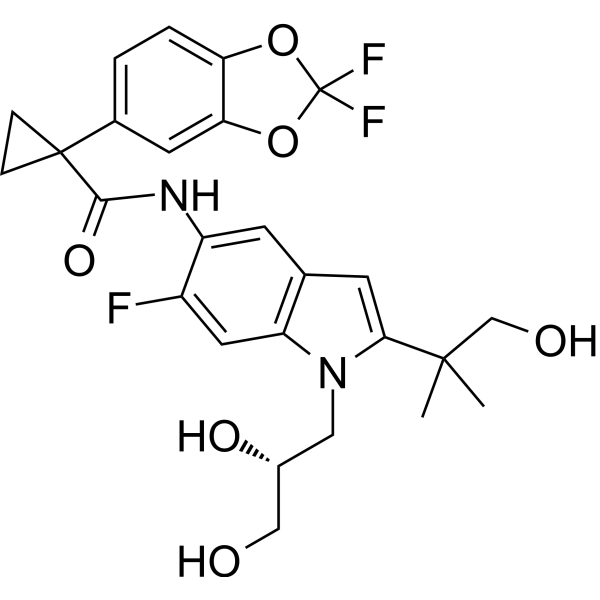
    Tezacaftor (VX-661) is a F508del CFTR corrector. It helps CFTR protein reach the cell surface. However, Ivacaftor (VX-770, HY-13017), a CFTR potentiator, helps to prolong the opening time of cell surface CFTR protein channels. Tezacaftor combining with Ivacaftor, shows potent efficacy against cystic fibrosis and diseases with homozygous for the CFTR Phe508del mutation. Moreover, Elexacaftor (VX-445, HY-111772) is also a CFTR corrector. Elexacaftor-Tezacaftor-Ivacaftor aims at with cystic fibrosis (CF) with at least one Phe508del mutation, often avoids the indication for lung transplantation .
    Tezacaftor
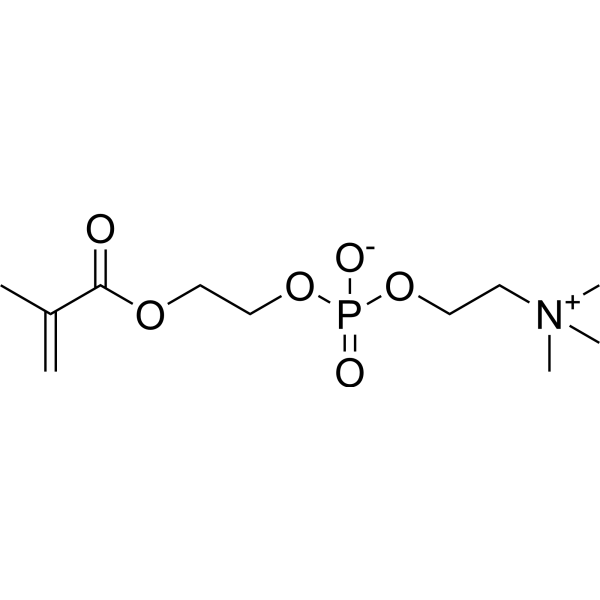
  • HY-W110551

    Biochemical Assay Reagents Interleukin Related Infection Inflammation/Immunology
    2-Methacryloyloxyethyl phosphorylcholine is a polymer monomer containing a phospholipid polar group. 2-Methacryloyloxyethyl phosphorylcholine polymers modify the surface properties of materials and reduce protein-surface interactions, reduce IL-8 production, inhibit cell, Staphylococcus aureus, and Porphyromonas gingivalis adhesion. 2-Methacryloyloxyethyl phosphorylcholine is used in the study of medical device-associated infections, periodontitis, and dental caries .
    2-Methacryloyloxyethyl phosphorylcholine
  • HY-P99013
    Codrituzumab
    1 Publications Verification

    GC33; RO5137382

    Glycoprotein VI Cancer
    Codrituzumab (GC33) is a humanized monoclonal antibody targeting human GPC3 (glypican-3), with high affinity (Kd of 0.673 nM). GPC3 is an oncofetal protein expressed on the cell surface of hepatocellular carcinoma (HCC). Codrituzumab induces antibody-dependent cellular cytotoxicity (ADCC) and inhibits tumor growth .
    Codrituzumab
  • HY-W020780

    mPEG5000-Maleimide

    Biochemical Assay Reagents Cancer
    mPEG5000-Mal (mPEG5000-Maleimide) is a PEG-derived selective covalent binding agent for sulfhydryl groups (RSGs), which can form irreversible thioether bonds with sulfhydryl groups under near-neutral conditions via the maleimide group. The mechanism of action of mPEG5000-Mal can be divided into two categories: firstly, as an enzyme modifier, it binds to target proteins through hydrophobic interactions, hydrogen bonds, and van der Waals forces, altering the protein's secondary structure; secondly, as a nanoparticle surface modifier, it covalently binds to sulfhydryl groups on the surface of red blood cells, changing the surface properties and morphology of the red blood cells, leading to their phagocytosis by macrophages of the reticuloendothelial system. mPEG5000-Mal can react with free cysteine in proteins, increasing the apparent molecular weight of the modified protein by 10-15 kDa for detection purposes. mPEG5000-Mal can enhance the thermal stability and catalytic activity of enzymes, and improve the macrophage targeting of nanoparticles, enabling targeted drug delivery. mPEG5000-Mal can be applied in enzyme engineering research in the food industry and in oncology, assisting radiotherapy by inhibiting tumor-associated macrophage infiltration and enhancing anti-tumor immune responses .
    mPEG5000-Mal
  • HY-161111

    Ser/Thr Kinase Cancer
    KVS0001 is a selective SMG1 inhibitor. KVS0001 elevates the expression of transcripts and proteins resulting from truncating mutations. KVS0001 increased the presentation of immune-targetable HLA class I-associated peptides from nonsense-mediated decay (NMD)-downregulated proteins on the surface of cancer cells. KVS0001 exerts anti-tumor properties and can be studied in research for NMD-related diseases, including cancer and inherited diseases .
    KVS0001
  • HY-15317
    RI-1
    5+ Cited Publications

    RAD51 Cancer
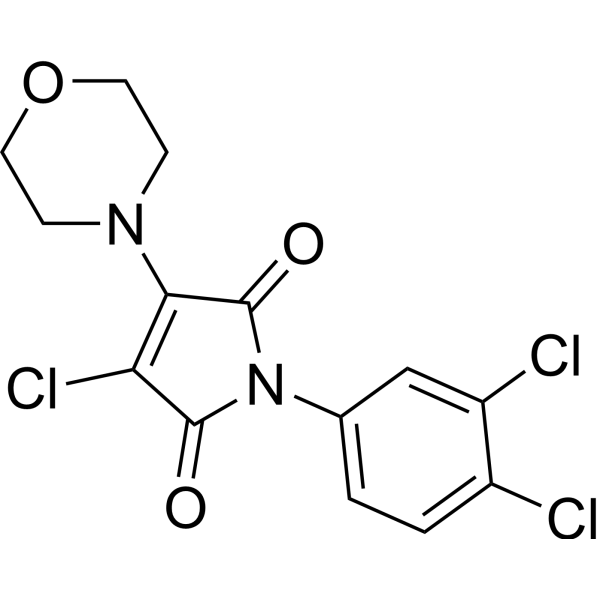
    RI-1 is a RAD51 inhibitor, with IC50s ranging from 5 to 30 μM. RI-1 binds covalently to the surface of RAD51 protein at cysteine 319. RI-1 inactivates RAD51 by directly binding to a protein surface that serves as an interface between protein subunits in RAD51 filaments. RI-1 can disrupt homologous recombination in human cells .
    RI-1
  • HY-W133898

    Environmental Pollutants Biochemical Assay Reagents Others
    Tryptone is a peptide-rich bacterial culture medium component that can regulate bacterial cell surface proteins and biofilm-related genes. Tryptone promotes the expression and assembly of bacterial adhesion proteins (such as LapA and LapF) by providing peptide substances as structural factors, enhancing cell surface hydrophobicity and intercellular adhesion, thereby stabilizing the biofilm matrix and supporting the maturation and maintenance of bacterial biofilms. The peptide mixture contained in Tryptone can specifically regulate the transcription of bacterial adhesion-related genes (such as activating LapA and inhibiting LapF), affecting the synthesis and localization of biofilm structural proteins .
    Tryptone
  • HY-148118A

    LYTACs Cancer
    Tri-GalNAc(OAc)3 TFA is a trivalent N-acetylgalactosamine (GalNAc) derivative that can be used to synthesize GalNAc-LYTAC. Tri-GalNAc is a specific ligand targeting the asialoglycoprotein receptor (ASGPR), mediating the endocytosis and transport of cell surface proteins (such as EGFR, HER2) to lysosomes for degradation by lysosomal targeting chimeras (LYTACs). Tri-GalNAc significantly reduces the level of target proteins and inhibits downstream signaling pathways (such as EGFR-mediated Akt and MAPK signals). Tri-GalNAc(OAc)3 TFA can be used for hepatocyte targeting studies, and can degrade carcinogenic membrane proteins and inhibit tumor cell proliferation in liver cancer cell models .
    Tri-GalNAc(OAc)3 TFA
  • HY-N0699
    Daphnoretin
    3 Publications Verification

    Dephnoretin; Thymelol

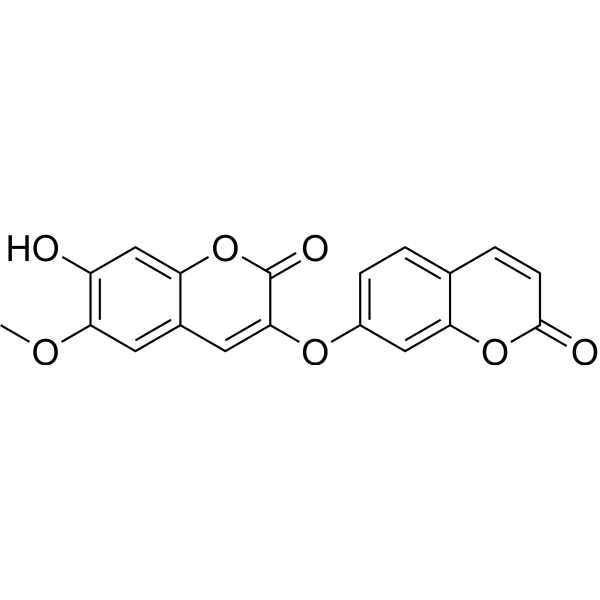
    PKC Influenza Virus NOD-like Receptor (NLR) Apoptosis HBV JNK PI3K Akt CDK Caspase Bcl-2 Family Infection Inflammation/Immunology Cancer
    Daphnoretin (Dephnoretin; Thymelol) is a protein kinase C (PKC) activator that inhibits the expression of hepatitis B virus (HBV) surface antigen (HBsAg) and exhibits antiviral activity. Daphnoretin exerts its antitumor effects by inhibiting the activation of the PI3K/AKT signaling pathway and triggers the mitochondrial apoptosis pathway. Daphnoretin alleviates chondrocyte apoptosis and inflammatory responses by inhibiting endoplasmic reticulum stress and activation of the NLRP3 inflammasome. Daphnoretin regulates the differentiation and maturation of dendritic cells, inhibits their immunostimulatory function by downregulating the phosphorylation level of JNK, and thus exerts a protective effect in skin graft rejection .
    Daphnoretin
  • HY-E70234
    Sortase A, S. aureus
    1 Publications Verification

    SrtA

    Bacterial Others
    Sortase A, S. aureus (SrtA), a transpeptidase enzyme is present in many Gram-positive bacteria and helps in the recruitment of the cell surface proteins. Sortase A, S. aureus plays an important part in ligation of various molecules on the cell surfaces .
    Sortase A, S. aureus
  • HY-NP006
    Protein A
    1 Publications Verification

    SPA

    Endogenous Metabolite Apoptosis Inflammation/Immunology
    Protein A (SPA) is an immunoglobulin (Ig)-binding protein that exists on the bacterial surface and can be freely secreted into the extracellular environment. Protein A blocks opsonophagocytosis and induces B cell apoptosis in vitro by binding to the Fc region of antibodies and the Fab region of B cell receptors. Protein A can form toxic immune complexes with IgG, thereby inducing leukocyte necrosis. Protein A contributes to the virulence expression of Staphylococcus aureus. Protein A triggers allergic reactions in IgG-pretreated mouse models. Protein A can be used in studies related to immune system diseases .
    Protein A
  • HY-P1068
    Lysozyme
    5+ Cited Publications

    Muramidase

    Bacterial TNF Receptor Interleukin Related TGF-β Receptor Infection Inflammation/Immunology
    Lysozyme (Muramidase) is a conserved antimicrobial protein. Lysozyme exerts its bactericidal effect by hydrolyzing bacterial cell wall peptidoglycan (PG). Lysozyme plays an important role in limiting bacterial growth on mucosal surfaces and other sites, not only controlling potential pathogens but also limiting overgrowth of microbiota to prevent dysbiosis. Extracellular lysozyme can also degrade polymeric PG into soluble fragments, activate NOD receptors in mucosal epithelial cells, and lead to the secretion of chemokines and activating factors by neutrophils and macrophages .
    Lysozyme
  • HY-16657A

    MMP mAChR Neurological Disease Inflammation/Immunology Cancer
    (S,S)-TAPI-1 is an isomer of TAPI-1. TAPI-1 is a TACE (ADAM17) inhibitor and blocks the shedding of several cell surface proteins. TAPI-1 is also a metalloproteinase (MMP) inhibitor .
    (S,S)-TAPI-1
  • HY-W332335

    Biochemical Assay Reagents Others
    Sulfosuccinimidyl-6-(biotinamido)hexanoate sodium is a protein crosslinker, and is a biotinylation reagentcan for labeling cell surface proteins .
    Sulfosuccinimidyl-6-(biotinamido)hexanoate sodium
  • HY-D2355

    Biochemical Assay Reagents Others
    Tris-NTA Biotin is a biotin-labeled version of tris-NTA. Tris-NTA Biotin, as a bridge connecting His-tagged proteins with streptavidin, can reversibly label proteins and cell surfaces. Tris-NTA Biotin can be used in experiments such as protein immobilization, kinetic determination, live cell labeling, and Western blot detection .
    tris-NTA Biotin
  • HY-P11146

    Sakacin P inducer peptide

    Bacterial Infection
    SppIP (Sakacin P inducer peptide) is a peptide consisting of 19 amino acids . SppIP is an essential inducer for sakacin P production . SppIP can induce the expression of PRRSV GP5 and SARS-CoV-2 spike protein in recombinant Lactobacillus plantarum. SppIP can activate the transcription of the sakacin P promoter to drive the expression of downstream heterologous capsid proteins, increasing the proportion of PCV2d capsid proteins displayed on the cell surface of Lactobacillus plantarum. SppIP can be used in studies related to sakacin P induction .
    SppIP
  • HY-P10646

    Biochemical Assay Reagents Neurological Disease
    Muscle homing peptide M12 can preferentially bind to surface protein of muscle cells. Muscle homing peptide M12 mediates enhanced cellular uptake of nanoparticles (NPs) in myoblasts in vitro. Muscle homing peptide M12 is covalently conjugated to PLGA-PEG NPs via the N-terminal α-amino groups of peptides using the N-hydroxysuccinimide ester reaction .
    Muscle homing peptide M12
  • HY-122066

    Others Infection
    NSC47924 is a laminin receptor (LR) inhibitor. NSC47924 affects 37/67 kDa LR cell surface localization and interaction with the cellular prion protein. NSC47924 can be used for testing prion diseases .
    NSC47924
  • HY-15448S

    VX-661-d4

    CFTR Autophagy Cancer
    Tezacaftor-d4 (VX-661-d4) is the deuterium-labeled Tezacaftor (HY-15448), a F508del CFTR corrector. Tezacaftor helps CFTR protein reach the cell surface .
    Tezacaftor-d4
  • HY-135474
    KM91104
    2 Publications Verification

    ATP Synthase Toll-like Receptor (TLR) Others
    KM91104 is a cell-permeable V-ATPase a3-b2 inhibitor (IC50 = 2.3 µM). KM91104 reduces the metabolic activity, cell proliferation capacity and V-ATPase subunit protein expression levels of primary human hepatic stellate cells, increases intracellular ATP levels and decreases cytoplasmic pH. KM91104 reduces TLR4 expression on the surface of oligodendrocyte precursor cells, blocks the ENV-TLR4 interaction, and reverses oligodendrocyte myelination defects induced by ENV protein .
    KM91104
  • HY-156404
    PM-1
    2 Publications Verification

    Fluorescent Dye Others
    PM-1, a derivative of Thioflavin-T (ThT; HY-D0218), is a small but highly specific plasma membrane (PM) fluorescent dye for specific and long-time membrane imaging of living and fixed cells. PM-1 is embedded directly into the cell membrane and exhibits a very long retention time on the plasma membrane with a half-life of approximately 15 h. PM-1 can be used in combination with protein labeling probes to study ectodomain shedding and endocytosis processes of cell surface proteins .
    PM-1
  • HY-NP0190

    UEA I (Biotinylated)

    Fluorescent Dye Others
    Ulex Europaeus Agglutinin I Biotinylated (UEA I Biotinylated) is a biotinylated lectin that binds to α1,2-fucosylated proteins and cell-surface glycoconjugates containing α-L-fucose. Ulex Europaeus Agglutinin I Biotinylated serves as a histochemical marker for endothelial cells .
    Ulex Europaeus Agglutinin I (Biotinylated)
  • HY-P99242
    Alsevalimab
    1 Publications Verification

    CD276/B7-H3 Cancer
    Alsevalimab is a humanized, afucosylated IgG1 monoclonal antibody against B7-H4. Alsevalimab blocks the binding of the B7-H4 protein to the receptors on the surface of T cells, reversing the immunosuppressive state in the tumor microenvironment, thereby activating the killing effect of T cells on cancer cells. Alsevalimab can be used in combination with Pembrolizumab (HY-P9902), and shows good safety profiles .
    Alsevalimab
  • HY-E70234A

    Bacterial Infection Inflammation/Immunology
    Sortase A, S. aureus (non-Ca 2+-dependent), a transpeptidase enzyme is present in many Gram-positive bacteria and helps in the recruitment of the cell surface proteins. Sortase A, S. aureus (non-Ca 2+-dependent) plays an important part in ligation of various molecules on the cell surfaces .
    Sortase A, S. aureus (non-Ca<sup>2+</sup>-dependent)
  • HY-P2588

    Osteocalcin (1-49) (human)

    Endogenous Metabolite Metabolic Disease Cancer
    Osteocalcin (Osteocalcin (1-49)) (human) is a vitamin K-dependent bone specific protein. Osteocalcin (human) is chemotactic for several of the cell types frequently found at bone remodeling surfaces .
    Osteocalcin (human)
  • HY-124512

    Pentaacetylquercetin

    RSV Infection Inflammation/Immunology
    Quercetin pentaacetate could interact with F-protein with lower binding energy and better stability to block viral adhesion. Quercetin pentaacetate interacts with RSV and inhibit the viral adhesion on cell surface .
    Quercetin pentaacetate
  • HY-P991742

    15A7.5; ETx-22 Antibody

    ADC Antibody Cancer
    LY4101174 Antibody is an ADC antibody. LY4101174 is an antibody-drug conjugate (ADC) that targets the nectin-4 protein present on the surface of certain cancer cells. It can directly deliver a potent chemotherapy agent (Exatecan (HY-13631)) to the tumor site and is used for the study of advanced cancers, such as urothelial carcinoma, triple-negative breast cancer, and non-small cell lung cancer .
    LY4101174 Antibody
  • HY-D2170

    Fluorescent Dye Others
    AF488 streptavidin is a fluorescently labeled streptavidin. AF488 streptavidin is a streptavidin conjugated to Alexa Fluor 488, with 4 fluorophores per protein molecule, enabling stoichiometric fluorescent labeling of cell surface targets. AF488 streptavidin can form a complex with biotinylated E07 aptamer to stain cells expressing EGFR, and the staining is reversible after treatment with mA9 detoxifying oligonucleotides (Ex/Em = 470/520 nm) .
    AF488 streptavidin
  • HY-P4087

    HIV Infection Cancer
    Cys(Npys)-(Arg)9 is a synthetic cationic cell-penetrating peptide with a reversible thiol-reactive nitropyridyl (Npys) group. Cys(Npys)-(Arg)9 efficiently mediates the internalization and delivery of various "cargo" such as proteins and antibodies by forming reversible disulfide bonds with surface-exposed cysteine residues. Cys(Npys)-(Arg)9 endows TALEN proteins with cell-penetrating activity, enabling gene knockout in mammalian cells and protein transduction in wheat microspores. Cys(Npys)-(Arg)9 can be conjugated with antibodies to form cationized IgG for enhancing endosomal escape of oligonucleotides, or form siRNA delivery complexes. When the molar ratio of Cys(Npys)-(Arg)9 to loaded molecules is higher than 1:1, it exerts certain cytotoxic effects on cells. Cys(Npys)-(Arg)9 can be used in studies related to oral squamous cell carcinoma and HIV infection .
    Cys(Npys)-(Arg)9
  • HY-N0241

    Cholinesterase (ChE) Lipase Bacterial Cytochrome P450 Infection Metabolic Disease
    Rhodionin is an orally active, multifunctional antivirulence and cytoprotective agent that targets and inhibits Lipase, sortase A (SrtA), CYP2D6 (IC50=0.761 μM), AChE (IC50=2.43-57.5 μM), and DPPH free radicals (IC50=19.49 μM). Rhodionin is isolable from the roots of Rhodiola crenulata. Rhodionin reduces postprandial serum triglyceride levels in mice by inhibiting lipase activity. Rhodionin also binds directly to SrtA to inhibit its transpeptidase activity, thereby reducing the fibrinogen adhesion and surface protein A levels of MRSA, effectively inhibiting biofilm formation and protecting against MRSA-induced cell damage. Rhodionin improves the survival rate of infected mice without affecting MRSA growth, and finds wide application in studies related to hyperlipidemia, exogenous obesity, and pneumonia induced by methicillin-resistant Staphylococcus aureus (MRSA) .
    Rhodionin
  • HY-117187

    CFTR Others
    Corr4A is a chemical corrector, which can be used for cystic fibrosis. Corr4A interacts directly with the cystic fibrosis transmembrane conductance regulator (CFTR) or affects indirectly its folding process. Corr4A increases the expression of CFTR ΔF508 on the cell surface, thereby improving its transport to the plasma membrane and increasing the stability of the rescued mutant protein .
    Corr4A
  • HY-P991532

    MEMD; EJ212/007-Cl2-5

    ALCAM/CD166 Inflammation/Immunology Cancer
    AT002 (CBAS-173, EJ212/007-Cl2-5) is a recombinant human IgG1 monoclonal antibody. AT002 targets the cell surface protein activated leukocyte adhesion molecule (ALCAM)/CD166. AT002 can be used in the research of cancer, autoimmune diseases and inflammatory diseases.
    AT002
  • HY-130588

    GSAO

    Mitochondrial Metabolism Cancer
    Glutathione arsenoxide (GSAO) is a potential anticancer agent and a tumour metabolism inhibitor. Glutathione arsenoxide targets Mitochondrial endomycin nucleotide transferase (ANT). Glutathione arsenoxide causes cell proliferation arrest and cell death. Glutathione arsenoxide can be used to identify cell-surface proteins, such as Protein disulphide isomerase .
    Glutathione arsenoxide
  • HY-130588A

    GSAO TFA

    Mitochondrial Metabolism Cancer
    Glutathione arsenoxide (GSAO) TFA is a potential anticancer agent and a tumour metabolism inhibitor. Glutathione arsenoxide TFA targets Mitochondrial endomycin nucleotide transferase (ANT). Glutathione arsenoxide TFA causes cell proliferation arrest and cell death. Glutathione arsenoxide TFA can be used to identify cell-surface proteins, such as Protein disulphide isomerase .
    Glutathione arsenoxide TFA
  • HY-119738A

    OGT Acyltransferase Metabolic Disease
    (Rac)-OSMI-1 is the racemate of OSMI-1. OSMI-1 is a cell-permeable O-GlcNAc transferase (OGT) inhibitor with an IC50 value of 2.7 μM. OSMI-1 inhibits protein O-linked N-acetylglucosamine (O-GlcNAcylation) in several mammalian cell lines without qualitatively altering cell surface N- or O-linked glycans .
    (Rac)-OSMI-1
  • HY-W415798

    Endogenous Metabolite Others
    Ac4GalNAlk is a weakly alkyne-labeled reagent for metabolic oligosaccharide engineering (MOE) that can be used to detect protein glycosylation. MOE reagents can be activated by cellular biosynthetic machinery into nucleotide sugars, which can be further traced through the introduction of glycoproteins in bioorthogonal chemistry. Ac4GalNAlk promotes nucleotide-sugar biosynthesis and increases bioorthogonal cell surface markers .
    Ac4GalNAlk
  • HY-P4087B

    HIV Others
    Cys(Npys)-(Arg)9 acetate is a synthetic cationic cell-penetrating peptide with a reversible thiol-reactive nitropyridyl (Npys) group. Cys(Npys)-(Arg)9 acetate efficiently mediates the internalization and delivery of various "cargo" such as proteins and antibodies by forming reversible disulfide bonds with surface-exposed cysteine residues. Cys(Npys)-(Arg)9 acetate endows TALEN proteins with cell-penetrating activity, enabling gene knockout in mammalian cells and protein transduction in wheat microspores. Cys(Npys)-(Arg)9 acetate can be conjugated with antibodies to form cationized IgG for enhancing endosomal escape of oligonucleotides, or form siRNA delivery complexes. When the molar ratio of Cys(Npys)-(Arg)9 acetate to loaded molecules is higher than 1:1, it exerts certain cytotoxic effects on cells. Cys(Npys)-(Arg)9 acetate can be used in studies related to oral squamous cell carcinoma and HIV infection .
    Cys(Npys)-(Arg)9 acetate
  • HY-P2588A

    Osteocalcin (1-49) (human) TFA

    Endogenous Metabolite Metabolic Disease Cancer
    Osteocalcin (Osteocalcin (1-49)) (human) TFA is a vitamin K-dependent bone specific protein. Osteocalcin (human) TFA is chemotactic for several of the cell types frequently found at bone remodeling surfaces .
    Osteocalcin (human) TFA
  • HY-146420

    HSP Cardiovascular Disease Cancer
    GRP78-IN-2 (Compound FL5) is a GRP78 (Glucose Regulated Protein 78 kDa) inhibitor. GRP78-IN-2 preferentially targeting cell surface GRP78 and shows potent antiangiogenic and anticancer activities without affecting other normal cells .
    GRP78-IN-2
  • HY-P11122

    IFNAR Interleukin Related Inflammation/Immunology
    MSP-1 P2 is a synthetic peptide of merozoite surface protein-1 (MSP-1). MSP-1 P2 stimulates umbilical cord blood lymphocytes to produce IFN-γ and IL-13, and this immune response is primarily mediated by CD4+ T cells. MSP-1 P2 can be used as a specific antigen stimulus to detect T cell responses and cytokine levels .
    MSP-1 P2
  • HY-179065

    Potassium Channel Cardiovascular Disease
    VU0494372 is an activator of potassium ion channel KCNQ1. VU0494372 can significantly enhance the cell surface expression and transport efficiency of KCNQ1. VU0494372 does not alter KCNQ1 mRNA levels and protein degradation rate, and has no significant cytotoxicity. VU0494372 can be used for research on cardiovascular conditions .
    VU0494372
  • HY-P4129

    nAChR Others
    Rabies Virus Matrix Protein Fragment (RV-MAT) is a polypeptide. Rabies Virus Matrix Protein Fragment targets the acetylcholine receptor (AChR) that exists on the cell surface .
    Rabies Virus Matrix Protein Fragment(RV-MAT)
  • HY-D2948

    Fluorescent Dye Others
    SNAP-430 is a (diethylamino) coumarin-labeled SNAP tag fluorescent probe. SNAP-430 can be used for making SNAP-tag fusion proteins inside living cells, on cell surfaces, or in vitro.
    SNAP-430
  • HY-117856

    Prion Protein Infection
    IND24 is a potent antiprion agent with an EC50 value of 1.27 µM. IND24 decreases abnormal, misfolded, pathogenic forms of benign normally occurring prion protein on the cell surface or inside the cell .
    IND24
  • HY-E70742

    c-Kit Cancer
    KIT (CD117) is an important cell surface marker used to identify certain types of hematopoietic(blood) progenitors in the bone marrow. KIT is a cytokine receptor expressed on the surface of hematopoietic stem cells as well as other cell types. Altered forms of this receptor may be associated with some types of cancer. KIT V654A is a mutant of KIT. KIT V654A Recombinant Human Active Protein Kinase is a recombinant KIT V654A protein that can be used to study KIT V654A-related functions .
    KIT V654A Recombinant Human Active Protein Kinase
  • HY-E70737

    c-Kit Cancer
    KIT (CD117) is an important cell surface marker used to identify certain types of hematopoietic(blood) progenitors in the bone marrow. KIT is a cytokine receptor expressed on the surface of hematopoietic stem cells as well as other cell types. Altered forms of this receptor may be associated with some types of cancer. KIT T670I is a mutant of KIT. KIT T670I Recombinant Human Active Protein Kinase is a recombinant KIT T670I protein that can be used to study KIT T670I-related functions .
    KIT T670I Recombinant Human Active Protein Kinase
  • HY-E70738

    c-Kit Cancer
    KIT (CD117) is an important cell surface marker used to identify certain types of hematopoietic(blood) progenitors in the bone marrow. KIT is a cytokine receptor expressed on the surface of hematopoietic stem cells as well as other cell types. Altered forms of this receptor may be associated with some types of cancer. KIT V559D is a mutant of KIT. KIT V559D Recombinant Human Active Protein Kinase is a recombinant KIT V559D protein that can be used to study KIT V559D-related functions .
    KIT V559D Recombinant Human Active Protein Kinase

Inquiry Online

Your information is safe with us. * Required Fields.

Salutation


Country or Region *

Applicant Name *


Organization Name *

Department *


Email Address *


Product Name *

Cat. No.


Requested quantity *

Phone Number *


Remarks

Inquiry Online

Inquiry Information

Product Name:
Cat. No.:
Quantity:
MCE Japan Authorized Agent:

