1. Search Result
Search Result
Results for "

cosmetic medicine

" in MedChemExpress (MCE) Product Catalog:

48

Inhibitors & Agonists

30

Fluorescent Dyes

7

Biochemical Assay Reagents

1

Peptides

7

Natural
Products

2

Isotope-Labeled Compounds

1

Oligonucleotides

Cat. No. Product Name Target Research Areas Chemical Structure
  • HY-W251598C

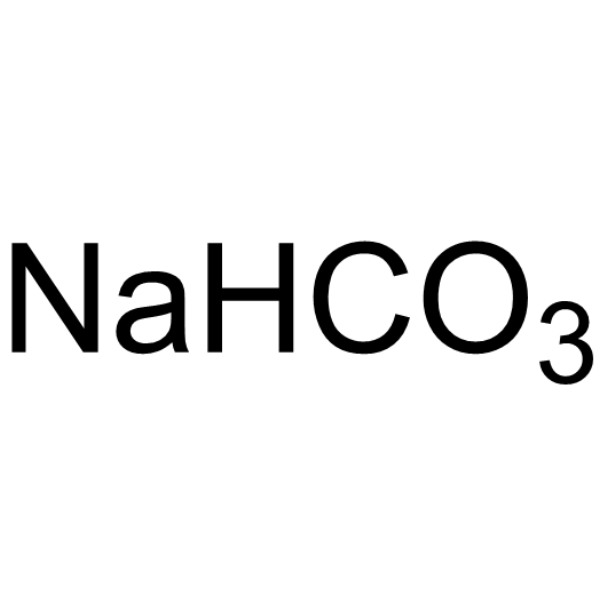
    Sodium hydrogen carbonate for cell culture; Soda bicarbonate for cell culture

    Environmental Pollutants Bacterial Inflammation/Immunology Cancer
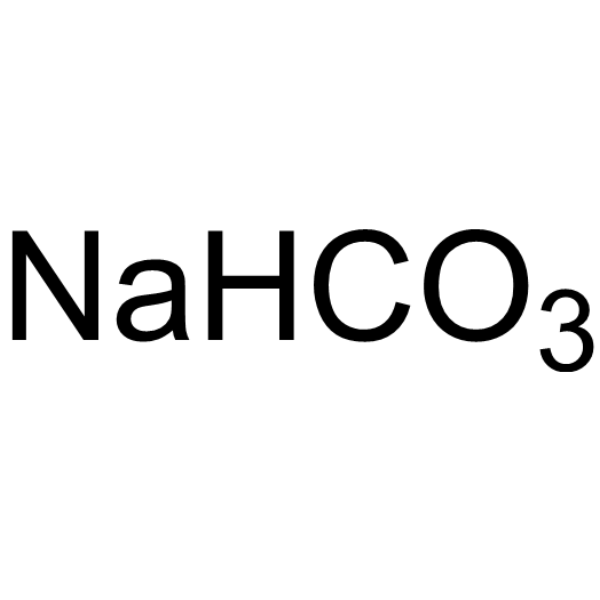
    Sodium bicarbonate, for cell culture (Sodium hydrogen carbonate for cell culture; Soda bicarbonate for cell culture) is an inorganic salt that is neutral to slightly alkaline and easily decomposes when exposed to moisture in the air. Sodium bicarbonate, for cell culture can maintain the pH of the culture medium, thereby affecting the expression of inducible nitric oxide synthase (iNOS) and nitric oxide (NO) production in macrophages and reversing the acidosis of the tumor microenvironment. Sodium bicarbonate is widely used in the fields of food, medicine, cosmetics, etc. Its main uses include buffers, flavoring agents, disinfectants, pharmaceuticals, and proton gradient regulators. Sodium bicarbonate is also commonly used as an antacid to inhibit gastrointestinal diseases, neutralize gastric acid, and reduce gastric discomfort .
    Sodium bicarbonate, for cell culture
  • HY-W012788
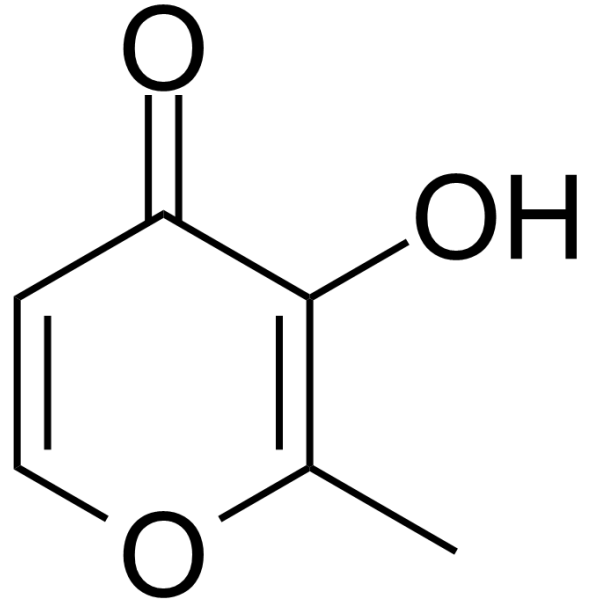
    Maltol
    2 Publications Verification

    Environmental Pollutants Endogenous Metabolite Apoptosis Infection Neurological Disease
    Maltol, a type of aromatic compound, is an antioxidant agent. Maltol enhances neural function by mitigating oxidative stress and cell apoptosis. Maltol is an inhibitor of oxidative damage in nerve cells and is effective in preventing diabetic peripheral neuropathy (DPN). Maltol is used extensively as a safe flavoring agent and food preservative. Maltol is a metal ion chelator that can be used in the field of catalysis, cosmetics, and medicine .
    Maltol
  • HY-B0633E

    Hyaluronan, low endotoxin; Hyaluronate, low endotoxin

    Endogenous Metabolite CD44 Bacterial Akt PI3K Neurological Disease Metabolic Disease Inflammation/Immunology Cancer
    Hyaluronic acid, low endotoxin (Hyaluronan, low endotoxin) is a biopolymer composed of repeating disaccharide units containing low levels of endotoxin. Hyaluronic acid is a major component of the extracellular matrix (ECM). It is synthesized on the plasma membrane. Hyaluronic acid exerts its effects by binding to receptors CD44 and RHAMM. Hyaluronic acid activates PI3K-Akt signaling. Hyaluronic acid also enhances cell invasion and angiogenesis by promoting or stimulating the binding of proteolytic MMP-9 to the cell surface. Elevated hyaluronic acid levels are associated with tumor cell growth, adhesion, migration, invasion, and angiogenesis in digestive system cancers. Hyaluronic acid is involved in tissue remodeling and rapid cell proliferation in several physiological processes, including embryonic morphogenesis and wound healing. Hyaluronic acid can be used as a regulator of cancer-associated lymphangiogenesis. Hyaluronic acid can be used as a drug delivery carrier for sodium butyrate, enhancing its anti-proliferative activity against breast cancer cell lines. Hyaluronic acid can lubricate the corneal endothelium. Hyaluronic acid can improve tissue hydration and enhance the resistance of cells to mechanical damage. Hyaluronic acid has been conjugated with antibodies to ensure that the active compound continues to exert its effects at the site of inflammation. Hyaluronic acid can be used in research in the fields of osteoarthritis, ophthalmology, cosmetic dermatology, oncology, and liver diseases .
    Hyaluronic acid, low endotoxin
  • HY-Y1131

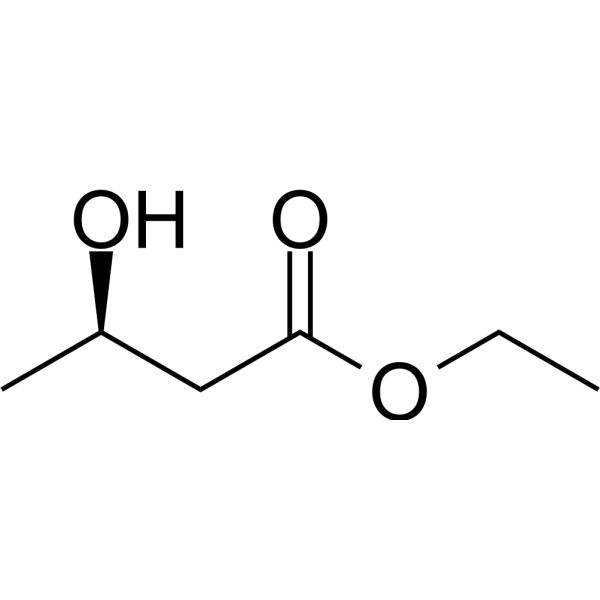
    Ethyl (R)-3-hydroxybutanoate

    Biochemical Assay Reagents Others
    Ethyl (R)-3-hydroxybutyrate is an organic compound commonly used as a starting material for chiral chemical synthesis. It can be used in the preparation of medicines, spices, fine chemicals and food additives, etc., and is widely used in medicine, cosmetics and food industries. In addition, this compound is also used as a substrate or intermediate in some biochemical reactions
    Ethyl (R)-3-hydroxybutyrate
  • HY-N6660

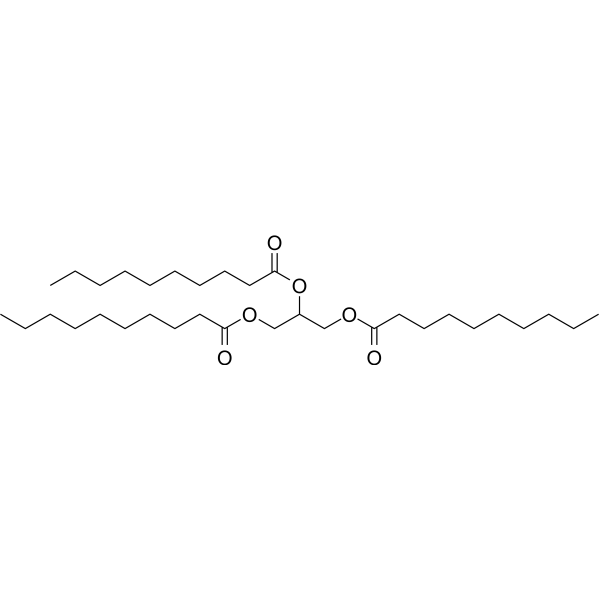
    Tricaprin; Glyceryl tridecanoate

    Endogenous Metabolite Androgen Receptor Cardiovascular Disease Metabolic Disease
    Trisdecanoin (Tricaprin; Glyceryl tridecanoate) is an orally available precursor of decanoic acid (DA precursor) that can be hydrolyzed to decanoic acid. Trisdecanoin and its metabolite capric acid not only provide the body with a quick source of energy, but can also affect lipid metabolism. Trisdecanoin is a major component of medium chain triglycerides (MCT), which has preventive or inhibitory properties for abdominal aortic aneurysms (AAA), inhibition of cardiovascular disease, and anti-androgen (NSAA) and anti-hyperglycemic properties. Trisdecanoin can be used as an additive in food, medicine and cosmetics .
    Trisdecanoin
  • HY-P5225

    PGC-1α Others
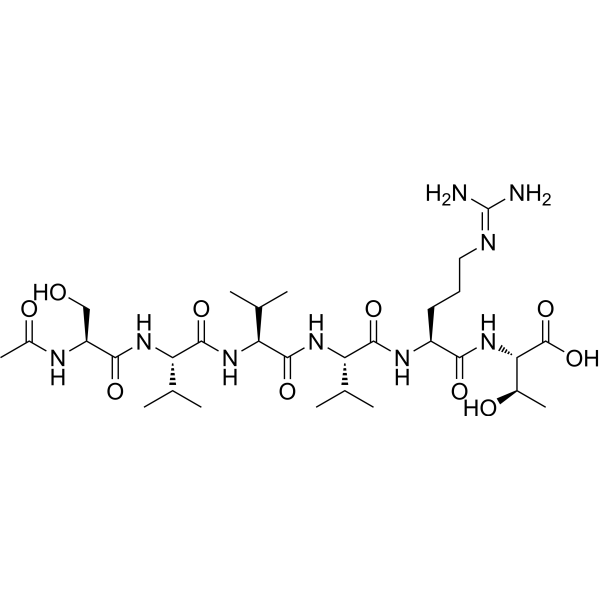
    Acetyl hexapeptide-38 is a tissue repair promoter that targets fibroblasts in the dermis of the skin. It works by promoting collagen synthesis in the dermis and thickening of subcutaneous fat. Acetyl hexapeptide-38 can activate the skin repair mechanism, increase the collagen content in the dermis, improve the skin tissue structure, and has the activity of promoting local tissue repair. Acetyl hexapeptide-38 can be used in the field of cosmetic medicine to repair congenital soft tissue defects, reduce tear grooves and nasolabial folds, eliminate postoperative scars, and conduct micro-plastic surgery of skin tissue .
    Acetyl hexapeptide-38
  • HY-W251598S

    Reference Standards Bacterial NO Synthase Inflammation/Immunology Cancer
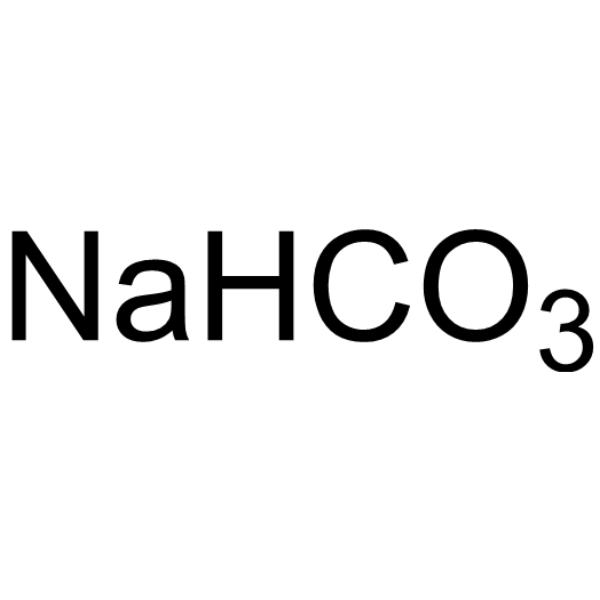
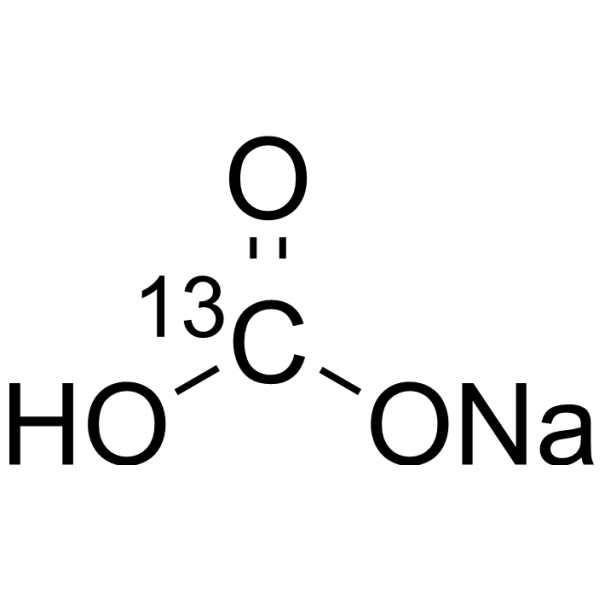
    Bicarbonate- 13C sodium is the 13C-labeled Sodium bicarbonate (HY-Y0756). Sodium bicarbonate is an inorganic salt that is neutral to slightly alkaline and easily decomposes when exposed to moisture in the air. Sodium bicarbonate can maintain the pH of the culture medium, thereby affecting the expression of inducible nitric oxide synthase (iNOS) and nitric oxide (NO) production in macrophages and reversing the acidosis of the tumor microenvironment. Sodium bicarbonate is widely used in the fields of food, medicine, cosmetics, etc. Its main uses include buffers, flavoring agents, disinfectants, pharmaceuticals, and proton gradient regulators. Sodium bicarbonate is also commonly used as an antacid to inhibit gastrointestinal diseases, neutralize gastric acid, and reduce gastric discomfort .
    Bicarbonate-13C sodium
  • HY-N3103

    Ethyl (E)-p-hydroxycinnamate; Ethyl trans-4-hydroxycinnamate

    Tyrosinase Inflammation/Immunology
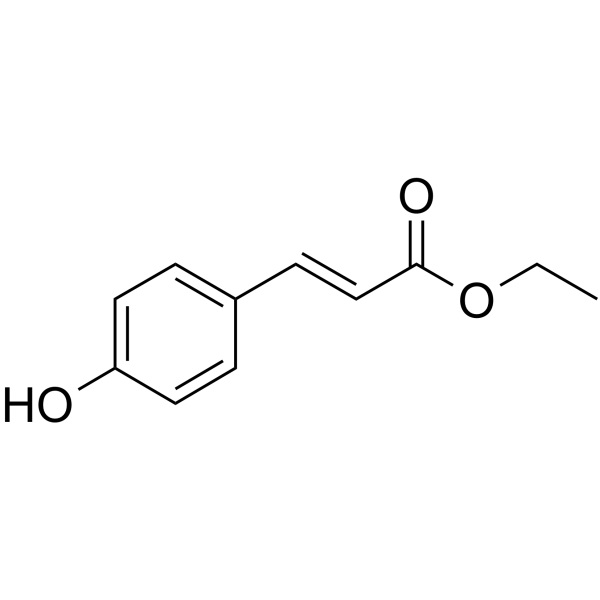
    p-Coumaric Acid Ethyl Ester (Ethyl (E)-p-hydroxycinnamate; Ethyl trans-4-hydroxycinnamate) is a non-competitive, reversible inhibitor of tyrosinase (IC50=4.89 μg/mL, Ki=1.83 μg/mL), which can quench the intrinsic fluorescence of the enzyme. p-Coumaric Acid Ethyl Ester changes the binding affinity of L-tyrosine by inducing conformational changes in the catalytic domain of tyrosinase, and does not bind to the copper ion of the enzyme. p-Coumaric Acid Ethyl Ester is used in the development of medicines, cosmetics and fruit preservation products using pollen .
    p-Coumaric Acid Ethyl Ester
  • HY-D1137

    Fluorescent Dye
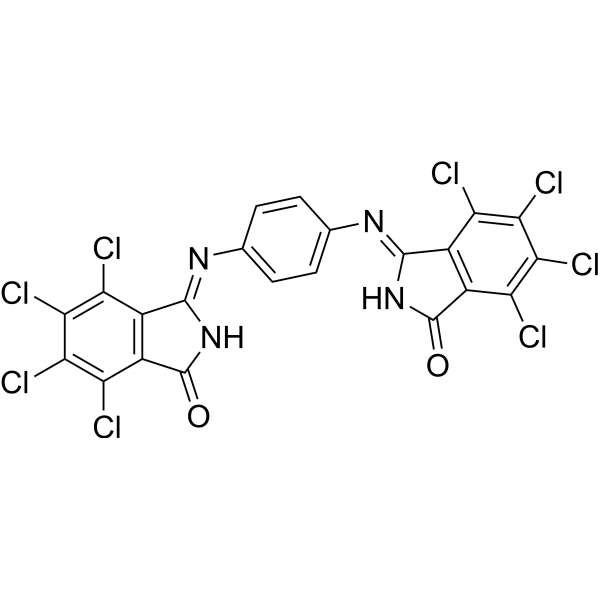
    C.I. Pigment yellow 110 is the most important colorant used to add color or change the color of something and is chemically essentially unaffected by the carrier or medium into which it is incorporated. It can be widely used in textile, medicine, food, cosmetics, plastics, paint, ink, photography and paper industries.
    C.I. Pigment yellow 110
  • HY-W105359

    ω-Decen-1-ol

    Environmental Pollutants Biochemical Assay Reagents Others
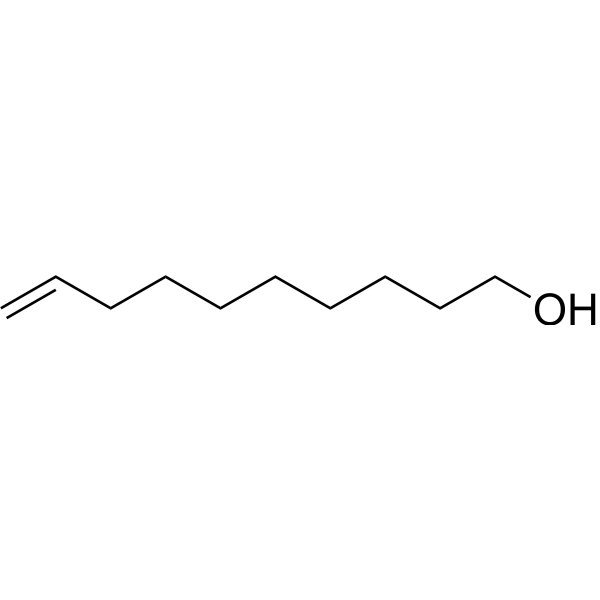
    9-Decen-1-ol has a fatty odour. This compound is used in the flavor and fragrance industry for its pleasant smell, which is often described as sweet, floral and fruity. It can also be used as an intermediate in the synthesis of various organic compounds, including medicine, agricultural chemicals and polymer materials. Its unique chemical properties make it an important ingredient in many commercial products, including soaps, detergents and cosmetics.
    9-Decen-1-ol
  • HY-D0429

    Fluorescent Dye
    C.I. Pigment red 5 is the most important colorant used to add color or change the color of something and is chemically essentially unaffected by the carrier or medium into which it is incorporated. It can be widely used in textile, medicine, food, cosmetics, plastics, paint, ink, photography and paper industries.
    C.I. Pigment red 5
  • HY-W251598I

    Sodium hydrogen carbonate, meets analytical specification of Ph. Eur., BP, USP, FCC, E500

    Bacterial NO Synthase Inflammation/Immunology Cancer
    Sodium bicarbonate, meets analytical specification of Ph. Eur., BP, USP, FCC, E500 is an inorganic salt that is neutral to slightly alkaline and easily decomposes when exposed to moisture in the air. Sodium bicarbonate can maintain the pH of the culture medium, thereby affecting the expression of inducible nitric oxide synthase (iNOS) and nitric oxide (NO) production in macrophages and reversing the acidosis of the tumor microenvironment. Sodium bicarbonate is widely used in the fields of food, medicine, cosmetics, etc. Its main uses include buffers, flavoring agents, disinfectants, pharmaceuticals, and proton gradient regulators. Sodium bicarbonate is also commonly used as an antacid to inhibit gastrointestinal diseases, neutralize gastric acid, and reduce gastric discomfort .
    Sodium bicarbonate, meets analytical specification of Ph. Eur., BP, USP, FCC, E500
  • HY-D0531

    Fluorescent Dye
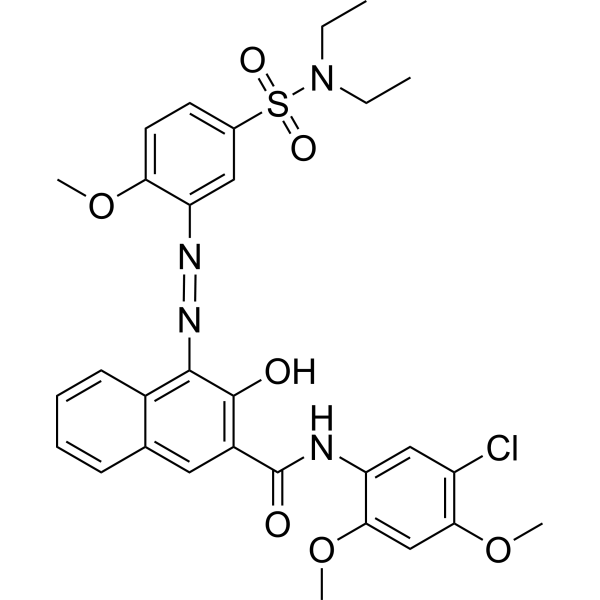
    C.I. Pigment red 123 is the most important colorant used to add color or change the color of something and is chemically essentially unaffected by the carrier or medium into which it is incorporated. It can be widely used in textile, medicine, food, cosmetics, plastics, paint, ink, photography and paper industries.
    C.I. Pigment red 123
  • HY-D0960

    Fluorescent Dye
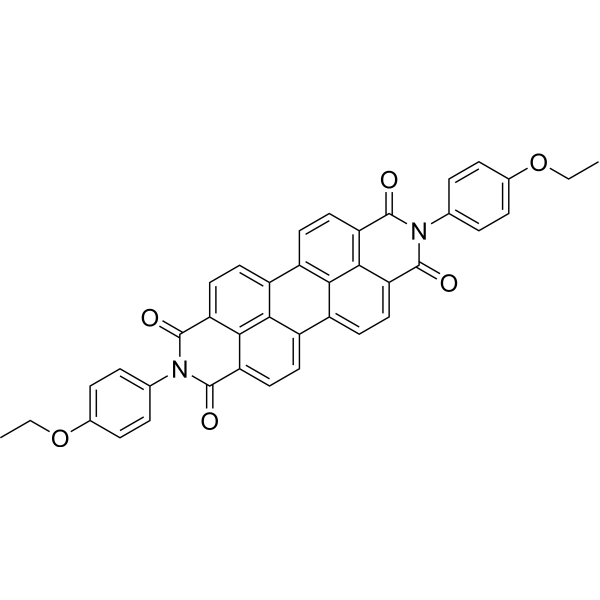
    C.I. Solvent Blue 43 is the most important colorant used to add color or change the color of something and is chemically essentially unaffected by the carrier or medium into which it is incorporated. It can be widely used in textile, medicine, food, cosmetics, plastics, paint, ink, photography and paper industries.
    C.I. Solvent Blue 43
  • HY-D0421

    Fluorescent Dye Others
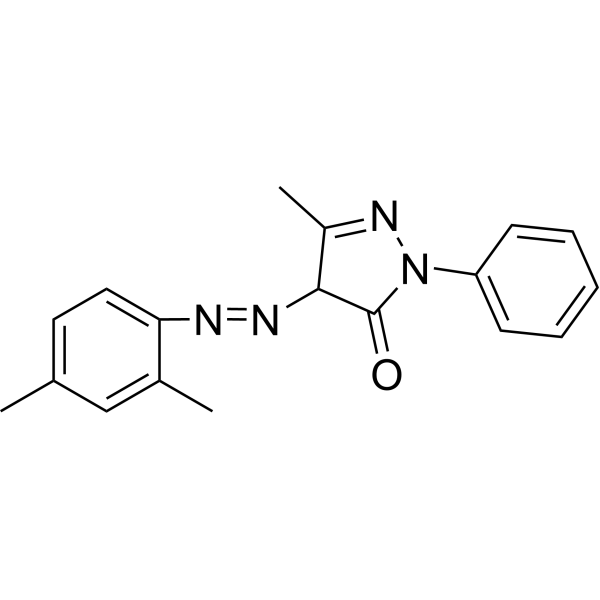
    C.I. Solvent yellow 18 is a lipid-soluble fluorescent azo dye, which is widely used in industries such as textiles, medicine, food, cosmetics, plastics, paints, inks, photography and papermaking .
    C.I. Solvent yellow 18
  • HY-D0405

    Fluorescent Dye
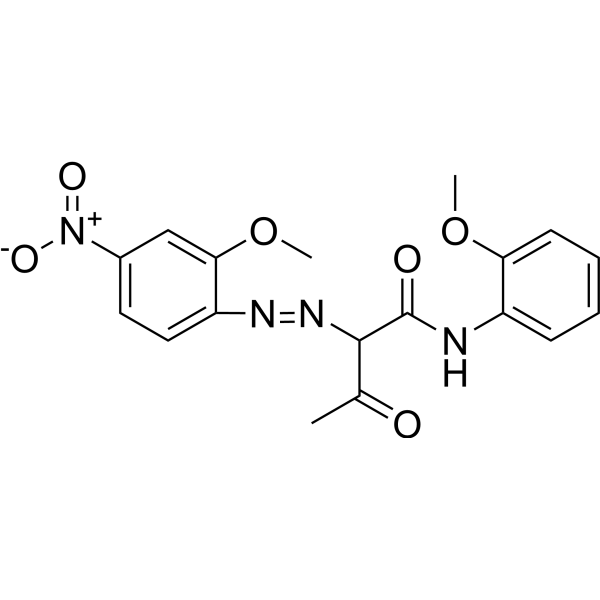
    C.I. Pigment yellow 74 is the most important colorant used to add color or change the color of something and is chemically essentially unaffected by the carrier or medium into which it is incorporated. It can be widely used in textile, medicine, food, cosmetics, plastics, paint, ink, photography and paper industries.
    C.I. Pigment yellow 74
  • HY-D0457

    Fluorescent Dye
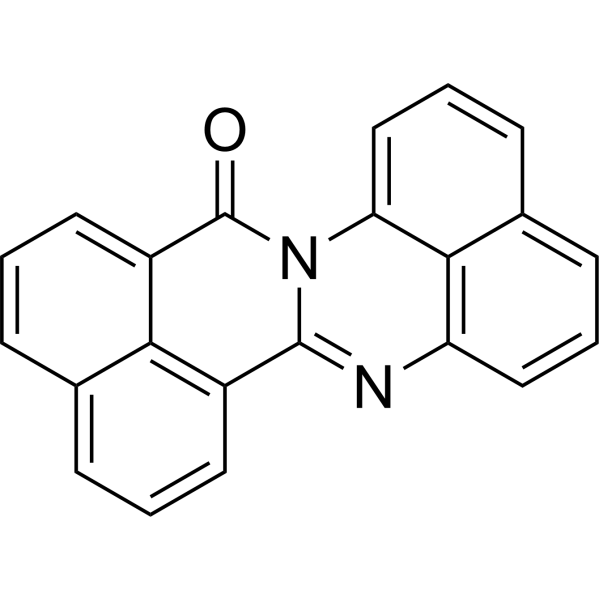
    C.I. Solvent red 179 is the most important colorant used to add color or change the color of something and is chemically essentially unaffected by the carrier or medium into which it is incorporated. It can be widely used in textile, medicine, food, cosmetics, plastics, paint, ink, photography and paper industries.
    C.I. Solvent red 179
  • HY-W133978

    coconut oil from cocos nucifera

    Environmental Pollutants Others
    Coconut oil is a natural oil extracted from coconuts and is widely used in food, cosmetics, and traditional medicine.
    Coconut oil
  • HY-D0488

    Fluorescent Dye
    C.I. Pigment orange 36 is the most important colorant used to add color or change the color of something and is chemically essentially unaffected by the carrier or medium into which it is incorporated. It can be widely used in textile, medicine, food, cosmetics, plastics, paint, ink, photography and paper industries.
    C.I. Pigment orange 36
  • HY-D0510

    Fluorescent Dye
    C.I. Pigment orange 34 is the most important colorant used to add color or change the color of something and is chemically essentially unaffected by the carrier or medium into which it is incorporated. It can be widely used in textile, medicine, food, cosmetics, plastics, paint, ink, photography and paper industries.
    C.I. Pigment orange 34
  • HY-D0686

    Fluorescent Dye
    C.I. Pigment red 221 is the most important colorant used to add color or change the color of something and is chemically essentially unaffected by the carrier or medium into which it is incorporated. It can be widely used in textile, medicine, food, cosmetics, plastics, paint, ink, photography and paper industries.
    C.I. Pigment red 221
  • HY-D0450

    Fluorescent Dye
    C.I. Pigment red 112 is the most important colorant used to add color or change the color of something and is chemically essentially unaffected by the carrier or medium into which it is incorporated. It can be widely used in textile, medicine, food, cosmetics, plastics, paint, ink, photography and paper industries.
    C.I. Pigment red 112
  • HY-D0486

    Fluorescent Dye
    C.I. Pigment violet 32 is the most important colorant used to add color or change the color of something and is chemically essentially unaffected by the carrier or medium into which it is incorporated. It can be widely used in textile, medicine, food, cosmetics, plastics, paint, ink, photography and paper industries.
    C.I. Pigment violet 32
  • HY-D0442

    Fluorescent Dye
    C.I. Pigment red 14 is the most important colorant used to add color or change the color of something and is chemically essentially unaffected by the carrier or medium into which it is incorporated. It can be widely used in textile, medicine, food, cosmetics, plastics, paint, ink, photography and paper industries.
    C.I. Pigment red 14
  • HY-D0725

    Fluorescent Dye
    C.I. Pigment yellow 180 is the most important colorant used to add color or change the color of something and is chemically essentially unaffected by the carrier or medium into which it is incorporated. It can be widely used in textile, medicine, food, cosmetics, plastics, paint, ink, photography and paper industries.
    C.I. Pigment yellow 180
  • HY-D0445

    Fluorescent Dye
    C.I. Pigment orange 16 is the most important colorant used to add color or change the color of something and is chemically essentially unaffected by the carrier or medium into which it is incorporated. It can be widely used in textile, medicine, food, cosmetics, plastics, paint, ink, photography and paper industries.
    C.I. Pigment orange 16
  • HY-D0489

    Fluorescent Dye
    C.I. Pigment orange 38 is the most important colorant used to add color or change the color of something and is chemically essentially unaffected by the carrier or medium into which it is incorporated. It can be widely used in textile, medicine, food, cosmetics, plastics, paint, ink, photography and paper industries.
    C.I. Pigment orange 38
  • HY-D0459

    Fluorescent Dye
    C.I. Pigment brown 25 is the most important colorant used to add color or change the color of something and is chemically essentially unaffected by the carrier or medium into which it is incorporated. It can be widely used in textile, medicine, food, cosmetics, plastics, paint, ink, photography and paper industries.
    C.I. Pigment brown 25
  • HY-D0426

    Fluorescent Dye
    C.I. Pigment red 8 is the most important colorant used to add color or change the color of something and is chemically essentially unaffected by the carrier or medium into which it is incorporated. It can be widely used in textile, medicine, food, cosmetics, plastics, paint, ink, photography and paper industries.
    C.I. Pigment red 8
  • HY-D0428

    Fluorescent Dye
    C.I. Pigment red 9 is the most important colorant used to add color or change the color of something and is chemically essentially unaffected by the carrier or medium into which it is incorporated. It can be widely used in textile, medicine, food, cosmetics, plastics, paint, ink, photography and paper industries.
    C.I. Pigment red 9
  • HY-D0460

    Pigment red 48 calcium salt

    Fluorescent Dye
    C.I. Pigment red 48 is the most important colorant used to add color or change the color of something and is chemically essentially unaffected by the carrier or medium into which it is incorporated. It can be widely used in textile, medicine, food, cosmetics, plastics, paint, ink, photography and paper industries.
    C.I. Pigment red 48
  • HY-D0394

    Fluorescent Dye
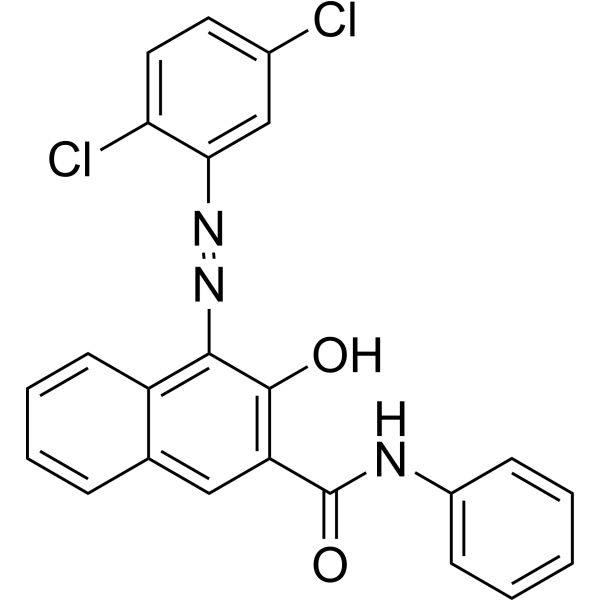
    C.I. Pigment red 2 is the most important colorant used to add color or change the color of something and is chemically essentially unaffected by the carrier or medium into which it is incorporated. It can be widely used in textile, medicine, food, cosmetics, plastics, paint, ink, photography and paper industries.
    C.I. Pigment red 2
  • HY-D0519

    Fluorescent Dye
    C.I. Pigment red 52:1 is the most important colorant used to add color or change the color of something and is chemically essentially unaffected by the carrier or medium into which it is incorporated. It can be widely used in textile, medicine, food, cosmetics, plastics, paint, ink, photography and paper industries.
    C.I. Pigment red 52:1
  • HY-W012788R

    Reference Standards Endogenous Metabolite Apoptosis Infection Neurological Disease
    Maltol (Standard) is the analytical standard of Maltol. This product is intended for research and analytical applications. Maltol, a type of aromatic compound, is an antioxidant agent. Maltol enhances neural function by mitigating oxidative stress and cell apoptosis. Maltol is an inhibitor of oxidative damage in nerve cells and is effective in preventing diabetic peripheral neuropathy (DPN). Maltol is used extensively as a safe flavoring agent and food preservative. Maltol is a metal ion chelator that can be used in the field of catalysis, cosmetics, and medicine .
    Maltol (Standard)
  • HY-121067

    Parasite Cancer
    Carbarsone, also known as p-ureidobenzenearsonic acid, is historically used as an amebicide in human and veterinary medicine and extensively employed in poultry and swine feed, often in combination with antibiotics to prevent conditions like blackhead in turkeys. It exhibits relatively low acute toxicity, prompting investigations into its safety for food additives under the Federal Food, Drug, and Cosmetic Act. Studies aimed at assessing its potential carcinogenicity in laboratory animals have shown negative evidence similar to other arsanilic acid derivatives, suggesting minimal risk under chronic ingestion conditions. Metabolically, carbarsone is converted to arsanilic acid, which has been observed in preliminary studies involving dogs at high doses .
    Carbarsone
  • HY-W127692

    Tetra-n-butylammonium salicylate

    Biochemical Assay Reagents Others
    Tetrabutylammonium salicylate is an organic-inorganic compound commonly used as a catalyst and chemical reagent. It can be used to catalyze or promote certain chemical reactions, and is widely used in medicine, cosmetics and surfactants. In addition, this compound is also used as a substrate or intermediate in some biochemical reactions.
    Tetrabutylammonium salicylate
  • HY-D0431

    Fluorescent Dye
    C.I. Pigment blue 56 is the most important colorant used to add color or change the color of something and is chemically essentially unaffected by the carrier or medium into which it is incorporated. It can be widely used in textile, medicine, food, cosmetics, plastics, paint, ink, photography and paper industries.
    C.I. Pigment blue 56
  • HY-D0415

    Fluorescent Dye
    C.I. Vat blue 22 is the most important colorant used to add color or change the color of something and is chemically essentially unaffected by the carrier or medium into which it is incorporated. It can be widely used in textile, medicine, food, cosmetics, plastics, paint, ink, photography and paper industries.
    C.I. Vat blue 22
  • HY-D0493

    Fluorescent Dye
    C.I. Pigment yellow 62 is the most important colorant used to add color or change the color of something and is chemically essentially unaffected by the carrier or medium into which it is incorporated. It can be widely used in textile, medicine, food, cosmetics, plastics, paint, ink, photography and paper industries.
    C.I. Pigment yellow 62
  • HY-D0408

    Fluorescent Dye
    C.I. Pigment red 38 is the most important colorant used to add color or change the color of something and is chemically essentially unaffected by the carrier or medium into which it is incorporated. It can be widely used in textile, medicine, food, cosmetics, plastics, paint, ink, photography and paper industries.
    C.I. Pigment red 38
  • HY-D0392

    Fluorescent Dye
    C. I. Pigment yellow 16 is the most important colorant used to add color or change the color of something and is chemically essentially unaffected by the carrier or medium into which it is incorporated. It can be widely used in textile, medicine, food, cosmetics, plastics, paint, ink, photography and paper industries.
    C. I. Pigment yellow 16
  • HY-D0433

    Navy Blue G

    Fluorescent Dye
    C.I. Vat Blue 16 is the most important colorant used to add color or change the color of something and is chemically essentially unaffected by the carrier or medium into which it is incorporated. It can be widely used in textile, medicine, food, cosmetics, plastics, paint, ink, photography and paper industries.
    C.I. Vat Blue 16
  • HY-D0441

    Fluorescent Dye
    C.I. Pigment red 23 is the most important colorant used to add color or change the color of something and is chemically essentially unaffected by the carrier or medium into which it is incorporated. It can be widely used in textile, medicine, food, cosmetics, plastics, paint, ink, photography and paper industries.
    C.I. Pigment red 23
  • HY-D0427

    Fluorescent Dye
    C.I. Pigment red 12 is the most important colorant used to add color or change the color of something and is chemically essentially unaffected by the carrier or medium into which it is incorporated. It can be widely used in textile, medicine, food, cosmetics, plastics, paint, ink, photography and paper industries.
    C.I. Pigment red 12
  • HY-W012845A

    Biochemical Assay Reagents Others
    (E)-3-(2-Furyl)acrolein, derived from 2-acid-acid-rich acid reaction, is used in food, cosmetics and other fields, medicine and agriculture. In the food industry, (E)-3-(2-Furyl)acrolein, as a natural seasoning food additive, has an important seasoning effect.
    (E)-3-(2-Furyl)acrolein
  • HY-W012788S

    Isotope-Labeled Compounds Endogenous Metabolite Apoptosis Infection Neurological Disease
    Maltol-d3 is a deuterium labeled Maltol (HY-W012788). Maltol, a type of aromatic compound, is an antioxidant agent. Maltol enhances neural function by mitigating oxidative stress and cell apoptosis. Maltol is an inhibitor of oxidative damage in nerve cells and is effective in preventing diabetic peripheral neuropathy (DPN). Maltol is used extensively as a safe flavoring agent and food preservative. Maltol is a metal ion chelator that can be used in the field of catalysis, cosmetics, and medicine .
    Maltol-d3
  • HY-N6660R

    Tricaprin (Standard); Glyceryl tridecanoate (Standard)

    Reference Standards Endogenous Metabolite Androgen Receptor Metabolic Disease
    Trisdecanoin (Standard) is the analytical standard of Trisdecanoin. This product is intended for research and analytical applications. Trisdecanoin (Tricaprin; Glyceryl tridecanoate) is an orally available precursor of decanoic acid (DA precursor) that can be hydrolyzed to decanoic acid. Trisdecanoin and its metabolite capric acid not only provide the body with a quick source of energy, but can also affect lipid metabolism. Trisdecanoin is a major component of medium chain triglycerides (MCT), which has preventive or inhibitory properties for abdominal aortic aneurysms (AAA), inhibition of cardiovascular disease, and anti-androgen (NSAA) and anti-hyperglycemic properties. Trisdecanoin can be used as an additive in food, medicine and cosmetics .
    Trisdecanoin (Standard)
  • HY-N18750

    Bacterial Cardiovascular Disease Infection Inflammation/Immunology
    Celery Extract, derived from celery seeds (Apium graveolens), is a natural extract rich in bioactive compounds such as flavonoids, phenolic acids, and volatile oils. It is known for its antihypertensive, anti-inflammatory, antimicrobial, and antioxidant properties. This extract has been used in traditional medicine to manage hypertension and inflammation, and modern research supports its potential health benefits. In addition to its medicinal uses, Celery Extract is also utilized in the food industry for flavor enhancement and in cosmetics for its skin-protecting and soothing effects. While generally safe, a patch test is recommended to avoid potential allergic reactions.
    Celery extract

Inquiry Online

Your information is safe with us. * Required Fields.

Salutation


Country or Region *

Applicant Name *


Organization Name *

Department *


Email Address *


Product Name *

Cat. No.


Requested quantity *

Phone Number *


Remarks

Inquiry Online

Inquiry Information

Product Name:
Cat. No.:
Quantity:
MCE Japan Authorized Agent:

