

1. Search Result
Search Result
Results for "

degenerative diseases

" in MedChemExpress (MCE) Product Catalog:

39

Inhibitors & Agonists

3

Screening Libraries

2

Peptides

1

Inhibitory Antibodies

3

Natural
Products

2

Isotope-Labeled Compounds

1

Oligonucleotides

Cat. No. Product Name Target Research Areas Chemical Structure
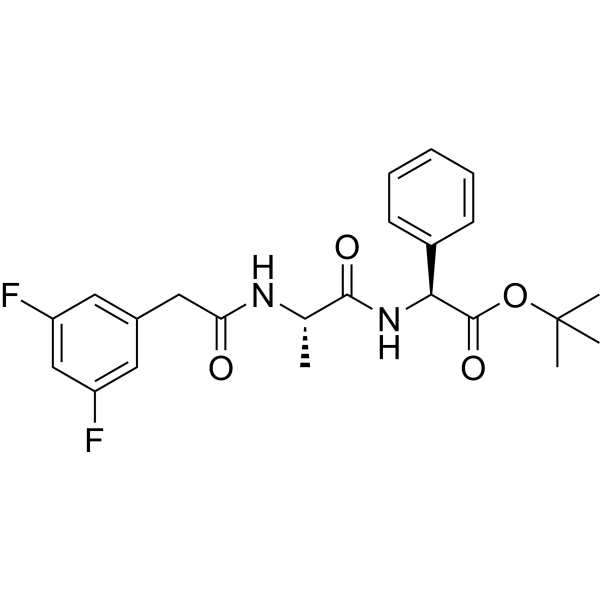
  • HY-13027
    DAPT
    Maximum Cited Publications
    158 Publications Verification

    GSI-IX

    Organoid γ-secretase Amyloid-β Autophagy Notch Apoptosis Neurological Disease Inflammation/Immunology Cancer
    DAPT (GSI-IX) is a potent and orally active γ-secretase inhibitor with IC50s of 115 nM and 200 nM for total amyloid-β (Aβ) and 42, respectively. DAPT inhibits the activation of Notch 1 signaling and induces cell differentiation. DAPT also induces autophagy and apoptosis. DAPT has neuroprotection activity and has the potential for autoimmune and lymphoproliferative diseases, degenerative disease and cancers treatment .
    DAPT
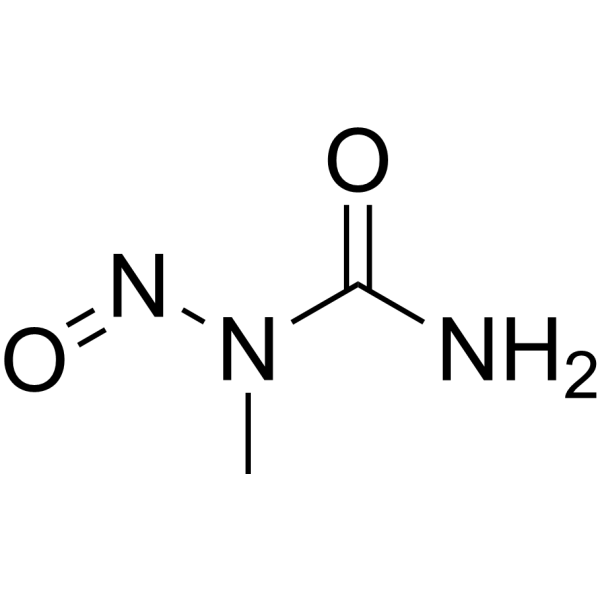
  • HY-34758
    N-Nitroso-N-methylurea
    15+ Cited Publications

    Environmental Pollutants DNA Alkylator/Crosslinker Cancer
    N-Nitroso-N-methylurea (NMU;MNU;NMH) is a potent carcinogen, mutagen and teratogenand. N-Nitroso-N-methylurea is a direct-acting alkylating agent that interacts with DNA. N-Nitroso-N-methylurea targets multiple animal organs to cause various cancer and/or degenerative disease. N-Nitroso-N-methylurea is also a precursor in the synthesis of diazomethane .
    N-Nitroso-N-methylurea
  • HY-134928A

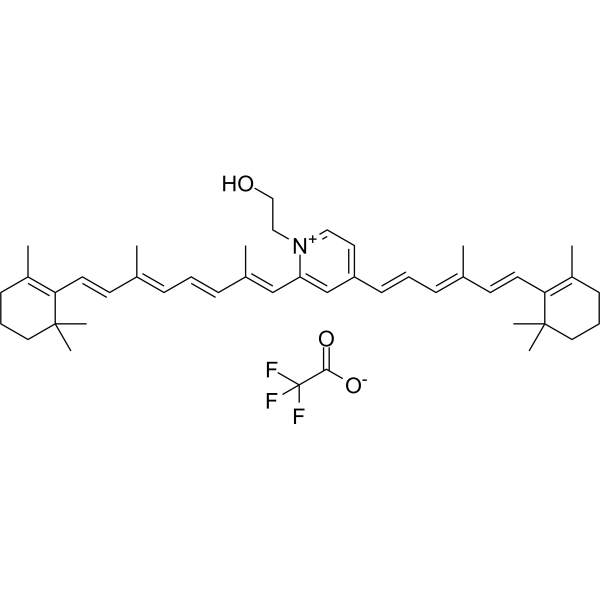
    A2E TFA; N-retinylidene-N-retinylethanolamine TFA

    Apoptosis Autophagy Reactive Oxygen Species (ROS) Cancer
    Pyridinium bisretinoid A2E (A2E) TFA is a fluorophore that can be isolated from lipofuscin in the retinal pigment epithelium (RPE). Pyridinium bisretinoid A2E TFA is an initiator of blue-light-induced apoptosis. Photoactivation of Pyridinium bisretinoid A2E TFA mediates autophagy and the production of reactive oxygen species. Pyridinium bisretinoid A2E TFA can be used in the study of retinal degenerative diseases .
    Pyridinium bisretinoid A2E TFA
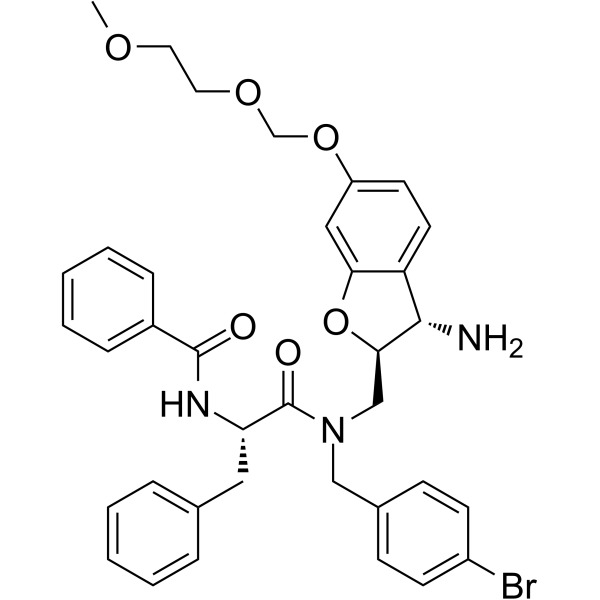
  • HY-12875

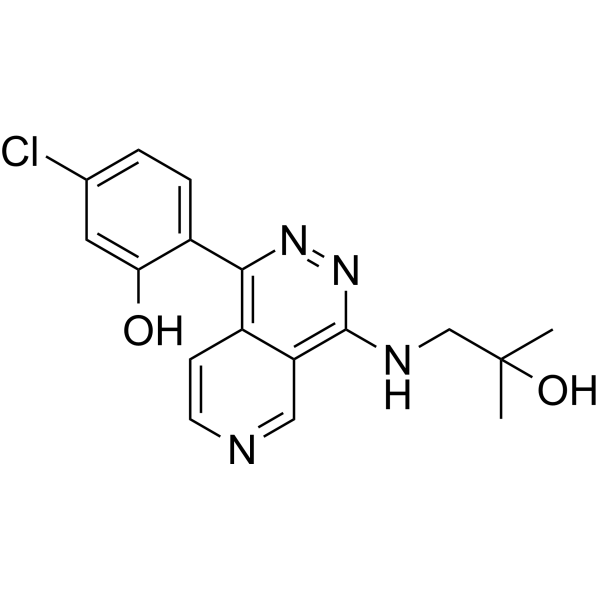
    Ras Cancer
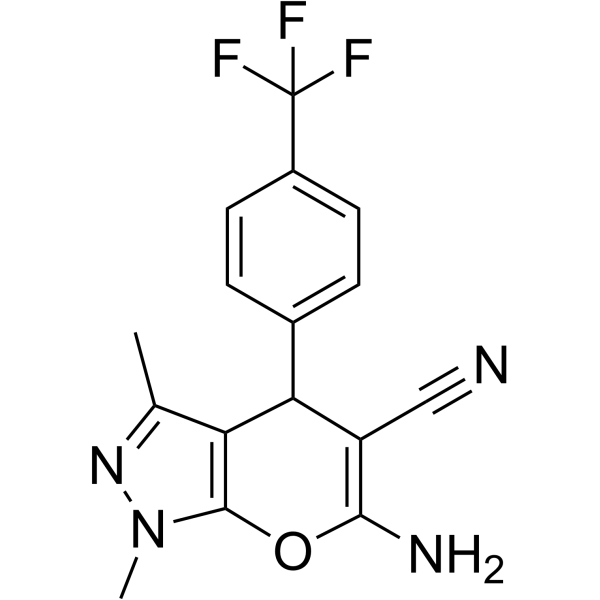
    BQU57 is a selective inhibitor of RalA/RalB small GTPases, with a binding potency (Kb) of 7.7 μM for RalB-GDP. BQU57 can block its interaction with effector proteins (such as SEC5 and EXO84), inhibiting tumor cell migration, invasion and non-adherent growth. BQU57 downregulates the NF-κB signaling pathway, reduces the expression of IL-6, IL-8 and MMP-13, and inhibits apoptosis by regulating the Bcl-2/Bax balance. BQU57 also protects the extracellular matrix by inhibiting the Ral/NF-κB pathway and can be used for the study of degenerative diseases. BQU57 exhibits significant antitumor activity in triple-negative breast cancer (TNBC) models, inhibiting orthotopic tumor growth and lung metastasis and enhancing paclitaxel chemotherapy sensitivity .
    BQU57
  • HY-134928

    A2E

    Apoptosis Autophagy Reactive Oxygen Species (ROS) Cancer
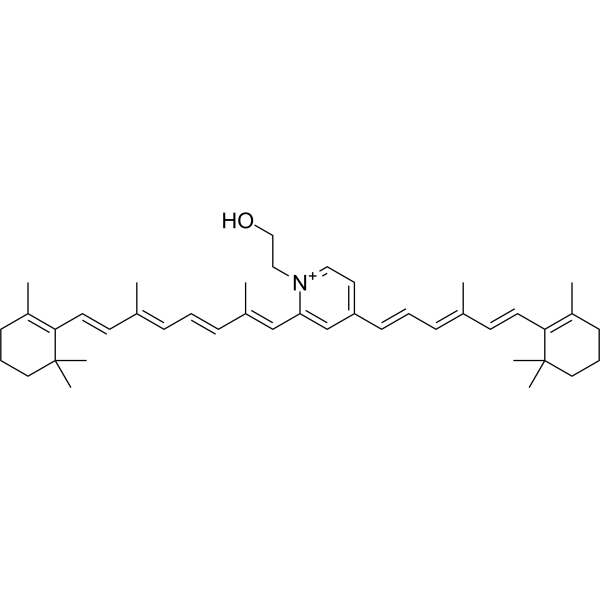
    Pyridinium bisretinoid A2E (A2E) is a fluorophore that can be isolated from lipofuscin in the retinal pigment epithelium (RPE). Pyridinium bisretinoid A2E is an initiator of blue-light-induced apoptosis. Photoactivation of Pyridinium bisretinoid A2E mediates autophagy and the production of reactive oxygen species. Pyridinium bisretinoid A2E can be used in the study of retinal degenerative diseases .
    Pyridinium bisretinoid A2E
  • HY-118948
    MSN-50
    1 Publications Verification

    Bcl-2 Family Neurological Disease
    MSN-50 is a Bax and Bak oligomerization inhibitor. MSN-50 efficiently inhibits liposome permeabilization, prevents genotoxic cell death and promotes neuroprotection .
    MSN-50
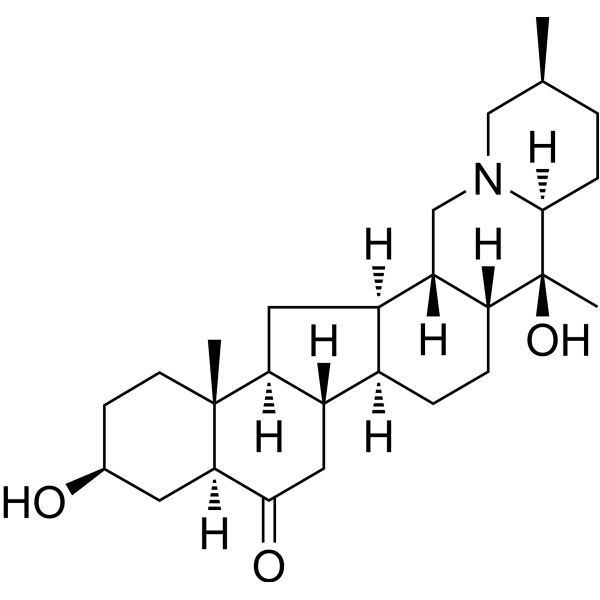
  • HY-N0696
    Sipeimine
    4 Publications Verification

    Imperialine

    PI3K NF-κB Akt NOD-like Receptor (NLR) Pyroptosis Ferroptosis Inflammation/Immunology
    Sipeimine (Imperialine) is an inhibitor targeting the PI3K/AKT/NF-κB pathway and NLRP3 inflammasome, which can competitively bind to PI3K and p65. Sipeimine inhibits PI3K/AKT phosphorylation, blocks NF-κB nuclear translocation and NLRP3 inflammasome activation. Sipeimine exerts anti-inflammatory activities, inhibits pyroptosis and ferroptosis, and protects the extracellular matrix. Sipeimine can reduce cartilage degradation and synovial inflammation in osteoarthritis and improve PM2.5-induced lung injury. Sipeimine is mainly used in the study of anti-inflammatory and degenerative diseases .
    Sipeimine
  • HY-123936

    NF-κB IKK COX Interleukin Related Neurological Disease Inflammation/Immunology
    SR12343 is a IKK/NF-κB inhibitor and a mimetic of the NF-κB essential modulator (NEMO)-binding domain (NBD). SR12343 inhibits TNF-α- and LPS-induced NF-κB activation by blocking the interaction between IKKβ and NEMO. SR12343 suppresses LPS-induced acute pulmonary inflammation in mice. SR12343 extends the healthspan of naturally aged and accelerated aging mice. SR12343 can be used for research on inflammatory and degenerative diseases .
    SR12343
  • HY-P5542

    SB-01; Peniel 2000

    Factor Xa TGF-beta/Smad Inflammation/Immunology
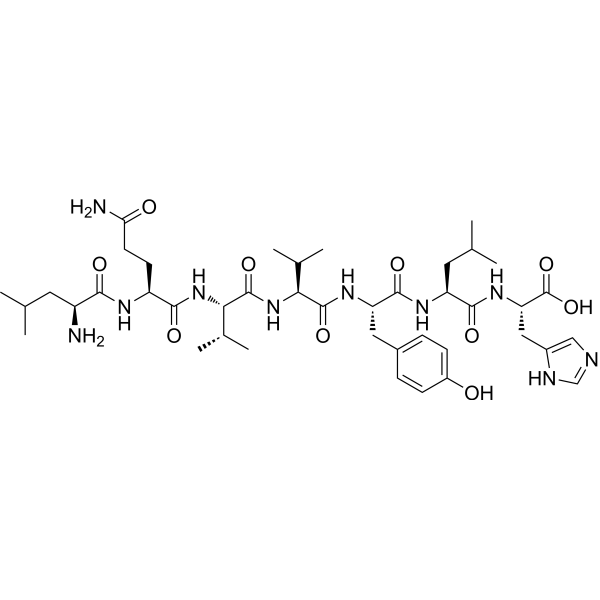
    Vicatertide (SB-01, Peniel 2000) is a polypeptide with both competitive inhibitory activity against TGF-β1 and selective inhibitory activity against human factor XIa (hFXIa, with a Ka of 80 nM for hFXIa). Vicatertide binds allosterically to the two binding sites of dimeric hFXI/hFXIa, while directly binding to activated TGF-β1, selectively blocking the Smad1/5/8 pathway and maintaining low-level activation of the Smad2 pathway to enhance the synthesis of type Ⅱ collagen and aggrecan. Vicatertide inhibits thrombus formation in arteriovenous thrombosis models, and also reduces thrombus weight and thrombus incidence in mouse lung cancer models. Vicatertide can be used for research on degenerative disc disease and thrombosis-related diseases .
    Vicatertide
  • HY-106583

    Cinnoxicam; SPA-S-510; Sinartol

    COX Inflammation/Immunology
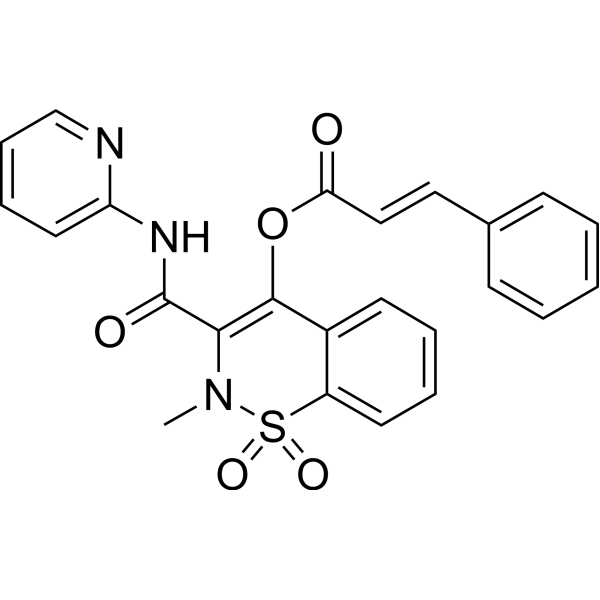
    Piroxicam cinnamate (Cinnoxicam) is a cyclooxygenase (COX) inhibitor, with anti-inflammatory activity. Piroxicam cinnamate is stable under gastric conditions, can be used for inflammatory-degenerative osteoarticular diseases, rheumatic disorders, and varicocele (VC) associated oligoasthenospermia research .
    Piroxicam cinnamate
  • HY-148187

    NOD-like Receptor (NLR) Infection Cardiovascular Disease Neurological Disease Inflammation/Immunology
    NLRP3-IN-11 is a NLR family pyrin domain containing 3 (NLRP3) proteins inhibitor. NLRP3-IN-11 has biological activity for NLRP3 with an IC50 value of <0.3 μM. NLRP3-IN-11 can be used for the researh of inflammatory and degenerative diseases including NASH, atherosclerosis and other cardiovascular diseases, Alzheimer's disease, Parkinson's disease, diabetes, gout, and numerous other autoinflammatory diseases .
    NLRP3-IN-11
  • HY-B0265A

    (R)-BAY-e 9736

    Calcium Channel Cardiovascular Disease Neurological Disease
    (R)-Nimodipine ((R)-BAY-e 9736) is an orally active, blood-brain barrier-permeable L-type calcium channel blocker with an IC50 of 5 nM. (R)-Nimodipine inhibits corticosterone release by blocking calcium channels on the hypothalamic-pituitary-adrenal axis, thereby reversing immobilization stress-induced memory impairment and behavioral abnormalities. (R)-Nimodipine is widely used in studies related to aneurysmal subarachnoid hemorrhage, cerebral ischemia, epilepsy, age-related degenerative neurological diseases, and alcohol intoxication .
    (R)-Nimodipine
  • HY-119447

    COX Inflammation/Immunology
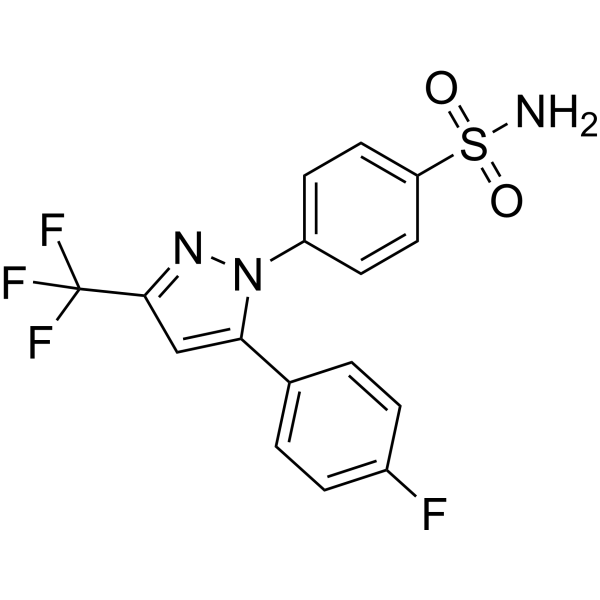
    Mavacoxib is a selective, oral long-acting cyclooxygenase-2 (COX-2) inhibitor and a long-acting non-steroidal anti-inflammatory drug (NSAID). Mavacoxib is used to treat pain and inflammation associated with degenerative joint disease in dogs .
    Mavacoxib
  • HY-102052

    Potassium Channel Metabolic Disease
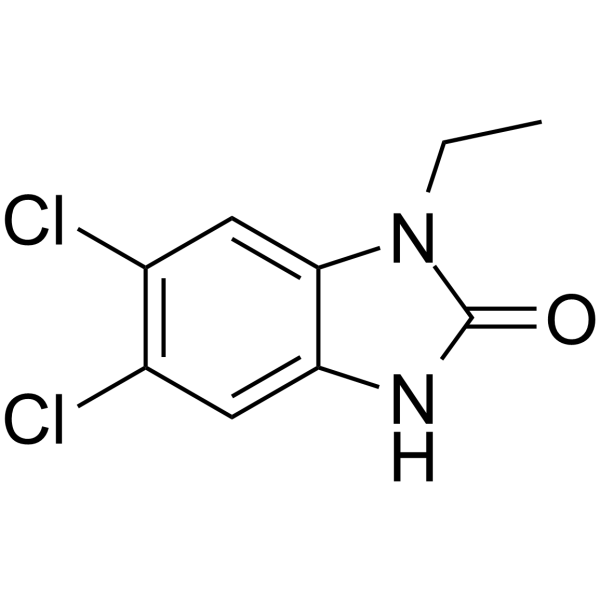
    DCEBIO is a small/medium conductance calcium-activated potassium (SKCa/IKCa) channel opener and primary neuron signal blocker. It hyperpolarizes the membrane potential of C2C12 myoblasts by activating IKCa channels, thereby promoting myogenic differentiation. The specific biological activity of DCEBIO is manifested in increased myotube formation, enhanced myosin heavy chain II protein levels and myogenin mRNA levels. DCEBIO can be applied in the field of muscle research, especially in muscle-related degenerative diseases such as sarcopenia .
    DCEBIO
  • HY-W010989

    Biochemical Assay Reagents Bacterial Infection Neurological Disease Inflammation/Immunology Cancer
    Gly-His-Lys acetate is a natural, circulating regulatory and antimicrobial tripeptide derived from extracellular matrix proteins. Gly-His-Lys acetate binds Cu 2+ to support copper enzyme activation, antioxidant processes, cellular bioenergetics, and the synthesis of elastin, collagen and catecholamines. Gly-His-Lys acetate regulates cell growth, differentiation and tissue repair, and exerts regenerative, anxiolytic, anti-inflammatory, analgesic and immunosuppressive activities. Gly-His-Lys acetate induces liver degenerative changes. Gly-His-Lys acetate can be used for the research of infections, anxiety, pain-related behaviors and immune-associated liver diseases .
    Gly-His-Lys acetate
  • HY-P99820

    NV-01

    TNF Receptor Inflammation/Immunology
    Ranevetmab (NV-01) is a caninised anti-NGF monoclonal antibody (mAb). Ranevetmab can alleviate pain, and is used for the research of degenerative joint disease (DJD) pain .
    Ranevetmab
  • HY-135808

    NF-κB Inflammation/Immunology
    BIZ 114 (Example 11) is a fatty acid derivative and potent inhibits the TNF-α activated NF-κΒ pathway. BIZ 114 has the potential to prevent and / or treat ophthalmic disorders such as retinal degenerative disorders and ocular inflammatory diseases .
    BIZ 114
  • HY-119447S

    Isotope-Labeled Compounds COX Inflammation/Immunology
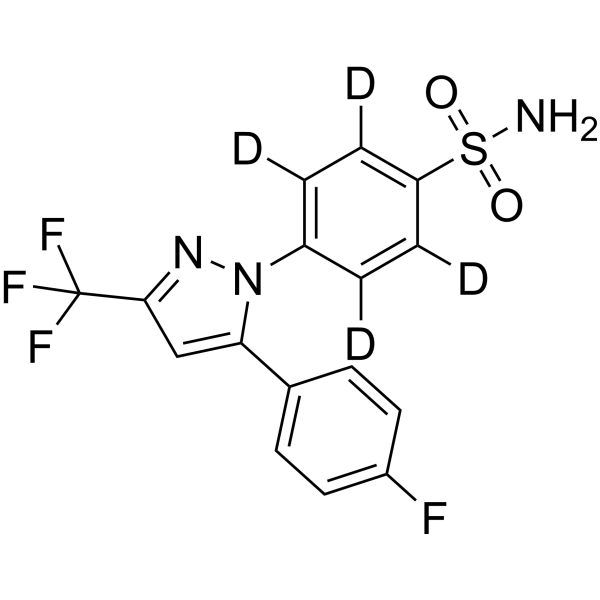
    Mavacoxib-d4 is the deuterium labeled Mavacoxib. Mavacoxib is a selective, oral long-acting cyclooxygenase-2 (COX-2) inhibitor and a long-acting non-steroidal anti-inflammatory drug (NSAID). Mavacoxib is used to treat pain and inflammation associated with degenerative joint disease in dogs .
    Mavacoxib-d4
  • HY-178919

    Formyl Peptide Receptor (FPR) Apoptosis Bacterial Inflammation/Immunology
    N-19004 is a FPR1 antagonist. N-19004 shows broad-spectrum antibacterial effects against a variety of pathogens. N-19004 exhibits significant retinal protective effects in the rd10 mouse model of retinitis pigmentosa (RP). N-19004 can attenuate retinal dysfunction, mitigate rod and cone degeneration, and reduce immune cell activation, gliosis, inflammation, oxidative stress, and apoptosis. N-19004 can reduce the size of laser-induced choroidal lesions and promote edema absorption through dual anti-inflammatory and anti-angiogenic effects. N-19004 can be used for the research of retinal degenerative diseases such as retinitis pigmentosa .
    N-19004
  • HY-P1384

    Somatostatin Receptor Neurological Disease
    L803 is a selective Somatostatin Receptor Subtype 4 (SST4) agonist. L803 inhibits L-type calcium channel currents (ICa). L803 is promising for research of retinal ganglion cell (RGC) degenerative diseases (e.g., glaucoma) .
    L803
  • HY-169557

    CDK Neurological Disease
    CDKI-IN-1 (Compound SNX12) is a cyclin-dependent kinase inhibitor (CDKI) inhibitor that can be used for research into degenerative diseases of the central nervous system .
    CDKI-IN-1
  • HY-161578

    PKG Neurological Disease
    Dithio-CN03 is a compound with the highest neuroprotective efficacy. Dithio-CN03 fights the progression of retinitis pigmentosa (RP) by inhibiting the cGMP mediated signaling pathway and reducing photoreceptor cell death. Dithio-CN03 can be used in research into RP and other retinal degenerative diseases .
    Dithio-CN03
  • HY-143582

    Phosphodiesterase (PDE) Cancer
    ATX inhibitor 9 is a potent inhibitor of ATX. ATX inhibitor 9 is a thickened heteroaryl derivatives compound. Autotaxin (ATX), also known as ENPP2, is a secreted enzyme that is highly expressed mainly in cancer cells, bronchial epithelial cells and alveolar macrophages in the lung. ATX inhibitor 9 has the potential for the research of cancer or fibrous degenerative disease (extracted from patent WO2021078227A1, compound 3) .
    ATX inhibitor 9
  • HY-129688

    Cholecystokinin Receptor Neurological Disease
    Sut-8701 is a Cholecystokinin (HY-P2932) analog that effectively slows the degenerative process of Alzheimer's disease by protecting the integrity of cholinergic neurons in the nucleus basalis .
    Sut-8701
  • HY-174719

    mRNA Inflammation/Immunology
    Human ELANE mRNA encodes the human elastase (ELANE) protein, a member of serine proteases family. ELANE may play a role in degenerative and inflammatory diseases through proteolysis of collagen-IV and elastin.
    Human ELANE mRNA
  • HY-119447R

    COX Inflammation/Immunology
    Mavacoxib (Standard) is the analytical standard of Mavacoxib. This product is intended for research and analytical applications. Mavacoxib is a selective, oral long-acting cyclooxygenase-2 (COX-2) inhibitor and a long-acting non-steroidal anti-inflammatory drug (NSAID). Mavacoxib is used to treat pain and inflammation associated with degenerative joint disease in dogs .
    Mavacoxib (Standard)
  • HY-W717139

    Isotope-Labeled Compounds DNA Alkylator/Crosslinker Cancer
    N-Nitroso-N-methylurea-d5 is the deuterium labeled N-Nitroso-N-methylurea (HY-34758). N-Nitroso-N-methylurea (NMU;MNU;NMH) is a potent carcinogen, mutagen and teratogenand. N-Nitroso-N-methylurea is a direct-acting alkylating agent that interacts with DNA. N-Nitroso-N-methylurea targets multiple animal organs to cause various cancer and/or degenerative disease. N-Nitroso-N-methylurea is also a precursor in the synthesis of diazomethane .
    N-Nitroso-N-methylurea-d5
  • HY-118041

    Carboxylesterase (CES) Endogenous Metabolite Cancer
    PMPMEase-IN-1 is an allylated methylated protein methylesterase inhibitor with the property of inhibiting PMPMEase activity. PMPMEase-IN-1 may provide a useful strategy for cancer inhibition by enhancing its affinity for polyisoprenyl derivatives. PMPMEase-IN-1 showed the potential to have an effective concentration (EC50) value in causing degeneration of human neuroblastoma SH-SY5Y cells. Specific inhibition of PMPMEase-IN-1 may help regulate the metabolism of polyisoprenyl proteins and thus maintain normal cell survival. Further development and application of PMPMEase-IN-1 may open up new avenues for inhibiting degenerative diseases and cancer .
    PMPMEase-IN-1
  • HY-N0696R

    Imperialine (Standard)

    Reference Standards PI3K NF-κB Akt NOD-like Receptor (NLR) Pyroptosis Ferroptosis Inflammation/Immunology
    Sipeimine (Standard) is the analytical standard of Sipeimine (HY-N0696R). Sipeimine (Imperialine) is an inhibitor targeting the PI3K/AKT/NF-κB pathway and NLRP3 inflammasome, which can competitively bind to PI3K and p65. Sipeimine inhibits PI3K/AKT phosphorylation, blocks NF-κB nuclear translocation and NLRP3 inflammasome activation. Sipeimine exerts anti-inflammatory activities, inhibits pyroptosis and ferroptosis, and protects the extracellular matrix. Sipeimine can reduce cartilage degradation and synovial inflammation in osteoarthritis and improve PM2.5-induced lung injury. Sipeimine is mainly used in the study of anti-inflammatory and degenerative diseases .
    Sipeimine (Standard)
  • HY-W408830

    Biochemical Assay Reagents Others
    4-Iodobutyl benzoate is structurally related to bicyclic heterocycles such as indole and indoline. 4-Iodobutyl benzoate is a metabolite of the drug amide and is used in the treatment of inflammatory bowel disease, degenerative diseases, and bowel disease.
    4-Iodobutyl benzoate
  • HY-W002968

    S-adenosylhomocysteine hydrolase (SAHH) Neurological Disease
    SAHH-IN-1 (Compound 4) is an inhibitor of S-adenosylhomocysteine hydrolase (SAHH), with an IC50 of 814 nM. SAHH-IN-1 can be used for the study of age-related degenerative diseases (such as Alzheimer's disease) .
    SAHH-IN-1
  • HY-W573558

    Drug Intermediate Neurological Disease
    (tert-Butoxycarbonyl)-DL-glutamine (Compound 2I) is a tert-butoxycarbonyl-protected glutamine derivative. (tert-Butoxycarbonyl)-DL-glutamine can be used for the synthesis of N-BOC-L-glutamine esters and Apocynin (HY-N0088). (tert-Butoxycarbonyl)-DL-glutamine is applicable to the research of retinal degenerative diseases .
    (tert-Butoxycarbonyl)-DL-glutamine
  • HY-176994

    NOD-like Receptor (NLR) Drug Derivative Inflammation/Immunology
    3-Et-3TC (Page 87, Compound 3b) is a structurally modified derivative of Lamivudine (HY-B0250). 3-Et-3TC can inhibit the activation of the NLRP3 inflammasome and can be used for the study of retinal degenerative diseases .
    3-Et-3TC
  • HY-121971

    Endogenous Metabolite Cancer
    PMPMEase-IN-2 is an inhibitor of polyprenylated protein methylesterase, which has the activity of regulating polyprenylated protein metabolism. The regulation of PMPMEase-IN-2 is essential for maintaining normal cell survival. The abnormal activity of PMPMEase-IN-2 may be associated with degenerative diseases and cancer. Specific inhibitors of PMPMEase-IN-2 may have potential application value in inhibiting cancer .
    PMPMEase-IN-2
  • HY-106583R

    Cinnoxicam (Standard); SPA-S-510 (Standard); Sinartol (Standard)

    Reference Standards COX Inflammation/Immunology
    Piroxicam cinnamate (Standard) is the analytical standard of Piroxicam cinnamate (HY-106583). This product is intended for research and analytical applications. Piroxicam cinnamate (Cinnoxicam) is a cyclooxygenase (COX) inhibitor, with anti-inflammatory activity. Piroxicam cinnamate is stable under gastric conditions, can be used for inflammatory-degenerative osteoarticular diseases, rheumatic disorders, and varicocele (VC) associated oligoasthenospermia research .
    Piroxicam cinnamate (Standard)
  • HY-N19782

    Bacterial Apoptosis Reactive Oxygen Species (ROS) Infection Neurological Disease
    Striatisporolide A is an antibacterial agent. Striatisporolide A exhibits antibacterial activity against Escherichia coli in vitro. Striatisporolide A damages the cell wall and cell membrane of Escherichia coli, and induces changes in protein levels and morphology. Striatisporolide A reduces the level of apoptosis (apoptosis) in HUVECs, inhibits excessive production of ROS, and possesses pro-proliferative and mild cytoprotective effects. Striatisporolide A can be used in studies related to bacterial infections and degenerative diseases .
    Striatisporolide A
  • HY-181662

    MAP3K Neurological Disease
    DLK-IN-2 is a selective inhibitor of DLK and neuroprotective agent. DLK-IN-2 shows no significant inhibition against CYPs 3A4, 2D6 and 2C9. DLK-IN-2 inhibits acute axonal palmitoylation of DLK, blocks DLK-dependent pro-degenerative axon-to-soma retrograde signaling and suppresses c-Jun phosphorylation. DLK-IN-2 can be used for the mechanistic study of neurodegenerative diseases .
    DLK-IN-2
  • HY-119511

    Parasite Cardiovascular Disease Infection
    Isopentaquine is an orally active antimalarial agent. Isopentaquine induces mild morphological changes in the exoerythrocytic stage of Plasmodium fallax, with a ED50 of 6.7 mg/L. Isopentaquine causes degenerative changes in the development of Plasmodium oocysts in infected mosquitoes. Isopentaquine reduces the infectivity of Plasmodium falciparum gametocytes. Isopentaquine impairs sympathetic cardiovascular reflexes. Isopentaquine decreases the recurrence rate and total disease duration of Plasmodium vivax infection. Isopentaquine can be used in malaria-related research .
    Isopentaquine
  • HY-102052R

    Reference Standards Potassium Channel Metabolic Disease
    DCEBIO (Standard) is the analytical standard of DCEBIO (HY-102052). This product is intended for research and analytical applications. DCEBIO is a small/medium conductance calcium-activated potassium (SKCa/IKCa) channel opener and primary neuron signal blocker. It hyperpolarizes the membrane potential of C2C12 myoblasts by activating IKCa channels, thereby promoting myogenic differentiation. The specific biological activity of DCEBIO is manifested in increased myotube formation, enhanced myosin heavy chain II protein levels and myogenin mRNA levels. DCEBIO can be applied in the field of muscle research, especially in muscle-related degenerative diseases such as sarcopenia .
    DCEBIO (Standard)

Inquiry Online

Your information is safe with us. * Required Fields.

Salutation


Country or Region *

Applicant Name *


Organization Name *

Department *


Email Address *


Product Name *

Cat. No.


Requested quantity *

Phone Number *


Remarks

Inquiry Online

Inquiry Information

Product Name:
Cat. No.:
Quantity:
MCE Japan Authorized Agent:

