

From 11:00 pm to 12:00 pm EST ( 8:00 pm to 9:00 pm PST ) on January 6th, the website will be under maintenance. We are sorry for the inconvenience. Please arrange your schedule properly.
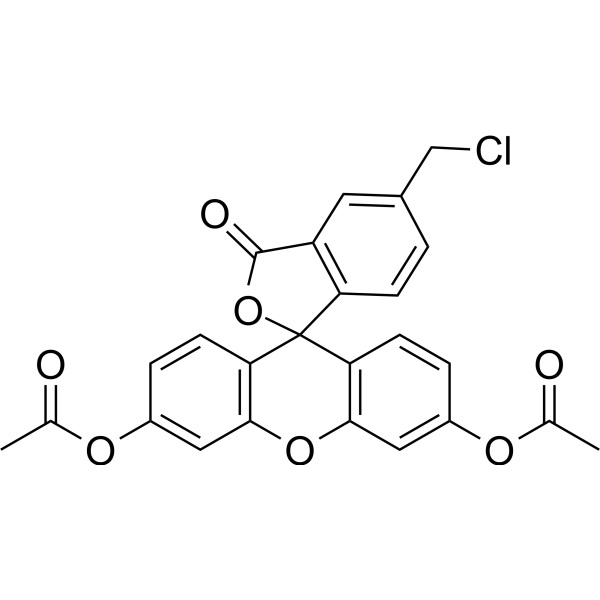
Green CMFDA is a cell-permeable fluorescent probe with Em of 514 nm and Ex of 485 nm and can be used as a cell tracer. Green CMFDA can be cleaved by non-specific esterases common in living cells, producing a fluorescent compound, fluorescein, visible using a fluorescent microscope .
Glutathione ethyl ester is a cell-permeable GSH donor and provides an efficient supply of GSH to the oocyte. Glutathione ethyl ester shows positive effect on the in vitro production of embryos by enhancement of the antioxidative defense .
Esterase, pig liver (CESs), namely carboxylate hydrolases, are widely distributed in nature, commonly found in mammalian liver, and often used in biochemical research. Esterase catalyzes the hydrolysis of a variety of endogenous and exogenous substrates, including esters, thioesters, carbamates, and amides, hydrolyzing carboxylic acid esters to the corresponding alcohols and carboxylic acids .
Butyrylcholinesterase (BCHE), Horse Serum (BCHE, BuChE, PCHE, pseudocholinesterase, plasma cholinesterase, Acylcholine acyl-hydrolase, Choline esterase, butyryl) is a biological material or organic compound that can be used in life science research .
Green CMFDA (solution) is a cell-permeable fluorescent probe with Em of 514 nm and Ex of 485 nm and can be used as a cell tracer. Green CMFDA can be cleaved by non-specific esterases common in living cells, producing a fluorescent compound, fluorescein, visible using a fluorescent microscope . Solvent and concentration: DMSO: 10 mM
4-Nitrophenyl palmitate (4-Nitrophenyl hexadecanoate) is a chromogenic substrate for lipases and esterases. Upon enzymatic hydrolysis, 4-Nitrophenyl palmitate releases p-nitrophenol, which can be quantified by colorimetric detection at 410 nm as a measure of enzymatic activity. 4-Nitrophenyl palmitate is used to characterize the activity of various bacterial and mammalian enzymes, including those from Burkholderia and porcine pancreatic lipase .
Enocyanin is an anthocyanin extracted from grapes. Enocyanin shows inhibitory effect on the leucine aminopeptidase, acid phosphatase, γ-glutamyl transpeptidase and esterase activity .
Cholesterol esterase, Pseudomonas is an enzyme that hydrolyzes cholesterol ester to cholesterol and free fatty acid in the intestinal lumen. Cholesterol synthesized in the acinar cells and is stored in zymogen granules. Cholesterol esterase is also known as bile salt-stimulated lipase and carboxy ester lipasea, acts function for acceleration of cholesterol absorption .
Zinquin ethyl ester is a cell-permeable and lipophilic fluorescent derivative of Zinquin (HY-D0982). Zinquin ethyl ester reacts with protein-bound Zn 2+ in cells and forms fluorescent ternary adducts. Zinquin ethyl ester undergoes hydrolysis by intracellular esterases impeding its efflux across the plasma membrane (Ex/Em = 370/470 nm) .
Alpha-lipoic acid choline ester (EV 06) chloride is choline ester of alpha-lipoic acid. Alpha-lipoic acid choline ester chloride reduces the disulfide bond level of lens proteins. Alpha-lipoic acid choline ester chloride improves lens elasticity. Alpha-lipoic acid choline ester chloride is hydrolyzed by ocular esterases to release alpha-lipoic acid and choline. Alpha-lipoic acid choline ester chloride is used for the research of presbyopia .
Ac-H-FluNox is an acetylated cell-compatible prodrug of H-FluNox (HY-D2339). Ac-H-FluNox undergoes intracellular hydrolysis of its acetyl group by esterases to generate H-FluNox, which then undergoes a deoxygenation reaction with labile heme to form a fluorescent product. Ac-H-FluNox detects fluctuations of labile heme in living cells, acute labile heme release upon nitric oxide stimulation, and accumulation of labile heme following inhibition of heme export proteins .
DDAO is a promising near-infrared (NIR) red fluorescent probewith tunable excitation wavelength (600-650nm) and longemission wavelength(λem=656nm). DDAO can de desiged for detection of the activities of different enzymes such asβ-galactosidase,sulfatase, proteinphosphatase2A,carboxylesterase 2, humanalbumin andesterases .
AA26-9 is a potent and broad spectrum serine hydrolase inhibitor. AA26-9 targets included serine peptidases, lipases, amidases, esterases, and thioesterases. AA26-9 shows inhibitory activity against approximately 1/3 of the 40+ serine hydrolases detected in immortalized T cell lines .
5 (6)-Carboxy-2',7'-dichlorofluorescein diacetate is a fluorescein-based reactive oxygen species (ROS) probe and also a MRP2 substrate. 5 (6)-Carboxy-2',7'-dichlorofluorescein diacetate serves as a substrate for intracellular esterases, which cleave its acetate groups to generate a fluorescent product capable of detecting intracellular ROS. 5 (6)-Carboxy-2',7'-dichlorofluorescein diacetate is ATP-dependent and is transported via a single MRP2 binding site; it competes with LTC4 for MRP2 binding sites and inhibits MRP2-mediated LTC4 transport (Ex/Em = 496/525 nm) .
Cholesterol esterase, Porcine pancreas is an enzyme that hydrolyzes cholesteryl esters into cholesterol and free fatty acids in the intestine. Cholesterol esterase, also known as bile salt-stimulated lipase or carboxyl ester lipase, functions to promote cholesterol absorption .
ETZ (C3-CA-DTZ) is a promising luciferase substrate (prosubstrate) activatable in vivo by nonspecific esterase to enhance the brain delivery of the luciferin .
Etilevodopa (L-Dopa ethyl ester), an ethyl-ester proagent of Levodopa, is rapidly hydrolyzed to Levodopa and ethanol by nonspecific esterases in the gastrointestinal tract. Etilevodopa is used for the treatment of Parkinson disease (PD). Levodopa is the direct precursor of dopamine and is a suitable proagent as it facilitates CNS penetration and delivers dopamine .
5-CFDA-AM is a cell-permeable esterase substrate that can be used as an active probe to measure enzyme activity and cell membrane integrity. 5-CFDA-AM is electroneutral and can enter the cell at a lower concentration than CFDA, where it is hydrolysed by intracellular esterases to produce carboxyfluorescein, which contains an additional negative charge and can be better retained in the cell. 5-CFDA-AM can be used to detect cell viability .
Feruloyl esterase plays a major role in the degradation of plant biomass. Feruloyl esterase catalyzes the cleavage and formation of ester bonds between plant cell wall polysaccharide and phenolic acid .
ProAX is an AXP prodrug which enhances intracellular ATP levels without inducing cytotoxicity. ProAX can be metabolized by intracellular enzymes such as esterases and phosphoamidases, resulting in the conversion to AMP, ADP, and ATP. ProAX has potential applications in the research of bioenergetic-molecule therapeutics .
4-Methylumbelliferyl butyrate (4-MUB) is a coumarin-based fluorogenic substrate used for the identification of M. catarrhalis C4- esterase. 4-Methylumbelliferyl butyrate can converse to the blue-emissive 4-methylumbelliferone (4-MU; HY-N0187) .
Dipivefrin hydrochloride (Dipivefrine hydrochloride) is an antiglaucoma proagent that is hydrolyzed to the active compound, epinephrine, by esterases in the cornea .
Roxatidine Acetate Hydrochloride is a potent, selective, competitive and orally active histamine H2-receptor antagonist. Roxatidine Acetate Hydrochloride has antisecretory potency against gastric acid secretion. Roxatidine Acetate Hydrochloride can also suppress inflammatory responses and can be used for gastric and duodenal ulcers research. Roxatidine Acetate Hydrochloride has antitumor activity .
Fluorescein-CM2 is a fluorogenic molecule that can be used to rapidly screen esterase cut sites for protein-protein interaction-dependent (PPI-dependent) esterase activity in E. coli .
21-Desacetyldeflazacort (21-desDFZ) is the active metabolite of Deflazacort (HY-13609). Deflazacort is an anti-inflammatory and immunosuppressant. Deflazacort is an inactive pro-drug which can be rapidly converted by esterases to the active metabolite 21-desacetyldeflazacort after oral administration .
C1 Esterase Inhibitor (Human) is a C1 Esterase inhibitor derived from human plasma. C1 Esterase Inhibitor (Human), a glycoprotein, is a serum protease inhibitor (serpin) that binds covalently and inactivates C1r, C1s, and mannan-binding protein-associated proteases (MASPs). C1 Esterase Inhibitor (Human) has anti-inflammatory effects. C1 Esterase Inhibitor (Human) can be used to prevent angioedema attacks associated with hereditary angioedema .
Cholesterol esterase, Candida cylindracea is an enzyme located in the intestines that hydrolyzes cholesterol esters into cholesterol and free fatty acids. Also known as bile salt-stimulated lipase or carboxylester lipase, this enzyme facilitates cholesterol metabolism and absorption in the body. It can also be used as a biochemical reagent, and is employed in conjunction with cholesterol oxidase (HY-P2848) to measure cholesterol levels .
Etilevodopa (L-Dopa ethyl ester) hydrochloride, an ethyl-ester proagent of Levodopa, is rapidly hydrolyzed to Levodopa and ethanol by nonspecific esterases in the gastrointestinal tract. Etilevodopa hydrochloride is used for the treatment of Parkinson disease (PD). Levodopa is the direct precursor of dopamine and is a suitable proagent as it facilitates CNS penetration and delivers dopamine .
Diacetinase, Bacillus subtilis is a member of the esterase family and is responsible for catalyzing the hydrolysis of diacetin. This enzyme is used in the measurement of lipase activity .
5(6)-Carboxynaphthofluorescein diacetate is a fluorescent substrate for esterase assays that can be cleaved by intracellular esterases, producing red fluorescence to measure enzyme activity (Ex = 590 nm; Em = 645 nm) .
Naphthol AS-D, in the form of its chloroacetate, can be used to demonstrate the esterase activity of human myeloid cells and contribute to research related to white blood cells .
Fura-4F AM is a cell-permeant fluorescent calcium indicator. Upon entering the cell, this probe is hydrolyzed by cytosilic esterases and trapped as the active chelator.
CEase-IN-1 (Compound A1H3) is a potent and selective cholesterol esterase (CEase) inhibitor with an IC50 of 0.36 μM. CEase-IN-1 can be used for the research of hypercholesterolemia .
Monocrotophos-d6 is the deuterium labeled Monocrotophos. Monocrotophos. Monocrotophos is an organophosphate insecticide with broad application in crops. Monocrotophos inhibits the activity of the acetylcholine esterase (AChE) enzyme and affects the neurotransmission between neurons .
4-Methylumbelliferyl nonanoate is a fluorogenic substrate of esterases. 4-Methylumbelliferyl nonanoate can be hydrolyzed to 4-methylumbelliferone with bright blue fluorescence .
21-Desacetyldeflazacort (Standard) is the analytical standard of 21-Desacetyldeflazacort. This product is intended for research and analytical applications. 21-Desacetyldeflazacort (21-desDFZ) is the active metabolite of Deflazacort (HY-13609). Deflazacort is an anti-inflammatory and immunosuppressant. Deflazacort is an inactive pro-drug which can be rapidly converted by esterases to the active metabolite 21-desacetyldeflazacort after oral administration .
Esprolol hydrochloride is an orally active and potent β-adrenergic receptor antagonist. Esprolol hydrochloride undergoes rapid metabolism by blood and tissue esterases to form an active metabolite, amoxolol. Esprolol hydrochloride is promising for research of exertional angina .
Esprolol is an orally active and potent β-adrenergic receptor antagonist. Esprolol is rapidly metabolized by blood and tissue esterases to form the active metabolite amoxolol. Esprolol holds potential for research in exercise-induced angina .
6-Bn-cAMP is a site-selective activator of cAMP-dependent protein kinase (PKA) which does not activate Epac. 6-Bn-cAMP increases hydrolytic stability against PDE, esterases, amidases and considerably higher membrane permeability compared to cAMP .
Zanapezil (TAK-147) is a potent, reversible and selective acetylcholine esterase (AChE) inhibitor. Zanapezil shows a potent and reversible inhibition of AChE activity in homogenates of the rat cerebral cortex (IC50=51.2 nM). Zanapezil shows a moderate inhibition of muscarinic M1 and M2 receptor binding with Ki values of 234 and 340 nM, respectively. Zanapezil can be used for the research of early stages of Alzheimer's disease (AD) .
Zanapezil (TAK-147) fumarate is a potent, reversible and selective acetylcholine esterase (AChE) inhibitor. Zanapezil fumarate shows a potent and reversible inhibition of AChE activity in homogenates of the rat cerebral cortex (IC50=51.2 nM). Zanapezil fumarate shows a moderate inhibition of muscarinic M1 and M2 receptor binding with Ki values of 234 and 340 nM, respectively. Zanapezil fumarate can be used for the research of early stages of Alzheimer's disease (AD) .
Zanapezil (TAK-147) free base is a potent, reversible and selective acetylcholine esterase (AChE) inhibitor. Zanapezil free base shows a potent and reversible inhibition of AChE activity in homogenates of the rat cerebral cortex (IC50=51.2 nM). Zanapezil free base shows a moderate inhibition of muscarinic M1 and M2 receptor binding with Ki values of 234 and 340 nM, respectively. Zanapezil free base can be used for the research of early stages of Alzheimer's disease (AD) .
OT-551 (free base) is a lipophilic, disubstituted hydroxylamine with antioxidant properties. OT-551 can be used as an eye drop and can be converted by intraocular esterases to its active metabolite, Tempol-H (TP-H). OT-551 can be utilized in geographic atrophy and macular degeneration research .
1,4-Diacetoxy-2,3-dicyanobenzene is a cell-permeable fluorescent probe. 1,4-Diacetoxy-2,3-dicyanobenzene crosses the cell membrane and is cleaved by cytosolic esterases to the fluorescent pH indicator 2,3-dicyano-hydroquinone (DCH). 1,4-Diacetoxy-2,3-dicyanobenzene can be used to monitor intracellular pH .
Etilevodopa (hydrochloride) (Standard) is the analytical standard of Etilevodopa (hydrochloride). This product is intended for research and analytical applications. Etilevodopa (L-Dopa ethyl ester) hydrochloride, an ethyl-ester proagent of Levodopa, is rapidly hydrolyzed to Levodopa and ethanol by nonspecific esterases in the gastrointestinal tract. Etilevodopa hydrochloride is used for the treatment of Parkinson disease (PD). Levodopa is the direct precursor of dopamine and is a suitable proagent as it facilitates CNS penetration and delivers dopamine[1][2][3].
C1s Enzyme is a subunit of the complement C1 complex, which activates the complement as a serine protease. C1s Enzyme cleaves LRP5 and LRP6, and thus activates the Wnt/β-Catenin signaling pathway. C1s Enzyme promotes the macrophage M2 polarization and inhibits M1 polarization. C1s Enzyme enhances efferocytosis, exhibits anti-inflammatory activity .
SN-38-CM2 is a split esterase, and shows >95% conversion to SN-38 within 5 min in vitro. SN-38-CM2 induces protein-protein interactions (PPI)-dependent esterase to mediate cell death in MDA-MB-231 cells .
Dipivefrin-d6 (hydrochloride) is deuterium labeled Dipivefrin (hydrochloride). Dipivefrin hydrochloride (Dipivefrine hydrochloride) is an antiglaucoma proagent that is hydrolyzed to the active compound, epinephrine, by esterases in the cornea .
Naphthol AS-D acetate (3-(O-tolylcarbamoyl)naphthalen-2-yl acetate) is used in histological studies as a histochemical substrate for esterase localization .
Dipivefrin (hydrochloride) (Standard) is the analytical standard of Dipivefrin (hydrochloride). This product is intended for research and analytical applications. Dipivefrin hydrochloride (Dipivefrine hydrochloride) is an antiglaucoma proagent that is hydrolyzed to the active compound, epinephrine, by esterases in the cornea .
Photoactive esterase probe is a photoactivatable fluorescent probe for esterase. Photoactive esterase probe is used for the detection and imaging of esterase activity in living cells .
Cholesterol esterase, PEG Modified, is a polyethylene glycol (PEG) modified cholesterol esterase. Cholesterol esterase is an enzyme that catalyzes the hydrolysis of cholesterol esters into sterols and fatty acids.
Esterase, Schizophyllum commune Cholesterol (EC 3.1.1.13) belongs to the family of hydrolases, specifically those acting on carboxylic ester bonds. Esterase participates in bile acid biosynthesis.
Cholesterol esterase, Schizophyllum commune is an enzyme that catalyzes the hydrolysis of cholesterol esters into free cholesterol and fatty acids, facilitating the absorption of cholesterol in the intestine.
Cholesterol esterase, Schizophyllum commune can be used in combination with cholesterol oxidase to measure cholesterol content .
Acetyl xylan esterase, Cellvibrio japonicus (EC 3.1.1.72) is an enzyme that catalyzes a chemical reaction, the deacetylation of xylans and xylo-oligosaccharides. Acetyl xylan esterase, Cellvibrio japonicus (EC 3.1.1.72) belongs to the family of hydrolases, specifically those acting on carboxylic ester bonds.
Acetyl xylan esterase, Clostridium thermocellum (EC 3.1.1.72) is an enzyme that catalyzes a chemical reaction, the deacetylation of xylans and xylo-oligosaccharides. Acetyl xylan esterase, Clostridium thermocellum (EC 3.1.1.72) belongs to the family of hydrolases, specifically those acting on carboxylic ester bonds.
Cholesterol esterase, Candida Rugosa (EC 3.1.1.13), catalyzes the synthesis of sterols and fatty acids from sterol esters. In the presence of bile acids, it aggregates to form a hexamer, which may be the active form of this enzyme.
3'-O-Bn-GTP (3'-O-Benzyl-5'-O-guanosine triphosphate) sodium (CAP-164) is an analog of GTP. 3'-O-Bn-GTP sodium has a higher stability against esterases .
Pinkment-OAc is an AND logic gate-based dual-analyte-dependent fluorescence inducer (Ex/Em = 545 nm/590 nm) that can be used for the simultaneous detection of hydrogen peroxide (H2O2) and esterases (e.g., porcine liver esterase PLE). Pinkment-OAc triggers a fluorescent response only when both esterase and hydrogen peroxide are present .
Bis (picolinoyl) fluorescein is a Cu 2+esterase activity probe with both fluorogenic and chromogenic properties. Bis (picolinoyl) fluorescein enables quantitative analysis of free Cu 2+, as well as detection of esterolytic activity of Cu bound to organic ligands or biomolecules .
5-Monobutyl methotrexate (NSC 305986; γ-MBMTX) is a dihydrofolate reductase (DHFR) inhibitor and esterase substrate. 5-Monobutyl methotrexate is hydrolyzed by esterases to produce methotrexate. In rhesus monkeys, 5-Monobutyl methotrexate clears more slowly from cerebrospinal fluid than from serum, and its serum protein binding rate exceeds 99%. At the same dose rate, 5-Monobutyl methotrexate achieves cerebrospinal fluid concentrations comparable to those of Methotrexate (HY-14519), and exhibits activity against Methotrexate-resistant cells (with transport defects) that is comparable to that against sensitive parental cells. 5-Monobutyl methotrexate can be used in studies related to Methotrexate-resistant tumors .
Tripropionin (Glycerol tripropionate) is a triglyceride that can be hydrolyzed by carboxylic esterase from carrots. Tripropionin can serve as the oil phase for constructing high-performance lipid nanoemulsion droplets, enabling efficient encapsulation of Combretastatin A4 (HY-N2146) to achieve its stable storage and controlled release .
PF-04475270 is a prodrug of CP-734432 (HY-119236), as well as an agonist of the EP4 prostaglandin receptor, with IC50 values of 2 nM and 8 nM against human and canine sources, respectively. PF-04475270 is rapidly hydrolyzed into its active metabolite CP-734432 by ocular esterases or corneal homogenate, stimulates cAMP production, and activates cAMP response element-mediated β-lactamase activity in cells expressing EP4. PF-04475270 can be used in research related to glaucoma .
Roxatidine (Acetate Hydrochloride) (Standard) is the analytical standard of Roxatidine (Acetate Hydrochloride). This product is intended for research and analytical applications. Roxatidine Acetate Hydrochloride is a potent, selective, competitive and orally active histamine H2-receptor antagonist. Roxatidine Acetate Hydrochloride has antisecretory potency against gastric acid secretion. Roxatidine Acetate Hydrochloride can also suppress inflammatory responses and can be used for gastric and duodenal ulcers research. Roxatidine Acetate Hydrochloride has antitumor activity .
Sulfatase, Abalone (EC 3.1.6.1) is an esterase that catalyzes the hydrolysis of sulfate esters. Sulfatase, together with sulfotransferases, constitutes the main catalytic mechanism for the synthesis and hydrolysis of sulfate esters.
4-Nitrophenyl stearate, which is an ester formed by the condensation of stearic acid and 4-nitrophenol, is commonly used as a substrate for enzymatic assays, where the hydrolysis of ester bonds by esterase and lipase can be measured by absorbance or ratio In addition, 4-Nitrophenyl stearate has been used as a model compound to study the enzymatic activity and selectivity of lipases and esterases from various sources. The long hydrophobic tail of the molecule makes it suitable for use in lipophilic Good solubility in the environment makes it a useful probe for studying lipid metabolism.
Sulfatase, Aerobacter aerogenes (EC 3.1.6.1) is an esterase that catalyzes the hydrolysis of sulfate esters. Sulfatase, together with sulfotransferases, constitutes the main catalytic mechanism for the synthesis and hydrolysis of sulfate esters.
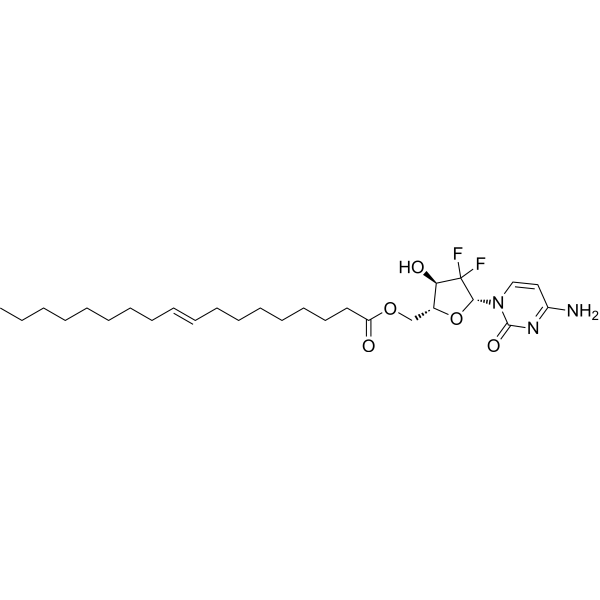
Gemcitabine elaidate (CP-4126) is lipophilic pro-agent of Gemcitabine. Gemcitabine elaidate is converted to Gemcitabine by esterases in order to be phosphorylated. Gemcitabine elaidate exhibits anti-tumor activity .
25-Desacetyl rifampicin (Desacetylrifampicin) is a metabolite of Rifampin (HY-B0272) via β-esterase. Rifampicin is a potent and broad spectrum antibiotic against bacterial pathogens .
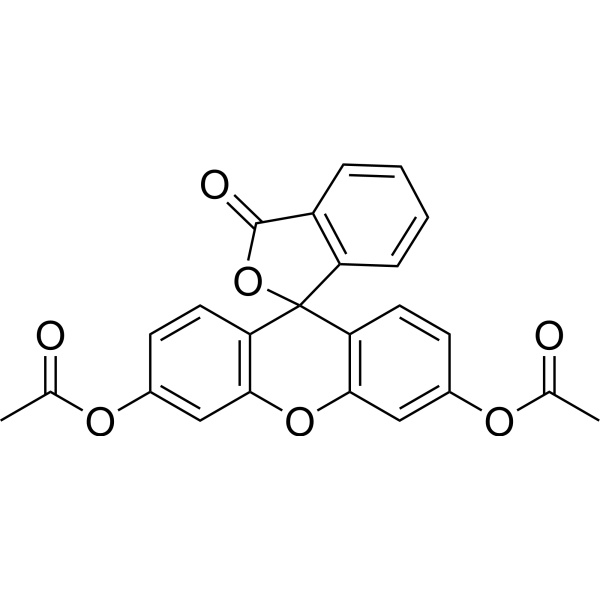
Fluorescein Diacetate (Standard) is the analytical standard of Fluorescein Diacetate. This product is intended for research and analytical applications. Fluorescein diacetate is a cell permeable esterase-substrate. Fluorescein diacetate can be used as a fluorogenic substrate for hGSTP1-1.
Calcium Green 1AM is a cell-permeant fluorescent calcium indicator (Excitation 506 nm; Emission 531 nm). Calcium Green 1AM is converted to the fluorescent calcium indicator by intracellular esterases .
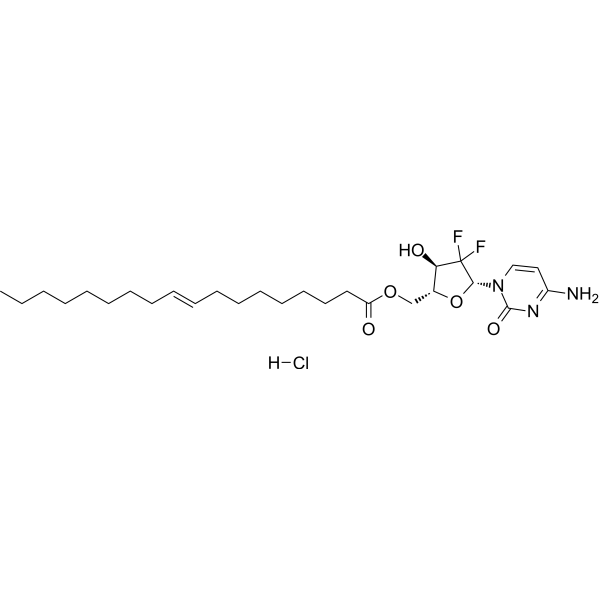
Gemcitabine elaidate (CP-4126) hydrochloride is lipophilic pro-agent of Gemcitabine. Gemcitabine elaidate hydrochloride is converted to Gemcitabine by esterases in order to be phosphorylated. Gemcitabine elaidate hydrochloride exhibits anti-tumor activity .
Sulfatase, Patella vulgata (keyhole limpet) (EC 3.1.6.1) is an esterase that catalyzes the hydrolysis of sulfate esters. Sulfatase, together with sulfotransferases, constitutes the main catalytic mechanism for the synthesis and hydrolysis of sulfate esters.
Notum-IN-2 is a partially brain-penetrant Notum carboxyl-esterase inhibitor with an IC50 of 18 nM. Notum-IN-2 can be used as a chemical tool for exploring Wnt signalling in cells .
Aeromonas proteolytica aminopeptidase is an aminopeptidase from Aeromonas proteolytica. Aeromonas proteolytica aminopeptidase can function as an esterase. Aeromonas proteolytica aminopeptidase can catalyze the hydrolysis of L-leucine ethyl ester (L-Leu-OEt) with a Km of 700 µM .
D-Xylose 2,3,4,5-tetraacetate is a competitive substrate analog targeting acetyl xylan esterases (AXEs). D-Xylose 2,3,4,5-tetraacetate is promising for research of lignocellulosic biomass degradation .
4,4'-Dimethoxybenzil (Standard) is the analytical standard of 4,4'-Dimethoxybenzil (HY-103610). This product is intended for research and analytical applications. 4,4'-Dimethoxybenzil is a human intestinal carboxyl esterase (hiCE) inhibitor with Ki of 70 nM.
Diethylumbelliferyl phosphate (DEUP), a selective and potent inhibitor of cholesterol esterase, does not inhibit protein kinase activity A in vitro, and it effectively disrupts steroidogenesis by blocking the transport of cholesterol into the mitochondria of steroidogenic cells, with an IC50 of 11.6 μM, potentially limiting dietary cholesterol absorption.
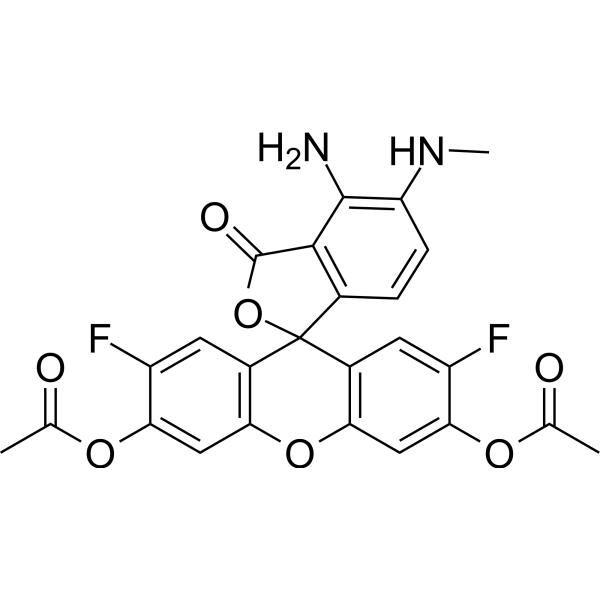
DAF-FM DA (Diaminofluorescein-FM diacetate) is a fluorescent probe for the detection and bioimaging of nitric oxide (NO). DAF-FM DA spontaneously crosses the plasma membrane and is subsequently cleaved by esterases to generate intracellular DAF-FM (Ex/Em=495/515 nm) .
31hP is an asymmetric A 3 lipid. 31hP can facilitate in vivo luciferase expression. 31hP can be rapidly degraded in the presence of esterase owing to two biocleavable ester bonds. 31hP can be used in the synthesis of lipid nanoparticles (LNPs) .
KBR 2822 is an inhibitor of neurological target esterase (NTE) and has an inhibitory effect on AChE. KBR 2822 can aggravate neurological damage under certain conditions, but does not cause neurological disease when used alone in the absence of direct neurotoxicity or biochemical damage.
Tefinostat (CHR-2845) is a monocyte/macrophage targeted histone deacetylase (HDAC) inhibitor. Tefinostat can be cleaved into active acid CHR-2847 by the intracellular esterase human carboxylesterase-1 (hCE-1). Tefinostat can be used for the research of leukaemias .
Pibrozelesin (KW 2189 free base) is the derivative of antibiotic Duocarmycin B2. Pibrozelesin exhibits antitumor activity, inhibits proliferation of cell H69 with an IC50 of 1.9 μM. Pibrozelesin induces the DNA strand breaks upon activation via carboxyl esterase .
Propionylcholine (p-toluenesulfonate) is an organic compound commonly used in biochemical research and neuroscience research. It can be used to study cholinergic signal transduction and esterase activity, and is widely used in biomedical research and pharmacological research. In addition, this compound is also used as a substrate or catalyst in certain biochemical reactions.
CS790AM (Coppersensor 790 acetoxymethyl ester) is a cell-permeable, Cu +-targeted near-infrared fluorescent probe (λabs=760 nm, λem=790 nm) applicable to live cells. CS790AM can cross lipophilic cell membranes, and is converted into negatively charged CS790 under the action of intracellular esterases to be retained, thus enabling highly sensitive, reversible "turn-on" detection of labile Cu + pools in live cells and mice. CS790AM possesses excellent biocompatibility and selectivity, avoids interference from other metal ions, shows no obvious toxicity, and can be rapidly cleared. CS790AM allows long-term longitudinal monitoring of individual mice, visualizes copper levels in internal organs and isolated livers, and effectively evaluates abnormal copper accumulation in Wilson's disease models (Atp7b -/-) as well as dynamic changes after chelator treatment. CS790AM can be used for research on Wilson's disease and related copper metabolic disorders .
DAF-FM DA (Diaminofluorescein-FM diacetate) (solution) is a fluorescent probe for the detection and bioimaging of nitric oxide (NO). DAF-FM DA spontaneously crosses the plasma membrane and is subsequently cleaved by esterases to generate intracellular DAF-FM (Ex/Em=495/515 nm) . Solvent and concentration: DMSO: 2 mM
IR-117-17 is an ionizable cationic amino lipid, targeting conducting airways of the lung. IR-117-17 could be degraded via esterase cleavage and thus be unlikely to accumulate upon repeated dosing . It can be used in research related to diseases that manifest outside alveolar spaces.
5-Bromo-1H-indol-3-yl octanoate is a chromogenic substrate for esterase with C8 activity. 5-Bromo-1H-indol-3-yl octanoate yields a blue precipitate when cleaved.
Itopride (HSR803) hydrochloride is a potent dopamine-2 antagonist and an acetylcholine esterase (AChE) inhibitor. Itopride hydrochloride enhances gastric motility through both antidopaminergic and anti-acetylcholinesterasic actions, can be used as a gastrointestinal prokinetic agent. Itopride can be used for researching gastro-esophageal reflux disease (GERD) .
Ebelactone A is a mycolic acid β-lactone, which exhibits inhibitory activity for esterase, lipase, fMet aminopeptidase (fMet AP) and PNBase, with IC50s of 56, 3, 8 and 7.5 μM, respectively . Ebelactone A inhibits cutinase, exhibits plants protective potency against Erysiphe graminis .
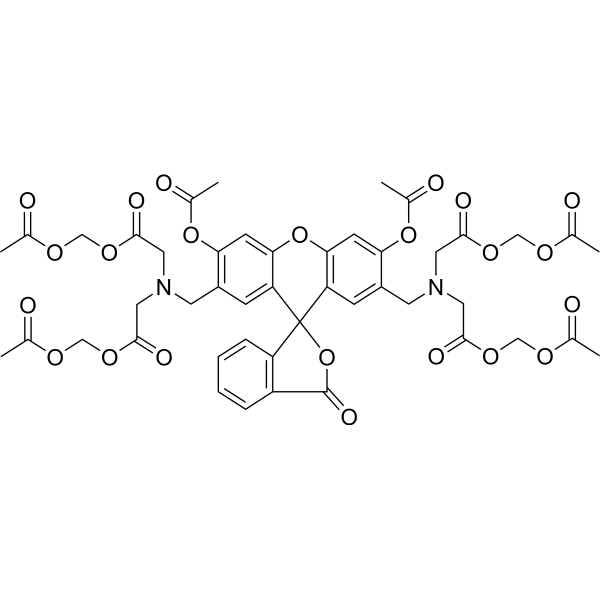
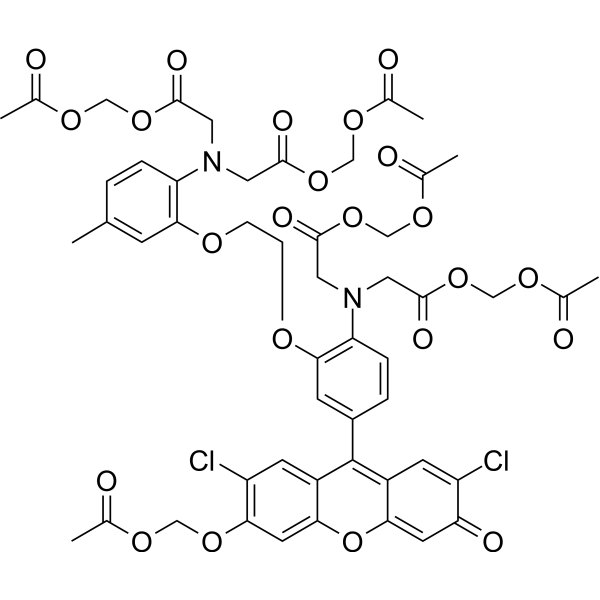
5,5'-Dinitro BAPTA AM is a membrane-permeant, high-affinity calcium chelator, it can be used for investigation of the role of cytosolic Ca 2+. 5,5'-Dinitro BAPTA AM can be loaded by incubation into live cells, and is cleaved by cytosolic esterases to liberate the active tetra-carboxylate ligand .
Endoproteinase Arg-C is a serine endoproteinase that hydrolyzes peptide bonds on the carboxyl side of arginyl residues and has esterase and amidase activities. Endoproteinase Arg-C can be isolated from Clostridium histolyticum. Endoproteinase Arg-C is of mass spectrometry grade and can be used for peptide mapping, sequence analysis, cell separation .
TAOA AM Ester trimethyl lock is a high-affinity fluorescent prodrug-like inhibitor of the excitatory amino acid transporter (EAAT). It can penetrate the cell membrane and be activated by hydrolysis by endogenous cell esterases to form active EAAT inhibitors. TAOA AM Ester trimethyl lock can be used to study neurodegeneration and neuronal cell death .
Chloramphenicol palmitate is an orally active prodrug of Chloramphenicol (HY-B0239), obtained from the esterification reaction between the agent and Palmitic acid (HY-N0830). Chloramphenicol palmitate is rapidly and completely hydrolyzed by intestinal esterase, releasing Chloramphenicol. Chloramphenicol is an orally effective broad-spectrum antibiotic .
DTS-108 is a prodrug of SN38 (HY-13704) (a Topoisomerase I inhibitor). DTS-108 is a conjugate generated by linking SN38 to a human oligopeptide via an esterase sensitive cross-linker. DTS-108 exhibits anti-tumor activity against colorectal, lung, and mammary cancer .
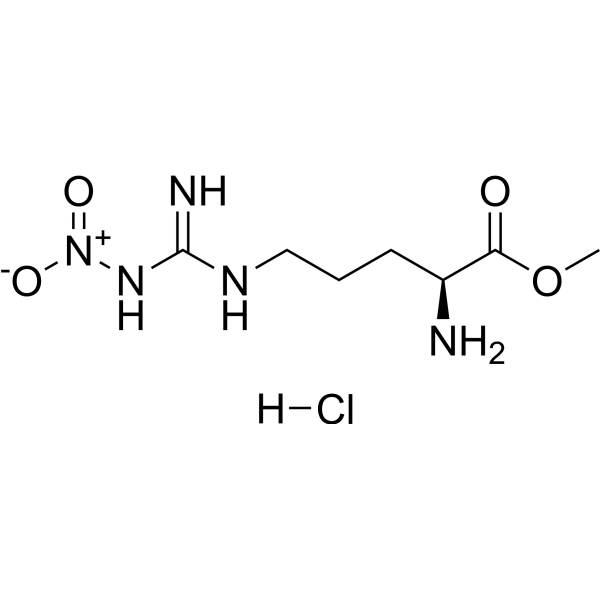
L-NAME hydrochloride inhibits NOS with an IC50 of 70 μM. L-NAME is a precursor to NOS inhibitor L-NOARG which has an IC50 value of 1.4 μM. L-NAME hydrochloride requires hydrolysis of the methyl ester by cellular esterases to become a fully functional inhibitor. L-NAME hydrochloride can be used to induce hypertension and preeclampsia models.
DDAO phosphate diammonium is a fluorescent phosphatase substrate. DDAO phosphate diammonium has tunable excitation wavelength (600-650nm) and long emission wavelength (λem=656nm). DDAO phosphate diammonium can be used to detect the activity of different enzymes such as β-galactosidase, sulfatase, protein phosphatase 2A, carboxylesterase 2, human albumin and esterase.
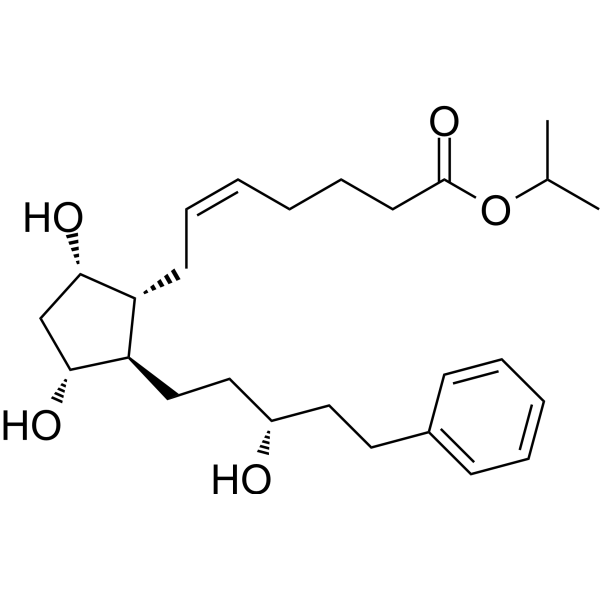
Latanoprost (PHXA41) is a prostaglandin F2α analogue and can be used for glaucoma research. Latanoprost can effectively pass through cornea and be hydrolyzed by esterase to latanoprost acid. latanoprost acid is an F-prostaglandin (FP) receptor agonist, and can effectively reduce intraocular pressure (IOP) by increasing the outflow of aqueous humor through uvea .
L-NAME inhibits NOS with an IC50 of 70 μM. L-NAME is a precursor to NOS inhibitor L-NOARG which has an IC50 value of 1.4 μM. L-NAME requires hydrolysis of the methyl ester by cellular esterases to become a fully functional inhibitor. L-NAME can be used to induce hypertension and preeclampsia models.
Itopride (HSR803 free base) is a potent and orally active dopamine-2 antagonist and an acetylcholine esterase (AChE) inhibitor. Itopride enhances gastric motility through both antidopaminergic and anti-acetylcholinesterasic actions, can be used as a gastrointestinal prokinetic agent. Itopride can be used for researching gastro-esophageal reflux disease (GERD) .
Clostripain (Clostridiopeptidase B) is a thiol protease isolated from Clostridium histolyticum. Clostripain exhibits proteolytic activity as well as amidase-esterase activity. The specificity of Clostripain is primarily restricted to arginine residues, but it also shows minor hydrolytic activity toward most lysine-containing substrates. Clostripain catalyzes the ammonolysis of Carbobenzoxyarginyl methyl ester to generate various dipeptides .
4-Nitrophenyl octanoate (p-Nitrophenyl caprylate) is an aromatic ester compound which can be used as a substrate for pancreatic lipase.
4-Nitrophenyl octanoate contains an ester bond that can be hydrolyzed under the action of lipase, releasing p-nitrophenol as a yellow product.
4-Nitrophenyl octanoate can be used to assay the activities of lipases and esterases .
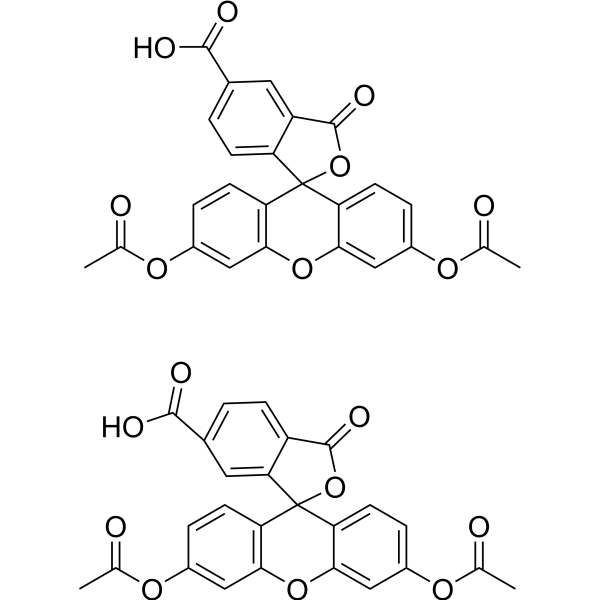
5(6)-CFDA is a common aliphatic luciferin-line organism. CFDA conducts free diffusion into cells, and then it is hydrolyzed into carboxyl fluorescein (CF) by intracellular non-specific lipase. CF containing portion contains an additional negative charge so that it is better retained in cells, compared to fluorescein dyes .
Aripiprazole lauroxil, an N-acyloxymethyl proagent of Aripiprazole (HY-14546), is a Long-acting injectable (LAI) typical antipsychotic for schizophrenia and a ligand of dopamine receptor D2R/D4R. Aripiprazole lauroxil is cleaved by body’s enzyme esterase to N-hydroxymethyl aripiprazole (plus lauric acid) and then to aripiprazole (plus formaldehyde), no toxicity.
Vinclozolin M2 is an active metabolite of vinclozolin. It is formed from vinclozolin by successive esterase activity and decarboxylation of vinclozolin in C. elegans and by decarboxylation in human liver microsomes. Vinclozolin M2 is an antagonist of the mineralocorticoid receptor (IC50=1,400 nM) and androgen receptor (IC50=0.17 nM) in reporter assays using MCF-7 cells.
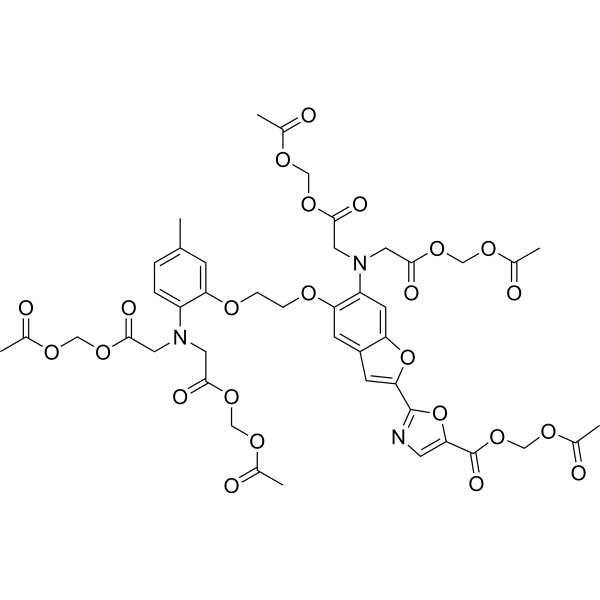
Fura-2 AM is a membrane permeable, intracellular, UV light-excitable and ratiometric fluorescent Ca 2+ (calcium ion) indicator. Fura-2 AM crosses cell membranes and is converted to Fura-2 (HY-D0110A) via cellular esterases. Fura-2 AM can be used to detect calcium in cells.
5-Hydroxymethyl tolterodine (formate) (PNU-200577 (formic)) is an active metabolite of the muscarinic acetylcholine receptor antagonists Tolterodine (HY-A0024) and Fesoterodine (HY-70053). 5-Hydroxymethyl tolterodine (formate) is formed from tolterodine by the cytochrome P450 (CYP) isoform CYP2D6 and from fesoterodine by plasma esterases.
β-D-Galactose pentaacetate is a negative regulator of insulin with plasma membrane penetrating ability and can be hydrolyzed by intracellular esterases. β-D-Galactose pentaacetate inhibits Leucine (HY-N0486)-induced insulin release in Wistar rat islets, potentially preventing excessive insulin release in pathological conditions .
BCECF-AM is a cell membrane permeable compound widely used as a fluorescent indicator for intracellular pH. BCECF-AM could diffuse through the cell membrane and intracellular esterase cleave the ester bond releasing BCECF (HY-101882). BCECF allows measurements in the physiological pH range 6.0-8.0. Excitation ratio: 490/440 nm; Emission intensity: 535 nm.
Fura-FF AM is a cell-permeable acetoxymethyl ester of fura-FF, a dluorescent calcium indicator. Fura-FF AM is hydrolyzed by intracellular esterases to release fura-FF in cells. Fura-FF is a difluorinated derivative of the calcium indicator fura-2. Compared to fura-2, fura-FF has a low affinity for calcium and is suitable for studying compartments with high concentrations of calcium.
Talniflumate (BA 7602-06) is the proagent of Niflumic acid (HY-B0493), exerting its activity in the body through conversion to niflumic acid by esterase . Talniflumate is an orally active Ca 2+-activated Cl - channel (CaCC) blocker. Talniflumate can be used as an analgesic and anti-inflammatory agent in cystic fibrosis mouse model of distal intestinal obstructive syndrome .
Tefinostat (Standard) is the analytical standard of Tefinostat (HY-106409). This product is intended for research and analytical applications. Tefinostat (CHR-2845) is a monocyte/macrophage targeted histone deacetylase (HDAC) inhibitor. Tefinostat can be cleaved into active acid CHR-2847 by the intracellular esterase human carboxylesterase-1 (hCE-1). Tefinostat can be used for the research of leukaemias .
Fluo-3 AM is a fluorecent Ca 2+ chelator, with high affinity for calcium. Fluo-3 AM can specifically identify intracellular calcium ions, with high sensitivity, low cytotoxicity, increased AM acetylmethyl ester can enter the cell well, after being sheared by the intracellular esterase stay in the cell to bind to calcium ions, produce strong fluorescence .
Clopidogrel carboxylic acid (CLPM) hydrochloride is an inactive metabolite of the widely used antiplatelet medication clopidogrel, which serves as a reference standard for quantitative analysis of clopidogrel metabolism. Clopidogrel carboxylic acid hydrochloride has been shown to represent approximately 85% of circulating clopidogrel, hydrolyzed from the active form by esterases. Clopidogrel carboxylic acid hydrochloride plays a crucial role in assessing the pharmacokinetics and bioavailability of clopidogrel in various clinical and research settings.
BCECF Acetoxymethyl ester is a cell membrane permeable compound widely-used as a fluorescent indicator for intracellular pH. BCECF Acetoxymethyl ester could diffuse through the cell membrane and intracellular esterase cleave the ester bond releasing BCECF (HY-101882). BCECF allows measurements in the physiological pH range 6.0-8.0. Excitation ratio: 490/440 nm; Emission intensity: 535 nm .
A-953227 is a highly potent and selective inhibitor with the activity of inhibiting calcium-dependent esterase (calpain). A-953227 has enhanced selectivity for related cysteine proteases (cathepsins) and has shown good efficacy in cell experiments. A-953227 has shown broad efficacy in preclinical models for Alzheimer's disease, suggesting that it has potential benefits in inhibiting Alzheimer's disease .
Itopride (hydrochloride) (Standard) is the analytical standard of Itopride (hydrochloride). This product is intended for research and analytical applications. Itopride (HSR803) hydrochloride is a potent dopamine-2 antagonist and an acetylcholine esterase (AChE) inhibitor. Itopride hydrochloride enhances gastric motility through both antidopaminergic and anti-acetylcholinesterasic actions, can be used as a gastrointestinal prokinetic agent. Itopride can be used for researching gastro-esophageal reflux disease (GERD) .
Quin-2AM is a fluorecent Ca 2+ chelator, with high affinity for calcium. Quin-2AM can specifically identify intracellular calcium ions, with high sensitivity, low cytotoxicity, increased AM acetylmethyl ester can enter the cell well, after being sheared by the intracellular esterase stay in the cell to bind to calcium ions, produce strong fluorescence .
Mag-Fluo-4 AM is a fluorecent Ca 2+ chelator, with high affinity for calcium. Mag-Fluo-4 AM can specifically identify intracellular calcium ions, with high sensitivity, low cytotoxicity, increased AM acetylmethyl ester can enter the cell well, after being sheared by the intracellular esterase stay in the cell to bind to calcium ions, produce strong fluorescence .
EDTA-AM (ethylenediaminetetraacetic acid, acetoxymethyl ester) is the membrane-permeant form of the metal chelator EDTA (HY-Y0682). Live cells passively load EDTA-AM by incubating with EDTA-AM. Once internalized, cytoplasmic esterase decomposes AM esters, releasing the active ligand EDTA, which isolates metal ions within the cell. EDTA-AM induces an arrest of mitotic progression and chromosome decondensation .
Methyl arachidonate is a protein kinase C activator and also an orally active substrate that undergoes esterase-mediated hydrolysis. Methyl arachidonate indirectly activates protein kinase C via eicosanoid metabolites generated through the arachidonic acid metabolic pathway, exerting effects via cyclooxygenase products at low concentrations and via lipoxygenase products at high concentrations. Methyl arachidonate can be used in studies related to lipodystrophy .
AZD 3043 (THRX 918661) is a positive allosteric modulator of GABA(A) receptors with sedative and hypnotic activity. AZD 3043 can enhance GABA(A) receptor-mediated chloride currents in vitro and produce hypnotic and electroencephalographic inhibitory effects in vivo. Due to its esterase-dependent metabolic pathway, it has a short duration of action and can be quickly cleared even after long-term infusion, which may have clinical application potential.
8-pCPT-cGMP-AM (8-(4-Chlorophenylthio)-cGMP-AM) is a highly membrane permeable prodrug of the PKG agonist 8-pCPT-cGMP, which increases the membrane permeability of cGMP and is converted to its active form by esterase hydrolysis within the cell, thereby activating PKG. 8-pCPT-cGMP-AM can be used to explore the role of cGMP signaling in neural plasticity and memory formation .
Fluo-3AM (solution) is a fluorecent Ca 2+ chelator, with high affinity for calcium. Fluo-3 AM can specifically identify intracellular calcium ions, with high sensitivity, low cytotoxicity, increased AM acetylmethyl ester can enter the cell well, after being sheared by the intracellular esterase stay in the cell to bind to calcium ions, produce strong fluorescence . Solvent and concentration: DMSO: 5 mM
Calcein AM, has cell membrane permeability and can easily enter the cell. Calcein AM has no fluorescence and is hydrolyzed by endogenous esterase in the cell to produce polar molecule Calcein (Calcein), which has strong negative charge and cannot permeate the cell membrane. Calcein can emit strong green fluorescence, so it is often used with Propidium Iodide for cell viability/virulence detection, excitation/emission wavelength: 494/515 nm .
Chlorbenside (Standard) is the analytical standard of Chlorbenside. This product is intended for research and analytical applications. Chlorbenside is an organochlorine pesticide. Chlorbenside targets organism such as mites and ticks and possesses efficient ovicidal and larvicidal activities .
21-Desacetyldeflazacort-d4 (21-desDFZ-d4) is the deuterium labeled 21-Desacetyldeflazacort (HY-100085). 21-Desacetyldeflazacort (21-desDFZ) is the active metabolite of Deflazacort (HY-13609). Deflazacort is an anti-inflammatory and immunosuppressant. Deflazacort is an inactive pro-drug which can be rapidly converted by esterases to the active metabolite 21-desacetyldeflazacort after oral administration .
sPLA2-IIA Inhibitor is a cyclic pentapeptide analog of FLSYK (cyclic 2-Nal-Leu-Ser-2-Nal-Arg (c2)), that binds to hGIIA (human IIA phospholipase A2) and inhibits its hydrolytic ability. sPLA2 is a member of the esterase superfamily that catalyzes the hydrolysis of the ester bond at the sn-2 position of glycerophospholipids, releasing free fatty acids such as arachidonic acid and lysophospholipids .
Caftaric acid (trans-Caftaric acid) is a polyphenolic antidiuretic, antioxidant and anti-apoptotic agent that can be hydrolyzed by intestinal microbial esterases. Caftaric acid exerts its antioxidant and potential anti-inflammatory effects mainly through intestinal microbial metabolism. Caftaric acid can reduce renal damage, restore electrolyte balance, renal function indicators and antioxidant enzyme activities in a rat albinism model, and further exert anti-oxidative stress and anti-inflammatory activities .
Fura-2 AM (solution) (Fura-2 Acetoxymethyl ester (solution)) is a membrane permeable, intracellular, UV light-excitable and ratiometric fluorescent Ca 2+ (calcium ion) indicator. Fura-2 AM crosses cell membranes and is converted to Fura-2 (HY-D0110A) via cellular esterases. Fura-2 AM can be used to detect calcium in cells. Solvent and concentration: DMSO: 1 mM
ANA975, 5-amino-3-β -D-ribofuranosyl-3H-thiazolo[4,5-d]pyrimidin-2-one derivative, is an oral prodrug of the TLR-7 agonist Isatoribine (HY-13655A). ANA975 is converted to Isatoribine via a combined mechanism of hydrolysis by esterases and oxidation by aldehyde oxidase. ANA975 can be used in the research of hepatitis C virus infection .
N,S-Diacetylcysteine methyl ester is a cysteine derivative that can increase the levels of intracellular cysteine and glutathione. N,S-Diacetylcysteine methyl ester is hydrolyzed by intracellular esterase to release cysteine, thereby promoting the synthesis of glutathione. Due to its acetylation properties, N,S-Diacetylcysteine methyl ester has better cell membrane permeability and can enter the cell more effectively. N,S-Diacetylcysteine methyl ester can be used to study the intracellular cysteine and glutathione (GSH) transport system .
Gal-dMor-Gem is a selective senescent cell scavenger, Apoptosis inducer, and a prodrug of Gemcitabine (HY-17026). Gal-dMor-Gem releases Gemcitabine upon activation by Esterases and β-gal. Gal-dMor-Gem reduces SA-β-gal, preferentially induces apoptosis in senescent cells, regulates apoptosis-related proteins, accumulates in senescent tissues, and ameliorates senescence-related organ phenotypes. Gal-dMor-Gem is applicable to research on chemotherapy-induced senescence .
Talniflumate (Standard) is the analytical standard of Talniflumate. This product is intended for research and analytical applications. Talniflumate (BA 7602-06) is the proagent of Niflumic acid (HY-B0493), exerting its activity in the body through conversion to niflumic acid by esterase . Talniflumate is an orally active Ca2+-activated Cl- channel (CaCC) blocker. Talniflumate can be used as an analgesic and anti-inflammatory agent in cystic fibrosis mouse model of distal intestinal obstructive syndrome .
4-Nitrophenyl butyrate consists of butyric acid chains esterified with 4-nitrophenol groups, thus giving it a yellow color. This compound is commonly used as a substrate in enzyme assays to measure esterase and lipase activity. When these enzymes cleave the ester bond, the nitrophenol group is released and the color changes from yellow to orange. Thus, the rate of color change can be used to determine enzyme activity. In addition, 4-Nitrophenyl butyrate can also be used as organic synthesis reagent and dye intermediate.
Chloramphenicol palmitate (Standard) is the analytical standard of Chloramphenicol palmitate (HY-B1599). This product is intended for research and analytical applications. Chloramphenicol palmitate is an orally active prodrug of Chloramphenicol (HY-B0239), obtained from the esterification reaction between the agent and Palmitic acid (HY-N0830). Chloramphenicol palmitate is rapidly and completely hydrolyzed by intestinal esterase, releasing Chloramphenicol. Chloramphenicol is an orally effective broad-spectrum antibiotic .
Aripiprazole Lauroxil (Standard) is the analytical standard of Aripiprazole Lauroxil. This product is intended for research and analytical applications. Aripiprazole lauroxil, an N-acyloxymethyl proagent of Aripiprazole (HY-14546), is a Long-acting injectable (LAI) typical antipsychotic for schizophrenia and a ligand of dopamine receptor D2R/D4R. Aripiprazole lauroxil is cleaved by body’s enzyme esterase to N-hydroxymethyl aripiprazole (plus lauric acid) and then to aripiprazole (plus formaldehyde), no toxicity.
Calcein AM (solution) , has cell membrane permeability and can easily enter the cell. Calcein AM has no fluorescence and is hydrolyzed by endogenous esterase in the cell to produce polar molecule Calcein (Calcein) , which has strong negative charge and cannot permeate the cell membrane. Calcein can emit strong green fluorescence, so it is often used with Propidium Iodide for cell viability/virulence detection, excitation/emission wavelength: 494/515 nm . Solvent and concentration: DMSO: 2 mM
Itopride-d6 (HSR803-d6 (free base)) is deuterium labeled Itopride. Itopride (HSR803 free base) is a potent and orally active dopamine-2 antagonist and an acetylcholine esterase (AChE) inhibitor. Itopride enhances gastric motility through both antidopaminergic and anti-acetylcholinesterasic actions, can be used as a gastrointestinal prokinetic agent. Itopride can be used for researching gastro-esophageal reflux disease (GERD) .
SCN2 is a esterase-responsive prodrug-based amphiphile composed of SN38 (HY-13704) and di-(triazole-[12]aneN3, N) moiety through a 7‑carbon alkyl chains. SCN2 has excellent self-assembly and reversible siRNA condensation capabilities as well as anti-proliferation activity against cancer cells. SCN2 can be used for synthesis of nanoparticles for drug delivery of lung cancer .
GL392 is a senolytic agent that selectively delivers the potent senolytic compound Dasatinib (HY-10181) to senescent cells. GL392 targets lipofuscin in senescent cells via the LBD domain and is linked to Dasatinib through an ester bond. Upon internalization in senescent cells, Dasatinib is released, inducing apoptosis of the senescent cells. GL392 in micelle encapsulation (mGL392) enables selective delivery to senescent cells, achieving selective senescent cell elimination in vitro and in vivo. GL392 can be used for the research of melanoma .
HDAC6-IN-5 (compound 11b) is a potent and BBB-penetrated HDAC6 inhibitor, with an IC50 of 0.025 μM. HDAC6-IN-5 exhibits strong inhibitory activity against Aβ1-42 self-aggregation and AChE, with IC50 values of 3.0 and 0.72 μM. HDAC6-IN-5 can enhance neurite outgrowth without significant neurotoxicity .
HDAC6-IN-6 (compound 6a) is a potent and BBB-penetrated HDAC6 inhibitor, with an IC50 of 0.025 μM. HDAC6-IN-6 exhibits strong inhibitory activity against Aβ1-42 self-aggregation and AChE, with IC50 values of 3.0 and 0.72 μM. HDAC6-IN-6 can enhance neurite outgrowth without significant neurotoxicity .
KMT9-IN-1 (Compound 8) is a KMT9 inhibitor and the ethyl ester prodrug of compound 7b. KMT9-IN-1 releases the active form 7b via esterases in cells. KMT9-IN-1 targets KMT9 in cells and reduces H4K12me1 levels. KMT9-IN-1 has antitumor activity against colon cancer. KMT9-IN-1 can be used in the research of prostate cancer and hepatocellular carcinoma .
Ampiroxicam is an orally active prodrug of non-steroidal anti-inflammatory drug (NSAID). Ampiroxicam inhibits paw swelling in adjuvant-induced arthritis and acute inflammation models, and suppresses phenylbenzoquinone-induced stretching responses in mice. Ampiroxicam is rapidly and completely converted to Piroxicam (HY-B0253) via non-specific esterases and first-pass metabolism. Ampiroxicam induces contact hypersensitivity and photosensitivity reactions through photoproducts generated by UVA. Ampiroxicam can be used in research related to photosensitivity, adjuvant-induced arthritis, rheumatism, osteoarthritis and other inflammatory diseases .
GSK3117391 (ESM-HDAC391; CHR-5154; HDAC-IN-3) is an orally active HDAC inhibitor with a IC50 of 55 nM. Using esterase-sensitive motif technology, GSK3117391 is selectively converted into its active acid metabolite HDAC189 in cells expressing carboxylesterase-1. GSK3117391 induces sustained global protein acetylation in monocytes, inhibits the production of proinflammatory cytokines, depletes circulating monocytes, downregulates the expression of CSF1R, and inhibits monocyte adhesion and differentiation. GSK3117391 can be used in the research of chronic inflammatory diseases .
AFP464 (NSC710464) is a prodrug of Aminoflavone (HY-132974) and an agonist of the aryl hydrocarbon receptor (AhR). AFP464 downregulates the expression of α6-integrin (α6-integrin), inhibits breast tumor growth, reduces the population of tumor-initiating cells, disrupts mammosphere structure, induces the formation of mucin lake clusters, triggers DNA damage, and exerts antiproliferative activity. AFP464 is rapidly converted to Aminoflavone by nonspecific esterases in plasma and cell culture media. AFP464 is applicable to research related to breast cancer .
AFP464 (NSC710464) dihydrochloride is a prodrug of Aminoflavone (HY-132974) and an agonist of the aryl hydrocarbon receptor (AhR). AFP464 dihydrochloride downregulates the expression of α6-integrin (α6-integrin), inhibits breast tumor growth, reduces the population of tumor-initiating cells, disrupts mammosphere structure, induces the formation of mucin lake clusters, triggers DNA damage, and exerts antiproliferative activity. AFP464 dihydrochloride is rapidly converted to Aminoflavone by nonspecific esterases in plasma and cell culture media. AFP464 dihydrochloride is applicable to research related to breast cancer .
CAII-IN-14 (Compound 3o) is a human carbonic anhydrase II (hCA II) inhibitor with a Ki value of 1.65 nM. CAII-IN-14 also inhibits hCA I(Ki = 6.15 nM) and hCA IX(Ki = 5.43 nM). CAII-IN-14 exhibits predicted drug-like properties .
Cefetamet pivoxyl (Ro 15-8075 free base) is an orally active cephalosporin Antibiotic and a prodrug of Cefetamet (HY-A0111). After ingestion, Cefetamet pivoxyl is hydrolyzed by gastrointestinal esterases to form Cefetamet. Cefetamet pivoxyl is primarily active against aerobic Gram-negative bacteria (such as Enterobacteriaceae, *Neisseria*, *Haemophilus*) and some Gram-positive bacteria (such as non-enterococcal streptococci). Cefetamet pivoxyl exhibits potent in vivo antibacterial activity against strains of Gram-positive bacteria (S. pyogenes) and Gram-negative bacteria (E. coli, K. pneumoniae, S. marcescens, P. vulgaris, P. mirabilis, H. influenzae) .
MS99-β-Gal (Gal-MS99) is a galactose-modified NPM-ALK PROTAC degrader. MS99-β-Gal is only hydrolyzed by SA-β-gal and esterase in senescent cancer cells, releasing MS99, which specifically degrades the NPM-ALK fusion protein. MS99-β-Gal shows an IC50 of 454.8 nM for aging Karpas 299 cells, significantly lower than that of normal Karpas 299 cells (IC50 = 2.162 μM). MS99-β-Gal can be used for the research of cancer .
Calcium is an important part of the human body, usually in the form of calcium, a large number of bones and teeth of the human body, a small amount of blood and tissues.
MCE calcium ion detection probe can specifically identify intracellular calcium ions, with high sensitivity, low cytotoxicity, increased AM acetylmethyl ester can enter the cell well, after being sheared by the intracellular esterase stay in the cell to bind to calcium ions, produce strong fluorescence, in addition, Mag-indo-1/AM and Mag-Fluo-4 AM at a certain concentration (usually 5 mM) can effectively identify intracellular magnesium ions .
Ampiroxicam (Standard) is the analytical standard of Ampiroxicam. This product is intended for research and analytical applications. Ampiroxicam is an orally active prodrug of non-steroidal anti-inflammatory drug (NSAID). Ampiroxicam inhibits paw swelling in adjuvant-induced arthritis and acute inflammation models, and suppresses phenylbenzoquinone-induced stretching responses in mice. Ampiroxicam is rapidly and completely converted to Piroxicam (HY-B0253) via non-specific esterases and first-pass metabolism. Ampiroxicam induces contact hypersensitivity and photosensitivity reactions through photoproducts generated by UVA. Ampiroxicam can be used in research related to photosensitivity, adjuvant-induced arthritis, rheumatism, osteoarthritis and other inflammatory diseases.
Calcium is an important part of the human body, usually in the form of calcium, a large number of bones and teeth of the human body, a small amount of blood and tissues.
MCE calcium ion detection probe can specifically identify intracellular calcium ions, with high sensitivity, low cytotoxicity, increased AM acetylmethyl ester can enter the cell well, after being sheared by the intracellular esterase stay in the cell to bind to calcium ions, produce strong fluorescence, in addition, Mag-indo-1/AM and Mag-Fluo-4 AM at a certain concentration (usually 5 mM) can effectively identify intracellular magnesium ions .
Hemicellulase is a hemicellulose-targeting hydrolase that breaks down the binding of glucose and polymers to water molecules present in plant fibers. Hemicellulase specifically degrades hemicellulose (such as xylan and mannan) in plant cell walls by hydrolyzing β-1,4-xylosidic bonds and ester bonds (such as acetyl and ferulic acid ester bonds). Hemicellulase relies on the synergistic action of the glycoside hydrolase (GH) and carbohydrate esterase (CE) families to achieve efficient hydrolysis through acid-base catalysis (such as Glu/Asp residues) and substrate binding pockets. Hemicellulase can be used in the food industry (such as improving bread texture), biofuel production (lignocellulose pretreatment) and paper industry (biobleaching) .
AFP464 (NSC710464) free base is a prodrug of Aminoflavone (HY-132974) and an agonist of the aryl hydrocarbon receptor (AhR). AFP464 free base downregulates the expression of α6-integrin (α6-integrin), inhibits breast tumor growth, reduces the population of tumor-initiating cells, disrupts mammosphere structure, induces the formation of mucin lake clusters, triggers DNA damage, and exerts antiproliferative activity. AFP464 free base is rapidly converted to Aminoflavone by nonspecific esterases in plasma and cell culture media. AFP464 free base is applicable to research related to breast cancer .
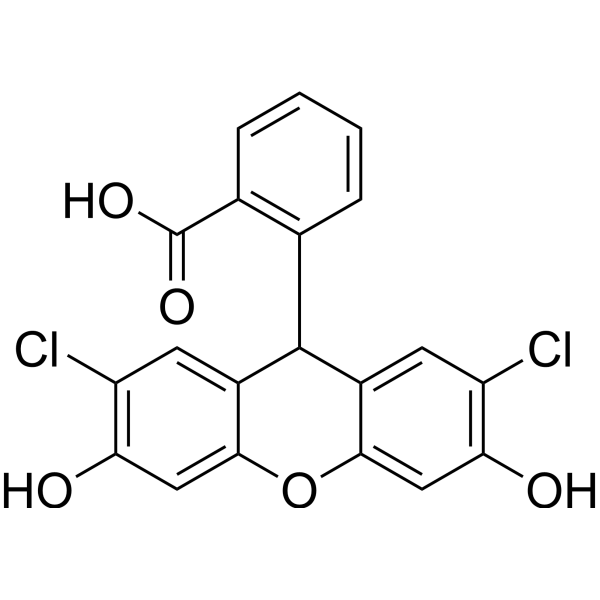
2,7-Dichlorodihydrofluorescein (DCFH2) is a non-fluorescent reactive oxygen species (ROS) probe with an excitation wavelength of 485-500 nm and an emission wavelength of 515-530 nm. 2,7-Dichlorodihydrofluorescein is first hydrolyzed by intracellular esterases and then oxidized by ROS to generate non-biomembrane-permeable, highly fluorescent 2,7-dichlorofluorescein (DCF). The fluorescence intensity of DCF is positively correlated with the ROS concentration. 2,7-Dichlorodihydrofluorescein can undergo oxidation reactions with a variety of ROS (such as ·OH, H2O2, ONOO -, etc.) and is used to quantitatively detect the level of oxidative stress inside and outside cells. It is suitable for oxidative stress analysis in in vitro cell models and in vivo targeted delivery (such as liver-targeted liposomes) .
Mucinase StcE is a zinc metalloproteinase belonging to the M66 family, which is secreted by enterohemorrhagic Escherichia coli via the type II general secretion pathway. Mucinase StcE specifically recognizes and cleaves the 'T*XT' motif in mucin-type glycoproteins with α-O-glycans (such as MUC2, Mucin 7, Glycoprotein 340, CD45, CD43, C1 Esterase Inhibitor (HY-P991629), etc.). By degrading the mucus layer to reduce its viscosity, inhibiting complement cascade activation, and localizing complement regulatory factors to the cell membrane, Mucinase StcE helps bacteria penetrate the mucosal barrier, adhere to host cells, and evade immune clearance. Mucinase StcE can serve as a mucin-specific proteolytic tool for research on mucinous carcinomas derived from the colon, esophagus, and salivary glands .
Cefuroxime axetil is an orally effective broad-spectrum β-lactam antibiotic that targets bacterial penicillin-binding proteins (PBPs, such as PBP3 and PBP1). Cefuroxime axetil inhibits cell wall synthesis, leading to bacterial lysis and death, with a minimum inhibitory concentration (MIC) of 0.12-4 mg/L for non-typeable Haemophilus influenzae (NTHi). Cefuroxime axetil is hydrolyzed by esterase to the active ingredient Cefuroxime (HY-B1256A) after oral absorption. Topical administration of Cefuroxime via bioadhesive nanoparticles (BNPs) can prolong the drug's retention time in the middle ear (≥7 days). Cefuroxime axetil can be used in the study of otitis media (especially NTHi infection). Cefuroxime axetil can achieve precise antibacterial effects through oral or topical nano-delivery systems, reducing systemic exposure and the risk of antibiotic resistance .
Sepetaprost (ONO-9054) is a dual agonist of the prostaglandin E3 receptor and prostaglandin F receptor. Sepetaprost reduces intraocular pressure in animal models. Sepetaprost is applicable for research on ocular hypertension and open-angle glaucoma .
Kaempferol-3-O-glu-rha-glu is an insecticide. Kaempferol-3-O-glu-rha-glu inhibits activities of the enzymes CarE, GSTs, MFO, and AChE. Kaempferol-3-O-glu-rha-glu exhibits cytotoxicity and disrupts mitochondrial membrane potential and increases ROS production. Kaempferol-3-O-glu-rha-glu can be used for the infection .
GR148672X is an inhibitor of carboxylesterase 1 (CES1) and hepatic microsomal triglyceride hydrolase (TGH). GR148672X blocks the catalytic activity of CES1, impairs the functions of triglyceride and cholesteryl ester lipase, reduces triglyceride mobilization and secretion, and decreases apolipoprotein B-100 secretion in primary rat hepatocytes. Under low-glucose conditions, GR148672X inhibits the survival of colorectal cancer cells by reducing free fatty acid availability, inducing toxic triglyceride accumulation, ROS production, mitochondrial damage, ferroptosis and apoptosis. GR148672X can be used in studies related to colorectal cancer and atherosclerosis .
Calcein AM, has cell membrane permeability and can easily enter the cell. Calcein AM has no fluorescence and is hydrolyzed by endogenous esterase in the cell to produce polar molecule Calcein (Calcein), which has strong negative charge and cannot permeate the cell membrane. Calcein can emit strong green fluorescence, so it is often used with Propidium Iodide for cell viability/virulence detection, excitation/emission wavelength: 494/515 nm .
Green CMFDA is a cell-permeable fluorescent probe with Em of 514 nm and Ex of 485 nm and can be used as a cell tracer. Green CMFDA can be cleaved by non-specific esterases common in living cells, producing a fluorescent compound, fluorescein, visible using a fluorescent microscope .
Fura-2 AM is a membrane permeable, intracellular, UV light-excitable and ratiometric fluorescent Ca 2+ (calcium ion) indicator. Fura-2 AM crosses cell membranes and is converted to Fura-2 (HY-D0110A) via cellular esterases. Fura-2 AM can be used to detect calcium in cells.
BCECF-AM is a cell membrane permeable compound widely used as a fluorescent indicator for intracellular pH. BCECF-AM could diffuse through the cell membrane and intracellular esterase cleave the ester bond releasing BCECF (HY-101882). BCECF allows measurements in the physiological pH range 6.0-8.0. Excitation ratio: 490/440 nm; Emission intensity: 535 nm.
DAF-FM DA (Diaminofluorescein-FM diacetate) is a fluorescent probe for the detection and bioimaging of nitric oxide (NO). DAF-FM DA spontaneously crosses the plasma membrane and is subsequently cleaved by esterases to generate intracellular DAF-FM (Ex/Em=495/515 nm) .
Fluo-3 AM is a fluorecent Ca 2+ chelator, with high affinity for calcium. Fluo-3 AM can specifically identify intracellular calcium ions, with high sensitivity, low cytotoxicity, increased AM acetylmethyl ester can enter the cell well, after being sheared by the intracellular esterase stay in the cell to bind to calcium ions, produce strong fluorescence .
5(6)-CFDA is a common aliphatic luciferin-line organism. CFDA conducts free diffusion into cells, and then it is hydrolyzed into carboxyl fluorescein (CF) by intracellular non-specific lipase. CF containing portion contains an additional negative charge so that it is better retained in cells, compared to fluorescein dyes .
Mag-Fluo-4 AM is a fluorecent Ca 2+ chelator, with high affinity for calcium. Mag-Fluo-4 AM can specifically identify intracellular calcium ions, with high sensitivity, low cytotoxicity, increased AM acetylmethyl ester can enter the cell well, after being sheared by the intracellular esterase stay in the cell to bind to calcium ions, produce strong fluorescence .
Green CMFDA (solution) is a cell-permeable fluorescent probe with Em of 514 nm and Ex of 485 nm and can be used as a cell tracer. Green CMFDA can be cleaved by non-specific esterases common in living cells, producing a fluorescent compound, fluorescein, visible using a fluorescent microscope . Solvent and concentration: DMSO: 10 mM
4-Nitrophenyl palmitate (4-Nitrophenyl hexadecanoate) is a chromogenic substrate for lipases and esterases. Upon enzymatic hydrolysis, 4-Nitrophenyl palmitate releases p-nitrophenol, which can be quantified by colorimetric detection at 410 nm as a measure of enzymatic activity. 4-Nitrophenyl palmitate is used to characterize the activity of various bacterial and mammalian enzymes, including those from Burkholderia and porcine pancreatic lipase .
Calcein AM (solution) , has cell membrane permeability and can easily enter the cell. Calcein AM has no fluorescence and is hydrolyzed by endogenous esterase in the cell to produce polar molecule Calcein (Calcein) , which has strong negative charge and cannot permeate the cell membrane. Calcein can emit strong green fluorescence, so it is often used with Propidium Iodide for cell viability/virulence detection, excitation/emission wavelength: 494/515 nm . Solvent and concentration: DMSO: 2 mM
Calcium is an important part of the human body, usually in the form of calcium, a large number of bones and teeth of the human body, a small amount of blood and tissues.
MCE calcium ion detection probe can specifically identify intracellular calcium ions, with high sensitivity, low cytotoxicity, increased AM acetylmethyl ester can enter the cell well, after being sheared by the intracellular esterase stay in the cell to bind to calcium ions, produce strong fluorescence, in addition, Mag-indo-1/AM and Mag-Fluo-4 AM at a certain concentration (usually 5 mM) can effectively identify intracellular magnesium ions .
Zinquin ethyl ester is a cell-permeable and lipophilic fluorescent derivative of Zinquin (HY-D0982). Zinquin ethyl ester reacts with protein-bound Zn 2+ in cells and forms fluorescent ternary adducts. Zinquin ethyl ester undergoes hydrolysis by intracellular esterases impeding its efflux across the plasma membrane (Ex/Em = 370/470 nm) .
Ac-H-FluNox is an acetylated cell-compatible prodrug of H-FluNox (HY-D2339). Ac-H-FluNox undergoes intracellular hydrolysis of its acetyl group by esterases to generate H-FluNox, which then undergoes a deoxygenation reaction with labile heme to form a fluorescent product. Ac-H-FluNox detects fluctuations of labile heme in living cells, acute labile heme release upon nitric oxide stimulation, and accumulation of labile heme following inhibition of heme export proteins .
DDAO is a promising near-infrared (NIR) red fluorescent probewith tunable excitation wavelength (600-650nm) and longemission wavelength(λem=656nm). DDAO can de desiged for detection of the activities of different enzymes such asβ-galactosidase,sulfatase, proteinphosphatase2A,carboxylesterase 2, humanalbumin andesterases .
5 (6)-Carboxy-2',7'-dichlorofluorescein diacetate is a fluorescein-based reactive oxygen species (ROS) probe and also a MRP2 substrate. 5 (6)-Carboxy-2',7'-dichlorofluorescein diacetate serves as a substrate for intracellular esterases, which cleave its acetate groups to generate a fluorescent product capable of detecting intracellular ROS. 5 (6)-Carboxy-2',7'-dichlorofluorescein diacetate is ATP-dependent and is transported via a single MRP2 binding site; it competes with LTC4 for MRP2 binding sites and inhibits MRP2-mediated LTC4 transport (Ex/Em = 496/525 nm) .
BCECF Acetoxymethyl ester is a cell membrane permeable compound widely-used as a fluorescent indicator for intracellular pH. BCECF Acetoxymethyl ester could diffuse through the cell membrane and intracellular esterase cleave the ester bond releasing BCECF (HY-101882). BCECF allows measurements in the physiological pH range 6.0-8.0. Excitation ratio: 490/440 nm; Emission intensity: 535 nm .
5-CFDA-AM is a cell-permeable esterase substrate that can be used as an active probe to measure enzyme activity and cell membrane integrity. 5-CFDA-AM is electroneutral and can enter the cell at a lower concentration than CFDA, where it is hydrolysed by intracellular esterases to produce carboxyfluorescein, which contains an additional negative charge and can be better retained in the cell. 5-CFDA-AM can be used to detect cell viability .
Calcium Green 1AM is a cell-permeant fluorescent calcium indicator (Excitation 506 nm; Emission 531 nm). Calcium Green 1AM is converted to the fluorescent calcium indicator by intracellular esterases .
DAF-FM DA (Diaminofluorescein-FM diacetate) (solution) is a fluorescent probe for the detection and bioimaging of nitric oxide (NO). DAF-FM DA spontaneously crosses the plasma membrane and is subsequently cleaved by esterases to generate intracellular DAF-FM (Ex/Em=495/515 nm) . Solvent and concentration: DMSO: 2 mM
EDTA-AM (ethylenediaminetetraacetic acid, acetoxymethyl ester) is the membrane-permeant form of the metal chelator EDTA (HY-Y0682). Live cells passively load EDTA-AM by incubating with EDTA-AM. Once internalized, cytoplasmic esterase decomposes AM esters, releasing the active ligand EDTA, which isolates metal ions within the cell. EDTA-AM induces an arrest of mitotic progression and chromosome decondensation .
Fluorescein-CM2 is a fluorogenic molecule that can be used to rapidly screen esterase cut sites for protein-protein interaction-dependent (PPI-dependent) esterase activity in E. coli .
Fluorescein Diacetate (Standard) is the analytical standard of Fluorescein Diacetate. This product is intended for research and analytical applications. Fluorescein diacetate is a cell permeable esterase-substrate. Fluorescein diacetate can be used as a fluorogenic substrate for hGSTP1-1.
5(6)-Carboxynaphthofluorescein diacetate is a fluorescent substrate for esterase assays that can be cleaved by intracellular esterases, producing red fluorescence to measure enzyme activity (Ex = 590 nm; Em = 645 nm) .
Fura-4F AM is a cell-permeant fluorescent calcium indicator. Upon entering the cell, this probe is hydrolyzed by cytosilic esterases and trapped as the active chelator.
DDAO phosphate diammonium is a fluorescent phosphatase substrate. DDAO phosphate diammonium has tunable excitation wavelength (600-650nm) and long emission wavelength (λem=656nm). DDAO phosphate diammonium can be used to detect the activity of different enzymes such as β-galactosidase, sulfatase, protein phosphatase 2A, carboxylesterase 2, human albumin and esterase.
Calcium is an important part of the human body, usually in the form of calcium, a large number of bones and teeth of the human body, a small amount of blood and tissues.
MCE calcium ion detection probe can specifically identify intracellular calcium ions, with high sensitivity, low cytotoxicity, increased AM acetylmethyl ester can enter the cell well, after being sheared by the intracellular esterase stay in the cell to bind to calcium ions, produce strong fluorescence, in addition, Mag-indo-1/AM and Mag-Fluo-4 AM at a certain concentration (usually 5 mM) can effectively identify intracellular magnesium ions .
1,4-Diacetoxy-2,3-dicyanobenzene is a cell-permeable fluorescent probe. 1,4-Diacetoxy-2,3-dicyanobenzene crosses the cell membrane and is cleaved by cytosolic esterases to the fluorescent pH indicator 2,3-dicyano-hydroquinone (DCH). 1,4-Diacetoxy-2,3-dicyanobenzene can be used to monitor intracellular pH .
5-Bromo-1H-indol-3-yl octanoate is a chromogenic substrate for esterase with C8 activity. 5-Bromo-1H-indol-3-yl octanoate yields a blue precipitate when cleaved.
Fura-FF AM is a cell-permeable acetoxymethyl ester of fura-FF, a dluorescent calcium indicator. Fura-FF AM is hydrolyzed by intracellular esterases to release fura-FF in cells. Fura-FF is a difluorinated derivative of the calcium indicator fura-2. Compared to fura-2, fura-FF has a low affinity for calcium and is suitable for studying compartments with high concentrations of calcium.
Quin-2AM is a fluorecent Ca 2+ chelator, with high affinity for calcium. Quin-2AM can specifically identify intracellular calcium ions, with high sensitivity, low cytotoxicity, increased AM acetylmethyl ester can enter the cell well, after being sheared by the intracellular esterase stay in the cell to bind to calcium ions, produce strong fluorescence .
Photoactive esterase probe is a photoactivatable fluorescent probe for esterase. Photoactive esterase probe is used for the detection and imaging of esterase activity in living cells .
Pinkment-OAc is an AND logic gate-based dual-analyte-dependent fluorescence inducer (Ex/Em = 545 nm/590 nm) that can be used for the simultaneous detection of hydrogen peroxide (H2O2) and esterases (e.g., porcine liver esterase PLE). Pinkment-OAc triggers a fluorescent response only when both esterase and hydrogen peroxide are present .
Bis (picolinoyl) fluorescein is a Cu 2+esterase activity probe with both fluorogenic and chromogenic properties. Bis (picolinoyl) fluorescein enables quantitative analysis of free Cu 2+, as well as detection of esterolytic activity of Cu bound to organic ligands or biomolecules .
Fluo-3AM (solution) is a fluorecent Ca 2+ chelator, with high affinity for calcium. Fluo-3 AM can specifically identify intracellular calcium ions, with high sensitivity, low cytotoxicity, increased AM acetylmethyl ester can enter the cell well, after being sheared by the intracellular esterase stay in the cell to bind to calcium ions, produce strong fluorescence . Solvent and concentration: DMSO: 5 mM
Fura-2 AM (solution) (Fura-2 Acetoxymethyl ester (solution)) is a membrane permeable, intracellular, UV light-excitable and ratiometric fluorescent Ca 2+ (calcium ion) indicator. Fura-2 AM crosses cell membranes and is converted to Fura-2 (HY-D0110A) via cellular esterases. Fura-2 AM can be used to detect calcium in cells. Solvent and concentration: DMSO: 1 mM
4-Nitrophenyl butyrate consists of butyric acid chains esterified with 4-nitrophenol groups, thus giving it a yellow color. This compound is commonly used as a substrate in enzyme assays to measure esterase and lipase activity. When these enzymes cleave the ester bond, the nitrophenol group is released and the color changes from yellow to orange. Thus, the rate of color change can be used to determine enzyme activity. In addition, 4-Nitrophenyl butyrate can also be used as organic synthesis reagent and dye intermediate.
5 (6)-Carboxy-2',7'-dichlorofluorescein diacetate is a fluorescein-based reactive oxygen species (ROS) probe and also a MRP2 substrate. 5 (6)-Carboxy-2',7'-dichlorofluorescein diacetate serves as a substrate for intracellular esterases, which cleave its acetate groups to generate a fluorescent product capable of detecting intracellular ROS. 5 (6)-Carboxy-2',7'-dichlorofluorescein diacetate is ATP-dependent and is transported via a single MRP2 binding site; it competes with LTC4 for MRP2 binding sites and inhibits MRP2-mediated LTC4 transport (Ex/Em = 496/525 nm) .
Propionylcholine (p-toluenesulfonate) is an organic compound commonly used in biochemical research and neuroscience research. It can be used to study cholinergic signal transduction and esterase activity, and is widely used in biomedical research and pharmacological research. In addition, this compound is also used as a substrate or catalyst in certain biochemical reactions.
Fluorescein Diacetate (Standard) is the analytical standard of Fluorescein Diacetate. This product is intended for research and analytical applications. Fluorescein diacetate is a cell permeable esterase-substrate. Fluorescein diacetate can be used as a fluorogenic substrate for hGSTP1-1.
β-D-Galactose pentaacetate is a negative regulator of insulin with plasma membrane penetrating ability and can be hydrolyzed by intracellular esterases. β-D-Galactose pentaacetate inhibits Leucine (HY-N0486)-induced insulin release in Wistar rat islets, potentially preventing excessive insulin release in pathological conditions .
4-Nitrophenyl stearate, which is an ester formed by the condensation of stearic acid and 4-nitrophenol, is commonly used as a substrate for enzymatic assays, where the hydrolysis of ester bonds by esterase and lipase can be measured by absorbance or ratio In addition, 4-Nitrophenyl stearate has been used as a model compound to study the enzymatic activity and selectivity of lipases and esterases from various sources. The long hydrophobic tail of the molecule makes it suitable for use in lipophilic Good solubility in the environment makes it a useful probe for studying lipid metabolism.
Naphthol AS-D acetate (3-(O-tolylcarbamoyl)naphthalen-2-yl acetate) is used in histological studies as a histochemical substrate for esterase localization .
Glutathione ethyl ester is a cell-permeable GSH donor and provides an efficient supply of GSH to the oocyte. Glutathione ethyl ester shows positive effect on the in vitro production of embryos by enhancement of the antioxidative defense .
sPLA2-IIA Inhibitor is a cyclic pentapeptide analog of FLSYK (cyclic 2-Nal-Leu-Ser-2-Nal-Arg (c2)), that binds to hGIIA (human IIA phospholipase A2) and inhibits its hydrolytic ability. sPLA2 is a member of the esterase superfamily that catalyzes the hydrolysis of the ester bond at the sn-2 position of glycerophospholipids, releasing free fatty acids such as arachidonic acid and lysophospholipids .
DTS-108 is a prodrug of SN38 (HY-13704) (a Topoisomerase I inhibitor). DTS-108 is a conjugate generated by linking SN38 to a human oligopeptide via an esterase sensitive cross-linker. DTS-108 exhibits anti-tumor activity against colorectal, lung, and mammary cancer .
C1 Esterase Inhibitor (Human) is a C1 Esterase inhibitor derived from human plasma. C1 Esterase Inhibitor (Human), a glycoprotein, is a serum protease inhibitor (serpin) that binds covalently and inactivates C1r, C1s, and mannan-binding protein-associated proteases (MASPs). C1 Esterase Inhibitor (Human) has anti-inflammatory effects. C1 Esterase Inhibitor (Human) can be used to prevent angioedema attacks associated with hereditary angioedema .
Caftaric acid (trans-Caftaric acid) is a polyphenolic antidiuretic, antioxidant and anti-apoptotic agent that can be hydrolyzed by intestinal microbial esterases. Caftaric acid exerts its antioxidant and potential anti-inflammatory effects mainly through intestinal microbial metabolism. Caftaric acid can reduce renal damage, restore electrolyte balance, renal function indicators and antioxidant enzyme activities in a rat albinism model, and further exert anti-oxidative stress and anti-inflammatory activities .
Enocyanin is an anthocyanin extracted from grapes. Enocyanin shows inhibitory effect on the leucine aminopeptidase, acid phosphatase, γ-glutamyl transpeptidase and esterase activity .
Dipivefrin hydrochloride (Dipivefrine hydrochloride) is an antiglaucoma proagent that is hydrolyzed to the active compound, epinephrine, by esterases in the cornea .
Ebelactone A is a mycolic acid β-lactone, which exhibits inhibitory activity for esterase, lipase, fMet aminopeptidase (fMet AP) and PNBase, with IC50s of 56, 3, 8 and 7.5 μM, respectively . Ebelactone A inhibits cutinase, exhibits plants protective potency against Erysiphe graminis .
Dipivefrin (hydrochloride) (Standard) is the analytical standard of Dipivefrin (hydrochloride). This product is intended for research and analytical applications. Dipivefrin hydrochloride (Dipivefrine hydrochloride) is an antiglaucoma proagent that is hydrolyzed to the active compound, epinephrine, by esterases in the cornea .
Kaempferol-3-O-glu-rha-glu is an insecticide. Kaempferol-3-O-glu-rha-glu inhibits activities of the enzymes CarE, GSTs, MFO, and AChE. Kaempferol-3-O-glu-rha-glu exhibits cytotoxicity and disrupts mitochondrial membrane potential and increases ROS production. Kaempferol-3-O-glu-rha-glu can be used for the infection .
Butyrylcholinesterase/BCHE Protein, Human (HEK293, His) is a recombinant human butyrylcholinesterase (BuChE) produced in HEK293 cells, with His tag. BuChE, one of cholinesterases, is a serine hydrolase closely related to acetylcholinesterase.
HCoV-OC43 is a type of coronavirus 1 that infects humans and cattle. HCoV-OC43 forms a spiky structural protein on the surface of the virus, contains receptor binding and receptor destruction activities, and mediates the deacetylation of n-acetyl-4-o-acetylneuraminic acid. HCoV-OC43 Hemagglutinin esterase Protein (HEK293, His) is the recombinant Virus-derived HCoV-OC43 Hemagglutinin esterase protein, expressed by HEK293 , with C-His labeled tag.
Hemagglutinin esterase is a structural protein with a short spike that is critical for viral attachment and initiation of infection. It exhibits receptor binding and destructive activities, de-O-acetylating possible viral receptor determinants. HE/Hemagglutinin-esterase Protein, Bovine (P.pastoris, His) is the recombinant bovine-derived HE/Hemagglutinin-esterase, expressed by P. pastoris, with N-His labeled tag. The total length of HE/Hemagglutinin-esterase Protein, Bovine (P.pastoris, His) is 406 a.a..
Carboxylesterase 1 Protein, Human (HEK293, His) is an approximately 60.0 kDa human carboxylesterase 1 protein with a His-flag. Human Carboxylesterase 1 is the key liver microsomal enzyme that takes part in detoxification and metabolism.
Cephalosporin C deacetylase Protein, an esterase, selectively removes acetyl groups from substrates like acetylated xylose and cephalosporin C. Its catalytic activity excludes polymeric acetylated xylan and amide linkages, highlighting its nuanced, targeted deacetylation function. Cephalosporin C deacetylase Protein, Bacillus subtilis is the recombinant Cephalosporin C deacetylase protein, expressed by E. coli , with tag free.
Carboxylesterase 1 Protein, Human (549a.a, HEK293, His) is the recombinant human-derived Carboxylesterase 1 protein, expressed by HEK293, with C-His tag.
Butyrylcholinesterase (BCHE) Protein, an esterase with broad substrate specificity, crucially inactivates acetylcholine, maintaining neurotransmitter homeostasis. Beyond acetylcholine metabolism, BCHE degrades neurotoxic organophosphates, highlighting its detoxification role. The enzyme's versatility underscores its critical function in safeguarding against harmful effects of neurotoxic compounds. Butyrylcholinesterase/BCHE Protein, Mouse (HEK293, His) is the recombinant mouse-derived Butyrylcholinesterase/BCHE protein, expressed by HEK293 , with C-His labeled tag.
PLA2G7 Protein is a lipoprotein-associated calcium-independent phospholipase A2 involved in phospholipid catabolism during inflammatory and oxidative stress responses. It is also a secreted enzyme that catalyzes the degradation of platelet-activating factor to biologically inactive products. PLA2G7 can hydrolyze phospholipids with long fatty acyl chains, only if they carry oxidized functional groups. PLA2G7 Protein, Human (HEK293, His) is the recombinant human-derived PLA2G7 protein, expressed by HEK293 , with C-6*His labeled tag.
C1s/Complement component C1s, a serine protease and B chain, forms C1 with C1q and C1r, initiating the classical complement pathway. Activated by C1r, C1s then activates downstream components C2 and C4, crucially driving the complement system cascade. C1s/Complement component C1s Protein, Human (HEK293, His) is the recombinant human-derived C1s/Complement component C1s protein, expressed by HEK293 , with C-His labeled tag.
The carboxylesterase 1C protein is essential for xenobiotic detoxification and ester/amide prodrug activation, as well as participating in extracellular metabolism. Its multifunctional effects include processing of pulmonary surfactant. Carboxylesterase 1C Protein, Mouse (P.pastoris, His) is the recombinant mouse-derived Carboxylesterase 1C protein, expressed by P. pastoris , with N-6*His labeled tag.
CES3/CES1D Protein, a major lipase in white adipose tissue, plays a crucial role in xenobiotic and natural substrate metabolism. It hydrolyzes triacylglycerols and monoacylglycerols, showing a preference for the latter, with susceptibility increasing as the acyl chain length decreases. Additionally, CES3/CES1D catalyzes the synthesis of fatty acid ethyl esters and hydrolyzes retinyl esters. CES3/CES1D Protein, Mouse (HEK293, His) is the recombinant mouse-derived CES3/CES1D protein, expressed by HEK293 , with C-6*His labeled tag.
CES2, a hydrolase, demonstrates notable activity with palmitoylcarnitine and other substrates like p-nitrophenylacetate and alpha-naphthylacetate. Its versatile enzymatic capabilities extend to the hydrolysis of retinyl esters. CES2/carboxylesterase 2 Protein, Mouse (HEK293, His) is the recombinant mouse-derived CES2/carboxylesterase 2 protein, expressed by HEK293 , with C-His labeled tag.
The CES2 protein plays a crucial role in detoxifying xenobiotics and activating ester and amide prodrugs. It has high catalytic efficiency, especially in the hydrolysis of substances such as cocaine, 4-methylumbelliferyl acetate, heroin and 6-monoacetylmorphine. CES2/carboxylesterase 2 Protein, Human (HEK293, His) is the recombinant human-derived CES2/carboxylesterase 2 protein, expressed by HEK293 , with C-His labeled tag.
The CES2 protein plays a crucial role in detoxifying xenobiotics and activating ester and amide prodrugs. It has high catalytic efficiency, especially in the hydrolysis of substances such as cocaine, 4-methylumbelliferyl acetate, heroin and 6-monoacetylmorphine. CES2/carboxylesterase 2 Protein, Human (HEK293, His, solution) is the recombinant human-derived CES2/carboxylesterase 2 protein, expressed by HEK293 , with C-10*His labeled tag.
C1s-A subcomponent protein, a serine protease, is pivotal in the classical complement system pathway. Partnering with C1q and C1r, it forms C1, initiating complement activation. Activated by C1r, C1s can subsequently trigger downstream components C2 and C4, influencing the complement system cascade. C1s-A subcomponent Protein, Mouse (HEK293, His) is the recombinant mouse-derived C1s-A subcomponent protein, expressed by HEK293 , with C-His labeled tag.
Serpin G1 protein, also known as C1 inhibitor, regulates complement activation, coagulation, fibrinolysis, and kinin production. It forms an inactive complex with C1r or C1s protease and controls C1 complex activation. Serpin G1 Protein, Mouse (HEK293, His) is the recombinant mouse-derived Serpin G1 protein, expressed by HEK293 , with C-6*His labeled tag.
PET hydrolase Protein, Thermobifida cellulosilytica (His, Strep) is the recombinant PET hydrolase, expressed by E. coli , with Strep, His labeled tag. ,
The PLA2G7 protein is a lipoprotein-associated calcium-independent phospholipase A2 that plays a key role in phospholipid catabolism during inflammation and oxidative stress responses.It acts at the lipid-water interface and hydrolyzes the ester bond of the fatty acyl group at the sn-2 position, with particular preference for short-chain fatty acyl groups.PLA2G7 Protein, Mouse (sf9, His, Myc) is the recombinant mouse-derived PLA2G7 protein, expressed by sf9 insect cells , with C-Myc, N-10*His labeled tag.
The PLA2G7 protein is a lipoprotein-associated calcium-independent phospholipase A2 that plays a key role in phospholipid catabolism during inflammation and oxidative stress responses.It acts at the lipid-water interface and hydrolyzes the ester bond of the fatty acyl group at the sn-2 position, with particular preference for short-chain fatty acyl groups.PLA2G7 Protein, Mouse (HEK293, His, Myc) is the recombinant mouse-derived PLA2G7 protein, expressed by HEK293 , with C-Myc, N-10*His labeled tag.
The IL-17A protein has important heterodimerization and homodimerization activities and is involved in a variety of processes, including responses to glucocorticoid stimulation and the regulation of cell death and transcription. IL-17A is present in the cytoplasm and extracellular space and has been implicated in diseases such as pancreatitis, inflammatory bowel disease, renal disease, and periodontal disease, and may serve as a biomarker. IL-17A Protein, Rat (CHO) is the recombinant rat-derived IL-17A protein, expressed by CHO , with tag free.
Monocrotophos-d6 is the deuterium labeled Monocrotophos. Monocrotophos. Monocrotophos is an organophosphate insecticide with broad application in crops. Monocrotophos inhibits the activity of the acetylcholine esterase (AChE) enzyme and affects the neurotransmission between neurons .
Dipivefrin-d6 (hydrochloride) is deuterium labeled Dipivefrin (hydrochloride). Dipivefrin hydrochloride (Dipivefrine hydrochloride) is an antiglaucoma proagent that is hydrolyzed to the active compound, epinephrine, by esterases in the cornea .
21-Desacetyldeflazacort-d4 (21-desDFZ-d4) is the deuterium labeled 21-Desacetyldeflazacort (HY-100085). 21-Desacetyldeflazacort (21-desDFZ) is the active metabolite of Deflazacort (HY-13609). Deflazacort is an anti-inflammatory and immunosuppressant. Deflazacort is an inactive pro-drug which can be rapidly converted by esterases to the active metabolite 21-desacetyldeflazacort after oral administration .
Itopride-d6 (HSR803-d6 (free base)) is deuterium labeled Itopride. Itopride (HSR803 free base) is a potent and orally active dopamine-2 antagonist and an acetylcholine esterase (AChE) inhibitor. Itopride enhances gastric motility through both antidopaminergic and anti-acetylcholinesterasic actions, can be used as a gastrointestinal prokinetic agent. Itopride can be used for researching gastro-esophageal reflux disease (GERD) .
IR-117-17 is an ionizable cationic amino lipid, targeting conducting airways of the lung. IR-117-17 could be degraded via esterase cleavage and thus be unlikely to accumulate upon repeated dosing . It can be used in research related to diseases that manifest outside alveolar spaces.
Inquiry Online
Your information is safe with us. * Required Fields.
Western blot analysis of extracts from THP-1(lane 2(20μg), Jurkat (lane 3(20μg) and NIH3T3(lane 4(20μg) using FOXO1A (HY-P80132) Rabbit mAb. Proteins were transferred
to a PVDF membrane and blocked with 5% non-fat milk in TBST for 2 hour at room temperature. The primary antibody (1/1000) and Loading control antibody (Beta Actin, HY-P80438, 1/10000) was
used in 5% non-fat milk in TBST at 4°C overnight. Goat Anti-Mouse/Rabbit IgG-HRP Secondary Antibody (1/10000) was used for 1 hour at room temperature.
Western blot analysis of extracts from THP-1(lane 2(20μg), Jurkat (lane 3(20μg) and NIH3T3(lane 4(20μg) using FOXO1A (HY-P80132) Rabbit mAb. Proteins were transferred
to a PVDF membrane and blocked with 5% non-fat milk in TBST for 2 hour at room temperature. The primary antibody (1/1000) and Loading control antibody (Beta Actin, HY-P80438, 1/10000) was
used in 5% non-fat milk in TBST at 4°C overnight. Goat Anti-Mouse/Rabbit IgG-HRP Secondary Antibody (1/10000) was used for 1 hour at room temperature.
Western blot analysis of extracts from THP-1(lane 2(20μg), Jurkat (lane 3(20μg) and NIH3T3(lane 4(20μg) using FOXO1A (HY-P80132) Rabbit mAb. Proteins were transferred
to a PVDF membrane and blocked with 5% non-fat milk in TBST for 2 hour at room temperature. The primary antibody (1/1000) and Loading control antibody (Beta Actin, HY-P80438, 1/10000) was
used in 5% non-fat milk in TBST at 4°C overnight. Goat Anti-Mouse/Rabbit IgG-HRP Secondary Antibody (1/10000) was used for 1 hour at room temperature.
Western blot analysis of extracts from THP-1(lane 2(20μg), Jurkat (lane 3(20μg) and NIH3T3(lane 4(20μg) using FOXO1A (HY-P80132) Rabbit mAb. Proteins were transferred
to a PVDF membrane and blocked with 5% non-fat milk in TBST for 2 hour at room temperature. The primary antibody (1/1000) and Loading control antibody (Beta Actin, HY-P80438, 1/10000) was
MedchemExpress Validation 03
Western blot analysis of extracts from THP-1(lane 2(20μg), Jurkat (lane 3(20μg) and NIH3T3(lane 4(20μg) using FOXO1A (HY-P80132) Rabbit mAb. Proteins were transferred
MedchemExpress Validation 04
Western blot analysis of extracts from THP-1(lane 2(20μg), Jurkat (lane 3(20μg) and NIH3T3(lane 4(20μg) using FOXO1A (HY-P80132) Rabbit mAb. Proteins were transferred
to a PVDF membrane and blocked with 5% non-fat milk in TBST for 2 hour at room temperature. The primary antibody (1/1000) and Loading control antibody (Beta Actin, HY-P80438, 1/10000) was
used in 5% non-fat milk in TBST at 4°C overnight. Goat Anti-Mouse/Rabbit IgG-HRP Secondary Antibody (1/10000) was used for 1 hour at room temperature.
MedchemExpress Validation
Western blot analysis of extracts from THP-1(lane 2(20μg), Jurkat (lane 3(20μg) and NIH3T3(lane 4(20μg) using FOXO1A (HY-P80132) Rabbit mAb. Proteins were transferred
to a PVDF membrane and blocked with 5% non-fat milk in TBST for 2 hour at room temperature. The primary antibody (1/1000) and Loading control antibody (Beta Actin, HY-P80438, 1/10000) was
used in 5% non-fat milk in TBST at 4°C overnight. Goat Anti-Mouse/Rabbit IgG-HRP Secondary Antibody (1/10000) was used for 1 hour at room temperature.
Western blot analysis of extracts from THP-1(lane 2(20μg), Jurkat (lane 3(20μg) and NIH3T3(lane 4(20μg) using FOXO1A (HY-P80132) Rabbit mAb. Proteins were transferred
to a PVDF membrane and blocked with 5% non-fat milk in TBST for 2 hour at room temperature. The primary antibody (1/1000) and Loading control antibody (Beta Actin, HY-P80438, 1/10000) was
used in 5% non-fat milk in TBST at 4°C overnight. Goat Anti-Mouse/Rabbit IgG-HRP Secondary Antibody (1/10000) was used for 1 hour at room temperature.
MedchemExpress Validation
Western blot analysis of extracts from THP-1(lane 2(20μg), Jurkat (lane 3(20μg) and NIH3T3(lane 4(20μg) using FOXO1A (HY-P80132) Rabbit mAb. Proteins were transferred
to a PVDF membrane and blocked with 5% non-fat milk in TBST for 2 hour at room temperature. The primary antibody (1/1000) and Loading control antibody (Beta Actin, HY-P80438, 1/10000) was
used in 5% non-fat milk in TBST at 4°C overnight. Goat Anti-Mouse/Rabbit IgG-HRP Secondary Antibody (1/10000) was used for 1 hour at room temperature.
MedchemExpress Validation
Western blot analysis of extracts from THP-1(lane 2(20μg), Jurkat (lane 3(20μg) and NIH3T3(lane 4(20μg) using FOXO1A (HY-P80132) Rabbit mAb. Proteins were transferred
to a PVDF membrane and blocked with 5% non-fat milk in TBST for 2 hour at room temperature. The primary antibody (1/1000) and Loading control antibody (Beta Actin, HY-P80438, 1/10000) was
used in 5% non-fat milk in TBST at 4°C overnight. Goat Anti-Mouse/Rabbit IgG-HRP Secondary Antibody (1/10000) was used for 1 hour at room temperature.
MedchemExpress Validation
Western blot analysis of extracts from THP-1(lane 2(20μg), Jurkat (lane 3(20μg) and NIH3T3(lane 4(20μg) using FOXO1A (HY-P80132) Rabbit mAb. Proteins were transferred
to a PVDF membrane and blocked with 5% non-fat milk in TBST for 2 hour at room temperature. The primary antibody (1/1000) and Loading control antibody (Beta Actin, HY-P80438, 1/10000) was
used in 5% non-fat milk in TBST at 4°C overnight. Goat Anti-Mouse/Rabbit IgG-HRP Secondary Antibody (1/10000) was used for 1 hour at room temperature.
MedchemExpress Validation
Western blot analysis of extracts from THP-1(lane 2(20μg), Jurkat (lane 3(20μg) and NIH3T3(lane 4(20μg) using FOXO1A (HY-P80132) Rabbit mAb. Proteins were transferred
to a PVDF membrane and blocked with 5% non-fat milk in TBST for 2 hour at room temperature. The primary antibody (1/1000) and Loading control antibody (Beta Actin, HY-P80438, 1/10000) was
used in 5% non-fat milk in TBST at 4°C overnight. Goat Anti-Mouse/Rabbit IgG-HRP Secondary Antibody (1/10000) was used for 1 hour at room temperature.
MedchemExpress Validation
Western blot analysis of extracts from THP-1(lane 2(20μg), Jurkat (lane 3(20μg) and NIH3T3(lane 4(20μg) using FOXO1A (HY-P80132) Rabbit mAb. Proteins were transferred
to a PVDF membrane and blocked with 5% non-fat milk in TBST for 2 hour at room temperature. The primary antibody (1/1000) and Loading control antibody (Beta Actin, HY-P80438, 1/10000) was
used in 5% non-fat milk in TBST at 4°C overnight. Goat Anti-Mouse/Rabbit IgG-HRP Secondary Antibody (1/10000) was used for 1 hour at room temperature.
MedchemExpress Validation
Western blot analysis of extracts from THP-1(lane 2(20μg), Jurkat (lane 3(20μg) and NIH3T3(lane 4(20μg) using FOXO1A (HY-P80132) Rabbit mAb. Proteins were transferred
to a PVDF membrane and blocked with 5% non-fat milk in TBST for 2 hour at room temperature. The primary antibody (1/1000) and Loading control antibody (Beta Actin, HY-P80438, 1/10000) was
used in 5% non-fat milk in TBST at 4°C overnight. Goat Anti-Mouse/Rabbit IgG-HRP Secondary Antibody (1/10000) was used for 1 hour at room temperature.
MedChemExpress values your privacy and your trust is important to us. We use cookies to enhance your website experience. Some cookies are necessary to run the website.
Privacy and Cookie Policy

