
Search Result
Results for "
fibroblast proliferation
" in MedChemExpress (MCE) Product Catalog:
2
Biochemical Assay Reagents
2
Isotope-Labeled Compounds
| Cat. No. |
Product Name |
Target |
Research Areas |
Chemical Structure |
-
- HY-B0636
-
|
|
Glucocorticoid Receptor
FGFR
|
Cardiovascular Disease
Inflammation/Immunology
Endocrinology
Cancer
|
|
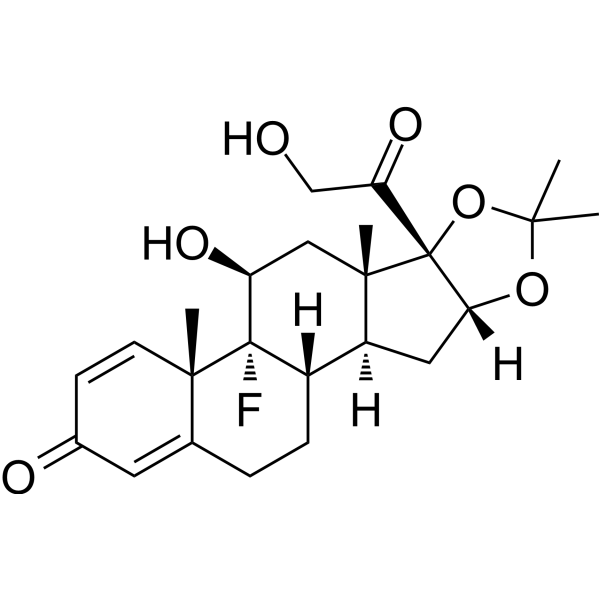
Triamcinolone acetonide inhibits basic fibroblast growth factor (bFGF) induced proliferation of retinal endothelial cells. Triamcinolone acetonide reduces chondrocyte viability and leads to cartilage destruction. Triamcinolone acetonide activates macrophage with anti-inflammatory characteristics. Triamcinolone acetonide can be used in the study of diseases such as atopic dermatitis .
|
-
-
- HY-14187
-
Amiodarone
Maximum Cited Publications
12 Publications Verification
|
Potassium Channel
Autophagy
|
Cardiovascular Disease
Infection
Neurological Disease
Cancer
|
|
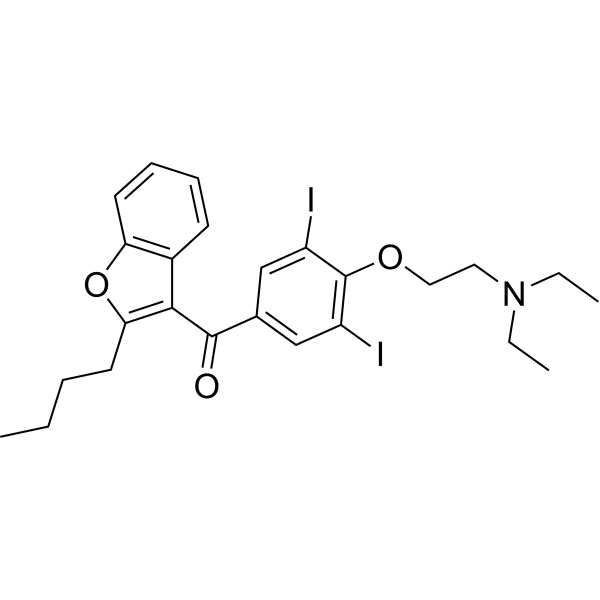
Amiodarone, a benzofuran-based Class III antiarrhythmic agent, inhibits WT outward ionic current (IhERG) tails with an IC50 of ∼45 nM . Amiodarone induces cell proliferation and myofibroblast differentiation via ERK1/2 and p38 MAPK signaling in fibroblasts . Amiodarone can be used in the research of both supraventricular and ventricular arrhythmias .
|
-
-
- HY-14188
-
|
|
Potassium Channel
Autophagy
|
Cardiovascular Disease
Infection
Neurological Disease
Cancer
|
|
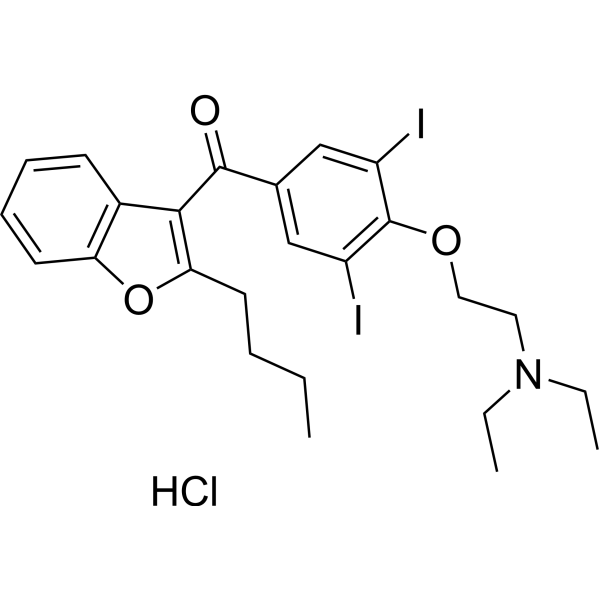
Amiodarone hydrochloride, a benzofuran-based Class III antiarrhythmic agent, inhibits WT outward ionic current (IhERG) tails with an IC50 of ∼45 nM . Amiodarone hydrochloride induces cell proliferation and myofibroblast differentiation via ERK1/2 and p38 MAPK signaling in fibroblasts . Amiodarone hydrochloride can be used in the research of both supraventricular and ventricular arrhythmias .
|
-
-
- HY-A0020
-
|
ED-71; 2-(3-hydroxypropoxy)-1,25-dihydroxyvitamin D3
|
VD/VDR
Apoptosis
|
Metabolic Disease
Inflammation/Immunology
Cancer
|
|
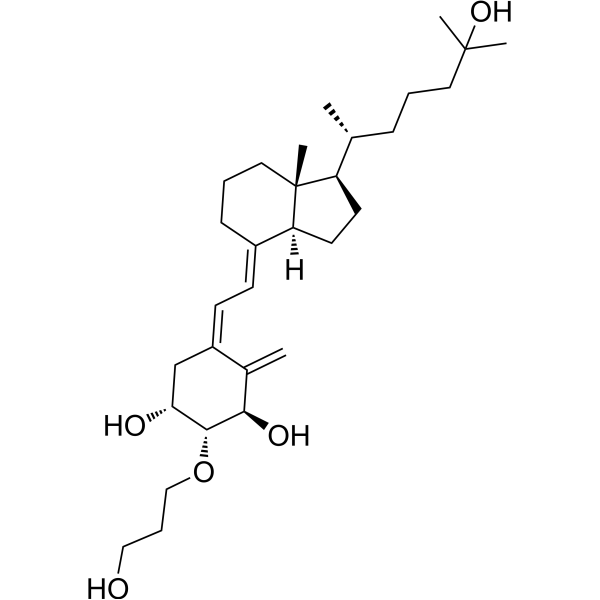
Eldecalcitol (ED-71) is an orally active vitamin D3 analogue, inhibits bone resorption and increases bone mineral density. Eldecalcitol (ED-71) displays anti-tumor effect and inhibits cell proliferation, migration and induces apoptosis by suppressing GPx-1 .
|
-
-
- HY-N4089
-
|
|
Aldose Reductase
Cytochrome P450
|
Metabolic Disease
Cancer
|
|
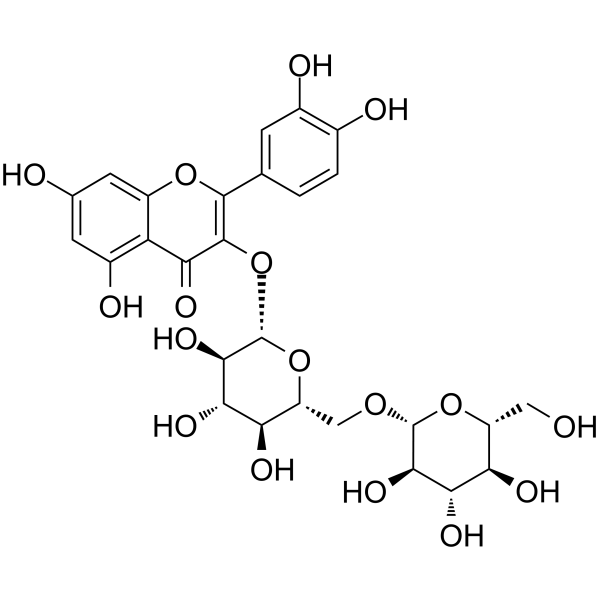
Quercetin 3-gentiobioside is a flavonoid found in Artemisia iwayomogi. Quercetin 3-gentiobioside inhibits aromatase with an Ki of 46.77 nM. Quercetin 3-gentiobioside inhibits aldose reductase (AR) and the formation of advanced glycation end products (AGEs), with IC50 values of 10.60 μM and 109.46 μM, respectively. Quercetin 3-gentiobioside inhibits proliferation of cancer cells and fibroblast-like synoviocytes. Quercetin 3-gentiobioside can be used for the research of cancer, such as lung carcinoma .
|
-
-
- HY-N2368
-
|
|
GABA Receptor
Interleukin Related
TGF-β Receptor
TNF Receptor
PPAR
|
Neurological Disease
|
|
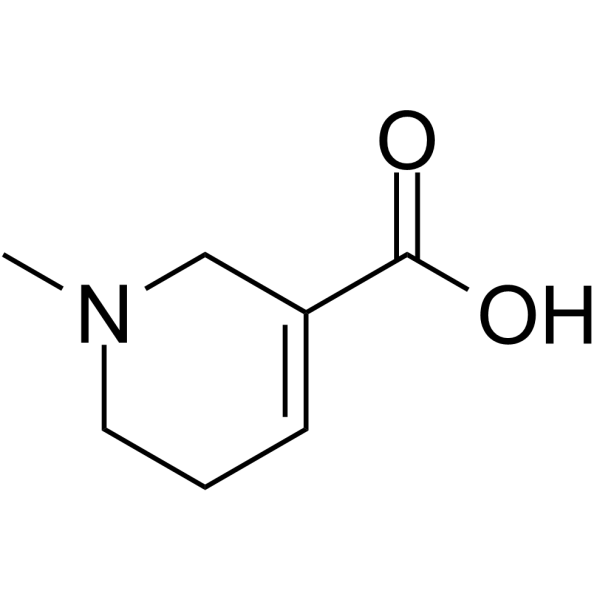
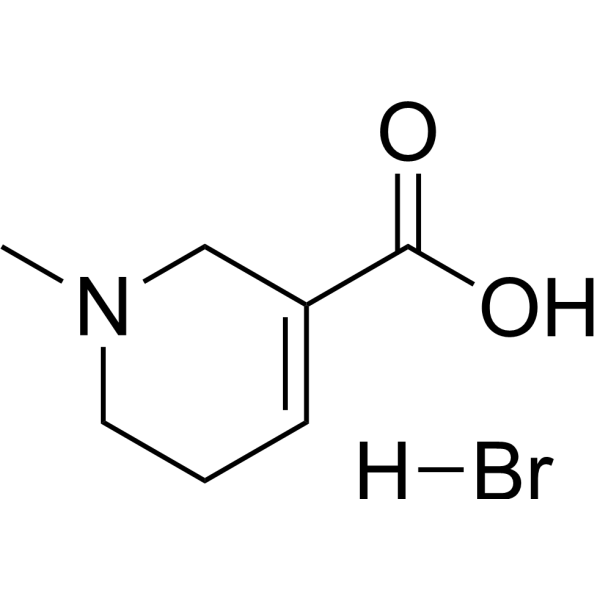
Arecaidine is a GABA transport system inhibitor. Arecaidine inhibits the proliferation of oral mucosal fibroblasts, increases the secretion of IL-6, TGF-β and TNF-α in cells, downregulates the expression of PPAR-γ and PCK1 in cells, and upregulates the expression of TGF-β1 . Arecaidine inhibits the uptake of γ-aminobutyric acid and β-alanine by the central nervous system of cats . Arecaidine inhibits hPAT1-mediated L-[ 3H]proline uptake in cells. Arecaidine can be used in research related to neurological diseases .
|
-
-
- HY-137006
-
|
|
Fluorescent Dye
|
Others
|
|
MTT Formazan is a purple water-insoluble product formed by the reduction of yellow soluble MTT by succinate dehydrogenase in the mitochondria of viable cells. The amount of MTT Formazan produced is proportional to cellular metabolic activity, and it can serve as an indicator for evaluating cell viability and proliferation. MTT Formazan exhibits solvent-dependent solubility properties, and its absorbance value can be measured by spectrophotometry to reflect cellular status. MTT Formazan also supports the assessment of cell viability in bacterial MTT assays. MTT Formazan can be used in photoacoustic microscopy to enhance the imaging effect of viable cells, especially in applications in the fields of three-dimensional cell culture and tissue engineering .
|
-
-
- HY-158742
-
|
GL13; SBB-A-B
|
Tyrosinase
|
Others
|
|
SBB-Analogue (GL13) Biotin (GL13; SBB-A-B) consists of a Sudan Black B (SBB) (HY-D0213) derivative conjugated with biotin. SBB-Analogue (GL13) Biotin potently detects senescent cells and eliminates the drawback of false-positive staining caused by serum starvation and cell fusion in SA-β-gal assays. SBB-Analogue (GL13) Biotin can be used in flow cytometry, immunofluorescence analysis, and other applications .
|
-
-
- HY-119443
-
|
|
Phosphatase
|
Metabolic Disease
|
|
Neridronate is an aminobisphosphonate. Neridronate induces osteoblast differentiation, enhances alkaline phosphatase activity and mineralized nodule formation. Neridronate inhibits endothelial cell proliferation, fibroblast growth factor-2-induced capillary-like tube formation, and angiogenesis. Neridronate can be used for osteogenesis imperfecta and Paget’s disease of bone .
|
-
-
- HY-A0169A
-
|
|
Reactive Oxygen Species (ROS)
Photosensitizer
|
Cancer
|
|
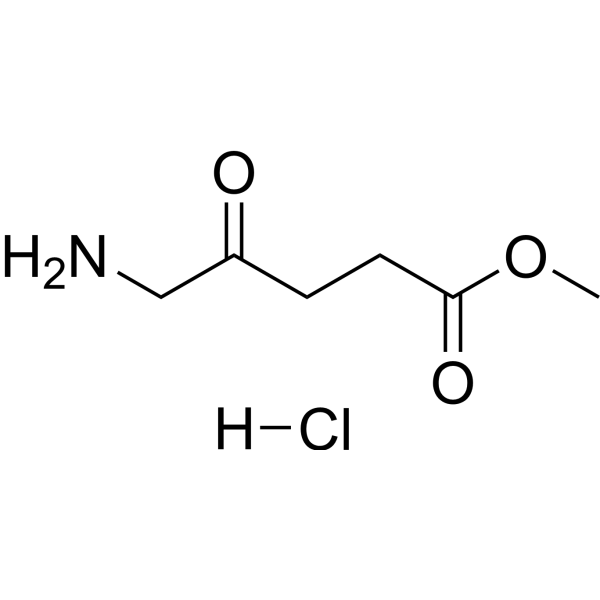
Methyl aminolevulinate hydrochloride is a sensitizer used in photodynamic therapy (PDT). Methyl aminolevulinate hydrochloride penetrates the skin and induces the production of photoactive porphyrins including protoporphyrin IX in cells; upon exposure to appropriate light, it generates ROS, which triggers cellular oxidation and cell death. Methyl aminolevulinate hydrochloride acts as a photo-damage reversing agent through epidermal reconstruction, cytokine-mediated activation of dermal fibroblasts, elastin breakdown, new collagen formation, and compression of dilated capillaries. Methyl aminolevulinate hydrochloride reduces the expression of the proliferation marker Ki-67 and the early skin carcinogenesis marker TP53. Methyl aminolevulinate hydrochloride delays the onset of ultraviolet-induced skin tumors and reduces tumor burden in hairless mice. Methyl aminolevulinate hydrochloride is applicable to research related to actinic keratosis and basal cell carcinoma .
|
-
-
- HY-NP175
-
|
|
Biochemical Assay Reagents
Integrin
Discoidin Domain Receptor
|
Others
|
|
Collagen (bovine skin) is a three-dimensional cell culture matrix and morphoregulator extracted from bovine skin, which binds to integrins (such as α1β1, α2β1, α11β1) and discoidin domain receptors (DDR1 and DDR2). Collagen (bovine skin) can be reconstituted into a three-dimensional fibrous network to mimic the in vivo tissue environment. It can not only be modified through cross-linking or concentration adjustment, but also interact with fibronectin to enhance matrix-associated cellular activities. Collagen (bovine skin) mediates the proliferation, aggregation, durotactic migration and differentiation of fibroblasts, regulates the synthesis, remodeling and contraction of extracellular matrix, and modulates the expression, activation of MMP as well as cell apoptosis, etc. Collagen (bovine skin) can be used in studies related to the mechanisms of cancer occurrence and development .
|
-
-
- HY-172815
-
|
|
JNK
Eukaryotic Initiation Factor (eIF)
p38 MAPK
|
Cancer
|
|
IDB-001 is a human ribosomal peptidyl transferase center (PTC) inhibitor that induces conformational changes and blocks translational elongation in specific sequence contexts through complementary interactions with Asp/Glu residues in nascent polypeptides. IDB-001 preferentially stalls ribosomes at positions containing acidic peptide motifs, thereby inhibiting cancer cell proliferation, and activates the integrated stress response via eIF2α phosphorylation at high concentrations. In addition, IDB-001 mildly triggers ribotoxic stress responses through phosphorylation of JNK and p38. IDB-001 has been applied to mechanistic studies of triple-negative breast cancer .
|
-
-
- HY-N0899
-
|
|
JAK
STAT
Wnt
β-catenin
|
Inflammation/Immunology
Cancer
|
|
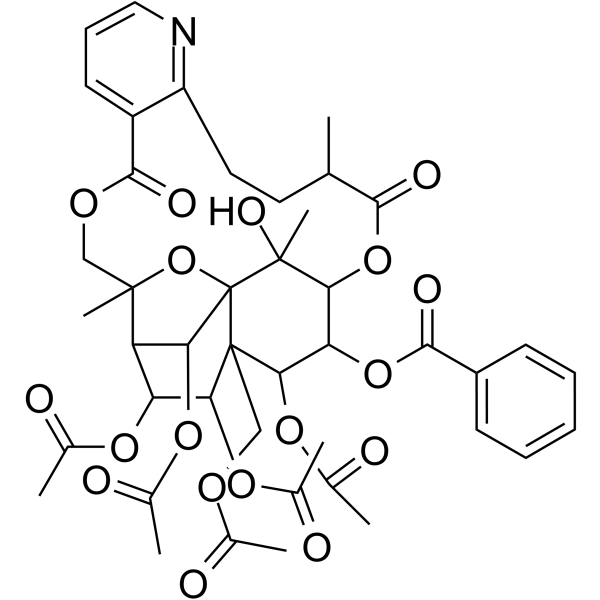
Wilforine is an orally active JAK-STAT pathway inhibitor with immunomodulatory effects and the ability to inhibit osteoclast fusion. Wilforine disrupts lipid raft integrity, reprograms cholesterol and glycosphingolipid metabolic pathways, regulates NF-κB and the complement system, and modulates the expression of various interleukins. Wilforine also inhibits the Wnt11/β-catenin signaling pathway and suppresses the proliferation of fibroblast-like synoviocytes. Wilforine can serve as a quality and pharmacokinetic marker for Tripterygium glycoside tablets, and can be applied to research on related diseases such as rheumatoid arthritis, inflammatory osteolysis, and SAPHO syndrome .
|
-
-
- HY-P5557
-
|
|
Bacterial
Necroptosis
|
Infection
Inflammation/Immunology
|
|
TP4 (Nile tilapia piscidin) is an orally active amphipathic α-helical cationic antimicrobial peptide. TP4 (Nile tilapia piscidin) exerts broad-spectrum bactericidal activity against Gram-positive and Gram-negative bacteria by disrupting cell membrane structures, and also exhibits certain hemolytic activity. TP4 (Nile tilapia piscidin) regulates the innate immune system and enhances the expression of lysozymes, cytokines and antioxidant enzymes to resist bacterial infection. TP4 (Nile tilapia piscidin) also stimulates the proliferation of keratinocytes and fibroblasts, and significantly promotes the healing of wounds infected with MRSA. TP4 (Nile tilapia piscidin) can be used in research related to bacterial infection, peritonitis, wound healing and other fields .
|
-
-
- HY-W010253
-
-
-
- HY-P3136
-
|
TRV120055
|
Angiotensin Receptor
ERK
|
Cardiovascular Disease
|
|
TRV055 (TRV120055) is a G protein-biased agonist of angiotensin II type 1 receptors (AT1Rs). TRV120055 induces fibroblast proliferation, overexpression of collagen I and α-SMA, and stress fibre formation in human cardiac fibroblasts. TRV055 activates AT1 receptor/Gαq-mediated signaling pathways, upregulates TGF-β1 and p-ERK1/2. TRV055 induces collagen secretion in adult rat myofibroblasts at a level comparable to Ang II. TRV055 can be used to study the role of G protein-biased signaling of AT1Rs in regulating fibrotic responses [1]
|
-
-
- HY-77278
-
|
|
VD/VDR
Aryl Hydrocarbon Receptor
LXR
PPAR
|
Others
|
|
25-Hydroxytachysterol3 is the metabolite of Vitamin D3 (HY-15398). 25-Hydroxytachysterol3 inhibits the proliferation of epidermal keratinocytes and dermal fibroblasts, stimulates the expression of differentiation- and antioxidant-related genes in keratinocytes. 25-Hydroxytachysterol3 activates vitamin D receptor (VDR) and aryl hydrocarbon receptor (AhR), liver X receptor α/β (LXR α/β) and peroxisome proliferator-activated receptor γ (PPARγ), stimulates the expression of CYP24A1 .
|
-
-
- HY-21075
-
|
|
Endogenous Metabolite
|
Inflammation/Immunology
|
|
3-Furanoic acid is an active unit, and its derivatives have a wide range of anti-inflammatory activities. 3-Furanoic acid-related derivatives can target inflammation-related signaling pathways and inhibit the proliferation of synovial fibroblasts to exert immunomodulatory effects .
|
-
-
- HY-P3136A
-
|
TRV120055 hydrochloride
|
Angiotensin Receptor
|
Cardiovascular Disease
|
|
TRV055 (TRV120055) hydrochloride is a G protein-biased agonist of angiotensin II type 1 receptors (AT1Rs). TRV055 hydrochloride induces fibroblast proliferation, overexpression of collagen I and α-SMA, and stress fibre formation in human cardiac fibroblasts. RV055 hydrochloride activates AT1 receptor/Gαq-mediated signaling pathways, upregulates TGF-β1 and p-ERK1/2. RV055 hydrochloride induces collagen secretion in adult rat myofibroblasts at a level comparable to Ang II. RV055 hydrochloride can be used to study the role of G protein-biased signaling of AT1Rs in regulating fibrotic responses [1]
|
-
-
- HY-163705
-
|
|
PROTACs
FGFR
|
Cancer
|
|
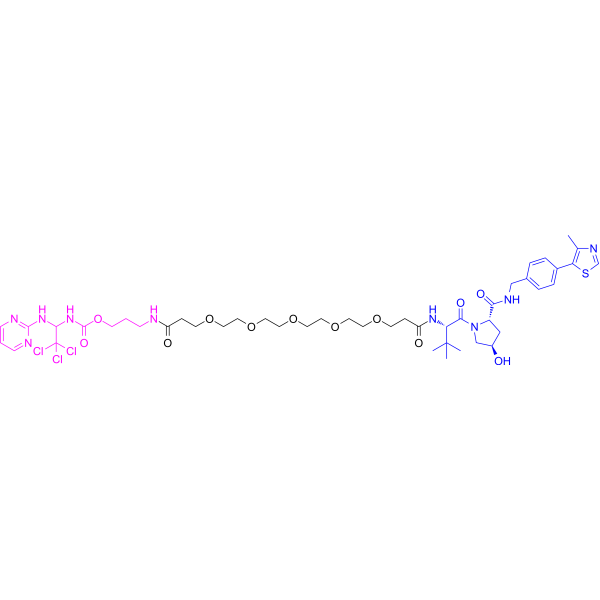
BR-cpd7 is a PROTAC degrader for fibroblast growth factor receptor FGFR1/2 with DC50 of 10 nM. BR-cpd7 arrests cell cycle, inhibits proliferations of FGFR1/2 aberrant activated tumor cells. (Pink: ligand for target protein FGFR-IN-12 (HY-160013); Black: linker; Blue: ligand for E3 ligase Thalidomide-NH-CH2-COOH (HY-131717))
|
-
-
- HY-W134423B
-
|
|
Biochemical Assay Reagents
|
Others
|
|
Agar, meets USP testing specifications is a high-quality selective growth support and substrate for non-adherent cells. Agar, meets USP testing specifications effectively supports the growth, colony formation and metachromatic matrix production of chondrocytes, and also facilitates the isolation and differentiation of pure chondrocyte strains by restricting the proliferation of fibroblast-like cells. Chondrocytes grown in Agar, meets USP testing specifications can be successfully transferred to a liquid suspension culture system, where they continue to proliferate while retaining the characteristics exhibited during growth in agar .
|
-
-
- HY-128034
-
|
|
PIN1
|
Cancer
|
|
PPIase-Parvulin inhibitor (compound B) is a cell-permeable inhibitor targeting PPIase Pin1 and Par14, with IC50s of 1.5 and 1.0 µM, respectively. PPIase-Parvulin inhibitor has anticancer activity and inhibits the growth and proliferation of mouse embryonic fibroblasts (MEFs) .
|
-
-
- HY-14188R
-
|
|
Reference Standards
Potassium Channel
Autophagy
|
Cardiovascular Disease
Cancer
|
|
Amiodarone (hydrochloride) (Standard) is the analytical standard of Amiodarone (hydrochloride). This product is intended for research and analytical applications. Amiodarone hydrochloride, a benzofuran-based Class III antiarrhythmic agent, inhibits WT outwardIhERG tails with an IC50 of ∼45 nM . Amiodarone hydrochloride induces cell proliferation and myofibroblast differentiation via ERK1/2 and p38 MAPK signaling in fibroblasts . Amiodarone hydrochloride can be used in the research of both supraventricular and ventricular arrhythmias .
|
-
-
- HY-P5206
-
|
|
Bacterial
|
Infection
|
|
Garvicin KS, GakB is a peptide at sizes of 34 amino acids to form bacteriocin garvicin KS (GarKS), with other 2 peptides, GakA, and GakC. Garvicin KS, GakB inhibits fibroblast viability and proliferation. Garvicin KS, GakB with GakA, is a potent combination with good peptide stability, antimicrobial efficacy, and fibroblast viability/proliferation effects. Garvicin KS peptides inhibit MSSA with MIC values in the order GakB >GakC >GakA .
|
-
-
- HY-P5205
-
|
|
Bacterial
|
Infection
|
|
Garvicin KS, GakA is a peptide at sizes of 34 amino acids to form bacteriocin garvicin KS (GarKS), with other 2 peptides, GakB, and GakC. Garvicin KS, GakA inhibits fibroblast viability and proliferation. Garvicin KS, GakA with GakB, is a potent combination with good peptide stability, antimicrobial efficacy, and fibroblast viability/proliferation effects. Garvicin KS peptides inhibit MSSA with MIC values in the order GakB >GakC >GakA .
|
-
-
- HY-115550
-
|
|
Parasite
|
Infection
|
|
Chalcone 4 hydrate is an anti-parasitic agent. Chalcone 4 hydrate inhibits the growth and proliferation of Babesia and Theileria in vitro. Chalcone 4 hydrate reduces the viability of mammalian fibroblasts and kidney cells in vitro. Chalcone 4 hydrate can be used for the research of parasitic infections .
|
-
-
- HY-14188S
-
|
|
Potassium Channel
Autophagy
|
Cardiovascular Disease
Cancer
|
|
Amiodarone-d4 (hydrochloride) is the deuterium labeled Amiodarone hydrochloride. Amiodarone hydrochloride, a benzofuran-based Class III antiarrhythmic agent, inhibits WT outwardIhERG tails with an IC50 of ~45 nM . Amiodarone hydrochloride induces cell proliferation and myofibroblast differentiation via ERK1/2 and p38 MAPK signaling in fibroblasts . Amiodarone hydrochloride can be used in the research of both supraventricular and ventricular arrhythmias .
|
-
-
- HY-164387
-
|
|
EGFR
PDGFR
VEGFR
|
Cancer
|
|
Sutetinib is an orally active inhibitor for tyrosine kinase, that is associated with tumor growth and angiogenesis, such as VEGFR (Ki= 0.009 µM for VEGFR-1/2/3), PDGFR (Ki= 0.008 µM for PDGFR-α/β) and proto-oncogene cKIT. Sutetinib inhibits the proliferation, migration, and tubular structure formation of endothelial cells and fibroblasts, and exhibits board-spectrum antitumor efficacy in vitro and in vivo .
|
-
-
- HY-P5452
-
|
|
PKC
|
Others
|
|
PKCd (8-17) is a biological active peptide. (This peptide is derived from the V1 domain of protein kinase C (PKC)d. It inhibits phorbol 12-myristate 13-acetate (PMA)-induced PKCd translocation and activation. Inhibition of PKCd reduces ischemia damage in cardiac and cerebral cells, induces proliferation of fibroblasts, and inhibits graft coronary artery disease in mice.)
|
-
-
- HY-177739
-
|
|
Drug Derivative
Collagen
|
Inflammation/Immunology
|
|
Antifibrotic agent 2 (Compound 636) is a polycyclic pyridinone derivative with antifibrotic activity. Antifibrotic agent 2 reduces the pathological accumulation of fibrosis-related proteins such as fibronectin and collagen, prevents excessive fibrous connective tissue from depositing in organs or tissues, and reverses or delays the remodeling of tissue fibrosisby regulating the abnormal proliferation and activation of fibroblasts. Antifibrotic agent 2 can be used for research on pulmonary fibrosis .
|
-
-
- HY-P10320
-
|
Tumstatin (69-88), human
|
PI3K
Akt
|
Cardiovascular Disease
|
|
T3 Peptide is an active fragment of tumstatin. T3 Peptide binds integrin αvβ3/αvβ5, activates the PI3K/Akt/p70S6K signaling pathway, and thus stimulates the proliferation and migration of rat cardiac fibroblasts .
|
-
-
- HY-164387A
-
|
|
EGFR
VEGFR
PDGFR
|
Cancer
|
|
Sutetinib maleate is the maleate form of Sutetinib (HY-164387). Sutetinib maleate is an orally active inhibitor for tyrosine kinase, that is associated with tumor growth and angiogenesis, such as VEGFR (Ki= 0.009 µM for VEGFR-1/2/3), PDGFR (Ki= 0.008 µM for PDGFR-α/β) and proto-oncogene cKIT. Sutetinib maleate inhibits the proliferation, migration, and tubular structure formation of endothelial cells and fibroblasts, and exhibits board-spectrum antitumor efficacy in vitro and in vivo .
|
-
-
- HY-170934
-
|
|
FGFR
|
Cancer
|
|
BW710 is an orally active fibroblast growth factor receptor 2 (FGFR2) inhibitor. BW710 inhibits the proliferation of BaF3-FGFR2 cells with an IC50 of 2.8 nM. BW710 abolishes FGFR2 enzymatic activity and is selective against other 75 tyrosine kinases including FGFR1, FGFR3, and FGFR4 at 1 μM. BW710 suppresses the FGFR2 signaling and selectively inhibits FGFR2-driven cancer cell proliferation. BW710 displays reasonable
pharmacokinetic properties with an oral bioavailability of 29 % in mice .
|
-
-
- HY-A0114
-
|
RS 10029
|
Angiotensin-converting Enzyme (ACE)
|
Cardiovascular Disease
|
|
Moexiprilat is an inhibitor of angiotensin-converting enzyme (ACE; IC50=2.1 nM) and an active metabolite of the prodrug Moexipril (HY-117281). It is formed from moexipril in vivo by side chain ester hydrolysis. Moexiprilat (10 nM) prevents the estrone- or angiotensin II-stimulated proliferation of primary neonatal rat cardiac fibroblasts. It reduces mean arterial blood pressure and increases the levels of atrial natriuretic peptide, a marker of hypertension, in ovariectomized mice when administered at a dose of 50 mg/kg per day.
|
-
-
- HY-139062
-
|
C6 Ceramide (d18:1/6:0) Urea; Cer(d18:1/6:0) Urea; D-erythro-Urea-C6-Ceramide
|
Apoptosis
Ceramidase
Autophagy
β-catenin
|
Cancer
|
|
C6 Urea Ceramide (Cer(d18:1/6:0) Urea) is an inhibitor of neutral ceramidase. C6 Urea Ceramide increases total ceramide levels in wild-type mouse embryonic fibroblasts (MEFs) and HT-29 colon cancer cells. C6 Urea Ceramide (5-10 μM) inhibits proliferation of HT-29 cells and induces apoptosis and autophagy, but is not toxic to non-cancerous cells. C6 Urea Ceramide decreases total and phosphorylated β-catenin levels in HT-29 and HCT116 cells, and induces colocalization of β-catenin with the 20S proteasome. C6 Urea Ceramide (1.25, 2.5, and 5 mg/kg) reduced tumor growth and increased C16, C18, C20, and C24 ceramide levels in tumor tissues in the HT-29 mouse xenograft model.
|
-
-
- HY-A0020R
-
|
ED-71 (Standard); 2-(3-hydroxypropoxy)-1,25-dihydroxyvitamin D3 (Standard)
|
Reference Standards
VD/VDR
Apoptosis
|
Metabolic Disease
Inflammation/Immunology
Cancer
|
|
Eldecalcitol (Standard) is the analytical standard of Eldecalcitol. This product is intended for research and analytical applications. Eldecalcitol (ED-71) is an orally active vitamin D3 analogue, inhibits bone resorption and increases bone mineral density. Eldecalcitol (ED-71) displays anti-tumor effect and inhibits cell proliferation, migration and induces apoptosis by suppressing GPx-1 .
|
-
-
- HY-N1419R
-
|
|
Reference Standards
AMPK
|
Metabolic Disease
|
|
Vaccarin (Standard) is the analytical standard of Vaccarin. This product is intended for research and analytical applications. Vaccarin is an active flavonoid glycoside associated with various biological functions. Vaccarin significantly promote wound healing and endothelial cells and fibroblasts proliferation in the wound site. Vaccarin ameliorates insulin resistance and steatosis by activating the AMPK signaling pathway .
|
-
-
- HY-P10616
-
|
|
Endogenous Metabolite
|
Cardiovascular Disease
|
|
Salusin-α is an endogenous bioactive peptide with hemodynamic and cell proliferation activities. Salusin-α can stimulate the proliferation of quiescent vascular smooth muscle cells (VSMCs) and fibroblasts, leading to a rapid and significant decrease in blood pressure and heart rate, but its effect is weaker than that of Salusin-β (HY-P10617). Salusin-α has potential application value in cardiovascular disease research .
|
-
-
- HY-174706
-
|
|
mRNA
|
Cardiovascular Disease
|
|
Human FGF16 mRNA encodes the human fibroblast growth factor 16 (FGF16) protein, a member of the fibroblast growth factor (FGF) family. FGF16 probably plays an important role in the regulation of embryonic development, cell proliferation and cell differentiation. It is also required for normal cardiomyocyte proliferation and heart development.
|
-
-
- HY-174695
-
|
|
mRNA
|
Cancer
|
|
Human FGF5 mRNA encodes the human fibroblast growth factor 5 (FGF5) protein, a member of the fibroblast growth factor (FGF) family. FGF5 may play an important role in the regulation of cell proliferation and cell differentiation.
|
-
-
- HY-174696
-
|
|
mRNA
|
Cancer
|
|
Human FGF4 mRNA encodes the human fibroblast growth factor 4 (FGF4) protein, a member of the fibroblast growth factor (FGF) family. FGF4 may play an important role in the regulation of embryonic development, cell proliferation, and cell differentiation.
|
-
-
- HY-174697
-
|
|
mRNA
|
Cancer
|
|
Human FGF3 mRNA encodes the human fibroblast growth factor 3 (FGF3) protein, a member of the fibroblast growth factor (FGF) family. FGF3 may play an important role in the regulation of embryonic development, cell proliferation, and cell differentiation.
|
-
-
- HY-174694
-
|
|
mRNA
|
Cancer
|
|
Human FGF6 mRNA encodes the human fibroblast growth factor 6 (FGF6) protein, a member of the fibroblast growth factor (FGF) family. FGF6 may play an important role in the regulation of cell proliferation, cell differentiation, angiogenesis and myogenesis, and is also required for normal muscle regeneration.
|
-
-
- HY-174704
-
|
|
mRNA
|
Cancer
|
|
Human FGF18 mRNA encodes the human fibroblast growth factor 18 (FGF18) protein, a member of the fibroblast growth factor (FGF) family. FGF18 probably plays an important role in the regulation of cell proliferation, cell differentiation and cell migration. It is also required for normal ossification and bone development.
|
-
-
- HY-174699
-
|
|
mRNA
|
Cancer
|
|
Human FGF22 mRNA encodes the human fibroblast growth factor 22 (FGF22) protein, a member of the fibroblast growth factor (FGF) family. FGF22 plays a role in the fasting response, glucose homeostasis, lipolysis and lipogenesis. It also can stimulate cell proliferation (in vitro) and may be involved in hair development.
|
-
-
- HY-174687
-
|
|
mRNA
|
Cancer
|
|
Human FGFR4 mRNA encodes the human fibroblast growth factor receptor 4 (FGFR4) protein, a tyrosine kinase and cell surface receptor for fibroblast growth factors. FGFR4 is involved in the regulation of several pathways, including cell proliferation, cell differentiation, cell migration, lipid metabolism, bile acid biosynthesis, vitamin D metabolism, glucose uptake, and phosphate homeostasis.
|
-
-
- HY-151954
-
|
|
TGF-β Receptor
|
Inflammation/Immunology
|
|
TGFβ1-IN-2 is a diarylacylhydrazones derivative that effectively suppresses the activation and proliferation of fibroblasts. TGFβ1-IN-2 can be used for idiopathic pulmonary fibrosis (IPF) research .
|
-
-
- HY-151955
-
|
|
TGF-β Receptor
|
Inflammation/Immunology
|
|
TGFβ1-IN-3 is a diarylacylhydrazones derivative that effectively suppresses the activation and proliferation of fibroblasts. TGFβ1-IN-3 can be used for idiopathic pulmonary fibrosis (IPF) research .
|
-
-
- HY-120075
-
|
|
Apoptosis
|
Cancer
|
|
TJ191 is a potent and specific anti-cancer agent that targets low TβRIII-expressing malignant T-cell leukemia/lymphoma cells. TJ191 has no affects on the proliferation of other cancer cells or normal fibroblasts or immune cells. TJ191 can be used for cancer research .
|
-
-
- HY-P5207
-
|
|
Bacterial
|
Infection
|
|
Garvicin KS, GakC is a peptide at sizes of 32 amino acids to form bacteriocin garvicin KS (GarKS), with other 2 peptides, GakA, and GakB. Garvicin KS, GakC inhibits fibroblast viability and proliferation. Garvicin KS peptides inhibit MSSA with MIC values in the order GakB >GakC >GakA .
|
-
- HY-Z8648
-
|
|
Drug Intermediate
|
Inflammation/Immunology
Endocrinology
Cancer
|
|
Δ14-Triamcinolone acetonide is a potential impurity. Triamcinolone acetonide inhibits basic fibroblast growth factor (bFGF) induced proliferation of retinal endothelial cells. Triamcinolone acetonide reduces chondrocyte viability and leads to cartilage destruction. Triamcinolone acetonide can be used in the study of diseases such as atopic dermatitis .
|
-
- HY-121701
-
|
|
Calcium Channel
|
Cardiovascular Disease
|
|
SR 33805 (analog) is an orally active Ca 2+ channel blocker that selectively inhibits the proliferation of smooth muscle cells. SR 33805 (analog) reduces calcium uptake by blocking calcium channels, thereby inhibiting smooth muscle cell proliferation induced by serum, platelet-derived growth factor, and basic fibroblast growth factor. SR 33805 (analog) significantly reduces intimal thickening following endothelial injury in rabbits. SR 33805 (analog) shows promise for cardiovascular disease research, such as in early atherosclerosis .
|
-
- HY-125102
-
|
|
IGF-1R
|
Cancer
|
|
AZ12253801 is an ATP-competitive IGF-1R tyrosine kinase inhibitor that shows ∼10-fold selectivity over the insulin receptor. AZ12253801 inhibits IGF-1R–driven proliferation in 3T3 mouse fibroblasts (transfected with human IGF-1R) with an IC50 of 17 nmol/L. The IC50 for epidermal growth factor receptor (EGFR)–driven proliferation is 440 nmol/L. Anti-tumor activity.
|
-
- HY-168957
-
|
|
MMP
Reactive Oxygen Species (ROS)
|
Others
|
|
RuDiOBn scanvages DPPH and ABTS free radicals (13.2% and 5.9% clearance at 100 μg/mL), exhibits low antioxidant activity. RuDiOBn inhibits the collagen glycation, reduces the formation of advanced glycation end products (AGEs) with an IC50 of 2.45 μg/mL. RuDiOBn enhances the proliferation and migration of fibroblasts, stimulates the synthesis of collagen, promoting the skin repair and regeneration. RuDiOBn also inhibits collagenase .
|
-
- HY-P10617
-
|
|
Endogenous Metabolite
|
Cardiovascular Disease
|
|
Salusin-β is an endogenous bioactive peptide with significant hemodynamic and mitogenic activity. Salusin-β can stimulate the proliferation of quiescent vascular smooth muscle cells (VSMCs) and fibroblasts, leading to a rapid and significant decrease in blood pressure and heart rate. In addition, Salusin-β can stimulate the release of arginine vasopressin from the pituitary gland in rats. This makes Salusin-β have important application potential in cardiovascular disease research .
|
-
- HY-B0636S1
-
|
|
Isotope-Labeled Compounds
Glucocorticoid Receptor
FGFR
|
Cardiovascular Disease
Inflammation/Immunology
Endocrinology
Cancer
|
|
Triamcinolone acetonide- 13C3 is the 13C-labeled Triamcinolone acetonide (HY-B0636). Triamcinolone acetonide inhibits basic fibroblast growth factor (bFGF) induced proliferation of retinal endothelial cells. Triamcinolone acetonide reduces chondrocyte viability and leads to cartilage destruction. Triamcinolone acetonide activates macrophage with anti-inflammatory characteristics. Triamcinolone acetonide can be used in the study of diseases such as atopic dermatitis .
|
-
- HY-119443R
-
|
|
Reference Standards
Phosphatase
|
Metabolic Disease
Inflammation/Immunology
|
|
Neridronate (Standard) is the analytical standard of Neridronate (HY-119443). This product is intended for research and analytical applications. Neridronate is an aminobisphosphonate. Neridronate induces osteoblast differentiation, enhances alkaline phosphatase activity and mineralized nodule formation. Neridronate inhibits endothelial cell proliferation, fibroblast growth factor-2-induced capillary-like tube formation, and angiogenesis. Neridronate can be used for osteogenesis imperfecta and Paget’s disease of bone .
|
-
- HY-164482
-
|
|
RET
|
Cancer
|
|
HG-6-63-01 is a type II RET tyrosine kinase inhibitor (TKI). HG-6-63-01 also inhibits REarranged during Transfection (RET) kinase and signaling in human thyroid cancer cell lines carrying oncogenic RET alleles. HG-6-63-01 impairs phosphorylation and signalling of RET oncogenic mutants. HG-6-63-01 blunts proliferation of RET/C634R and RET/M918T-transformed fibroblasts and of RET mutant thyroid cancer cells, which is promising for research of cancers harboring oncogenic activation of RET .
|
-
- HY-N4089R
-
|
|
Reference Standards
Aldose Reductase
Cytochrome P450
|
Metabolic Disease
Cancer
|
|
Quercetin 3-gentiobioside (Standard) is the analytical standard of Quercetin 3-gentiobioside (HY-N4089). This product is intended for research and analytical applications. Quercetin 3-gentiobioside is a flavonoid found in Artemisia iwayomogi. Quercetin 3-gentiobioside inhibits aromatase with an Ki of 46.77 nM. Quercetin 3-gentiobioside inhibits aldose reductase (AR) and the formation of advanced glycation end products (AGEs), with IC50 values of 10.60 μM and 109.46 μM, respectively. Quercetin 3-gentiobioside inhibits proliferation of cancer cells and fibroblast-like synoviocytes. Quercetin 3-gentiobioside can be used for the research of cancer, such as lung carcinoma .
|
-
- HY-A0169
-
|
|
Reactive Oxygen Species (ROS)
Photosensitizer
|
Cancer
|
|
Methyl aminolevulinate is a sensitizer used in photodynamic therapy (PDT). Methyl aminolevulinate penetrates the skin and induces the production of photoactive porphyrins including protoporphyrin IX in cells; upon exposure to appropriate light, it generates ROS, which triggers cellular oxidation and cell death. Methyl aminolevulinate acts as a photo-damage reversing agent through epidermal reconstruction, cytokine-mediated activation of dermal fibroblasts, elastin breakdown, new collagen formation, and compression of dilated capillaries. Methyl aminolevulinate reduces the expression of the proliferation marker Ki-67 and the early skin carcinogenesis marker TP53. Methyl aminolevulinate delays the onset of ultraviolet-induced skin tumors and reduces tumor burden in hairless mice. Methyl aminolevulinate is applicable to research related to actinic keratosis and basal cell carcinoma .
|
-
- HY-138185
-
|
SF 2738A
|
Bacterial
Apoptosis
|
Cancer
|
|
Collismycin A is a bacterial metabolite originally isolated from Streptomyces that has diverse biological activities, including antibacterial, antiproliferative, and neuroprotective properties. It is active against a variety of bacteria (MICs=6.25 and 100 μg/mL) and fungi (MICs=12.5-100 μg/mL). It inhibits proliferation of A549 lung, HCT116 colon, and HeLa cervical cancer cells (IC50s=0.3, 0.6, and 0.3 μM, respectively) and NIH373 fibroblasts (IC50=56.6 μM) but not MDA-MD-231 breast cancer cells (IC50=>100 μM). Collismycin A forms a complex with Fe(II) and Fe(III) at a 2:1 ratio, and the addition of iron ions inhibits the antiproliferative effect of collismycin A on HeLa cells, an effect that does not occur with the addition of zinc, manganese, copper, or magnesium ions.3 Collismycin A (1 μM) prevents apoptosis in the brain region of zebrafish larvae in a model of neuronal cell death induced by all-trans retinoic acid.
|
-
- HY-174712
-
|
|
mRNA
|
Cancer
|
|
Human FGF1 mRNA encodes the human Fibroblast growth factor 1 (FGF1) protein, a member of fibroblast growth factor (FGF) family. FGF1 functions as a modifier of endothelial cell migration and proliferation, as well as an angiogenic factor. It also acts as a mitogen for a variety of mesoderm- and neuroectoderm-derived cells in vitro, thus is thought to be involved in organogenesis.
|
-
- HY-21075R
-
|
|
Endogenous Metabolite
Reference Standards
|
Inflammation/Immunology
|
|
3-Furanoic acid (Standard) is the analytical standard of 3-Furanoic acid. This product is intended for research and analytical applications. 3-Furanoic acid is an active unit, and its derivatives have a wide range of anti-inflammatory activities. 3-Furanoic acid-related derivatives can target inflammation-related signaling pathways and inhibit the proliferation of synovial fibroblasts to exert immunomodulatory effects .
|
-
- HY-112453
-
|
|
Parasite
|
Infection
|
|
IMDNQ1 is a Trypanosoma cruzi inhibitor derived from 1,4-naphthoquinone substituted with cyclic imide. IMDNQ1 effectively inhibits the proliferation of Trypanosoma cruzi epimastigotes, while also reducing the viability of mouse fibroblasts. The selectivity index between the antiproliferative activity and cytotoxicity of IMDNQ1 is 60.25, indicating a certain level of safety. IMDNQ1 can be widely used in studies related to Chagas disease .
|
-
- HY-16362
-
|
PG 490-88Na
|
Apoptosis
TGF-β Receptor
NF-κB
Interleukin Related
IFNAR
TNF Receptor
|
Inflammation/Immunology
|
|
Omtriptolide sodium (PG490-88Na) is a derivative of Triptolide (HY-32735). Omtriptolide sodium exhibits significant immunosuppressive, anti-fibrotic and anti-inflammatory properties. The mechanism of action of Omtriptolide sodium is diverse, including inhibiting T cell activation and proliferation, inducing T cell apoptosis (apoptosis), blocking fibroblast maturation/proliferation, inhibiting TGF-β mRNA expression, and suppressing pro-inflammatory cytokines (such as IL-2, IFN-γ, TNF-α) by blocking transcription factors such as NF-κB. Omtriptolide sodium can be used for research on obstructive airway diseases, pulmonary fibrosis and graft-versus-host disease .
|
-
- HY-W010253R
-
|
|
Bacterial
Reference Standards
|
Infection
Inflammation/Immunology
|
|
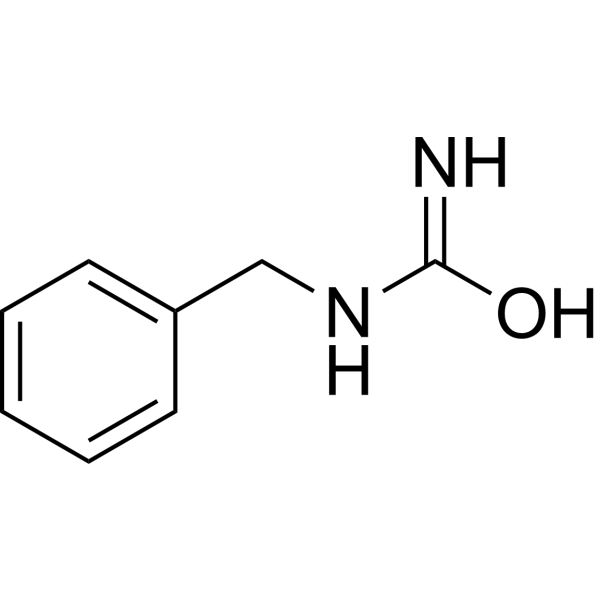
Benzylurea (Standard) is the analytical standard of Benzylurea (HY-W010253). This product is intended for research and analytical applications. Benzylurea is a benzylamide. Benzylurea is an anti-inflammatory agent. Benzylurea inhibits LPS (HY-D1056)-induced upregulation of MTCH2 expression and regulates pathways associated with mitochondrial function, inflammation and cell survival. Benzylurea alleviates LPS-induced proliferation inhibition and apoptosis of periodontal ligament fibroblasts, as well as the release of proinflammatory cytokines. Benzylurea can be used in studies related to periodontitis.
|
-
- HY-180546
-
|
|
CDK
|
Cancer
|
|
CDK2-IN-53 (compound 9) is a CDK2 inhibitor with anticancer activity. CDK2-IN-53 selectively inhibits the proliferation of HCT-116 and MCF-7cells with IC50 values of 13.89 and 7.65 μM, respectively, while showing lower cytotoxicity toward normal lung fibroblast (WI-38) cells (IC50 = 71.24 μM). CDK2-IN-53 can be used for cancer research, such as colon and breast cancer .
|
-
- HY-181489
-
|
|
SARS-CoV
|
Infection
Cancer
|
|
SARS-CoV-2 3CLpro-IN-35 is a SARS-CoV-2 3CLpro inhibitor with an IC50 of 0.15 μM. SARS-CoV-2 3CLpro-IN-35 inhibits the proliferation of bladder cancer cells, exerts anti-SARS-CoV-2 activity, and exhibits low cytotoxicity in fibroblasts. SARS-CoV-2 3CLpro-IN-35 is applicable to research related to SARS-CoV-2 infection and bladder cancer .
|
-
- HY-121303
-
|
|
Interleukin Related
DNA/RNA Synthesis
|
Neurological Disease
Inflammation/Immunology
|
|
CK-102 is an interleukin-1 (IL-1) inhibitor. CK-102 reduces mRNA synthesis. CK-102 does not inhibit DNA synthesis. CK-102 only slightly inhibits protein synthesis, or has no effect on it. CK-102 delays wound healing after ophthalmic surgery and prolongs the failure time of trabeculectomy fistulas. CK-102 inhibits lens protein-induced ocular inflammation at both early and late stages. CK-102 inhibits endotoxin-induced uveitis. CK-102 does not inhibit interleukin-1-induced uveitis. CK-102 can be used in research related to glaucoma filtration failure and uveitis .
|
-
- HY-181752
-
|
|
FGFR
TNK1
Apoptosis
Caspase
|
Cancer
|
|
FGFR3-IN-12 is a selective fibroblast growth factor receptor 3 (FGFR3) inhibitor with an IC50 of 6.8 nM. FGFR3-IN-12 shows an IC50 of 19.2 nM against FGFR3 V555M and an IC50 of 16.9 nM against TNK1 (Thirty-eight Negative Kinase 1). FGFR3-IN-12 inhibits cancer cells proliferation and induces caspase-mediated apoptosis. FGFR3-IN-12 exhibits antitumor activity in bladder cancer xenografts mice models. FGFR3-IN-12 can be used for the research of cancer, such as bladder cancer .
|
-
- HY-167262
-
|
|
RAR/RXR
|
Metabolic Disease
Cancer
|
|
AGN-191659 is an orally active RAR/RXR agonist with EC50 values of 11 nM, 23 nM, and 37 nM for RXRα, RARβ, and RARγ, respectively. AGN-191659 activates RXRα, RARβ and RARγ to induce gene transcription. AGN-191659 induces tissue transglutaminase activity, inhibits ornithine decarboxylase activity induced by tumor promoters, and suppresses chondrogenesis. AGN-191659 reverses basic fibroblast growth factor-induced endothelial cell proliferation. AGN-191659 induces hypertriglyceridemia in rat models. AGN-191659 inhibits total heparin-releasable lipase activity. AGN-191659 can be used in research related to promyelocytic leukemia and hypertriglyceridemia .
|
-
- HY-A0169AR
-
|
|
Reactive Oxygen Species (ROS)
Reference Standards
Photosensitizer
|
Inflammation/Immunology
Cancer
|
|
Methyl aminolevulinate hydrochloride (Standard) is the analytical standard of Methyl aminolevulinate hydrochloride. This product is intended for research and analytical applications. Methyl aminolevulinate hydrochloride is a sensitizer used in photodynamic therapy (PDT). Methyl aminolevulinate hydrochloride penetrates the skin and induces the production of photoactive porphyrins including protoporphyrin IX in cells; upon exposure to appropriate light, it generates ROS, which triggers cellular oxidation and cell death. Methyl aminolevulinate hydrochloride acts as a photo-damage reversing agent through epidermal reconstruction, cytokine-mediated activation of dermal fibroblasts, elastin breakdown, new collagen formation, and compression of dilated capillaries. Methyl aminolevulinate hydrochloride reduces the expression of the proliferation marker Ki-67 and the early skin carcinogenesis marker TP53. Methyl aminolevulinate hydrochloride delays the onset of ultraviolet-induced skin tumors and reduces tumor burden in hairless mice. Methyl aminolevulinate hydrochloride is applicable to research related to actinic keratosis and basal cell carcinoma .
|
-
| Cat. No. |
Product Name |
Type |
-
- HY-NP175
-
|
|
Biochemical Assay Reagents
|
|
Collagen (bovine skin) is a three-dimensional cell culture matrix and morphoregulator extracted from bovine skin, which binds to integrins (such as α1β1, α2β1, α11β1) and discoidin domain receptors (DDR1 and DDR2). Collagen (bovine skin) can be reconstituted into a three-dimensional fibrous network to mimic the in vivo tissue environment. It can not only be modified through cross-linking or concentration adjustment, but also interact with fibronectin to enhance matrix-associated cellular activities. Collagen (bovine skin) mediates the proliferation, aggregation, durotactic migration and differentiation of fibroblasts, regulates the synthesis, remodeling and contraction of extracellular matrix, and modulates the expression, activation of MMP as well as cell apoptosis, etc. Collagen (bovine skin) can be used in studies related to the mechanisms of cancer occurrence and development .
|
-
- HY-W134423B
-
|
|
Biochemical Assay Reagents
|
|
Agar, meets USP testing specifications is a high-quality selective growth support and substrate for non-adherent cells. Agar, meets USP testing specifications effectively supports the growth, colony formation and metachromatic matrix production of chondrocytes, and also facilitates the isolation and differentiation of pure chondrocyte strains by restricting the proliferation of fibroblast-like cells. Chondrocytes grown in Agar, meets USP testing specifications can be successfully transferred to a liquid suspension culture system, where they continue to proliferate while retaining the characteristics exhibited during growth in agar .
|
| Cat. No. |
Product Name |
Target |
Research Area |
-
- HY-P5557
-
|
|
Bacterial
Necroptosis
|
Infection
Inflammation/Immunology
|
|
TP4 (Nile tilapia piscidin) is an orally active amphipathic α-helical cationic antimicrobial peptide. TP4 (Nile tilapia piscidin) exerts broad-spectrum bactericidal activity against Gram-positive and Gram-negative bacteria by disrupting cell membrane structures, and also exhibits certain hemolytic activity. TP4 (Nile tilapia piscidin) regulates the innate immune system and enhances the expression of lysozymes, cytokines and antioxidant enzymes to resist bacterial infection. TP4 (Nile tilapia piscidin) also stimulates the proliferation of keratinocytes and fibroblasts, and significantly promotes the healing of wounds infected with MRSA. TP4 (Nile tilapia piscidin) can be used in research related to bacterial infection, peritonitis, wound healing and other fields .
|
-
- HY-P3136
-
|
TRV120055
|
Angiotensin Receptor
ERK
|
Cardiovascular Disease
|
|
TRV055 (TRV120055) is a G protein-biased agonist of angiotensin II type 1 receptors (AT1Rs). TRV120055 induces fibroblast proliferation, overexpression of collagen I and α-SMA, and stress fibre formation in human cardiac fibroblasts. TRV055 activates AT1 receptor/Gαq-mediated signaling pathways, upregulates TGF-β1 and p-ERK1/2. TRV055 induces collagen secretion in adult rat myofibroblasts at a level comparable to Ang II. TRV055 can be used to study the role of G protein-biased signaling of AT1Rs in regulating fibrotic responses [1]
|
-
- HY-P3136A
-
|
TRV120055 hydrochloride
|
Angiotensin Receptor
|
Cardiovascular Disease
|
|
TRV055 (TRV120055) hydrochloride is a G protein-biased agonist of angiotensin II type 1 receptors (AT1Rs). TRV055 hydrochloride induces fibroblast proliferation, overexpression of collagen I and α-SMA, and stress fibre formation in human cardiac fibroblasts. RV055 hydrochloride activates AT1 receptor/Gαq-mediated signaling pathways, upregulates TGF-β1 and p-ERK1/2. RV055 hydrochloride induces collagen secretion in adult rat myofibroblasts at a level comparable to Ang II. RV055 hydrochloride can be used to study the role of G protein-biased signaling of AT1Rs in regulating fibrotic responses [1]
|
-
- HY-P4859
-
|
Pyr-Gly-OH; H-Pyr-Gly-OH
|
Peptides
|
Others
|
|
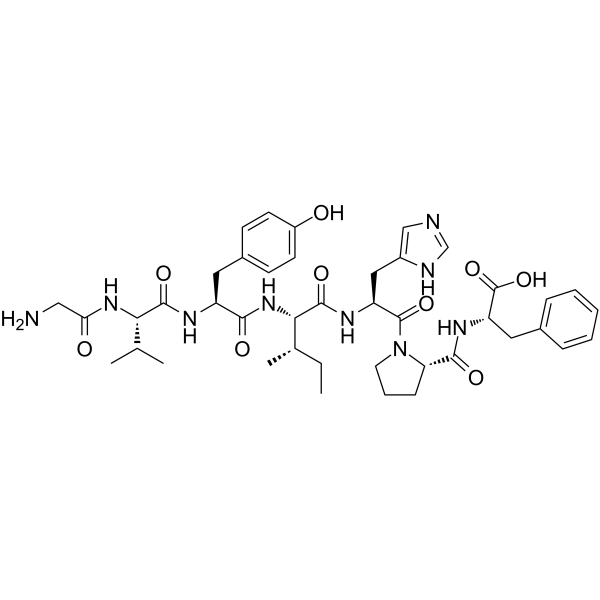
Pyr-Gly is an inhibitory peptide. Pyr-Gly inhibits proliferation of retinal pigment epithelium (RPE) cells and fibroblasts .
|
-
- HY-P5206
-
|
|
Bacterial
|
Infection
|
|
Garvicin KS, GakB is a peptide at sizes of 34 amino acids to form bacteriocin garvicin KS (GarKS), with other 2 peptides, GakA, and GakC. Garvicin KS, GakB inhibits fibroblast viability and proliferation. Garvicin KS, GakB with GakA, is a potent combination with good peptide stability, antimicrobial efficacy, and fibroblast viability/proliferation effects. Garvicin KS peptides inhibit MSSA with MIC values in the order GakB >GakC >GakA .
|
-
- HY-P5205
-
|
|
Bacterial
|
Infection
|
|
Garvicin KS, GakA is a peptide at sizes of 34 amino acids to form bacteriocin garvicin KS (GarKS), with other 2 peptides, GakB, and GakC. Garvicin KS, GakA inhibits fibroblast viability and proliferation. Garvicin KS, GakA with GakB, is a potent combination with good peptide stability, antimicrobial efficacy, and fibroblast viability/proliferation effects. Garvicin KS peptides inhibit MSSA with MIC values in the order GakB >GakC >GakA .
|
-
- HY-P5452
-
|
|
PKC
|
Others
|
|
PKCd (8-17) is a biological active peptide. (This peptide is derived from the V1 domain of protein kinase C (PKC)d. It inhibits phorbol 12-myristate 13-acetate (PMA)-induced PKCd translocation and activation. Inhibition of PKCd reduces ischemia damage in cardiac and cerebral cells, induces proliferation of fibroblasts, and inhibits graft coronary artery disease in mice.)
|
-
- HY-P10320
-
|
Tumstatin (69-88), human
|
PI3K
Akt
|
Cardiovascular Disease
|
|
T3 Peptide is an active fragment of tumstatin. T3 Peptide binds integrin αvβ3/αvβ5, activates the PI3K/Akt/p70S6K signaling pathway, and thus stimulates the proliferation and migration of rat cardiac fibroblasts .
|
-
- HY-P10616
-
|
|
Endogenous Metabolite
|
Cardiovascular Disease
|
|
Salusin-α is an endogenous bioactive peptide with hemodynamic and cell proliferation activities. Salusin-α can stimulate the proliferation of quiescent vascular smooth muscle cells (VSMCs) and fibroblasts, leading to a rapid and significant decrease in blood pressure and heart rate, but its effect is weaker than that of Salusin-β (HY-P10617). Salusin-α has potential application value in cardiovascular disease research .
|
-
- HY-P5207
-
|
|
Bacterial
|
Infection
|
|
Garvicin KS, GakC is a peptide at sizes of 32 amino acids to form bacteriocin garvicin KS (GarKS), with other 2 peptides, GakA, and GakB. Garvicin KS, GakC inhibits fibroblast viability and proliferation. Garvicin KS peptides inhibit MSSA with MIC values in the order GakB >GakC >GakA .
|
-
- HY-P5268
-
|
Palmitoyl hexapeptide-6
|
Peptides
|
Metabolic Disease
|
|
Palmitoyl hexapeptide-14(Palmitoyl hexapeptide-6)isa bioactive peptide withanti-inflammatoryeffect and has been reported used as a cosmetic ingredient .
|
-
- HY-P10617
-
|
|
Endogenous Metabolite
|
Cardiovascular Disease
|
|
Salusin-β is an endogenous bioactive peptide with significant hemodynamic and mitogenic activity. Salusin-β can stimulate the proliferation of quiescent vascular smooth muscle cells (VSMCs) and fibroblasts, leading to a rapid and significant decrease in blood pressure and heart rate. In addition, Salusin-β can stimulate the release of arginine vasopressin from the pituitary gland in rats. This makes Salusin-β have important application potential in cardiovascular disease research .
|
| Cat. No. |
Product Name |
Category |
Target |
Chemical Structure |
| Cat. No. |
Product Name |
Chemical Structure |
-
- HY-14188S
-
|
|
|
Amiodarone-d4 (hydrochloride) is the deuterium labeled Amiodarone hydrochloride. Amiodarone hydrochloride, a benzofuran-based Class III antiarrhythmic agent, inhibits WT outwardIhERG tails with an IC50 of ~45 nM . Amiodarone hydrochloride induces cell proliferation and myofibroblast differentiation via ERK1/2 and p38 MAPK signaling in fibroblasts . Amiodarone hydrochloride can be used in the research of both supraventricular and ventricular arrhythmias .
|
-
-
- HY-B0636S1
-
|
|
|
Triamcinolone acetonide- 13C3 is the 13C-labeled Triamcinolone acetonide (HY-B0636). Triamcinolone acetonide inhibits basic fibroblast growth factor (bFGF) induced proliferation of retinal endothelial cells. Triamcinolone acetonide reduces chondrocyte viability and leads to cartilage destruction. Triamcinolone acetonide activates macrophage with anti-inflammatory characteristics. Triamcinolone acetonide can be used in the study of diseases such as atopic dermatitis .
|
-
| Cat. No. |
Product Name |
|
Classification |
-
- HY-174706
-
|
|
|
mRNA
|
|
Human FGF16 mRNA encodes the human fibroblast growth factor 16 (FGF16) protein, a member of the fibroblast growth factor (FGF) family. FGF16 probably plays an important role in the regulation of embryonic development, cell proliferation and cell differentiation. It is also required for normal cardiomyocyte proliferation and heart development.
|
-
- HY-174695
-
|
|
|
mRNA
|
|
Human FGF5 mRNA encodes the human fibroblast growth factor 5 (FGF5) protein, a member of the fibroblast growth factor (FGF) family. FGF5 may play an important role in the regulation of cell proliferation and cell differentiation.
|
-
- HY-174696
-
|
|
|
mRNA
|
|
Human FGF4 mRNA encodes the human fibroblast growth factor 4 (FGF4) protein, a member of the fibroblast growth factor (FGF) family. FGF4 may play an important role in the regulation of embryonic development, cell proliferation, and cell differentiation.
|
-
- HY-174697
-
|
|
|
mRNA
|
|
Human FGF3 mRNA encodes the human fibroblast growth factor 3 (FGF3) protein, a member of the fibroblast growth factor (FGF) family. FGF3 may play an important role in the regulation of embryonic development, cell proliferation, and cell differentiation.
|
-
- HY-174694
-
|
|
|
mRNA
|
|
Human FGF6 mRNA encodes the human fibroblast growth factor 6 (FGF6) protein, a member of the fibroblast growth factor (FGF) family. FGF6 may play an important role in the regulation of cell proliferation, cell differentiation, angiogenesis and myogenesis, and is also required for normal muscle regeneration.
|
-
- HY-174704
-
|
|
|
mRNA
|
|
Human FGF18 mRNA encodes the human fibroblast growth factor 18 (FGF18) protein, a member of the fibroblast growth factor (FGF) family. FGF18 probably plays an important role in the regulation of cell proliferation, cell differentiation and cell migration. It is also required for normal ossification and bone development.
|
-
- HY-174699
-
|
|
|
mRNA
|
|
Human FGF22 mRNA encodes the human fibroblast growth factor 22 (FGF22) protein, a member of the fibroblast growth factor (FGF) family. FGF22 plays a role in the fasting response, glucose homeostasis, lipolysis and lipogenesis. It also can stimulate cell proliferation (in vitro) and may be involved in hair development.
|
-
- HY-174687
-
|
|
|
mRNA
|
|
Human FGFR4 mRNA encodes the human fibroblast growth factor receptor 4 (FGFR4) protein, a tyrosine kinase and cell surface receptor for fibroblast growth factors. FGFR4 is involved in the regulation of several pathways, including cell proliferation, cell differentiation, cell migration, lipid metabolism, bile acid biosynthesis, vitamin D metabolism, glucose uptake, and phosphate homeostasis.
|
-
- HY-174712
-
|
|
|
mRNA
|
|
Human FGF1 mRNA encodes the human Fibroblast growth factor 1 (FGF1) protein, a member of fibroblast growth factor (FGF) family. FGF1 functions as a modifier of endothelial cell migration and proliferation, as well as an angiogenic factor. It also acts as a mitogen for a variety of mesoderm- and neuroectoderm-derived cells in vitro, thus is thought to be involved in organogenesis.
|
Your information is safe with us. * Required Fields.
Inquiry Information
- Product Name:
- Cat. No.:
- Quantity:
- MCE Japan Authorized Agent:

