
1. Search Result
Search Result
Results for "

gain

" in MedChemExpress (MCE) Product Catalog:

105

Inhibitors & Agonists

3

Screening Libraries

5

Biochemical Assay Reagents

9

Peptides

3

Inhibitory Antibodies

22

Natural
Products

8

Isotope-Labeled Compounds

2

Click Chemistry

2

Oligonucleotides

Cat. No. Product Name Target Research Areas Chemical Structure
  • HY-130208
    Thiodigalactoside
    5 Publications Verification

    TDG

    Galectin Metabolic Disease Inflammation/Immunology Cancer
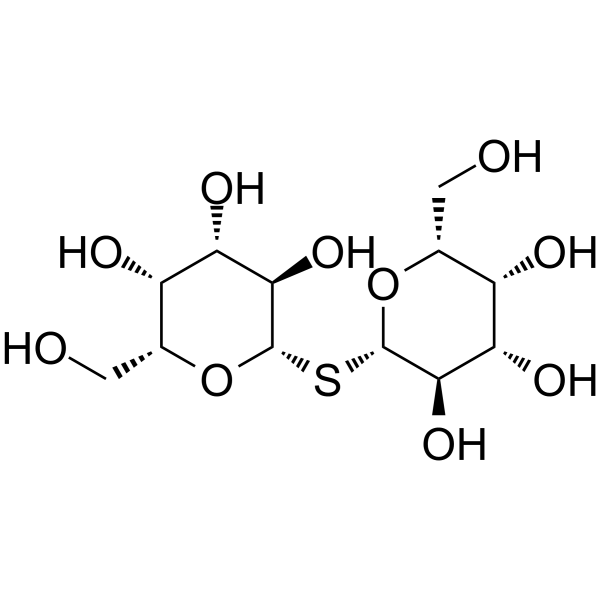
    Thiodigalactoside (TDG) is an orally active and potent galectin (GAL) inhibitor with Kd values of 24 μM, 49 μM for GAL1 and GAL3, respectively . Thiodigalactoside, a non-metabolizable disaccharide, has anti-inflammatory and anti-cancer activity. Thiodigalactoside dramatically reduces body weight gain in diet-induced obese rats .
    Thiodigalactoside
  • HY-W042416
    N,N-Dimethylacetamide
    1 Publications Verification

    DMAc

    NF-κB Neurological Disease Metabolic Disease Inflammation/Immunology
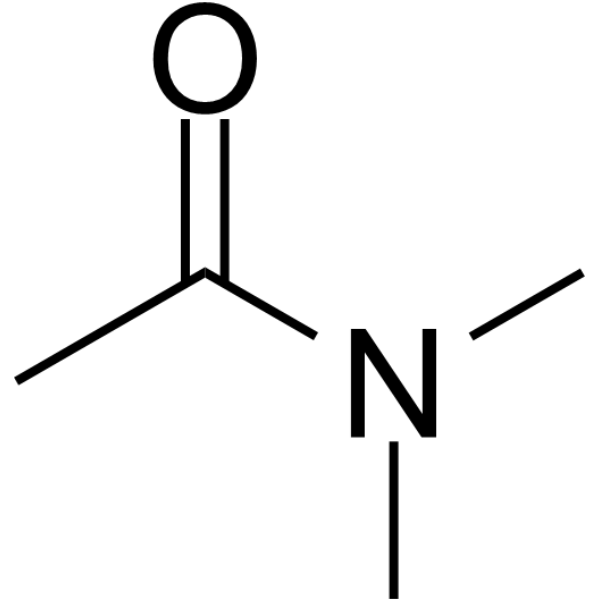
    N,N-Dimethylacetamide (DMAc) is an organic solvent with blood-brain transmissibility and an FDA-approved drug excipient. N, N-dimethylacetamide exerts anti-inflammatory activity by inhibiting the NF-κB signaling pathway. N, N-dimethylacetamide can be used in studies of weight gain caused by a high-fat diet and neuroinflammation in Alzheimer's disease .
    N,N-Dimethylacetamide
  • HY-50903
    Rivaroxaban
    Maximum Cited Publications
    16 Publications Verification

    BAY 59-7939

    Factor Xa Cardiovascular Disease Cancer
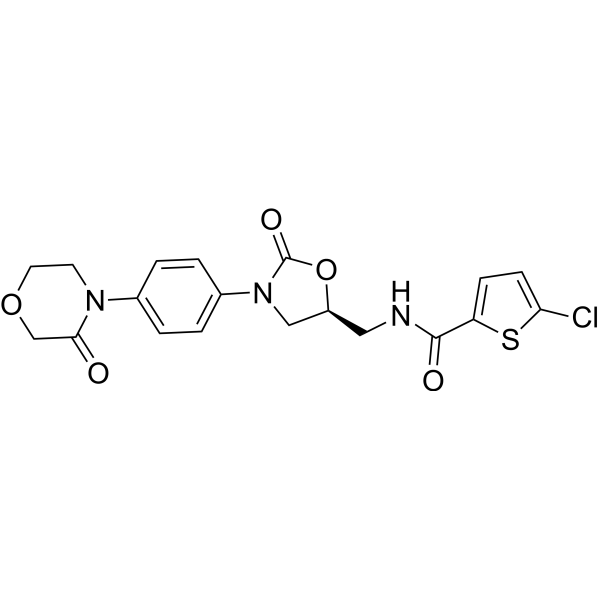
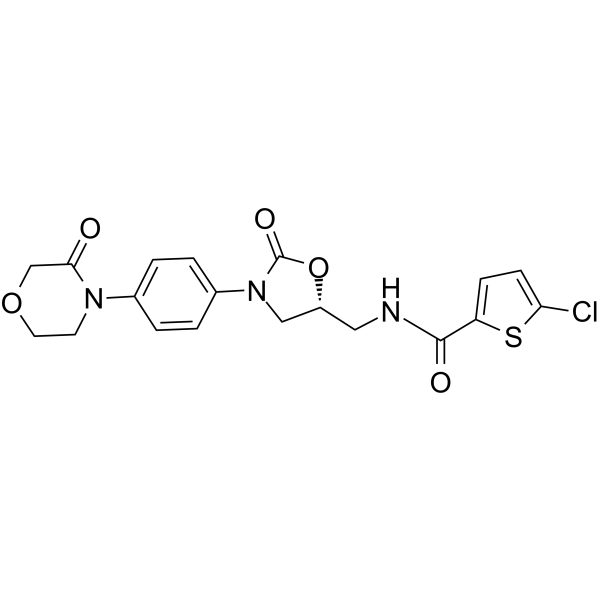
    Rivaroxaban (BAY 59-7939) is a highly potent, selective and direct Factor Xa (FXa) inhibitor, achieving a strong gain in anti-FXa potency (IC50 0.7 nM; Ki 0.4 nM) .
    Rivaroxaban
  • HY-N8518
    Malabaricone C
    3 Publications Verification

    Phospholipase p38 MAPK Apoptosis NF-κB Metabolic Disease Inflammation/Immunology Cancer
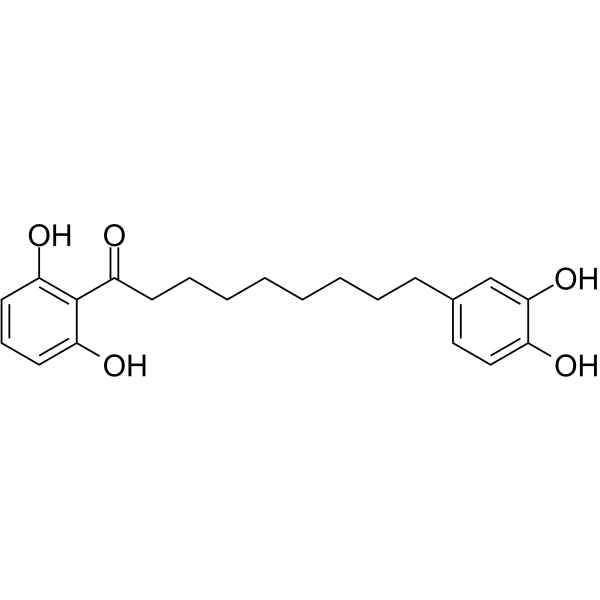
    Malabaricone C is an orally active and noncompetitive sphingomyelin synthase (SMS) inhibitor with IC50 values of 3 μM and 1.5 μM for SMS 1 and SMS 2, respectively. Malabaricone C reduces body weight gain, improves glucose tolerance, and decreases lipid accumulation in the liver, showing significant prevention of high fat diet-induced fatty liver in mice. Malabaricone C has anti-inflammatory effects, which is found in the fruits of Myristica cinnamomea King. Malabaricone C is promising for research of obesity and immunological disorders caused due to hyper-activation of T-cells .
    Malabaricone C
  • HY-P99116

    RG7716; RO-6867461

    VEGFR Cardiovascular Disease Metabolic Disease Inflammation/Immunology
    Faricimab, an overall good safety and tolerability profile, is a bispecific antibody targeting Angiopoietin-2 (Ang-2) and vascular endothelial growth factor-A (VEGF-A). Faricimab prevents retinal vascular leakage, cell death and inflammation in retinal ischemia/reperfusion (I/R) injury and sCNV mouse models. Faricimab demonstrates statistically superior visual acuity gains versus Ranibizumab (HY-P9951). Faricimab can be used for retinal diseases, such as age-related macular degeneration (w-AMD), diabetic macular edema (DME) and macular edema following retinal vein occlusion (RVO) .
    Faricimab
  • HY-14401

    CLTX-305; JTT-305; MK-5442

    CaSR Thyroid Hormone Receptor Metabolic Disease Inflammation/Immunology
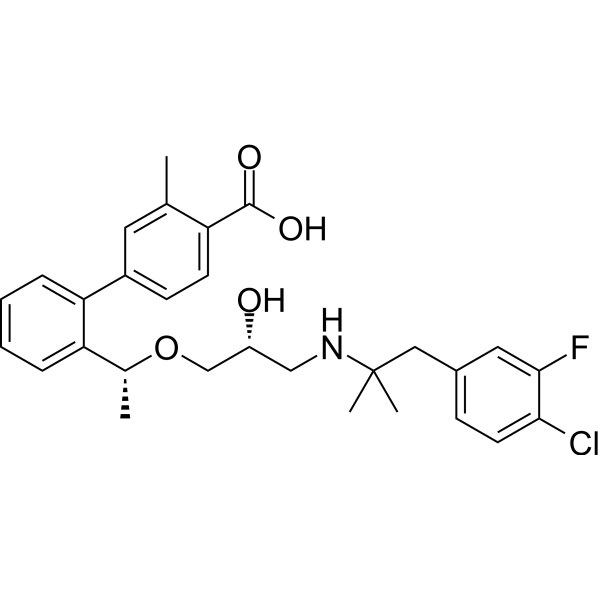
    Encaleret (CLTX-305) is an orally active antagonist of the calcium-sensing receptor (CaSR), with an IC50 of 12 nM. Encaleret exerts its effect by inhibiting the excessive activity of functional gain-of-function CaSR variants, and can restore blood calcium levels, promote the secretion of parathyroid hormone, improve magnesium and phosphorus metabolism, and increase urinary calcium excretion. Encaleret can be used in the research of diseases such as osteoporosis and autosomal dominant hypocalcemia type 1 .
    Encaleret
  • HY-N0468
    Rebaudioside D
    1 Publications Verification

    FXR Acetyl-CoA Carboxylase Metabolic Disease
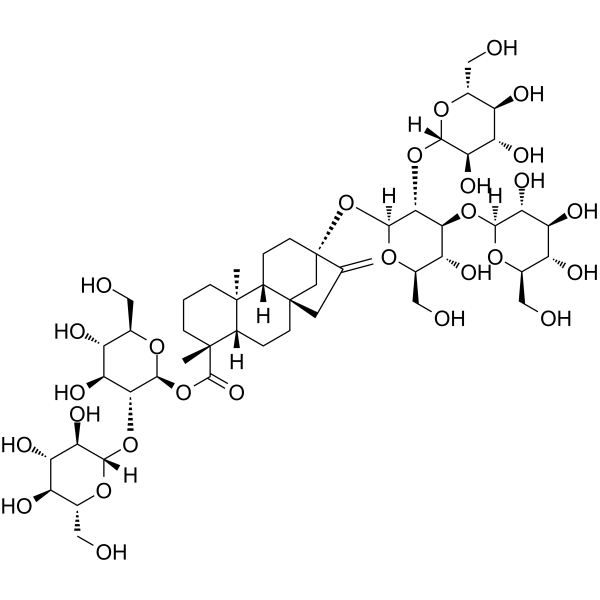
    Rebaudioside D is an orally active sweetener that targets and activates FXR, modulates Acetyl-CoA Carboxylase, and inhibits 3-hydroxy-3-methylglutaryl-CoA reductase. Rebaudioside D regulates bile acid homeostasis and lipid metabolism, reduces the synthesis rates of fatty acids and cholesterol, and exerts multiple effects including anti-adipogenesis, hepatoprotection, anti-steatosis, gut microbiota modulation, enhancement of secondary bile acid metabolism, anti-endotoxin activity, regulation of bile acid transport, and inhibition of bile acid efflux. Rebaudioside D also reduces body weight gain, visceral fat accumulation, hepatic triglyceride and cholesterol accumulation, hepatic lipid peroxidation, and decreases the circulating level of lipopolysaccharide-binding protein. Rebaudioside D additionally enhances the secondary bile acid metabolic pathway of intestinal bacteria, upregulates the gene expression of ileal organic solute transporter α, and downregulates the gene expression of hepatic bile salt export pump. Rebaudioside D does not affect glucose homeostasis, alter total caloric intake or fecal energy excretion, induce weight gain, exacerbate obesity, promote hepatic steatosis, impair brown adipose tissue function, nor change skeletal muscle metabolism-related proteins. Rebaudioside D can be used in diet-induced obesity and obesity-related research .
    Rebaudioside D
  • HY-118930

    Melanocortin Receptor Metabolic Disease
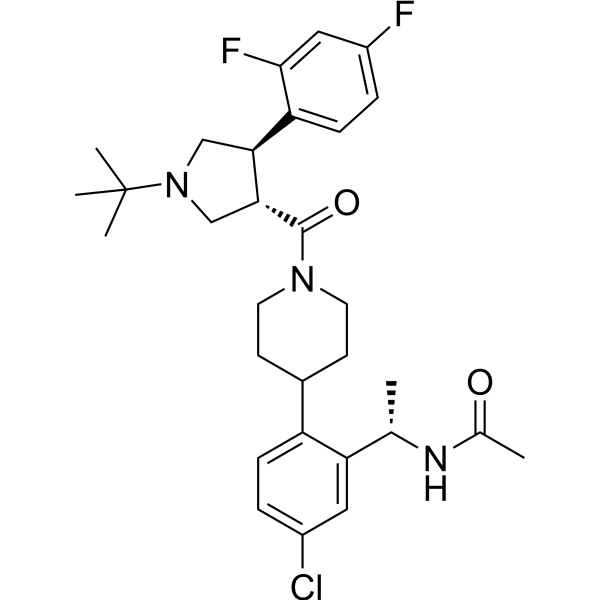
    MK-0493 is an orally active melanocortin-4 receptor (MC4R) agonist. MK-0493 reduces food intake, suppresses weight gain, elevates blood pressure at high doses, and exhibits preclinical erectile regulatory activity. MK-0493 can be used in research related to obesity .
    MK-0493
  • HY-120619
    BMS-193885
    1 Publications Verification

    Neuropeptide Y Receptor Neurological Disease Endocrinology
    BMS-193885 is a selective neuropeptide Y1 receptor antagonist (Ki=3.3 nM) that competitively blocks the receptor to inhibit NPY-mediated appetite regulation signaling pathways, reduce food intake and inhibit weight gain. BMS-193885 has good blood-brain barrier penetration and is mainly used in the study of obesity and related metabolic diseases .
    BMS-193885
  • HY-N3686

    AMPK PGC-1α Metabolic Disease
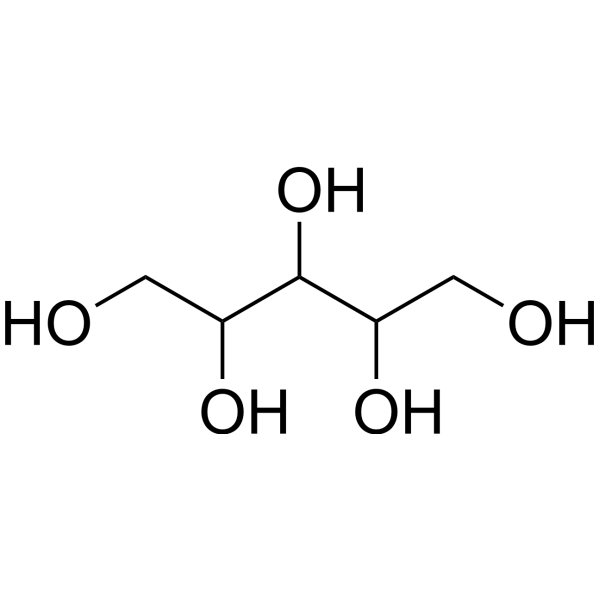
    D-Arabitol is an orally active D-enantiomer of arabitol. D-Arabitol modulates the composition of gut microbiota, increases short-chain fatty acids, and promotes AMPK-PGC-1α-related browning of white adipose tissue. D-Arabitol improves weight gain, fat accumulation, insulin resistance, lipid deposition and inflammatory responses. D-Arabitol serves as the sole carbon/energy source for Bacillus methanolicus MGA3, a strain that can co-utilize it with mannitol. D-Arabitol is applicable to obesity-related research .
    D-Arabitol
  • HY-178129

    Syk Inflammation/Immunology
    MRL-SYKi is a chemical probe for gain-of-function variants of spleen tyrosine kinase (SYK). MRL-SYKi reduces the catalytic activity of SYK S550Y, SYK S550F and SYK P342T, and downregulates the phosphorylation level of SYK S550Y. MRL-SYKi serves as a template for developing NanoBRET tracers targeting SYK, enabling NanoBRET cellular target engagement assays for gain-of-function variants of SYK. MRL-SYKi is applicable to research related to inflammatory and immune diseases .
    MRL-SYKi
  • HY-50903S
    Rivaroxaban-d4
    1 Publications Verification

    BAY 59-7939-d4

    Factor Xa Cardiovascular Disease
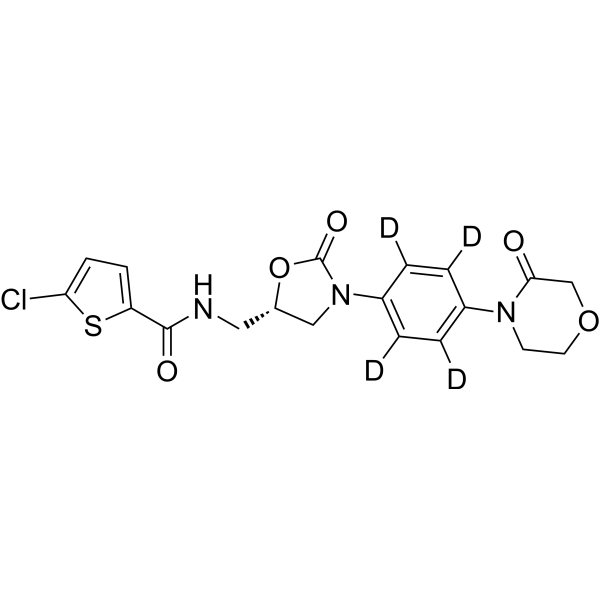
    Rivaroxaban-d4 (BAY 59-7939-d4) is a deuterium labeled Rivaroxaban. Rivaroxaban is a highly potent,selective and direct Factor Xa (FXa) inhibitor, achieving a strong gain in anti-FXa potency (IC50 0.7 nM; Ki 0.4 nM) .
    Rivaroxaban-d4
  • HY-101365A
    RS-102221 hydrochloride
    1 Publications Verification

    5-HT Receptor Neurological Disease
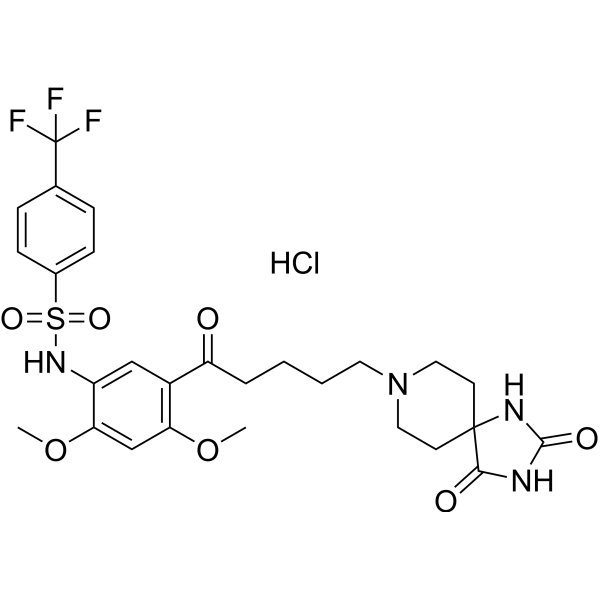
    RS-102221 hydrochloride is a selective 5-HT2C receptor antagonist (Ki=10 nM). RS-102221 hydrochloride shows nearly 100-fold selectivity for the 5-HT2C receptor as compared to the 5-HT2A and 5-HT2B receptors. RS-102221 hydrochloride can promote the differentiation of new nerve cells. RS-102221 hydrochloride increases food-intake and weight-gain in rats .
    RS-102221 hydrochloride
  • HY-W704574

    Carboxypeptidase Bradykinin Receptor Interleukin Related Cardiovascular Disease Metabolic Disease
    Mergetpa is a reversible Arg-carboxypeptidase inhibitor with high affinity. Mergetpa reduces B1R. Mergetpa blocks the overexpression of IL-1β protein and mRNA in glucose-fed rats. Mergetpa significantly increases the expression of IL-1β protein in the renal cortex. Mergetpa is used to block the conversion of kinins and B2 receptor antagonists into metabolites lacking the C-terminal arginine. Mergetpa inhibits the time-dependent enhancement of the response of isolated rabbit aorta to bradykinin. Mergetpa preserves the chemotactic activity of full-length SDF-1α on cells. Mergetpa reverses hyperglycemia, excessive weight gain, elevated levels of oxidative stress markers and overexpression of inflammatory markers in glucose-fed rats .
    Mergetpa
  • HY-P10302A

    GLP Receptor Metabolic Disease Inflammation/Immunology
    GLP-1R/GIPR agonist-1 sodium is a dual GLP-1/GIP receptor agonist, with an EC50 of 0.57 nM for GLP-1R and an EC50 of 0.75 nM for GIPR. GLP-1R/GIPR agonist-1 sodium reduces food intake, inhibits weight gain, repairs islet damage, improves glucose tolerance, regulates serum lipid and liver enzyme levels, ameliorates hepatic vacuolization, reduces hepatic fat accumulation, delays the progression of hepatic fibrosis, and exhibits long-lasting hypoglycemic activity. GLP-1R/GIPR agonist-1 sodium can be used in research related to type 2 diabetes, obesity, and non-alcoholic steatohepatitis .
    GLP-1R/GIPR agonist-1 (soduim)
  • HY-153617
    FOXO1-IN-3
    1 Publications Verification

    FOXO Metabolic Disease
    FOXO1-IN-3 is a highly-selective and orally active FOXO1 inhibitor. FOXO1-IN-3 reduces hepatic glucose production in mice. FOXO1-IN-3 improves insulin sensitivity and glucose control in db/db mice without causing weight gain .
    FOXO1-IN-3
  • HY-103249

    Reutericycline

    Bacterial Infection Metabolic Disease
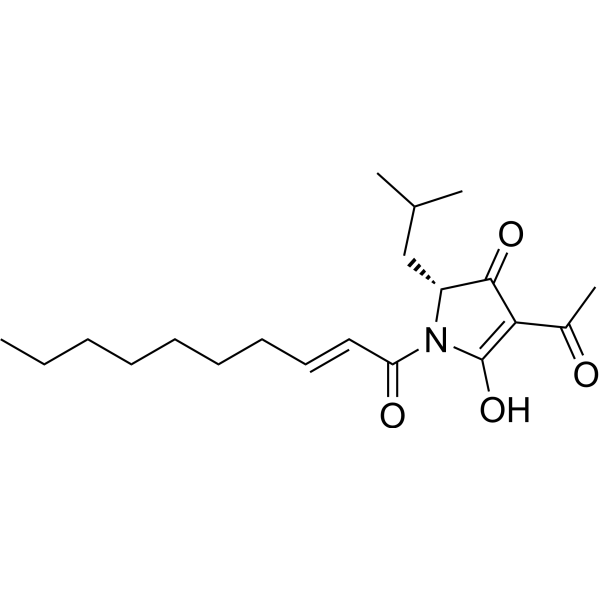
    Reutericyclin (Reutericycline) is an orally active antibacterial and anti-obesity agent that selectively inhibits Gram-positive bacteria. By selectively dissipating transmembrane potential, Reutericyclin exerts non-lytic bactericidal or bacteriostatic activity against pathogens such as Clostridium difficile and Staphylococcus aureus, and rapidly kills vegetative cells and spores of Clostridium difficile. Reutericyclin possesses favorable properties including resistance to enzymatic hydrolysis, iron-chelating function, and poor absorption by colonic epithelium. Reutericyclin not only eradicates staphylococcal biofilms and inhibits drug-resistant strains, but also counteracts Risperidone (HY-11018)-induced weight gain by inducing changes in gut microbiota composition and restoring energy utilization efficiency. Reutericyclin can be used in research related to Clostridium difficile infection, Risperidone-induced weight gain, and staphylococcal superficial skin infections .
    Reutericyclin
  • HY-W009417

    Environmental Pollutants Glycosidase Metabolic Disease
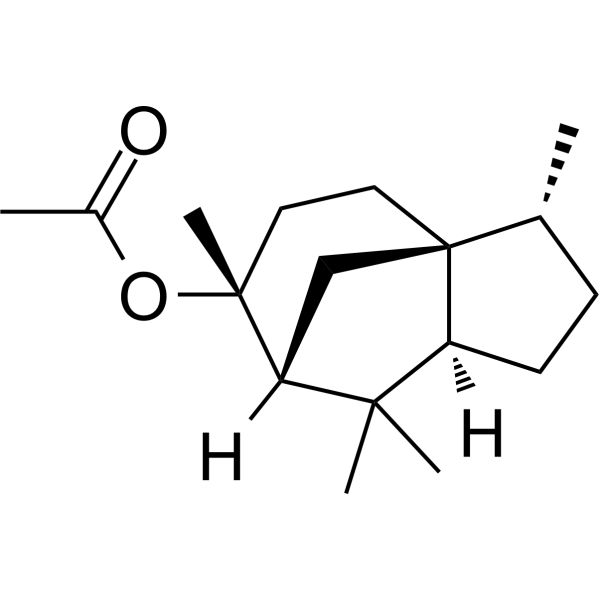
    Cedryl acetate is an orally active α-glucosidase inhibitor with an IC50 of 94 μM against yeast α-glucosidase. Cedryl acetate reduces high-fat diet-induced body weight gain, visceral fat pad weight, adipocyte hypertrophy, hepatic lipid accumulation, glucose intolerance, insulin resistance and gluconeogenesis. Cedryl acetate can be used in the research of obesity and obesity-related metabolic syndrome .
    Cedryl acetate
  • HY-137307

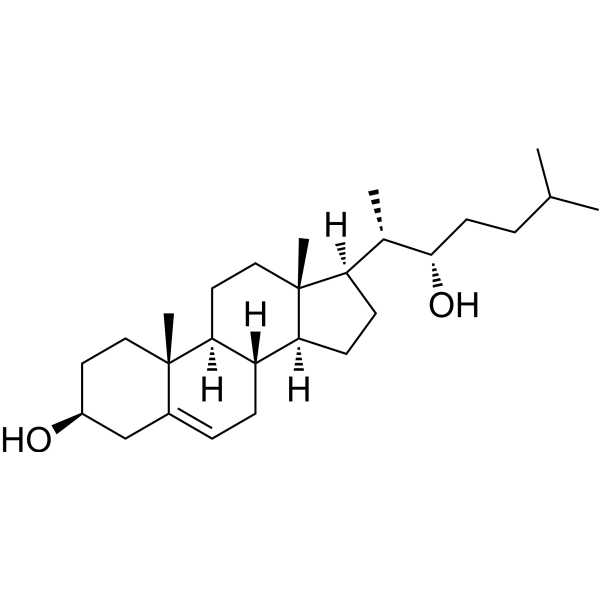
    (22S)-Hydroxycholesterol

    LXR ATP-binding cassette (ABC) transporters Inflammation/Immunology
    Cholest-5-ene-3ß,22(S)-diol ((22S)-Hydroxycholesterol) is an orally active oxysterol with no significant cytotoxic, oxidative, or inflammatory effects on human prokaryotic leukemia cells. Cholest-5-ene-3ß,22(S)-diol inhibits weight gain and increased serum triacylglycerol (TAG) levels in rat models .
    Cholest-5-ene-3ß,22(S)-diol
  • HY-W750796

    Butanoic acid-13C4 sodium

    Isotope-Labeled Compounds Endogenous Metabolite
    Butyric acid-13C4 sodium (Butanoic acid-13C4 sodium) is a stable isotope labeled compound with the activity of promoting cell proliferation and regulating gene expression. Butyric acid-13C4 sodium can be used in metabolic research and compound development to help scientists gain a deeper understanding of the role of short-chain fatty acids in organisms. Butyric acid-13C4 sodium also plays an important role in nutrition and intestinal health research, especially in the regulation of probiotic function and intestinal microbiota.
    Butyric acid-13C4 sodium
  • HY-W015464

    Endogenous Metabolite Metabolic Disease
    N-Isovaleroylglycine is an acyl glycine and could be used as a biomarker for the predispositon for weight gain and obesity.
    N-Isovaleroylglycine
  • HY-171499

    EL625

    MDM-2/p53 Cancer
    Cenersen (EL625) is an oligonucleotide targeting TP53. Cenersen can eliminate the activity of TP53 gain-of-function mutants and increase the sensitivity of lymphoma cells to cytotoxic chemotherapy in vitro. Cenersen can be used for the study of chronic lymphocytic leukemia (CLL) .
    Cenersen
  • HY-N14035

    FABP PPAR Metabolic Disease
    Garcinia cambogia extract is an orally active anti-obesity agent . Garcinia cambogia extract upregulates the gene expression of aP2, SREBP1c, PPARγ2 and C/EBPα. Garcinia cambogia extract reduces the rate of body weight gain, visceral fat accumulation, lipid levels in blood and liver, as well as plasma insulin and leptin levels . Garcinia cambogia extract ameliorates high-fat diet-induced obesity .
    Garcinia cambogia extract
  • HY-W012865

    Carnitine Palmitoyltransferase (CPT) Endogenous Metabolite FABP PPAR Metabolic Disease
    Tartronic acid, a dicarboxylic acid derive, is an inhibitor of the transformation of carbohydrates into fat under fat-deficient diet conditions. Tartronic acid promotes 3T3-L1 adipocyte differentiation by increasing the protein expression of FABP-4, PPARγ and SREBP-1. Tartronic acid promotes de novo lipogenesis and inhibits CPT-1β by upregulating acetyl-CoA and malonyl-CoA. Tartronic acid promotes weight gain and induces adipocyte hypertrophy in epididymal white adipose tissue and lipid accumulation in the livers of high-fat diet induced obese mice. Tartronic acid can be used for lipid metabolic disease research .
    Tartronic acid
  • HY-76948
    5-R-Rivaroxaban
    1 Publications Verification

    Factor Xa Cardiovascular Disease
    5-R-Rivaroxaban is (R)-enantiomer of Rivaroxaban. Rivaroxaban (BAY 59-7939) is a highly potent and selective, direct Factor Xa (FXa) inhibitor, achieving a strong gain in anti-FXa potency (IC50 0.7 nM; Ki 0.4 nM).
    5-R-Rivaroxaban
  • HY-50903R

    BAY 59-7939 (Standard)

    Reference Standards Factor Xa Cardiovascular Disease Cancer
    Rivaroxaban (Standard) is the analytical standard of Rivaroxaban. This product is intended for research and analytical applications. Rivaroxaban (BAY 59-7939) is a highly potent, selective and direct Factor Xa (FXa) inhibitor, achieving a strong gain in anti-FXa potency (IC50 0.7 nM; Ki 0.4 nM) .
    Rivaroxaban (Standard)
  • HY-124821

    5-HT Receptor Neurological Disease Metabolic Disease
    VA012 (compound 11) is a positive allosteric modulator (PAM) of the serotonin 5-HT2C receptor. VA012 reduces food intake and body weight gain without causing CNS-related malaise during subchronic administration. VA012 can be utilized in obesity research .
    VA012
  • HY-122964

    Cannabinoid Receptor Metabolic Disease
    URB447 is a peripherally restricted CB1 cannabinoid antagonist (IC50: 313 nM and 41 nM for rat CB1 and human CB2 receptor respectively ). URB447 lowers food intake and body-weight gain in mice without entering the brain or antagonizing central CB1-dependent responses. URB447 can be used for research of obesity .
    URB447
  • HY-157567

    N42

    Aldehyde Dehydrogenase (ALDH) Metabolic Disease
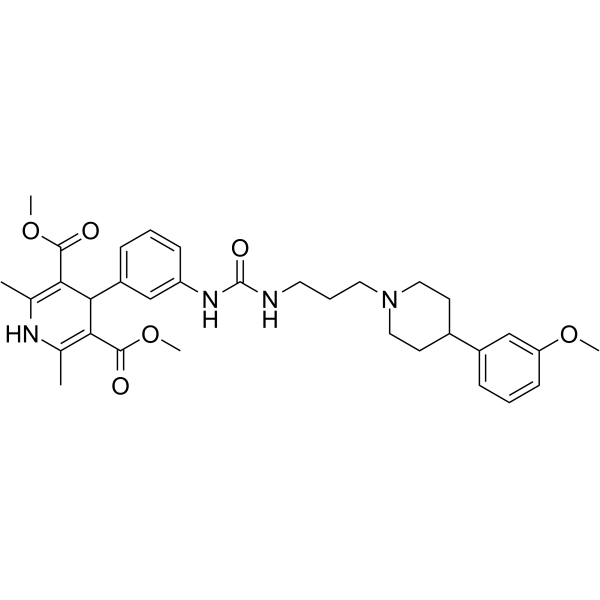
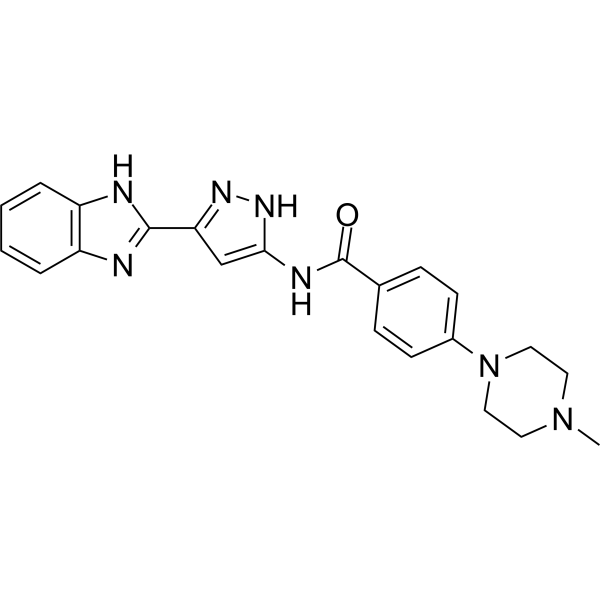
    FSI-TN42 (N42) is a selective, orally active and irreversible ALDH1A1 inhibitor with an IC50 of 23 nM. FSI-TN42 shows 800-fold more potent against ALDH1A1 than ALDH1A2 (IC50gain in a diet induced mouse model of obesity .
    FSI-TN42
  • HY-W015616

    4-Penylbutan-2-one

    Environmental Pollutants Tyrosinase Infection Metabolic Disease
    Benzylacetone (4-Penylbutan-2-one) is an aromatic compound. Benzylacetone is a mushroom tyrosinase inhibitor with an IC50 of 2.8 mM, a Ki of 1.25 mM for monophenolase and an IC50 of 0.6 mM, a Ki of 0.39 mM for diphenolase. Benzylacetone inhibits free mushroom tyrosinase and enzyme-substrate complex. Benzylacetone acts as an appetite enhancer via olfactory stimulation, reduces spontaneous locomotor activity, induces weight gain. Benzylacetone exhibits repellent, fumigant, and contact toxicity against Tribolium castaneum adults .
    Benzylacetone
  • HY-E70121

    Endogenous Metabolite Mitochondrial Metabolism Neurological Disease Metabolic Disease Inflammation/Immunology
    Succinyl-CoA synthetase is a mitochondrial matrix enzyme and catalyst. Succinyl-CoA synthetase supports TCA, ketone and heme metabolism and is activated by mitochondrial phosphate. Succinyl-CoA synthetase distributes broadly across mammalian tissues with distinct substrate-related biochemical features. Succinyl-CoA synthetase gains structural stability after phosphorylation and relies on SUCLG1-encoded subunit for activity. Succinyl-CoA synthetase malfunction links to metabolic and neurological disorders. Succinyl-CoA synthetase serves as a research tool for mitochondrial hepatoencephalomyopathy .
    Succinyl-CoA synthetase
  • HY-N3686R

    Reference Standards AMPK PGC-1α Metabolic Disease
    D-Arabitol (Standard) is the analytical standard of D-Arabitol. This product is intended for research and analytical applications. D-Arabitol is an orally active D-enantiomer of arabitol. D-Arabitol modulates the composition of gut microbiota, increases short-chain fatty acids, and promotes AMPK-PGC-1α-related browning of white adipose tissue. D-Arabitol improves weight gain, fat accumulation, insulin resistance, lipid deposition and inflammatory responses. D-Arabitol serves as the sole carbon/energy source for Bacillus methanolicus MGA3, a strain that can co-utilize it with mannitol. D-Arabitol is applicable to obesity-related research.
    D-Arabitol (Standard)
  • HY-B1341

    Enidrel; SC-4642; NSC 15432

    Endogenous Metabolite Progesterone Receptor Cancer
    Norethynodrel (Enidrel; SC-4642) is an orally active progestogen analog that reduces estrogen-like effects and enhances progestogen-like responses in endometrial stromal cells. Norethynodrel also promotes cell maturation and predecidual cell formation by inducing organelle hyperplasia and glycogen accumulation. Norethynodrel competitively inhibits drug-metabolizing enzymes in rat liver microsomes, thereby prolonging Pentobarbital sleep time, while exhibiting multiple effects including reduced body weight gain, attenuated heart rate elevation and ovulation inhibition. In mouse models, Norethynodrel significantly increases the incidence of mammary adenocarcinoma, cervical cancer and pituitary tumors. Norethynodrel can be used for mechanism research on related diseases such as mammary adenocarcinoma, cervical cancer, ovarian tubular adenoma and pituitary adenoma .
    Norethynodrel
  • HY-R04608

    MicroRNA Cancer
    RAD51 SSDNA-1 is a chemically synthesized miRNA mimic that mimics endogenous miRNAs and upregulates miRNA activity for gain-of-function studies .
    RAD51 SSDNA-1
    RAD51 SSDNA-1
  • HY-14788

    AVE1625

    Cannabinoid Receptor Metabolic Disease
    Drinabant (AVE1625) is an orally active CB1 receptor antagonist. Drinabant (AVE1625) inhibits the agonist-stimulated calcium signal with IC50 values of 25 nM and 10 nM for the hCB1-R and rCB1-R, respectively, and is ineffective for the hCB2-R .
    Drinabant
  • HY-P3134A

    Neuromedin U Receptor (NMUR) Metabolic Disease
    CPN-267 (compound 7b) TFA is a selective neuromedin U receptor 1 (NMUR1) agonist with the EC50 of 0.25 nM. CPN-267 TFA suppresses body weight gain in mice and can be used for study of obesity .
    CPN-267 TFA
  • HY-101365

    5-HT Receptor Neurological Disease
    RS-102221 is a selective 5-HT2C receptor antagonist (Ki=10 nM). RS-102221 shows nearly 100-fold selectivity for the 5-HT2C receptor as compared to the 5-HT2A and 5-HT2B receptors. RS-102221 can promote the differentiation of new nerve cells. RS-102221 increases food-intake and weight-gain in rats .
    RS-102221
  • HY-P3102

    GCGR Metabolic Disease
    GLP-1(32-36)amide, a pentapeptide, derived from the C terminus of the glucoregulatory hormone GLP-1. GLP-1(32-36)amide could inhibit weight gain and modulate whole body glucose metabolism in diabetic mice .
    GLP-1(32-36)amide
  • HY-118249

    PPAR Neurological Disease
    GSK 1997132B is a benzimidazole-based PPARγ partial agonist that can cross the blood-brain barrier with a pEC50 value of 8.0. GSK 1997132B has no significant effect on PPARα/δ. GSK 1997132B improves the problem of high blood clearance rate of earlier compounds, avoiding side effects such as weight gain and edema. GSK 1997132B can be used for research on Alzheimer's disease .
    GSK 1997132B
  • HY-N7394

    (3S)-Zuonin A

    AMPK Metabolic Disease Cancer
    Galbacin ((3S)-Zuonin A), the epimer of (-)-Zuonin A (HY-N7394A), is a AMPK activator. Galbacin can be isolated from Myristica fragrans (nutmeg). Galbacin stimulates AMPK enzyme in differentiated C2C12 cells. Galbacin also has anticancer activity, and inhibits the proliferation of lymphocyte and tumor cells. Galbacin prevents weight gain in diet-induced mice model. Galbacin can be used for metabolic syndrome (including obesity and type-2 diabetes) and caners research .
    Galbacin
  • HY-123000

    Biochemical Assay Reagents
    4-Methylumbelliferyl 2-acetamido-2-deoxy-α-D-galactopyranoside is a fluorogenic substrate for studying the enzymatic activity of α-galactosidase. 4-Methylumbelliferyl 2-acetamido-2-deoxy-α-D-galactopyranoside is used to analyze enzyme activity in various biological samples, helping scientists gain insight into the function of the enzyme in vivo. 4-Methylumbelliferyl 2-acetamido-2-deoxy-α-D-galactopyranoside can also be used to screen potential compounds to inhibit or activate this enzyme.
    4-Methylumbelliferyl 2-acetamido-2-deoxy-α-D-galactopyranoside
  • HY-145995

    JAK IKK Others
    CS12192 is a compound improving survival and weight gain. CS12192 has the potential for the research of graft-versus-host disease (GVHD) (extracted from the patent CN112773802A) .
    CS12192
  • HY-P1421A

    GPR39 Metabolic Disease
    Obestatin(human) TFA is an endogenous peptide derived from the same prepropeptide as ghrelin. Obestatin(human) suppresses food intake and reduce body weight-gain in rats.
    Obestatin(human) TFA
  • HY-N4243

    Others Metabolic Disease
    Neocurdione is a hepatoprotective sesquiterpene isolated from Curcuma zedoaria rhizome. Neocurdione exerts potent effect on D-galactosamine- (D-Gain) and lipopolysaccharide- (LPS) induced acute liver injury in mice .
    Neocurdione
  • HY-121827
    LH21
    1 Publications Verification

    Cannabinoid Receptor Metabolic Disease
    LH-21 is a potent in vivo neutral cannabinoid CB1 receptor antagonist. LH-21 reduces food intake and body weight gain in obese Zucker rats. , and displays efficacy as a feeding inhibitor .
    LH21
  • HY-105277

    5-HT Receptor Neurological Disease
    Amesergide is a serotonin (5-HT1C/2) antagonist. Amesergide can result in a reduction of progeny body weight gains in maternal animals. Amesergide can be studied in research on depression .
    Amesergide
  • HY-101699A

    MCHR1 (GPR24) Metabolic Disease
    AMG-076 is an orally bioavailable and selective MCHR1 antagonist. AMG-076 results in significant reduction in body weight gain in nonobese mice fed a high-fat diet and in high-fat diet-induced obese (DIO) mice .
    AMG-076
  • HY-101699

    MCHR1 (GPR24) Metabolic Disease
    AMG-076 free base is an orally bioavailable and selective MCHR1 antagonist. AMG-076 free base results in significant reduction in body weight gain in nonobese mice fed a high-fat diet and in high-fat diet-induced obese (DIO) mice .
    AMG-076 free base
  • HY-P1306

    GHSR Cardiovascular Disease Inflammation/Immunology
    Obestatin(rat), encoded by the Ghrelin gene, is a cpeptide, comprised of 23 amino acids. Obestatin(rat) suppresses food intake, inhibits jejunal contraction, and decreases body-weight gain. Obestatin is an endogenous ligand of G-protein coupled receptor 39 (GPR39). Obestatin(rat) has anti-inflammatory, anti-myocardial infarction and antioxidant activities .
    Obestatin(rat)
  • HY-N4192

    Others Cardiovascular Disease Cancer
    Toringin, a bioflavonoid, is isolated from the bark of Docyniopsis tschonoski. Toringin progressively decreases not only the cis-effect of the expanded CTG repeats but cytotoxicity as well. Exposure to isosakuranetin, Toringin rescues PC12 neuronal cells. Flavonoids are efficacious for ameliorating the RNA gain of function caused by expanded CTG repeats, and have various biological activities and beneficial actions against cancers, coronary heart disease, among other pathologies .
    Toringin

Inquiry Online

Your information is safe with us. * Required Fields.

Salutation


Country or Region *

Applicant Name *


Organization Name *

Department *


Email Address *


Product Name *

Cat. No.


Requested quantity *

Phone Number *


Remarks

Inquiry Online

Inquiry Information

Product Name:
Cat. No.:
Quantity:
MCE Japan Authorized Agent:

