

1. Search Result
Search Result
Results for "

gastrointestinal inflammatory diseases

" in MedChemExpress (MCE) Product Catalog:

20

Inhibitors & Agonists

1

Peptides

2

Natural
Products

2

Isotope-Labeled Compounds

1

Oligonucleotides

Cat. No. Product Name Target Research Areas Chemical Structure
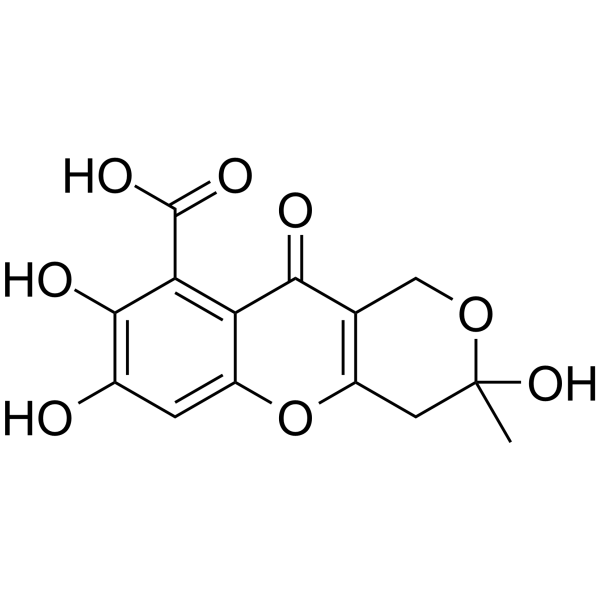
  • HY-122515
    Fulvic Acid
    1 Publications Verification

    Others Metabolic Disease Inflammation/Immunology
    Fulvic Acid is a natural product, which comes from humic substances produced by microorganisms in soil. Fulvic Acid can modulate the immune system, influence the oxidative state of cells, and improve gastrointestinal function. Fulvic Acid has the potential for researching chronic inflammatory diseases, including diabetes .
    Fulvic Acid
  • HY-108610A
    Edelfosine
    1 Publications Verification

    ET-18-OCH3

    Apoptosis Parasite Bcl-2 Family Cytochrome P450 Infection Inflammation/Immunology Cancer
    Edelfosine (ET-18-OCH3) is an orally active lipid raft modulator and apoptosis inducer that alters membrane fluidity and preferentially inserts into tumor cell membranes. Edelfosine recruits death receptor ligands (FasL/CD95L, TRAIL) and Bid to lipid rafts to form death-inducing signaling complexes, thereby initiating mitochondria-dependent apoptosis and inducing cytochrome c release. Edelfosine also exerts anti-inflammatory effects, promotes L-Selectin shedding, and causes no gastrointestinal or organ toxicity. In addition, Edelfosine inhibits nucleic acid and protein synthesis in Leishmania donovani and exhibits antiproliferative activity. Edelfosine can be used in research on multiple myeloma, inflammatory bowel diseases (such as ulcerative colitis and Crohn's disease), and visceral leishmaniasis .
    Edelfosine
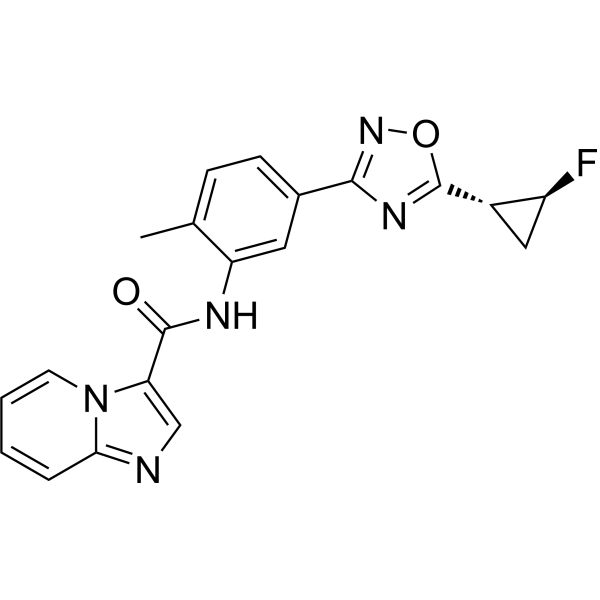
  • HY-156619

    EVT-8565072; THB335

    c-Kit PDGFR Metabolic Disease Inflammation/Immunology
    Labuxtinib (EVT-8565072; THB335) is a potent dual inhibitor of c-Kit and PDGFR. Labuxtinib exhibits potent inhibitory activity against wild-type c-Kit (IC50 = 0.005 μM). Labuxtinib inhibits SCF-dependent and PDGF-dependent cell proliferation, and blocks the proliferation of cells dependent on c-Kit or PDGFR signaling pathways. In animal models of skin allergy, Labuxtinib depletes skin mast cells and significantly alleviates anaphylactic shock responses. Labuxtinib can be used in research on mast cell-related diseases, respiratory diseases, inflammatory diseases, fibrotic diseases, metabolic diseases, and other related conditions .
    Labuxtinib
  • HY-40294

    Monoamine Oxidase GSK-3 LRRK2 Cardiovascular Disease Neurological Disease Cancer
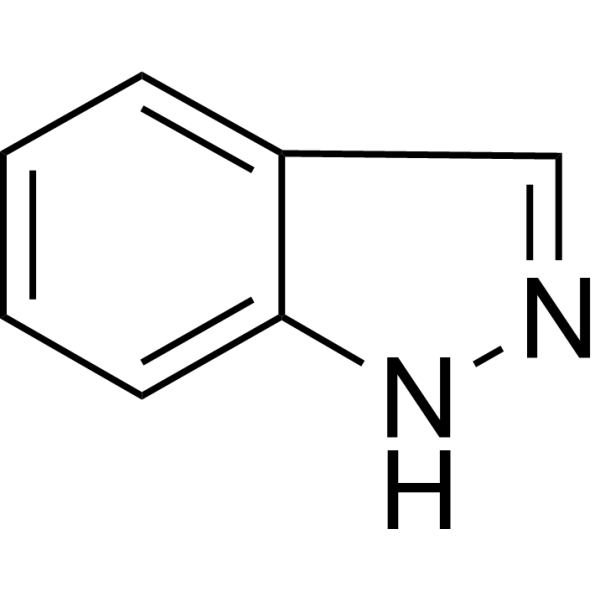
    Indazole, also called isoindazole, a heterocyclic aromatic organic compound. Its derivatives display a broad variety of biological activities including anti-inflammatory, antibacterial, anti-HIV, antiarrhythmic, antifungal and antitumour properties. Indazole and its derivatives can be used for research of cancer, neurological disorders, cardiovascular diseases, gastrointestinal diseases .
    Indazole
  • HY-G0017
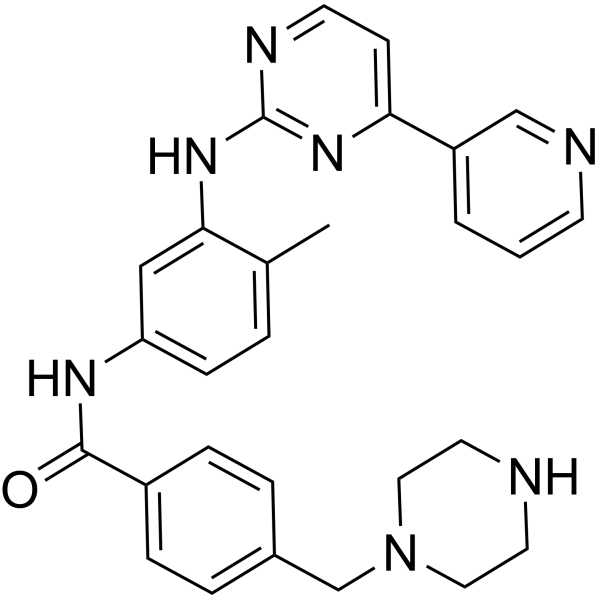
    N-Desmethyl imatinib
    1 Publications Verification

    Norimatinib; Imatinib metabolite N-Desmethyl imatinib; CGP 74588

    Drug Metabolite P-glycoprotein Apoptosis Neurological Disease Cancer
    N‑Desmethyl imatinib (Norimatinib) is an active metabolite of Imatinib (HY-15463), a selective c‑Abl inhibitor, and a substrate of P‑glycoprotein. N-Desmethyl imatinib binds to the c-Abl catalytic domain to prevent substrate phosphorylation, inhibits c-Abl-mediated α-synuclein activation and downstream inflammatory signaling pathways. N-Desmethyl imatinib induces apoptosis in K562 human leukemia cells. N-Desmethyl imatinib shows significantly elevated plasma levels in gastrointestinal stromal tumor (GIST) models with mild SARS-CoV-2 infection. N-Desmethyl imatinib can be used for the research of Parkinson’s disease, gastrointestinal stromal tumor, and chronic myeloid leukemia .
    N-Desmethyl imatinib
  • HY-139557

    JP-1366

    Proton Pump Inflammation/Immunology
    Zastaprazan (JP-1366) is a proton pump inhibitor and a potent potassium-competitive acid blocker. Zastaprazan can be used in the research of gastrointestinal inflammatory diseases or gastric acid-related diseases such as gastroesophageal reflux disease .
    Zastaprazan
  • HY-139557A

    JP-1366 citrate

    Proton Pump Inflammation/Immunology
    Zastaprazan (JP-1366) citrate is a Proton pump inhibitor and potent potassium-competitive acid blocker. Zastaprazan citrate can be used in the research of gastrointestinal inflammatory diseases or gastric acid-related diseases such as gastroesophageal reflux disease .
    Zastaprazan citrate
  • HY-109182

    JNJ-64251330

    JAK STAT Inflammation/Immunology
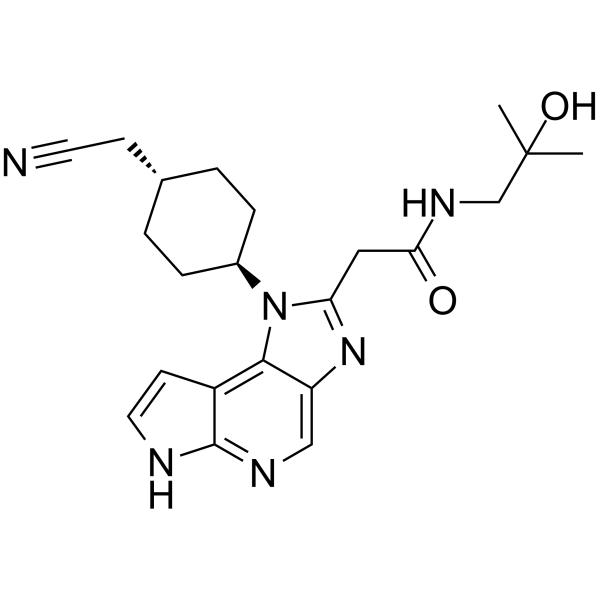
    Lorpucitinib (JNJ-64251330) is an orally active pan-JAK inhibitor with good enteric selectivity and safety. Lorpucitinib can inhibit the JAK/STAT pathway and reduce the levels of inflammatory biomarkers in serum. Lorpucitinib can be used in the research of familial adenomatous polyposis and gastrointestinal inflammatory diseases .
    Lorpucitinib
  • HY-U00382

    Neurokinin Receptor Neurological Disease Inflammation/Immunology
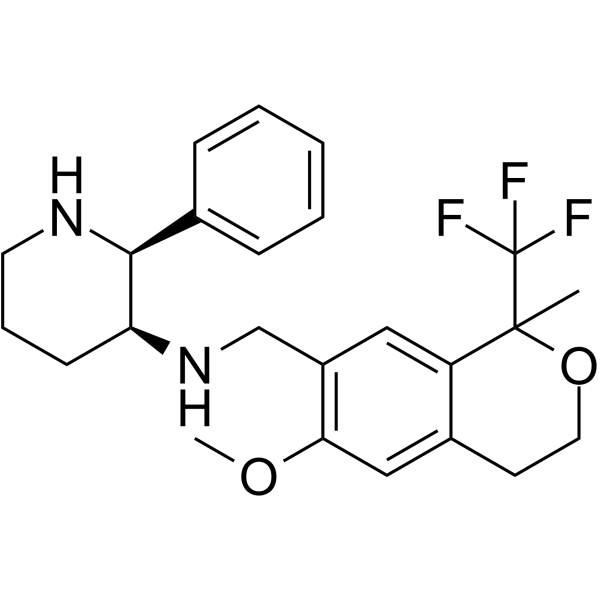
    Substance P Receptor Antagonist 1 has the potential function in central nervous system disorders, respiratory, inflammatory diseases and gastrointestinal disorders.
    Substance P Receptor Antagonist 1
  • HY-145578

    X842

    Drug Intermediate Proton Pump Metabolic Disease
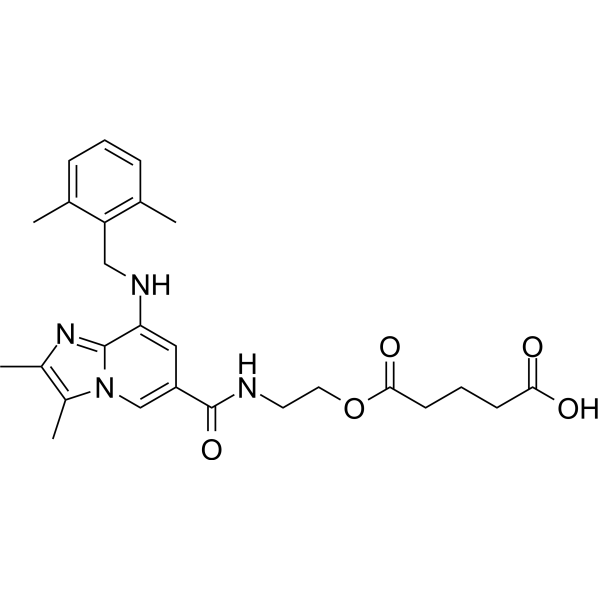
    Linaprazan glurate (X842) is an orally atcive prodrug of Linaprazan (HY-100412) with a potent and prolonged inhibitory effect on gastric acid secretion. Linaprazan glurate is rapidly transformed by enzymatic cleavage into its active metabolite, linaprazan. Linaprazan glurate is a potassium-competitive acid blocker. Linaprazan glurate selectively inhibites acid formation from gastric H⁺/K⁺-ATPase in a potassium-dependent manner (IC50 = 436.2 nM). Linaprazan glurate can be used for the studies of erosive esophagitis (EE) .
    Linaprazan glurate
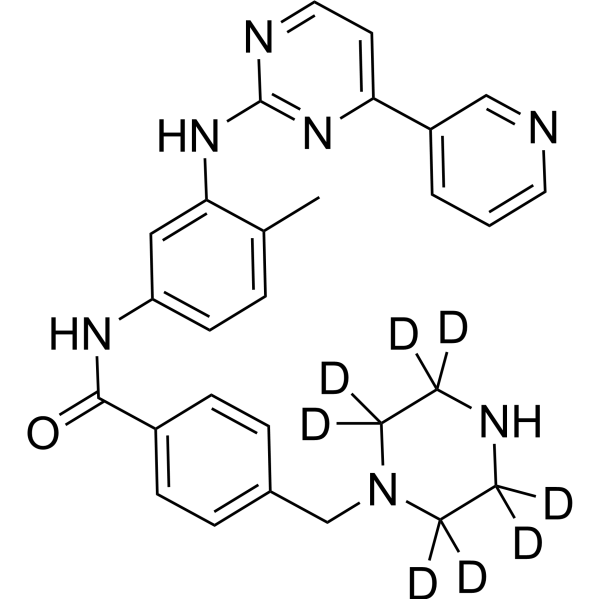
  • HY-G0017S

    Norimatinib-d8; Imatinib metabolite N-Desmethyl imatinib-d8; CGP 74588-d8

    Isotope-Labeled Compounds Drug Metabolite P-glycoprotein Apoptosis Neurological Disease Cancer
    N-Desmethyl imatinib-d8 is a deuterium labeled Imatinib metabolite N-Desmethyl Imatinib (HY-G0017). N‑Desmethyl imatinib (Norimatinib) is an active metabolite of Imatinib (HY-15463), a selective c‑Abl inhibitor, and a substrate of P‑glycoprotein. N-Desmethyl imatinib binds to the c-Abl catalytic domain to prevent substrate phosphorylation, inhibits c-Abl-mediated α-synuclein activation and downstream inflammatory signaling pathways. N-Desmethyl imatinib induces apoptosis in K562 human leukemia cells. N-Desmethyl imatinib exhibits significantly elevated plasma levels in gastrointestinal stromal tumor (GIST) settings following mild SARS CoV 2 infection. N-Desmethyl imatinib can be used for the research of Parkinson’s disease, gastrointestinal stromal tumor, and chronic myeloid leukemia .
    N-Desmethyl imatinib-d8
  • HY-176838

    Free Fatty Acid Receptor GLP Receptor Inflammation/Immunology
    LXT34 (Example 2) is a GPR120 agonist. LXT34 has an anti-inflammatory activity. LXT34 promotes GLP-1 formation in the gastrointestinal tract and improves insulin resistance in macrophages and pancreas cells. LXT34 can be used for inflammatory diseases, such as type 2 diabetes, obesity and non-alcoholic fatty liver research .
    LXT34
  • HY-40294R

    Monoamine Oxidase GSK-3 LRRK2 Cardiovascular Disease Neurological Disease Cancer
    Indazole (Standard) is the analytical standard of Indazole. This product is intended for research and analytical applications. Indazole, also called isoindazole, a heterocyclic aromatic organic compound. Its derivatives display a broad variety of biological activities including anti-inflammatory, antibacterial, anti-HIV, antiarrhythmic, antifungal and antitumour properties. Indazole and its derivatives can be used for research of cancer, neurological disorders, cardiovascular diseases, gastrointestinal diseases .
    Indazole (Standard)
  • HY-P3446A

    Cholecystokinin Receptor Infection Cardiovascular Disease Neurological Disease Inflammation/Immunology Cancer
    Big Gastrin I, human (TFA) is a gastrointestinal hormone consisting of 34 amino acids. Big Gastrin I, human (TFA) can be used as a potential substance for the study of cancer, autoimmune diseases, fibrotic diseases, inflammatory diseases, neurological diseases or cardiovascular diseases .
    Big Gastrin I (human) TFA
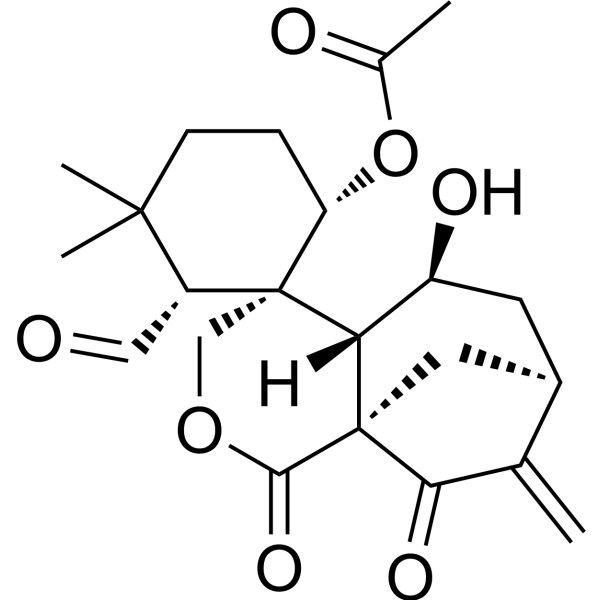
  • HY-N8646

    Others Cancer
    Isodonal is a N-pentane diterpene compound with potential cytotoxic, antitumor, inhibitory oxidative phosphorylation and antiingestion activities. Isodonal can be isolated from the leaves of Isodon wikstroemioides and is used in the study of gastrointestinal diseases, anti-tumor and anti-inflammatory .
    Isodonal
  • HY-156550

    ROCK Inflammation/Immunology
    ROCK-IN-8 (Example 4) is a ROCK inhibitor, with an IC50 value less than 100 nM. ROCK-IN-8 has anti-inflammatory activity. ROCK-IN-8 can be used for research of respiratory and gastro-intestinal diseases .
    ROCK-IN-8
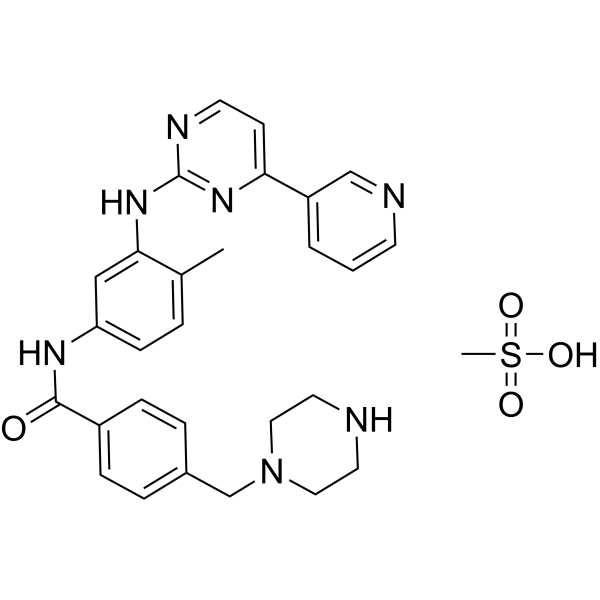
  • HY-G0017A

    Norimatinib mesylate; Imatinib metabolite N-Desmethyl imatinib mesylate; CGP 74588 mesylate

    Drug Metabolite P-glycoprotein Apoptosis Neurological Disease Cancer
    N-Desmethyl imatinib mesylate (Norimatinib mesylate) is an active metabolite of Imatinib (HY-15463), a selective c‑Abl inhibitor, and a substrate of P‑glycoprotein. N-Desmethyl imatinib mesylate binds to the c-Abl catalytic domain to prevent substrate phosphorylation, inhibits c-Abl-mediated α-synuclein activation and downstream inflammatory signaling pathways. N-Desmethyl imatinib mesylate induces apoptosis in K562 human leukemia cells. N-Desmethyl imatinib mesylate exhibits significantly elevated plasma levels in gastrointestinal stromal tumor (GIST) settings following mild SARS CoV 2 infection. N-Desmethyl imatinib mesylate can be used for the research of Parkinson’s disease, gastrointestinal stromal tumor, and chronic myeloid leukemia .
    N-Desmethyl imatinib mesylate
  • HY-G0017S1

    Norimatinib-d4; Imatinib metabolite N-Desmethyl imatinib-d4; CGP 74588-d4

    Isotope-Labeled Compounds Drug Metabolite P-glycoprotein Apoptosis Neurological Disease Cancer
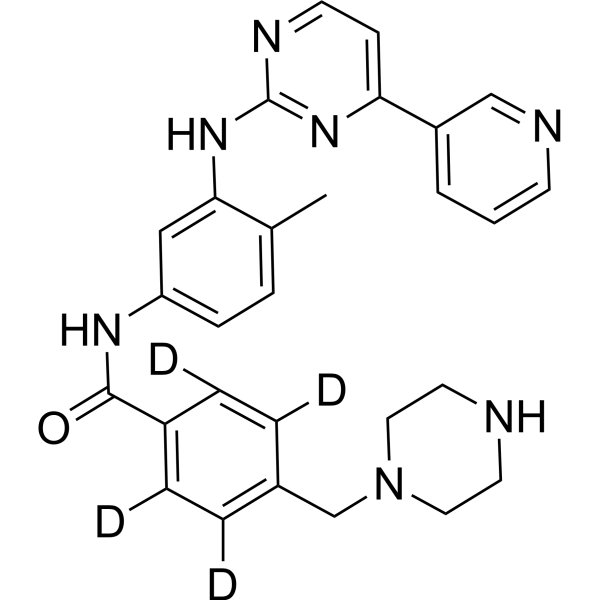
    N-Desmethyl imatinib-d4 is the deuterium-labeled N-Desmethyl imatinib (HY-G0017). N‑Desmethyl imatinib (Norimatinib) is an active metabolite of Imatinib (HY-15463), a selective c‑Abl inhibitor, and a substrate of P‑glycoprotein. N-Desmethyl imatinib binds to the c-Abl catalytic domain to prevent substrate phosphorylation, inhibits c-Abl-mediated α-synuclein activation and downstream inflammatory signaling pathways. N-Desmethyl imatinib induces apoptosis in K562 human leukemia cells. N-Desmethyl imatinib exhibits significantly elevated plasma levels in gastrointestinal stromal tumor (GIST) settings following mild SARS CoV 2 infection. N-Desmethyl imatinib can be used for the research of Parkinson’s disease, gastrointestinal stromal tumor, and chronic myeloid leukemia .
    N-Desmethyl imatinib-d4
  • HY-G0017R

    Norimatinib (Standard); Imatinib metabolite N-Desmethyl imatinib (Standard); CGP 74588 (Standard)

    Reference Standards Drug Metabolite P-glycoprotein Apoptosis Others
    N‑Desmethyl imatinib (Standard) is the analytical standard of N‑Desmethyl imatinib (Norimatinib) (HY-G0017R). This product is intended for research and analytical applications. N‑Desmethyl imatinib (Norimatinib) is an active metabolite of Imatinib (HY-15463), a selective c‑Abl inhibitor, and a substrate of P‑glycoprotein. N-Desmethyl imatinib binds to the c-Abl catalytic domain to prevent substrate phosphorylation, inhibits c-Abl-mediated α-synuclein activation and downstream inflammatory signaling pathways. N-Desmethyl imatinib induces apoptosis in K562 human leukemia cells. N-Desmethyl imatinib exhibits significantly elevated plasma levels in gastrointestinal stromal tumor (GIST) settings following mild SARS CoV 2 infection. N-Desmethyl imatinib can be used for the research of Parkinson’s disease, gastrointestinal stromal tumor, and chronic myeloid leukemia .
    N-Desmethyl imatinib (Standard)
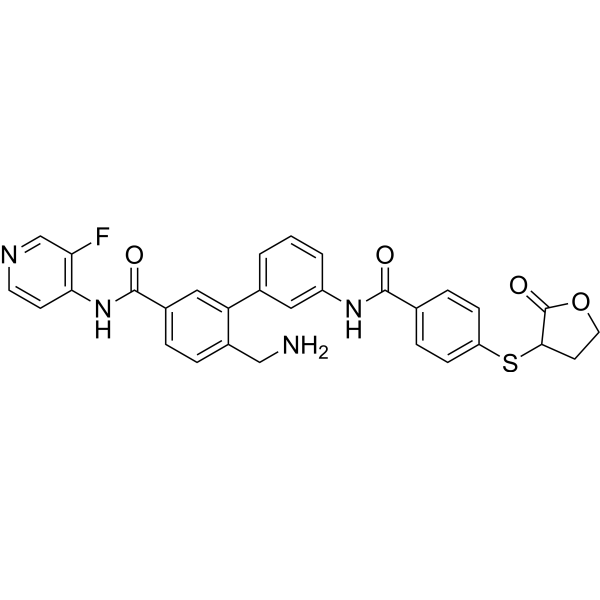
  • HY-W983968

    Na+/K+ ATPase Inflammation/Immunology
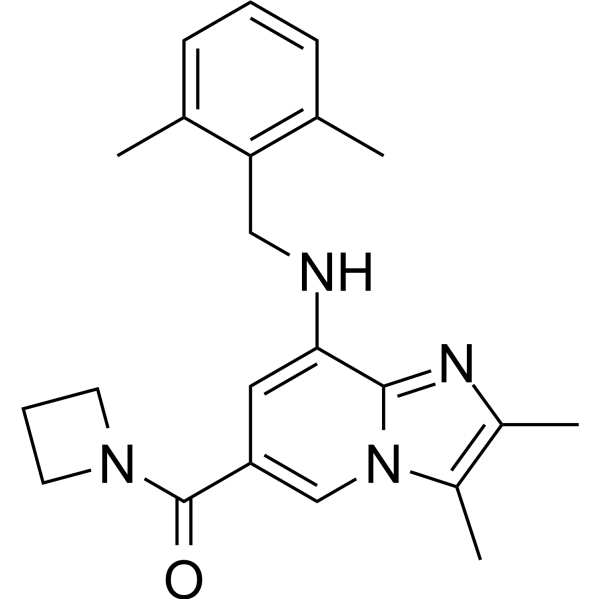
    ATPase-IN-7 (Example 1) is a H +/K +-ATPase inhibitor. ATPase-IN-7 is used in the research of gastrointestinal inflammatory diseases and gastric acid-related diseases .
    ATPase-IN-7

Inquiry Online

Your information is safe with us. * Required Fields.

Salutation


Country or Region *

Applicant Name *


Organization Name *

Department *


Email Address *


Product Name *

Cat. No.


Requested quantity *

Phone Number *


Remarks

Inquiry Online

Inquiry Information

Product Name:
Cat. No.:
Quantity:
MCE Japan Authorized Agent:

