244 Results for "

hepatic cells

" in MedChemExpress (MCE) Product Catalog:
Products (244)

244 Results for "hepatic cells" in MCE Product Catalog:

69
69 Publications Verification
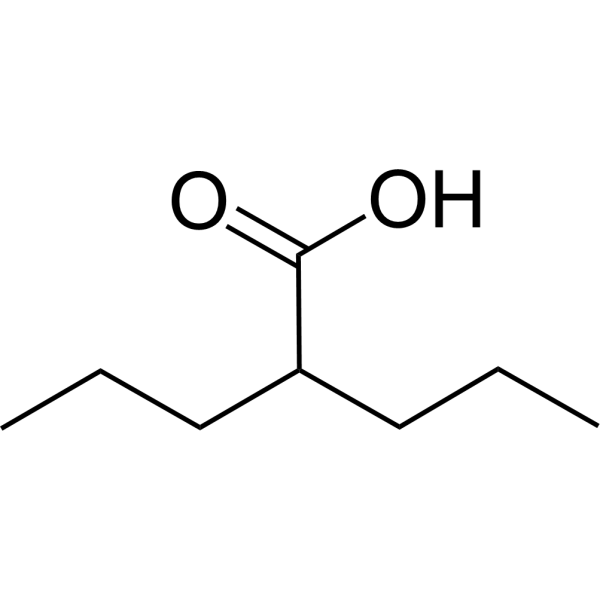
Cat. No.: HY-10585
CAS No.: 99-66-1
Purity:  99.19%
Synonyms: VPA; 2-Propylpentanoic acid; Dipropylacetic acid
Valproic acid (VPA) is an orally active HDAC inhibitor, with IC50 in the range of 0.5 and 2 mM. Valproic acid inhibits HDAC1 (IC50, 400 μM), and induces proteasomal degradation of HDAC2. Valproic acid activates Notch1 signaling and inhibits proliferation in small cell lung cancer (SCLC) cells. Valproic acid is used in the epilepsy, bipolar disorder, metabolic disease, HIV infection and prevention of migraine headaches .
loading...
    loading...
69
69 Publications Verification
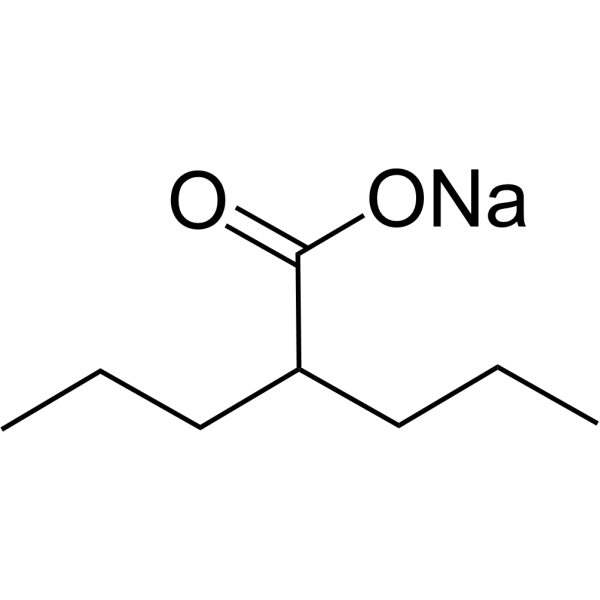
Cat. No.: HY-10585A
CAS No.: 1069-66-5
Purity:  98.14%
Synonyms: Sodium Valproate; VPA sodium; 2-Propylpentanoic acid sodium
Valproic acid (Sodium Valproate) sodium is an orally active HDAC inhibitor, with IC50 in the range of 0.5 and 2 mM, also inhibits HDAC1 (IC50, 400 μM), and induces proteasomal degradation of HDAC2. Valproic acid sodium activates Notch1 signaling and inhibits proliferation in small cell lung cancer (SCLC) cells. Valproic acid sodium is used in the treatment of epilepsy, bipolar disorder, metabolic disease, HIV infection and prevention of migraine headaches .
loading...
    loading...
33
33 Cited Publications
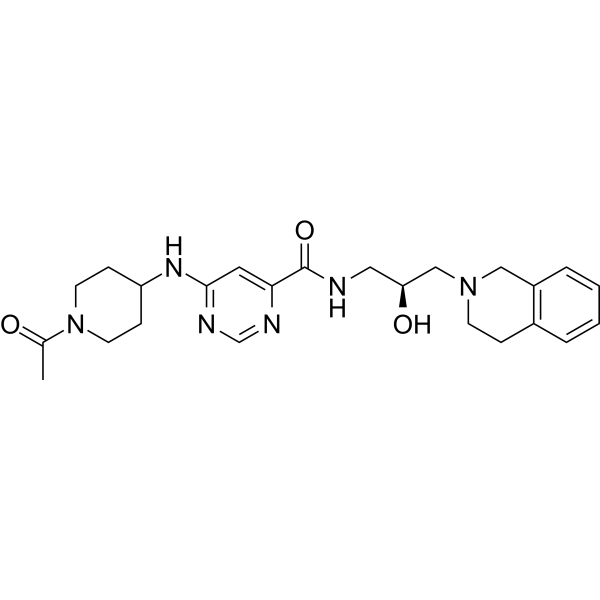
Cat. No.: HY-101563
CAS No.: 1616392-22-3
Purity:  99.51%
Synonyms: EPZ015938
GSK3326595 is a protein arginine methyltransferase 5 (PRMT5) inhibitor. GSK3326595 decreases SARS-CoV-2 infection, inhibits cancer cell proliferation and induces pro-inflammatory macrophage polarization and increases hepatic triglyceride levels without affecting atherosclerosis. GSK3326595 can be used for research of relapsed/refractory mantle cell lymphoma .
loading...
    loading...
13
13 Cited Publications
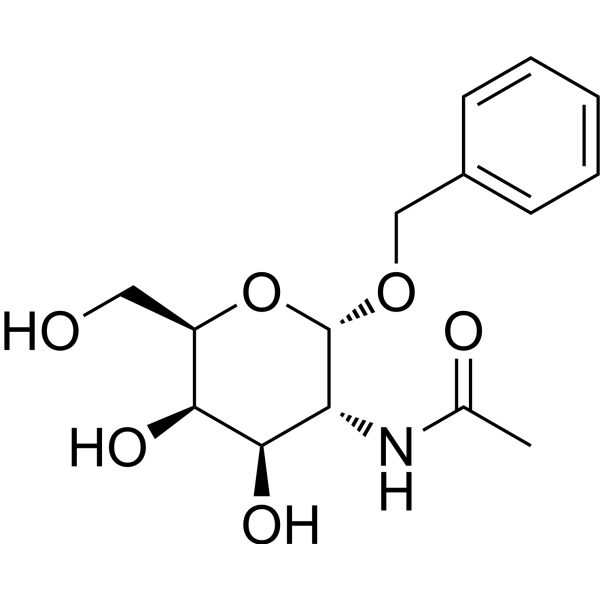
Cat. No.: HY-129389
CAS No.: 3554-93-6
Purity:  99.95%
Target:  

Glycosyltransferase

Research Areas:  

Cancer

Benzyl-α-GalNAc is a potent O-glycosylation inhibitor. Benzyl-α-GalNAc effectively inhibits the proliferation and activation of LX-2 cells and suppresses the expression of collagen I/III, which has good potential for investigation in liver fibrosis. Benzyl-α-GalNAc also significantly enhances the anti-tumour activity of 5-Fluorouracil (HY-90006) (e.g. pancreatic cancer) by inhibiting O-glycosylation .
loading...
    loading...
10
10 Cited Publications
Cat. No.: HY-B1588
CAS No.: 5697-56-3
Carbenoxolone is a blood-brain barrier-permeable Pannexin1 inhibitor, gap junction (Gap junction) blocker, and β-amyloid 42 inhibitor. Carbenoxolone modulates voltage-gated currents of wild-type and mutant Panx1, and inhibits stimulus-activated Panx1 channel function. Carbenoxolone interacts with stable residues of β-amyloid 42 peptides, fibrils and oligomers, thereby inhibiting their aggregation. Carbenoxolone alleviates liver fibrosis. Carbenoxolone exerts neuroprotective and nootropic effects. Carbenoxolone can be used in studies related to Alzheimer's disease and liver fibrosis .
loading...
    loading...
7
7 Cited Publications
Cat. No.: HY-B1334A
CAS No.: 6724-53-4
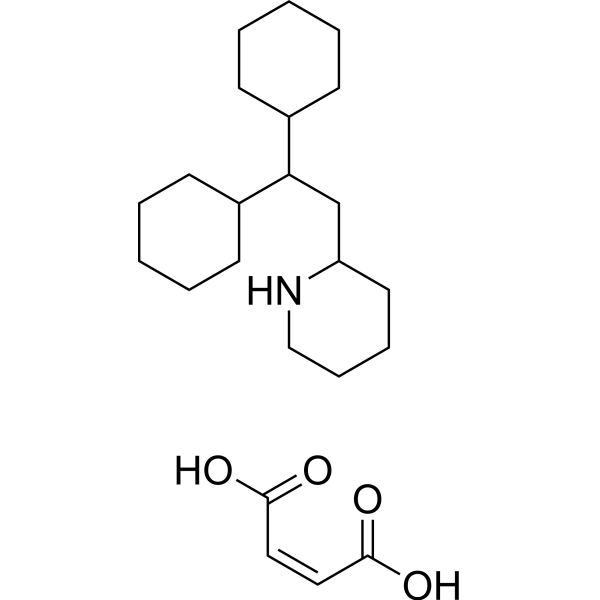
Perhexiline maleate is an orally active CPT1 and CPT2 inhibitor that reduces fatty acid metabolism. Perhexiline maleate induces mitochondrial dysfunction and apoptosis in hepatic cells. Perhexiline maleate can cross the blood brain barrier (BBB) and shows anti-tumor activity. Perhexiline maleate can be used in the research of cancers, and cardiovascular disease like angina .
loading...
    loading...
7
7 Cited Publications
Cat. No.: HY-B1334
CAS No.: 6621-47-2
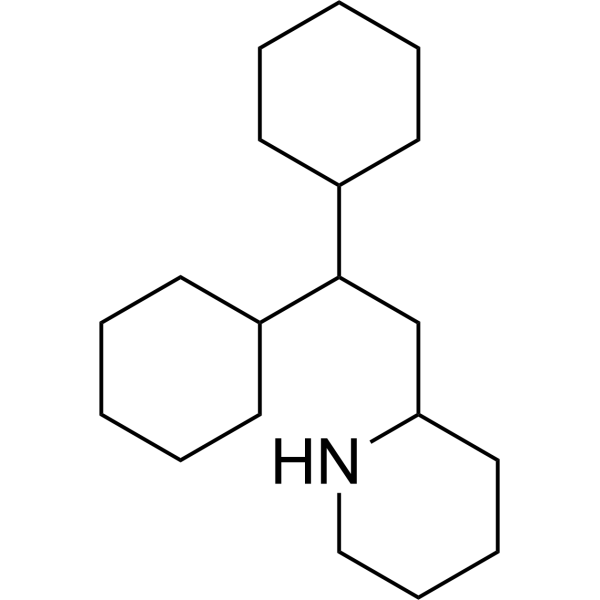
Perhexiline is an orally active CPT1 and CPT2 inhibitor that reduces fatty acid metabolism. Perhexiline induces mitochondrial dysfunction and apoptosis in hepatic cells. Perhexiline can cross the blood brain barrier (BBB) and shows anti-tumor activity. Perhexiline can be used in the research of cancers, and cardiovascular disease like angina .
loading...
    loading...
7
7 Cited Publications
Cat. No.: HY-14668
CAS No.: 202914-84-9
Purity:  99.57%
Synonyms: AEGR-733 mesylate; BMS-201038 mesylate
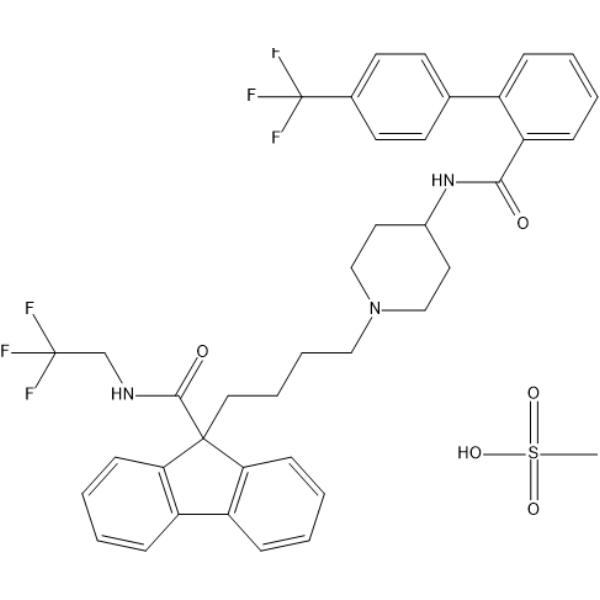
Lomitapide (AEGR-733; BMS-201038) mesylate is an orally active microsomal triglyceride transfer protein (MTP) inhibitor and a selective mTORC1 inhibitor with lipid-lowering activity and BBB permeability. Lomitapide mesylate significantly reduces plasma LDL levels by blocking the assembly and secretion of very-low-density lipoprotein (VLDL). Lomitapide mesylate inhibits mTORC1 in an ATP-dependent manner, thereby inducing AMPK-independent autophagic cell death and suppressing cancer cell growth and apoptosis. Lomitapide mesylate also enhances tumor infiltration of CD8 + T cells. In addition, Lomitapide mesylate inhibits HDAC, improves endothelial function, effectively alleviates vascular inflammation and oxidative stress, and exerts neuroprotective effects in a cerebral ischemia/reperfusion injury model. Lomitapide mesylate can be used in research on related diseases such as colorectal cancer, breast cancer, melanoma, ischemic stroke, and familial hypercholesterolemia .
loading...
    loading...
5
5 Cited Publications
Cat. No.: HY-N9933
CAS No.: 25696-60-0
Synonyms: TβMCA
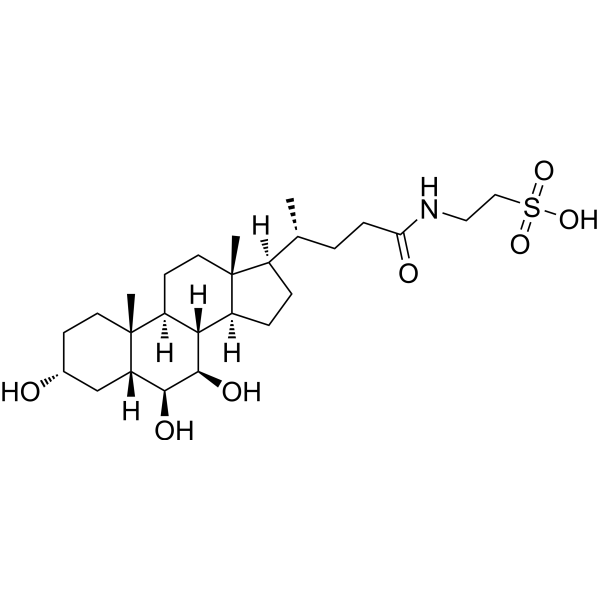
Tauro-β-muricholic acid (TβMCA) is an orally active trihydroxylated bile acid and a competitive, reversible FXR antagonist (IC50=40 μM). Tauro-β-muricholic acid inhibits bile acid-induced hepatocyte apoptosis by maintaining mitochondrial membrane potential, while simultaneously inhibiting intestinal FXR signaling, affecting bile acid synthesis, hepatic lipid metabolism, and insulin sensitivity. Accumulation of tauro-β-muricholic acid disrupts metabolic homeostasis, promoting cancer stem cell proliferation and tumor progression. The mechanisms of tauro-β-muricholic acid involve two aspects: first, inhibiting the translocation of the pro-apoptotic protein Bax to mitochondria and maintaining mitochondrial membrane potential (MMP); and second, blocking the FXR signaling pathway to regulate bile acid metabolism, reduce serum ceramide production, and downregulate the hepatic SREBP1C/CIDEA pathway. Tauro-β-muricholic acid possesses anti-hepatocyte apoptosis, bile acid homeostasis regulation, and liver fat accumulation reduction properties, and also functions as a biomarker, making it useful in the study of diseases such as bile acid metabolism disorders, non-alcoholic fatty liver disease, colorectal cancer, and liver fibrosis .
loading...
    loading...
4
4 Cited Publications
Cat. No.: HY-151427
CAS No.: 2348795-14-0
Purity:  99.47%
Target:  

TGF-β Receptor

Research Areas:  

Inflammation/Immunology

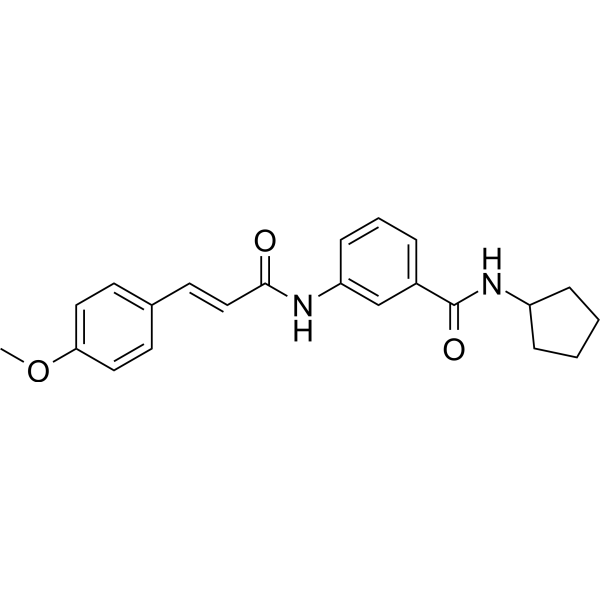
TGFβ1-IN-1 (compound 42) is a potent, orally active TGF-β1 inhibitor. TGFβ1-IN-1 inhibits the upregulation of TGF-β1-induced fibrosis markers (α-SMA and fibronectin) and can be used in liver fibrosis disease studies .
loading...
    loading...
4
4 Cited Publications
Cat. No.: HY-N0712
CAS No.: 104472-68-6
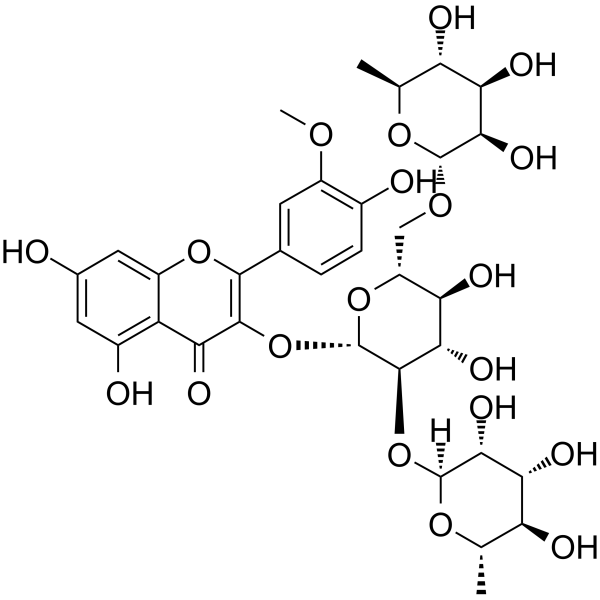
Typhaneoside is an orally active activator of PI3K/Akt/mTOR and farnesoid X receptor. Typhaneoside promotes the activation of AMPK and Caspase-3, induces apoptosis, ferroptosis, autophagy, ROS accumulation, cell cycle arrest at the G2/M phase, and reduces cancer cell viability. Typhaneoside improves glucose and lipid metabolism, alleviates inflammatory responses, oxidative stress and hepatic lipid accumulation, and exerts hepatoprotective effects. Typhaneoside can be used in research related to heart failure after myocardial infarction, acute myeloid leukemia, non-alcoholic fatty liver disease and neurological disorders .
loading...
    loading...
3
3 Cited Publications
Cat. No.: HY-124748A
CAS No.: 2703451-51-6
Purity:  98.33%
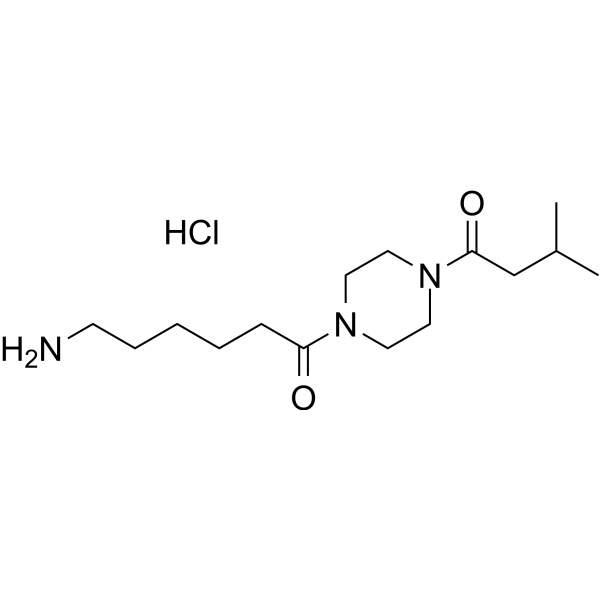
ENMD-1068 hydrochloride is a selective protease-activated receptor 2 (PAR2) antagonist. ENMD-1068 hydrochloride reduces hepatic stellate cell activation and collagen expression by inhibiting TGF-β1/Smad signaling. ENMD-1068 hydrochloride also inhibits the proliferation of endometrial cells and induces apoptosis of epithelial cells in the lesion. ENMD-1068 hydrochloride can be used in the study of endometriosis and liver fibrosis .
loading...
    loading...
3
3 Cited Publications
Cat. No.: HY-135474
CAS No.: 304481-60-5
Purity:  99.67%
Research Areas:  

Others

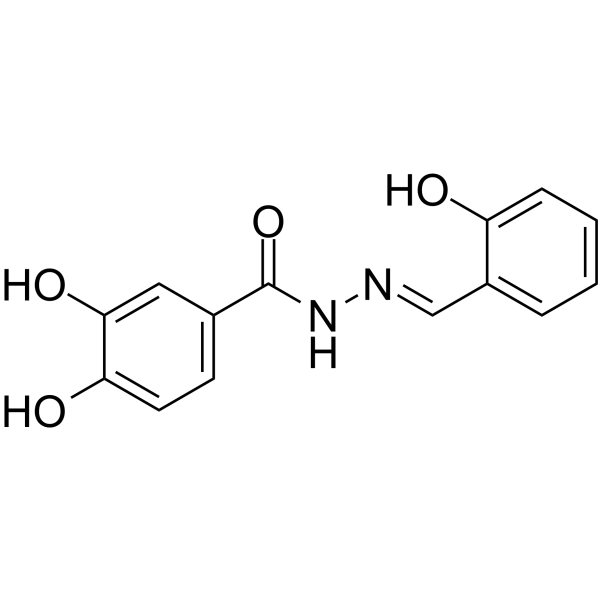
KM91104 is a cell-permeable V-ATPase a3-b2 inhibitor (IC50 = 2.3 µM). KM91104 reduces the metabolic activity, cell proliferation capacity and V-ATPase subunit protein expression levels of primary human hepatic stellate cells, increases intracellular ATP levels and decreases cytoplasmic pH. KM91104 reduces TLR4 expression on the surface of oligodendrocyte precursor cells, blocks the ENV-TLR4 interaction, and reverses oligodendrocyte myelination defects induced by ENV protein .
loading...
    loading...
3
3 Cited Publications
Cat. No.: HY-18555
CAS No.: 1258275-73-8
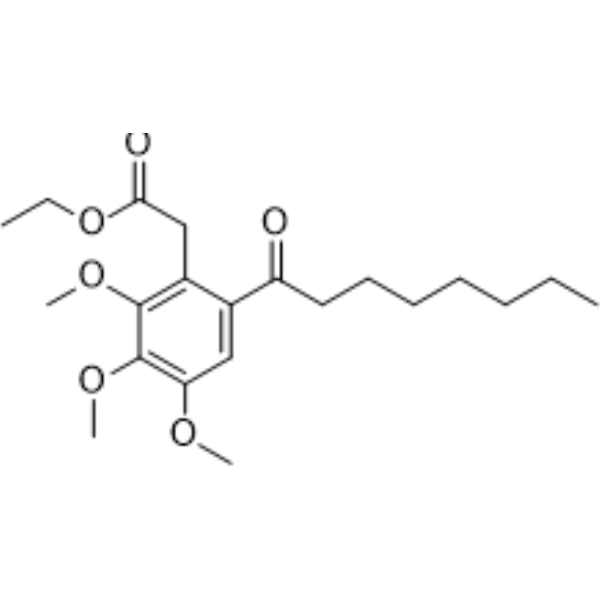
TMPA is a high-affinity Nur77 antagonist that binds to Nur77 leading to the release and shuttling of LKB1 in the cytoplasm to activate AMPKα. TMPA effectively lowers blood glucose and attenuates insulin resistance in type II db/db, high-fat diet and streptozotocin-induced diabetic mice. TMPA reduces RICD (restimulation-induced cell death) in human T cells, can also be used in studies of cancer and T-cell apoptosis dysregulation .
loading...
    loading...
2
2 Cited Publications
Cat. No.: HY-P1624
CAS No.: 197922-42-2
Synonyms: ALX-0600
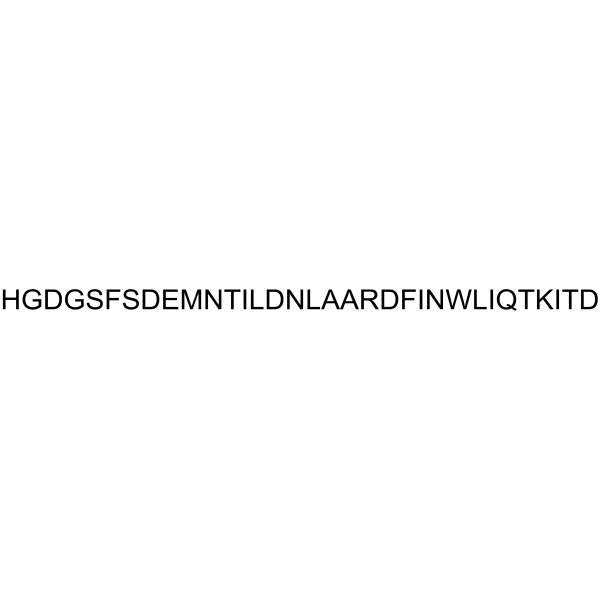
Teduglutide (ALX-0600) is an analog of human glucagon like peptide-2 (GLP-2). Teduglutide can activate the expression of nuclear receptor subfamily 4 group a member 1 (NR4a1)/nur77 and intestinal FXR signaling in human hepatic stellate cells, thereby improving liver inflammation and fibrosis in mice with sclerosing cholangitis. Teduglutide can alleviate intestinal dysfunction in mice, improve lung injury, alleviate obesity related neuroinflammation and cell apoptosis .
loading...
    loading...
2
2 Cited Publications
Cat. No.: HY-N6012
CAS No.: 517-88-4
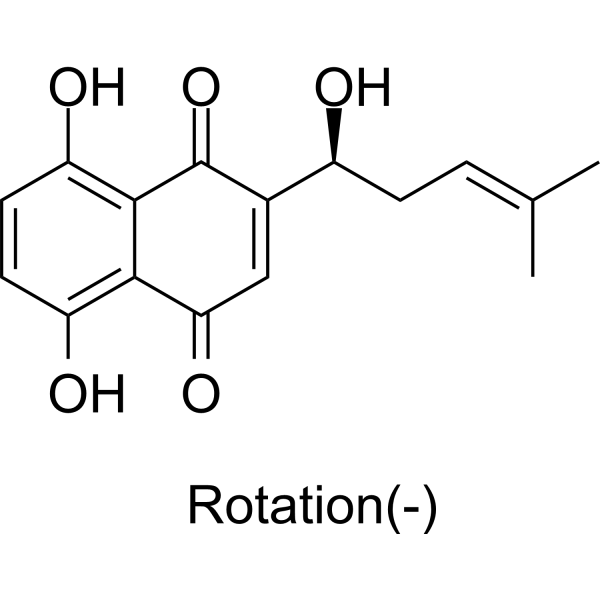
(-)-Alkannin, found in Alkanna tinctoria, is used as a food coloring. (-)-Alkannin shows anticancer activity, arrests cell cycle, and induces apoptosis. (-)-Alkannin improves hepatic inflammation in a Rho-kinase pathway .
loading...
    loading...
2
2 Cited Publications
Cat. No.: HY-125864C
CAS No.: 9001-32-5
Research Areas:  

Cardiovascular Disease

Porcine Fibrinogen is a coagulation protein, purified from porcine plasma with no plasminogen contained. Porcine Fibrinogen has excellent biocompatibility and does not induce aggregation of porcine platelets when in contact with porcine hepatocytes, aortic endothelial cells or hepatic sinusoidal endothelial cells. Porcine Fibrinogen is widely used in studies on the pathological mechanisms of cardiovascular diseases such as atherosclerosis and the development of related drugs .
loading...
    loading...
2
2 Cited Publications
Cat. No.: HY-D0848
CAS No.: 110-26-9
Synonyms: Bisacrylamide; MBA; Methylenebisacrylamide; N,N-Methylenebisacrylamide
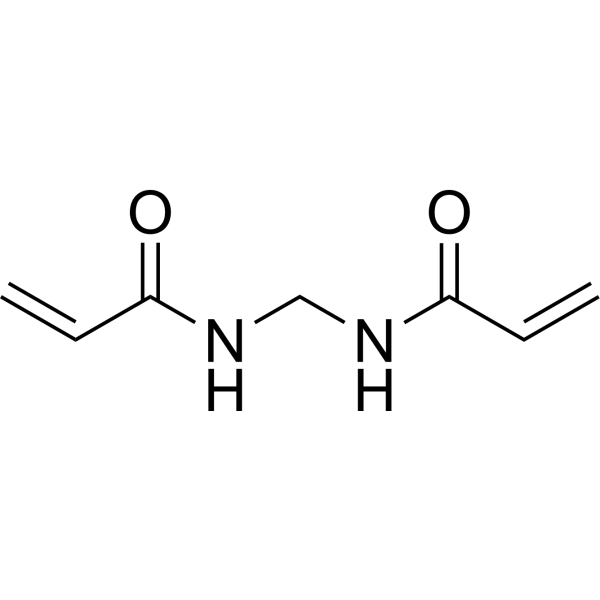
N,N'-Methylenebisacrylamide (Bisacrylamide) is an orally active acrylamide dimer and crosslinker. N,N'-Methylenebisacrylamide increases CYP2E1, P53, cleaved caspase-3. N,N'-Methylenebisacrylamide promotes hepatic cancer. N,N'-Methylenebisacrylamide changes sperm abnormality rate and sperm count. N,N'-Methylenebisacrylamide decreases the number of various cells in the blood as well as induces liver and testicular damage. N,N'-Methylenebisacrylamide is used to prepare polyacrylamide gel .
loading...
    loading...
2
2 Cited Publications
Cat. No.: HY-N0887
CAS No.: 84676-88-0
Synonyms: Isoastragaloside-I
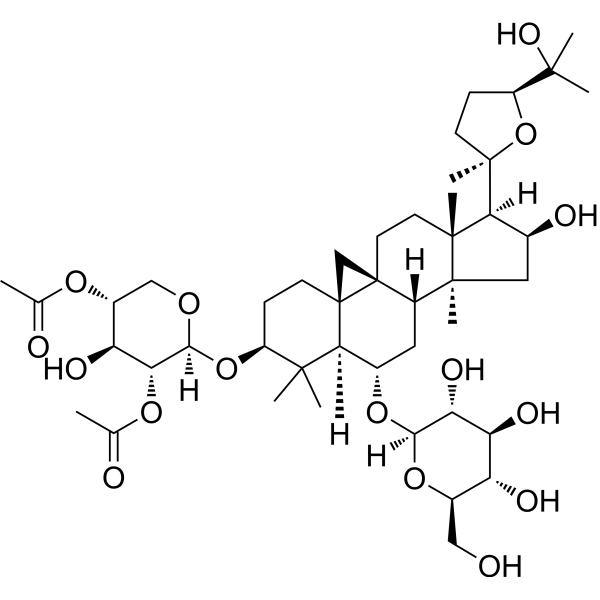
Isoastragaloside I is a natural compound found in Astragalus membranaceus, with oral activity and multiple biological activities such as anti-inflammatory and antioxidant properties. Isoastragaloside I inhibits Akt, NF-κB, MAPKs and PI3K, enhances the activity of hepatic FXR, regulates the TGF-β/Smads signaling pathway, and upregulates antioxidant molecules downstream of Nrf2. Isoastragaloside I inhibits the expression of NO, TNF-α, iNOS, COX-2, IL-1β and VCAM-1, and reduces intracellular ROS levels. Isoastragaloside I attenuates blood-brain barrier disruption, restores intestinal barrier function, increases β-cell mass, improves glucose homeostasis, and elevates circulating adiponectin levels. Isoastragaloside I can be used for the study of neuroinflammation-related neurodegenerative diseases, cholestatic liver disease, and diabetes .
loading...
    loading...
2
2 Cited Publications
Cat. No.: HY-N0912
CAS No.: 81720-08-3
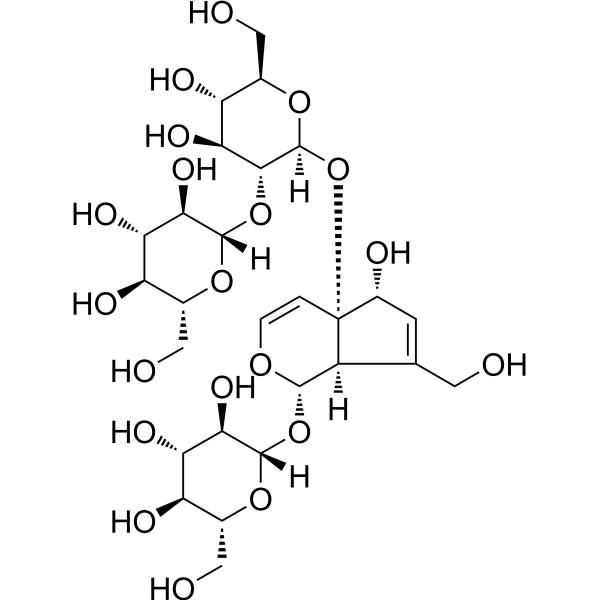
Rehmannioside D is an orally active Sirt7 modulator. Rehmannioside D upregulates Sirt7 expression, inhibits the level of acetylated p53, and blocks the activation of the p53 signaling pathway. Rehmannioside D alleviates liver injury, inflammatory response, collagen deposition and hepatocyte apoptosis. Rehmannioside D is applicable to research related to liver fibrosis .
loading...
    loading...

