1. Search Result
Search Result
Results for "

hepatic necrosis

" in MedChemExpress (MCE) Product Catalog:

20

Inhibitors & Agonists

7

Natural
Products

1

Oligonucleotides

Targets Recommended:
Cat. No. Product Name Target Research Areas Chemical Structure
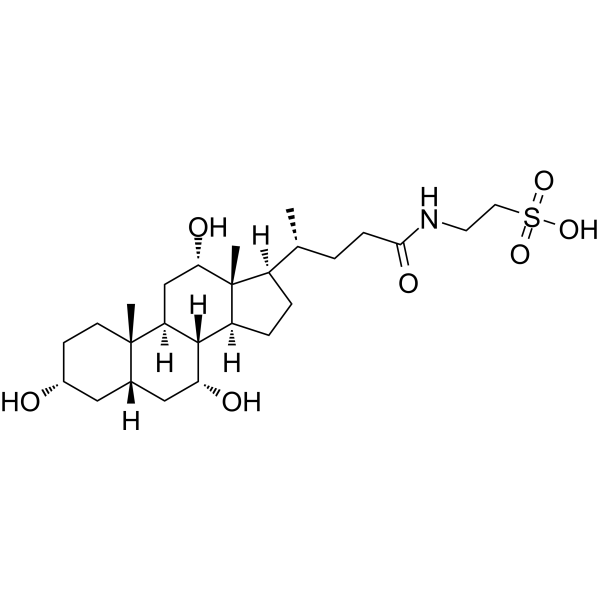
  • HY-B1788
    Taurocholic acid
    Maximum Cited Publications
    31 Publications Verification

    N-Choloyltaurine

    Endogenous Metabolite Neurological Disease Inflammation/Immunology
    Taurocholic acid (N-Choloyltaurine) has marked bioactive effects such as an inhibitory potential against hepatic artery ligation induced biliary damage by upregulation of VEGF-A expression. Taurocholic acid has immunoregulation effect .
    Taurocholic acid
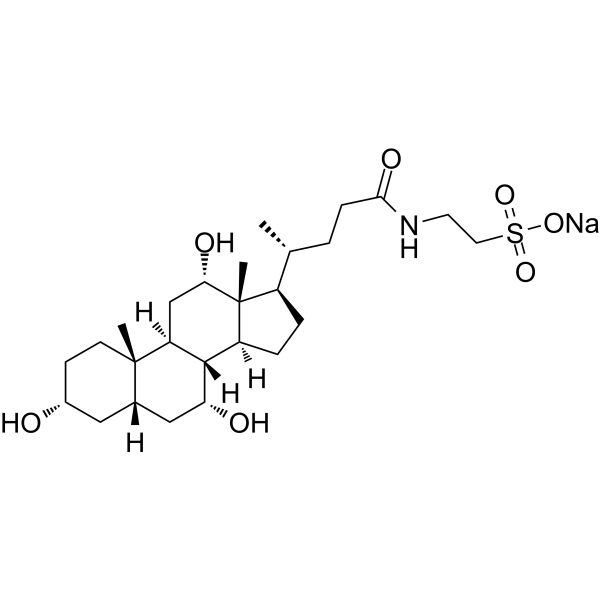
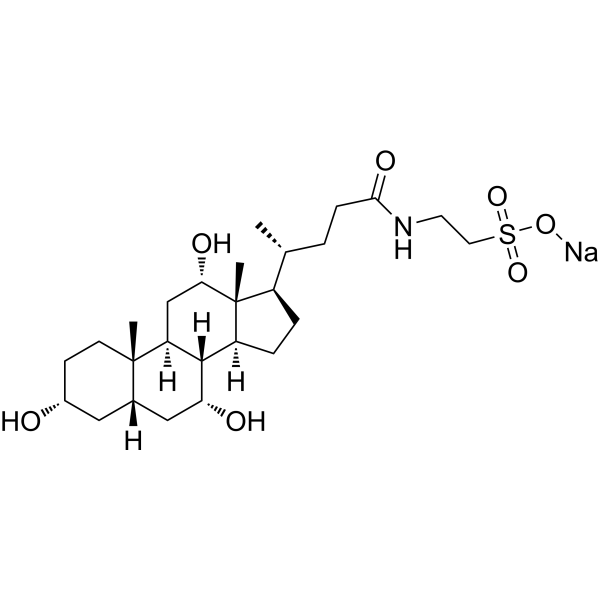
  • HY-N0545
    Taurocholic acid sodium
    Maximum Cited Publications
    31 Publications Verification

    Sodium taurocholate; N-Choloyltaurine sodium

    VEGFR Endogenous Metabolite Cardiovascular Disease Neurological Disease Inflammation/Immunology Cancer
    Taurocholic acid sodium (Sodium taurocholate) has marked bioactive effects such as an inhibitory potential against hepatic artery ligation induced biliary damage by upregulation of VEGF-A expression. Taurocholic acid sodium has immunoregulation effect .
    Taurocholic acid sodium
  • HY-W010800

    Topoisomerase DNA/RNA Synthesis Apoptosis Necroptosis Cancer
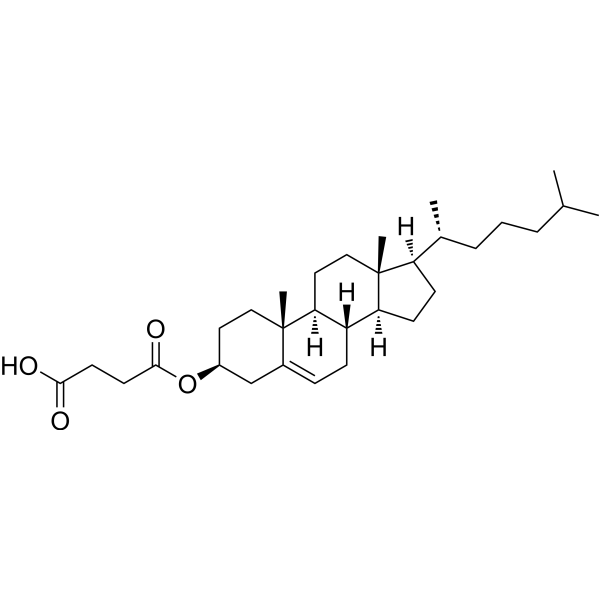
    Cholesteryl hemisuccinate is a with hepatoprotective an anticancer activity. Cholesteryl hemisuccinate inhibits Acetaminophen (AAP, HY-66005) hepatotoxicity, and prevents AAP-induced hepatic apoptosis and necrosis. Cholesteryl hemisuccinate inhibits DNA polymerase and DNA topoisomerase to inhibit DNA replication and repair and cell division. Thus, Cholesteryl hemisuccinate inhibits tumor growth .
    Cholesteryl hemisuccinate
  • HY-W010800A

    Cholesterol hydrogen succinate Tris salt; CHS-Tris

    Biochemical Assay Reagents Topoisomerase DNA/RNA Synthesis Apoptosis Necroptosis Inflammation/Immunology Cancer
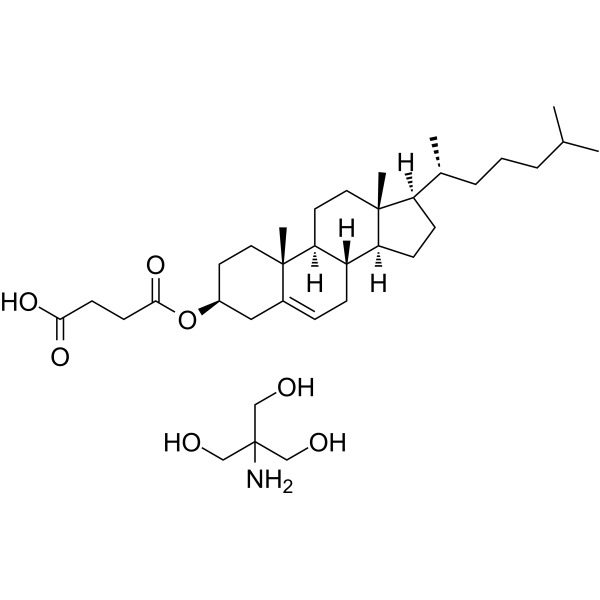
    Cholesterol hemisuccinate (Cholesterol hydrogen succinate) Tris salt is a compound with hepatoprotective and anticancer activity. Cholesterol hemisuccinate Tris salt inhibits Acetaminophen (AAP) (HY-66005) hepatotoxicity, and prevents AAP-induced hepatic apoptosis and necrosis. Cholesterol hemisuccinate Tris salt inhibits DNA polymerase and DNA topoisomerase to inhibit DNA replication and repair and cell division. Cholesterol hemisuccinate Tris salt inhibits tumor growth. Cholesterol hemisuccinate Tris salt can be used for buffer preparation .
    Cholesterol hemisuccinate Tris salt
  • HY-122515
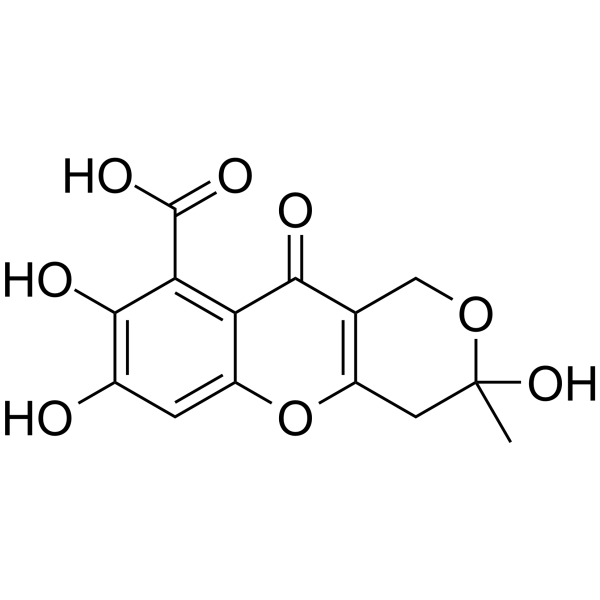
    Fulvic Acid
    1 Publications Verification

    Others Metabolic Disease Inflammation/Immunology
    Fulvic Acid is a natural product, which comes from humic substances produced by microorganisms in soil. Fulvic Acid can modulate the immune system, influence the oxidative state of cells, and improve gastrointestinal function. Fulvic Acid has the potential for researching chronic inflammatory diseases, including diabetes .
    Fulvic Acid
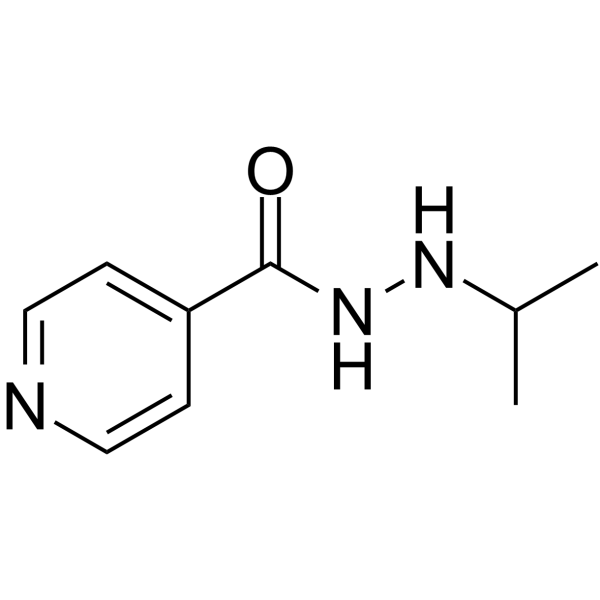
  • HY-B0886A
    Iproniazid
    2 Publications Verification

    Monoamine Oxidase Apoptosis Neurological Disease Metabolic Disease Endocrinology
    Iproniazid is an orally active, irreversible, non-selective monoamine oxidase (MAO) inhibitor. Iproniazid inhibits MAO activity and enhances Rotenone (HY-B1756)-induced Apoptosis. Iproniazid modulates neurotransmitter levels, affects neuronal function, induces hepatic necrosis, and interferes with the endocrine system. Iproniazid can be used in the research of depression, Parkinson's disease, and hepatotoxicity .
    Iproniazid
  • HY-B1483

    Thenylpyramine hydrochloride

    Environmental Pollutants Histamine Receptor Inflammation/Immunology
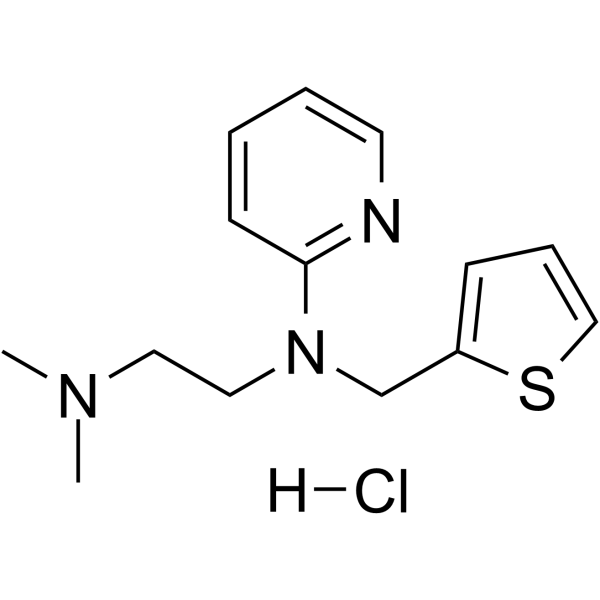
    Methapyrilene (Thenylpyramine) hydrochloride is an orally active H1-receptor antihistamine and an anticholinergic agent of the pyridine chemical class. Methapyrilene hydrochloride has hepatotoxicity and can be used as a hepatotoxin that cause periportal hepatic necrosis in vivo
    Methapyrilene hydrochloride
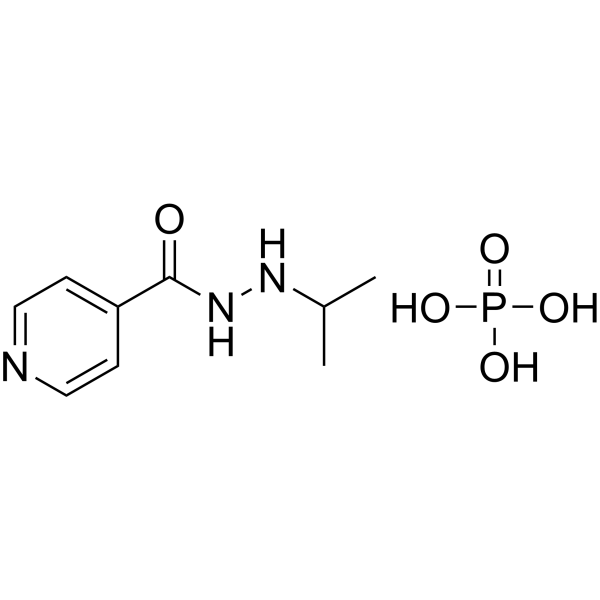
  • HY-B0886
    Iproniazid phosphate
    2 Publications Verification

    Monoamine Oxidase Apoptosis Neurological Disease Metabolic Disease Endocrinology
    Iproniazid phosphate is an orally active, irreversible, non-selective monoamine oxidase (MAO) inhibitor. Iproniazid phosphate inhibits MAO activity and enhances Rotenone (HY-B1756)-induced Apoptosis. Iproniazid phosphate modulates neurotransmitter levels, affects neuronal function, induces hepatic necrosis, and interferes with the endocrine system. Iproniazid phosphate can be used in the research of depression, Parkinson's disease, and hepatotoxicity .
    Iproniazid phosphate
  • HY-N0545R

    Sodium taurocholate (Standard); N-Choloyltaurine sodium (Standard)

    Reference Standards VEGFR Endogenous Metabolite Inflammation/Immunology
    Taurocholic acid (sodium) (Standard) is the analytical standard of Taurocholic acid (sodium). This product is intended for research and analytical applications. Taurocholic acid sodium (Sodium taurocholate) has marked bioactive effects such as an inhibitory potential against hepatic artery ligation induced biliary damage by upregulation of VEGF-A expression. Taurocholic acid sodium has immunoregulation effect .
    Taurocholic acid sodium (Standard)
  • HY-156119

    Mixed Lineage Kinase Necroptosis Metabolic Disease Cancer
    MLKL-IN-6 (compound P28) is a mixed lineage kinase inhibitor targeting Mixed Lineage Kinase domain-like (MLKL). MLKL-IN-6 inhibits cell necrosis. MLKL-IN-6 inhibits MLKL phosphorylation and oligomerization during cell necrosis, inhibits immune cell death, and reduces the expression of adhesion factors. MLKL-IN-6 has low cytotoxicity, and it inhibits hepatic stellate cell activation, reduces liver fibrosis marker levels, and has anti-fibrotic effects .
    MLKL-IN-6
  • HY-W010800R

    Reference Standards Topoisomerase DNA/RNA Synthesis Apoptosis Necroptosis Cancer
    Cholesteryl hemisuccinate (Standard) is the analytical standard of Cholesteryl hemisuccinate. This product is intended for research and analytical applications. Cholesteryl hemisuccinate is a with hepatoprotective an anticancer activity. Cholesteryl hemisuccinate inhibits Acetaminophen (AAP, HY-66005) hepatotoxicity, and prevents AAP-induced hepatic apoptosis and necrosis. Cholesteryl hemisuccinate inhibits DNA polymerase and DNA topoisomerase to inhibit DNA replication and repair and cell division. Thus, Cholesteryl hemisuccinate inhibits tumor growth[1][2].
    Cholesteryl hemisuccinate (Standard)
  • HY-B1788R

    N-Choloyltaurine (Standard)

    Reference Standards Endogenous Metabolite Inflammation/Immunology
    Taurocholic acid (Standard) is the analytical standard of Taurocholic acid. This product is intended for research and analytical applications. Taurocholic acid (N-Choloyltaurine) has marked bioactive effects such as an inhibitory potential against hepatic artery ligation induced biliary damage by upregulation of VEGF-A expression. Taurocholic acid has immunoregulation effect .
    Taurocholic acid (Standard)
  • HY-174285

    Thrombin Cardiovascular Disease
    NAPAP is a selective direct thrombin inhibitor. NAPAP rapidly binds to thrombin and inhibits its activity, and reduces LPS (HY-D1056)-induced brain inflammation and coagulation factor expression in vivo. NAPAP can be used in studies related to coagulation and neuroinflammation .
    NAPAP
  • HY-N16478

    Cytochrome P450 Metabolic Disease
    Echihumiline is an alkaloid targeting hepatic cytochrome P450 enzymes (CYP450). Echihumiline induces DNA cross-linking and oxidative stress in hepatocytes, leading to liver necrosis and fibrosis. Echihumiline is promising for research of liver diseases .
    Echihumiline
  • HY-106417

    SA 3443

    Phosphatase Aminotransferases (Transaminases) Metabolic Disease
    Limazocic (SA 3443) is an orally active hepatoprotective agent. Limazocic can inhibit increases in serum transaminase, alkaline phosphatase activity and hepatic lipids, hydroxyproline content induced by CCl4. Limazocic can decrease the degree of hepatic necrosis, fibrosis and steatosis. Limazocic can be used for the research of chronic liver injuries .
    Limazocic
  • HY-N13208

    MMP TGF-beta/Smad Others
    Stevia Powder is a natural sweetener with antioxidant activity. Stevia Powder can downregulate pro fibrotic pathways in cirrhotic rats, including reduced hepatic myofibroblasts and decreased expression of matrix metalloproteinases MMP2 and MMP13, upregulate anti fibrotic molecule Smad7, prevent serum necrosis and elevated bile stasis markers, thereby inhibiting the development of liver fibrosis .
    Stevia Powder
  • HY-B0886AR

    Reference Standards Monoamine Oxidase Apoptosis Neurological Disease Metabolic Disease Endocrinology
    Iproniazid (Standard) is the analytical standard of Iproniazid (HY-B0886A). This product is intended for research and analytical applications. Iproniazid is an orally active, irreversible, non-selective monoamine oxidase (MAO) inhibitor. Iproniazid inhibits MAO activity and enhances Rotenone (HY-B1756)-induced Apoptosis. Iproniazid modulates neurotransmitter levels, affects neuronal function, induces hepatic necrosis, and interferes with the endocrine system. Iproniazid can be used in the research of depression, Parkinson's disease, and hepatotoxicity .
    Iproniazid (Standard)
  • HY-N1500A

    (-)-Pulegone

    Cytochrome P450 Cancer
    (S)-Pulegone ((-)-Pulegone) is a cytochrome P450 (CYP450) substrate. (S)-Pulegone induces urothelial cytotoxicity, necrosis, regenerative proliferation and urinary bladder tumors in female rats. (S)-Pulegone induces rodent nephropathy, olfactory metaplasia, gastric hyperplasia/perforation at high dose. (S)-Pulegone can be used for the research of urinary bladder and hepatic neoplasms .
    (S)-Pulegone
  • HY-B0886R

    Reference Standards Monoamine Oxidase Apoptosis Neurological Disease Metabolic Disease Endocrinology
    Iproniazid (phosphate) (Standard) is the analytical standard of Iproniazid phosphate (HY-B0886). This product is intended for research and analytical applications. Iproniazid phosphate is an orally active, irreversible, non-selective monoamine oxidase (MAO) inhibitor. Iproniazid phosphate inhibits MAO activity and enhances Rotenone (HY-B1756)-induced Apoptosis. Iproniazid phosphate modulates neurotransmitter levels, affects neuronal function, induces hepatic necrosis, and interferes with the endocrine system. Iproniazid phosphate can be used in the research of depression, Parkinson's disease, and hepatotoxicity .
    Iproniazid phosphate (Standard)
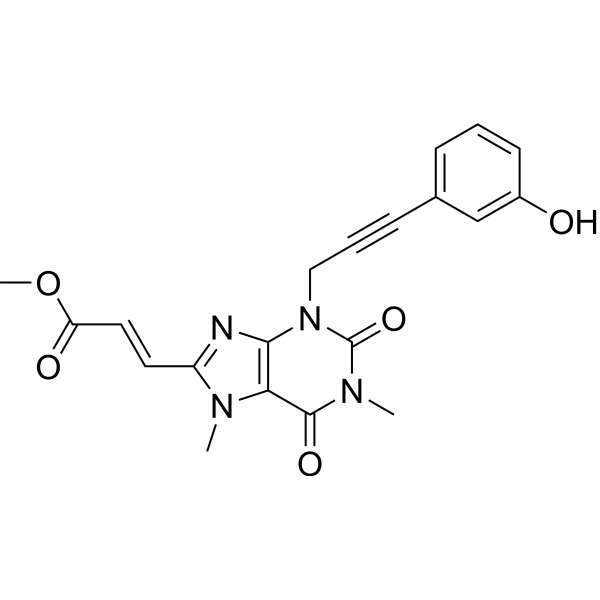
  • HY-182060

    Phosphodiesterase (PDE) Bcl-2 Family NO Synthase Apoptosis Inflammation/Immunology
    PDE4B/D-IN-5 (Compound P32) is a peripherally restricted, oral active inhibitor of PDE4B and PDE4D with extremely low blood-brain barrier penetration, with IC50 values of 3.4 nM and 2.2 nM, respectively. PDE4B-IN-8 inhibits the production of TNF-α. PDE4B/D-IN-5 significantly reduces the Bax/Bcl2 ratio, and alleviates oxidative stress by decreasing MPO activity and NO levels. PDE4B/D-IN-5 exhibits anti-inflammatory, antioxidant, and anti-apoptotic activities. PDE4B/D-IN-5 can be used for the research of acute lung injury .
    PDE4B/D-IN-5

Inquiry Online

Your information is safe with us. * Required Fields.

Salutation


Country or Region *

Applicant Name *


Organization Name *

Department *


Email Address *


Product Name *

Cat. No.


Requested quantity *

Phone Number *


Remarks

Inquiry Online

Inquiry Information

Product Name:
Cat. No.:
Quantity:
MCE Japan Authorized Agent:

