20 Results for "

host toxicity

" in MedChemExpress (MCE) Product Catalog:
Products (20)

20 Results for "host toxicity" in MCE Product Catalog:

8
8 Publications Verification
Cat. No.: HY-B0223
CAS No.: 54965-21-8
Synonyms: SKF-62979
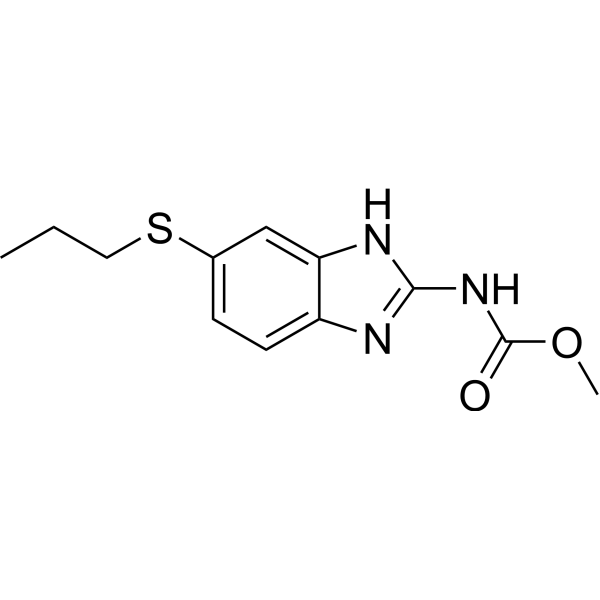
Albendazole (SKF-62979) is an orally active and broad-spectrum parasiticide with high effectiveness and low host toxicity, is used for the research of gastrointestinal parasites in humans and animals. Albendazole induces apoptosis and autophagy in cancer cells. Albendazole also inhibits tubulin polymerization and HIF-1α, VEGF expression, has antioxidant activity, and inhibits the glycolytic process in cancer cells .
loading...
    loading...
8
8 Publications Verification
Cat. No.: HY-P1934
CAS No.: 14705-60-3
Synonyms: Cyclo(phenylalanylprolyl); A-64863
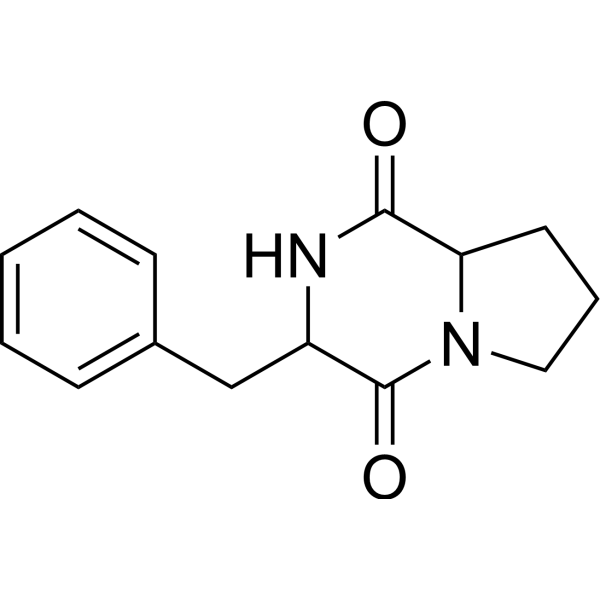
Cyclo(Phe-Pro) (Cyclo(phenylalanylprolyl)) is a quorum-sensing molecule of Vibrio vulnificus that specifically interacts with RIG-I, inhibiting RIG-I polyubiquitination, suppressing IRF-3 activation, and reducing type I interferon production. Cyclo(Phe-Pro) enhances susceptibility to HCV and influenza virus and also alleviates plant aluminum toxicity stress. The mechanism of Cyclo(Phe-Pro) involves the regulation of host immune signaling pathways, bacterial virulence gene expression, and plant antioxidant systems, making it a promising candidate for research in viral infections, bacterial virulence regulation, and agricultural stress resistance .
loading...
    loading...
2
2 Cited Publications
Cat. No.: HY-13321
CAS No.: 442666-98-0
Purity:  99.53%
Target:  

HCV

Research Areas:  

Infection

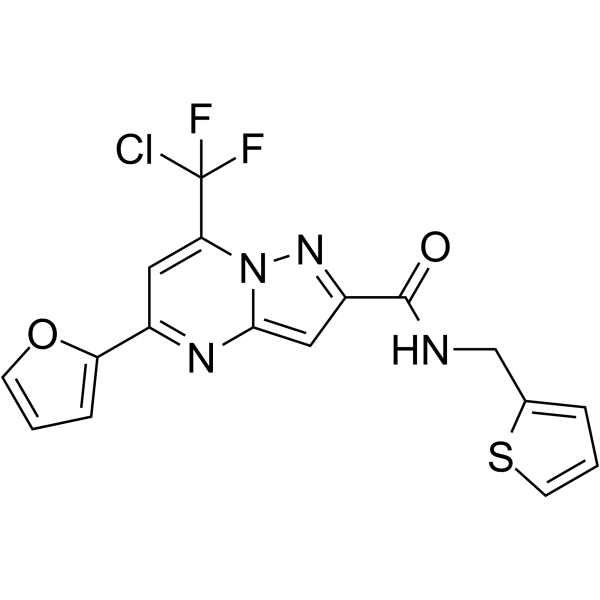
Anguizole is an HCV NS4B inhibitor. Anguizole interacts with NS4B-AH2, inhibits AH2 lipid vesicle aggregation, disrupts NS4B dimerization/multimerization and impairs NS4B-NS5A interaction. Anguizole exhibits little host cell toxicity. Anguizole can be used for the research of HCV infection .
loading...
    loading...
1
1 Cited Publications
Cat. No.: HY-124750
CAS No.: 1120332-55-9
Purity:  99.69%
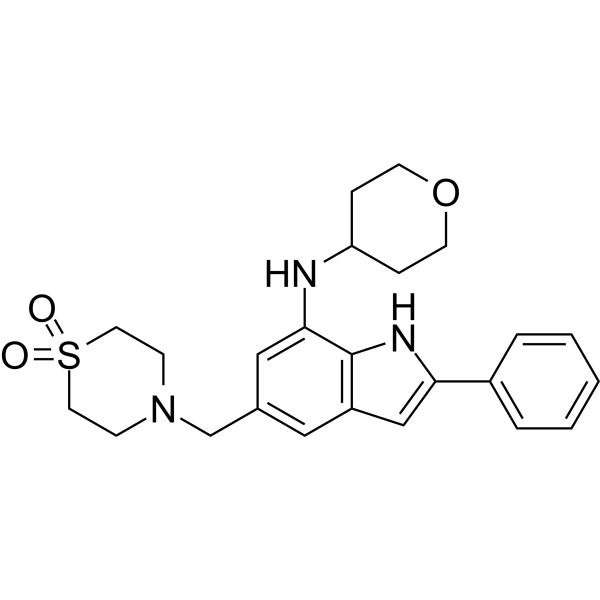
NecroX-7 is a potent free radical scavenger and a HMGB1 (high-mobility group box 1) inhibitor. NecroX-7 can be used as an antidote to acetaminophen toxicity. NecroX-7 exerts a protective effect by preventing the release of HMGB1 in ischemia/reperfusion injury. NecroX-7 inhibits the HMGB1-induced release of TNF and IL-6, as well as the expression of TLR-4 and receptor for advanced glycation end products. NecroX-7 can be used graft-versus-host disease (GVHD) research .
loading...
    loading...
Cat. No.: HY-N6051
CAS No.: 2035-15-6
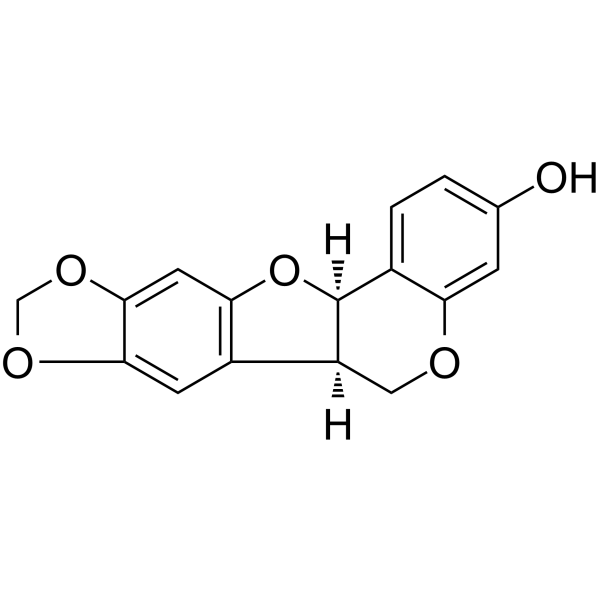
(-)-Maackiain is a pterocarpan phytoalexin produced from Sophora flavescens. (-)-Maackiain is toxic to several genera of fungal pathogens of legume and non legume hosts. (-)-Maackiain enhances the activation of NLRP3 inflammasome, inhibits the activation of NF-κB pathway, exhibiting thereby immunostimulatory and anti-inflammatory activities. (-)-Maackiain is orally active .
loading...
    loading...
Cat. No.: HY-P991224

Target:  

CCR

Research Areas:  

Inflammation/Immunology Cancer

CAP-100 is a monoclonal antibody that targets CCR7. CAP-100 neutralizes the ligand-binding site and signaling of CCR7. CAP-100 strongly inhibits CCR7-induced migration, extravasation, homing, and survival in chronic lymphocytic leukemia (CLL) samples. CAP-100 triggers potent tumor cell killing, mediated by host immune mechanism. CAP-100 shows a favorable toxicity profile on relevant hematopoietic subsets. CAP-100 is involved in research on anti-tumor and disease such as CLL .
loading...
    loading...
Cat. No.: HY-B0223R
CAS No.: 54965-21-8
Synonyms: SKF-62979 (Standard)
Albendazole (Standard) is the analytical standard of Albendazole. This product is intended for research and analytical applications. Albendazole (SKF-62979) is an orally active and broad-spectrum parasiticide with high effectiveness and low host toxicity, is used for the research of gastrointestinal parasites in humans and animals. Albendazole induces apoptosis and autophagy in cancer cells. Albendazole also inhibits tubulin polymerization and HIF-1α, VEGF expression, has antioxidant activity, and inhibits the glycolytic process in cancer cells .
loading...
    loading...
Cat. No.: HY-121473
CAS No.: 60504-57-6
Research Areas:  

Infection

Aklavin is a structural analog of Aclacinomycin A (HY-N2306) produced by Streptomyces strain A 1165. Aklavin possesses Z-DNA-inducing and stabilizing activities, along with antibiotic, anti-phage and broad-spectrum antimicrobial activities. Aklavin inhibits the proliferation of various viruses (such as influenza virus and poliovirus) and interferes with their nucleoprotein synthesis, while also exhibiting inhibitory effects on staphylococci, mycobacteria and specific fungi. Aklavin blocks phage-induced bacterial lysis by regulating host-parasite interactions. Aklavin shows specific toxicity to fertilized eggs and mice, and does not alter the splicing of the SMN2 gene .
loading...
    loading...
Cat. No.: HY-134922
CAS No.: 181373-35-3
Synonyms: REDD1 inducer-1
Target:  

Influenza Virus mTOR

Research Areas:  

Infection

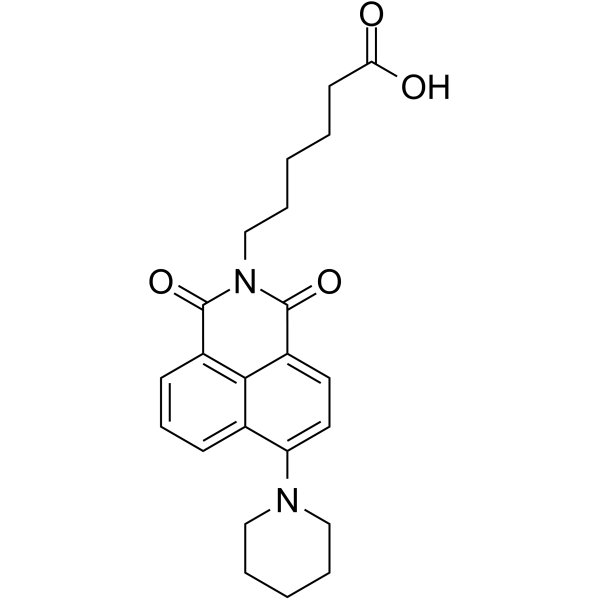
NS1-IN-1 (REDD1 inducer-1) is a naphthalimide compound and an NS1 inhibitor. NS1-IN-1 antagonizes influenza A virus NS1-mediated inhibition of host gene expression and induces REDD1 expression. NS1-IN-1 suppresses the mTORC1 signaling pathway via a TSC1-TSC2 dependent mechanism. NS1-IN-1 exhibits broad antiviral activity against influenza virus and vesicular stomatitis virus (VSV), with low toxicity .
loading...
    loading...
Cat. No.: HY-N6051R
CAS No.: 2035-15-6
(-​)​-Maackiain (Standard) is the analytical standard of (-​)​-Maackiain. This product is intended for research and analytical applications. (-)-Maackiain is a pterocarpan phytoalexin produced from Sophora flavescens. (-)-Maackiain is toxic to several genera of fungal pathogens of legume and non legume hosts. (-)-Maackiain enhances the activation of NLRP3 inflammasome, inhibits the activation of NF-κB pathway, exhibiting thereby immunostimulatory and anti-inflammatory activities. (-)-Maackiain is orally active .
loading...
    loading...
Cat. No.: HY-177059
CAS No.: 65199-10-2
Synonyms: NBMPR-P
Research Areas:  

Cancer

Nitrobenzylthioinosine 5'-monophosphate (NBMPR-P), a nucleoside analog, is a prodrug of the potent nucleoside transport inhibitor Nitro-benzylthioinosine (NBMPR) (HY-W010936). Nitrobenzylthioinosine 5'-monophosphate blocks nucleoside transport in vivo and prevents host toxicity in tumor-bearing mice administered with highdoses of Tubercidin (HY-100126) .
loading...
    loading...
Cat. No.: HY-B0223S2
CAS No.: 1287076-43-0
Synonyms: SKF-62979-d7
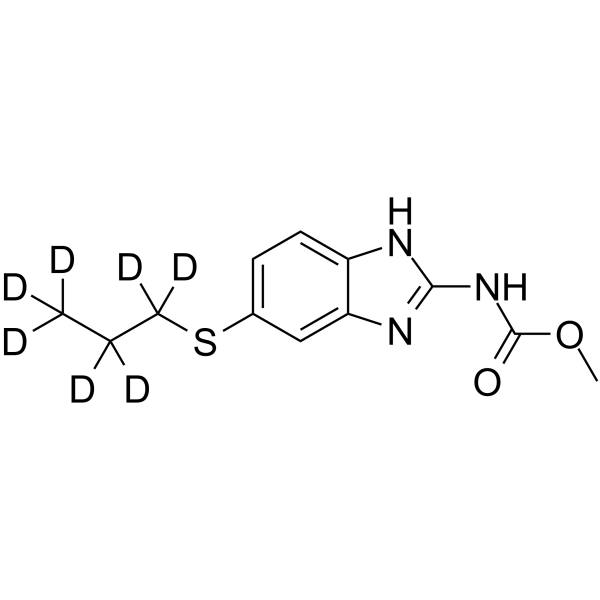
Albendazole-d7 is the deuterium labeled Albendazole. Albendazole is a broad-spectrum parasiticide with high effectiveness and low host toxicity. Albendazole is used for the research gastrointestinal parasites in humans and animals .
loading...
    loading...
Cat. No.: HY-106129
CAS No.: 176975-26-1
Synonyms: LY 320236
Target:  

5 alpha Reductase

Research Areas:  

Endocrinology Cancer

Izonsteride (Compound LY320236) is an inhibitor of 5α-reductase (IC50 = 11.6 nM for type I; 7.37 nM for type II). LY320236 inhibits the activity of steroid 5α-reductase, preventing the conversion of testosterone (T) to dihydrotestosterone (DHT). LY320236 can significantly inhibit the growth of LNCaP tumors in thymic mice without exhibiting obvious host toxicity .
loading...
    loading...
Cat. No.: HY-B0223S4
Synonyms: SKF-62979-d3-1
Albendazole-d3-1 (SKF-62979-d3-1) is the deuterium labeled Albendazole (HY-B0223). Albendazole (SKF-62979) is an orally active and broad-spectrum parasiticide with high effectiveness and low host toxicity, is used for the research of gastrointestinal parasites in humans and animals. Albendazole induces apoptosis and autophagy in cancer cells. Albendazole also inhibits tubulin polymerization and HIF-1α, VEGF expression, has antioxidant activity, and inhibits the glycolytic process in cancer cells .
loading...
    loading...
Cat. No.: HY-N21835
CAS No.: 11096-49-4
Partricin is an aromatic heptaene macrolide antibiotic complex consisting of partricin A and B, an antifungal agent found in Streptomyces aureofaciens. Partricin exhibits antifungal activity. Partricin has poor selective toxicity in the pathogen/host system. Partricin can be used for the research of fungal infections .
loading...
    loading...
Cat. No.: HY-180791
Target:  

SARS-CoV

Research Areas:  

Infection

SARS-CoV-2-IN-121 (Compound 74) is a SARS-CoV-2 virus inhibitor. SARS-CoV-2-IN-121 exhibits IC50 values in the pseudovirus and live virus systems of 1.6 and 0.45 μM respectively. SARS-CoV-2-IN-121 effectively inhibits the replication or protein expression of the virus within cells and has almost no toxicity to host cells. SARS-CoV-2-IN-121 can be used for SARS-CoV-2 virus infection research .
loading...
    loading...
Cat. No.: HY-W743773
CAS No.: 76703-62-3
Target:  

Parasite Insecticide

Research Areas:  

Infection

γ-Cyhalothrin is an orally active, blood-brain barrier permeable Type II synthetic pyrethroid insecticide. γ-Cyhalothrin is the insecticidally active enantiomer of λ-Cyhalothrin (HY-B0836). γ-Cyhalothrin disrupts voltage-gated sodium channels, induces salivation and reduces spontaneous activity in rats. γ-Cyhalothrin exerts toxic effects on aquatic invertebrates and fish, triggers community-level effects in aquatic ecosystems, and inhibits host-seeking Ixodes scapularis nymphs in residential lawn ecotones. γ-Cyhalothrin is applicable to insecticidal-related research .
loading...
    loading...
Cat. No.: HY-L219
58 compounds

Antimicrobial Peptides (AMPs), also known as antimicrobial peptides or antibiotic peptides, are a class of polypeptides encoded by specific genes in various biological cells and induced by external stimuli. They exhibit broad-spectrum bioactivity against bacteria, fungi, viruses, protozoa, and even tumor cells. AMPs serve as crucial effector molecules in the host's innate immune system.Due to their wide antimicrobial spectrum, low toxicity to normal cells of higher animals, high safety profile, low tendency to induce resistance, and additional benefits such as immune enhancement and antioxidant effects, antimicrobial peptides hold significant promise in new drug development.

MCE offers 58 types of antimicrobial peptides, which can be applied in high-throughput screening for research in anti-infection therapies, immunotherapy, anticancer drug development, and agricultural disease control.

Cat. No.: HY-L073
394 compounds

Hepatitis C virus (HCV) is a hepatotropic enveloped positive- strand RNA virus (family Flaviviridae) that infects the parenchymal cells of the liver. HCV infection is a significant public health burden. Globally, an estimated 71 million people have chronic hepatitis C virus infection. A significant number of those who are chronically infected will develop cirrhosis or liver cancer. To date, there is no vaccine against HCV, and combination pegylated alpha interferon (pIFN-) and ribavirin, the main standard-of-care treatment for HCV, is effective in only a subset of patients and is associated with a wide spectrum of toxic side effects and complications. More recently, new therapeutic approaches that target essential components of the HCV life cycle have been developed, including direct-acting antiviral (DAA) that specifically block a viral enzyme or functional protein and host-targeted agents (HTA) that block interactions between host proteins and viral components that are essential to the viral life cycle. However, the genetic diversity of HCV viruses and the stage of liver disease (i.e., cirrhosis) are revealing themselves as obstacles for effective, pan-genotypic treatments. There still exists a need for the discovery and development of new HCV inhibitors. In particular, since the future of HCV therapy will likely consist of a cocktail approach using multiple inhibitors that target different steps of infection, new antivirals targeting all steps of the viral infection cycle.

MCE offers a unique collection of 394 compounds with identified and potential anti-HCV activity. MCE Anti- Hepatitis C Virus Compound Library is a useful tool for discovery new anti-HCV drugs and other anti-infection research.

Cat. No.: HY-L076
641 compounds

Drug-induced liver injury (DILI; also known as drug-induced hepatotoxicity) is caused by medications (prescription or OTC), herbal and dietary supplements (HDS), or other xenobiotics that result in abnormalities in liver tests or in hepatic dysfunction that cannot be explained by other causes. Drugs are an important cause of liver injury. Drug-induced hepatic injury is the most common reason cited for withdrawal of an approved drug.

DILI is thought to occur via several different mechanisms. Among these are direct impairment of the structural (e.g., mitochondrial dysfunction) and functional integrity of the liver; production of a metabolite that alters hepatocellular structure and function; production of a reactive drug metabolite that binds to hepatic proteins to produce new antigenic drug-protein adducts, which are targeted by hosts’ defenses (the hapten hypothesis); and initiation of a systemic hypersensitivity response (i.e., drug allergy) that damages the liver.

MCE Drug-induced Liver Injury (DILI) Compound Library contains a unique collection of 641 hepatotoxicity causing compounds and is a powerful tool to research DILI and other drug toxicities. This library can be used to understand the mechanisms of DILI, identify biomarkers for early DILI prediction, and allow timely recognition during drug development, thus finally achieving successful DILI prevention and assessment in the pre-marketing phase.

  • 1

