


1. Search Result
Search Result
Results for "

immune complexes

" in MedChemExpress (MCE) Product Catalog:

67

Inhibitors & Agonists

3

Screening Libraries

13

Biochemical Assay Reagents

8

Peptides

5

Inhibitory Antibodies

3

Natural
Products

1

Isotope-Labeled Compounds

2

Oligonucleotides

Targets Recommended:
Cat. No. Product Name Target Research Areas Chemical Structure
  • HY-P9977
    Amivantamab
    3 Publications Verification

    JNJ-61186372

    EGFR Inflammation/Immunology Cancer
    Amivantamab (JNJ-61186372) is a human EGFR-MET bispecific antibody with immune anticancer activity. Amivantamab inhibits ligand binding, promotes endocytosis and degradation of receptor-antibody complexes, and induces Fc-dependent cytokinesis in macrophages and antibody-dependent cytotoxicity in natural killer cells .
    Amivantamab
  • HY-12067
    R406
    35+ Cited Publications

    Syk FLT3 Apoptosis Inflammation/Immunology Cancer
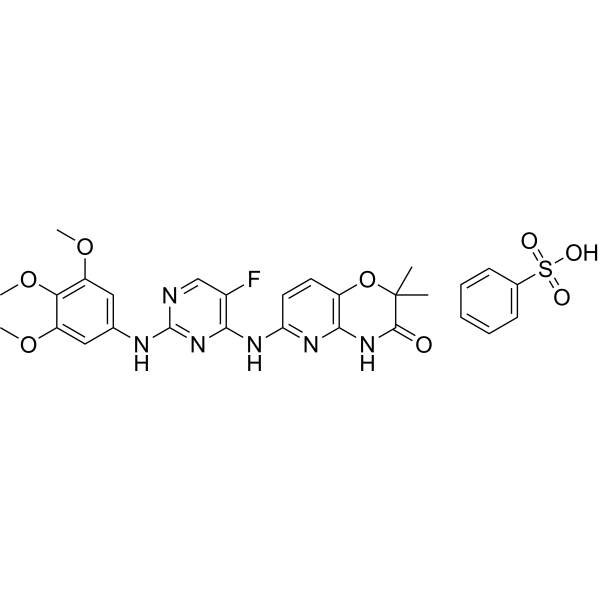
    R406 is an orally available and competitive Syk/FLT3 inhibitor for ATP binding with a Ki of 30 nM, potently inhibits Syk kinase activity in vitro with an IC50 of 41 nM, measured at an ATP concentration corresponding to its Km value. R406 reduces immune complex-mediated inflammation . R406 also inhibits Lyn (IC50=63 nM) and Lck (IC50=37 nM) .
    R406
  • HY-NP133A

    4-Hydroxy-3-nitrophenylacetyl-Keyhole Limpet Hemocyanin,Type II

    Biochemical Assay Reagents Inflammation/Immunology
    NP-KLH,Type II is a complex formed by 4-Hydroxy-3-nitrophenylacetyl (NP, a hapten) with Keyhole Limpet Hemocyanin (KLH, a carrier protein). NP-KLH,Type II can induce specific humoral immune responses and NP-specific antibodies production. NP-KLH,Type II can act as a specific antigen tool used for immunological experiments .
    NP-KLH,Type II
  • HY-NP141

    4-Hydroxy-3-nitrophenylacetyl-bovine serum albumin

    Biochemical Assay Reagents Inflammation/Immunology
    NP-BSA (4-Hydroxy-3-nitrophenylacetyl-bovine serum albumin) is an antigen-adjuvant conjugate of 4-Hydroxy-3-nitrophenylacetyl (NP) conjugated to bovine serum albumin (BSA), which is an immune complex. NP-BSA is taken up, processed, and presented by antigen-presenting cells to stimulate T-cell proliferation and the production of antigen-specific antibodies. NP-BSA can be used in the research of immunological vaccines .
    NP-BSA
  • HY-NP138

    Biochemical Assay Reagents Inflammation/Immunology Cancer
    NP-OVAL (Ovalbumin) is a complex formed by 4-Hydroxy-3-nitrophenylacetyl (NP, a hapten) with Ovalbumin (OVAL, a carrier protein). NP-OVAL (Ovalbumin) can induce specific immune responses and NP-specific antibodies production. NP-OVAL (Ovalbumin) can accelerate the construction of multiple myeloma models .
    NP-OVAL (Ovalbumin)
  • HY-NP137

    Biochemical Assay Reagents Inflammation/Immunology
    NP-PE (Phycoerythrin) is a complex formed by 4-Hydroxy-3-nitrophenylacetyl (NP, a hapten) with Phycoerythrin (PE, a carrier protein). NP-PE (Phycoerythrin) can induce the formation of specific immune complexes and mediate the targeted encounter and activation of B cells with antigens. NP-PE (Phycoerythrin) can be used to study the mechanisms by which B cells capture and transport immune complexes in lymph nodes .
    NP-PE (Phycoerythrin)
  • HY-103713
    Seclidemstat
    10+ Cited Publications

    SP-2577

    Histone Demethylase Cancer
    Seclidemstat is a potent noncompetitive and reversible KDM1A (LSD1) inhibitor (Ki=31 nM, IC50=13 nM). Seclidemstat promotes antitumor immunity in switch/sucrose nonfermentable (SWI/SNF) complex mutated ovarian cancer, as well as inhibit virus production, viral DNA replication, and late gene expression. Seclidemstat can be used for the research of Ewing Sarcoma .
    Seclidemstat
  • HY-NP006
    Protein A
    1 Publications Verification

    SPA

    Endogenous Metabolite Apoptosis Inflammation/Immunology
    Protein A (SPA) is an immunoglobulin (Ig)-binding protein that exists on the bacterial surface and can be freely secreted into the extracellular environment. Protein A blocks opsonophagocytosis and induces B cell apoptosis in vitro by binding to the Fc region of antibodies and the Fab region of B cell receptors. Protein A can form toxic immune complexes with IgG, thereby inducing leukocyte necrosis. Protein A contributes to the virulence expression of Staphylococcus aureus. Protein A triggers allergic reactions in IgG-pretreated mouse models. Protein A can be used in studies related to immune system diseases .
    Protein A
  • HY-P4855
    CRAMP (mouse)
    1 Publications Verification

    Bacterial TNF Receptor Infection Inflammation/Immunology
    CRAMP (mouse) is an antibacterial peptide and a functional homolog of LL-37 . CRAMP (mouse) exhibits potent antibacterial activity against Gram-negative bacteria . The complex formed by CRAMP (mouse) and CpG can activate macrophages to secrete TNF-α . CRAMP (mouse) plays a key role in wound healing, immune regulation and maintenance of intestinal homeostasis .
    CRAMP (mouse)
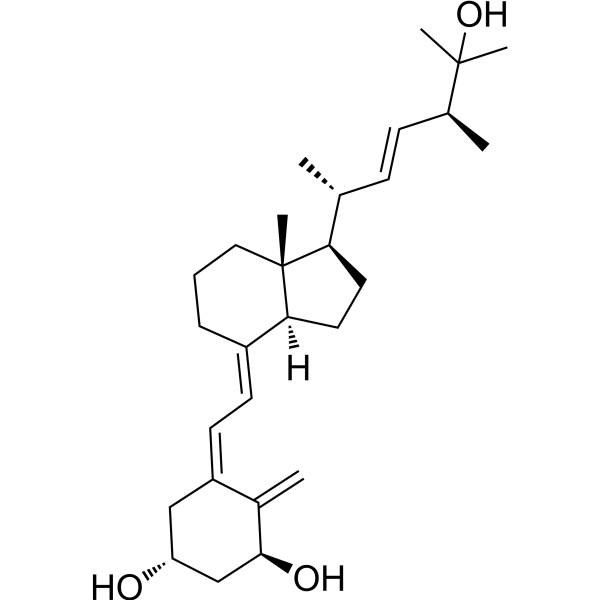
  • HY-32350
    Ercalcitriol
    3 Publications Verification

    1α,25-Dihydroxy Vitamin D2

    VD/VDR Drug Metabolite Endogenous Metabolite Metabolic Disease
    Ercalcitriol (1α,25-Dihydroxy Vitamin D2) is a vitamin D receptor (VDR) agonist with high binding affinity. After binding to VDR, Ercalcitriol forms a complex with retinoid X receptor (RXR) to regulate target gene transcription. For example, Ercalcitriol induces human gingival/oral epithelial cells to produce human cat antimicrobial peptide (hCAP-18/LL-37), which has antimicrobial activity against periodontal pathogens such as Porphyromonas gingivalis. Ercalcitriol enhances the innate immune defense of the oral mucosa by promoting the expression of antimicrobial peptides, and is mainly used in the study of periodontal diseases and immune-related oral diseases .
    Ercalcitriol
  • HY-11108
    R406 free base
    35+ Cited Publications

    Syk FLT3 Apoptosis Inflammation/Immunology Cancer
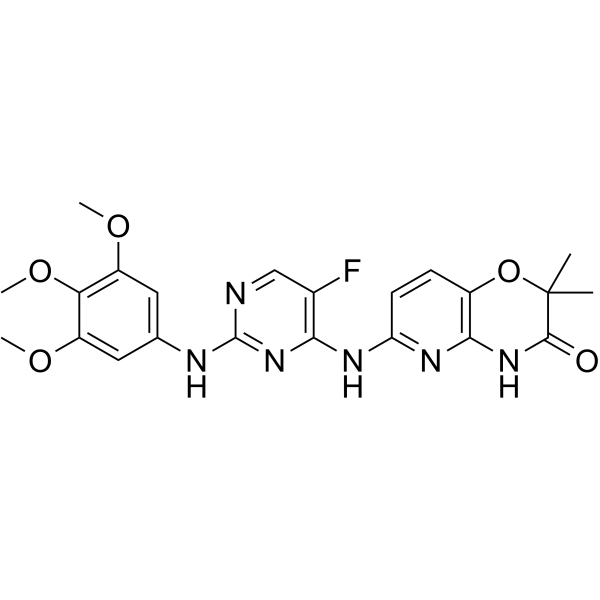
    R406 free base is an orally available and competitive Syk/FLT3 inhibitor for ATP binding with a Ki of 30 nM, potently inhibits Syk kinase activity in vitro with an IC50 of 41 nM, measured at an ATP concentration corresponding to its Km value. R406 free base reduces immune complex-mediated inflammation . R406 free base also inhibits Lyn (IC50=63 nM) and Lck (IC50=37 nM) .
    R406 free base
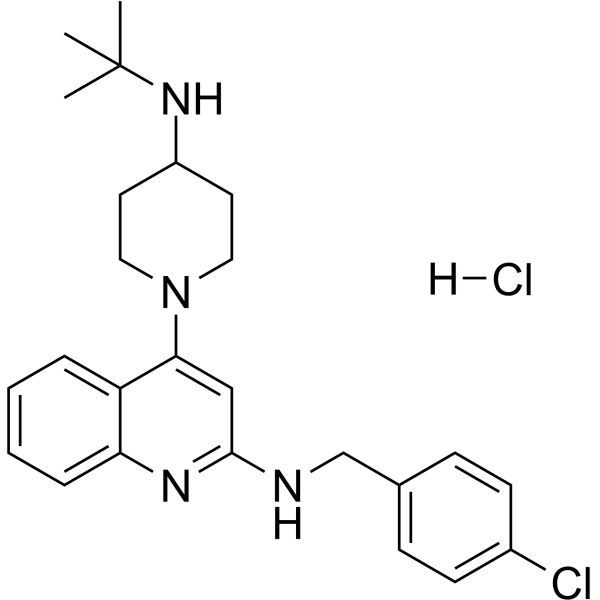
  • HY-137978A
    Ezurpimtrostat hydrochloride
    3 Publications Verification

    GNS561 hydrochloride

    SARS-CoV IFNAR Autophagy Apoptosis Metabolic Disease Inflammation/Immunology Cancer
    Ezurpimtrostat hydrochloride (GNS561 hydrochloride) is an orally active PPT1 inhibitor, autophagy inhibitor, immunomodulator, anti-inflammatory agent, and anticancer agent. Ezurpimtrostat hydrochloride inhibits PPT1, dysregulates lysosomal function, redistributes mTOR, and induces apoptosis. Ezurpimtrostat hydrochloride reduces IFN‑α, CRP, immune complex deposition, and SARS‑CoV‑2 viral load. Ezurpimtrostat hydrochloride can be used for the study of systemic lupus erythematosus, SARS‑CoV‑2, hepatocellular carcinoma, fibrosis, and related disorders .
    Ezurpimtrostat hydrochloride
  • HY-175751

    mTOR Cancer
    LRK-4189 is an orally active PIP4K2C (a regulator of mTOR complex) degrader and type 1 immune activator. LRK-4189 induces the degradation of the lipid kinase PIP4K2C. LRK-4189 triggers the interferon signaling pathway in microsatellite-stable (MSS) colorectal cancer cells, activates immunogenic tumor killing, and induces endogenous cell death. LRK-4189 sensitizes microsatellite-stable colorectal cancer tumors to NK cell killing and dendritic cell phagocytosis. LRK-4189 can be used for the research of microsatellite-stable colorectal cancer .
    LRK-4189
  • HY-153358

    HDAC Cancer
    TNG260 is a selective, orally effective inhibitor of HDAC1 and CoREST complex, with a 10-fold selectivity for HDAC1 over HDAC3 and a 500-fold selectivity for CoREST complex over NuRD and Sin3 complex. TNG260 reshapes the tumor immune microenvironment, reduces immunosuppressive neutrophil infiltration, promotes effector T cell recruitment, and reverses anti-PD-1 resistance caused by STK11 deficiency by inhibiting the activity of the CoREST-HDAC1 complex. TNG260 induces durable tumor regression in combination with α-PD1 in MC38 tumor-bearing mice with STK11 mutations, and has lower toxicity to bone marrow cells than non-selective HDAC inhibitors .
    TNG260
  • HY-122542B
    PPACK TFA
    2 Publications Verification

    Ligands for E3 Ligase Molecular Glues IKZF Family Cardiovascular Disease
    PPACK TFA is an orally active, selective molecular glue degrader targeting IKZF2. Through a molecular glue mechanism, PPACK TFA binds to CRBN, recruits IKZF2 to form a ternary complex, and promotes its ubiquitination and proteasomal degradation. This further converts inhibitory regulatory T cells (Treg) into effector-like T cells, enhances CD8 + T cell responses, and modulates the Teff:Treg balance. PPACK TFA also increases the production of the inflammatory cytokine IL-2 and reduces the suppressive activity of Treg. PPACK TFA can be used in cancer immunotherapy research, and exhibits a synergistic effect when combined with immune checkpoint inhibitors such as anti-PD1 .
    PPACK TFA
  • HY-114243

    NF-κB JNK Caspase Apoptosis Neurological Disease Cancer
    DpC is a selective, orally active iron chelator with anticancer activity. DpC acts on signaling pathway-related targets such as JNK, NF-κB, and its activity is competitively inhibited by another iron chelator Dp44mT (HY-18973). By chelating intracellular iron and copper ions in tumor cells to form redox-active complexes, DpC induces oxidative stress, activates the JNK, NF-κB pathways and downregulates IκBα, upregulates the expressions of neuroglobin and cytoglobin, activates caspase 3/9 to induce tumor cell apoptosis. It also overcomes P-glycoprotein-mediated multidrug resistance through a lysosome-targeting mechanism, and exhibits broad-spectrum synergistic effects when combined with various chemotherapeutic agents. DpC inhibits tumor metastasis and increases TNF-α levels in the tumor microenvironment to enhance endogenous immune responses. DpC is applicable to the research of various malignancies including neuroblastoma, pancreatic cancer, prostate cancer, lung cancer, and breast cancer .
    DpC
  • HY-P4076

    HIV DNA Alkylator/Crosslinker Infection
    MPG peptides, Pβ is an amphipathic cell-penetrating peptide. MPG peptides, Pβ consists of three components: the hydrophobic fusion sequence (GALFLGFLGAAGSTMGA) of HIV glycoprotein 41, a spacer domain (WSQP), and the nuclear localization signal (KKKRKV) of the large T antigen of Simian virus 40. MPG peptides, Pβ can form stable non-covalent complexes with nucleic acids (including DNA) through electrostatic interactions and improve their intracellular delivery. MPG peptides, Pβ can be used in studies of HIV-1-related immune responses .
    MPG peptides, Pβ
  • HY-162080
    METTL1-WDR4-IN-1
    1 Publications Verification

    DNA Methyltransferase Pyruvate Kinase Cancer
    METTL1-WDR4-IN-1 (Compound 1) is a selective competitive inhibitor of the methyltransferase complex METTL1-WDR4 (IC50 = 144 μM). METTL1-WDR4-IN-1 inhibits the m 7G methyltransferase activity of the METTL1-WDR4 complex, blocking m 7G modification of PKM mRNA, reducing PKM2 protein expression, disrupting the METTL1/PKM2/H3K9la positive feedback loop, and simultaneously inhibiting PKM2 nuclear translocation-mediated CD155 transcriptional activation. METTL1-WDR4-IN-1 can inhibit tumor cell proliferation, weaken glycolytic metabolism, reverse tumor immune evasion (restoring NK cell and CD8 + T cell function), and regulate RNA epigenetic modification and the tumor immune microenvironment. METTL1-WDR4-IN-1 can be used in immunotherapy research for cancers such as colorectal cancer, and is particularly suitable for use in combination with PKM2 inhibitors to enhance anti-tumor treatment efficacy .
    METTL1-WDR4-IN-1
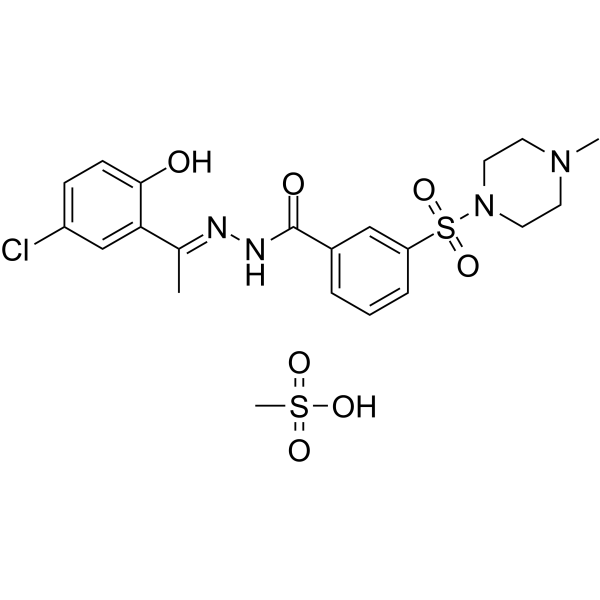
  • HY-103713A
    Seclidemstat mesylate
    10+ Cited Publications

    SP-2577 mesylate

    Histone Demethylase Cancer
    Seclidemstat (SP-2577) mesylate is a potent noncompetitive and reversible KDM1A (LSD1) inhibitor (Ki=31 nM, IC50=13 nM). Seclidemstat mesylate promotes antitumor immunity in switch/sucrose nonfermentable (SWI/SNF) complex mutated ovarian cancer, as well as inhibit virus production, viral DNA replication, and late gene expression. Seclidemstat mesylate can be used for the research of Ewing Sarcoma .
    Seclidemstat mesylate
  • HY-W009722

    Ditiocarb sodium trihydrate

    HIV Biochemical Assay Reagents Infection
    Sodium diethylcarbamodithioate (Ditiocarb sodium) trihydrate is a copper reagent. The reaction with Cu 2+ solution resulted in the formation of a complex, which increased the copper displacement precipitation rate. Sodium diethylcarbamodithioate trihydrate can reduce HIV infection and can be used in adjuvant immune research of high-risk breast cancer .
    Sodium diethylcarbamodithioate trihydrate
  • HY-P991201

    Interleukin Related Inflammation/Immunology
    REGN-7257 is a humanized monoclonal antibody targeting IL2RG. REGN-7257 blocks the signal transduction induced by common gamma chain (γc) cytokines via the IL2RG chain of the γc cytokine receptor complex. REGN-7257 is applicable for research on immune-mediated diseases and T cell-mediated diseases . Its corresponding isotype control is Human IgG4 kappa, Isotype Control (HY-P99003).
    REGN-7257
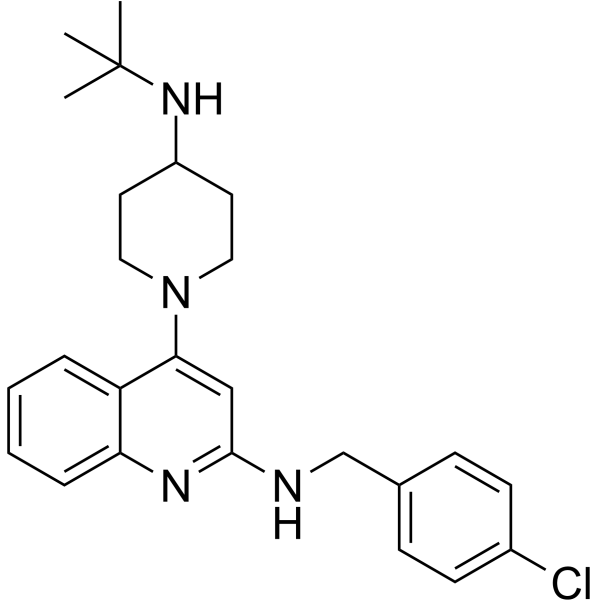
  • HY-137978
    Ezurpimtrostat
    3 Publications Verification

    GNS561

    SARS-CoV IFNAR Autophagy Apoptosis Infection Metabolic Disease Inflammation/Immunology Cancer
    Ezurpimtrostat (GNS561) is an orally active PPT1 inhibitor, autophagy inhibitor, immunomodulator, anti-inflammatory agent, and anticancer agent. Ezurpimtrostat inhibits PPT1, dysregulates lysosomal function, redistributes mTOR, and induces apoptosis. Ezurpimtrostat reduces IFN‑α, CRP, immune complex deposition, and SARS‑CoV‑2 viral load. Ezurpimtrostat can be used for the study of systemic lupus erythematosus, SARS‑CoV‑2, hepatocellular carcinoma, fibrosis, and related disorders .
    Ezurpimtrostat
  • HY-150879

    PD-1/PD-L1 Ligands for Target Protein for PROTAC Cancer
    BMS-37 is a PD-1/PD-L1 immune checkpoint inhibitor with an IC50 towards the PD-L1/PD-1 complex in the range of 18 to 200 nM. BMS-37 shows unspecific toxicity against modified Jurkat T cells with an EC50 between 3 and 6 µM. BMS-37 can be used for the study of the PD-L1-induced exhaustion of T-cells or as PD-L1 ligand to synthesize PROTAC molecules .
    BMS-37
  • HY-122542A
    PPACK dihydrochloride
    2 Publications Verification

    Pebac; D-Phenylalanyl-prolyl-arginyl Chloromethyl Ketone; D-Phe-Pro-Arg-CH2Cl

    Ligands for E3 Ligase Molecular Glues IKZF Family Cardiovascular Disease
    PPACK dihydrochloride is an orally active, selective molecular glue degrader targeting IKZF2. Through a molecular glue mechanism, PPACK dihydrochloride binds to CRBN, recruits IKZF2 to form a ternary complex, and promotes its ubiquitination and proteasomal degradation. This further converts inhibitory regulatory T cells (Treg) into effector-like T cells, enhances CD8 + T cell responses, and modulates the Teff:Treg balance. PPACK dihydrochloride also increases the production of the inflammatory cytokine IL-2 and reduces the suppressive activity of Treg. PPACK dihydrochloride can be used in cancer immunotherapy research, and exhibits a synergistic effect when combined with immune checkpoint inhibitors such as anti-PD1 .
    PPACK dihydrochloride
  • HY-122822

    PROTACs Histone Acetyltransferase Interleukin Related CXCR TNF Receptor CD28 Inflammation/Immunology Cancer
    GSK699 is a KAT2A/B/PCAF/GCN5 PROTAC degrader . GSK699 induces proteasome-dependent degradation of KAT2A, KAT2B, PCAF and GCN5, regulates the histone acetyltransferase activity of the SAGA complex, and reduces the level of histone H3K9ac. GSK699 inhibits the growth of neuroblastoma, acute myeloid leukemia and small cell lung cancer cells. GSK699 reduces the production of inflammatory cytokines and chemokines, and impairs LPS-stimulated immune cell responses. GSK699 is applicable to research related to acute myeloid leukemia, small cell lung cancer, neuroblastoma and inflammatory diseases .
    GSK699
  • HY-139410

    c-Fms Inflammation/Immunology
    Sodium caseinates is a kind of sodium salts of major milk proteins, which act as protein-based biopolymers and innate immune system activators. Sodium caseinates induce granulopoiesis, activation and differentiation, promote the production of M-CSF, and increase serum levels of G-CSF and GM-CSF. Sodium caseinates inhibit the proliferation and reduce the viability of leukemia macrophage-like cells, thereby significantly improving the survival rate of mice inoculated with leukemia cells. Sodium caseinates can serve as carriers for probiotics in edible films and exhibit anti-Listeria activity. Sodium caseinates effectively protect vitamin A from degradation, enhance its stability, bioaccessibility and bioavailability, and regulate protein digestibility when complexed with vitamin A. Sodium caseinates can be applied to research related to acute monocytic leukemia and vitamin A deficiency .
    Sodium caseinates
  • HY-159647

    Molecular Glues Ligands for E3 Ligase IKZF Family Cancer
    PLX-4545 is an orally active, selective molecular glue degrader targeting IKZF2. Through a molecular glue mechanism, PLX-4545 binds to CRBN, recruits IKZF2 to form a ternary complex, and promotes its ubiquitination and proteasomal degradation. This further converts inhibitory regulatory T cells (Treg) into effector-like T cells, enhances CD8 + T cell responses, and modulates the Teff:Treg balance. PLX-4545 also increases the production of the inflammatory cytokine IL-2 and reduces the suppressive activity of Treg. PLX-4545 can be used in cancer immunotherapy research, and exhibits a synergistic effect when combined with immune checkpoint inhibitors such as anti-PD1 .
    PLX-4545
  • HY-P99529

    BAX1810; TAK-752; SM101

    Fc Receptor (FcR) Inflammation/Immunology
    Valziflocept (BAX1810; TAK-752) is a recombinant soluble human FcγRIIb receptor that targets Fc and FcγR. FcγRs bind to and neutralize pathogenic IgG, thereby acting as a "decoy" or "scavenger" receptor that reduces the severity of autoimmune diseases. Valziflocept is used in research on autoimmune diseases such as systemic lupus erythematosus (SLE) .

    Valziflocept
  • HY-156622

    HMC-C-01-A; MBS2320

    Mitochondrial Metabolism Cancer
    Leramistat (HMC-C-01-A; MBS2320) is a mitochondrial complex 1 inhibitor, involving in cell metabolism immune metabolism regulation. Leramistat also inhibits ATP production in Thp1 human monocytes (IC50: 0.63 μM). Leramistat inhibits atopic dermatitis and other skin diseases autoimmune diseases, inflammatory diseases, cancer; and also inhibits osteoclast mediated disease .
    Leramistat
  • HY-N3393

    β-catenin Inflammation/Immunology
    Lethedioside A is a Enhancer of split 1 (Hes1) inhibitor with an IC50 of 9.5 μM. Lethedioside A inhibits Hes1 dimer formation. Lethedioside A exhibits weak inhibition of TCF4/β-catenin complex formation. Lethedioside A inhibits nitric oxide production by activated immune cells .
    Lethedioside A
  • HY-B1250

    Biochemical Assay Reagents Cancer
    Acedoben is a biochemical agent. Acedoben and iron ions can construct a fast self-assembled coordination complex. The Fe-Ace coordination complex can not only serve as a carrier of tumor antigens, but also enhance antigen-specific anti-tumor immunity due to its inherent adjuvant properties .
    Acedoben
  • HY-159067

    DEAE-dextran, MW 500000 hydrochloride, from bacterial (Leuconostoc mesenteroides); Diethylaminoethyl-dextran, MW 500000 hydrochloride

    Biochemical Assay Reagents Cancer
    DEAE-dextran, MW 500000 hydrochloride (DEAE-dextran, MW 500000 hydrochloride, from bacterial (Leuconostoc mesenteroides)) is a high-molecular-weight positively charged polymer that significantly enhances the uptake of viral RNA by tissue culture cells. When employed in the delivery system for "tumor immunity" RNA-splenocyte transfer, DEAE-dextran can markedly extend the lifespan of tumor-bearing animals, comparable to that of actively immunized animals. Furthermore, DEAE-dextran serves as a complexing agent for nucleic acids, forming composite particles with DNA/RNA for extensive applications in gene delivery. Additionally, DEAE-dextran can be utilized as a coating for liposomes .
    DEAE-dextran, MW 500000 hydrochloride
  • HY-135748A
    Poly (I:C):Kanamycin (1:1) sodium
    Maximum Cited Publications
    56 Publications Verification

    RIG-I-like receptor (RLR) Toll-like Receptor (TLR) Apoptosis Infection Cancer
    Poly (I:C):Kanamycin (1:1) sodium is an isometric complex of Poly (I:C) (HY-135748) and Kanamycin (HY-16566). Poly(I:C) sodium, a synthetic analog of double-stranded RNA, is a TLR3 and retinoic acid-inducible gene I receptor (RIG-I and b>MDA5) agonist. Poly(I:C) sodium can be used as a vaccine adjuvant to enhance innate and adaptive immune responses and induce apoptosis in cancer cells . Kanamycin is an orally active antibacterial agent (Gram-negative/positive bacteria) that inhibits translocation and causes miscoding by binding to the 70S ribosomal subunit. Kanamycin shows good inhibitory activity against Mycobacterium tuberculosis (susceptible and drug-resistant) and Klebsiella pneumoniae, and can be used in the research of tuberculosis and pneumonia .
    Poly (I:C):Kanamycin (1:1) sodium
  • HY-P1837

    Influenza Virus HSV Infection
    Influenza HA (518-526) is an H-2d-restricted CTL epitope derived from influenza virus hemagglutinin. Influenza HA (518-526) is highly conserved across various H5N1, some H9N2, and H1N1 strains. Influenza HA (518-526) binds to the mouse MHC class I allele K d to form a complex, which is then recognized by specific CD8 + T cells. Influenza HA (518-526) is an immunodominant epitope in influenza-infected BALB/c mice, and it stimulates CD8 + T cells to secrete IFN-γ to induce a robust immune response. Currently, Influenza HA (518-526) is widely used in research related to respiratory syncytial virus (RSV), influenza virus, and H5N1 influenza .
    Influenza HA (518-526)
  • HY-172767

    PROTACs STAT Apoptosis Cancer
    STAT3-D11-PROTAC-VHL (Compound D11-PROTAC) is a PROTAC degrader targeting Signal Transducer and Activator of Transcription 3 (STAT3). STAT3-D11-PROTAC-VHL exhibits anti-tumor activity with IC50 values of 1335 nM and 1973 nM against HeLa and MCF-7 cells, respectively. STAT3-D11-PROTAC-VHL binds to the DNA-binding domain of STAT3 and recruits the E3 ligase VHL to form a ternary complex, leading to the ubiquitination of STAT3 and subsequent degradation by the proteasome. STAT3-D11-PROTAC-VHL also inhibits tumor cell growth, induces cell cycle arrest and apoptosis, and suppresses tumor immune evasion .
    STAT3-D11-PROTAC-VHL
  • HY-P10839

    NF-κB Inflammation/Immunology
    NBD peptide inhibits NF-κB signaling pathway through inhibition of the NEMO-IKK complex combination. NBD peptide exhibits anti-inflammatory efficacy through block of pro-inflammatory cytokines production. NBD peptide exhibits immunosuppressive activity through regulation of immune cells. NBD peptide enhances its transmembrane ability by combining with cell-penetrating peptide HIV-TAT .
    NBD peptide
  • HY-170524

    SARS-CoV DNA Methyltransferase Cytochrome P450 Infection
    TDI-015051 is a highly selective, orally active antiviral agent that targets the coronavirus NSP14 guanine-N7 methyltransferase. TDI-015051 binds to substrates in a non-competitive manner and forms a stable ternary complex, precisely blocking the capping and methylation processes of viral mRNA. TDI-015051 potently inhibits a variety of coronaviruses (including SARS-CoV-2 and MERS). By impairing viral replication and translation and inducing a moderate type I interferon-mediated immune response, it significantly reduces pulmonary viral load and exhibits a synergistic effect with Nirmatrelvir (HY-138687). In addition, TDI-015051 does not inhibit non-coronavirus methyltransferases, and the drug-resistant mutations it induces impair viral fitness, demonstrating excellent antiviral properties and safety. TDI-015051 can be used for research on COVID-19 and the replication mechanism of coronaviruses .The IC50 values of TDI-015051 against SARS-CoV-2, α-hCoV-NL63, α-hCoV-229E, β-hCoV-MERS are 0.15 nM, 1.7 nM, 2.6 nM and 3.6 nM, respectively, and the Ka value against SARS-CoV-2 is 0.061 nM .
    TDI-015051
  • HY-B1250A

    Biochemical Assay Reagents Cancer
    Acedoben sodium is the sodium salt form of Acedoben. Acedoben and iron ions can construct a rapidly self-assembled coordination complex, and the Fe-Ace coordination complex can not only serve as a carrier of tumor antigens, but also enhance antigen-specific anti-tumor immunity due to its inherent adjuvant properties .
    Acedoben sodium
  • HY-W009722A

    Ditiocarb sodium trihydrate, ACS, 99.0%

    HIV Biochemical Assay Reagents Infection
    Sodium diethylcarbamodithioate trihydrate, ACS, 99.0% (Ditiocarb sodium trihydrate, ACS, 99.0%) is a copper reagent. The reaction with Cu 2+ solution resulted in the formation of a complex, which increased the copper displacement precipitation rate. Sodium diethylcarbamodithioate trihydrate, ACS, 99.0% can reduce HIV infection and can be used in adjuvant immune research of high-risk breast cancer .
    Sodium diethylcarbamodithioate trihydrate, ACS, 99.0%
  • HY-P5505

    Arenavirus Others
    LCMV-derived p13 epitope is a biological active peptide. (An H-2Db restricted epitope, this peptide is amino acids 61 to 80 fragment of the lymphocytic choriomeningitis virus (LCMV) pre-glycoprotein polyprotein GP complex. LCMV has been routinely used for the study of adaptive immune responses to viral infection.)
    LCMV-derived p13 epitope
  • HY-B1637R

    Sodium diethyldithiocarbamate (Standard)

    HIV Biochemical Assay Reagents Reference Standards Infection
    Ditiocarb sodium (Standard) is the analytical standard of Ditiocarb sodium. This product is intended for research and analytical applications. Ditiocarb sodium (Sodium diethyldithiocarbamate) is a copper reagent. The reaction with Cu2+ solution resulted in the formation of a complex, which increased the copper displacement precipitation rate. Ditiocarb sodium can reduce HIV infection and can be used in adjuvant immune research of high-risk breast cancer .
    Ditiocarb sodium (Standard)
  • HY-168088

    HDAC DNA Methyltransferase Cancer
    DNMT1/HDAC-IN-1 (compound (R)-23a) is a DNMT1/HDAC dual inhibitor (HDAC1:IC50=0.05 μM), HDAC1 is a major HDAC isoform that interacts with DNMT1 in multiple protein complexes for transcriptional silencing of TSGs. DNMT1/HDAC-IN-1 can reshape the tumor immune microenvironment and induce tumor regression, and effectively reverse cancer-specific epigenetic abnormalities .
    DNMT1/HDAC-IN-1
  • HY-179418

    Apoptosis Cancer
    Ceritinib-platinum(IV)-4-phenylbutyrate (complex 7) is a Ceritinib (HY-15656)-conjugated Platinum(IV) prodrug with anticancer activity. Ceritinib-platinum(IV)-4-phenylbutyrate induces S-phase arrest, DNA damage responses, and apoptosis. Ceritinib-platinum(IV)-4-phenylbutyrate combines cytotoxicity with immune and anti-invasive activation in cancer cell models. Ceritinib-platinum(IV)-4-phenylbutyrate can be used for cancer research, such as non-small cell lung cancer (NSCLC) .
    Ceritinib-platinum(IV)-4-phenylbutyrate
  • HY-119805

    Others Inflammation/Immunology
    YM 13650 is an orally active anti-nephritic agent. YM 13650 exhibits dose-dependent preventive and therapeutic effects in both the rat immune complex nephritis model and the mouse spontaneous lupus nephritis model. YM 13650 can inhibit the increase in urinary protein, improve serum cholesterol and urea nitrogen levels, alleviate renal pathological damage, and prolong the survival time of mice. YM 13650 can be used in the research of nephritic diseases .
    YM 13650
  • HY-E70534

    Complement System Inflammation/Immunology
    C1s Proenzyme, the native form of C1s enzyme, is an inactive zymogen until C1 is activated. C1 complex binds to and is activated by antigen-antibody complexes (immune complexes) yielding C1r enzyme. C1r enzyme in the C1 complex activates C1s proenzyme generating C1s enzyme .
    C1s Proenzyme
  • HY-126822

    Elastase Others
    MDL27324 is an inhibitor of neutrophil proteases. MDL27324 can be taken up by the cell and has a modest inhibitory effect on the proteolysis of ingested fluoresceinated immune complexes (200 μM, 20% inhibition) .
    MDL27324
  • HY-174568

    mRNA Inflammation/Immunology
    Human NFKB2 mRNA encodes the human nuclear factor kappa B subunit 2 (NFKB2) protein, a subunit of the transcription factor complex nuclear factor-kappa-B (NFkB). The NFkB complex is expressed in numerous cell types and functions as a central activator of genes involved in inflammation and immune function. NFKB2 can function as either a transcriptional activator or repressor depending on its dimerization partner.
    Human NFKB2 mRNA
  • HY-P10295

    MDM-2/p53 Cancer
    p53 (232-240) is a peptide segment of the 232-240 amino acid sequence of the human tumor suppressor protein p53. p53 (232-240) enhances its binding affinity to the Major histocompatibility complex (MHC), thereby enhancing the immunogenicity of this peptide to enhance the immune system's response to tumor antigens. p53 (232-240) can be used in the development of cancer vaccines and in the study of tumor cell recognition and clearance by the immune system .
    p53 (232-240)
  • HY-E70533

    Complement System Inflammation/Immunology
    C1r proenzyme, the native form of C1r enzyme, is an inactive zymogen until C1 is activated. C1r is activated when C1 binds to and is activated by antibodies bound to antigens (immune complexes) yielding C1r enzyme .
    C1r Proenzyme
  • HY-32350S1

    1α,25-Dihydroxy Vitamin D2-d3

    Isotope-Labeled Compounds Endogenous Metabolite VD/VDR Metabolic Disease
    Ercalcitriol-d3 (1α,25-Dihydroxy Vitamin D2-d3) is the deuterium labeled Ercalcitriol (HY-32350). Ercalcitriol (1α,25-Dihydroxy Vitamin D2) is a vitamin D receptor (VDR) agonist with high binding affinity. After binding to VDR, Ercalcitriol forms a complex with retinoid X receptor (RXR) to regulate target gene transcription. For example, Ercalcitriol induces human gingival/oral epithelial cells to produce human cat antimicrobial peptide (hCAP-18/LL-37), which has antimicrobial activity against periodontal pathogens such as Porphyromonas gingivalis. Ercalcitriol enhances the innate immune defense of the oral mucosa by promoting the expression of antimicrobial peptides, and is mainly used in the study of periodontal diseases and immune-related oral diseases .
    Ercalcitriol-d3

Inquiry Online

Your information is safe with us. * Required Fields.

Salutation


Country or Region *

Applicant Name *


Organization Name *

Department *


Email Address *


Product Name *

Cat. No.


Requested quantity *

Phone Number *


Remarks

Inquiry Online

Inquiry Information

Product Name:
Cat. No.:
Quantity:
MCE Japan Authorized Agent:

