


1. Search Result
Search Result
Results for "

isolated tissue

" in MedChemExpress (MCE) Product Catalog:

53

Inhibitors & Agonists

2

Fluorescent Dye

5

Biochemical Assay Reagents

4

Peptides

1

MCE Kits

33

Natural
Products

4

Isotope-Labeled Compounds

2

Oligonucleotides

Cat. No. Product Name Target Research Areas Chemical Structure
  • HY-D0027

    Coumarin 120; AMC

    Fluorescent Dye Antibiotic Fungal Infection
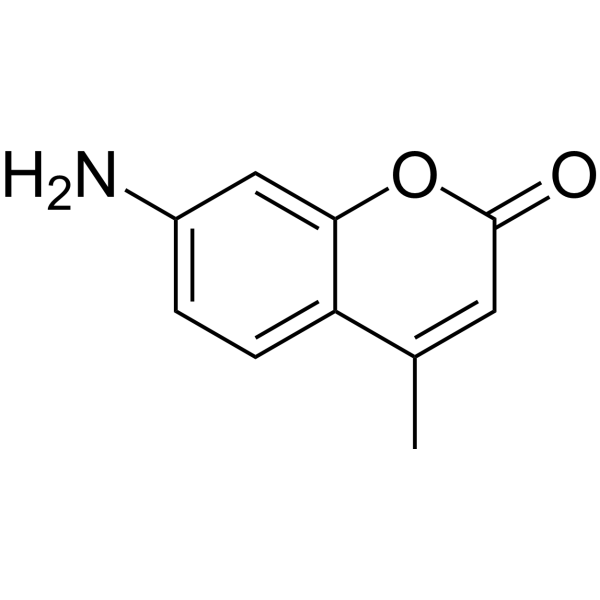
    7-Amino-4-methylcoumarin belongs to the coumarin class, can be isolated from the endophytic fungus Xylaria sp. and has a broad spectrum of antibacterial activity. 7-Amino-4-methylcoumarin is also commonly used as an important laser dye that emits in the blue region, capable of analyzing glycoprotein monosaccharides and N-linked oligosaccharides, and is also utilized in tissue pathology analysis, enzyme activity measurement, and copper ion detection. The excitation wavelength and emission wavelength are 351 nm and 430 nm, respectively.
    7-Amino-4-methylcoumarin
  • HY-100196
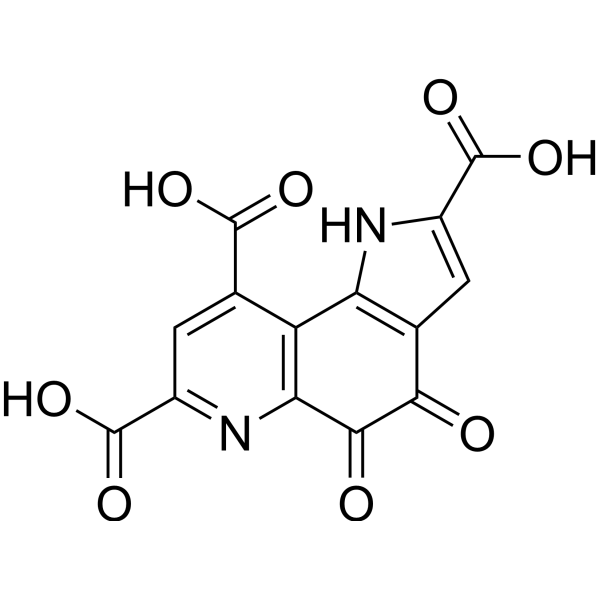
    Pyrroloquinoline quinone
    Maximum Cited Publications
    7 Publications Verification

    PQQ; Methoxatin

    Endogenous Metabolite Inflammation/Immunology
    Pyrroloquinoline quinone (PQQ), a redox co-factor, is an anionic, redox-cycling orthoquinone. Pyrroloquinoline quinone is isolated from cultures of methylotropic bacteria and tissues of mammals. Pyrroloquinoline quinone is an essential nutrient for mammals and is important for immune function .
    Pyrroloquinoline quinone
  • HY-100196A
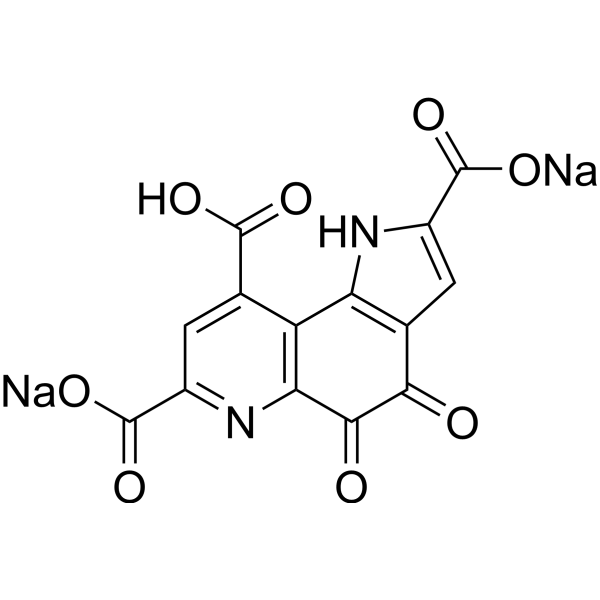
    Pyrroloquinoline quinone disodium salt
    Maximum Cited Publications
    7 Publications Verification

    PQQ disodium salt; Methoxatin disodium salt

    Endogenous Metabolite Inflammation/Immunology
    Pyrroloquinoline quinone disodium salt, a redox co-factor, is an anionic, redox-cycling orthoquinone. Pyrroloquinoline quinone disodium salt is isolated from cultures of methylotropic bacteria and tissues of mammals. Pyrroloquinoline quinone disodium salt is an essential nutrient for mammals and is important for immune function .
    Pyrroloquinoline quinone disodium salt
  • HY-W134423

    Environmental Pollutants Biochemical Assay Reagents Others Cancer
    Agar, microbiology tested, for cell culture (powder) is a jelly like substance that contains agarose and agar gel. Agar, microbiology tested, for cell culture (powder) can be isolated from the cell walls of red algae species such as Gelidium and Gracilaria (Ogonori). The gelation and melting of Agar, microbiology tested, for cell culture (powder) is based on the hydrogen bridge (physical gels), so the gelation is reversible. Agar, microbiology tested, for cell culture (powder) is widely used in food additives, plant tissue culture, microorganisms culture media, fingerprint recognition, and medical fields .
    Agar, microbiology tested, for cell culture (powder)
  • HY-W015650

    Drug Derivative Others
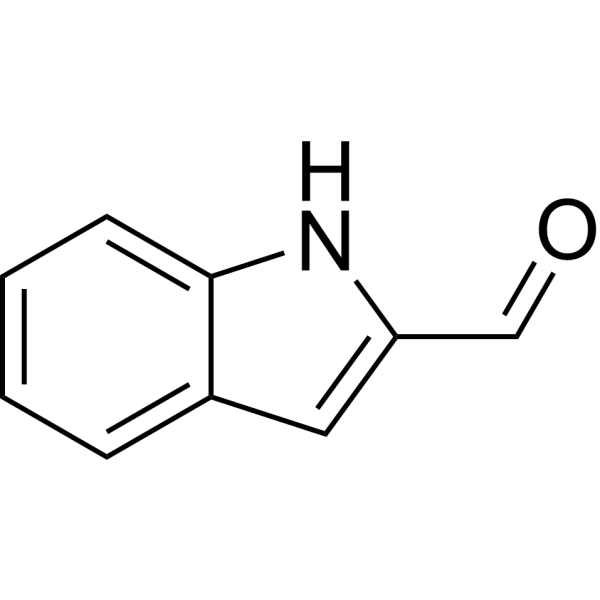
    Indole-2-carbaldehyde is an indole derivative that can be used to reduce or remove localized fat deposits and/or tighten loose skin and soft tissues. Indole-2-carbaldehyde can be isolated from the fermentation broth of the coral symbiotic actinomycete Pseudonocardia sp. SCSIO 11457 and is used in cosmetic applications or pharmaceutical production .
    Indole-2-carbaldehyde
  • HY-N3945

    O,O-Dimethylisoboldine; S-(+)-Glaucine; NSC 34396

    Phosphodiesterase (PDE) Calcium Channel MMP NF-κB Inflammation/Immunology Cancer
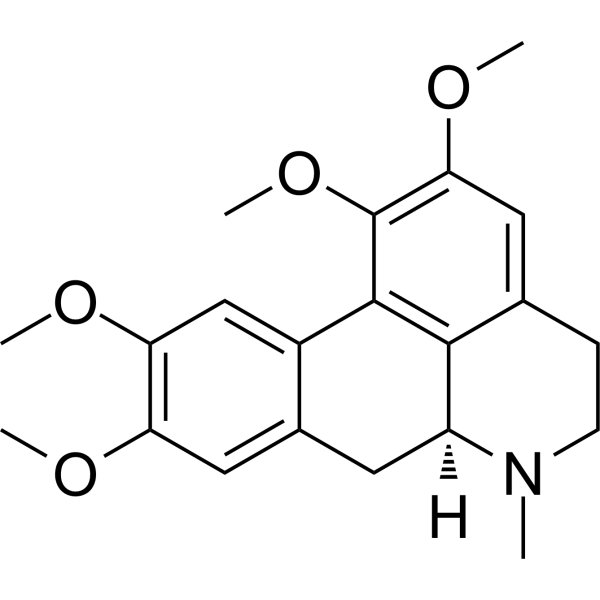
    Glaucine (O,O-Dimethylisoboldine) is an alkaloid extracted from Glaucium flavum that possesses various activities, including cough relief, bronchodilation, anti-inflammatory effects, analgesia, antipyretic properties, and anticancer effects. Glaucine acts as a selective and orally active inhibitor of phosphodiesterase 4 (PDE4), with a Ki of 3.4 µM in human bronchial tissues and polymorphonuclear leukocytes. Glaucine induces relaxation of human isolated bronchi by antagonizing calcium channels. Additionally, Glaucine inhibits the activation of NF-κB, leading to a reduction in the expression of the MMP-9 gene, thereby suppressing the migration and invasion of breast cancer cells. Therefore, Glaucine holds potential for research in asthma and breast cancer .
    Glaucine
  • HY-N3387

    Apoptosis NF-κB Akt MMP Inflammation/Immunology Cancer
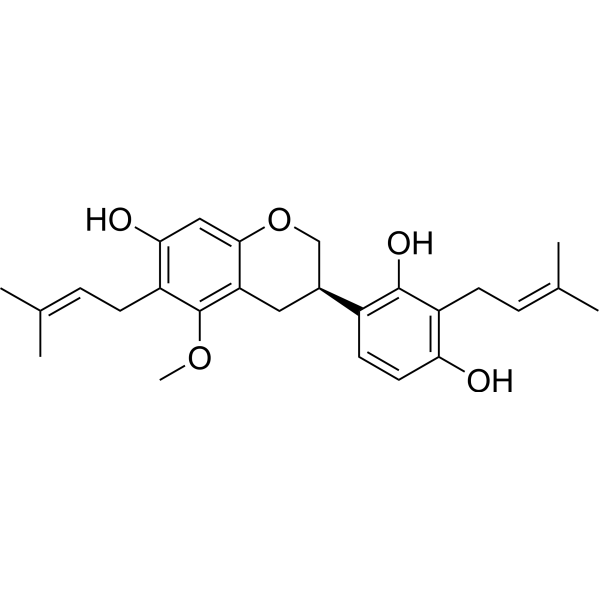
    Licoricidin (LCD) is isolated from Glycyrrhiza uralensis Fisch, possesses anti-cancer activities. Licoricidin (LCD) inhibit SW480 cells (IC50=7.2 μM) by inducing cycle arrest, apoptosis and autophagy, and is a potential chemopreventive or chemotherapeutic agent against colorectal cancer . Licoricidin (LCD) inhibits Lung Metastasis by inhibition of tumor angiogenesis and lymphangiogenesis as well as changes in the local microenvironment of tumor tissues the anticarcinogenic effect . Licoricidin enhanced gemcitabine-induced cytotoxicity in Osteosarcoma (OS) cells by inactivation of the Akt and NF-κB pathways in vitro and in vivo . Licoricidin blocks UVA-induced photoaging via ROS scavenging, limits the activity of MMP-1, it can be considered as an active ingredient in new topically applied anti-ageing formulations .
    Licoricidin
  • HY-14957

    T-3912

    Bacterial Antibiotic Infection
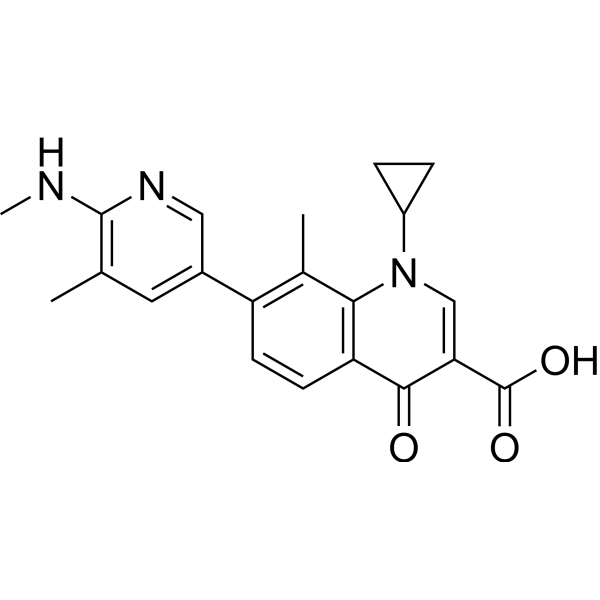
    Ozenoxacin is a nonfluorinated quinolone antibacterial, which shows potent activities against the main microorganisms isolated from skin and soft tissue infections.
    Ozenoxacin
  • HY-12717A
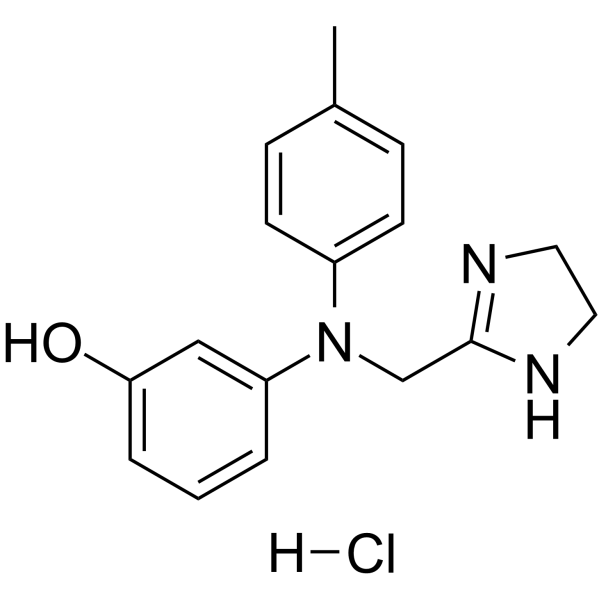
    Phentolamine hydrochloride
    5+ Cited Publications

    Adrenergic Receptor Cardiovascular Disease Endocrinology
    Phentolamine hydrochloride is an orally active, selective α1 and α2 Adrenergic receptor antagonist. Phentolamine hydrochloride antagonizes the vasodilatory effect of Cromakalim (HY-110011) on isolated circumflex coronary artery segments in dogs. Phentolamine hydrochloride reduces systemic vascular resistance and increases cardiac output. Phentolamine hydrochloride improves erectile dysfunction. Phentolamine hydrochloride can be used for the research of erectile dysfunction .
    Phentolamine hydrochloride
  • HY-N5037

    Others Cardiovascular Disease
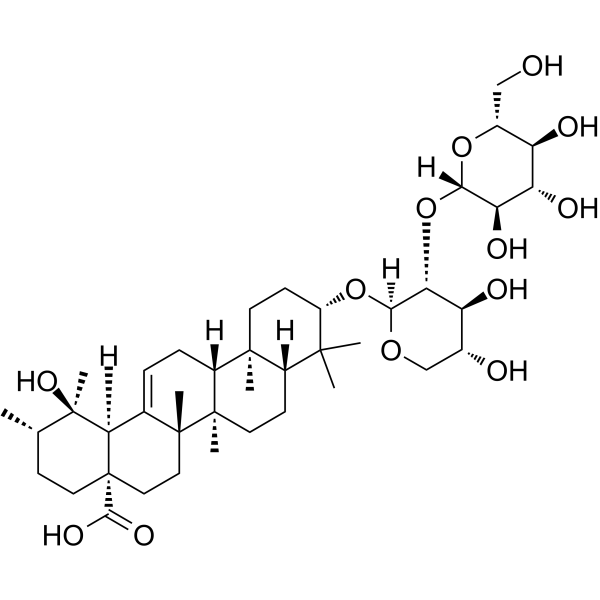
    Ilexoside D is isolated from the roots of Ilex pubescens Hook. et Arn. Ilexoside D has the anti-tissue factor activity as well as the antithrombotic activity .
    Ilexoside D
  • HY-W016393

    Endogenous Metabolite Others
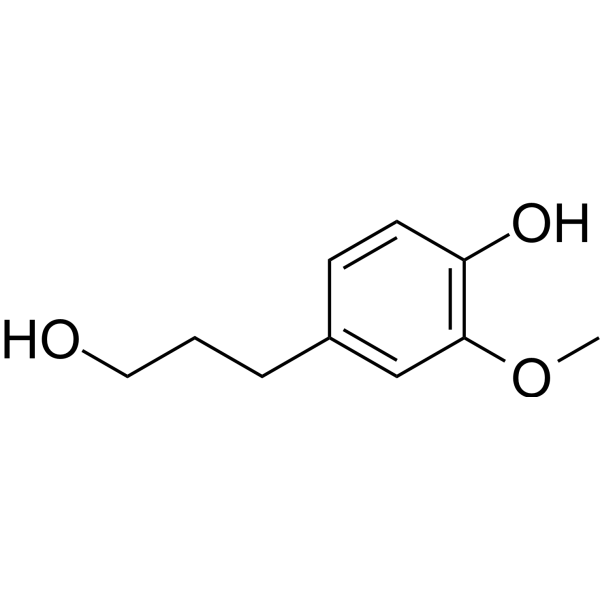
    Dihydroconiferyl alcohol is a cell division factor. Dihydroconiferyl alcohol can be isolated from the American sycamore (Acer pseudoplatanus L.). Dihydroconiferyl alcohol inhibits the degradation of Indole-3-acetic acid (HY-18569). Dihydroconiferyl alcohol can stimulate the growth of soybean and tobacco callus tissue and synergistically enhance Indole-3-acetic acid-induced hypocotyl elongation in cucumber. Dihydroconiferyl alcohol can be used in the research of plant growth regulation .
    Dihydroconiferyl alcohol
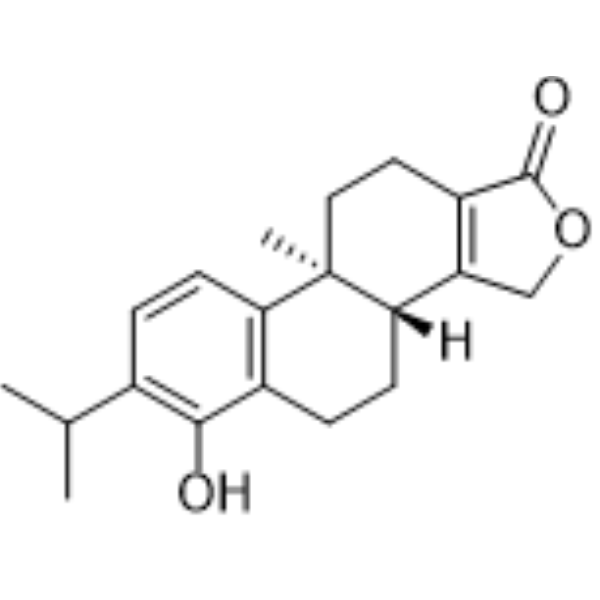
  • HY-N0475

    Hypolide; (+)-Triptophenolide

    Androgen Receptor Pyroptosis Caspase Bcl-2 Family Apoptosis Inflammation/Immunology Cancer
    Triptophenolide (Hypolide) is a colorless crystal isolated from the ethyl acetate extract of Tripterygium wilfordii. Triptophenolide is an orally active pan‑antagonist of the androgen receptor (AR) with an IC50 of 467 nM against human wild‑type AR. Triptophenolide reduces AR expression, inhibits AR nuclear translocation, downregulates prostate‑specific antigen mRNA levels, and suppresses the growth of AR‑positive prostate cancer cells. Triptophenolide shows anti-tumor effects against breast cancer by inhibiting cell proliferation and migration, inducing G1-phase arrest and apoptosis, repressing xenograft tumor growth. Triptophenolide inhibits pyroptosis, alleviates tissue inflammation, and ameliorates synovial injury. Triptophenolide can be used for the study of prostate cancer, rheumatoid arthritis and breast cancer .
    Triptophenolide
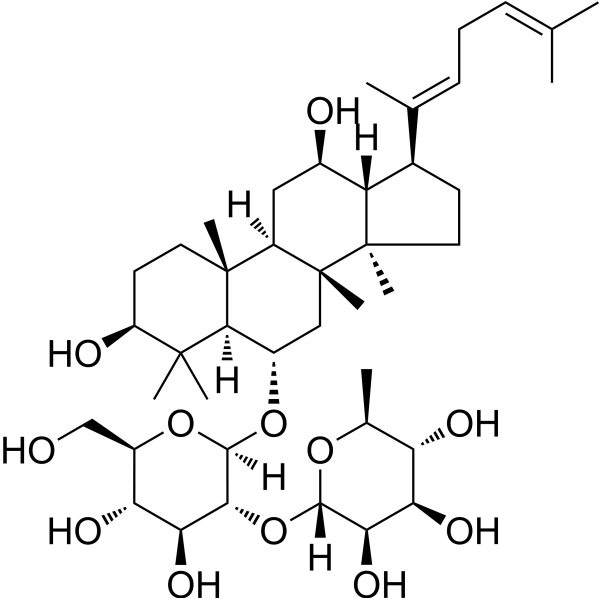
  • HY-N2503

    Apoptosis MMP Inflammation/Immunology
    Ginsenoside F4 (GF4), ginseng saponinis, isolated from notoginseng or red ginseng. Ginsenoside F4 (GF4) has inhibitory effect on human lymphocytoma JK cell by inducing its apoptosis . Ginsenoside F4 (GF4) inhibits matrix metalloproteinase 13 (MMP 13) expression in IL-1β-treated chondrocytes and blocks cartilage breakdown in rabbit cartilage tissue culture, shows therapeutic potential for preventing cartilage collagen matrix breakdown in diseased tissues .
    Ginsenoside F4
  • HY-W250121

    Environmental Pollutants Biochemical Assay Reagents Infection Inflammation/Immunology Cancer
    Tragacanth gum is an orally active anionic composite polysaccharide and multifunctional biomaterial. Tragacanth gum exhibits biocompatibility, mucoadhesion and renoprotective effects, and effectively promotes wound closure and tissue healing. Tragacanth gum can be isolated from Astragalus gummifer. Tragacanth gum acts as an emulsifier and drug delivery carrier, and is also widely used in fields such as 3D scaffolds, tissue engineering and green nanoparticle preparation. High doses of Tragacanth gum may induce reversible forestomach squamous epithelial hyperplasia in mice, but show no mutagenic or carcinogenic activity. Tragacanth gum is commonly used in studies related to diseases including systemic candidiasis, rheumatoid arthritis and osteosarcoma .
    Tragacanth gum
  • HY-N1940
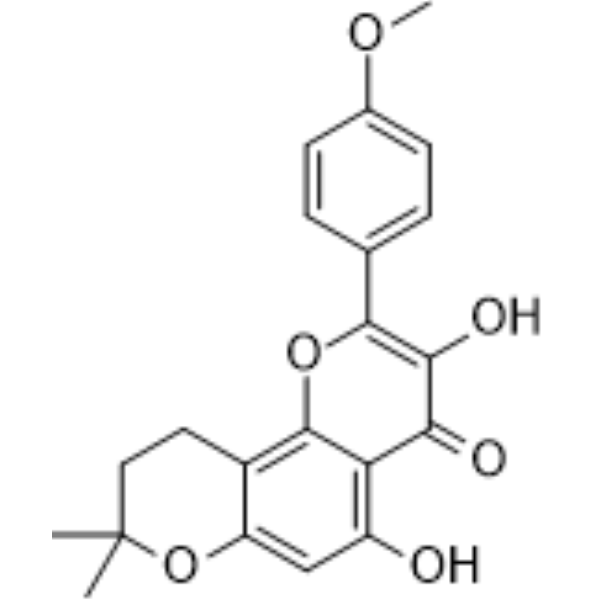
    β-Anhydroicaritin
    3 Publications Verification

    Cycloicaritin

    Interleukin Related TNF Receptor MMP Inflammation/Immunology Cancer
    β-Anhydroicaritin is isolated from Boswellia carterii Birdware, has important biological and pharmacological effects, such as antiosteoporosis, estrogen regulation and antitumor properties . β-Anhydroicaritin ameliorates the degradation of periodontal tissue and inhibits the synthesis and secretion of TNF-α and MMP-3 in diabetic rats . β-Anhydroicaritin decreases the overproduction of NO, IL-10, TNF-α, MCP-1 and IL-6 in inperitonitis mice. β-Anhydroicaritin inhibits the elevation of intracellular Ca 2+, and markedly decreases iNOS protein expression .
    β-Anhydroicaritin
  • HY-N2082
    Isorhamnetin 3-O-galactoside
    1 Publications Verification

    Cacticin

    Thrombin COX ERK JNK Factor Xa Cardiovascular Disease Inflammation/Immunology
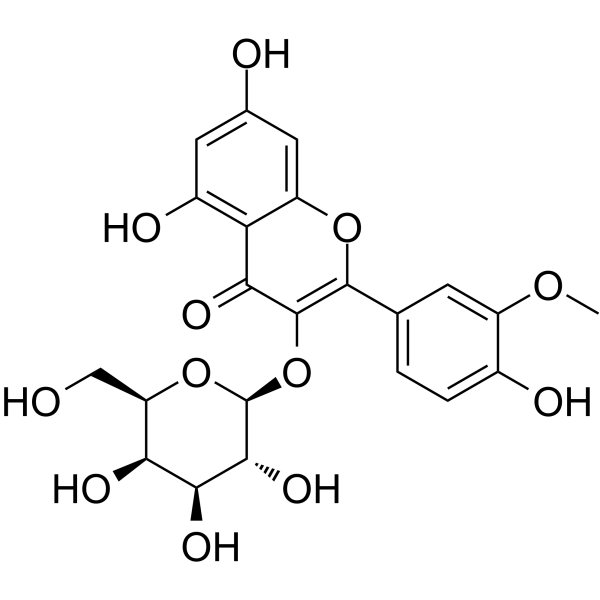
    Isorhamnetin 3-O-galactoside (Cacticin) is a flavonoid glycoside that can be isolated from Oenanthe javanica, with antithrombotic and profibrinolytic activities. Isorhamnetin 3-O-galactoside inhibits the activities of thrombin and factor Xa (FXa) and reduces thrombin-catalyzed fibrin polymerization maximum rate. Isorhamnetin 3-O-galactoside suppresses TNF-α-induced PAI-1 secretion, decreases the PAI-1/tissue-type plasminogen activator (t-PA) ratio, and inhibits FXa production and FVa/FXa-mediated thrombin generation. Isorhamnetin 3-O-galactoside exerts protective effects against Carbon tetrachloride (CCl4) (HY-Y0298)-induced hepatic injury in mice. Isorhamnetin 3-O-galactoside can be used for the study of liver injury-related diseases and thrombotic vascular diseases .
    Isorhamnetin 3-O-galactoside
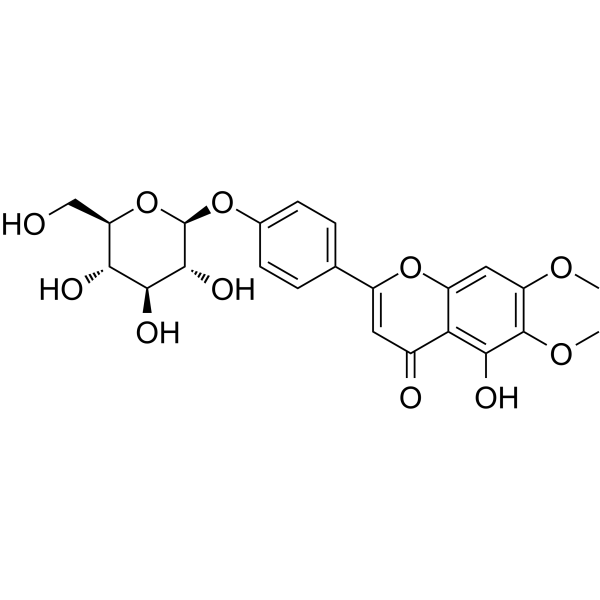
  • HY-N7272

    Phosphodiesterase (PDE) Metabolic Disease
    Cirsimarin is a potent antilipogenic flavonoid isolated from Microtea debilis. Cirsimarin exerts potent antilipogenic effect and decreases adipose tissue deposition in mice. The lipolytic activity of Cirsimarin resulting from both its antagonist activity on adenosin A1 receptor and its inhibitory effect on phosphodiesterase .
    Cirsimarin
  • HY-100196R

    PQQ (Standard); Methoxatin (Standard)

    Reference Standards Endogenous Metabolite Inflammation/Immunology
    Pyrroloquinoline quinone (Standard) is the analytical standard of Pyrroloquinoline quinone. This product is intended for research and analytical applications. Pyrroloquinoline quinone (PQQ), a redox co-factor, is an anionic, redox-cycling orthoquinone. Pyrroloquinoline quinone is isolated from cultures of methylotropic bacteria and tissues of mammals. Pyrroloquinoline quinone is an essential nutrient for mammals and is important for immune function .
    Pyrroloquinoline quinone (Standard)
  • HY-100196S1

    PQQ-13C3 sodium; Methoxatin-13C3 sodium

    Endogenous Metabolite Inflammation/Immunology
    Pyrroloquinoline quinone- 13C3 (PQQ- 13C3) sodium is an isotope of Pyrroloquinoline quinone. Pyrroloquinoline quinone (PQQ), a redox co-factor, is an anionic, redox-cycling orthoquinone. Pyrroloquinoline quinone is isolated from cultures of methylotropic bacteria and tissues of mammals. Pyrroloquinoline quinone is an essential nutrient for mammals and is important for immune function .
    Pyrroloquinoline quinone-13C3 sodium
  • HY-N9141

    5-HT Receptor Neurological Disease
    Nantenine is a serotonergic receptor antagonist. Nantenine selectively inhibits the contractile response of tissues to serotonin. Nantenine can be isolated from Nandina domestica .
    Nantenine
  • HY-118566

    Endogenous Metabolite Others
    5α-Androstenone is an odor molecule that can be isolated from porcine adipose tissue .
    5α-Androstenone
  • HY-N7741

    Dehydrozaluzanin C-derivative

    Bacterial Infection Inflammation/Immunology
    Isozaluzanin C (Dehydrozaluzanin c-derivative) is an anti-inflammatory agent that can be isolated from Saussurea lappa and has immunomodulatory effects. Isozaluzanin C improves tissue damage (lung, kidney, and liver) and excessive inflammation in mice induced by LPS (HY-D1056) or CRKP infection. Isozaluzanin C can be used in the study of bacterial infections and sepsi .
    Isozaluzanin C
  • HY-P4071

    Cathelicidin-OH antimicrobial peptide

    Bacterial Infection
    OH-CATH is a natural antimicrobial peptide that can be isolated from the venom and tissue of Ophiophagus hannah (King Cobra) .
    OH-CATH
  • HY-N2953

    Fatty Acid Synthase (FASN) Metabolic Disease
    Borapetoside E can be isolated from T. crispa. Borapetoside E improves hyperglycemia, insulin resistance, hepatic steatosis, hyperlipidemia, and oxygen consumption in obese mice. Borapetoside E also inhibits SREBPs expression in the liver and adipose tissue .
    Borapetoside E
  • HY-W140224

    Drug Derivative Others
    7-Ethyl-2-methylundecan-4-ol is a volatile compound. 7-Ethyl-2-methylundecan-4-ol can be isolated from skipjack tuna muscle tissue .
    7-Ethyl-2-methylundecan-4-ol
  • HY-109094

    EC-18

    Toll-like Receptor (TLR) Inflammation/Immunology
    Mosedipimod is a monoacetyldiaglyceride that can be isolated from Cervus nippon Temminck. Mosedipimod is an orally active Toll-Like Receptor signaling inhibitor. Mosedipimod attenuates airway infammation by reducing myeloperoxidase expression in lung tissue. Mosedipimod is used in chronic obstructive pulmonary disease research .
    Mosedipimod
  • HY-W016393R

    Reference Standards Endogenous Metabolite Others
    Dihydroconiferyl alcohol (Standard) is an analytical standard of Dihydroconiferyl alcohol (HY-W016393). This product is intended for research and analytical applications. Dihydroconiferyl alcohol is a cell division factor. Dihydroconiferyl alcohol can be isolated from the American sycamore (Acer pseudoplatanus L.). Dihydroconiferyl alcohol inhibits the degradation of Indole-3-acetic acid (HY-18569). Dihydroconiferyl alcohol can stimulate the growth of soybean and tobacco callus tissue and synergistically enhance Indole-3-acetic acid-induced hypocotyl elongation in cucumber. Dihydroconiferyl alcohol can be used in the research of plant growth regulation .
    Dihydroconiferyl alcohol (Standard)
  • HY-P3629

    Leumorphin (pig)

    Opioid Receptor Neurological Disease Inflammation/Immunology
    Dynorphin B 29 (Leumorphin) (pig) is a petide. Dynorphin B 29 (pig) can interact with multiple receptors in the brain, as well as in isolated tissue systems. Dynorphin B 29 (pig) can be used for the research of immunoreaction .
    Dynorphin B 29 (pig)
  • HY-N2893

    Aristolactam B II

    Others Others
    Cepharanone B is a fluorescent component isolated from the callus tissue of stephania cephaiuntha .
    Cepharanone B
  • HY-W971376

    Others Others
    Cyclo(Ala-Tyr) is a cyclic dipeptide that can be isolated from the fermentation broth of the marine microorganism Bacillus marinus B-9987 isolated from the rhizosphere tissue of Suaeda salsa in the intertidal zone of Bohai Bay, China .
    Cyclo(Ala-Tyr)
  • HY-14957AS

    T-3912-d3 hydrochloride

    Antibiotic Bacterial Inflammation/Immunology
    Ozenoxacin-d3 (hydrochloride) is the deuterium labeled Ozenoxacin hydrochloride. Ozenoxacin hydrochloride is a nonfluorinated quinolone antibacterial, which shows potent activities against the main microorganisms isolated from skin and soft tissue infections .
    Ozenoxacin-d3 hydrochloride
  • HY-14957R

    T-3912 (Standard)

    Reference Standards Bacterial Antibiotic Infection
    Ozenoxacin (Standard) is the analytical standard of Ozenoxacin. This product is intended for research and analytical applications. Ozenoxacin is a nonfluorinated quinolone antibacterial, which shows potent activities against the main microorganisms isolated from skin and soft tissue infections.
    Ozenoxacin (Standard)
  • HY-14957S

    T-3912-d3

    Isotope-Labeled Compounds Others
    Ozenoxacin-d3 is the deuterium-labeled Ozenoxacin (HY-14957). Ozenoxacin-d3 is a nonfluorinated quinolone antibacterial, which shows potent activities against the main microorganisms isolated from skin and soft tissue infections.
    Ozenoxacin-d3
  • HY-N16472

    Endogenous Metabolite Others
    Echiumine N-oxide, a pyrrolizidine alkaloid related N-oxides (PANOs), is a plant secondary metabolite. Echiumine N-oxide can be isolated from Echium plantagineum. Echiumine N-oxide acts as a defensive role in plants, prevent plants from tissue death .
    Echiumine N-oxide
  • HY-N9695

    Fungal Infection
    2,6-Dihydroxy-4-methoxyacetophenone is a phytoalexin, that can be isolated from the root tissue of Sanguisorba minor. 2,6-Dihydroxy-4-methoxyacetophenone exhibits antifungal activity. 2,6-Dihydroxy-4-methoxyacetophenone is a strong germination inhibitor on B. cinerea .
    2,6-Dihydroxy-4-methoxyacetophenone
  • HY-N13080

    Others Cancer
    3-Oxo-bufalin is an active compound that can be isolated from cultured toad liver tissue. 3-Oxo-bufalin can be produced through a metabolic pathway, and it is a metabolite of Bufalin (HY-N0877) catalyzed by the stereoselective 3β-dehydrogenase. Bufalin is a Na+/K+-ATPase inhibitor and has anti-tumor activity .
    3-Oxo-bufalin
  • HY-N12497

    Fungal Infection
    Moracin B is a phytoalexin with antifungal activity. Moracin B can be isolated from the cortex and phloem tissues of mulberry (Morus alba Linne) infected with Fusarium solani f. sp. mori. Moracin B can be used to study plant disease resistance mechanisms against microbial infections, particularly showing potential application value in the field of plant disease control .
    Moracin B
  • HY-N7272R

    Reference Standards Phosphodiesterase (PDE) Metabolic Disease
    Cirsimarin (Standard) is the analytical standard of Cirsimarin. This product is intended for research and analytical applications. Cirsimarin is a potent antilipogenic flavonoid isolated from Microtea debilis. Cirsimarin exerts potent antilipogenic effect and decreases adipose tissue deposition in mice. The lipolytic activity of Cirsimarin resulting from both its antagonist activity on adenosin A1 receptor and its inhibitory effect on phosphodiesterase .
    Cirsimarin (Standard)
  • HY-N15602

    Glycosidase NO Synthase Inflammation/Immunology
    Isosojagol (Compound 5) is a α-Glucosidase inhibitor with an IC50 of 32.2  μM. Isosojagol can be isolated from the Roots of Dolichos trilobus. Isosojagol has anti-inflammatory activity and inhibits LPS (HY-D1056A1)-induced NO production in RAW264.7 cells. Isosojagol can be used for fracture, soft tissue injuries and rheumatoid arthritis research .
    Isosojagol
  • HY-126758

    Apoptosis Glutathione Peroxidase Inflammation/Immunology
    Ludartin a sesquiterpene lactone, which can be isolated from the plant Artemisia carruthii Wood. Ludartin reduces the expression of myeloperoxidase and malondialdehyde, enhances the expression of glutathione and superoxide dismutase in spinal cord tissue. Ludartin inhibits neuronal apoptosis. Ludartin inhibits the upregulation of tumor necrosis factor-α, interleukin-1β, and interleukin-6. Ludartin improves the motor function of rats with spinal cord injury .
    Ludartin
  • HY-N8501

    Bacterial Infection
    Emestrin is a mycotoxin originally isolated from E. striata that has antimicrobial, immunomodulatory, and cytotoxic activities. It is active against the fungi C. albicans and C. neoformans, as well as the bacteria E. coli, S. aureus, and methicillin-resistant S. aureus (MRSA; IC50s=3.94, 0.6, 2.21, 4.55, and 2.21 μg/mL, respectively).2 Emestrin is a chemokine (C-C motif) receptor 2 (CCR2) antagonist (IC50=5.4 μM in a radioligand binding assay using isolated human monocytes).3 Emestrin (0.1 μg/mL) induces apoptosis in HL-60 cells. It induces heart, thymus, and liver tissue necrosis in mice when administered at doses ranging from 18 to 30 mg/kg.
    Emestrin
  • HY-D0027R

    Coumarin 120 (Standard); AMC (Standard)

    Fluorescent Dye Antibiotic Fungal Reference Standards Infection
    7-Amino-4-methylcoumarin (Standard) is the analytical standard of 7-Amino-4-methylcoumarin. This product is intended for research and analytical applications. 7-Amino-4-methylcoumarin belongs to the coumarin class, can be isolated from the endophytic fungus Xylaria sp. and has a broad spectrum of antibacterial activity. 7-Amino-4-methylcoumarin is also commonly used as an important laser dye that emits in the blue region, capable of analyzing glycoprotein monosaccharides and N-linked oligosaccharides, and is also utilized in tissue pathology analysis, enzyme activity measurement, and copper ion detection. The excitation wavelength and emission wavelength are 351 nm and 430 nm, respectively. [4]
    7-Amino-4-methylcoumarin (Standard)
  • HY-N0475R

    Hypolide (Standard); (+)-Triptophenolide (Standard)

    Reference Standards Androgen Receptor Pyroptosis Caspase Bcl-2 Family Apoptosis Inflammation/Immunology Cancer
    Triptophenolide (Standard) (Hypolide) is the analytical standard of Triptophenolide (HY-N0475). This product is intended for research and analytical applications. Triptophenolide is a colorless crystal isolated from the ethyl acetate extract of Tripterygium wilfordii. Triptophenolide is an orally active pan‑antagonist of the androgen receptor (AR) with an IC50 of 467 nM against human wild‑type AR. Triptophenolide reduces AR expression, inhibits AR nuclear translocation, downregulates prostate‑specific antigen mRNA levels, and suppresses the growth of AR‑positive prostate cancer cells. Triptophenolide shows anti-tumor effects against breast cancer by inhibiting cell proliferation and migration, inducing G1-phase arrest and apoptosis, repressing xenograft tumor growth. Triptophenolide inhibits pyroptosis, alleviates tissue inflammation, and ameliorates synovial injury. Triptophenolide can be used for the study of prostate cancer, rheumatoid arthritis and breast cancer .
    Triptophenolide (Standard)
  • HY-N10922

    Others Cancer
    (3S,4aS,10aS)-3-(Acetyloxy)-2,3,4,4a,10,10a-hexahydro-6-hydroxy-1,1,4a-trimethyl-7-(1-methylethyl)-9(1H)-phenanthrenone (compound 3), a Palmitate, can be isolated from the root tissue of Salvia miltiorrhiza. (3S,4aS,10aS)-3-(Acetyloxy)-2,3,4,4a,10,10a-hexahydro-6-hydroxy-1,1,4a-trimethyl-7-(1-methylethyl)-9(1H)-phenanthrenone (compound 3) shows anti-cancer activity against human cancer cell lines with DC50s of 25.5 μg/mL (HeLa), 37.5 μg/mL (HepG2), 30.2 μg/mL (OVCAR-3), respectively .
    (3S,4aS,10aS)-3-(Acetyloxy)-2,3,4,4a,10,10a-hexahydro-6-hydroxy-1,1,4a-trimethyl-7-(1-methylethyl)-9(1H)-phenanthrenone
  • HY-179179B

    Biochemical Assay Reagents Others
    MS vitamin solution (1000×) is a vitamin mixture essential for MS medium in plant tissue culture. It provides key organic nutrients and coenzyme factors for isolated plant tissues, supporting their normal growth, differentiation and proliferation.
    MS vitamin solution (1000×)
  • HY-182661

    Biochemical Assay Reagents Others
    IBA Sterile Solution (1 mg/mL) is a ready-to-use, filtered and sterilized high-concentration stock solution of indolebutyric acid (IBA). It is used as a major auxin in plant tissue culture, and its core function is to efficiently induce rooting in isolated tissues.
    IBA Sterile Solution (1 mg/ml)
  • HY-181774

    Phosphodiesterase (PDE) Endocrinology
    PDE4/5-IN-1 is a selective phosphodiesterase 4/5 (PDE4/5) dual inhibitor. PDE4/5-IN-1 functionally inhibits PDE5, PDE4B2, and PDE4D2 activity. PDE4/5-IN-1 relaxes isolated rat prostate tissue, enhances nitric oxide-induced relaxation in isolated rat prostate tissue, and reduces alpha-1 adrenoceptor-mediated contractile responses in isolated rat prostate tissue. PDE4/5-IN-1 inhibits proliferation of human hyperplastic prostate cells. PDE4/5-IN-1 can be used for the research of benign prostatic hyperplasia .
    PDE4/5-IN-1
  • HY-N9717

    Endogenous Metabolite Infection
    Herbaridine B is a potential fungal secondary metabolite that can be extracted from the fungus Anteaglonium FL0768. This fungus was isolated as an endophyte from the photosynthetic tissue of Selaginella arenicola .
    Herbaridine B
  • HY-N12652

    Botcineric acid

    Others Infection
    Homobotcinolide is a novel bioactive natural product that can be isolated from Botrytis cinerea infecting raspberry fruit (Rubus ideaus). Homobotcinolide significantly inhibited the growth of yellowed wheat germ tissue .
    Homobotcinolide
  • HY-N13021

    Endogenous Metabolite Others
    2-(2-Hydroxy-5-methoxyphenoxy)-acrylic acid is a metabolite, which can be isolated from endophytic fungus Phoma macrostoma inhabiting the inner tissue of medicinal plant Glycyrrhiza glabra Linn .
    2-(2-Hydroxy-5-methoxyphenoxy)-acrylic acid

Inquiry Online

Your information is safe with us. * Required Fields.

Salutation


Country or Region *

Applicant Name *


Organization Name *

Department *


Email Address *


Product Name *

Cat. No.


Requested quantity *

Phone Number *


Remarks

Inquiry Online

Inquiry Information

Product Name:
Cat. No.:
Quantity:
MCE Japan Authorized Agent:

