1. Search Result
Search Result
Results for "

light activated

" in MedChemExpress (MCE) Product Catalog:

73

Inhibitors & Agonists

4

Fluorescent Dyes

2

Peptides

1

Inhibitory Antibodies

9

Natural
Products

Cat. No. Product Name Target Research Areas Chemical Structure
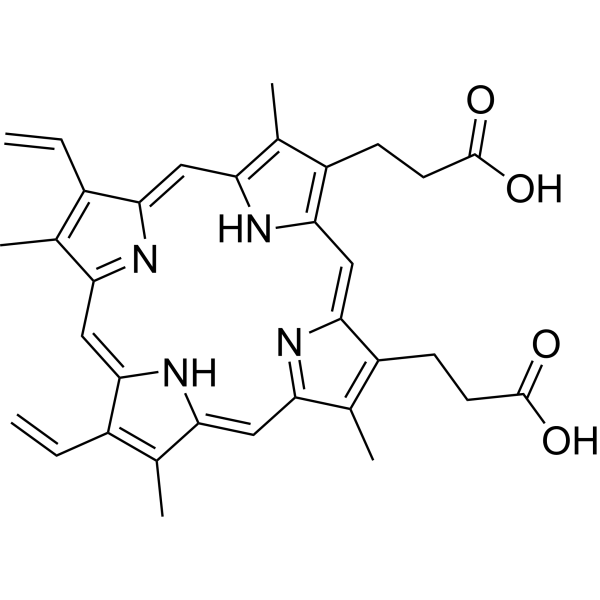
  • HY-B1247
    Protoporphyrin IX
    Maximum Cited Publications
    22 Publications Verification

    PPIX

    Endogenous Metabolite Others
    Protoporphyrin IX is a final intermediate in the heme biosynthetic pathway, which acts as a radiation sensitizer enhancing ROS generation even in a hypoxic state and inducing DNA damage. Protoporphyrin IX also acts as a photo sensitizer undergoing photobleaching that occurs through direct degradation by light irradiation. Protoporphyrin IX is formed and accumulated following 5-aminolevulinic acid (5-ALA) (HY-W000450) administration in the tumor cells of rats. Protoporphyrin IX causes selective improvement of basal cell carcinoma when activated red fluorescence of a peak wavelength at 405 nm. Protoporphyrin IX is promising for research of sonodynamic and photodynamic agents for a wide range of cancers, such as bladder cancer and nodular basal cell carcinoma .
    Protoporphyrin IX
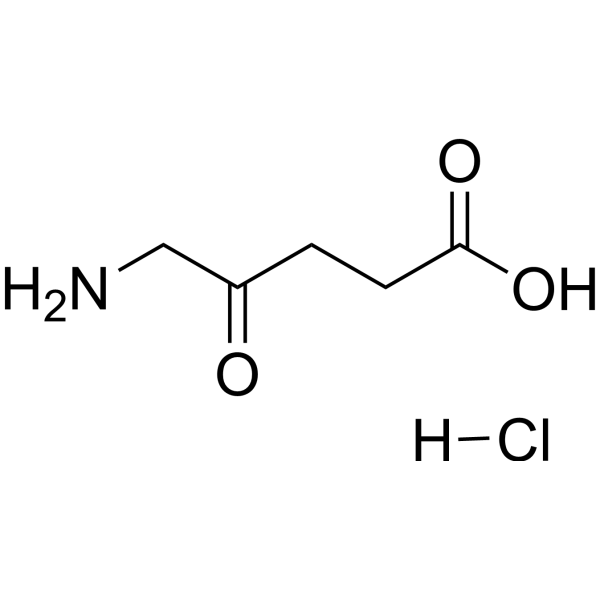
  • HY-N0305

    5-ALA hydrochloride; δ-Aminolevulinic acid hydrochloride; 5-Amino-4-oxopentanoic acid hydrochloride

    Reactive Oxygen Species (ROS) Neurological Disease Metabolic Disease Inflammation/Immunology Cancer
    5-Aminolevulinic acid (5-ALA; δ-Aminolevulinic acid; 5-Amino-4-oxopentanoic acid) hydrochloride is an orally active heme precursor. 5-Aminolevulinic acid hydrochloride promotes aerobic energy metabolism and increases ATP levels by enhancing the activity of cytochrome c oxidase. 5-Aminolevulinic acid hydrochloride enhances LPS-induced proinflammatory cytokine production and gene activation, and restores the phagocytic activity and ROS generation capacity of neutrophils. 5-Aminolevulinic acid hydrochloride selectively accumulates protoporphyrin IX in tumor cells; as a photosensitizer and radiosensitizer, it induces ROS burst upon light or X-ray irradiation to inhibit tumor growth. 5-Aminolevulinic acid hydrochloride can be applied to the research of septic shock, melanoma, and cancer radiotherapy .
    5-Aminolevulinic acid hydrochloride
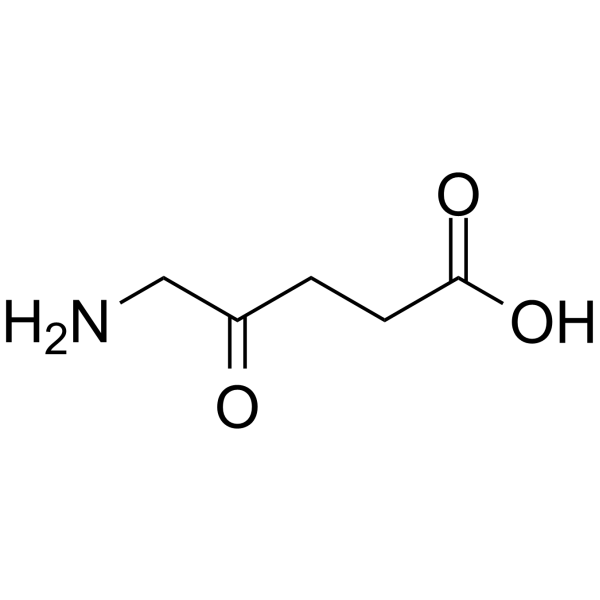
  • HY-W000450
    5-Aminolevulinic acid
    15+ Cited Publications

    5-ALA; δ-Aminolevulinic acid; 5-Amino-4-oxopentanoic acid

    Reactive Oxygen Species (ROS) Cardiovascular Disease Cancer
    5-Aminolevulinic acid (5-ALA; δ-Aminolevulinic acid; 5-Amino-4-oxopentanoic acid) is an orally active heme precursor. 5-Aminolevulinic acid promotes aerobic energy metabolism and increases ATP levels by enhancing the activity of cytochrome c oxidase. 5-Aminolevulinic acid enhances LPS-induced proinflammatory cytokine production and gene activation, and restores the phagocytic activity and ROS generation capacity of neutrophils. 5-Aminolevulinic acid selectively accumulates protoporphyrin IX in tumor cells; as a photosensitizer and radiosensitizer, it induces ROS burst upon light or X-ray irradiation to inhibit tumor growth. 5-Aminolevulinic acid can be applied to the research of septic shock, melanoma, and cancer radiotherapy .
    5-Aminolevulinic acid
  • HY-N6871
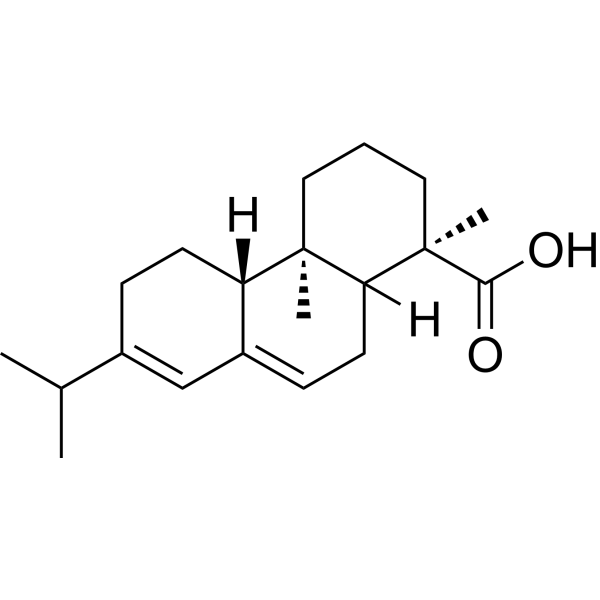
    Abietic acid
    3 Publications Verification

    Bacterial IKK Ferroptosis Infection Metabolic Disease Inflammation/Immunology Cancer
    Abietic acid, an orally active diterpene isolated from Colophony, displays significant anti-proliferative, anti-inflammatory, anti-obesity effect, bacteriostatic, cell cycle arresting and pro-apoptotic activities. Abietic acid inhibits lipoxygenase activity for allergy. Abietic acid enhances cell migration and tube formation in HUVECs. Abietic acid induces significant angiogenic potential, which is associated with upregulation of extracellular signal-regulated kinase (ERK) and p38 expression. Abietic acid attenuates sepsis-induced lung injury by inhibiting nuclear factor kappa-light-chain-enhancer of activated B cells (NF-κB) pathway to inhibit M1 macrophage polarization. Abietic acid exhibits a positive effect against liver injury by attenuating inflammation and ferroptosis. Abietic acid shows accelerated wound closure in a mouse model of cutaneous wounds. Abietic acid significantly reduces the proliferation and growth of NSCLC cells by IKKβ inhibition.Additionally, Abietic acid ameliorates psoriasis-like inflammation and modulates gut microbiota in mice. Abietic acid is promising for research in non-small-cell lung cancer (NSCLC), liver injury-related deseases and psoriasis .
    Abietic acid
  • HY-18676
    OSU-T315
    10+ Cited Publications

    Integrin Autophagy Apoptosis Cancer
    OSU-T315 (ILK-IN-1) is a small Integrin-linked kinase (ILK) inhibitor with an IC50 of 0.6 μM, inhibiting PI3K/AKT signaling by dephosphorylation of AKT-Ser473 and other ILK targets (GSK-3β and myosin light chain) . OSU-T315 abrogates AKT activation by impeding AKT localization in lipid rafts and triggers caspase-dependent apoptosis in an ILK-independent manner . OSU-T315 causes cell death through apoptosis and autophagy .
    OSU-T315
  • HY-107004A
    Amotosalen hydrochloride
    1 Publications Verification

    S-59

    DNA/RNA Synthesis Parasite Inflammation/Immunology
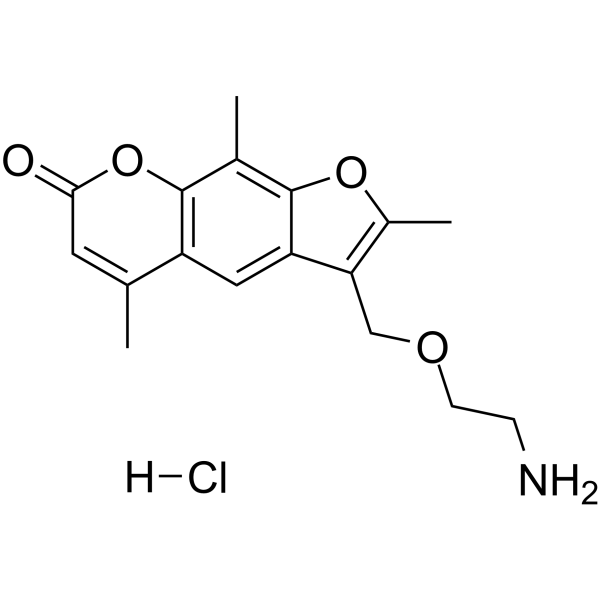
    Amotosalen hydrochloride (S-59) is a light-activated, DNA-, RNA-crosslinking psoralen compound, which is used to neutralise pathogens. Light-activated Amotosalen binds and permanently crosslinks DNA, preventing replication and thus stopping proliferation of donor T cells. Amotosalen can be used for the study of blood system pathogen reduction technology and graft-versus-host disease (GVHD) .
    Amotosalen hydrochloride
  • HY-12809
    Optovin
    1 Publications Verification

    TRP Channel Neurological Disease
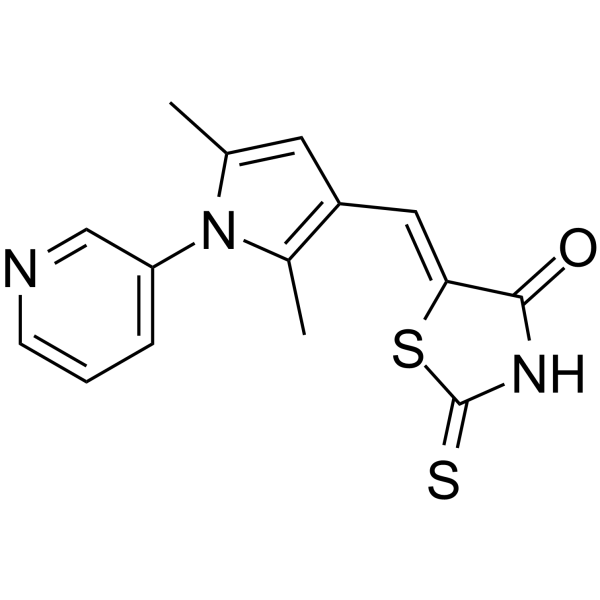
    Optovin is a reversible photoactivated TRPA1 ligand that enables light-mediated neuronal excitation. Optovin activates TRPA1 via structure-dependent photochemical reactions with redox-sensitive cysteine residues .
    Optovin
  • HY-133535
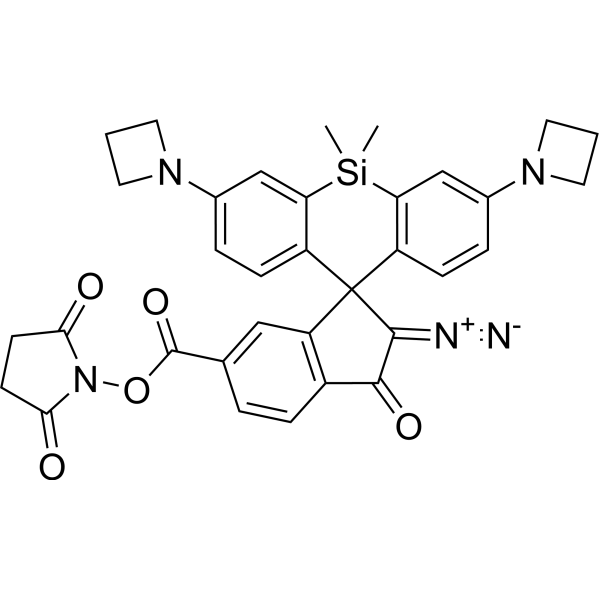
    PA Janelia Fluor® 646, SE
    1 Publications Verification

    PA-JF646-NHS

    Fluorescent Dye Others
    PA Janelia Fluor® 646, SE (PA-JF646-NHS) is a photo-activatable fluorescent dye. PA Janelia Fluor® 646, SE is a far-red light-excited, 405nm-activated NHS ester-based dye (λex/em = 650/664 nm). PA Janelia Fluor® 646, SE can achieve extremely low background and single-molecule-level ultra-high-resolution imaging through photo-controlled switching, making it a powerful tool for live cell super-resolution microscopy technology.
    PA Janelia Fluor® 646, SE
  • HY-114367
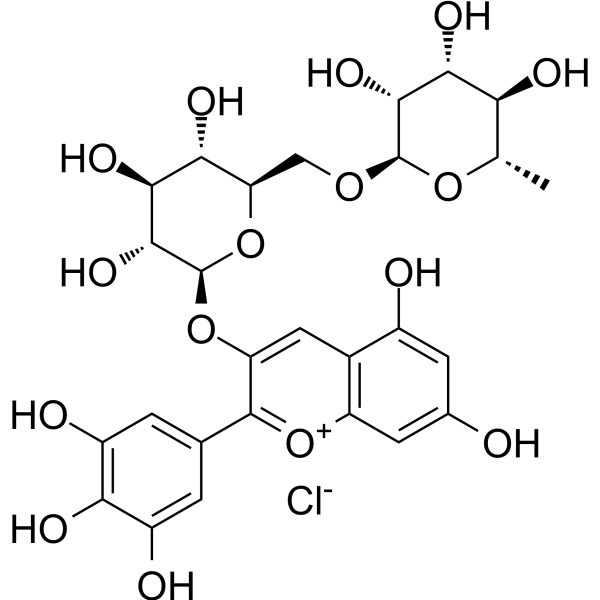
    Delphinidin 3-rutinoside chloride
    1 Publications Verification

    Delphinidin 3-O-rutinoside chloride

    Endothelin Receptor NO Synthase Myosin GLP Receptor Neurological Disease Metabolic Disease
    Delphinidin 3-rutinoside chloride is an anthocyanin component. Delphinidin 3-rutinoside chloride is isolable from the fruits of blackcurrant Ribes nigrum L. Delphinidin 3-rutinoside chloride activates the ETB receptor and stimulates the NO/cGMP pathway. Delphinidin 3-rutinoside chloride increases cyclic guanosine monophosphate production and reduces the phosphorylation level of Myosin regulatory light chain. Delphinidin 3-rutinoside chloride stimulates GLP-1 secretion. It significantly induces relaxation of bovine ciliary muscle strips contracted by ET-1 and inhibits ET-1-induced contraction of bovine ciliary muscle strips. Delphinidin 3-rutinoside chloride is applicable to research related to type 2 diabetes .
    Delphinidin 3-rutinoside chloride
  • HY-A0169A
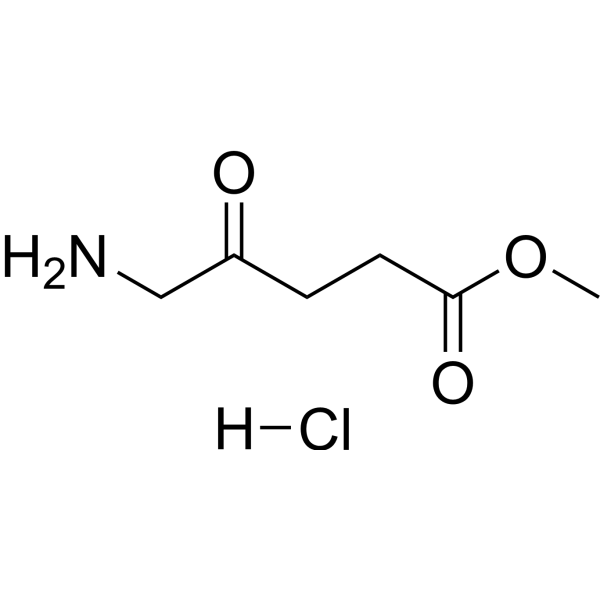
    Methyl aminolevulinate hydrochloride
    1 Publications Verification

    Reactive Oxygen Species (ROS) Photosensitizer Cancer
    Methyl aminolevulinate hydrochloride is a sensitizer used in photodynamic therapy (PDT). Methyl aminolevulinate hydrochloride penetrates the skin and induces the production of photoactive porphyrins including protoporphyrin IX in cells; upon exposure to appropriate light, it generates ROS, which triggers cellular oxidation and cell death. Methyl aminolevulinate hydrochloride acts as a photo-damage reversing agent through epidermal reconstruction, cytokine-mediated activation of dermal fibroblasts, elastin breakdown, new collagen formation, and compression of dilated capillaries. Methyl aminolevulinate hydrochloride reduces the expression of the proliferation marker Ki-67 and the early skin carcinogenesis marker TP53. Methyl aminolevulinate hydrochloride delays the onset of ultraviolet-induced skin tumors and reduces tumor burden in hairless mice. Methyl aminolevulinate hydrochloride is applicable to research related to actinic keratosis and basal cell carcinoma .
    Methyl aminolevulinate hydrochloride
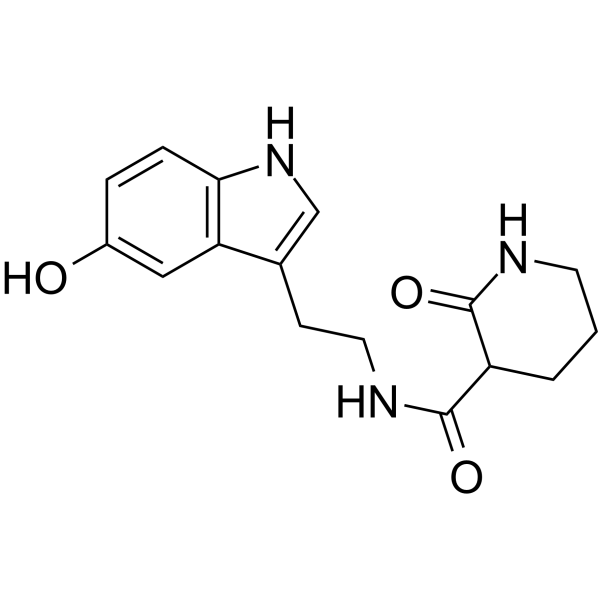
  • HY-101446

    Trk Receptor ERK Apoptosis Neurological Disease
    HIOC is a potent and selective activator of TrkB (tropomyosin related kinase B) receptor. HIOC can pass the blood-brain and blood-retinal barriers.HIOC activates TrkB/ERK pathway and decreases neuronal cell apoptosis. HIOC attenuates early brain injury after SAH (subarachnoid hemorrhage). HIOC shows protective activity in an animal model for light-induced retinal degeneration .
    HIOC
  • HY-D0853
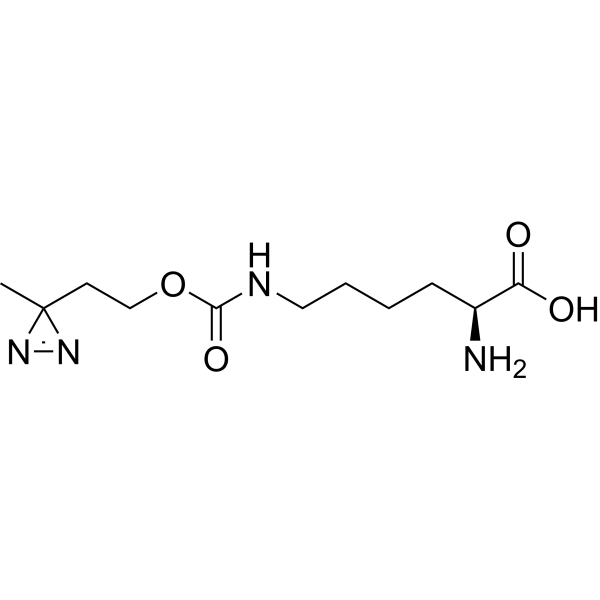
    DiAzKs
    1 Publications Verification

    H-L-Photo-lysine

    Fluorescent Dye Others
    DiAzKs (H-L-Photo-lysine) is a diazirine-containing lysine amino acid and is a photo-cross-linker. DiAzKs can site-selective incorporated into proteins and is used to crosslink protein-protein interactions in vitro and in living cells. DiAzKs acts as a UV light-activated photo-crosslinking probe .
    DiAzKs
  • HY-P990785

    ABBV-383; TNB 383B

    CD3 Cardiovascular Disease Inflammation/Immunology Cancer
    Etentamig is a BCMA × CD3 bispecific T-cell engager (BiTE) that can inhibit the activity of B-cell maturation antigen (BCMA) and activate the T-cell surface glycoprotein CD3 complex. Etentamig can be used for research in multiple myeloma, immunoglobulin light chain amyloidosis, and cardiovascular diseases .
    Etentamig
  • HY-D2309

    Fluorescent Dye Photosensitizer Cancer
    IRDye700Dx Maleimide is a Photosensitizer. When conjugated with HER2 Affibody and activated by near-infrared light, IRDye700Dx Maleimide induces death in HER2-positive breast cancer cells without causing damage to HER2-negative breast cancer cells .
    IRDye700Dx (Maleimide)
  • HY-W075770

    Nickel monoxide

    Environmental Pollutants Apoptosis Reactive Oxygen Species (ROS) Caspase TGF-beta/Smad p38 MAPK Akt PI3K Infection Metabolic Disease Cancer
    Nickel(II) oxide (nickel monoxide) is a chemical warfare agent that can enter the body through the respiratory tract and other routes, distributing to organs such as the lungs and testes. The nanoparticle form of nickel(II) oxide (NiO NPs) exhibits antibacterial, anti-leishmanial, anti-diabetic, and anti-cancer activities. NiO NPs can be activated by ultraviolet and visible light, generating reactive oxygen species (ROS). Nickel(II) oxide induces oxidative stress by generating reactive oxygen species, activating the TGF-β1-mediated MAPK and PI3K/AKT pathways, disrupting the MMPs/TIMPs balance, and upregulating the expression of inflammatory factors (IL-1β, IL-6) and apoptosis-related molecules (Bax, caspase-3, p53), while inhibiting the activity of the anti-apoptotic molecule Bcl-2. Nickel(II) oxide induces cytotoxicity, promotes fibrosis, triggers inflammatory responses, and causes apoptosis. Nickel(II) oxide can be applied in research on the safety assessment of nanomaterials, such as in the context of pulmonary fibrosis and reproductive system toxicity .
    Nickel(II) oxide
  • HY-W041343

    Benzoylbenzoicacid

    Bacterial Antibiotic Photosensitizer Infection
    4-(Phenylcarbonyl)benzoic acid is a photooxidant. Upon light activation, 4-(Phenylcarbonyl)benzoic acid forms an electrophilic aromatic ketone that acts as an oxidant in organic synthesis or biological systems. 4-(Phenylcarbonyl)benzoic acid has been used in the study of amino acid oxidation, as well as the synthesis of photoactivated antibacterial and antiviral compounds 1 2 3.
    4-Benzoylbenzoic acid
  • HY-164126

    Others Others
    6-O-Bis-(4,5-dimethoxy-2-nitrobenzyloxyphosphoryl)-D-trehalose is a synthetic compound that interferes with plant sugar signaling. After being absorbed by plants, 6-O-Bis-(4,5-dimethoxy-2-nitrobenzyloxyphosphoryl)-D-trehalose can trigger the release of T6P by light exposure, thereby activating the signaling pathway inside the plant. 6-O-Bis-(4,5-dimethoxy-2-nitrobenzyloxyphosphoryl)-D-trehalose can be used to study plant biosynthesis .
    6-O-Bis-(4,5-dimethoxy-2-nitrobenzyloxyphosphoryl)-D-trehalose
  • HY-B1247R

    PPIX (Standard)

    Reference Standards Endogenous Metabolite Others
    Protoporphyrin IX (Standard) is the analytical standard of Protoporphyrin IX. This product is intended for research and analytical applications. Protoporphyrin IX is a final intermediate in the heme biosynthetic pathway, which acts as a radiation sensitizer enhancing ROS generation even in a hypoxic state and inducing DNA damage. Protoporphyrin IX also acts as a photo sensitizer undergoing photobleaching that occurs through direct degradation by light irradiation. Protoporphyrin IX is formed and accumulated following 5-aminolevulinic acid (5-ALA) (HY-W000450) administration in the tumor cells of rats. Protoporphyrin IX causes selective improvement of basal cell carcinoma when activated red fluorescence of a peak wavelength at 405 nm. Protoporphyrin IX is promising for research of sonodynamic and photodynamic agents for a wide range of cancers, such as bladder cancer and nodular basal cell carcinoma .
    Protoporphyrin IX (Standard)
  • HY-122142A

    S-2366 hydrochloride

    APC Factor XI Biochemical Assay Reagents Others
    Pyr-Pro-Arg-pNA (S2366) hydrochloride is a chromogenic peptide substrate for Factor XI and Activated protein C (APC). Pyr-Pro-Arg-pNA hydrochloride can induce noncompetitive inhibition of factor XI activation through occupancy of the active site of the factor XIa-light chain. Pyr-Pro-Arg-pNA hydrochloride can be used for measurement of APC amidolytic activity .
    Pyr-​Pro-​Arg-​pNA hydrochloride
  • HY-D0853A
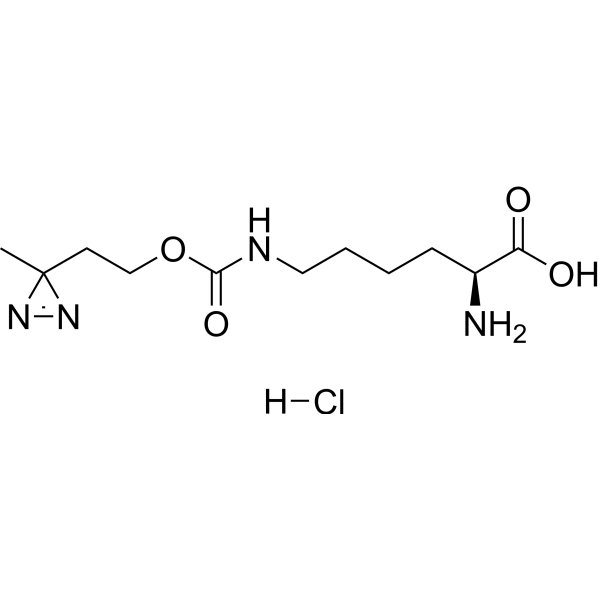
    DiAzKs hydrochloride
    1 Publications Verification

    H-L-Photo-lysine hydrochloride

    Fluorescent Dye Others
    DiAzKs (H-L-Photo-lysine) hydrochloride is a diazirine-containing lysine amino acid and is a photo-cross-linker. DiAzKs hydrochloride can site-selective incorporated into proteins and is used to crosslink protein-protein interactions in vitro and in living cells. DiAzKs hydrochloride acts as a UV light-activated photo-crosslinking probe .
    DiAzKs hydrochloride
  • HY-103427

    Dopamine Receptor Neurological Disease
    NPEC-caged-dopamine is a caged version of dopamine. NPEC-caged-Dopamine was used by applying focal photolysis with UV light (360 nm) to releases dopamine, which leads to D1 receptor activation .
    NPEC-caged-dopamine
  • HY-161092

    HCN Channel Potassium Channel Neurological Disease
    KIO-301 chloride is an azobenzene photoswitch compound that can block voltage-gated ion channels, including hyperpolarisation-activated cyclic nucleotide-gated (HCN) and voltage-gated potassium channels during exposure to visible light .
    KIO-301 chloride
  • HY-163445

    NAMPT Cancer
    NAMPT activator-6 is a NAMPT activator, a regulatory molecule for the optical control system of NAMPT and NAD+. NAMPT activator-6 can be used to design efficient photoswitchable proteolysis-targeting chimeras (PS-PROTACs) to achieve up-down reversible regulation of NAMPT and NAD+ in a light-dependent manner and reduce the toxicity associated with inhibitor-based PS-PROTACs. PS-PROTAC can be used to achieve antitumor activity, NAMPT, and NAD+ modulation in vivo via optical manipulation .
    NAMPT activator-6
  • HY-161092A

    HCN Channel Potassium Channel Neurological Disease
    KIO-301 chloride hydrochloride is an azobenzene photoswitchable compound that blocks voltage-gated ion channels, including hyperpolarization-activated cyclic nucleotide gating (HCN, during exposure to visible light) ) and voltage-gated potassium channels (voltage-gated potassium channels) .
    KIO-301 chloride hydrochloride
  • HY-B1247A
    Protoporphyrin IX disodium
    Maximum Cited Publications
    22 Publications Verification

    PPIX disodium

    Endogenous Metabolite Cancer
    Protoporphyrin IX disodium is a final intermediate in the heme biosynthetic pathway, which acts as a radiation sensitizer enhancing ROS generation even in a hypoxic state and inducing DNA damage. Protoporphyrin IX disodium also acts as a photo sensitizer undergoing photobleaching that occurs through direct degradation by light irradiation. Protoporphyrin IX disodium is formed and accumulated following 5-aminolevulinic acid (5-ALA) (HY-W000450) administration in the tumor cells of rats. Protoporphyrin IX disodium causes selective improvement of basal cell carcinoma when activated red fluorescence of a peak wavelength at 405 nm. Protoporphyrin IX disodium is promising for research of sonodynamic and photodynamic agents for a wide range of cancers, such as bladder cancer and nodular basal cell carcinoma .
    Protoporphyrin IX disodium
  • HY-176783

    Toll-like Receptor (TLR) Neurological Disease
    GNE-5152 is an orthosteric SARM1 base-exchange (BE) inhibitor. GNE-5152 sustainably activates SARM1 at subinhibitory concentrations under mildly activating conditions, and this synergistic adverse effect increases NAD consumption, induces axon degradation and neurodegeneration and releases neurofilament-light (NfL) in cortical neurons. GNE-5152 can be used for neurodegenerative diseases research .
    GNE-5152
  • HY-124086

    5-HT Receptor Neurological Disease
    BHQ-O-5HT is a light-activated caged 5-HT protected by a BHQ group. When exposed to light at 365 or 740 nm, BHQ-O-5HT releases 5-HT through 1 or 2 photon excitation, respectively. BHQ-O-5HT can be manipulated in space and time to explore the role of 5-HT in regulating mood, appetite, memory, learning, and other cognitive functions .
    BHQ-O-5HT
  • HY-157084

    ROS Kinase Bacterial Infection
    HS-291 is a HtpG inhibitor of Borrelia burgdorferi (Bb). HS-291 contains BX-2819 (high affinity for Bb HtpG), PEG linker, and Verteporfin (HY-B0146) (a photoactive toxin).HS-291 produces reactive oxygen species under light activation to oxidize HtpG and a discrete protein subset near chaperone proteins and can quickly and irreversibly inactivate Bb .
    HS-291
  • HY-156786

    Reactive Oxygen Species (ROS) Influenza Virus SARS-CoV HSV Infection
    TLD-1433 is the fourth-generation ruthenium (II) based photodynamic compound (PDC). TLD-1433 is activated by green light (525 ± 25 nm) and efficiently generates ROS to achieve pathogen inactivation. After photoinactivation, TLD-1433 significantly induces lipid peroxidation of the cell membrane, which can directly damage the integrity of the viral envelope. TLD-1433 has ID50 for enveloped viruses (such as H1N1 influenza virus, coronavirus OC43, HSV-1, Zika virus) is as low as nanomolar level; for non-enveloped viruses (such as adenovirus Ad5, mammalian rotavirus MRV), a concentration of micro-molar level is required for inactivation. TLD-1433 has antigen retention property and can be used for the preparation of inactivated vaccines .
    TLD-1433
  • HY-119994

    Protein Arginine Deiminase Others
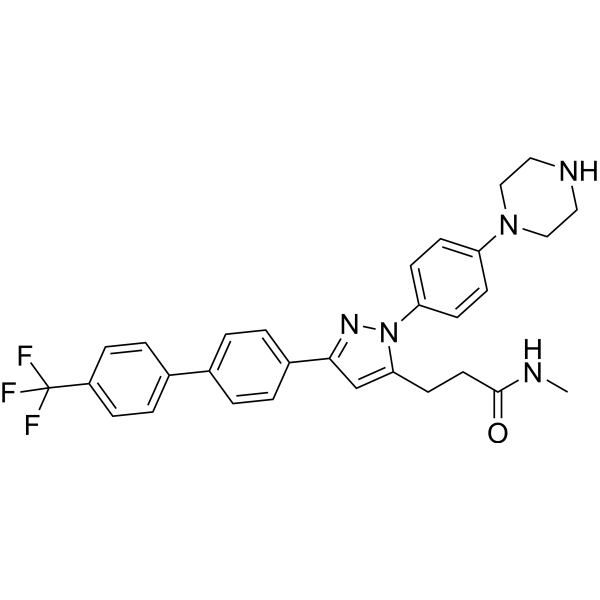
    DFPM activates plant resistance protein signaling in roots, and triggers root growth arrest. DFPM decreases root cell viability in accession Col-0. DFPM is light sensitive in aqueous solutions. DFPM becomes bioactive during light and oxygen-dependent modification .
    DFPM
  • HY-122142

    S-2366

    APC Factor XI Biochemical Assay Reagents Others
    Pyr-Pro-Arg-pNA (S2366) is a chromogenic peptide substrate for Factor XI and Activated protein C (APC). Pyr-Pro-Arg-pNA can induce noncompetitive inhibition of factor XI activation through occupancy of the active site of the factor XIa-light chain. Pyr-Pro-Arg-pNA can be used for measurement of APC amidolytic activity .
    Pyr-​Pro-​Arg-​pNA
  • HY-N16417

    Apoptosis Reactive Oxygen Species (ROS) Infection Cancer
    Elsinochrome C is a photosensitizer. Elsinochrome C relies on light activation to generate reactive oxygen species (ROS) such as singlet oxygen (1O2), inducing apoptosis or directly disrupting pathogen structures. Elsinochrome C is promising for research of skin cancers, HIV-associated infections, and refractory skin diseases .
    Elsinochrome C
  • HY-178115

    Glutathione Peroxidase Apoptosis Ferroptosis Reactive Oxygen Species (ROS) Cancer
    MB-Buf is a conjugation of methylene blue (HY-14536) and bufalin (HY-N0877) . MB-Buf can targeting degrade GPX4 upon light activation. MB-Buf can induce cell apoptosis, ferroptosis, and ROS production. MB-Buf can be used for the research of cancer, such as breast cancer .
    MB-Buf
  • HY-149837

    Fluorescent Dye Inflammation/Immunology
    PRO-F is a photoactivable H2S donor with ROS scavenging ability. PRO-F can be activated by light to produce fluorescent signal, for real-time tracking of released H2S. PRO-F activation doesn’t consume endogenous substances. deliver H2S in an intracellular environment to protect cells from excessive reactive oxygen species (ROS) induced damage. PRO-F shows enhancement on chronic wound healing, researched in diabetic models as well .
    PRO-F
  • HY-174877

    PROTACs HDAC Cancer
    PROTAC HDAC6 degrader 6 (Compound 12) is a selective HDAC6-targeting photochemically targeting chimeras (PHOTACs) (subset of PROTAC) degrader with a ∼50% Dmax only upon activation to its cis-state with 390 nm light irradiation . Pink: HDAC6 ligand; Blue: CRBN ligase ligand (HY-A0003); Black: linker
    PROTAC HDAC6 degrader 6
  • HY-138660

    HM-JF526 NHS

    Fluorescent Dye Others
    HM Janelia Fluor® 526, SE (HM-JF526 NHS) is a derivative of hydroxymethyl JF526 (HM-JF526). SMLM (single-molecule localization microscopy) imaging in standard phosphate-buffered saline (pH 7.4) revealed that the HM-JF526 label showed spontaneous blinking behavior throughout the imaging session and did not require short-wavelength activation light . Janelia Fluor® products are licensed under U.S. Pat. Nos. 9,933,417, 10,018,624 and 10,161,932 and other patents from Howard Hughes Medical Institute.
    HM Janelia Fluor® 526, SE
  • HY-161336

    Bacterial Cancer
    Alendronate prodrug-1(compound 2) is an inhibitor of farnesyl diphosphate synthase (FPPS). Alendronate prodrug-1 has an antiproliferative effect with an IC50 value of 34.0 μM .
    Alendronate prodrug-1
  • HY-107004

    S-59 free base

    DNA/RNA Synthesis Parasite Inflammation/Immunology
    Amotosalen (S-59 (free base)) is a light-activated, DNA and RNA-crosslinking psoralen compound, which is used to neutralise pathogens. Light-activated Amotosalen binds and permanently crosslinks DNA, preventing replication and thus stopping proliferation of donor T cells. Amotosalen can be used for the study of blood system pathogen reduction technology and graft-versus-host disease (GVHD) .
    Amotosalen
  • HY-W736950

    Insecticide Others
    HL-Cys(MDNPE)-OH (compound 2) is a genetically encoded photocaged cysteine compound that has the activity to activate TEV protease upon light exposure in mammalian cells.
    H-L-Cys(MDNPE)-OH
  • HY-106916

    Potassium Channel Chloride Channel Cardiovascular Disease Neurological Disease
    Unoprostone, a prostaglandin F2α analog, is a large conductance Ca 2+-activated K + (BK) channels and ClC-2 type chloride channels activator. Unoprostone reduces oxidative stress- and light-induced retinal cell death, and phagocytotic dysfunction. Unoprostone reduces intraocular pressure and can be used for the study of glaucoma, ocular hypertension and retinitis pigmentosa .
    Unoprostone
  • HY-151118

    Apoptosis Cancer
    HER2-IN-11 is a psoralen derivative. HER2-IN-11 has anti-breast cancer activity and light-activated cytotoxicity. HER2-IN-11 induces apoptosis .
    HER2-IN-11
  • HY-151116

    Apoptosis Cancer
    HER2-IN-10 is a psoralen derivative. HER2-IN-10 has anti-breast cancer activity and light-activated cytotoxicity. HER2-IN-10 induces apoptosis .
    HER2-IN-10
  • HY-126749

    Histamine Receptor Others
    VUF14738 (compound 28) is a bidirectional photoswitch antagonist that can rapidly and reversibly photoisomerize at the histamine H3 receptor, with binding affinity increased or decreased upon illumination, and can be used in real-time electrophysiological experiments to study the activity of dynamic light modulation of receptor activation.
    VUF14738
  • HY-169973

    Beta-lactamase Bacterial Infection
    PhoPS is the photocaged inhibitor for β-lactamase. PhoPS is activated upon light irradiation, and active β-lactamase inhibitor Sulbactam (HY-B0334) is released. PhoPS inhibits the synthesis of bacterial cell wall and the formation of E. coli biofilm, exhibits antimicrobial activity .
    PhoPS
  • HY-W800683

    Biochemical Assay Reagents Others
    4-Azide-TFP-Amide-SS-Sulfo-NHS consists of an aryl azide, a cleavable disulfide bond, and an NHS ester. The aryl azide can be photo-activated with UV light (250 to 350 nm) for conjugation with biomolecules. Fluoro helps to stabilize the free radical intermediate. The NHS ester reacts with amines. The disulfide bond can be cleaved by reducing agents.
    4-Azide-TFP-amide-SS-Sulfo-NHS
  • HY-155070

    DNA/RNA Synthesis Apoptosis Cancer
    SRE-II, an amide derivative, is an activatable photosensitizer for photodynamic cancer research with decreased fluorescence and photosensitizing capabilities. SRE-II can be further converted into the active photosensitizer SDU Red via carboxylesterase-catalyzed amide bond cleavage. SRE-II induces DNA damage and cell apoptosis in the presence of light. SRE-II can act as a promising theranostic agent for triple-negative breast cancer .
    SRE-II
  • HY-169860

    BCRP Cancer
    BCRP-IN-2 has BCRP inhibitory activity and shows even greater inhibition of BCRP after activation by ultraviolet light. BCRP-IN-2 can be a valuable probe for studying the interactions of quinazolinamine derivatives with BCRP, as it stimulates ATP hydrolysis of the BCRP transport protein, increasing the accumulation of mitoxantrone (HY-13502) in H460/MX20 cells with BCRP overexpression .
    BCRP-IN-2
  • HY-N15301

    ROCK Myosin Others
    Nocarnickelamide B (Compound 2) is a linear peptide and ROCK1/2 inhibitor. Nocarnickelamide B exhibits dual inhibitory activity against ROCK1 and ROCK2 with IC50s of 14.9 μM and 21.9 μM, respectively. Nocarnickelamide B binds to the ATP-binding site. Nocarnickelamide B inhibits the activation of ROCK-regulated cytoskeletal contraction markers such as the myosin light chain. Nocarnickelamide B is potential for glaucoma reasearch .
    Nocarnickelamide B
  • HY-162944

    Ferroptosis Mitochondrial Metabolism STING Autophagy Cancer
    NA-Ir is a Ferroptosis inducer. NA-Ir targets mitochondrial DNA (mtDNA) and activates the cGAS-STING pathway to induce ferritinophagy (Autophagy), while also generating reactive oxygen species (ROS) through photodynamic therapy (PDT), depleting glutathione (GSH), and downregulating glutathione peroxidase 4 (GPX4), thereby triggering lipid peroxidation and Ferroptosis. NA-Ir exhibits higher anticancer activity under light exposure and selectively inhibits cancer cells with high H2S levels .
    NA-Ir
  • HY-107717

    iGluR Neurological Disease
    MNI-caged-NMDA is a light-sensitive amino acid with rapid release properties suitable for use in the study of fast synaptic receptor mechanisms. MNI-caged-NMDA shows metered release of NMDA receptors, inducing rapid and sustained receptor activation in cerebellar interneurons. MNI-caged-NMDA is able to achieve rapid transient responses and generate large inward currents by local laser photolysis. The use of MNI-caged-NMDA can effectively study neurotransmitter signaling and its inhibitory effects on GABA-A receptors .
    MNI-caged-NMDA

Inquiry Online

Your information is safe with us. * Required Fields.

Salutation


Country or Region *

Applicant Name *


Organization Name *

Department *


Email Address *


Product Name *

Cat. No.


Requested quantity *

Phone Number *


Remarks

Inquiry Online

Inquiry Information

Product Name:
Cat. No.:
Quantity:
MCE Japan Authorized Agent:

