Search Result
Results for "
malarial
" in MedChemExpress (MCE) Product Catalog:
10
Isotope-Labeled Compounds
| Cat. No. |
Product Name |
Target |
Research Areas |
Chemical Structure |
-
- HY-10529
-
-
-
- HY-B0094
-
-
-
- HY-N0402
-
-
-
- HY-18062
-
|
Pirimecidan; Pirimetamin; RP 4753
|
Antifolate
Parasite
|
Infection
Cancer
|
|
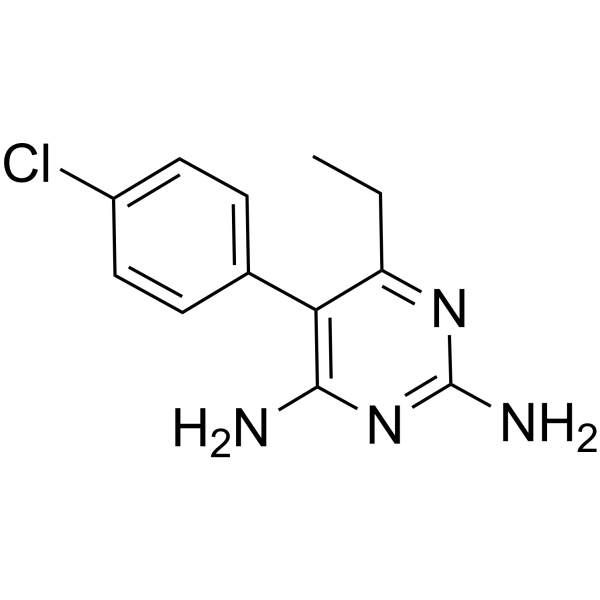
Pyrimethamine (Pirimecidan) is a potent, orally active dihydrofolate reductase (DHFR) inhibitor. Pyrimethamine is an antimalarial agent. Pyrimethamine affects the nucleoprotein metabolism of malarial parasites by interference in the folic–folinic acid systems and affects cell division by inhibiting the conversion of dihydrofolate to tetrahydrofolate .
|
-
-
- HY-N0674
-
|
13-Methylpalmatine
|
Bcl-2 Family
Caspase
PARP
p38 MAPK
Parasite
Autophagy
|
Infection
Cancer
|
|
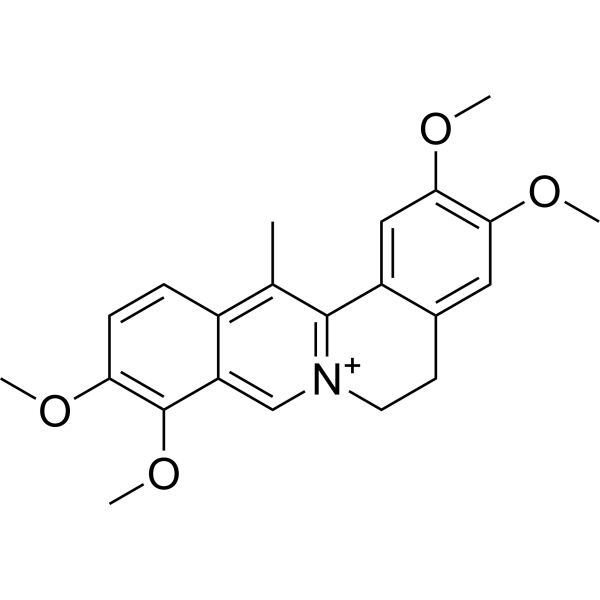
Dehydrocorydaline (13-Methylpalmatine) is an alkaloid that regulates protein expression of Bax, Bcl-2; activates caspase-7, caspase-8, and inactivates PARP . Dehydrocorydaline elevates p38 MAPK activation. Anti-inflammatory and anti-cancer activities . Dehydrocorydaline shows strong anti-malarial effects (IC50=38 nM), and low cytotoxicity (cell viability > 90%) using P. falciparum 3D7 strain .
|
-
-
- HY-B0433A
-
|
|
Flavivirus
Dengue Virus
Parasite
Potassium Channel
|
Infection
|
|
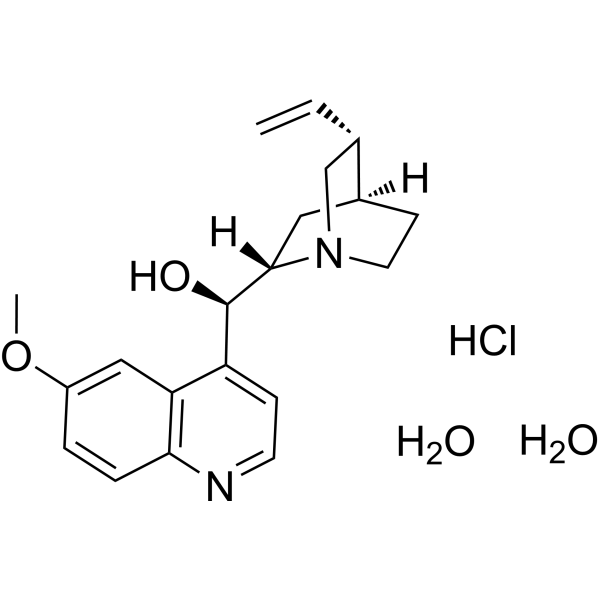
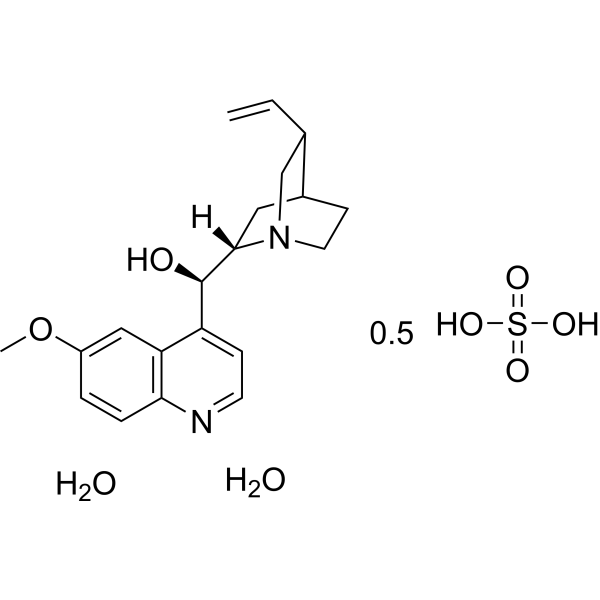
Quinine hydrochloride dihydrate (Qualaquin) is an orally active and can be used in anti-malarial studies. Quinine hydrochloride dihydrate is a potassium channel inhibitor that inhibits WT mouse Slo3 (KCa5.1) channel currents evoked by voltage pulses to +100 mV with an IC50 of 169 μM .
|
-
-
- HY-14749A
-
|
|
Parasite
|
Infection
Cancer
|
|
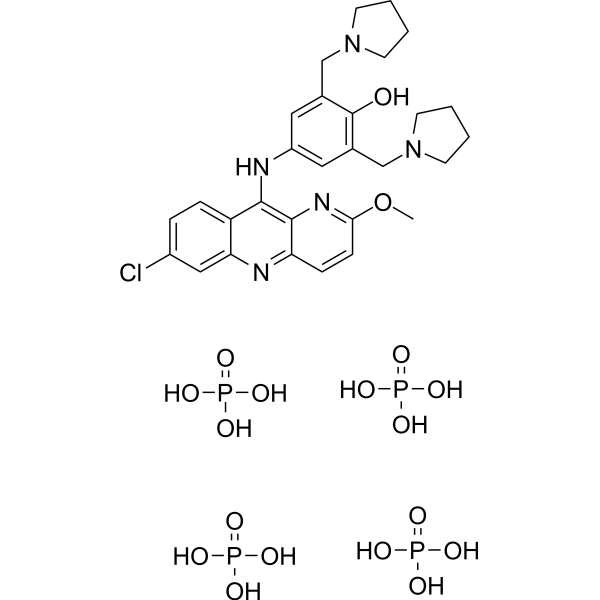
Pyronaridine tetraphosphate is an orally active Mannich base anti-malarial agent. Pyronaridine tetraphosphate is active against P. falciparum and Echinococcus granulosus infection .
|
-
-
- HY-N0152
-
-
-
- HY-13557
-
|
Immunomycin; FR-900520; FK520
|
FKBP
Parasite
Fungal
Antibiotic
|
Infection
Neurological Disease
Inflammation/Immunology
|
|
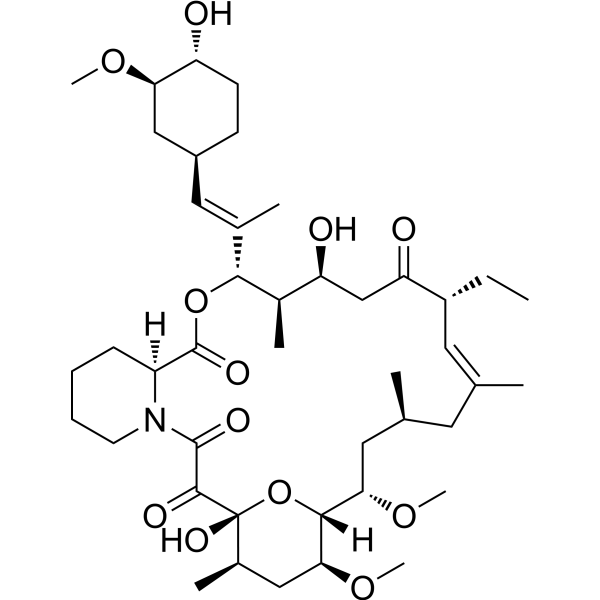
Ascomycin (Immunomycin; FR-900520; FK520) is an ethyl analog of Tacrolimus (FK506) with strong immunosuppressant properties. Ascomycin is also a macrocyclic polyketide antibiotic with multiple biological activities such as anti-malarial, anti-fungal and anti-spasmodic. Ascomycin prevents graft rejection and has potential for varying skin ailments research .
|
-
-
- HY-N7030
-
|
|
Fungal
Parasite
Bacterial
|
Infection
|
|
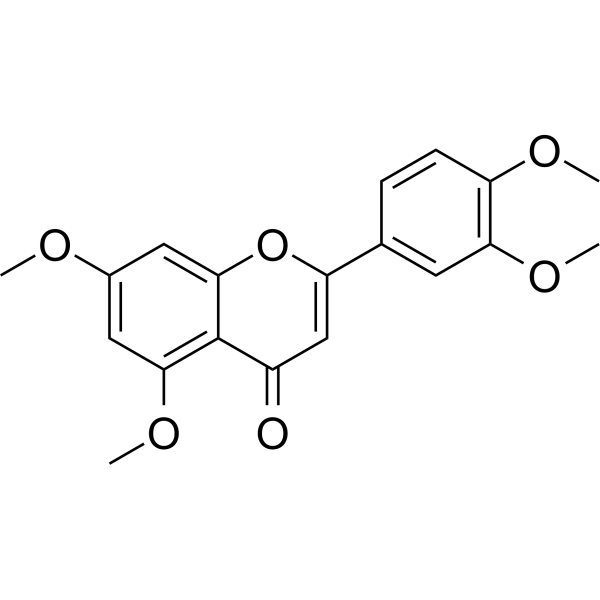
5,7,3',4'-Tetramethoxyflavone, an orally active polymethoxyflavones (PMFs) that can be isolated from M. exotica, possesses various bioactivities, including anti-fungal, anti-malarial, anti-mycobacterial, and anti-inflammatory activities. 5,7,3',4'-Tetramethoxyflavone exhibits chondroprotective activity by targeting β-catenin signaling .
|
-
-
- HY-N0498
-
|
|
Parasite
Apoptosis
STAT
Topoisomerase
ERK
FAK
p38 MAPK
NF-κB
|
Inflammation/Immunology
Cancer
|
|
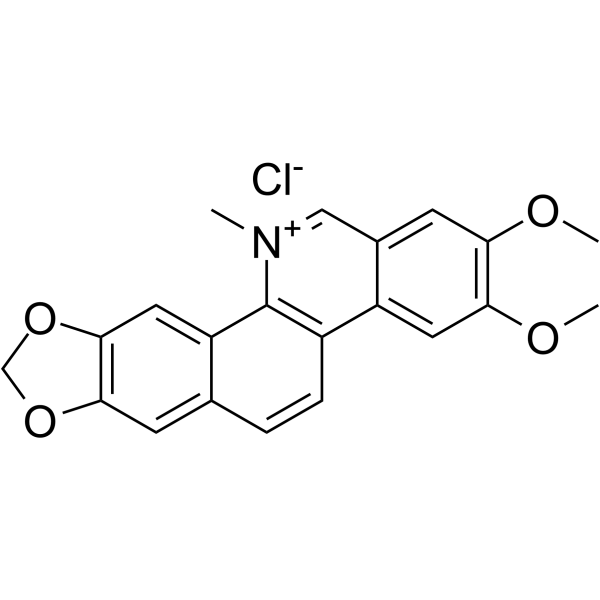
Nitidine chloride, a potential anti-malarial lead compound derived from Zanthoxylum nitidum (Roxb) DC, exerts potent anticancer activity through diverse pathways, including inducing apoptosis, inhibiting STAT3 signaling cascade, DNA topoisomerase 1 and 2A, ERK and c-Src/FAK associated signaling pathway, also has anti-inflammatory activity. Nitidine chloride inhibits LPS-induced inflammatory cytokines production via MAPK and NF-kB pathway .
|
-
-
- HY-111529
-
|
WR 238605
|
Parasite
|
Infection
|
|
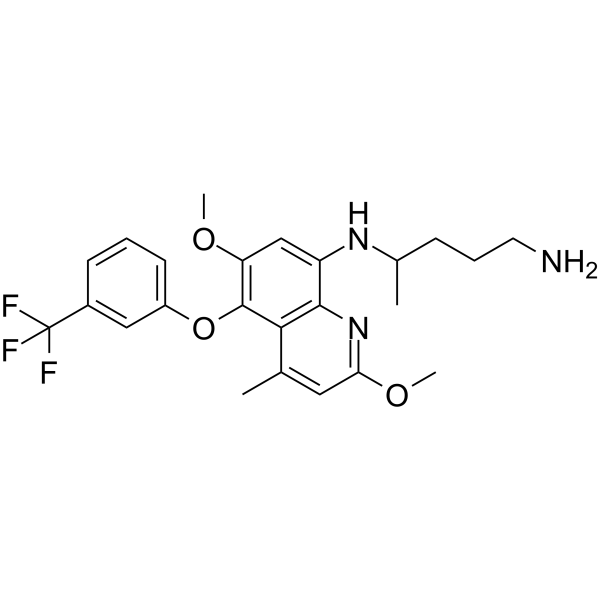
Tafenoquine (WR 238605) is an 8-aminoquinoline. Tafenoquine is an anti-malarial prophylactic agent .
|
-
-
- HY-B0439
-
|
Sulphadoxine
|
Parasite
HIV
Antibiotic
Endogenous Metabolite
|
Infection
|
|
Sulfadoxine(Sulphadoxine) is a long acting sulfonamide that is used, usually in combination with other agents, for respiratory, urinary tract and malarial infections. Sulfadoxine inhibits HIV replication in peripheral blood mononuclear cells.
|
-
-
- HY-111529A
-
|
WR 238605 Succinate
|
Parasite
|
Infection
|
|
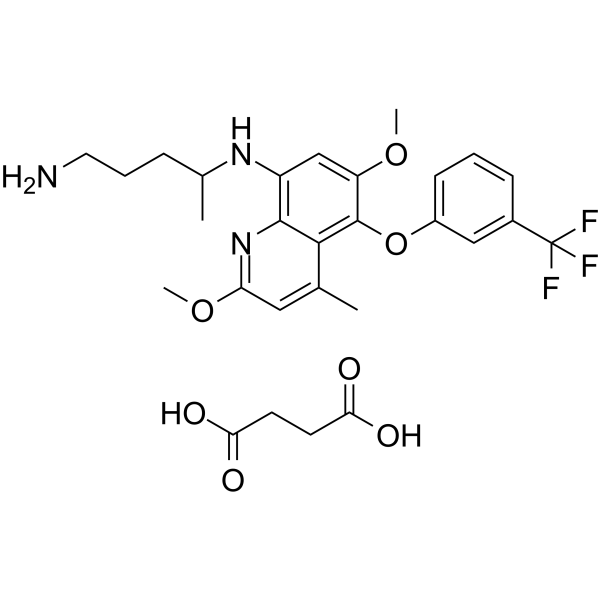
Tafenoquine Succinate (WR 238605 Succinate) is an 8-aminoquinoline. Tafenoquine is an anti-malarial prophylactic agent .
|
-
-
- HY-15134
-
|
OC 144-093; OC 144093
|
P-glycoprotein
|
Infection
Cancer
|
|
ONT-093 (OC 144-093) is a potent and orally active inhibitor of P-glycoprotein pump. ONT-093 inhibits P-gp-mediated ATPase activity with an IC50 of 0.16 μM. ONT-093 can inhibit drug efflux and increase bioavailability. ONT-093 reverses cancer cells multidrug resistance to chemotherapeutic drugs. ONT-093 can be used for the researches of cancer and infection, such as colon cancer and malarial .
|
-
-
- HY-B0529A
-
|
Sodium azlocillin
|
Bacterial
Parasite
Antibiotic
|
Infection
|
|
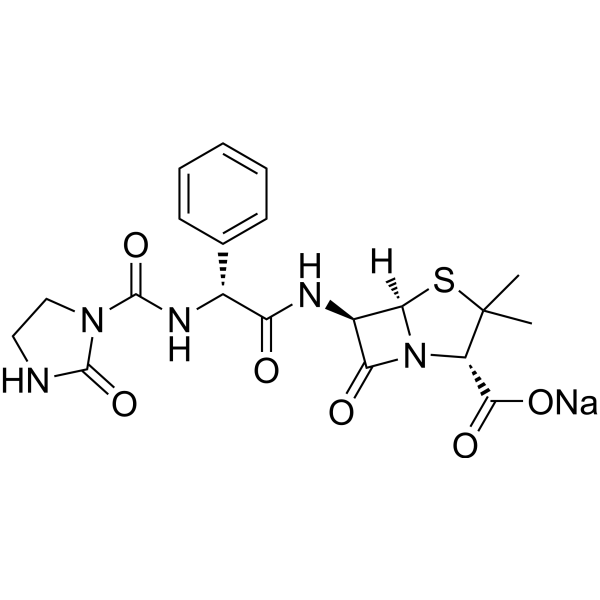
Azlocillin sodium salt (Sodium azlocillin), a semisynthetic penicillin, is a broad spectrum β-lactam antibiotic. Azlocillin sodium salt shows antipseudomonal activity, and also potent against the malarial parasite Plasmodium falciparum .
|
-
-
- HY-16762
-
|
OZ439
|
Parasite
Ferroptosis
SARS-CoV
|
Infection
|
|
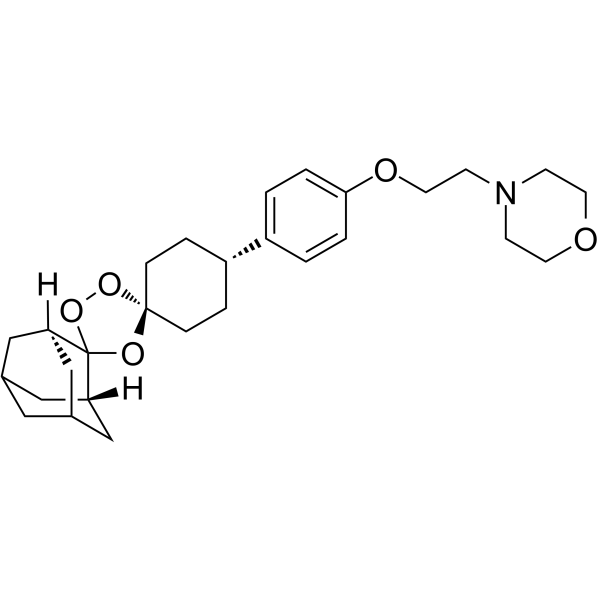
Artefenomel (OZ439) is an orally active, synthetic anti-malarial compound containing an artemisinin pharmacophore with a mechanism of action similar to that of artemisinin. Artefenomel has antiviral activity against SARS-CoV-2 .
|
-
-
- HY-W010668
-
|
|
Flavivirus
Dengue Virus
Parasite
Potassium Channel
|
Others
|
|
Quinine sulfate hydrate (2:1:4) is an orally active alkaloid extracted from cinchona bark and can be used in anti-malarial studies. Quinine sulfate hydrate (2:1:4) is a potassium channel inhibitor that inhibits WT mouse Slo3 (KCa5.1) channel currents evoked by voltage pulses to +100 mV with an IC50 of 169 μM .
|
-
-
- HY-107566
-
|
|
Histamine Receptor
Parasite
MDM-2/p53
NF-κB
FOXO
Bacterial
|
Infection
Neurological Disease
|
|
Conessine is an orally active and BBB-penetrable selective histamine H3 receptor antagonist. The pKi values of Conessine for rat and human H3 receptors are 7.61 and 8.27, respectively. Conessine is an inhibitor of the multidrug efflux pump system in Pseudomonas aeruginosa and can enhance the activity of antibiotics. Conessine has antimalarial activity. Conessine can also be used in the research of muscle atrophy .
|
-
-
- HY-42034
-
|
Dihydroquinine
|
Bacterial
Parasite
Reactive Oxygen Species (ROS)
Protein Arginine Deiminase
|
Infection
|
|
Hydroquinine (Dihydroquinine) is an anti-bacterial agent that inhibits both Gram-positive and Gram-negative bacteria. Hydroquinine inhibits the growth of multidrug-resistant pseudomonas aeruginosa via the suppression of the arginine deiminase pathway genes. Hydroquinine inhibits Plasmodium falciparum and Plasmodium berghei. Hydroquinine displays anti-malarial and demelanizing activities. Hydroquinine effectively induces specific RND-type efflux pump systems in Pseudomonas aeruginosa, particularly the MexCD-OprJ and MexXY efflux pumps. Hydroquinine inhibits Pseudomonas aeruginosa adhesion and biofilm formation. Hydroquinine serves as a precursor for derivatives such as C9 epihydroquinine, 9-acetoxy-10,11-dihydroquinine, and 10,11-dihydroquinine monohydrochloride .
|
-
-
- HY-Y0148
-
|
NSC 15139; 10-HDAA
|
Parasite
Autophagy
NF-κB
Interleukin Related
NO Synthase
MDM-2/p53
TNF Receptor
RANKL/RANK
Caspase
|
Infection
Neurological Disease
Inflammation/Immunology
|
|
10-Hydroxydecanoic acid (10-HDAA) is a saturated fatty acid derived from 10-hydroxy-trans-2-decenoic acid, which can be isolated from royal jelly. 10-Hydroxydecanoic acid exhibits various biological activities, including anti-inflammatory, insecticidal, anti-malarial, and anti-Leishmania properties, as well as enhancing antigen-specific immune responses. The anti-inflammatory effects of 10-Hydroxydecanoic acid are primarily mediated by inhibiting the activation of NF-κB and the translation of interferon regulatory factor 1 (IRF-1), which reduces the production of interleukin 6 (IL-6) and nitric oxide (NO) in inflammatory cells. Additionally, 10-Hydroxydecanoic acid alleviates neuroinflammatory responses through the p53-autophagy pathway and the p53-NLRP3 pathway. Finally, 10-Hydroxydecanoic acid enhances antigen-specific immune responses by promoting the effective uptake of antigens by microfold cells .
|
-
-
- HY-N2208
-
|
|
p38 MAPK
Apoptosis
Reactive Oxygen Species (ROS)
|
Infection
Metabolic Disease
Inflammation/Immunology
Cancer
|
|
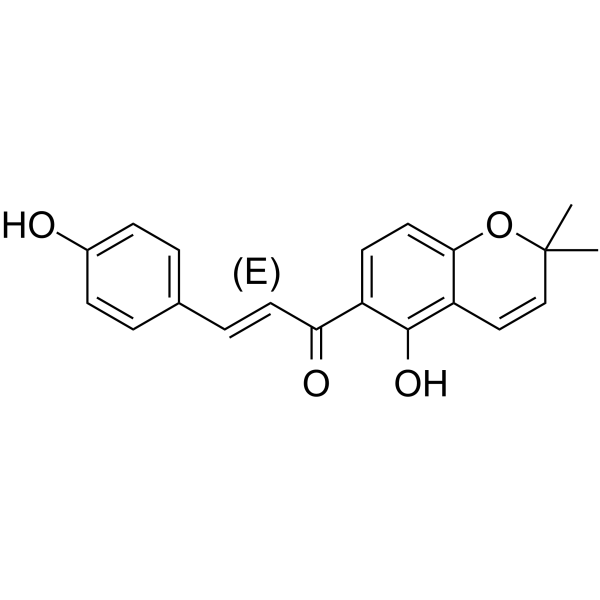
4-Hydroxylonchocarpin is a chalcone compound. 4-Hydroxylonchocarpin enhances the phosphorylation of p38 MAPK, JNK and ERK. 4-Hydroxylonchocarpin induces reactive oxygen species (ROS) and apoptosis in liver cancer cells. 4-Hydroxylonchocarpin has various pharmacological activities, including antibacterial, anticancer, anti-retroviral, anti-tuberculosis, anti-malarial and anti-inflammatory activities .
|
-
-
- HY-B0094R
-
|
Qinghaosu (Standard); NSC 369397 (Standard)
|
Reference Standards
HCV
Parasite
Akt
Ferroptosis
|
Infection
Neurological Disease
Cancer
|
|
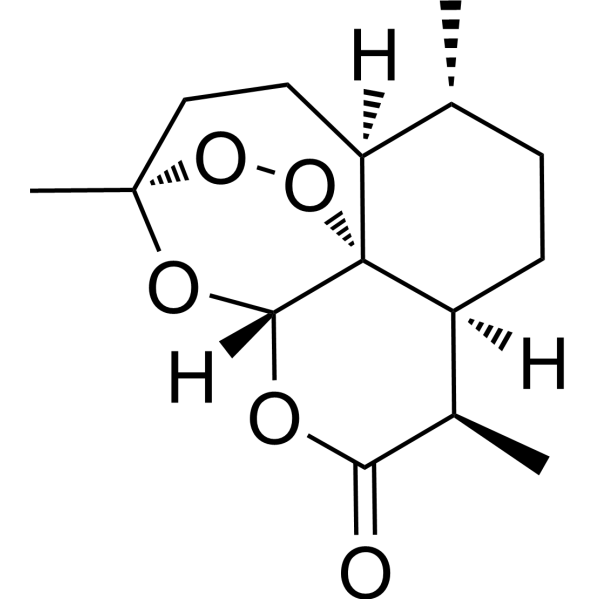
Artemisinin (Standard) is the analytical standard of Artemisinin. This product is intended for research and analytical applications. Artemisinin (Qinghaosu), a sesquiterpene lactone, is an anti-malarial agent isolated from the aerial parts of Artemisia annua L. plants . Artemisinin inhibits AKT signaling pathway by decreasing pAKT in a dose-dependent manner. Artemisinin reduces cancer cell proliferation, migration, invasion, tumorigenesis and metastasis and has neuroprotective effects .
|
-
-
- HY-N0674A
-
|
13-Methylpalmatine chloride
|
Bcl-2 Family
Caspase
PARP
p38 MAPK
Parasite
Autophagy
|
Infection
Cancer
|
|
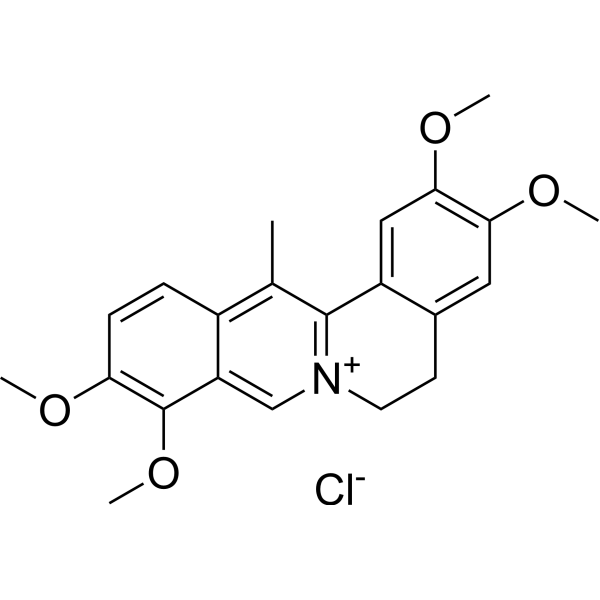
Dehydrocorydaline chloride (13-Methylpalmatine chloride) is an alkaloid that regulates protein expression of Bax, Bcl-2; activates caspase-7, caspase-8, and inactivates PARP . Dehydrocorydaline chloride elevates p38 MAPK activation. Anti-inflammatory and anti-cancer activities . Dehydrocorydaline chloride shows strong anti-malarial effects (IC50?=38 nM), and low cytotoxicity (cell viability?>?90%) using P. falciparum 3D7 strain .
|
-
-
- HY-14749
-
|
|
Parasite
|
Infection
Cancer
|
|
Pyronaridine is an orally active Mannich base anti-malarial agent. Pyronaridine is active against P. falciparum and Echinococcus granulosus infection .
|
-
-
- HY-N2281
-
|
|
Apoptosis
|
Inflammation/Immunology
Cancer
|
|
Leachianone A, isolated from Radix Sophorae, has anti-malarial, anti-inflammatory, and cytotoxic potent .
Leachianone A induces apoptosis involved both extrinsic and intrinsic pathways .
|
-
-
- HY-B0803S1
-
|
Benflumetol-d9
|
Isotope-Labeled Compounds
Parasite
Autophagy
|
Infection
|
|
Lumefantrine-d9 is the deuterium labeled Lumefantrine. Lumefantrine is an antimalarial drug, used in combination with Artemether. The artemether-lumefantrine (AL) as the first- and second-line anti-malarial drugs.
|
-
-
- HY-D0954
-
|
|
Fluorescent Dye
|
Others
|
|
Jenner's Stain is a dye that is used in microscopy for staining blood smears. Jenner's Stain can be used for the chromosome stain by C-banding technique. Jenner's Stain can be used for the stain for routine blood examinations and malarial staining .
|
-
-
- HY-131708A
-
|
|
HDAC
Parasite
|
Infection
|
|
FNDR-20123 is a safe, first-in-class, and orally active anti-malarial HDAC inhibitor with IC50s of 31 nM and 3 nM for Plasmodium and human HDAC, respectively. FNDR-20123 exerts anti-malarial activity against Plasmodium falciparum asexual stage (IC50=41 nM) and sexual blood stage (IC50=190 nM for male gametocytes). FNDR-20123 inhibits HDAC1, HDAC2, HDAC3, HDAC6, and HDAC8 (IC50=25/29/2/11/282 nM, respectively.) and inhibits Class III HDAC isoforms at nanomolar concentrations .
|
-
-
- HY-N2795
-
|
Xanthone I
|
Parasite
Bacterial
|
Infection
|
|
9-Hydroxycalabaxanthone (Xanthone I) is a known xanthone isolated from Garcinia mangostana Linn. 9-Hydroxycalabaxanthone has quorum-sensing inhibitory, anti-microbial, and anti-malarial activities (IC50=1.2-1.5 μM) .
|
-
-
- HY-111817
-
|
|
Parasite
|
Infection
|
|
ACT-451840 is an orally active, potent and low-toxicity compound, showing activity against sensitive and resistant plasmodium falciparum strains. ACT-451840 targets all asexual blood stages of the parasite, has a rapid onset of action. ACT-451840 behaves in a way similar to artemisinin derivatives, with very rapid onset of action and elimination of parasite. ACT-451840 can be used for the research of malarial .
|
-
-
- HY-117897
-
CK-2-68
1 Publications Verification
|
Parasite
|
Infection
|
|
CK-2-68 is an inhibitor for complex III in protozoan mitochondrial respiratory chain, by targeting the alternative NADH dehydrogenase (NDH2) of the malarial parasite Plasmodium. CK-2-68 exhibits antimalaria efficacy, that inhibits Plasmodium falciparum infected erythrocytes with an IC50 of 40 nM .
|
-
-
- HY-N5005
-
|
Atisinium chloride
|
Parasite
|
Infection
|
|
Guanfu base H (Atisinium chloride) is a diterpenoid alkaloid isolated from Aconitum coreanum and has antiplasmodial activity against the malarial Plasmodium falciparum strains TM4/8.2 (wild type) and K1CB1 with IC50 values of 4 μM and 3.6 μM, respectively .
|
-
-
- HY-10529R
-
-
-
- HY-N0674B
-
|
13-Methylpalmatine (hydroxyl)
|
Bcl-2 Family
Caspase
PARP
p38 MAPK
Parasite
Autophagy
|
Infection
Inflammation/Immunology
Cancer
|
|
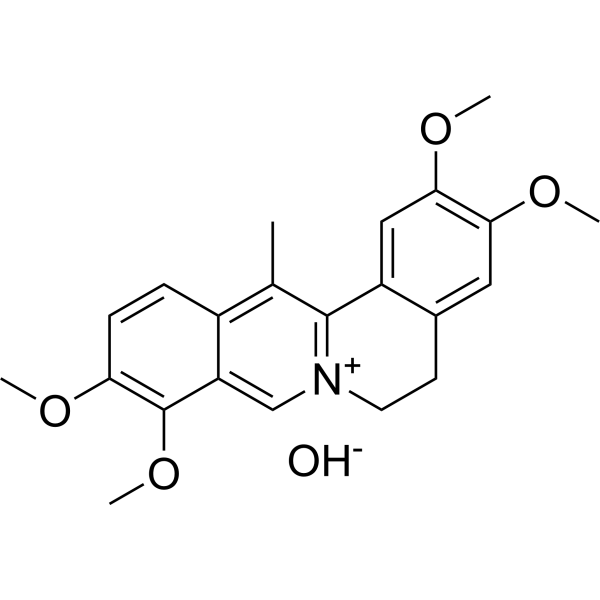
Dehydrocorydaline (13-Methylpalmatine) hydroxyl is an alkaloid that regulates protein expression of Bax, Bcl-2; activates caspase-7, caspase-8, and inactivates PARP. Dehydrocorydaline hydroxyl elevates p38 MAPK activation. Anti-inflammatory and anti-cancer activities. Dehydrocorydaline hydroxyl shows strong anti-malarial effects (IC50=38 nM), and low cytotoxicity (cell viability > 90%) using P. falciparum 3D7 strain.
|
-
-
- HY-N4238
-
|
13-Methylpalmatine nitrate
|
Bcl-2 Family
Caspase
PARP
p38 MAPK
Parasite
Autophagy
|
Infection
Cancer
|
|
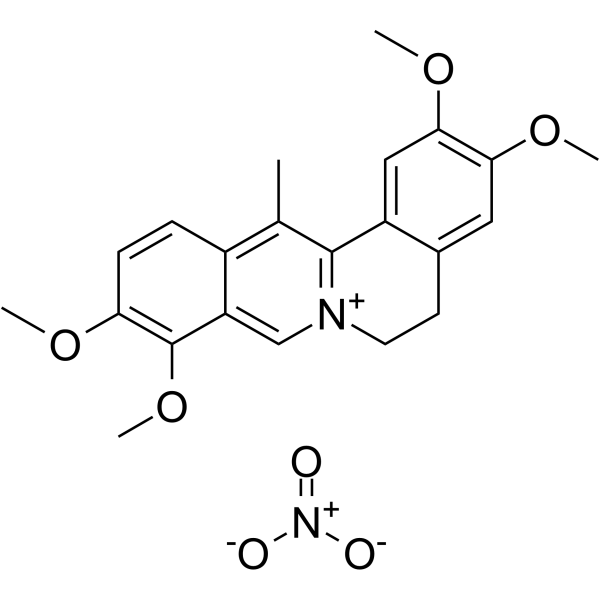
Dehydrocorydaline nitrate (13-Methylpalmatine nitrate) is an alkaloid. Dehydrocorydaline regulates protein expression of Bax, Bcl-2; activates caspase-7, caspase-8, and inactivates PARP . Dehydrocorydaline nitrate elevates p38 MAPK activation. Anti-inflammatory and anti-cancer activities. . Dehydrocorydaline nitrate shows strong anti-malarial effects (IC50 =38 nM), and low cytotoxicity (cell viability > 90%) using P. falciparum 3D7 strain .
|
-
-
- HY-B1370B
-
|
(R)-HCQ
|
Parasite
Toll-like Receptor (TLR)
SARS-CoV
Autophagy
|
Infection
|
|
(R)-Hydroxychloroquine is the enantiomer of Hydroxychloroquine . Hydroxychloroquine is a synthetic antimalarial agent which can also inhibit Toll-like receptor 7/9 (TLR7/9) signaling. Hydroxychloroquine is efficiently inhibits SARS-CoV-2 infection in vitro .
|
-
-
- HY-W109038
-
|
|
Drug Derivative
Parasite
|
Infection
|
|
4-Propylcatechol is an Allylpyrocatechol (HY-124127) analog. 4-Propylcatechol shows anti-malarial activity against Plasmodium falciparum CDC-1 with an IC50 of 32 µM .
|
-
-
- HY-N12077
-
|
|
Parasite
|
Infection
|
|
Eurycomanol 2-O-β-D-glucopyranoside (compound 4) is a natural product that can be obtained from Eurycoma longifolia. Eurycomanol 2-O-β-D-glucopyranoside has the potential for anti-malarial research .
|
-
-
- HY-D0143A
-
|
|
Flavivirus
Dengue Virus
Parasite
Potassium Channel
|
Infection
|
|
Quinine dihydrochloride is an orally active alkaloid extracted from cinchona bark and can be used in anti-malarial studies. Quinine dihydrochloride is a potassium channel inhibitor that inhibits WT mouse Slo3 (KCa5.1) channel currents evoked by voltage pulses to +100 mV with an IC50 of 169 μM .
|
-
-
- HY-B1370A
-
|
(S)-HCQ
|
Parasite
Toll-like Receptor (TLR)
SARS-CoV
Autophagy
|
Infection
|
|
(S)-Hydroxychloroquine ((S)-HCQ) is the enantiomer of Hydroxychloroquine . Hydroxychloroquine, a synthetic antimalarial agent, inhibits Toll-like receptor 7/9 (TLR7/9) signaling, and shows efficiently inhibits SARS-CoV-2 infection in vitro .
|
-
-
- HY-14830
-
|
Albitiazolium bromide
|
Parasite
|
Infection
|
|
SAR 97276 (Albitiazolium bromide) is an antimalarial agent. SAR 97276 interfers with the phospholipid metabolism of malarial parasites, especially the biosynthesis of phosphatidylcholine (PC). SAR 97276 enters erythrocytes through the new permeability pathways (NPP) of infected erythrocytes, and is transported into the malarial parasite by a poly-specific cation carrier .
|
-
-
- HY-B0433B
-
|
|
Flavivirus
Dengue Virus
Parasite
Potassium Channel
|
Infection
|
|
Quinine hemisulfate is an orally active alkaloid extracted from cinchona bark and can be used in anti-malarial studies. Quinine hemisulfate is a potassium channel inhibitor that inhibits WT mouse Slo3 (KCa5.1) channel currents evoked by voltage pulses to +100 mV with an IC50 of 169 μM .
|
-
-
- HY-18062R
-
|
Pirimecidan (Standard); Pirimetamin (Standard); RP 4753 (Standard)
|
Reference Standards
Antifolate
Parasite
|
Infection
|
|
Pyrimethamine (Standard) is the analytical standard of Pyrimethamine. This product is intended for research and analytical applications. Pyrimethamine (Pirimecidan) is a potent, orally active dihydrofolate reductase (DHFR) inhibitor. Pyrimethamine is an antimalarial agent. Pyrimethamine affects the nucleoprotein metabolism of malarial parasites by interference in the folic–folinic acid systems and affects cell division by inhibiting the conversion of dihydrofolate to tetrahydrofolate .
|
-
-
- HY-B0094S
-
|
Qinghaosu-d3; NSC 369397-d3
|
Akt
Ferroptosis
HCV
Parasite
|
Infection
Neurological Disease
Cancer
|
|
Artemisinin-d3 is the deuterium labeled Artemisinin. Artemisinin (Qinghaosu), a sesquiterpene lactone, is an anti-malarial agent isolated from the aerial parts of Artemisia annua L. plants . Artemisinin inhibits AKT signaling pathway by decreasing pAKT in a dose-dependent manner. Artemisinin reduces cancer cell proliferation, migration, invasion, tumorigenesis and metastasis and has neuroprotective effects .
|
-
-
- HY-N1074
-
|
Scandenolone
|
Parasite
PKA
|
Infection
Inflammation/Immunology
|
|
Warangalone is an anti-malarial compound which can inhibit the growth of both strains of parasite 3D7 (chloroquine sensitive) and K1 (chloroquine resistant) with IC50s of 4.8 μg/mL and 3.7 μg/mL, respectively. Warangalone can also inhibit cyclic AMP-dependent protein kinase catalytic subunit (cAK) with an IC50 of 3.5 μM.
|
-
-
- HY-W744739
-
-
-
- HY-13557R
-
|
Immunomycin (Standard); FR-900520 (Standard); FK520 (Standard)
|
Reference Standards
FKBP
Parasite
Fungal
Antibiotic
|
Infection
Neurological Disease
Inflammation/Immunology
|
|
Ascomycin (Standard) is the analytical standard of Ascomycin. This product is intended for research and analytical applications. Ascomycin (Immunomycin; FR-900520; FK520) is an ethyl analog of Tacrolimus (FK506) with strong immunosuppressant properties. Ascomycin is also a macrocyclic polyketide antibiotic with multiple biological activities such as anti-malarial, anti-fungal and anti-spasmodic. Ascomycin prevents graft rejection and has potential for varying skin ailments research[1][2].
|
-
-
- HY-178728
-
|
|
PROTACs
Parasite
Dihydrofolate reductase (DHFR)
|
Infection
|
|
BION106 is a dihydrofolate reductasethymidylate synthase (DHFR-TS) PROTAC degrader. BION106 exhibits extremely strong anti-malarial activity with a Ki and toxicity of 2.68 nM and 0.2 μM against Plasmodium falciparum, and > 100 μM and 44.2 μM in mammalian cells. BION106 can be used for the study of antimalarial parasites (Blue: Idasanutlin ligand (HY-15676); Pink: DHFR-TS ligand (HY-153007); Black: Linker (HY-W021401)) .
|
-
-
- HY-14749AS
-
|
|
Parasite
|
Infection
|
|
Pyronaridine-d4 (tetraphosphate) is the deuterium labeled Pyronaridine tetraphosphate . Pyronaridine tetraphosphate is an orally active Mannich base anti-malarial agent. Pyronaridine tetraphosphate is active against P. falciparum and Echinococcus granulosus infection .
|
-
- HY-B0439R
-
|
Sulphadoxine (Standard)
|
Reference Standards
Parasite
HIV
Antibiotic
Endogenous Metabolite
|
Infection
|
|
Sulfadoxine (Standard) is the analytical standard of Sulfadoxine. This product is intended for research and analytical applications. Sulfadoxine(Sulphadoxine) is a long acting sulfonamide that is used, usually in combination with other agents, for respiratory, urinary tract and malarial infections. Sulfadoxine inhibits HIV replication in peripheral blood mononuclear cells.
|
-
- HY-W675573
-
|
|
DNA/RNA Synthesis
Parasite
|
Infection
Cancer
|
|
VF-149 is a Ribonucleotide reductase inhibitor. VF-149 significantly inhibits Plasmodium falciparum growth with an IC50 of 6.4 μM. VF-149 has antimalarial and antitumor activities. VF-149 can be used for malarial infections and cancers research .
|
-
- HY-153612
-
|
|
GLUT
Parasite
|
Infection
Inflammation/Immunology
|
|
MMV009085 is a potent PfHT1 (Plasmodium falciparum hexose transporter)-specific inhibitor and a potential anti-malarial agent . MMV009085 is also a human glucose transporter inhibitor, it has high potency in inhibiting both glucose uptake (IC50: 2.6 μM in glucose uptake assay) and growth of the parasites (EC50: 1.23±0.04 μM against 3D7) .
|
-
- HY-W010668R
-
|
|
Flavivirus
Dengue Virus
Reference Standards
Parasite
Potassium Channel
|
Others
|
|
Quinine (sulfate hydrate) (Standard) is the analytical standard of Quinine (sulfate hydrate). This product is intended for research and analytical applications. Quinine sulfate hydrate (2:1:4) is an orally active alkaloid extracted from cinchona bark and can be used in anti-malarial studies. Quinine sulfate hydrate (2:1:4) is a potassium channel inhibitor that inhibits WT mouse Slo3 (KCa5.1) channel currents evoked by voltage pulses to +100?mV with an IC50 of 169 μM .
|
-
- HY-107566A
-
|
|
Histamine Receptor
Parasite
MDM-2/p53
NF-κB
FOXO
Bacterial
|
Infection
Neurological Disease
|
|
Conessine dihydrobromide is an orally active and BBB-penetrable selective histamine H3 receptor antagonist. The pKi values of Conessine dihydrobromide for rat and human H3 receptors are 7.61 and 8.27, respectively. Conessine dihydrobromide is an inhibitor of the multidrug efflux pump system in Pseudomonas aeruginosa and can enhance the activity of antibiotics. Conessine dihydrobromide has antimalarial activity. Conessine dihydrobromide can also be used in the research of muscle atrophy .
|
-
- HY-W779244
-
|
|
Isotope-Labeled Compounds
Biochemical Assay Reagents
Drug Intermediate
|
Infection
|
|
1H-Pyrazole-3,4,5-d3 is the deuterium labeled 1H-pyrazole (HY-76228). 1H-pyrazole is a nitrogen-containing heterocyclic compound composed of a five-membered ring and two nitrogen atoms. 1H-pyrazole is an intermediate in organic synthesis. 1H-pyrazole coordinates with metal ions. 1H-pyrazole derivatives have antibacterial, anti-inflammatory, anti-malarial, and anti-leishmanial activities .
|
-
- HY-141621
-
|
|
Parasite
Drug Metabolite
|
Infection
|
|
ACT-606559, a new chemical entity with antimalarial activity, is a metabolite of ACT451840. ACT-606559 can be used for the research of malarial .
|
-
- HY-127028
-
|
M-7204
|
Parasite
|
Infection
|
|
Tripynadine is an anti-malarial compound with oral activity .
|
-
- HY-W779377
-
|
|
Parasite
|
Infection
|
|
Erythromycin B has anti-malarial activity and effectively inhibits the asexual reproduction of Plasmodium falciparum .
|
-
- HY-N2899
-
|
|
Parasite
|
Infection
|
|
Arteannuin M can be isolated from Artemisia annua, and can be used for anti-malarial research .
|
-
- HY-151568
-
|
|
Parasite
|
Infection
|
|
UCB7362 is an orally active and potent antimalarial plasmepsin X (PMX) inhibitor, with an IC50 of 7 nM. UCB7362 inhibits parasite growth .
|
-
- HY-114197
-
-
- HY-N0402R
-
|
Dihydroqinghaosu methyl ether (Standard); Dihydroartemisinin methyl ether (Standard); SM224 (Standard)
|
Reference Standards
Parasite
|
Infection
Inflammation/Immunology
Cancer
|
|
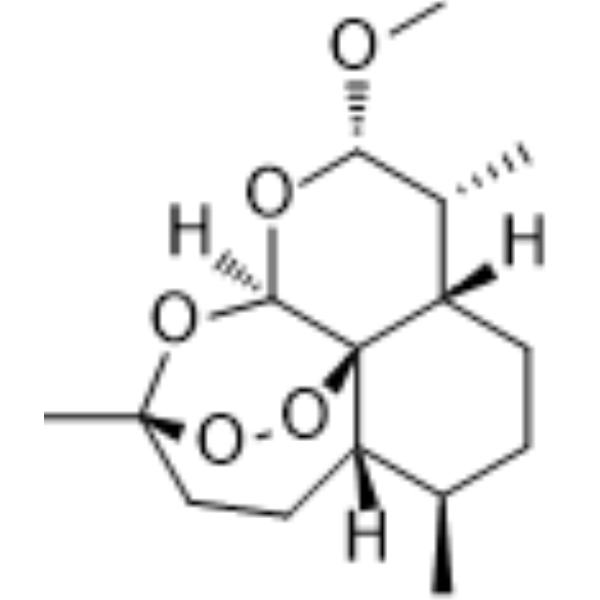
Artemether (Standard) is the analytical standard of Artemether. This product is intended for research and analytical applications. Artemether is an anti-malarial compound that targets drug-resistant strains of falciparum malaria .
|
-
- HY-149961
-
|
|
Parasite
|
Infection
Inflammation/Immunology
|
|
Anti-inflammatory agent 40 is a potential and orally active anti-malarial and anti-inflammatory agent. Anti-inflammatory agent 40 inhibits carrageenan induced paw swelling in vivo.
|
-
- HY-111529AR
-
|
WR 238605 Succinate (Standard)
|
Parasite
Reference Standards
|
Infection
|
|
Tafenoquine (Succinate) (Standard) is the analytical standard of Tafenoquine (Succinate). This product is intended for research and analytical applications. Tafenoquine Succinate (WR 238605 Succinate) is an 8-aminoquinoline. Tafenoquine is an anti-malarial prophylactic agent .
|
-
- HY-N2903
-
|
|
Parasite
|
Infection
|
|
Artoheterophyllin B can be isolated from A. heterophyllus. Artoheterophyllin B shows antiplasmodial activity (IC50: 13.7 μM against FcB1 strain). Artoheterophyllin B can be used for anti-malarial research .
|
-
- HY-B0439S
-
|
Sulphadoxine-d4
|
Parasite
HIV
Antibiotic
Endogenous Metabolite
|
Infection
|
|
Sulfadoxine-d4 is the deuterium labeled Sulfadoxine. Sulfadoxine(Sulphadoxine) is a long acting sulfonamide that is used, usually in combination with other agents, for respiratory, urinary tract and malarial infections. Sulfadoxine inhibits HIV replication in peripheral blood mononuclear cells.
|
-
- HY-14749AR
-
|
|
Reference Standards
Parasite
|
Infection
|
|
Pyronaridine (tetraphosphate) (Standard) is the analytical standard of Pyronaridine (tetraphosphate). This product is intended for research and analytical applications. Pyronaridine tetraphosphate is an orally active Mannich base anti-malarial agent. Pyronaridine tetraphosphate is active against P. falciparum and Echinococcus granulosus infection .
|
-
- HY-131708
-
|
|
HDAC
Parasite
|
Infection
|
|
FNDR-20123 free base is a safe, first-in-class, and orally active anti-malarial HDAC inhibitor with IC50s of 31 nM and 3 nM for Plasmodium and human HDAC, respectively. FNDR-20123 free base exerts anti-malarial activity against Plasmodium falciparum asexual stage (IC50=41 nM) and sexual blood stage (IC50=190 nM for male gametocytes). FNDR-20123 free base inhibits HDAC1, HDAC2, HDAC3, HDAC6, and HDAC8 (IC50=25, 29, 2, 11, and 282 nM, respectively) and inhibits Class III HDAC isoforms at nanomolar concentrations .
|
-
- HY-B0529AR
-
|
Sodium azlocillin (Standard)
|
Reference Standards
Bacterial
Parasite
Antibiotic
|
Infection
|
|
Azlocillin (sodium salt) (Standard) is the analytical standard of Azlocillin (sodium salt). This product is intended for research and analytical applications. Azlocillin sodium salt (Sodium azlocillin), a semisynthetic penicillin, is a broad spectrum β-lactam antibiotic. Azlocillin sodium salt shows antipseudomonal activity, and also potent against the malarial parasite Plasmodium falciparum .
|
-
- HY-156843
-
|
|
Nucleoside Antimetabolite/Analog
|
Cancer
|
|
Antiproliferative agent-38 (com 18) is a tetracyclic ring, but its most reactive ring nitrogen (probably the quinoline moiety) cannot undergo N-alkylation. Antiproliferative agent-38 lacks anti-malarial activity and lacks anti-cancer cell proliferation activity .
|
-
- HY-W768856
-
|
Dihydroqinghaosu methyl ether-13C,d3; Dihydroartemisinin methyl ether-13C,d3; SM224-13C,d3
|
Isotope-Labeled Compounds
Parasite
|
Infection
Inflammation/Immunology
Cancer
|
|
Artemether- 13C,d3 (Dihydroqinghaosu methyl ether- 13C,d3) is the deuterium and 13C-labeled Artemether (HY-N0402). Artemether is an anti-malarial compound that targets drug-resistant strains of falciparum malaria .
|
-
- HY-16762R
-
|
OZ439 (Standard)
|
Parasite
Ferroptosis
SARS-CoV
Reference Standards
|
Infection
|
|
Artefenomel (Standard) is the analytical standard of Artefenomel. This product is intended for research and analytical applications. Artefenomel (OZ439) is an orally active, synthetic anti-malarial compound containing an artemisinin pharmacophore with a mechanism of action similar to that of artemisinin. Artefenomel has antiviral activity against SARS-CoV-2 .
|
-
- HY-14749AS1
-
|
|
Isotope-Labeled Compounds
Parasite
|
Cancer
|
|
Pyronaridine tetraphosphate- 13C2,d4 is the deuterium and 13C-labeled Pyronaridine tetraphosphate (HY-14749A). Pyronaridine tetraphosphate is an orally active Mannich base anti-malarial agent. Pyronaridine tetraphosphate is active against P. falciparum and Echinococcus granulosus infection .
|
-
- HY-N0152R
-
-
- HY-B0433AR
-
|
|
Dengue Virus
Flavivirus
Reference Standards
Parasite
Potassium Channel
|
Infection
|
|
Quinine (hydrochloride dihydrate) (Standard) is the analytical standard of Quinine (hydrochloride dihydrate). This product is intended for research and analytical applications. Quinine hydrochloride dihydrate (Qualaquin) is an orally active and can be used in anti-malarial studies. Quinine hydrochloride dihydrate is a potassium channel inhibitor that inhibits WT mouse Slo3 (KCa5.1) channel currents evoked by voltage pulses to +100?mV with an IC50 of 169 μM .
|
-
- HY-D0143AR
-
|
|
Flavivirus
Dengue Virus
Reference Standards
Parasite
Potassium Channel
|
Infection
|
|
Quinine (dihydrochloride) (Standard) is the analytical standard of Quinine (dihydrochloride). This product is intended for research and analytical applications. Quinine dihydrochloride is an orally active alkaloid extracted from cinchona bark and can be used in anti-malarial studies. Quinine dihydrochloride is a potassium channel inhibitor that inhibits WT mouse Slo3 (KCa5.1) channel currents evoked by voltage pulses to +100?mV with an IC50 of 169 μM .
|
-
- HY-147850
-
|
|
Parasite
|
Infection
|
|
JMI-346 is a potent PfFP-2 (Plasmodium falciparum falcipain-2 protease) inhibitor. JMI-346 inhibits the growth of CQ S (3D7; IC50=13 µM) and CQ R (RKL-9; IC50=33 µM) strains of P. falciparum. JMI-346 has the potential to be used as an anti-malarial agent .
|
-
- HY-B0094S3
-
|
Qinghaosu-13C,d4; NSC 369397-13C,d4
|
Ferroptosis
Akt
Parasite
HCV
Isotope-Labeled Compounds
|
Infection
Neurological Disease
Cancer
|
|
Artemisinin- 13C,d4 is 13C and deuterated labeled Artemisinin (HY-B0094). Artemisinin (Qinghaosu), a sesquiterpene lactone, is an anti-malarial agent isolated from the aerial parts of Artemisia annua L. plants . Artemisinin inhibits AKT signaling pathway by decreasing pAKT in a dose-dependent manner. Artemisinin reduces cancer cell proliferation, migration, invasion, tumorigenesis and metastasis and has neuroprotective effects .
|
-
- HY-117651R
-
|
|
Reference Standards
Acyltransferase
|
Cancer
|
|
Quinine (sulfate hydrate) (Standard) is the analytical standard of Quinine (sulfate hydrate). This product is intended for research and analytical applications. Quinine sulfate hydrate (2:1:4) is an orally active alkaloid extracted from cinchona bark and can be used in anti-malarial studies. Quinine sulfate hydrate (2:1:4) is a potassium channel inhibitor that inhibits WT mouse Slo3 (KCa5.1) channel currents evoked by voltage pulses to +100?mV with an IC50 of 169 μM .
|
-
- HY-175215
-
|
|
Parasite
|
Infection
|
|
PfPK6-IN-1 is a potent and selective PfPK6 inhibitor with an IC50 of 0.3 μM. PfPK6-IN-1 inhibits hemozoin formation, a Plasmodium-specific pathway with IC50 of 13 μM against β-hematin (βH). PfPK6-IN-1 exhibits rapid and broad-spectrum anti-malarial properties, being effective against both chloroquine-sensitive and resistant strains.PfPK6-IN-1 can be used for the study of antimalarial .
|
-
- HY-120462
-
|
|
Dihydroorotate Dehydrogenase
Parasite
|
Infection
|
|
Genz-669178 is an inhibitor for dihydroorotate dehydrogenase (DHODH) with IC50 of 0.015-0.05 μM in Plasmodium spp.. Genz-669178 inhibits P. berghei, P. falciparum strains 3D7 and Dd2 with IC50 of 0.068, 0.008 and 0.01 μM, respectively. Genz-669178 exhibits anti-malarial efficacy in P. berghei-infected mice with ED50 of 13-21 mg/kg/day. Genz-669178 exhibits good pharmacokinetic characteristics in mice .
|
-
- HY-N0498R
-
|
|
Reference Standards
Parasite
Apoptosis
STAT
Topoisomerase
ERK
FAK
p38 MAPK
NF-κB
|
Inflammation/Immunology
Cancer
|
|
Nitidine (chloride) (Standard) is the analytical standard of Nitidine (chloride). This product is intended for research and analytical applications. Nitidine chloride, a potential anti-malarial lead compound derived from Zanthoxylum nitidum (Roxb) DC, exerts potent anticancer activity through diverse pathways, including inducing apoptosis, inhibiting STAT3 signaling cascade, DNA topoisomerase 1 and 2A, ERK and c-Src/FAK associated signaling pathway. Nitidine chloride inhibits LPS-induced inflammatory cytokines production via MAPK and NF-kB pathway .
|
-
- HY-147849
-
|
|
Parasite
|
Infection
|
|
JMI-105 is a potent PfFP-2 (Plasmodium falciparum falcipain-2 protease) inhibitor. JMI-105 inhibits the growth of CQ S (3D7; IC50=8.8 µM) and CQ R (RKL-9; IC50=14.3 µM) strains of P. falciparum. JMI-105 significantly decreases parasitemia and prolonged host survival in a murine model with P. berghei ANKA infection. JMI-105 has the potential to be used as an anti-malarial agent .
|
-
- HY-117599
-
|
|
Parasite
|
Infection
|
|
JPC-3210 is an orally active aminomethylphenol. JPC-3210 exhibits anti-malarial activity with a mean IC50 ranging from 2.5 to 19 nM. JPC-3210 works by inhibiting the hemoglobin digestion pathway and promoting regulators of protein translation. JPC-3210 can inhibit CYP2D6 and CYP3A4 isozymes. JPC-3210 suppresses P. berghei infection in mice model. JPC-3210 possesses prophylactic protection in vivo. JPC-3210 can be studied in research on malaria prevention .
|
-
- HY-42034R
-
|
Dihydroquinine (Standard)
|
Reference Standards
Bacterial
Parasite
Reactive Oxygen Species (ROS)
Protein Arginine Deiminase
|
Inflammation/Immunology
|
|
Hydroquinine (Standard) is the analytical standard of Hydroquinine. Hydroquinine (Dihydroquinine) is an anti-bacterial agent that inhibits both Gram-positive and Gram-negative bacteria. Hydroquinine inhibits the growth of multidrug-resistant pseudomonas aeruginosa via the suppression of the arginine deiminase pathway genes. Hydroquinine inhibits Plasmodium falciparum and Plasmodium berghei. Hydroquinine displays anti-malarial and demelanizing activities. Hydroquinine effectively induces specific RND-type efflux pump systems in Pseudomonas aeruginosa, particularly the MexCD-OprJ and MexXY efflux pumps. Hydroquinine inhibits Pseudomonas aeruginosa adhesion and biofilm formation. Hydroquinine serves as a precursor for derivatives such as C9 epihydroquinine, 9-acetoxy-10,11-dihydroquinine, and 10,11-dihydroquinine monohydrochloride .
|
-
- HY-Y0148R
-
|
NSC 15139 (Standard); 10-HDAA (Standard)
|
Reference Standards
Parasite
Autophagy
NF-κB
Interleukin Related
NO Synthase
MDM-2/p53
TNF Receptor
RANKL/RANK
Caspase
|
Infection
Neurological Disease
Inflammation/Immunology
|
|
10-Hydroxydecanoic acid (Standard) is the analytical standard of 10-Hydroxydecanoic acid. This product is intended for research and analytical applications. 10-Hydroxydecanoic acid (10-HDAA) is a saturated fatty acid derived from 10-hydroxy-trans-2-decenoic acid, which can be isolated from royal jelly. 10-Hydroxydecanoic acid exhibits various biological activities, including anti-inflammatory, insecticidal, anti-malarial, and anti-Leishmania properties, as well as enhancing antigen-specific immune responses. The anti-inflammatory effects of 10-Hydroxydecanoic acid are primarily mediated by inhibiting the activation of NF-κB and the translation of interferon regulatory factor 1 (IRF-1), which reduces the production of interleukin 6 (IL-6) and nitric oxide (NO) in inflammatory cells. Additionally, 10-Hydroxydecanoic acid alleviates neuroinflammatory responses through the p53-autophagy pathway and the p53-NLRP3 pathway. Finally, 10-Hydroxydecanoic acid enhances antigen-specific immune responses by promoting the effective uptake of antigens by microfold cells[1][2][3][4][5].
|
-
- HY-N19628
-
|
|
Parasite
|
Infection
|
|
Dianellin is an orally active anti-malarial agent found in Kniphofia foliosa. Dianellin binds to Plasmodium falciparum plasmepsin II and shows anti-malarial activity in mice. Dianellin can be used for the research of malaria .
|
-
- HY-N12700S
-
|
|
Isotope-Labeled Compounds
Parasite
|
Infection
|
|
Puberulic acid- 13C8 is the 13C-labeled Puberulic acid. Puberulic acid possesses anti-malarial activity with an IC50 value of 0.050 μM against Plasmodium falciparum K1 (chloroquine-resistant) .
|
-
- HY-178759
-
|
|
E3 Ligase Ligand-Linker Conjugates
|
Infection
|
|
DHFR-IN-5-amino-PEG3-C2-azido is a synthesized E3 ligase ligand-linker conjugate that can be used to synthesize BION106 (HY-178728). BION106 is a potent DHFR-TS PROTAC degrader with anti-malarial activity .
|
-
- HY-W665882
-
|
|
TNF Receptor
Parasite
Drug Metabolite
|
Infection
Inflammation/Immunology
|
|
Norketotifen is the active metabolite of Ketotifen (HY-B0157). Norketotifen exhibits skin anti-inflammatory activity, anti-malarial activity, and antipruritic activity against non-histamine-mediated dog itching in mice. Norketotifen effectively inhibits TNF-α release without causing any sedative side effects. Norketotifen can be used for research on non-sedating anti-inflammatory agents .
|
-
- HY-182711
-
|
|
Bacterial
Parasite
|
Infection
|
|
SCR0911 is an inhibitor of mycobacterial cytochrome bcc oxidase and Plasmodium falciparum cytochrome bc1. SCR0911 disrupts oxidative phosphorylation by binding to mycobacterial cytochrome bcc, binds to the Qi site of Plasmodium falciparum cytochrome bc1, inhibits mycobacterial cell growth and ATP synthesis, and exhibits broad-spectrum anti-mycobacterial and anti-malarial activities. SCR0911 can be used in research related to tuberculosis, malaria, and isolated persistent hypermethioninemia (iph) .
|
-
- HY-W800535
-
|
|
NF-κB
p38 MAPK
mTOR
Topoisomerase
AMPK
Apoptosis
Cholinesterase (ChE)
HIF/HIF Prolyl-Hydroxylase
β-catenin
|
Infection
Metabolic Disease
Inflammation/Immunology
Cancer
|
|
Cryptolepine is an orally active multi-potent alkaloid with anti-cancer, anti-bacterial, anti-viral, anti-malarial, anti-inflammatory, anti-hyperglycemic, relieve pain and other properties. Cryptolepine acts as an inhibitor of c-Myc, mTOR, NF-κB, HIF-1, MAPK and an activator of AMPKα1/2. It intercalates into DNA, inhibits topoisomerase II (Top II), disrupts mitochondrial dynamics and induces apoptosis. Cryptolepine also exhibits anti-plasmodial and cholinesterase inhibitory activities. Cryptolepine can be used in research related to tumors (melanoma, hepatocellular carcinoma, mammary adenocarcinoma, etc.), malaria, inflammatory diseases and diabetes, particularly in studies focused on inhibiting tumor growth and anti-plasmodial infection .
|
-
| Cat. No. |
Product Name |
Type |
-
- HY-D0954
-
|
|
Fluorescent Dye
|
|
Jenner's Stain is a dye that is used in microscopy for staining blood smears. Jenner's Stain can be used for the chromosome stain by C-banding technique. Jenner's Stain can be used for the stain for routine blood examinations and malarial staining .
|
| Cat. No. |
Product Name |
Category |
Target |
Chemical Structure |
-
- HY-10529
-
-
-
- HY-B0094
-
-
-
- HY-N0402
-
-
-
- HY-N0674
-
-
-
- HY-B0433A
-
-
-
- HY-N0152
-
-
-
- HY-13557
-
-
-
- HY-N7030
-
|
|
Infection
Flavonoids
Classification of Application Fields
Flavones
Rutaceae
Plants
Disease Research Fields
Murraya exotica L. Mant.
Source Classification
|
Fungal
Parasite
Bacterial
|
|
5,7,3',4'-Tetramethoxyflavone, an orally active polymethoxyflavones (PMFs) that can be isolated from M. exotica, possesses various bioactivities, including anti-fungal, anti-malarial, anti-mycobacterial, and anti-inflammatory activities. 5,7,3',4'-Tetramethoxyflavone exhibits chondroprotective activity by targeting β-catenin signaling .
|
-
-
- HY-N0498
-
-
-
- HY-B0439
-
-
-
- HY-W010668
-
|
|
Plants
Source Classification
|
Flavivirus
Dengue Virus
Parasite
Potassium Channel
|
|
Quinine sulfate hydrate (2:1:4) is an orally active alkaloid extracted from cinchona bark and can be used in anti-malarial studies. Quinine sulfate hydrate (2:1:4) is a potassium channel inhibitor that inhibits WT mouse Slo3 (KCa5.1) channel currents evoked by voltage pulses to +100 mV with an IC50 of 169 μM .
|
-
-
- HY-107566
-
-
-
- HY-42034
-
-
-
- HY-Y0148
-
|
NSC 15139; 10-HDAA
|
Structural Classification
Animals
Classification of Application Fields
Ketones, Aldehydes, Acids
Inflammation/Immunology
Disease Research Fields
Source Classification
|
Parasite
Autophagy
NF-κB
Interleukin Related
NO Synthase
MDM-2/p53
TNF Receptor
RANKL/RANK
Caspase
|
|
10-Hydroxydecanoic acid (10-HDAA) is a saturated fatty acid derived from 10-hydroxy-trans-2-decenoic acid, which can be isolated from royal jelly. 10-Hydroxydecanoic acid exhibits various biological activities, including anti-inflammatory, insecticidal, anti-malarial, and anti-Leishmania properties, as well as enhancing antigen-specific immune responses. The anti-inflammatory effects of 10-Hydroxydecanoic acid are primarily mediated by inhibiting the activation of NF-κB and the translation of interferon regulatory factor 1 (IRF-1), which reduces the production of interleukin 6 (IL-6) and nitric oxide (NO) in inflammatory cells. Additionally, 10-Hydroxydecanoic acid alleviates neuroinflammatory responses through the p53-autophagy pathway and the p53-NLRP3 pathway. Finally, 10-Hydroxydecanoic acid enhances antigen-specific immune responses by promoting the effective uptake of antigens by microfold cells .
|
-
-
- HY-N2208
-
-
-
- HY-B0094R
-
-
-
- HY-N0674A
-
-
-
- HY-N2281
-
-
-
- HY-N5005
-
-
-
- HY-10529R
-
-
-
- HY-N0674B
-
-
-
- HY-N4238
-
-
-
- HY-N12077
-
-
-
- HY-D0143A
-
-
-
- HY-B0433B
-
-
-
- HY-N1074
-
-
-
- HY-13557R
-
-
-
- HY-B0439R
-
-
-
- HY-W010668R
-
|
|
Plants
Source Classification
|
Flavivirus
Dengue Virus
Reference Standards
Parasite
Potassium Channel
|
|
Quinine (sulfate hydrate) (Standard) is the analytical standard of Quinine (sulfate hydrate). This product is intended for research and analytical applications. Quinine sulfate hydrate (2:1:4) is an orally active alkaloid extracted from cinchona bark and can be used in anti-malarial studies. Quinine sulfate hydrate (2:1:4) is a potassium channel inhibitor that inhibits WT mouse Slo3 (KCa5.1) channel currents evoked by voltage pulses to +100?mV with an IC50 of 169 μM .
|
-
-
- HY-W779377
-
-
-
- HY-N2899
-
-
-
- HY-N0402R
-
-
-
- HY-N2903
-
-
-
- HY-N0152R
-
-
-
- HY-B0433AR
-
-
-
- HY-D0143AR
-
-
-
- HY-N0498R
-
-
-
- HY-42034R
-
|
Dihydroquinine (Standard)
|
Alkaloids
Structural Classification
Rubiaceae
Cinchona calisaya Wedd.
Quinoline Alkaloids
Plants
Source Classification
|
Reference Standards
Bacterial
Parasite
Reactive Oxygen Species (ROS)
Protein Arginine Deiminase
|
|
Hydroquinine (Standard) is the analytical standard of Hydroquinine. Hydroquinine (Dihydroquinine) is an anti-bacterial agent that inhibits both Gram-positive and Gram-negative bacteria. Hydroquinine inhibits the growth of multidrug-resistant pseudomonas aeruginosa via the suppression of the arginine deiminase pathway genes. Hydroquinine inhibits Plasmodium falciparum and Plasmodium berghei. Hydroquinine displays anti-malarial and demelanizing activities. Hydroquinine effectively induces specific RND-type efflux pump systems in Pseudomonas aeruginosa, particularly the MexCD-OprJ and MexXY efflux pumps. Hydroquinine inhibits Pseudomonas aeruginosa adhesion and biofilm formation. Hydroquinine serves as a precursor for derivatives such as C9 epihydroquinine, 9-acetoxy-10,11-dihydroquinine, and 10,11-dihydroquinine monohydrochloride .
|
-
-
- HY-Y0148R
-
|
NSC 15139 (Standard); 10-HDAA (Standard)
|
Structural Classification
Animals
Ketones, Aldehydes, Acids
Source Classification
|
Reference Standards
Parasite
Autophagy
NF-κB
Interleukin Related
NO Synthase
MDM-2/p53
TNF Receptor
RANKL/RANK
Caspase
|
|
10-Hydroxydecanoic acid (Standard) is the analytical standard of 10-Hydroxydecanoic acid. This product is intended for research and analytical applications. 10-Hydroxydecanoic acid (10-HDAA) is a saturated fatty acid derived from 10-hydroxy-trans-2-decenoic acid, which can be isolated from royal jelly. 10-Hydroxydecanoic acid exhibits various biological activities, including anti-inflammatory, insecticidal, anti-malarial, and anti-Leishmania properties, as well as enhancing antigen-specific immune responses. The anti-inflammatory effects of 10-Hydroxydecanoic acid are primarily mediated by inhibiting the activation of NF-κB and the translation of interferon regulatory factor 1 (IRF-1), which reduces the production of interleukin 6 (IL-6) and nitric oxide (NO) in inflammatory cells. Additionally, 10-Hydroxydecanoic acid alleviates neuroinflammatory responses through the p53-autophagy pathway and the p53-NLRP3 pathway. Finally, 10-Hydroxydecanoic acid enhances antigen-specific immune responses by promoting the effective uptake of antigens by microfold cells[1][2][3][4][5].
|
-
-
- HY-N19628
-
-
-
- HY-W800535
-
|
|
Malvaceae
Structural Classification
Alkaloids
Sida acuta Burm. F.
Quinoline Alkaloids
Plants
Indole Alkaloids
Source Classification
|
NF-κB
p38 MAPK
mTOR
Topoisomerase
AMPK
Apoptosis
Cholinesterase (ChE)
HIF/HIF Prolyl-Hydroxylase
β-catenin
|
|
Cryptolepine is an orally active multi-potent alkaloid with anti-cancer, anti-bacterial, anti-viral, anti-malarial, anti-inflammatory, anti-hyperglycemic, relieve pain and other properties. Cryptolepine acts as an inhibitor of c-Myc, mTOR, NF-κB, HIF-1, MAPK and an activator of AMPKα1/2. It intercalates into DNA, inhibits topoisomerase II (Top II), disrupts mitochondrial dynamics and induces apoptosis. Cryptolepine also exhibits anti-plasmodial and cholinesterase inhibitory activities. Cryptolepine can be used in research related to tumors (melanoma, hepatocellular carcinoma, mammary adenocarcinoma, etc.), malaria, inflammatory diseases and diabetes, particularly in studies focused on inhibiting tumor growth and anti-plasmodial infection .
|
-
| Cat. No. |
Product Name |
Chemical Structure |
-
- HY-B0803S1
-
|
|
|
Lumefantrine-d9 is the deuterium labeled Lumefantrine. Lumefantrine is an antimalarial drug, used in combination with Artemether. The artemether-lumefantrine (AL) as the first- and second-line anti-malarial drugs.
|
-
-
- HY-B0094S
-
|
|
|
Artemisinin-d3 is the deuterium labeled Artemisinin. Artemisinin (Qinghaosu), a sesquiterpene lactone, is an anti-malarial agent isolated from the aerial parts of Artemisia annua L. plants . Artemisinin inhibits AKT signaling pathway by decreasing pAKT in a dose-dependent manner. Artemisinin reduces cancer cell proliferation, migration, invasion, tumorigenesis and metastasis and has neuroprotective effects .
|
-
-
- HY-W744739
-
|
|
|
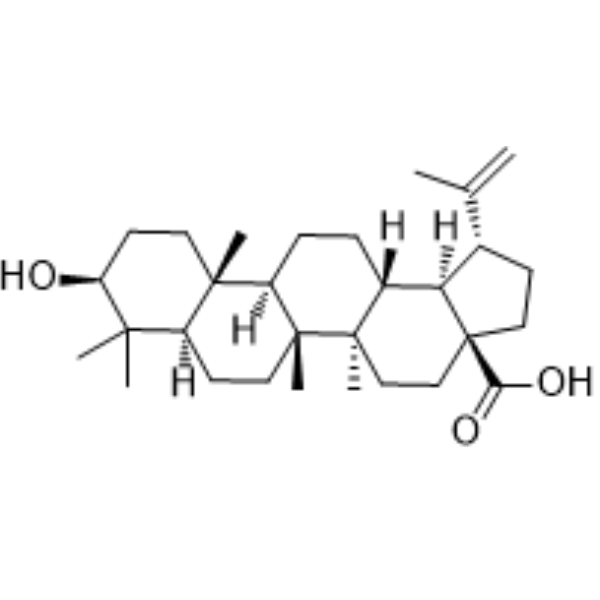
Betulinic acid-d3 (Lupatic acid-d3) is a deuterium labeled Betulinic acid (HY-10529). Betulinic acid is a natural pentacyclic triterpenoid, acts as a eukaryotic topoisomerase I inhibitor, with an IC50 of 5 μM, and possesses anti-HIV, anti-malarial, anti-inflammatory and anti-tumor properties . Betulinic acid can cross the blood-brain barrier.
|
-
-
- HY-14749AS
-
|
|
|
Pyronaridine-d4 (tetraphosphate) is the deuterium labeled Pyronaridine tetraphosphate . Pyronaridine tetraphosphate is an orally active Mannich base anti-malarial agent. Pyronaridine tetraphosphate is active against P. falciparum and Echinococcus granulosus infection .
|
-
-
- HY-W779244
-
|
|
|
1H-Pyrazole-3,4,5-d3 is the deuterium labeled 1H-pyrazole (HY-76228). 1H-pyrazole is a nitrogen-containing heterocyclic compound composed of a five-membered ring and two nitrogen atoms. 1H-pyrazole is an intermediate in organic synthesis. 1H-pyrazole coordinates with metal ions. 1H-pyrazole derivatives have antibacterial, anti-inflammatory, anti-malarial, and anti-leishmanial activities .
|
-
-
- HY-B0439S
-
|
|
|
Sulfadoxine-d4 is the deuterium labeled Sulfadoxine. Sulfadoxine(Sulphadoxine) is a long acting sulfonamide that is used, usually in combination with other agents, for respiratory, urinary tract and malarial infections. Sulfadoxine inhibits HIV replication in peripheral blood mononuclear cells.
|
-
-
- HY-W768856
-
|
|
|
Artemether- 13C,d3 (Dihydroqinghaosu methyl ether- 13C,d3) is the deuterium and 13C-labeled Artemether (HY-N0402). Artemether is an anti-malarial compound that targets drug-resistant strains of falciparum malaria .
|
-
-
- HY-14749AS1
-
|
|
|
Pyronaridine tetraphosphate- 13C2,d4 is the deuterium and 13C-labeled Pyronaridine tetraphosphate (HY-14749A). Pyronaridine tetraphosphate is an orally active Mannich base anti-malarial agent. Pyronaridine tetraphosphate is active against P. falciparum and Echinococcus granulosus infection .
|
-
-
- HY-B0094S3
-
|
|
|
Artemisinin- 13C,d4 is 13C and deuterated labeled Artemisinin (HY-B0094). Artemisinin (Qinghaosu), a sesquiterpene lactone, is an anti-malarial agent isolated from the aerial parts of Artemisia annua L. plants . Artemisinin inhibits AKT signaling pathway by decreasing pAKT in a dose-dependent manner. Artemisinin reduces cancer cell proliferation, migration, invasion, tumorigenesis and metastasis and has neuroprotective effects .
|
-
-
- HY-N12700S
-
|
|
|
Puberulic acid- 13C8 is the 13C-labeled Puberulic acid. Puberulic acid possesses anti-malarial activity with an IC50 value of 0.050 μM against Plasmodium falciparum K1 (chloroquine-resistant) .
|
-
Your information is safe with us. * Required Fields.
Inquiry Information
- Product Name:
- Cat. No.:
- Quantity:
- MCE Japan Authorized Agent:

