1. Search Result
Search Result
Results for "

malondialdehyde (MDA)

" in MedChemExpress (MCE) Product Catalog:

35

Inhibitors & Agonists

1

Fluorescent Dyes

11

Natural
Products

14

Isotope-Labeled Compounds

1

Click Chemistry

1

Oligonucleotides

Targets Recommended:
Cat. No. Product Name Target Research Areas Chemical Structure
  • HY-N0717
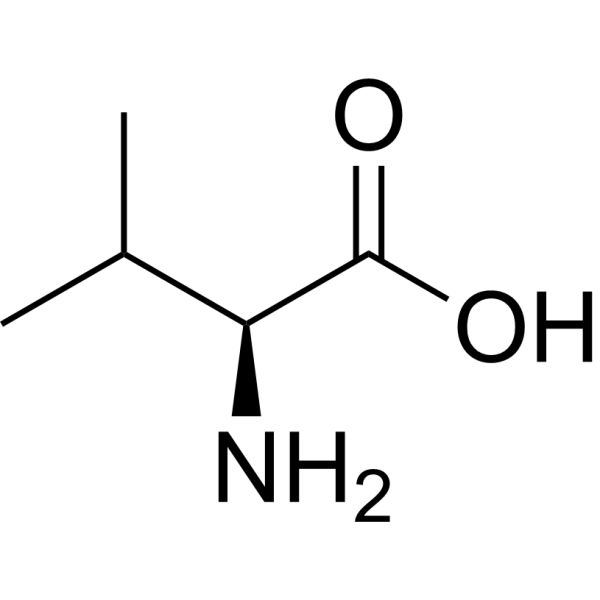
    L-Valine
    5 Publications Verification

    (S)-Valine

    Bacterial Arginase Akt Infection
    L-Valine ((S)-Valine) is a nonlinear semiorganic material. L-Valine causes lipid peroxidation and accumulation of malondialdehyde (MDA), exhibits inhibitory activity against cyanobacteria. L-Valine inhibits multidrug-resistant bacteria through activation of PI3K/Akt signaling pathway and inhibition of arginase .
    L-Valine
  • HY-I1124
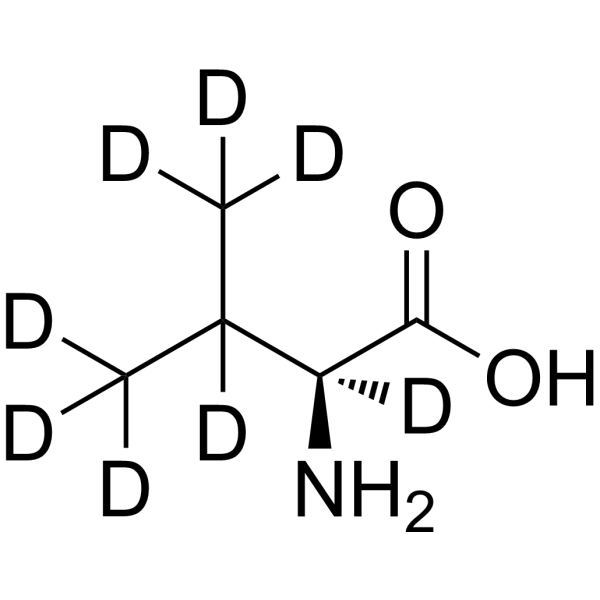
    L-Valine-d8
    1 Publications Verification

    L-VALINE-2,3,4,4,4,5,5,5-d8

    Isotope-Labeled Compounds Arginase Akt Bacterial Infection
    L-Valine-d8 is a deuterated form of L-Valine (HY-N0717). L-Valine ((S)-Valine) is a nonlinear semiorganic material. L-Valine causes lipid peroxidation and accumulation of malondialdehyde (MDA), exhibits inhibitory activity against cyanobacteria. L-Valine inhibits multidrug-resistant bacteria through activation of PI3K/Akt signaling pathway and inhibition of arginase .
    L-Valine-d8
  • HY-77962

    Biochemical Assay Reagents Others
    2-Thiobarbituric acid is a commonly used colorimetric reagent for the detection of malondialdehyde (MDA), a marker of lipid peroxidation. 2-Thiobarbituric acid forms a complex with MDA that can be quantified by colorimetric detection at 532 nm as a measure of lipid peroxidation .
    2-Thiobarbituric acid
  • HY-133968
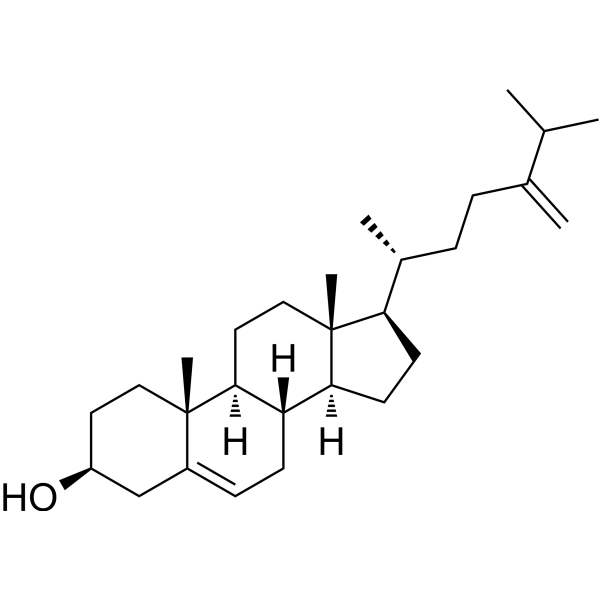
    24-Methylenecholesterol
    2 Publications Verification

    Ostreasterol

    Acyltransferase Reactive Oxygen Species (ROS) Inflammation/Immunology
    24-Methylenecholesterol (Ostreasterol) is a regulator targeting acyl-CoA cholesterol acyltransferase (ACAT) with anti-aging and neuroprotective effects. 24-Methylenecholesterol mimics the effects of nerve growth factor (NGF), can extend yeast lifespan through an anti-oxidative stress mechanism, and exhibits neuroprotective activity in PC12 cells. 24-Methylenecholesterol can reduce intracellular reactive oxygen species (ROS) and malondialdehyde (MDA) levels, activate anti-oxidative stress pathways (such as UTH1, SOD-related genes), and promote synaptic growth .
    24-Methylenecholesterol
  • HY-N0717S6

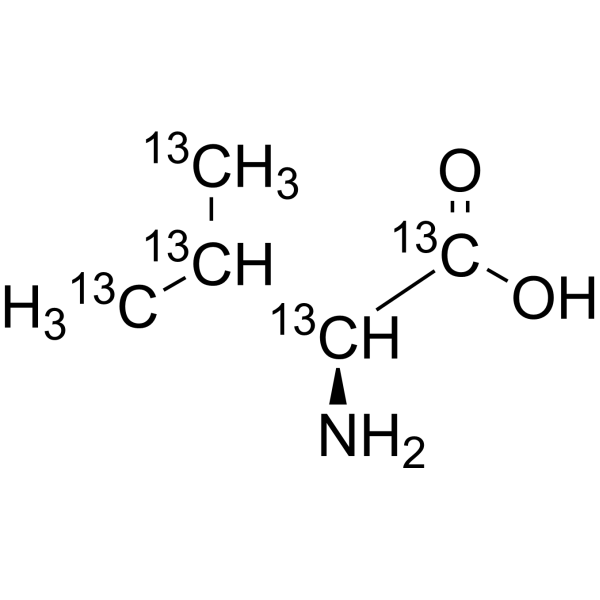
    (S)-Valine-13C5

    Isotope-Labeled Compounds Arginase Akt Bacterial Infection
    L-Valine- 13C5 ((S)-Valine- 13C5) is the 13C-labeled L-Valine (HY-N0717). L-Valine ((S)-Valine) is a nonlinear semiorganic material. L-Valine causes lipid peroxidation and accumulation of malondialdehyde (MDA), exhibits inhibitory activity against cyanobacteria. L-Valine inhibits multidrug-resistant bacteria through activation of PI3K/Akt signaling pathway and inhibition of arginase .
    L-Valine-13C5
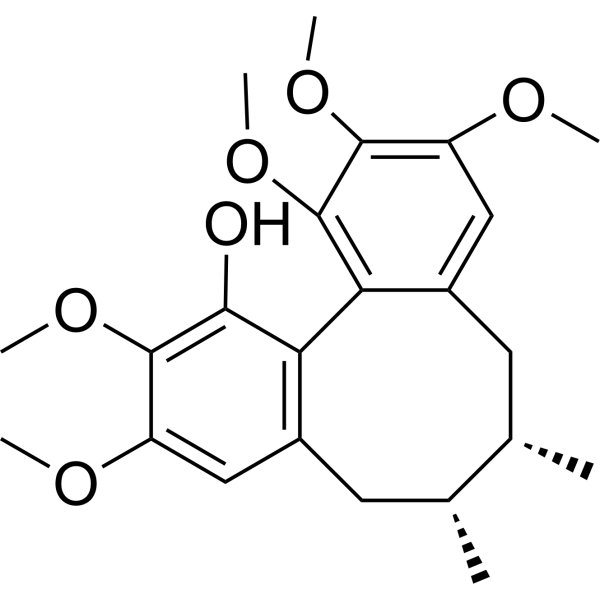
  • HY-N0859

    Schizanhenol; Gomisin-K3

    UGT Cholinesterase (ChE) Tau Protein SOD Sirtuin Neurological Disease Inflammation/Immunology Cancer
    Schisanhenol (Schizanhenol), a lignan, is an orally active antioxidant. Schisanhenol reduces AChE activity, increases SIRT1 and PGC-1α expression, and decreases phosphorylated Tau (Ser 396) levels. Schisanhenol increases SOD and glutathione peroxidase activity, decreases malondialdehyde (MDA) content, and inhibits UGT2B7 activitY. Schisanhenol attenuates ox-LDL-induced apoptosis, intracellular reactive oxygen species generation, and cytotoxicity in endothelial cells. Schisanhenol inhibits LDL oxidation, brain mitochondrial and membrane peroxidative damage, and brain mitochondrial swelling and disintegration. Schisanhenol can be used for the research of Alzheimer’s disease, atherosclerosis, brain ischemia, and age-related brain deterioration .
    Schisanhenol
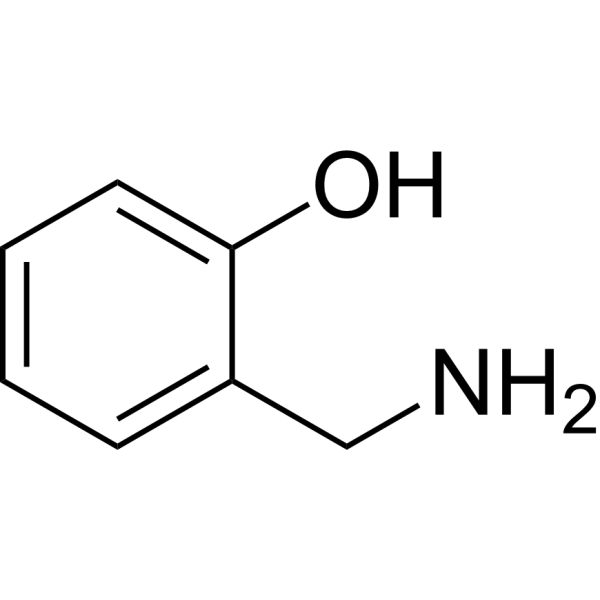
  • HY-34350

    2-Hydroxybenzylamine; o-Hydroxybenzylamine; 2-HOBA

    Reactive Oxygen Species (ROS) Cardiovascular Disease Inflammation/Immunology
    2-(Aminomethyl)phenol (2-Hydroxybenzylamine) is a selective dicarbonyl scavenger. 2-(Aminomethyl)phenol is an antioxidant and scavanger of free radicals and isolevuglandins (IsoLGs). 2-(Aminomethyl)phenol can prevent early recurrence of atrial fibrillation. 2-(Aminomethyl)phenol can reduce inflammation and plaque apoptotic cells and promote efferocytosis and features of stable plaques. 2-(Aminomethyl)phenol can reduce malondialdehyde (MDA)-LDL and MDA-HDL levels in Ldlr -/- mouse model. 2-(Aminomethyl)phenol can be studied in the research of inflammation and cardiovascular disease, such as atherosclerosis, early recurrence of atrial fibrillation (AF) and arrhythmias .
    2-(Aminomethyl)phenol
  • HY-N0717R

    (S)-Valine (Standard)

    Reference Standards Arginase Akt Bacterial Infection
    L-Valine (Standard) ((S)-Valine (Standard)) is the analytical standard of L-Valine (HY-N0717). This product is intended for research and analytical applications. L-Valine ((S)-Valine) is a nonlinear semiorganic material. L-Valine causes lipid peroxidation and accumulation of malondialdehyde (MDA), exhibits inhibitory activity against cyanobacteria. L-Valine inhibits multidrug-resistant bacteria through activation of PI3K/Akt signaling pathway and inhibition of arginase .
    L-Valine (Standard)
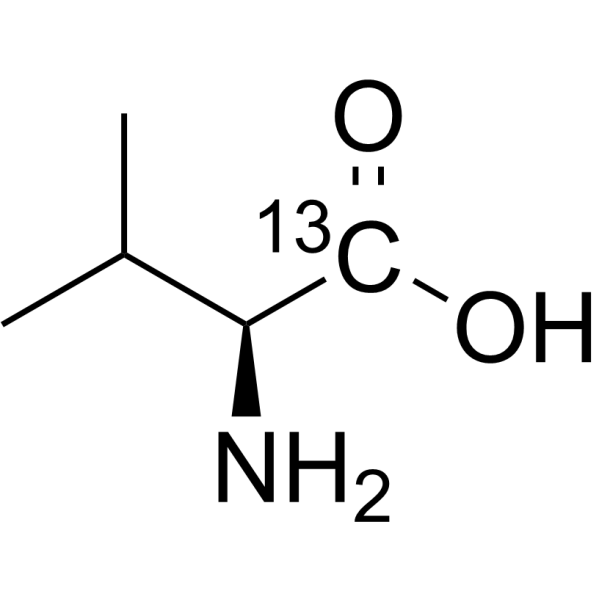
  • HY-N0717S4

    (S)-Valine-1-13C

    Isotope-Labeled Compounds Arginase Akt Bacterial Infection
    L-Valine-1- 13C ((S)-Valine-1- 13C) is the 13C-labeled L-Valine (HY-N0717). L-Valine ((S)-Valine) is a nonlinear semiorganic material. L-Valine causes lipid peroxidation and accumulation of malondialdehyde (MDA), exhibits inhibitory activity against cyanobacteria. L-Valine inhibits multidrug-resistant bacteria through activation of PI3K/Akt signaling pathway and inhibition of arginase .
    L-Valine-1-13C
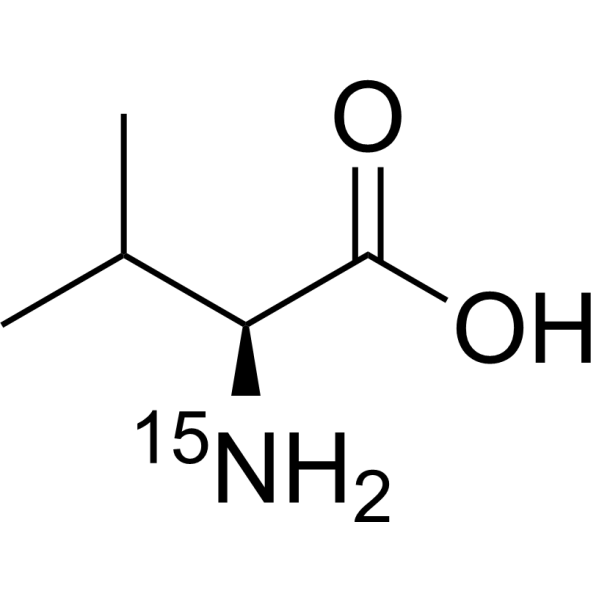
  • HY-N0717S

    (S)-Valine-15N

    Isotope-Labeled Compounds Arginase Akt Bacterial Infection
    L-Valine- 15N ((S)-Valine- 15N) is the 15N-labeled L-Valine (HY-N0717). L-Valine ((S)-Valine) is a nonlinear semiorganic material. L-Valine causes lipid peroxidation and accumulation of malondialdehyde (MDA), exhibits inhibitory activity against cyanobacteria. L-Valine inhibits multidrug-resistant bacteria through activation of PI3K/Akt signaling pathway and inhibition of arginase .
    L-Valine-15N
  • HY-N0717S1

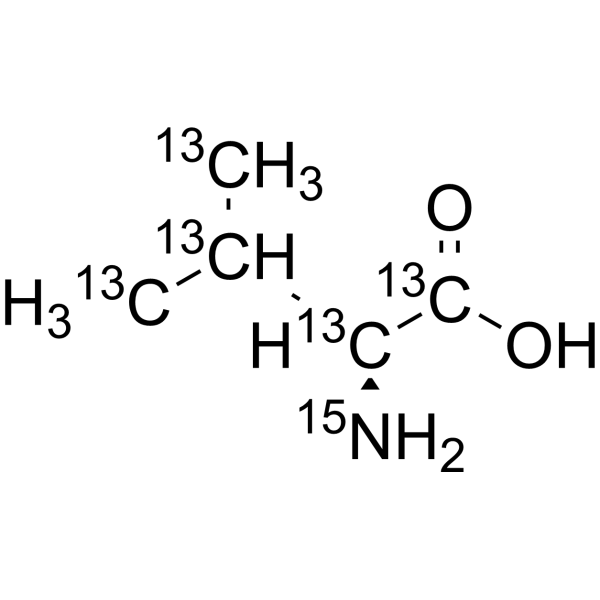
    (S)-Valine-13C5,15N

    Isotope-Labeled Compounds Arginase Akt Bacterial Infection
    L-Valine- 13C5, 15N ((S)-Valine- 13C5, 15) is the 13C- and 15N-labeled L-Valine (HY-N0717). L-Valine ((S)-Valine) is a nonlinear semiorganic material. L-Valine causes lipid peroxidation and accumulation of malondialdehyde (MDA), exhibits inhibitory activity against cyanobacteria. L-Valine inhibits multidrug-resistant bacteria through activation of PI3K/Akt signaling pathway and inhibition of arginase .
    L-Valine-13C5,15N
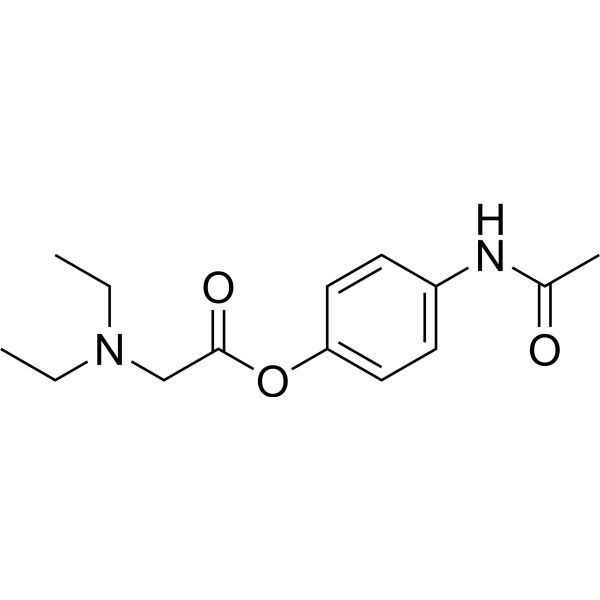
  • HY-145453

    Interleukin Related Inflammation/Immunology
    Propacetamol is an orally active prodrug of Acetaminophen (HY-66005), which exerts antipyretic and analgesic effects after metabolism. Propacetamol reduces Aspirin (ASA) (HY-14654)-induced elevation of malondialdehyde (MDA) in gastric mucosa and plasma, regulates the levels of gastric mucosal glutathione (GSH and GSSG) to maintain cellular antioxidant defense, and increases gastric mucosal uric acid (UA) levels. Propacetamol exerts a dose-dependent protective effect against ASA-induced gastric mucosal damage in rats. Propacetamol can be used for the study of gastric mucosal injury by interfering with oxidative stress .
    Propacetamol
  • HY-17655

    Reactive Oxygen Species (ROS) Inflammation/Immunology
    TBE56, a molecular glue, is a BACH1 degrader, with an EC50 of 44 nM. TBE56 is a weak NRF2 inducer and the biotinylated TBE31. TBE56 interacts and promotes the degradation of BACH1 via a mechanism involving the E3 ligase FBX022. TBE56 reduces intracellular Fe 2+ accumulation, ROS generation, and malondialdehyde (MDA) content, while increasing GSH/GSSG ratio and upregulating GPX4 in Prominin-2-overexpressed BMSCs. TBE56 significantly ameliorates intervertebral disc degeneration (IVDD) in puncture-induced SD rat IVDD model. TBE56 can be used for the study of intervertebral disc degeneration (IVDD) .
    TBE56
  • HY-178389

    Molecular Glues Glutathione Peroxidase Ferroptosis Reactive Oxygen Species (ROS) Cancer
    GPX4-IN-20, a Arctigenin (HY-N0035) derived, is a GPX4& molecular gluedegrader. GPX4-IN-20 induces ferroptosis by increasing lipid ROS levels and suppressing GSH levels. GPX4-IN-20 reduces the protein expression and enzyme activity of GPX4 in a dose-dependent manner without affecting other ferroptosis-related proteins. GPX4-IN-20 induces ubiquitination-dependent proteasomal degradation of GPX4. GPX4-IN-20 also increases the level of malondialdehyde (MDA) in HCT-116 cells. GPX4-IN-20 can be used for the research of colorectal cancer .
    GPX4-IN-20
  • HY-120253

    BY-108330

    Environmental Pollutants Insecticide SOD Glutathione Peroxidase Carboxylesterase (CES) Infection Metabolic Disease
    Spirotetramat (BY-108330) is an orally active Insecticide and lipid biosynthesis inhibitor. Spirotetramat regulates the activities of superoxide dismutase (SOD) and glutathione peroxidase (GSH-Px), with short-term exposure increasing their activities and long-term exposure altering their activities. Spirotetramat induces the activity and mRNA expression of carboxylesterase (CarE). Spirotetramat induces oxidative stress and lipid peroxidation in tadpoles. Spirotetramat is toxic to amphibian tadpoles and exhibits sublethal/non-lethal toxicity to amphibians. Spirotetramat causes death in immature psyllids, aphids, scale insects, mealybugs, whiteflies and thrips, and shows a high lethal rate against Cacopsylla pyri nymphs. Spirotetramat reduces the fecundity of Aphis gossypii. Spirotetramat induces tolerance in the offspring of exposed Aphis gossypii, and acts on Myzus persicae, Bemisia tabaci and Tetranychus urticae .
    Spirotetramat
  • HY-W747992

    Endogenous Metabolite Cardiovascular Disease Metabolic Disease
    Indicaxanthin is a natural water-soluble betalain, presenting a yellow-orange color. Indicaxanthin possesses free radical scavenging ability and can inhibit lipid peroxidation, reducing the formation of malondialdehyde (MDA). Indicaxanthin can be used in the research of cardiovascular diseases and diabetes .
    Indicaxanthin
  • HY-175041

    Glutathione Peroxidase Reactive Oxygen Species (ROS) Cannabinoid Receptor Ferroptosis Cancer
    GPX4-IN-18 (Compound 17) is a ferrocene-containing inhibitor of glutathione peroxidase 4 (GPX4). GPX4-IN-18 is also an inducer of ferroptosis. GPX4-IN-18 can increase the production of ROS and malondialdehyde (MDA) levels in OS-RC-2 clear cell renal cell carcinoma cells. GPX4-IN-18 induces ferroptosis in HT-1080 cells with IC50s of 0.007 μM (absence of ferrostatin-1) and 1.486 μM (presence of ferrostatin-1). GPX4-IN-18 reduces in vivo tumor volume and intratumoral GPX4 levels in OS-RC-2 xenograft murine model .
    GPX4-IN-18
  • HY-N16620

    TNF Receptor Inflammation/Immunology
    Gnetucleistol F is a stilbenolignan isolated from Gnetum cleistostachyum with anti-inflammatory activity. Gnetucleistol F exhibits potent inhibitory activities on TNF-α and malondialdehyde (MDA) with IC50 values of 10.3 and 6.36 μM, respectively. Gnetucleistol F can be used for anti-inflammatory research .
    Gnetucleistol F
  • HY-124894

    Fungal Infection
    (+)-Benalaxyl is a broad-spectrum benzamide fungicide. (+)-Benalaxyl inhibits the growth of the freshwater algae S. obliquus, with an EC50 value of 8.441 mg/L. (+)-Benalaxyl can induce the production of chlorophyll a and b, as well as increase the activity of superoxide dismutase (SOD) and the generation of malondialdehyde (MDA). (+)-Benalaxyl has inhibitory effects on catalase (CAT). (+)-Benalaxyl is effective against diseases caused by oomycetes .
    (+)-Benalaxyl
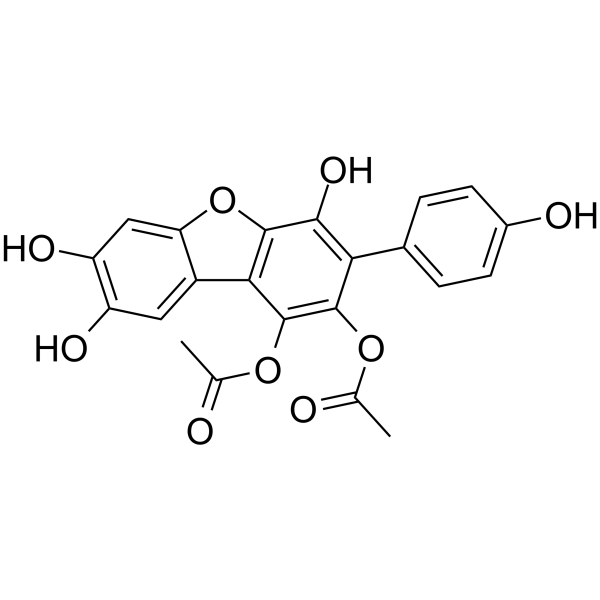
  • HY-N9283

    Reactive Oxygen Species (ROS) Neurological Disease Cancer
    1,2-Diacetoxy-4,7,8-trihydroxy-3-(4-hydroxyphenyl)dibenzofuran, isolated from the edible mushroom Sarcodon leucopus, has antioxidant effects in the DPPH scavenging assay with the IC50 of 28 μM, inhibits malondialdehyde (MDA) with the IC50 of 71 μM, and inhibits α-glucosidase with the IC50 of 6.22 μM .
    1,2-Diacetoxy-4,7,8-trihydroxy-3-(4-hydroxyphenyl)dibenzofuran
  • HY-161388

    Ferroptosis Mitophagy Cancer
    NSCLC-IN-1 (Compound A10-2) induces mitophagy and ferroptosis through targeting transmembrane BAX inhibitor motif containing 6 (TMBIM6). NSCLC-IN-1 induces mitochondrial Ca 2+ imbalance, leading to mitochondrial damage. NSCLC-IN-1 reduces intracellular glutathione (GSH), increases the accumulation of lipid peroxides (LPO) and malondialdehyde (MDA) content. NSCLC-IN-1 is a potent anti-NSCLC agent .
    NSCLC-IN-1
  • HY-178305S

    Isotope-Labeled Compounds Bacterial Arginase Akt Infection
    L-Valine-d is the deuterium labeled L-Valine (HY-N0717). L-Valine ((S)-Valine) is a nonlinear semiorganic material. L-Valine causes lipid peroxidation and accumulation of malondialdehyde (MDA), exhibits inhibitory activity against cyanobacteria. L-Valine inhibits multidrug-resistant bacteria through activation of PI3K/Akt signaling pathway and inhibition of arginase .
    L-Valine-d
  • HY-N0717S8

    (S)-Valine-d1

    Isotope-Labeled Compounds Arginase Akt Bacterial Infection
    L-Valine-d1 ((S)-Valine-d1) is the deuterium labeled L-Valine (HY-N0717). L-Valine ((S)-Valine) is a nonlinear semiorganic material. L-Valine causes lipid peroxidation and accumulation of malondialdehyde (MDA), exhibits inhibitory activity against cyanobacteria. L-Valine inhibits multidrug-resistant bacteria through activation of PI3K/Akt signaling pathway and inhibition of arginase .
    L-Valine-d1
  • HY-N0717S5

    (S)-Valine-13C

    Isotope-Labeled Compounds Arginase Akt Bacterial Infection
    L-Valine-2- 13C ((S)-Valine-2- 13C) is the 13C-labeled L-Valine (HY-N0717). L-Valine ((S)-Valine) is a nonlinear semiorganic material. L-Valine causes lipid peroxidation and accumulation of malondialdehyde (MDA), exhibits inhibitory activity against cyanobacteria. L-Valine inhibits multidrug-resistant bacteria through activation of PI3K/Akt signaling pathway and inhibition of arginase .
    L-Valine-2-13C
  • HY-N0717S9

    (S)-Valine-15N,d8

    Isotope-Labeled Compounds Arginase Akt Bacterial Infection
    L-Valine- 15N,d8 ((S)-Valine- 15N,d8) is the deuterium and 15N labeled L-Valine (HY-N0717). L-Valine ((S)-Valine) is a nonlinear semiorganic material. L-Valine causes lipid peroxidation and accumulation of malondialdehyde (MDA), exhibits inhibitory activity against cyanobacteria. L-Valine inhibits multidrug-resistant bacteria through activation of PI3K/Akt signaling pathway and inhibition of arginase .
    L-Valine-15N,d8
  • HY-N0717S7

    (S)-Valine-1-13C,15N

    Isotope-Labeled Compounds Arginase Akt Bacterial Infection
    L-Valine-1- 13C, 15N ((S)-Valine-1- 13C, 15N) is the 13C- and 15N-labeled L-Valine (HY-N0717). L-Valine ((S)-Valine) is a nonlinear semiorganic material. L-Valine causes lipid peroxidation and accumulation of malondialdehyde (MDA), exhibits inhibitory activity against cyanobacteria. L-Valine inhibits multidrug-resistant bacteria through activation of PI3K/Akt signaling pathway and inhibition of arginase .
    L-Valine-1-13C,15N
  • HY-N0717S2

    (S)-Valine-13C5,15N,d8

    Isotope-Labeled Compounds Arginase Akt Bacterial Infection
    L-Valine- 13C5, 15N,d8 ((S)-Valine- 13C5, 15N,d8) is the deuterium, 13C-, and 15N-labeled L-Valine (HY-N0717). L-Valine ((S)-Valine) is a nonlinear semiorganic material. L-Valine causes lipid peroxidation and accumulation of malondialdehyde (MDA), exhibits inhibitory activity against cyanobacteria. L-Valine inhibits multidrug-resistant bacteria through activation of PI3K/Akt signaling pathway and inhibition of arginase .
    L-Valine-13C5,15N,d8
  • HY-N0717S3

    (S)-Valine-13C5,15N,d2

    Isotope-Labeled Compounds Arginase Akt Bacterial Infection
    L-Valine- 13C5, 15N,d2 ((S)-Valine- 13C5, 15N,d2) is the deuterium, 13C-, and 15N-labeled L-Valine (HY-N0717). L-Valine ((S)-Valine) is a nonlinear semiorganic material. L-Valine causes lipid peroxidation and accumulation of malondialdehyde (MDA), exhibits inhibitory activity against cyanobacteria. L-Valine inhibits multidrug-resistant bacteria through activation of PI3K/Akt signaling pathway and inhibition of arginase .
    L-Valine-13C5,15N,d2
  • HY-133968S1

    Ostreasterol-13C

    Isotope-Labeled Compounds Acyltransferase Reactive Oxygen Species (ROS) Inflammation/Immunology
    24-Methylenecholesterol- 13C (Ostreasterol- 13C) is the 13C labeled 24-Methylenecholesterol (HY-133968) . 24-Methylenecholesterol (Ostreasterol) is a regulator targeting acyl-CoA cholesterol acyltransferase (ACAT) with anti-aging and neuroprotective effects. 24-Methylenecholesterol mimics the effects of nerve growth factor (NGF), can extend yeast lifespan through an anti-oxidative stress mechanism, and exhibits neuroprotective activity in PC12 cells. 24-Methylenecholesterol can reduce intracellular reactive oxygen species (ROS) and malondialdehyde (MDA) levels, activate anti-oxidative stress pathways (such as UTH1, SOD-related genes), and promote synaptic growth .
    24-Methylenecholesterol-13C
  • HY-133968R

    Ostreasterol (Standard)

    Reference Standards Acyltransferase Reactive Oxygen Species (ROS) Inflammation/Immunology
    24-Methylenecholesterol (Ostreasterol) (Standard) is the analytical standard of 24-Methylenecholesterol (HY-133968). This product is intended for research and analytical applications. 24-Methylenecholesterol (Ostreasterol) is a regulator targeting acyl-CoA cholesterol acyltransferase (ACAT) with anti-aging and neuroprotective effects. 24-Methylenecholesterol mimics the effects of nerve growth factor (NGF), can extend yeast lifespan through an anti-oxidative stress mechanism, and exhibits neuroprotective activity in PC12 cells. 24-Methylenecholesterol can reduce intracellular reactive oxygen species (ROS) and malondialdehyde (MDA) levels, activate anti-oxidative stress pathways (such as UTH1, SOD-related genes), and promote synaptic growth .
    24-Methylenecholesterol (Standard)
  • HY-145453R

    Reference Standards Interleukin Related Inflammation/Immunology
    Propacetamol (Standard) is the analytical standard of Propacetamol (HY-145453). This product is intended for research and analytical applications. Propacetamol is an orally active prodrug of Acetaminophen (HY-66005), which exerts antipyretic and analgesic effects after metabolism. Propacetamol reduces Aspirin (ASA) (HY-14654)-induced elevation of malondialdehyde (MDA) in gastric mucosa and plasma, regulates the levels of gastric mucosal glutathione (GSH and GSSG) to maintain cellular antioxidant defense, and increases gastric mucosal uric acid (UA) levels. Propacetamol exerts a dose-dependent protective effect against ASA-induced gastric mucosal damage in rats. Propacetamol can be used for the study of gastric mucosal injury by interfering with oxidative stress .
    Propacetamol (Standard)
  • HY-175852

    Ferroptosis Glutathione Peroxidase Reactive Oxygen Species (ROS) Cancer
    Ferroptosis inducer-11 is a ferroptosis inducer. Ferroptosis inducer-11 exhibits potent cytotoxicity against HCT-116, NCM-60 and HT-29 cells with IC50 values of 0.43 μM, 3.14 μM and 0.48 μM, respectively. Ferroptosis inducer-11 strongly suppresses GPX4 enzymatic activity with an IC50 of 1.86 μM. Ferroptosis inducer-11 induces ferroptosis, as well as increases intracellular lipid ROS, malondialdehyde (MDA), and Fe 2+ levels, while decreasing glutathione (GSH) levels in colon cancer cells. Ferroptosis inducer-11 can be used for the study of colon cancer .
    Ferroptosis inducer-11
  • HY-N0859R

    Schizanhenol (Standard); Gomisin-K3 (Standard)

    UGT Reference Standards Cholinesterase (ChE) Tau Protein SOD Sirtuin Neurological Disease Inflammation/Immunology Cancer
    Schisanhenol (Standard) (Schizanhenol (Standard)) is the analytical standard of Schisanhenol (HY-N0859). This product is intended for research and analytical applications. Schisanhenol, a lignan, is an orally active antioxidant. Schisanhenol reduces AChE activity, increases SIRT1 and PGC-1α expression, and decreases phosphorylated Tau (Ser 396) levels. Schisanhenol increases SOD and glutathione peroxidase activity, decreases malondialdehyde (MDA) content, and inhibits UGT2B7 activitY. Schisanhenol attenuates ox-LDL-induced apoptosis, intracellular reactive oxygen species generation, and cytotoxicity in endothelial cells. Schisanhenol inhibits LDL oxidation, brain mitochondrial and membrane peroxidative damage, and brain mitochondrial swelling and disintegration. Schisanhenol can be used for the research of Alzheimer’s disease, atherosclerosis, brain ischemia, and age-related brain deterioration.
    Schisanhenol (Standard)
  • HY-N13756

    Bacterial Reactive Oxygen Species (ROS) SOD Infection Neurological Disease
    Deoxymikanolide is an orally active antibacterial agent that inhibits catalase (CAT), peroxidase (POD), and superoxide dismutase (SOD) activities. Deoxymikanolide increases glycan metabolism, phosphorus metabolism, electric conductivity, intrabacterial reactive oxygen species (ROS) levels, and malondialdehyde (MDA) levels, causes cell shrinkage, cytoplasmic damage, and cell disruption in Ralstonia solanacearum. Deoxymikanolide inhibits Acetic acid-induced writhing in mice. Deoxymikanolide can be used for the research of bacterial wilt .
    Deoxymikanolide
  • HY-178304S

    Isotope-Labeled Compounds Bacterial Arginase Akt Infection
    L-Valine-d7 is the deuterium labeled L-Valine (HY-N0717). L-Valine ((S)-Valine) is a nonlinear semiorganic material. L-Valine causes lipid peroxidation and accumulation of malondialdehyde (MDA), exhibits inhibitory activity against cyanobacteria. L-Valine inhibits multidrug-resistant bacteria through activation of PI3K/Akt signaling pathway and inhibition of arginase .
    L-Valine-d7

Inquiry Online

Your information is safe with us. * Required Fields.

Salutation


Country or Region *

Applicant Name *


Organization Name *

Department *


Email Address *


Product Name *

Cat. No.


Requested quantity *

Phone Number *


Remarks

Inquiry Online

Inquiry Information

Product Name:
Cat. No.:
Quantity:
MCE Japan Authorized Agent:

