455 Results for "

mitochondrial pathway

" in MedChemExpress (MCE) Product Catalog:
Products (455)

455 Results for "mitochondrial pathway" in MCE Product Catalog:

585
585 Publications Verification
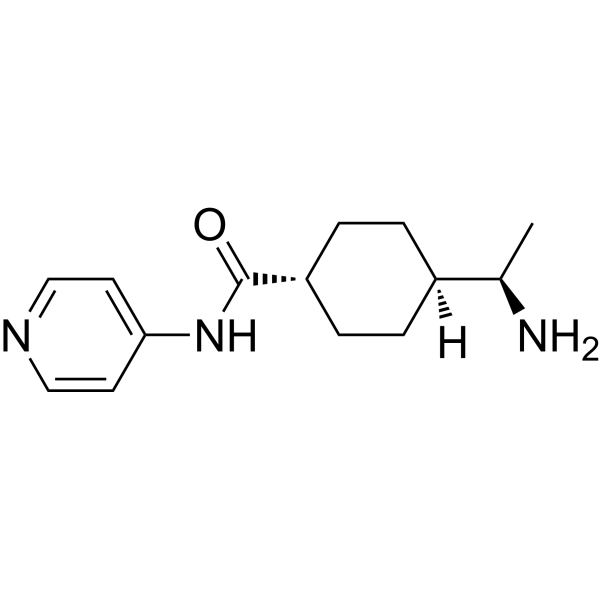
Cat. No.: HY-10071
CAS No.: 146986-50-7
Purity:  99.46%
Y-27632 is a ROCK inhibitor with Ki values of 220 nM and 300 nM for ROCK1 and ROCK2, respectively. Y-27632 exerts anti-inflammatory and immunomodulatory effects in systemic lupus erythematosus models by inhibiting the ROCK/NF-κB pathway. Y-27632 enhances autophagy by inhibiting the AKT/mTOR pathway, thereby inducing apoptosis apoptosis in oral squamous cell carcinoma. Y-27632 induces the formation of tunneling nanotubes in ARPE-19 cells and significantly enhances mitochondrial transfer through these channels. Y-27632 promotes neurite outgrowth in PC12 cells by activating the Rac1/NOX1/ROS/AKT/PAK1 signaling cascade .
loading...
    loading...
429
429 Cited Publications
Cat. No.: HY-10071A
CAS No.: 331752-47-7
Y-27632 hydrochloride hydrate is a ROCK inhibitor with Ki values of 220 nM and 300 nM for ROCK1 and ROCK2, respectively. Y-27632 hydrochloride hydrate exerts anti-inflammatory and immunomodulatory effects in systemic lupus erythematosus models by inhibiting the ROCK/NF-κB pathway. Y-27632 hydrochloride hydrate enhances autophagy by inhibiting the AKT/mTOR pathway, thereby inducing apoptosis apoptosis in oral squamous cell carcinoma. Y-27632 hydrochloride hydrate induces the formation of tunneling nanotubes in ARPE-19 cells and significantly enhances mitochondrial transfer through these channels. Y-27632 hydrochloride hydrate promotes neurite outgrowth in PC12 cells by activating the Rac1/NOX1/ROS/AKT/PAK1 signaling cascade .
loading...
    loading...
210
210 Cited Publications
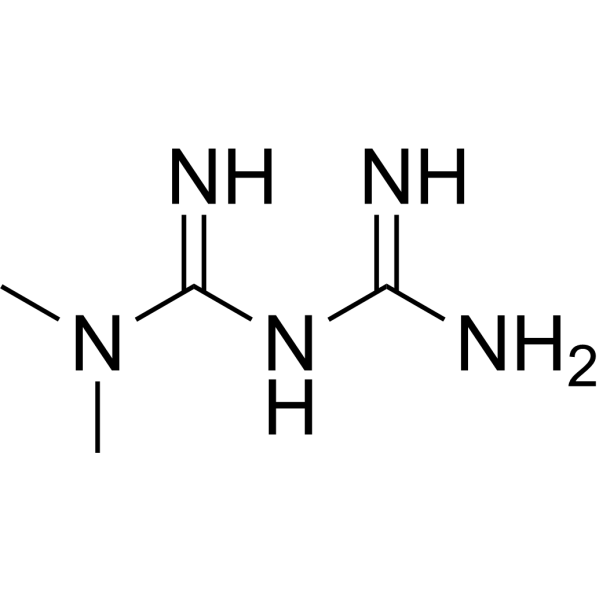
Cat. No.: HY-B0627
CAS No.: 657-24-9
Synonyms: 1,1-Dimethylbiguanide
Metformin (1,1-Dimethylbiguanide) inhibits the mitochondrial respiratory chain in the liver, leading to AMPK activation and enhancing insulin sensitivity, and can be used in the study of type 2 diabetes. Metformin exerts central glucose-lowering effects by inhibiting Ras-related protein 1 (Rap1) in SF1 hypothalamic neurons. Metformin also inhibits liver oxidative stress, nitrosative stress, inflammation, and apoptosis caused by liver ischemia/reperfusion injury. In addition, Metformin regulates the expression of autophagy-related proteins by activating AMPK and inhibiting the mTOR signaling pathway, thereby inducing tumor cell autophagy and inhibiting the growth of renal cell carcinoma in vitro and in vivo .
loading...
    loading...
210
210 Cited Publications
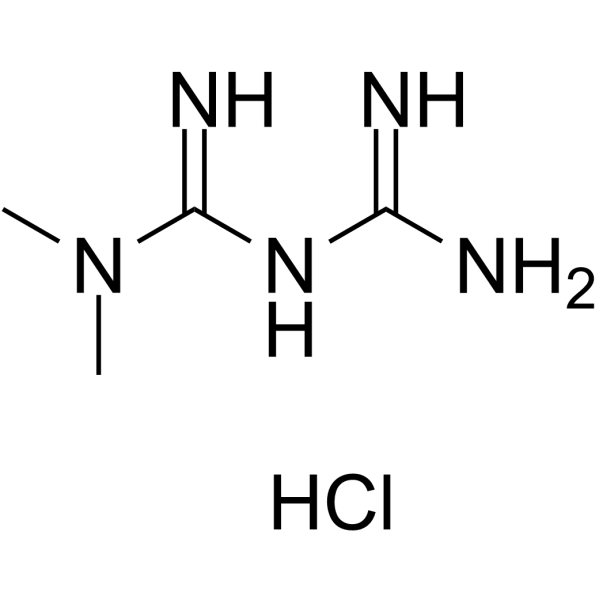
Cat. No.: HY-17471A
CAS No.: 1115-70-4
Synonyms: 1,1-Dimethylbiguanide hydrochloride
Metformin (1,1-Dimethylbiguanide) hydrochloride inhibits the mitochondrial respiratory chain in the liver, leading to AMPK activation and enhancing insulin sensitivity, and can be used in the study of type 2 diabetes. Metformin hydrochloride exerts central glucose-lowering effects by inhibiting Ras-related protein 1 (Rap1) in SF1 hypothalamic neurons. Metformin hydrochloride also inhibits liver oxidative stress, nitrosative stress, inflammation, and apoptosis caused by liver ischemia/reperfusion injury. In addition, Metformin hydrochloride regulates the expression of autophagy-related proteins by activating AMPK and inhibiting the mTOR signaling pathway, thereby inducing tumor cell autophagy and inhibiting the growth of renal cell carcinoma in vitro and in vivo .
loading...
    loading...
192
192 Cited Publications
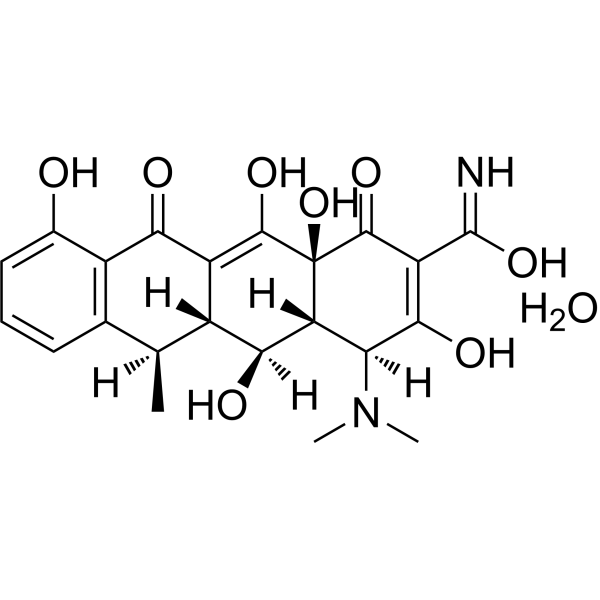
Cat. No.: HY-W008923
CAS No.: 17086-28-1
Doxycycline monohydrate is an orally active highly lipophilic, tissue-permeable MMP inhibitor with broad-spectrum antibacterial activity. Doxycycline monohydrate is also a semi-synthetic antibiotic with chelating properties, which blocks bacterial protein synthesis and inhibits extracellular matrix degradation through interactions with zinc and calcium atoms. Doxycycline monohydrate also inhibits mitochondrial biogenesis, translation, and the expression of respiratory chain proteins. Doxycycline monohydrate induces apoptosis, inhibits autophagy and EMT, downregulates stem cell markers, and activates the PI3K-AKT pathway, thereby effectively inhibiting the viability and proliferation of cancer cells such as breast cancer cells. Doxycycline monohydrate also promotes the survival and self-renewal of embryonic stem cells and neural stem cells, and reduces the frequency of medium changes in culture. Doxycycline monohydrate has been applied in studies related to breast cancer, prostate cancer, bladder cancer, and other cancers .
loading...
    loading...
179
179 Cited Publications
Cat. No.: HY-112879
CAS No.: 1334850-99-5
Purity:  99.19%
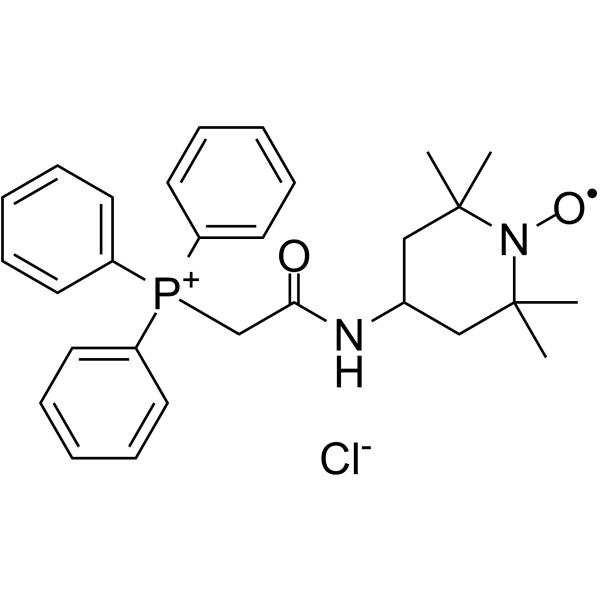
Mito-TEMPO is a mitochondria-targeted antioxidant. Mito-TEMPO induces mitophagy by activating the PINK1/Parkin pathway, inhibits NLRP3 inflammasome activation, restores mitochondrial membrane potential, and improves renal function and podocyte injury. Mito-TEMPO regulates Ca 2+ homeostasis, inhibits Bnip3 overexpression, shortens action potential duration, and exerts antiarrhythmic effects. Mito-TEMPO reverses premature senescence, reduces trabecular bone loss, and decreases cell apoptosis. Mito-TEMPO can be used in studies of chronic kidney disease, age-related cardiac dysfunction, postmenopausal osteoporosis, and ischemic stroke .
loading...
    loading...
179
179 Cited Publications
Cat. No.: HY-125944
CAS No.: 1569257-94-8
Purity:  98.03%
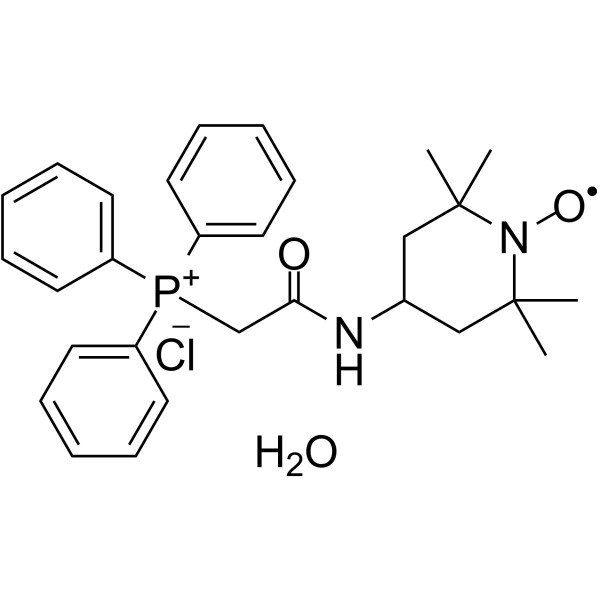
MitoTEMPO hydrate is a mitochondria-targeted antioxidant . MitoTEMPO hydrate induces mitophagy by activating the PINK1/Parkin pathway, inhibits NLRP3 inflammasome activation, restores mitochondrial membrane potential, and improves renal function and podocyte injury. MitoTEMPO hydrate regulates Ca 2+ homeostasis, inhibits Bnip3 overexpression, shortens action potential duration, and exerts antiarrhythmic effects. MitoTEMPO hydrate reverses premature senescence, reduces trabecular bone loss, and decreases cell apoptosis. MitoTEMPO hydrate can be used in studies of chronic kidney disease, age-related cardiac dysfunction, postmenopausal osteoporosis, and ischemic stroke .
loading...
    loading...
42
42 Cited Publications
Cat. No.: HY-13324
CAS No.: 218600-53-4
Purity:  98.92%
Synonyms: RTA 402; NSC 713200; CDDO Methyl ester
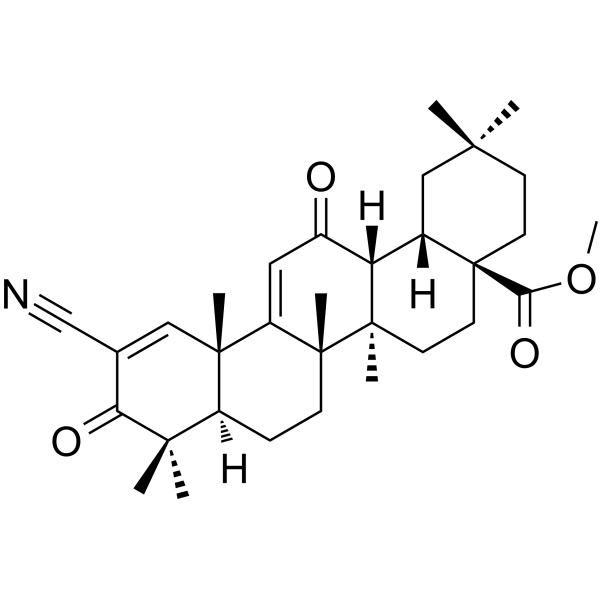
Bardoxolone methyl (RTA 402) is an orally active and blood-brain-barrier-penetrant activator of Nrf2 and an inhibitor of SARS-CoV-2 3CL protease. Bardoxolone methyl inhibits SARS-CoV-2 replication in Vero cells with an EC50 value of 0.29 μM. Bardoxolone methyl increases levels of pNrf2 and HO-1, inhibits inflammatory mediators like pNFκB and MCP-1. Bardoxolone methyl activates the Nrf2 pathway to enhance antioxidant and anti-inflammatory responses, inhibits viral replication, and improves mitochondrial function. Bardoxolone methyl can be used in research on chemotherapy-induced neuropathic pain (CINP), COVID-19, and chronic kidney disease (CKD) .
loading...
    loading...
23
23 Cited Publications
Cat. No.: HY-N0171
CAS No.: 83-46-5
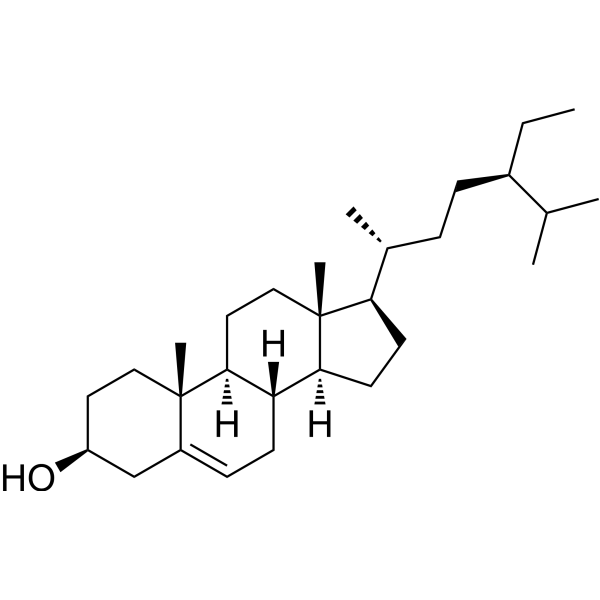
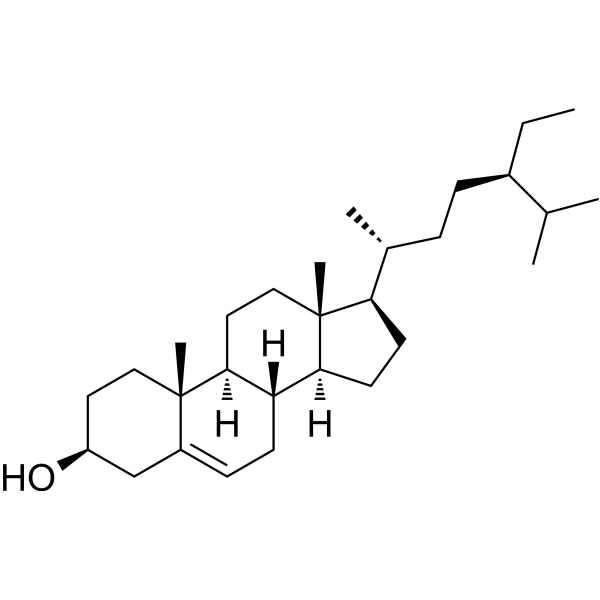
Beta-Sitosterol (purity≥80%) is orally active. Beta-Sitosterol exhibits multiple activities, including anti-inflammatory, anticancer, antioxidant, antimicrobial, antidiabetic, antioxidant enzyme, and analgesic. Beta-Sitosterol inhibits inflammation and impaired adipogenesis in bovine mammary epithelial cells by reducing levels of ROS, TNF-α, IL-1β, and NF-κB p65 and restoring the activity of the HIF-1α/mTOR signaling pathway. Beta-Sitosterol induces apoptosis in cancer cells through ROS-mediated mitochondrial dysregulation and p53 activation. Beta-Sitosterol exerts its anticancer effects in cancer cells by activating caspase-3, caspase-8, and caspase-9, mediating PARP inactivation, MMP loss, altered Bcl-2-Bax ratio, and cytochrome c release. Beta-Sitosterol modulates macrophage polarization and reduces rheumatoid inflammation in mice. Beta-Sitosterol inhibits tumor growth in multiple mouse cancer models. Beta-Sitosterol can be used in the research of arthritis, lung cancer, breast cancer and other cancers, diabetes, etc .
loading...
    loading...
23
23 Cited Publications
Cat. No.: HY-N0171A
CAS No.: 83-46-5
Synonyms: β-Sitosterol (purity>98%); 22,23-Dihydrostigmasterol (purity>98%)
Beta-Sitosterol (purity>98%) is orally active. Beta-Sitosterol exhibits multiple activities, including anti-inflammatory, anticancer, antioxidant, antimicrobial, antidiabetic, antioxidant enzyme, and analgesic. Beta-Sitosterol inhibits inflammation and impaired adipogenesis in bovine mammary epithelial cells by reducing levels of ROS, TNF-α, IL-1β, and NF-κB p65 and restoring the activity of the HIF-1α/mTOR signaling pathway. Beta-Sitosterol induces apoptosis in cancer cells through ROS-mediated mitochondrial dysregulation and p53 activation. Beta-Sitosterol exerts its anticancer effects in cancer cells by activating caspase-3, caspase-8, and caspase-9, mediating PARP inactivation, MMP loss, altered Bcl-2-Bax ratio, and cytochrome c release. Beta-Sitosterol modulates macrophage polarization and reduces rheumatoid inflammation in mice. Beta-Sitosterol inhibits tumor growth in multiple mouse cancer models. Beta-Sitosterol can be used in the research of arthritis, lung cancer, breast cancer and other cancers, diabetes, etc .
loading...
    loading...
22
22 Cited Publications
Cat. No.: HY-B0399
CAS No.: 541-15-1
Synonyms: (R)-Carnitine; Levocarnitine
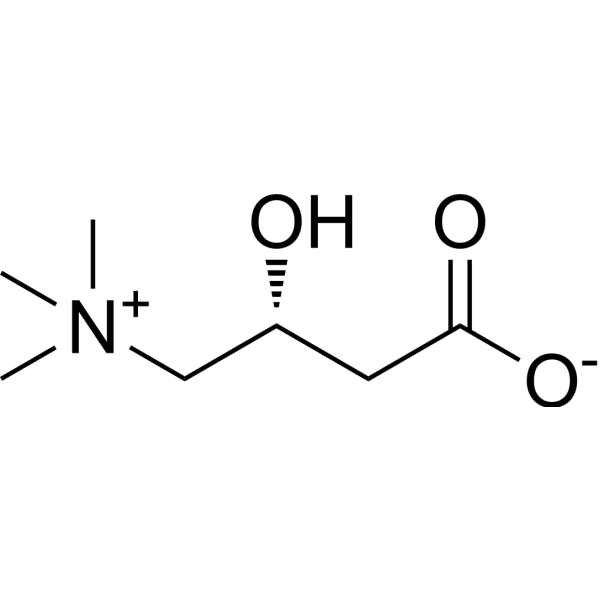
L-Carnitine ((R)-Carnitine), a highly polar, small zwitterion, is an essential co-factor for the mitochondrial β-oxidation pathway. L-Carnitine functions to transport long chain fatty acyl-CoAs into the mitochondria for degradation by β-oxidation. L-Carnitine is an antioxidant. L-Carnitine can ameliorate metabolic imbalances in many inborn errors of metabolism .
loading...
    loading...
22
22 Cited Publications
Cat. No.: HY-B2246
CAS No.: 6645-46-1
Synonyms: (R)-Carnitine hydrochloride; Levocarnitine hydrochloride
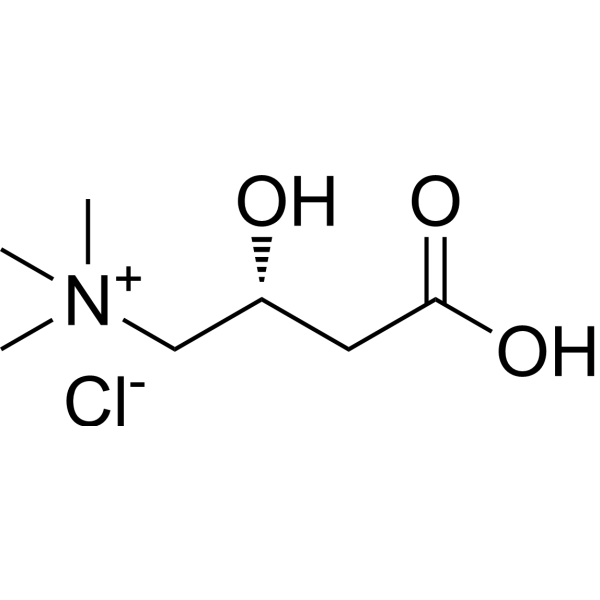
L-Carnitine hydrochloride ((R)-Carnitine hydrochloride), a highly polar, small zwitterion, is an essential co-factor for the mitochondrial β-oxidation pathway. L-Carnitine hydrochloride functions to transport long chain fatty acyl-CoAs into the mitochondria for degradation by β-oxidation. L-Carnitine hydrochloride is an antioxidant. L-Carnitine hydrochloride can ameliorate metabolic imbalances in many inborn errors of metabolism .
loading...
    loading...
22
22 Cited Publications
Cat. No.: HY-W105518
CAS No.: 36687-82-8
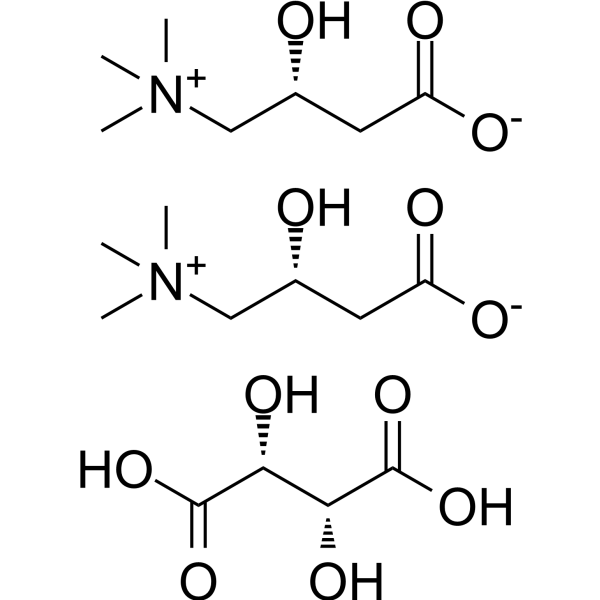
L-Carnitine tartrate is a highly polar, small zwitterion. L-Carnitine tartrate is an essential co-factor for the mitochondrial β-oxidation pathway. L-Carnitine tartrate functions to transport long chain fatty acyl-CoAs into the mitochondria for degradation by β-oxidation. L-Carnitine tartrate is an antioxidant. L-Carnitine tartrate can ameliorate metabolic imbalances in many inborn errors of metabolism [3] .
loading...
    loading...
13
13 Cited Publications
Cat. No.: HY-117433
CAS No.: 39800-16-3
Purity:  ≥98.0%
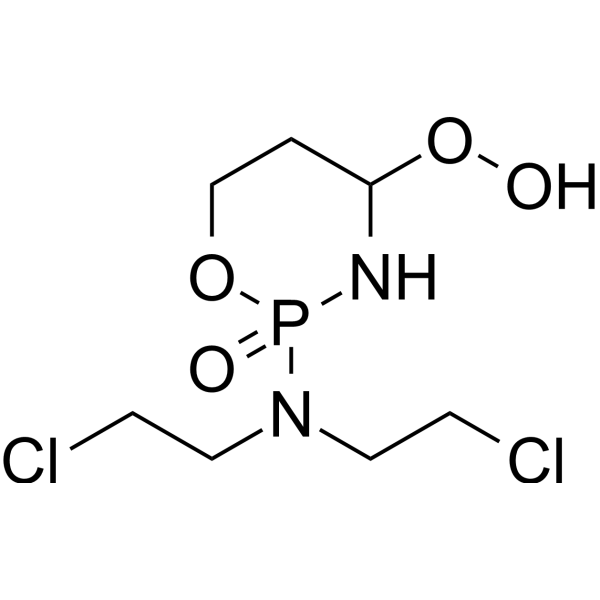
4-Hydroperoxy cyclophosphamide is the active metabolite form of the precursor Cyclophosphamide. 4-Hydroperoxy cyclophosphamide cross-links DNA to induce T cell apoptosis independent of caspase receptor activation, and can activate the mitochondrial death pathway by producing reactive oxygen species (ROS). 4-Hydroperoxy cyclophosphamide can be used in the study of rheumatoid arthritis and autoimmune diseases .
loading...
    loading...
12
12 Cited Publications
Cat. No.: HY-103269
CAS No.: 335165-68-9
Purity:  99.89%
Target:  

Bcl-2 Family Apoptosis

Research Areas:  

Cancer

BAI1 is a selective and allosteric inhibitor of BAX, an apoptosis regulator. BAI1 directly binds to BAX and allosterically inhibits BAX activation. BAI1 has the potential for the research of diseases mediated by BAX-dependent cell death .
loading...
    loading...
11
11 Cited Publications
Cat. No.: HY-N0124
CAS No.: 19057-60-4
Synonyms: Collettiside III; CCRIS 4123
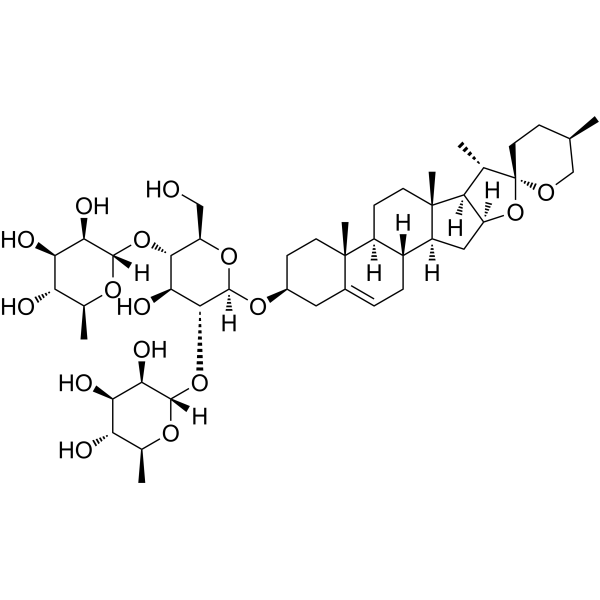
Dioscin (CCRIS 4123; Collettiside III) is a natural plant-derived steroidal saponin that has good anti-cancer activity against a variety of cancer cells. Dioscin causes DNA damage and induces apoptosis in HeLa and SiHa cells. Dioscin regulates ROS-mediated DNA damage and mitochondrial signaling pathways, exerting anticancer activity .
loading...
    loading...
11
11 Cited Publications
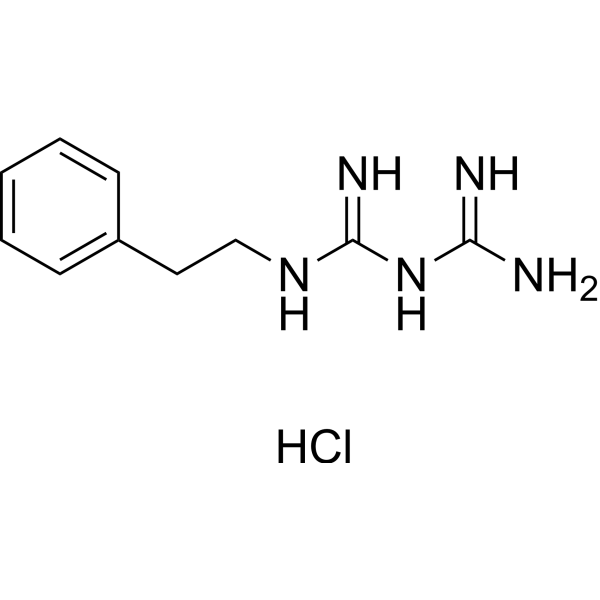
Cat. No.: HY-16397
CAS No.: 114-86-3
Synonyms: Phenethylbiguanide
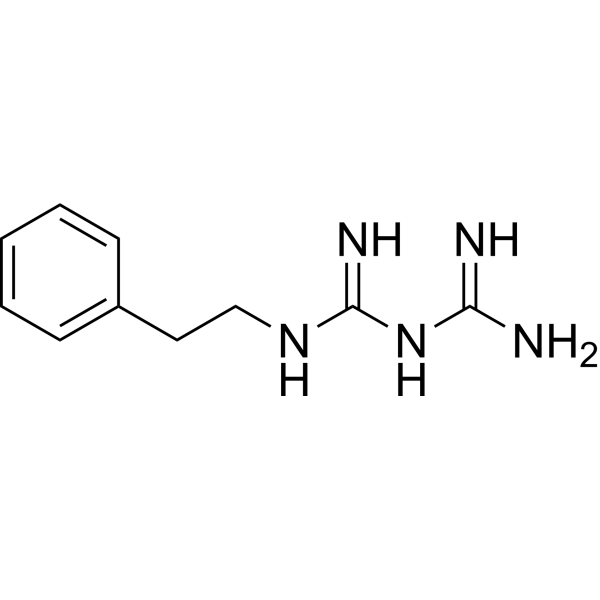
Phenformin (Phenethylbiguanide) is an orally active biguanide hypoglycemic agent. Phenformin inhibits mitochondrial respiratory chain complex I, leading to an increased AMP/ATP ratio, activation of AMPK, and subsequent inhibition of the mTOR pathway, thereby suppressing cell proliferation, inducing apoptosis and autophagy. Phenformin inhibits cancer stem cells (CSCs) and possesses potent antitumor potential .
loading...
    loading...
11
11 Cited Publications
Cat. No.: HY-16397A
CAS No.: 834-28-6
Synonyms: Phenethylbiguanide hydrochloride
Phenformin (Phenethylbiguanide) hydrochloride is an orally active biguanide hypoglycemic agent. Phenformin hydrochloride inhibits mitochondrial respiratory chain complex I, leading to an increased AMP/ATP ratio, activation of AMPK, and subsequent inhibition of the mTOR pathway, thereby suppressing cell proliferation, inducing apoptosis and autophagy. Phenformin hydrochloride inhibits cancer stem cells (CSCs) and possesses potent antitumor potential .
loading...
    loading...
10
10 Cited Publications
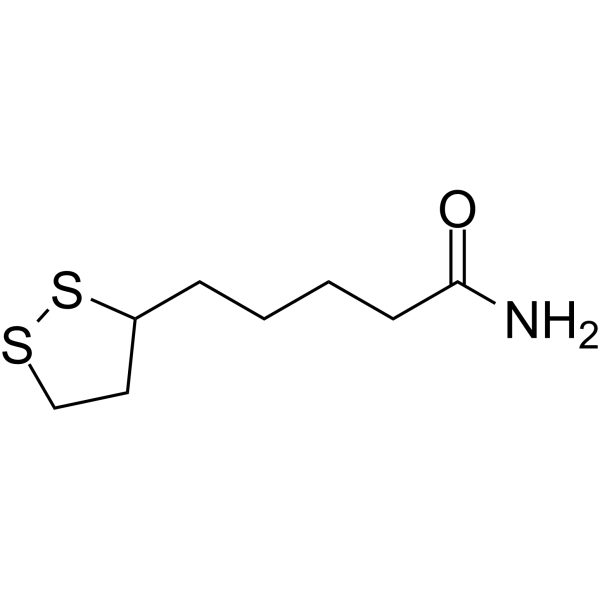
Cat. No.: HY-B1142
CAS No.: 940-69-2
Synonyms: (±)-α-Lipoamide; DL-Lipoamide; DL-6,8-Thioctamide
Lipoamide ((±)-α-Lipoamide) is a monocarboxylic acid derivative of a neutral amide, formed by the condensation of the carboxyl group of lipoic acid and ammonia. Lipoamide protects against oxidative stress-mediated neuronal cell damage and also acts as a coenzyme to transfer acetyl groups and hydrogen during pyruvate deacylation. Lipoamide also stimulates mitochondrial biogenesis in adipocytes through the endothelial NO synthase-cGMP-protein kinase G signaling pathway .
loading...
    loading...
7
7 Cited Publications
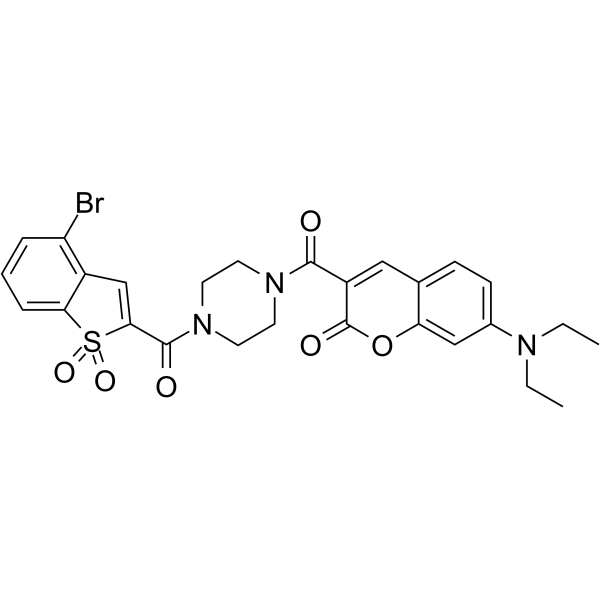
Cat. No.: HY-128588
CAS No.: 2361304-26-7
Purity:  98.40%
Target:  

STAT Apoptosis

Research Areas:  

Cancer

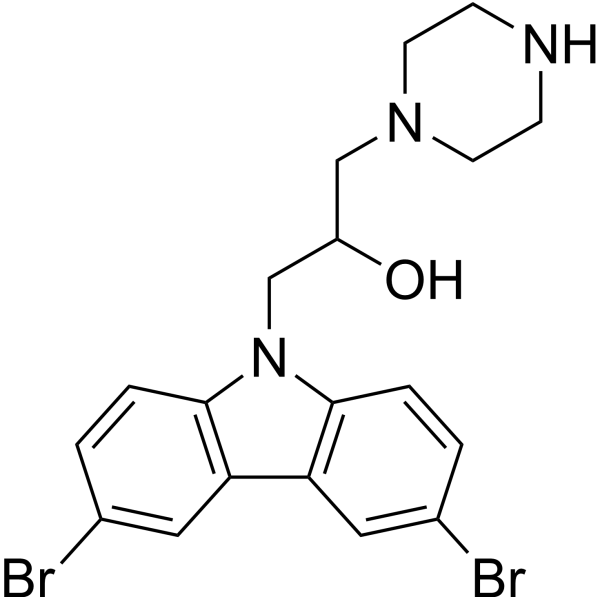
STAT3-IN-3 is a potent and selective inhibitor of signal transducer and activator of transcription 3 (STAT3), with anti-proliferative activity. STAT3-IN-3 induces apoptosis in breast cancer cells. STAT3-IN-3 acts as a promising mitochondria-targeting STAT3 inhibitor for cancer research .
loading...
    loading...

