1. Search Result
Search Result
Results for "

osteoclast activity

" in MedChemExpress (MCE) Product Catalog:

74

Inhibitors & Agonists

1

Fluorescent Dyes

5

Biochemical Assay Reagents

3

Peptides

2

Inhibitory Antibodies

35

Natural
Products

3

Isotope-Labeled Compounds

1

GMP Molecules

Cat. No. Product Name Target Research Areas Chemical Structure
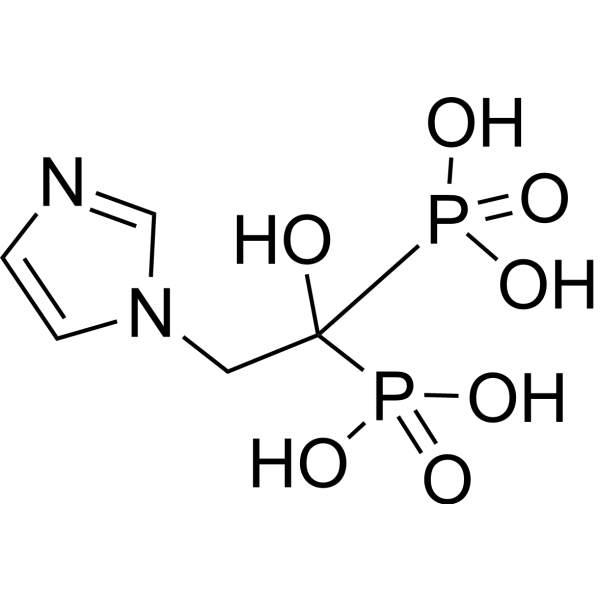
  • HY-13777
    Zoledronic Acid
    Maximum Cited Publications
    24 Publications Verification

    Zoledronate; CGP 42446; CGP42446A; ZOL 446

    Apoptosis Autophagy Bacterial Metabolic Disease Cancer
    Zoledronic Acid (Zoledronate) is a third-generation bisphosphonate (BP), with potent anti-resorptive activity. Zoledronic Acid inhibits the differentiation and apoptosis of osteoclasts. Zoledronic Acid also has anti-cancer effects .
    Zoledronic Acid
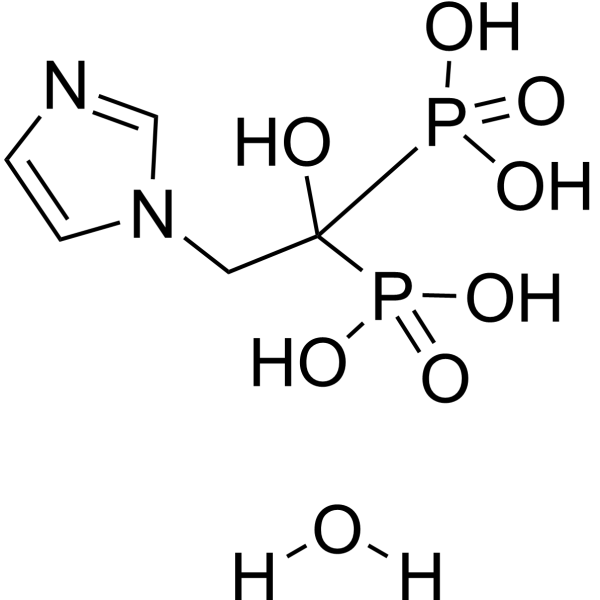
  • HY-13777A
    Zoledronic acid monohydrate
    Maximum Cited Publications
    24 Publications Verification

    Zoledronate monohydrate; CGP 42446 monohydrate; CGP42446A monohydrate; ZOL 446 monohydrate

    Apoptosis Autophagy Bacterial Metabolic Disease Cancer
    Zoledronic acid monohydrate (Zoledronate monohydrate) is a third-generation bisphosphonate (BP), with potent anti-resorptive activity. Zoledronic acid monohydrate inhibits the differentiation and apoptosis of osteoclasts. Zoledronic acid monohydrate also has anti-cancer effects .
    Zoledronic acid monohydrate
  • HY-N0721
    Neoandrographolide
    1 Publications Verification

    Neoandrographiside

    ERK p38 MAPK JNK NF-κB PI3K PPAR GSK-3 CaMK NO Synthase Reactive Oxygen Species (ROS) Apoptosis Cardiovascular Disease Metabolic Disease Inflammation/Immunology
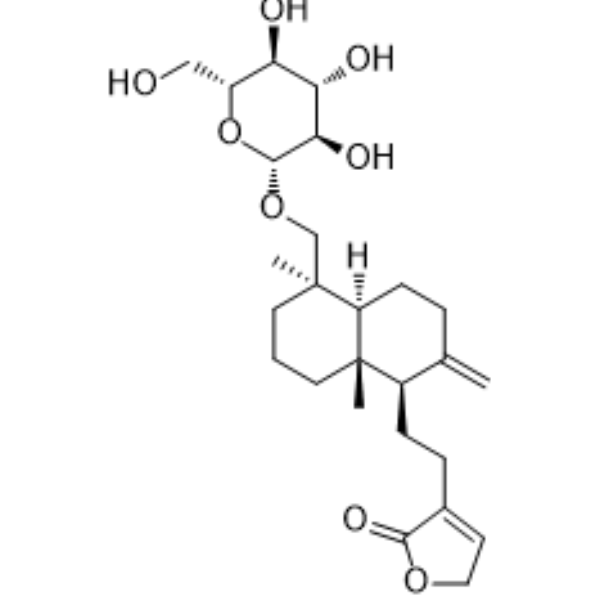
    Neoandrographolide is a diterpenoid compound isolated from Andrographis paniculata. Neoandrographolide inhibits osteoclasts differentiation and bone resorption through inhibition of MAPK/NF-κB/PI3K/AKT/GSK3β/PPAR/CAMK signaling pathway. Neoandrographolide inhibits apoptosis in rat embryonic ventricular cardiomyocytes. Neoandrographolide inhibits iNOS and the generation of ROS, activates eNOS, exhibiting anti-inflammatory and hypolipidemic activity .
    Neoandrographolide
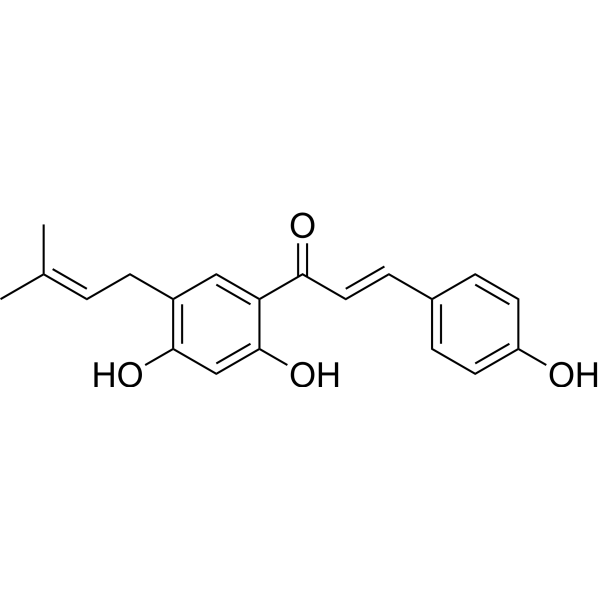
  • HY-N7204
    4-Hydroxyderricin
    1 Publications Verification

    Monoamine Oxidase Dopamine β-hydroxylase Apoptosis Neurological Disease Inflammation/Immunology
    4-Hydroxyderricin, the major active ingredients of Angelica keiskei Koidzumi, is an orally active, potent selective MAO-B (Monoamine oxidase inhibitors) inhibitor with an IC50 of 3.43 μM. 4-Hydroxyderricin also mildly inhibits dopamine β (DBH)-hydroxylase activity. 4-Hydroxyderricin has antidepressant activity, anti-allergic, anti-diabetic, anti-oxidant, and antitumor effects. 4-Hydroxyderricin promotes apoptosis and cell cycle arrest through regulating PI3K/AKT/mTOR pathway in hepatocellular cells. 4-Hydroxyderricin inhibits osteoclast formation and accelerates osteoblast differentiation . 4-Hydroxyderricin is promising for research of inflammatory diseases .
    4-Hydroxyderricin
  • HY-130237

    Reactive Oxygen Species (ROS) NF-κB Apoptosis Metabolic Disease Cancer
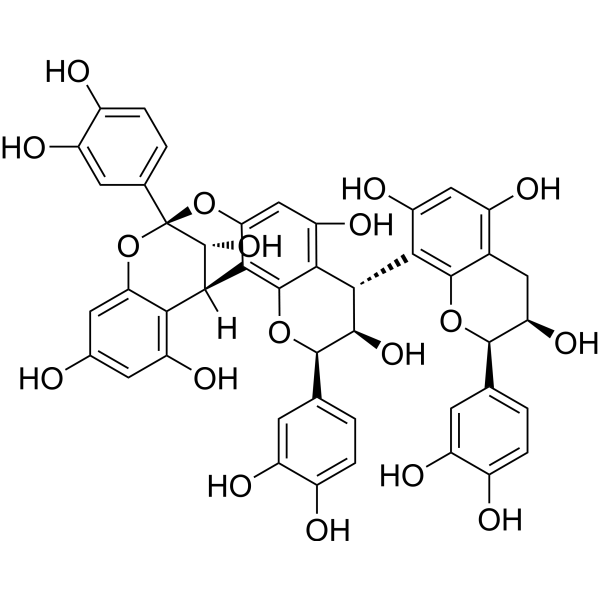
    Cinnamtannin B-1 is a anthocyanidin. Cinnamtannin B-1 inhibits the osteoclast formation by inhibiting NF-kB signaling pathway and ROS generation. Cinnamtannin B-1 exhibits antioxidant, anti-inflammatory, antitumor and anti-platelet aggregation activities. Cinnamtannin B-1 is orally active .
    Cinnamtannin B-1
  • HY-N2736
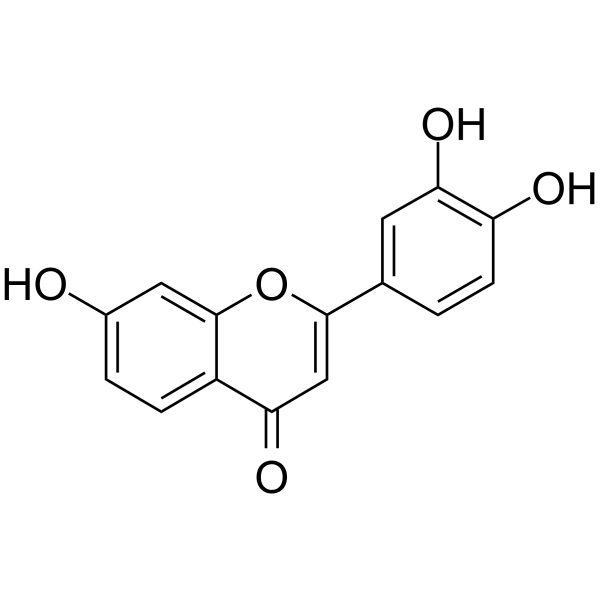
    3′,4′,7-Trihydroxyflavone
    1 Publications Verification

    Beta-lactamase COX Interleukin Related Bacterial JNK ERK p38 MAPK STAT Apoptosis NO Synthase Nuclear Factor of activated T Cells (NFAT) Lactate Dehydrogenase Reactive Oxygen Species (ROS) SOD Akt Caspase Bcl-2 Family Infection Neurological Disease Inflammation/Immunology
    3′,4′,7-Trihydroxyflavone is an orally active inhibitor of OXA-48 (IC50 = 1.89 μM) and COX-1 (IC50 = 36.37 μM). 3′,4′,7-Trihydroxyflavone exhibits antioxidant and anti-inflammatory properties, inhibiting the release of inflammatory cytokines such as IL-6, IL-8, and TNF-α. 3′,4′,7-Trihydroxyflavone inhibits H2O2-induced neuronal apoptosis and ROS accumulation, and exerts anti-neuroinflammatory effects by suppressing the JNK-STAT1 pathway. 3′,4′,7-Trihydroxyflavone exhibits antimicrobial and antibiotic-modifying activities against multidrug-resistant Gram-negative enteric bacteria. 3′,4′,7-Trihydroxyflavone inhibits RANKL-induced osteoclast formation via NFATc1. 3′,4′,7-Trihydroxyflavone activates the CREB-BDNF axis and restores scopolamine (HY-N0296)-induced memory deficits in mice .
    3′,4′,7-Trihydroxyflavone
  • HY-N0231
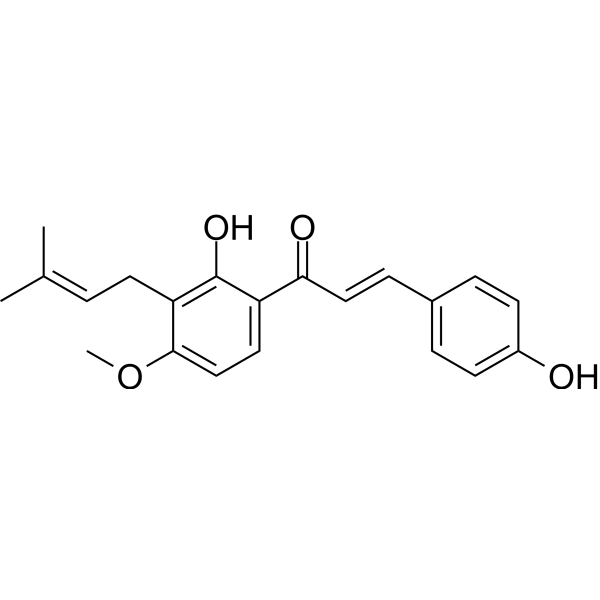
    Bavachalcone
    2 Publications Verification

    Broussochalcone B

    Bacterial Antibiotic NF-κB PERK Akt Autophagy Apoptosis Infection Neurological Disease Inflammation/Immunology Cancer
    Bavachalcone is a potent inducer of apoptosis. Bavachalcone exerts anticancer activity by promoting autophagy and apoptosis in HepG2 cells. Bavachalcone acts as an anti-neuroinflammatory and antidepressant through the NF-κB pathway. Bavachalcone inhibits osteoclasts by interfering with ERK and Akt signaling pathways and the expression of c-Fos and NFATc1. Bavachalcone exhibits a significant inhibitory effect on baculovirus-expressed BACE-1 in vitro .
    Bavachalcone
  • HY-175416

    KC289

    Piezo Channel Calcium Channel Cardiovascular Disease Metabolic Disease
    Yoda2 (KC289), the potassium salt of Yoda1 (HY-18723), is a PIEZO1 agonist with an EC50 of 150 nM. Yoda2 evokes Ca 2+ elevation and NO-dependent relaxation. Yoda2 induces relaxation in mouse arterial and cavernous tissues. Yoda2 inhibits glucocorticoid-induced osteoclast formation and bone resorptive activity, reverses glucocorticoid-induced bone density loss and architectural deterioration, and does not induce medication-related osteonecrosis of the jaw in mice. Yoda2 can be used for the researches of hypertension and osteoporosis .
    Yoda2
  • HY-N0444

    Reactive Oxygen Species (ROS) Inflammation/Immunology
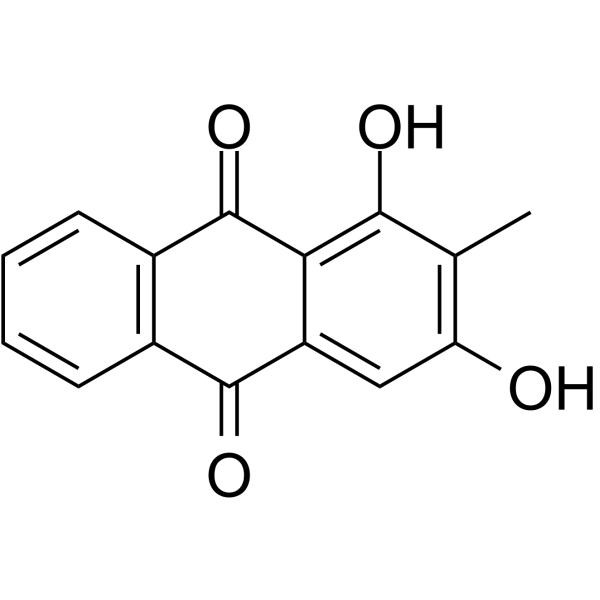
    Rubiadin is an orally active polyketide-derived compound and free radical scavenger that inhibits the activation of the NF-κB pathway. Rubiadin inhibits osteoclast formation, bone resorption, lipid peroxidation, HBV DNA replication and cancer cell proliferation; reduces pro-inflammatory cytokine levels; induces cancer cell apoptosis; and possesses antifungal, antimalarial, antibacterial and anticonvulsant activities. Rubiadin can be used in the research of osteoporosis, acute inflammation, chronic inflammation, carbon tetrachloride-induced liver injury, Alzheimer's disease, breast cancer, iron overload disorders, hepatitis B virus infection, colon cancer, liver cancer, T-lymphocytic leukemia, cervical cancer, diabetic nephropathy, epileptic seizures, fungal infections, malaria and bacterial infections .
    Rubiadin
  • HY-N5048

    6'-O-Galloyl paeoniflorin

    NF-κB ERK JNK Nuclear Factor of activated T Cells (NFAT) Keap1-Nrf2 PI3K Akt Reactive Oxygen Species (ROS) Apoptosis DNA/RNA Synthesis Infection Neurological Disease Metabolic Disease Inflammation/Immunology
    Galloylpaeoniflorin (6'-O-Galloyl paeoniflorin) is an orally active galloylated derivative of Paeoniflorin (HY-N0293) found in peony roots with various anti-inflammatory and antioxidant activities. Galloylpaeoniflorin suppresses RANKL-induced activation of ERK, JNK, c-Fos, c-Jun, and NFATc1, and reduces osteoclast-specific gene expression. Galloylpaeoniflorin activates Nrf2 and PI3K/Akt pathways, inhibits NF-κB activation, and scavenges ROS to reduce oxidative DNA, lipid, and protein damage. Galloylpaeoniflorin attenuates neuroinflammation, inhibits apoptosis, reduces Helicobacter pylori-induced gastric mucosa injury and UVB-induced cell damage. Galloylpaeoniflorin can be used for the research of osteoporosis, gastritis, ischemic stroke and skin diseases .
    Galloylpaeoniflorin
  • HY-N0819
    Raddeanin A
    1 Publications Verification

    Apoptosis PI3K Akt ERK mTOR Wnt β-catenin Wee1 JNK VEGFR CDK Neurological Disease Inflammation/Immunology Cancer
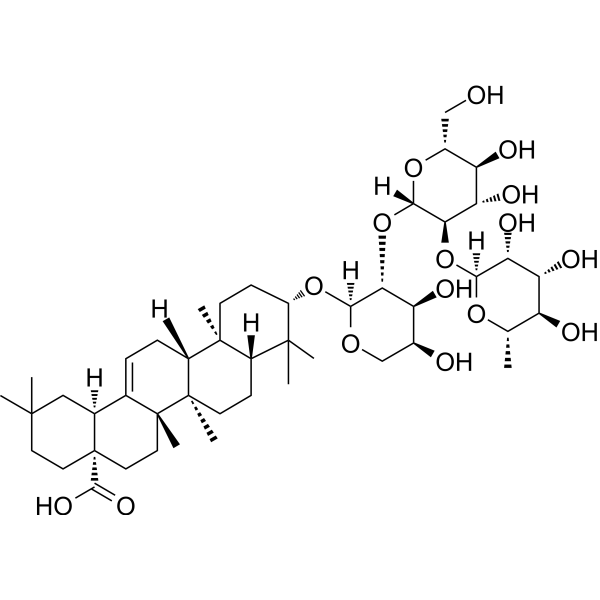
    Raddeanin A is an oleanane-type triterpenoid saponin with oral activity. Raddeanin A inhibits SRC, mTOR, JNK, VEGFR2, NLRP3 inflammasome, Wnt/β-catenin, Wee1, PI3K/AKT signaling pathway, MAPK/ERK signaling pathway, AR-FL, AR-Vs, and downregulates the expression of p-PI3K and p-AKT. Raddeanin A inhibits osteoclast formation, bone resorption, osteolysis, cancer cell invasion, migration, proliferation, angiogenesis and epithelial-mesenchymal transition, while induces apoptosis, cell cycle arrest, ROS production, immunogenic cell death and dendritic cell maturation. Raddeanin A improves blood-retinal barrier function, alleviates inflammation, regulates the tumor microenvironment, and enhances the activity of anti-PD-1 antibody. Raddeanin A is applicable to the research of breast cancer-associated osteolysis, human osteosarcoma, colorectal cancer, glioblastoma, Alzheimer's disease, cholangiocarcinoma, melanoma, non-small cell lung cancer, castration-resistant prostate cancer and multiple myeloma .
    Raddeanin A
  • HY-N6624
    Skullcapflavone II
    2 Publications Verification

    Bacterial Inflammation/Immunology
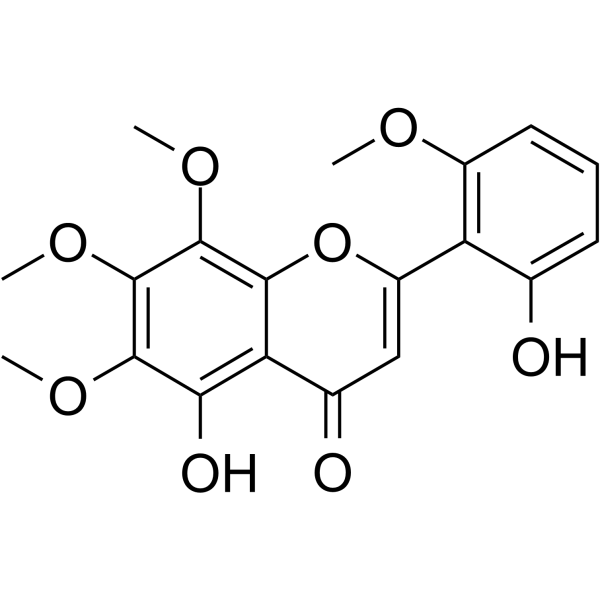
    Skullcapflavone II, a flavonoid derived from Scutellaria baicalensis, has anti-inflammatory, anti-microbial activities. Skullcapflavone II regulates osteoclast differentiation, survival, and function. Skullcapflavone II exerts potent antimicrobial activity against M. aurum and M. bovis BCG .
    Skullcapflavone II
  • HY-126114
    Lupeol acetate
    1 Publications Verification

    COX Interleukin Related Bacterial Fungal Parasite Infection Inflammation/Immunology Cancer
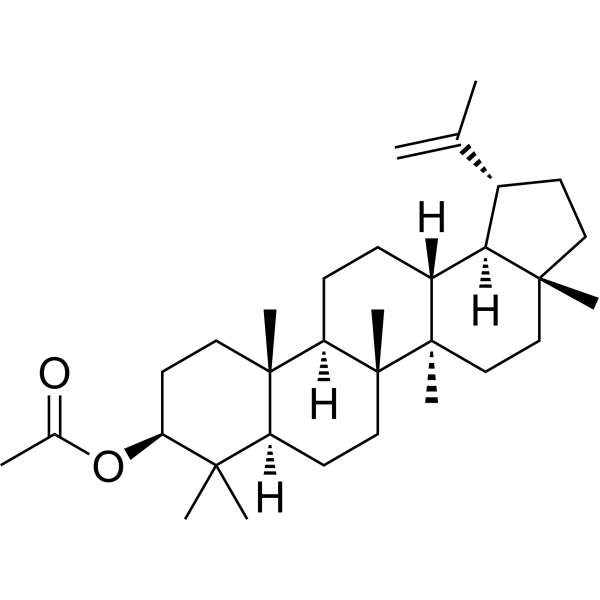
    Lupeol acetate is a derivative of Lupeol. Lupeol acetate is an anti-inflammatory, antibacterial, anti-trypanosomic and anticancer agent with oral activity. Lupeol acetate significantly improves the symptoms of rheumatoid arthritis by down-regulating the expression of inflammatory cytokines and osteoclast production. Lupeol acetate inhibits spermatogenesis in male rats and eventually led to infertility .
    Lupeol acetate
  • HY-N0656
    Usnic acid
    2 Publications Verification

    Bacterial DNA/RNA Synthesis Nuclear Factor of activated T Cells (NFAT) Apoptosis Infection Inflammation/Immunology Cancer
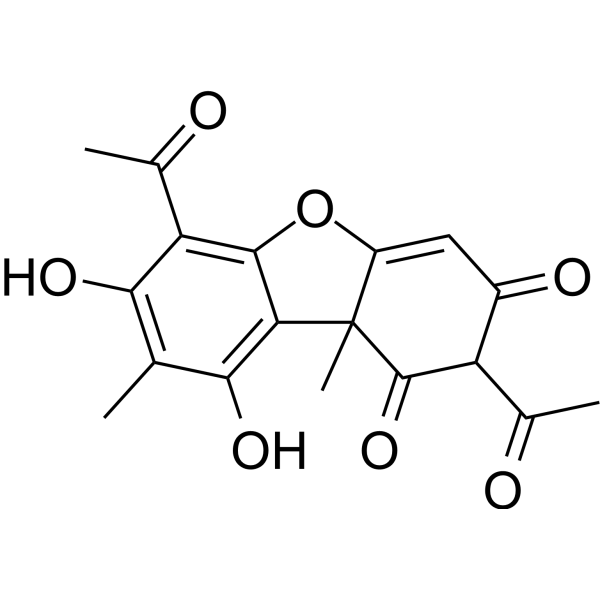
    Usnic acid is a secondary metabolite of lichens with a unique dibenzofuran skeleton. Usnic acid inhibits DNA/RNA synthesis and has antibacterial activity. Usnic acid induces cell cycle arrest and apoptosis and has anticancer activity. Usnic acid inhibits RANKL-mediated osteoclast formation and function by reducing the transcriptional and translational expression of NFATc1. Usnic acid has antioxidant and anti-inflammatory activities by inhibiting lipid peroxidation and myeloperoxidase .
    Usnic acid
  • HY-B2162C

    Chondroitin polysulfate (from pig)

    Endogenous Metabolite Inflammation/Immunology
    Chondroitin sulfate (from pig) (Chondroitin polysulfate (from pig)) is a sulfated linear polysaccharide extracted from pigs, which belongs to glycosaminoglycans. Chondroitin sulfate (from pig) exerts inconsistent inhibitory effects on the resorptive activity of human osteoclasts. Chondroitin sulfate (from pig) can be used in studies related to osteoarthritis .
    Chondroitin sulfate (from pig)
  • HY-B2162B

    Chondroitin polysulfate sodium (from bovine)

    Reactive Oxygen Species (ROS) Endogenous Metabolite Inflammation/Immunology
    Chondroitin sulfate (Chondroitin polysulfate) sodium (from bovine)) is a sulfated linear polysaccharide extracted from bovine sources, belonging to glycosaminoglycans. Chondroitin sulfate sodium (from bovine) inhibits osteoclast-mediated bone resorption and exhibits antioxidant activity, which is negatively correlated with molecular weight. Chondroitin sulfate sodium (from bovine) can be used in studies related to osteoarthritis .
    Chondroitin sulfate sodium (from bovine)
  • HY-108059

    (3R)-β-Cryptoxanthin

    Drug Derivative Neurological Disease Metabolic Disease Inflammation/Immunology Cancer
    β-Cryptoxanthin ((3R)-β-Cryptoxanthin) is an orally active carotenoid found in fruits and vegetables such as angerines, red peppers, and pumpkin. β-Cryptoxanthin inhibits prevents osteoclast formation and inhibits bone resorption. β-Cryptoxanthin maintains retinol status in vivo. β-cryptoxanthin shows anti-inflammation and anticancer activity. β-Cryptoxanthin can be used for the researches of osteoporosis and bladder carcer .
    β-Cryptoxanthin
  • HY-N2484
    Methylnissolin
    2 Publications Verification

    Astrapterocarpan

    PDGFR ERK Cardiovascular Disease Neurological Disease Metabolic Disease Inflammation/Immunology
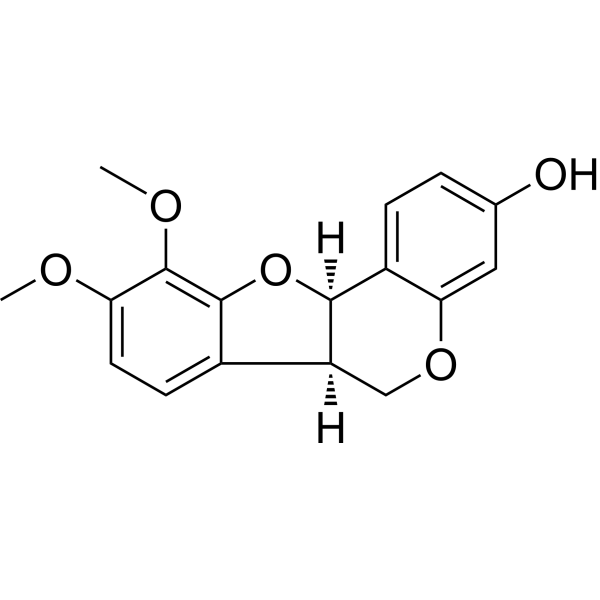
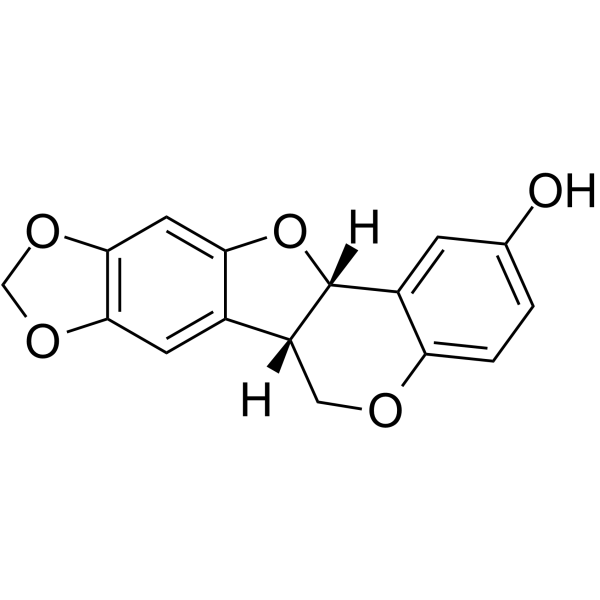
    Methylnissolin (Astrapterocarpan) is an osteoclast inhibitor with anti-inflammatory, neuroprotective and antioxidant activities. Methylnissolin downregulates the activation of the MAPK and PI3K/AKT pathways, inhibits the phosphorylation of MAPK1 and AKT1, and blocks PDGF-BB-induced phosphorylation of ERK1/2. Methylnissolin reduces the expression and secretion of proinflammatory mediators, decreases intracellular ROS levels, upregulates antioxidant enzymes, and downregulates osteoclastogenesis markers. Methylnissolin is applicable to research related to ischemic stroke, osteoporosis, cardiovascular diseases, skin aging, etc.
    Methylnissolin
  • HY-N0381
    Maackiain
    1 Publications Verification

    DL-​Maackiain

    Keap1-Nrf2 p38 MAPK NOD-like Receptor (NLR) NF-κB mTOR Monoamine Oxidase Nuclear Factor of activated T Cells (NFAT) PKC Apoptosis Pyroptosis Autophagy Dengue Virus Infection Neurological Disease Metabolic Disease
    Maackiain (DL-Maackiain) is an orally active multi-target inhibitor with anti-tumor activity and neuroprotective effects. Maackiain activates the AMPK, NLRP3 and Nrf2/HO-1 pathways, and inhibits key targets such as NF-κB, mTOR, MAO-B, NFATc1 and PKCδ, thereby precisely regulating processes including apoptosis, autophagy and pyroptosis. Maackiain also effectively inhibits microglial activation, osteoclast formation, and proliferation and invasion of tumor cells, and protects dopaminergic neurons from damage. Maackiain is applicable to the research of various diseases such as Alzheimer's disease, osteoporosis, sepsis and dengue fever 。
    Maackiain
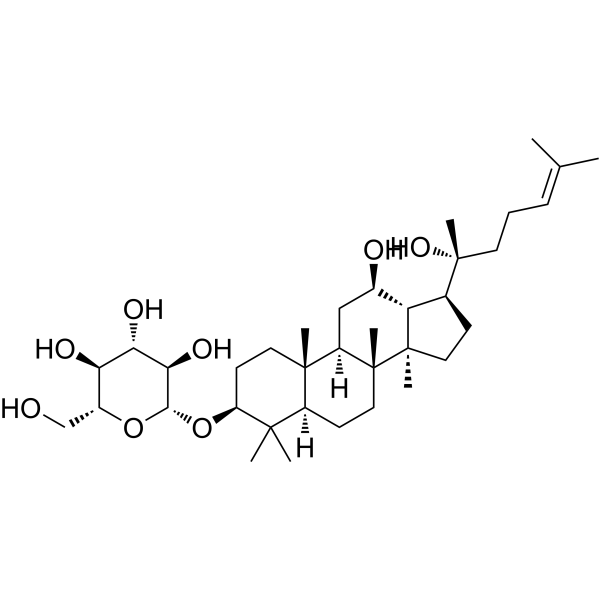
  • HY-N1401
    20(R)-Ginsenoside Rh2
    2 Publications Verification

    MMP Apoptosis HSV DNA/RNA Synthesis NO Synthase Prostaglandin Receptor Reactive Oxygen Species (ROS) Akt Infection Inflammation/Immunology Cancer
    20(R)-Ginsenoside Rh2 is an orally active protopanaxadiol-type saponin with multiple biological activities. 20(R)-Ginsenoside Rh2 exerts a significant inhibitory effect on non-small cell lung cancer and liver cancer by inducing cell cycle arrest and promoting apoptosis. 20(R)-Ginsenoside Rh2 exerts anti-γ-herpesvirus effects by inhibiting viral DNA replication. 20(R)-Ginsenoside Rh2 inhibits inflammatory mediators by reducing the levels of NO, PGE2, and ROS; it can delay skin photoaging by reducing ROS and inhibiting MMP-9/2 activity. 20(R)-Ginsenoside Rh2 accelerates the recovery after muscle injury by activating the Akt1/PKB signaling pathway. 20(R)-Ginsenoside Rh2 can inhibit osteoclast formation and exert an anti-osteoporosis effect .
    20(R)-Ginsenoside Rh2
  • HY-N0805A
    Alisol B
    1 Publications Verification

    Epoxide Hydrolase CaMK Autophagy Apoptosis Metabolic Disease Inflammation/Immunology Cancer
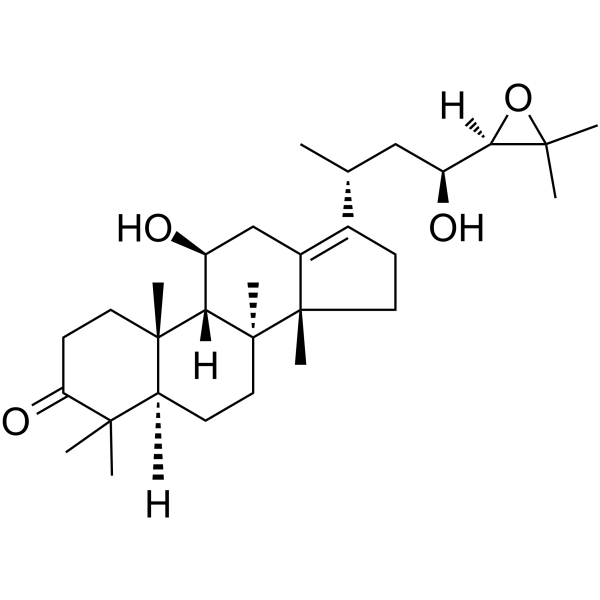
    Alisol B is a triterpene with diverse biological activities. Alisol B binds human soluble epoxide hydrolase (sEH) with a Ki of 5.97 μM and reduces sEH activity. Alisol B inhibits RANKL-induced JNK phosphorylation, NFATc1 and c-Fos expression, osteoclast formation, mature osteoclast pit-forming and actin ring activity, and SERCA pump activity. Alisol B induces calcium mobilization, CaMKK-AMPK-mTOR pathway activation, autophagic flux, autophagosome formation, G1 phase cell cycle arrest, endoplasmic reticulum stress, unfolded protein responses, and cancer cell apoptosis. Alisol B can be used for the research of hypercalcemia, osteoporosis, rheumatoid arthritis, periodontitis, acute kidney injury, and breast cancer .
    Alisol B
  • HY-W423191

    4-O-α-D-Glucopyranosyl-D-gluconic acid

    Nuclear Factor of activated T Cells (NFAT) Bacterial Infection Metabolic Disease
    Maltobionic acid (4-O-α-D-Glucopyranosyl-D-gluconic acid) is an orally active oligosaccharide and iron chelator with antibacterial activity. Maltobionic acid inhibits the expression of NFATc1, suppresses osteoclast differentiation, inhibits bone resorption, and increases serum calcitonin levels. Maltobionic acid protects mammalian cells from hydrogen peroxide (H2O2)-induced oxidative damage; resists fermentation by the gut microbiota; and exhibits anti-digestive and anti-fermentative properties. Maltobionic acid can be used in research related to osteoporosis, bacterial infections, and constipation .
    Maltobionic acid
  • HY-P990165

    RANKL/RANK E1/E2/E3 Enzyme NF-κB Inflammation/Immunology Cancer
    Anti-Mouse RANKL/CD254 Antibody (IK22/5) is an anti-mouse RANKL/CD254 IgG2a monoclonal antibody. Anti-Mouse RANKL/CD254 Antibody (IK22/5) inhibits osteoclast formation and activity by specifically blocking the binding of RANKL and RANK. Anti-Mouse RANKL/CD254 Antibody (IK22/5) can inhibit the expression of MuRF1/Trogin-1 and activation of NF-κB. Anti-Mouse RANKL/CD254 Antibody (IK22/5) can be used for research on cancer such as melanoma or colon cancer and osteoporosis .
    Anti-Mouse RANKL/CD254 Antibody (IK22/5)
  • HY-159838

    EI‐1071

    c-Fms Amyloid-β Neurological Disease Cancer
    Enrupatinib (EI‐1071) is a potent, orally active, CNS-penetrant and selective CSF1R inhibitor. Enrupatinib inhibits macrophage proliferation and osteoclast differentiation in vitro. Enrupatinib preserves microglia distal to plaques. Enrupatinib mitigates Alzheimer's disease (AD)-related pathologies by reducing neuroinflammation, preserving neuronal integrity, lowering disease-associated microglia gene expression, and enhancing cognitive function in 5xFAD and J20 mouse models. Enrupatinib reduces tumor-associated macrophage infiltration and enhances antitumor activity of anti-PD-1 antibody in murine colorectal cancer and breast cancer models. Enrupatinib can be used for the research of AD, colorectal cancer, and breast cancer .
    Enrupatinib
  • HY-W002879

    Reactive Oxygen Species (ROS) Inflammation/Immunology
    4-Hydroxyphenylboronic acid pinacol ester is a ROS-responsive component. 4-Hydroxyphenylboronic acid pinacol ester can structurally modify hyaluronic acid to prepare ROS-responsive intelligent nanocarriers and compound delivery systems. 4-Hydroxyphenylboronic acid pinacol ester endows hyaluronic acid-based nanocarriers with ROS responsiveness, enabling them to rapidly release the encapsulated Curcumin (HY-N0005) in the presence of reactive oxygen species. 4-Hydroxyphenylboronic acid pinacol ester is applicable to research related to periodontitis. 4-Hydroxyphenylboronic acid pinacol ester can also be used for the synthesis of boronic acid-modified resins .
    4-Hydroxyphenylboronic acid pinacol ester
  • HY-P990552A

    PAI-1 Integrin Cancer
    huATN-658 is an inhibitor that specifically targets the DIII domain of human urokinase plasminogen activator receptor (uPAR). huATN-658 neutralizes uPAR function by blocking the interaction between uPAR and integrins, without interfering with the binding of uPA or vitronectin to uPAR. huATN-658 inhibits the proliferation and invasion of breast cancer cells, slows the growth of primary breast tumors, reduces breast cancer-induced bone lesions and decreases osteoclast activity. huATN-658 also alters the gene expression of the TGF-β receptor complex signaling pathway. huATN-658 exerts synergistic anticancer effects when combined with Zoledronic Acid (HY-13777), and does not cause physiological or behavioral abnormalities in immunodeficient mice. huATN-658 can be used in research related to breast cancer, metastatic breast cancer and breast cancer-induced bone disease .
    huATN-658
  • HY-N2465

    Others Inflammation/Immunology
    Methylsticin is a kavalactone isolated from the Piper methysticum . Methylsticin exhibit osteoclast formation inhibitory activity .
    Methylsticin
  • HY-N15723

    Others Others
    Dipsacus saponin A is an orally active triterpenoid saponin found in the roots of Dipsacus asper. Dipsacus saponin A promotes bone repair by regulating osteoblast activity and inhibiting osteoclast function. Dipsacus saponin A is promising for research of bone diseases such as fracture healing and osteoporosis .
    Dipsacus saponin A
  • HY-138869

    Endogenous Metabolite Cancer
    AubipyOMe serves as a potent inhibitor of tartrate-resistant acid phosphatase (TRAP/ACP5), a metalloenzyme found in activated osteoclasts and macrophages, demonstrating IC50 values of 1.3 μM for TRAP5a and 1.8 μM for TRAP5b, while effectively inhibiting TRAP activity in extracts from murine macrophages and human lung tissue.
    AubipyOMe
  • HY-P5522A
    TriDAP dihydrochloride
    1 Publications Verification

    L-Ala-γ-D-Glu-meso-diaminopimelic acid dihydrochloride

    NOD-like Receptor (NLR) NF-κB MAP3K MEK ERK p38 MAPK Interleukin Related SARS-CoV Infection Inflammation/Immunology
    TriDAP dihydrochloride (L-Ala-γ-D-Glu-meso-diaminopimelic acid dihydrochloride) is a NOD1 agonist with a Kd value of 34.5 μM. TriDAP dihydrochloride enhances the binding of NOD1-RICK, promotes RICK phosphorylation, and activates the NF-κB, TAK1, MEK/ERK, p38 and interferon response pathways. TriDAP dihydrochloride downregulates Runx2 via increasing ubiquitination and reduces trabecular bone parameters. TriDAP dihydrochloride decreases IκBα levels and increases p65 levels. TriDAP dihydrochloride induces the secretion of proinflammatory mediators IL-8 and prostaglandins, triggers tissue inflammation and innate immune activation, and inhibits SARS-CoV-2 replication in lung epithelial cells. TriDAP dihydrochloride increases the RANKL/OPG ratio in mice, reduces bone mass and enhances osteoclast activity, and inhibits new bone formation by decreasing the mineralization deposition rate in mice. TriDAP dihydrochloride can be used in research related to pulpitis, chronic ulcerative colitis, Crohn's disease and SARS-CoV-2 infection .
    TriDAP dihydrochloride
  • HY-N9359

    Apoptosis Cardiovascular Disease
    Toddaculin is a natural coumarin that can induce differentiation and apoptosis in leukemic cells. Toddaculin suppresses excess osteoclast activity and enhances osteoblast differentiation and mineralization. Toddaculin also exhibits anti-inflammatory activity .
    Toddaculin
  • HY-129337

    Antibiotic Fungal Apoptosis Infection Cancer
    Reveromycin A, a benzoquinoid antibiotic isolated from the genus Streptomyces, is a selective inhibitor of protein synthesis in eukaryotic cells. Reveromycin A inhibits bone resorption by inducing apoptosis specifically in osteoclasts. Reveromycin A has antiproliferative activity against tumor cell lines and antifungal activity .
    Reveromycin A
  • HY-16275

    GS 9450; LB-84451

    Caspase Interleukin Related Inflammation/Immunology
    Nivocasan (GS 9450; LB-84451) is a pan-caspase inhibitor that irreversibly arrests caspase-1 activity and inhibits that of caspase-8. Nivocasan inhibits IL-1β cleavage and blocks osteoclast differentiation. Nivocasan inhibits the protein expression of NFATc1 and CSTK .
    Nivocasan
  • HY-N0656R

    Reference Standards Bacterial DNA/RNA Synthesis Nuclear Factor of activated T Cells (NFAT) Apoptosis Infection Inflammation/Immunology Cancer
    Usnic acid is a secondary metabolite of lichens with a unique dibenzofuran skeleton. Usnic acid inhibits DNA/RNA synthesis and has antibacterial activity. Usnic acid induces cell cycle arrest and apoptosis and has anticancer activity. Usnic acid inhibits RANKL-mediated osteoclast formation and function by reducing the transcriptional and translational expression of NFATc1. Usnic acid has antioxidant and anti-inflammatory activities by inhibiting lipid peroxidation and myeloperoxidase .
    Usnic acid (Standard)
  • HY-W107722

    LRRK2 Endocrinology
    IN04 is a inhibitor of leucine-rich repeat kinase 1 (LRRK1). IN04 can completely block the binding of ATP to the human LRRK1 kinase domain, thereby inhibiting the kinase activity of LRRK1. IN04 can significantly impair the bone resorption ability of osteoclasts, with an IC50 value of 5.72 μM. IN04 can be used for the study of osteoporosis .
    IN04
  • HY-107614G

    1-Oleoyl-sn-glycero-3-phosphate sodium; 1-Oleoyl-LPA sodium

    LPL Receptor ROCK TGF-beta/Smad TGF-β Receptor Neurological Disease Cancer
    1-Oleoyl lysophosphatidic acid sodium (GMP) is the GMP-grade form of 1-Oleoyl lysophosphatidic acid sodium (HY-107614). GMP-grade small molecules serve as auxiliary reagents in cell therapy. 1-Oleoyl lysophosphatidic acid sodium is a bioactive lipid signaling molecule. 1-Oleoyl lysophosphatidic acid sodium inhibits lysoPLD-catalyzed hydrolysis of lysophosphatidylcholine and FS-3. 1-Oleoyl lysophosphatidic acid sodium activates LPA1 and LPA2, thereby triggering calcium mobilization, NFATc1 translocation, Rho/ROCK activation, Smad2/3 phosphorylation and c-Fos expression. 1-Oleoyl lysophosphatidic acid sodium induces anxiety-like, depression-like and hypoactivity phenotypes, regulates osteoclast cytoskeleton and viability, reduces osteoclast bone resorptive activity, and drives mesenchymal stem cell differentiation into myofibroblast-like cells. 1-Oleoyl lysophosphatidic acid sodium stimulates the secretion of transforming growth factor-β1 and stromal cell-derived factor-1. 1-Oleoyl lysophosphatidic acid sodium is applicable to research related to anxiety, depression and ovarian cancer .
    1-Oleoyl lysophosphatidic acid sodium
  • HY-P5522

    L-Ala-γ-D-Glu-meso-diaminopimelic acid

    NOD-like Receptor (NLR) NF-κB MAP3K MEK ERK p38 MAPK Interleukin Related SARS-CoV Infection Inflammation/Immunology
    TriDAP (L-Ala-γ-D-Glu-meso-diaminopimelic acid) is a NOD1 agonist with a Kd value of 34.5 μM. TriDAP enhances the binding of NOD1-RICK, promotes RICK phosphorylation, and activates the NF-κB, TAK1, MEK/ERK, p38 and interferon response pathways. TriDAP downregulates Runx2 via increasing ubiquitination and reduces trabecular bone parameters. TriDAP decreases IκBα levels and increases p65 levels. TriDAP induces the secretion of proinflammatory mediators IL-8 and prostaglandins, triggers tissue inflammation and innate immune activation, and inhibits SARS-CoV-2 replication in lung epithelial cells. TriDAP increases the RANKL/OPG ratio in mice, reduces bone mass and enhances osteoclast activity, and inhibits new bone formation by decreasing the mineralization deposition rate in mice. TriDAP can be used in research related to pulpitis, chronic ulcerative colitis, Crohn's disease and SARS-CoV-2 infection .
    TriDAP
  • HY-125064

    Src Cancer
    AP22408 is a nonpeptide inhibitor against Src SH2 with an IC50 value of 0.3 μM. AP22408 inhibits rabbit osteoclast-mediated resorption of dentine, exhibits bone-targeting properties based on a hydroxyapatite adsorption assay and demonstrates in vivo antiresorptive activity in a parathyroid hormone-induced rat model. AP22408 is proming for rasearch of osteoporosis and other bone-related diseases such as Paget’s disease, osteolytic bone metastasis and hypercalcemia associated with malignancy .
    AP22408
  • HY-179002

    Estrogen Receptor/ERR Inflammation/Immunology
    (S)-STO021 is a highly selective, orally effective ERβ agonist. (S)-STO021 has a dual activity of inhibiting osteoclast activity and promoting osteoblast activity. (S)-STO021 can be used for research on osteoporosis .
    (S)-STO021
  • HY-121282B

    Pecazine acetate

    Apoptosis MALT1 Others
    Mepazine acetate (Pecazine acetate) is a drug that has the activity to inhibit the protease activity of MALT1. Mepazine acetate is often used to study the role of MALT1 in biology. Treatment of mouse bone marrow precursor cells with mepazine acetate strongly inhibited RANK ligand (RANKL)-induced osteoclast formation. Mepazine acetate also inhibited the expression of multiple osteoclast markers such as TRAP, feline hepsin K, and calcitonin. The protective effect of mepazine acetate was not affected by MALT1 deficiency. The mechanism of action of mepazine acetate may involve MALT1-independent mechanisms, and this aspect needs to be considered in future studies .
    Mepazine acetate
  • HY-13777B

    Zoledronate disodium tetrahydrate; CGP 42446 disodium tetrahydrate; CGP42446A disodium tetrahydrate; ZOL 446 disodium tetrahydrate

    Apoptosis Autophagy Bacterial Metabolic Disease Cancer
    Zoledronic Acid (Zoledronate) disodium tetrahydrate is a third-generation bisphosphonate (BP), with potent anti-resorptive activity. Zoledronic Acid disodium tetrahydrate inhibits the differentiation and apoptosis of osteoclasts. Zoledronic Acid disodium tetrahydrate also has anti-cancer effects .
    Zoledronic acid disodium tetrahydrate
  • HY-169703
    SPA0355
    1 Publications Verification

    RANKL/RANK p38 MAPK Akt NF-κB Inflammation/Immunology
    SPA0355 is a thiourea derivative that has antioxidant and anti-inflammatory properties. SPA0355 inhibits the RANKL (receptor activator of nuclear factor κB ligand) induced osteoclast formation in primary bone marrow-derived macrophages. SPA0355 also suppresses the activation of the MAPKs, Akt, and NF-κB pathways. Additionally, SPA0355 promotes osteoblast differentiation, increases alkaline phosphatase activity, and enhances mineral nodule formation. SPA0355 can protect ovariectomized mice from bone loss by stimulating osteoblast differentiation and inhibiting osteoclast resorption, making it useful for studying postmenopausal osteoporosis .
    SPA0355
  • HY-13777S1

    Zoledronate-d3; CGP 42446-d3; CGP42446A-d3; ZOL 446-d3

    Isotope-Labeled Compounds Apoptosis Bacterial Autophagy Metabolic Disease Cancer
    Zoledronic acid-d3 (Zoledronate-d3) is the deuterium labeled Zoledronic acid (HY-13777). Zoledronic Acid (Zoledronate) is a third-generation bisphosphonate (BP), with potent anti-resorptive activity. Zoledronic Acid inhibits the differentiation and apoptosis of osteoclasts. Zoledronic Acid also has anti-cancer effects .
    Zoledronic acid-d3
  • HY-118482

    Saurolactam

    Others Neurological Disease
    Sauristolactam, a natural aristolactam isolated from aerial portions of Saururus chinensis, has significant neuroprotective activity against glutamate-induced toxicity in primary cultured rat cortical cells . Sauristolactam also inhibits the receptor activator of nuclear factor-κB ligand (RANKL)-induced osteoclastogenesis and has the potential to inhibit osteoclast differentiation .
    Sauristolactam
  • HY-123394

    Src Metabolic Disease
    AP22161 is a potent and selective Src SH2 domain inhibitor with an IC50 of 0.24 µM. AP22161 exhibits >120-fold selectivity over Yes SH2 (IC50 = 29.38 µM) and ZAP SH2 (IC50 = 421.86 µM). AP22161 inhibits Src-dependent cellular activity and diminishes osteoclast resorptive activity. AP22161 can be used for osteoporosis research .
    AP-22161
  • HY-N0721R

    Neoandrographiside (Standard)

    Reference Standards ERK p38 MAPK JNK NF-κB PI3K PPAR GSK-3 NO Synthase Reactive Oxygen Species (ROS) Apoptosis Cardiovascular Disease Metabolic Disease Inflammation/Immunology
    Neoandrographolide (Standard) is the analytical standard of Neoandrographolide. This product is intended for research and analytical applications. Neoandrographolide is a diterpenoid compound isolated from Andrographis paniculata. Neoandrographolide inhibits osteoclasts differentiation and bone resorption through inhibition of MAPK/NF-κB/PI3K/AKT/GSK3β/PPAR/CAMK signaling pathway. Neoandrographolide inhibits apoptosis in rat embryonic ventricular cardiomyocytes. Neoandrographolide inhibits iNOS and the generation of ROS, activates eNOS, exhibiting anti-inflammatory and hypolipidemic activity .
    Neoandrographolide (Standard)
  • HY-13777R

    Zoledronate (Standard); CGP 42446 (Standard); CGP42446A (Standard); ZOL 446 (Standard)

    Reference Standards Apoptosis Autophagy Bacterial Metabolic Disease Cancer
    Zoledronic Acid (Standard) is the analytical standard of Zoledronic Acid. This product is intended for research and analytical applications. Zoledronic Acid (Zoledronate) is a third-generation bisphosphonate (BP), with potent anti-resorptive activity. Zoledronic Acid inhibits the differentiation and apoptosis of osteoclasts. Zoledronic Acid also has anti-cancer effects .
    Zoledronic Acid (Standard)
  • HY-13777AR

    Zoledronate monohydrate (Standard); CGP 42446 monohydrate (Standard); CGP42446A monohydrate (Standard); ZOL 446 monohydrate (Standard)

    Reference Standards Apoptosis Autophagy Bacterial Metabolic Disease Cancer
    Zoledronic acid (monohydrate) (Standard) is the analytical standard of Zoledronic acid (monohydrate). This product is intended for research and analytical applications. Zoledronic acid monohydrate (Zoledronate monohydrate) is a third-generation bisphosphonate (BP), with potent anti-resorptive activity. Zoledronic acid monohydrate inhibits the differentiation and apoptosis of osteoclasts. Zoledronic acid monohydrate also has anti-cancer effects .
    Zoledronic acid monohydrate (Standard)
  • HY-13777S

    Zoledronate-d5; CGP 42446-d5; CGP42446A-d5; ZOL 446-d5

    Bacterial Apoptosis Autophagy Isotope-Labeled Compounds Metabolic Disease Cancer
    Zoledronic acid-d5 is deuterated labeled Zoledronic Acid (HY-13777). Zoledronic Acid (Zoledronate) is a third-generation bisphosphonate (BP), with potent anti-resorptive activity. Zoledronic Acid inhibits the differentiation and apoptosis of osteoclasts. Zoledronic Acid also has anti-cancer effects .
    Zoledronic acid-d5
  • HY-122019

    NF-κB ERK Apoptosis Others
    ABD56 is a compound that induces osteoclast apoptosis and has the activity of inhibiting osteoclast formation and inducing apoptosis. ABD56 can inhibit osteoclast formation and induce apoptosis, and its mechanism is related to the inhibition of NFκB and ERK pathways.
    ABD56

Inquiry Online

Your information is safe with us. * Required Fields.

Salutation


Country or Region *

Applicant Name *


Organization Name *

Department *


Email Address *


Product Name *

Cat. No.


Requested quantity *

Phone Number *


Remarks

Inquiry Online

Inquiry Information

Product Name:
Cat. No.:
Quantity:
MCE Japan Authorized Agent:

