Search Result
Results for "
phosphatidylcholine phospholipid
" in MedChemExpress (MCE) Product Catalog:
4
Biochemical Assay Reagents
3
Isotope-Labeled Compounds
| Cat. No. |
Product Name |
Target |
Research Areas |
Chemical Structure |
-
- HY-B2233B
-
-
-
- HY-N5034
-
|
Monoaminoethyl phosphate; NSC 254167; O-Phosphoethanolamine
|
Endogenous Metabolite
|
Neurological Disease
Metabolic Disease
Cancer
|
|
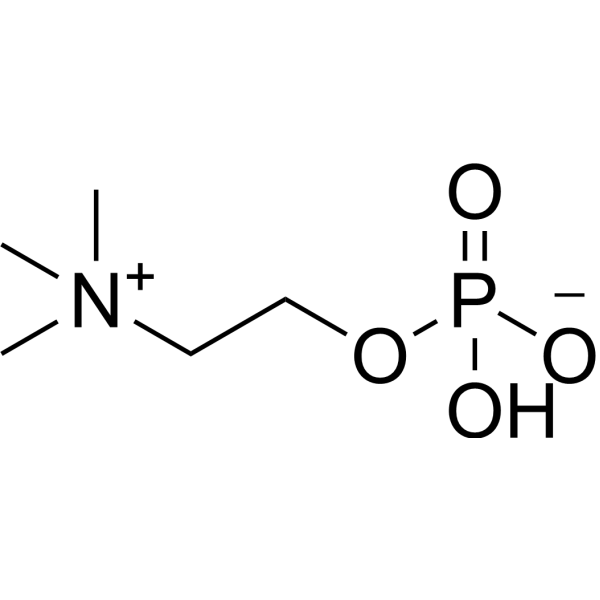
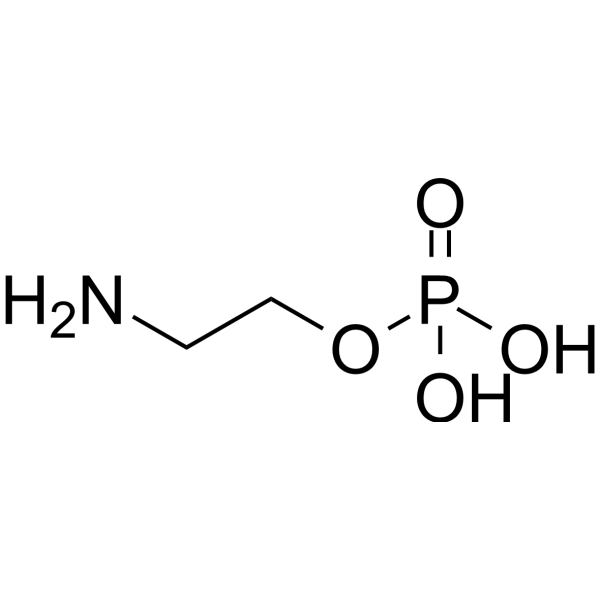
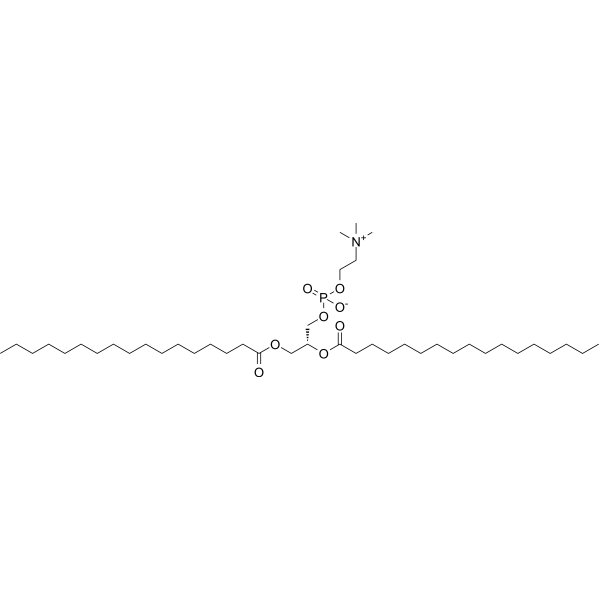
Phosphorylethanolamine (Monoaminoethyl phosphate) is a membrane phospholipid and an important precursor of Phosphatidylcholine (HY-B2233B). It is found in most animal tissues and various human extracranial tumors, playing a critical role in membrane integrity, cell division, mitochondrial respiratory function, and more. Studies have shown that changes in the abundance of Phosphorylethanolamine are associated with Alzheimer's disease and Parkinson's disease. Lowering the ratio of Phosphorylethanolamine to Phosphatidylcholine in the liver can improve insulin signaling. Phosphorylethanolamine holds promise for research in the fields of cancer, neurodegenerative disorders, and metabolic diseases .
|
-
-
- HY-125854
-
|
|
Liposome
Cholinesterase (ChE)
Monoamine Oxidase
Apoptosis
|
Neurological Disease
Metabolic Disease
Inflammation/Immunology
|
|
Phosphatidylcholines, egg are a type of phosphatidylcholine that can be isolated and extracted from eggs, primarily present in egg yolks. As a major phospholipid component of cell membranes, Phosphatidylcholines, egg play a key role in providing nutrition and protection to the body. Phosphatidylcholines, egg can inhibit oxidative stress and neurotoxicity, exerting neuroprotective effects. Additionally, Phosphatidylcholines, egg can suppress the lymphatic absorption of cholesterol in the intestine and are also used in research on intestinal lipid absorption .
|
-
-
- HY-129084
-
|
|
Biochemical Assay Reagents
|
Others
|
|
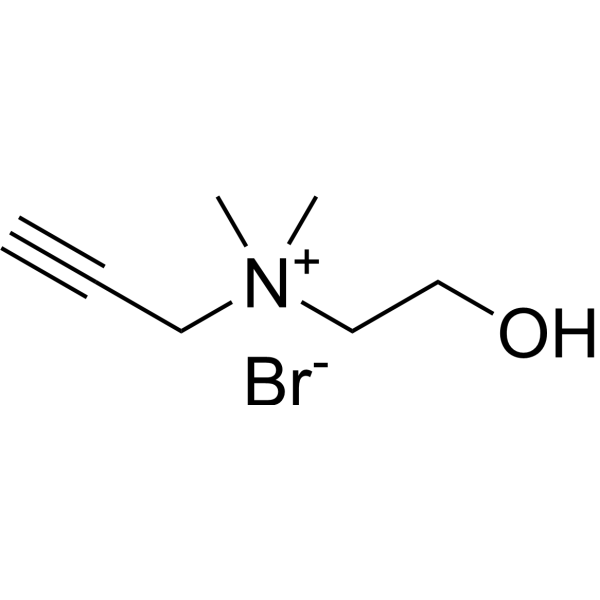
Propargylcholine bromide is a choline analogue containing terminal propargyl that can be incorporated into all classes of Choline-containing phospholipids such as phosphatidylcholine and sphingomyelin, labeling Choline-containing phospholipids. Propargylcholine bromide-labeled phospholipid molecules can be visualized in cells with high sensitivity and spatial resolution. Propargylcholine bromide can be used as a molecular tool to study the biochemical and metabolic processes of Choline-containing phospholipids in cells . Propargylcholine (bromide) is a click chemistry reagent, it contains an Alkyne group and can undergo copper-catalyzed azide-alkyne cycloaddition (CuAAc) with molecules containing Azide groups.
|
-
-
- HY-112747
-
|
LPI; PE (soy)
|
Phospholipase
|
Infection
|
|
Soy PE (LPI) is the most abundant phospholipid in prokaryotes and the second most abundant found in the membrane of mammalian, plant, and yeast cells, comprising approximately 25% of total mammalian phospholipids. In the brain, phosphatidylethanolamine comprises almost half of the total phospholipids. It is synthesized mainly through the cytidine diphosphate-ethanolamine and phosphatidylserine decarboxylation pathways, which occur in the endoplasmic reticulum (ER) and mitochondrial membranes, respectively. It is a precursor in the synthesis of phosphatidylcholine and arachidonoyl ethanolamide and is a source of ethanolamine used in various cellular functions. In E.coli, phosphatidylethanolamine deficiency prevents proper assembly of lactose permease, suggesting a role as a lipid chaperone. It is a cofactor in the propagation of prions in vitro and can convert recombinant mammalian proteins into infectious molecules even in the absence of RNA. This product contains phosphatidylethanolamine molecular species with variable fatty acyl chain lengths at the sn-1 and sn-2 positions .
|
-
-
- HY-126356
-
|
|
Liposome
|
Cardiovascular Disease
|
|
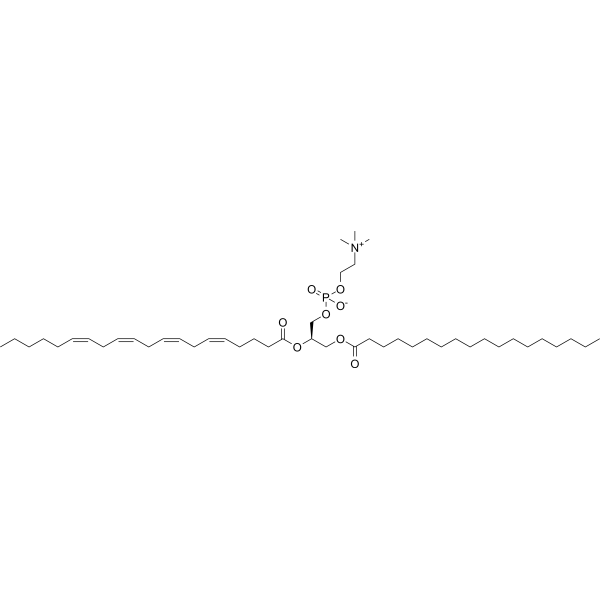
1-Stearoyl-2-arachidonoyl-sn-glycero-3-phosphocholine is a major phospholipid in low-density lipoprotein and belongs to the group of 1-acyl phosphatidylcholines. 1-Stearoyl-2-arachidonoyl-sn-glycero-3-phosphocholine does not induce morphological changes in washed human platelets. 1-Stearoyl-2-arachidonoyl-sn-glycero-3-phosphocholine can be used for the research of atherosclerosis and thrombotic diseases .
|
-
-
- HY-B2235C
-
|
|
Biochemical Assay Reagents
Glutathione Peroxidase
|
Metabolic Disease
|
|
L-α-Lecithin (soybean) is an orally active phospholipid. L-α-Lecithin (soybean) increases the bioavailability of Lutein in plasma and eyes of Rattus norvegicus, enhances plasma Glutathione peroxidase activity, and regulates fatty acids in plasma and tissues .
|
-
-
- HY-W440982
-
|
PC(18:0/18:1); 2-Oleoyl-1-stearoyl-sn-glycero-3-phosphocholine
|
Liposome
|
Others
|
|
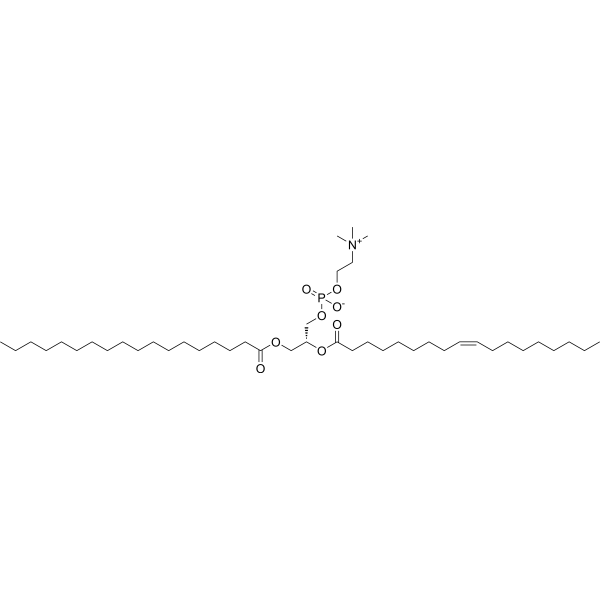
SOPC (PC (18:0/18:1)) is a phosphatidylcholine lipid, which is an unsaturated phospholipid containing a cis double bond. When SOPC binds to Imatinib (HY-15463), Imatinib easily penetrates into its unsaturated liposome bilayer structure, and SOPC forms ordered, larger parallel stripe domains .
|
-
-
- HY-144018
-
|
|
Liposome
|
Others
|
|
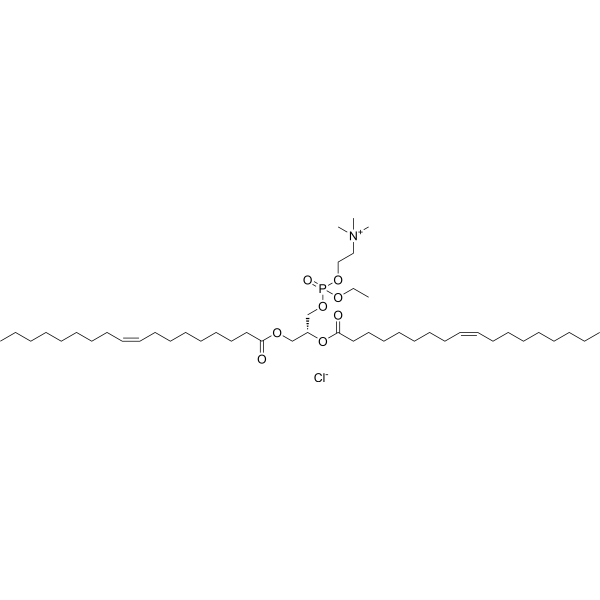
18:1 EPC chloride is a cationic alkylated phospholipid and also an egg yolk phosphatidylcholine. 18:1 EPC chloride can be used in research on liposomes and drug delivery .
|
-
-
- HY-142989
-
|
|
Liposome
HIV
HCV
HBV
|
Infection
Cancer
|
|
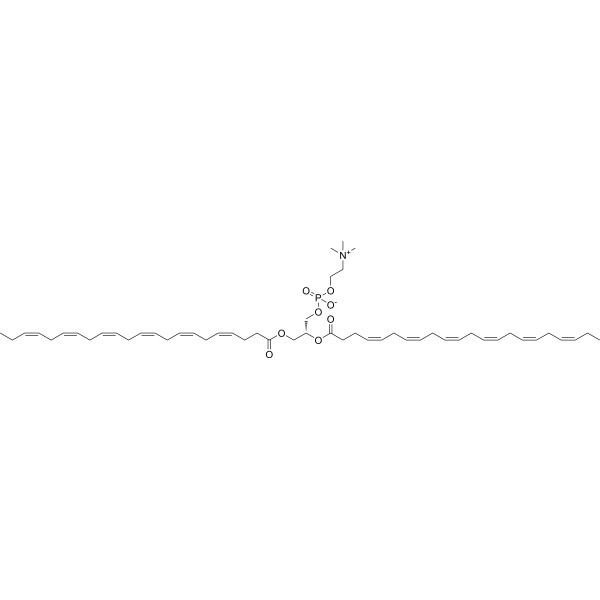
1,2-Didocosahexaenoyl-sn-glycero-3-phosphocholine is a polyunsaturated phospholipid that serves as a component of lipid monolayers and small unilamellar vesicles. 1,2-Didocosahexaenoyl-sn-glycero-3-phosphocholine can be used to prepare endoplasmic reticulum-targeted liposomes (PERLs), which are composed of 1,2-didocosahexaenoyl-sn-glycero-3-phosphoethanolamine, l-α-phosphatidylinositol and l-α-phosphatidylserine at a molar ratio of 1.5:1.5:1:1. PERLs reduce cholesterol levels in human peripheral blood mononuclear cells (PBMCs) and decrease HIV-1 particle secretion from HIV-1-infected PBMCs. Liposomes formed from 1,2-Didocosahexaenoyl-sn-glycero-3-phosphocholine exhibit cytotoxicity against leukemia cells. 1,2-Didocosahexaenoyl-sn-glycero-3-phosphocholine is applicable to studies related to hepatitis C virus infection, HIV infection, hepatitis B virus infection and leukemia .
|
-
-
- HY-W322575
-
|
DHPC
|
Liposome
|
Others
|
|
1,2-Diheptadecanoyl-sn-glycero-3-phosphorylcholine (DHPC) is a biologically active phospholipid compound and a derivative of phosphatidylcholine (PC) . It can be used in the generation of micelles, liposomes, and other types of artificial membranes.
|
-
-
- HY-142991
-
|
POPG
|
Liposome
|
Others
|
|
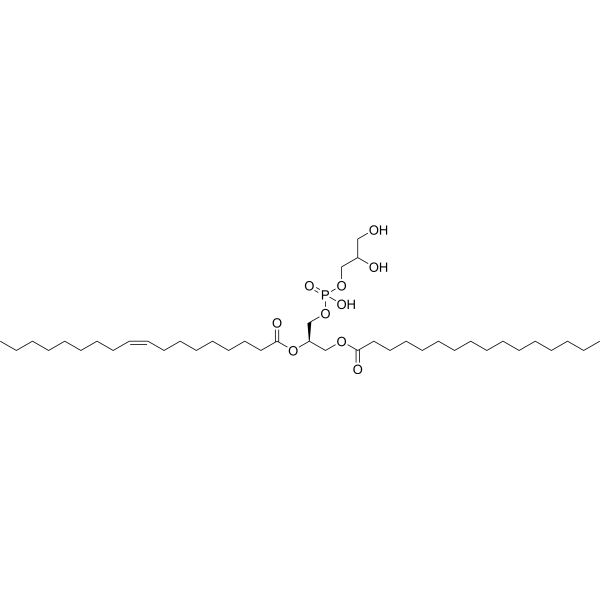
1-Palmitoyl-2-oleoyl-sn-glycero-3-phosphatidylglycerol (POPG) is an anionic phosphatidylglycerol that often serves as a key component to co-construct model phospholipid bilayers with phosphatidylcholine (e.g., at a 3:1 POPC:POPG ratio) for investigating the structure and dynamics of transmembrane proteins. 1-Palmitoyl-2-oleoyl-sn-glycero-3-phosphatidylglycerol acts as a fundamental material for mimicking the physicochemical properties of biological membranes and enables the elucidation of membrane protein interaction mechanisms .
|
-
-
- HY-164412
-
-
-
- HY-14830
-
|
Albitiazolium bromide
|
Parasite
|
Infection
|
|
SAR 97276 (Albitiazolium bromide) is an antimalarial agent. SAR 97276 interfers with the phospholipid metabolism of malarial parasites, especially the biosynthesis of phosphatidylcholine (PC). SAR 97276 enters erythrocytes through the new permeability pathways (NPP) of infected erythrocytes, and is transported into the malarial parasite by a poly-specific cation carrier .
|
-
-
- HY-N5034A
-
|
Monoaminoethyl phosphate calcium; NSC 254167 calcium; O-Phosphoethanolamine calcium
|
Liposome
|
Others
|
|
Phosphoethanolamine (calcium) (Monoaminoethyl phosphate (calcium); NSC 254167 (calcium); O-Phosphoethanolamine (calcium)) is a precursor to phosphatidylethanolamine and can be used in the synthesis of phosphatidylcholine. Phosphoethanolamine (calcium) is used in the study of phospholipid metabolism and cell membrane structure .
|
-
-
- HY-N15937
-
-
-
- HY-B2233BR
-
-
-
- HY-W590535
-
|
1,2-DNPC;
1,2-Dinonadecanoyl-sn-glycero-3-phosphocholine
|
Liposome
|
Cancer
|
|
19:0 PC is a saturated phospholipid that has been used as a standard for the quantification of phosphatidylcholines in human synovial fluid. It has also been used to study dynamics of lipid bilayer phase transition.
|
-
-
- HY-W040293
-
|
PE(6:0/6:0); 1,2-Dihexanoyl-sn-glycero-3-phosphoethanolamine
|
Apoptosis
|
Cancer
|
|
06:0 PE (PE(6:0/6:0)) is a water-soluble phospholipid characterized by its short acyl chains, exhibiting notable antitumor activity and the ability to inhibit tumor progression in vivo, alongside antiproliferative and proapoptotic effects, while serving as a precursor for phosphatidylcholine and phosphatidylethanolamine.
|
-
-
- HY-W339206
-
|
|
Endogenous Metabolite
|
Others
|
|
1,2-Dinonanoyl-sn-glycero-3-phosphocholine, a specific phosphatidylcholine, features fatty acyl configurations that can influence the physical properties of membranes, making it a key component for generating eicosanoids. As a phospholipid abundant in membranes, it has fatty acids attached to glycerol at the sn-1 and sn-2 positions via ester bonds.
|
-
-
- HY-N16165
-
|
18:3 PC; Dilinolenoylphosphatidylcholine
|
Liposome
|
Others
|
|
1,2-Dilinolenoyl-sn-Glycero-3-Phosphatidylcholine (18:3 PC; Dilinolenoylphosphatidylcholine) is a phosphatidylcholine derivative and zwitterionic phospholipid. 1,2-Dilinolenoyl-sn-Glycero-3-Phosphatidylcholine serves as a component of oral liposomal compositions .
|
-
-
- HY-N18891
-
|
|
Others
|
Others
|
|
Phosphatidylcholine is a phospholipid found in the seeds of Heracleum lehmannianum and constitutes the most abundant phospholipid component in the plant's seed lipid complex .
|
-
-
- HY-126356S
-
|
|
Isotope-Labeled Compounds
Liposome
|
Cardiovascular Disease
|
|
1-Stearoyl-2-arachidonoyl-sn-glycero-3-phosphocholine-d11 is the deuterium labeled 1-Stearoyl-2-arachidonoyl-sn-glycero-3-phosphocholine (HY-126356). 1-Stearoyl-2-arachidonoyl-sn-glycero-3-phosphocholine is a major phospholipid in low-density lipoprotein and belongs to the group of 1-acyl phosphatidylcholines. 1-Stearoyl-2-arachidonoyl-sn-glycero-3-phosphocholine does not induce morphological changes in washed human platelets. 1-Stearoyl-2-arachidonoyl-sn-glycero-3-phosphocholine can be used for the research of atherosclerosis and thrombotic diseases .
|
-
-
- HY-P3029C
-
|
|
Phospholipase
|
Metabolic Disease
|
|
Phospholipase A2, Porcine (EC 3.1.1.4) hydrolyzes the β-ester bond of zwitterionic glycerophospholipids. Preferred substrates are phosphatidylcholine, phosphatidylethanolamine, and their plasmalogen analogues. Phosphatidylinositol and phosphatidylserine are also hydrolyzed. Phospholipase A2specifically recognizes the sn-2 acyl bond of phospholipids and catalytically hydrolyzes the bond releasing arachidonic acid and lysophospholipids.
|
-
-
- HY-P3029B
-
|
|
Phospholipase
|
Metabolic Disease
|
|
Phospholipase A2, Streptomyces violaceoruber (EC 3.1.1.4) hydrolyzes the β-ester bond of zwitterionic glycerophospholipids. Preferred substrates are phosphatidylcholine, phosphatidylethanolamine, and their plasmalogen analogues. Phosphatidylinositol and phosphatidylserine are also hydrolyzed. Phospholipase A2specifically recognizes the sn-2 acyl bond of phospholipids and catalytically hydrolyzes the bond releasing arachidonic acid and lysophospholipids.
|
-
-
- HY-P2817B
-
|
|
Biochemical Assay Reagents
|
Metabolic Disease
|
|
Phospholipase C, Bacillus cereus (EC 3.1.4.3) is induced by thrombin and platelet-activating factor, forming 1,2-diacylglycerol and phosphatidic acid. Phospholipase C, Bacillus cereus (EC 3.1.4.3) hydrolyzes the phosphate bond on phosphatidylcholine and other glycerophospholipids yielding diacylglycerol. Phospholipase C, Bacillus cereus (EC 3.1.4.3) hydrolyzes the phosphate bonds of sphingomyelin, cardiolipin, choline plasmalogen and ceramide phospholipids.
|
-
-
- HY-W040293S
-
|
PE(6:0/6:0)-d22; 1,2-Dihexanoyl-sn-glycero-3-phosphoethanolamine-d22
|
Isotope-Labeled Compounds
|
Cancer
|
|
06:0 PE-d22 (PE(6:0/6:0)-d22) is the deuterium labeled 06:0 PE (HY-W040293). 06:0 PE (PE(6:0/6:0)) is a water-soluble phospholipid characterized by its short acyl chains, exhibiting notable antitumor activity and the ability to inhibit tumor progression in vivo, alongside antiproliferative and proapoptotic effects, while serving as a precursor for phosphatidylcholine and phosphatidylethanolamine.
|
-
-
- HY-141617S1
-
|
|
Isotope-Labeled Compounds
|
Metabolic Disease
|
|
1-Palmitoyl-2-hydroxy-sn-glycero-3-PE-d31 is the deuterium labeled 1-Palmitoyl-2-hydroxy-sn-glycero-3-PE (HY-141617). 1-Palmitoyl-2-hydroxy-sn-glycero-3-PE is a naturally occurring choline phospholipid that can be synthesized from phosphatidylcholine and fatty acids. 1-Palmitoyl-2-hydroxy-sn-glycero-3-PE is used as a structure-related lipid control .
|
-
| Cat. No. |
Product Name |
Type |
-
- HY-B2235C
-
|
|
Biochemical Assay Reagents
|
|
L-α-Lecithin (soybean) is an orally active phospholipid. L-α-Lecithin (soybean) increases the bioavailability of Lutein in plasma and eyes of Rattus norvegicus, enhances plasma Glutathione peroxidase activity, and regulates fatty acids in plasma and tissues .
|
-
- HY-144018
-
|
|
Biochemical Assay Reagents
|
|
18:1 EPC chloride is a cationic alkylated phospholipid and also an egg yolk phosphatidylcholine. 18:1 EPC chloride can be used in research on liposomes and drug delivery .
|
-
- HY-142989
-
|
|
Biochemical Assay Reagents
|
|
1,2-Didocosahexaenoyl-sn-glycero-3-phosphocholine is a polyunsaturated phospholipid that serves as a component of lipid monolayers and small unilamellar vesicles. 1,2-Didocosahexaenoyl-sn-glycero-3-phosphocholine can be used to prepare endoplasmic reticulum-targeted liposomes (PERLs), which are composed of 1,2-didocosahexaenoyl-sn-glycero-3-phosphoethanolamine, l-α-phosphatidylinositol and l-α-phosphatidylserine at a molar ratio of 1.5:1.5:1:1. PERLs reduce cholesterol levels in human peripheral blood mononuclear cells (PBMCs) and decrease HIV-1 particle secretion from HIV-1-infected PBMCs. Liposomes formed from 1,2-Didocosahexaenoyl-sn-glycero-3-phosphocholine exhibit cytotoxicity against leukemia cells. 1,2-Didocosahexaenoyl-sn-glycero-3-phosphocholine is applicable to studies related to hepatitis C virus infection, HIV infection, hepatitis B virus infection and leukemia .
|
-
- HY-142991
-
|
POPG
|
Biochemical Assay Reagents
|
|
1-Palmitoyl-2-oleoyl-sn-glycero-3-phosphatidylglycerol (POPG) is an anionic phosphatidylglycerol that often serves as a key component to co-construct model phospholipid bilayers with phosphatidylcholine (e.g., at a 3:1 POPC:POPG ratio) for investigating the structure and dynamics of transmembrane proteins. 1-Palmitoyl-2-oleoyl-sn-glycero-3-phosphatidylglycerol acts as a fundamental material for mimicking the physicochemical properties of biological membranes and enables the elucidation of membrane protein interaction mechanisms .
|
| Cat. No. |
Product Name |
Category |
Target |
Chemical Structure |
| Cat. No. |
Compare |
Product Name |
Species |
Source |
Image |
Compare Products
|
| Products |
|
| Cat. No. |
|
| Species |
|
| Source |
|
| Tag |
|
| Accession |
|
| Gene ID |
|
| Molecular Weight |
|
| Purity |
|
| Endotoxin Level |
|
| Biological Activity |
|
| Appearance |
|
| Formulation |
|
| Storage & Stability |
|
| Shipping |
|
| Free Sample |
Yes
No
|
| Size |
* This product has been "discontinued".
Optimized version of product available:
|
| Cat. No. |
Product Name |
Chemical Structure |
-
- HY-126356S
-
|
|
|
1-Stearoyl-2-arachidonoyl-sn-glycero-3-phosphocholine-d11 is the deuterium labeled 1-Stearoyl-2-arachidonoyl-sn-glycero-3-phosphocholine (HY-126356). 1-Stearoyl-2-arachidonoyl-sn-glycero-3-phosphocholine is a major phospholipid in low-density lipoprotein and belongs to the group of 1-acyl phosphatidylcholines. 1-Stearoyl-2-arachidonoyl-sn-glycero-3-phosphocholine does not induce morphological changes in washed human platelets. 1-Stearoyl-2-arachidonoyl-sn-glycero-3-phosphocholine can be used for the research of atherosclerosis and thrombotic diseases .
|
-
-
- HY-W040293S
-
|
|
|
06:0 PE-d22 (PE(6:0/6:0)-d22) is the deuterium labeled 06:0 PE (HY-W040293). 06:0 PE (PE(6:0/6:0)) is a water-soluble phospholipid characterized by its short acyl chains, exhibiting notable antitumor activity and the ability to inhibit tumor progression in vivo, alongside antiproliferative and proapoptotic effects, while serving as a precursor for phosphatidylcholine and phosphatidylethanolamine.
|
-
-
- HY-141617S1
-
|
|
|
1-Palmitoyl-2-hydroxy-sn-glycero-3-PE-d31 is the deuterium labeled 1-Palmitoyl-2-hydroxy-sn-glycero-3-PE (HY-141617). 1-Palmitoyl-2-hydroxy-sn-glycero-3-PE is a naturally occurring choline phospholipid that can be synthesized from phosphatidylcholine and fatty acids. 1-Palmitoyl-2-hydroxy-sn-glycero-3-PE is used as a structure-related lipid control .
|
-
| Cat. No. |
Compare |
Product Name |
Application |
Reactivity |
Image |
Compare Products
|
| Products |
|
| Cat. No. |
|
| Host |
|
| Reactivity |
|
| Application |
|
Dilution Ratio |
|
| Molecular Weight |
|
| Conjugation |
|
| Clonality |
|
| Immunogen |
|
| Appearance |
|
| Isotype |
|
| Gene ID |
|
| SwissProt ID |
|
| Purity |
|
| Formulation |
|
| Free Sample |
Yes
No
|
| Size |
* This product has been "discontinued".
Optimized version of product available:
|
| Cat. No. |
Product Name |
|
Classification |
-
- HY-129084
-
|
|
|
Alkynes
|
|
Propargylcholine bromide is a choline analogue containing terminal propargyl that can be incorporated into all classes of Choline-containing phospholipids such as phosphatidylcholine and sphingomyelin, labeling Choline-containing phospholipids. Propargylcholine bromide-labeled phospholipid molecules can be visualized in cells with high sensitivity and spatial resolution. Propargylcholine bromide can be used as a molecular tool to study the biochemical and metabolic processes of Choline-containing phospholipids in cells . Propargylcholine (bromide) is a click chemistry reagent, it contains an Alkyne group and can undergo copper-catalyzed azide-alkyne cycloaddition (CuAAc) with molecules containing Azide groups.
|
-
- HY-N15937
-
|
|
|
Azide
|
|
IKS02, a phosphatidylcholine (PC) phospholipid, is a photoaffinity labeling (PAL) probe .
|
| Cat. No. |
Product Name |
|
Classification |
-
- HY-125854
-
|
|
|
Phospholipids
|
|
Phosphatidylcholines, egg are a type of phosphatidylcholine that can be isolated and extracted from eggs, primarily present in egg yolks. As a major phospholipid component of cell membranes, Phosphatidylcholines, egg play a key role in providing nutrition and protection to the body. Phosphatidylcholines, egg can inhibit oxidative stress and neurotoxicity, exerting neuroprotective effects. Additionally, Phosphatidylcholines, egg can suppress the lymphatic absorption of cholesterol in the intestine and are also used in research on intestinal lipid absorption .
|
-
- HY-W440982
-
|
PC(18:0/18:1); 2-Oleoyl-1-stearoyl-sn-glycero-3-phosphocholine
|
|
Phospholipids
|
|
SOPC (PC (18:0/18:1)) is a phosphatidylcholine lipid, which is an unsaturated phospholipid containing a cis double bond. When SOPC binds to Imatinib (HY-15463), Imatinib easily penetrates into its unsaturated liposome bilayer structure, and SOPC forms ordered, larger parallel stripe domains .
|
-
- HY-144018
-
|
|
|
Phospholipids
|
|
18:1 EPC chloride is a cationic alkylated phospholipid and also an egg yolk phosphatidylcholine. 18:1 EPC chloride can be used in research on liposomes and drug delivery .
|
-
- HY-142989
-
|
|
|
Phospholipids
|
|
1,2-Didocosahexaenoyl-sn-glycero-3-phosphocholine is a polyunsaturated phospholipid that serves as a component of lipid monolayers and small unilamellar vesicles. 1,2-Didocosahexaenoyl-sn-glycero-3-phosphocholine can be used to prepare endoplasmic reticulum-targeted liposomes (PERLs), which are composed of 1,2-didocosahexaenoyl-sn-glycero-3-phosphoethanolamine, l-α-phosphatidylinositol and l-α-phosphatidylserine at a molar ratio of 1.5:1.5:1:1. PERLs reduce cholesterol levels in human peripheral blood mononuclear cells (PBMCs) and decrease HIV-1 particle secretion from HIV-1-infected PBMCs. Liposomes formed from 1,2-Didocosahexaenoyl-sn-glycero-3-phosphocholine exhibit cytotoxicity against leukemia cells. 1,2-Didocosahexaenoyl-sn-glycero-3-phosphocholine is applicable to studies related to hepatitis C virus infection, HIV infection, hepatitis B virus infection and leukemia .
|
-
- HY-W322575
-
|
DHPC
|
|
Phospholipids
|
|
1,2-Diheptadecanoyl-sn-glycero-3-phosphorylcholine (DHPC) is a biologically active phospholipid compound and a derivative of phosphatidylcholine (PC) . It can be used in the generation of micelles, liposomes, and other types of artificial membranes.
|
-
- HY-142991
-
|
POPG
|
|
Phospholipids
|
|
1-Palmitoyl-2-oleoyl-sn-glycero-3-phosphatidylglycerol (POPG) is an anionic phosphatidylglycerol that often serves as a key component to co-construct model phospholipid bilayers with phosphatidylcholine (e.g., at a 3:1 POPC:POPG ratio) for investigating the structure and dynamics of transmembrane proteins. 1-Palmitoyl-2-oleoyl-sn-glycero-3-phosphatidylglycerol acts as a fundamental material for mimicking the physicochemical properties of biological membranes and enables the elucidation of membrane protein interaction mechanisms .
|
-
- HY-N15937
-
|
|
|
Phospholipids
|
|
IKS02, a phosphatidylcholine (PC) phospholipid, is a photoaffinity labeling (PAL) probe .
|
-
- HY-W590535
-
|
1,2-DNPC;
1,2-Dinonadecanoyl-sn-glycero-3-phosphocholine
|
|
Phospholipids
|
|
19:0 PC is a saturated phospholipid that has been used as a standard for the quantification of phosphatidylcholines in human synovial fluid. It has also been used to study dynamics of lipid bilayer phase transition.
|
Your information is safe with us. * Required Fields.
Inquiry Information
- Product Name:
- Cat. No.:
- Quantity:
- MCE Japan Authorized Agent:

