1. Search Result
Search Result
Results for "

poisoning

" in MedChemExpress (MCE) Product Catalog:

117

Inhibitors & Agonists

1

Screening Libraries

2

Fluorescent Dye

6

Biochemical Assay Reagents

2

Peptides

25

Natural
Products

7

Isotope-Labeled Compounds

3

Oligonucleotides

Cat. No. Product Name Target Research Areas Chemical Structure
  • HY-B1285
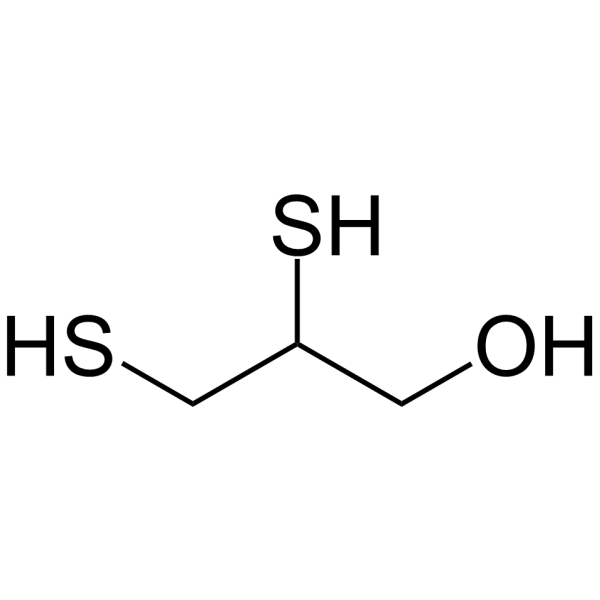
    Dimercaprol
    1 Publications Verification

    2,3-Dimercapto-1-propanol; Dithioglycerol

    HIV Infection
    Dimercaprol (2,3-Dimercapto-1-propanol) is an anti-heavy metal-poisoning agent, which exhibits anti-HIV activity. Dimercaprol can be used for the study for arsenic, mercury, gold, lead, antimony, and other toxic metal poisoning .
    Dimercaprol
  • HY-B0876
    Fomepizole
    4 Publications Verification

    4-Methylpyrazole

    Cytochrome P450 Metabolic Disease
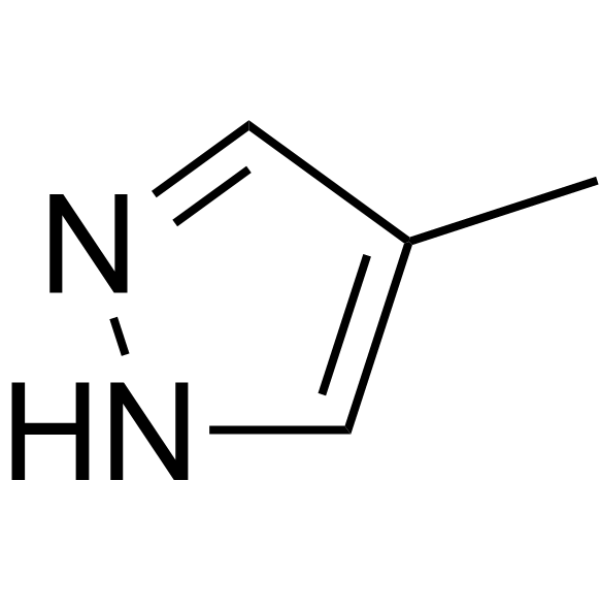
    Fomepizole (4-Methylpyrazole) is a potent cytochrome P450 (CYP2E1) inhibitor. Fomepizole is a competitive inhibitor of the enzyme alcohol dehydrogenase. Fomepizole blocks further conversion of methanol and ethylene glycol to toxic metabolites. Fomepizole has the potential for an antidote for ethylene glycol or methanol poisoning .
    Fomepizole
  • HY-N6608
    Physostigmine
    2 Publications Verification

    Eserine

    Cholinesterase (ChE) Neurological Disease
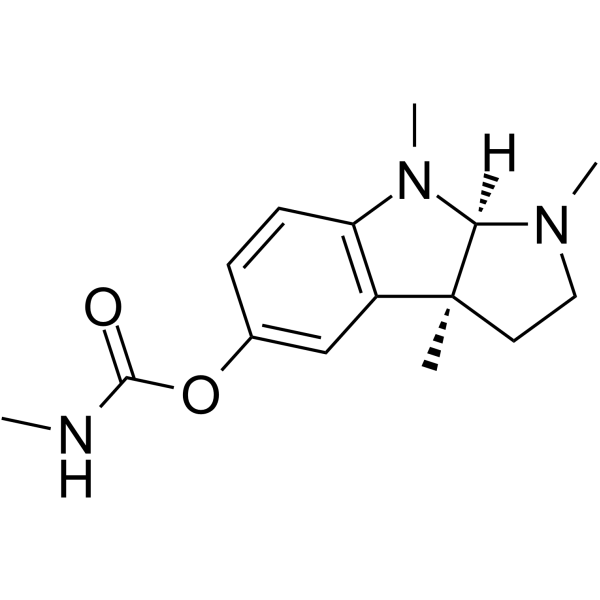
    Physostigmine (Eserine) is a reversible acetylcholinesterase (AChE) inhibitor. Physostigmine can crosses the blood-brain barrier and stimulates central cholinergic neurotransmission. Physostigmine can reverse memory deficits in transgenic mice with Alzheimer's disease. Physostigmine is also an antidote for anticholinergic poisoning .
    Physostigmine
  • HY-B1266
    Physostigmine salicylate
    2 Publications Verification

    Eserine salicylate

    Cholinesterase (ChE) Neurological Disease
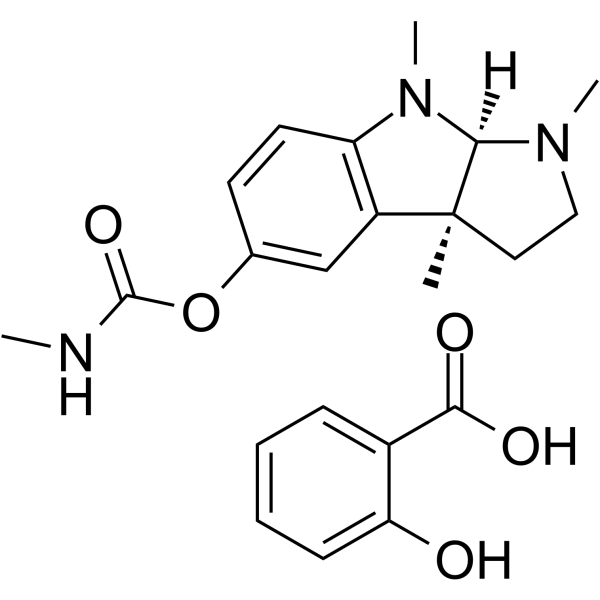
    Physostigmine salicylate (Eserine salicylate) is a reversible acetylcholinesterase (AChE) inhibitor. Physostigmine salicylate crosses the blood-brain barrier and stimulates central cholinergic neurotransmission. Physostigmine salicylate can reverse memory deficits in transgenic mice with Alzheimer's disease. Physostigmine salicylate is also an antidote for anticholinergic poisoning .
    Physostigmine salicylate
  • HY-B0567

    Potassium Channel nAChR Apoptosis Bacterial Parasite Infection Cancer
    Dequalinium chloride is an Apamin (HY-P0256)-sensitive potassium channel selective blocker. Dequalinium chloride is a cationic, lipophilic mitochondrial poison. Dequalinium chloride is also an antagonist pf α7 nAChR, and an anti-microbial antiseptic agent with a broad bactericidal and fungicidal activity .
    Dequalinium Chloride
  • HY-B2209
    Hydroxocobalamin
    3 Publications Verification

    Vitamin B12a

    Endogenous Metabolite Neurological Disease Metabolic Disease
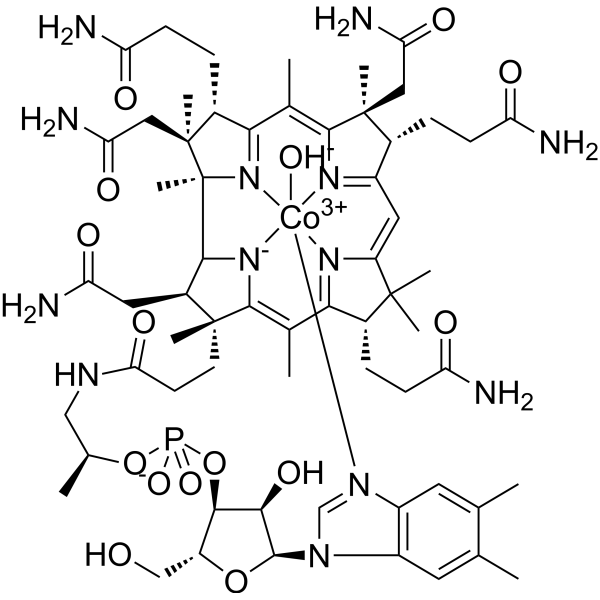
    Hydroxocobalamin (Vitamin B12a) is a cyanide antidote. Hydroxocobalamin can decrease the cell and plasma cyanide concentrations and increase survival rate in acute cyanide poisoning. Hydroxocobalamin can improve newborn Cbl-C defect-induced metabolic profile and neurocognitive outcome. Hydroxocobalamin can normalize Vitamin B12 deficiency. Hydroxocobalamin can induce acute kidney injury. Hydroxocobalamin can be used for the researches of metabolic and neurological disease .
    Hydroxocobalamin
  • HY-P2970

    Apoptosis PARP Caspase Bcl-2 Family Bacterial Interleukin Related Infection Inflammation/Immunology Cancer
    Stem bromelain (EC 3.4.22.32) is a cysteine protease and antibacterial agent. Stem bromelain can be isolated from the stem of the pineapple (Ananas comosus). Stem bromelain induces dose-dependent secretion of IL-12p70, and IL-6, induces Apoptosis, causes cleavage of full-length PARP protein, Caspase 3, and Caspase 9, increases Bax, and decreases Bcl-2. Stem bromelain possesses various fibrinolytic, antiedema, antithrombotic, and anti-inflammatory activities. Stem bromelain also exhibits in vivo antitumor and antileukemic activities, as well as antimetastatic effects. Stem bromelain has antimycobacterial activity. Stem bromelain provides protection against lead poisoning .
    Stem bromelain
  • HY-N2331
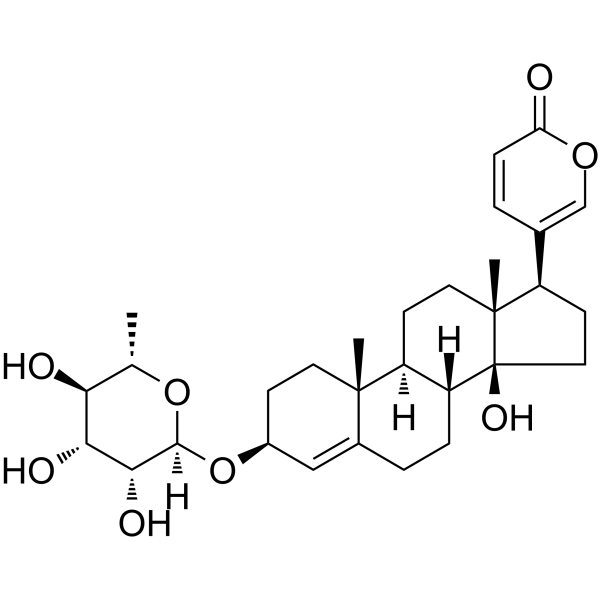
    Proscillaridin A
    1 Publications Verification

    Topoisomerase Cancer
    Proscillaridin A is a potent poison of topoisomerase I/II activity with IC50 values of 30 nM and 100 nM, respectively .
    Proscillaridin A
  • HY-B0373
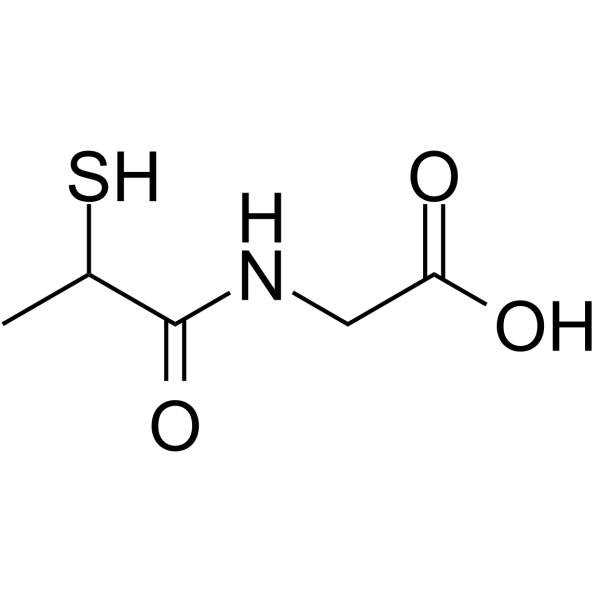
    Tiopronin
    1 Publications Verification

    Others Metabolic Disease
    Tiopronin is a diffusible antioxidant, an antidote to heavy metal poisoning and a radioprotective agent. Tiopronin can control the rate of cystine precipitation and excretion and has the potential for cystinuria, rheumatoid arthritis and hepatic disorders .
    Tiopronin
  • HY-N0584

    6-Hydroxyhyoscyamine

    mAChR Neurological Disease Cancer
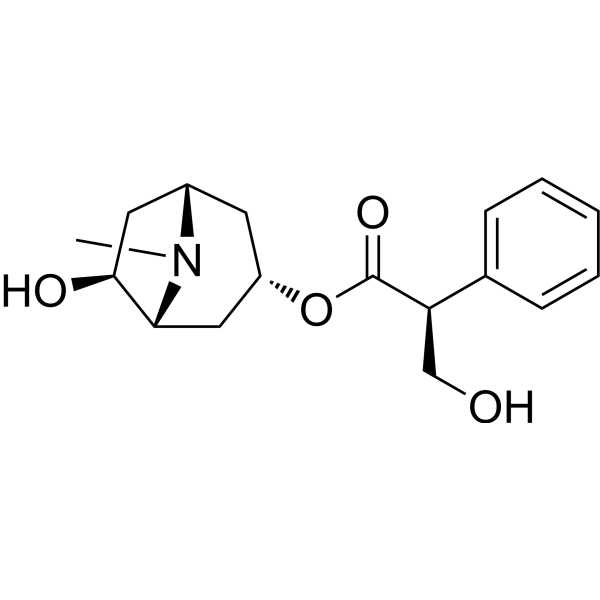
    Anisodamine (6-Hydroxyhyoscyamine), a belladonna alkaloid, is a non-subtype-selective muscarinic, and also a nicotinic cholinoceptor antagonist. Anisodamine employs in traditional Chinese medicine for many ailments, mainly to improve the microcirculation in states of shock, and also in organophosphate poisoning .
    Anisodamine
  • HY-B1768
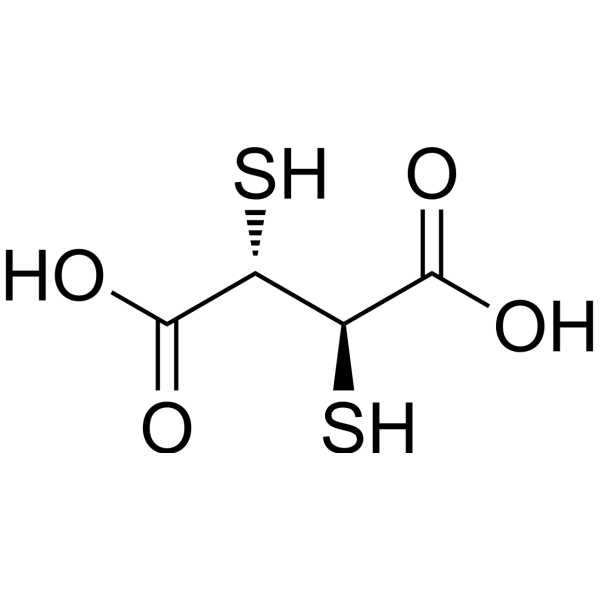
    Succimer
    1 Publications Verification

    Dimercaptosuccinic acid; DMSA

    Biochemical Assay Reagents Others Cancer
    Succimer is a widely used chelating agent for the treatment of Pb poisoning.
    Succimer
  • HY-N2582
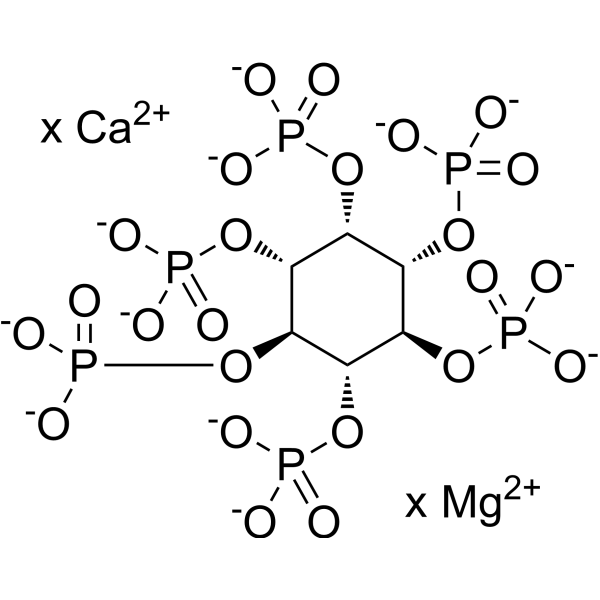
    Calcium Phytate
    1 Publications Verification

    Phytin

    Endogenous Metabolite Metabolic Disease
    Calcium phytate (Phytin) is an insoluble phosphorus-containing compound widely present in plant-based foods such as cereals and legumes. Calcium phytate can be found in feces and can alleviate lead poisoning .
    Calcium Phytate
  • HY-B1200
    Pralidoxime chloride
    2 Publications Verification

    2-PAM chloride

    Cholinesterase (ChE) Neurological Disease
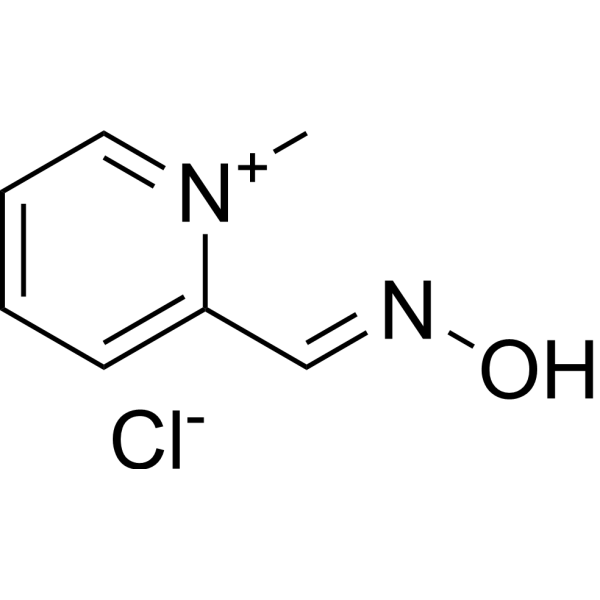
    Pralidoxime chloride is a potent reactivator of acetylcholinesterase (AChE). Pralidoxime chloride reactivates nerve agent-inhibited AChE via direct nucleophilic attack by the oxime moiety on the phosphorus center of the bound nerve agent. Pralidoxime chloride is an antidote for organophosphate poisoning .
    Pralidoxime chloride
  • HY-B1738A

    Cholinesterase (ChE) Neurological Disease
    Pralidoxime iodide is a potent reactivator of acetylcholinesterase (AChE). Pralidoxime iodide reactivates nerve agent-inhibited AChE via direct nucleophilic attack by the oxime moiety on the phosphorus center of the bound nerve agent. Pralidoxime iodide is an antidote for organophosphate poisoning .
    Pralidoxime iodide
  • HY-W016188

    Cholinesterase (ChE) Others
    1-Naphthyl acetate is an attractive chromogenic substrate for the detection of erythrocyte acetylcholinesterase (AChE) activity. 1-Naphthyl acetate has the potential to detect organophosphorus pesticide (OP) poisoning .
    1-Naphthyl acetate
  • HY-106594A

    Iron(III) ferrocyanide; Milori blue

    Environmental Pollutants Bacterial Infection Cancer
    Prussian blue soluble is a good adsorbent to be used as antidotes for poisoning with cesium or thallium ions. Prussian blue soluble has anticancerous and antibacterial properties. Prussian blue soluble can be used as a contrast agent in photoacoustic and magnetic resonance imaging (MRI) .
    Prussian blue insoluble
  • HY-A0066A

    Imidaline hydrochloride; NSC35110 hydrochloride

    Adrenergic Receptor Cardiovascular Disease Endocrinology
    Tolazoline hydrochloride (Imidaline hydrochloride) is an α-adrenergic receptor antagonist. Tolazoline hydrochloride inhibits Noradrenaline (HY-13715)-induced cell contraction, modulates vascular resistance, increases arterial pressure, and reverses bradycardia and tachypnea. Tolazoline hydrochloride can be used to study erectile dysfunction, α2-adrenergic receptor agonist-related poisoning, and skin vascular disease research .
    Tolazoline hydrochloride
  • HY-P3003

    Potassium Channel Apoptosis Autophagy Reactive Oxygen Species (ROS) Mitochondrial Metabolism Infection Neurological Disease Metabolic Disease Inflammation/Immunology
    Cereulide is an orally active, blood-brain barrier-permeable emetic toxin. Cereulide acts as a potassium ionophore that inserts into membranes, forms complexes with K +, and transports K + from the cytoplasm into the mitochondrial matrix. Cereulide disrupts the electrochemical gradient of the inner mitochondrial membrane, leading to mitochondrial swelling and dysfunction, uncoupling of oxidative phosphorylation, inhibition of ATP synthesis, ROS accumulation, and ultimately triggering apoptosis and autophagy. Cereulide exhibits multi-organ toxicity and can be used for research on emetic food poisoning .
    Cereulide
  • HY-123193

    Pro-diazepam

    Drug Intermediate Neurological Disease
    Avizafone (Pro-diazepam), a pro-drug of Diazepam, is an anticonvulsant agent. Avizafone can be used as an antidote of nerve agent poisoning. In vivo, Avizafone is rapidly hydrolyzed by aminopeptidase to produce lysine and diazepam. Avizafone has research areas including neurological disease, such as epilepsy .
    Avizafone
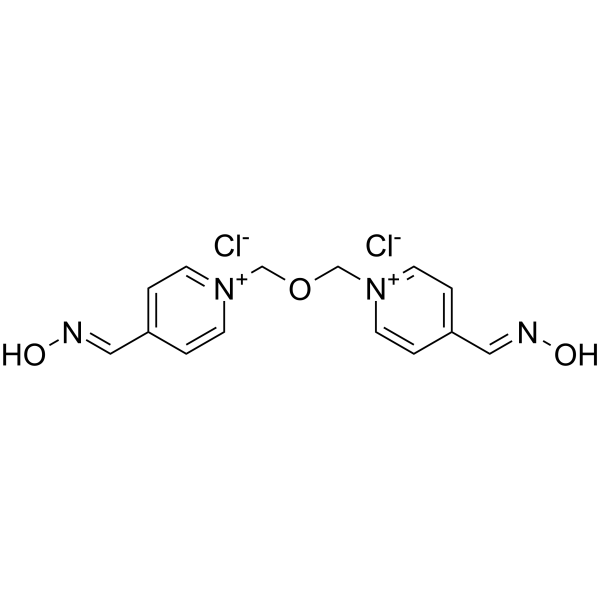
  • HY-W011108

    Cholinesterase (ChE) Neurological Disease
    Obidoxime dichloride is a non-full spectrum oxime agent and can be used as an antidote for organophosphate nerve agent poisoning. Obidoxime dichloride reactivates sarin-inhibited acetylcholinesterase (AChE) and reduces acute toxicity of sarin-evaluated .
    Obidoxime dichloride
  • HY-N2320
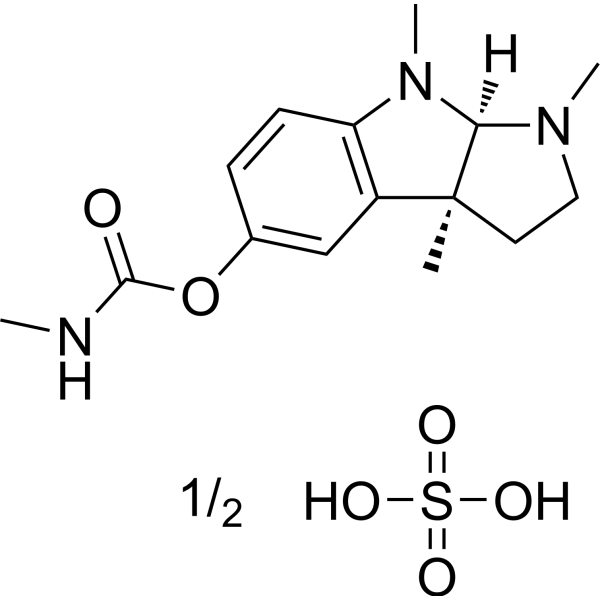
    Physostigmine hemisulfate
    2 Publications Verification

    Eserine hemisulfate

    Cholinesterase (ChE) Neurological Disease
    Physostigmine hemisulfate (Eserine hemisulfate) is a reversible acetylcholinesterase (AChE) inhibitor. Physostigmine hemisulfate can crosses the blood-brain barrier and stimulates central cholinergic neurotransmission. Physostigmine hemisulfate can reverse memory deficits in transgenic mice with Alzheimer's disease. Physostigmine hemisulfate is also an antidote for anticholinergic poisoning .
    Physostigmine hemisulfate
  • HY-A0066

    Imidaline; NSC35110

    Adrenergic Receptor Cardiovascular Disease Endocrinology
    Tolazoline (Imidaline) is an α-adrenergic receptor antagonist. Tolazoline inhibits Noradrenaline (HY-13715)-induced cell contraction, modulates vascular resistance, increases arterial pressure, and reverses bradycardia and tachypnea. Tolazoline can be used to study erectile dysfunction, α2-adrenergic receptor agonist-related poisoning, and skin vascular disease research .
    Tolazoline
  • HY-106662

    Chloroquinoxaline; NSC-339004

    Molecular Glues Topoisomerase Parasite Infection Cancer
    Chloroquinoxaline sulfonamide (Chloroquinoxaline), a structural analogue of sulfaquinoxaline, is a topoisomerase II alpha/beta poison. Chloroquinoxaline sulfonamide is used to control coccidiosis in poultry, rabbit, sheep, and cattle . Antitumor activity .
    Chloroquinoxaline sulfonamide
  • HY-111939

    BAY-NTN 6867

    Environmental Pollutants Microtubule/Tubulin Others
    Amiprofos methyl (BAY-NTN 6867) is a phosphoric amide herbicide. Amiprofos methyl is a specific and potent antimicrotubule agent. Amiprofos methyl directly poisons microtubule dynamics in plant cells .
    Amiprofos methyl
  • HY-118581
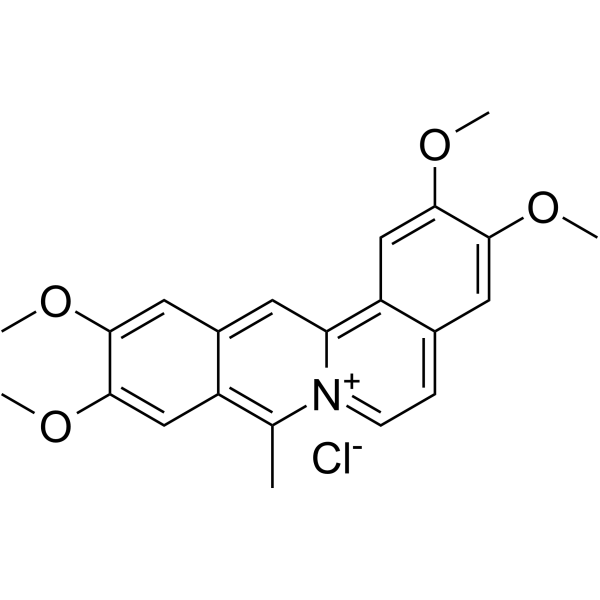
    Coralyne chloride
    1 Publications Verification

    Topoisomerase Cancer
    Coralyne chloride is a protoberberine alkaloid with potent anti-cancer activities. Coralyne chloride acts as a potent topoisomerase I poison and induces Top I mediated DNA cleavage . Coralyne chloride can be used for preparing?coralyne derivatives?as DNA binding fluorescent probes .
    Coralyne chloride
  • HY-100504

    Microtubule/Tubulin ADC Payload Cancer
    S-methyl DM1 is a thiomethyl derivative of Maytansine. S-methyl DM1 binds to tubulin with a Kd of 0.93 μM and inhibts microtubule polymerization. S-methyl DM1 potently suppresses microtubule dynamic instability and has anticancer effects .
    S-methyl DM1
  • HY-119309

    Environmental Pollutants Biochemical Assay Reagents Others
    Sucrose octaacetate is an acetylated derivative of sucrose with an intensely bitter tasting and can be used as bitter tasting surrogate. Sucrose octaacetate can be used as food additive and also used as an adhesive and plasticizer. Sucrose octaacetate also used in many pesticides, insecticides, and other toxic products as a deterrent to accidental poisoning. Sucrose octaacetate can also be used as an in situ seed and a soft template to synthesize polyaniline (PANI) nanofibers .
    Sucrose octaacetate
  • HY-B1326

    3-Ethyl-3-methylglutarimide; Bemegrid

    GABA Receptor Neurological Disease
    Bemegride (3-Ethyl-3-methylglutarimide) is a central nervous system stimulant and antidote for barbiturate poisoning .
    Bemegride
  • HY-W001117

    Phloroglucinol Dimethyl Ether

    Endogenous Metabolite Metabolic Disease
    3,5-Dimethoxyphenol is a toxin metabolite, found in human consuming yew leaves .
    3,5-Dimethoxyphenol
  • HY-126931

    DTX 1

    Endogenous Metabolite Cancer
    Dinophysistoxin 1 (DTX 1, 35-methylokadaic acid) is a causative agent of diarrhetic shellfish poisoning. Dinophysistoxin 1 exerts tumor-promoting activity, serves as a skin irritant as well .
    Dinophysistoxin 1
  • HY-106594B

    Pigment blue 27

    Bacterial Infection Cancer
    Prussian blue soluble is a good adsorbent to be used as antidotes for poisoning with cesium or thallium ions. Prussian blue soluble has anticancerous and antibacterial properties. Prussian blue soluble can be used as a contrast agent in photoacoustic and magnetic resonance imaging (MRI) .
    Prussian blue soluble
  • HY-B0876A
    Fomepizole hydrochloride
    4 Publications Verification

    4-Methylpyrazole hydrochloride

    Cytochrome P450 Metabolic Disease
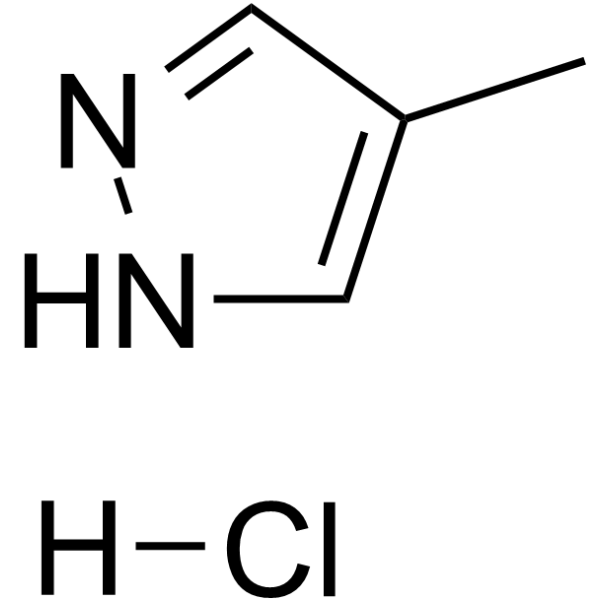
    Fomepizole (4-Methylpyrazole) hydrochloride is a potent and orally active cytochrome P450 (CYP2E1) inhibitor. Fomepizole hydrochloride is a competitive inhibitor of the enzyme alcohol dehydrogenase. Fomepizole hydrochloride blocks further conversion of methanol and ethylene glycol to toxic metabolites. Fomepizole hydrochloride has the potential for an antidote for ethylene glycol or methanol poisoning .
    Fomepizole hydrochloride
  • HY-W041171
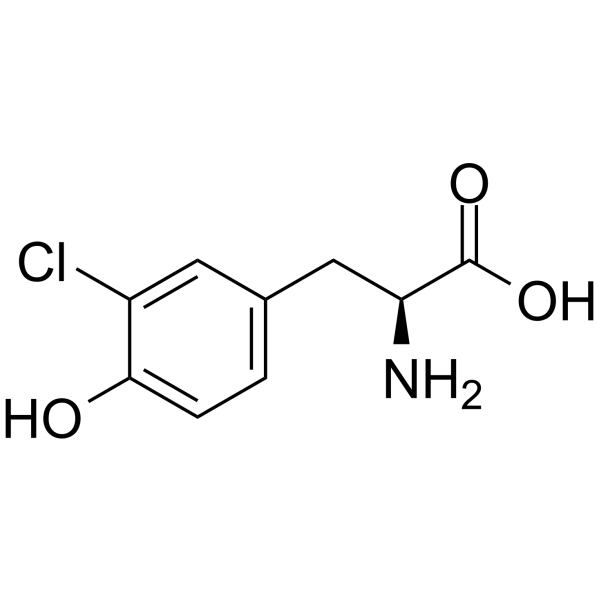
    3-Chloro-L-tyrosine
    1 Publications Verification

    3-Chlorotyrosine

    Glutathione Peroxidase Others
    3-Chloro-L-tyrosine is a specific biomarker in myeloperoxidase-catalyzed oxidation. 3-Chloro-L-tyrosine can be used as a molecular marker for oxidative stress and inflammation to determine whether myeloperoxidase-mediated tyrosine chlorination occurs. 3-Chloro-L-tyrosine is therefore used in the diagnosis of chlorine poisoning in forensic toxicology and in the auxiliary diagnosis of inflammation such as colorectal cancer .
    3-Chloro-L-tyrosine
  • HY-W749867

    Calcium disodium EDTA dihydrate

    Bacterial Infection Others
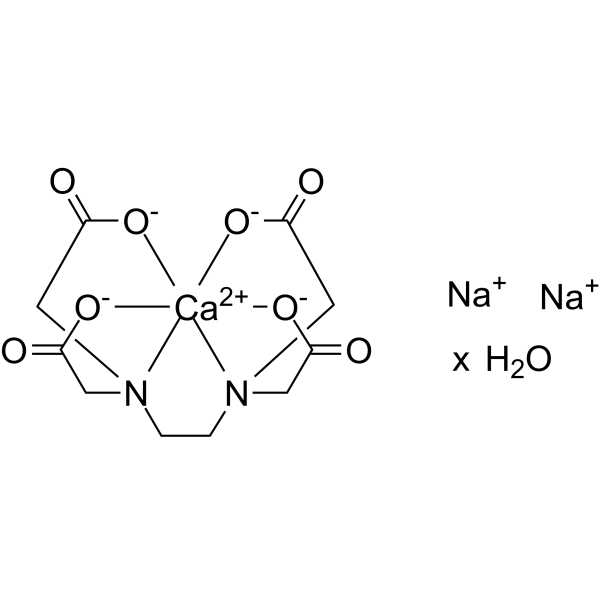
    CaⅡ-EDTA disodium dihydrate (Calcium disodium EDTA dihydrate) is an orally active metal chelating reagent, exhibits bactericidal activities against periodontal pathogens Aggregatibacter actinomycetemcomitans, Prevotella intermedia and Porphyromonas gingivalis . CaⅡ-EDTA disodium dihydrate is effective chelating antidotes for lead- and cadmium poisoning .
    Ca(II)-EDTA disodium dihydrate
  • HY-P3003S

    Isotope-Labeled Compounds Apoptosis Potassium Channel Mitochondrial Metabolism Autophagy Reactive Oxygen Species (ROS) Infection Neurological Disease Metabolic Disease Inflammation/Immunology
    Cereulide- 13C6 is a deuterated form of Cereulide. Cereulide is an orally active, blood-brain barrier-permeable emetic toxin. Cereulide acts as a potassium ionophore that inserts into membranes, forms complexes with K +, and transports K + from the cytoplasm into the mitochondrial matrix. Cereulide disrupts the electrochemical gradient of the inner mitochondrial membrane, leading to mitochondrial swelling and dysfunction, uncoupling of oxidative phosphorylation, inhibition of ATP synthesis, ROS accumulation, and ultimately triggering apoptosis and autophagy. Cereulide exhibits multi-organ toxicity and can be used for research on emetic food poisoning.
    Cereulide-13C6
  • HY-135000

    DcSTX; DecarbamoylSTX

    Endogenous Metabolite Drug Metabolite Neurological Disease
    Decarbamoylsaxitoxin is a sodium channel inhibitor that blocks the influx of sodium ions through the membranes of excitable nerves and skeletal muscle cells, thereby preventing the formation of action potentials. Decarbamoylsaxitoxin is an acidic hydrolysis product of saxitoxin, and its toxic effects on mice are identical to those of saxitoxin. Decarbamoylsaxitoxin inhibits veratridine- and ouabain-induced swelling and lysis of mouse neuroblastoma cells by blocking Na + channels. Decarbamoylsaxitoxin can be used in studies related to paralytic shellfish poisoning .
    Decarbamoylsaxitoxin
  • HY-122330

    Kelocyanor

    Cytochrome P450 Others
    Dicobalt edetate (Kelocyanor) is a cobalt compound that is an antidote for hydrocyanic acid (cyanide) poisoning. Dicobalt edetate can form a stable complex with cyanide ions, thereby reducing the binding of cyanide ions to cytochrome oxidase, thereby preventing cyanide from inhibiting cellular respiration .
    Dicobalt edetate
  • HY-163035

    TNF Receptor IFNAR Inflammation/Immunology
    EM-163 is a summative BB-Loop analog. EM-163 can alleviate inflammation and prevent death from toxic shock by targeting the TIR domain of MyD88. EM-163 can be used in the study of SEB poisoning (SEB: Staphylococcal enterotoxin B) .
    EM-163
  • HY-123193S

    Pro-diazepam-d5 dihydrobromide

    Isotope-Labeled Compounds Drug Intermediate Neurological Disease
    Avizafone-d5 dihydrobromide is the deuterium labeled Avizafone dihydrobromide . Avizafone (Pro-diazepam) dihydrobromide, a pro-drug of Diazepam, is an anticonvulsant agent. Avizafone dihydrobromide can be used as an antidote of nerve agent poisoning. In vivo, Avizafone is rapidly hydrolyzed by aminopeptidase to produce lysine and diazepam. Avizafone dihydrobromide has research areas including neurological disease, such as epilepsy.
    Avizafone-d5 dihydrobromide
  • HY-W702001

    Pro-diazepam dihydrobromide

    Drug Intermediate Neurological Disease
    Avizafone (Pro-diazepam) dihydrobromide, a pro-drug of Diazepam, is an anticonvulsant agent. Avizafone dihydrobromide can be used as an antidote of nerve agent poisoning. In vivo, Avizafone dihydrobromide is rapidly hydrolyzed by aminopeptidase to produce lysine and diazepam. Avizafone dihydrobromide has research areas including neurological disease, such as epilepsy .
    Avizafone dihydrobromide
  • HY-B1542A

    Cholinesterase (ChE) Neurological Disease
    Benactyzine hydrochloride is a competitive BChE inhibitor with a Ki of 0.01 mM. Benactyzine hydrochloride is an anticholinergic drug. Benactyzine hydrochloride has the potential for organophosphate poisoning research .
    Benactyzine hydrochloride
  • HY-118834

    Lyngbyatoxin A

    PKC Inflammation/Immunology Cancer
    Teleocidin A1 (Lyngbyatoxin A) is a PKC activator with a Ki value of 0.11 nM for binding to the PKCδ-C1B peptide. Teleocidin A1 exhibits anticancer activity against cervical cancer and leukemia. Teleocidin A1 can induce seaweed dermatitis, food poisoning and local skin toxicity. Teleocidin A1 can be used in studies related to cervical cancer, seaweed dermatitis and food poisoning .
    Teleocidin A1
  • HY-W016188R

    Reference Standards Cholinesterase (ChE) Others
    1-Naphthyl acetate is an attractive chromogenic substrate for the detection of erythrocyte acetylcholinesterase (AChE) activity. 1-Naphthyl acetate has the potential to detect organophosphorus pesticide (OP) poisoning .
    1-Naphthyl acetate (Standard)
  • HY-19825

    Topoisomerase ADC Payload Antibiotic Cancer
    Rebeccamycin, an antitumor antibiotic, inhibits DNA topoisomerase I. Rebeccamycin appears to exert its primary antineoplastic effect by poisoning topoisomerase I and has negligible effect on protein kinase C and topoisomerase II .
    Rebeccamycin
  • HY-119419

    Environmental Pollutants Cholinesterase (ChE) Parasite Neurological Disease
    Pirimicarb is a fast-acting selective carbamate insecticide on a wide range of crops including cereals, sugar beet, potatoes, fruits and vegetables. Pirimicarb is an AChE inhibitor and an acaricide .
    Pirimicarb
  • HY-174422

    Opioid Receptor Others
    Opioid receptor antagonist 2 (Compound 9) is a potent opioid receptor antagonist. Opioid receptor antagonist 2 can reverse ventilatory depression and vocal cord closure induced by fentanyl analogs in mice. Opioid receptor antagonist 2 is promising for research of acute poisoning such as respiratory depression caused by overdose of opioids .
    Opioid receptor antagonist 2
  • HY-B2058

    Fungal Androgen Receptor Infection
    Triticonazole is an orally active triazole fungicide and androgen receptor antagonist. Triticonazole inhibits testosterone-induced androgen receptor activation and reduces basal testosterone secretion. Prenatal exposure to Triticonazole causes shortened anogenital distance in male rat fetuses and induces organ-specific histopathological changes in pigs. Triticonazole can be used for detoxification of seeds contaminated with fungal pathogens, but there is a risk of animal poisoning if the treated seeds are used as animal feed .
    Triticonazole
  • HY-165600A

    TMB-4

    Cholinesterase (ChE) Others
    Trimedoxime (TMB-4) is a blood-brain barrier-permeable cholinesterase reactivator . Trimedoxime reactivates cholinesterase inhibited by paraoxon, sarin, tabun and other agents, restricts the breakdown of acetylcholine and alleviates excessive cholinergic stimulation. Trimedoxime reduces mortality and prolongs survival time. Trimedoxime exhibits reactivation efficacy against AChE in rat tissues. Trimedoxime can be used in research related to organophosphate (paraoxon) poisoning and tabun poisoning .
    Trimedoxime
  • HY-B0567R

    Reference Standards Potassium Channel nAChR Apoptosis Bacterial Parasite Infection Cancer
    Dequalinium (Chloride) (Standard) is the analytical standard of Dequalinium (Chloride). This product is intended for research and analytical applications. Dequalinium chloride is an Apamin (HY-P0256)-sensitive potassium channel selective blocker. Dequalinium chloride is a cationic, lipophilic mitochondrial poison. Dequalinium chloride is also an antagonist pf α7 nAChR, and an anti-microbial antiseptic agent with a broad bactericidal and fungicidal activity .
    Dequalinium Chloride (Standard)
  • HY-B1285R

    2,3-Dimercapto-1-propanol (Standard); Dithioglycerol (Standard)

    Reference Standards HIV Infection
    Dimercaprol (Standard) is the analytical standard of Dimercaprol. This product is intended for research and analytical applications. Dimercaprol (2,3-Dimercapto-1-propanol) is an anti-heavy metal-poisoning agent, which exhibits anti-HIV activity. Dimercaprol can be used for the study for arsenic, mercury, gold, lead, antimony, and other toxic metal poisoning .
    Dimercaprol (Standard)

Inquiry Online

Your information is safe with us. * Required Fields.

Salutation


Country or Region *

Applicant Name *


Organization Name *

Department *


Email Address *


Product Name *

Cat. No.


Requested quantity *

Phone Number *


Remarks

Inquiry Online

Inquiry Information

Product Name:
Cat. No.:
Quantity:
MCE Japan Authorized Agent:

