




Search Result
Results for "
primates
" in MedChemExpress (MCE) Product Catalog:
2
Biochemical Assay Reagents
1
Isotope-Labeled Compounds
| Cat. No. |
Product Name |
Target |
Research Areas |
Chemical Structure |
-
- HY-P99575
-
|
AMG-757
|
Notch
|
Inflammation/Immunology
Cancer
|
|
Tarlatamab (AMG-757) is a bispecific T-cell engager (BiTE) antibody targeting delta-like ligand 3 (DLL3). DLL3 is a target that is selectively expressed in small-cell lung cancer (SCLC) tumors, but with minimal normal tissue expression. Tarlatamab has the KDs of 0.64 nM and 0.50 nM for human and nonhuman primate (NHP) DLL3, respectively. Tarlatamab has the KDs of 14.9 nM and 12 nM for human and NHP CD3, respectively. Tarlatamab is a first-in-class HLE BiTE immuno-oncology therapy targeting DLL3 and has the potential for SCLC research .
|
-
-
- HY-138171
-
Lipid 5
3 Publications Verification
|
Liposome
|
Others
|
|
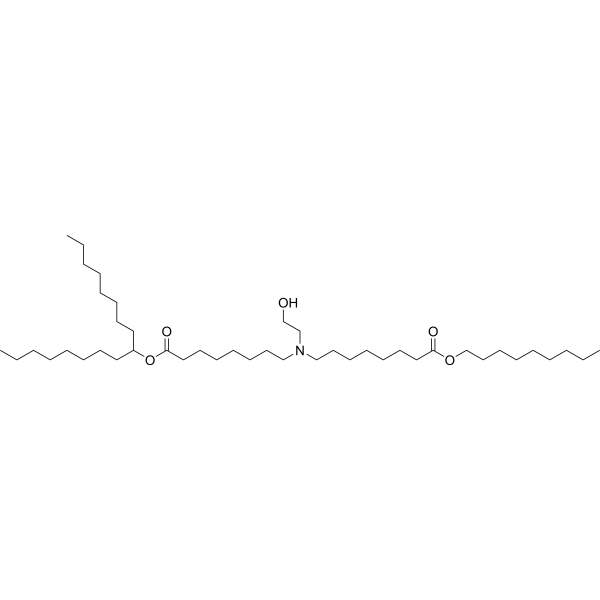
Lipid 5 is an amino lipid that affords efficient mRNA delivery in rodent and primate models. Lipid 5 shows optimal pharmacokinetics and non-toxic side effects .
|
-
-
- HY-P99037
-
|
M281
|
Fc Receptor (FcR)
|
Inflammation/Immunology
|
|
Nipocalimab (M281) is a fully humanized, recombinant, and non-glycosylated IgG1 monoclonal antibody. Nipocalimab can bind to the IgG-binding site of FcRn with high affinity and inhibit the transplacental transfer of IgG. Nipocalimab can be used in the research of fetal and neonatal hemolytic disease, myasthenia gravis, and various IgG-mediated autoimmune diseases .
|
-
-
- HY-P1717
-
AMY-101
Maximum Cited Publications
7 Publications Verification
Cp40
|
Complement System
SARS-CoV
|
Inflammation/Immunology
|
|
AMY-101 (Cp40), a peptidic inhibitor of the central complement component C3 (KD = 0.5 nM), inhibits naturally occurring periodontitis in non-human primates (NHPs). AMY-101 (Cp40) exhibits a favorable anti-inflammatory activity in models with COVID-19 severe pneumonia with systemic hyper inflammation .
|
-
-
- HY-153810
-
|
JNJ-1802
|
Virus Protease
Flavivirus
Dengue Virus
|
Infection
|
|
Mosnodenvir (JNJ-1802) is an orally active pan serotype dengue virus (DENV) inhibitor, with EC50 values ranging from 0.057 to 11 nM for four dengue virus (DENV) serotypes. Mosnodenvir blocks viral replication by inhibiting the formation of complexes between two viral proteins, nonstructural protein 3 (NS3) and NS4B, thereby preventing the formation of new viral RNA. Mosnodenvir exhibits picomolar to nanomolar antiviral activity in vitro and has antiviral efficacy in mice and non-human primates .
|
-
-
- HY-P1036
-
|
|
Complement System
|
Others
|
|
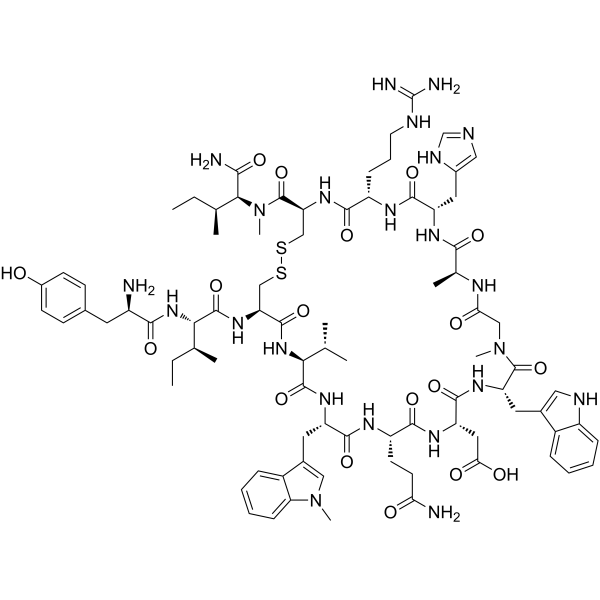
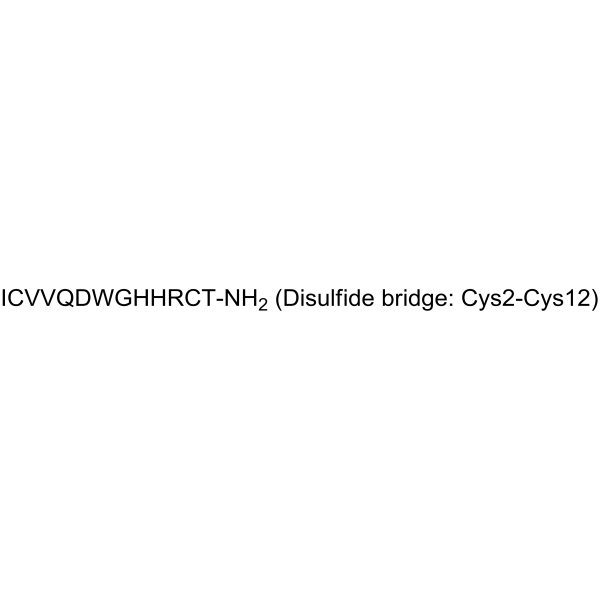
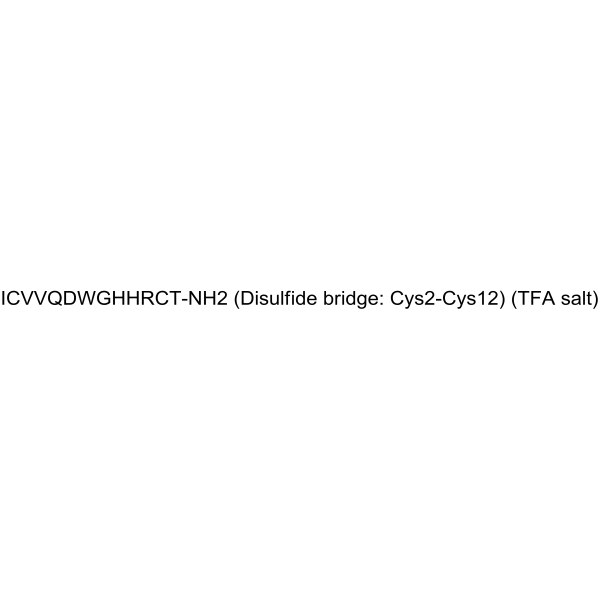
Compstatin, a 13-residue cyclic peptide, is a potent inhibitor of the complement system C3 with species specificity. Compstatin binds to baboon C3 and is resistant to proteolytic cleavage in baboon blood (similar to humans). Compstatin inhibits only the activation of primates’ complement system. Compstatin exhibits IC50 values of 63 μM and 12 μM for classical and alterative complement pathway, respectively .
|
-
-
- HY-171821
-
|
SGN-PDL1V
|
Antibody-Drug Conjugates (ADCs)
PD-1/PD-L1
|
Cancer
|
|
PF-08046054 (SGN-PDL1V) is a PD-L1-directed Antibody-drug conjugate (ADC), which is comprised of an anti-PD-L1 antibody conjugated to VcMMAE (HY-15575). PF-08046054 is direct cytotoxicity to PD-L1-expressing tumor cells via the intracellular delivery of MMAE. PF-08046054 can be used for the study of solid tumors
|
-
-
- HY-P1717B
-
|
Cp40 acetate
|
Complement System
SARS-CoV
|
Inflammation/Immunology
|
|
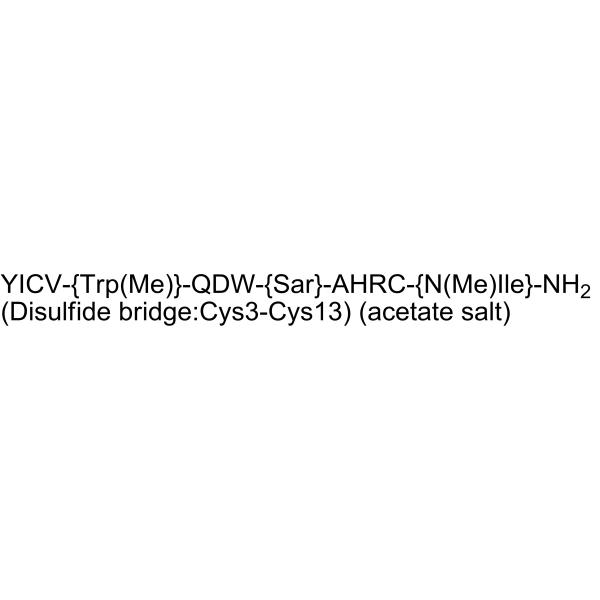
AMY-101 acetate (Cp40 acetate), a peptidic inhibitor of the central complement component C3 (KD = 0.5 nM), inhibits naturally occurring periodontitis in non-human primates (NHPs). AMY-101 acetate (Cp40 acetate) exhibits a favorable anti-inflammatory activity in models with COVID-19 severe pneumonia with systemic hyper inflammation .
|
-
-
- HY-P1717A
-
AMY-101 TFA
Maximum Cited Publications
7 Publications Verification
Cp40 TFA
|
Complement System
SARS-CoV
|
Inflammation/Immunology
|
|
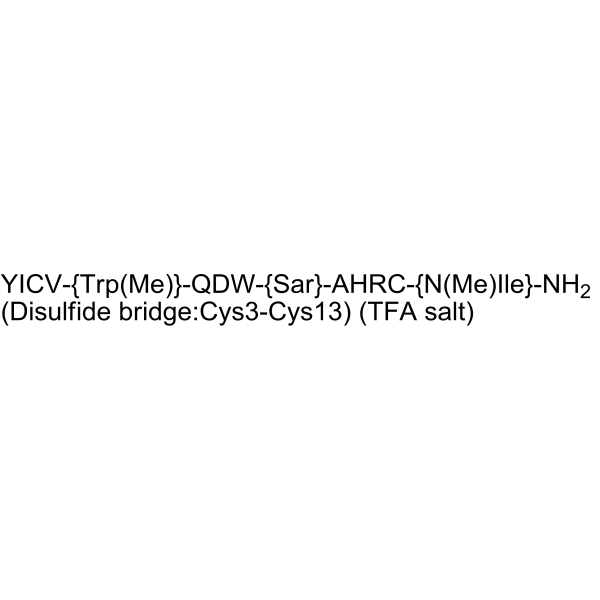
AMY-101 TFA (Cp40 TFA), a peptidic inhibitor of the central complement component C3 (KD = 0.5 nM), inhibits naturally occurring periodontitis in non-human primates (NHPs). AMY-101 (Cp40) exhibits a favorable anti-inflammatory activity in models with COVID-19 severe pneumonia with systemic hyper inflammation .
|
-
-
- HY-P99152
-
|
Muromanab-CD3
|
CD3
Interleukin Related
IFNAR
|
Inflammation/Immunology
Cancer
|
|
Muromonab (Muromonab-CD3; OKT3) is a mouse monoclonal antibody targeting the CD3 antigen. Muromonab specifically binds to the CD3 antigen on the surface of human and higher primate T cells. Muromonab blocks the function of T cell receptors to recognize foreign antigens and inhibits T cell-mediated immune responses, including cell-mediated lymphocyte lysis and T cell proliferation responses. Muromonab can be used to study acute kidney, liver, heart and combined kidney-pancreas transplant rejection, and can also be used to study graft-versus-host disease in bone marrow transplant patients .
|
-
-
- HY-N0886
-
Aloin B
3 Publications Verification
Isobarbaloin
|
SARS-CoV
Virus Protease
|
Infection
Endocrinology
Cancer
|
|
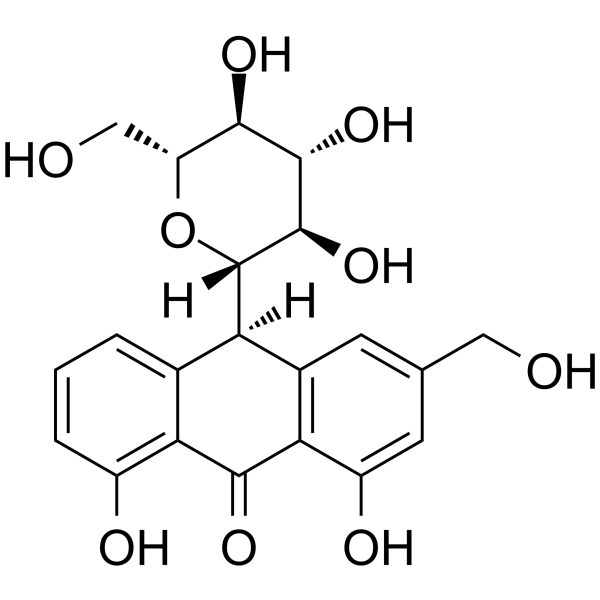
Aloin B (Isobarbaloin) is an orally active SARS-CoV-2 papain-like protease (PLpro) inhibitor with an IC50 of 16.08 μM (hydrolytic activity) and 17.51 μM (deubiquitinase activity). Aloin B is metabolized by rat intestinal flora into aloe-emodin-9-anthrone to exert laxative effects. Aloin B inhibits TPA (HY-18739)-induced ear edema, putrescine elevation, and tumor promotion in mouse skin. Aloin B can be used in research related to anti-inflammation, tumor promotion inhibition, coronavirus disease 2019 (COVID-19) and constipation .
|
-
-
- HY-152148
-
|
|
MAGL
|
Neurological Disease
|
|
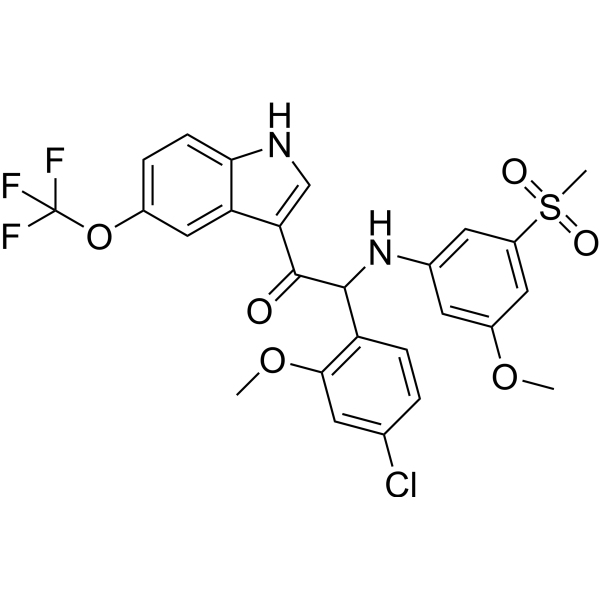
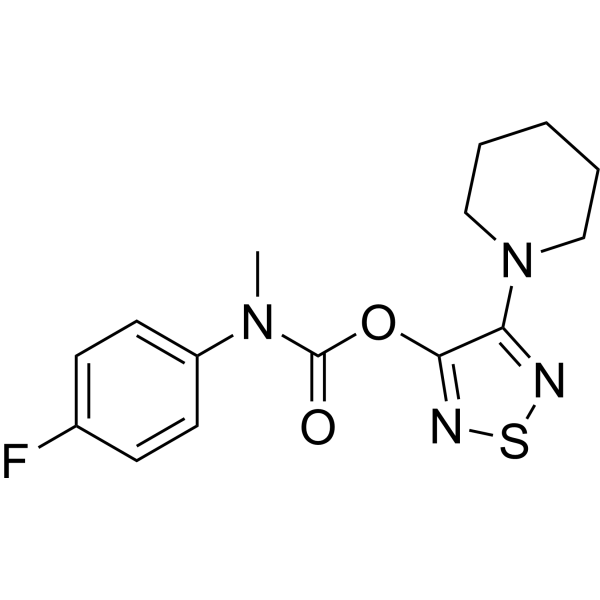
JZP-MA-11 is a brain-penetrant positron emission tomography (PET) ligand targeting the brain endocannabinoid α/β-hydrolase domain 6 (ABHD6) enzyme. JZP-MA-11 selectively inhibits ABHD6 with an IC50 value of 126 nM. [18F]JZP-MA-11 has the potential for preclinical evaluation targeting the brain ABHD6 in mice and nonhuman primate (NHP) .
|
-
-
- HY-135714
-
|
EKZ-001
|
HDAC
Microtubule/Tubulin
|
Neurological Disease
Cancer
|
Bavarostat (EKZ-001) is a blood-brain barrier-permeable, potent HDAC6 inhibitor and PET radiotracer, with an IC50 as low as 17 nM against human HDAC6. Bavarostat can be labeled with 18F and used as a probe to map HDAC6 distribution and measure target occupancy in the brains of non-human primates. Bavarostat also selectively modulates tubulin acetylation, but not histone acetylation. Bavarostat is applicable for research on Alzheimer's disease, other neurodegenerative disorders, and cancers .
|
-
-
- HY-P99302
-
|
BMS-931699
Antibody
|
CD28
|
Inflammation/Immunology
|
|
Lulizumab (Humanized Anti-CD28 Recombinant Antibody) is an anti-CD28 domain antibody antagonist. Lulizumab inhibits T-cell activation by selectively targeting the CD28 signal. In a sensitized non-human primate kidney transplantation model, when combined with Carfilzomib (HY-10455), Lulizumab can regulate immune cells and prolong the survival time of the graft .
|
-
-
- HY-P991069
-
|
|
HIV
|
Infection
|
|
VRC-01 is a broadly neutralizing IgG1 monoclonal antibody that targets HIV-1 envelope glycoprotein gp120 Protein. VRC-01 blocks HIV-1 viral entry by mimicking CD4 receptor interaction with HIV-1 gp120 and neutralizes broad HIV-1 clades. VRC-01 can be used for the research of HIV-1 infection .
|
-
-
- HY-P991400
-
|
|
TNF Receptor
Apoptosis
Interleukin Related
NF-κB
JNK
p38 MAPK
|
Inflammation/Immunology
|
|
GSK1995057 is a human monoclonal antibody (mAb) targeting TNFRSF1A. GSK1995057 selectively binds to TNFR1, blocks the binding of TNF-α and LT-α, and does not interfere with TNFR2 signaling. GSK1995057 inhibits the activation of NF-κB, JNK and MAPK pathways, alleviates apoptosis (apoptosis) and inflammatory responses (inhibiting IL-1β, IL-6, IL-10, TNF-α), and prevents viability loss of human nucleus pulposus cells. GSK1995057 inhibits the expression of cytokines and neutrophil adhesion molecules in human pulmonary microvascular endothelial cell monolayers, and reduces inflammatory responses and lung injury symptoms in non-human primates. GSK1995057 forms complexes with HAVH autoantibodies, thereby activating TNFR1 and triggering the release of cytokines and IL-8 in human cells. GSK1995057 can be used in research related to intervertebral disc degeneration and acute lung injury .
|
-
-
- HY-P991372
-
|
RN927C antibody
|
TROP2
|
Cancer
|
|
Anti-TROP2 Antibody (RN927C antibody) is a human monoclonal antibody targeting Trop-2. Anti-TROP2 Antibody exerts in vitro inhibitory effects on a variety of tumor cell lines. Anti-TROP2 Antibody exhibits anti-tumor activity in mouse pancreatic PDX, ovarian PDX, lung PDX and triple-negative breast cancer (TNB) PDX models. Anti-TROP2 Antibody can be used for research on pancreatic cancer, ovarian cancer, lung cancer and triple-negative breast cancer .
|
-
-
- HY-175748
-
-
-
- HY-P99293
-
|
IDEC 114; Anti-Human CD80 Recombinant Antibody
|
CD28
Apoptosis
|
Cancer
|
|
Galiximab (IDEC-114) is a primatized monoclonal IgG1 antibody targeting CD80. Galiximab variable regions are primatized, and the constant regions are humanized. Galiximab induces antibody-dependent cellular cytotoxicity by blocking CD80-CD28 binding. Galiximab has antitumor activity and can induce apoptosis in tumor cells. Galiximab can be used in the research of relapsed Hodgkin lymphoma and solid tumors .
|
-
-
- HY-W035520
-
|
|
Biochemical Assay Reagents
|
Others
|
|
HBED dihydrochloride is an orally active and hexadentate phenolic aminocarboxylate iron chelator. HBED refers to N, N'-bis(2-hydroxybenzyl)ethylenediamine-N,N'-diacetic acid, inducing iron excretion in primates. HBED dihydrochloride has the potential to be used as an alternative to desferriamine for iron chelation therapy .
|
-
-
- HY-101422
-
|
|
Potassium Channel
|
Inflammation/Immunology
|
|
GAL-021 is a potent BKCa-channel blocker. GAL-021 inhibits KCa1.1 in GH3 cells. GAL-021 is a novel breathing control modulator that is based on selective modification of the almitrine pharmacophore. GAL-021 increases minute ventilation in rats and non-human primates .
|
-
-
- HY-112692
-
|
|
Opioid Receptor
|
Neurological Disease
|
|
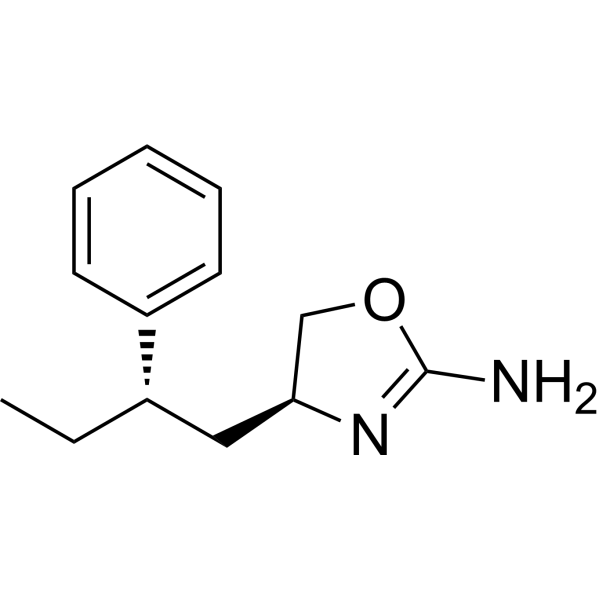
AT-121 is a bifunctional nociception and mu opioid receptor agonist, with Kis of 3.67 and 16.49 nM, respectively. AT-121 is a safe, non-addictive analgesic, and shows antinociceptive and antiallodynic effects .
|
-
-
- HY-12700
-
|
|
Trace Amine-associated Receptor (TAAR)
|
Neurological Disease
|
|
RO5256390 is an orally effective trace amine associated receptor 1 (TAAR1) agonist. RO5256390 exhibits pro-cognitive and antidepressant-like properties in rodent and primate models, showing similar brain activation patterns to Olanzapine (HY-14541). RO5256390 blocks compulsive overeating behavior in rats. RO5256390 can inhibit ATP (HY-B2176)-induced TNF secretion in mouse bone marrow-derived macrophages .
|
-
-
- HY-103169
-
|
|
Adenosine Receptor
|
Neurological Disease
|
|
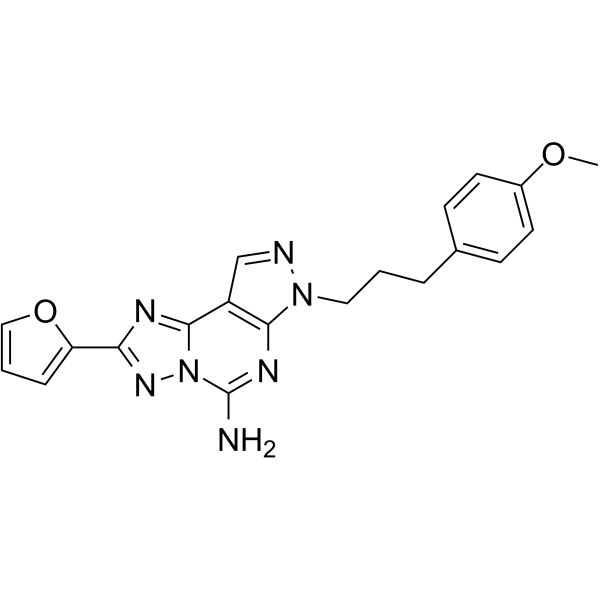
SCH442416 is a potent, selective and brain-penetrant antagonist of adenosine A2A receptor (A2AR), with Kis of 0.048 and 0.5 nM for human and rat A2AR respectively. SCH442416 displays more than 23000-fold selectivity over A1R, A2BR, and A3R (Ki=1111, 10000, and 10000 nM, respectively). SCH442416 can be used for imaging of adenosine A2A receptors in rat and primate brain .
|
-
-
- HY-P991023
-
|
6MW3211
|
CD47
PD-1/PD-L1
|
Cancer
|
|
Safimestomig (6MW3211) is an CD47/PD-L1-targeting bispecific antibody. Safimestomig blocks CD47-mediated 'don't eat me' signaling and selectively binds to CD47 on tumor cells. Safimestomig blocks PD-L1-mediated immune checkpoint signaling. Safimestomig can be used for the research of cancer .
|
-
-
- HY-157802
-
|
|
Sodium Channel
|
Neurological Disease
|
|
LTGO-33 is a potent and selective voltage-gated sodium channel NaV1.8 inhibitor. LTGO-33 inhibits NaV1.8 in the nM potency range and exhibits over 600-fold selectivity against human NaV1.1-NaV1.7 and NaV1.9. LTGO-33 exhibits state-independent inhibition with similar potencies on channels in the closed and inactivated conformations. LTGO-33 inhibits native TTX-R NaV1.8 currents in non-human primate and human DRG neurons, where it reduces action potential firing. LTGO-33 can be used for pain disorders research .
|
-
-
- HY-P99916
-
|
AMG-427
|
FLT3
CD3
TNF Receptor
|
Inflammation/Immunology
Cancer
|
Emirodatamab (AMG-427) is a bispecific T-cell engager (BiTE). Emirodatamab simultaneously binds FLT3 on the surface of acute myeloid leukemia (AML) cells and CD3 on the surface of T cells, thereby precisely recruiting immune effector cells to tumor sites. Emirodatamab potently induces T cell activation, secretion of proinflammatory cytokines (such as IFNγ, TNFα), and specific cytotoxicity, effectively lysing FLT3-positive tumor cells and inhibiting their growth. Emirodatamab not only significantly prolongs survival in mouse xenograft models and eliminates diseased cells in primates, but also exhibits a synergistic enhancement effect when combined with PD-1 blockade therapy. Emirodatamab is used in studies of acute myeloid leukemia, especially relapsed or refractory cases .
|
-
-
- HY-113266
-
|
|
Endogenous Metabolite
|
Metabolic Disease
|
|
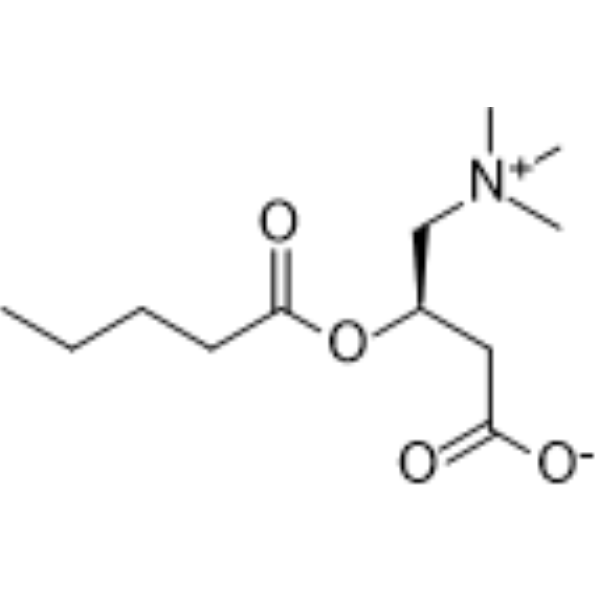
Valerylcarnitine is an endogenous metabolite, belonging to the short-chain acylcarnitines. Valerylcarnitine acts as a metabolomic biomarker for ionizing radiation exposure in nonhuman primates. Valerylcarnitine can be used for the research of type 1 diabetes .
|
-
-
- HY-P1036A
-
|
|
Complement System
|
Others
|
|
Compstatin TFA, a 13-residue cyclic peptide, is a potent inhibitor of the complement system C3 with species specificity. Compstatin TFA binds to baboon C3 and is resistant to proteolytic cleavage in baboon blood (similar to humans). Compstatin TFA inhibits only the activation of primates’ complement system. Compstatin TFA exhibits IC50 values of 63 μM and 12 μM for classical and alterative complement pathway, respectively .
|
-
-
- HY-P4990
-
|
|
Oxytocin Receptor
|
Endocrinology
|
|
Pro8-Oxytocin is a a modified oxytocin (OXT) ligand. Pro8-Oxytocin produces more potent and efficacious responses at primate OXTR and stronger behavioral effects than the consensus mammalian OXT ligand (Leu8-Oxytocin). Pro8-Oxytocin produce a less efficacious response than Vasopressin (HY-B1811) (AVP) at human AVPR1a and higher efficacious response than AVP at marmoset AVPR1a .
|
-
-
- HY-P4990A
-
|
|
Oxytocin Receptor
|
Endocrinology
|
|
Pro8-Oxytocin TFA is a a modified oxytocin (OXT) ligand. Pro8-Oxytocin produces more potent and efficacious responses at primate OXTR and stronger behavioral effects than the consensus mammalian OXT ligand (Leu8-Oxytocin). Pro8-Oxytocin TFA produce a less efficacious response than Vasopressin (HY-B1811) (AVP) at human AVPR1a and higher efficacious response than AVP at marmoset AVPR1a .
|
-
-
- HY-P990730
-
|
ARB202
|
CD3
Cadherin
|
Cancer
|
|
Cabotamig is a humanized bispecific T-cell engager antibody targeting CDH17/CD3. Cabotamig is generated from anti-CDH17 monoclonal ARB102 by linking a CD3-binding scFv in the format of IgG4-scFv. Cabotamig can be used for the research of cancer, such as gastric cancer and colon cancers .
|
-
-
- HY-123669
-
|
|
P2Y Receptor
Drug Metabolite
|
Cardiovascular Disease
|
|
R-138727, the major active metabolite of Prasugrel (HY-15284), is a highly potent and selective irreversible antagonist of the P2Y12 receptor, with an IC50 of 2.5 μM. R-138727 covalently binds to the P2Y12 receptor on the platelet surface, blocking adenosine diphosphate-mediated platelet activation and aggregation. R-138727 can be used to study stroke, cerebral infarction and neurological deficits.
|
-
-
- HY-115682
-
|
|
Mas-related G-protein-coupled Receptor (MRGPR)
|
Others
|
|
(S)-ZINC-3573 is an inactive enantiomer of ZINC-3573. (R)-ZINC-3573 is a selective MRGPRX2 agonist. (S)-ZINC-3573 and (R)-ZINC3573 are effective and internally controlled probe-pairs for investigating the biology of primate-exclusive receptor .
|
-
-
- HY-118944
-
|
|
Adrenergic Receptor
|
Endocrinology
|
|
L-748328 is a potent and selective human β3-adrenergic receptor antagonist. L-748328 has a Ki of 3.7 nM against human cloned β3-AR expressed in Chinese hamster ovary (CHO) cells. In addition, L-748328 inhibits the lipolytic response induced by the β3-AR agonist L-742791 in isolated non-human primate adipocytes .
|
-
-
- HY-158821A
-
|
|
TGF-beta/Smad
|
Neurological Disease
|
|
ISTH0036 sodium is a phosphorothioate LNA-modified antisense oligonucleotide gapmer that selectively targets and downregulates TGF-β2 mRNA. ISTH0036 sodium suppresses TGF-β2 expression, reduces choroidal neovascularization and vascular leakage, inhibits fibrosis, blocks epithelial-to-mesenchymal transition, and inhibits angiogenesis while promoting bleb survival. ISTH0036 sodium exhibits long-lasting, dose-dependent ocular tissue distribution and target engagement in rabbit and non-human primate eyes. ISTH0036 sodium can be used for the study of various ocular disorders, such as glaucoma and neovascular retinal diseases .
|
-
-
- HY-115726
-
|
|
γ-secretase
Amyloid-β
|
Neurological Disease
|
|
FRM-024 is a central nervous system-penetrant, orally active γ-secretase modulator and Aβ42 lowering agent. FRM-024 is used for the research of familial Alzheimer's disease .
|
-
-
- HY-120464
-
|
SAM-760
|
5-HT Receptor
|
Neurological Disease
|
|
PF-05212377 (SAM-760) is an inhibitor for serotonin receptor 5-HT6. PF-05212377 is a substrate for P-gp/non-BCRP human transporter. PF-05212377 exhibits blood brain barrier permeability in non-human primates. PF-05212377 can be used for Alzheimer’s Disease research .
|
-
-
- HY-158821
-
|
|
TGF-beta/Smad
|
Neurological Disease
|
|
ISTH0036 is a phosphorothioate LNA-modified antisense oligonucleotide gapmer that selectively targets and downregulates TGF-β2 mRNA. ISTH0036 suppresses TGF-β2 expression, reduces choroidal neovascularization and vascular leakage, inhibits fibrosis, blocks epithelial-to-mesenchymal transition, and inhibits angiogenesis while promoting bleb survival. ISTH0036 exhibits long-lasting, dose-dependent ocular tissue distribution and target engagement in rabbit and non-human primate eyes. ISTH0036 can be used for the study of various ocular disorders, such as glaucoma and neovascular retinal diseases .
|
-
-
- HY-14555
-
|
|
Dopamine Receptor
|
Neurological Disease
|
|
S33138 is a D3 receptor antagonist. S33138 inhibits addiction in animal models of addiction. S33138 reduces cognitive impairment in rodent and primate models of schizophrenia and Parkinson's disease. S33138 can be used in research on neurological disorders such as schizophrenia and Parkinson's disease .
|
-
-
- HY-149251
-
|
|
Flavivirus
Dengue Virus
|
Infection
|
|
DENV-IN-10 is a potent tetravalent dengue inhibitor, with EC50s of 1.36, 0.87, 0.94, and 0.95 μM against DENV-1-4 serotypes, respectively. DENV-IN-10 is a post-entry replication inhibitor that appears to be specific for cells of primate origin .
|
-
-
- HY-174986
-
|
|
CGRP Receptor
|
Cardiovascular Disease
|
|
CGRP antagonist 7 is a potent calcitonin gene-related peptide receptor (CGRP) antagonist with a Ki of 0.029 nM. CGRP antagonist 7 Inhibit the production of cyclic adenosine monophosphate (cAMP) with an IC50 of 1.5 nM. CGRP antagonist 7 can be used for the study of migraine .
|
-
-
- HY-112692A
-
|
|
Opioid Receptor
|
Neurological Disease
|
|
AT-121 hydrochloride is a bifunctional nociception and mu opioid receptor agonist, with Kis of 3.67 and 16.49 nM, respectively. AT-121 hydrochloride is a safe, non-addictive analgesic, and shows antinociceptive and antiallodynic effects .
|
-
-
- HY-P991547
-
|
|
CD20
Apoptosis
|
Inflammation/Immunology
Cancer
|
|
Anti-CD20 Antibody (mAb 1.5.3) is a fully human IgG1 anti-CD20 antibody. Anti-CD20 Antibody (mAb 1.5.3) evokes enhanced pro-apoptotic activity in vitro. Anti-CD20 Antibody (mAb 1.5.3) mediated both complement-dependent cytotoxicity and antibody-dependent cellular cytotoxicity. Anti-CD20 Antibody (mAb 1.5.3) demonstrates enhanced anti-tumor activity in various tumor xenograft models. Anti-CD20 Antibody (mAb 1.5.3) produces a superior B-cell depletion profile in lymph node organs and bone marrow in a primate pharmacodynamic model. Anti-CD20 Antibody (mAb 1.5.3) can be studied in research for B-cell maglignancies .
|
-
-
- HY-179227
-
|
|
HDAC
|
Neurological Disease
|
|
HDAC6 ligand-7 (Compound 16a) is a positron emission tomography (PET) tracer for the deacetylase 6 (HDAC6) enzyme with a Kd value of 1.66 nM. HDAC6 ligand-7 exhibits excellent HDAC6 inhibitory activity, with IC50 values of 2.7 and 3.7 nM for hHDAC6 and mHDAC6, respectively, and has high selectivity for HDAC1/4/7/8. HDAC6 ligand-7 after being radioactively labeled with fluorine-18, [¹⁸F]HDAC6 ligand-7 shows varying degrees of radioactive uptake in PET, which can reflect the specific binding to HDAC6. HDAC6 ligand-7 can be used for the study of HDAC6 imaging .
|
-
-
- HY-P991479
-
|
GS-8588
|
HIV
CD3
|
Infection
|
|
Amtabafusp alfa (GS-8588) is an envelope-targeting bispecific T-cell engager for HIV treatment. Amtabafusp alfa redirects effector T cells by binding to CD3 via a humanized anti-CD3 Fab domain and to HIV envelope proteins via an engineered CD4 domain 1 variant. Amtabafusp alfa exhibits potent, broad-spectrum activity against a variety of HIV isolates and specifically kills HIV-infected cells. Amtabafusp alfa can be used for research on HIV infection .
|
-
-
- HY-113266R
-
|
|
Reference Standards
Endogenous Metabolite
|
Metabolic Disease
|
|
Valerylcarnitine (Standard) is the analytical standard of Valerylcarnitine. Valerylcarnitine is an endogenous metabolite, belonging to the short-chain acylcarnitines. Valerylcarnitine acts as a metabolomic biomarker for ionizing radiation exposure in nonhuman primates. Valerylcarnitine can be used for the research of type 1 diabetes .
|
-
-
- HY-P991467
-
|
|
Interleukin Related
|
Inflammation/Immunology
|
|
RG-7258 is a human monoclonal antibody (mAb) targeting CRLF2. RG-7258 blocks dendritic cell activation and mast cell cytokine release. RG-7258 reduces Th2 inflammation in a non-human primate model of allergic lung inflammation. RG-7258 can be used in asthma research .
|
-
-
- HY-113266S
-
|
C5:0 L-carnitine-d9
|
Isotope-Labeled Compounds
Endogenous Metabolite
|
Metabolic Disease
|
|
Valerylcarnitine-d9 (C5:0 L-carnitine-d9) is the deuterium labeled Valerylcarnitine (HY-113266). Valerylcarnitine is an endogenous metabolite, belonging to the short-chain acylcarnitines. Valerylcarnitine acts as a metabolomic biomarker for ionizing radiation exposure in nonhuman primates. Valerylcarnitine can be used for the research of type 1 diabetes .
|
-
-
- HY-129607
-
|
|
Renin
|
Cardiovascular Disease
|
|
A-65317 is a primate-selective renin dipeptide inhibitor (IC50 of 0.37 nM) with long hypotensive response .
|
-
- HY-163075
-
|
|
Sigma Receptor
|
Others
|
|
SYB4 (compound 5) is a PET tracer which suitable for imaging the Sigma-2 Receptor in the brain of nonhuman primates .
|
-
- HY-P2130
-
|
|
Renin
|
Cardiovascular Disease
|
|
SR 42128 is a potent renin inhibitor. SR 42128 potently inhibits primate renins whereas other animal renins are much less inhibited .
|
-
- HY-117527
-
-
- HY-103491
-
|
|
iGluR
|
Neurological Disease
|
|
PF-06462894 is an alkyne-lacking metabotropic glutamate receptor 5 (mGluR5) negative allosteric modulator profiled in both rat and nonhuman primates .
|
-
- HY-124392
-
|
|
Phosphodiesterase (PDE)
|
Cancer
|
|
AMG580 is a selective PDE10A antagonist with subnanomolar affinity for rat, primate, and human PDE10A. AMG580 can be used for the research of noninvasive radiotracer .
|
-
- HY-P99911
-
|
MEDI-6383
|
Orexin Receptor (OX Receptor)
|
Inflammation/Immunology
Cancer
|
|
Efizonerimod alfa (MEDI-6383) is a recombinant human OX40L IgG4P Fc fusion protein that assembles into a hexameric structure and exerts potent agonist activity upon binding to OX40. The activity of Efizonerimod alfa is enhanced by Fcγ receptor-mediated aggregation. Efizonerimod alfa binds to OX40 on the surface of activated T cells, induces NF-κB promoter activity in OX40-expressing T cells, and triggers the production of Th1-type cytokines, T cell proliferation, and resistance to regulatory T cell (Treg)-mediated suppression. Efizonerimod alfa enhances the cytolytic activity of tumor-reactive T cells and slows tumor growth in immunodeficient mice. Efizonerimod alfa induces the proliferation of CD4, CD8, and B cells in the peripheral blood of healthy non-human primates. Efizonerimod alfa can be used in the research of advanced solid malignancies and melanoma .
|
-
- HY-118033
-
|
|
Renin
|
Cardiovascular Disease
|
|
SQ 30774 is a renin (renin) inhibitor. SQ 30774 has potent in vitro inhibitory effects in primates but not in rats, pigs, or dogs. And imidazolinol renin inhibitors also inhibit PRA and reduce arterial blood pressure in vivo .
|
-
- HY-137574
-
|
19(R)-Hydroxy PGE1
|
Prostaglandin Receptor
|
Others
|
|
19(R)-Hydroxy prostaglandin E1 (19(R)-Hydroxy PGE1), the major prostaglandin in primate semen, is an agonist of EP1 and EP3 receptor subtypes and exhibits contractile activity on smooth muscle preparations .
|
-
- HY-163486
-
|
|
Bacterial
|
Infection
|
|
Antituberculosis agent-10 (Compound 9) has excellent antibacterial activity against Mycobacterium tuberculosis (MIC = 0.3 μM). Antituberculosis agent-10 inhibits protein synthesis by targeting the 50S ribosomal subunit of the bacterium, thus exerting its antibacterial effect. Antituberculosis agent-10 is orally active .
|
-
- HY-139120
-
|
19(R)-Hydroxy PGE2; 19(R)-OH PGE2
|
Prostaglandin Receptor
|
Metabolic Disease
|
|
19(R)-hydroxy Prostaglandin E2 (19(R)-hydroxy PGE2) is found in the semen of primates, including man. It is a potent smooth muscle relaxant and a selective agonist for the EP2 receptor. It has an EC50 value of 200 nM for relaxing cat tracheal rings which express EP2 receptors.
|
-
- HY-148698
-
|
|
VD/VDR
|
Others
|
|
2MD is an orally active vitamin D analog. 2MD stimulates periosteal bone formation and decreases trabecular bone resorption. Thus 2MD restores trabecular and cortical bone mass and strength. 2MD also regulates intraocular pressure (IOP)-relative genes and reduces IOP in non-human primates .
|
-
- HY-117952
-
|
|
Neurokinin Receptor
|
Neurological Disease
|
|
L 743310 is a non-peptide, selective antagonist of the human neurokinin hNK1 receptor, with high affinity for primate and cloned human hNK1 receptors and lower affinity for rodent NK1 receptors. L 743310 inhibits resiniferatoxin-induced plasma protein extravasation in guinea pig esophagus. L 743310 has a dose-dependent inhibitory effect on cisplatin-induced emesis .
|
-
- HY-P991270
-
|
|
Interleukin Related
|
Inflammation/Immunology
|
|
MT204 is a humanized IgG1 antibody inhibitor targeting IL-2 of human and rhesus monkey origin. MT204 prevents soluble IL-2 from binding to intermediate-affinity IL-2 receptors and blocks CD25-bound IL-2 on high-affinity IL-2 receptors. MT204 has potently anti-proliferative activity with NKL cells and primary NK cells. MT204 has good tolerability and potent immunosuppressive activity in allogeneic skin graft model of rhesus monkey, promising for immunosuppressive and anti-proliferative therapy .
|
-
- HY-101422A
-
|
|
Potassium Channel
|
Inflammation/Immunology
|
|
GAL-021 sulfate is a potent BKCa-channel blocker. GAL-021 sulfate inhibits KCa1.1 in GH3 cells. GAL-021 sulfate is a novel breathing control modulator that is based on selective modification of the almitrine pharmacophore. GAL-021 sulfate increases minute ventilation in rats and non-human primates .
|
-
- HY-135493
-
|
|
5-HT Receptor
|
Neurological Disease
|
|
RS-56812 is a partial agonist of the 5-HT3 receptor. RS-56812 significantly enhances the propulsive peristalsis of the colon. RS-56812 indirectly enhances cholinergic neurotransmission and improves the working memory performance of non-human primates. RS-56812 is used in research on diarrhea/colon peristalsis and cognitive disorders (such as Alzheimer's disease) .
|
-
- HY-113730
-
|
|
CXCR
|
Others
|
|
VUF5834 is a non-peptide chemokine receptor CXCR3 antagonist with non-competitive antagonistic and inverse agonistic activities. VUF5834 blocks the effects of CXCL10 and CXCL11 on human CXCR3, exhibits non-competitive antagonistic and inverse agonistic properties to CXCR3, and, except for TAK-779, has a slightly lower affinity for rodent CXCR3 than for primate CXCR3.
|
-
- HY-117637
-
|
|
Oxytocin Receptor
|
Neurological Disease
|
|
ALS-I-41 is a novel, potent and selective oxytocin receptor antagonist with the potential to modulate biological activities related to social behavior and mental disorders. ALS-I-41 is being evaluated for behavioral pharmacology experiments in non-human primates and can be administered via intranasal or intramuscular injection. The central nervous system penetration and metabolic rate of ALS-I-41 were studied by mass spectrometry analysis in cerebrospinal fluid and plasma of macaque monkeys .
|
-
- HY-105034A
-
|
BMY 13859-1; MJ 13859-1
|
5-HT Receptor
|
Neurological Disease
|
|
Tiospirone (MJ 13859-1) hydrochloride is an orally active antipsychotic agent that reduces or eliminates tardive dyskinesia (TD) in Cebus apella monkeys with persistent TD .
|
-
- HY-114947
-
|
9-Deoxy-9-methylene PGE2
|
Prostaglandin Receptor
|
Cardiovascular Disease
Metabolic Disease
|
|
9-deoxy-9-methylene Prostaglandin E2 (9-deoxy-9-methylene PGE2) is a stable, isosteric analog of PGE2. 9-deoxy-9-methylene PGE2 retains the biological profile of PGE2 with fewer side effects. In the rat 9-deoxy-9-methylene PGE2 is equipotent to PGE2 in decreasing blood pressure. It also stimulates the gerbil colon and primate uterus at the same potency as PGE2.
|
-
- HY-103169R
-
|
|
Reference Standards
Adenosine Receptor
|
Neurological Disease
|
|
SCH442416 (Standard) is the analytical standard of SCH442416. This product is intended for research and analytical applications. SCH442416 is a potent, selective and brain-penetrant antagonist of adenosine A2A receptor (A2AR), with Kis of 0.048 and 0.5 nM for human and rat A2AR respectively. SCH442416 displays more than 23000-fold selectivity over A1R, A2BR, and A3R (Ki=1111, 10000, and 10000 nM, respectively). SCH442416 can be used for imaging of adenosine A2A receptors in rat and primate brain .
|
-
- HY-103164A
-
|
CSC
|
Endogenous Metabolite
|
Neurological Disease
|
|
8-(3-Chlorostyryl)caffeine (CSC) is an adenosine antagonist with selective activity at the A2a adenosine receptor. 8-(3-Chlorostyryl)caffeine showed 520-fold selectivity in radioligand binding experiments in rat brain. Antagonism of adenylylase by 8-(3-Chlorostyryl)caffeine shows 22-fold selectivity in rat chromaffin cells When 8-(3-Chlorostyryl)caffeine is co-administered with the A1-selective antagonist CPX, It can also further increase exercise activity. 8-(3-Chlorostyryl)caffeine exhibits good MAO-B inhibitory activity in primate mitochondria. 8-(3-Chlorostyryl)caffeine also has excellent A2A receptor affinity .
|
-
- HY-118185
-
|
|
Renin
|
Others
|
|
SQ 31844 is a novel renin inhibitor belonging to the imidazolidinol class. This compound, which contains an imidazole ring in its active site binding group, has potent in vitro inhibition of primate renin, but not rat, pig, or dog renin. In conscious, sodium-deprived cynomolgus monkeys, both compounds produced dose-related inhibition of plasma renin activity (PRA) over a dose range of 0.001 to 1.0 μmol/kg, administered intravenously, with complete inhibition observed at the highest dose. However, a reduction in blood pressure was only observed when 10 μmol/kg was administered intravenously or by infusion. In sodium-replete monkeys, SQ 30774 inhibited the increase in arterial blood pressure and PRA following administration of exogenous monkey renin. When the compounds were administered orally at 50 μmol/kg, only SQ 31844 significantly inhibited PRA (80%). In summary, the imidazolidinol renin inhibitors have potent inhibitory effects on renin in vitro and inhibit PRA and reduce arterial blood pressure in vivo.
|
-
- HY-183978
-
|
|
Renin
|
Cardiovascular Disease
|
|
KRI-1314 is an orally active human renin inhibitor with selectivity for primate renin over non-primate renin. KRI-1314 competitively inhibits the binding of recombinant human renin to its substrate, reduces plasma renin activity, lowers blood pressure, and exhibits high stability in tissue homogenates. KRI-1314 is applicable to research on renin-dependent hypertension and hypertension-related studies .
|
-
- HY-181351
-
-
- HY-P991921
-
|
|
TNF Receptor
Fc Receptor (FcR)
|
Cardiovascular Disease
Endocrinology
|
|
TNX-1500 is a crystallizable fragment-modified anti-CD154 antibody. TNX-1500 contains the hu5c8 fragment antigen-binding (Fab) domain from Ruplizumab (HY-P99315) and an IgG4 Fc region engineered to reduce FcγRIIa binding. TNX-1500 has significantly weaker binding affinity to FcγRI, FcγRIIaH, FcγRIIbF, FcγRIIIaF, and FcγRIIIaV compared to hu5c8 (Kd values: 8.7 nM, 7100 nM, 4900 nM, 8000 nM, 6000 nM respectively). TNX-1500 prolongs nonhuman primate renal allograft survival, prolongs nonhuman primate cardiac allograft survival. TNX-1500 can be used for the research of allograft rejection [1] [2].
|
-
- HY-182944
-
|
|
GABA Receptor
|
Neurological Disease
|
|
GATT-44 is a blood-brain barrier-permeable, selective GABA transporter 1 (GAT-1) ligand with an IC50 of 126 nM. GATT-44 shows selectivity for GAT-2, GAT-3 and BGT-1 subtypes, and undergoes copper-mediated 18F-radiofluorination. The radiolabeled GATT-44 ([ 18F]GATT-44) exhibits brain uptake, metabolic stability and high GAT-1 binding specificity in non-human primates. GATT-44 is applicable for research on neurodegenerative and neuropsychiatric diseases .
|
-
- HY-182317
-
|
|
Drug Isomer
Dengue Virus
|
Infection
|
|
(+)-Mosnodenvir is an isomer of Mosnodenvir (HY-153810). Mosnodenvir (JNJ-1802) is an orally active pan serotype dengue virus (DENV) inhibitor, with EC50 values ranging from 0.057 to 11 nM for four dengue virus (DENV) serotypes. Mosnodenvir blocks viral replication by inhibiting the formation of complexes between two viral proteins, nonstructural protein 3 (NS3) and NS4B, thereby preventing the formation of new viral RNA. Mosnodenvir exhibits picomolar to nanomolar antiviral activity in vitro and has antiviral efficacy in mice and non-human primates .
|
-
- HY-156192
-
|
|
Drug Derivative
|
Cardiovascular Disease
|
|
CGS 24565, a derivative of the antibiotic Rifamycin (HY-B1907A), is an orally active hypolipidemic agent. CGS 24565 can reduce plasma cholesterol levels in both primate and nonprimate species .
|
-
- HY-106021
-
|
ILX651 free base
|
Microtubule/Tubulin
Prolyl Endopeptidase (PREP)
|
Cancer
|
|
Tasidotin (ILX651 free base) is a tubulin inhibitor and competitive Prolyl Endopeptidase (PREP) inhibitor, with an IC50 of 10 μM against bovine tubulin. Tasidotin exhibits high cerebrospinal fluid penetration in non-human primates. Tasidotin antagonizes microtubule assembly and induces an extended assembly lag phase, thereby inhibiting mitosis and cell proliferation, and exerts cytotoxic and oncolytic effects on cancer cells. Tasidotin is metabolized into polypeptides and proline inside cells, and its in vivo metabolism is mediated by prolyl endopeptidase. Tasidotin can be applied in research related to Burkitt's lymphoma, breast cancer, leukemia, melanoma, central nervous system malignancies and various solid tumors .
|
-
- HY-172572
-
|
15(R),19(R)-Hydroxy PGE1
|
Drug Isomer
|
Others
|
|
15(R),19(R)-Hydroxy prostaglandin E1 is a dihydroxy metabolite/stereoisomer of Prostaglandin E1 (HY-B0131). 15(R),19(R)-Hydroxy prostaglandin E1 is found in the semen of some mammals, especially primates .
|
-
- HY-101422R
-
|
|
Potassium Channel
Reference Standards
|
Inflammation/Immunology
|
|
GAL-021 (Standard) is the analytical standard of GAL-021 (HY-101422). This product is intended for research and analytical applications. GAL-021 is a potent BKCa-channel blocker. GAL-021 inhibits KCa1.1 in GH3 cells. GAL-021 is a novel breathing control modulator that is based on selective modification of the almitrine pharmacophore. GAL-021 increases minute ventilation in rats and non-human primates .
|
-
- HY-121621
-
|
|
Endogenous Metabolite
|
Inflammation/Immunology
|
|
RO5101576 is a potent LTB4 receptor antagonist with activity to inhibit LTB4-induced calcium mobilization and chemotaxis of human neutrophils. RO5101576 significantly attenuated LTB4-induced pulmonary eosinophilia in guinea pigs. RO5101576 inhibited allergen- and ozone-induced pulmonary neutrophilia in nonhuman primates with efficacy comparable to that of budesonide. RO5101576 had no effect on LPS-induced neutrophilia in guinea pigs and cigarette smoke-induced neutrophilia in mice and rats. RO5101576 performed well in toxicology studies and was well tolerated .
|
-
- HY-108942
-
|
|
Adenosine Receptor
|
Cardiovascular Disease
Neurological Disease
|
|
ASP5854 is an orally active, blood-brain barrier permeable adenosine A1/A2a dual receptor antagonist. ASP5854 blocks receptor activity and agonist-induced intracellular calcium elevation, and exhibits the characteristic of slow dissociation from striatal A2a receptors in primates. ASP5854 reverses catalepsy, enhances cognitive ability, improves motor function and exerts neuroprotective effects, while also alleviating dyskinesia and increasing contralateral turning behavior. ASP5854 is mainly used in studies related to ischemic stroke and Parkinson's disease .
|
-
- HY-158821B
-
|
|
TGF-beta/Smad
|
Neurological Disease
|
|
ISTH0036 sodium scrambled negative control is the sequence scrambled negative control of ISTH0036 sodium (HY-158821A). ISTH0036 sodium is a phosphorothioate LNA-modified antisense oligonucleotide gapmer that selectively targets and downregulates TGF-β2 mRNA. ISTH0036 sodium suppresses TGF-β2 expression, reduces choroidal neovascularization and vascular leakage, inhibits fibrosis, blocks epithelial-to-mesenchymal transition, and inhibits angiogenesis while promoting bleb survival. ISTH0036 sodium exhibits long-lasting, dose-dependent ocular tissue distribution and target engagement in rabbit and non-human primate eyes. ISTH0036 sodium can be used for the study of various ocular disorders, such as glaucoma and neovascular retinal diseases.
|
-
- HY-158821D
-
|
|
Fluorescent Dye
TGF-beta/Smad
|
Neurological Disease
|
|
Cy3 labled ISTH0036 sodium is a Cy3 labled ISTH0036 sodium (HY-158821A). ISTH0036 sodium is a phosphorothioate LNA-modified antisense oligonucleotide gapmer that selectively targets and downregulates TGF-β2 mRNA. ISTH0036 sodium suppresses TGF-β2 expression, reduces choroidal neovascularization and vascular leakage, inhibits fibrosis, blocks epithelial-to-mesenchymal transition, and inhibits angiogenesis while promoting bleb survival. ISTH0036 sodium exhibits long-lasting, dose-dependent ocular tissue distribution and target engagement in rabbit and non-human primate eyes. ISTH0036 sodium can be used for the study of various ocular disorders, such as glaucoma and neovascular retinal diseases.
|
-
- HY-158821C
-
|
|
Fluorescent Dye
TGF-beta/Smad
|
Neurological Disease
|
|
FAM labled ISTH0036 sodiumis a FAM labled ISTH0036 sodium (HY-158821A). ISTH0036 sodium is a phosphorothioate LNA-modified antisense oligonucleotide gapmer that selectively targets and downregulates TGF-β2 mRNA. ISTH0036 sodium suppresses TGF-β2 expression, reduces choroidal neovascularization and vascular leakage, inhibits fibrosis, blocks epithelial-to-mesenchymal transition, and inhibits angiogenesis while promoting bleb survival. ISTH0036 sodium exhibits long-lasting, dose-dependent ocular tissue distribution and target engagement in rabbit and non-human primate eyes. ISTH0036 sodium can be used for the study of various ocular disorders, such as glaucoma and neovascular retinal diseases.
|
-
- HY-141489
-
|
|
Biochemical Assay Reagents
Liposome
|
Neurological Disease
|
|
DSPE-PEG2000-Carboxy NHS sodium is a linker. DSPE-PEG2000-Carboxy NHS sodium enables conjugation of targeting peptides to lipid nanoparticles after their preparation. DSPE-PEG2000-Carboxy NHS (sodium) is applicable to the research of hereditary retinal degeneration .
|
-
- HY-P11773
-
|
|
Radionuclide-Drug Conjugates (RDCs)
Integrin
|
Others
|
|
3P-RGD2 is a dimeric cyclic RGD (Arg-Gly-Asp) peptide. When radiolabeled with 99mTc, 3P-RGD2 serves as a selective radiotracer for integrin αvβ3. When radiolabeled with 99mTc, 3P-RGD2 enables single-photon emission computed tomography imaging of integrin αvβ3 .
|
-
- HY-P992456
-
|
|
Complement System
|
Cardiovascular Disease
Endocrinology
|
|
SAR-443809 is a selective alternative complement system inhibitor and monoclonal antibody targeting complement factor Bb. SAR-443809 blocks the cleavage of C3 and factor B by selectively binding to the activated form of factor Bb, with a KD of 7.3 nM for human factor Bb. SAR-443809 inhibits the amplification loop of the alternative complement pathway and C3 activation, reduces C3b deposition, and blocks the activation of pathways associated with intravascular and extravascular hemolysis. SAR-443809 can be used for the research of hematological and renal disorders mediated by abnormal alternative complement pathway .
|
-
- HY-182626
-
|
|
LPL Receptor
|
Others
Neurological Disease
Inflammation/Immunology
|
|
CS1P1 is a brain-penetrant and selective S1PR1 antagonist and PET radiotracer, with human S1PR1 IC50 values of 2.1 nM. CS1P1 binds specifically to S1PR1 to enable in vivo receptor expression quantification. CS1P1 can be used as PET radiotracer when labelled with 11C. CS1P1 can be used for the research of multiple sclerosis, neointimal hyperplasia, vascular inflammation .
|
-
- HY-P992352
-
|
|
|
|
|
ES005 is an anti-tumor compound and LAG3 inhibitor. ES005 blocks the interactions of LAG3 with MHC-II, LSECtin and FGL1, thereby effectively reversing the LAG3-mediated inhibition of T cell activation and NFAT reporter gene expression. ES005 exhibits significant tumor growth inhibitory effects in syngeneic mouse breast tumor models using humanized LAG3 knock-in mice. ES005 can be used for breast tumor-related research .
|
-
- HY-P992463
-
|
|
Ser/Thr Protease
|
Endocrinology
|
|
SHR-2010 is a fully humanized monoclonal antibody targeting MASP-2. SHR-2010 selectively inhibits lectin pathway activation without affecting classical or alternative complement pathways. SHR-2010 can be used for the research of IgA nephropathy .
|
-
- HY-122557
-
|
|
|
Neurological Disease
|
|
AZD3676 is an orally active and blood-brain barrier-permeable ligand for 5-HT1A and 5-HT1B receptors, with nanomolar binding affinity for human and monkey receptors (human 5-HT1A: 0.16 nM, monkey 5-HT1A: 0.13 nM, human 5-HT1B: 2.3 nM, monkey 5-HT1B: 2.4 nM). AZD3676 is applicable to research related to cognitive impairment in Alzheimer's disease .
|
-
- HY-P992026
-
|
|
ADC Antibody
|
Cancer
|
|
ADV-101 Antibody is a monoclonal antibody inhibitor targeting IL-1RAP. ADV-101 Antibody can be used to synthesize the antibody-drug conjugate (ADC) ADV-101. ADV-101 Antibody can be used to research related to cancer .
|
-
| Cat. No. |
Product Name |
Type |
-
- HY-171821
-
|
SGN-PDL1V
|
Fluorescent Dye
|
|
PF-08046054 (SGN-PDL1V) is a PD-L1-directed Antibody-drug conjugate (ADC), which is comprised of an anti-PD-L1 antibody conjugated to VcMMAE (HY-15575). PF-08046054 is direct cytotoxicity to PD-L1-expressing tumor cells via the intracellular delivery of MMAE. PF-08046054 can be used for the study of solid tumors
|
| Cat. No. |
Product Name |
Type |
-
- HY-138171
-
Lipid 5
3 Publications Verification
|
Biochemical Assay Reagents
|
|
Lipid 5 is an amino lipid that affords efficient mRNA delivery in rodent and primate models. Lipid 5 shows optimal pharmacokinetics and non-toxic side effects .
|
-
- HY-W035520
-
|
|
Biochemical Assay Reagents
|
|
HBED dihydrochloride is an orally active and hexadentate phenolic aminocarboxylate iron chelator. HBED refers to N, N'-bis(2-hydroxybenzyl)ethylenediamine-N,N'-diacetic acid, inducing iron excretion in primates. HBED dihydrochloride has the potential to be used as an alternative to desferriamine for iron chelation therapy .
|
| Cat. No. |
Product Name |
Target |
Research Area |
-
- HY-P1717
-
AMY-101
Maximum Cited Publications
7 Publications Verification
Cp40
|
Complement System
SARS-CoV
|
Inflammation/Immunology
|
|
AMY-101 (Cp40), a peptidic inhibitor of the central complement component C3 (KD = 0.5 nM), inhibits naturally occurring periodontitis in non-human primates (NHPs). AMY-101 (Cp40) exhibits a favorable anti-inflammatory activity in models with COVID-19 severe pneumonia with systemic hyper inflammation .
|
-
- HY-P1036
-
|
|
Complement System
|
Others
|
|
Compstatin, a 13-residue cyclic peptide, is a potent inhibitor of the complement system C3 with species specificity. Compstatin binds to baboon C3 and is resistant to proteolytic cleavage in baboon blood (similar to humans). Compstatin inhibits only the activation of primates’ complement system. Compstatin exhibits IC50 values of 63 μM and 12 μM for classical and alterative complement pathway, respectively .
|
-
- HY-P1717B
-
|
Cp40 acetate
|
Complement System
SARS-CoV
|
Inflammation/Immunology
|
|
AMY-101 acetate (Cp40 acetate), a peptidic inhibitor of the central complement component C3 (KD = 0.5 nM), inhibits naturally occurring periodontitis in non-human primates (NHPs). AMY-101 acetate (Cp40 acetate) exhibits a favorable anti-inflammatory activity in models with COVID-19 severe pneumonia with systemic hyper inflammation .
|
-
- HY-P1717A
-
AMY-101 TFA
Maximum Cited Publications
7 Publications Verification
Cp40 TFA
|
Complement System
SARS-CoV
|
Inflammation/Immunology
|
|
AMY-101 TFA (Cp40 TFA), a peptidic inhibitor of the central complement component C3 (KD = 0.5 nM), inhibits naturally occurring periodontitis in non-human primates (NHPs). AMY-101 (Cp40) exhibits a favorable anti-inflammatory activity in models with COVID-19 severe pneumonia with systemic hyper inflammation .
|
-
- HY-P1036A
-
|
|
Complement System
|
Others
|
|
Compstatin TFA, a 13-residue cyclic peptide, is a potent inhibitor of the complement system C3 with species specificity. Compstatin TFA binds to baboon C3 and is resistant to proteolytic cleavage in baboon blood (similar to humans). Compstatin TFA inhibits only the activation of primates’ complement system. Compstatin TFA exhibits IC50 values of 63 μM and 12 μM for classical and alterative complement pathway, respectively .
|
-
- HY-P4990
-
|
|
Oxytocin Receptor
|
Endocrinology
|
|
Pro8-Oxytocin is a a modified oxytocin (OXT) ligand. Pro8-Oxytocin produces more potent and efficacious responses at primate OXTR and stronger behavioral effects than the consensus mammalian OXT ligand (Leu8-Oxytocin). Pro8-Oxytocin produce a less efficacious response than Vasopressin (HY-B1811) (AVP) at human AVPR1a and higher efficacious response than AVP at marmoset AVPR1a .
|
-
- HY-P4990A
-
|
|
Oxytocin Receptor
|
Endocrinology
|
|
Pro8-Oxytocin TFA is a a modified oxytocin (OXT) ligand. Pro8-Oxytocin produces more potent and efficacious responses at primate OXTR and stronger behavioral effects than the consensus mammalian OXT ligand (Leu8-Oxytocin). Pro8-Oxytocin TFA produce a less efficacious response than Vasopressin (HY-B1811) (AVP) at human AVPR1a and higher efficacious response than AVP at marmoset AVPR1a .
|
-
- HY-P2130
-
|
|
Renin
|
Cardiovascular Disease
|
|
SR 42128 is a potent renin inhibitor. SR 42128 potently inhibits primate renins whereas other animal renins are much less inhibited .
|
-
- HY-P11773
-
|
|
Radionuclide-Drug Conjugates (RDCs)
Integrin
|
Others
|
|
3P-RGD2 is a dimeric cyclic RGD (Arg-Gly-Asp) peptide. When radiolabeled with 99mTc, 3P-RGD2 serves as a selective radiotracer for integrin αvβ3. When radiolabeled with 99mTc, 3P-RGD2 enables single-photon emission computed tomography imaging of integrin αvβ3 .
|
| Cat. No. |
Product Name |
Target |
Research Area |
Image |
-
- HY-P99575
-
|
AMG-757
|
Notch
|
Inflammation/Immunology
Cancer
|
|
Tarlatamab (AMG-757) is a bispecific T-cell engager (BiTE) antibody targeting delta-like ligand 3 (DLL3). DLL3 is a target that is selectively expressed in small-cell lung cancer (SCLC) tumors, but with minimal normal tissue expression. Tarlatamab has the KDs of 0.64 nM and 0.50 nM for human and nonhuman primate (NHP) DLL3, respectively. Tarlatamab has the KDs of 14.9 nM and 12 nM for human and NHP CD3, respectively. Tarlatamab is a first-in-class HLE BiTE immuno-oncology therapy targeting DLL3 and has the potential for SCLC research .
|
-
(5)
-
- HY-P99037
-
|
M281
|
Fc Receptor (FcR)
|
Inflammation/Immunology
|
|
Nipocalimab (M281) is a fully humanized, recombinant, and non-glycosylated IgG1 monoclonal antibody. Nipocalimab can bind to the IgG-binding site of FcRn with high affinity and inhibit the transplacental transfer of IgG. Nipocalimab can be used in the research of fetal and neonatal hemolytic disease, myasthenia gravis, and various IgG-mediated autoimmune diseases .
|
-
(5)
-
- HY-P99152
-
|
Muromanab-CD3
|
CD3
Interleukin Related
IFNAR
|
Inflammation/Immunology
Cancer
|
|
Muromonab (Muromonab-CD3; OKT3) is a mouse monoclonal antibody targeting the CD3 antigen. Muromonab specifically binds to the CD3 antigen on the surface of human and higher primate T cells. Muromonab blocks the function of T cell receptors to recognize foreign antigens and inhibits T cell-mediated immune responses, including cell-mediated lymphocyte lysis and T cell proliferation responses. Muromonab can be used to study acute kidney, liver, heart and combined kidney-pancreas transplant rejection, and can also be used to study graft-versus-host disease in bone marrow transplant patients .
|
-
(5)
-
- HY-P99302
-
|
BMS-931699
Antibody
|
CD28
|
Inflammation/Immunology
|
|
Lulizumab (Humanized Anti-CD28 Recombinant Antibody) is an anti-CD28 domain antibody antagonist. Lulizumab inhibits T-cell activation by selectively targeting the CD28 signal. In a sensitized non-human primate kidney transplantation model, when combined with Carfilzomib (HY-10455), Lulizumab can regulate immune cells and prolong the survival time of the graft .
|
-
(5)
-
- HY-P991069
-
|
|
HIV
|
Infection
|
|
VRC-01 is a broadly neutralizing IgG1 monoclonal antibody that targets HIV-1 envelope glycoprotein gp120 Protein. VRC-01 blocks HIV-1 viral entry by mimicking CD4 receptor interaction with HIV-1 gp120 and neutralizes broad HIV-1 clades. VRC-01 can be used for the research of HIV-1 infection .
|
-
(5)
-
- HY-P991400
-
|
|
TNF Receptor
Apoptosis
Interleukin Related
NF-κB
JNK
p38 MAPK
|
Inflammation/Immunology
|
|
GSK1995057 is a human monoclonal antibody (mAb) targeting TNFRSF1A. GSK1995057 selectively binds to TNFR1, blocks the binding of TNF-α and LT-α, and does not interfere with TNFR2 signaling. GSK1995057 inhibits the activation of NF-κB, JNK and MAPK pathways, alleviates apoptosis (apoptosis) and inflammatory responses (inhibiting IL-1β, IL-6, IL-10, TNF-α), and prevents viability loss of human nucleus pulposus cells. GSK1995057 inhibits the expression of cytokines and neutrophil adhesion molecules in human pulmonary microvascular endothelial cell monolayers, and reduces inflammatory responses and lung injury symptoms in non-human primates. GSK1995057 forms complexes with HAVH autoantibodies, thereby activating TNFR1 and triggering the release of cytokines and IL-8 in human cells. GSK1995057 can be used in research related to intervertebral disc degeneration and acute lung injury .
|
-
(5)
-
- HY-P991372
-
|
RN927C antibody
|
TROP2
|
Cancer
|
|
Anti-TROP2 Antibody (RN927C antibody) is a human monoclonal antibody targeting Trop-2. Anti-TROP2 Antibody exerts in vitro inhibitory effects on a variety of tumor cell lines. Anti-TROP2 Antibody exhibits anti-tumor activity in mouse pancreatic PDX, ovarian PDX, lung PDX and triple-negative breast cancer (TNB) PDX models. Anti-TROP2 Antibody can be used for research on pancreatic cancer, ovarian cancer, lung cancer and triple-negative breast cancer .
|
-
(5)
-
- HY-P99293
-
|
IDEC 114; Anti-Human CD80 Recombinant Antibody
|
CD28
Apoptosis
|
Cancer
|
|
Galiximab (IDEC-114) is a primatized monoclonal IgG1 antibody targeting CD80. Galiximab variable regions are primatized, and the constant regions are humanized. Galiximab induces antibody-dependent cellular cytotoxicity by blocking CD80-CD28 binding. Galiximab has antitumor activity and can induce apoptosis in tumor cells. Galiximab can be used in the research of relapsed Hodgkin lymphoma and solid tumors .
|
-
(5)
-
- HY-P991023
-
|
6MW3211
|
CD47
PD-1/PD-L1
|
Cancer
|
|
Safimestomig (6MW3211) is an CD47/PD-L1-targeting bispecific antibody. Safimestomig blocks CD47-mediated 'don't eat me' signaling and selectively binds to CD47 on tumor cells. Safimestomig blocks PD-L1-mediated immune checkpoint signaling. Safimestomig can be used for the research of cancer .
|
-
(5)
-
- HY-P99916
-
|
AMG-427
|
FLT3
CD3
TNF Receptor
|
Inflammation/Immunology
Cancer
|
Emirodatamab (AMG-427) is a bispecific T-cell engager (BiTE). Emirodatamab simultaneously binds FLT3 on the surface of acute myeloid leukemia (AML) cells and CD3 on the surface of T cells, thereby precisely recruiting immune effector cells to tumor sites. Emirodatamab potently induces T cell activation, secretion of proinflammatory cytokines (such as IFNγ, TNFα), and specific cytotoxicity, effectively lysing FLT3-positive tumor cells and inhibiting their growth. Emirodatamab not only significantly prolongs survival in mouse xenograft models and eliminates diseased cells in primates, but also exhibits a synergistic enhancement effect when combined with PD-1 blockade therapy. Emirodatamab is used in studies of acute myeloid leukemia, especially relapsed or refractory cases .
|
-
(5)
-
- HY-P990730
-
|
ARB202
|
CD3
Cadherin
|
Cancer
|
|
Cabotamig is a humanized bispecific T-cell engager antibody targeting CDH17/CD3. Cabotamig is generated from anti-CDH17 monoclonal ARB102 by linking a CD3-binding scFv in the format of IgG4-scFv. Cabotamig can be used for the research of cancer, such as gastric cancer and colon cancers .
|
-
(5)
-
- HY-P991547
-
|
|
CD20
Apoptosis
|
Inflammation/Immunology
Cancer
|
|
Anti-CD20 Antibody (mAb 1.5.3) is a fully human IgG1 anti-CD20 antibody. Anti-CD20 Antibody (mAb 1.5.3) evokes enhanced pro-apoptotic activity in vitro. Anti-CD20 Antibody (mAb 1.5.3) mediated both complement-dependent cytotoxicity and antibody-dependent cellular cytotoxicity. Anti-CD20 Antibody (mAb 1.5.3) demonstrates enhanced anti-tumor activity in various tumor xenograft models. Anti-CD20 Antibody (mAb 1.5.3) produces a superior B-cell depletion profile in lymph node organs and bone marrow in a primate pharmacodynamic model. Anti-CD20 Antibody (mAb 1.5.3) can be studied in research for B-cell maglignancies .
|
-
(5)
-
- HY-P991479
-
|
GS-8588
|
HIV
CD3
|
Infection
|
|
Amtabafusp alfa (GS-8588) is an envelope-targeting bispecific T-cell engager for HIV treatment. Amtabafusp alfa redirects effector T cells by binding to CD3 via a humanized anti-CD3 Fab domain and to HIV envelope proteins via an engineered CD4 domain 1 variant. Amtabafusp alfa exhibits potent, broad-spectrum activity against a variety of HIV isolates and specifically kills HIV-infected cells. Amtabafusp alfa can be used for research on HIV infection .
|
-
(5)
-
- HY-P991467
-
|
|
Interleukin Related
|
Inflammation/Immunology
|
|
RG-7258 is a human monoclonal antibody (mAb) targeting CRLF2. RG-7258 blocks dendritic cell activation and mast cell cytokine release. RG-7258 reduces Th2 inflammation in a non-human primate model of allergic lung inflammation. RG-7258 can be used in asthma research .
|
-
(5)
-
- HY-P99911
-
|
MEDI-6383
|
Orexin Receptor (OX Receptor)
|
Inflammation/Immunology
Cancer
|
|
Efizonerimod alfa (MEDI-6383) is a recombinant human OX40L IgG4P Fc fusion protein that assembles into a hexameric structure and exerts potent agonist activity upon binding to OX40. The activity of Efizonerimod alfa is enhanced by Fcγ receptor-mediated aggregation. Efizonerimod alfa binds to OX40 on the surface of activated T cells, induces NF-κB promoter activity in OX40-expressing T cells, and triggers the production of Th1-type cytokines, T cell proliferation, and resistance to regulatory T cell (Treg)-mediated suppression. Efizonerimod alfa enhances the cytolytic activity of tumor-reactive T cells and slows tumor growth in immunodeficient mice. Efizonerimod alfa induces the proliferation of CD4, CD8, and B cells in the peripheral blood of healthy non-human primates. Efizonerimod alfa can be used in the research of advanced solid malignancies and melanoma .
|
-
(5)
-
- HY-P991270
-
|
|
Interleukin Related
|
Inflammation/Immunology
|
|
MT204 is a humanized IgG1 antibody inhibitor targeting IL-2 of human and rhesus monkey origin. MT204 prevents soluble IL-2 from binding to intermediate-affinity IL-2 receptors and blocks CD25-bound IL-2 on high-affinity IL-2 receptors. MT204 has potently anti-proliferative activity with NKL cells and primary NK cells. MT204 has good tolerability and potent immunosuppressive activity in allogeneic skin graft model of rhesus monkey, promising for immunosuppressive and anti-proliferative therapy .
|
-
(5)
-
- HY-P991921
-
|
|
TNF Receptor
Fc Receptor (FcR)
|
Cardiovascular Disease
Endocrinology
|
|
TNX-1500 is a crystallizable fragment-modified anti-CD154 antibody. TNX-1500 contains the hu5c8 fragment antigen-binding (Fab) domain from Ruplizumab (HY-P99315) and an IgG4 Fc region engineered to reduce FcγRIIa binding. TNX-1500 has significantly weaker binding affinity to FcγRI, FcγRIIaH, FcγRIIbF, FcγRIIIaF, and FcγRIIIaV compared to hu5c8 (Kd values: 8.7 nM, 7100 nM, 4900 nM, 8000 nM, 6000 nM respectively). TNX-1500 prolongs nonhuman primate renal allograft survival, prolongs nonhuman primate cardiac allograft survival. TNX-1500 can be used for the research of allograft rejection [1] [2].
|
-
(5)
-
- HY-P992456
-
|
|
Complement System
|
Cardiovascular Disease
Endocrinology
|
|
SAR-443809 is a selective alternative complement system inhibitor and monoclonal antibody targeting complement factor Bb. SAR-443809 blocks the cleavage of C3 and factor B by selectively binding to the activated form of factor Bb, with a KD of 7.3 nM for human factor Bb. SAR-443809 inhibits the amplification loop of the alternative complement pathway and C3 activation, reduces C3b deposition, and blocks the activation of pathways associated with intravascular and extravascular hemolysis. SAR-443809 can be used for the research of hematological and renal disorders mediated by abnormal alternative complement pathway .
|
-
(5)
-
- HY-P992352
-
|
|
|
|
|
ES005 is an anti-tumor compound and LAG3 inhibitor. ES005 blocks the interactions of LAG3 with MHC-II, LSECtin and FGL1, thereby effectively reversing the LAG3-mediated inhibition of T cell activation and NFAT reporter gene expression. ES005 exhibits significant tumor growth inhibitory effects in syngeneic mouse breast tumor models using humanized LAG3 knock-in mice. ES005 can be used for breast tumor-related research .
|
-
(5)
-
- HY-P992463
-
|
|
Ser/Thr Protease
|
Endocrinology
|
|
SHR-2010 is a fully humanized monoclonal antibody targeting MASP-2. SHR-2010 selectively inhibits lectin pathway activation without affecting classical or alternative complement pathways. SHR-2010 can be used for the research of IgA nephropathy .
|
-
(5)
-
- HY-P992026
-
|
|
ADC Antibody
|
Cancer
|
|
ADV-101 Antibody is a monoclonal antibody inhibitor targeting IL-1RAP. ADV-101 Antibody can be used to synthesize the antibody-drug conjugate (ADC) ADV-101. ADV-101 Antibody can be used to research related to cancer .
|
-
(5)
| Cat. No. |
Product Name |
Category |
Target |
Chemical Structure |
| Cat. No. |
Product Name |
Chemical Structure |
-
- HY-113266S
-
|
|
|
Valerylcarnitine-d9 (C5:0 L-carnitine-d9) is the deuterium labeled Valerylcarnitine (HY-113266). Valerylcarnitine is an endogenous metabolite, belonging to the short-chain acylcarnitines. Valerylcarnitine acts as a metabolomic biomarker for ionizing radiation exposure in nonhuman primates. Valerylcarnitine can be used for the research of type 1 diabetes .
|
-
| Cat. No. |
Product Name |
|
Classification |
-
- HY-138171
-
Lipid 5
3 Publications Verification
|
|
Cationic Lipids
|
|
Lipid 5 is an amino lipid that affords efficient mRNA delivery in rodent and primate models. Lipid 5 shows optimal pharmacokinetics and non-toxic side effects .
|
-
- HY-158821A
-
|
|
|
Antisense Oligonucleotides
|
|
ISTH0036 sodium is a phosphorothioate LNA-modified antisense oligonucleotide gapmer that selectively targets and downregulates TGF-β2 mRNA. ISTH0036 sodium suppresses TGF-β2 expression, reduces choroidal neovascularization and vascular leakage, inhibits fibrosis, blocks epithelial-to-mesenchymal transition, and inhibits angiogenesis while promoting bleb survival. ISTH0036 sodium exhibits long-lasting, dose-dependent ocular tissue distribution and target engagement in rabbit and non-human primate eyes. ISTH0036 sodium can be used for the study of various ocular disorders, such as glaucoma and neovascular retinal diseases .
|
-
- HY-158821
-
|
|
|
Antisense Oligonucleotides
|
|
ISTH0036 is a phosphorothioate LNA-modified antisense oligonucleotide gapmer that selectively targets and downregulates TGF-β2 mRNA. ISTH0036 suppresses TGF-β2 expression, reduces choroidal neovascularization and vascular leakage, inhibits fibrosis, blocks epithelial-to-mesenchymal transition, and inhibits angiogenesis while promoting bleb survival. ISTH0036 exhibits long-lasting, dose-dependent ocular tissue distribution and target engagement in rabbit and non-human primate eyes. ISTH0036 can be used for the study of various ocular disorders, such as glaucoma and neovascular retinal diseases .
|
-
- HY-158821B
-
|
|
|
Antisense Oligonucleotides
|
|
ISTH0036 sodium scrambled negative control is the sequence scrambled negative control of ISTH0036 sodium (HY-158821A). ISTH0036 sodium is a phosphorothioate LNA-modified antisense oligonucleotide gapmer that selectively targets and downregulates TGF-β2 mRNA. ISTH0036 sodium suppresses TGF-β2 expression, reduces choroidal neovascularization and vascular leakage, inhibits fibrosis, blocks epithelial-to-mesenchymal transition, and inhibits angiogenesis while promoting bleb survival. ISTH0036 sodium exhibits long-lasting, dose-dependent ocular tissue distribution and target engagement in rabbit and non-human primate eyes. ISTH0036 sodium can be used for the study of various ocular disorders, such as glaucoma and neovascular retinal diseases.
|
-
- HY-158821D
-
|
|
|
Antisense Oligonucleotides
|
|
Cy3 labled ISTH0036 sodium is a Cy3 labled ISTH0036 sodium (HY-158821A). ISTH0036 sodium is a phosphorothioate LNA-modified antisense oligonucleotide gapmer that selectively targets and downregulates TGF-β2 mRNA. ISTH0036 sodium suppresses TGF-β2 expression, reduces choroidal neovascularization and vascular leakage, inhibits fibrosis, blocks epithelial-to-mesenchymal transition, and inhibits angiogenesis while promoting bleb survival. ISTH0036 sodium exhibits long-lasting, dose-dependent ocular tissue distribution and target engagement in rabbit and non-human primate eyes. ISTH0036 sodium can be used for the study of various ocular disorders, such as glaucoma and neovascular retinal diseases.
|
-
- HY-158821C
-
|
|
|
Antisense Oligonucleotides
|
|
FAM labled ISTH0036 sodiumis a FAM labled ISTH0036 sodium (HY-158821A). ISTH0036 sodium is a phosphorothioate LNA-modified antisense oligonucleotide gapmer that selectively targets and downregulates TGF-β2 mRNA. ISTH0036 sodium suppresses TGF-β2 expression, reduces choroidal neovascularization and vascular leakage, inhibits fibrosis, blocks epithelial-to-mesenchymal transition, and inhibits angiogenesis while promoting bleb survival. ISTH0036 sodium exhibits long-lasting, dose-dependent ocular tissue distribution and target engagement in rabbit and non-human primate eyes. ISTH0036 sodium can be used for the study of various ocular disorders, such as glaucoma and neovascular retinal diseases.
|
Your information is safe with us. * Required Fields.
Inquiry Information
- Product Name:
- Cat. No.:
- Quantity:
- MCE Japan Authorized Agent:

