

1. Search Result
Search Result
Results for "

pro-inflammatory agent

" in MedChemExpress (MCE) Product Catalog:

74

Inhibitors & Agonists

2

Fluorescent Dye

3

Biochemical Assay Reagents

2

Peptides

24

Natural
Products

1

Isotope-Labeled Compounds

1

Oligonucleotides

Cat. No. Product Name Target Research Areas Chemical Structure
  • HY-N9470
    λ-Carrageenan
    2 Publications Verification

    Others Inflammation/Immunology Cancer
    λ-Carrageenan is a seaweed polysaccharide which has been generally used as proinflammatory agent in the basic research. λ-Carrageenan is a potent antitumor agent .
    λ-Carrageenan
  • HY-A0103

    Environmental Pollutants Biochemical Assay Reagents Inflammation/Immunology
    Xanthan gum interacts with gelatin (HY-Y1365) via hydrogen bonds, thereby increasing the viscosity and stability of the hydrogel while promoting cell growth and creating a microenvironment conducive to cell differentiation [1][2]. Xanthan gum induces pro-inflammatory responses by increasing the levels of TNF-α, IL-6, and IL-10. Xanthan gum can be used for inflammation and immunology research .
    Xanthan gum
  • HY-123630

    FD&C RED NO. 40; CI 16035

    Environmental Pollutants Fluorescent Dye 5-HT Receptor Interleukin Related Reactive Oxygen Species (ROS) IFNAR Inflammation/Immunology
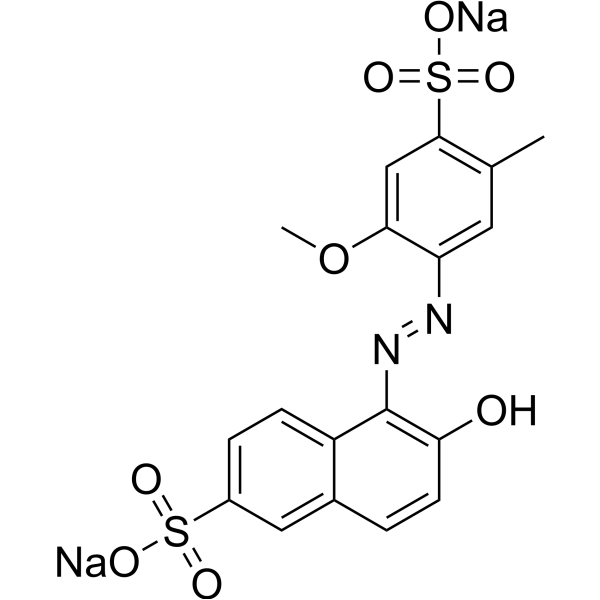
    Allura Red AC is a food colorant, appearing as a deep red water-soluble powder or granules, used in various applications such as beverages, syrups, candies, and cereals. Allura Red AC can statically quench the intrinsic fluorescence of HSA. Additionally, Allura Red AC is a 5-hydroxytryptamine (5-HT) pathway-associated pro-inflammatory agent, capable of exacerbating experimental colitis. Allura Red AC holds potential for research in inflammatory bowel disease (IBD), intestinal barrier function, and food additive safety .
    Allura Red AC
  • HY-125474
    Carrageenan
    1 Publications Verification

    Environmental Pollutants HIV HSV Infection Cancer
    Carrageenan is an antiviral and anticancer agent. Carrageenan inhibits herpes simplex virus (HSV), HIV, and hepatitis A virus (HAV) by directly binding to the viral capsid to block the attachment of viruses such as HPV to HSPG factors on the cell surface. Carrageenan delays and arrests cell cycle progression, exhibits cytotoxicity against HeLa cancer cells, and can be applied to studies related to cervical cancer, genital warts, hepatitis A, and other conditions. Carrageenan also induces acute non-immune inflammation, triggers a three-phase inflammatory response involving the release of multiple proinflammatory mediators, and causes persistent edema, hyperalgesia, and neutrophil recruitment in mice .
    Carrageenan
  • HY-N0260
    Epmedin C
    Maximum Cited Publications
    6 Publications Verification

    Epimedin-C; Baohuoside-VI

    Keap1-Nrf2 CDK Caspase Infection Metabolic Disease Inflammation/Immunology Cancer
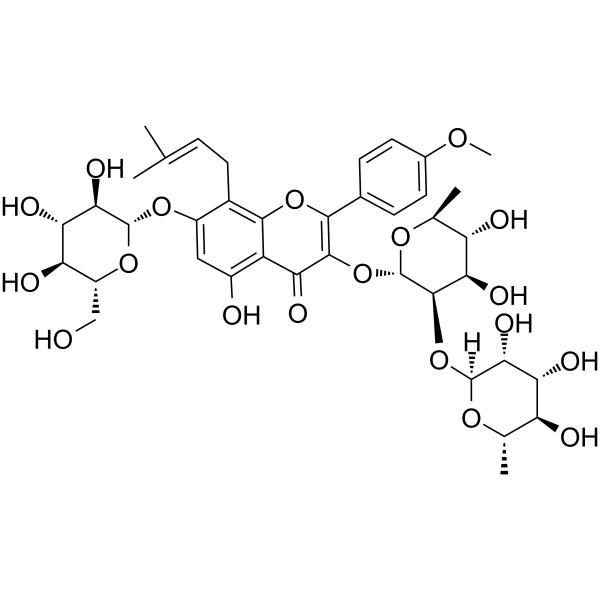
    Epmedin C (Epimedin-C; Baohuoside-VI) is an orally active anti-inflammatory agent and immunomodulator that binds to multiple key proteins including UCP1, Caspase-1, CDK2 and Keap1. Epmedin C inhibits epithelial cell proliferation by disrupting the complex function of CDK2/Cyclin E. Epmedin C also upregulates Nrf2 expression, reduces ROS levels and inhibits pro-inflammatory cytokine secretion, thereby effectively restoring antibody production and alleviating tissue damage. Epmedin C has good safety with no hepatotoxicity or skin sensitization, and it has been used in studies on diseases such as obesity, Deoxynivalenol (HY-N6684)-induced immunotoxicity and mammary hyperplasia .
    Epmedin C
  • HY-168034

    STING Integrin NF-κB SARS-CoV Infection Inflammation/Immunology
    diABZI-4 is a STING activator and broad-spectrum antiviral agent with immunostimulatory activity. diABZI-4 triggers the TBK1-IRF3 and NF-κB signaling cascades by inducing STING oligomerization, thereby promoting the production of type I/III interferons and various proinflammatory cytokines. diABZI-4 exhibits broad-spectrum antiviral activity and effectively inhibits the replication of influenza A virus, SARS-CoV-2, herpes simplex virus, and other viruses. diABZI-4 also activates lymphocytes and macrophages to provide significant pre- and post-exposure protection in viral disease models. diABZI-4 can be used to study COVID-19, respiratory viral infections, and related immunopathological mechanisms .
    diABZI-4
  • HY-B1648

    Biochemical Assay Reagents Cardiovascular Disease
    Ferric pyrophosphate is an orally effective anti-inflammatory agent and iron fortifier. Ferric pyrophosphate downregulates the expression of colonic pro-inflammatory cytokines, modulates the intestinal flora, and corrects the dysbiosis associated with iron deficiency anemia (IDA). Ferric pyrophosphate can be used in studies related to iron deficiency anemia .
    Ferric pyrophosphate
  • HY-N6017

    HDAC TNF Receptor Interleukin Related TGF-β Receptor IFNAR PI3K PKC Akt GSK-3 Caspase Apoptosis Cancer
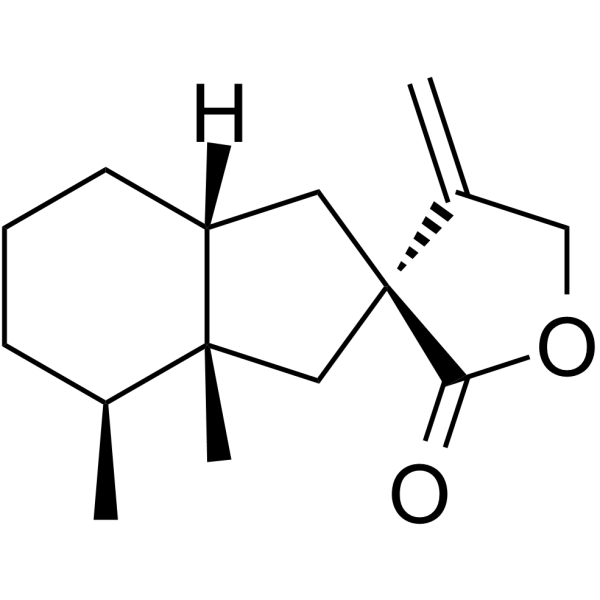
    Bakkenolide A is an anticancer agent. Bakkenolide A reduces the viability of leukemia cells, inhibits cell colony formation and invasion, and downregulates the expression of HDAC3 in cells. Bakkenolide A downregulates the expression of pro-inflammatory cytokines including TNF-α, interleukins such as IL-1β, TGF-β1 and IFN-γ, as well as the expression of PI3K, PDK and PKC in leukemia cells. Bakkenolide A downregulates activated Akt, GSK and Bad, while upregulates Cyto-c, cleaved Caspase3 and cleaved Caspase7, induces apoptosis (apoptosis) in leukemia cells and thereby inhibits inflammatory responses in leukemia cells. Bakkenolide A significantly slows the growth of subcutaneous leukemia tumors in nude mice. Bakkenolide A is applicable to leukemia-related research .
    Bakkenolide A
  • HY-N12586

    ERK Reactive Oxygen Species (ROS) COX PGE synthase STAT HCV HCV Protease Infection Neurological Disease Cancer
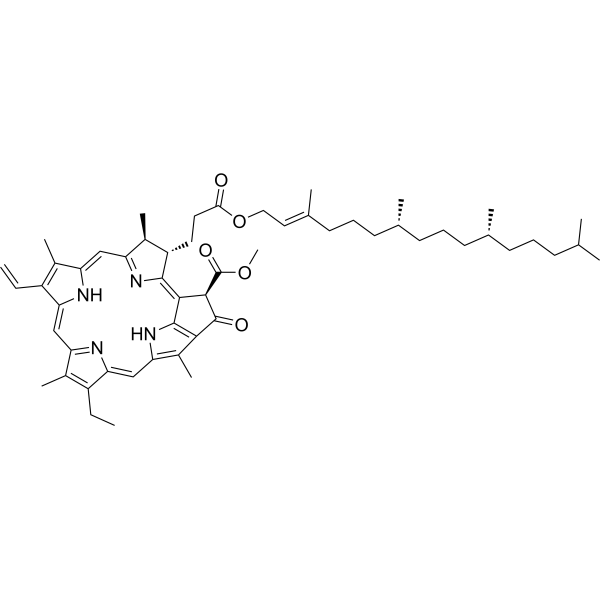
    Pheophytin a is a multi-target inhibitor, anticancer agent, antioxidant and antiviral agent. Pheophytin a directly binds to and inhibits HCV-NS3/4A protease (IC50=0.89 μM) to block viral replication. Pheophytin a also scavenges free radicals, reduces ferric ions, and exhibits cytotoxic activity against breast cancer cells. Pheophytin a effectively inhibits LPS-induced production of nitric oxide, prostaglandin E2, NOS2 and COX-2, as well as various pro-inflammatory cytokines, by downregulating the transcription levels of inflammatory mediators and blocking the ERK1/2 and STAT-1 pathways. In a low nerve growth factor environment, Pheophytin a also enhances ERK1/2 phosphorylation and synergistically promotes neurite outgrowth through MAPK pathway. Pheophytin a can be used to investigate the pathogenic mechanisms of diseases including chronic hepatitis C, sepsis, breast cancer and Alzheimer's disease .
    Pheophytin a
  • HY-N1353
    Rhamnocitrin
    2 Publications Verification

    p38 MAPK Cardiovascular Disease Inflammation/Immunology
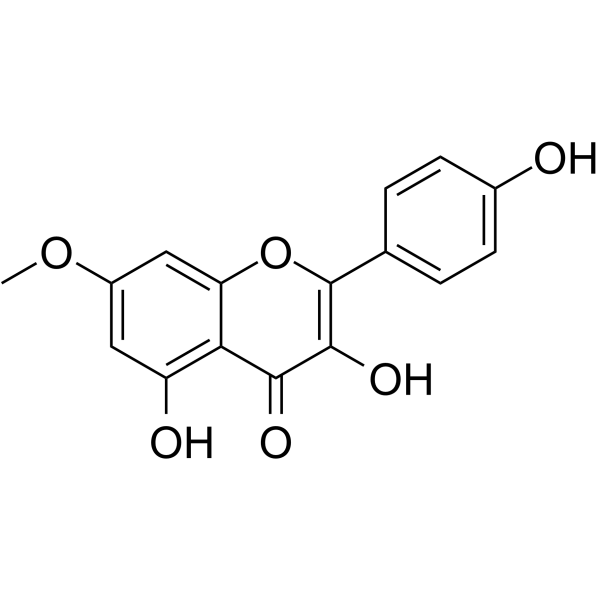
    Rhamnocitrin is an anti-inflammatory and antioxidant agent that targets STIM-1, NFATc3 and MAPK pathways and can scavenge DPPH (IC50=28.38 mM). Rhamnocitrin selectively inhibits oxidative stress and inflammatory responses in vascular endothelial cells and neurons. Rhamnocitrin up-regulates miR-185 to inhibit STIM-1-mediated store-operated calcium entry (SOCE), thereby blocking NFATc3 nuclear translocation and downstream inflammatory factor expression, while inducing heme oxygenase HO-1 expression and regulating the ERK/p38 MAPK pathway, inhibiting antioxidant and pro-inflammatory cytokines (such as IL-6, IL-8) and adhesion molecules (such as ICAM-1, VCAM-1). Rhamnocitrin can be used in the study of endothelial-related inflammatory diseases (such as sepsis, acute lung injury, atherosclerosis) and neuroprotection (such as oxidative damage of PC12 cells) .
    Rhamnocitrin
  • HY-114495
    Caerulomycin A
    3 Publications Verification

    Cerulomycin; Caerulomycin

    Fungal Antibiotic Infection Inflammation/Immunology
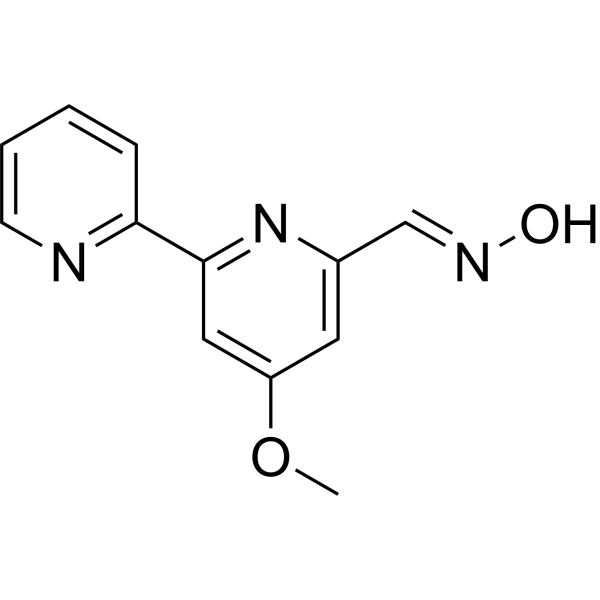
    Caerulomycin A is an orally active immunomodulator and antimicrobial agent. Caerulomycin A targets Smad3, STAT1 and GATA-3. Caerulomycin A downregulates GATA-3 expression, inhibits Th2 cell differentiation and Th2 cytokine production, reduces IgE levels, and alleviates pulmonary inflammatory responses and eosinophil infiltration. Caerulomycin A ameliorates collagen-induced arthritis symptoms, reduces joint inflammation and synovitis, and decreases the levels of proinflammatory cytokines in joints. Caerulomycin A inhibits the growth of some filamentous fungi, yeasts and specific bacteria. Caerulomycin A can be used in research related to arthritis and asthma .
    Caerulomycin A
  • HY-B0327
    Irsogladine
    3 Publications Verification

    Dicloguamine

    Phosphodiesterase (PDE) NF-κB AP-1 TRP Channel Interleukin Related Inflammation/Immunology Cancer
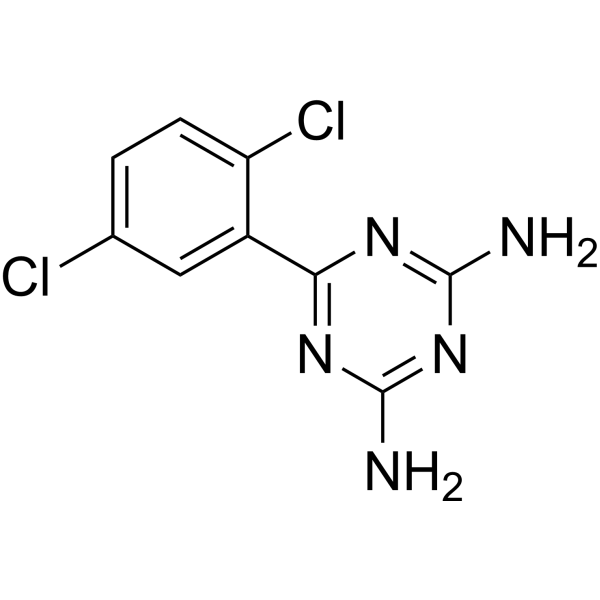
    Irsogladine (Dicloguamine) is an orally active gastric mucosal protective agent. Irsogladine inhibits breast cancer recurrence and lung metastasis in nude mice . Irsogladine inhibits the transcriptional activities of NF-κB and AP-1, suppresses the activities of PDE and PDE4 to elevate intracellular cAMP levels, and activates TRPV1 and KATP channels. Irsogladine enhances iNOS expression, NO production, and the activation of cAMP-responsive elements. Irsogladine inhibits the development and progression of intestinal polyps in Apc-mutant mice. Irsogladine alleviates oxidative stress, increases gastric mucosal blood flow, and stimulates the production of endogenous prostaglandins. Irsogladine promotes insulin secretion in MIN6 cells. Irsogladine inhibits tumor angiogenesis, cancer cell proliferation, and the production of proinflammatory cytokines. Irsogladine exerts protective effects on astrocytes in ethanol/hydrochloric acid-induced gastric ulcers in mice. Irsogladine prevents colitis in IL-10 gene-deficient mice by reducing the production of IL-12 and IL-23. Irsogladine upregulates gap junction intercellular communication in pancreatic cancer cells via the PKA pathway. Irsogladine is applicable to research related to breast cancer, intestinal polyposis, gastric ulcer, spontaneous colitis, glioma, liver cancer, and pancreatic cancer [5][6] .
    Irsogladine
  • HY-W011690

    Endogenous Metabolite Cardiovascular Disease Metabolic Disease Inflammation/Immunology
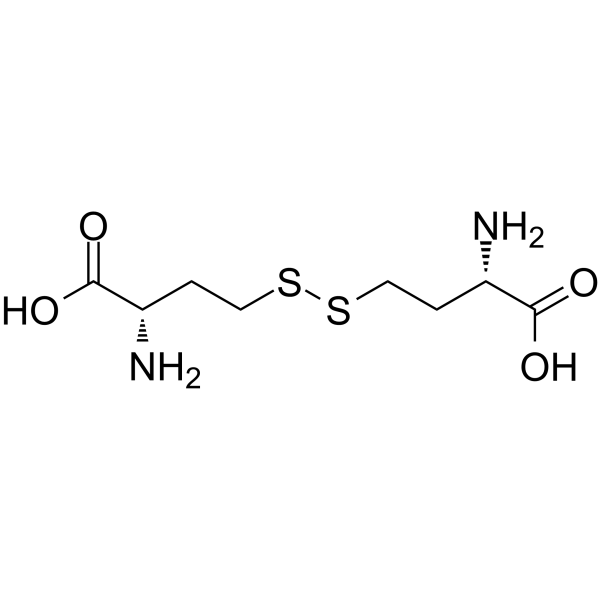
    L-Homocystine is the oxidized member of the L-homocysteine. Homocysteine is a pro-thrombotic factor, vasodilation impairing agent, pro-inflammatory factor and endoplasmatic reticulum-stress inducer used to study cardiovascular disease mechanisms.
    L-Homocystine
  • HY-W013331
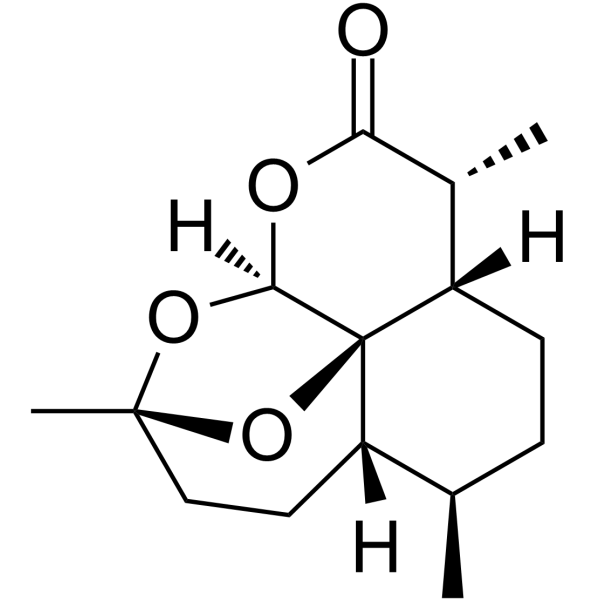
    Deoxyartemisinin
    1 Publications Verification

    2-Deoxyartemisinin

    TNF Receptor Neurological Disease Inflammation/Immunology
    Deoxyartemisinin (2-Deoxyartemisinin) is an orally active anti-inflammatory and analgesic agent. Deoxyartemisinin selectively reduces the level of the pro-inflammatory cytokine TNF-α. Deoxyartemisinin alleviates neuropathic pain, inflammatory pain, and croton oil-induced ear edema.\nDeoxyartemisinin exerts an analgesic effect against thermal stimulation. Deoxyartemisinin has anti-ulcer activity. Deoxyartemisinin can be used in research related to inflammatory diseases, pain, and gastric ulcers .
    Deoxyartemisinin
  • HY-136065
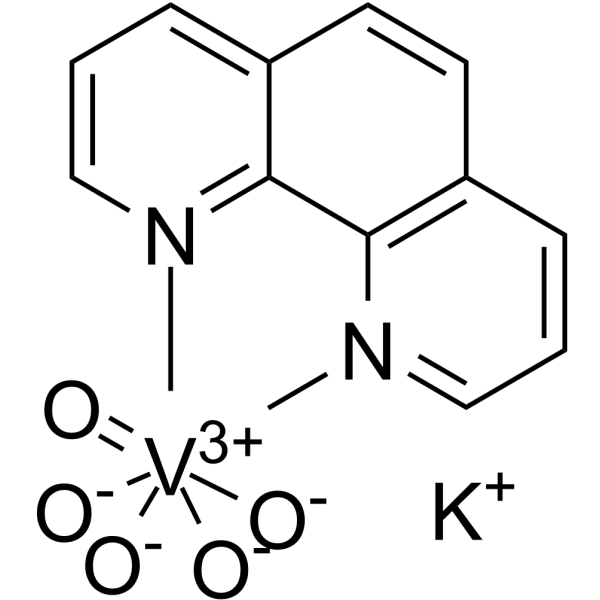
    bpV(phen)
    3 Publications Verification

    PTEN Phosphatase Parasite Apoptosis Infection Metabolic Disease Inflammation/Immunology Cancer
    bpV(phen), a insulin-mimetic agent, is a potent protein tyrosine phosphatase (PTP) and PTEN inhibitor with IC50s of 38 nM, 343 nM and 920 nM for PTEN, PTP-β and PTP-1B, respectively. bpV(phen) inhibits proliferation of the protozoan parasite Leishmania in vitro. bpV(phen) strongly induces the secretion of a large number of chemokines and pro-inflammatory cytokines, and it activates a Th1-type pathway (IL-12, IFNγ). bpV(phen) can also induce cell apoptosis, and has anti-angiogenic and anti-tumor activity .
    bpV(phen)
  • HY-B1016

    AR-12008

    PDGFR Phosphodiesterase (PDE) Prostaglandin Receptor Cardiovascular Disease Neurological Disease
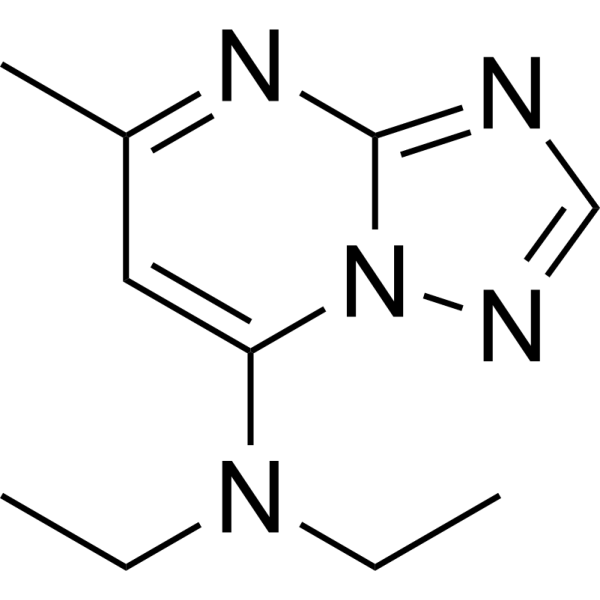
    Trapidil (AR-12008) is an orally active vasodilator and antiplatelet agent. Trapidil antagonizes platelet-derived growth factor (PDGF), inhibits phosphodiesterase, thromboxane A2 synthesis and pro-inflammatory cytokine production. Trapidil promotes prostacyclin biosynthesis, reduces lipid peroxidation, regulates nitric oxide metabolism, and inhibits cell proliferation and migration. Trapidil exerts tissue-protective effects, regulates bone turnover, and inhibits pyroptosis via the GPX3/Nrf2 pathway. Trapidil is applicable to research related to renal ischemia-reperfusion injury, chronic stable angina, restenosis, meningioma, diabetic cardiomyopathy and peripheral nerve crush injury .
    Trapidil
  • HY-109567

    PD-72953

    LDLR Metabolic Disease Inflammation/Immunology
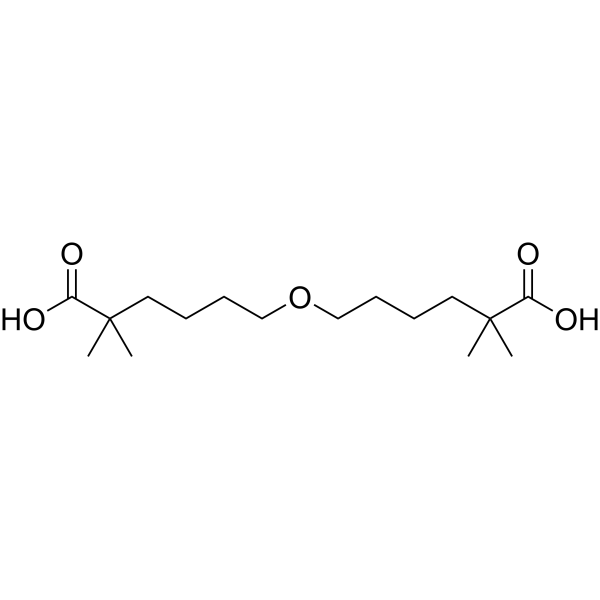
    Gemcabene (PD-72953), a first-in-class lipid-lowering agent, lowers low-density lipoprotein cholesterol (LDL-C), decreases triglycerides, and raises high-density lipoprotein cholesterol (HDL-C) and lowers pro-inflammatory acute-phase protein, C-reactive protein (CRP), exerting anti-inflammatory activity .
    Gemcabene
  • HY-N1414

    Trk Receptor NF-κB Amyloid-β Neurological Disease
    (E)-3',6-Disinapoylsucrose is an orally active, blood-brain barrier permeable neuroprotective agent that inhibits protein aggregation. (E)-3',6-Disinapoylsucrose exerts anxiolytic, anti-inflammatory and cognitive-enhancing effects. (E)-3',6-Disinapoylsucrose regulates the TrkB/BDNF signaling pathway, inhibits the expression of NF-κB p65, reduces pro-inflammatory cytokine levels, and alleviates neuronal damage. (E)-3',6-Disinapoylsucrose also enhances the functions of central 5-HT and noradrenergic systems, thereby improving spatial learning and memory abilities and reducing anxiety-like behaviors. (E)-3',6-Disinapoylsucrose can be used for the research of related diseases such as Alzheimer's disease, depression, memory impairment and anxiety disorder .
    (E)-3',6-Disinapoylsucrose
  • HY-N7652

    Bacterial Interleukin Related Infection Inflammation/Immunology Cancer
    Terminolic acid is a pentacyclic triterpene glycoside and antibacterial agent. Terminolic acid can be isolated from Combretum racemosum. Terminolic acid inhibits proinflammatory cytokines by binding to the receptor active sites of IL-1β and IL-6. Terminolic acid reduces IL-8. Terminolic acid has antibacterial activity against Staphylococcus aureus, Escherichia coli and Enterococcus faecalis with MICs ranging from 64 to 256 μg/mL. Terminolic acid is used in colon cancer research .
    Terminolic acid
  • HY-122818
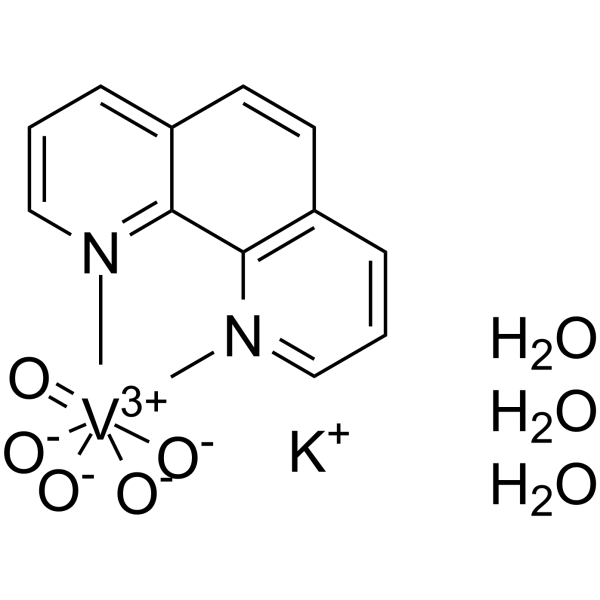
    BpV(phen) trihydrate
    3 Publications Verification

    Bisperoxovanadium(phen) trihydrate

    PTEN Phosphatase Parasite Apoptosis Infection Metabolic Disease Inflammation/Immunology Cancer
    BpV(phen) trihydrate, a insulin-mimetic agent, is a potent protein tyrosine phosphatase (PTP) and PTEN inhibitor with IC50s of 38 nM, 343 nM and 920 nM for PTEN, PTP-β and PTP-1B, respectively. BpV(phen) trihydrate inhibits proliferation of the protozoan parasite Leishmania in vitro. bpV(phen) trihydrate strongly induces the secretion of a large number of chemokines and pro-inflammatory cytokines, and it activates a Th1-type pathway (IL-12, IFNγ). BpV(phen) trihydrate can also induce cell apoptosis, and has anti-angiogenic and anti-tumor activity .
    BpV(phen) trihydrate
  • HY-N7700A
    Guluronic acid sodium
    1 Publications Verification

    G2013 sodium

    VEGFR Toll-like Receptor (TLR) COX NO Synthase NF-κB MMP Inflammation/Immunology Cancer
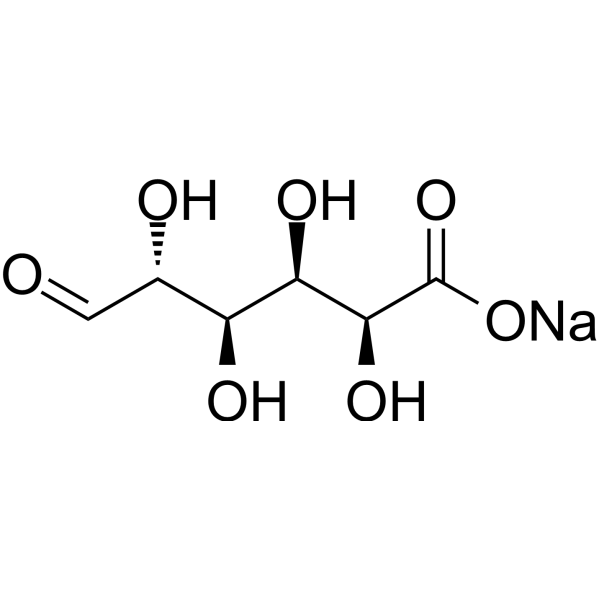
    Guluronic acid (G2013) sodium is an orally active oxidative stress regulator and anti-inflammatory agent that exerts pharmacological effects by down-regulating various pro-inflammatory and oxidative stress-related genes (such as TLR4, NF-κB, iNOS, etc.) and inhibiting the activities of COX-2, MMPs and VEGF. Low-dose Guluronic acid sodium up-regulates the expression of immunoregulatory genes SHIP1 and SOCS1, thereby effectively inhibiting cancer-related inflammation, tumor angiogenesis, cell adhesion and metastasis, while reducing the accumulation of immunosuppressive cells. Guluronic acid sodium significantly prolongs the survival time of tumor-bearing hosts within a concentration range without direct cytotoxicity, demonstrating favorable safety. Guluronic acid sodium has involved in the research of multiple sclerosis, ankylosing spondylitis, breast cancer and other inflammatory diseases .
    Guluronic acid sodium
  • HY-N7700

    G2013

    MMP COX VEGFR Toll-like Receptor (TLR) NF-κB NO Synthase Inflammation/Immunology Cancer
    Guluronic acid (G2013) is an orally active oxidative stress regulator and anti-inflammatory agent that exerts pharmacological effects by down-regulating various pro-inflammatory and oxidative stress-related genes (such as TLR4, NF-κB, iNOS, etc.) and inhibiting the activities of COX-2, MMPs and VEGF. Low-dose Guluronic acid up-regulates the expression of immunoregulatory genes SHIP1 and SOCS1, thereby effectively inhibiting cancer-related inflammation, tumor angiogenesis, cell adhesion and metastasis, while reducing the accumulation of immunosuppressive cells. Guluronic acid significantly prolongs the survival time of tumor-bearing hosts within a concentration range without direct cytotoxicity, demonstrating favorable safety. Guluronic acid has involved in the research of multiple sclerosis, ankylosing spondylitis, breast cancer and other inflammatory diseases .
    Guluronic acid
  • HY-W010253

    Apoptosis Interleukin Related NF-κB Reactive Oxygen Species (ROS) Bcl-2 Family NOD-like Receptor (NLR) Cytochrome P450 Infection Inflammation/Immunology
    Benzylurea is an anti-inflammatory agent. Benzylurea inhibits LPS (HY-D1056)-induced upregulation of MTCH2 expression and regulates pathways associated with mitochondrial function, inflammation and cell survival. Benzylurea alleviates LPS-induced proliferation inhibition and apoptosis of periodontal ligament fibroblasts, as well as the release of proinflammatory cytokines. Benzylurea can be used in studies related to periodontitis .
    Benzylurea
  • HY-N12717

    PAK FASTK HSP p38 MAPK NF-κB NO Synthase COX HSV Caspase TNF Receptor Fungal Apoptosis Infection Inflammation/Immunology Cancer
    Casuarinin is an orally active antiproliferative, anti-inflammatory, antifungal, virucidal and gastroprotective agent. Casuarinin upregulates the expression of p21/WAF1, Fas/APO‑1, mFasL, sFasL and HSP‑70, arrests cell cycle, induces apoptosis and inhibits cancer cell proliferation. Casuarinin inhibits TNF‑α-induced phosphorylation of MAPK and activation of NF‑κB, downregulates the expression of iNOS, NF‑κB, COX‑2 and ICAM‑1, and reduces the production of proinflammatory mediators. Casuarinin attenuates ethanol-induced activation of caspase‑3 and elevation of TNF‑α, inhibits the growth of Candida albicans, and inhibits HSV‑2. Casuarinin can be used in research related to mammary adenocarcinoma, inflammatory skin diseases, gastric ulcers, candidiasis and herpes simplex virus infections .
    Casuarinin
  • HY-B1402R

    Hydrocortisone 21-hemisuccinate (Standard)

    Reference Standards Glucocorticoid Receptor Interleukin Related Metabolic Disease Inflammation/Immunology Endocrinology
    Hydrocortisone hemisuccinate (Standard) is the analytical standard of Hydrocortisone hemisuccinate. This product is intended for research and analytical applications. Hydrocortisone hemisuccinate (Hydrocortisone 21-hemisuccinate), a physiological glucocorticoid, is an orally active steroidal anti-in ammatory agent (SAID). Hydrocortisone hemisuccinate inhibits proinflammatory cytokine activity, with IC50s of 6.7 and 21.4 μM for IL-6 and IL-3, respectively. Hydrocortisone hemisuccinate can be used for the research of ulcerative colitis (UC).
    Hydrocortisone hemisuccinate (Standard)
  • HY-W011690S

    Endogenous Metabolite Metabolic Disease
    L-Homocystine-d8 is the deuterium labeled L-Homocystine. L-Homocystine is the oxidized member of the L-homocysteine. Homocysteine is a pro-thrombotic factor, vasodilation impairing agent, pro-inflammatory factor and endoplasmatic reticulum-stress inducer used to study cardiovascular disease mechanisms.
    L-Homocystine-d8
  • HY-N9454

    Pregnane X Receptor (PXR) COX NF-κB Amylases β-glucuronidase DNA/RNA Synthesis Amyloid-β NOD-like Receptor (NLR) Pyroptosis Cancer
    Garcinoic acid is an orally active anti-inflammatory agent that crosses the blood-brain barrier. Garcinoic acid also enhances efferocytosis and enzyme/receptor regulation, and selectively inhibits human COX-2, porcine α-amylase, Saccharomyces cerevisiae α-glucosidase and human DNA polymerase β (IC50=11 μM), as well as activates human PXR. Garcinoic acid enhances macrophage efferocytosis via receptors such as MerTK and LRP-1, and promotes the production of pro-resolving lipid mediators. Garcinoic acid inhibits NF-κB activation and pro-inflammatory cytokine secretion, interferes with aggregation, downregulates NLRP3 inflammasome activity, and binds to targets including CD44 and EGFR to inhibit leukemia cell proliferation. The pharmacological activities of Garcinoic acid, such as antioxidant, anti-inflammatory and lipid metabolism-regulating effects, are widely used in studies related to various diseases including atherosclerosis, Alzheimer's disease, type 2 diabetes, inflammatory bowel disease and viral pneumonia .
    Garcinoic acid
  • HY-145491

    ERK NF-κB CCR Inflammation/Immunology
    Resolvin D5 is an anti-inflammatory and analgesic agent produced in M2 macrophages. Resolvin D5 alleviates Paclitaxel (HY-B0015)-induced mechanical allodynia and inflammatory pain by activating the GPR32 receptor, with gender specificity (effective only in male mice) and independence from TRPV1 or TRPA1 channels. Resolvin D5 attenuates LPS-induced ERK phosphorylation and NF-κB nuclear translocation, downregulates proinflammatory mediators such as IL-6 and CCL5, inhibits Th17 cell differentiation and osteoclastogenesis, promotes regulatory T cell differentiation, and shows no cytotoxicity to human monocytes. The level of Resolvin D5 is elevated in arthritic SKG mice, but Resolvin D5 has no effect on dendritic cell differentiation or M1 macrophage polarization, nor does it prevent ZyA-induced arthritis progression. Resolvin D5 is suitable for research related to chemotherapy-induced peripheral neuropathy, inflammatory pain and rheumatoid arthritis .
    Resolvin D5
  • HY-123630R

    FD&C RED NO. 40 (Standard); CI 16035 (Standard)

    Fluorescent Dye Interleukin Related 5-HT Receptor IFNAR Reactive Oxygen Species (ROS) Reference Standards Inflammation/Immunology
    Allura Red AC (Standard) is an analytical standard of Allura Red AC. This product is intended for research and analytical applications. Allura Red AC is a food colorant, appearing as a deep red water-soluble powder or granules, used in various applications such as beverages, syrups, candies, and cereals. Allura Red AC can statically quench the intrinsic fluorescence of HSA. Additionally, Allura Red AC is a 5-hydroxytryptamine (5-HT) pathway-associated pro-inflammatory agent, capable of exacerbating experimental colitis. Allura Red AC holds potential for research in inflammatory bowel disease (IBD), intestinal barrier function, and food additive safety .
    Allura Red AC (Standard)
  • HY-146811

    Bacterial Inflammation/Immunology
    HSGN-94 is a potent antimicrobial agent with lipoteichoic acid (LTA) biosynthesis inhibition. HSGN-94 inhibits drug-resistant Gram-positive bacteria with MIC values of 0.25-2 μg/mL. HSGN-94 inhibits biofilm formation of MRSA and Vancomycin-resistant Enterococci. HSGN-94 also inhibits pro-inflammatory cytokines, exhibits in vivo efficacy in an MRSA murine wound infection model .
    HSGN-94
  • HY-B1016R

    AR-12008 (Standard)

    Reference Standards PDGFR Phosphodiesterase (PDE) Prostaglandin Receptor Cardiovascular Disease Cancer
    Trapidil (Standard) (AR-12008 (Standard)) is the analytical standard of Trapidil (HY-B1016R). This product is intended for research and analytical applications. Trapidil (AR-12008) is an orally active vasodilator and antiplatelet agent. Trapidil antagonizes platelet-derived growth factor (PDGF), inhibits phosphodiesterase, thromboxane A2 synthesis and pro-inflammatory cytokine production. Trapidil promotes prostacyclin biosynthesis, reduces lipid peroxidation, regulates nitric oxide metabolism, and inhibits cell proliferation and migration. Trapidil exerts tissue-protective effects, regulates bone turnover, and inhibits pyroptosis via the GPX3/Nrf2 pathway. Trapidil is applicable to research related to renal ischemia-reperfusion injury, chronic stable angina, restenosis, meningioma, diabetic cardiomyopathy and peripheral nerve crush injury.
    Trapidil (Standard)
  • HY-N12042

    TNF Receptor PI3K Reactive Oxygen Species (ROS) Interleukin Related Inflammation/Immunology
    Taxamairin B is a potent anti-inflammatory agent. Taxamairin B decreases proinflammatory cytokines (TNF-α, IL-1β and IL-6) expression and the production of NO and ROS in LPS-induced RAW264.7 cells. Taxamairin B exhibits significant protective effects in LPS-induced acute lung injury in mice .
    Taxamairin B
  • HY-176256

    STING Cancer
    endo-S-cGAFMP (Compound 3) is a STING agonist. endo-S-cGAFMP induces the production of interferon regulatory factors and proinflammatory cytokines by activating the cGAS-STING pathway, thereby enhancing innate and adaptive immune responses. endo-S-cGAFMP has potent immunostimulatory capacity in THP1 monocytes and RAW macrophages (EC50 values of 2.45 μM and 5.54 μM, respectively). endo-S-cGAFMP has significant antitumor activity. endo-S-cGAFMP can be used as a potential cancer immunotherapeutic agent, especially for studies of systemic administration .
    endo-S-cGAFMP
  • HY-156340

    Interleukin Related Inflammation/Immunology
    Anti-inflammatory agent 58 is an anti-inflammatory agent. Anti-inflammatory agent 58 inhibits IL-1β with an IC50 of 1.08 μM. Anti-inflammatory agent 58 decreases pro-inflammatory gene expression, protein secretion, and NF-κB phosphorylation .
    Anti-inflammatory agent 58
  • HY-156342

    Interleukin Related Inflammation/Immunology
    Anti-inflammatory agent 59 is an anti-inflammatory agent. Anti-inflammatory agent 58 inhibits IL-1β with an IC50 of 2.28 μM. Anti-inflammatory agent 58 decreases pro-inflammatory gene expression, protein secretion, and NF-κB phosphorylation .
    Anti-inflammatory agent 59
  • HY-157211

    NF-κB p38 MAPK Inflammation/Immunology
    Anti-inflammatory agent 66 (compound 8) is a pterostilbene derivative with anti-inflammatory activity. Anti-inflammatory agent 66 inhibits pro-inflammatory cytokines by blocking the LPS-induced NF-κB/MAPK signaling pathway and effectively alleviates DSS-induced acute colitis in mice .
    Anti-inflammatory agent 66
  • HY-138284

    NF-κB Inflammation/Immunology
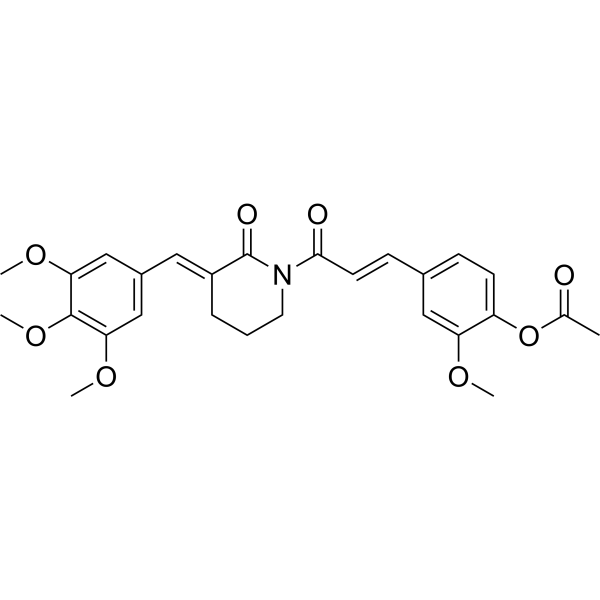
    Avenanthramide-C methyl ester is an anti-inflammatory agent and NF-κB inhibitor that inhibits the secretion of pro-inflammatory factors. Avenanthramide-C methyl ester inhibits NF-κB activation by inhibiting IKK and IκB phosphorylation and inhibiting proteasome activity .
    Avenanthramide-C methyl ester
  • HY-149355

    COX Inflammation/Immunology
    COX-2-IN-33 (compound 5f) is a COX-2 inhibitor (IC50=45.5 nM), as well as a potential anti-inflammatory agent. COX-2-IN-33 inhibits in vivo pro-inflammatory cytokine production and keep gastric safety .
    COX-2-IN-33
  • HY-163775

    MyD88 NF-κB Inflammation/Immunology
    Anti-inflammatory agent 88 (compound 6) is a carbazole derivative with anti-inflammatory activity found in marine Streptomyces. It exerts its anti-inflammatory effect by inhibiting pro-inflammatory factors and enhancing the expression of anti-inflammatory factors in the Myd88/Nf-κB pathway. Anti-inflammatory agent 88 can be used for the development of anti-inflammatory drugs .
    Anti-inflammatory agent 88
  • HY-145854

    Bacterial Infection Inflammation/Immunology
    GA-O-06, a 18β-Glycyrrhetinic acid derivative, is a potent antimicrobial and anti-inflammatory agent. GA-O-06 exerts anti-inflammation through the inhibition of NO, pro-inflammatory cytokines and chemokines. GA-O-06 displays a high antimicrobial activity against Gram-positive bacteria .
    GA-O-06
  • HY-145853

    Bacterial Infection Inflammation/Immunology
    GA-O-02, a 18β-Glycyrrhetinic acid derivative, is a potent antimicrobial and anti-inflammatory agent. GA-O-02 exerts anti-inflammation through the inhibition of NO, pro-inflammatory cytokines and chemokines. GA-O-02 displays a high antimicrobial activity against Gram-positive bacteria .
    GA-O-02
  • HY-148552
    Anti-inflammatory agent 35
    1 Publications Verification

    p38 MAPK ERK NF-κB Interleukin Related TNF Receptor Inflammation/Immunology
    Anti-inflammatory agent 35 (compound 5a27) is an orally active curcumin analogue with anti-inflammatory activity. Anti-inflammatory agent 35 blocks mitogen-activated protein kinase (MAPK) signaling and p65 nuclear translocation of NF-kB. Anti-inflammatory agent 35 also inhibits yellow neutrophil infiltration and pro-inflammatory cytokine production. Anti-inflammatory agent 35 significantly attenuates lipopolysaccharide (LPS)-induced acute lung injury (ALI) in vivo .
    Anti-inflammatory agent 35
  • HY-109567A

    PD-72953 calcium

    LDLR Metabolic Disease Inflammation/Immunology
    Gemcabene calcium (PD-72953 calcium), a first-in-class lipid-lowering agent, lowers low-density lipoprotein cholesterol (LDL-C), decreases triglycerides, and raises high-density lipoprotein cholesterol (HDL-C) and lowers pro-inflammatory acute-phase protein, C-reactive protein (CRP), exerting anti-inflammatory activity .
    Gemcabene calcium
  • HY-173410

    NF-κB p38 MAPK NO Synthase Interleukin Related Inflammation/Immunology
    iNOs-IN-6 is an anti-inflammatory agent. iNOs-IN-6 inhibits NF-κB, iNOS, and MAPK expression(IC50: 0.2-0.62 μM). iNOs-IN-6 reduces IL-6, TNF-α, and IL-1β pro-inflammatory mediators levels (IC50: 0.4-0.69 μM) .
    iNOs-IN-6
  • HY-172406

    p38 MAPK Interleukin Related IRAK Inflammation/Immunology
    MAPK-IN-4 (Compound c1) is an orally active anti-inflammatory agent. MAPK-IN-4 can inhibit the expression and release of pro-inflammatory cytokines IL-6 and TNF-α induced by LPS (HY-D1056). MAPK-IN-4 can bind to IRAK4 and exert its anti-inflammatory effect by inhibiting the MAPK pathway .
    MAPK-IN-4
  • HY-N15570

    Interleukin Related TNF Receptor Neurological Disease Inflammation/Immunology
    2-O-Methylatromentin is an anti-neuroinflammatory agent. 2-O-Methylatromentin shows inhibitory activity on the production of pro-inflammatory cytokines TNF-α, IL-6 and IL-1β in Lipopolysaccharides (HY-D1056) (LPS) -induced BV-2 microglial cells. 2-O-Methylatromentin can be used for the study of neuroinflammatory related diseases .
    2-O-Methylatromentin
  • HY-N3487

    JNK p38 MAPK Inflammation/Immunology
    Isodorsmanin A is an anti-inflammatory agent. Isodorsmanin A suppresses the production of inflammatory mediators and proinflammatory cytokines. Isodorsmanin A inhibits the phosphorylation of JNK, MAPK .
    Isodorsmanin A
  • HY-139844

    p38 MAPK NF-κB Inflammation/Immunology
    Anti-inflammatory agent 7 inhibits proinflammatory cytokines by blocking the NF-κB/MAPK signaling pathway in LPS-treated RAW 264.7 cells as well as mice.
    Anti-inflammatory agent 7
  • HY-169103

    NO Synthase COX Cholinesterase (ChE) Amyloid-β Neurological Disease Inflammation/Immunology
    Neuroprotective agent 5 (compound 28) is a brain permeabilizing agent with anti-neuritis, anti-oxidative damage and neuroprotective effects. Neuroprotective agent 5 exhibits a potent NO inhibitory effect (EC50=0.49 μM), inhibits the release of proinflammatory factors PGE2 and TNF-α, downregulates the expression of iNOS and COX-2 proteins, and promotes the polarization of BV-2 cells from the proinflammatory M1 phenotype to the anti-inflammatory M2 phenotype. In addition, Neuroprotective agent 5 can also inhibit acetylcholinesterase (AChE) activity and Aβ42 aggregation in a dose-dependent manner. Neuroprotective agent 5 can be used for the study of Alzheimer's disease .
    Neuroprotective agent 5
  • HY-N0260R

    Epimedin-C (Standard); Baohuoside-VI (Standard)

    Reference Standards Keap1-Nrf2 CDK Caspase Inflammation/Immunology
    Epmedin C (Standard) is the analytical standard of Epmedin C. This product is intended for research and analytical applications. Epmedin C (Epimedin-C; Baohuoside-VI) is an orally active anti-inflammatory agent and immunomodulator that binds to multiple key proteins including UCP1, Caspase-1, CDK2 and Keap1. Epmedin C inhibits epithelial cell proliferation by disrupting the complex function of CDK2/Cyclin E. Epmedin C also upregulates Nrf2 expression, reduces ROS levels and inhibits pro-inflammatory cytokine secretion, thereby effectively restoring antibody production and alleviating tissue damage. Epmedin C has good safety with no hepatotoxicity or skin sensitization, and it has been used in studies on diseases such as obesity, Deoxynivalenol (HY-N6684)-induced immunotoxicity and mammary hyperplasia .
    Epmedin C (Standard)

Inquiry Online

Your information is safe with us. * Required Fields.

Salutation


Country or Region *

Applicant Name *


Organization Name *

Department *


Email Address *


Product Name *

Cat. No.


Requested quantity *

Phone Number *


Remarks

Inquiry Online

Inquiry Information

Product Name:
Cat. No.:
Quantity:
MCE Japan Authorized Agent:

