1. Search Result
Search Result
Pathways Recommended: Stem Cell/Wnt Cell Cycle/DNA Damage
Results for "

rat mesangial cells

" in MedChemExpress (MCE) Product Catalog:

6

Inhibitors & Agonists

1

Peptides

4

Natural
Products

Cat. No. Product Name Target Research Areas Chemical Structure
  • HY-114557

    3,5-Diiodo-L-thyronine

    JNK NF-κB Sirtuin PGC-1α COX TGF-β Receptor Collagen Metabolic Disease Inflammation/Immunology Endocrinology
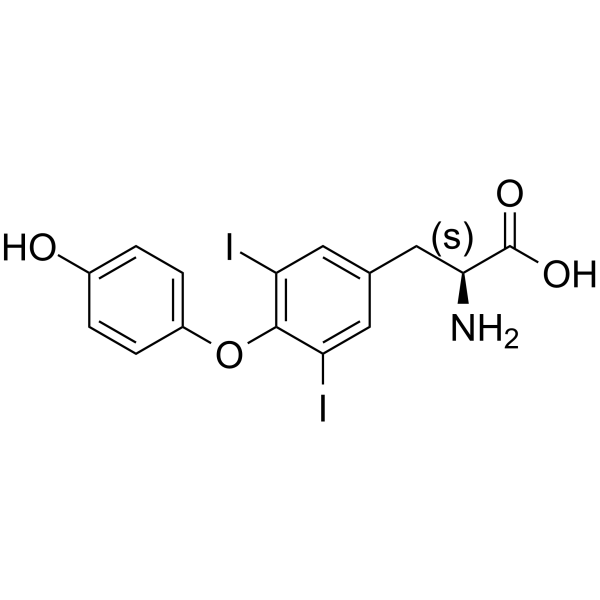
    NSC 90469 (3,5-Diiodo-L-thyronine) is an orally active thyroid hormone derivative. NSC 90469 inhibits JNK phosphorylation and NF-κB acetylation, blocks SIRT1 protein expression, induces elevated PGC-1α levels, and stimulates COX activity. NSC 90469 enhances UCP1-mediated thermogenesis, increases hepatic Dio1 activity, inhibits TSH levels and hypothalamic-pituitary-thyroid axis function, enhances lipid metabolism, and regulates energy metabolism via the mitochondrial pathway. NSC 90469 prevents blood glucose reduction, reduces urinary albumin excretion, inhibits renal matrix expansion, decreases TGF-β1 expression, and reduces renal fibronectin and type Ⅳ collagen deposition. NSC 90469 also increases energy expenditure and prevents diet-induced overweight. NSC 90469 can be used in studies related to diabetic nephropathy, hypothyroidism, non-alcoholic fatty liver disease, and diet-induced obesity .
    NSC 90469
  • HY-P1526

    Natriuretic Peptide Receptor (NPR) Cardiovascular Disease
    ANP [Des18-22] 4-23 amide rat is a polypeptide fragment of rat atrial natriuretic peptide (ANP) that specifically binds NPR-C .
    ANP [Des18-22] 4-23 amide (rat)
  • HY-N7665

    Others Metabolic Disease
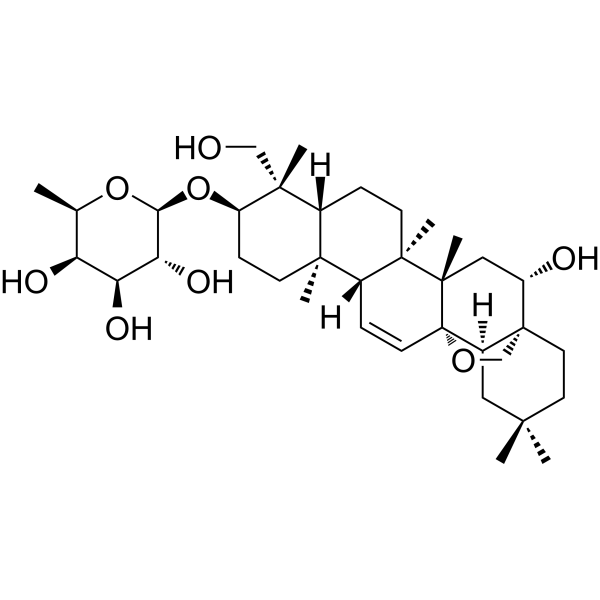
    Prosaikogenin G, isolated from the roots of Bupleurum chinensis DC., exhibits significant inhibitory effects on rat mesangial cell proliferation induced by Ang II. Prosaikogenin G has protective action on the kidney . Prosaikogenin G is a derivative of Saikosaponin d in the gastrointestinal tract .
    Prosaikogenin G
  • HY-N2421
    Sequoyitol
    1 Publications Verification

    5-O-Methyl-myo-inositol

    NF-κB TGF-β Receptor Reactive Oxygen Species (ROS) Insulin Receptor Akt Parasite Infection Metabolic Disease Endocrinology
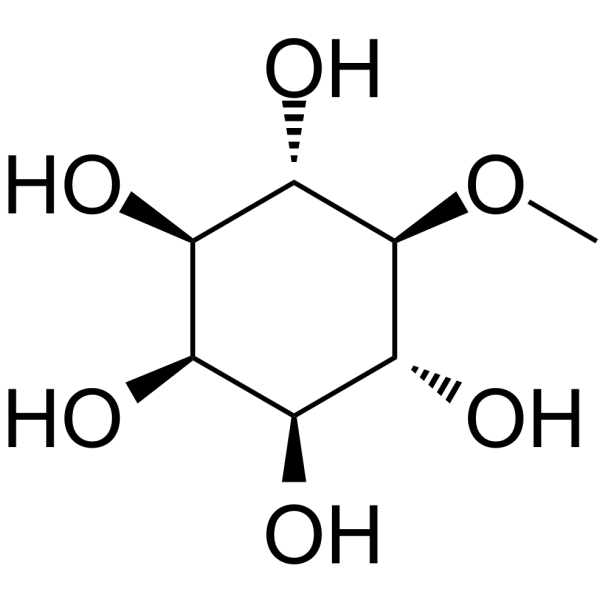
    Sequoyitol (5-O-Methyl-myo-inositol) is an orally active hypoglycemic agent and antioxidant. Sequoyitol can be isolated from herbaceous plants. Sequoyitol downregulates the expression of NF-κB and TGF-β1, reduces ROS production and malondialdehyde levels, and enhances total antioxidant capacity. Sequoyitol activates the insulin signaling pathway, including the phosphorylation of IR, IRS1 and Akt. Sequoyitol increases serum insulin levels, inhibits hepatic glucose production, and promotes cellular glucose uptake. Sequoyitol antagonizes TNFα-induced inhibition of the insulin signaling pathway, and decreases blood urea nitrogen and serum creatinine levels. Sequoyitol elicits potential peaks in the chemosensors of adult and larval Atrophaneura alcinous, and acts as an oviposition stimulant for female Atrophaneura alcinous. Sequoyitol can be used in research related to type 2 diabetes, insulin resistance, hyperglycemia, impaired glucose tolerance and diabetic nephropathy .
    Sequoyitol
  • HY-N19615

    Keap1-Nrf2 GSK-3 TNF Receptor Interleukin Related SOD Inflammation/Immunology
    Isoeucommin A is a lignan compound. Isoeucommin A activates the Nrf2/HO-1 pathway and induces phosphorylation of GSK-3β. Isoeucommin A reduces the levels of pro-inflammatory cytokines TNF-α, IL-1β and IL-6, decreases the oxidative stress marker MDA, increases the antioxidants SOD and GSH, and alleviates oxidative stress in mesangial cells. Isoeucommin A alleviates renal tissue injury, improves impaired renal function and enhances the viability of renal tubular epithelial cells in diabetic nephropathy models. Isoeucommin A can be used in the research of diabetic nephropathy .
    Isoeucommin A
  • HY-113822

    RS-82856 hydrogensulfate

    Phosphodiesterase (PDE) Cardiovascular Disease Endocrinology
    Lixazinone (RS-82856) hydrogensulfate is a selective inhibitor of cGMP-inhibited phosphodiesterase (PDE3) with an IC50 value of 22 nM. Lixazinone hydrogensulfate exhibits positive inotropic effects, afterload reduction and antithrombotic properties. Lixazinone hydrogensulfate increases cyclic adenosine monophosphate (cAMP) levels in human platelets, inhibits thrombin-induced aggregation of human platelets, and blocks the photolabeling of PDE3 active sites by [ 32P]cGMP. Lixazinone hydrogensulfate can be used in the research of polycystic kidney disease and congestive heart failure .
    Lixazinone hydrogensulfate

Inquiry Online

Your information is safe with us. * Required Fields.

Salutation


Country or Region *

Applicant Name *


Organization Name *

Department *


Email Address *


Product Name *

Cat. No.


Requested quantity *

Phone Number *


Remarks

Inquiry Online

Inquiry Information

Product Name:
Cat. No.:
Quantity:
MCE Japan Authorized Agent: