22 Results for "

renal fibrosis markers

" in MedChemExpress (MCE) Product Catalog:
Products (22)

22 Results for "renal fibrosis markers" in MCE Product Catalog:

147
147 Publications Verification
Cat. No.: HY-50896
CAS No.: 183321-74-6
Synonyms: CP-358774; NSC 718781; OSI-774
Target:  

EGFR OAT ERK GSK-3 β-catenin

Research Areas:  

Endocrinology Cancer

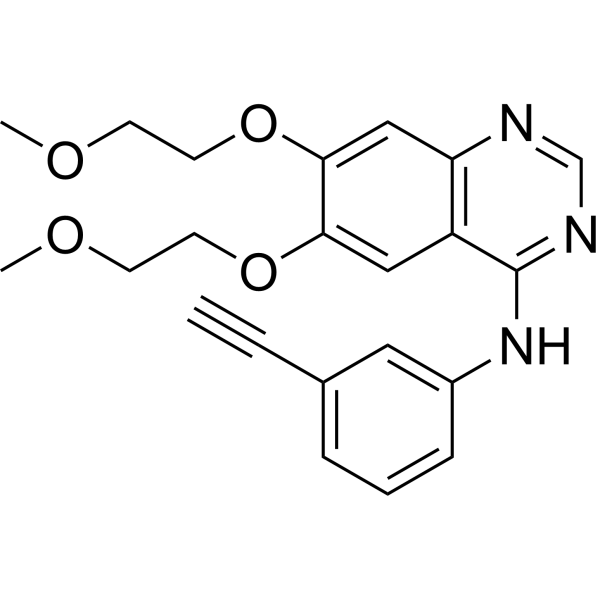
Erlotinib (CP-358774) is a selective, orally active EGFR tyrosine kinase inhibitor. Erlotinib also acts as a substrate and inhibitor of OATP2B1, with an IC50 of approximately 0.079 μM for inhibiting OATP2B1-mediated uptake of estrone 3-sulfate. Erlotinib blocks EGFR phosphorylation, downstream signal transduction, as well as the growth and proliferation of cancer cells. Erlotinib inhibits MMP-10-mediated renal injury, fibrotic lesions, the ERK1/2, GSK-3β and β-catenin signaling pathways, fibronectin, α-SMA, collagen deposition, and renal injury markers. Erlotinib is metabolized via CYP3A to produce the active metabolite OSI-420. Erlotinib can be used in research related to non-small cell lung cancer, gastric cancer, papillary renal cell carcinoma, pancreatic cancer, renal fibrosis, and other conditions .
loading...
    loading...
147
147 Publications Verification
Cat. No.: HY-12008
CAS No.: 183319-69-9
Purity:  99.94%
Synonyms: CP-358774 hydrochloride; NSC 718781 hydrochloride; OSI-774 hydrochloride
Target:  

EGFR OAT ERK GSK-3 β-catenin

Research Areas:  

Endocrinology Cancer

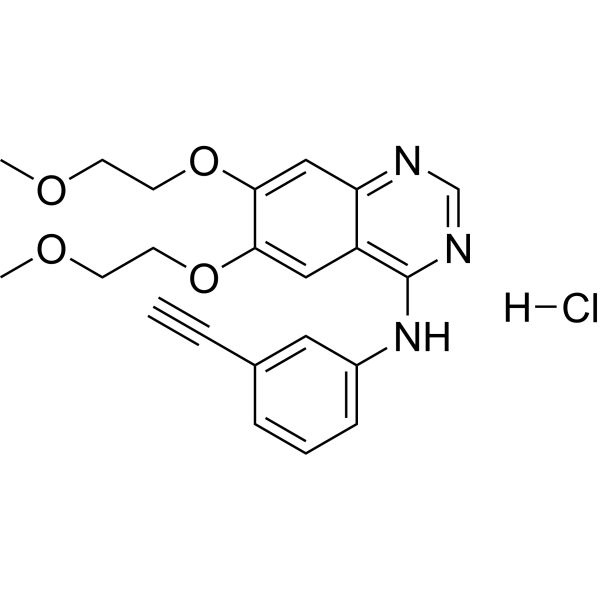
Erlotinib (CP-358774) Hydrochloride is a selective, orally active EGFR tyrosine kinase inhibitor. Erlotinib Hydrochloride also acts as a substrate and inhibitor of OATP2B1, with an IC50 of approximately 0.079 μM for inhibiting OATP2B1-mediated uptake of estrone 3-sulfate. Erlotinib Hydrochloride blocks EGFR phosphorylation, downstream signal transduction, as well as the growth and proliferation of cancer cells. Erlotinib Hydrochloride inhibits MMP-10-mediated renal injury, fibrotic lesions, the ERK1/2, GSK-3β and β-catenin signaling pathways, as well as the deposition of fibronectin, α-SMA, collagen and renal injury markers. Erlotinib Hydrochloride is metabolized via CYP3A to produce the active metabolite OSI-420. Erlotinib Hydrochloride can be used in research related to non-small cell lung cancer, gastric cancer, papillary renal cell carcinoma, EGFR inhibitor resistance and renal fibrosis .
loading...
    loading...
4
4 Cited Publications
Cat. No.: HY-101126
CAS No.: 1361951-15-6
Purity:  99.96%
Synonyms: TP-3654
Research Areas:  

Cancer

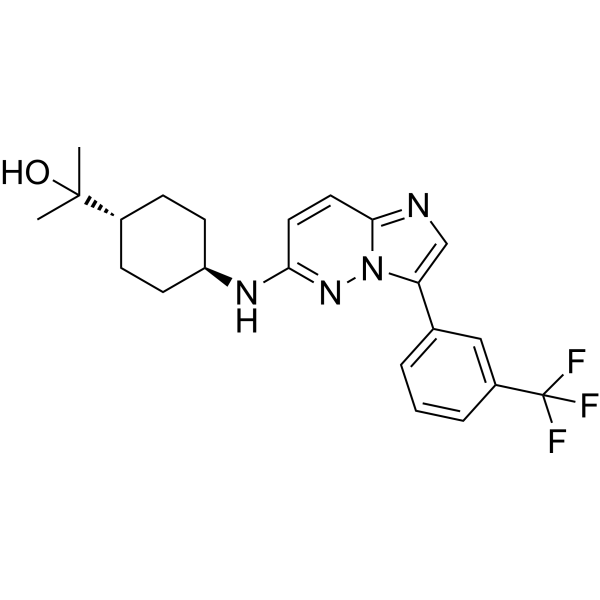
Nuvisertib (TP-3654) is an orally active second-generation pan-PIM kinase inhibitor with Ki values of 5 nM, 239 nM, and 42 nM against PIM-1, PIM-2, and PIM-3, respectively. Nuvisertib inhibits JAK-independent inflammatory and survival signaling pathways, reduces the production of proinflammatory cytokines, restores apoptotic sensitivity, inhibits mTORC1, MYC, and TGF-β signaling pathways, and decreases the expression of fibrosis markers. Nuvisertib selectively impairs the transport function of ABCG2, resensitizes multidrug-resistant cancer cells to cytotoxic drugs, and overcomes JAK2 inhibitor resistance. Nuvisertib can be used in research related to myelofibrosis, renal cell carcinoma, multidrug-resistant cancer, advanced solid tumors, urothelial carcinoma, and prostate adenocarcinoma .
loading...
    loading...
2
2 Cited Publications
Cat. No.: HY-N0249
CAS No.: 20736-08-7
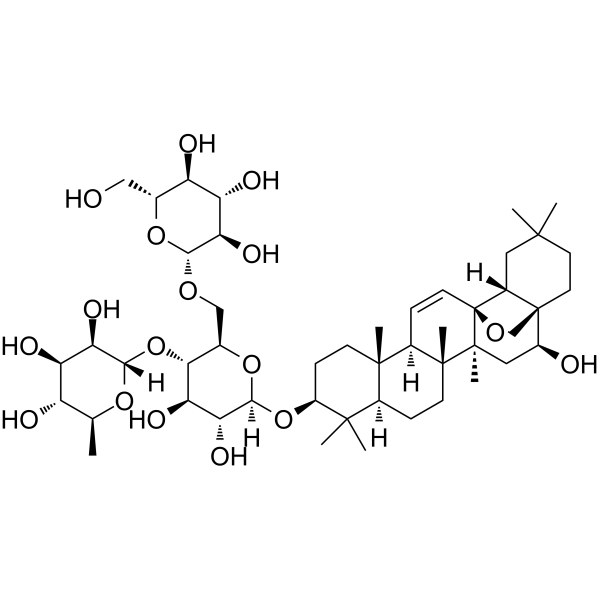
Saikosaponin C is an orally active MMP-2 inducer. Saikosaponin C induces the survival, growth, migration and capillary tube formation of endothelial cells. Saikosaponin C inhibits the early stage of hepatitis C virus infection. Saikosaponin C can be used in research related to ischemic tissue diseases, chronic kidney diseases and hepatitis C virus infection .
loading...
    loading...
Cat. No.: HY-50896R
CAS No.: 183321-74-6
Synonyms: CP-358774 (Standard); NSC 718781 (Standard); OSI-774 (Standard)
Erlotinib Standard (CP-358774 Standard) is the analytical standard of Erlotinib (HY-50896). This product is intended for research and analytical applications. Erlotinib (CP-358774) is a selective, orally active EGFR tyrosine kinase inhibitor. Erlotinib also acts as a substrate and inhibitor of OATP2B1, with an IC50 of approximately 0.079 μM for inhibiting OATP2B1-mediated uptake of estrone 3-sulfate. Erlotinib blocks EGFR phosphorylation, downstream signal transduction, as well as the growth and proliferation of cancer cells. Erlotinib inhibits MMP-10-mediated renal injury, fibrotic lesions, the ERK1/2, GSK-3β and β-catenin signaling pathways, as well as the deposition of fibronectin, α-SMA, collagen and renal injury markers. Erlotinib is metabolized via CYP3A to produce the active metabolite OSI-420. Erlotinib can be used in research related to non-small cell lung cancer, gastric cancer, papillary renal cell carcinoma, EGFR inhibitor resistance and renal fibrosis .
loading...
    loading...
Cat. No.: HY-P990608
CAS No.: 2921676-05-1
Synonyms: IMC 3C5; JNJ-69086420 antibody; Anti-KLK2 Antibody (h11B6)

Target:  

CD3

Research Areas:  

Endocrinology Cancer

Alpitatug (IMC 3C5) is a fully human monoclonal antibody and also a VEGFR3 inhibitor. Alpitatug blocks renal lymphangiogenesis, prevents the formation of tubulointerstitial lymphatic vessels, and reduces the number of lymphatic vessels in rats. Alpitatug does not alter the proteinuria level, inflammatory cell infiltration, fibrosis markers or renal function parameters in proteinuric rats. Alpitatug can be used in research related to proteinuric nephropathy and advanced solid tumors .
loading...
    loading...
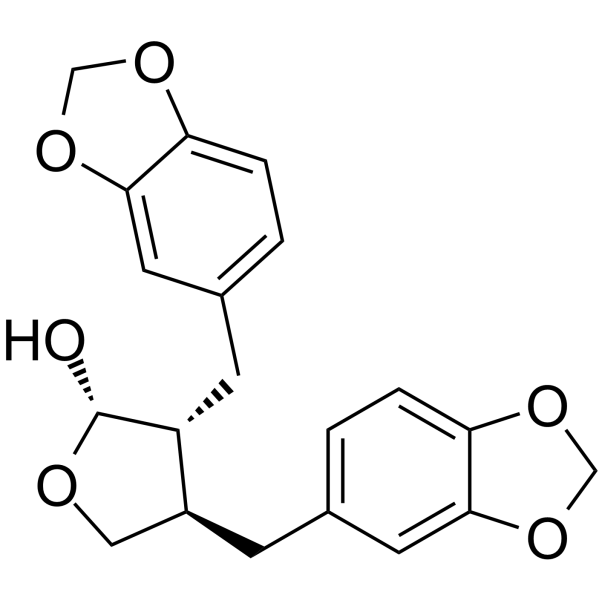
Cat. No.: HY-N10423
CAS No.: 18423-69-3
Synonyms: (-)-Cubebin
Cubebin ((-)-Cubebin), a dibenzyl butyrolactone lignan, is an orally active AChE inhibitor. Cubebin binds to active sites of NF-κB, TNF-α, and TGF-β1 via hydrogen and hydrophobic interactions, obstructing critical residues to inhibit pro-inflammatory or renal fibrosis-related activity. Cubebin enhances p38 MAPK phosphorylation to increase tyrosinase gene expression, stimulating melanogenesis via elevated tyrosinase activity, expression, and mRNA levels. Cubebin reduces oxidative stress via enhanced endogenous antioxidant enzyme activity and inhibited lipid peroxidation, regulates lipid metabolism, improves glycemic control, and exerts renoprotective effects via reduced renal dysfunction markers and improved renal architecture. Cubebin shows antimicrobial activity. Cubebin exerts larvicidal activity against Angiostrongylus cantonensis larvae, with no cytotoxicity toward monkey or human cell lines or Caenorhabditis elegans. Cubebin can be used for the research of diabetic nephropathy, melanoma, colon adenocarcinoma, neuroangiostrongyliasis, Alzheimer’s disease (AD) and depression .
loading...
    loading...
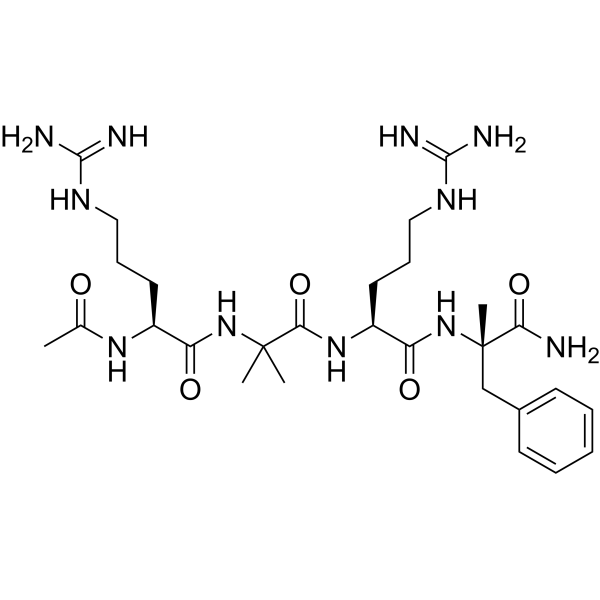
Cat. No.: HY-P1615
CAS No.: 1006388-38-0
Synonyms: UPARANT
Cenupatide (UPARANT) is a uPAR and FPR antagonist with anti-angiogenic, anti-inflammatory, and vascular barrier regulatory activities, as well as high stability and resistance to enzymatic degradation in blood/plasma. Cenupatide blocks the uPAR-FPR interaction, reduces VEGF-induced phosphorylation levels of AKT, VEGFR-2, STAT3, JNK, p38 MAPK, ERK1/2, and NF-κB p65, and inhibits αvβ3 integrin activation. Cenupatide suppresses endothelial cell migration, invasion, tube formation, and angiogenic signaling pathways, restores tight junctions and blood-retinal barrier integrity, reduces pro-inflammatory marker levels, and inhibits apoptosis. Cenupatide reduces retinal neovascularization, renal fibrosis, and vascular leakage, and restores visual function in preclinical models. Cenupatide is applicable to research related to retinopathy, diabetic complications, ocular diseases, cancer, and inflammatory diseases .
loading...
    loading...
Cat. No.: HY-12008R
CAS No.: 183319-69-9
Synonyms: CP-358774 hydrochloride (Standard); NSC 718781 hydrochloride (Standard); OSI-774 hydrochloride (Standard)
Erlotinib Hydrochloride Standard (CP-358774 hydrochloride Standard) is the analytical standard of Erlotinib Hydrochloride (HY-12008). This product is intended for research and analytical applications. Erlotinib (CP-358774) Hydrochloride is a selective, orally active EGFR tyrosine kinase inhibitor. Erlotinib Hydrochloride also acts as a substrate and inhibitor of OATP2B1, with an IC50 of approximately 0.079 μM for inhibiting OATP2B1-mediated uptake of estrone 3-sulfate. Erlotinib Hydrochloride blocks EGFR phosphorylation, downstream signal transduction, as well as the growth and proliferation of cancer cells. Erlotinib Hydrochloride inhibits MMP-10-mediated renal injury, fibrotic lesions, the ERK1/2, GSK-3β and β-catenin signaling pathways, as well as the deposition of fibronectin, α-SMA, collagen and renal injury markers. Erlotinib Hydrochloride is metabolized via CYP3A to produce the active metabolite OSI-420. Erlotinib Hydrochloride can be used in research related to non-small cell lung cancer, gastric cancer, papillary renal cell carcinoma, EGFR inhibitor resistance and renal fibrosis .
loading...
    loading...
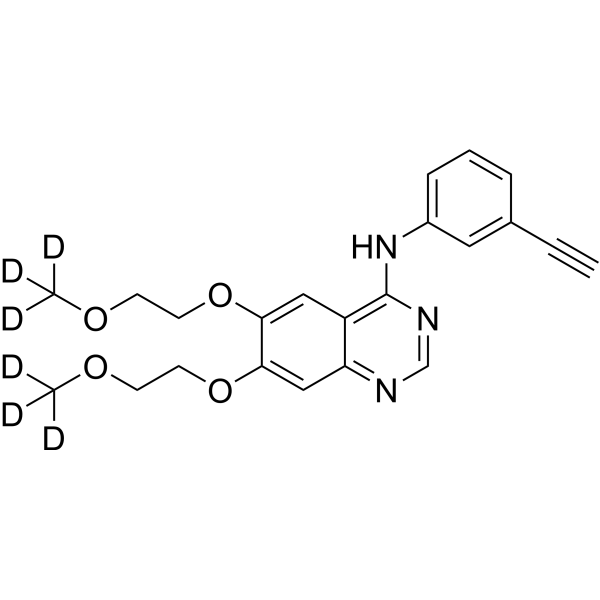
Cat. No.: HY-50896S
CAS No.: 1034651-23-4
Synonyms: CP-358774-d6; NSC 718781-d6; OSI-774-d6
Erlotinib-d6 (CP-358774-d6) is the deuterated-labeled Erlotinib (HY-50896). Erlotinib (CP-358774) is a selective, orally active EGFR tyrosine kinase inhibitor. Erlotinib also acts as a substrate and inhibitor of OATP2B1, with an IC50 of approximately 0.079 μM for inhibiting OATP2B1-mediated uptake of estrone 3-sulfate. Erlotinib blocks EGFR phosphorylation, downstream signal transduction, as well as the growth and proliferation of cancer cells. Erlotinib inhibits MMP-10-mediated renal injury, fibrotic lesions, the ERK1/2, GSK-3β and β-catenin signaling pathways, fibronectin, α-SMA, collagen deposition, and renal injury markers. Erlotinib is metabolized via CYP3A to produce the active metabolite OSI-420. Erlotinib can be used in research related to non-small cell lung cancer, gastric cancer, papillary renal cell carcinoma, pancreatic cancer, renal fibrosis, and other conditions .
loading...
    loading...
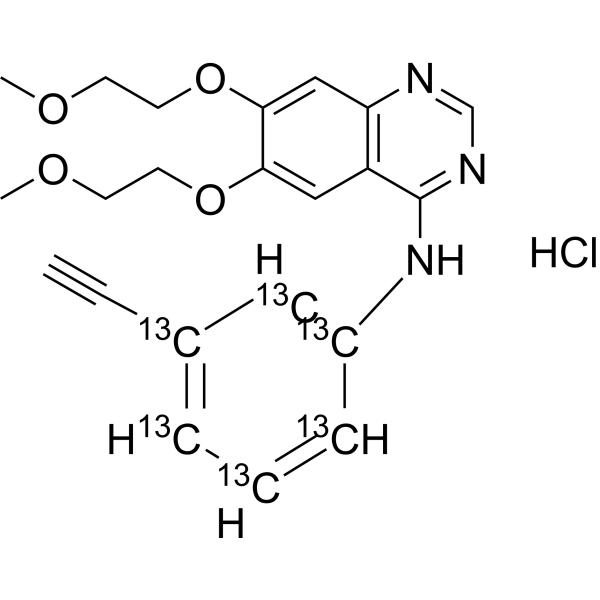
Cat. No.: HY-12008S1
CAS No.: 1210610-07-3
Synonyms: CP-358774-13C6 hydrochloride; NSC 718781-13C6 hydrochloride; OSI-774-13C6 hydrochloride
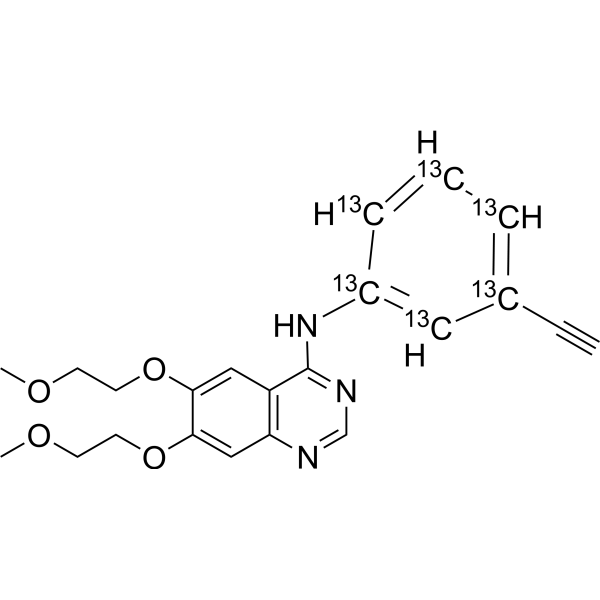
Erlotinib- 13C6 hydrochloride (CP-358774- 13C6 hydrochloride) is the 13C-labeled Erlotinib Hydrochloride (HY-12008). Erlotinib (CP-358774) Hydrochloride is a selective, orally active EGFR tyrosine kinase inhibitor. Erlotinib Hydrochloride also acts as a substrate and inhibitor of OATP2B1, with an IC50 of approximately 0.079 μM for inhibiting OATP2B1-mediated uptake of estrone 3-sulfate. Erlotinib Hydrochloride blocks EGFR phosphorylation, downstream signal transduction, as well as the growth and proliferation of cancer cells. Erlotinib Hydrochloride inhibits MMP-10-mediated renal injury, fibrotic lesions, the ERK1/2, GSK-3β and β-catenin signaling pathways, as well as the deposition of fibronectin, α-SMA, collagen and renal injury markers. Erlotinib Hydrochloride is metabolized via CYP3A to produce the active metabolite OSI-420. Erlotinib Hydrochloride can be used in research related to non-small cell lung cancer, gastric cancer, papillary renal cell carcinoma, EGFR inhibitor resistance and renal fibrosis .
loading...
    loading...
Cat. No.: HY-12008A
CAS No.: 248594-19-6
Synonyms: CP-358774 mesylate; NSC 718781 mesylate; OSI-774 mesylate
Target:  

EGFR OAT ERK GSK-3 β-catenin

Research Areas:  

Endocrinology Cancer

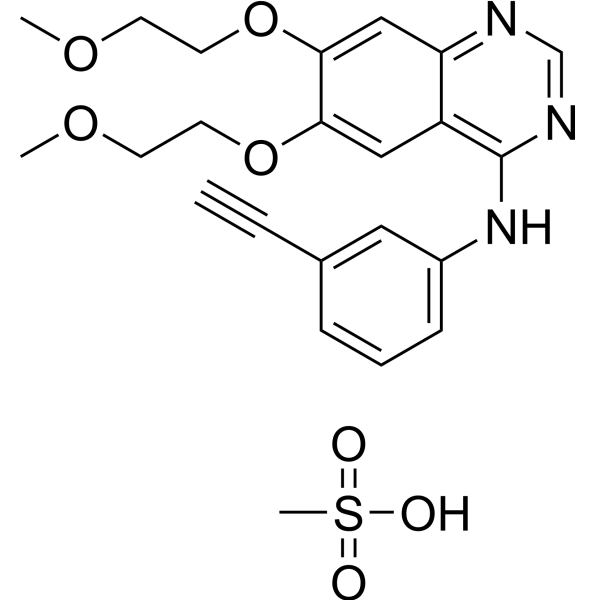
Erlotinib (CP-358774) mesylate is a selective, orally active EGFR tyrosine kinase inhibitor. Erlotinib mesylate also acts as a substrate and inhibitor of OATP2B1, with an IC50 of approximately 0.079 μM for inhibiting OATP2B1-mediated uptake of estrone 3-sulfate. Erlotinib mesylate blocks EGFR phosphorylation, downstream signal transduction, as well as the growth and proliferation of cancer cells. Erlotinib mesylate inhibits MMP-10-mediated renal injury, fibrotic lesions, the ERK1/2, GSK-3β and β-catenin signaling pathways, as well as the deposition of fibronectin, α-SMA, collagen and renal injury markers. Erlotinib mesylate is metabolized via CYP3A to produce the active metabolite OSI-420. Erlotinib mesylate can be used in research related to non-small cell lung cancer, gastric cancer, papillary renal cell carcinoma, EGFR inhibitor resistance and renal fibrosis .
loading...
    loading...
Cat. No.: HY-179378
CAS No.: 2968523-32-0
XRF-1021 is an orally active HIPK2 inhibitor (IC50 = 0.18 μM). XRF-1021 reduces the expression of fibrotic markers in TGF-β1 stimulated NRK-49F and HK-2 cells, including Fibronectin, Collagen I and α-SMA. XRF-1021 blocks TGF-β, NF-κB, p53, Wnt/β-catenin, and Notch signaling. XRF-1021 reduces renal injury and fibrosis in vivo. XRF-1021 can be used for the research of chronic kidney disease .
loading...
    loading...
Cat. No.: HY-12008S
CAS No.: 1189953-78-3
Purity:  98.13%
Synonyms: CP-358774-d6 hydrochloride; NSC 718781-d6 hydrochloride; OSI-774-d6 hydrochloride
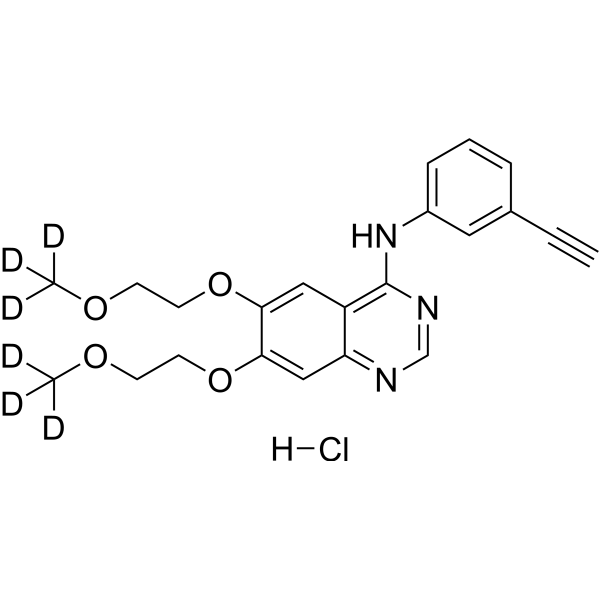
Erlotinib-d6 hydrochloride (CP-358774-d6 hydrochloride) is the deuterated-labeled Erlotinib Hydrochloride (HY-12008). Erlotinib (CP-358774) Hydrochloride is a selective, orally active EGFR tyrosine kinase inhibitor. Erlotinib Hydrochloride also acts as a substrate and inhibitor of OATP2B1, with an IC50 of approximately 0.079 μM for inhibiting OATP2B1-mediated uptake of estrone 3-sulfate. Erlotinib Hydrochloride blocks EGFR phosphorylation, downstream signal transduction, as well as the growth and proliferation of cancer cells. Erlotinib Hydrochloride inhibits MMP-10-mediated renal injury, fibrotic lesions, the ERK1/2, GSK-3β and β-catenin signaling pathways, as well as the deposition of fibronectin, α-SMA, collagen and renal injury markers. Erlotinib Hydrochloride is metabolized via CYP3A to produce the active metabolite OSI-420. Erlotinib Hydrochloride can be used in research related to non-small cell lung cancer, gastric cancer, papillary renal cell carcinoma, EGFR inhibitor resistance and renal fibrosis .
loading...
    loading...
Cat. No.: HY-50896S1
CAS No.: 1211107-68-4
Synonyms: CP-358774-13C6; NSC 718781-13C6; OSI-774-13C6
Erlotinib- 13C6 (CP-358774- 13C6) is the 13C-labeled Erlotinib (HY-50896). Erlotinib (CP-358774) is a selective, orally active EGFR tyrosine kinase inhibitor. Erlotinib also acts as a substrate and inhibitor of OATP2B1, with an IC50 of approximately 0.079 μM for inhibiting OATP2B1-mediated uptake of estrone 3-sulfate. Erlotinib blocks EGFR phosphorylation, downstream signal transduction, as well as the growth and proliferation of cancer cells. Erlotinib inhibits MMP-10-mediated renal injury, fibrotic lesions, the ERK1/2, GSK-3β and β-catenin signaling pathways, fibronectin, α-SMA, collagen deposition, and renal injury markers. Erlotinib is metabolized via CYP3A to produce the active metabolite OSI-420. Erlotinib can be used in research related to non-small cell lung cancer, gastric cancer, papillary renal cell carcinoma, pancreatic cancer, renal fibrosis, and other conditions .
loading...
    loading...
Cat. No.: HY-50896S2
CAS No.: 1130852-41-3
Synonyms: CP-358774-d4; NSC 718781-d4; OSI-774-d4
Erlotinib-d4 (CP-358774-d4) is the deuterated-labeled Erlotinib (HY-50896). Erlotinib (CP-358774) is a selective, orally active EGFR tyrosine kinase inhibitor. Erlotinib also acts as a substrate and inhibitor of OATP2B1, with an IC50 of approximately 0.079 μM for inhibiting OATP2B1-mediated uptake of estrone 3-sulfate. Erlotinib blocks EGFR phosphorylation, downstream signal transduction, as well as the growth and proliferation of cancer cells. Erlotinib inhibits MMP-10-mediated renal injury, fibrotic lesions, the ERK1/2, GSK-3β and β-catenin signaling pathways, fibronectin, α-SMA, collagen deposition, and renal injury markers. Erlotinib is metabolized via CYP3A to produce the active metabolite OSI-420. Erlotinib can be used in research related to non-small cell lung cancer, gastric cancer, papillary renal cell carcinoma, pancreatic cancer, renal fibrosis, and other conditions .
loading...
    loading...
Cat. No.: HY-50896S3
CAS No.: 1266656-97-6
Synonyms: CP-358774-d8; NSC 718781-d8; OSI-774-d8
Erlotinib-d8 (CP-358774-d8) is the deuterated-labeled Erlotinib (HY-50896). Erlotinib (CP-358774) is a selective, orally active EGFR tyrosine kinase inhibitor. Erlotinib also acts as a substrate and inhibitor of OATP2B1, with an IC50 of approximately 0.079 μM for inhibiting OATP2B1-mediated uptake of estrone 3-sulfate. Erlotinib blocks EGFR phosphorylation, downstream signal transduction, as well as the growth and proliferation of cancer cells. Erlotinib inhibits MMP-10-mediated renal injury, fibrotic lesions, the ERK1/2, GSK-3β and β-catenin signaling pathways, as well as the deposition of fibronectin, α-SMA, collagen and renal injury markers. Erlotinib is metabolized via CYP3A to produce the active metabolite OSI-420. Erlotinib can be used in research related to non-small cell lung cancer, gastric cancer, papillary renal cell carcinoma, EGFR inhibitor resistance and renal fibrosis .
loading...
    loading...
Cat. No.: HY-187429
Target:  

PAK MDM-2/p53

Research Areas:  

Endocrinology

Anti-aging agent 2 is an anti-aging agent. Anti-aging agent 2 attenuates senescence-associated secretory phenotype (SASP), alleviates cell cycle arrest, reduces the levels of senescence markers in renal tissues, and downregulates the expression of p21, p16 and p53 in the kidney. Anti-aging agent 2 improves renal function and alleviates renal fibrosis. Anti-aging agent 2 extends the lifespan of Caenorhabditis elegans. Anti-aging agent 2 can be used in the research of chronic kidney disease .
loading...
    loading...
Cat. No.: HY-189140
Research Areas:  

Endocrinology

HIPK2-IN-1 is an orally active and selective HIPK2 inhibitor with an IC50 of 0.56 μM. HIPK2-IN-1 exerts antifibrotic and anti-inflammatory activities. HIPK2-IN-1 binds to HIPK2, inhibits the downstream TGF‑β/Smad3, p53, and TNF‑α/NF‑κB signaling pathways, reduces the expression of fibrotic markers, suppresses cell proliferation and migration, and alleviates renal tubular injury and collagen deposition. HIPK2-IN-1 is used for the study of renal fibrosis associated with chronic kidney disease .
loading...
    loading...
Cat. No.: HY-159978
CAS No.: 1628848-73-6
Synonyms: EOS789
Atidafonat is an orally active sodium-dependent phosphate transporter inhibitor, with IC50 values of 6.8, 1.5, and 1.7 μM against human NaPi-IIb, PiT-1, PiT-2, respectively; and IC50 values of 3.9, 1.9, and 1.7 μM against rat NaPi-IIb, PiT-1, PiT-2, respectively. Atidafonat inhibits intestinal phosphate absorption, increases fecal phosphate excretion, reduces urinary phosphate excretion, and decreases the levels of serum phosphate, FGF23, and adult parathyroid hormone. Atidafonat ameliorates ectopic thoracic aortic calcification, renal injury and hyperphosphatemia, and inhibits the expression of fibrosis markers. Atidafonat can be used for the research of hyperphosphatemia and chronic kidney disease-mineral and bone disorder (CKD-MBD) .
loading...
    loading...

