1. Search Result
Search Result
Results for "

side effect

" in MedChemExpress (MCE) Product Catalog:

46

Inhibitors & Agonists

4

Screening Libraries

2

Natural
Products

2

Isotope-Labeled Compounds

Cat. No. Product Name Target Research Areas Chemical Structure
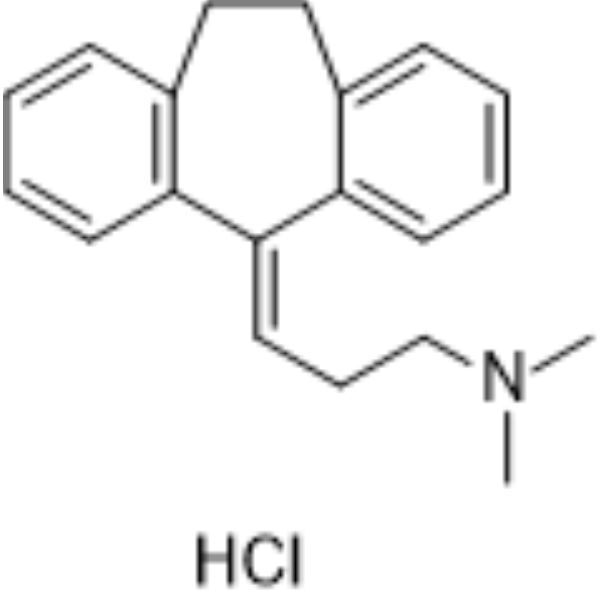
  • HY-B0527A
    Amitriptyline hydrochloride
    Maximum Cited Publications
    8 Publications Verification

    Serotonin Transporter 5-HT Receptor mAChR Histamine Receptor Adrenergic Receptor Trk Receptor Sodium Channel Potassium Channel Dopamine Transporter Apoptosis Neurological Disease Inflammation/Immunology Endocrinology
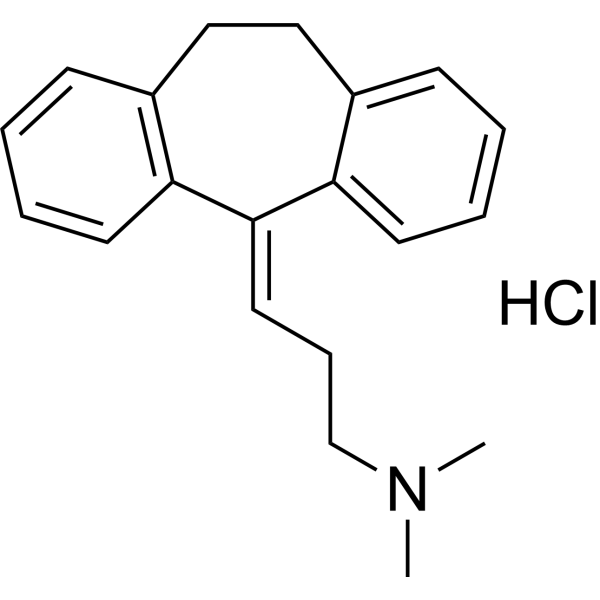
    Amitriptyline hydrochloride is an orally active tricyclic antidepressant (TCA). Amitriptyline hydrochloride mainly exerts its antidepressant effect by blocking SERT (Ki = 3.45 nM) and NET (Ki = 13.3 nM), thereby increasing the concentrations of 5-hydroxytryptamine (5-HT) and norepinephrine (NE) in the synaptic cleft. Amitriptyline hydrochloride is also an agonist at α2A and TrkA/TrkB receptors, thereby exerting analgesic and neurotrophic activities (inhibiting cell apoptosis). Amitriptyline hydrochloride can reduce inflammation, angiogenesis and fibrosis. Amitriptyline hydrochloride binds to DAT (with Ki = 2.58 μM). Amitriptyline hydrochloride has high affinity for a series of receptors and can antagonize muscarinic cholinergic receptors (M1/M2/M3/M4/M5 receptors) (Ki = 11-24 nM), H1 receptors (Ki = 0.5-1.1 nM), adrenergic α1 receptors (Ki = 4.4 nM), etc., resulting in a series of side effects. Amitriptyline hydrochloride can block sodium channels and hERG potassium channel (IC50 = 4.78 μM) and it has cardiotoxicity .
    Amitriptyline hydrochloride
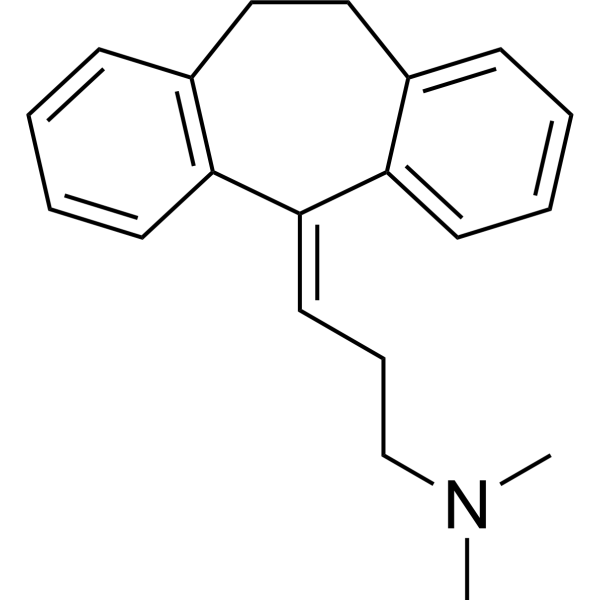
  • HY-B0527
    Amitriptyline
    Maximum Cited Publications
    8 Publications Verification

    Serotonin Transporter Trk Receptor Sodium Channel 5-HT Receptor Histamine Receptor Adrenergic Receptor mAChR Potassium Channel Dopamine Transporter Apoptosis Neurological Disease Inflammation/Immunology Endocrinology
    Amitriptyline is an orally active tricyclic antidepressant (TCA). Amitriptyline mainly exerts its antidepressant effect by blocking SERT (Ki = 3.45 nM) and NET (Ki = 13.3 nM), thereby increasing the concentrations of 5-hydroxytryptamine (5-HT) and norepinephrine (NE) in the synaptic cleft. Amitriptyline is also an agonist at α2A and TrkA/TrkB receptors, thereby exerting analgesic and neurotrophic activities (inhibiting cell apoptosis). Amitriptyline can reduce inflammation, angiogenesis and fibrosis. Amitriptyline binds to DAT (with Ki = 2.58 μM). Amitriptyline has high affinity for a series of receptors and can antagonize muscarinic cholinergic receptors (M1/M2/M3/M4/M5 receptors) (Ki = 11-24 nM), H1 receptors (Ki = 0.5-1.1 nM), adrenergic α1 receptors (Ki = 4.4 nM), etc., resulting in a series of side effects. Amitriptyline can block sodium channels and hERG potassium channel (IC50 = 4.78 μM) and it has cardiotoxicity .
    Amitriptyline
  • HY-110080

    Dopamine Receptor Neurological Disease
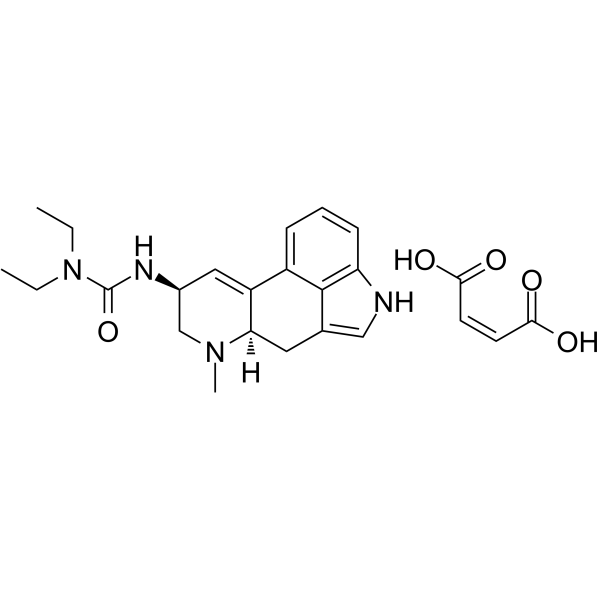
    Lisuride (maleate) is a potent agonist of dopamine with a probably direct action on dopaminergic receptors. Lisuride (maleate) is an ergot derivative. Lisuride (maleate) releases the premenstrual mastalgia without significant side effects .
    Lisuride maleate
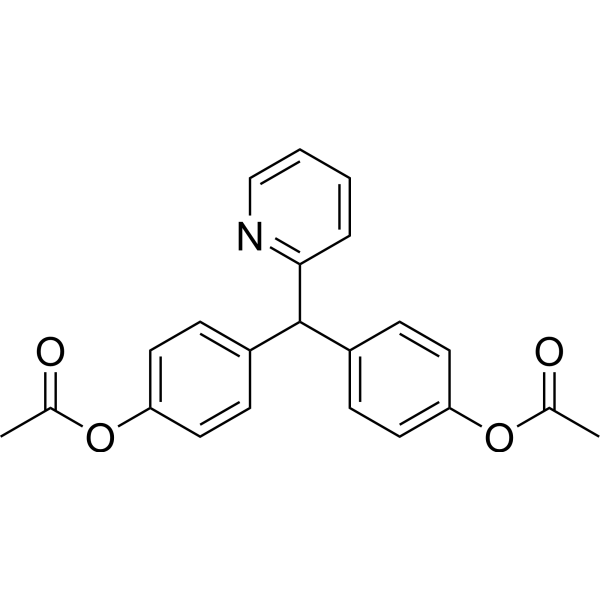
  • HY-B0557
    Bisacodyl
    2 Publications Verification

    Dopamine Transporter Opioid Receptor Metabolic Disease Cancer
    Bisacodyl is a stimulant laxative agent that works directly on the colon to produce a bowel movement. Bisacodyl increases the secretion of PGE2 by direct activation of colon macrophages. PGE2 acts as a paracrine factor and decreases the expression of AQP3 in the colon, which inhibits water transfer from the luminal to the vascular side and leads to a laxative effect .
    Bisacodyl
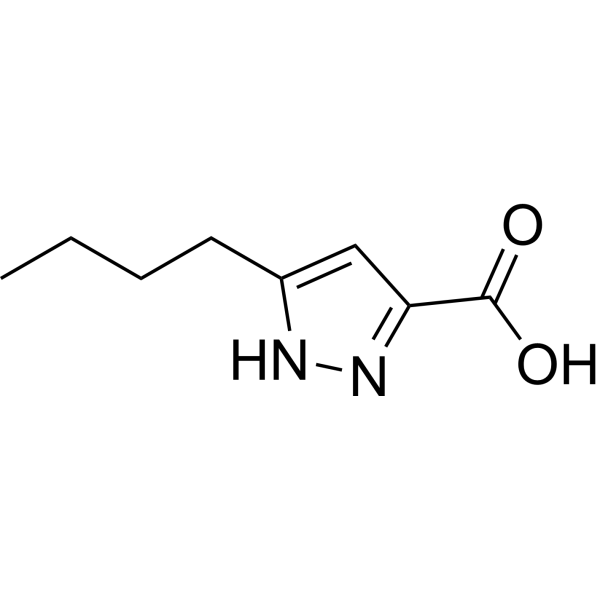
  • HY-W050088

    HP 549

    Drug Derivative Neurological Disease Inflammation/Immunology
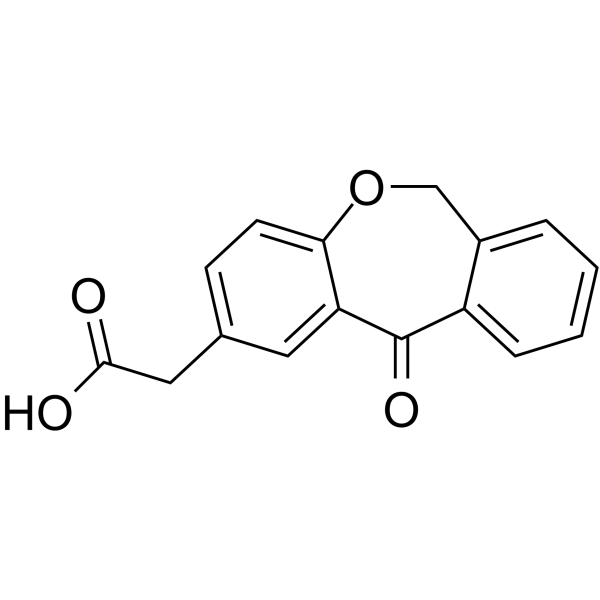
    Isoxepac (HP 549) is an orally active non-steroidal anti-inflammatory agent. Isoxepac can inhibit Carrageenan (HY-125474) paw oedema, adjuvant-induced polyarthritis, and prostaglandin synthesis. Isoxepac (200 mg) has an analgesic effect after meniscectomy with a low incidence of side effects. Isoxepac can be used in the research of inflammatory (rheumatoid arthritis) and pain-related diseases .
    Isoxepac
  • HY-100976

    Hydroxycarboxylic Acid Receptor (HCAR) Metabolic Disease
    LUF6283 is a potent and orally active HCA(2) partial agonist, with a Ki of 0.55 µM. LUF6283 can achieve the beneficial lipid lowering effect of niacin without producing the unwanted cutaneous flushing side effect .
    LUF6283
  • HY-103409

    Dopamine Receptor Neurological Disease
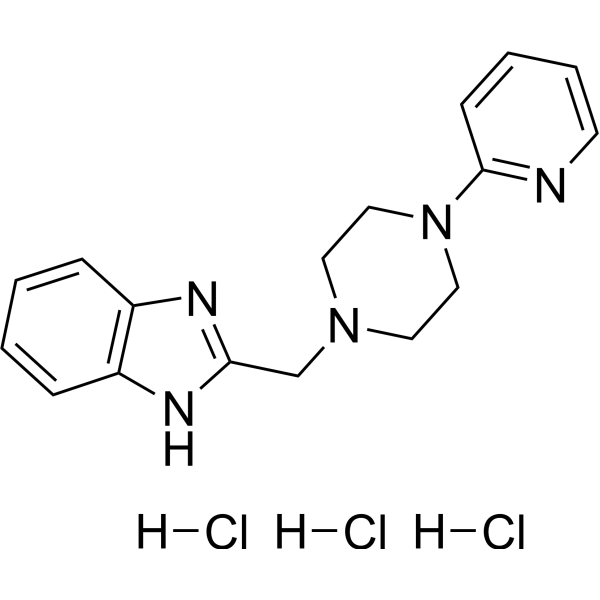
    ABT-724 trihydrochloride is a potent and highly selective dopamine D4 receptor agonist with an EC50 of 12.4 nM for human dopamine D4 receptor. ABT-724 trihydrochloride is a potent partial agonist at the rat D4 (EC50 of 14.3 nM) and the ferret D4 receptor (EC50 of 23.2 nM), and has no effect on dopamine D1, D2, D3, or D5 receptors. ABT-724 trihydrochloride could be useful for the treatment of erectile dysfunction and has favorable side-effect profile .
    ABT-724 trihydrochloride
  • HY-135741

    iGluR Neurological Disease
    NYX-2925 is an orally active NMDAR modulator. NYX-2925 restores levels of activated Src and Src phosphorylation sites on GluN2A and GluN2B in the mPFC. NYX-2925 shows no effect on CAMKII, and any addictive or sedative/ataxic side effects. NYX-2925 can be used for research of a variety of NMDA receptor-mediated central nervous system disorders .
    NYX-2925
  • HY-B0527AR
    Amitriptyline hydrochloride (Standard)
    4 Publications Verification

    Reference Standards Serotonin Transporter 5-HT Receptor Histamine Receptor mAChR Adrenergic Receptor Trk Receptor Sodium Channel Potassium Channel Dopamine Transporter Apoptosis Neurological Disease Inflammation/Immunology Endocrinology
    Amitriptyline hydrochloride (Standard) is the analytical standard of Amitriptyline hydrochloride (HY-B0527A). This product is intended for research and analytical applications. Amitriptyline hydrochloride is an orally active tricyclic antidepressant (TCA). Amitriptyline hydrochloride mainly exerts its antidepressant effect by blocking SERT (Ki = 3.45 nM) and NET (Ki = 13.3 nM), thereby increasing the concentrations of 5-hydroxytryptamine (5-HT) and norepinephrine (NE) in the synaptic cleft. Amitriptyline hydrochloride is also an agonist at α2A and TrkA/TrkB receptors, thereby exerting analgesic and neurotrophic activities (inhibiting cell apoptosis). Amitriptyline hydrochloride can reduce inflammation, angiogenesis and fibrosis. Amitriptyline hydrochloride binds to DAT (with Ki = 2.58 μM). Amitriptyline hydrochloride has high affinity for a series of receptors and can antagonize muscarinic cholinergic receptors (M1/M2/M3/M4/M5 receptors) (Ki = 11-24 nM), H1 receptors (Ki = 0.5-1.1 nM), adrenergic α1 receptors (Ki = 4.4 nM), etc., resulting in a series of side effects. Amitriptyline hydrochloride can block sodium channels and hERG potassium channel (IC50 = 4.78 μM) and it has cardiotoxicity.
    Amitriptyline hydrochloride (Standard)
  • HY-B0527AS

    Isotope-Labeled Compounds Serotonin Transporter 5-HT Receptor Histamine Receptor mAChR Adrenergic Receptor Trk Receptor Sodium Channel Potassium Channel Dopamine Transporter Apoptosis Neurological Disease Inflammation/Immunology Endocrinology
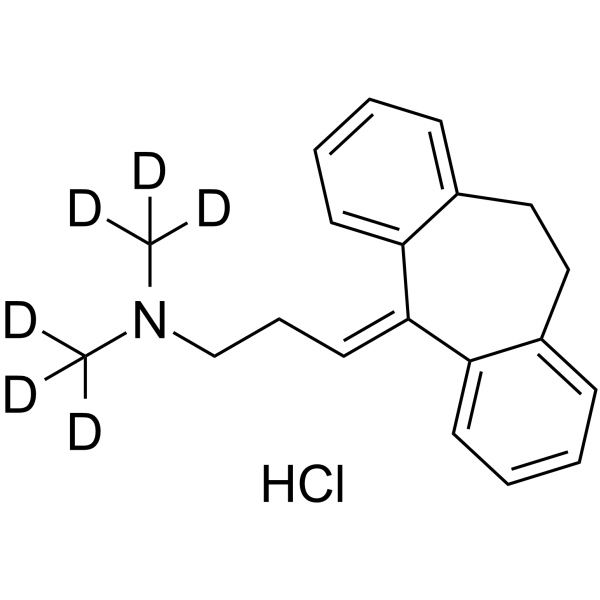
    Amitriptyline-d6 hydrochloride is the deuterium labeled Amitriptyline hydrochloride (HY-B0527A). Amitriptyline hydrochloride is an orally active tricyclic antidepressant (TCA). Amitriptyline hydrochloride mainly exerts its antidepressant effect by blocking SERT (Ki = 3.45 nM) and NET (Ki = 13.3 nM), thereby increasing the concentrations of 5-hydroxytryptamine (5-HT) and norepinephrine (NE) in the synaptic cleft. Amitriptyline hydrochloride is also an agonist at α2A and TrkA/TrkB receptors, thereby exerting analgesic and neurotrophic activities (inhibiting cell apoptosis). Amitriptyline hydrochloride can reduce inflammation, angiogenesis and fibrosis. Amitriptyline hydrochloride binds to DAT (with Ki = 2.58 μM). Amitriptyline hydrochloride has high affinity for a series of receptors and can antagonize muscarinic cholinergic receptors (M1/M2/M3/M4/M5 receptors) (Ki = 11-24 nM), H1 receptors (Ki = 0.5-1.1 nM), adrenergic α1 receptors (Ki = 4.4 nM), etc., resulting in a series of side effects. Amitriptyline hydrochloride can block sodium channels and hERG potassium channel (IC50 = 4.78 μM) and it has cardiotoxicity.
    Amitriptyline-d6 hydrochloride
  • HY-14753

    Cannabinoid Receptor Cardiovascular Disease Metabolic Disease
    Rosonabant is a selective antagonist for cannabinoid receptor (CB1 receptor), which reduces body weight and improves improves the risk of obesity-related cardiovascular metabolic diseases. Rosonabant exhibits adverse side effect, such as nausea and mental disorder .
    Rosonabant
  • HY-179511

    Glycosidase Metabolic Disease
    α-Glucosidase-IN-104 (Compound 9s) is an efficient inhibitor of α-glucosidase with an IC50 of 24.32 μM. α-Glucosidase-IN-104 has a weak inhibitory effect on α-amylase and avoids gastrointestinal side effects. α-Glucosidase-IN-104 can be used for research on type 2 diabetes .
    α-Glucosidase-IN-104
  • HY-14330

    Dopamine Receptor Neurological Disease
    ABT-724, a chemical probe, is a potent and highly selective dopamine D4 receptor agonist with an EC50 of 12.4 nM for human dopamine D4 receptor. ABT-724 is a potent partial agonist at the rat D4 (EC50 of 14.3 nM) and the ferret D4 receptor (EC50 of 23.2 nM). ABT-724 has no effect on dopamine D1, D2, D3, or D5 receptors. ABT-724 could be useful for the treatment of erectile dysfunction and has favorable side-effect profile .
    ABT-724
  • HY-118249

    PPAR Neurological Disease
    GSK 1997132B is a benzimidazole-based PPARγ partial agonist that can cross the blood-brain barrier with a pEC50 value of 8.0. GSK 1997132B has no significant effect on PPARα/δ. GSK 1997132B improves the problem of high blood clearance rate of earlier compounds, avoiding side effects such as weight gain and edema. GSK 1997132B can be used for research on Alzheimer's disease .
    GSK 1997132B
  • HY-156807

    Serotonin Transporter 5-HT Receptor Neurological Disease
    LY 367265 is a 5-hydroxytryptamine transporter (SERT) inhibitor (IC₅₀ = 3.1 nM) and a 5-HT₂A receptor antagonist (Kᵢ = 0.81 nM). LY 367265 has the inhibitory activity on the norepinephrine transporter (NET) of extremely weak (IC₅₀ > 1000 nM); it has low affinity for subtypes such as 5-HT₁B (Kᵢ = 490 nM) and 5-HT₁D (Kᵢ = 81 nM), showing high selectivity. LY 367265 concentration-dependently enhances of [³H]5-HT efflux (EC₅₀ = 250 nM). LY 367265 antagonizes the contraction response of Sumatriptan (HY-B0121B), indicating its functional antagonistic activity on 5-HT₁D-like receptors. LY 367265 can be used for the study of diseases such as anxiety disorders and post-traumatic stress disorder .
    LY 367265
  • HY-106983

    Glucocorticoid Receptor Inflammation/Immunology
    GR 250495X is an inhaled glucocorticoid receptor agonist. GR 250495X is designed as a antedrug, which takes effect locally in the lungs but is rapidly metabolized and inactivated in the bloodstream after entering the systemic circulation, thereby minimizing systemic side effects. GR 250495X can be used in asthma research .
    GR 250495X
  • HY-150580

    Cytochrome P450 Inflammation/Immunology Cancer
    CYP3A4-IN-2 is a specific inhibitor of cytochrome P450 3A4 (CYP3A4) with the IC50 value of 0.055 μM. CYP3A4-IN-2 is a ritonavir analogue with increased hydrophobicity of the R2 side group and stronger inhibitory effect compared to ritonavir. CYP3A4-IN-2 can be used as an antiviral agent and immunosuppressants .
    CYP3A4-IN-2
  • HY-W050088S

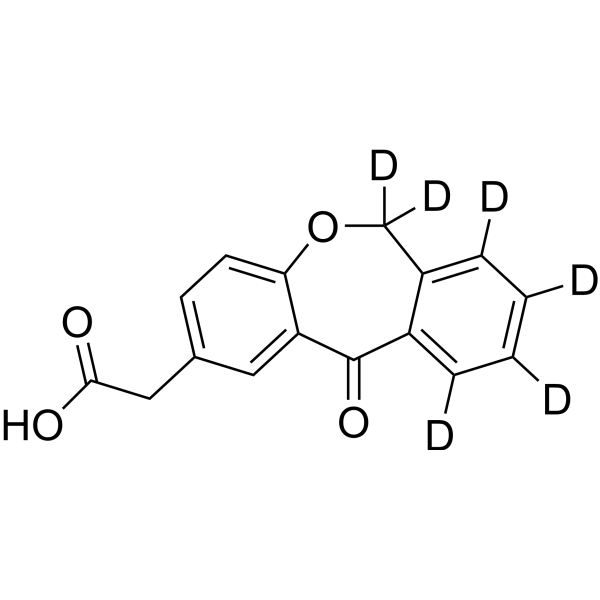
    HP 549-d6

    Isotope-Labeled Compounds Drug Derivative Neurological Disease Inflammation/Immunology
    Isoxepac-d6 (HP 549-d6) is the deuterium labeled Isoxepac (HY-W050088). Isoxepac (HP 549) is an orally active non-steroidal anti-inflammatory agent. Isoxepac can inhibit Carrageenan (HY-125474) paw oedema, adjuvant-induced polyarthritis, and prostaglandin synthesis. Isoxepac (200 mg) has an analgesic effect after meniscectomy with a low incidence of side effects. Isoxepac can be used in the research of inflammatory (rheumatoid arthritis) and pain-related diseases .
    Isoxepac-d6
  • HY-117087

    Phosphatase PANoptosis Cancer
    K103 is an inhibitor discovered from the screen that is an analog of the serotonin antagonist benzazocine. K103 exhibited inhibition of SHIP homologues, labelling it a pan-SHIP1/2 inhibitor, but the molecule had no effect on another 5' inositol phosphatase, OCRL. In line with the "two PIPs hypothesis", the molecule exhibited significant anti-tumour effects against a variety of cell lines, particularly breast cancer cells. Additional studies with K103 revealed that inhibition of SHIP1/2 in multiple myeloma cells resulted in G2/M cell cycle arrest followed by extensive apoptosis via activation of the caspase cascade. K103 fits the commonly used small molecule agent property profile, but while this work was being conducted, it was discovered that K103 caused psychoactive effects in mice, which limited the utility of the molecule in vivo. Therefore, certain synthetic studies were conducted on this tryptamine to identify the features that needed to be present in the molecule to maintain pan-SHIP1/2 inhibition in order to design an inhibitor with favourable pharmacodynamic properties and an improved side effect profile.
    K103
  • HY-144036

    DNA-PK Cancer
    DNA-PK-IN-3 is a potent inhibitor of DNA-PK. DNA-PK-IN-3 synergistically enhances the effect of radiotherapy and chemotherapy and effectively inhibits tumor growth. DNA-PK-IN-3 also effectively reduces the damage to normal cells and reducing side effects. DNA-PK-IN-3 has the potential for the research of cancer disease (extracted from patent WO2021213460A1, compound 4) .
    DNA-PK-IN-3
  • HY-129748

    Carboxylesterase (CES) Others
    SQ-24,798 is a compound that inhibits carboxypeptidase B with high affinity and specificity. Its inhibitory effect may be achieved through the binding of the sulfhydryl group to the zinc ion of the enzyme and specific side chains.
    SQ-24798
  • HY-118499

    RIV-2093

    Drug Derivative Endocrinology
    Alpiropride (RIV-2093) is a metoclopramide (HY-17382) analog that is effective in reducing the gastrointestinal side effects of cancer chemotherapy drugs. In animal studies, alpiropride showed a stronger antiemetic effect than metoclopramide .
    Alpiropride
  • HY-118242

    Estrogen Receptor/ERR Calmodulin Others
    RU 45144 is an anti-estrogen compound that has the activity of antagonizing the binding of estrogen receptors to calmodulin. RU 45144 can inhibit the binding of estrogen receptors to calmodulin, and its effect is similar to that of tamoxifen. Its anti-estrogen effect may be related to specific side chains in the molecular structure, and the steroid skeleton may be involved in its anti-proliferative activity.
    RU 45144
  • HY-A0140

    Phosphodiesterase (PDE) Neurological Disease
    Drotaverine is a selective phosphodiesterase 4 inhibitor with angina relief activity. Drotaverine is used to suppress angina, including pain in the gastrointestinal tract and biliary tract. Drotaverine may also cause compound-induced priapism, a side effect of sustained penile erection .
    Drotaverine
  • HY-147821

    Cannabinoid Receptor Metabolic Disease
    CB1-IN-2 (Compound 4g) is a selective CB1 inhibitor with an IC50 of 0.644 μM. CB1-IN-2 can penetrates BBB and might cause CNS side effect similar with Rimonabant .
    CB1-IN-2
  • HY-147195

    HMG-CoA Reductase (HMGCR) Cardiovascular Disease Metabolic Disease Inflammation/Immunology
    QH536 (Compound 29) is a potent HMGCR degrader with an EC50 of 0.22 μM. QH536 has no side-effect of inducing cholesterol accumulation in cells. QH536 shows anti-inflammatory and can be used for cardiovascular disease and nonalcoholic steatohepatitis research .
    QH536
  • HY-119385

    Dopamine Receptor Neurological Disease
    Savoxepin mesylate is a D2 dopamine receptor (D2 Dopamine Receptor) antagonist with antipsychotic activity. Savoxepin mesylate selectively blocks dopamine D2 receptors in the hippocampus while having no significant effect on D2 receptors in the striatum. This selective blockade helps reduce the risk of extrapyramidal side effects (EPS) .
    Savoxepin mesylate
  • HY-143585

    CDK Cancer
    CDK9-IN-14 is a potent and selective CDK9 inhibitor with IC50 of 6.92 nM. CDK9-IN-14 has a relatively strong inhibitory effect on MV4;11 cells and in vivo tumor models, and has a good selectivity and a low toxicity and few side effects .
    CDK9-IN-14
  • HY-144050

    EGFR Cancer
    EGFR-IN-33 is a potent inhibitor of EGFR. EGFR-IN-33 is an anti-tumor agent with low toxic side effects. EGFR-IN-33 is an acrylamide derivative compound. Overexpression and mutation of the epidermal growth factor receptor (EGFR) has been clearly demonstrated to lead to uncontrollable cell growth and is associated with the progression of most cancer diseases, especially NSCLC. EGFR-IN-33 has the potential for the research of diseases associated with EGFR mutations (extracted from patent WO2021185348A1, compound 13) .
    EGFR-IN-33
  • HY-144052

    EGFR Cancer
    EGFR-IN-35 is a potent inhibitor of EGFR. EGFR-IN-35 is an anti-tumor agent with low toxic side effects. EGFR-IN-35 is an acrylamide derivative compound. Overexpression and mutation of the epidermal growth factor receptor (EGFR) has been clearly demonstrated to lead to uncontrollable cell growth and is associated with the progression of most cancer diseases, especially NSCLC. EGFR-IN-35 has the potential for the research of diseases associated with EGFR mutations (extracted from patent WO2021185348A1, compound 11) .
    EGFR-IN-35
  • HY-144051

    EGFR Cancer
    EGFR-IN-34 is a potent inhibitor of EGFR. EGFR-IN-34 is an anti-tumor agent with low toxic side effects. EGFR-IN-35 is an acrylamide derivative compound. Overexpression and mutation of the epidermal growth factor receptor (EGFR) has been clearly demonstrated to lead to uncontrollable cell growth and is associated with the progression of most cancer diseases, especially NSCLC. EGFR-IN-34 has the potential for the research of diseases associated with EGFR mutations (extracted from patent WO2021185348A1, compound 12) .
    EGFR-IN-34
  • HY-144056

    EGFR Cancer
    EGFR-IN-39 is a potent inhibitor of EGFR. EGFR-IN-39 is an anti-tumor agent with low toxic side effects. EGFR-IN-39 is an acrylamide derivative compound. Overexpression and mutation of the epidermal growth factor receptor (EGFR) has been clearly demonstrated to lead to uncontrollable cell growth and is associated with the progression of most cancer diseases, especially NSCLC. EGFR-IN-39 has the potential for the research of diseases associated with EGFR mutations (extracted from patent WO2021185348A1, compound 2) .
    EGFR-IN-39
  • HY-144054

    EGFR Cancer
    EGFR-IN-37 is a potent inhibitor of EGFR. EGFR-IN-37 is an anti-tumor agent with low toxic side effects. EGFR-IN-39 is an acrylamide derivative compound. Overexpression and mutation of the epidermal growth factor receptor (EGFR) has been clearly demonstrated to lead to uncontrollable cell growth and is associated with the progression of most cancer diseases, especially NSCLC. EGFR-IN-37 has the potential for the research of diseases associated with EGFR mutations (extracted from patent WO2021185348A1, compound 7) .
    EGFR-IN-37
  • HY-144055

    EGFR Cancer
    EGFR-IN-38 is a potent inhibitor of EGFR. EGFR-IN-38 is an anti-tumor agent with low toxic side effects. EGFR-IN-33 is an acrylamide derivative compound. Overexpression and mutation of the epidermal growth factor receptor (EGFR) has been clearly demonstrated to lead to uncontrollable cell growth and is associated with the progression of most cancer diseases, especially NSCLC. EGFR-IN-38 has the potential for the research of diseases associated with EGFR mutations (extracted from patent WO2021185348A1, compound 4) .
    EGFR-IN-38
  • HY-120721

    Lipoxygenase Cancer
    Lagunamycin is a 5-lipoxygenase inhibitor isolated from the culture medium of Streptomyces sp. AA0310. Lagunamycin has a significant inhibitory activity against rat 5-lipoxygenase with an IC50 value of 6.08 μM. Lagunamycin can effectively inhibit 5-lipoxygenase without causing lipid peroxidation, indicating that it has an effective inhibitory effect without causing side effects.
    Lagunamycin
  • HY-B0557R

    Reference Standards Dopamine Transporter Opioid Receptor Metabolic Disease Cancer
    Bisacodyl (Standard) is the analytical standard of Bisacodyl. This product is intended for research and analytical applications. Bisacodyl is a stimulant laxative agent that works directly on the colon to produce a bowel movement. Bisacodyl increases the secretion of PGE2 by direct activation of colon macrophages. PGE2 acts as a paracrine factor and decreases the expression of AQP3 in the colon, which inhibits water transfer from the luminal to the vascular side and leads to a laxative effect .
    Bisacodyl (Standard)
  • HY-W328882

    Endogenous Metabolite Cardiovascular Disease
    3-(2-Aminopropyl)phenol is a biologically active compound with significant blood pressure-raising activity. 3-(2-Aminopropyl)phenol can effectively improve the symptoms of orthostatic hypotension in patients. 3-(2-Aminopropyl)phenol can significantly increase blood pressure at rest and when standing after oral administration. 3-(2-Aminopropyl)phenol can help reduce pathological orthostatic adjustment disorders. 3-(2-Aminopropyl)phenol has a relatively small effect on heart rate, and no significant side effects have been observed .
    3-(2-Aminopropyl)phenol
  • HY-117649

    Estrogen Receptor/ERR Cancer
    RU-39411 is a steroidal anti-estrogen with mixed estrogenic/antiestrogen activity. RU-39411 has shown inhibitory effects on cell growth in the MCF-7 breast cancer model, with the effect being correlated with its binding affinity to the estrogen receptor. RU-39411 was able to downregulate the estrogen binding capacity of cells, but did not reduce estrogen receptor mRNA levels, indicating that the grafting of its side chain prevents the antagonistic effects usually associated with steroidal estrogens. The administration of RU-39411 can promote the synthesis of progesterone receptors, further supporting its activity as an estrogen .
    RU-39411
  • HY-138110

    4-Methyldiphenhydramine

    Endogenous Metabolite iGluR Histamine Receptor Neurological Disease Inflammation/Immunology
    Toladryl is a derivative of Diphenhydramine (HY-B0303), capable of penetrating the blood-brain barrier and possessing oral activity, as well as antihistamine and anticholinergic activities. The anticholinergic activity of Toladryl is approximately one-tenth that of Diphenhydramine (HY-B0303), and its protective effect against lethal doses of histamine in guinea pigs is 2 to 4 times that of Diphenhydramine (HY-B0303). The side effects of Toladryl are fewer and milder than those of Diphenhydramine (HY-B0303), but at higher doses, it may cause central nervous system symptoms such as insomnia, agitation, and disorientation. Toladryl can be used for research in allergic diseases .
    Toladryl
  • HY-173397

    β-glucuronidase Bacterial Metabolic Disease
    β-Glucuronidase-IN-3 (Compound 49) is a covalent allosteric β-glucuronidase inhibitor. β-Glucuronidase-IN-3 has potent inhibitory activity against Escherichia coli β-glucuronidase (EcGUS) (IC50: 12.9 nM). β-Glucuronidase-IN-3 exerts its inhibitory effect by reversibly covalently modifying the cysteine residues (Cys28, Cys443, and Cys197) of EcGUS. β-Glucuronidase-IN-3 can be used in the study of intestinal microbiota-related diseases, especially to alleviate the toxic side effects of Irinotecan (HY-16562) and nonsteroidal anti-inflammatory drugs (NSAIDs) .
    β-Glucuronidase-IN-3
  • HY-138110R

    4-Methyldiphenhydramine (Standard)

    Reference Standards Endogenous Metabolite iGluR Histamine Receptor Neurological Disease Inflammation/Immunology
    Toladryl (Standard) is the analytical standard of Toladryl. This product is intended for research and analytical applications. Toladryl is a derivative of Diphenhydramine (HY-B0303), capable of penetrating the blood-brain barrier and possessing oral activity, as well as antihistamine and anticholinergic activities. The anticholinergic activity of Toladryl is approximately one-tenth that of Diphenhydramine (HY-B0303), and its protective effect against lethal doses of histamine in guinea pigs is 2 to 4 times that of Diphenhydramine (HY-B0303). The side effects of Toladryl are fewer and milder than those of Diphenhydramine (HY-B0303), but at higher doses, it may cause central nervous system symptoms such as insomnia, agitation, and disorientation. Toladryl can be used for research in allergic diseases .
    Toladryl (Standard)
  • HY-167939

    Adrenergic Receptor Inflammation/Immunology
    (R)-Bambuterol is a β2-receptor agonist with anti-asthmatic and colitis-improving activity. (R)-Bambuterol is indicated for the treatment of asthma and chronic obstructive pulmonary disease and has the advantage of a once-daily dosing and a favorable side effect profile. (R)-Bambuterol significantly reduced disease severity in a mouse model of colitis, more effectively than (RS)-Bambuterol or (S)-Bambuterol. (R)-Bambuterol can significantly reduce the levels of inflammatory cytokines and reduce the infiltration of macrophages in mice with colitis. (R)-Bambuterol also increases β2-adrenoceptor levels and reduces the expression of IL-6, IL-17 and other related proteins in colon tissue in a dose-dependent manner .
    (R)-Bambuterol
  • HY-130666

    Endogenous Metabolite Cardiovascular Disease
    Chlorambucyl-proline is a chloroplatinyl amino acid derivative with inhibitory activity against bovine pulmonary vasoconstrictor enzyme. Chlorambucyl-proline reacts with the convertase in a 1:1 ratio, and the removal of its radiolabel indicates that the compound has an irreversible inhibitory effect on the enzyme activity. Chlorambucyl-proline binds to the aspartic acid or glutamic acid side chain of the enzyme by forming an ester bond, resulting in irreversible inactivation of the enzyme. The inactivation rate constant of chlororambucyl-proline increases in the pH range of 5-8, indicating that its effect on the enzyme activity is affected by the pH environment .
    Chlorambucyl-proline
  • HY-103409R

    Reference Standards Dopamine Receptor Neurological Disease
    ABT-724 trihydrochloride (Standard) is the analytical standard of ABT-724 trihydrochloride (HY-103409). This product is intended for research and analytical applications. ABT-724 trihydrochloride is a potent and highly selective dopamine D4 receptor agonist with an EC50 of 12.4 nM for human dopamine D4 receptor. ABT-724 trihydrochloride is a potent partial agonist at the rat D4 (EC50 of 14.3 nM) and the ferret D4 receptor (EC50 of 23.2 nM), and has no effect on dopamine D1, D2, D3, or D5 receptors. ABT-724 trihydrochloride could be useful for the treatment of erectile dysfunction and has favorable side-effect profile .
    ABT-724 trihydrochloride (Standard)
  • HY-W050088R

    HP 549 (Standard)

    Reference Standards Drug Derivative Neurological Disease Inflammation/Immunology
    Isoxepac (Standard) (HP 549 (Standard)) is the analytical standard of Isoxepac (HY-W050088). This product is intended for research and analytical applications. Isoxepac (HP 549) is an orally active non-steroidal anti-inflammatory agent. Isoxepac can inhibit Carrageenan (HY-125474) paw oedema, adjuvant-induced polyarthritis, and prostaglandin synthesis. Isoxepac (200 mg) has an analgesic effect after meniscectomy with a low incidence of side effects. Isoxepac can be used in the research of inflammatory (rheumatoid arthritis) and pain-related diseases .
    Isoxepac (Standard)
  • HY-N17773

    PPAR GLUT TNF Receptor Metabolic Disease
    Hydrangeic acid is an orally effective stilbene-type glycolipid metabolism regulator that lowers blood glucose and lipids. It can be isolated from processed leaves of Hydrangea macrophylla var. thunbergii. Hydrangeic acid is associated with glycolipid metabolism and insulin sensitivity regulation. Hydrangeic acid does not directly activate PPARγ or PPARα, but instead upregulates the mRNA expression of adiponectin, PPARγ2, GLUT4, and fatty acid-binding protein aP2, and downregulates TNF-α mRNA expression, promoting adipogenesis, glucose uptake, and GLUT4 translocation in 3T3-L1 cells. Simultaneously, Hydrangeic acid inhibits inflammatory factor-induced NO production, exerting activity in improving insulin resistance. Hydrangeic acid can be used in research related to type 2 diabetes and does not cause liver weight gain as a side effect.
    Hydrangeic acid

Inquiry Online

Your information is safe with us. * Required Fields.

Salutation


Country or Region *

Applicant Name *


Organization Name *

Department *


Email Address *


Product Name *

Cat. No.


Requested quantity *

Phone Number *


Remarks

Inquiry Online

Inquiry Information

Product Name:
Cat. No.:
Quantity:
MCE Japan Authorized Agent:

