1. Search Result
Search Result
Pathways Recommended: Stem Cell/Wnt Cell Cycle/DNA Damage
Results for "

skin cells

" in MedChemExpress (MCE) Product Catalog:

312

Inhibitors & Agonists

2

Screening Libraries

13

Fluorescent Dyes

28

Biochemical Assay Reagents

38

Peptides

9

Inhibitory Antibodies

83

Natural
Products

14

Isotope-Labeled Compounds

2

Click Chemistry

5

Oligonucleotides

3

GMP Molecules

Cat. No. Product Name Target Research Areas Chemical Structure
  • HY-119358
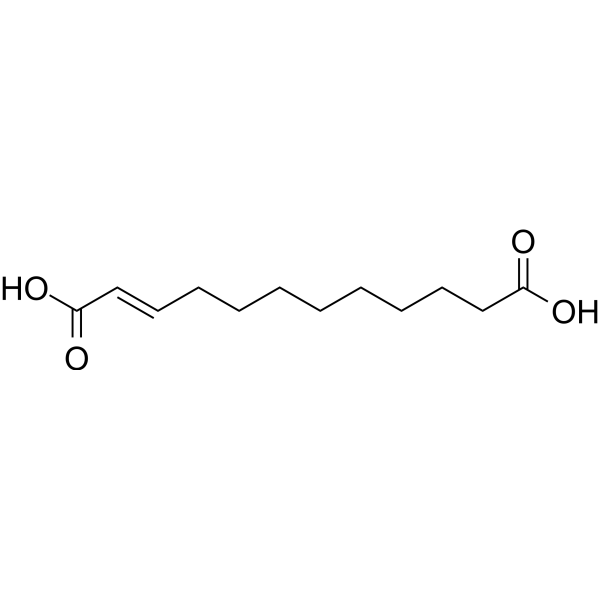
    Traumatic Acid
    3 Publications Verification

    Reactive Oxygen Species (ROS) Apoptosis Cardiovascular Disease Inflammation/Immunology
    Traumatic Acid is a wound healing agent and a cytokinin (phytohormone). Traumatic Acid enhances the biosynthesis of collagen in cultured human skin fibroblasts. Traumatic Acid inhibits MCF-7 breast cancer cells viability and enhances apoptosis and oxidative stress. Traumatic Acid can be used in studies of cancer, circulatory disorders (including arterial hypertension), and skin diseases associated with oxidative stress and impaired collagen biosynthesis .
    Traumatic Acid
  • HY-N6821

    Drug Derivative Inflammation/Immunology Cancer
    2-O-α-D-Glucopyranosyl-L-ascorbic Acid is an orally active glucoside derivative of ascorbic acid. 2-O-α-D-Glucopyranosyl-L-ascorbic Acid can be hydrolyzed by α-glucosidase to release ascorbic acid. 2-O-α-D-Glucopyranosyl-L-ascorbic Acid inhibits melanin synthesis, prevents UV-induced cell damage, and promotes collagen synthesis in skin fibroblasts. 2-O-α-D-Glucopyranosyl-L-ascorbic Acid also induces oxidative stress to inhibit tumor growth. 2-O-α-D-Glucopyranosyl-L-ascorbic Acid can be used in research related to tumors, inflammation, and other conditions .
    2-O-α-D-Glucopyranosyl-L-ascorbic Acid
  • HY-P99462

    c-Kit Inflammation/Immunology
    Barzolvolimab is a humanized anti-KIT IgG1 monoclonal antibody. Barzolvolimab specificity and potently inhibits KIT activation by SCF. Barzolvolimab can reduce skin mast cells and disease activity in chronic inducible urticaria .
    Barzolvolimab
  • HY-Y1365L

    Biochemical Assay Reagents Others
    Porcine skin Gelatin,suitable for cell culture(high gel strength) can be used to coat cells to improve cell attachment .
    Porcine skin Gelatin,suitable for cell culture(high gel strength)
  • HY-156619

    EVT-8565072; THB335

    c-Kit PDGFR Metabolic Disease Inflammation/Immunology
    Labuxtinib (EVT-8565072; THB335) is a potent dual inhibitor of c-Kit and PDGFR. Labuxtinib exhibits potent inhibitory activity against wild-type c-Kit (IC50 = 0.005 μM). Labuxtinib inhibits SCF-dependent and PDGF-dependent cell proliferation, and blocks the proliferation of cells dependent on c-Kit or PDGFR signaling pathways. In animal models of skin allergy, Labuxtinib depletes skin mast cells and significantly alleviates anaphylactic shock responses. Labuxtinib can be used in research on mast cell-related diseases, respiratory diseases, inflammatory diseases, fibrotic diseases, metabolic diseases, and other related conditions .
    Labuxtinib
  • HY-141582

    N-Stearoyl phytosphingosine

    JNK NF-κB Interleukin Related TNF Receptor Inflammation/Immunology
    Ceramide 3 (N-Stearoyl phytosphingosine) is an orally active major component of intercellular lipids in the stratum corneum of the skin, and belongs to the ceramide family. Ceramide 3 inhibits c-jun and NF-κB activation induced by Histamine (HY-B1204), and suppresses the expression of IL-4 and TNF-α. Ceramide 3 inhibits scratching behavior and vascular permeability in mice, and exhibits antihistamine effects in guinea pig ileum. Ceramide 3 improves skin barrier function, reduces transepidermal water loss, erythema and the number of circulating epidermal cells, and accelerates barrier repair of irritated or dysfunctional skin .
    Ceramide 3
  • HY-N2877
    Annonacin
    1 Publications Verification

    Potassium Channel Sodium Channel Na+/K+ ATPase Calcium Channel Apoptosis Neurological Disease Cancer
    Annonacin is an acetylgenin that is toxic by inhibiting the pathway of the mitochondrial complex. Annonacin increases tau phosphorylation in R406W +/+ mice. Annonacin acts as an inhibitor of the sodium/potassium and sarcoplasmic reticulum (SERCA) ATPase pumps. Annonacin has significant killing effect on ovarian cancer cell, cervical cancer cell, breast cancer cell, bladder cancer cell and skin cancer cell. Annonacin induces apoptosis through Bax and Caspase-3-related pathways .
    Annonacin
  • HY-111940

    Raf p38 MAPK ERK Inflammation/Immunology
    LUT014 is a topical inhibitor targeting BRAF that cannot pass through the blood-brain barrier. LUT014 inhibits BRAF kinase and abnormally activates the MAPK/ERK signaling pathway, promoting the proliferation of epidermal keratinocytes, repairing skin barrier damage caused by radiation damage, and alleviating inflammatory responses. LUT014 is independent of RAS signaling and accelerates the repair and regeneration of damaged skin cells. LUT014 can be used to study radiation dermatitis, especially skin damage caused by breast cancer radiotherapy .
    LUT014
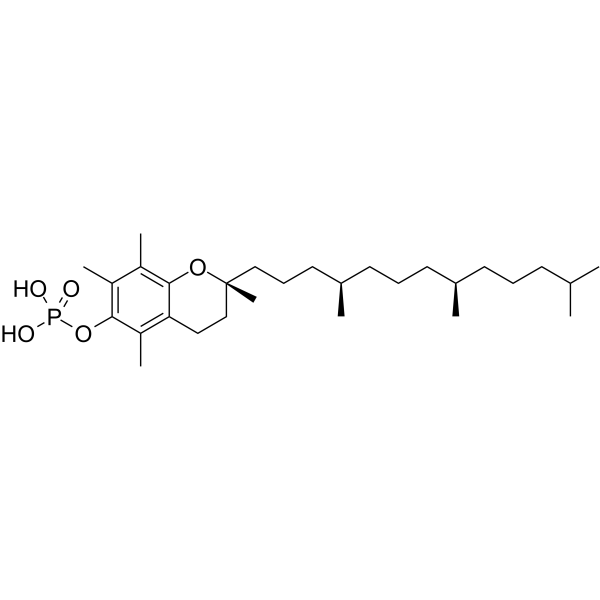
  • HY-16686
    α-Tocopherol phosphate
    5+ Cited Publications

    alpha-Tocopherol phosphate; TocP; vitamin E phosphate

    Apoptosis Reactive Oxygen Species (ROS) Cancer
    α-Tocopherol phosphate is an antioxidant that protects against long-wave UVA1 induced cell death and scavenge UVA1 induced ROS in a skin cell model. α-Tocopherol phosphate exhibits angiogenesis-promoting activity .
    α-Tocopherol phosphate
  • HY-132259
    Depatuxizumab mafodotin
    1 Publications Verification

    ABT-414

    Antibody-Drug Conjugates (ADCs) EGFR Cancer
    Depatuxizumab mafodotin (ABT-414) is an antibody-drug conjugate (ADC). Depatuxizumab mafodotin specifically targets the epidermal growth factor receptor (EGFR). Depatuxizumab mafodotin can be used in the study of glioma, head and neck squamous cell carcinoma, non-small cell lung cancer, epidermoid carcinoma of the skin, and squamous cell carcinoma of the tongue .
    Depatuxizumab mafodotin
  • HY-B1360
    Chlorquinaldol
    5+ Cited Publications

    Chloquinan

    Antibiotic Bacterial Fungal β-catenin Apoptosis Infection Cancer
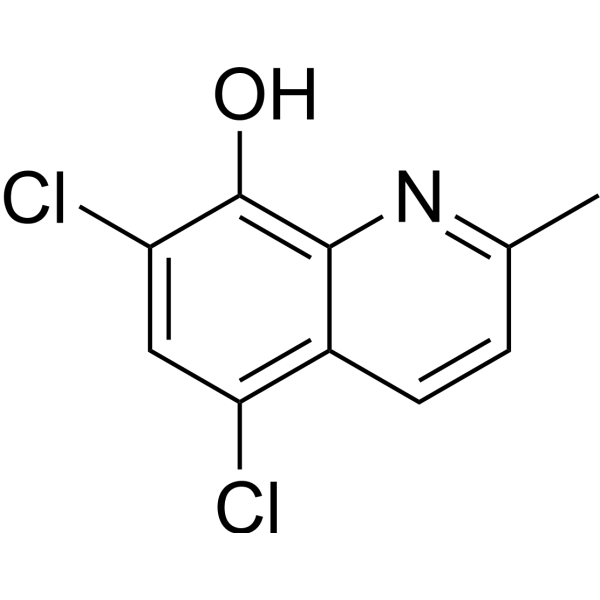
    Chlorquinaldol (Chloquinan) is an antibacterial agent with the potential use in topical skin conditions and vaginal infections. Chlorquinaldol is a β-catenin/TCF4 inhibitor, showing anti-proliferation, anti-migration, and apoptosis-inducing activity in cancer cells .
    Chlorquinaldol
  • HY-W014612

    Acetyleugenol

    Environmental Pollutants Endogenous Metabolite Bacterial Fungal Infection Inflammation/Immunology Cancer
    Eugenol acetate (Eugenyl acetate) is an antibacterial, anticancer, anti-inflammatory and antioxidant. Eugenol acetate inhibits NF-κB and enhances the expression of p53 and p21 (WAF1). Eugenol acetate can prevent chemically induced skin cancer, inhibit cancer cell proliferation and induce apoptosis .
    Eugenol acetate
  • HY-P99203

    REGN-2810; SAR-439684

    PD-1/PD-L1 Cancer
    Cemiplimab (Anti-Human PD-1) is a high-affinity programmed death receptor-1 (PD-1) monoclonal IgG4 antibody that blocks PD-1/PD-L1-mediated T-cell suppression. Cemiplimab is commonly used in squamous cell skin cancer research .
    Cemiplimab
  • HY-164159

    Reactive Oxygen Species (ROS) MMP Inflammation/Immunology
    α-Glucosylrutin, a flavonoid, is a potent antioxidant with free radical scavenging activity. α-Glucosylrutin reduces MMP-1 gene expression, protein expression, and enzyme activity, and reduces MMP-2 protein expression and enzyme activity in UVA-irradiated human dermal fibroblasts. α-Glucosylrutin prevents oxidative stress-induced intracellular tyrosine residue phosphorylation and counteracts intracellular thiol level depletion in human skin cells. α-Glucosylrutin is effective in the prevention of dermatologic diseases in which oxidative stress is of pathogenetic relevance, e.g. in polymorphous light eruption (PLE). α-Glucosylrutin can be used for the research of UV-induced skin photodamage/photoaging .
    α-Glucosylrutin
  • HY-NP175

    Biochemical Assay Reagents Integrin Discoidin Domain Receptor Others
    Collagen (bovine skin) is a three-dimensional cell culture matrix and morphoregulator extracted from bovine skin, which binds to integrins (such as α1β1, α2β1, α11β1) and discoidin domain receptors (DDR1 and DDR2). Collagen (bovine skin) can be reconstituted into a three-dimensional fibrous network to mimic the in vivo tissue environment. It can not only be modified through cross-linking or concentration adjustment, but also interact with fibronectin to enhance matrix-associated cellular activities. Collagen (bovine skin) mediates the proliferation, aggregation, durotactic migration and differentiation of fibroblasts, regulates the synthesis, remodeling and contraction of extracellular matrix, and modulates the expression, activation of MMP as well as cell apoptosis, etc. Collagen (bovine skin) can be used in studies related to the mechanisms of cancer occurrence and development .
    Collagen (bovine skin)
  • HY-A0169A
    Methyl aminolevulinate hydrochloride
    1 Publications Verification

    Reactive Oxygen Species (ROS) Photosensitizer Cancer
    Methyl aminolevulinate hydrochloride is a sensitizer used in photodynamic therapy (PDT). Methyl aminolevulinate hydrochloride penetrates the skin and induces the production of photoactive porphyrins including protoporphyrin IX in cells; upon exposure to appropriate light, it generates ROS, which triggers cellular oxidation and cell death. Methyl aminolevulinate hydrochloride acts as a photo-damage reversing agent through epidermal reconstruction, cytokine-mediated activation of dermal fibroblasts, elastin breakdown, new collagen formation, and compression of dilated capillaries. Methyl aminolevulinate hydrochloride reduces the expression of the proliferation marker Ki-67 and the early skin carcinogenesis marker TP53. Methyl aminolevulinate hydrochloride delays the onset of ultraviolet-induced skin tumors and reduces tumor burden in hairless mice. Methyl aminolevulinate hydrochloride is applicable to research related to actinic keratosis and basal cell carcinoma .
    Methyl aminolevulinate hydrochloride
  • HY-112959

    TD-6424

    Antibiotic Bacterial Infection
    Telavancin (TD-6424) is a semisynthetic lipoglycopeptide vancomycin-derivative, is a novel antimicrobial agent developed by Theravance for overcoming resistant Gram-positive bacterial infections, specifically methicillin-resistant Staphylococcus aureus (MRSA). Telavancin disrupts cell membrane integrity, can be used for research of complicated skin and skin structure infections (cSSSIs) caused by Gram-positive bacteria .
    Telavancin
  • HY-NP156

    Biochemical Assay Reagents Others
    Type I Collagen, for cell culture, from Bovine plays an important role in the structure and function of skin, bones, tendons, etc. Type I Collagen, for cell culture, from Bovine can mimic the extracellular matrix (ECM) and is suitable for 2D/3D cell culture .
    Type I Collagen, for cell culture, from Bovine
  • HY-159688
    Cefditoren
    1 Publications Verification

    Antibiotic Bacterial Penicillin-binding protein (PBP) Interleukin Related Infection
    Cefditoren is a broad-spectrum oral active cephalosporin that acts as a penicillin-binding protein (PBP) inhibitor. Cefditoren binds to specific PBPs in Gram-positive and Gram-negative bacteria, thereby inhibiting cell wall synthesis. Cefditoren also reduces serum levels of the inflammatory biomarkers IL-6 and KL-6. Cefditoren can be used in research related to acute exacerbation of chronic bronchitis, pharyngitis-tonsillitis, uncomplicated skin and skin structure infections, respiratory tract infections, acute pyelonephritis, and enterococcal endocarditis .
    Cefditoren
  • HY-N2232

    N-trans-Feruloyloctopamine

    Akt p38 MAPK Apoptosis Cadherin Cancer
    N-Feruloyloctopamine (N-trans-Feruloyloctopamine) is an antioxidant component that can be isolated from garlic skin. N-Feruloyloctopamine can inhibit tumor cell proliferation and invasion, and induce apoptosis. N-Feruloyloctopamine has antitumor activity and can be used in the research of tumors such as hepatocellular carcinoma .
    N-​Feruloyloctopamine
  • HY-Y1365C

    Biochemical Assay Reagents Others
    Fish Gelatin,suitable for cell culture is an essential natural biopolymer. Fish Gelatin,suitable for cell culture can be isolated from fish processing by-products, such as fish skin, scales, bones and fish maw. Fish Gelatin,suitable for cell culture has been considered as a feasible substitute for mammalian gelatin. Modified Fish gelatin shows significant promise across various industries, including nanomaterials, 3D printing, thin films, coatings, and biopharmaceuticals. Fish Gelatin,suitable for cell culture can be used for cell culture .
    Fish Gelatin,suitable for cell culture
  • HY-Y1365E

    Biochemical Assay Reagents Others
    Porcine skin Gelatin, suitable for cell culture (medium gel strength) can be used to coat cells to improve cell attachment .
    Porcine skin Gelatin,suitable for cell culture(medium gel strength)
  • HY-16485
    Telavancin hydrochloride
    1 Publications Verification

    TD-6424 hydrochloride

    Antibiotic Bacterial Infection
    Telavancin hydrochloride is the hydrochloride form of Telavancin (HY-112959). Telavancin hydrochloride is a semisynthetic derivative of vancomycin, and exhibits antibacterial efficacy through inhibition of cell wall synthesis and disruption of cell membrane barrier function. Telavancin hydrochloride is efficient against antibiotic resistant S. aureus strains MRSA, VISA, and hVISA. Telavancin hydrochloride attenuates gram positive bacteria induced complicated skin and skin structure infections (cSSSI) .
    Telavancin hydrochloride
  • HY-B0708
    β-Estradiol 17-acetate
    1 Publications Verification

    1,3,5(10)-Estratriene-3,17β-diol 17-acetate

    Estrogen Receptor/ERR Endocrinology
    β-Estradiol 17-acetate (1,3,5(10)-Estratriene-3,17β-diol 17-acetate) is a long-acting endogenous estrogen precursor and also a cell viability and proliferation enhancer. β-Estradiol 17-acetate promotes the adhesion and proliferation of freshly isolated and revived female-derived human brain microvascular endothelial cells, and reverses the decreased viability of revived male-derived human brain microvascular endothelial cells. β-Estradiol 17-acetate exerts the microvascular protective effect of estrogen, enabling non-tumor human brain microvascular endothelial cells to be cultured in vitro for 2 months after cryopreservation. β-Estradiol 17-acetate is biotransformed into β-estradiol via hydrolase action in the in vitro skin of humans, hairless dogs, rats and hairless mice .
    β-Estradiol 17-acetate
  • HY-B1461

    Tyrosinase Apoptosis Cancer
    Deoxyarbutin is an orally active tyrosinase inhibitor that can promote apoptosis of melanoma cells, enhance the vitality of mouse acinar cells, and has skin whitening and anti-tumor activity [1][2][3].
    Deoxyarbutin
  • HY-P2096

    Reactive Oxygen Species (ROS) ATM/ATR MDM-2/p53 MMP Keap1-Nrf2 HSP Inflammation/Immunology
    Hexapeptide-11 is an anti-aging peptide that can protect fibroblasts from premature cell senescence mediated by oxidative stress. Hexapeptide-11 is also a potential stimulator of hyaluronic acid in keratinocytes, and can enhance skin barrier function by upregulating the expression of HAS2 and EGR3, and downregulating the expression of HYAL2. Hexapeptide-11 can also improve skin elasticity .
    Hexapeptide-11
  • HY-103249

    Reutericycline

    Bacterial Infection Metabolic Disease
    Reutericyclin (Reutericycline) is an orally active antibacterial and anti-obesity agent that selectively inhibits Gram-positive bacteria. By selectively dissipating transmembrane potential, Reutericyclin exerts non-lytic bactericidal or bacteriostatic activity against pathogens such as Clostridium difficile and Staphylococcus aureus, and rapidly kills vegetative cells and spores of Clostridium difficile. Reutericyclin possesses favorable properties including resistance to enzymatic hydrolysis, iron-chelating function, and poor absorption by colonic epithelium. Reutericyclin not only eradicates staphylococcal biofilms and inhibits drug-resistant strains, but also counteracts Risperidone (HY-11018)-induced weight gain by inducing changes in gut microbiota composition and restoring energy utilization efficiency. Reutericyclin can be used in research related to Clostridium difficile infection, Risperidone-induced weight gain, and staphylococcal superficial skin infections .
    Reutericyclin
  • HY-P2315

    HβD-1

    Antibiotic Bacterial Infection
    Human β-defensin-1 (HβD-1) is a cysteine-rich cationic skin-antimicrobial peptide (SAP) produced by all epithelial surfaces, but also by circulatory cells and cells of the reproductive tract. Human β-defensin-1 has antimicrobial activities against a broad-sperm bacteria .
    Human β-defensin-1
  • HY-Y1129

    Photosensitizer Apoptosis Inflammation/Immunology
    3-Hydroxypyridine is a compound that can be isolated from bamboo grass. As an endogenous photosensitizer present in human skin, 3-hydroxypyridine can mediate oxidative stress, proliferation inhibition and apoptosis of skin cells through UVA/UVB excitation .
    3-Hydroxypyridine
  • HY-Y0683A

    Biochemical Assay Reagents Infection Inflammation/Immunology
    Petrolatum (white) is mainly composed of hydrocarbons, possesses strong water resistance and moisturizing properties, and is commonly used as a pharmaceutical excipient. Petrolatum (white) penetrates into stratum corneum cells, improves skin barrier function, repairs epidermal structure, and reduces transepidermal water loss and the risk of skin damage. Petrolatum (white) induces the expression of antimicrobial peptides, innate immune genes, filaggrin and loricrin. Petrolatum (white) is used in research on atopic dermatitis and post-operative skin infections .
    Petrolatum (white)
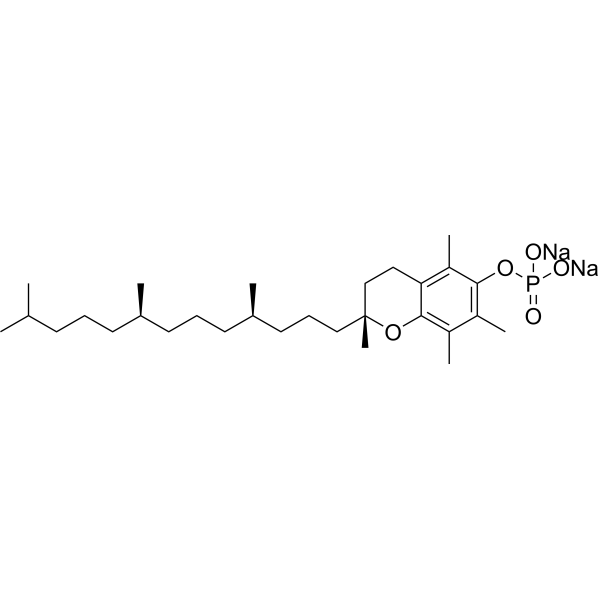
  • HY-W127530

    alpha-Tocopherol phosphate disodium; TocP disodium; Vitamin E phosphate disodium

    Apoptosis Reactive Oxygen Species (ROS) Cardiovascular Disease Cancer
    α-Tocopherol phosphate disodium is an antioxidant that protects against long-wave UVA1 induced cell death and scavenge UVA1 induced ROS in a skin cell model. α-Tocopherol phosphate disodium exhibits angiogenesis-promoting activity .
    α-Tocopherol phosphate disodium
  • HY-118157

    MMP Inflammation/Immunology
    3,5,7-Trimethoxyflavone, a flavonoid compound, can inhibit the TNF-α-induced high expression and secretion of MMP-1 by cells. 3,5,7-Trimethoxyflavone can be used to ameliorate skin damage .
    3,5,7-Trimethoxyflavone
  • HY-16462
    CDK9-IN-2
    5+ Cited Publications

    CDK Cancer
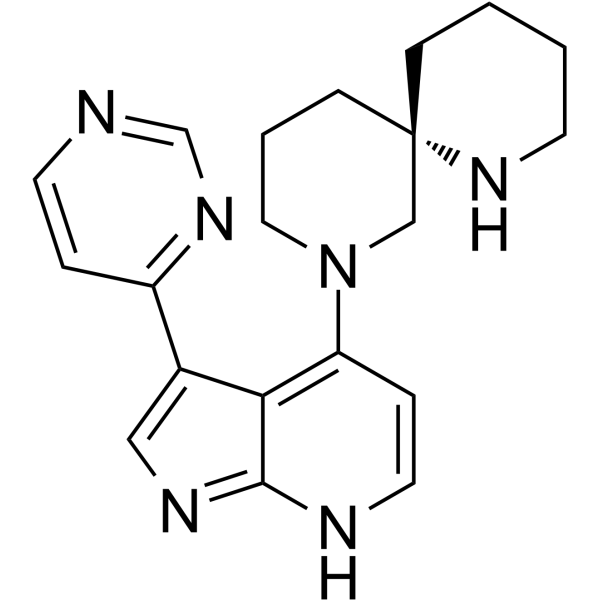
    CDK9-IN-2 is a special cyclin-dependent kinase 9 (CDK9) inhibitor, extracted from patent WO/2012131594A1, compound CDKI(8), has an IC50 of 5 nM and 7 nM in H929 multiple myeloma(MM) cell line (72 hours) and A2058 skin cell line (72 hours), respectively.
    CDK9-IN-2
  • HY-W717504

    Drug Derivative
    Glucosylceramide, plant is a plant-derived glycolipid with anti-inflammatory and immunomodulatory activities. Glucosylceramide, plant plays an important role in promoting cell proliferation and repair. Glucosylceramide, plant is widely used in skin care products to enhance skin barrier function. Glucosylceramide, plant has also been studied for improving nervous system health, showing potential neuroprotective effects.
    Glucosylceramide, plant
  • HY-P1298A

    CRFR Cardiovascular Disease Neurological Disease Endocrinology
    Sauvagine TFA, a 40-amino-acid neuropeptide from the skin of the frog, is a mammalian CRF agonist. Sauvagine TFA is effective at releasing ACTH from rat pituitary cells. Sauvagine TFA possesses a number of pharmacological actions on diuresis, the cardiovascular system and endocrine glands .
    Sauvagine TFA
  • HY-P990150

    Interleukin Related Inflammation/Immunology
    Anti-Mouse TSLP Antibody (28F12) is an anti-mouse TSLP IgG2a monoclonal antibody. Anti-Mouse TSLP Antibody (28F12) weakens skin inflammation and allergic reactions by reducing Treg cells and lymph node cells. Anti-Mouse TSLP Antibody (28F12) can be used for research on allergic conditions .
    Anti-Mouse TSLP Antibody (28F12)
  • HY-N7717

    (–)-(1R)-N-methylcoclaurine

    Drug Derivative Metabolic Disease
    (-)-N-methylcoclaurine ((-)-(1R)-N-methylcoclaurine) is a benzylisoquinoline alkaloid and melanogenesis inhibitor with an IC50 of 6.5 μM that can be found in the flower buds of Nelumbo nucifera. (-)-N-methylcoclaurine inhibits theophylline-stimulated melanogenesis in melanoma cells. (-)-N-methylcoclaurine can be used for the research of skin hyperpigmentation disorders .
    (-)-N-methylcoclaurine
  • HY-117081

    Others Others
    C30(ω-hydroxy) Ceramide (d18:1/30:0), a sphingolipid, is an epidermis-specifically vital component of the water barrier in mammalian skin. C30(ω-hydroxy) Ceramide (d18:1/30:0) is expressed in epidermal keratinocytes and male germ cells during their differentiation and maturation. C30(ω-hydroxy) Ceramide (d18:1/30:0) deficiency in the epiderm of Elovl4 deletion or mutation mice .
    C30(ω-hydroxy) Ceramide (d18:1/30:0)
  • HY-P991208

    human Flt3L; hFlt3L

    FLT3 Interleukin Related CCR Inflammation/Immunology
    Flt-3L-Ig (hum/hum) (hFlt3L) is a Flt3 ligand. Flt-3L-Ig (hum/hum) enhances the release of inflammatory cytokines from myeloid cells and dendritic cells in BRGSF-CBC mice induced by OKT3. Flt-3L-Ig (hum/hum) increases the release of IL-2, CCL2 and CXCL10 in an OKT3-dependent manner. Flt-3L-Ig (hum/hum) can be used in studies related to cytokine release syndrome. Flt-3L-Ig (hum/hum) can be used in studies related to psoriasis-like skin inflammation .
    Flt-3L-Ig (hum/hum)
  • HY-119358R

    Reference Standards Reactive Oxygen Species (ROS) Apoptosis Cardiovascular Disease Inflammation/Immunology
    Traumatic Acid (Standard) is the analytical standard of Traumatic Acid. This product is intended for research and analytical applications. Traumatic Acid is a wound healing agent and a cytokinin (phytohormone). Traumatic Acid enhances the biosynthesis of collagen in cultured human skin fibroblasts. Traumatic Acid inhibits MCF-7 breast cancer cells viability and enhances apoptosis and oxidative stress. Traumatic Acid can be used in studies of cancer, circulatory disorders (including arterial hypertension), and skin diseases associated with oxidative stress and impaired collagen biosynthesis[1][2].
    Traumatic Acid (Standard)
  • HY-NP162

    Biochemical Assay Reagents Others
    Recombinant Humanized Type XVII Collagen is a transmembrane protein that forms hemidesmosomes. Recombinant Humanized Type XVII Collagen facilitates interactions between stem cells,surrounding cells,and the extracellular matrix,thereby regulating skin homeostasis,aging,and wound healing. Recombinant Humanized Type XVII Collagen also possesses unique cell adhesion sites and signal transduction functions,which can regulate cell migration,proliferation,and differentiation .
    Recombinant Humanized Type XVII Collagen
  • HY-P1298

    CRFR Cardiovascular Disease Neurological Disease Endocrinology
    Sauvagine, a 40-amino-acid neuropeptide from the skin of the frog, is a mammalian CRF agonist. Sauvagine is effective at releasing ACTH from rat pituitary cells. Sauvagine possesses a number of pharmacological actions on diuresis, the cardiovascular system and endocrine glands .
    Sauvagine
  • HY-Y1356

    Biochemical Assay Reagents Cancer
    2,4-Dimethoxybenzaldehyde is a tumor initiator with genotoxic property. 2,4-Dimethoxybenzaldehyde can induce benign papilloma development and converse to squamous cell carcinoma in the skin of susceptible mouse models. 2,4-Dimethoxybenzaldehyde can be used for skin cancer research .
    2,4-Dimethoxybenzaldehyde
  • HY-108999A
    Crisnatol
    1 Publications Verification

    BWA770U

    DNA/RNA Synthesis Cancer
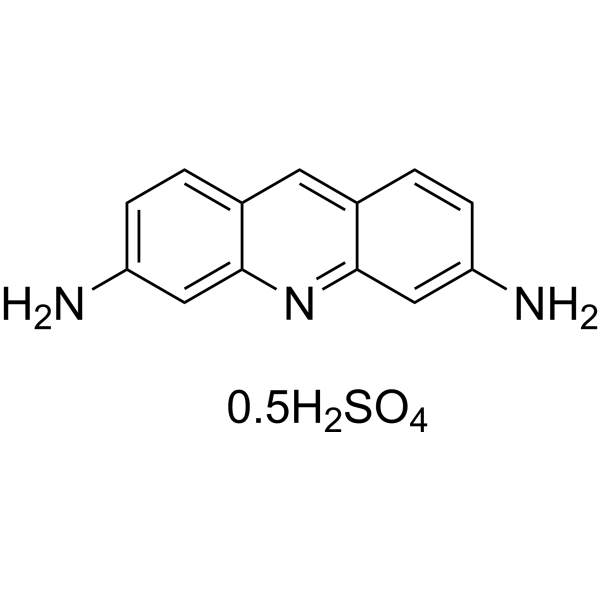
    Crisnatol (BWA770U) is an orally active and anticancer agent, and a member of the arylmethylaminopropanediol class of DNA intercalators. Crisnatol shows in vitro cytotoxicity against human breast cancer cells, but not normal human skin fibroblasts .
    Crisnatol
  • HY-P5252

    Tyrosinase Metabolic Disease
    Diaminopropionoyl tripeptide-33isa bioactive peptide with protects skin cells from UVA-induced DNA damages and has been reported used as a cosmetic ingredient .
    Diaminopropionoyl tripeptide-33
  • HY-P5227

    Interleukin Related Inflammation/Immunology
    Acetyl hexapeptide-49 (example 13) is a bioactive peptide with anti-allergen effect and has been reported used as a cosmetic ingredient. Acetyl hexapeptide-49 can alleviate stimulation of mammalian skin cells and protect cell vitality .
    Acetyl hexapeptide-49
  • HY-P2706

    Histamine Receptor Endocrinology
    Granuliberin R is a new mast cell degranulating peptide comes from amphibian, can be isolated from the skin of frog Rana rugosa. Granuliberin R is a dodecapeptide, can act on rat peritoneal mast cell to liberate granules and release histamine .
    Granuliberin R
  • HY-NP157

    Biochemical Assay Reagents Others
    Type I Collagen, T Cell Grade, from Bovine has unique immunological features and plays an important role in the structure and function of skin, bones, tendons, etc. Type I Collagen, T Cell Grade, from Bovine can be used as a stimulating antigen for T-cells in in vitro culture systems .
    Type I Collagen, T Cell Grade, from Bovine
  • HY-118917

    IMPDH Inflammation/Immunology
    VX-148 is an orally active immunosuppressant, which is a non-competitive inosine-5'-monophosphate dehydrogenase (IMPDH) inhibitor with Ki values for IMPDH Ⅱ and IMPDH Ⅰ of 6 and 14 nM respectively. VX-148 can significantly inhibit the proliferation of human peripheral blood mononuclear cells (PBMC) stimulated by T-cell mitogen (PHA) or B-cell mitogen (SPAS). VX-148 has high selectivity for lymphocytes (such as L1210, Jurkat T cells, and Raji B cells), but has no significant toxicity to non-lymphoid cells. VX-148 can inhibit antibody responses in mouse models and significantly prolong the survival time of transplanted skin in allogeneic skin transplantation models. VX-148 can be used in the research of autoimmune diseases (such as rheumatoid arthritis, psoriasis) and organ transplantation anti-rejection .
    VX-148
  • HY-141582S

    N-Stearoyl phytosphingosine-d3

    Isotope-Labeled Compounds Interleukin Related TNF Receptor NF-κB JNK Inflammation/Immunology
    Ceramide 3-d3 (N-Stearoyl phytosphingosine-d3) is deuterium labeled Ceramide 3. Ceramide 3 is an orally active major component of intercellular lipids in the stratum corneum of the skin, and belongs to the ceramide family. Ceramide 3 inhibits c-jun and NF-κB activation induced by Histamine (HY-B1204), and suppresses the expression of IL-4 and TNF-α. Ceramide 3 inhibits scratching behavior and vascular permeability in mice, and exhibits antihistamine effects in guinea pig ileum. Ceramide 3 improves skin barrier function, reduces transepidermal water loss, erythema and the number of circulating epidermal cells, and accelerates barrier repair of irritated or dysfunctional skin.
    Ceramide 3-d3

Inquiry Online

Your information is safe with us. * Required Fields.

Salutation


Country or Region *

Applicant Name *


Organization Name *

Department *


Email Address *


Product Name *

Cat. No.


Requested quantity *

Phone Number *


Remarks

Inquiry Online

Inquiry Information

Product Name:
Cat. No.:
Quantity:
MCE Japan Authorized Agent:

